Zynfuse
Zynfuse
Zynfuse
High-performance surgical implants engineered with advanced biomechanics for optimal patient outcomes.
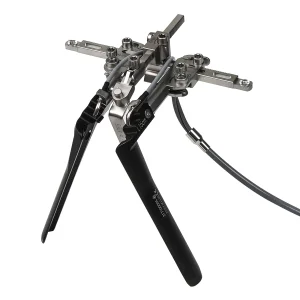
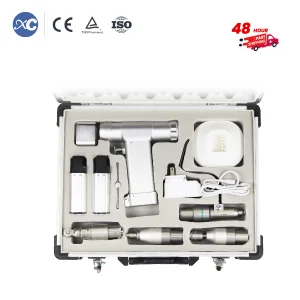
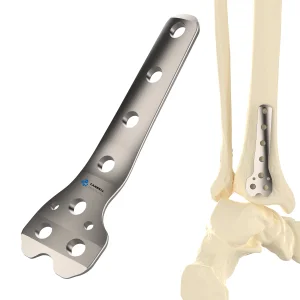
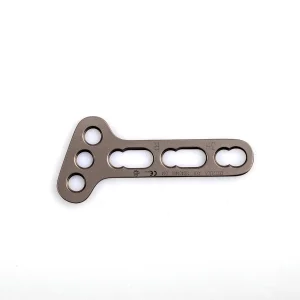
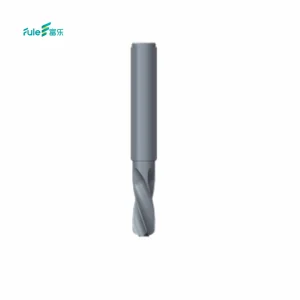
Knee arthroplasty (total and partial joint replacement) stands as one of the most successful surgical innovations of the 21st century. The efficacy of these procedures depends not only on the design of the orthopedic implants themselves but on the precision, ergonomics, and reliability of the surgical instruments used to implant them. Navigating the selection of specialized manufacturing factories is critical for distributors, health systems, and implant manufacturers globally.
Modern knee arthroplasty instruments must meet strict biocompatibility standards, provide exceptional resistance to cleaning and sterilization processes (such as autoclaving), and offer absolute dimensional accuracy. From femoral cutting guides and tibial alignment jigs to patellar instrumentation and spacer blocks, each component must be crafted with sub-micron tolerances. Global procurement has shifted from transactional purchasing to finding vertically integrated partner factories that can offer design verification, advanced CNC machining, cleanroom assembly, and global regulatory compliance.
Key considerations for international buyers, hospital supply networks, and OEM implant brands.
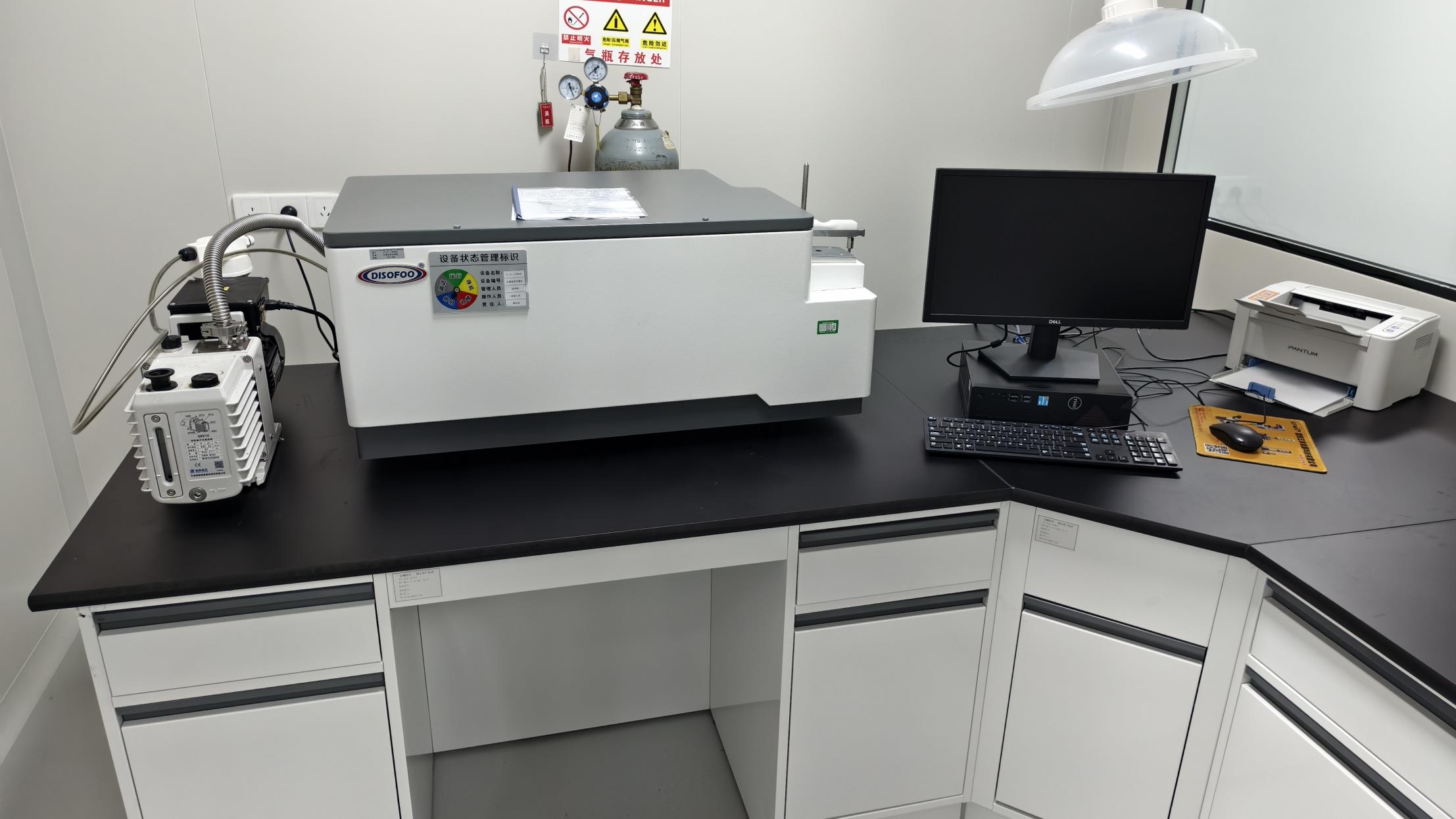
High-end surgical instruments are subjected to repetitive mechanical stress and intense sterilization cycles. Factories must use medical-grade alloys such as Custom 455 stainless steel, 17-4 PH, Titanium (Ti-6Al-4V ELI), and specialty polymers like PEEK or Radel. Sourcing partners must provide material mill certifications and chemical analysis data sheet documentation.
To avoid intraoperative implant misalignment, tools like cutting blocks require tolerances down to ±0.01 mm. Modern manufacturers utilize Swiss-type lathes, multi-axis machining centers, and wire EDM. Traceability through Unique Device Identification (UDI) laser marking is essential to meet FDA and CE regulations.
Proper passivation (typically per ASTM F86 standards) is vital to preserve the corrosion resistance of stainless steel instruments. Advanced facilities implement electrochemical polishing, anodizing (specifically for titanium color coding), and chrome-based physical vapor deposition (PVD) to enhance surface hardness and reduce wear.
Zynfuse Medical Technology Co., Ltd. is an established, professional orthopedic medical device manufacturer specializing in advanced implant systems, bone fusion solutions, and precision surgical instruments. Founded in 2016, the company combines 12 years of industry experience with 7 years of international trade operations, delivering quality-assured products to healthcare markets worldwide.
Operating a manufacturing center of approximately 18,600 m², Zynfuse has equipped its facility with modern production machinery and high-precision testing setups. The organization generates an annual export revenue of roughly $18.5 million, backed by an efficient supply network serving more than 1,200 partners across Europe, North America, Southeast Asia, and the Middle East. With a dedicated team of 68 quality inspection specialists, Zynfuse maintains rigorous compliance at every stage of production.
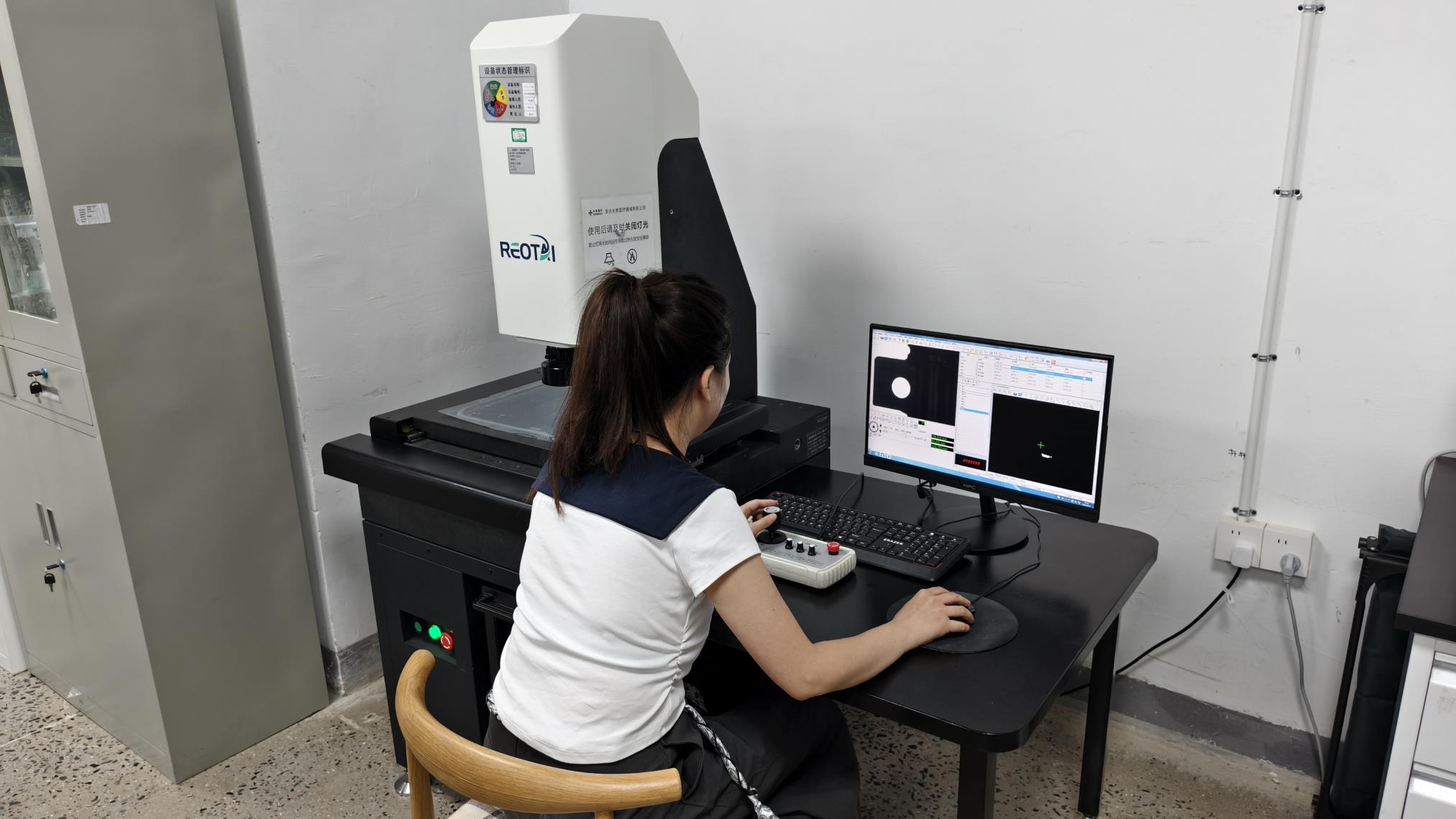
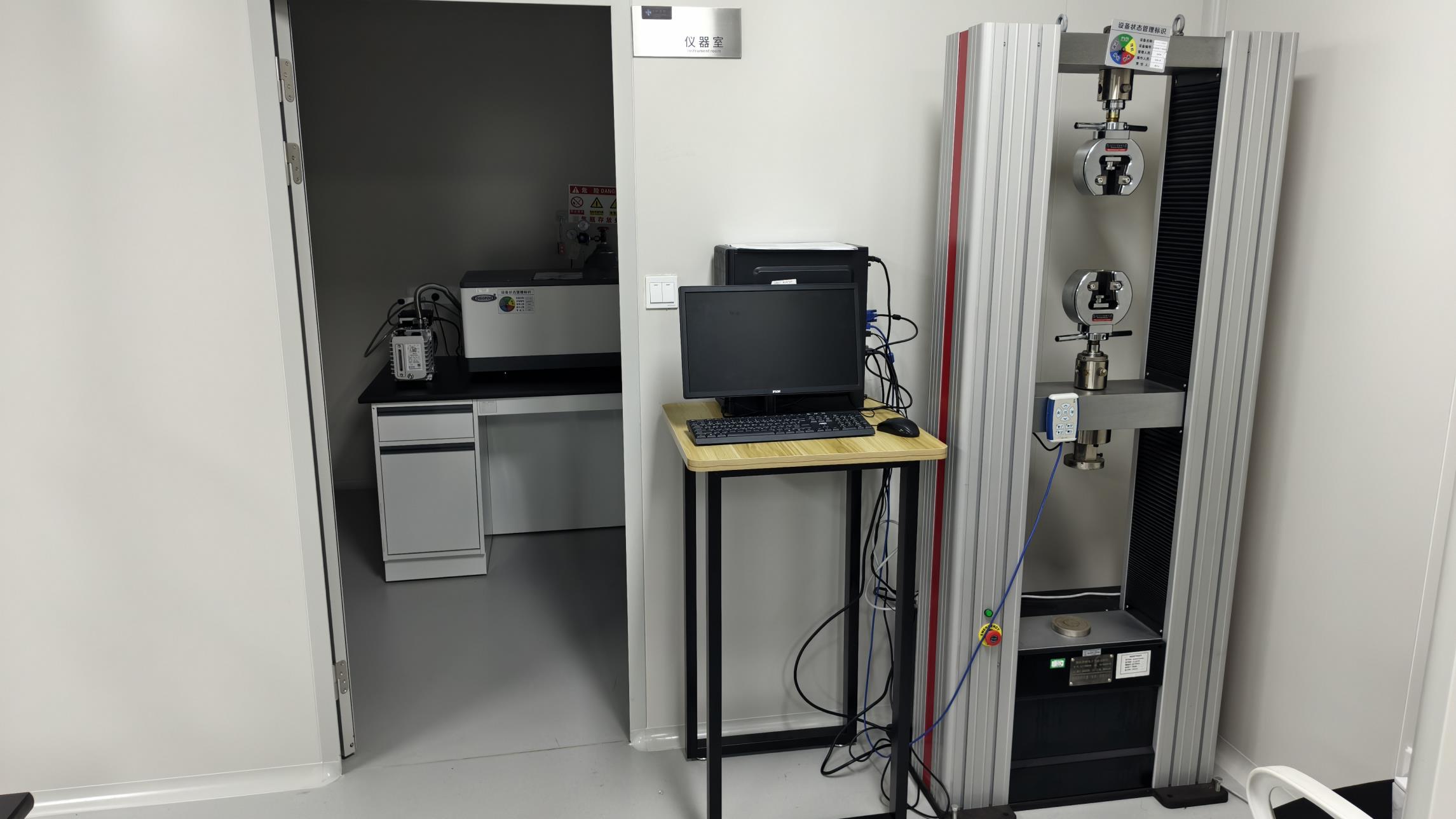
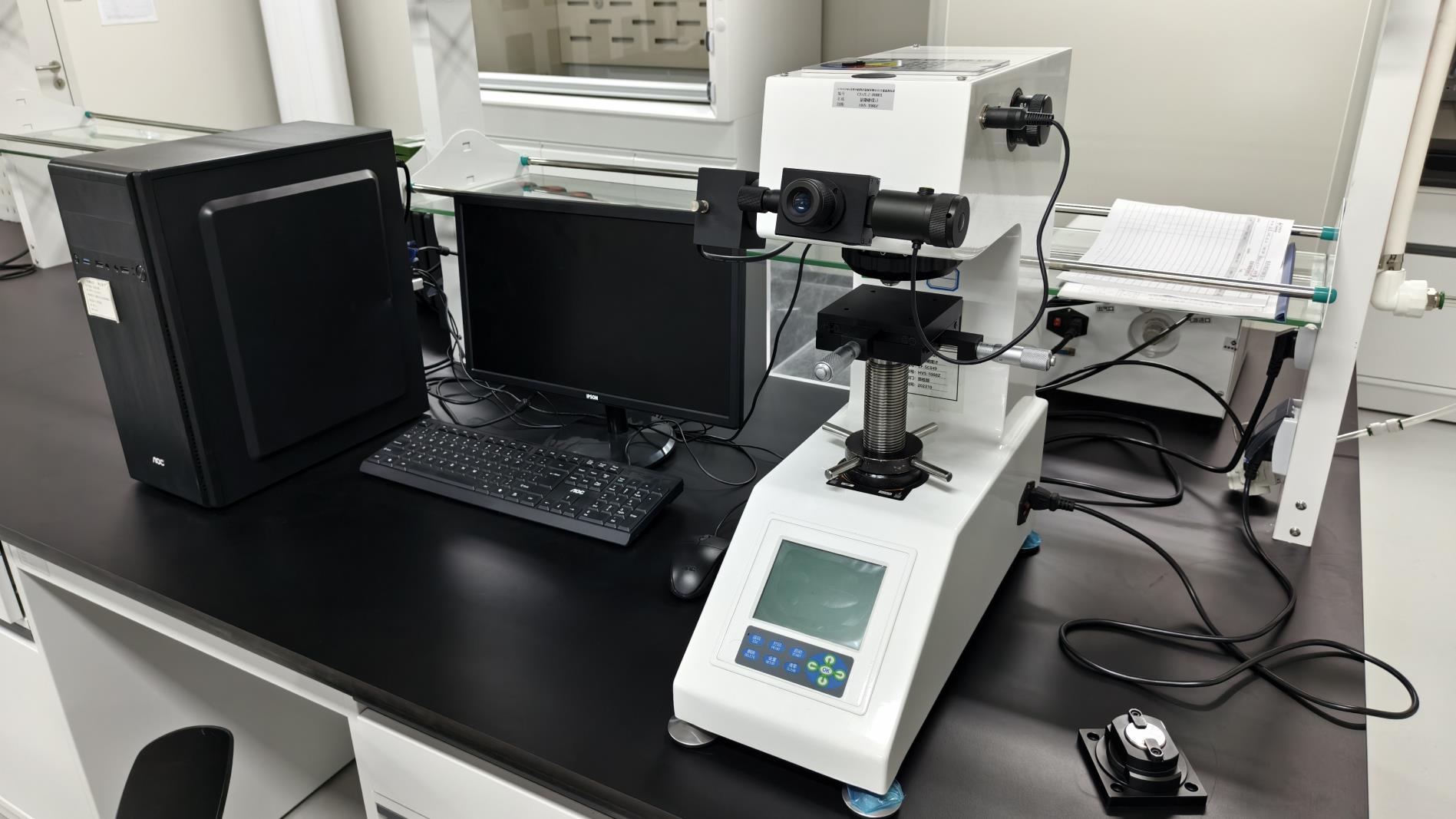
The company's core client base consists of medical device distributors, hospital procurement departments, orthopedic clinics, and OEM/ODM importers. To ensure reliable performance, Zynfuse implements an ISO 13485-compliant quality system that covers fatigue testing, biocompatibility reviews, dimensional checks, and surface finish validation. Supported by an R&D department of 85 engineers, Zynfuse designs and introduces about 320 new products annually, offering tailored modifications in implant geometries, materials, and comprehensive OEM/ODM configurations.
A step-by-step view of our processing technologies, fabrication capabilities, and quality control systems.
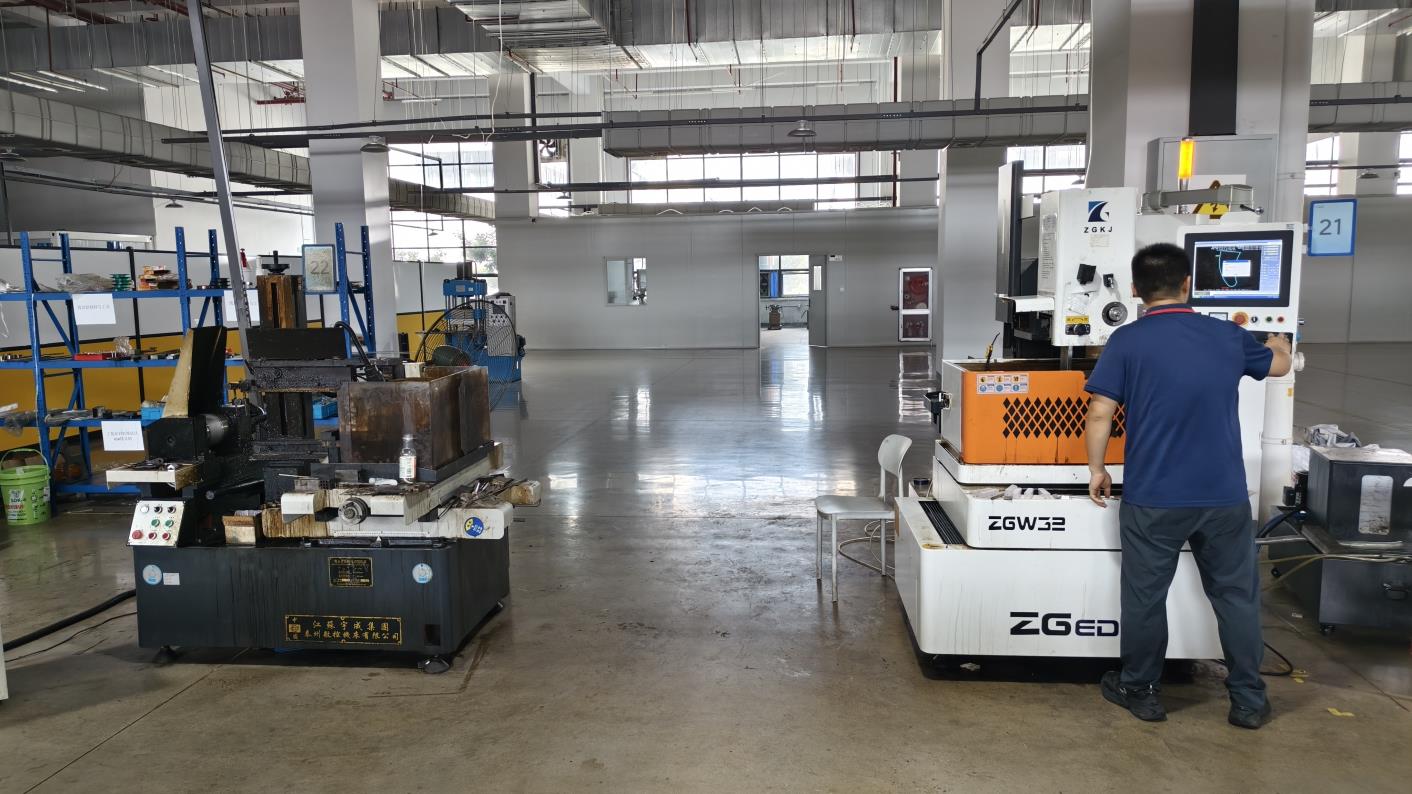
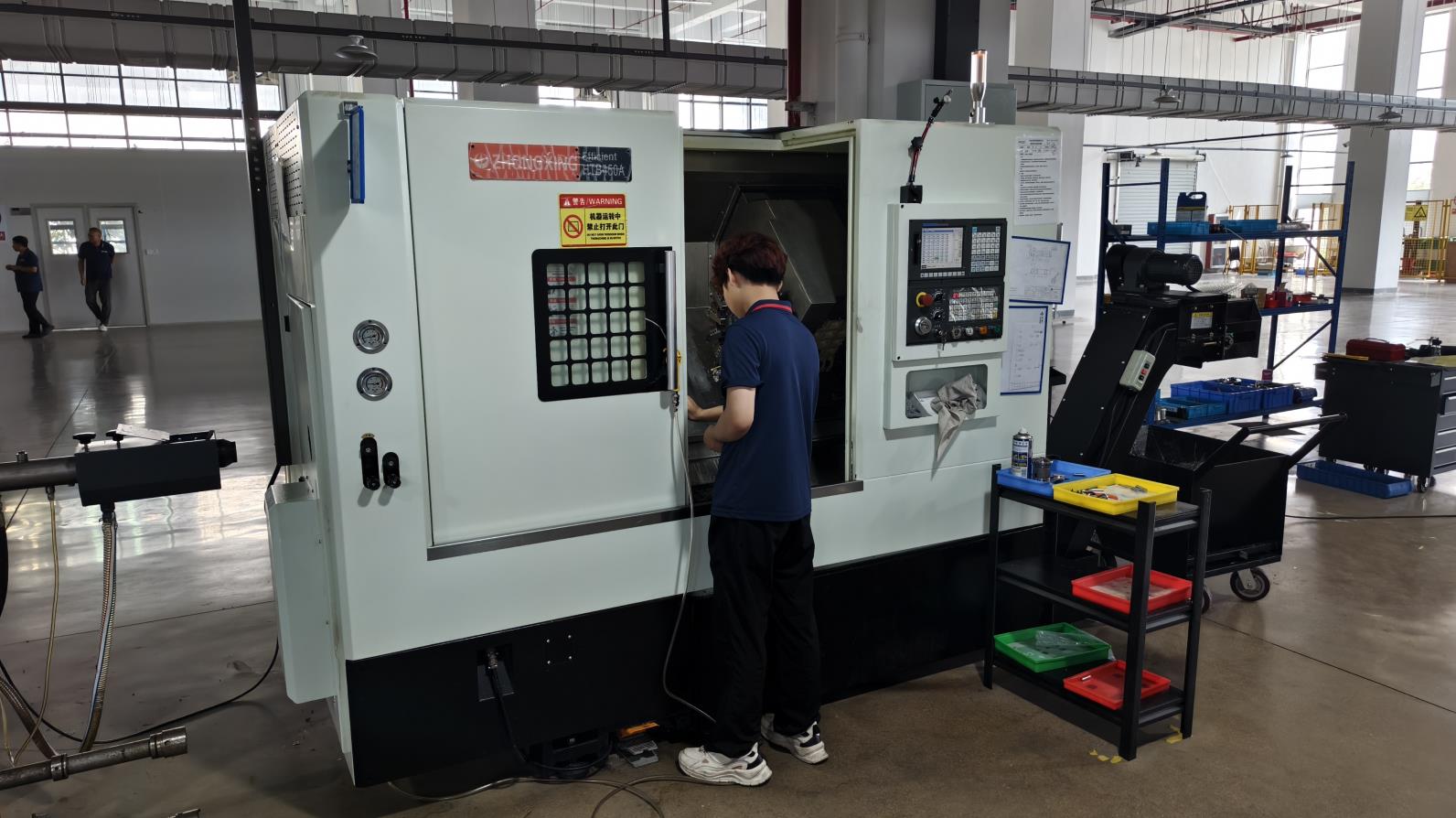
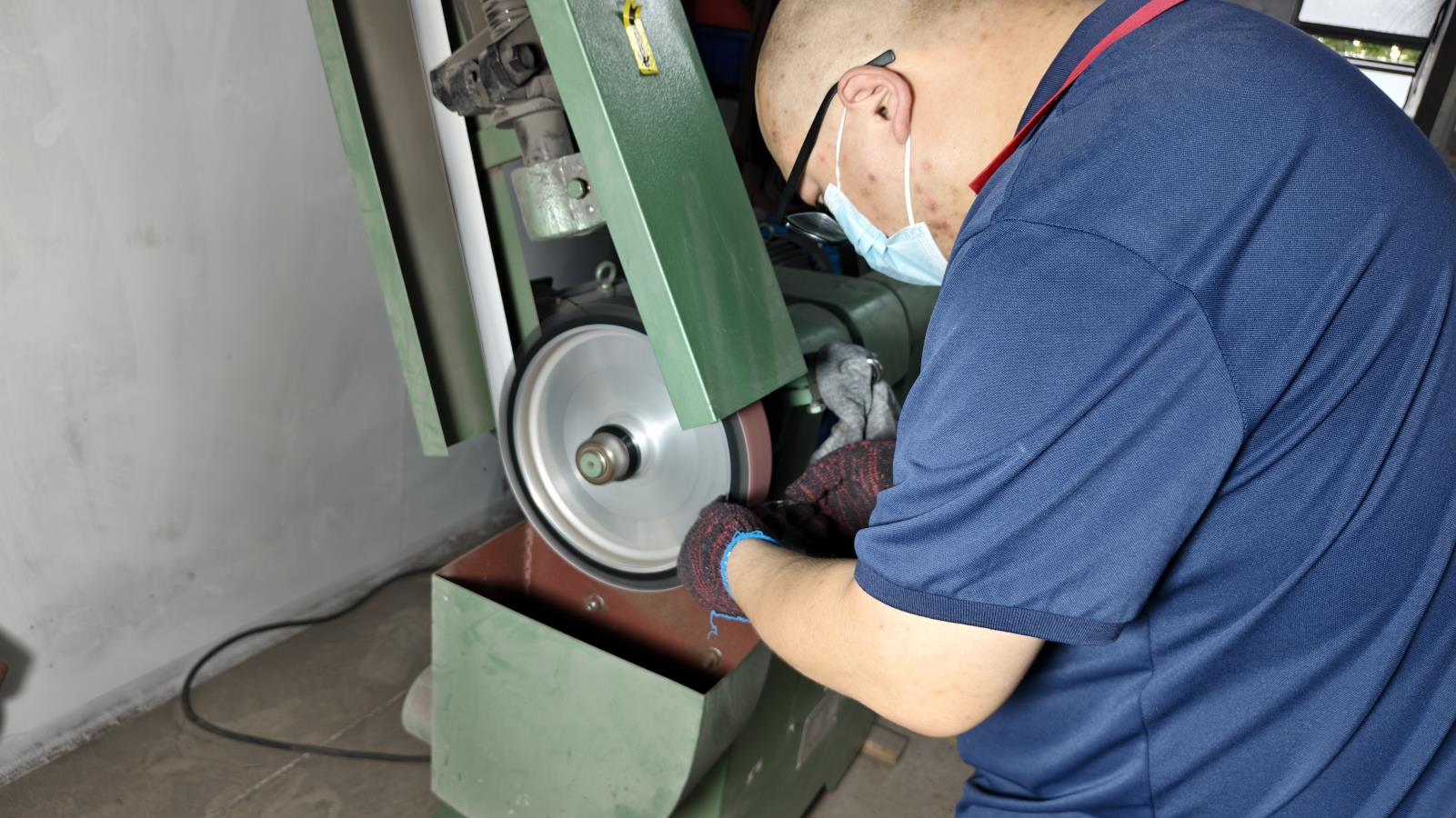

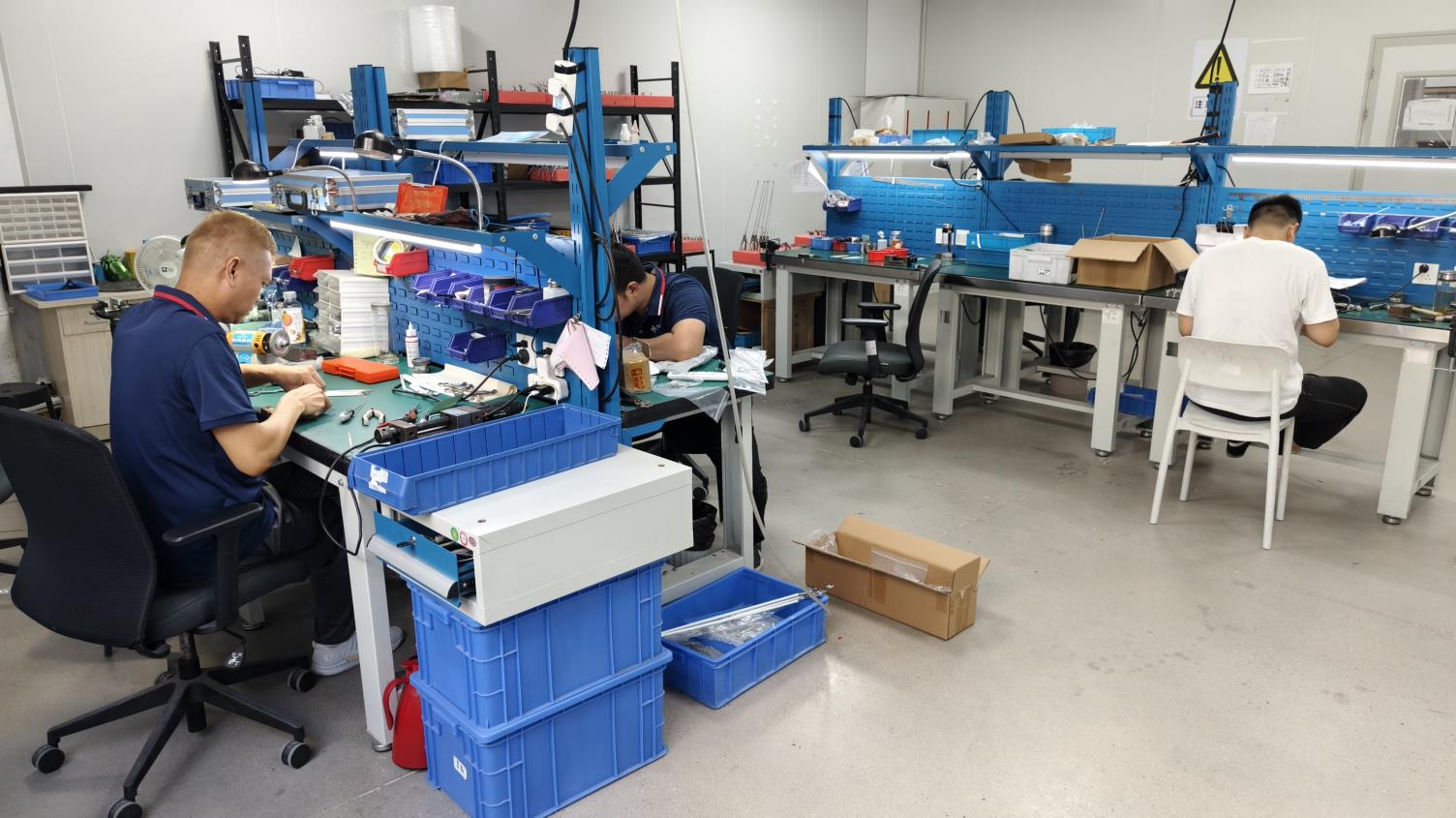

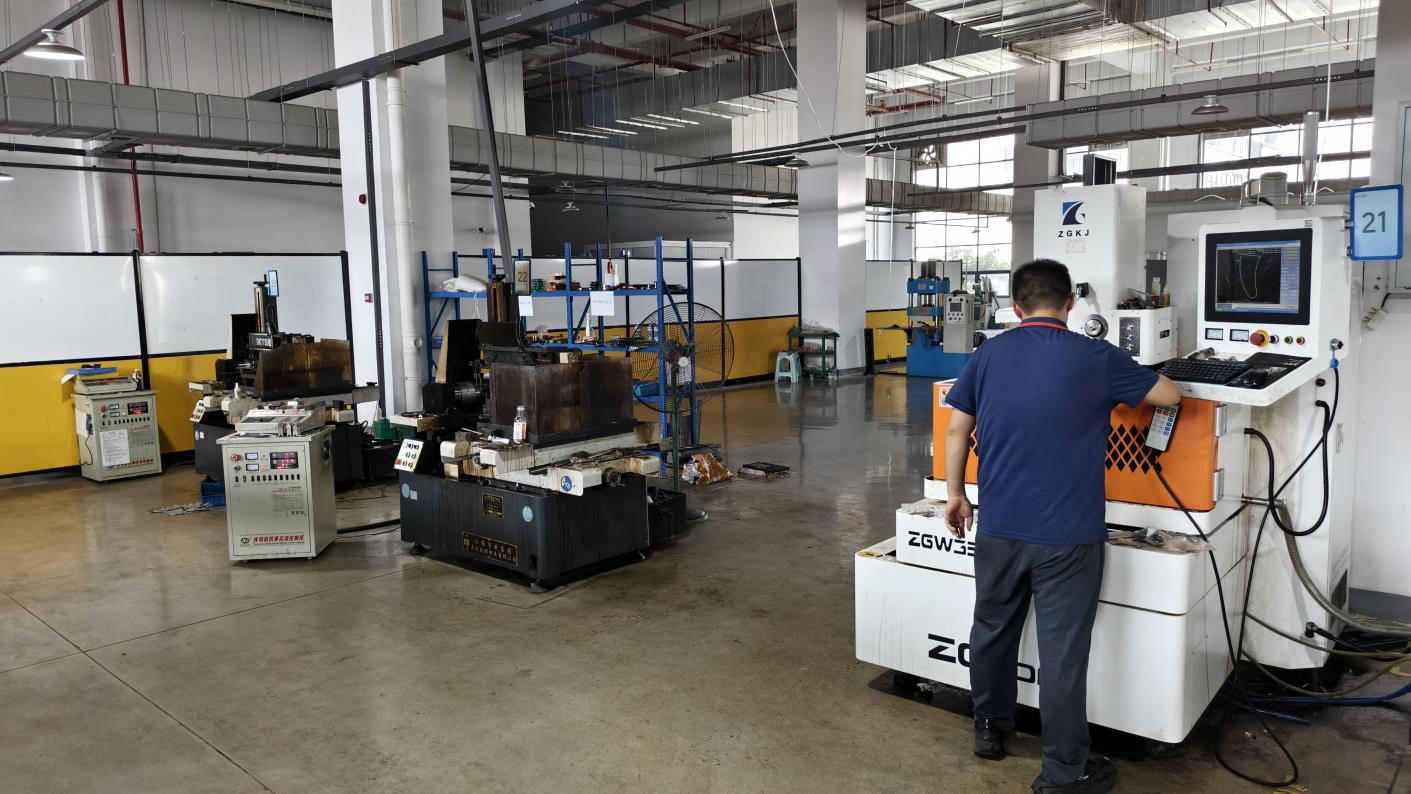
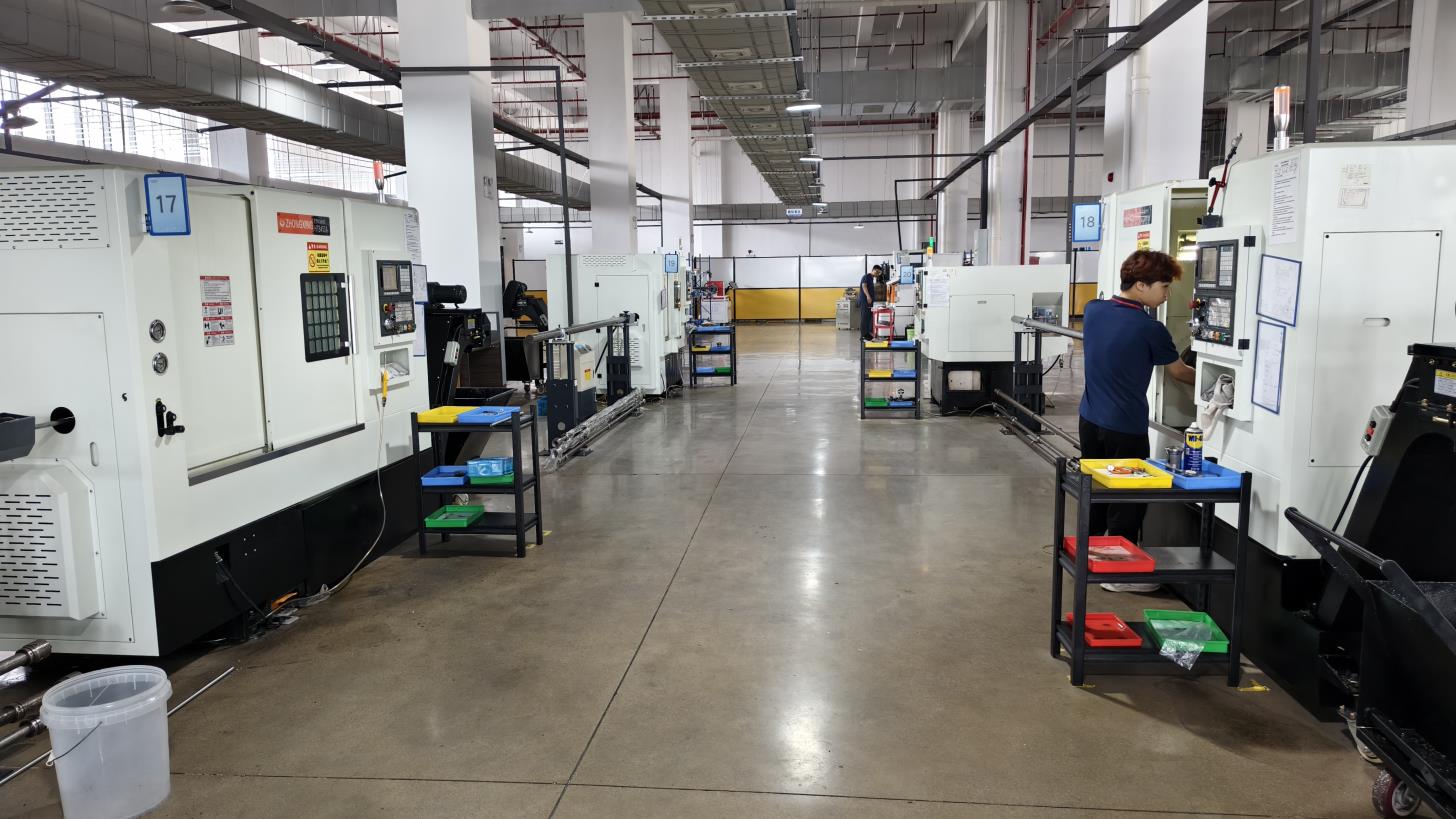
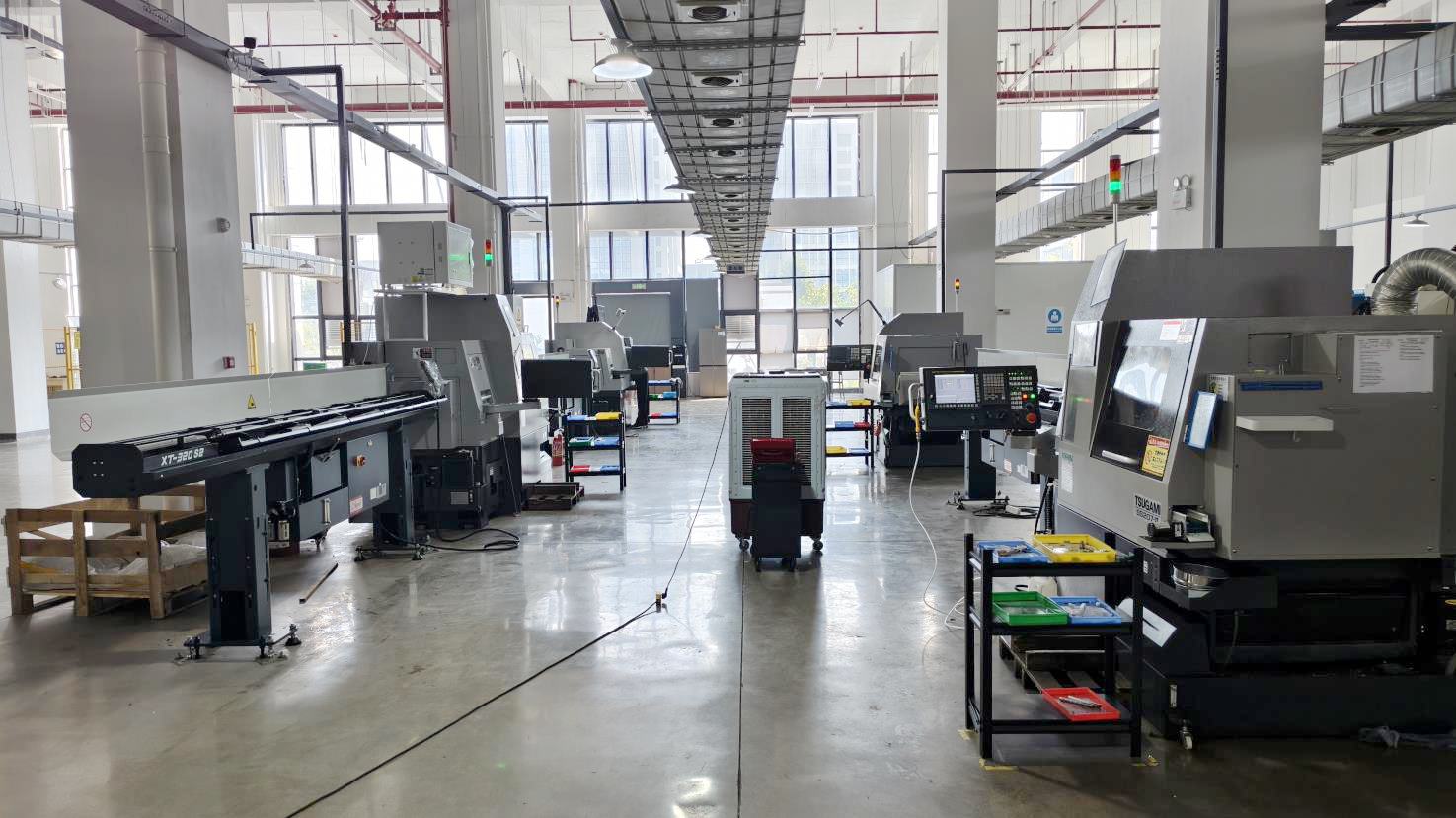
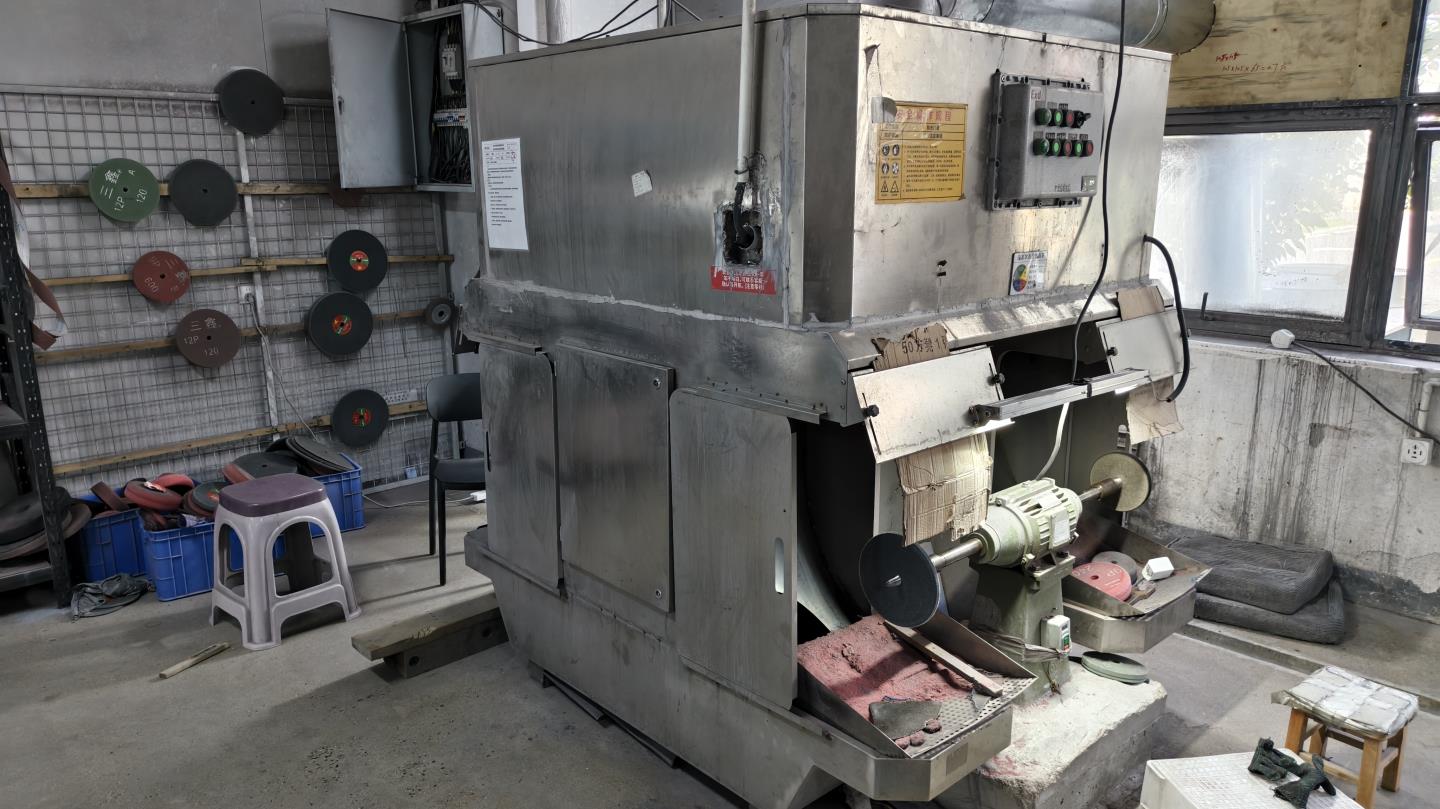
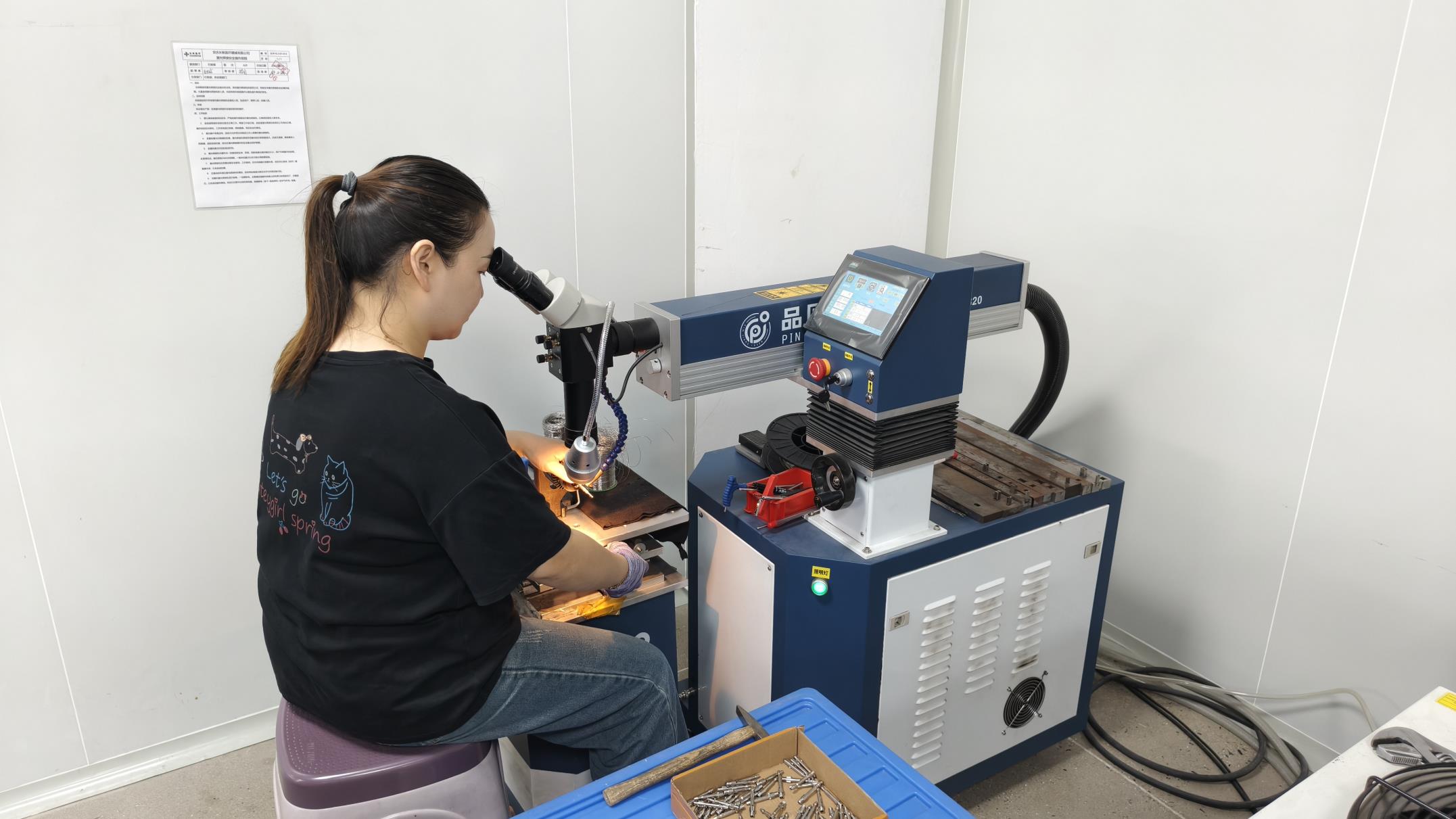
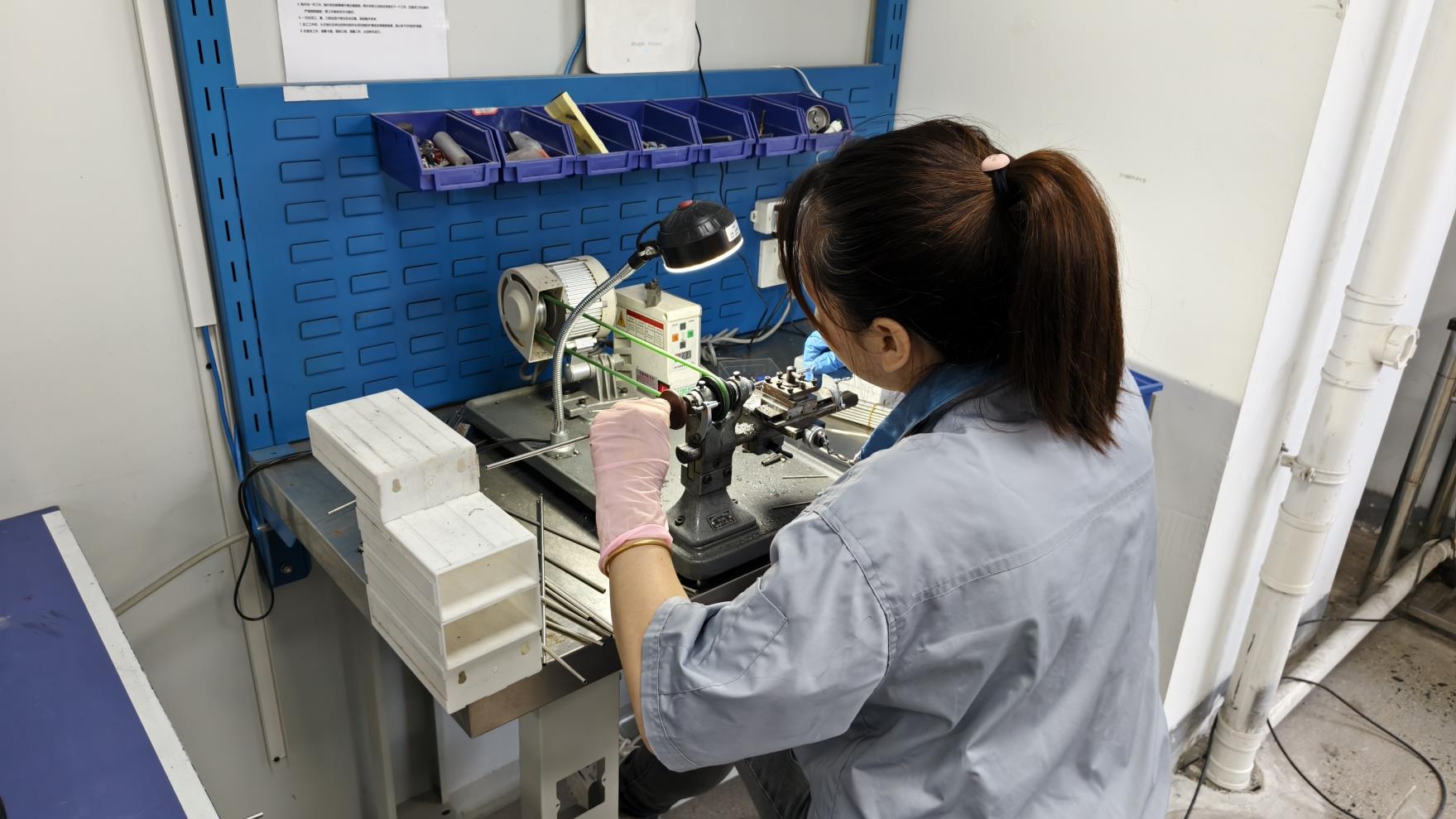


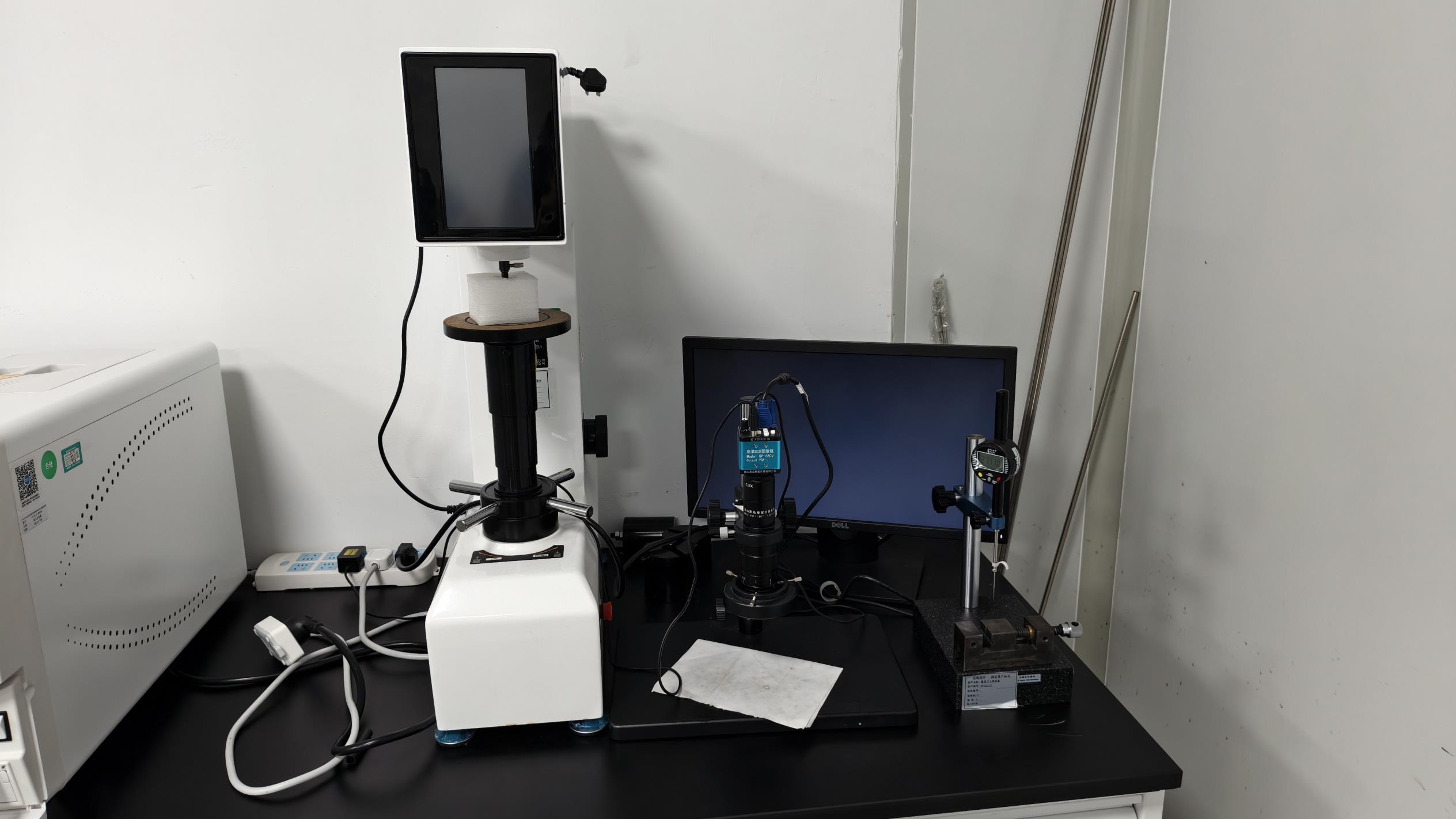
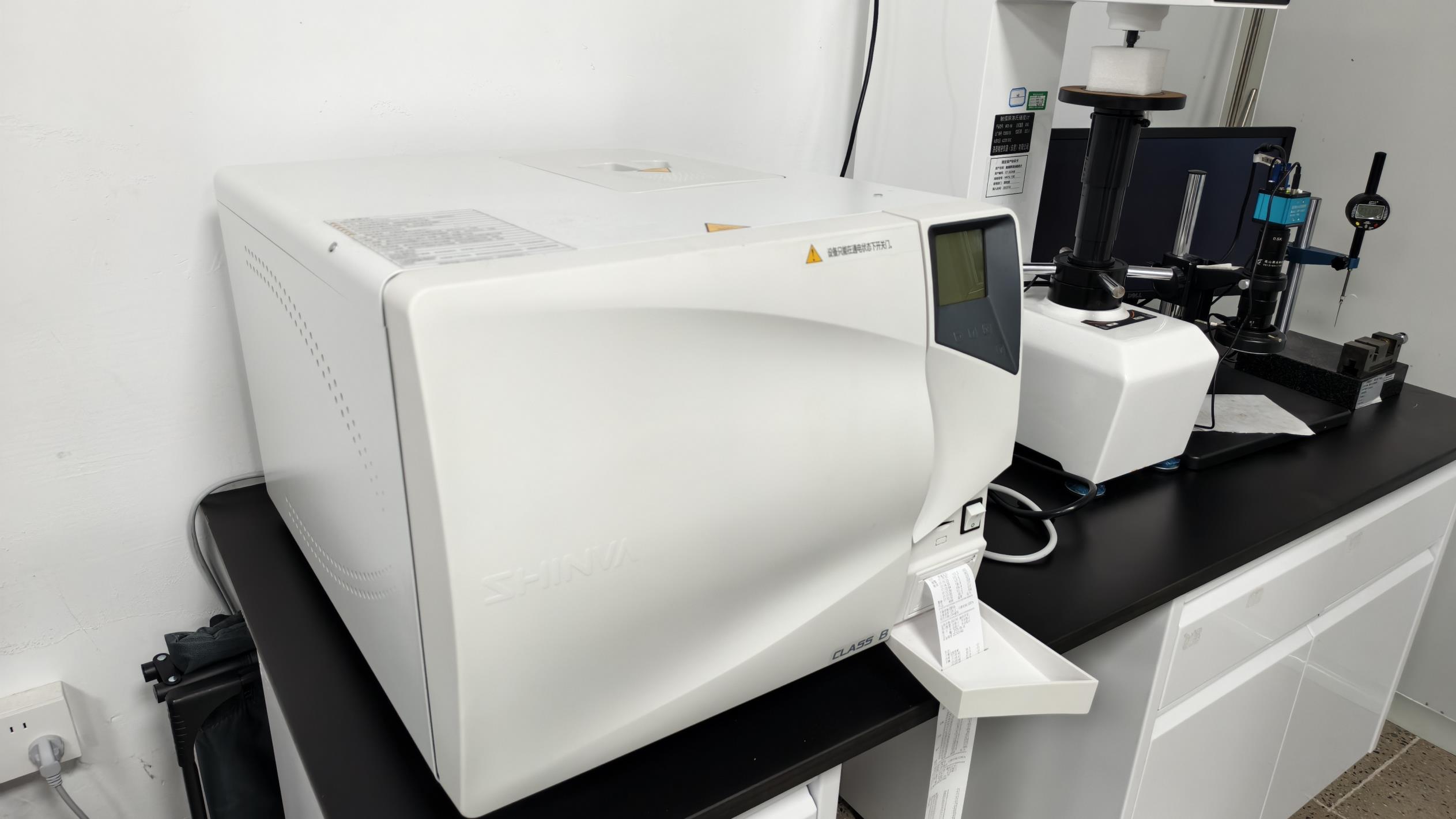
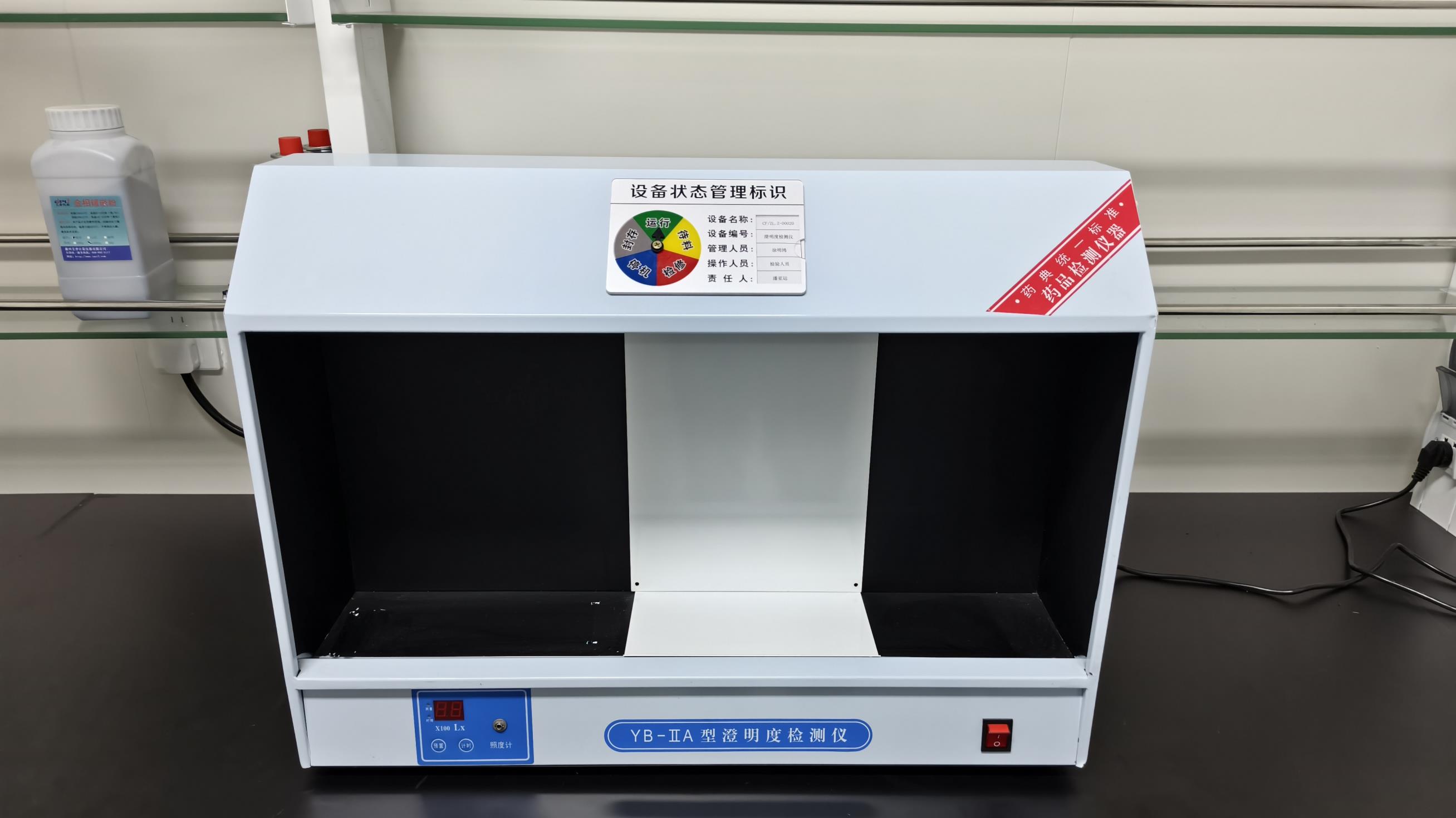
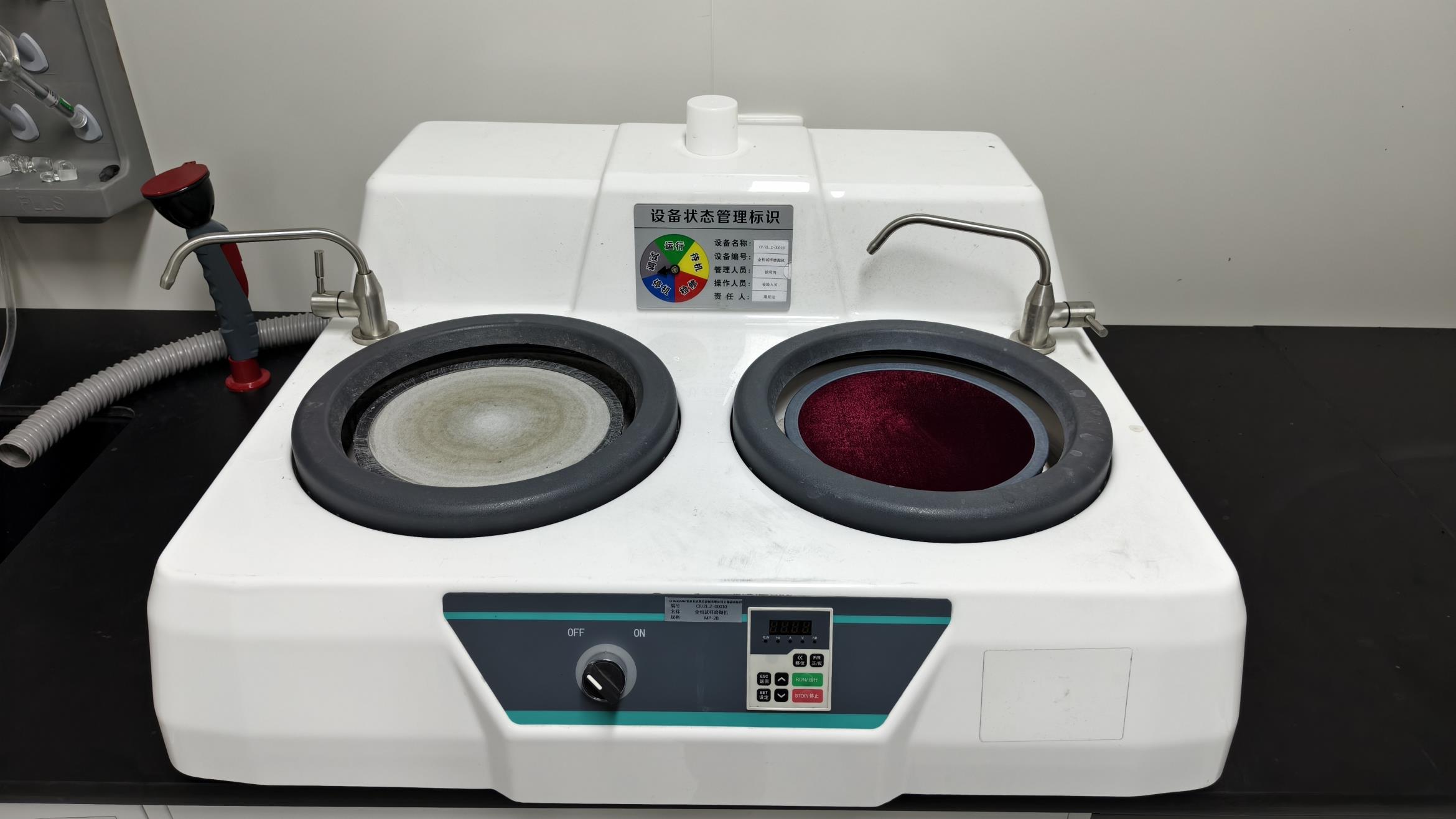
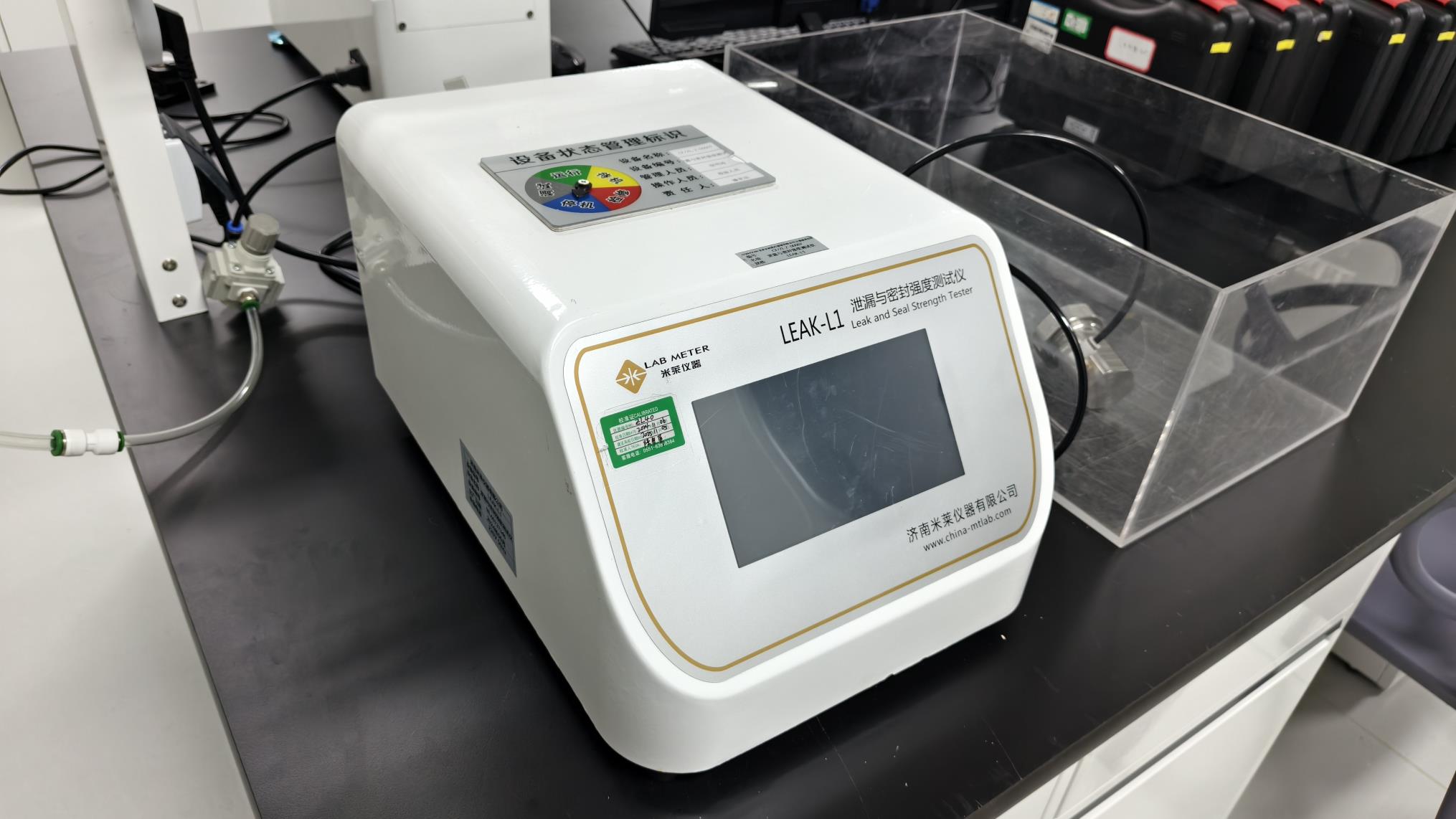
The orthopedic industry is experiencing a significant shift toward digital and personalized surgery. Sourcing partners must adapt to these trends to remain competitive over the next decade. The core pillars driving current development programs include:
Standard cutting jigs are increasingly being replaced or augmented by single-use, patient-specific cutting guides. Using preoperative CT or MRI data, these nylon or PEEK components are 3D-printed to match the unique bony contours of individual patients. This approach reduces operating times, minimizes instrument tray setups, and improves bone-resection accuracy.
The integration of micro-sensors and optical trackers directly into manual surgical instruments allows real-time feedback during mechanical alignment. Handheld digital displays on components like tensor devices assist surgeons in achieving precise soft-tissue balance and implant orientation.
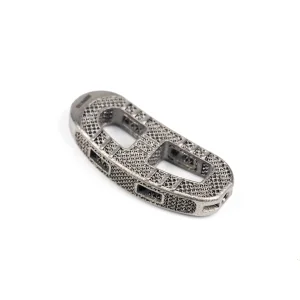
3D printing technology has progressed from prototyping to full-scale component fabrication. For example, titanium spinal fusion cages are printed with porous scaffolds that mimic trabecular bone, encouraging rapid osseointegration. Similar porous structures are now being incorporated into the back surfaces of tibial and patellar implants.
With the growth of robotic surgery platforms, traditional arthroplasty instruments are evolving to include robotic-end effector attachments, calibration fixtures, and registration arrays. Factories must be capable of working to these highly specialized tolerances.
Medical devices are classified under strict regulatory frameworks. Because knee arthroplasty instruments contact bone and tissue, they are categorized as Class I (reusable, non-active), Class IIa/IIb, or Class III depending on the market and clinical contact duration. Choosing a manufacturing partner requires verifying credentials across several key regulatory areas:
Essential answers to common technical and commercial queries for medical device procurement.
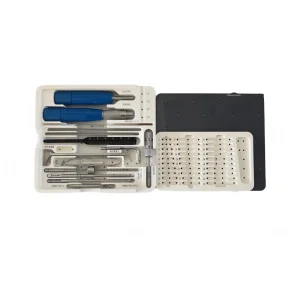
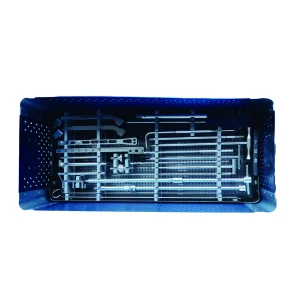
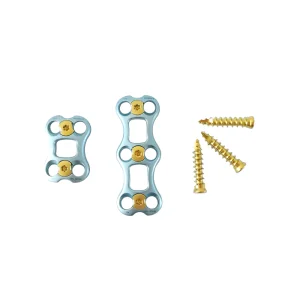
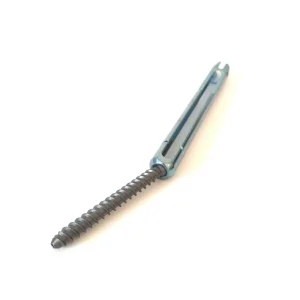
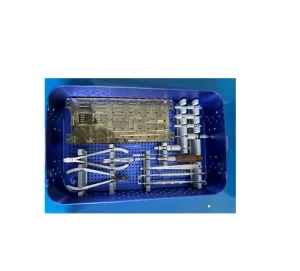
High-quality spine, trauma, and extremity surgical sets available for global distribution and custom manufacture.