Zynfuse
Zynfuse
Zynfuse
Explore our cutting-edge orthopedic compression fixation and modular implant systems engineered for anatomically precise stabilization.
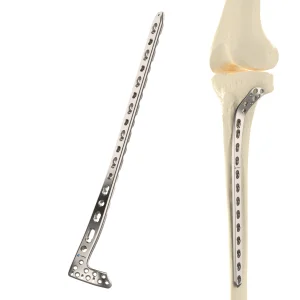
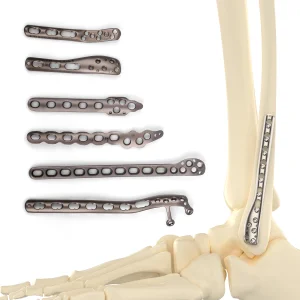
In modern orthopedic traumatology, femoral locking plates stand as an indispensable class of internal fixation devices. Designed to manage complex femur fractures—ranging from subtrochanteric and shaft fractures to comminuted distal intra-articular injuries—these devices bridge biomechanical requirements with biological healing. Selecting a top-tier supplier & exporter requires an evaluation beyond basic geometries, focusing on metallurgical composition, regulatory compliance, precision manufacturing, and clinical efficacy.
The biomechanical success of internal fixation relies on the AO (Arbeitsgemeinschaft für Osteosynthesefragen) principles: anatomic reduction, stable internal fixation, preservation of blood supply, and early active mobilization. Femoral locking plates achieve these through fixed-angle stability, converting shear stress into compressive force across the fracture interface. This is critical for osteoporotic patients, where standard screw-threads lack purchase in compromised cancellous bone.
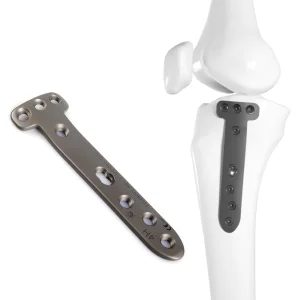
Top suppliers develop modular systems with dual-compression locking holes, allowing surgeons to select dynamic compression, locking, or combination configurations. These anatomical designs minimize intraoperative plate contouring, reducing residual stress in the titanium matrix and minimizing the risk of hardware failure.
The global orthopedic implant market demands strict compliance and materials traceable to the mill source. Premium femoral locking plates are fabricated from either Ti-6Al-4V ELI (Grade 5, ASTM F136) or Commercially Pure Titanium (CP Ti Grade 4, ASTM F67), alongside clinical-grade Stainless Steel (316LVM, ASTM F138). Titanium alloys remain the benchmark due to their lower elastic modulus (closer to human cortical bone), biocompatibility, and corrosion resistance.
Global supply chains are consolidating. Importers, clinical purchase directors, and distributors prioritize manufacturers that balance material science with machining capabilities. The ability to supply stable, low-profile implants that mitigate soft-tissue irritation while withstanding cyclic axial loading of the femur is key.
Navigating global healthcare markets requires strict adherence to regulatory standards. Importers must verify that manufacturers hold ISO 13485:2016 certification for medical device quality management. In the EU, compliance with the Medical Device Regulation (MDR 2017/745) is mandatory, while the US FDA requires 510(k) clearances. These certifications guarantee that the implants undergo rigorous biocompatibility reviews (ISO 10993 series), fatigue life verification, and validated sterilization validation parameters.
A leading OEM/ODM partner and direct exporter specializing in advanced bone fusion and orthopedic fixation implants.
Zynfuse Medical Technology Co., Ltd. is a professional orthopedic medical device manufacturer specializing in bone fusion and advanced implant systems for surgical innovation. Established in 2016, the company has built a strong foundation in orthopedic solutions with 12 years of industry experience and 7 years of export experience, serving global healthcare markets with consistent quality and reliability.
The company operates a modern manufacturing facility covering approximately 18,600 m², equipped with advanced production and testing equipment. Zynfuse maintains an annual export revenue of around $18.5 million, supported by a highly efficient supply chain network of over 1,200 partners worldwide. The organization employs 68 quality inspection specialists ensuring strict compliance with international medical standards.
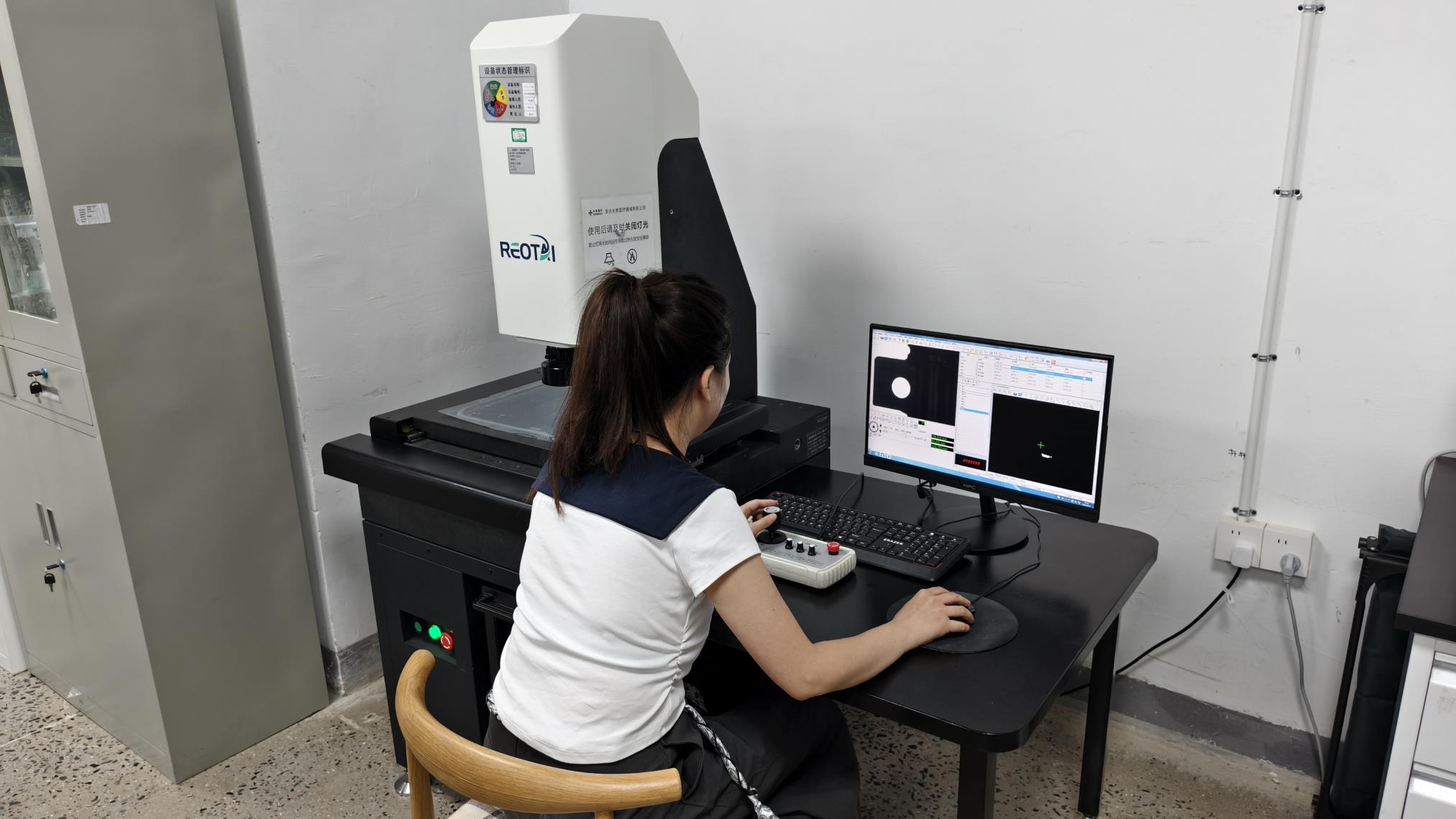
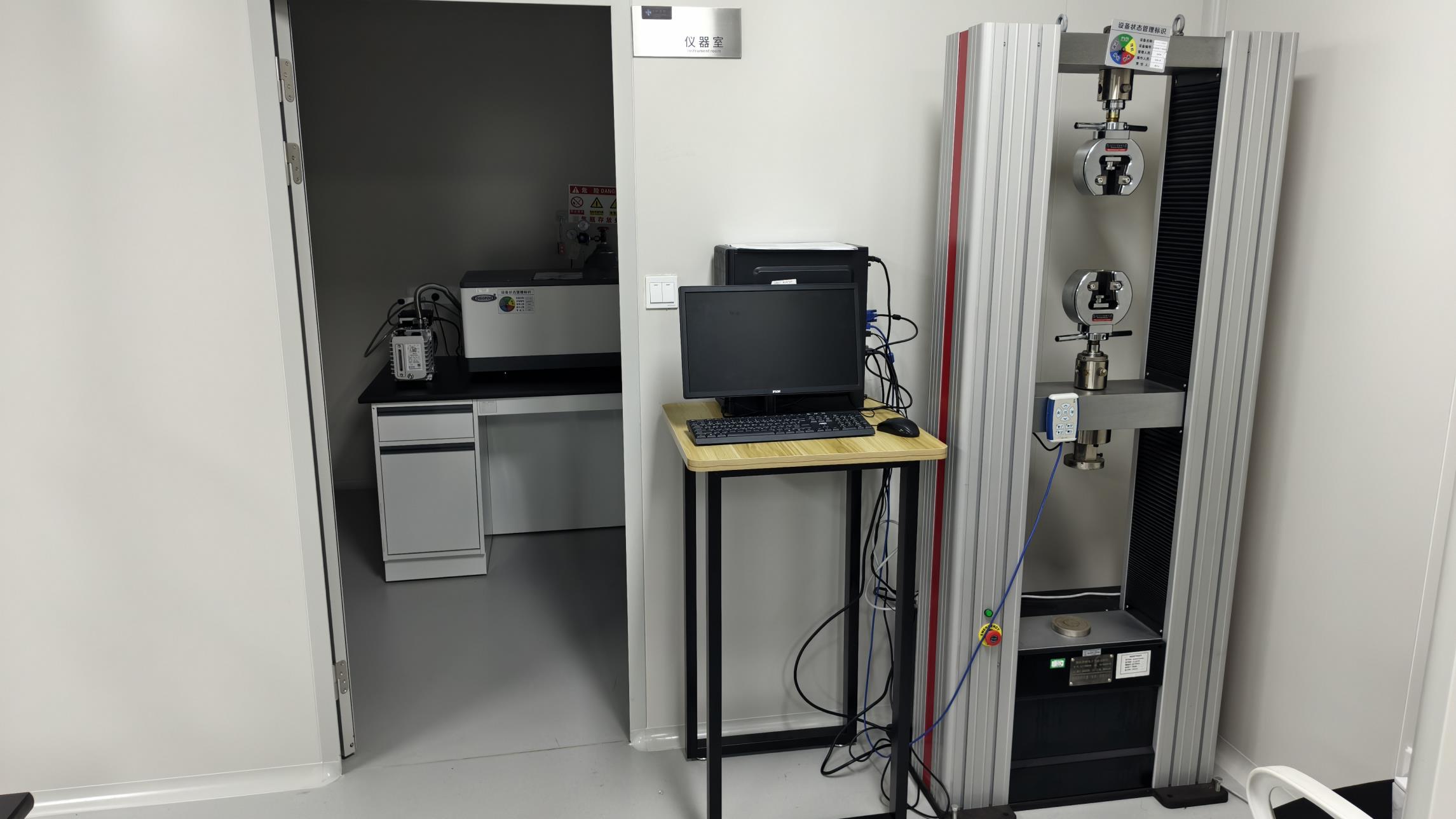
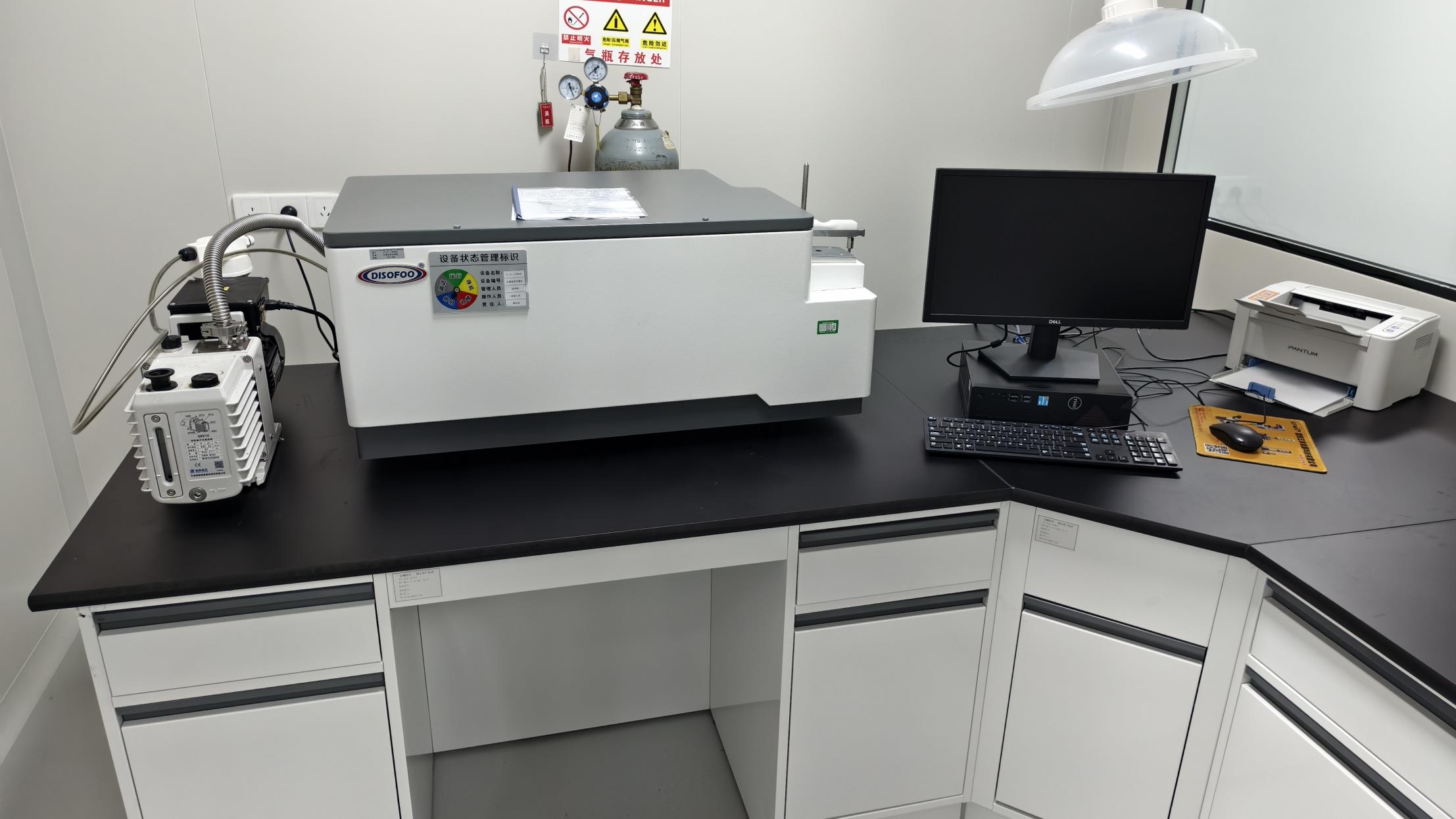
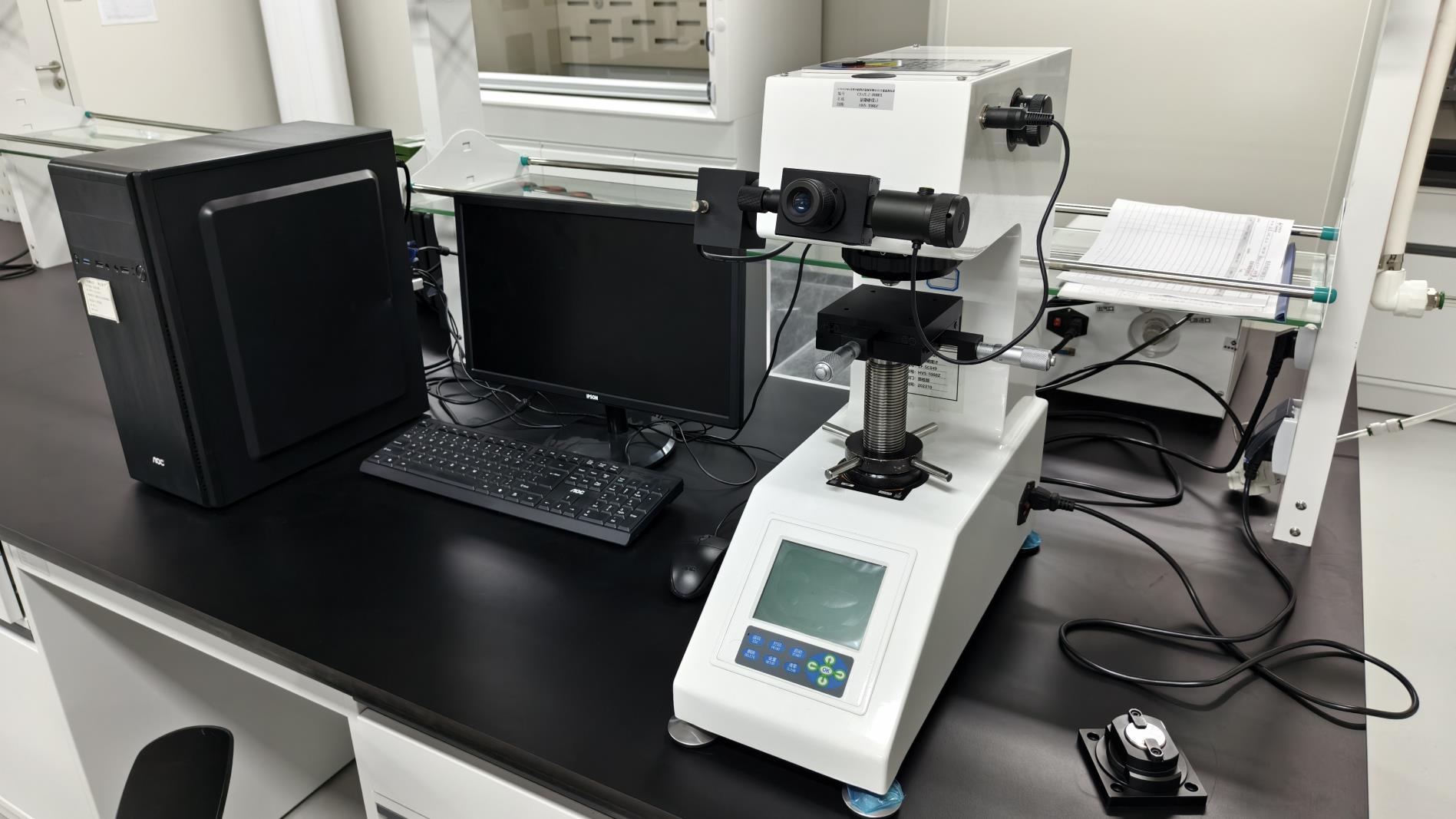
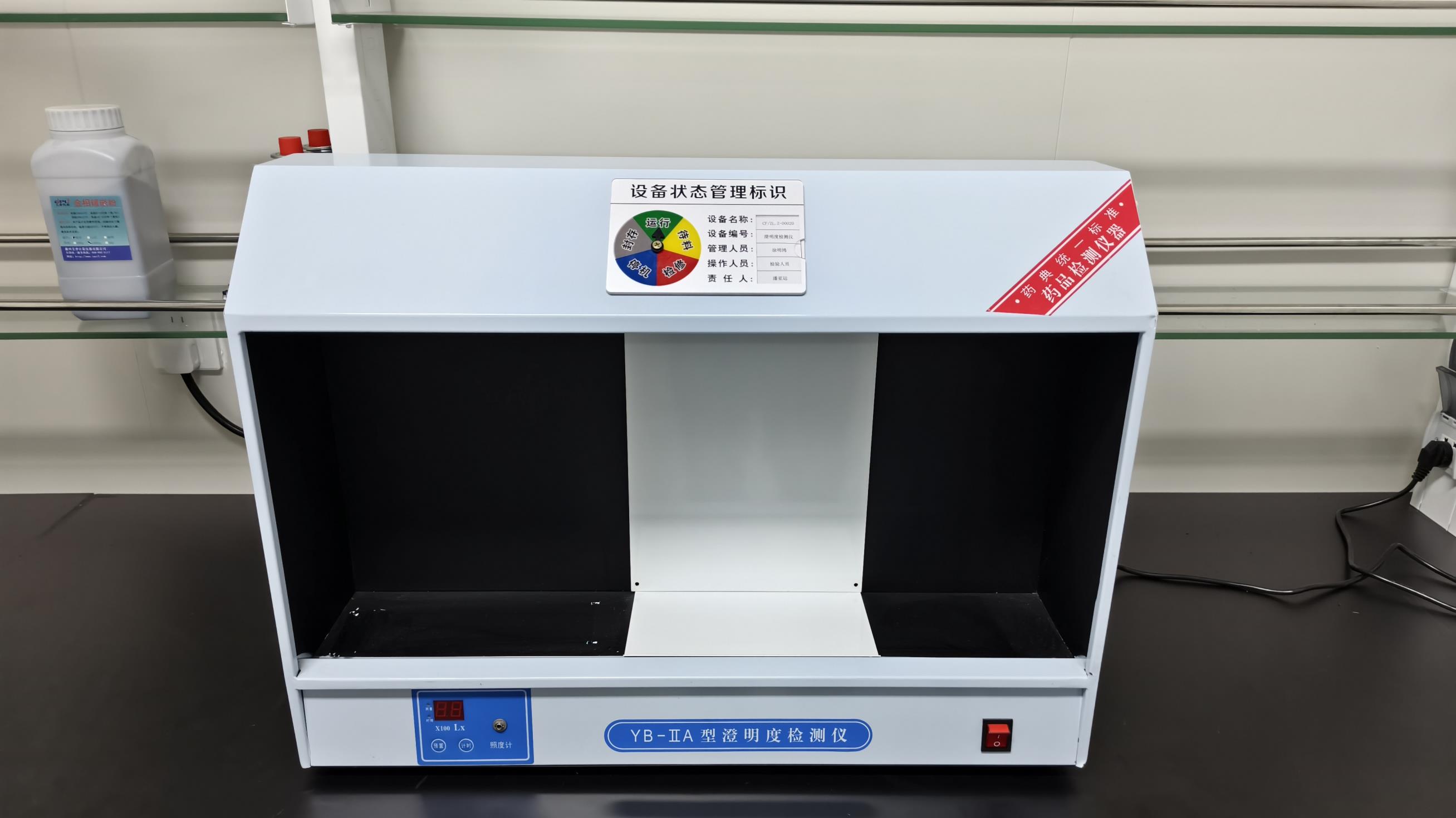
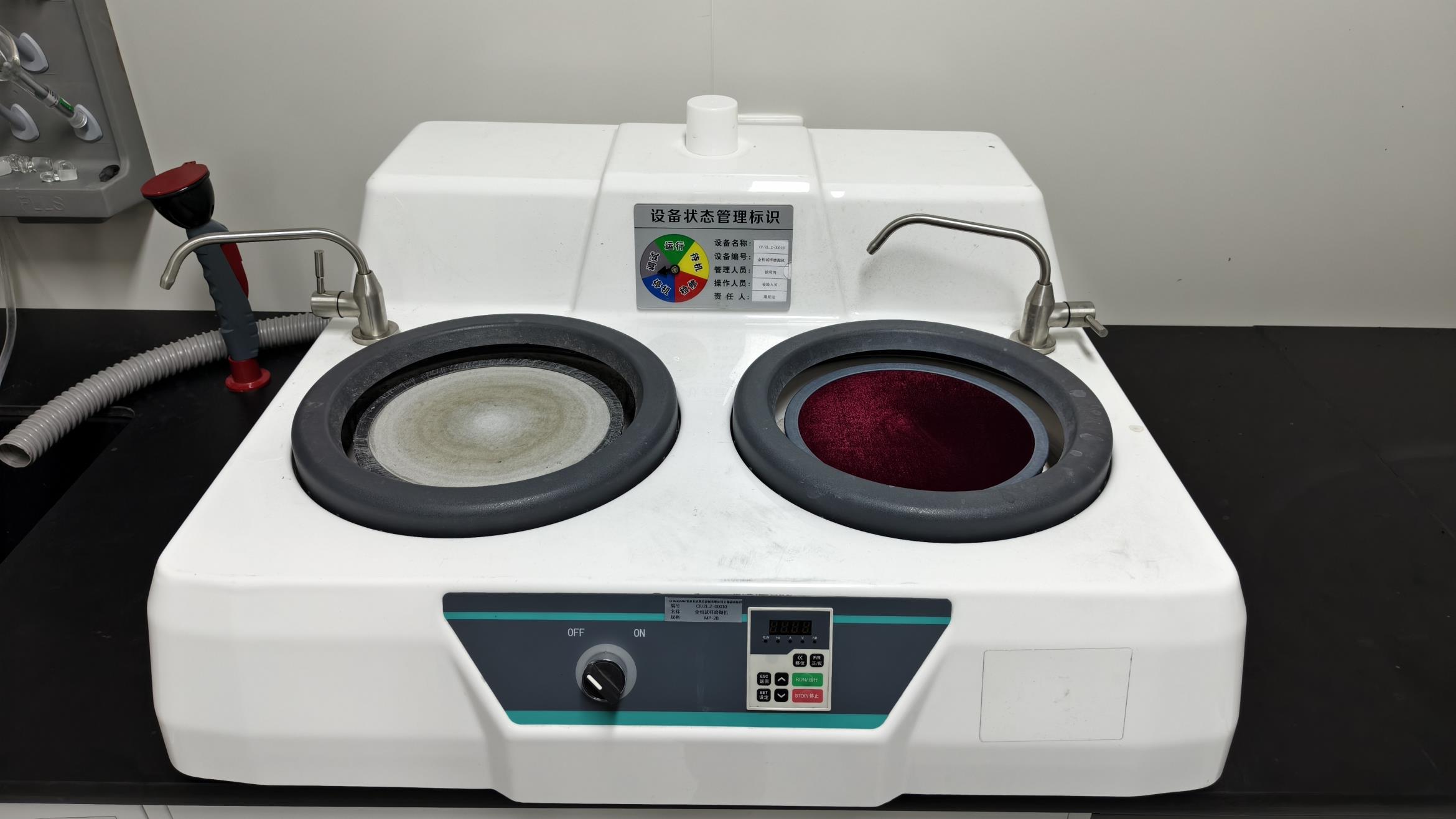
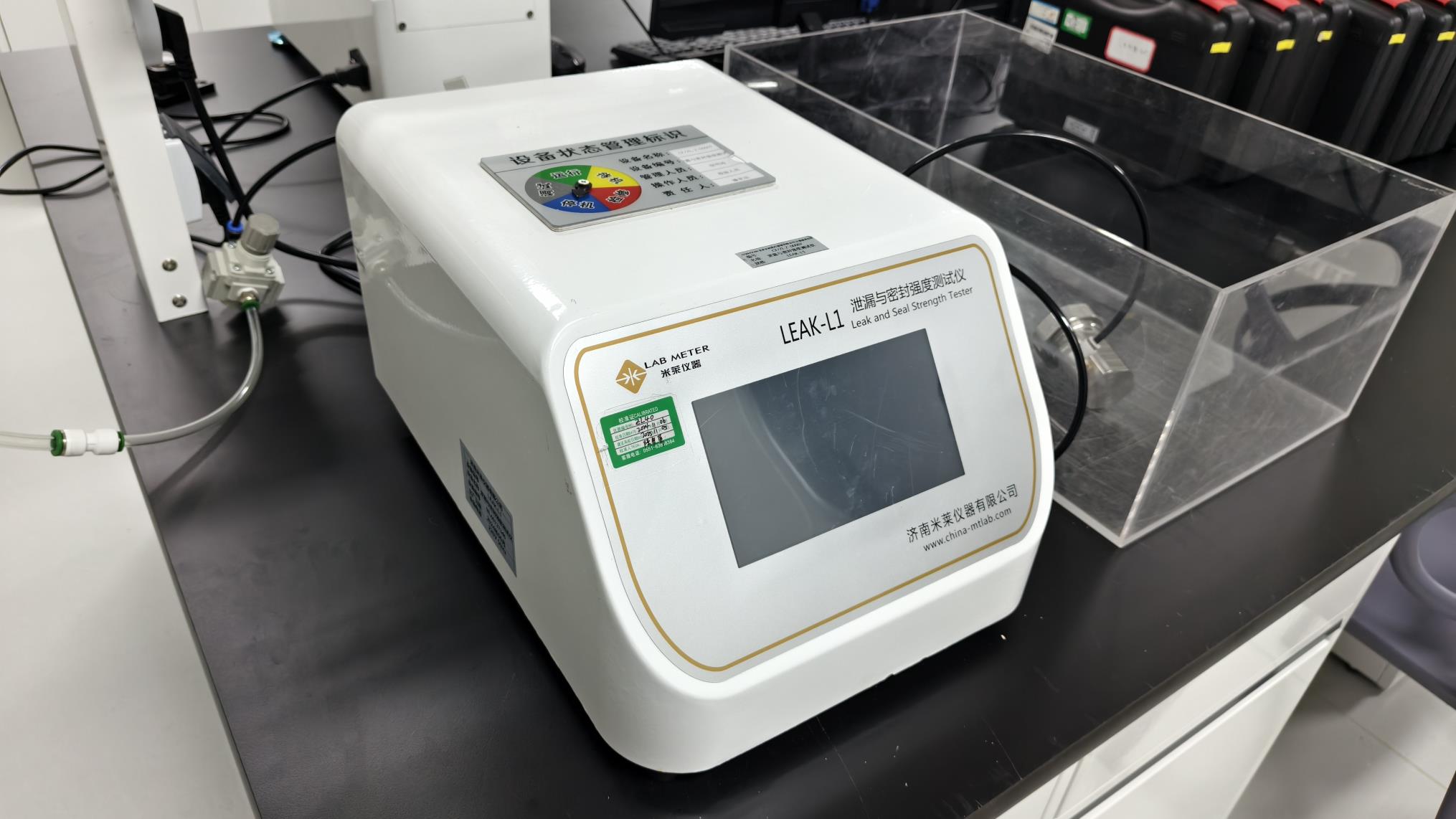
Zynfuse serves major global markets including North America, Europe, Southeast Asia, and the Middle East, collaborating with hospitals, distributors, orthopedic clinics, and medical device importers. Its client base primarily includes medical distributors, hospital procurement departments, and orthopedic surgical centers. The company places strong emphasis on quality control, implementing ISO 13485-based inspection systems, mechanical performance testing, and biocompatibility evaluations. Product inspection methods include dimensional verification, fatigue testing, and surface integrity analysis.
With a robust R&D team of 85 engineers, Zynfuse continues to expand its innovation capabilities, launching approximately 320 new products annually. The company offers extensive customization options, including implant geometry adjustment, material selection, and OEM/ODM solutions tailored to client needs. Zynfuse maintains a strong trade background with long-term partnerships across the global medical device industry, ensuring stable supply and consistent product excellence.
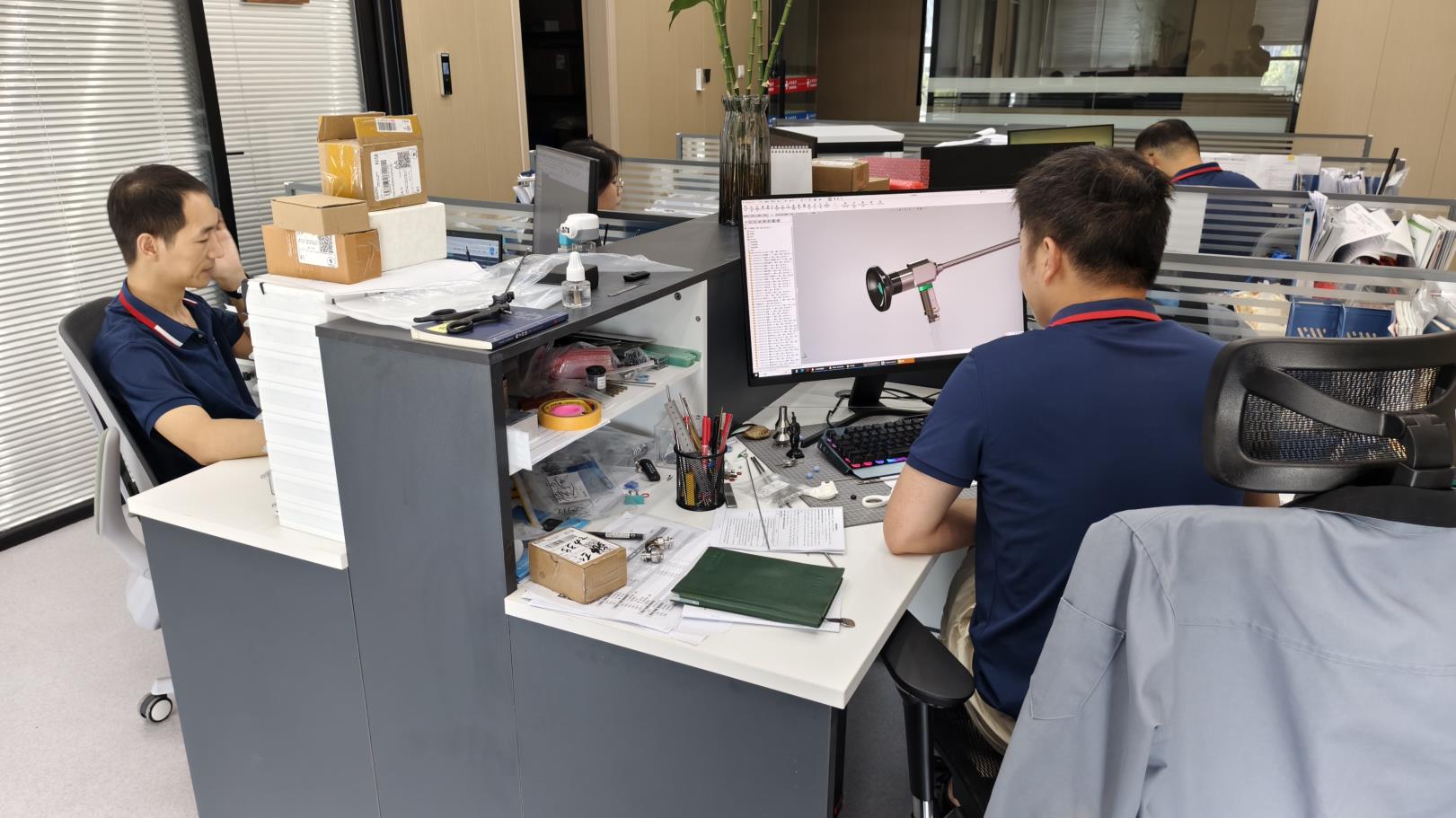
A visual showcase of our multi-phase production workflow, executing precision metalworking from raw material to sterile implant packaging.
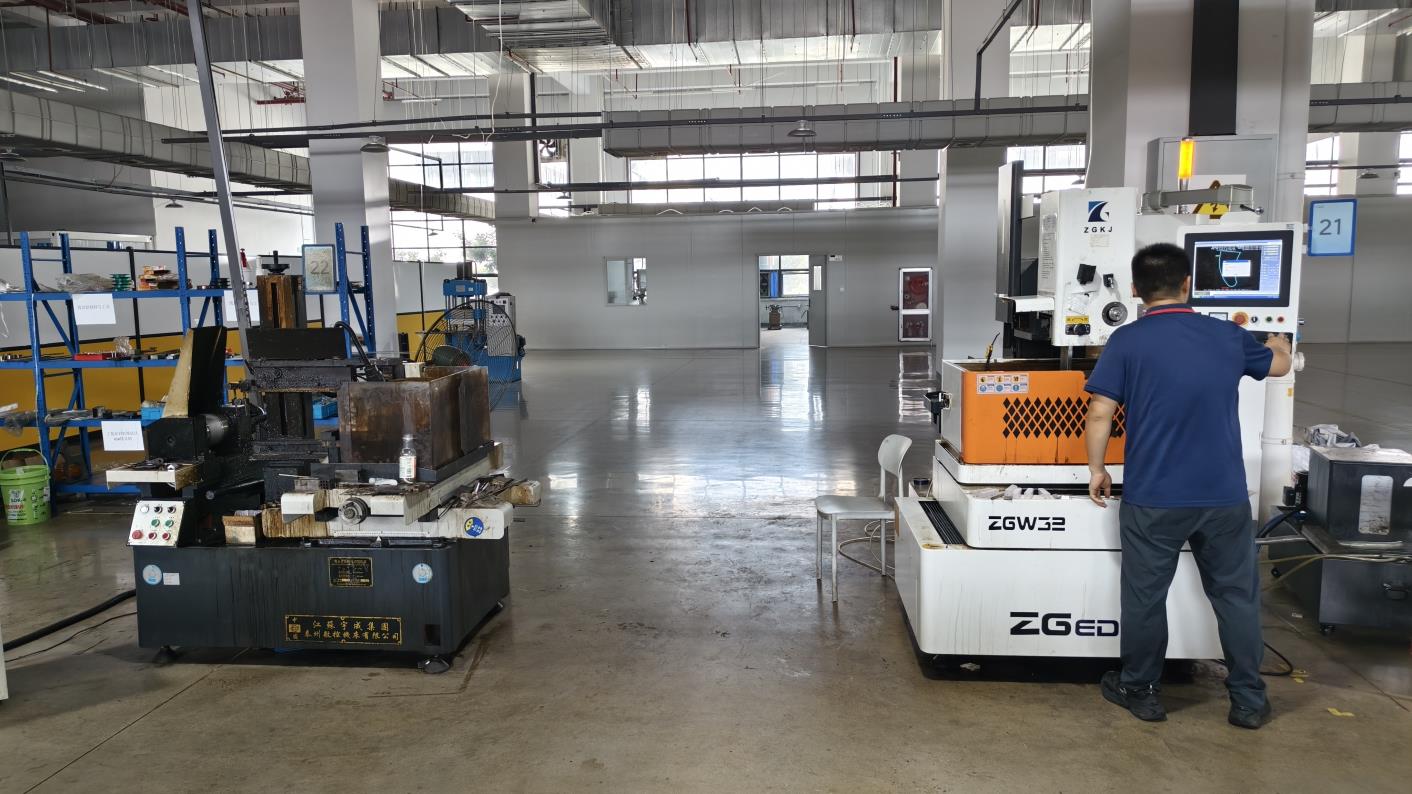
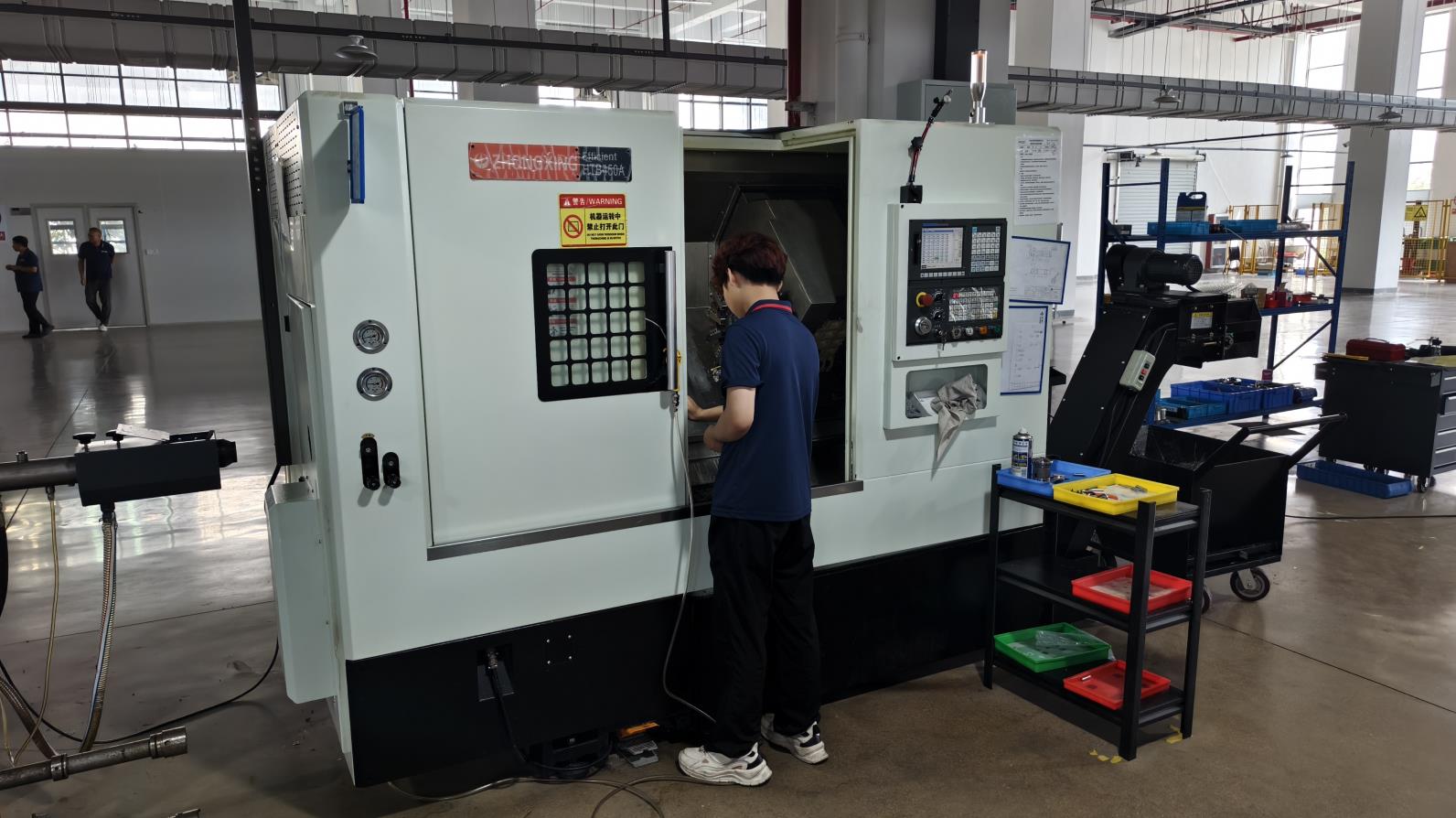
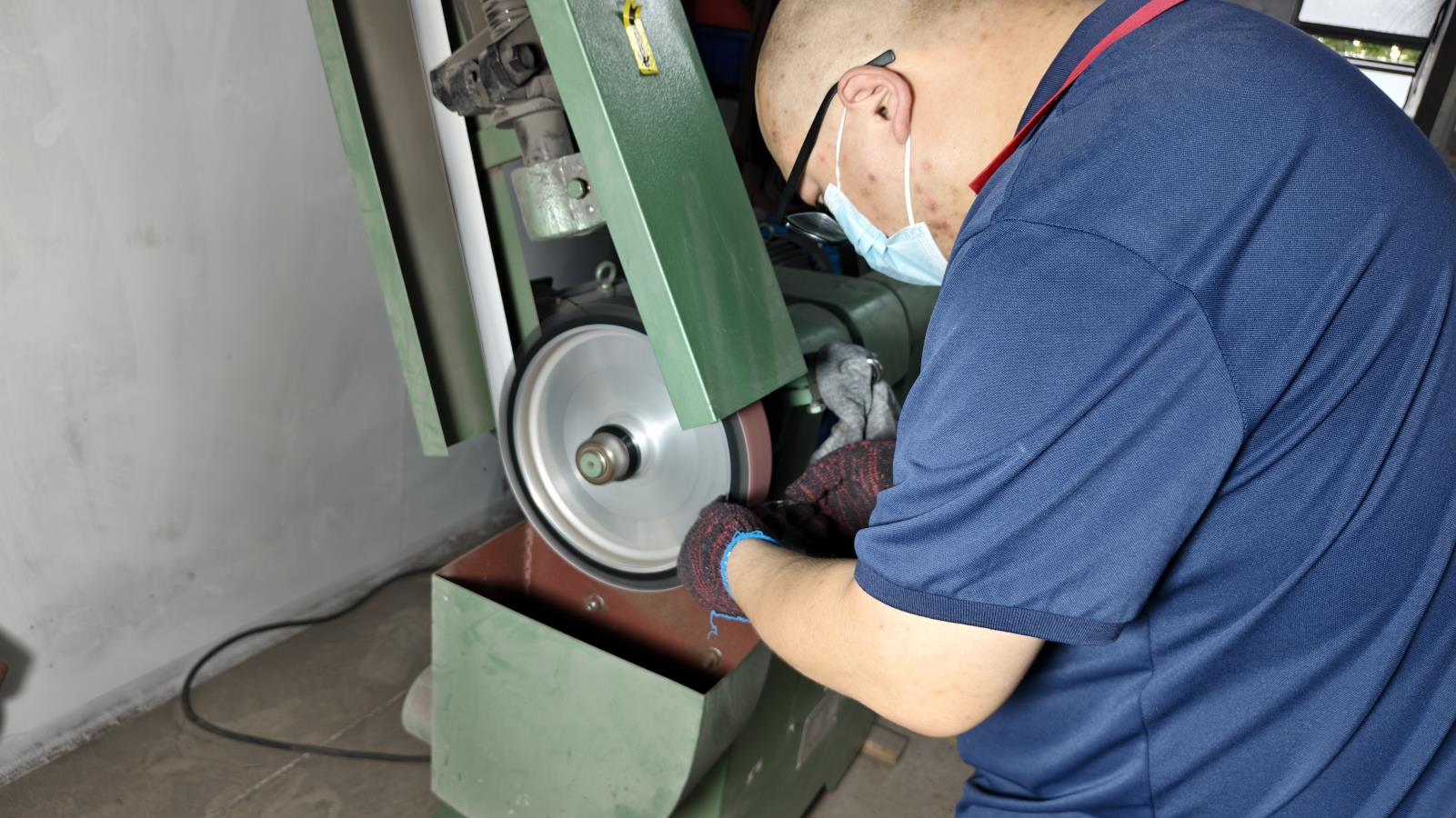
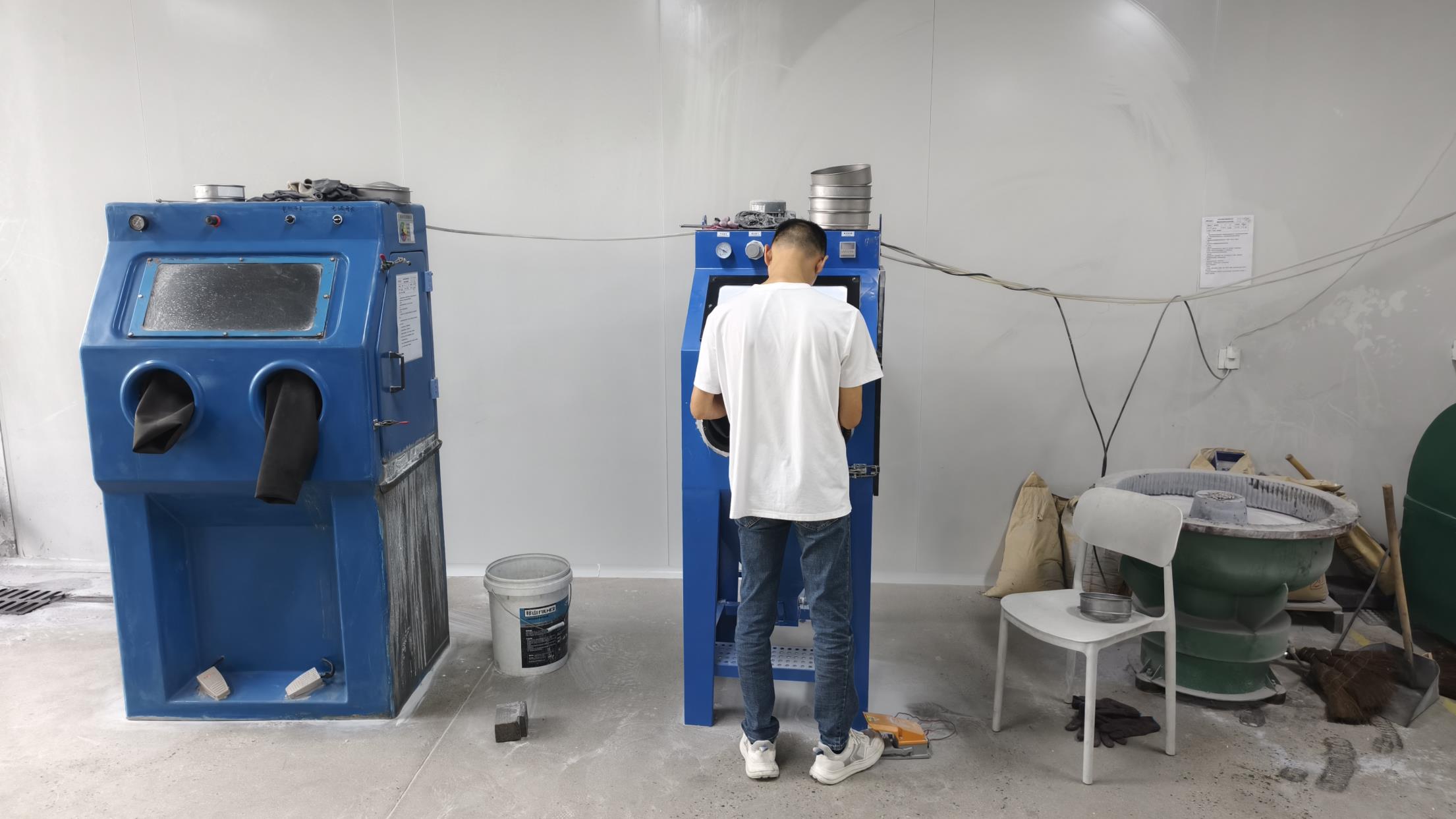
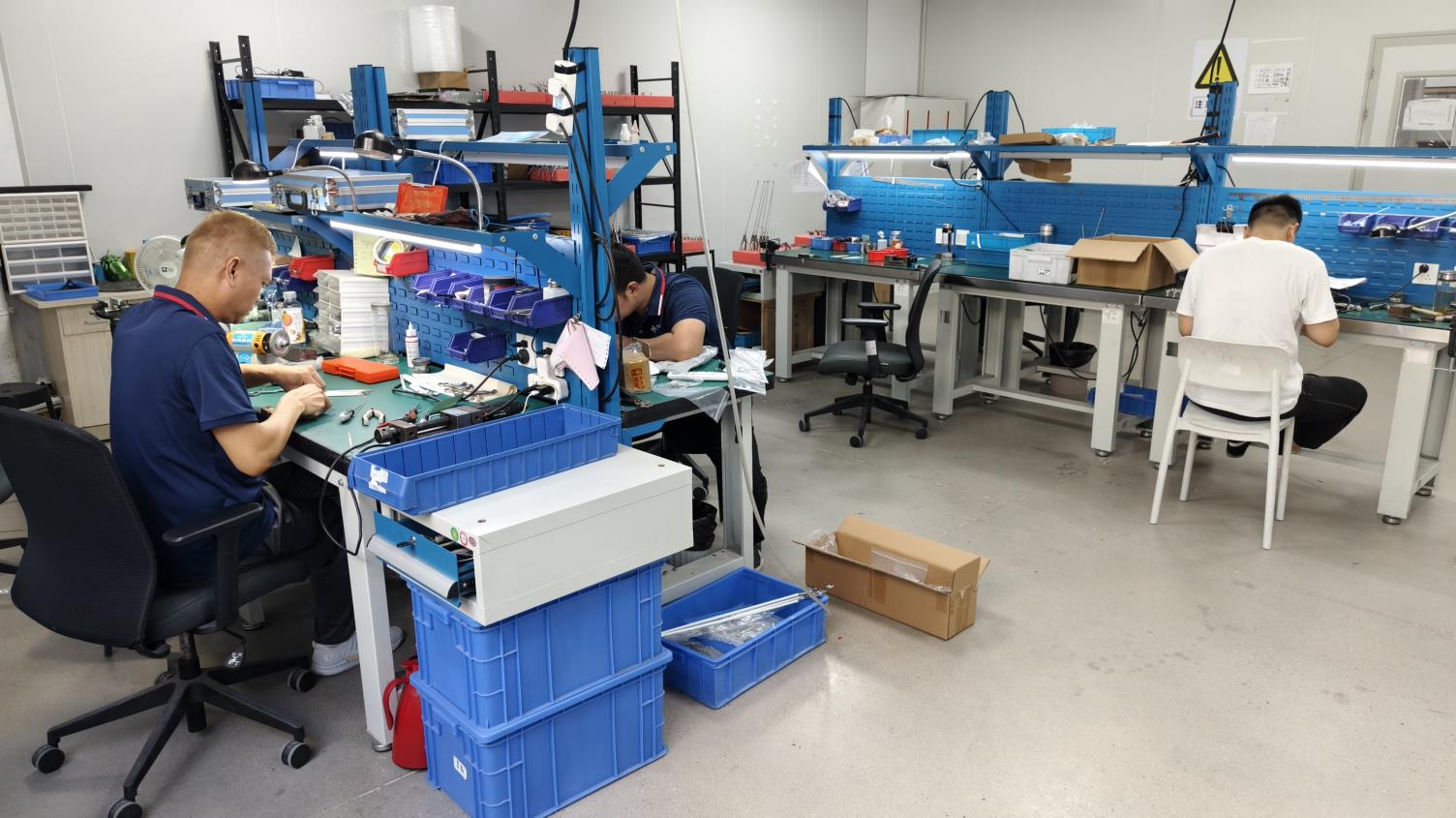
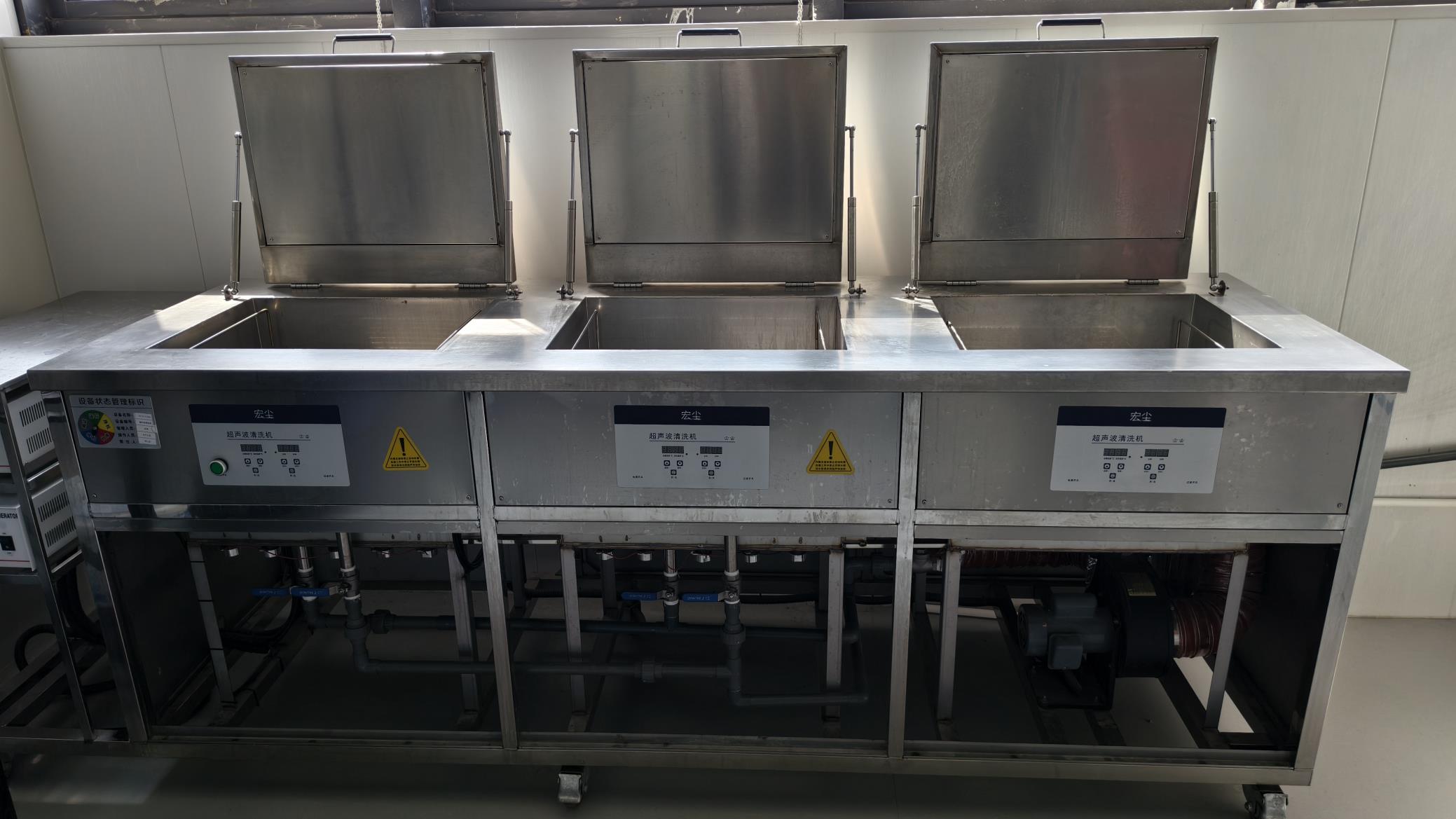
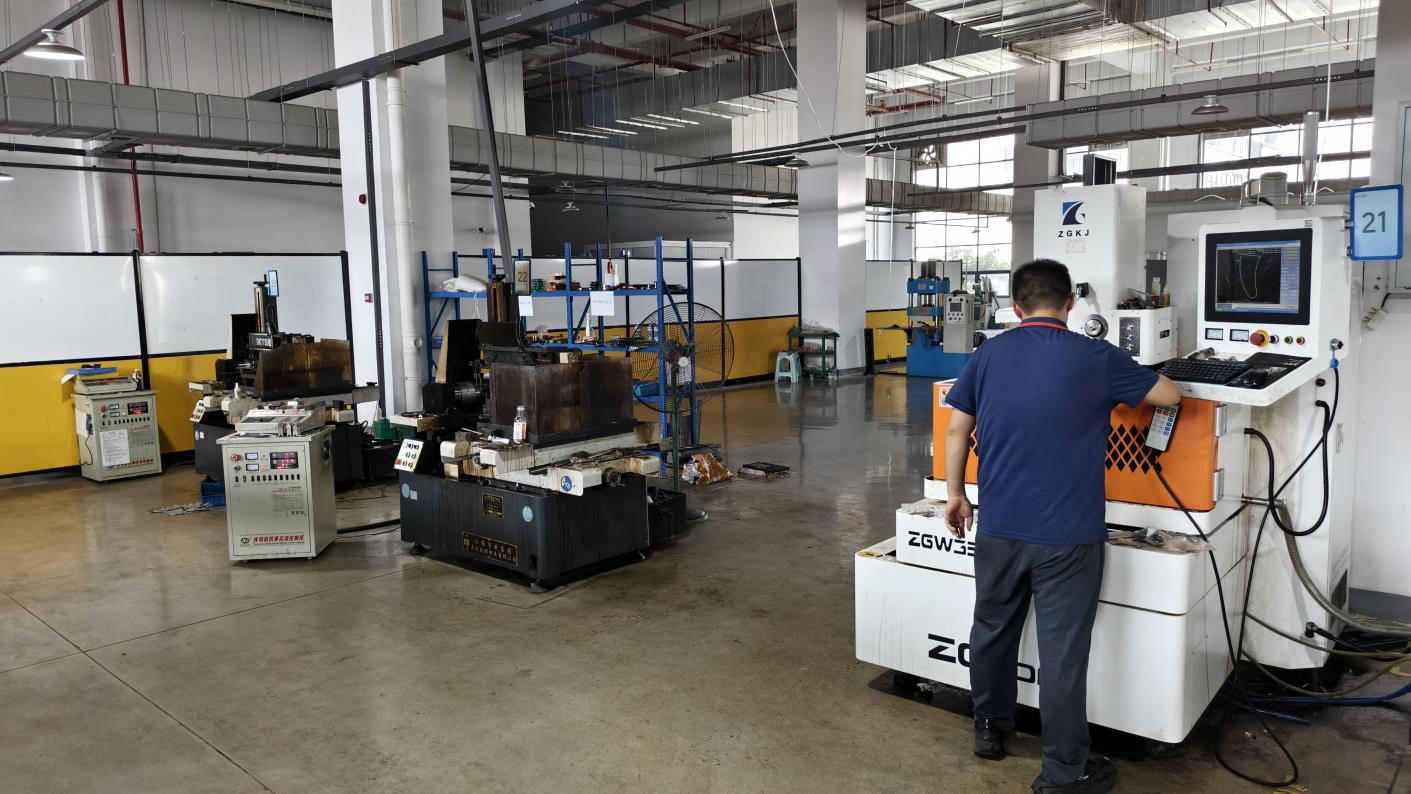
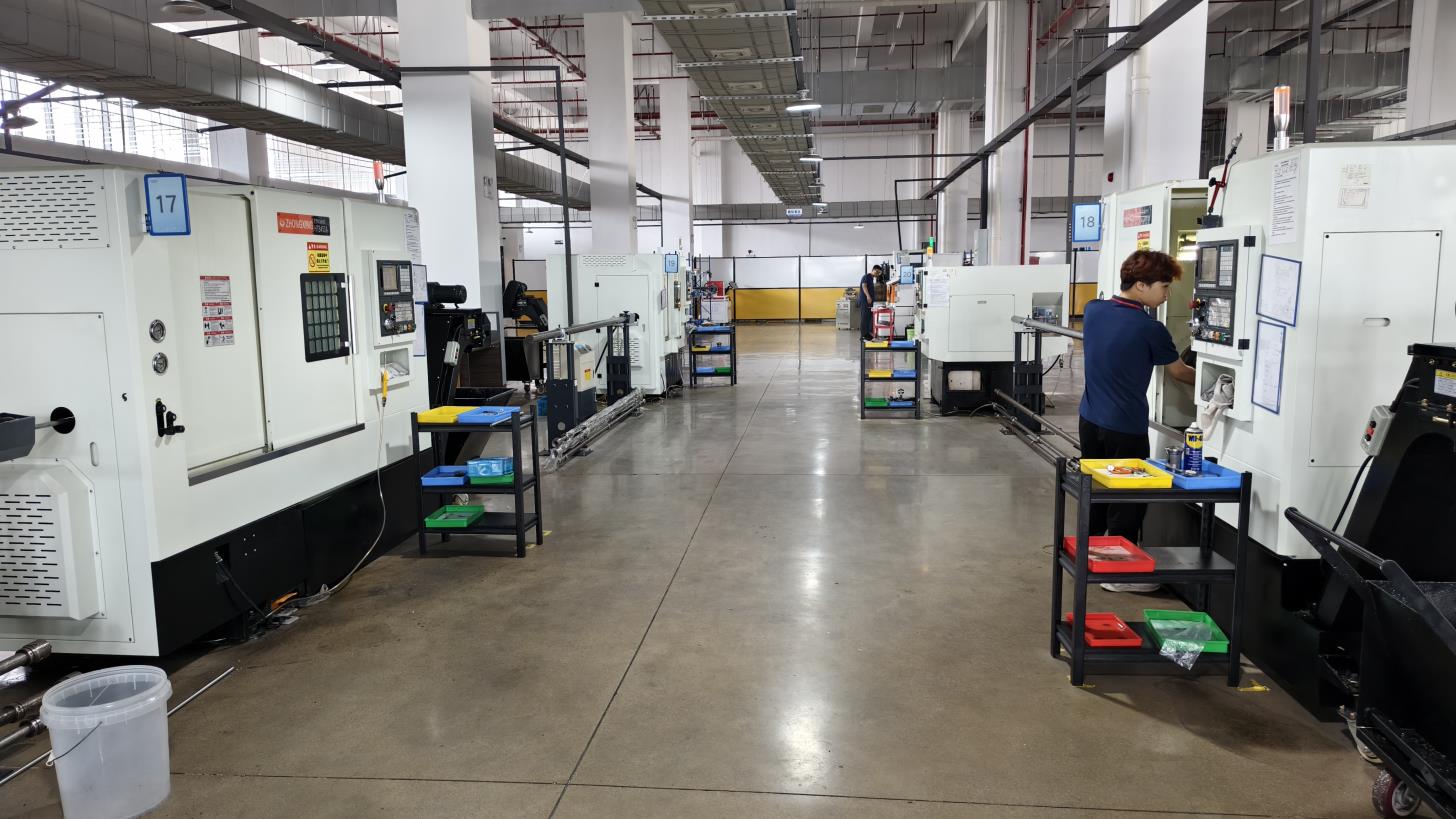
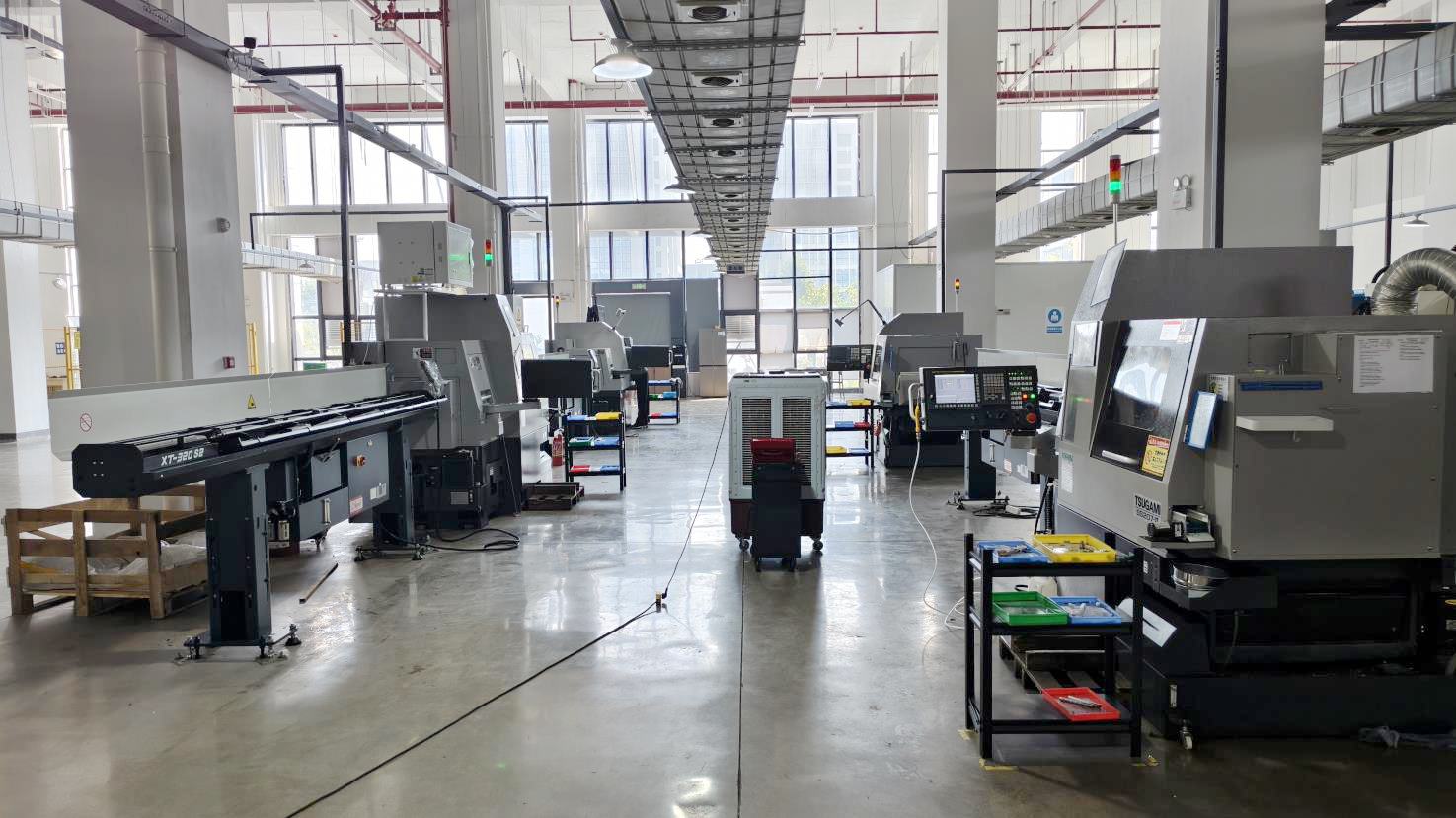
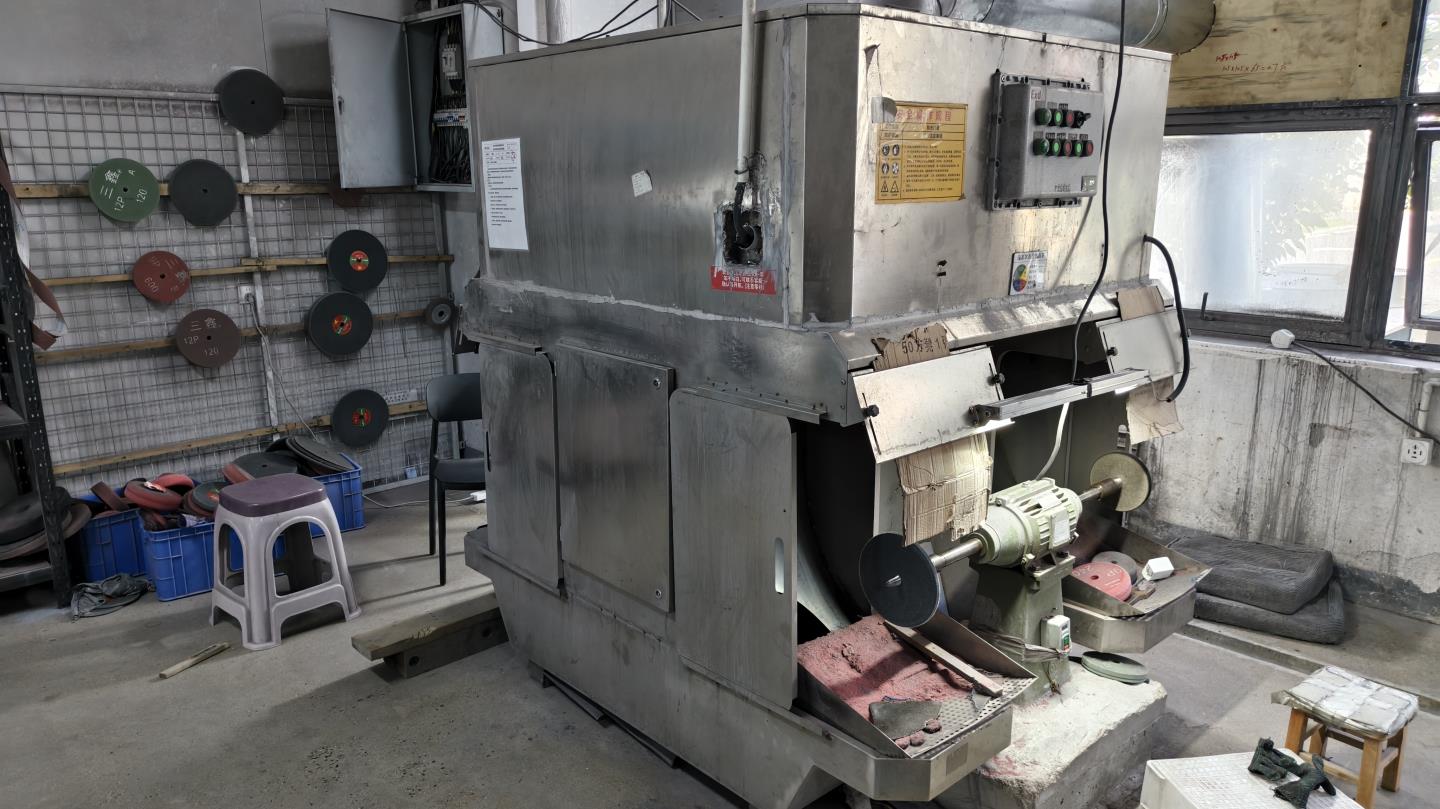
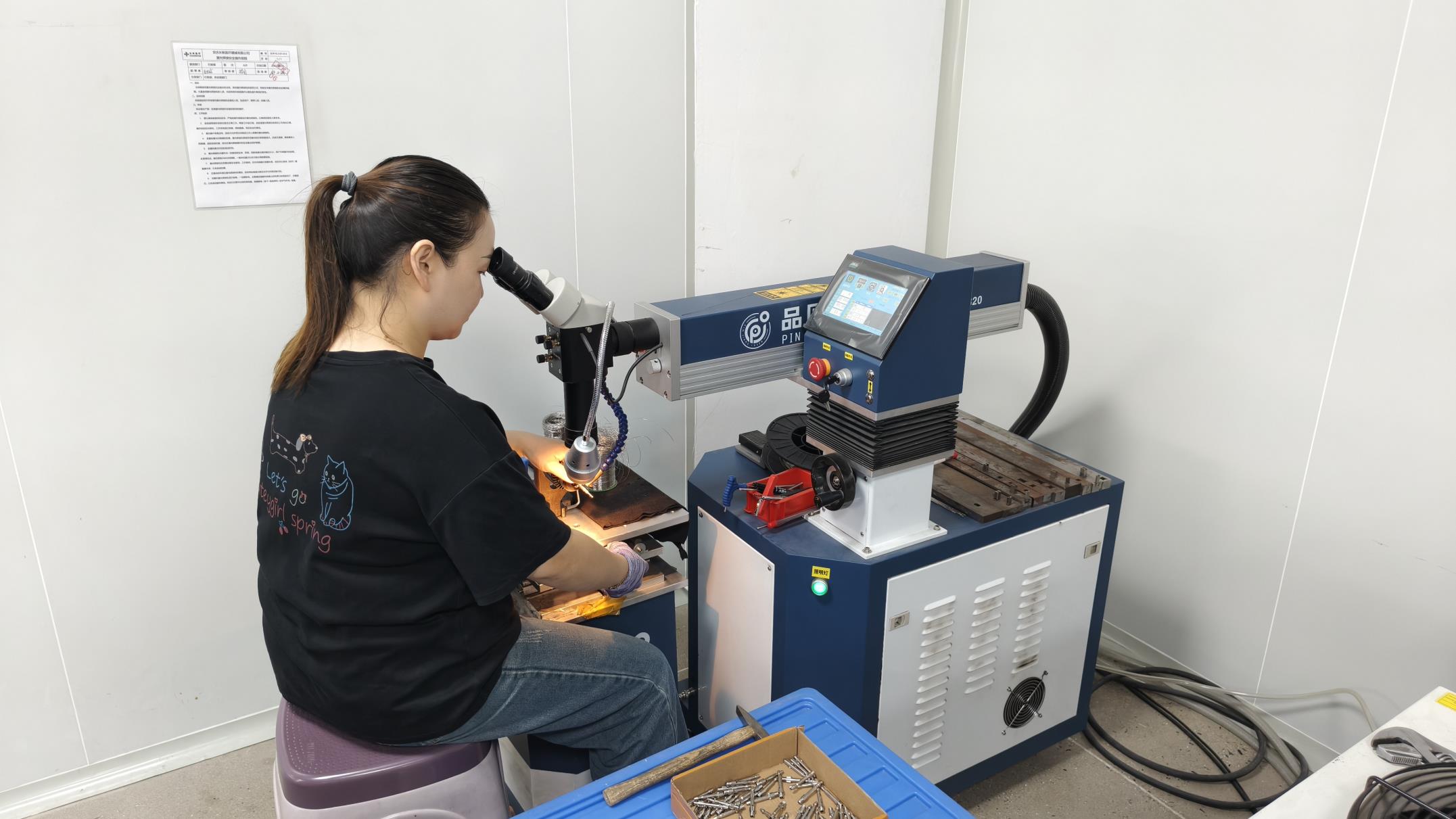
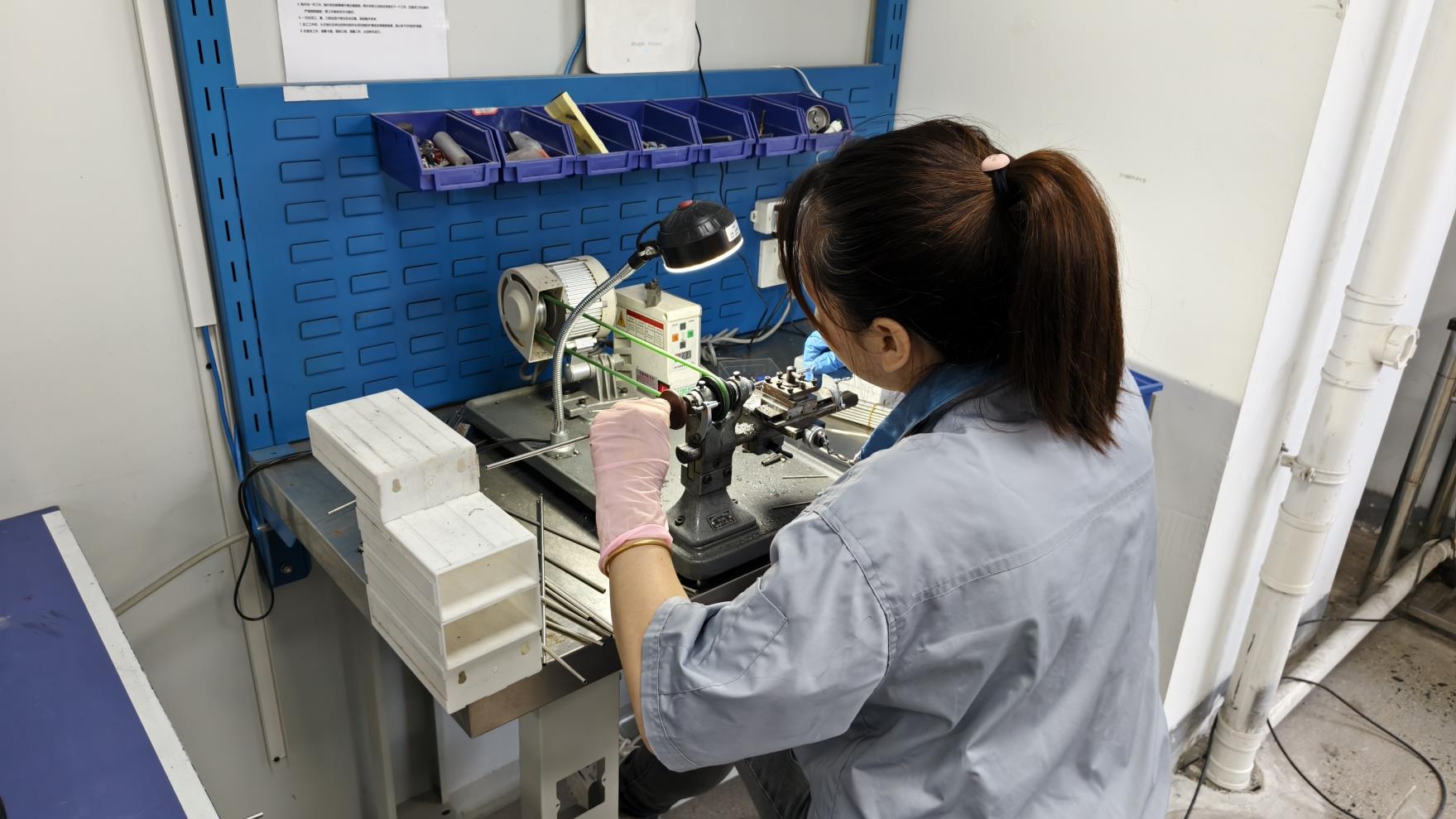
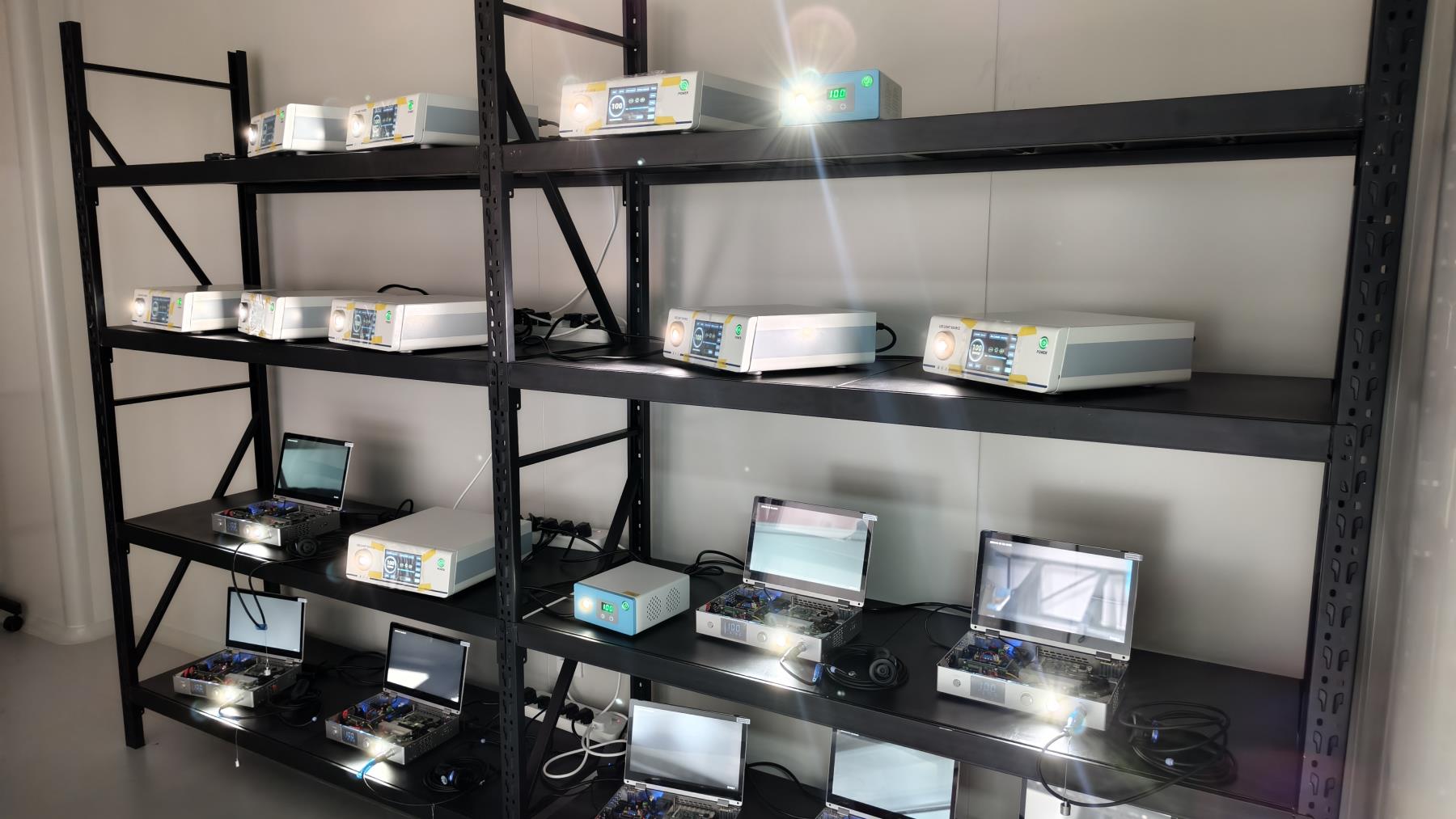
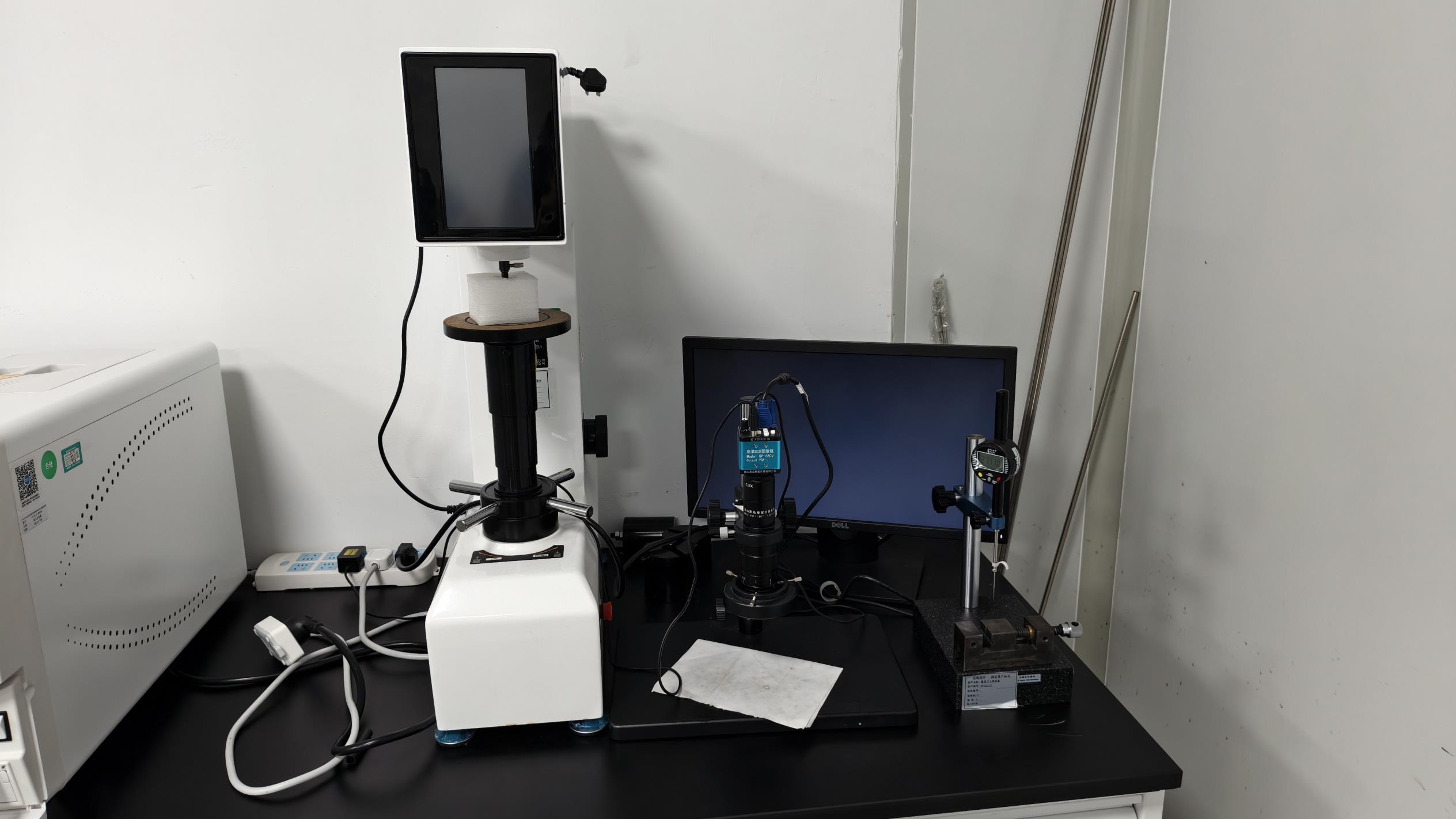
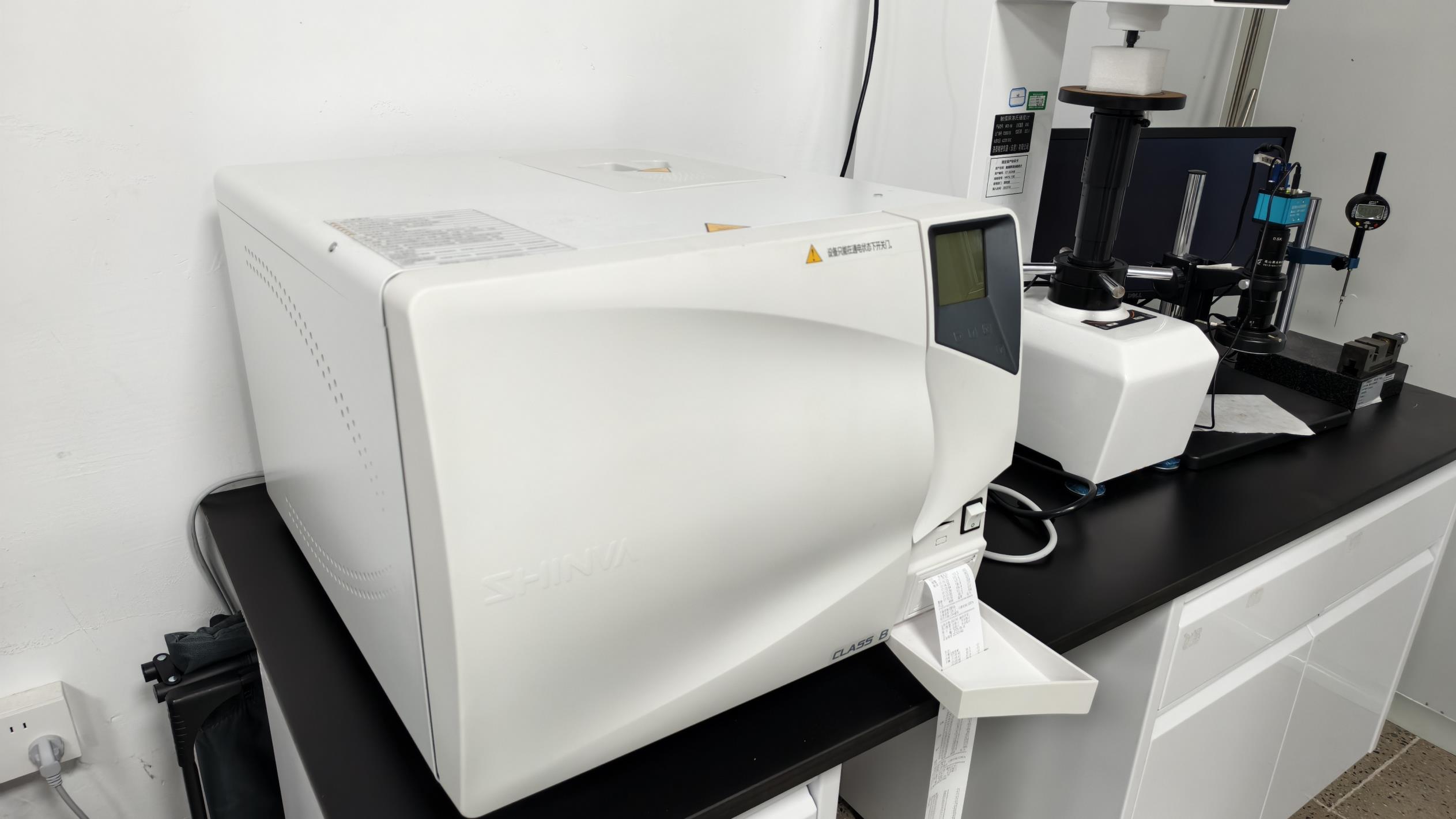
Our quality control processes ensure that all orthopedic implants meet or exceed ISO, ASTM, and CE MDR fatigue and structural standards.
A well-engineered locking plate is not just a contour piece of metal. It requires careful biomechanical adjustments to ensure the construct handles physiological loads without failure. The key engineering parameters include:
| Engineering Parameters | Technical Specification | Clinical / Mechanical Benefit |
|---|---|---|
| Material Composition | Ti-6Al-4V ELI (Extra Low Interstitial), Grade 5 (ASTM F136) | High tensile strength, fatigue resistance, and biocompatibility. Low modulus reduces stress shielding. |
| Anatomical Pre-contouring | 3D CAD-modeled to match left/right femur curvatures | Minimizes intraoperative bending, preserving structural integrity and reducing surgical time. |
| Screw Hole Options | Dynamic compression slots paired with locking holes | Allows surgeons to alternate between axial compression and fixed-angle lockups based on bone quality. |
| Plate Profile | Low-profile tapered tip, chamfered margins | Preserves soft tissue, reduces muscle irritation, and supports percutaneous biological plating (MIPO). |
| Fatigue Resistance | Evaluated to ASTM F382 (Standard Specification for Metallic Bone Plates) | Guarantees construct withstands continuous weight-bearing cycles during the initial healing phase. |
For complex cases, standard geometries may not suffice. Modern manufacturers offer comprehensive OEM/ODM customization systems. Adjustments include plate thickness parameters, distal extensions for peri-prosthetic knee fractures, and customized polyaxial locking configurations.
Through 3D modeling and Finite Element Analysis (FEA), research engineers simulate physiologic loads. This allows for precise modifications, ensuring optimal mechanical performance and anatomical fit before the implant enters production.
The orthopedic field is moving toward smart implant integration. The integration of diagnostic sensors within femoral locking systems represents the next milestone. Active micro-strain gauges and biochemical markers will track fracture healing and mechanical load distribution in real time, alerting clinical teams to nonunion risks or premature failure.
Additionally, developments in bio-resorbable magnesium alloys and surface finishes—such as acid-etched titanium anodization and antimicrobial coatings—will help reduce infection rates and promote direct osseointegration.
Technical answers for clinical purchase officers, orthopedic distributors, and surgical importers.
Explore our supporting range of precision instruments, cannulated compression systems, and spinal fixation constructs.