Zynfuse
Zynfuse
Zynfuse
Precision-engineered clinical instruments and implant components manufactured in compliance with international ISO 13485 protocols.
An in-depth analysis of biological fixation, osteointegrative interfaces, and clinical survivorship trends.
Total Hip Arthroplasty (THA) stands as one of the most successful surgical procedures of the modern medical era. Historically dominated by PMMA (polymethyl methacrylate) bone cement fixation, the orthopedic sector has experienced a profound shift toward cementless (press-fit) hip prosthesis configurations. This transition is motivated by a clinical drive to achieve biological, lifetime fixation, avoiding the structural degradation, osteolysis, and third-body wear associated with cement fragmentation over long-term implant lifespans.
Uncemented total hip components rely on initial primary stability through mechanical press-fit interference within the prepared femoral canal and acetabular cavity, followed by secondary biological stability via bone ingrowth (osseointegration) or ongrowth (osseoinduction). Modern engineering has yielded titanium and tantalum micro-porous surface coatings that mimic trabecular bone architecture. These advancements facilitate robust vascularization and osteogenesis, resulting in exceptionally high implant survivorship rates in active, younger patient demographics.
Clinical Insight: According to global joint registry statistics, cementless femoral stems and acetabular cups demonstrate a 15-year cumulative survivorship rate exceeding 95% in patients under the age of 65, solidifying cementless systems as the benchmark for active populations.
The global orthopedic reconstructive implant market is growing rapidly, driven by an aging demographic, rising rates of osteoarthritis, and the expansion of outpatient joint replacements in Ambulatory Surgical Centers (ASCs). Research indicates the cementless hip prosthesis segment represents over 75% of the total hip replacement market value in North America and Western Europe, with rapid adoption emerging in Asia-Pacific markets.
From an industrial perspective, manufacturing these medical devices requires significant capital investment, state-of-the-art materials science, and strict regulatory compliance. Raw materials like Titanium-6Aluminum-4Vanadium (Ti6Al4V ELI), Cobalt-Chromium-Molybdenum (CoCrMo) alloys, and ultra-high-molecular-weight polyethylene (UHMWPE) are processed under rigorous manufacturing standards to ensure biocompatibility and fatigue strength under cyclic mechanical loading.
Evaluating the world's leading orthopedic designers based on technological innovation, manufacturing infrastructure, clinical data, and global supply footprints.
Stryker is a leader in orthopedic technology, renowned for its Trident Acetabular System and Accolade II Femoral Stem. Utilizing their proprietary Tritanium 3D-printed porous metal technology, Stryker produces surfaces designed to mimic the structure of cancellous bone, promoting rapid biological fixation.
DePuy Synthes offers a comprehensive portfolio including the clinically proven Pinnacle Cup System and Corail Stem. With millions of implantations worldwide, the Corail Stem's hydroxyapatite (HA) coating is a benchmark for cementless biological integration.
Zimmer Biomet is a pioneer in biomaterial innovation, specifically through its Trabecular Metal Technology. Formed from elemental tantalum, Trabecular Metal features up to 80% porosity, closely replicating the physical and mechanical properties of natural bone to minimize stress shielding.
Smith & Nephew specializes in advanced bearing surfaces, such as OXINIUM (Oxidized Zirconium). Paired with cementless femoral systems like the Anthology Stem, their implants significantly reduce friction and wear rates compared to traditional cobalt-chrome bearings.
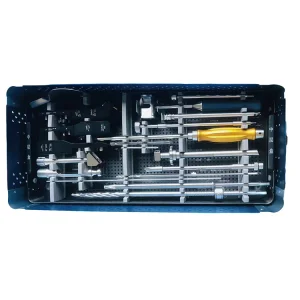
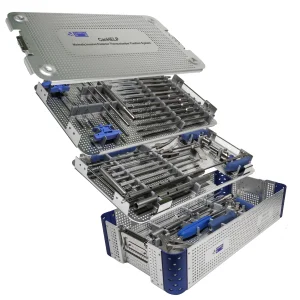
Zynfuse Medical is a rapidly growing orthopedic manufacturer specializing in advanced implants and surgical instrumentation. With a modern 18,600 m² production facility, Zynfuse provides highly customizable, ISO 13485-certified cementless orthopedic systems for global markets, backed by robust R&D.
Based in Switzerland, Medacta is known for its focus on minimally invasive surgery (AMIS) and patient-specific implant designs. Their Quadra cementless stems are engineered with specialized dual-taper geometries to maximize rotational stability in press-fit applications.
B. Braun Aesculap delivers advanced hip systems like the Metha Short Stem. This design preserves proximal bone stock, making it a preferred choice for conservative joint arthroplasties in younger, more active patient groups.
Corin integrates orthopedic implants with digital technology. Their Trinity Cup and MetaFix Stem utilize advanced coatings and pair with the *OPS (Optimized Positioning System)* to optimize implant placement dynamic alignment.
MicroPort Orthopedics features the SuperPath Minimal Invasive Hip Technique and Dynasty Acetabular Cup System. They provide a range of advanced uncemented stems tailored to diverse skeletal morphotypes.
LimaCorporate, an Enovis company, pioneered 3D titanium printing with their proprietary Trabecular Titanium (TT). This technology integrates porous structures directly into the implant substrate, avoiding issues with coating delamination.
A look at a key manufacturer's production capacity, quality management systems, and global export infrastructure.
Zynfuse Medical Technology Co., Ltd. is a professional orthopedic medical device manufacturer specializing in bone fusion and advanced implant systems for surgical innovation. Established in 2016, the company has built a strong foundation in orthopedic solutions with 12 years of industry experience and 7 years of export experience, serving global healthcare markets with consistent quality and reliability.
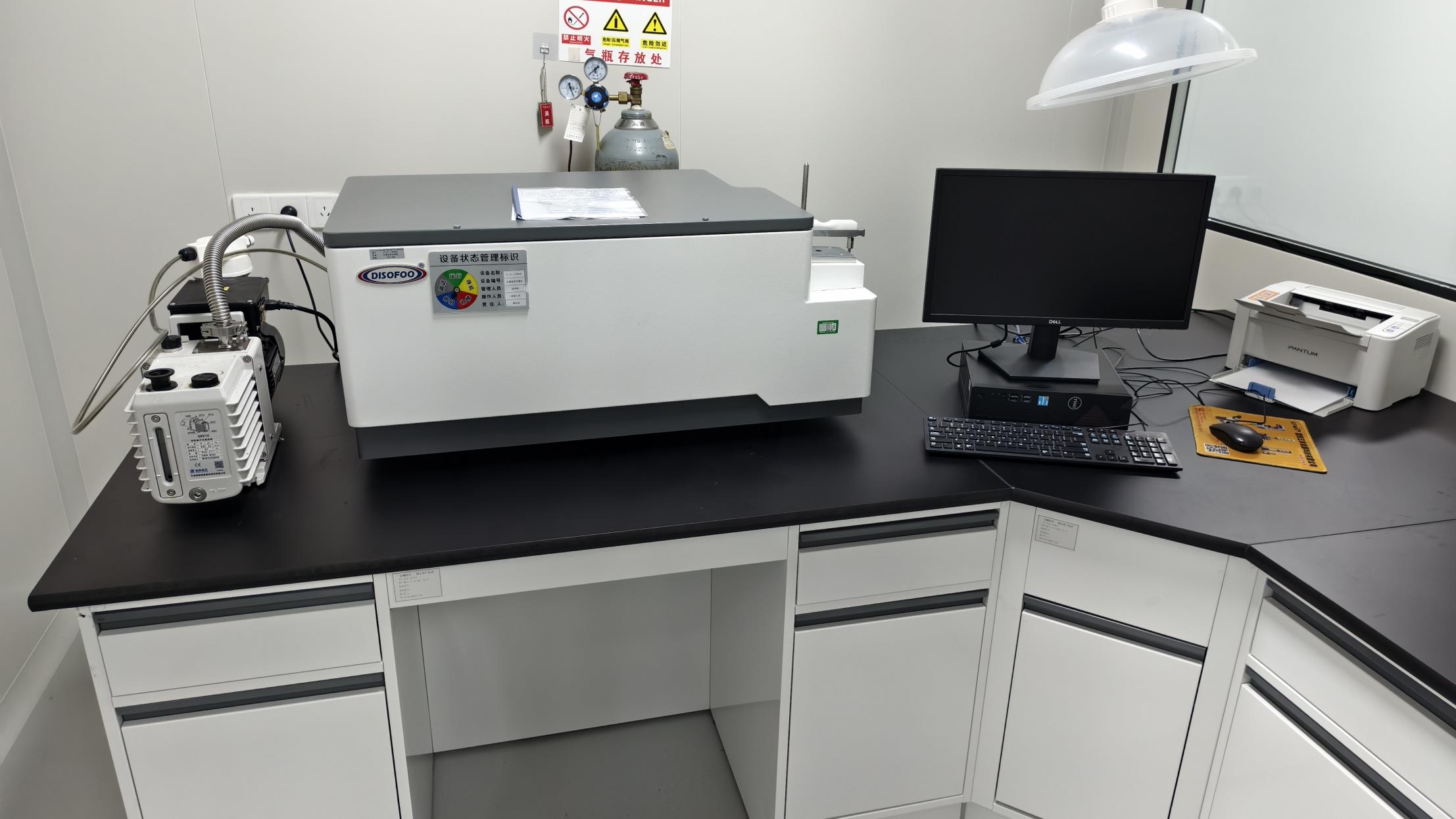
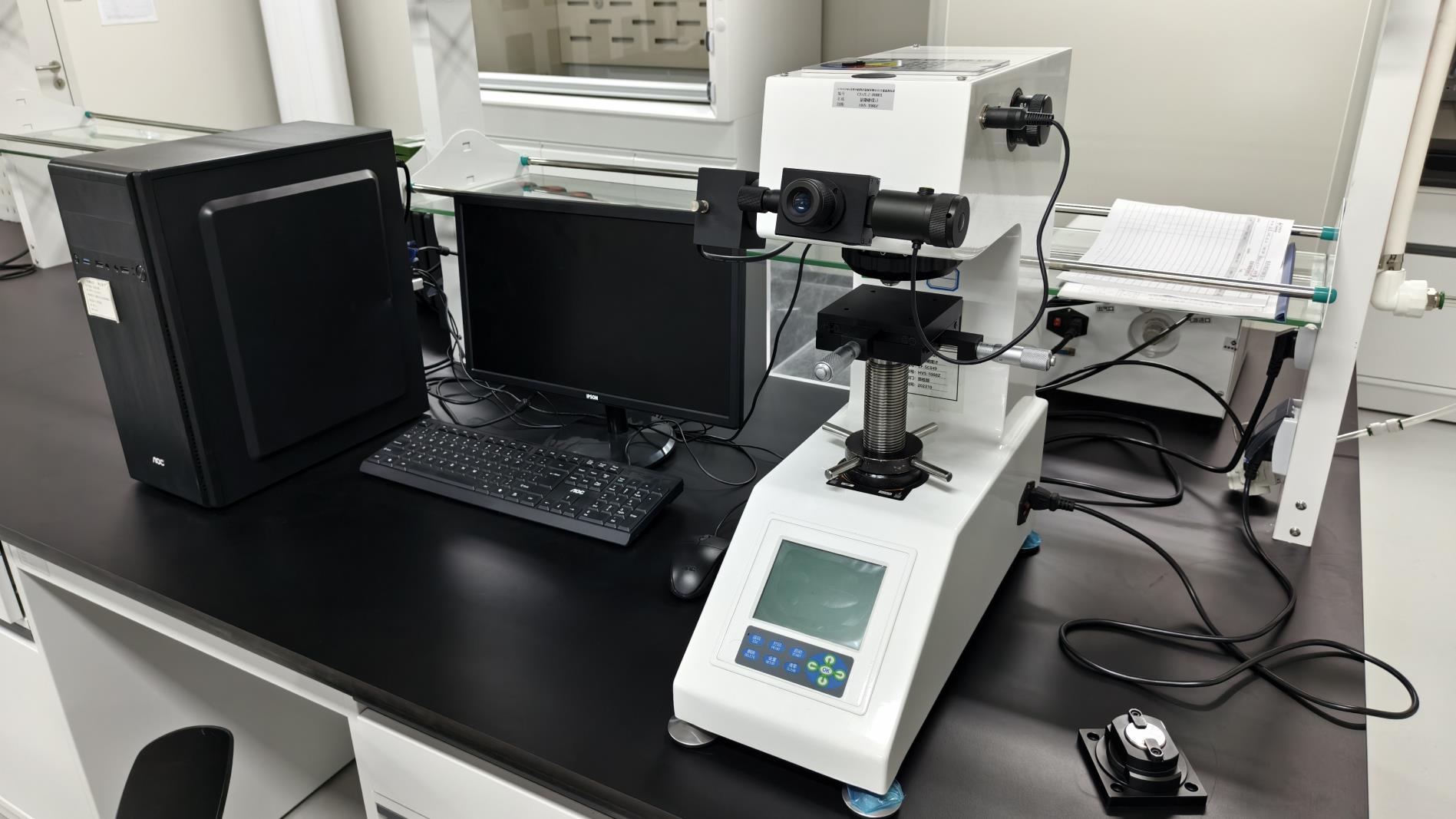
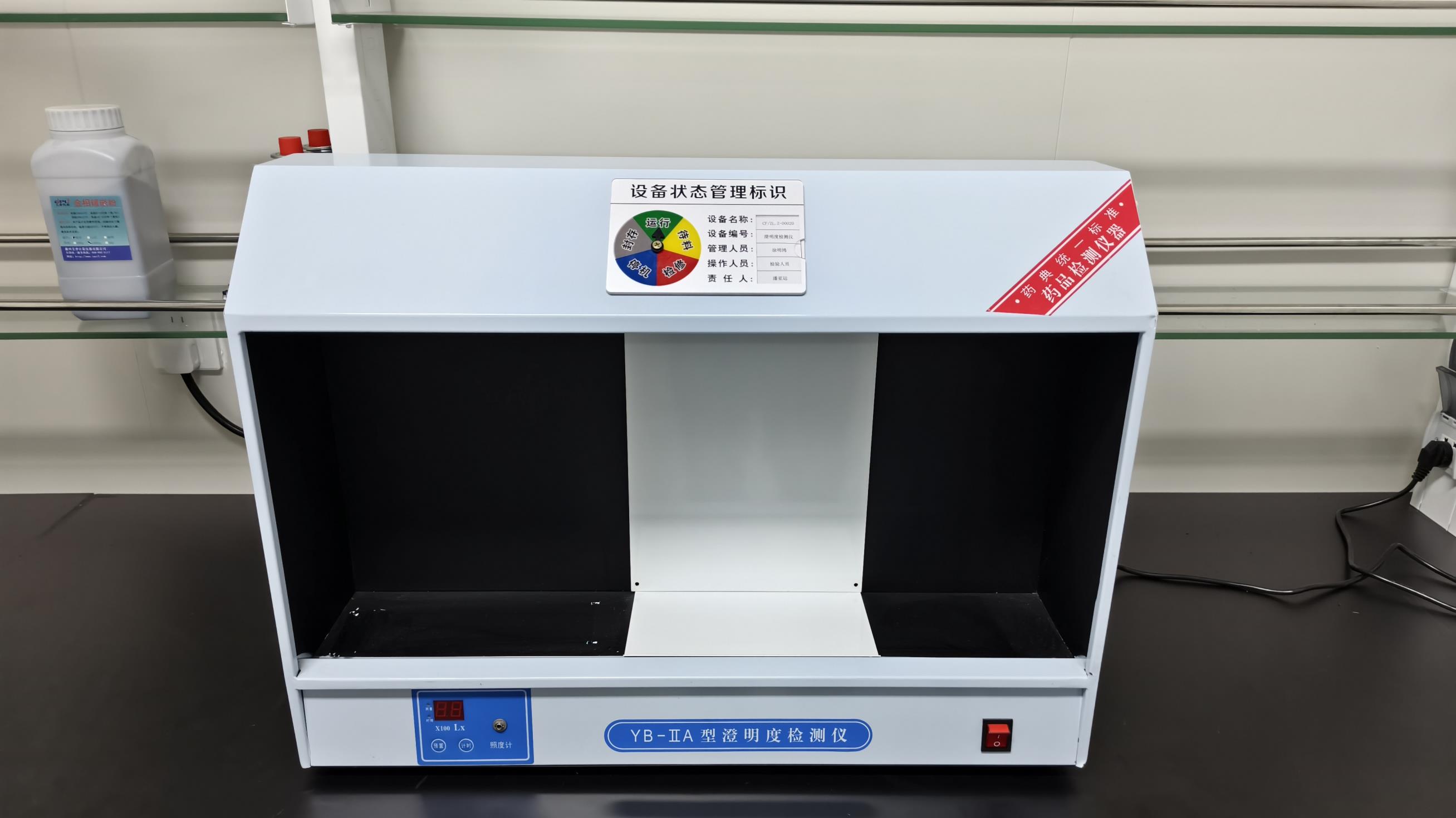
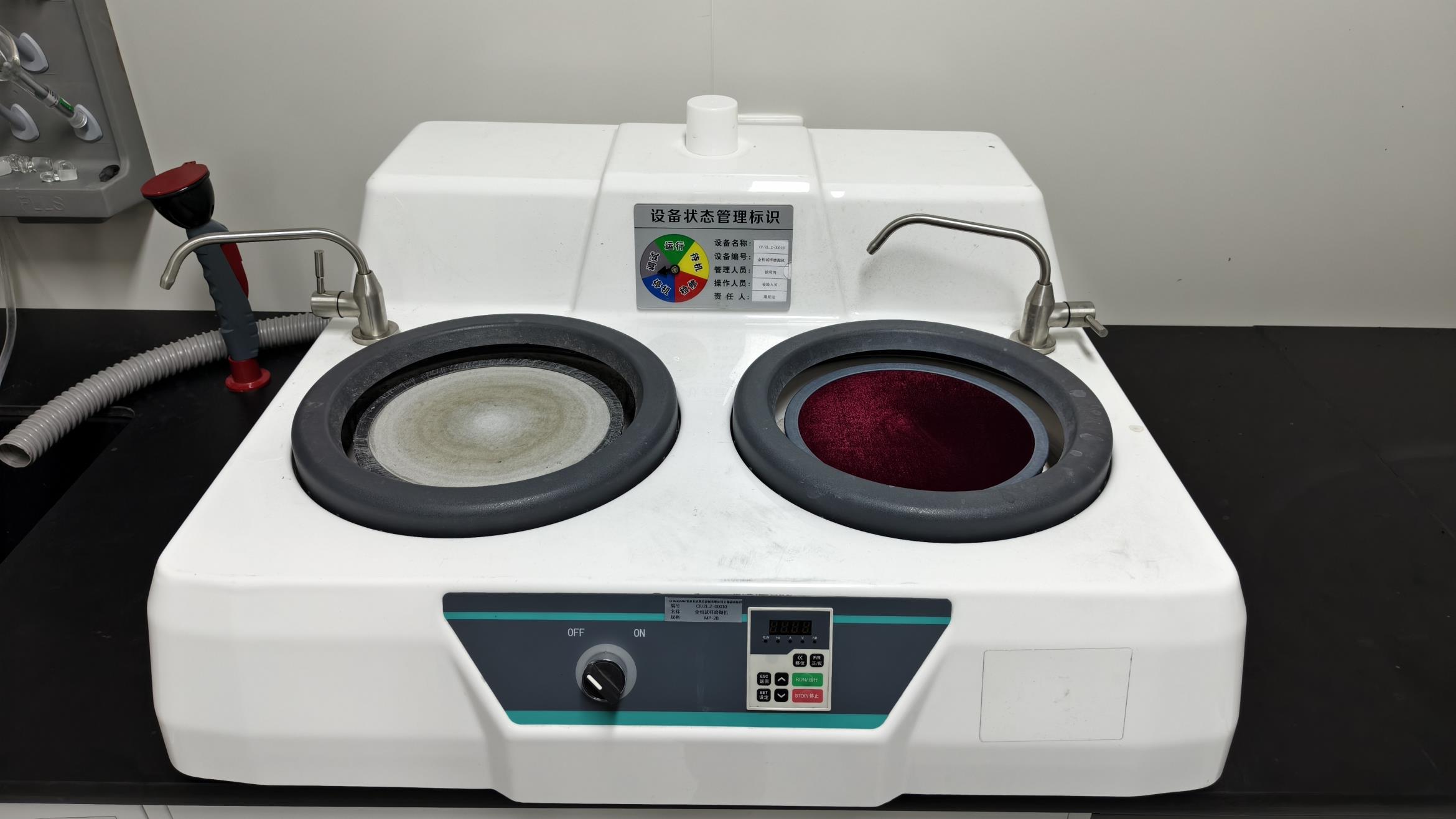
The company operates a modern manufacturing facility covering approximately 18,600 m², equipped with advanced production and testing equipment. Zynfuse maintains an annual export revenue of around $18.5 million, supported by a highly efficient supply chain network of over 1,200 partners worldwide. The organization employs 68 quality inspection specialists ensuring strict compliance with international medical standards.
Zynfuse serves major global markets including North America, Europe, Southeast Asia, and the Middle East, and collaborates with hospitals, distributors, orthopedic clinics, and medical device importers. Its client base primarily includes medical distributors, hospital procurement departments, and orthopedic surgical centers.
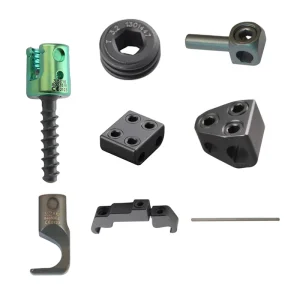
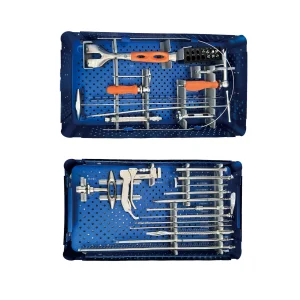
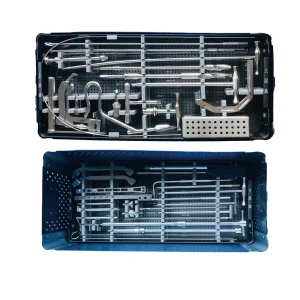
Integrating CNC machining, laser welding, and automated surface treatment to deliver high-quality implant components.
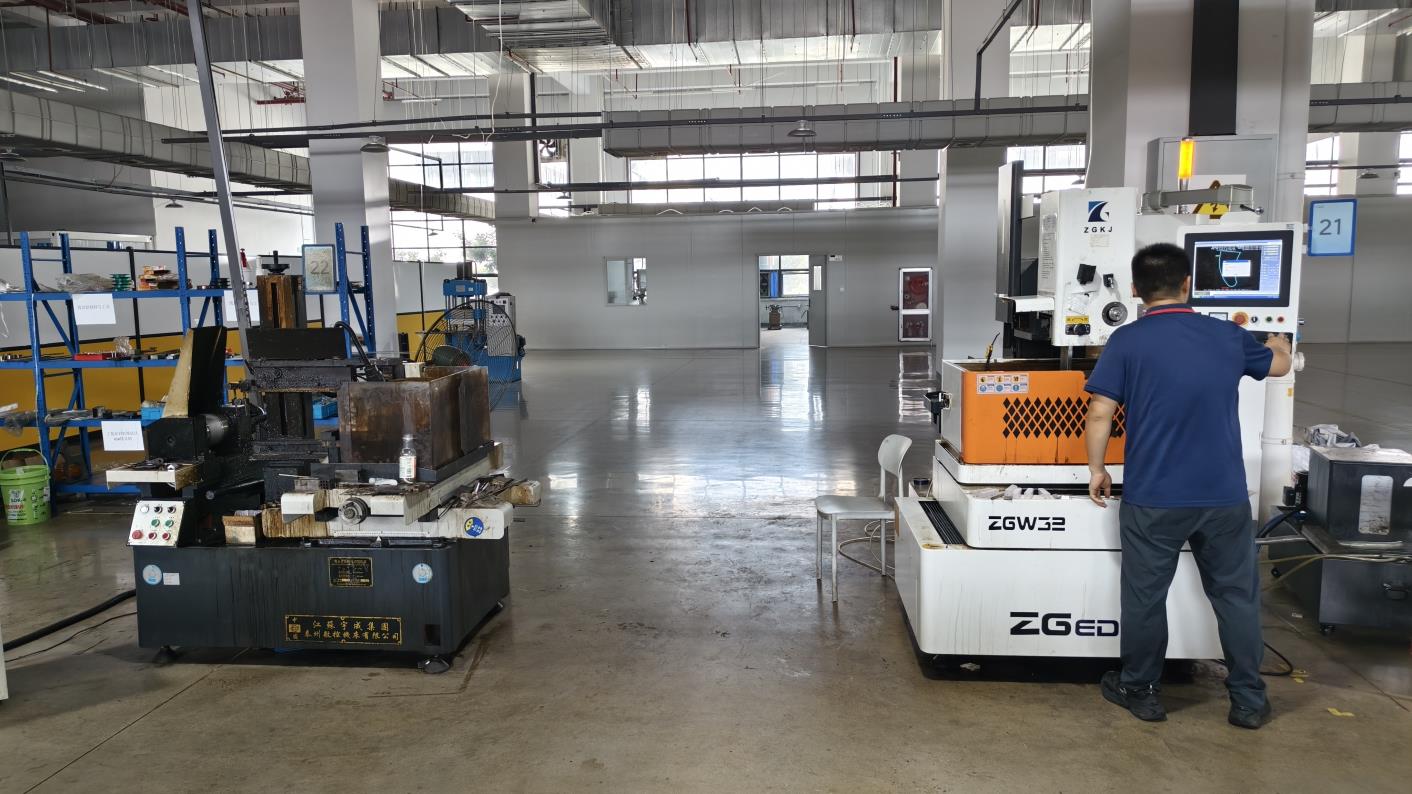
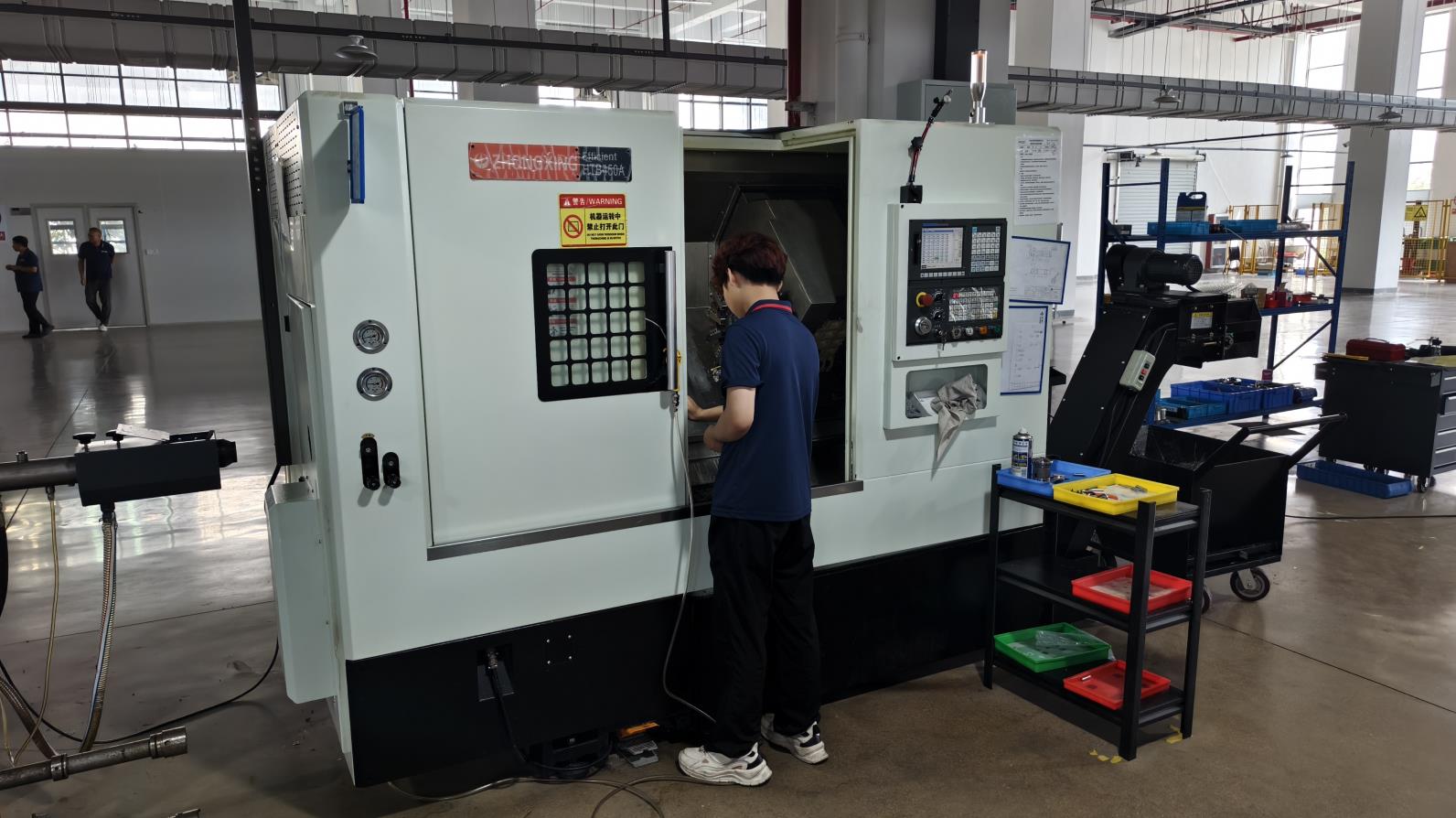
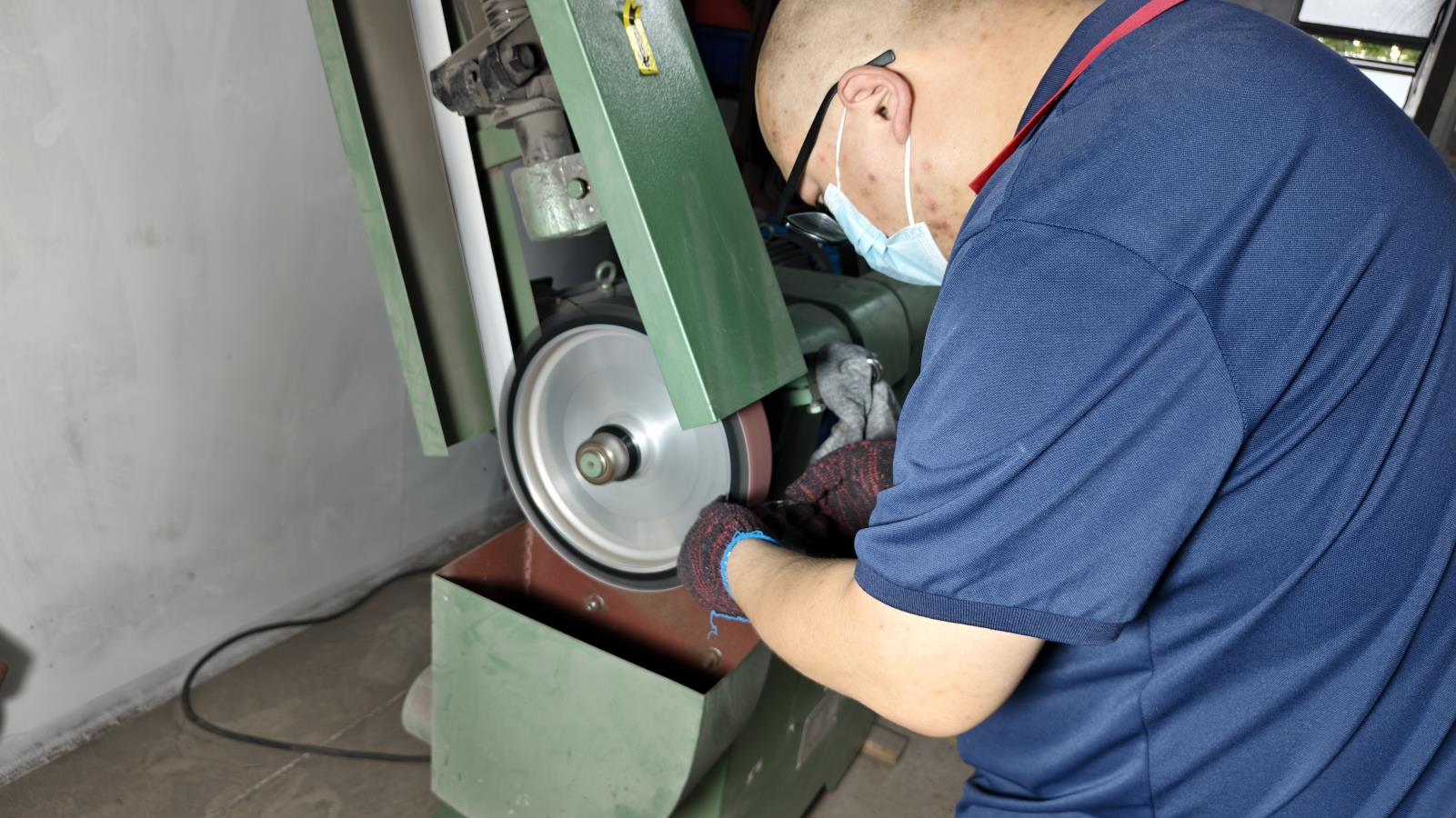
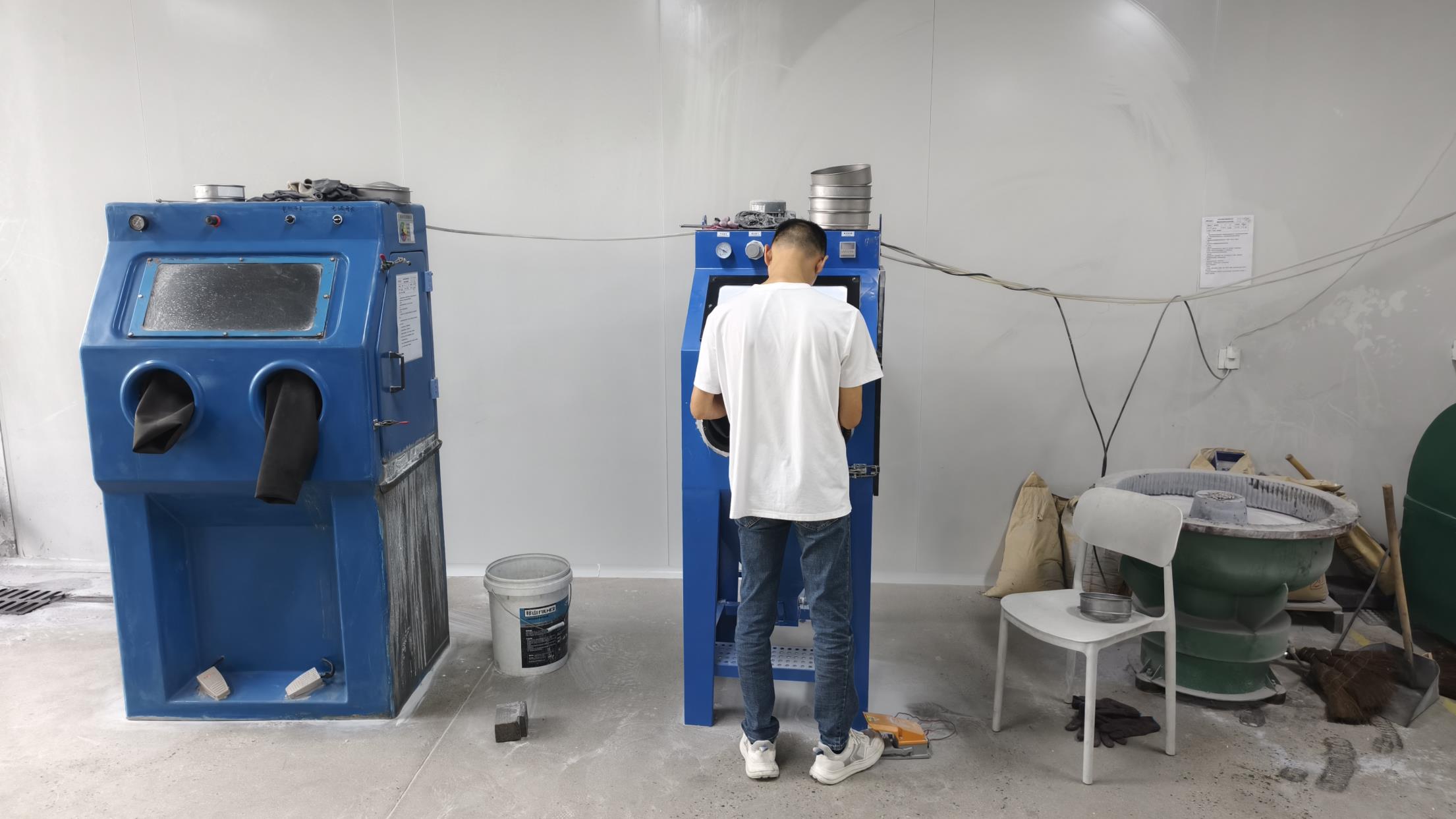
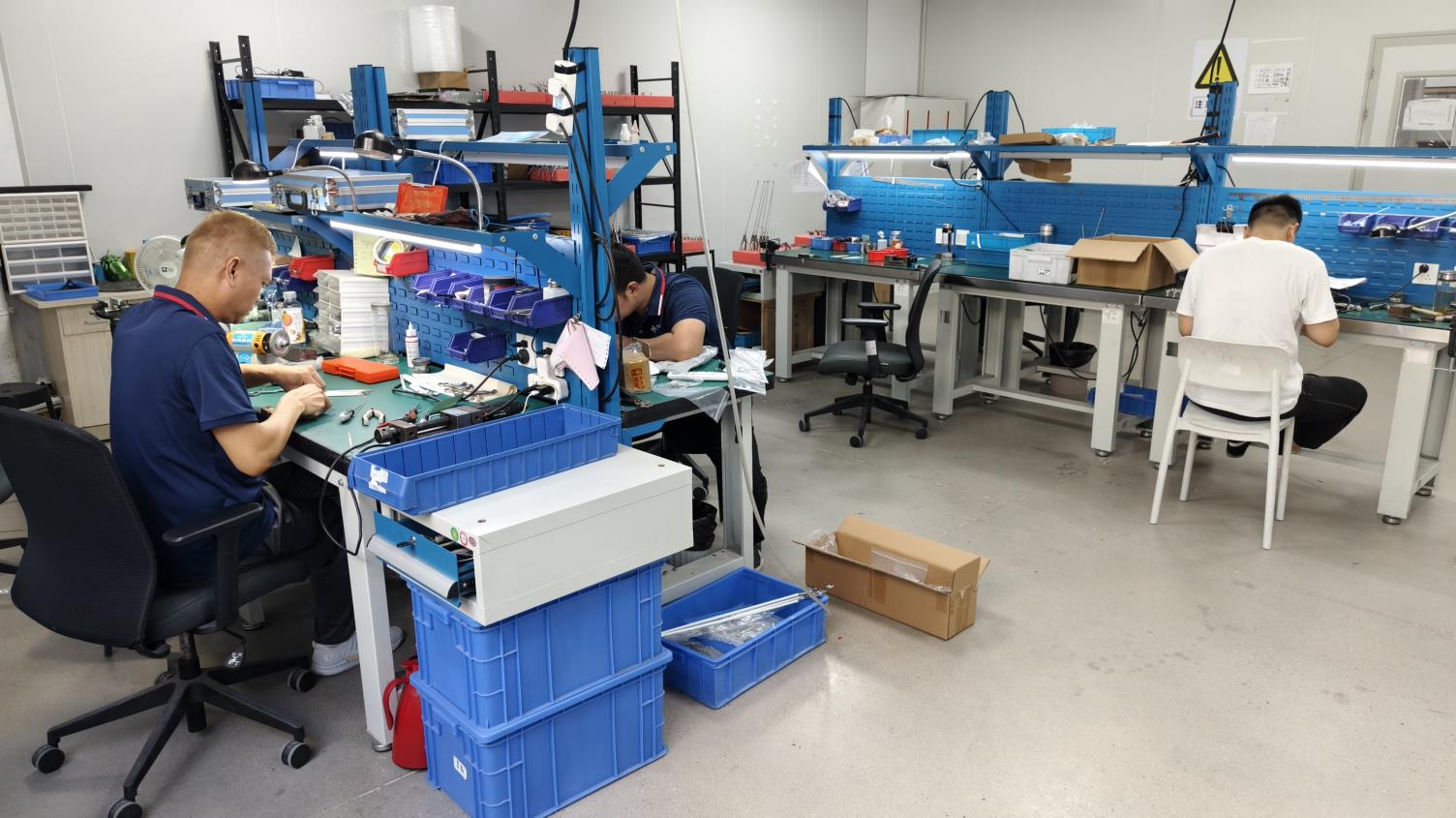
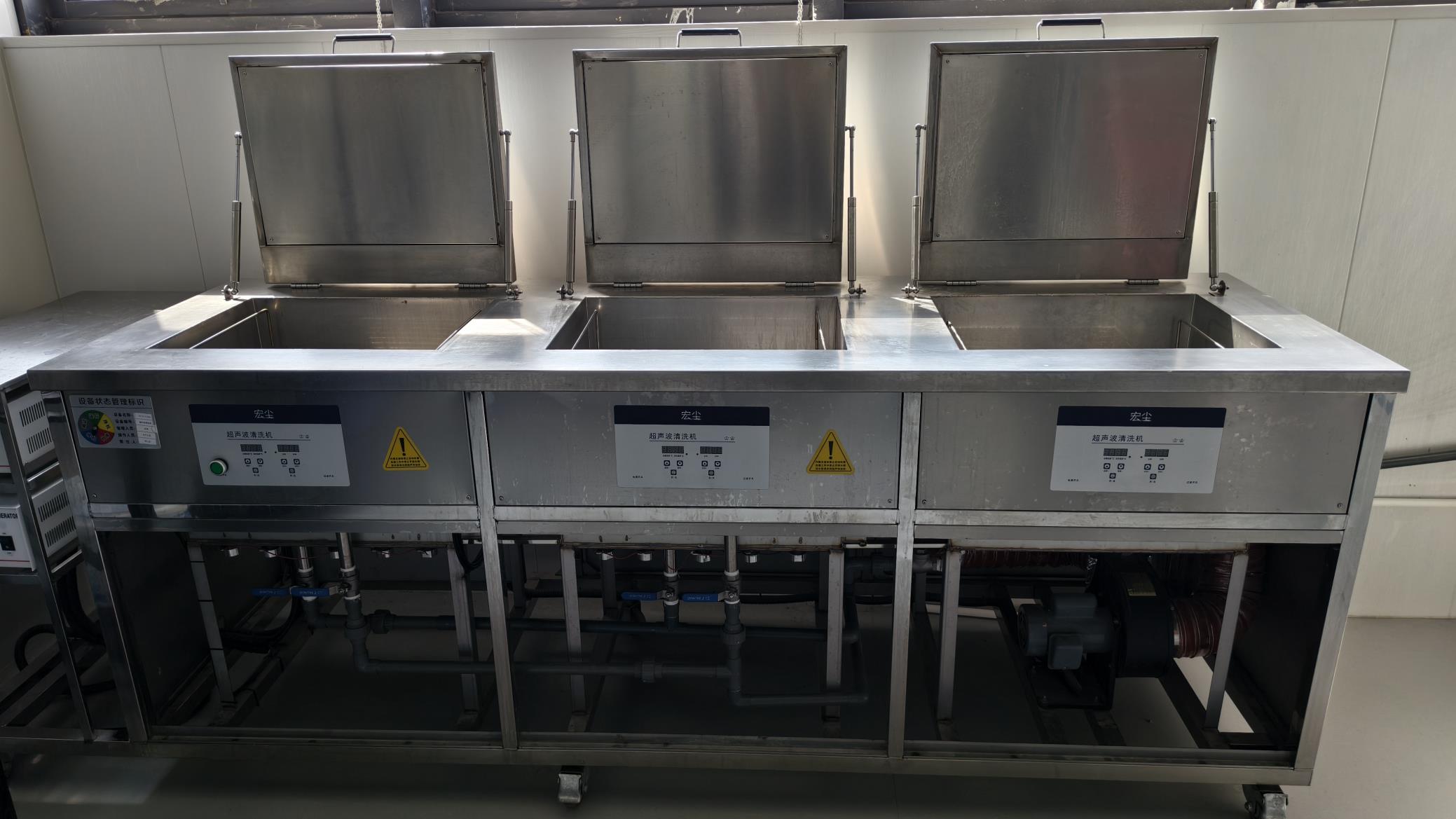
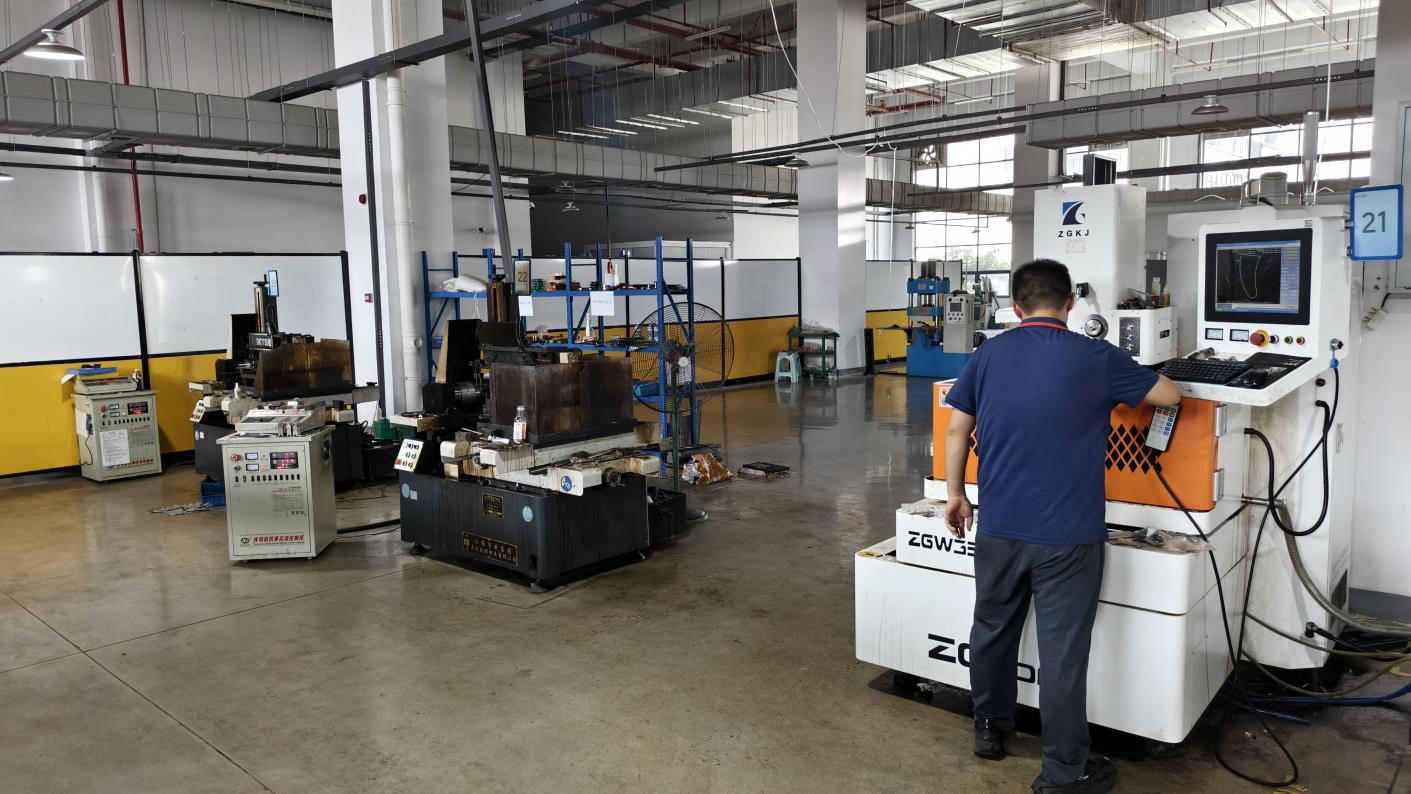
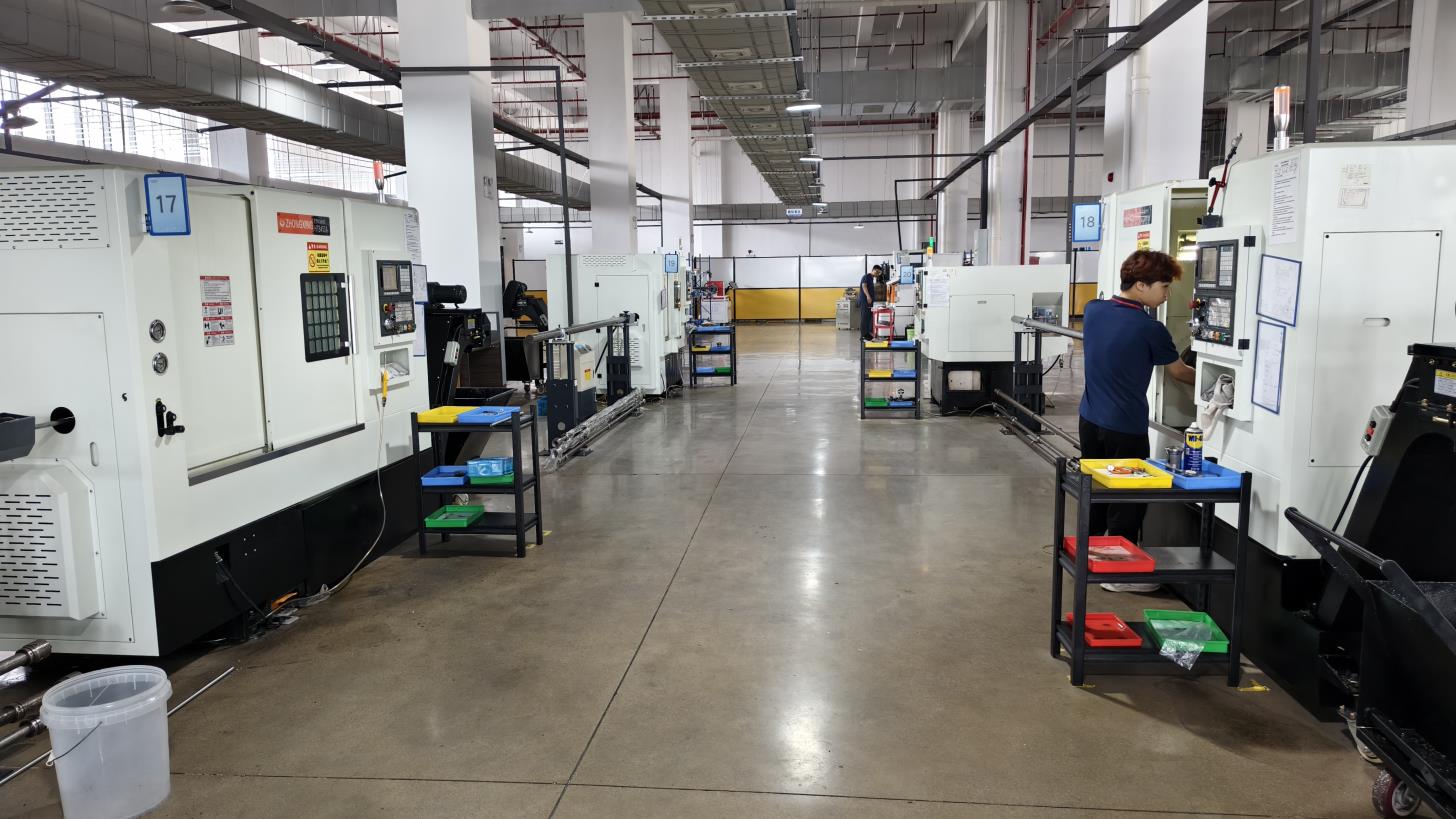
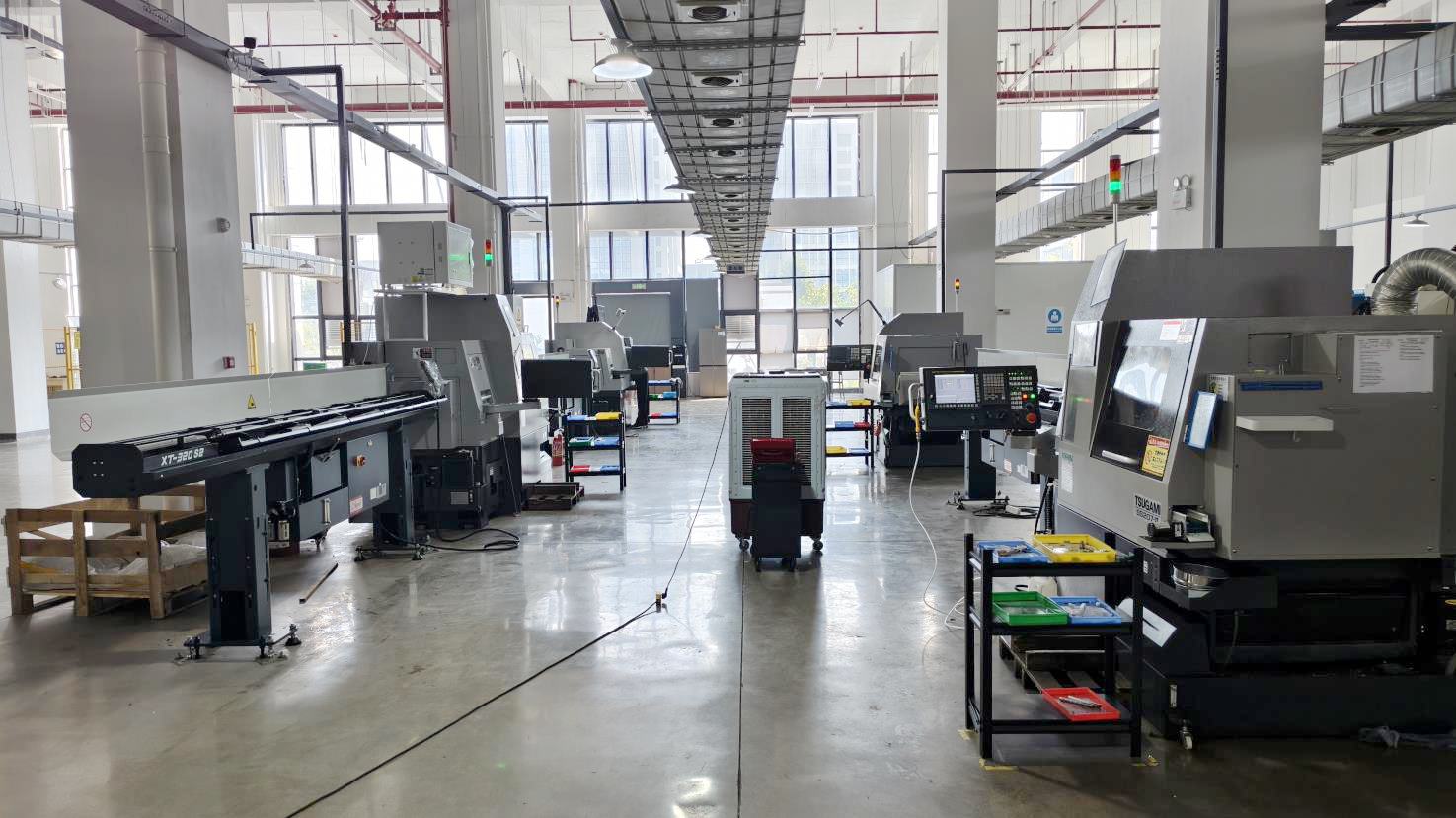
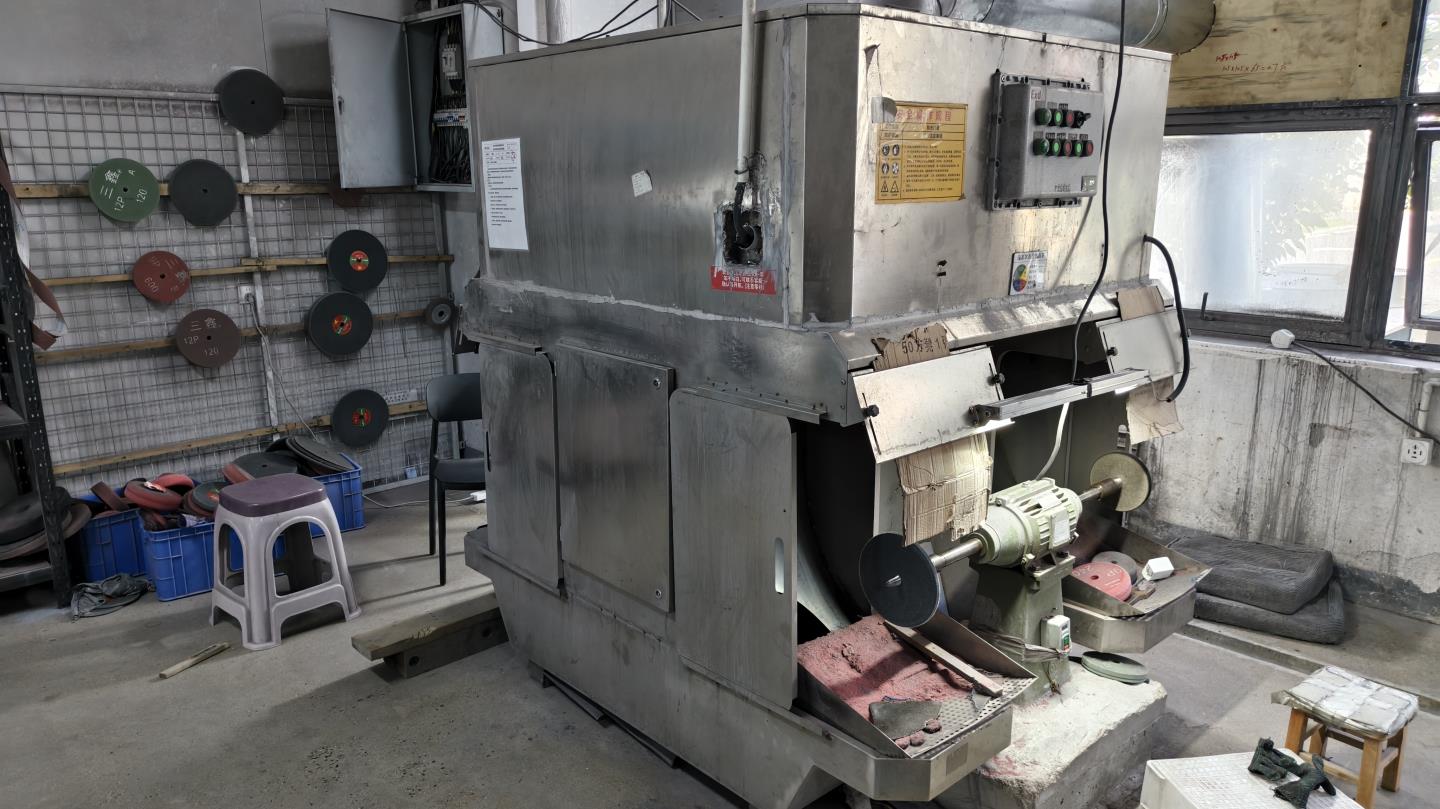
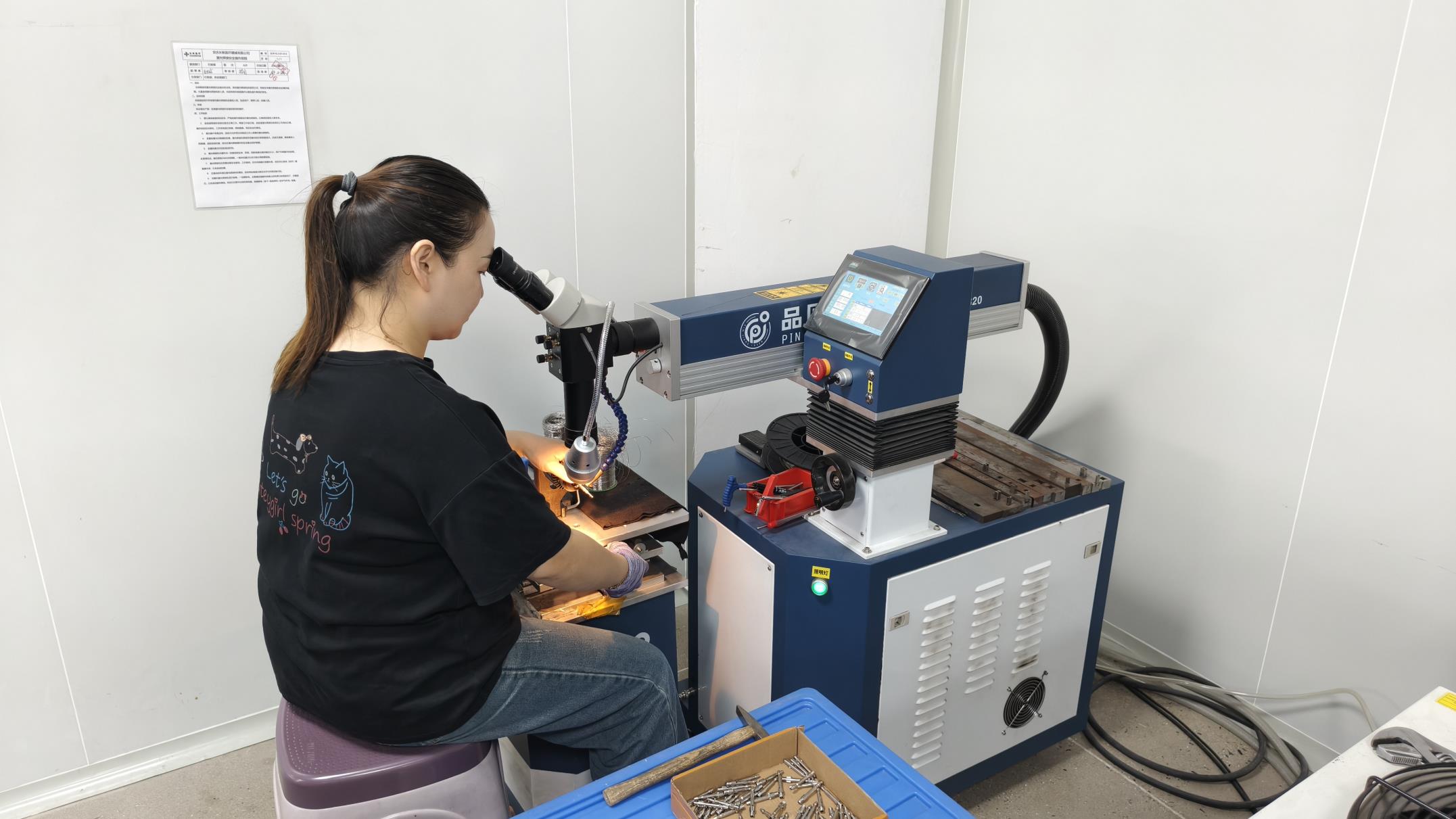
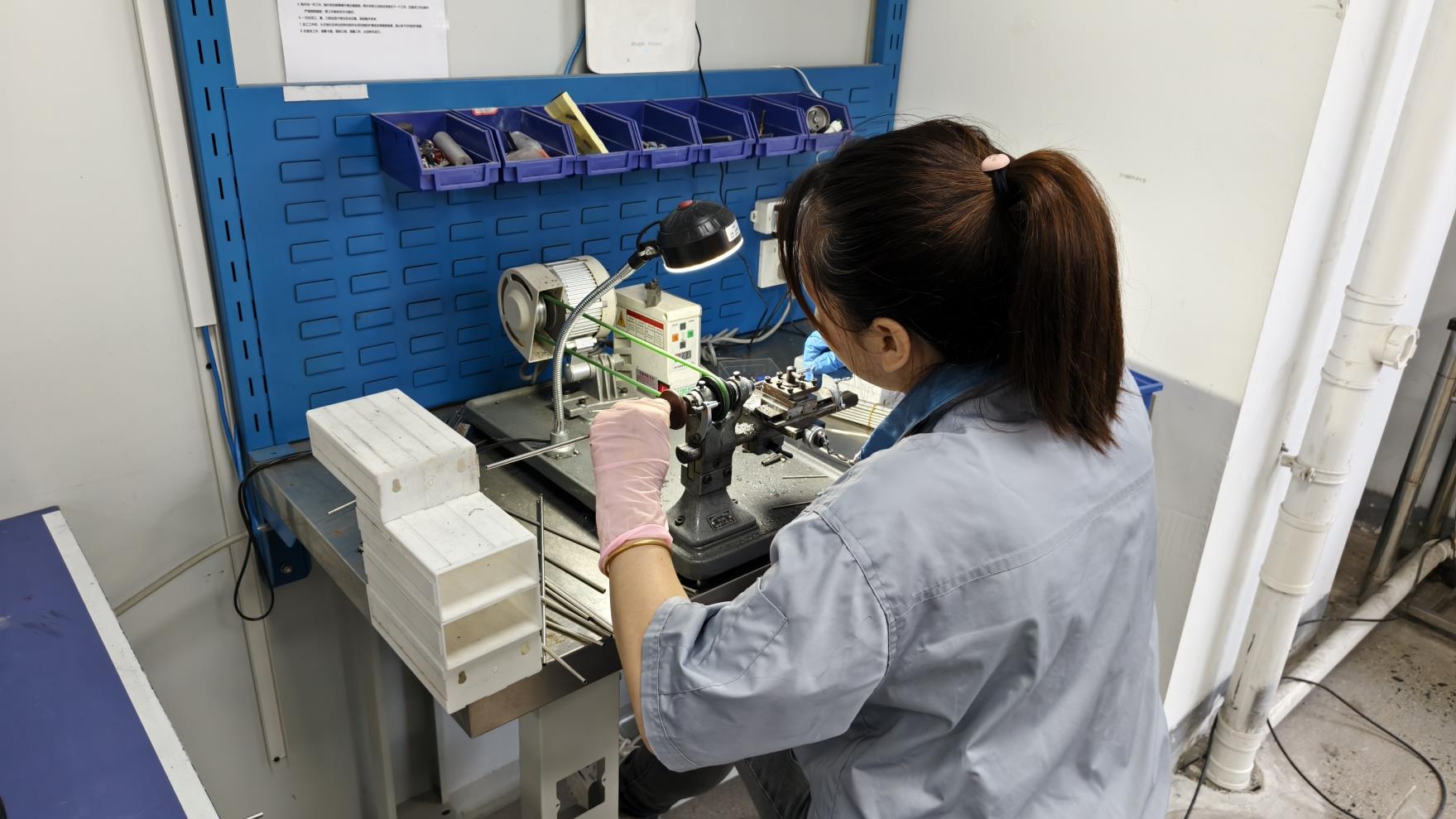
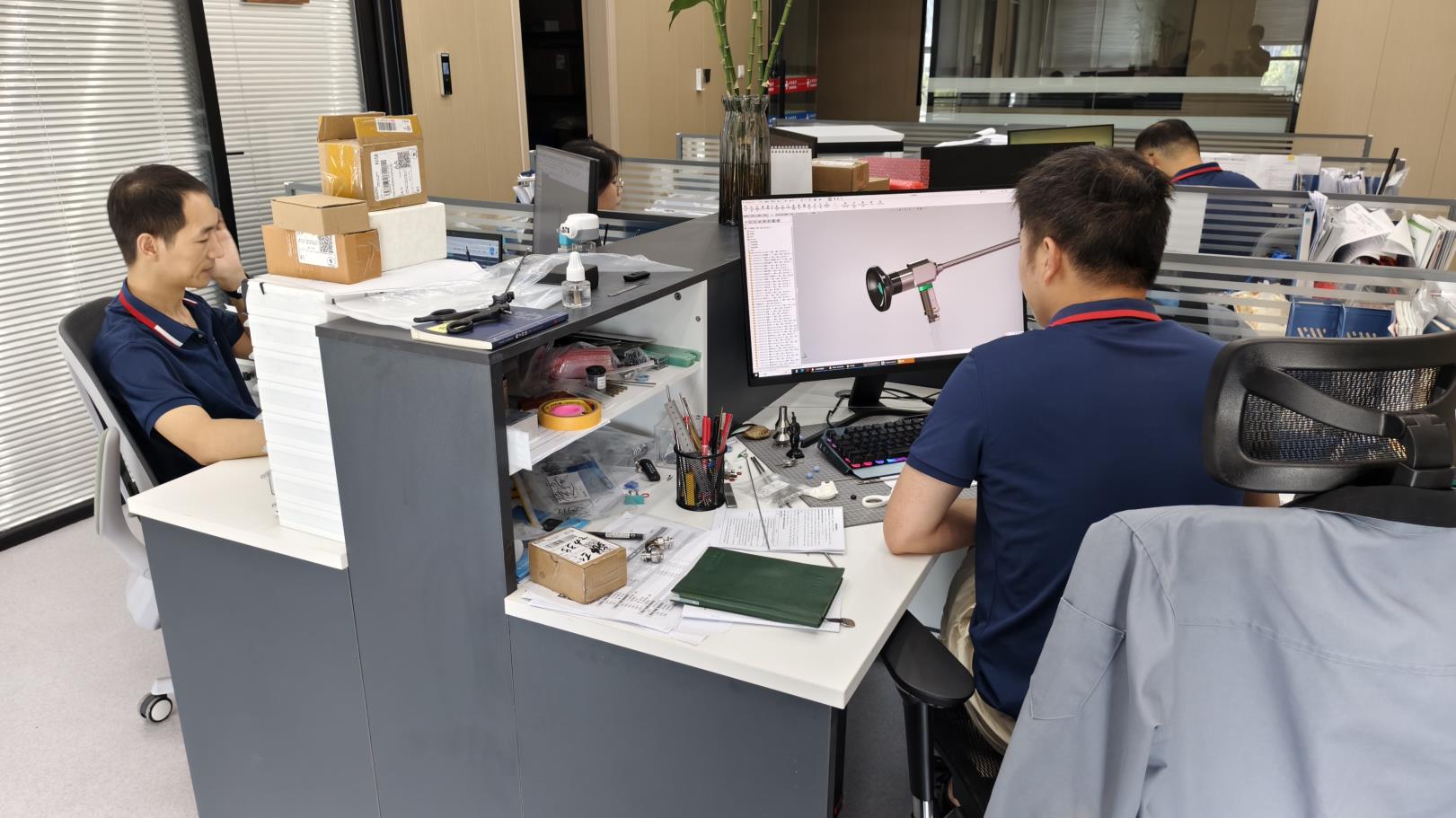
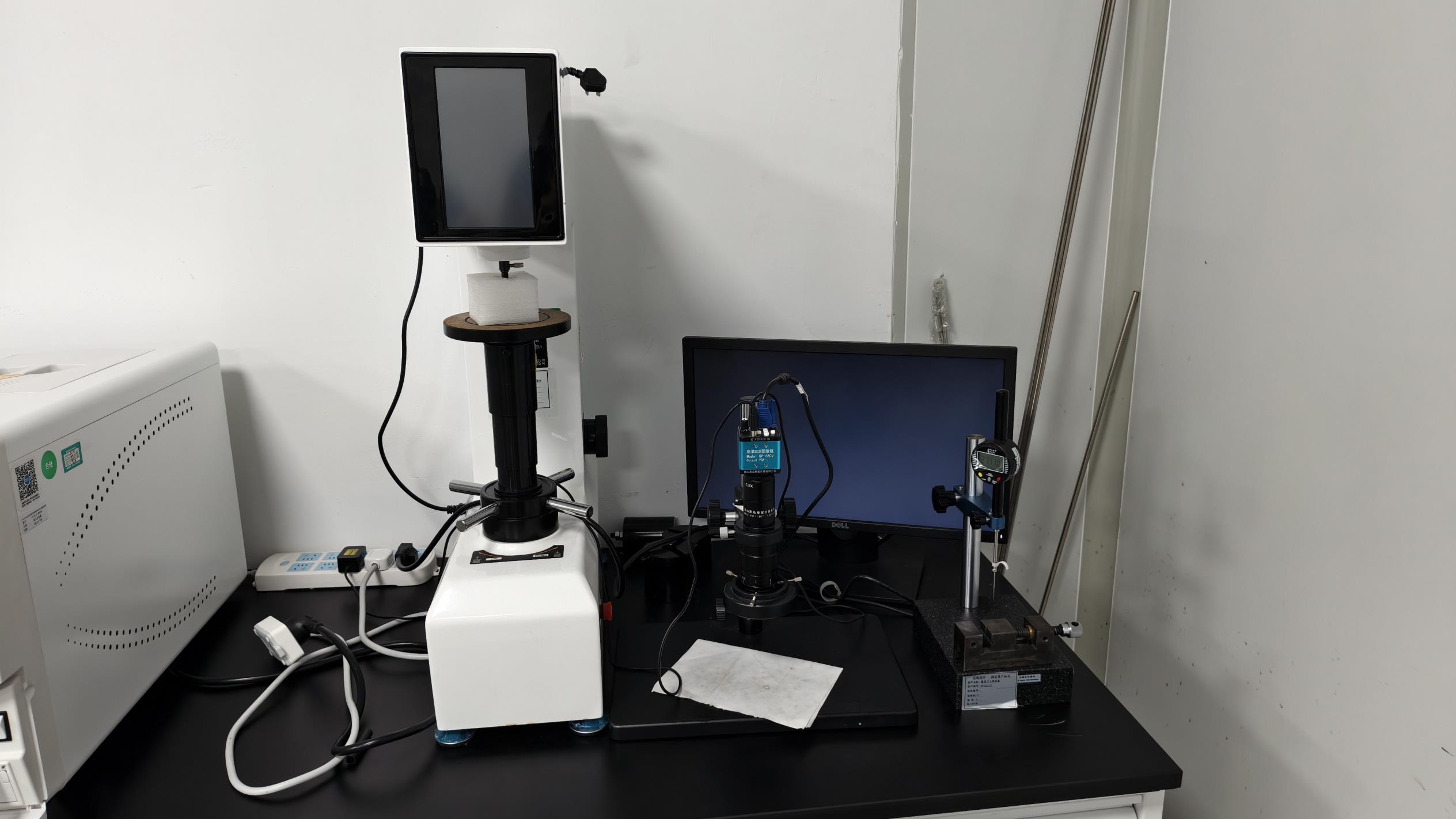
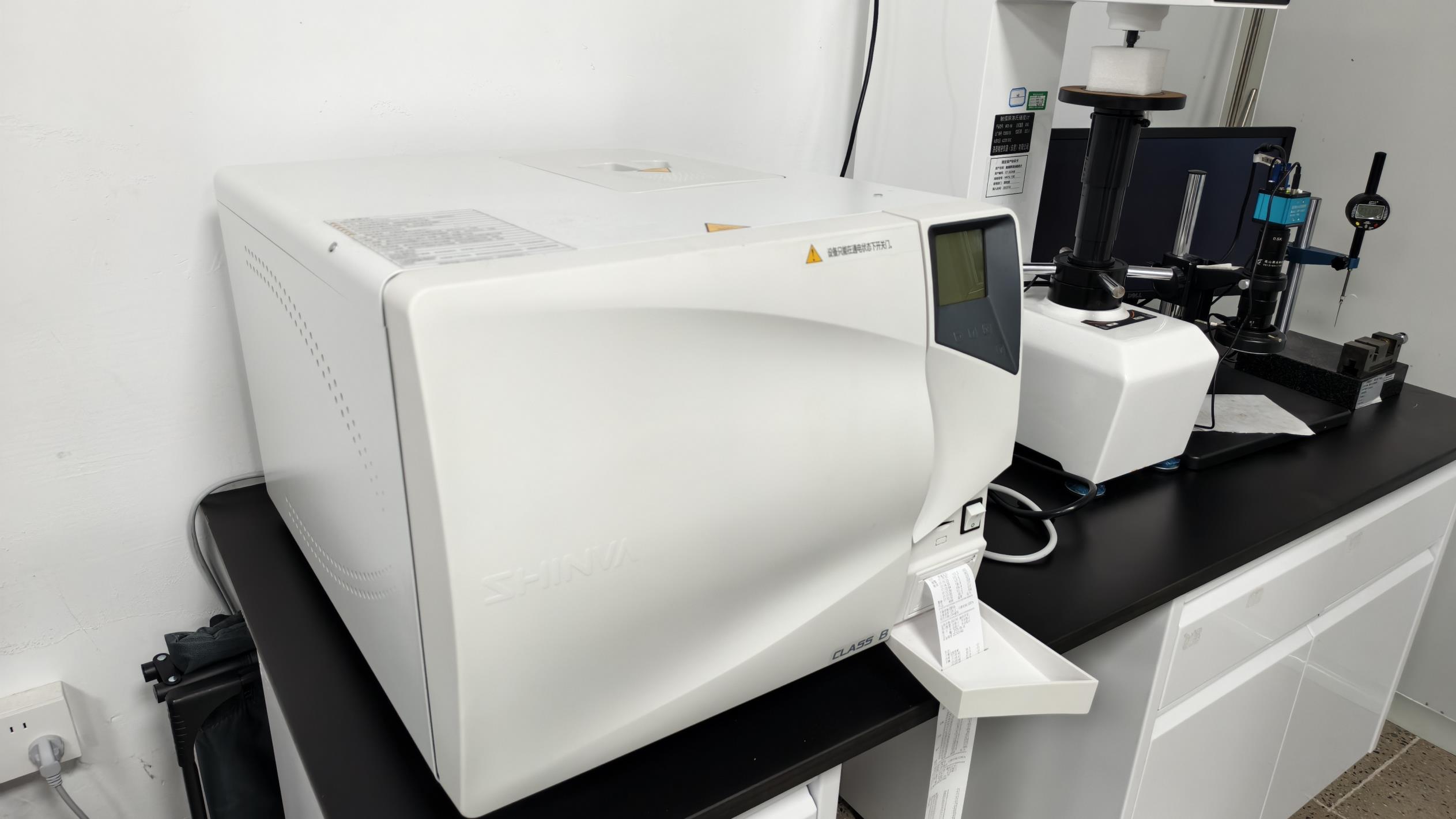
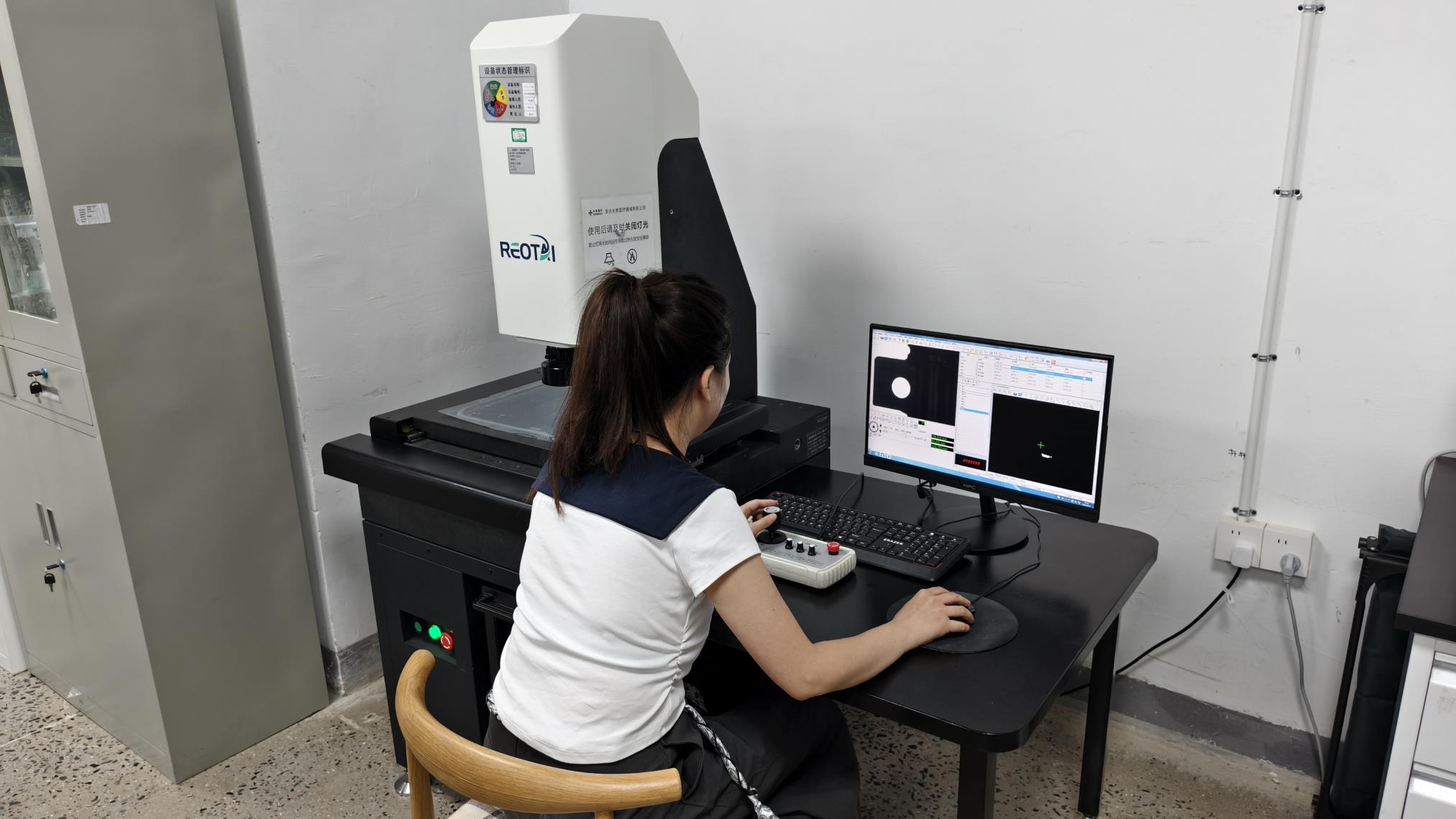
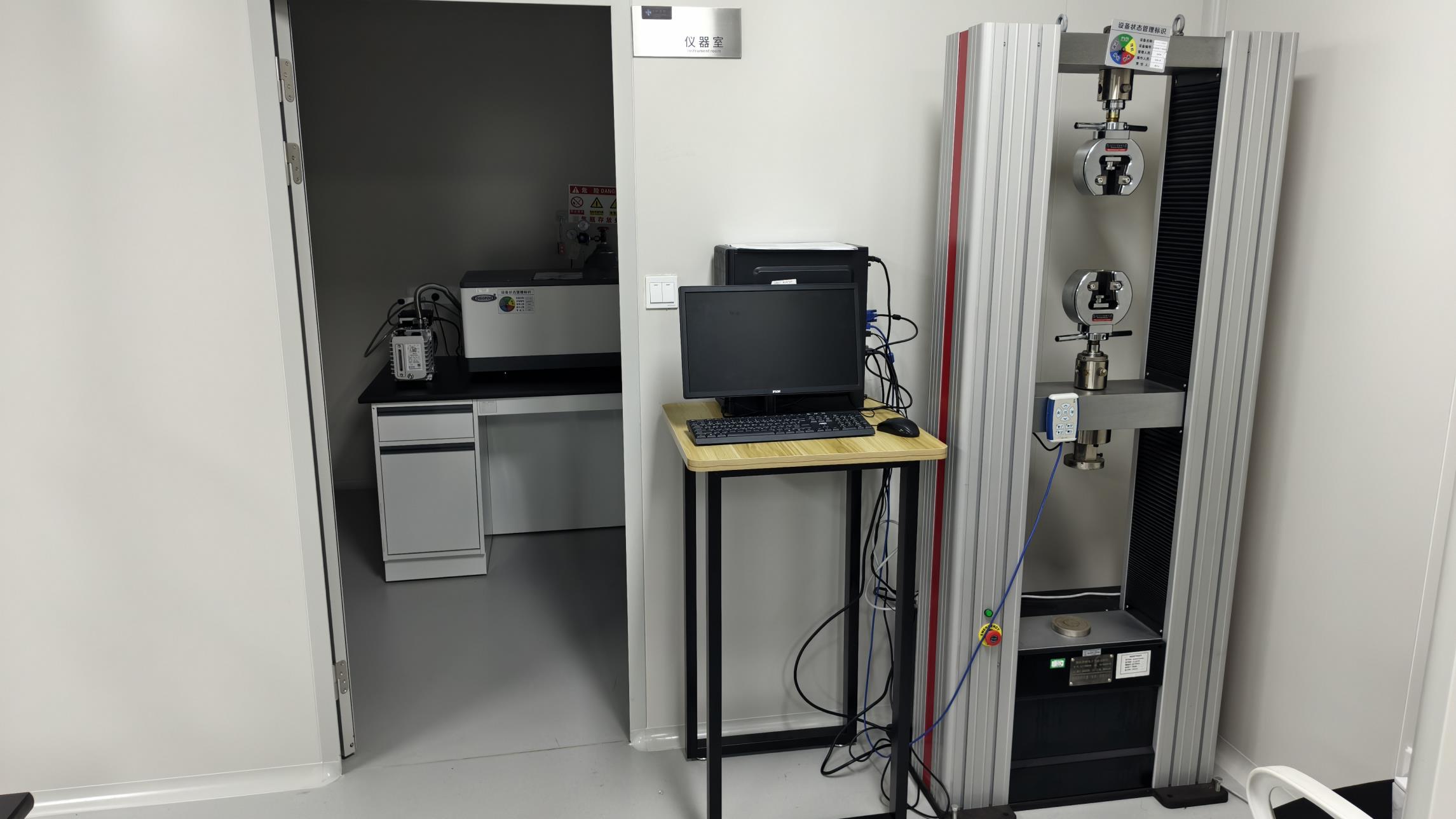
Undergoing mechanical performance testing, dimensional verification, and biocompatibility evaluations.
The company places strong emphasis on quality control, implementing ISO 13485-based inspection systems, mechanical performance testing, and biocompatibility evaluations. Product inspection methods include dimensional verification, fatigue testing, and surface integrity analysis. With a robust R&D team of 85 engineers, Zynfuse continues to expand its innovation capabilities, launching approximately 320 new products annually. The company offers extensive customization options, including implant geometry adjustment, material selection, and OEM/ODM solutions tailored to client needs.

Key technological pathways shaping the future of cementless orthopedic implant design.
Traditional subtractive machining limits the complexity of porous structures. The integration of Electron Beam Melting (EBM) and Direct Metal Laser Sintering (DMLS) allows manufacturers to produce implants with integrated, optimized lattice structures. These technologies match the elastic modulus of human trabecular bone, minimizing stress shielding and improving osteointegration.
Thin layers of Hydroxyapatite (HA) have long been the industry standard for biological fixation. Emerging clinical research focuses on dual-action coatings, combining osteoconductive ceramic structures with anti-microbial components (such as silver ions or local antibiotic delivery systems) to reduce the risk of periprosthetic joint infections (PJI).
Using advanced preoperative 3D CT reconstructions, manufacturers can design custom press-fit implants tailored to the patient's specific anatomy. This is particularly valuable for complex revision surgeries, where significant bone loss complicates standard implant options.
Development Focus: By coordinating R&D efforts with orthopedic clinics, clinical partners can leverage CAD/CAM modeling to reduce design-to-delivery lead times for custom cementless stems and acetabular components.
Evaluating regulatory frameworks, sterilization practices, and clinical safety standards across major global regions.
The manufacture and sale of orthopedic implants are subject to strict regulatory oversight. Key regulatory pathways include the FDA 510(k) clearance in the United States and the EU Medical Device Regulation (MDR 2017/745) in Europe. These frameworks require rigorous preclinical verification, including cyclic fatigue testing (such as ISO 7206 for femoral stems) and ISO 10993 biocompatibility testing.
Addressing key technical and supply questions from orthopedic surgeons, procurement professionals, and medical device distributors.
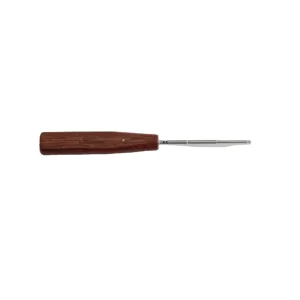
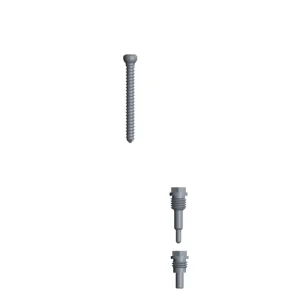
Explore our broader line of orthopedic trauma systems, intramedullary nails, and reconstructive accessories.