Zynfuse
Zynfuse
Zynfuse
Explore our elite selection of CE-certified orthopedic implants and high-precision surgical power tools designed for trauma, spine, and joint reconstructive surgeries.
Understanding the clinical, geopolitical, and economic drivers shaping the modern orthopedic hardware market.
The global orthopedic bone screw market is undergoing an era of rapid technological convergence and clinical evolution. Driven by an aging worldwide population, the rise of degenerative spine conditions, and an escalation in trauma and sports injuries, bone screws have shifted from simple mechanical fasteners to highly bio-engineered medical components. These critical implants are key to successful internal fixation, promoting osteosyntheses by compressing bone fragments to facilitate structural stability and physiological union.
From an industrial perspective, the manufacturing of bone screws requires adherence to rigorous global medical standards such as ISO 13485, CE marking, and FDA 510(k) clearances. Major production hubs in North America and Western Europe are increasingly facing strategic competition from advanced manufacturing centers in the Asia-Pacific region, which offer premium material grades, high precision Swiss-type lathes, and cleanroom packaging at optimized cost points. This dynamic has driven global hospital procurement groups and B2B medical distributors to seek partnerships with vertically integrated manufacturers who can offer both stable volumes and robust documentation.
The technological pathways driving the future of fracture fixation and implant integration.
One of the most significant shifts in trauma fixations is the development of implants that dissolve safely within the body after healing is complete. While titanium and stainless steel remain standard for load-bearing scenarios, bioabsorbable polymers (such as PLLA, PGA) and biodegradable magnesium alloys are gaining ground. These materials eliminate the need for secondary implant removal surgeries, reducing patient risk and long-term healthcare costs.
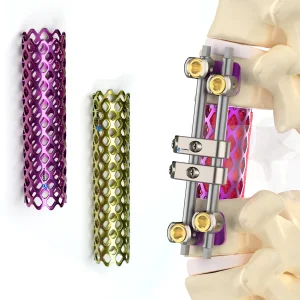
Additive manufacturing (3D printing) enables the production of implants with customized pore sizes that mimic natural human cancellous bone. This micro-porous structure facilitates bone ingrowth (osseointegration), vastly improving the stability of long-term implants such as spinal cages and joint revision screws. Laser sintering technology allows for custom-shaped implants tailored to patient-specific anatomical data.
The next frontier in orthopedics belongs to implants embedded with miniature micro-sensors. These sensors can measure localized strain, temperature variations, and bacterial pH changes in real-time. By relaying this telemetry wirelessly to clinicians, early post-operative issues such as mechanical loosening, non-union, or deep site infections can be detected and mitigated long before symptoms show on standard X-rays.
To optimize biological integration and minimize the incidence of surgical site infections, orthopedic screws now undergo sophisticated physical and chemical surface treatments. Hard anodization, acid etching, and plasma spraying are used to create osteophilic surfaces. Furthermore, coatings featuring active antimicrobial agents, such as silver nanoparticles or antibiotic-eluting polymer coatings, prevent biofilm formation.
How different surgical indications dictate the complex biomechanical design of bone screws.
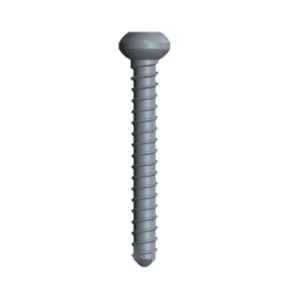
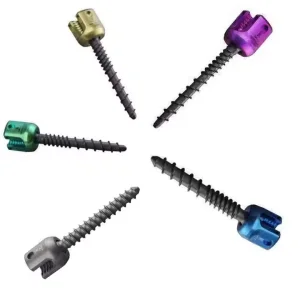
Bone screws are engineered differently depending on the clinical environment, tissue type, and biomechanical forces they are designed to withstand. Selecting the correct screw depends on understanding the anatomical requirements of cortical vs. cancellous bone tissue:
| Application Scenario | Anatomical Site | Typical Screw Types | Key Geometrical & Material Design Requirements |
|---|---|---|---|
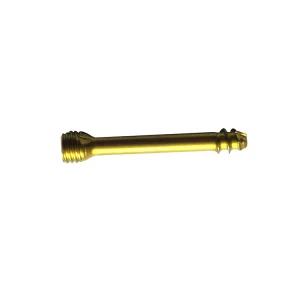
| Trauma Reconstruction | Long bone fractures (femur, tibia, humerus) | Cortical screws, locking screws, cannulated compression screws | High torsional strength, self-tapping thread designs, Grade 5 Titanium for biocompatibility and fatigue resistance. |
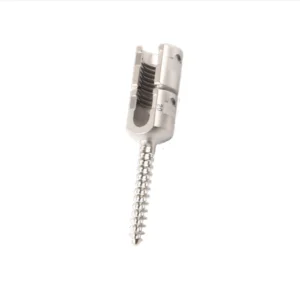
| Spinal Fusion & Stabilization | Pedicle bone structures of lumbar & thoracic spine | Polyaxial pedicle screws, reduction screws, spine mesh cages | Deep-threaded dual lead design, polyaxial head articulation, micro-roughness surface finishes for osteointegration. |
| Craniomaxillofacial Surgery | Skull fractures, jaw reconstructions | Micro screws, self-drilling mini-screws | Ultra-low profile heads (1.5mm - 2.0mm diameters), extreme biocompatibility, self-drilling flutes to avoid pre-drilling. |
| Veterinary Orthopedics | Small animal bone fixations (canine, feline TPLO) | Mini-locking plates, small bone screws, oscillating saws | High corrosion resistance, simplified instrumentation sets, diverse sizing grids down to 1.0mm diameters. |
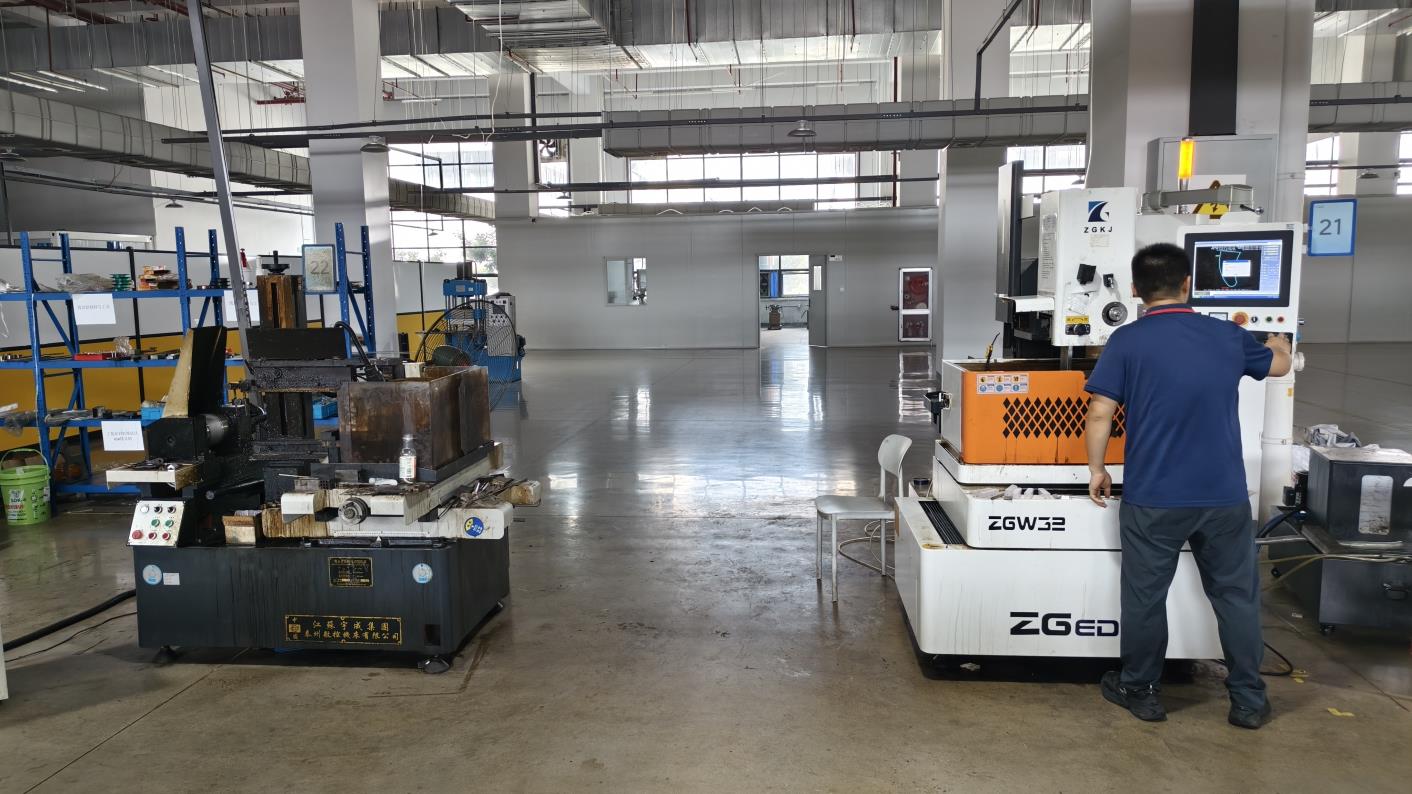
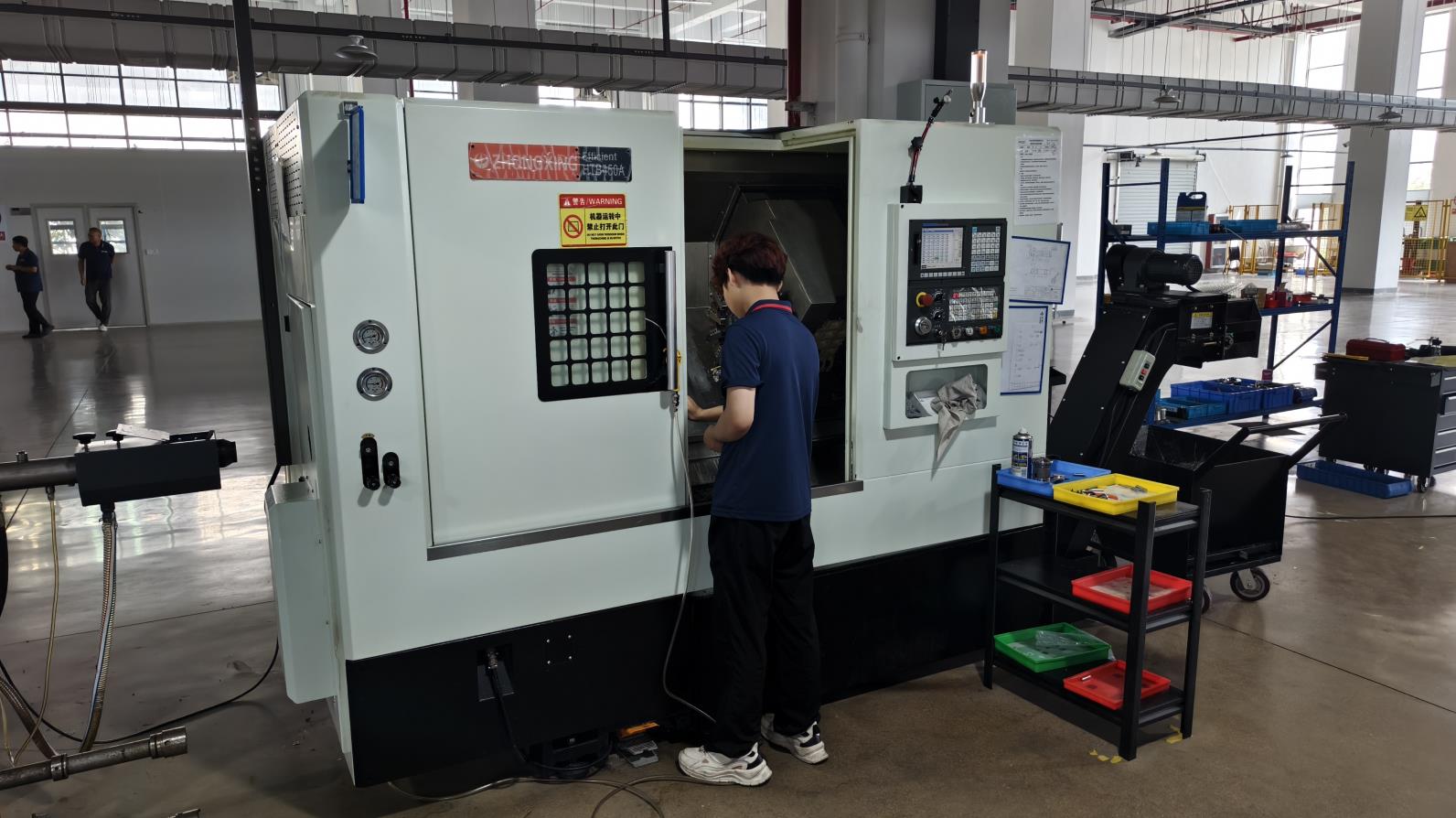
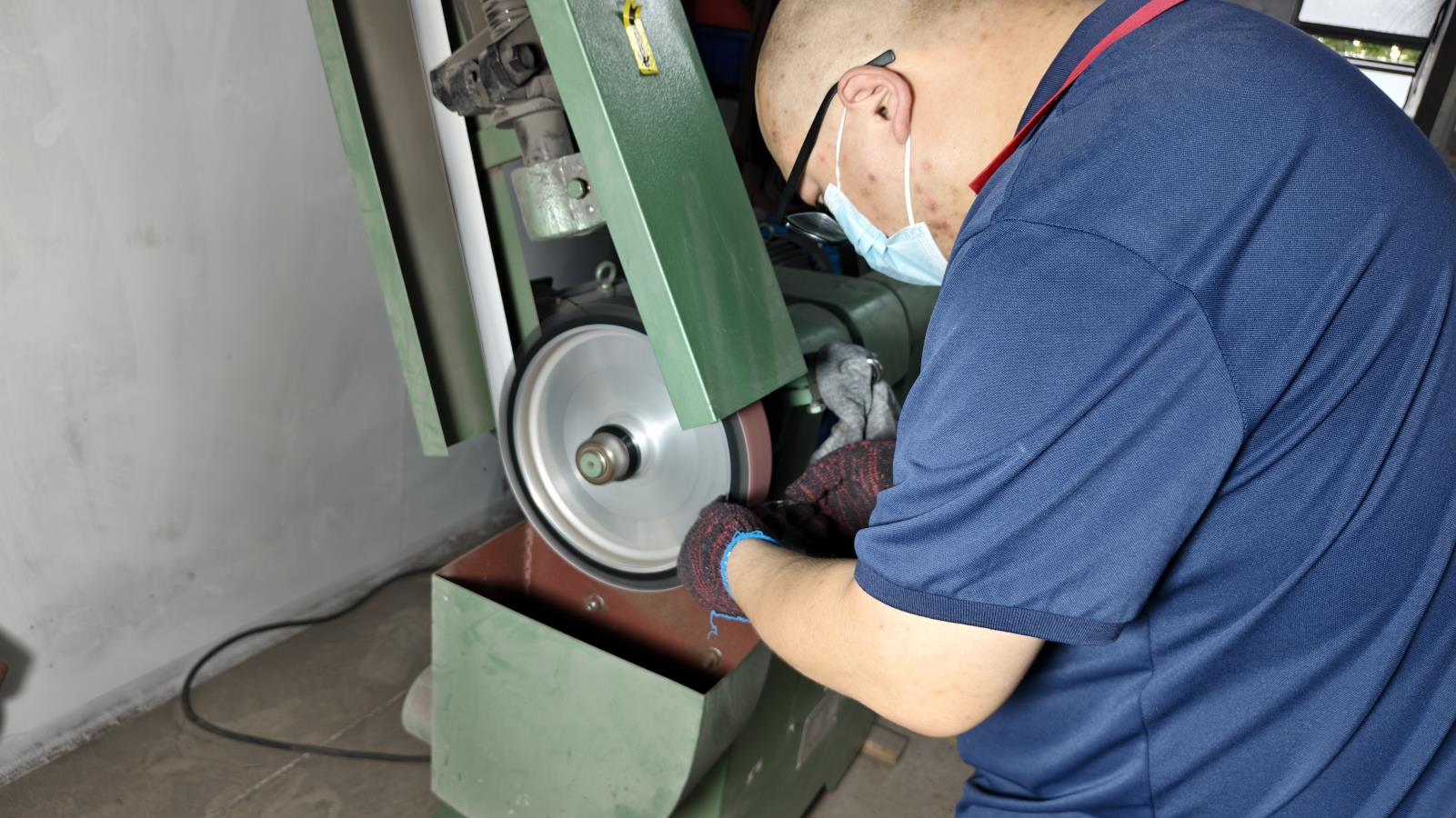
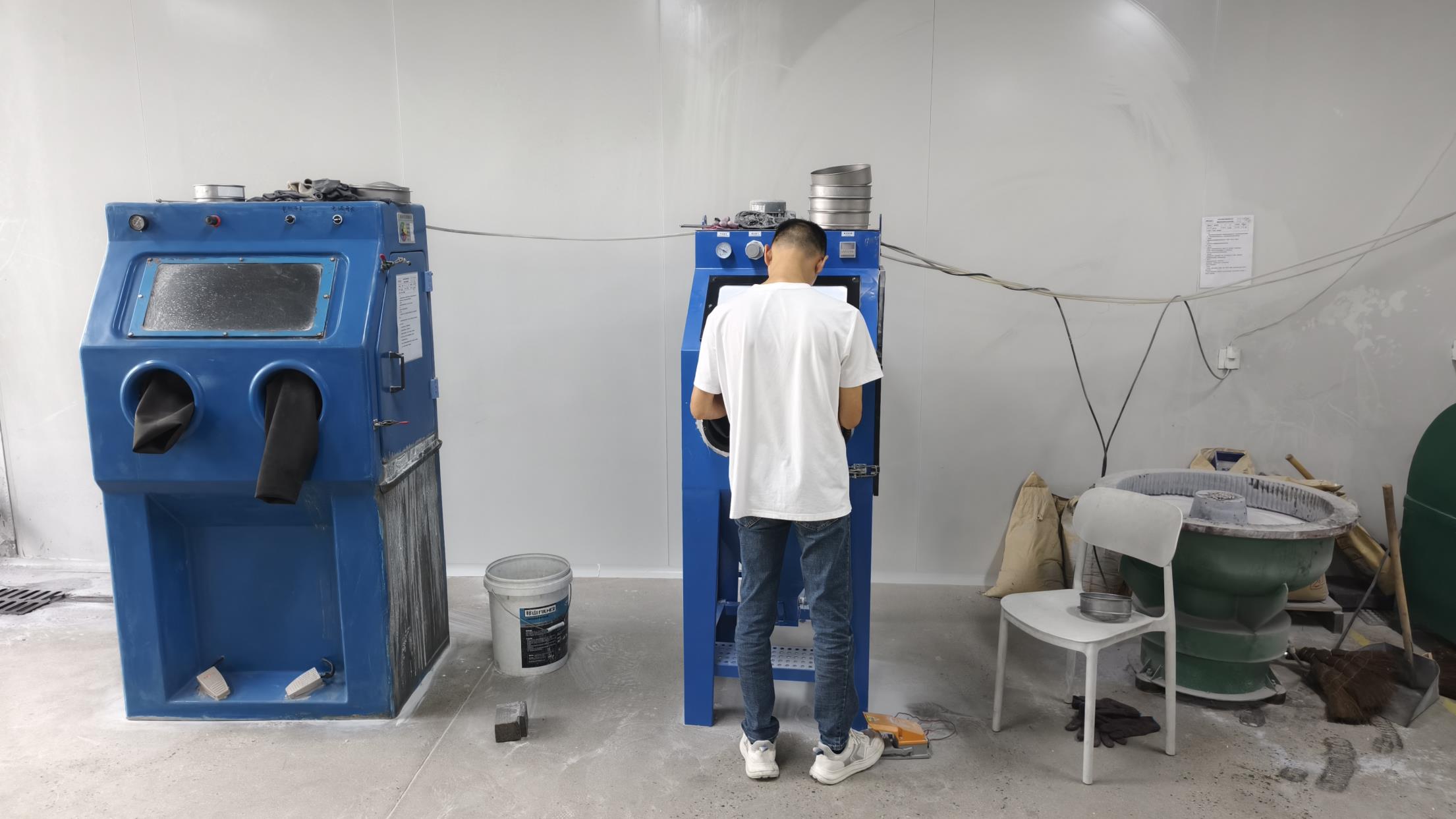
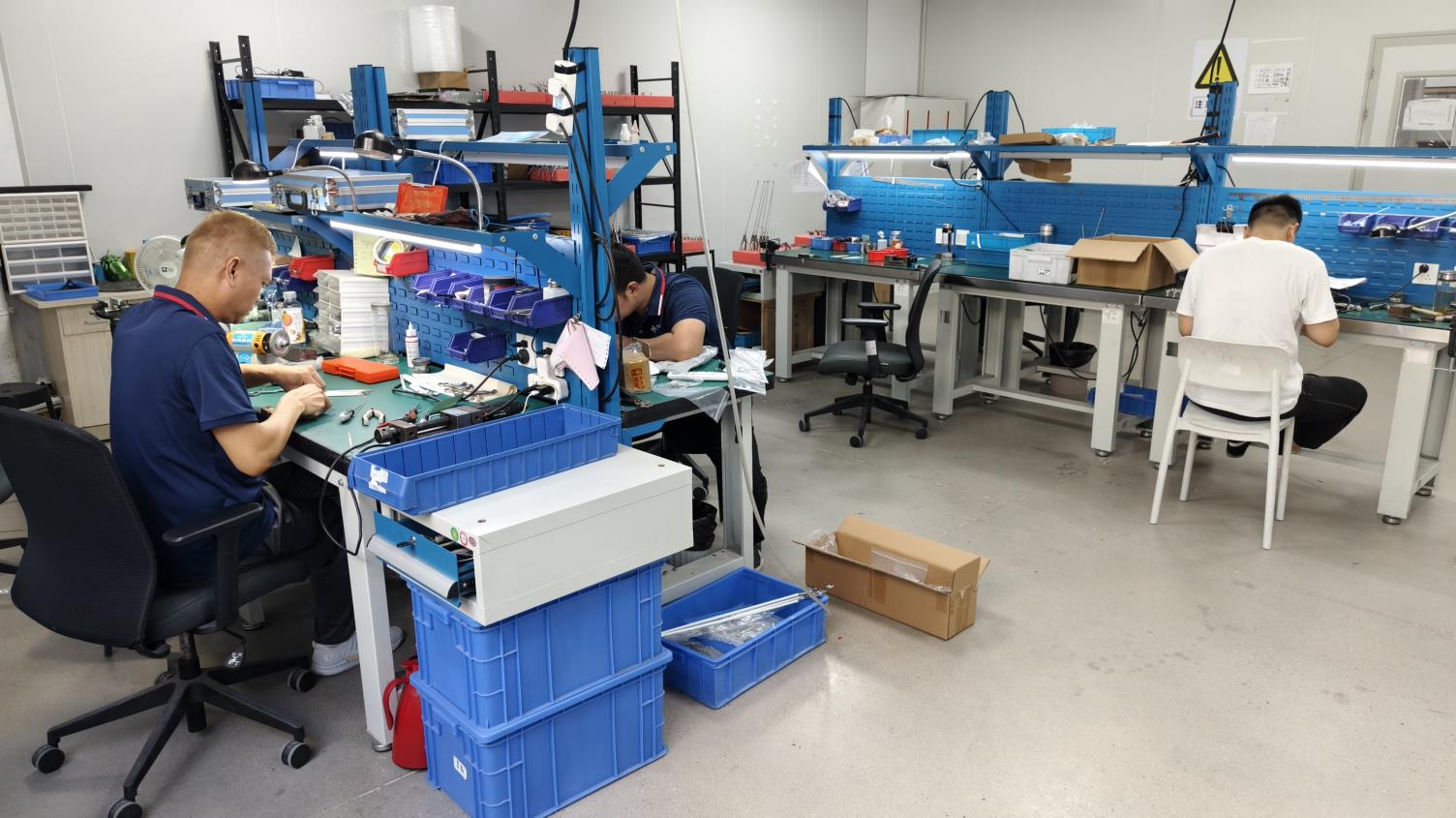
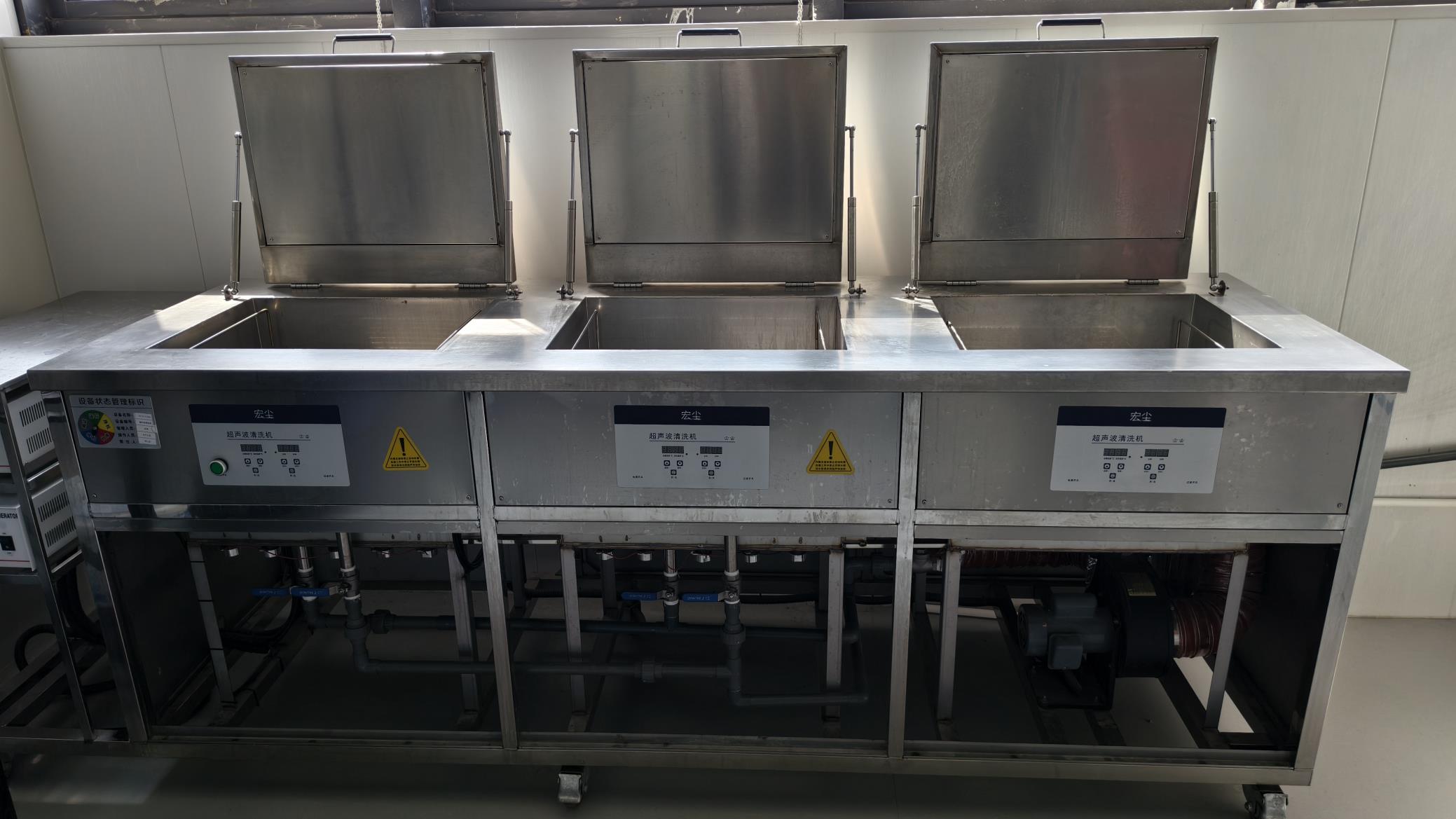
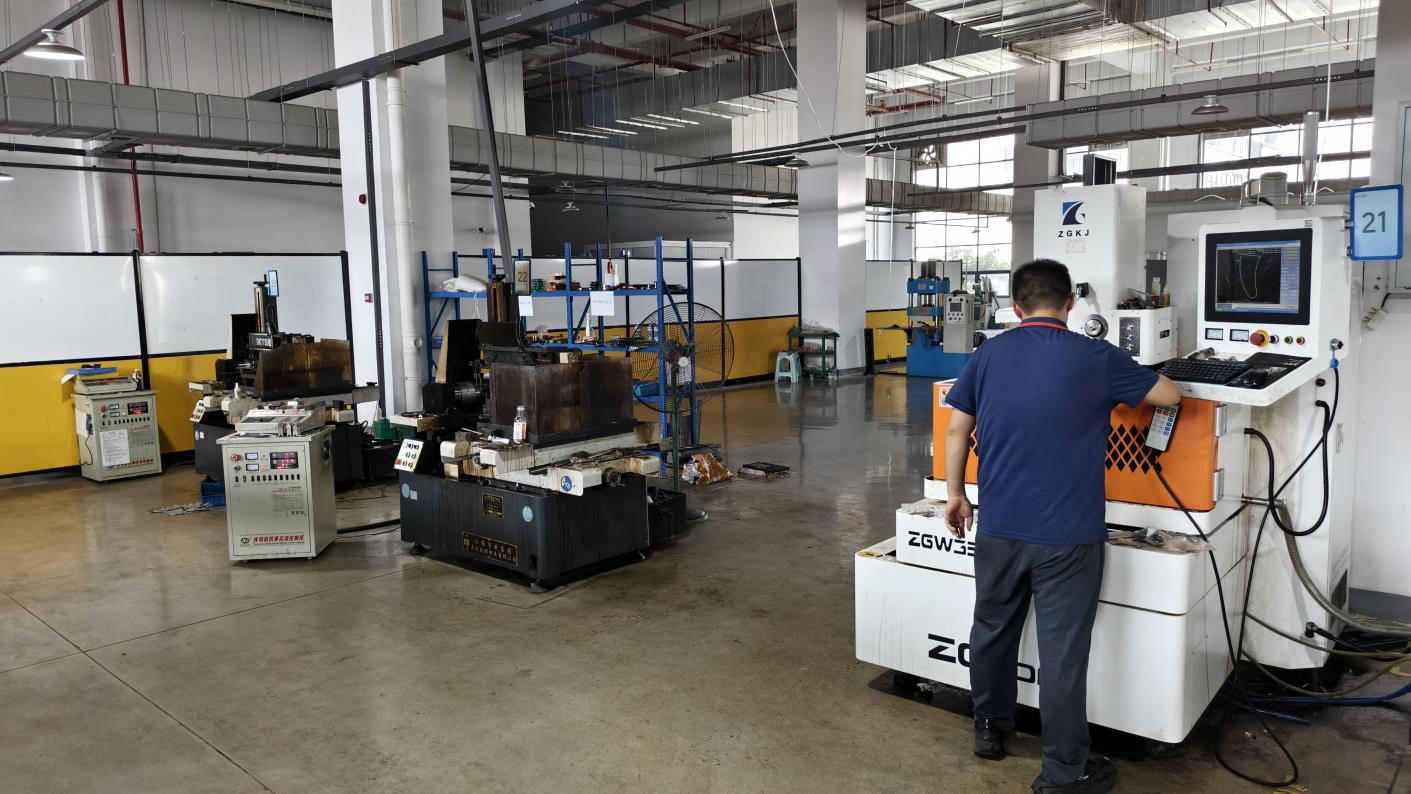
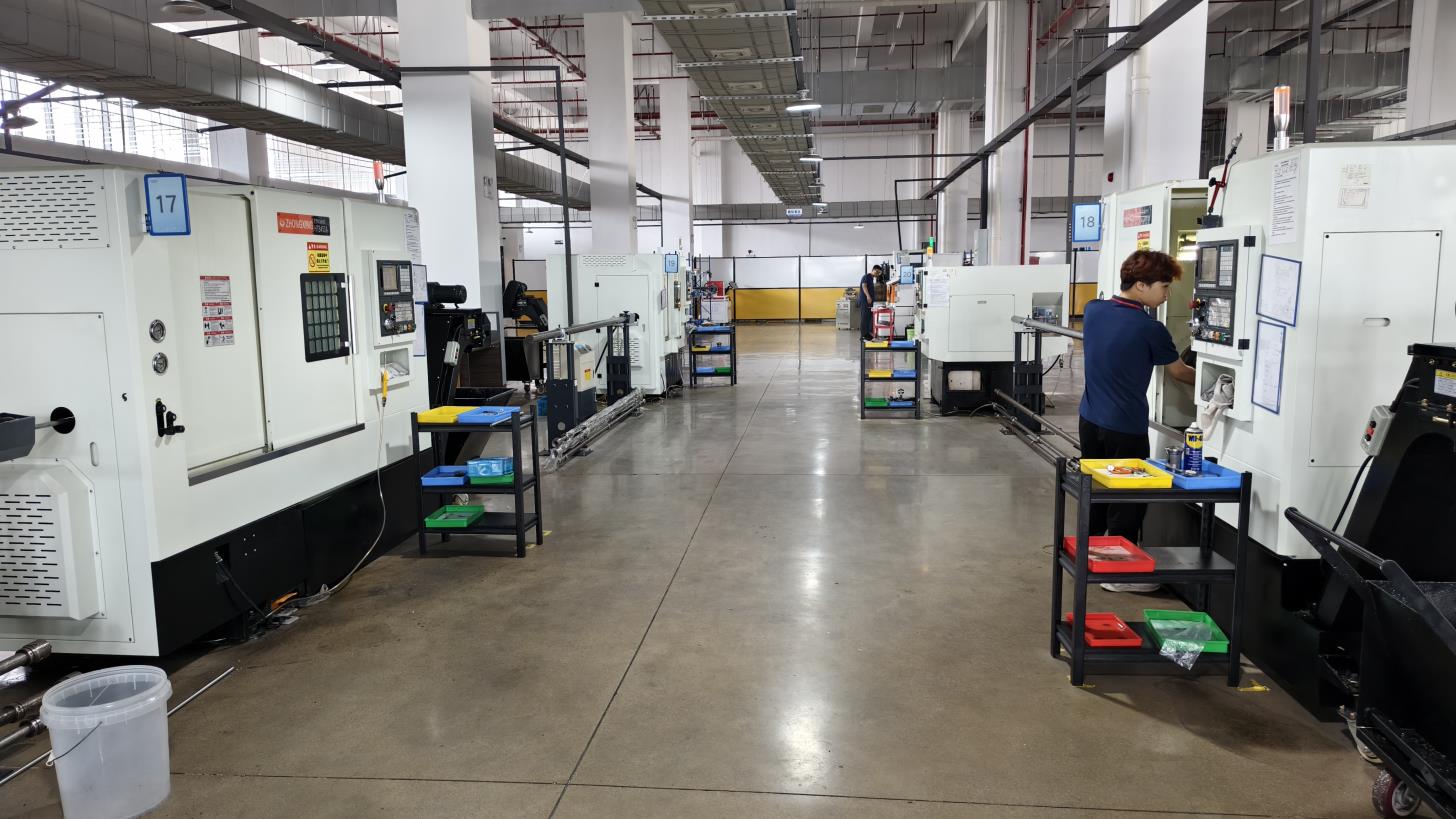
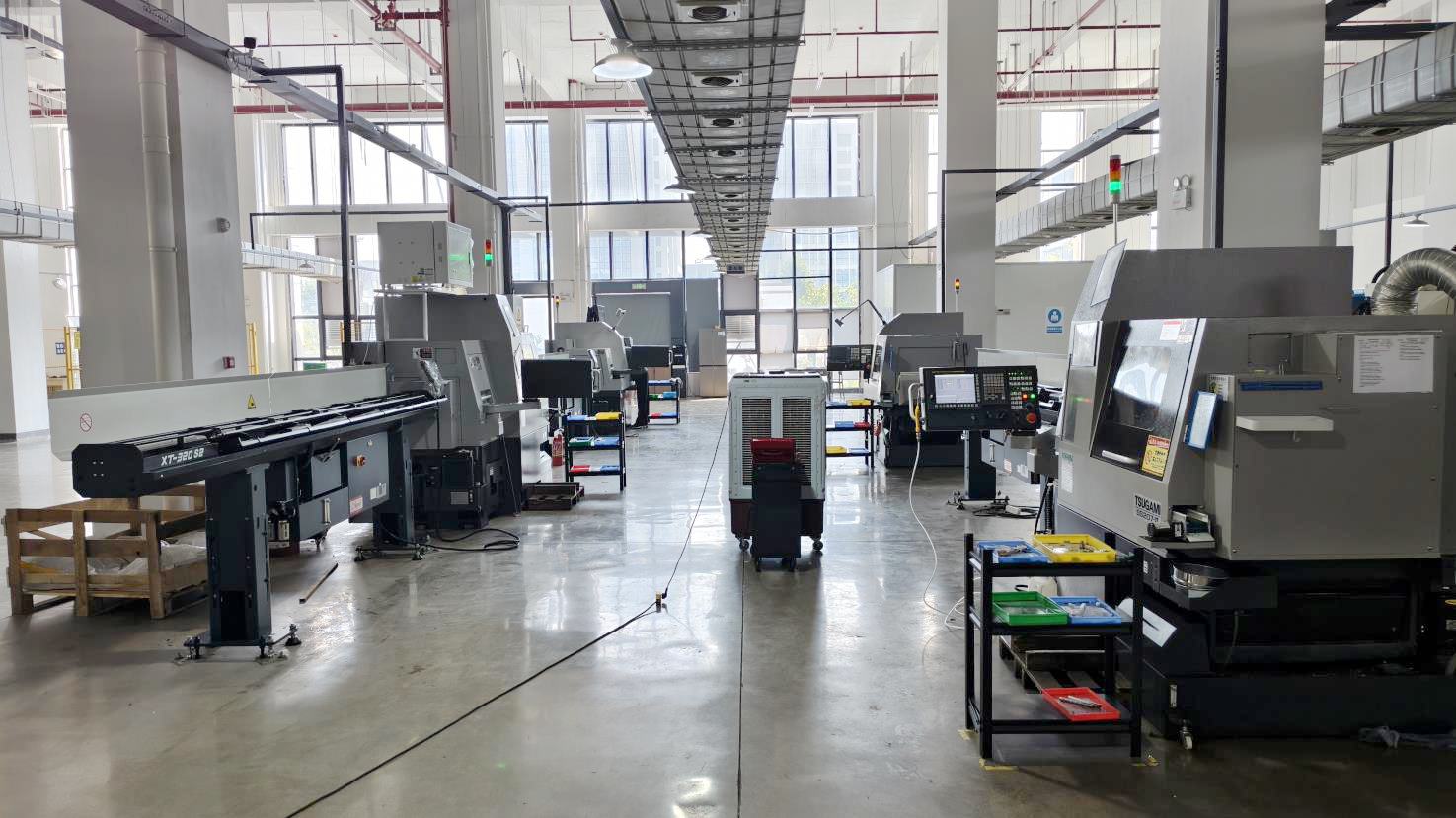
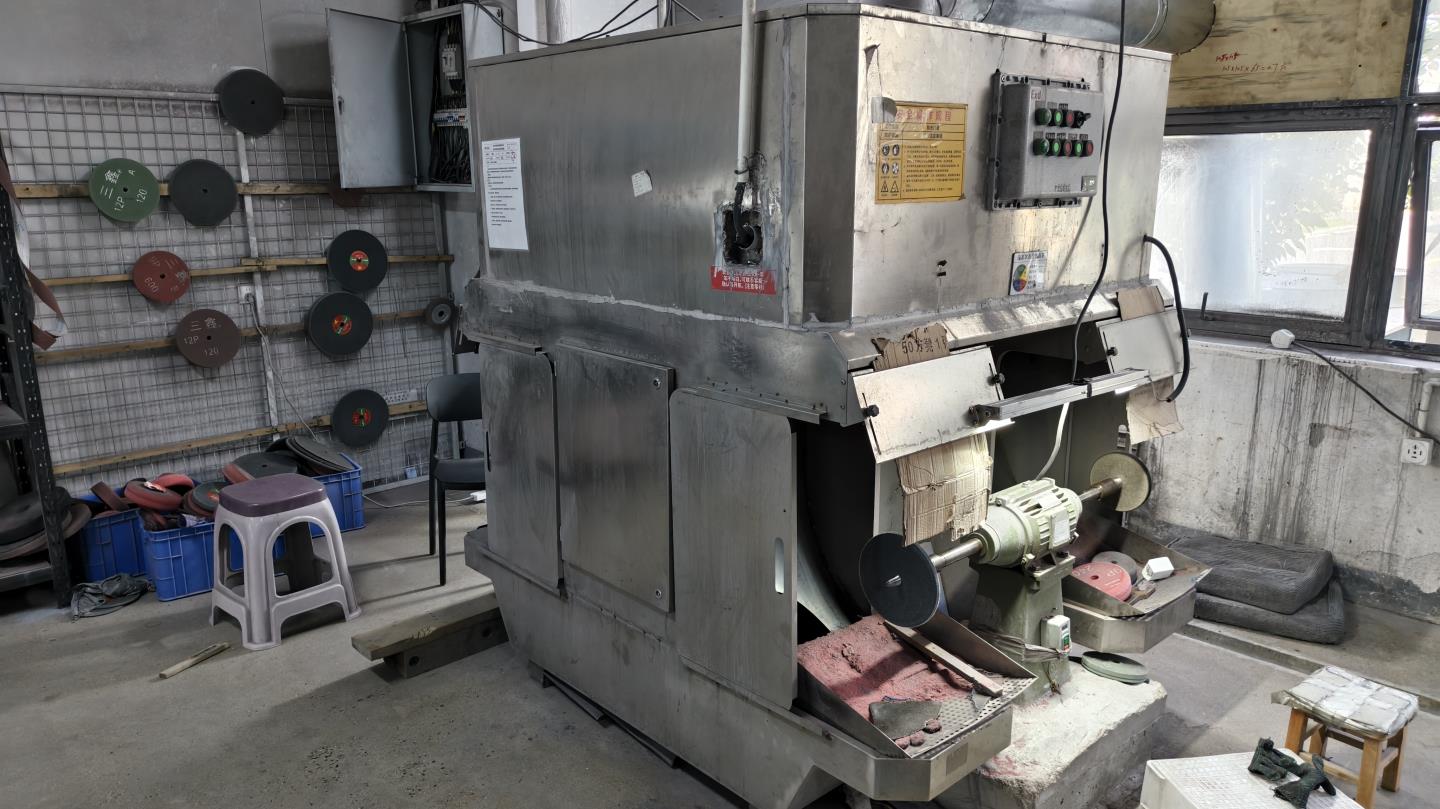
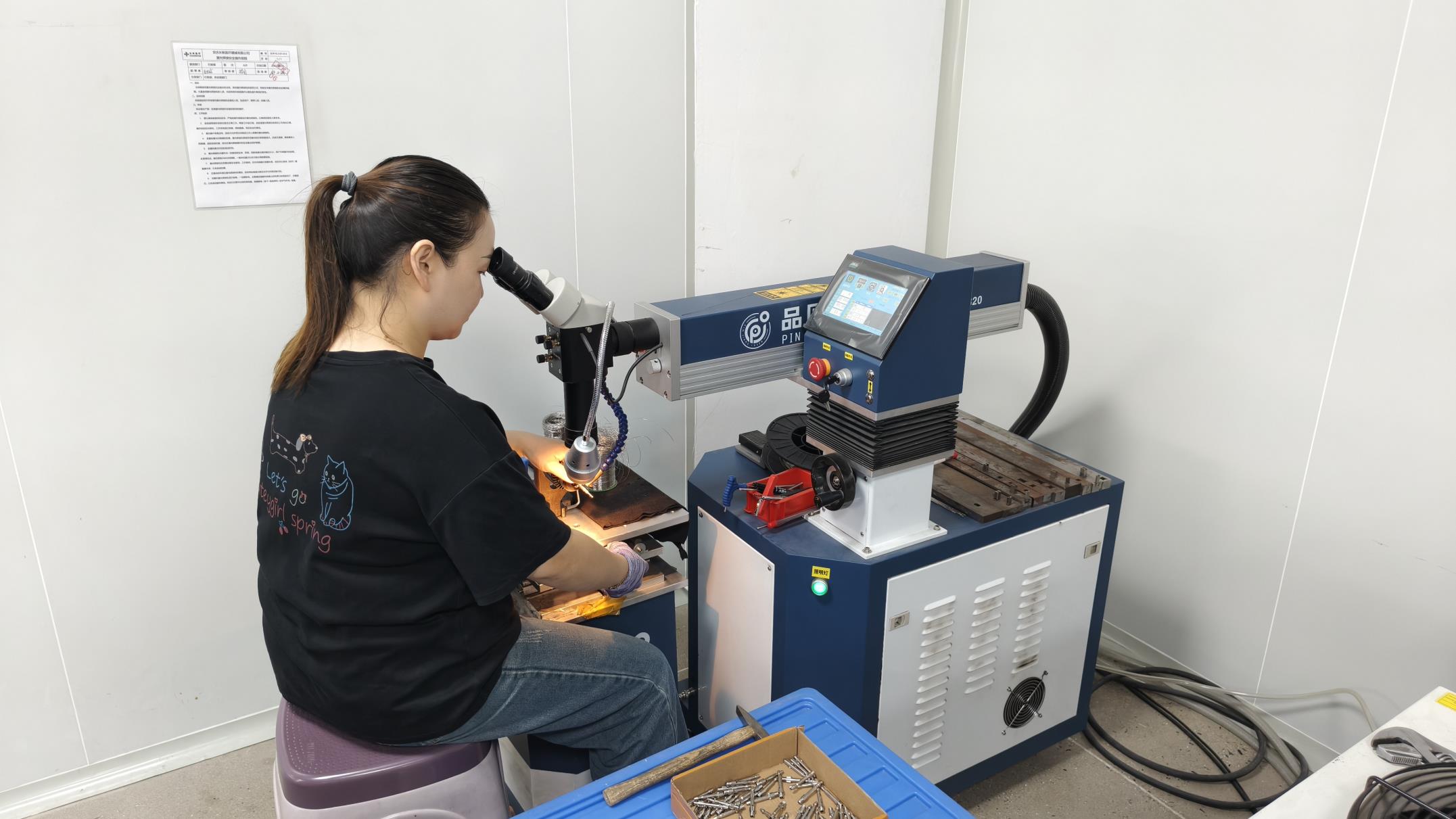
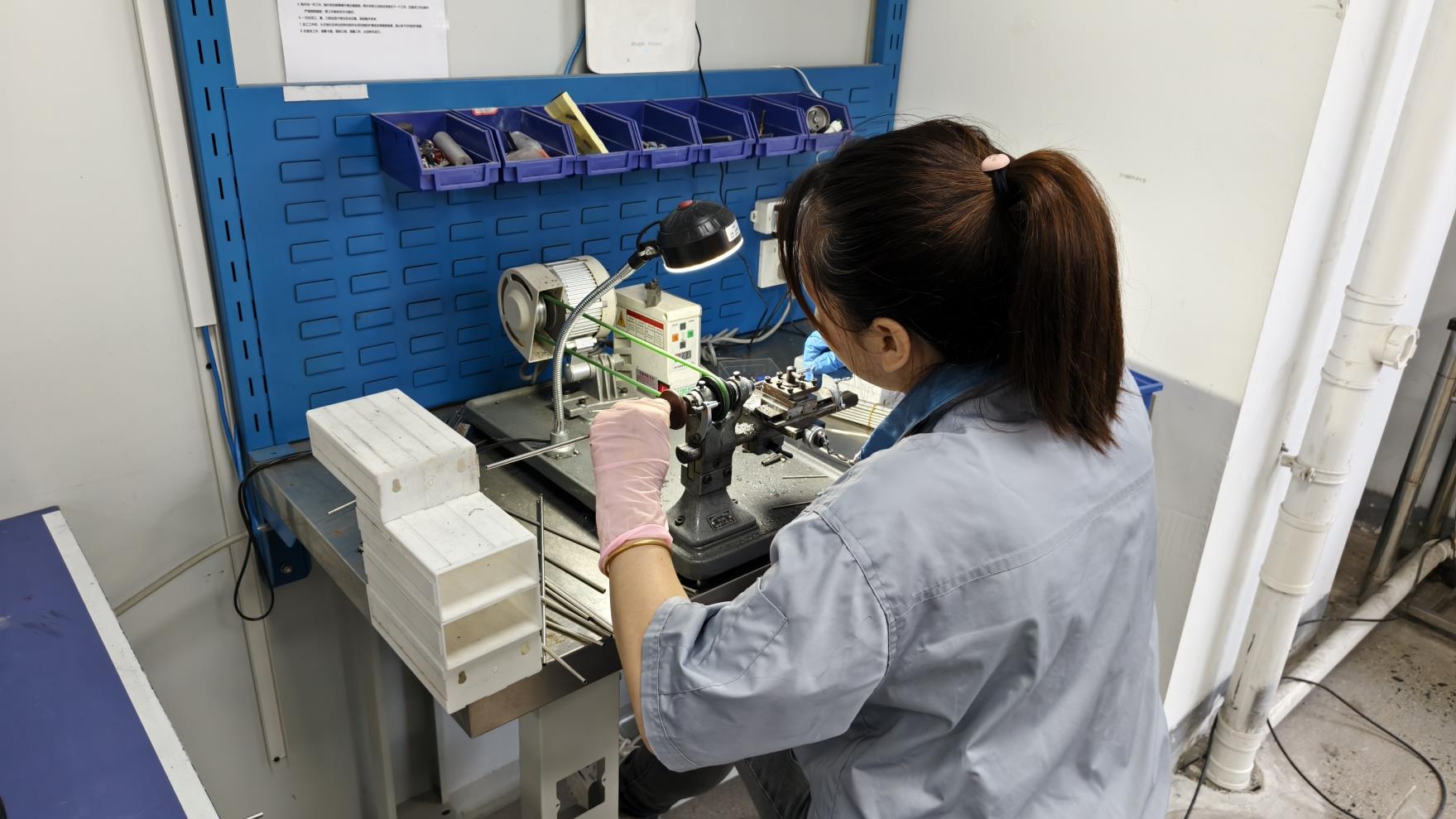
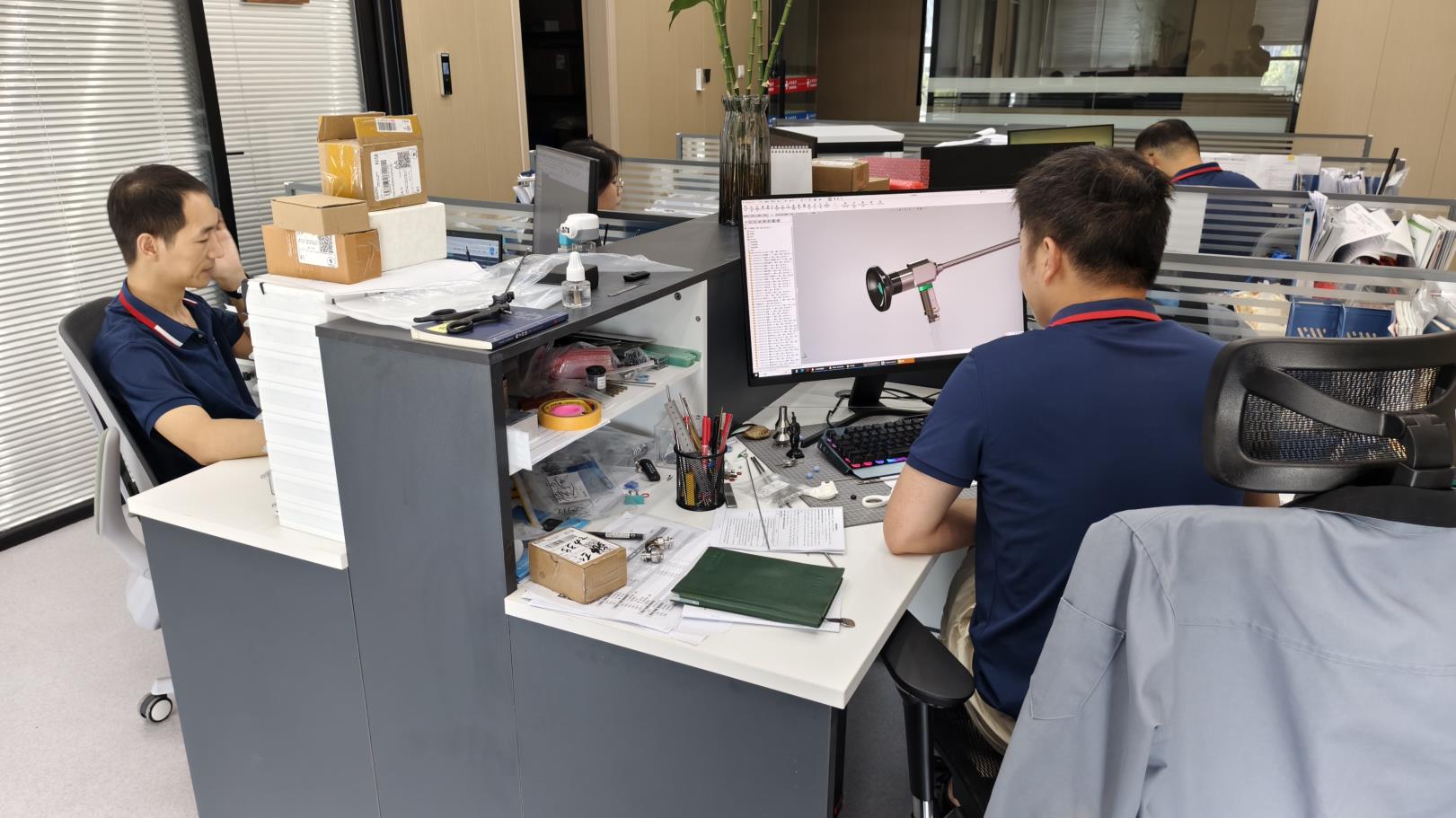
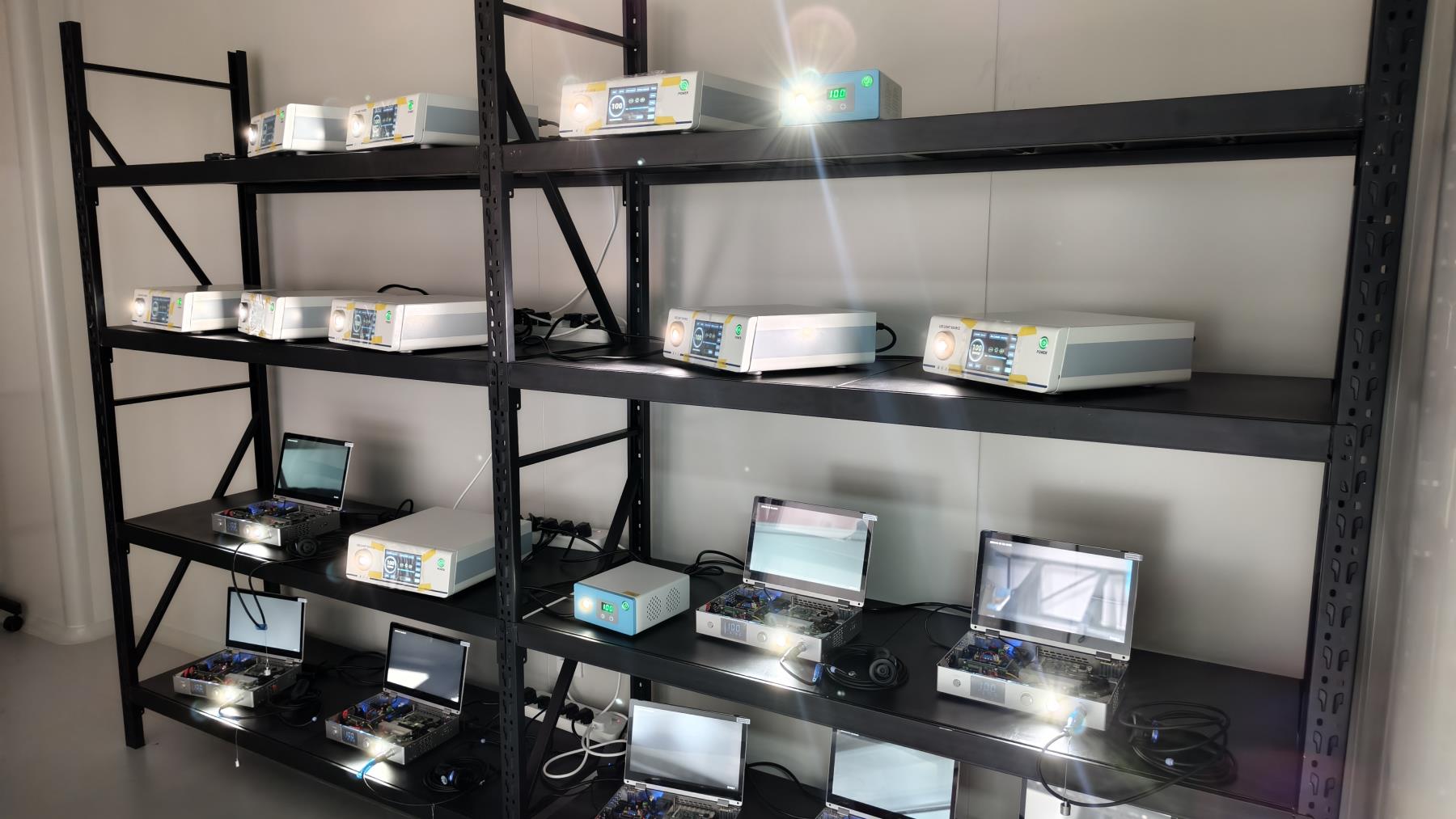
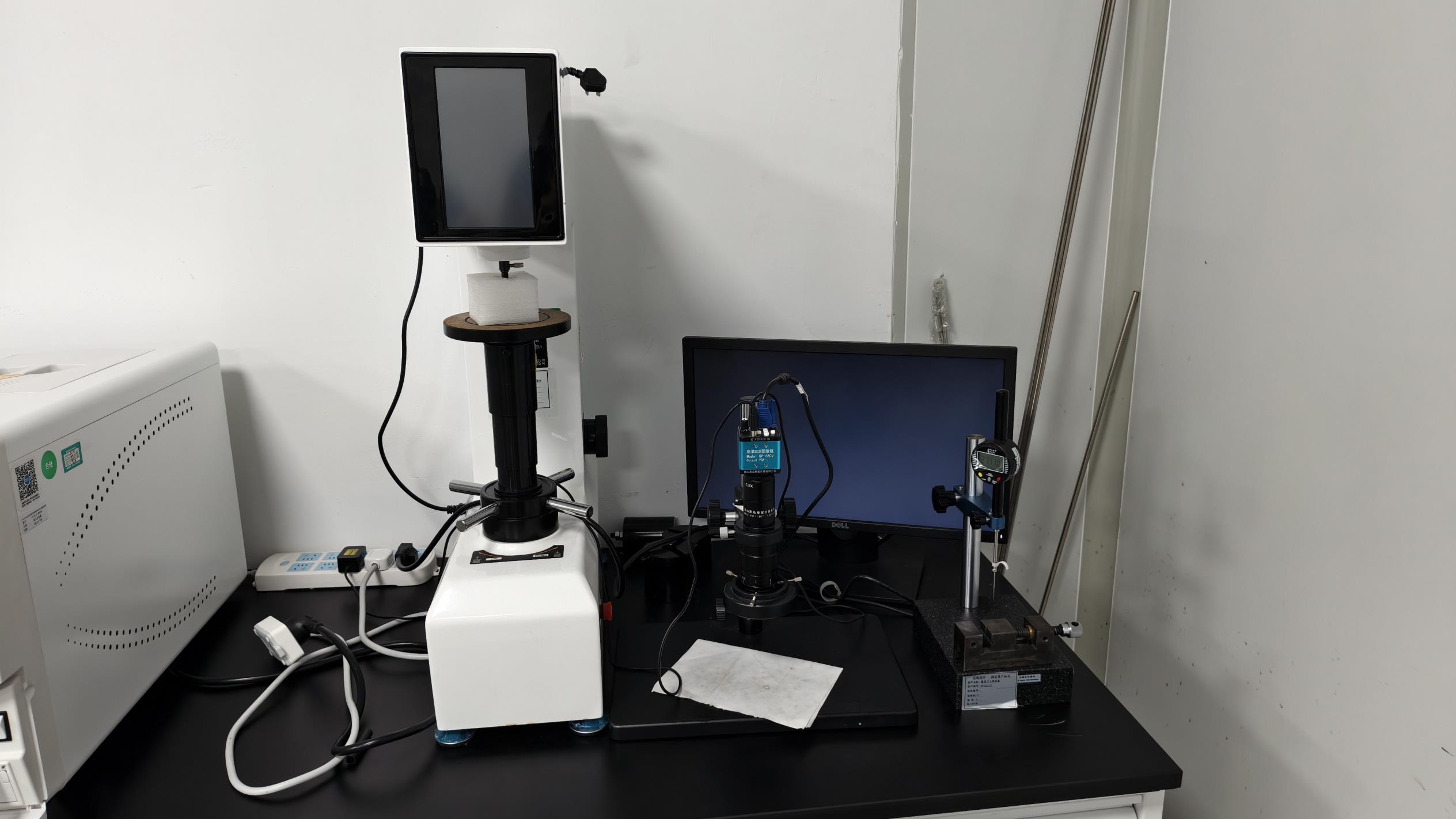
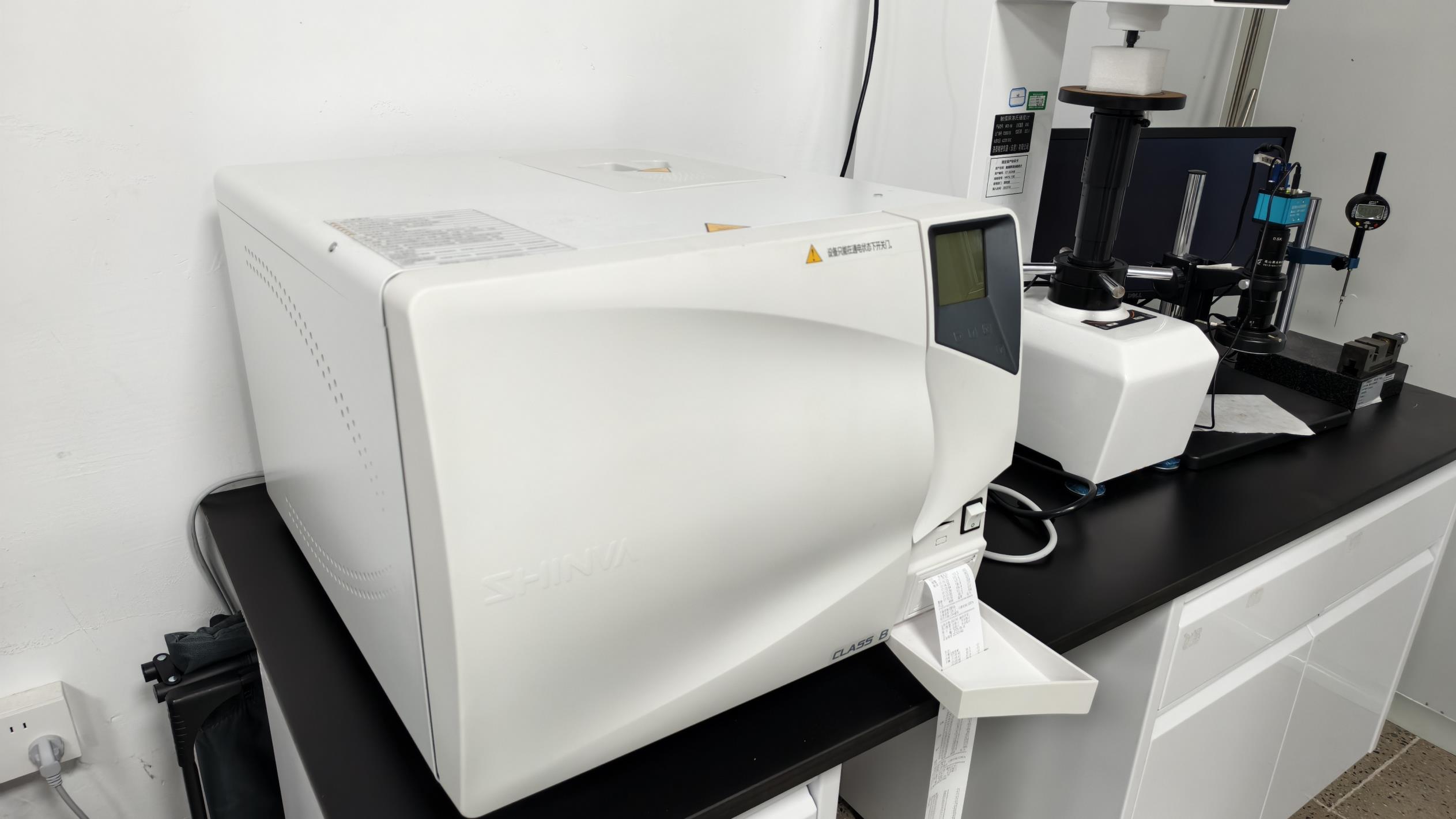
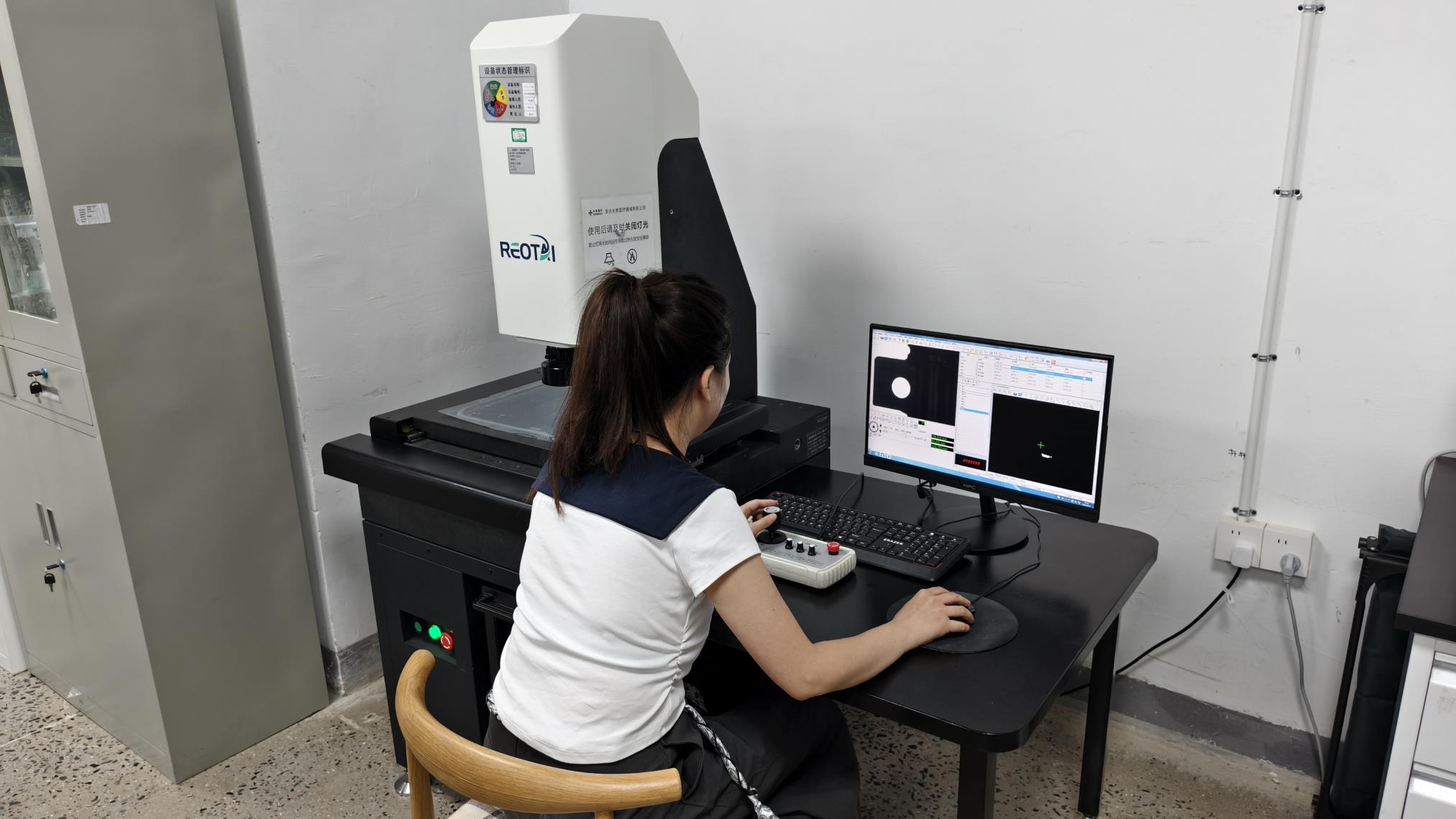
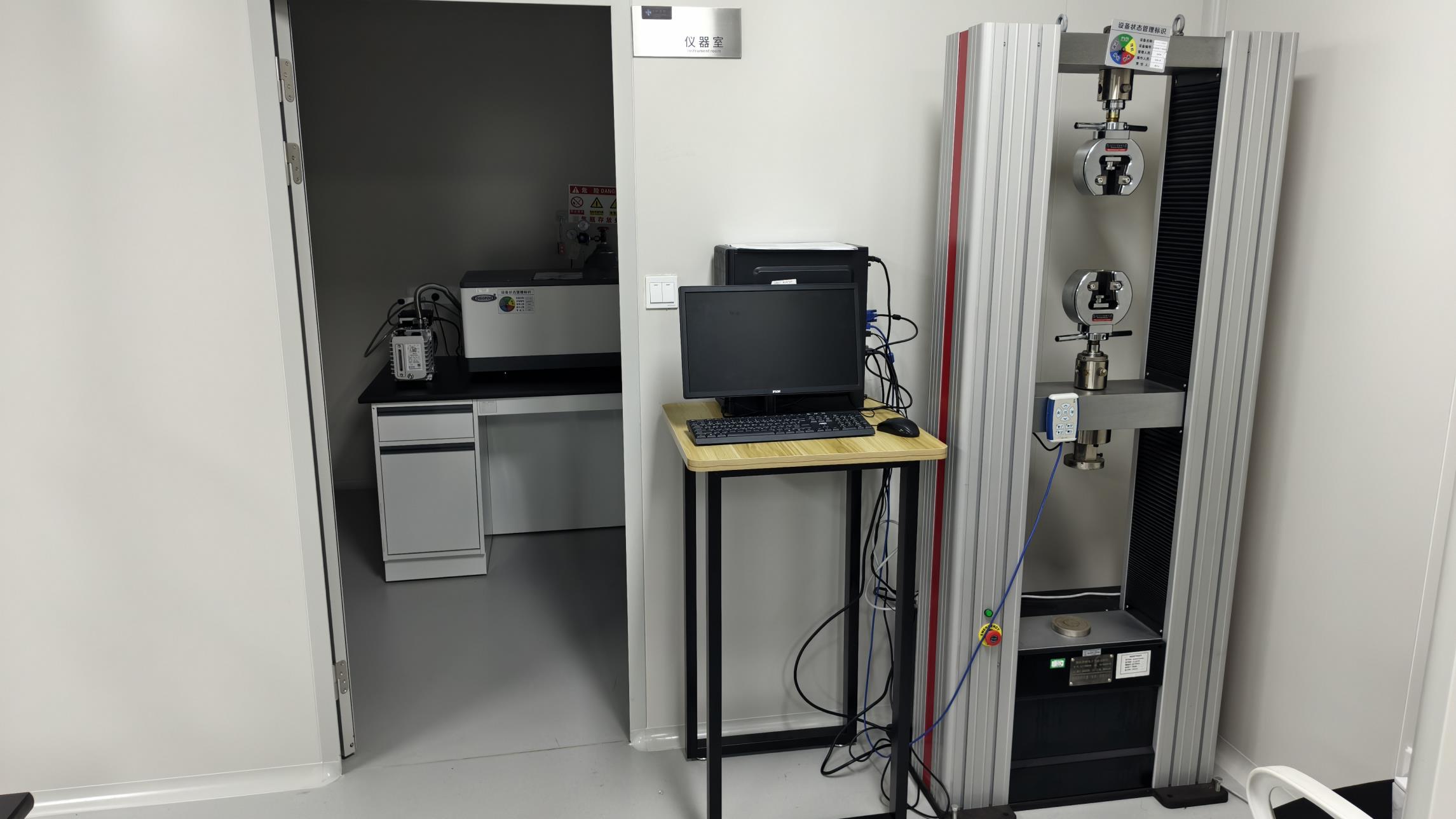
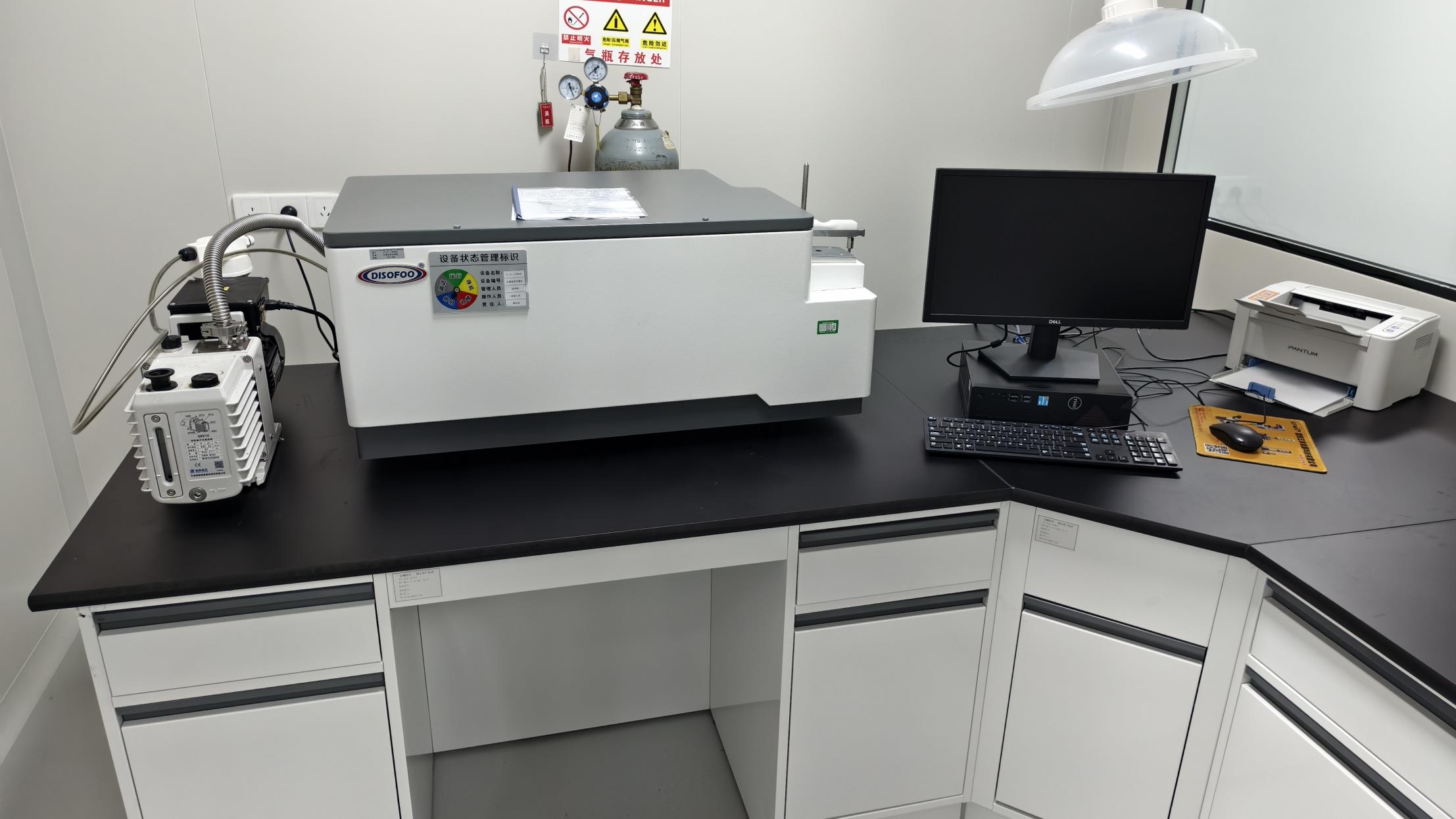
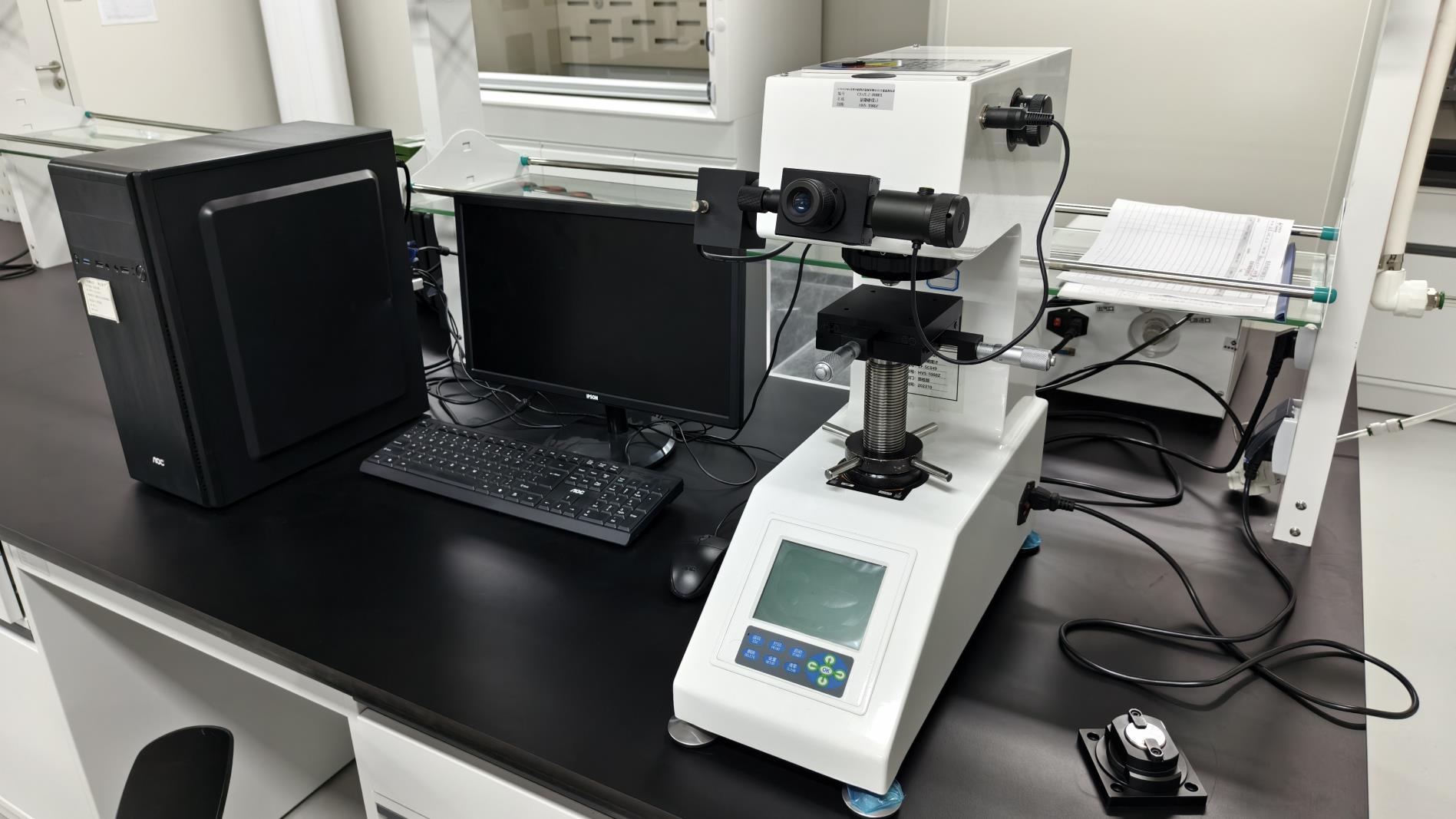
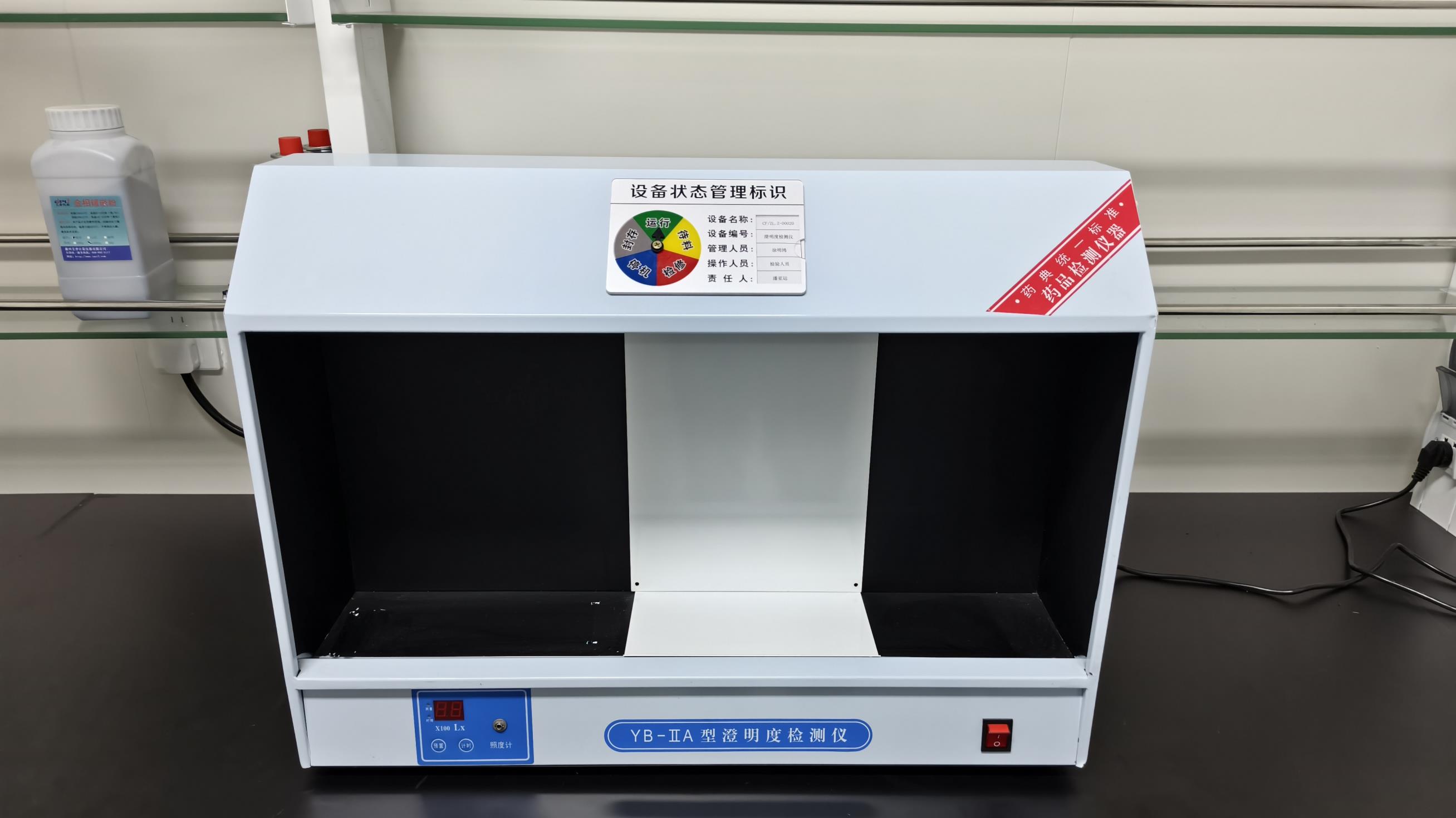
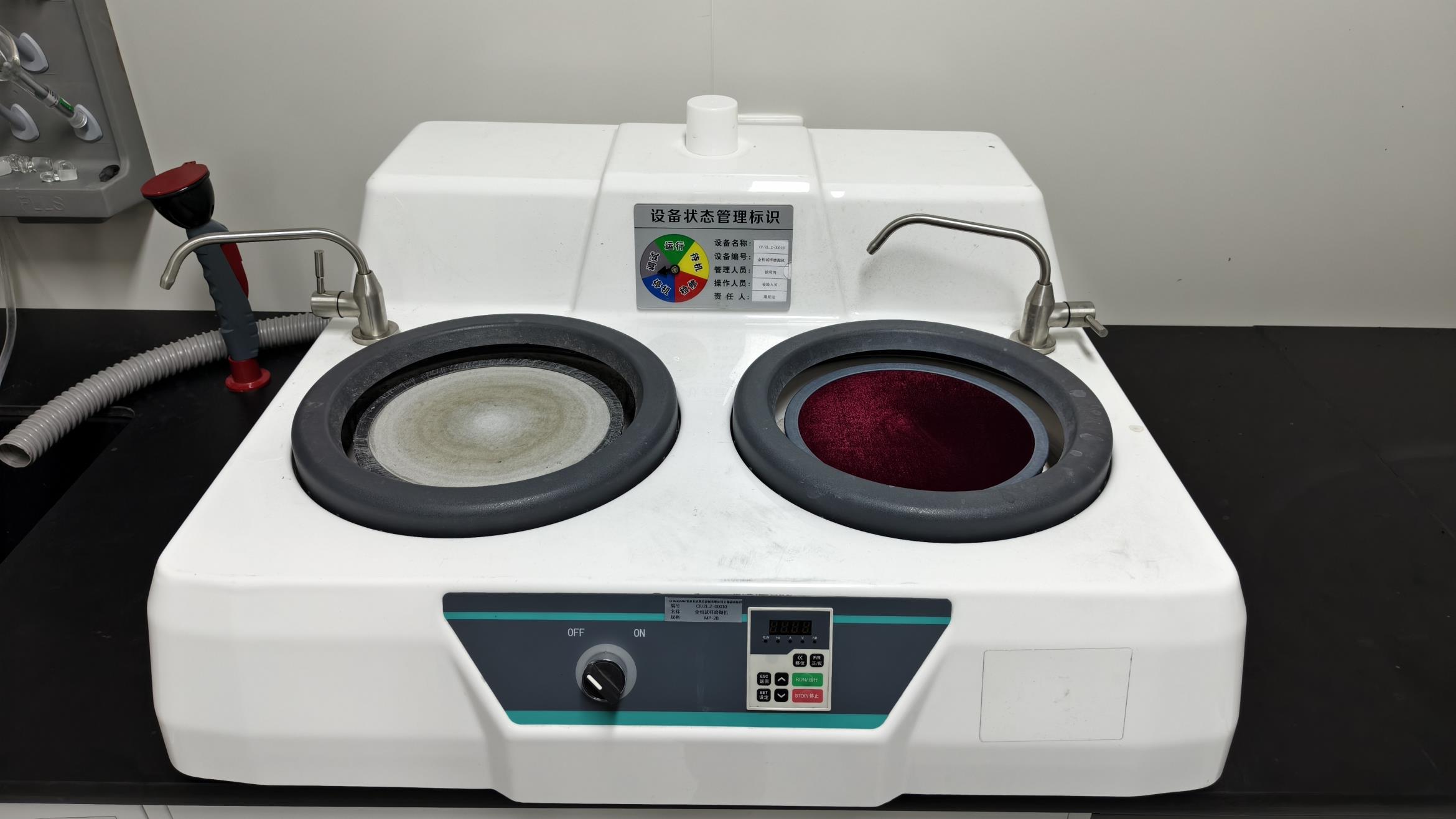
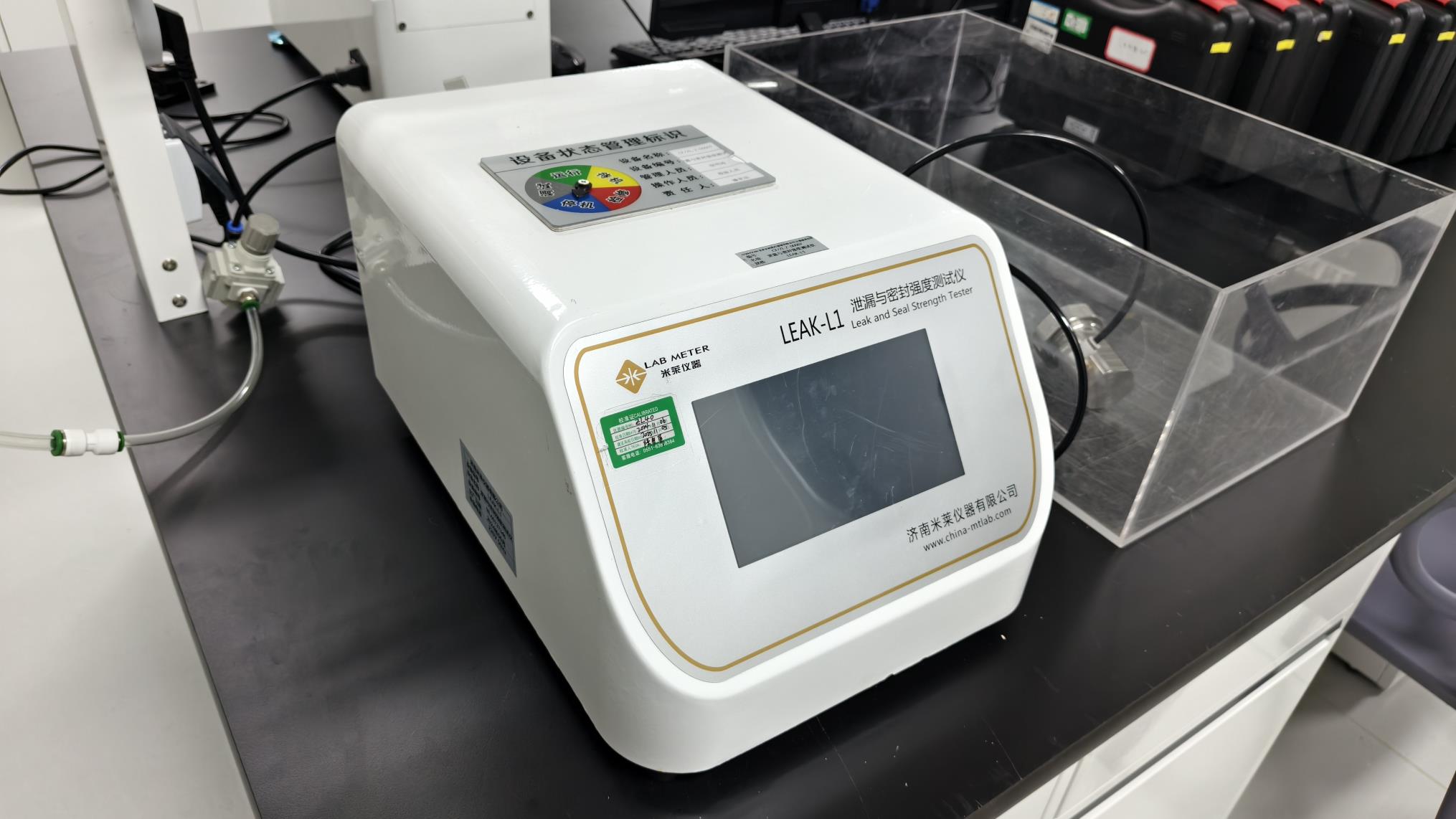
Zynfuse Medical Technology Co., Ltd. (est. 2016) operates an 18,600 m² state-of-the-art facility featuring 85 R&D engineers, 68 quality assurance specialists, and advanced testing setups.
With 12 years of industry experience and 7 years of export history, Zynfuse has established itself as an innovative partner for global orthopedic distributors and medical institutions. Our ISO 13485-compliant manufacturing utilizes CNC systems, Swiss-type automatic lathes, and rigorous mechanical validation (torsional, tensile, and fatigue tests) to deliver safe, highly reliable implants.
Why manufacturing standards in osteosynthesis implants are crucial for clinical safety and global procurement success.
In B2B medical supply chains, a lack of documented regulatory compliance presents significant legal risks. At Zynfuse, every batch of bone screws undergoes rigorous validation procedures. Our facility implements an ISO 13485 quality management framework, complemented by complete material traceability back to the raw titanium or stainless steel ingot. We deploy specialized testing to evaluate mechanical fatigue, pull-out force, and structural behavior under high loading states.
Before launching any product line, we execute extensive mechanical validations conforming to the international ASTM standards. Our testing protocols include:
Technical and procurement answers designed for surgical clinics, medical buyers, and distributors.
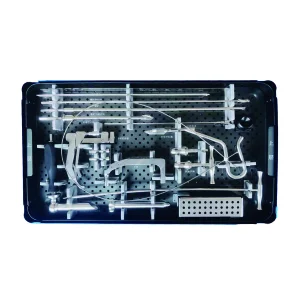
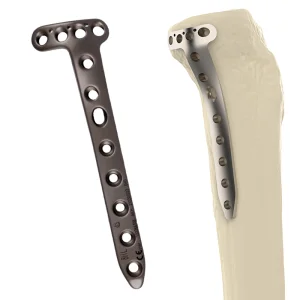
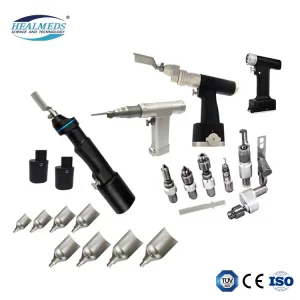
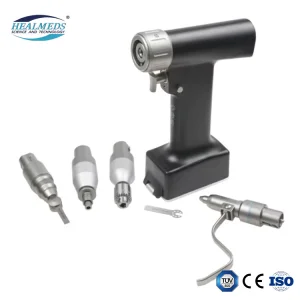
Premium osteosynthesis plating structures and medical kit systems to complete your orthopedic supply chain.