Zynfuse
Zynfuse
Zynfuse
Zynfuse Medical Technology Co., Ltd. stands at the vanguard of professional orthopedic medical device manufacturing. Specializing in advanced bone fusion technologies and state-of-the-art modular implant systems, Zynfuse drives surgical innovation by providing consistent clinical efficacy and structural reliability.
Established in 2016, our team brings 12 years of industry experience combined with 7 years of direct export expertise. We bridge the gap between complex biomechanical design and scale production, serving major healthcare centers, distributors, and global medical device importers. By executing rigorous control protocols across raw material selection, CNC Swiss-type milling, and sterile processing, Zynfuse facilitates surgical procedures and improves patient outcomes.
Modular orthopedic implants represent a paradigm shift in modern joint arthroplasty, trauma fixation, and spinal reconstruction. Unlike monobloc configurations, modular systems allow surgeons to adapt implants intraoperatively to match the specific patient anatomy, optimizing bone coverage, offset, and limb alignment. This flexibility is key to addressing complex primary surgeries and revision arthroplasties.
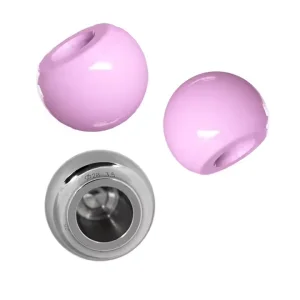
From a mechanical engineering perspective, modular interfaces require micron-level tolerances. Taper connections, such as the Morse taper used in hip femoral stems and ceramic heads, rely on cold-welding dynamics and friction fit. Minimizing micromotion at these interfaces is critical to preventing fretting corrosion and subsequent osteolysis. Zynfuse applies advanced surface finish techniques and coordinate measuring machines (CMM) to ensure joint-taper fit alignment, complying with global biomechanical safety standards.
By leveraging Swiss-type lathe configurations and 5-axis CNC machining centers, Chinese manufacturers execute highly complex implant geometries with strict tolerances (± 0.005mm).
Direct integration with certified biomedical raw material providers ensures steady supplies of Medical Grade Titanium (Grade 5 Eli), PEEK, and Ultra-High-Molecular-Weight Polyethylene (UHMWPE).
Zynfuse balances lean manufacturing with high-capacity workflows, offering cost-optimized pricing structures for global distributors without compromising on quality metrics.
A robust manufacturing pipeline is essential to guarantee the mechanical performance and biocompatibility of modular implants. Zynfuse operates a vertically integrated production line, utilizing Swiss-type lathes, laser welding, and automated polishing systems. Quality control is maintained through dimensional verification, fatigue testing, and surface integrity analysis.
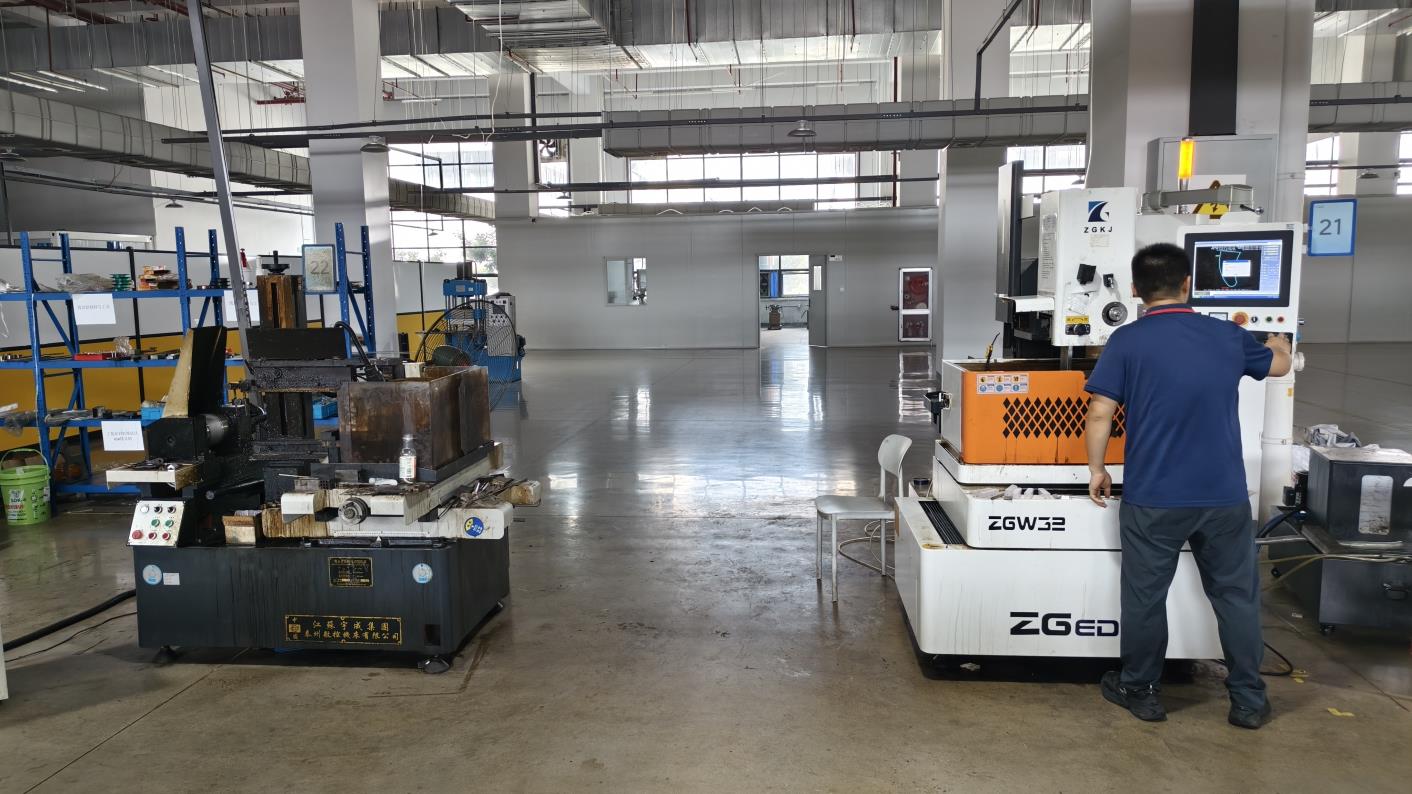
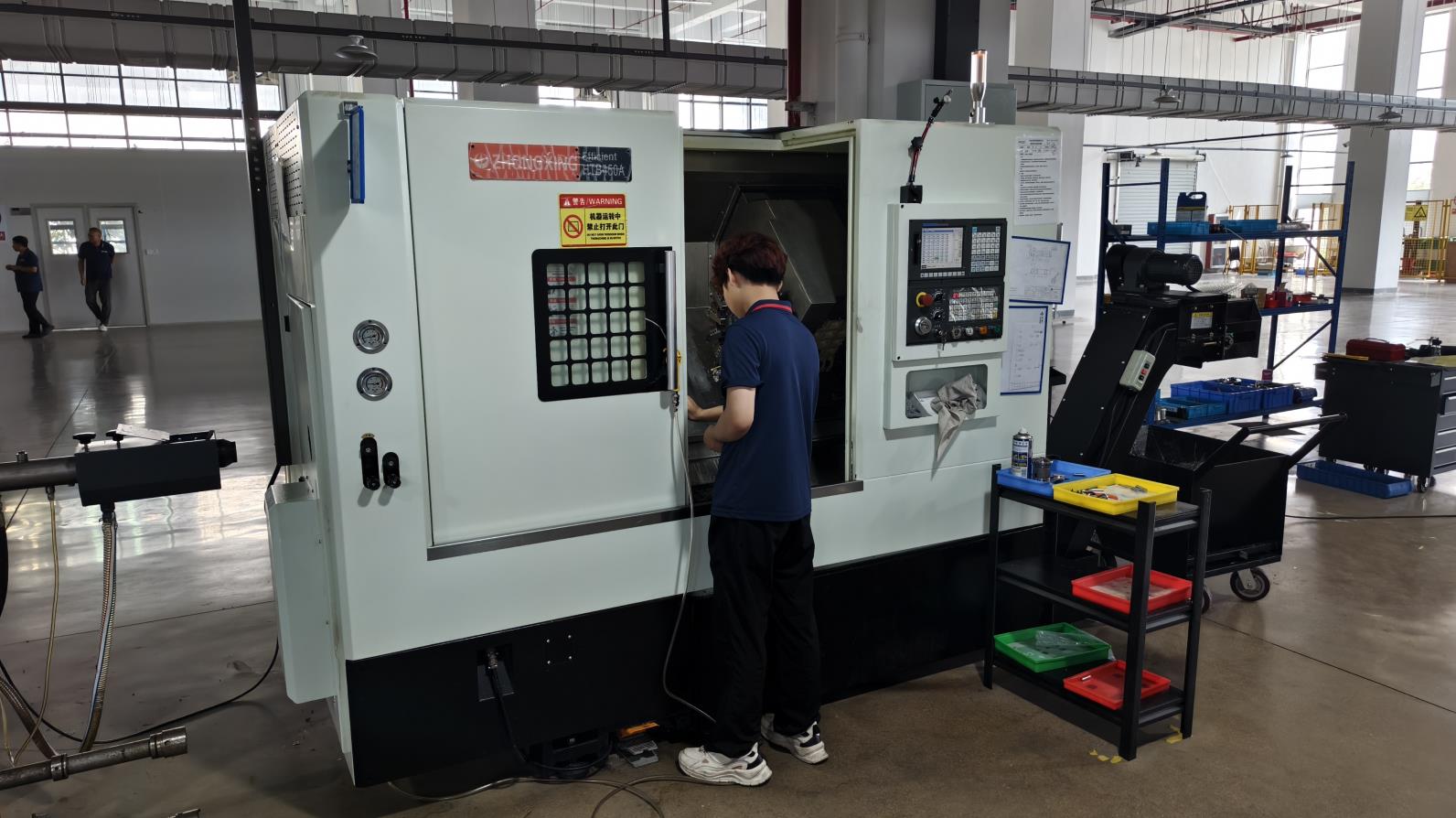
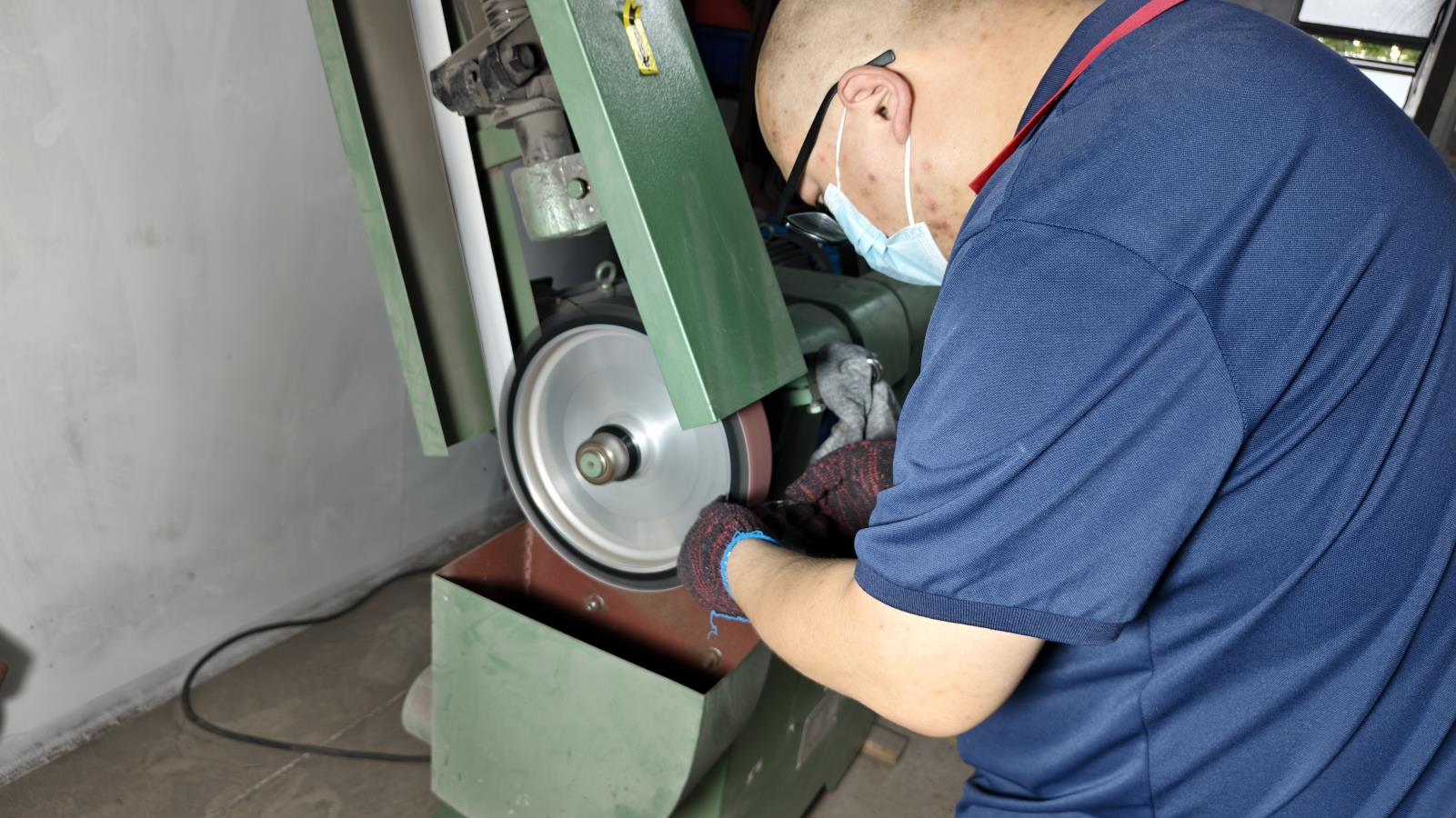
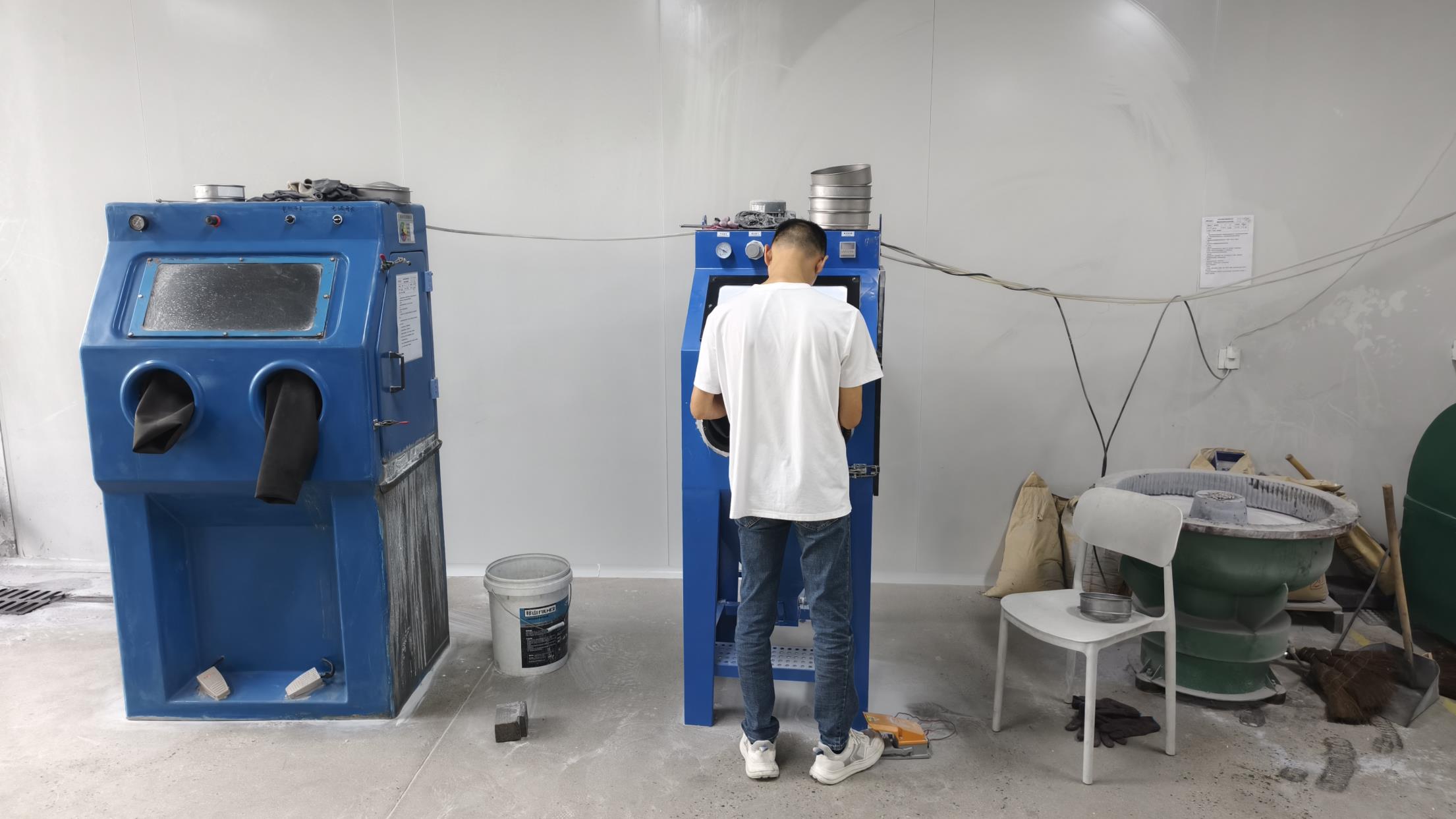
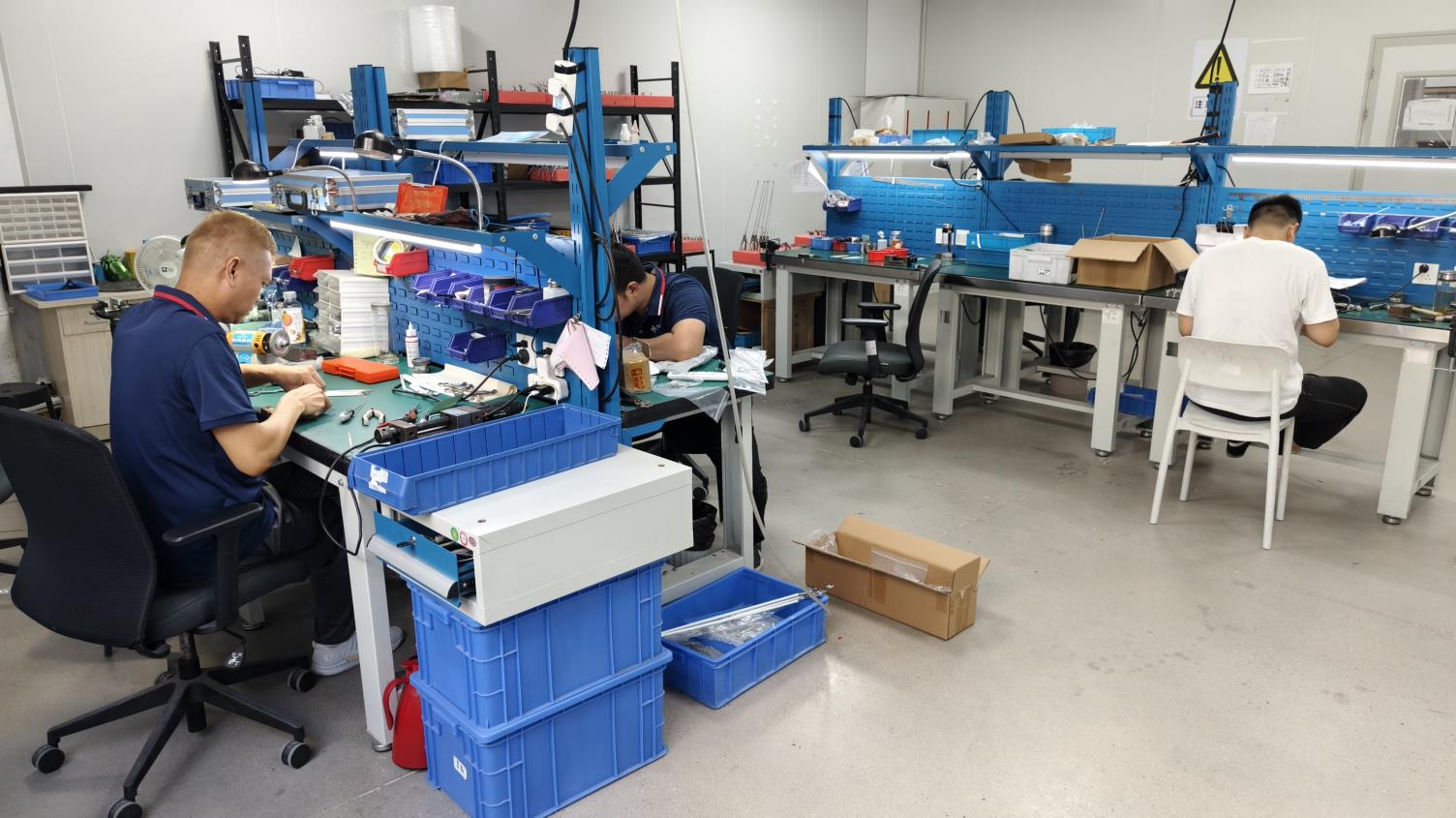
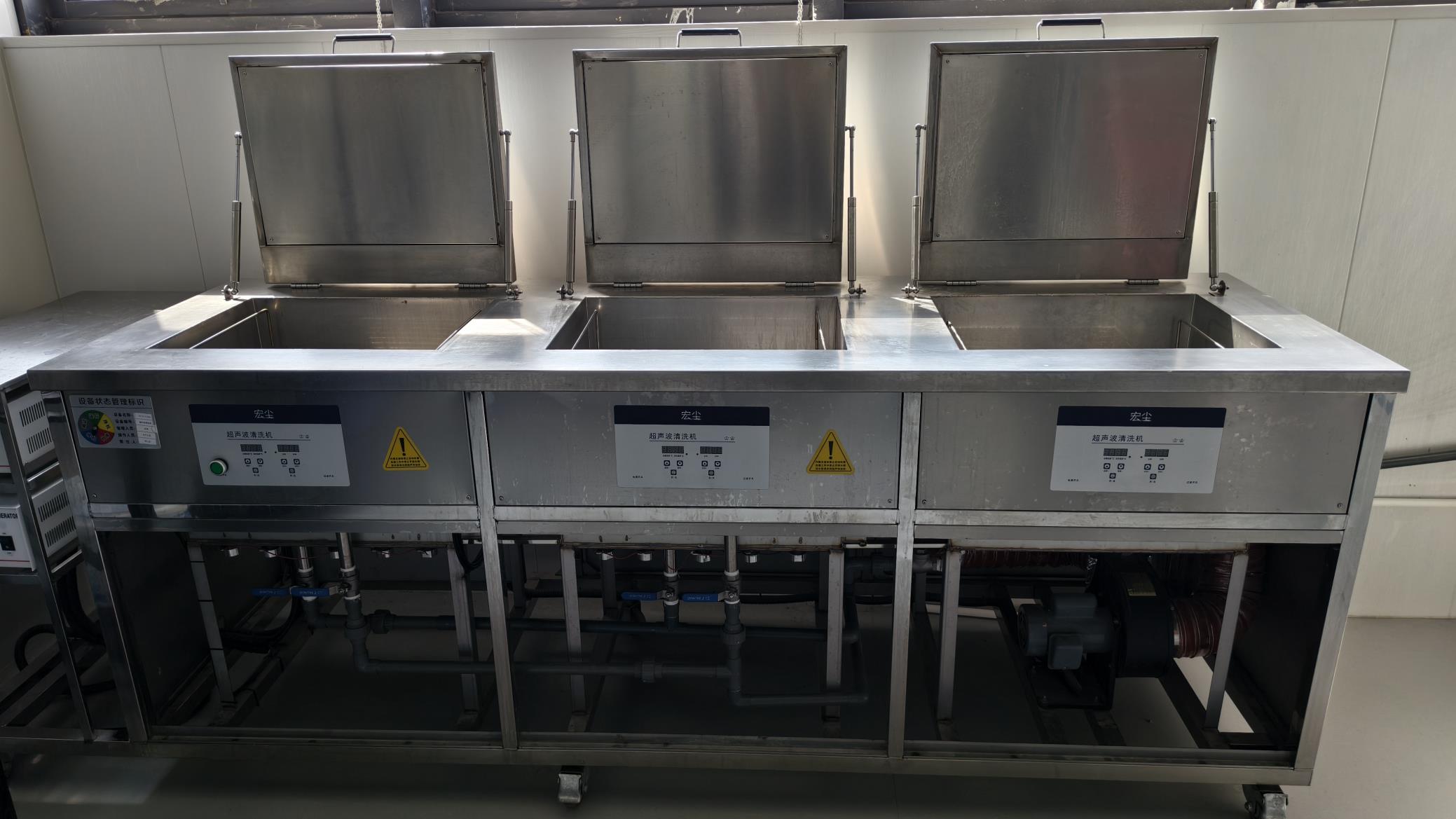
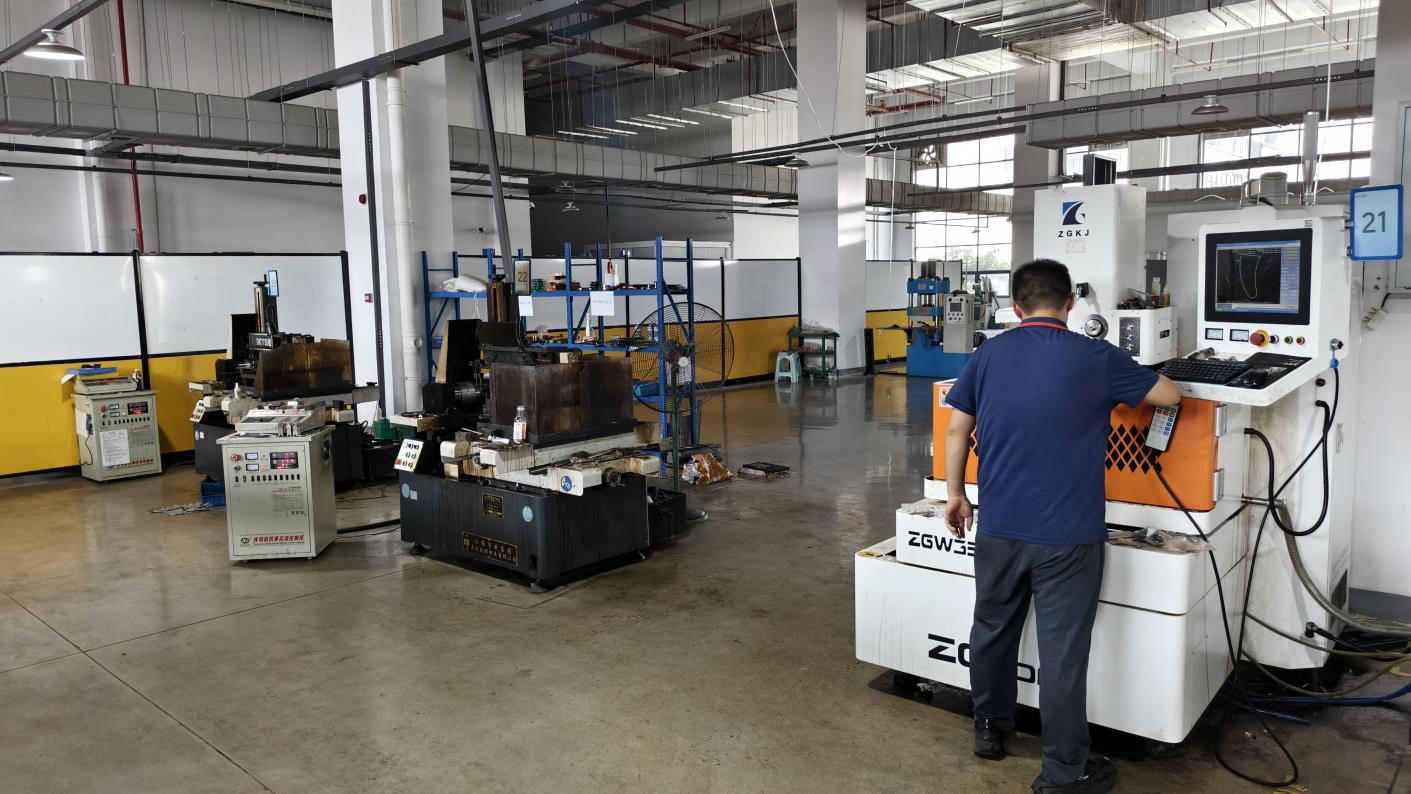
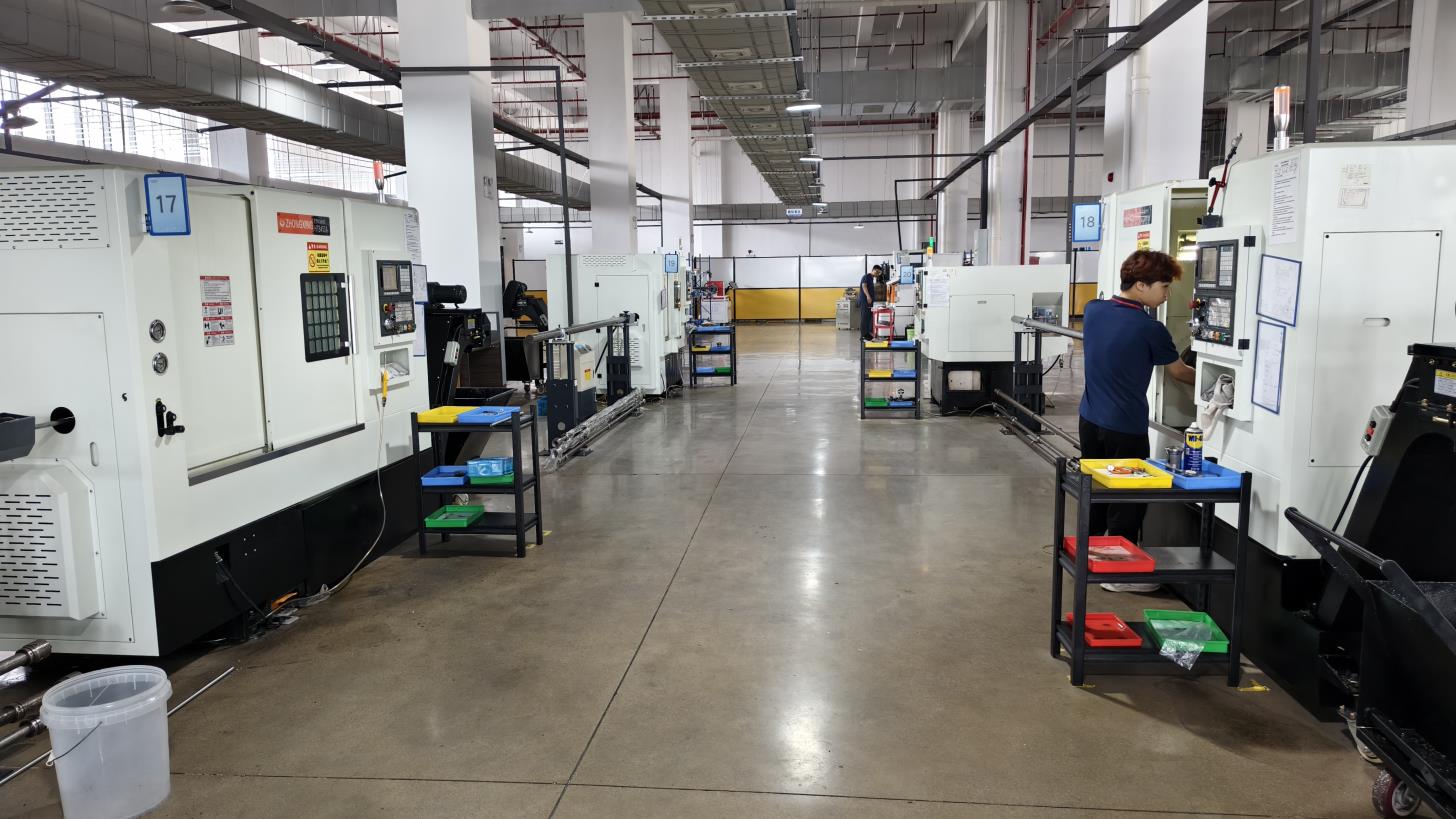
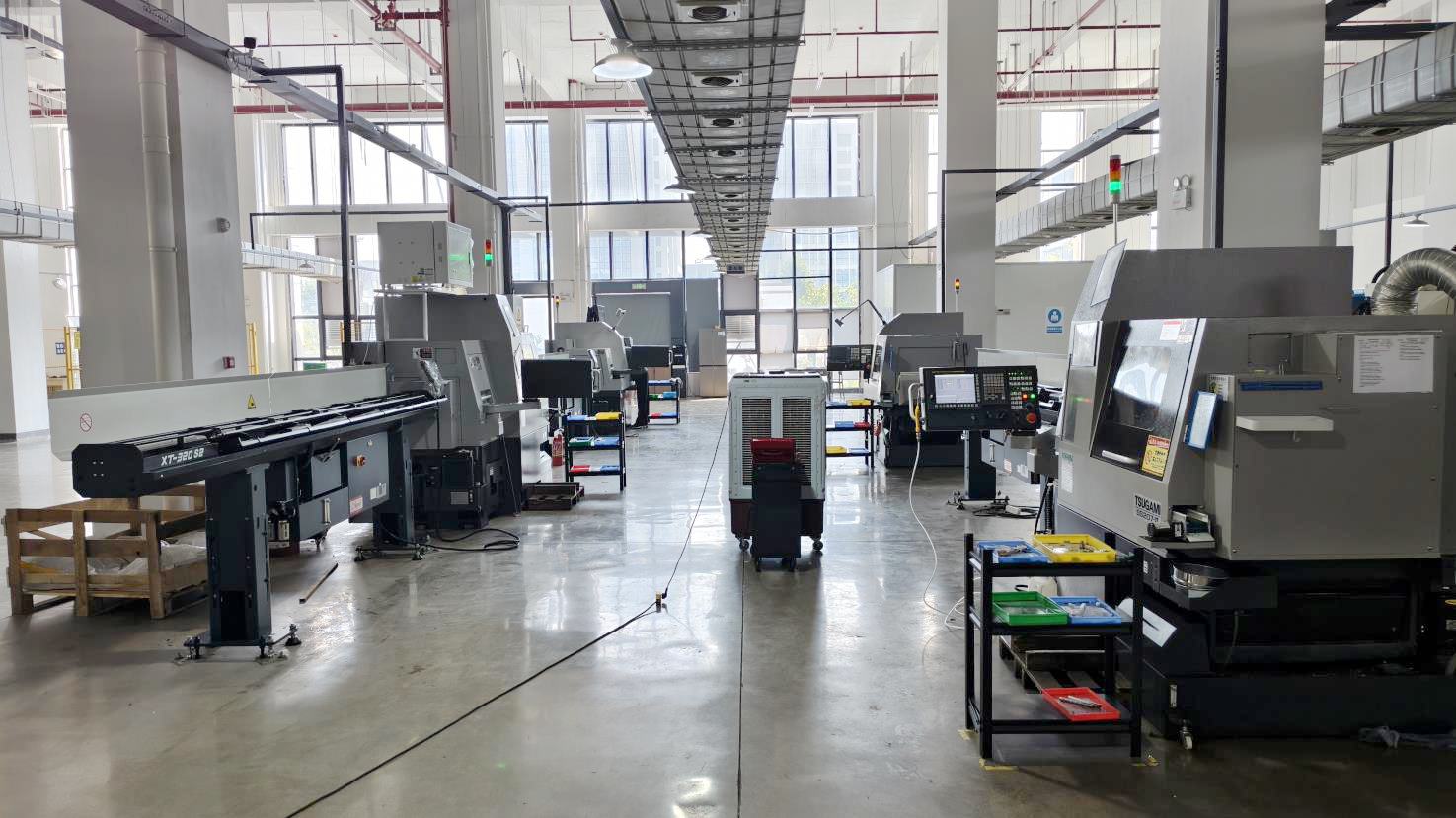
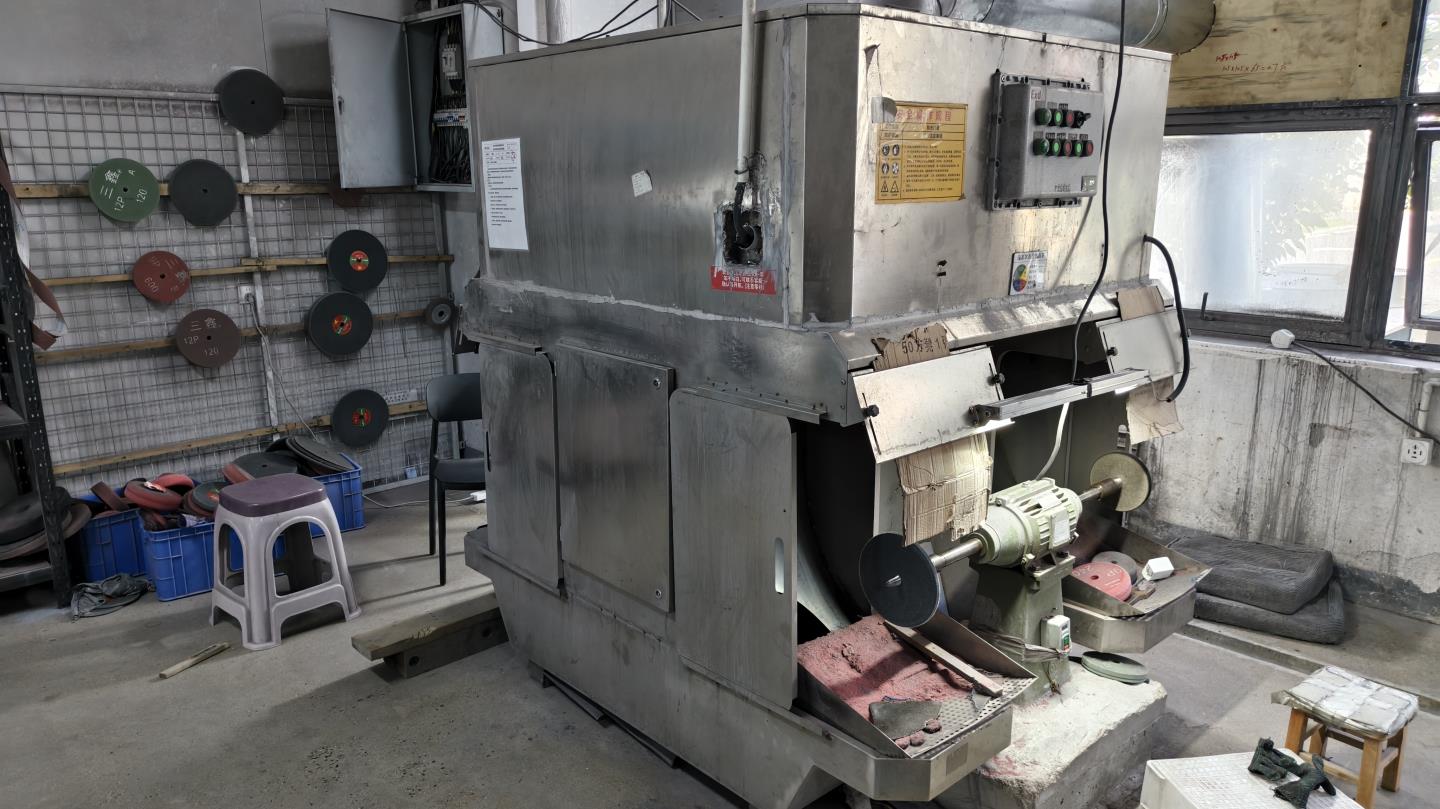
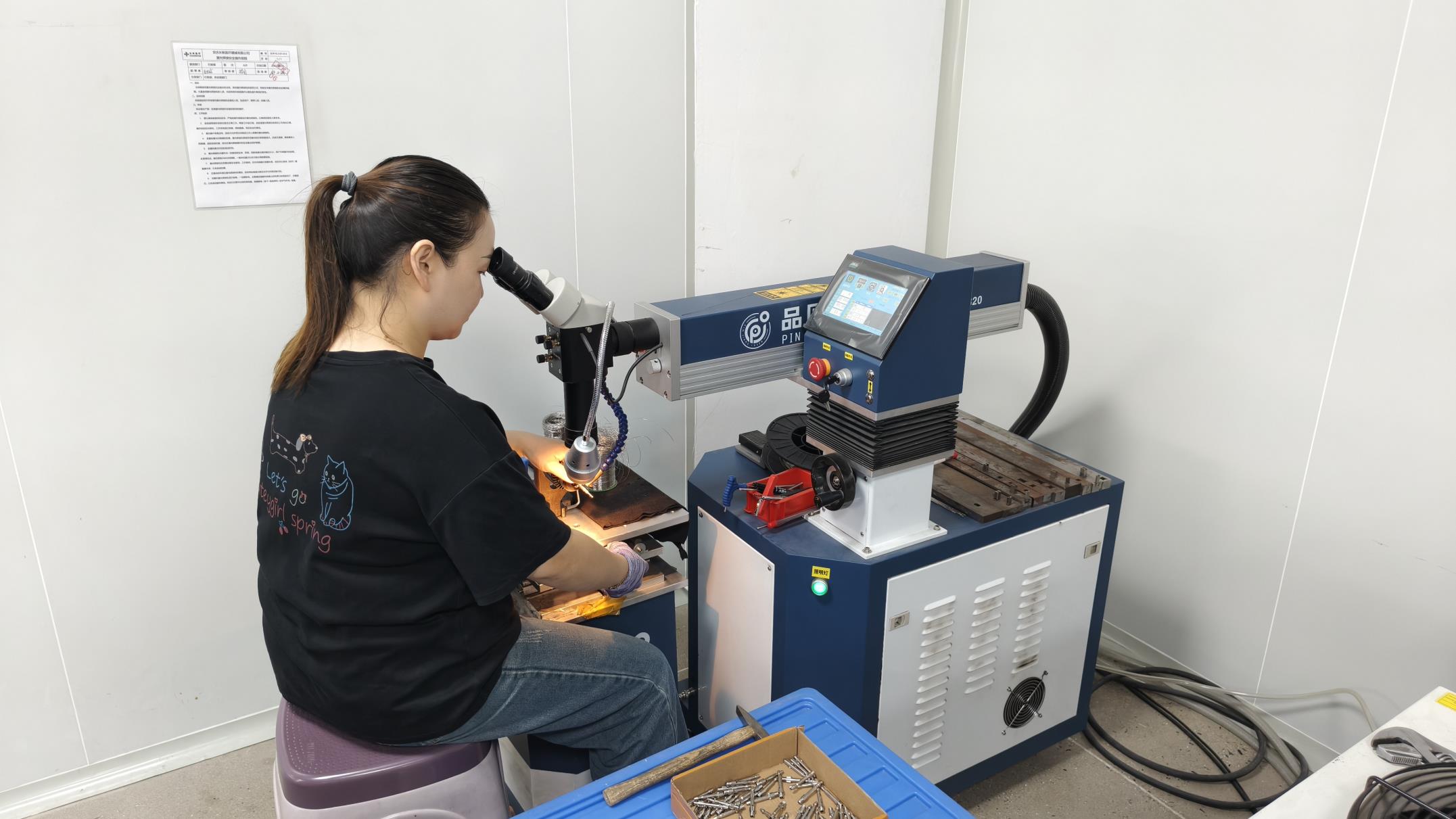
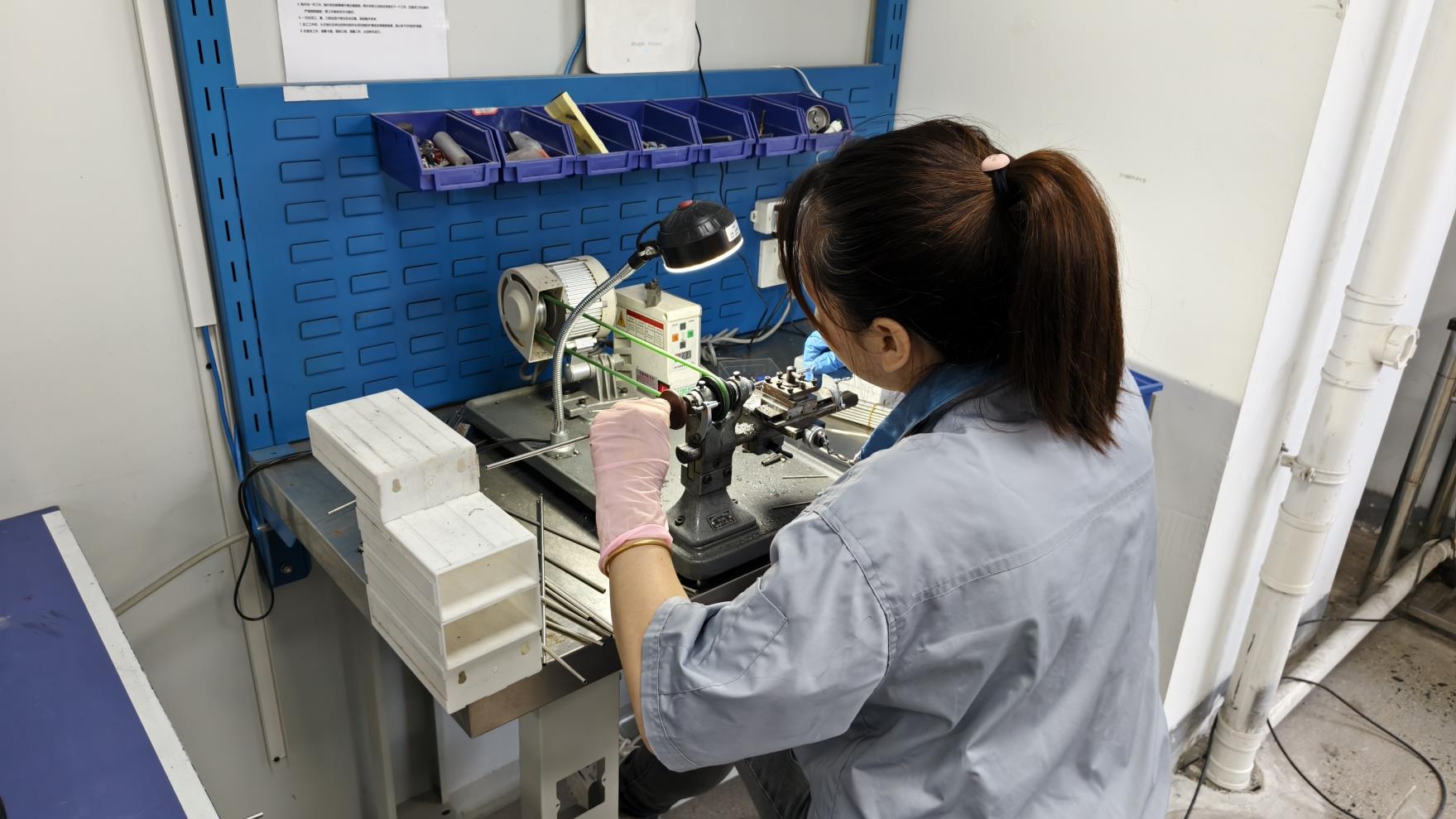
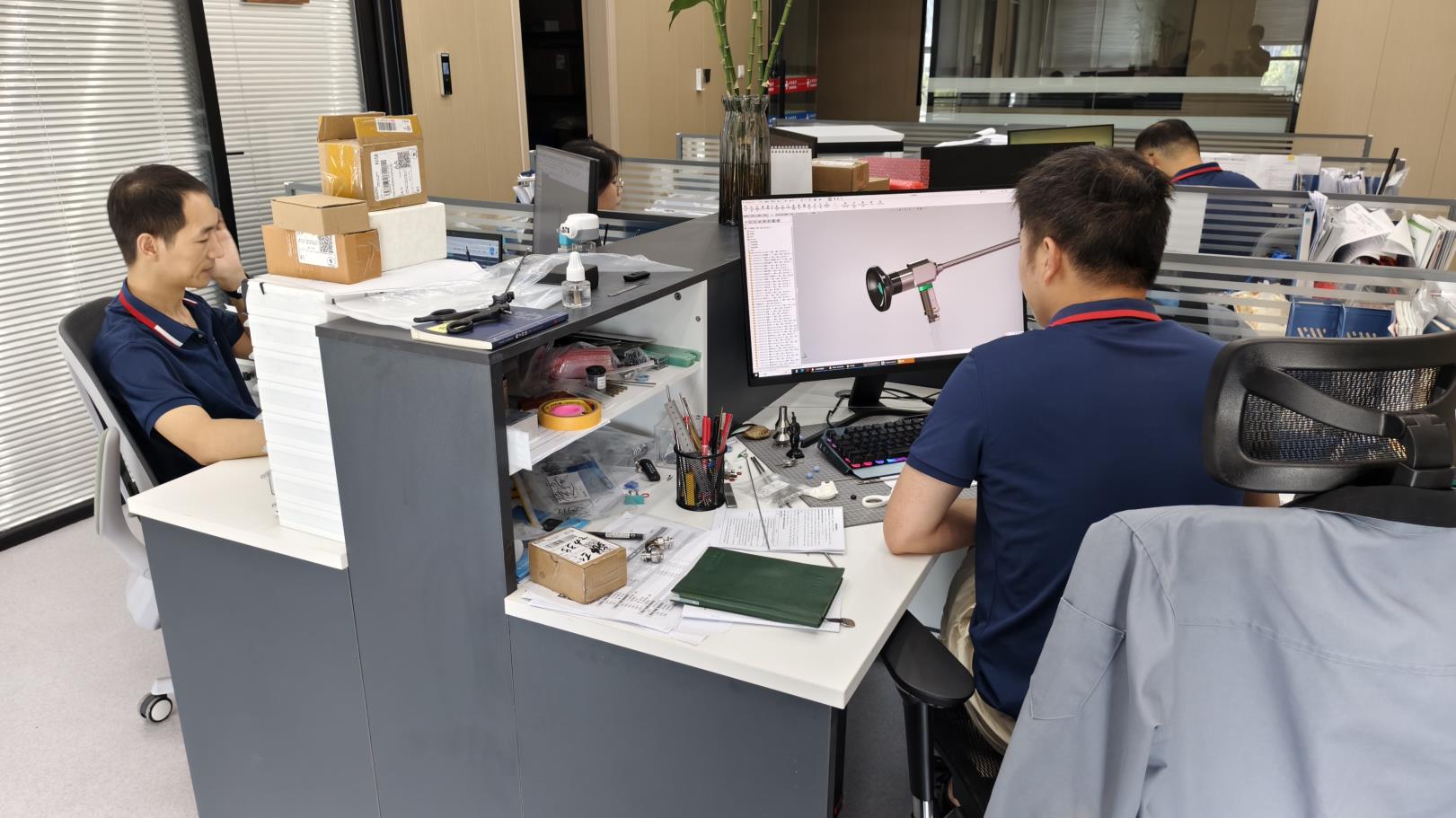

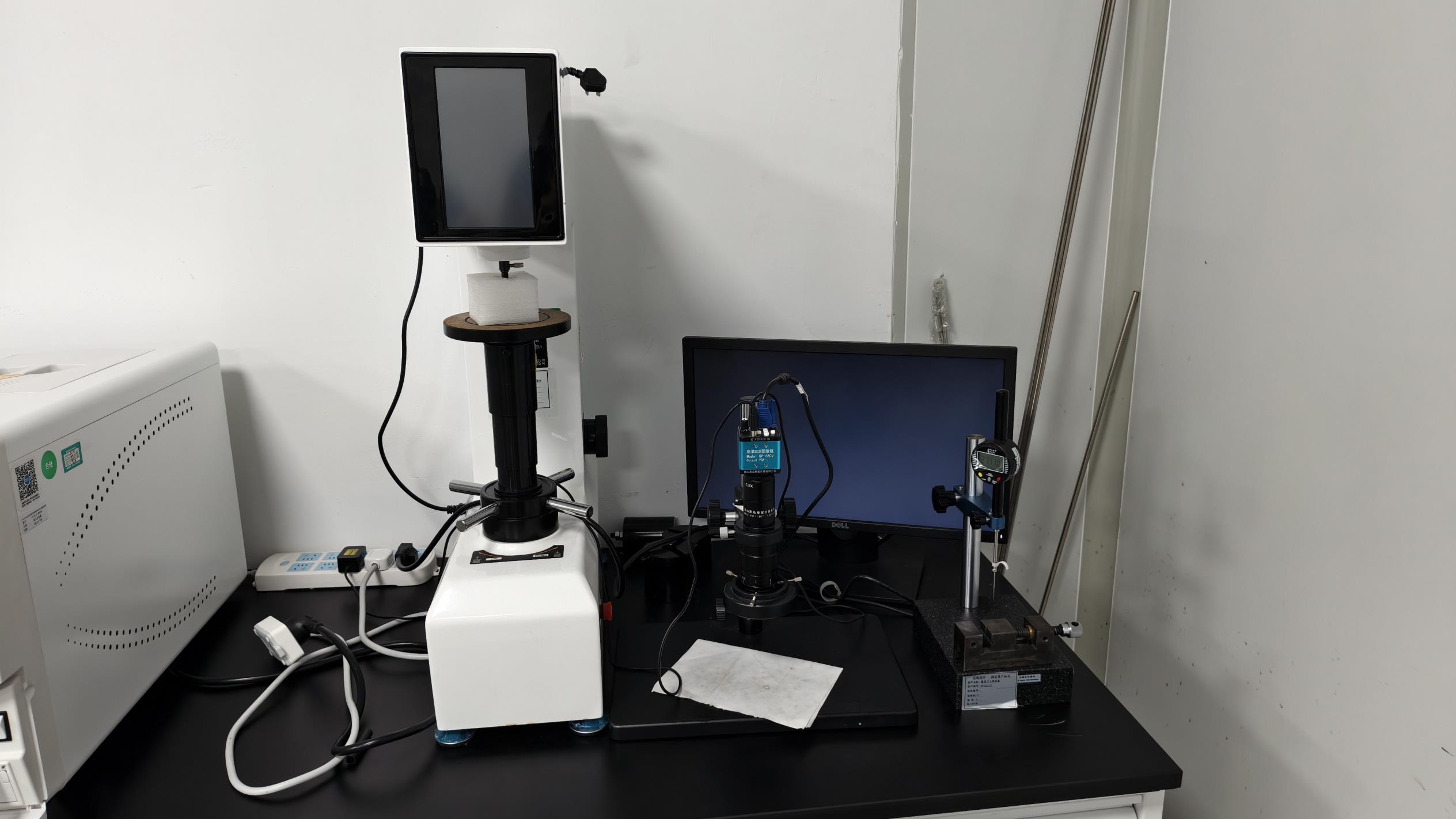
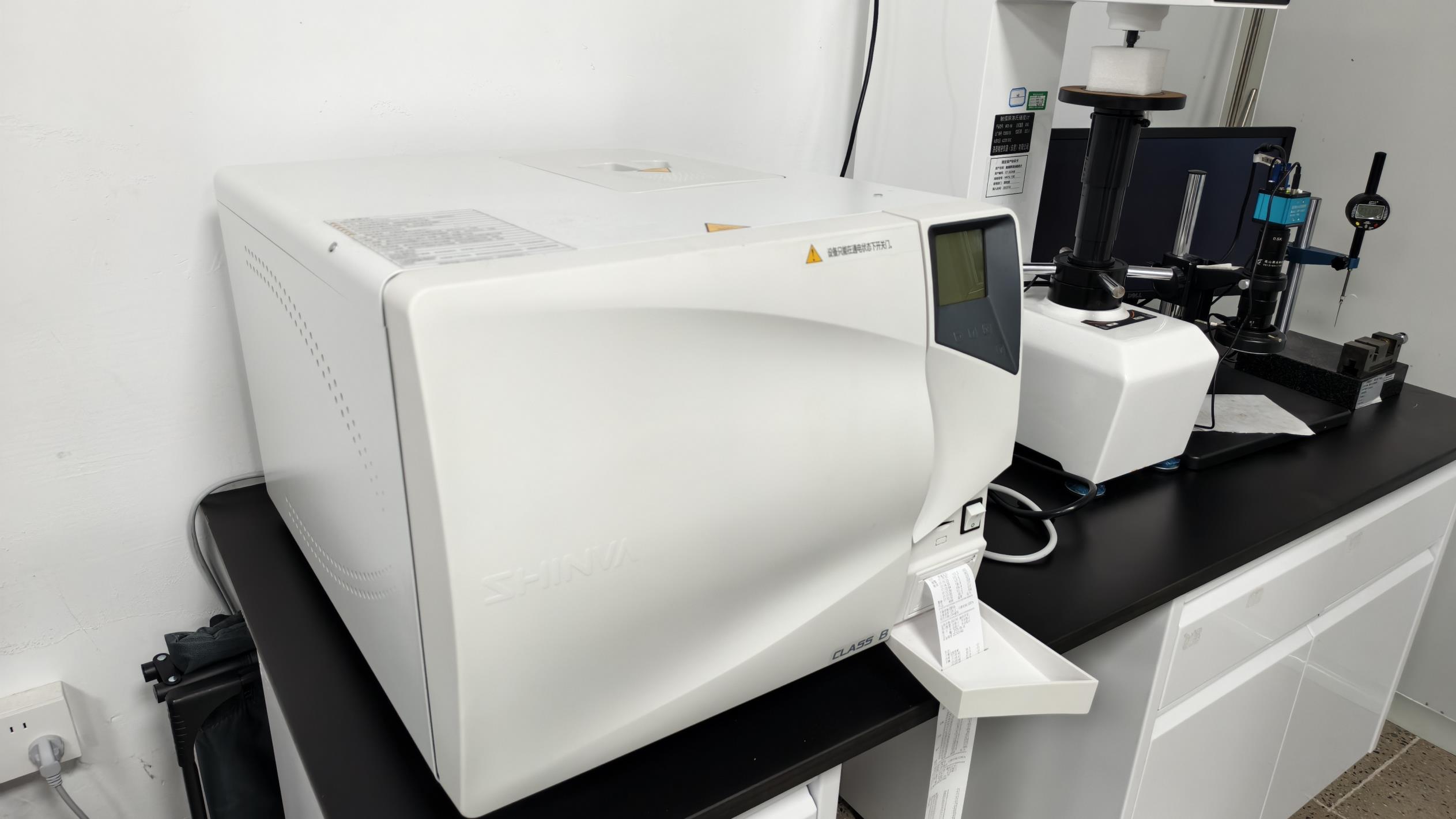
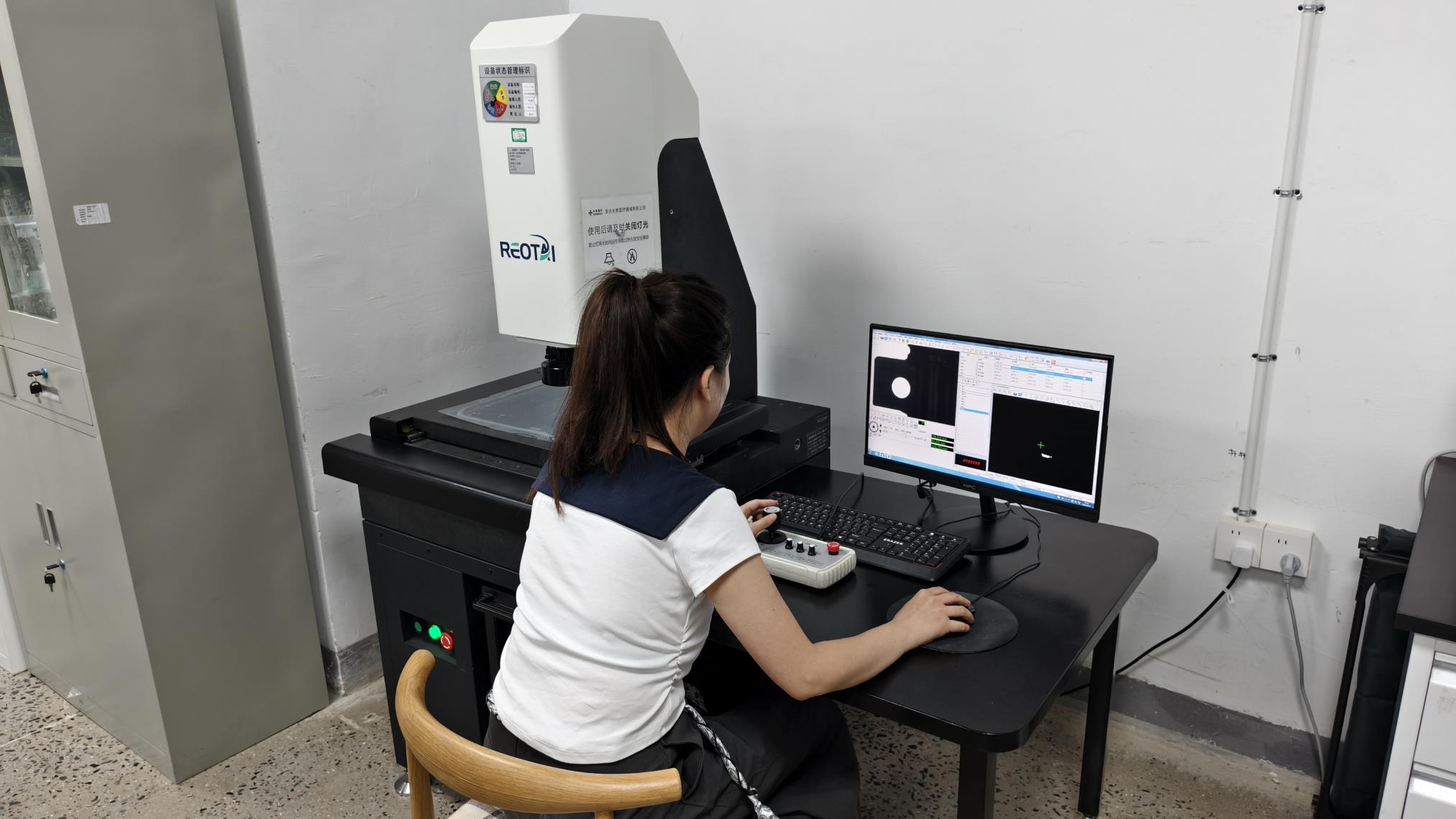
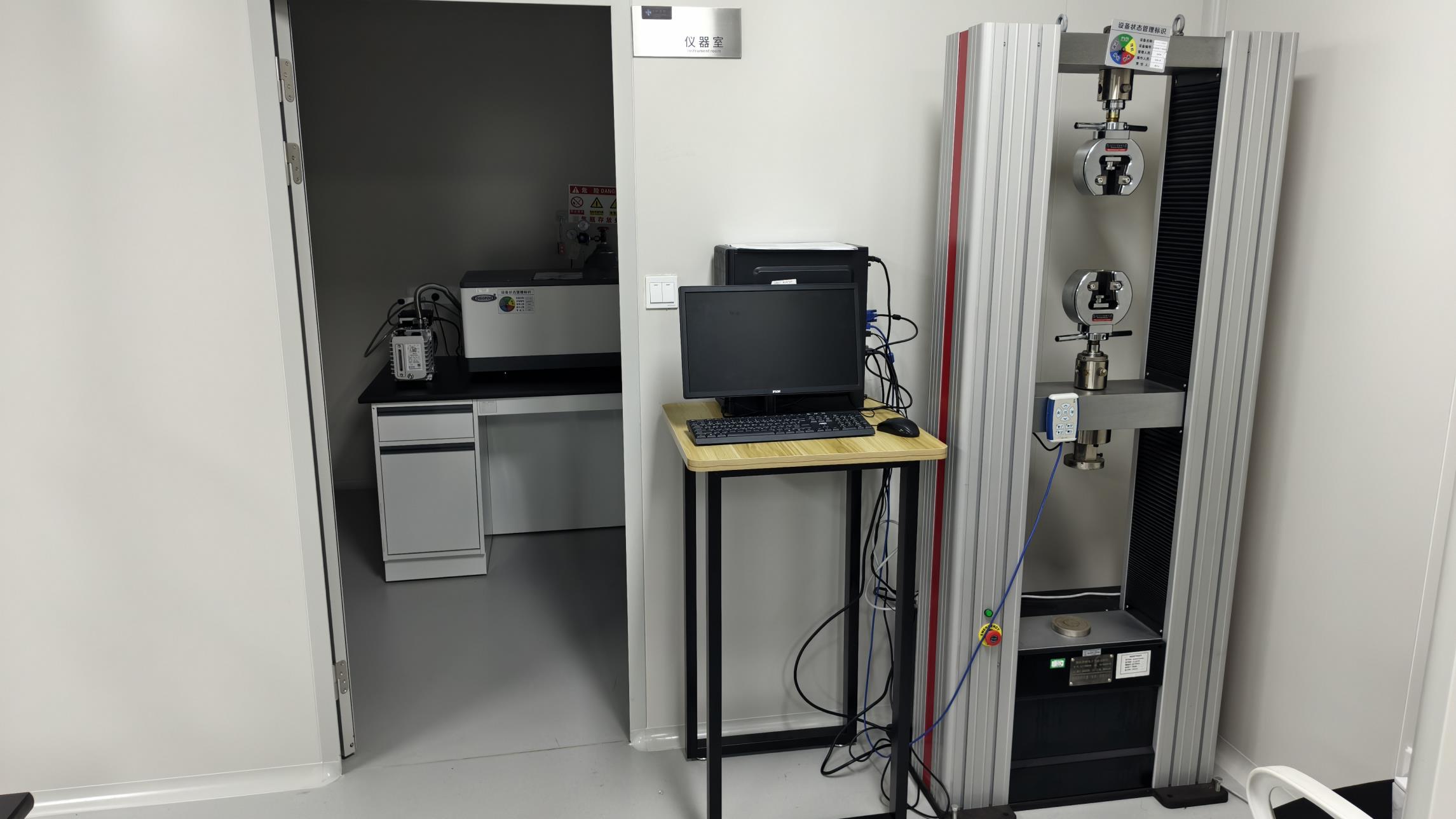
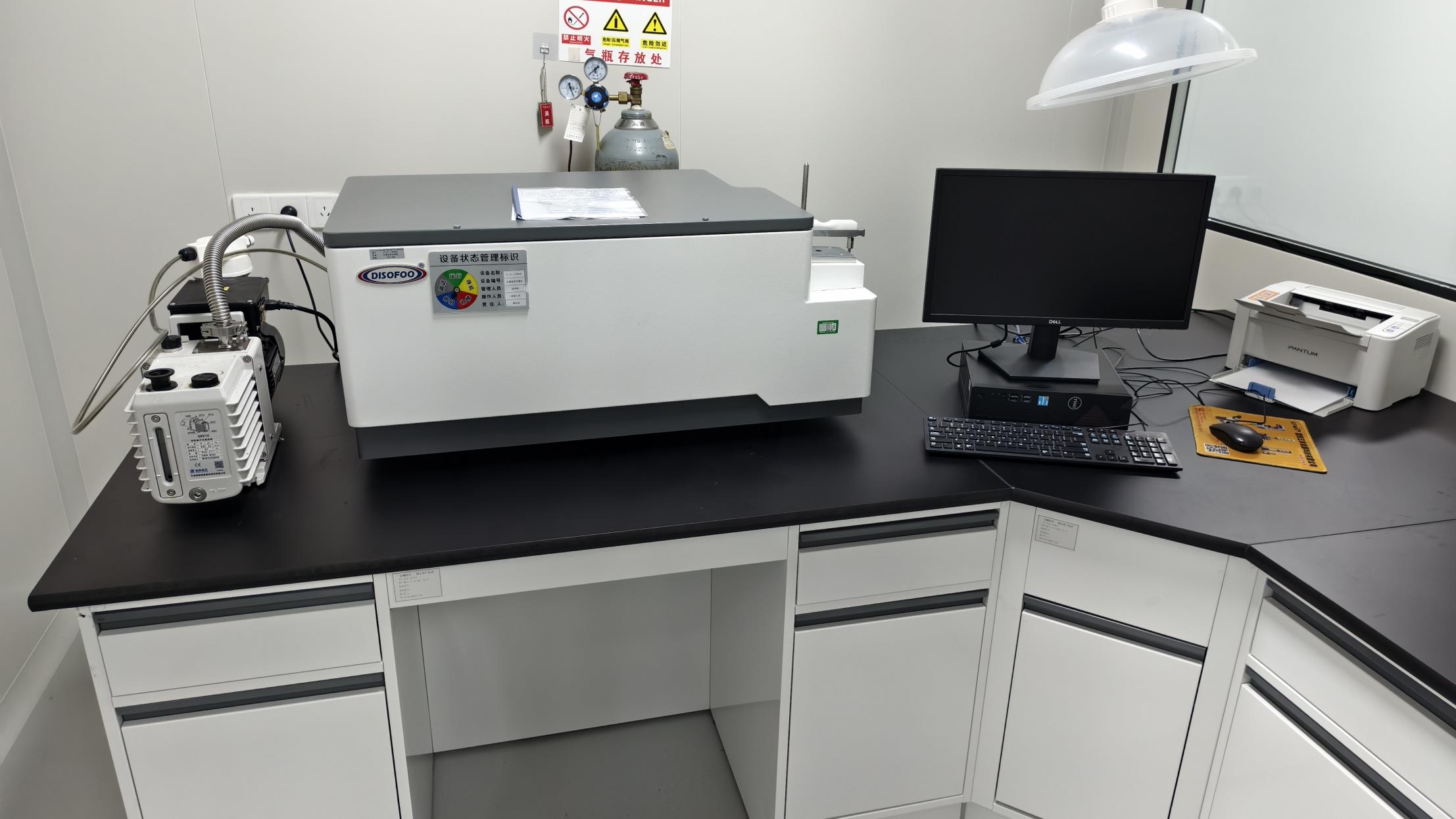
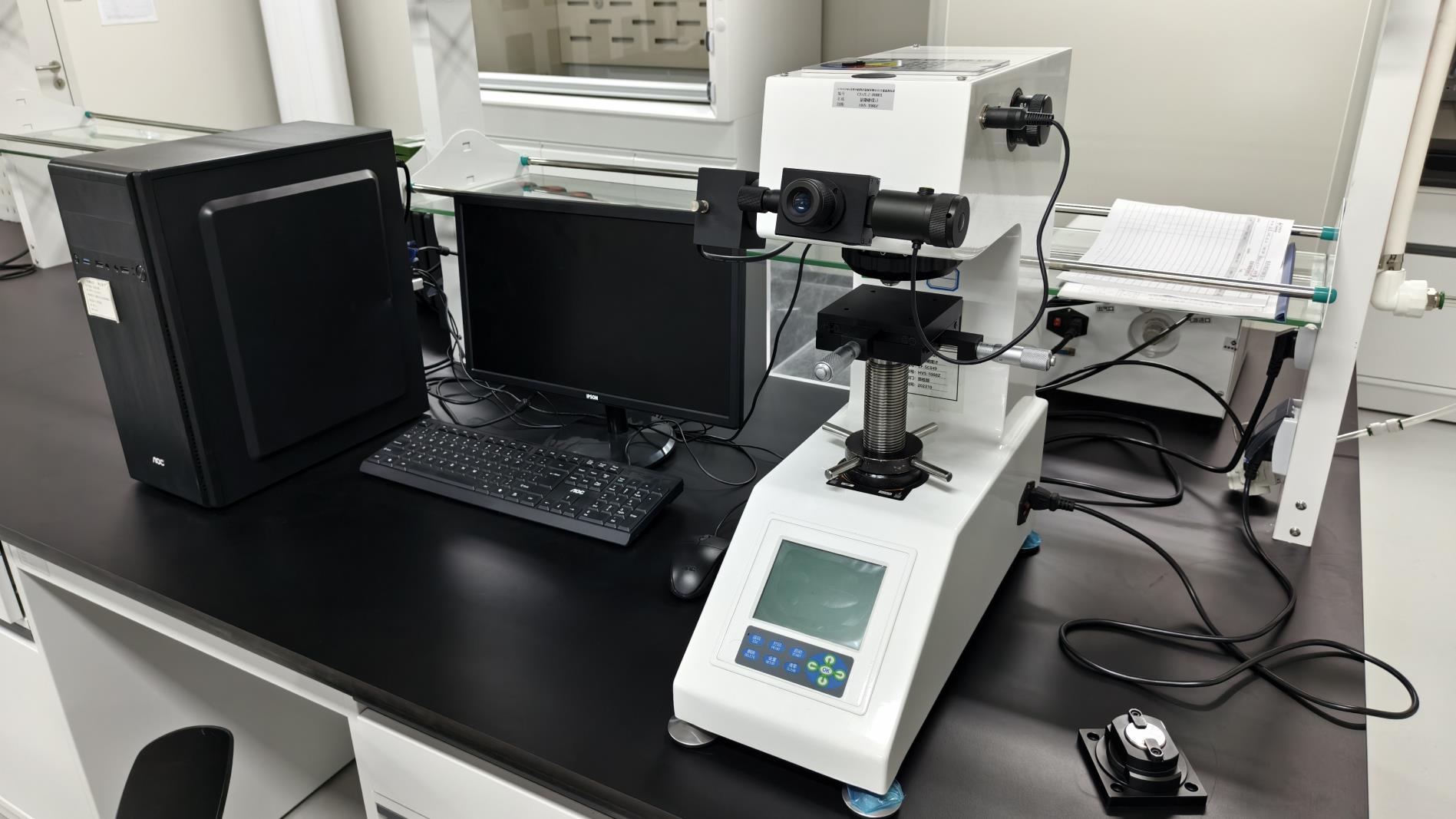
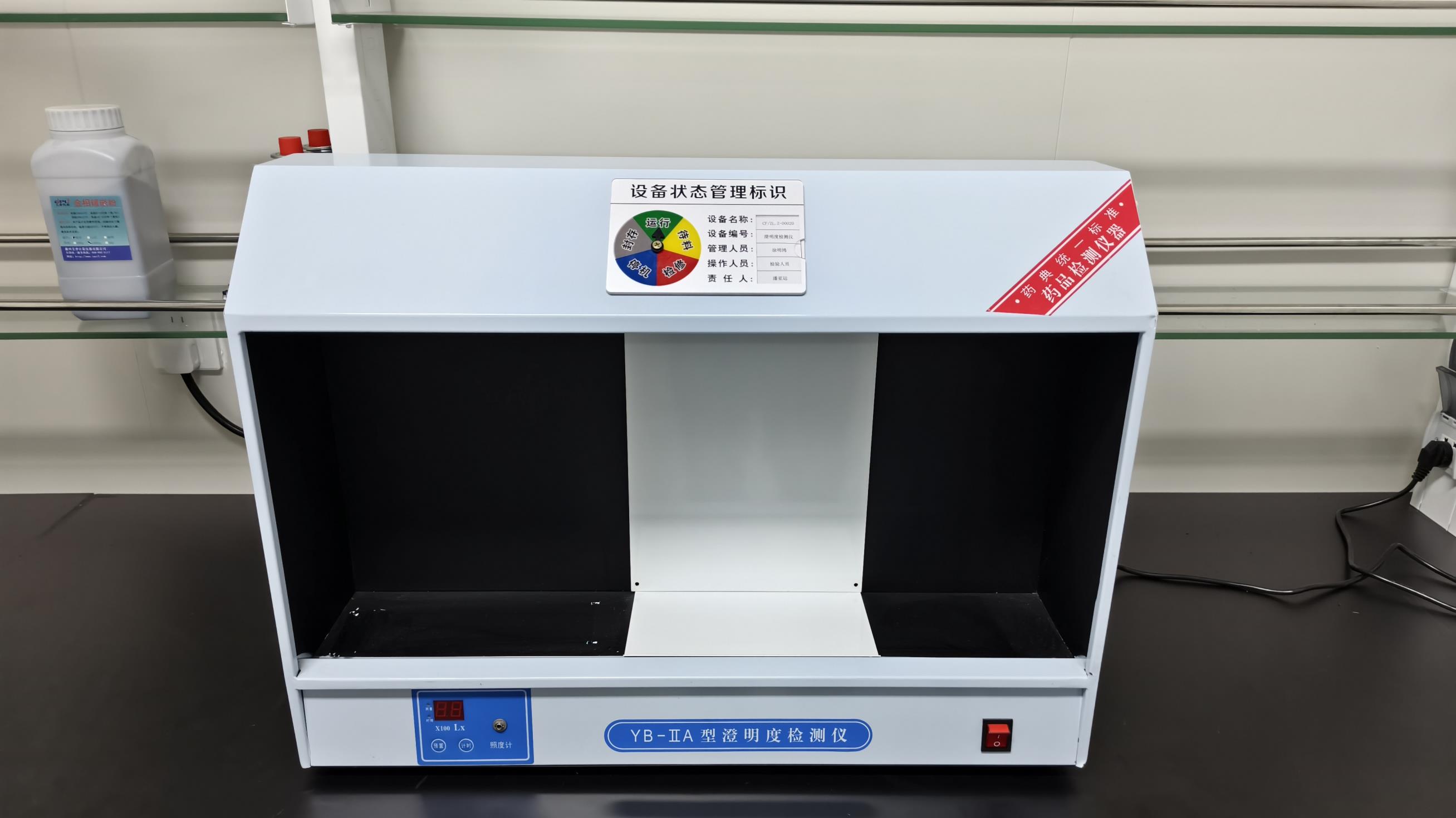
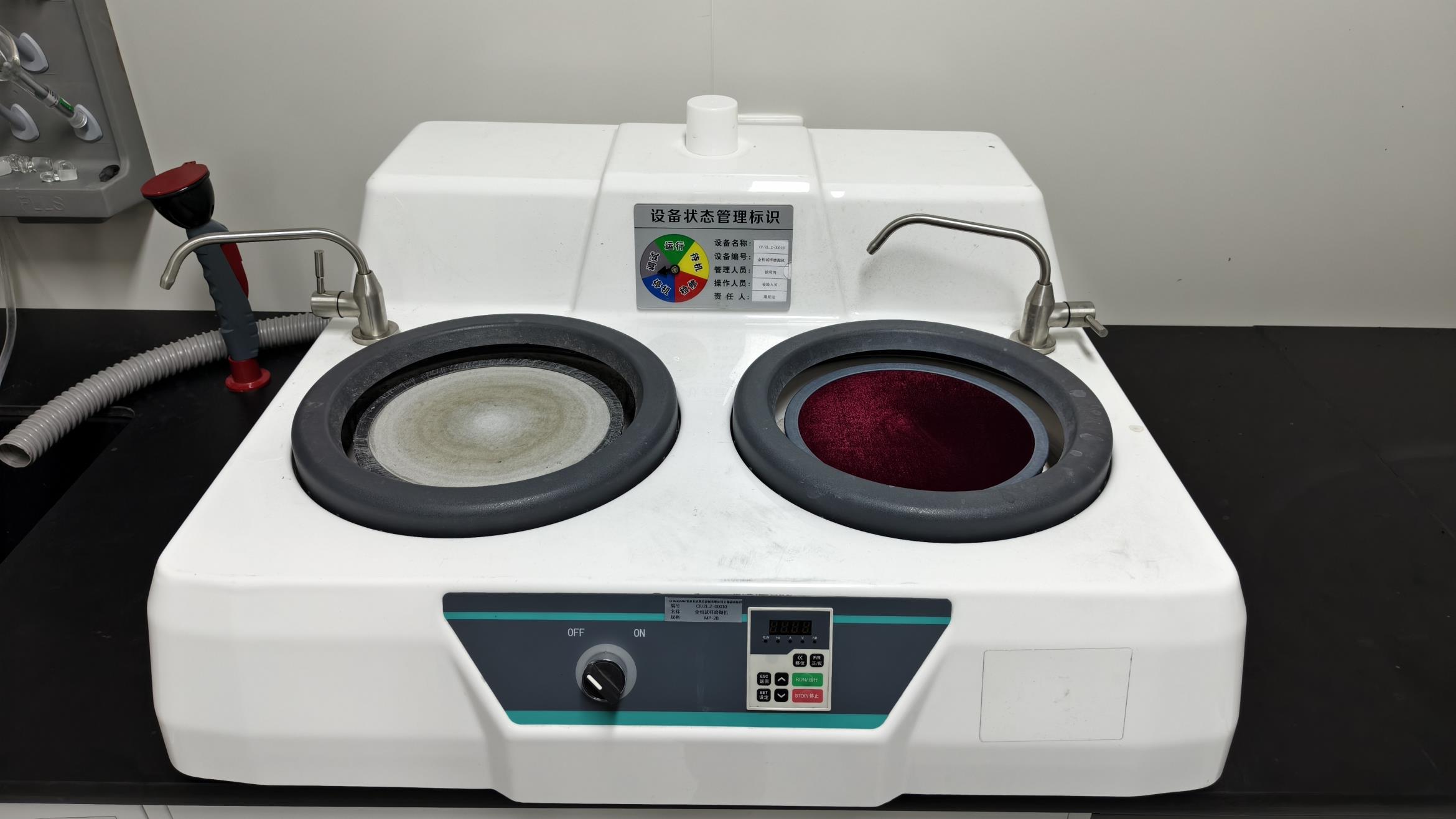
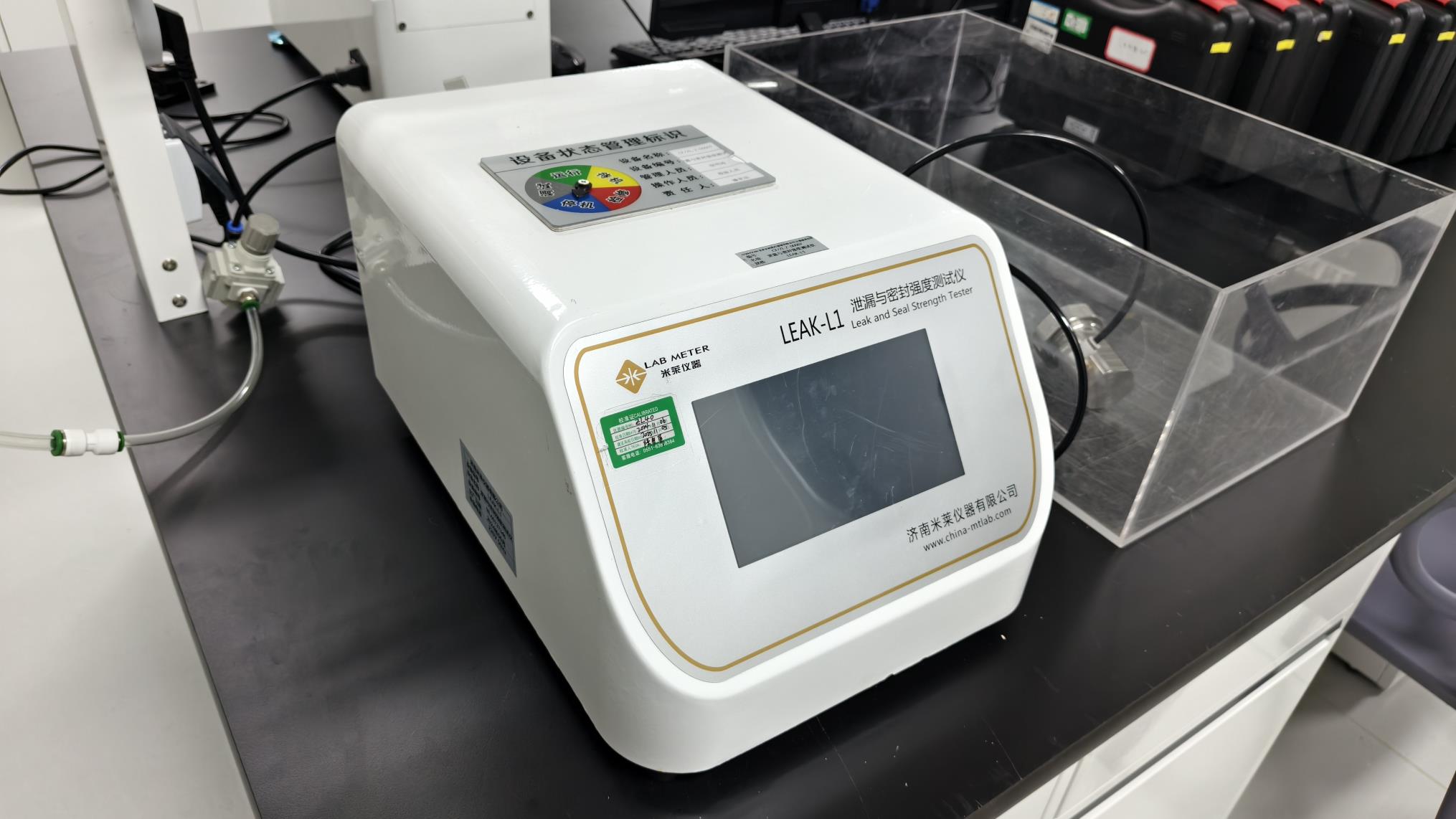
Zynfuse works under quality management systems based on ISO 13485. Every batch of implants is traceable from the initial titanium ingot or raw PEEK extrusion to the final packaged product. To meet the stringent regulations of the European Medical Device Regulation (MDR) and the US FDA, we run mechanical verification protocols including fatigue testing under dynamic load conditions.
Our physical testing lab evaluates mechanical properties such as tensile strength, yield compression, and shear fatigue. In spine pedicle screw systems, we perform testing according to ASTM F1717 standards to simulate multi-segment structural loads. In addition, our chemical and biological evaluation cleanrooms conduct biocompatibility studies (ISO 10993) to verify that implant surfaces promote optimal osteointegration and avoid cytotoxic responses.
Zynfuse design parameters focus on specialized clinical challenges across orthopedic sub-specialties. Our products are split into four main applications:
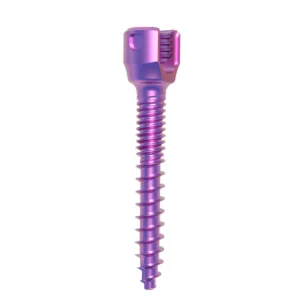
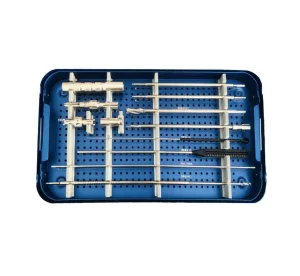
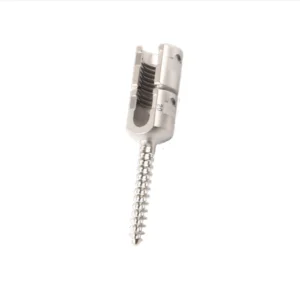
Polyaxial pedicle screws, titanium rod systems, and expandable PEEK lumbar cages designed to restore sagittal balance and stabilize lumbar segments during degenerative scoliosis correction.
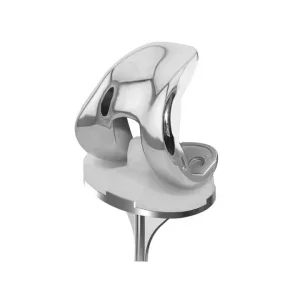
Modular acetabular cups, ceramic head components, and femoral stems for total hip and knee replacement (TKA/TKR) designed to minimize wear rates at contact surfaces.
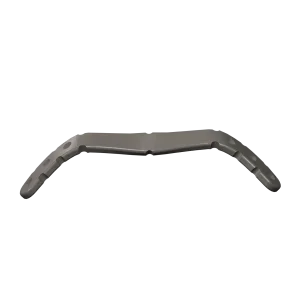
Locking titanium reconstruction plates, distal radius plates, and pelvis fixation configurations that maintain bone reduction under physical load.
The orthopedic sector is moving toward personalized clinical solutions. Traditional sizing charts are being replaced by patient-specific adjustments enabled by 3D printing (additive manufacturing). By utilizing direct metal laser sintering (DMLS) of medical titanium powder, manufacturers can produce trabecular structures that mimic natural trabecular bone porosity. This stimulates bone ingrowth and improves implant fixation.
Simultaneously, material sciences have introduced bioactive surface modifications. Anodization techniques generate titanium dioxide nanotube structures on implant surfaces, allowing for targeted drug delivery or antimicrobial coatings. Zynfuse is actively researching these surface-engineered systems to support surgeries with reduced risk of post-operative infection and accelerated bone healing.
Managing a global orthopedic supply chain requires navigating regulatory variations, logistical constraints, and strict quality control standards. For medical distributors and hospitals, partner verification is vital. Zynfuse supports overseas clients with comprehensive documentation, including raw material certificates, sterile validation reports, and dynamic test data.
Our customized OEM/ODM services follow a structured design-to-delivery pathway. We process custom orders beginning with customer CAD drawings, executing finite element analysis (FEA) to confirm mechanical strength before launching prototype production. By integrating advanced production scheduling with our global distribution network, we offer consistent delivery lead times and support inventory optimization policies for global partners.