Zynfuse
Zynfuse
Zynfuse
Select orthopaedic solutions designed for anatomical reconstruction and biomechanical stability, manufactured under ISO 13485 compliance.
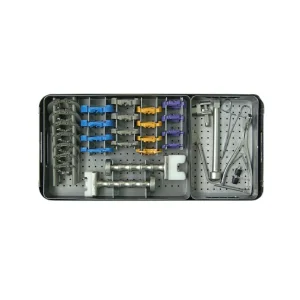
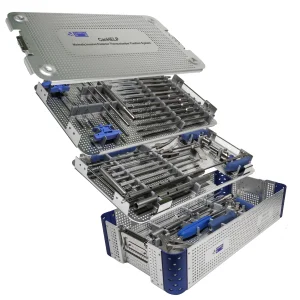
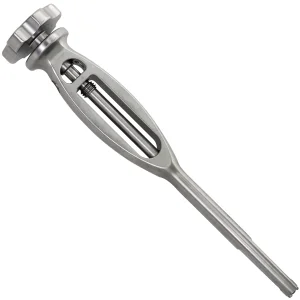
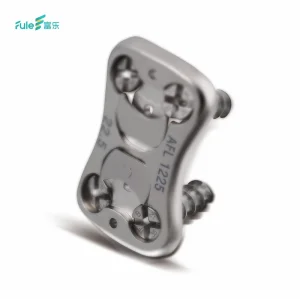
A deep clinical guide on why locking plate structures serve as the golden standard for intra- and extra-articular distal radius fractures.
Distal radius fractures represent one of the most common skeletal injuries encountered in clinical emergency departments, accounting for approximately 17% of all skeletal fractures in adults. Treatment strategies have undergone a major shift from conventional plaster casting and external fixation to open reduction and internal fixation (ORIF) with anatomically pre-contoured volar locking plates.
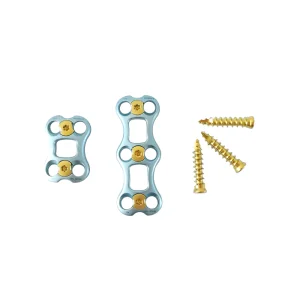
The biomechanical success of Distal Radius Locking Plates (DRLPs) lies in their ability to act as fixed-angle constructs. Unlike traditional non-locking plate configurations that rely entirely on the friction interface between the bone and the plate, locking plates establish a rigid, stable frame by locking the screw head directly into the plate thread. This prevents secondary loss of reduction, particularly under severe physiological loading during early mobilizations.
For elderly patients presenting with osteoporotic bone, screw purchase in cortical and cancellous tissues is significantly degraded. In such scenarios, locking plate systems distribute mechanical forces over the entire implant construct. The structural integrity is not compromised even if individual screw tracks experience high localized stress, effectively mitigating risks of screw backout, osteolytic breakdown, and toggle failure.
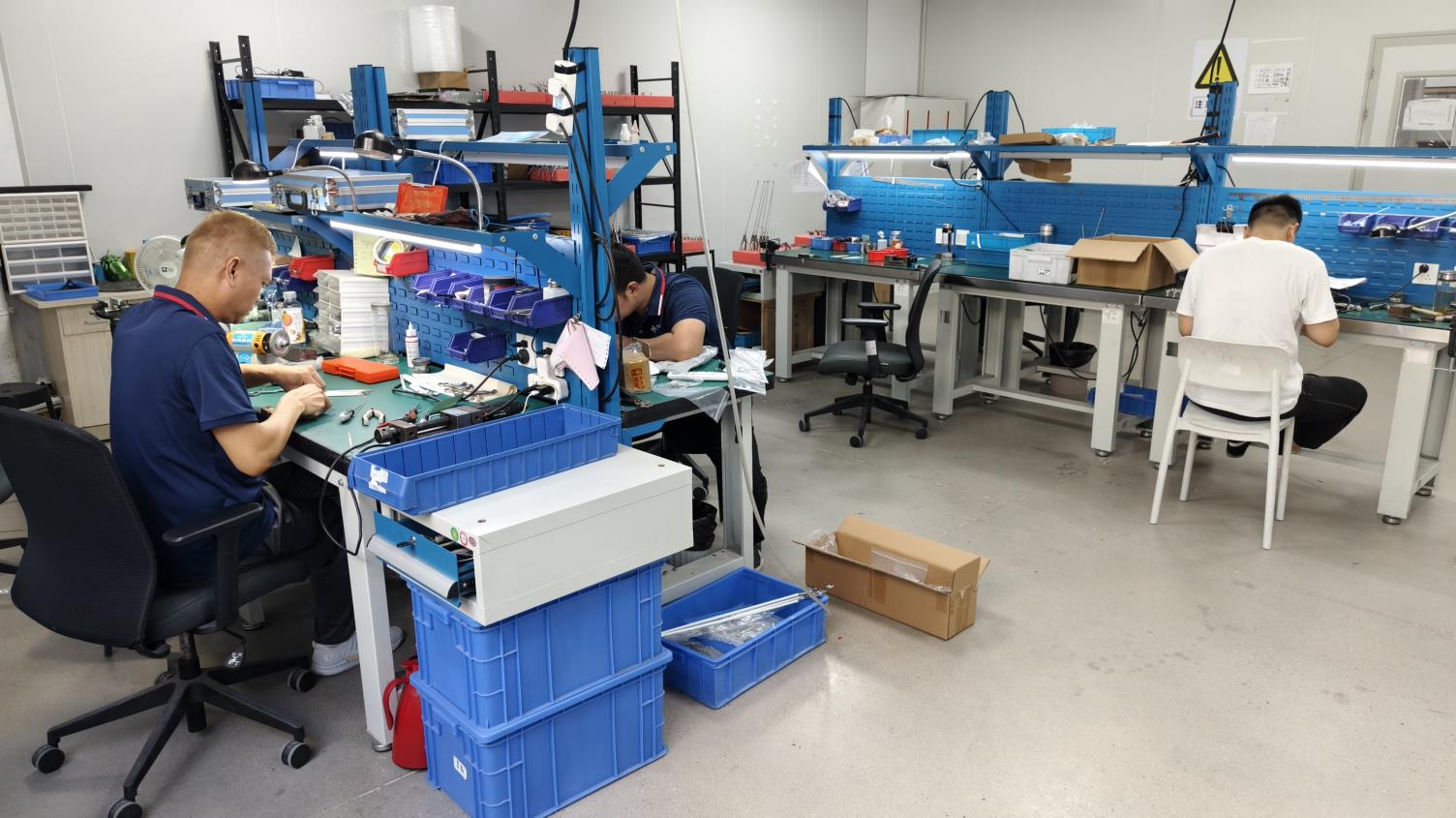
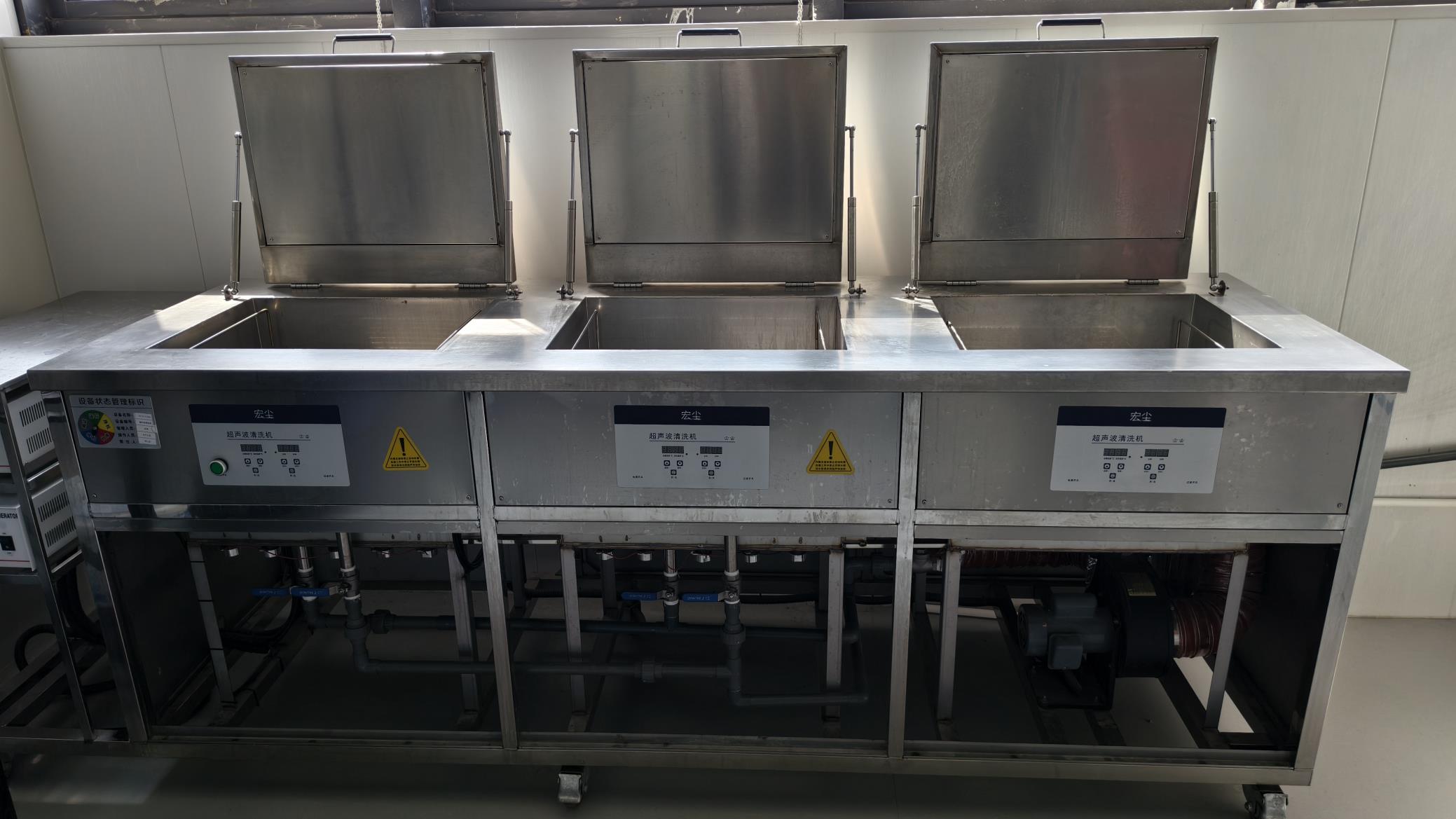
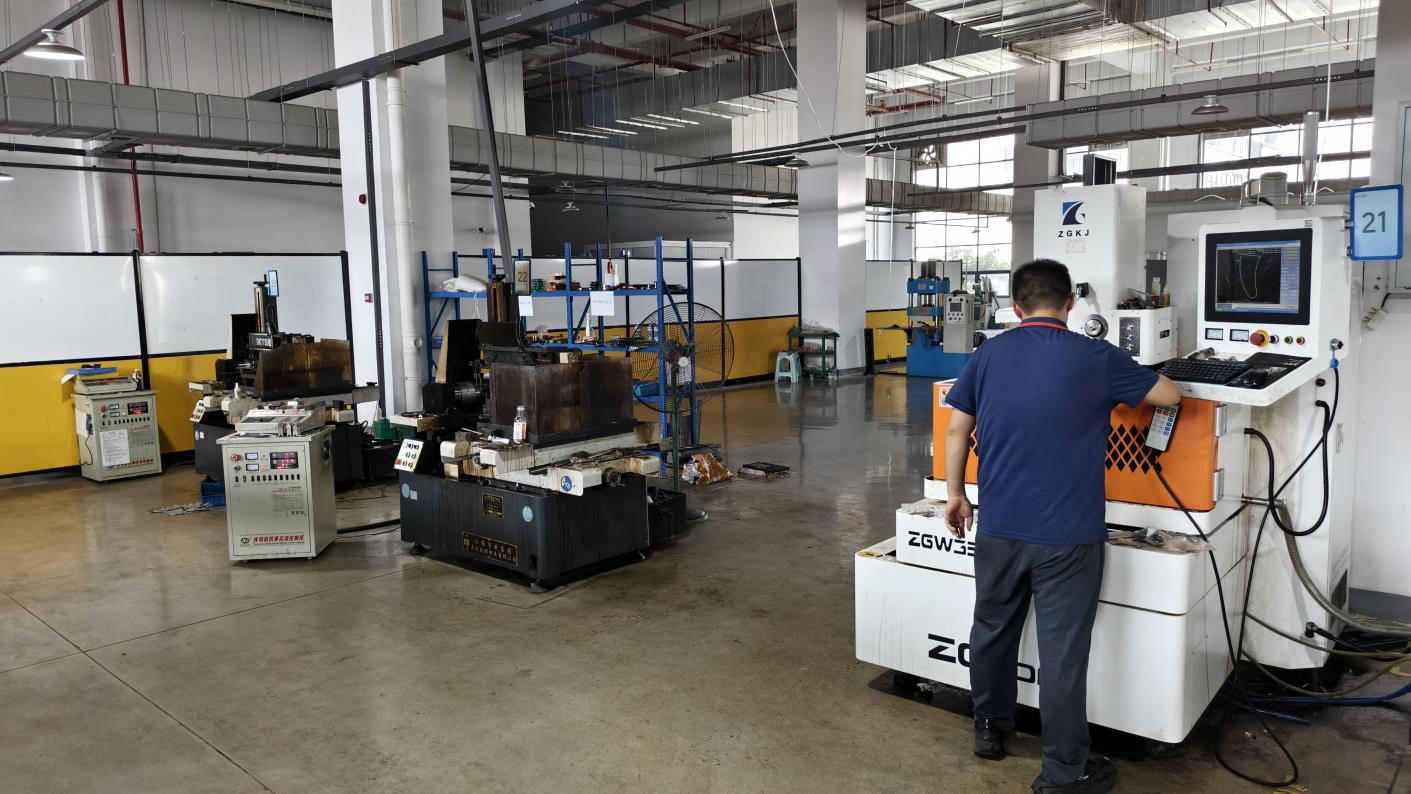
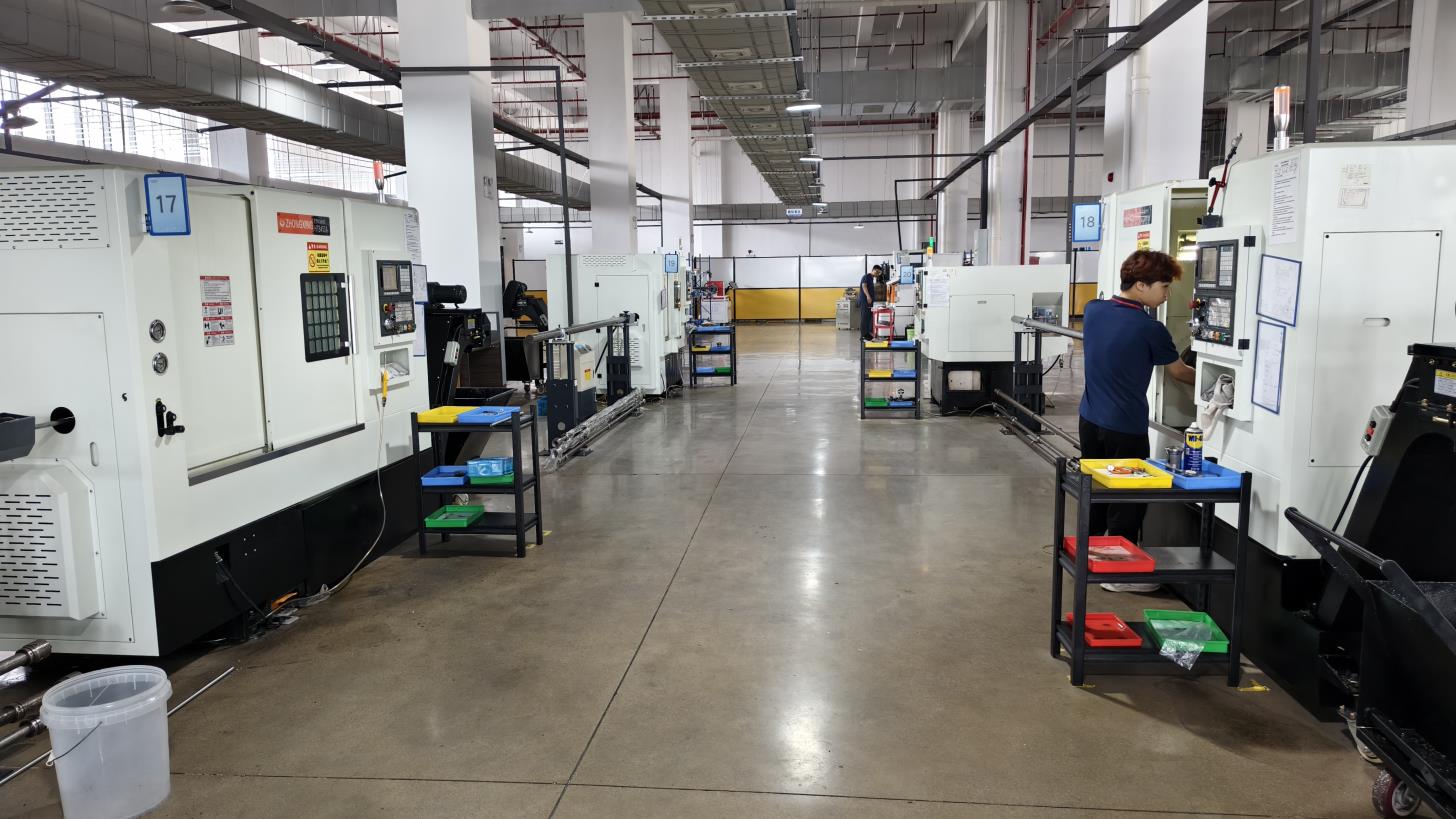
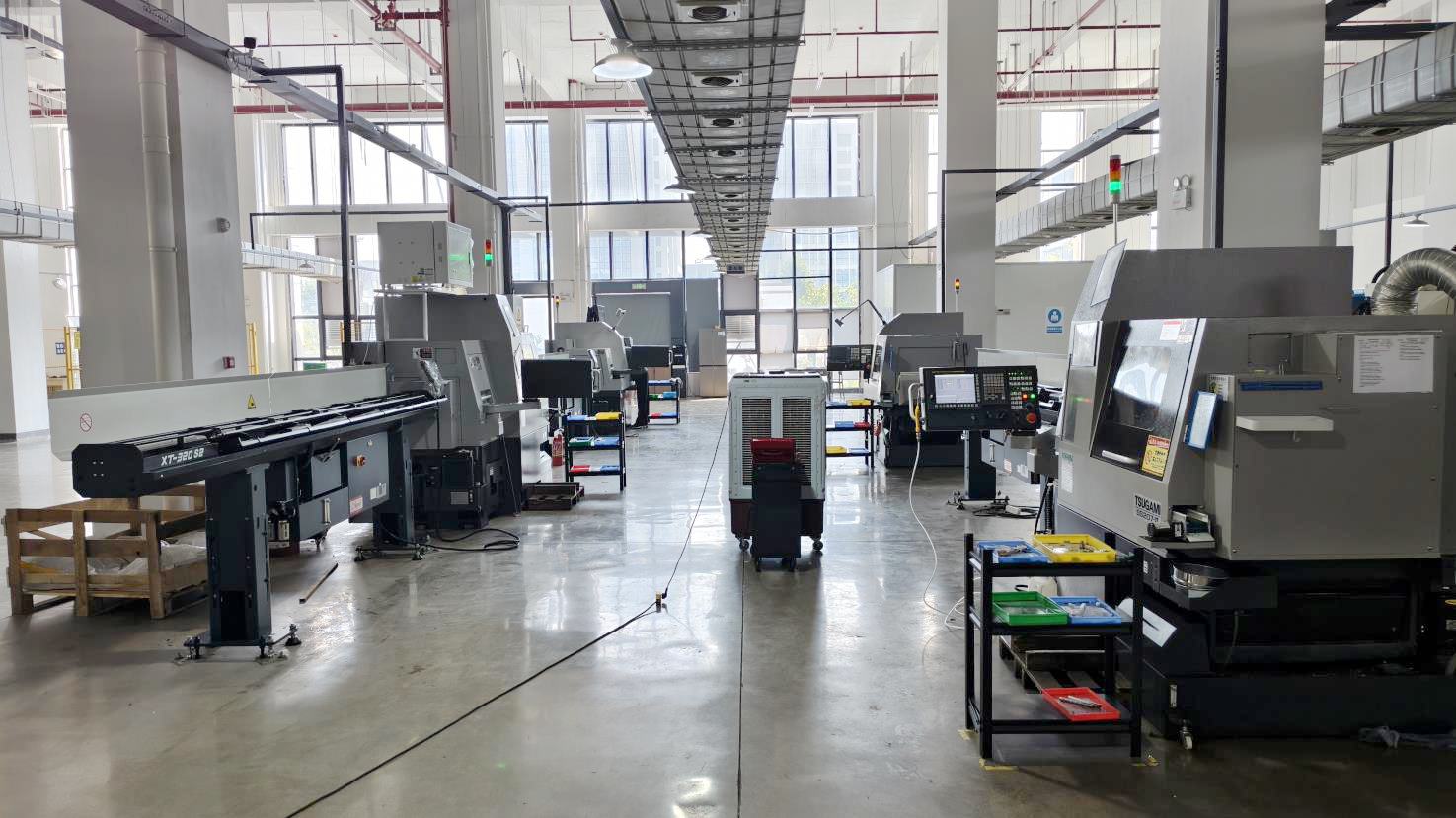
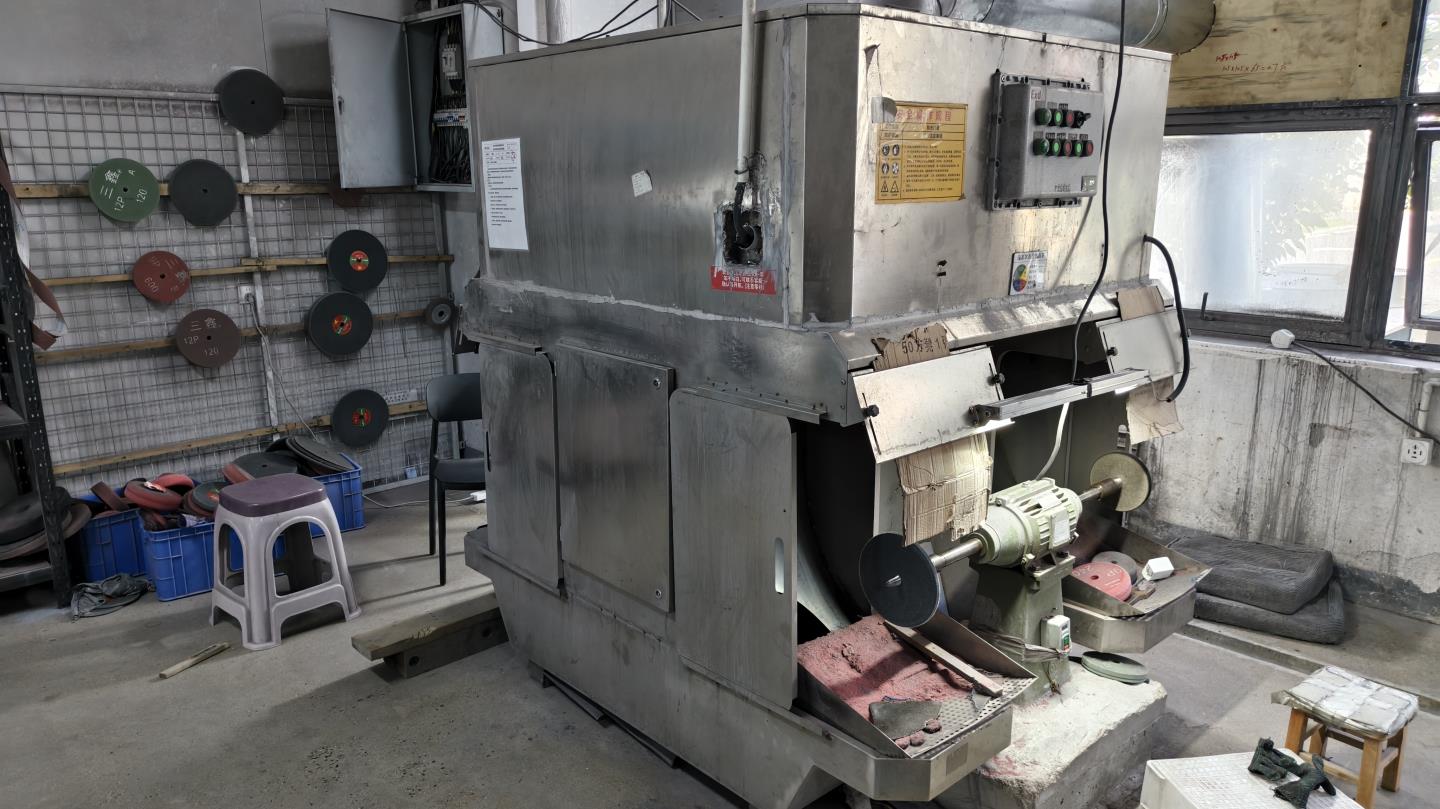
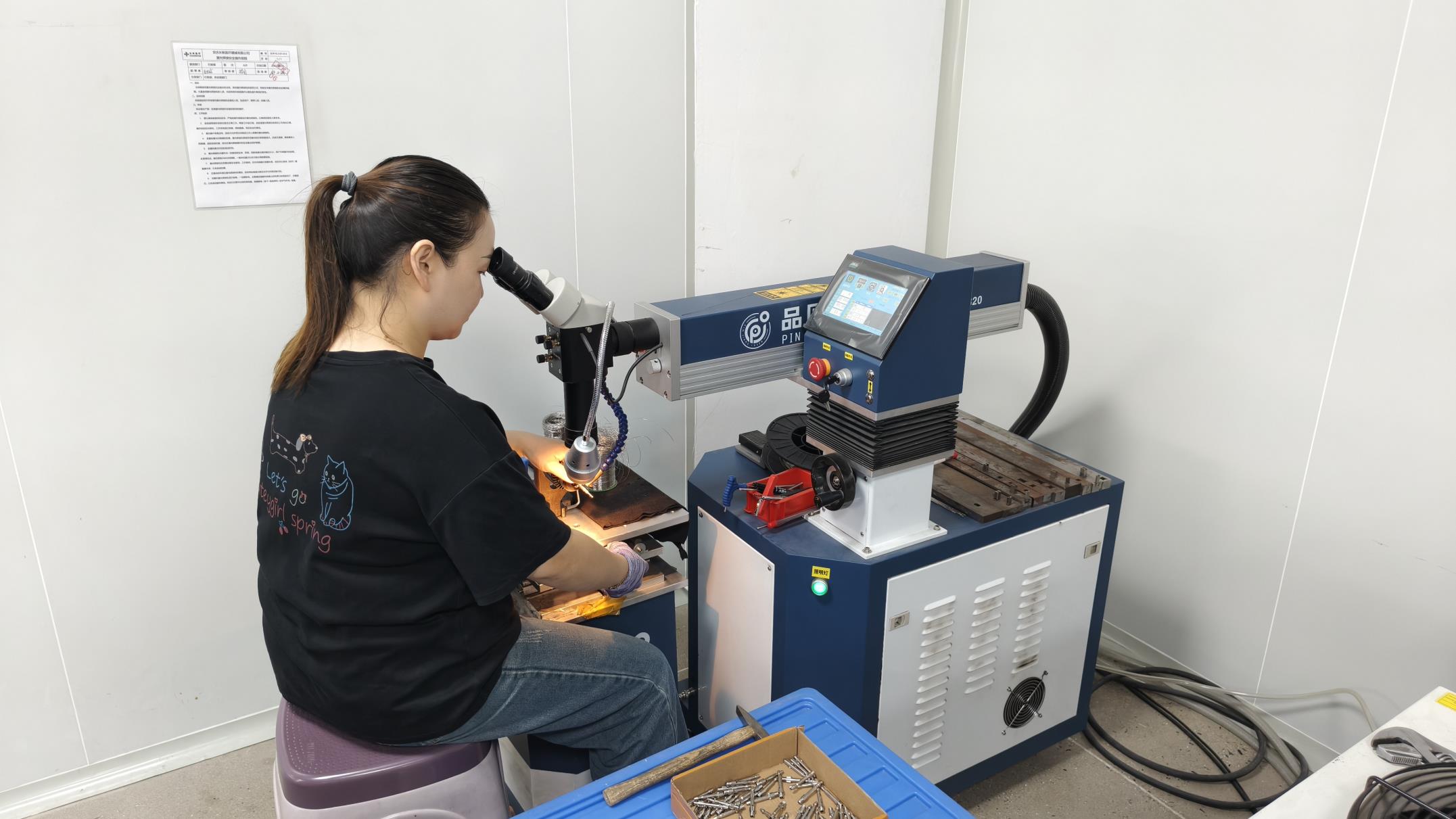
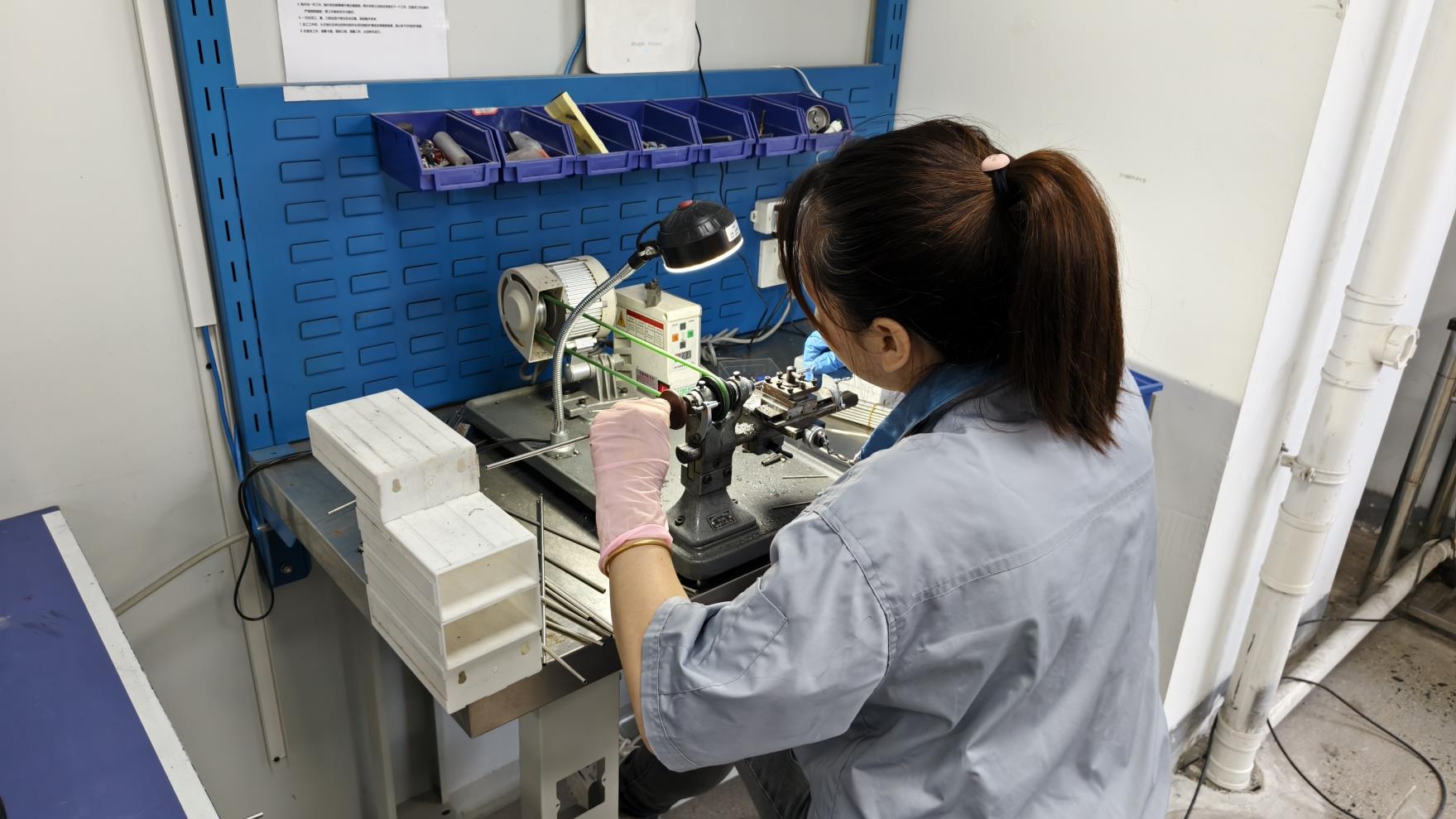
From raw medical-grade titanium bars to sterilization-ready sterile packaging, Zynfuse employs cutting-edge machineries.
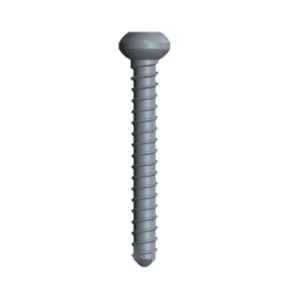
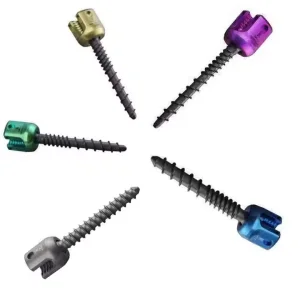
Our premium manufacturing floor features high-precision Swiss-type lathes capable of maintaining tight tolerances up to ±0.005mm, ideal for micro-machining anatomical locking screws with complex multi-lead thread geometries.
Type II and Type III electro-anodization systems are implemented to provide a passive oxide layer, enhancing fatigue resistance, limiting cobalt-chromium or titanium ion release, and color-coding for surgical orientation.
Every batch of medical-grade titanium alloy (Ti-6Al-4V ELI) undergoes rigorous metallographic structure verification to confirm alpha-beta grain distributions, preventing early structural failure.
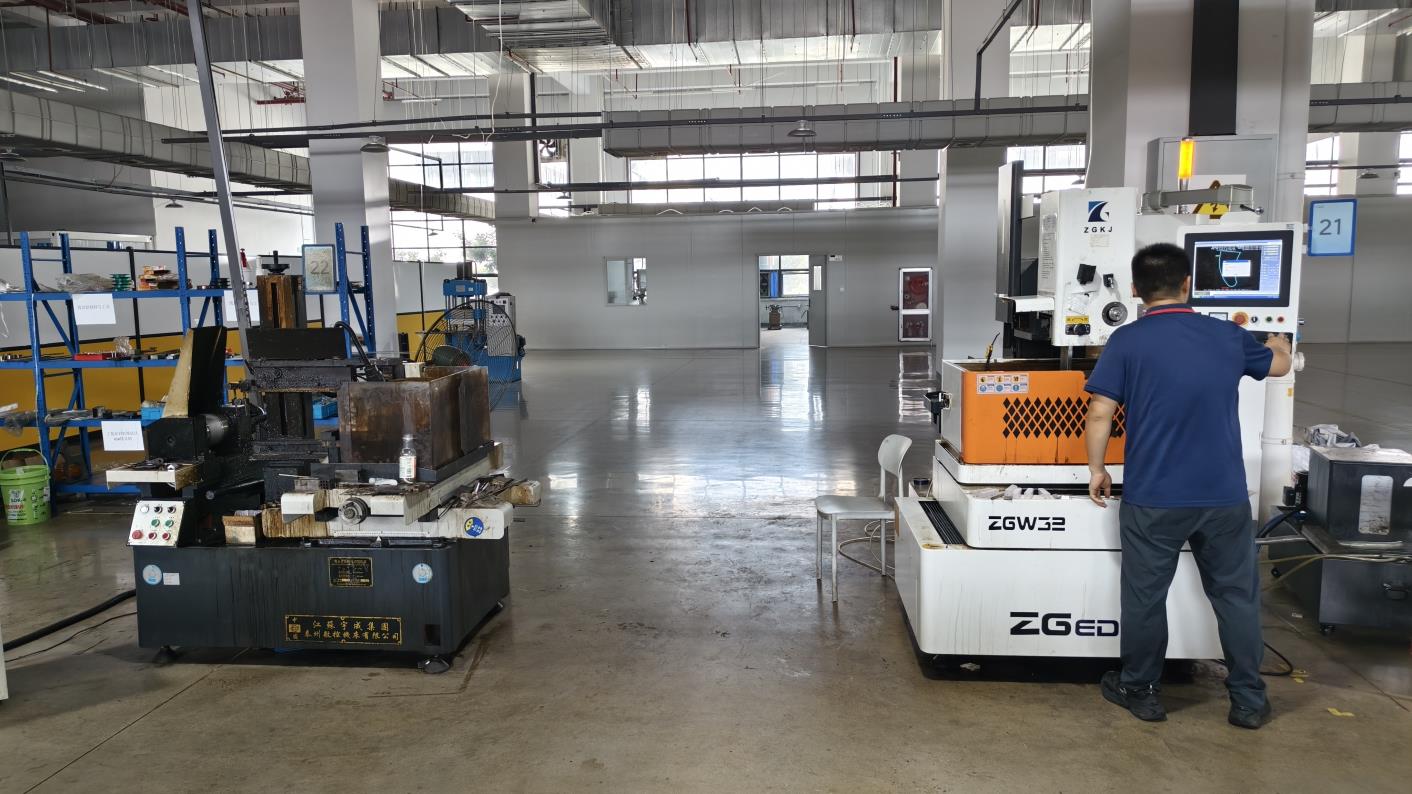
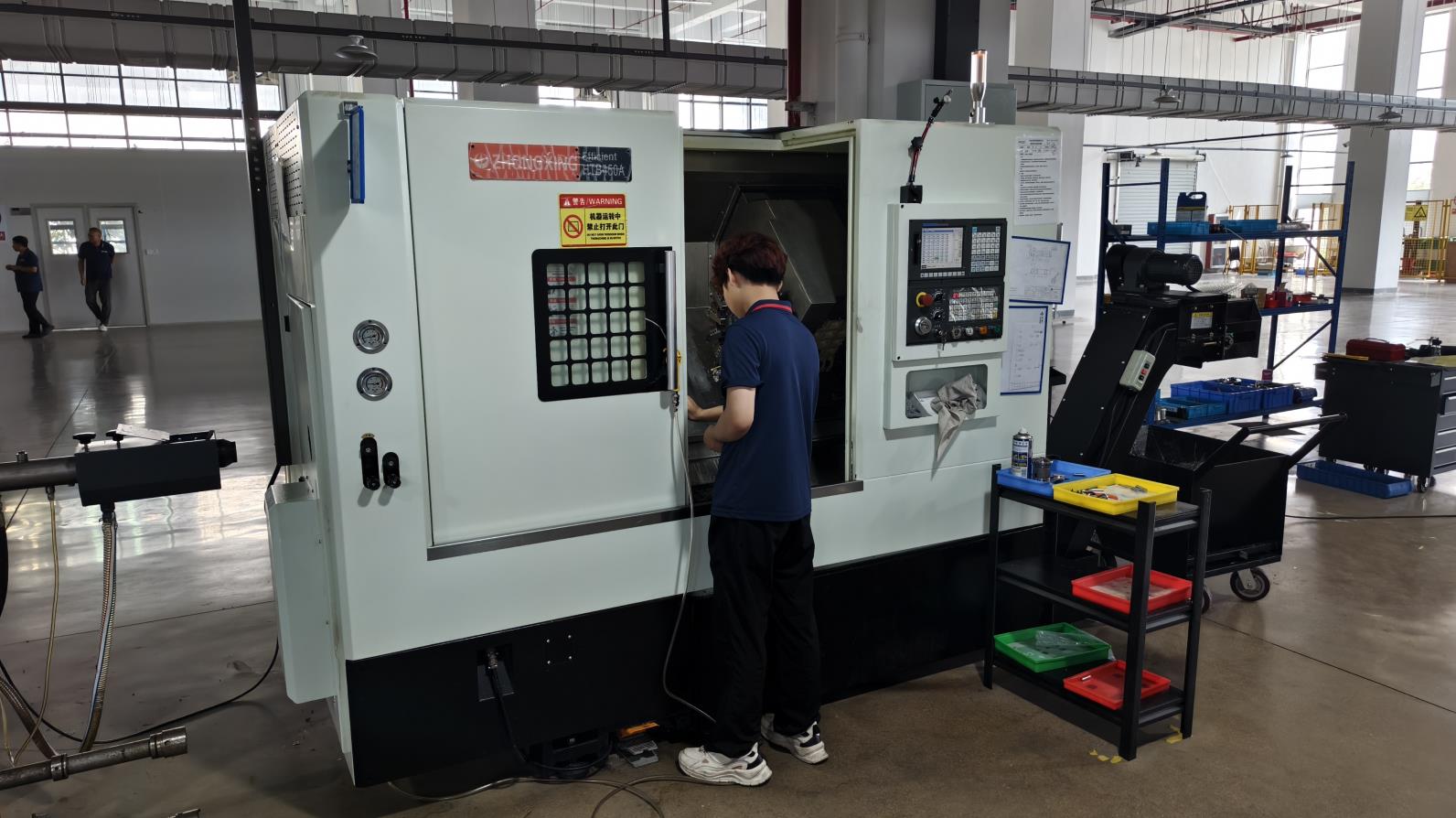
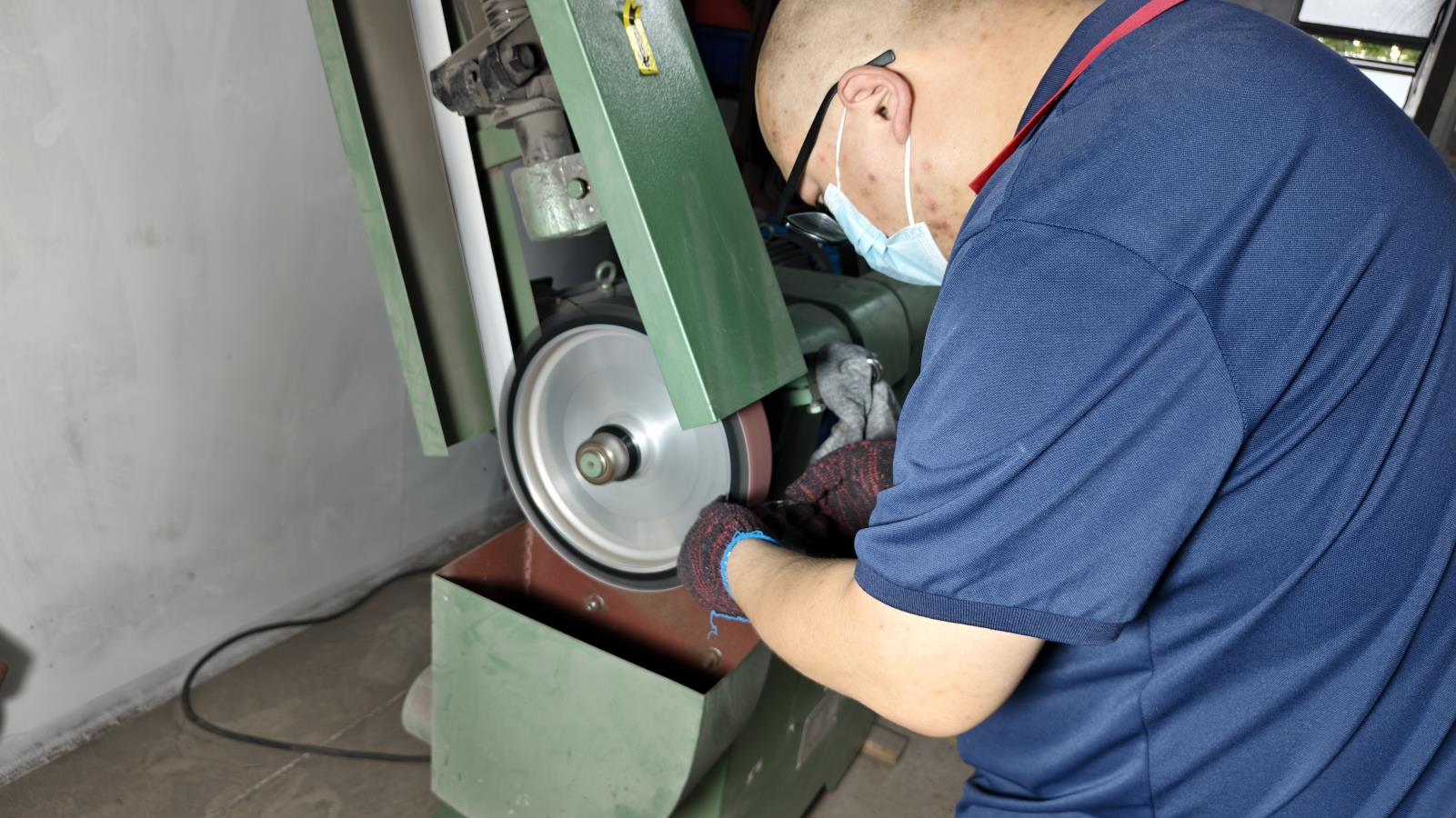
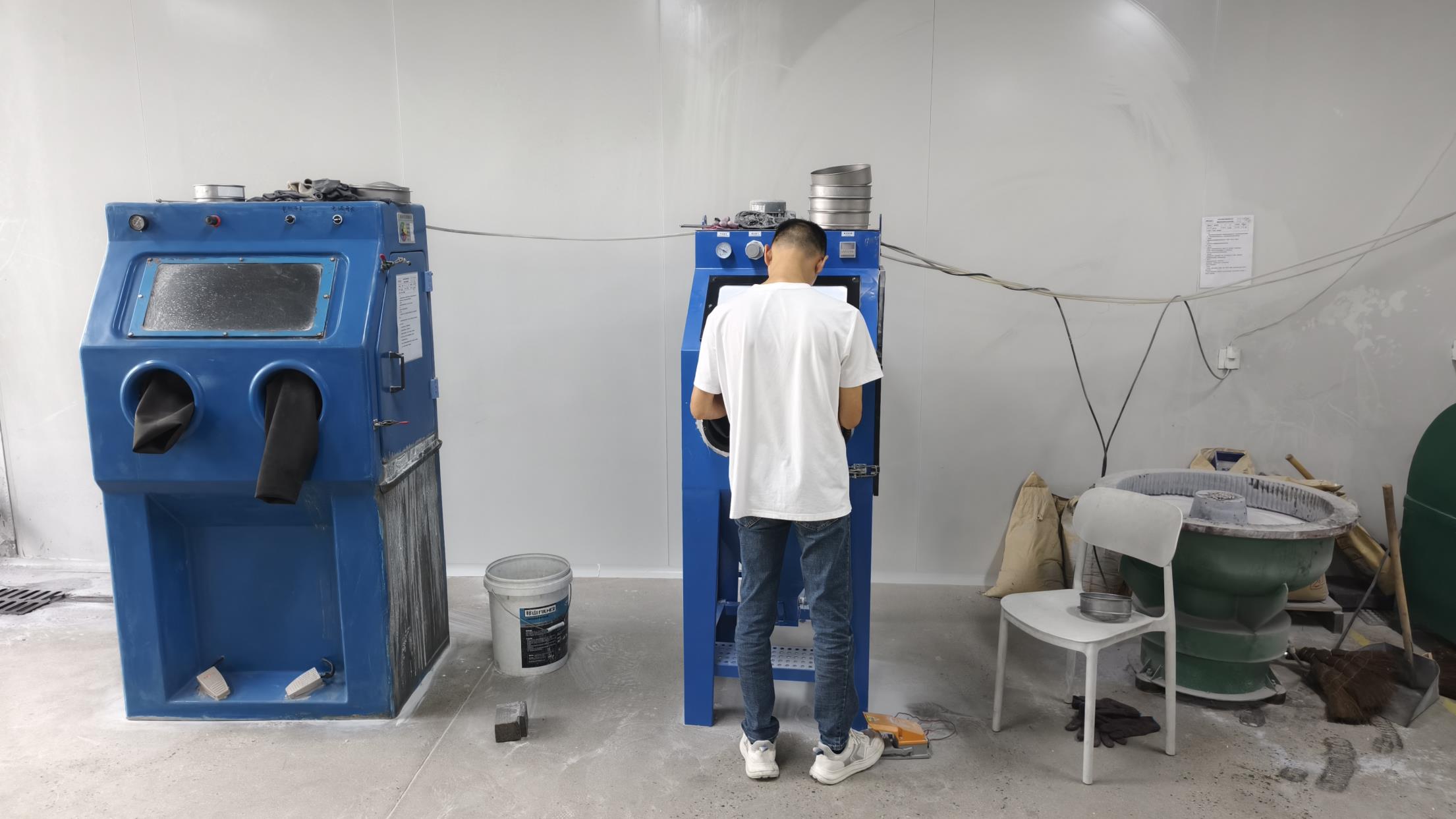
How we transform raw engineering models into tailored solutions to match local market biomechanical requirements.
For international medical distributors, orthopedic clinics, and established implant brands, sourcing high-grade orthopedic implants involves strict adherence to design protocols. Zynfuse Medical provides a fully integrated OEM/ODM development process. Backed by our R&D department of 85 experienced design engineers, we launch over 320 new products annually, allowing our partners to configure customized anatomical profiles, locking mechanisms, and specialized sizing ranges.
| Service Parameters | Standard OEM Production | Tailored ODM Collaboration |
|---|---|---|
| Anatomical Contouring | Predetermined template fit based on global anthropometric databases. | Customized geometries adapted to specific regional anatomical profiles. |
| Materials Configured | Standard Grade 5 Titanium Alloy (Ti-6Al-4V ELI). | Variable grades including pure Titanium or PEEK-based components. |
| Thread Design | Monoaxial locking mechanisms (standard pitch). | Variable-angle (polyaxial) locking technology up to ±15° cone deflection. |
| Sterilization Logistics | Non-sterile bulk supply (requiring local autoclaving). | Sterile double-barrier Tyvek packaging ready for immediate clinical use. |
Our collaborative design pipeline utilizes finite element analysis (FEA) modeling to simulate bone-plate interface stresses under severe load conditions. This ensures that any modification to the plate thickness, screw pattern, or locking mechanism maintains the high biomechanical performance expected by orthopedic surgeons globally.
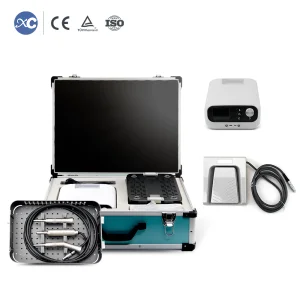
Our dedicated QA team of 68 specialists enforces strict validation protocols using specialized diagnostic machinery.
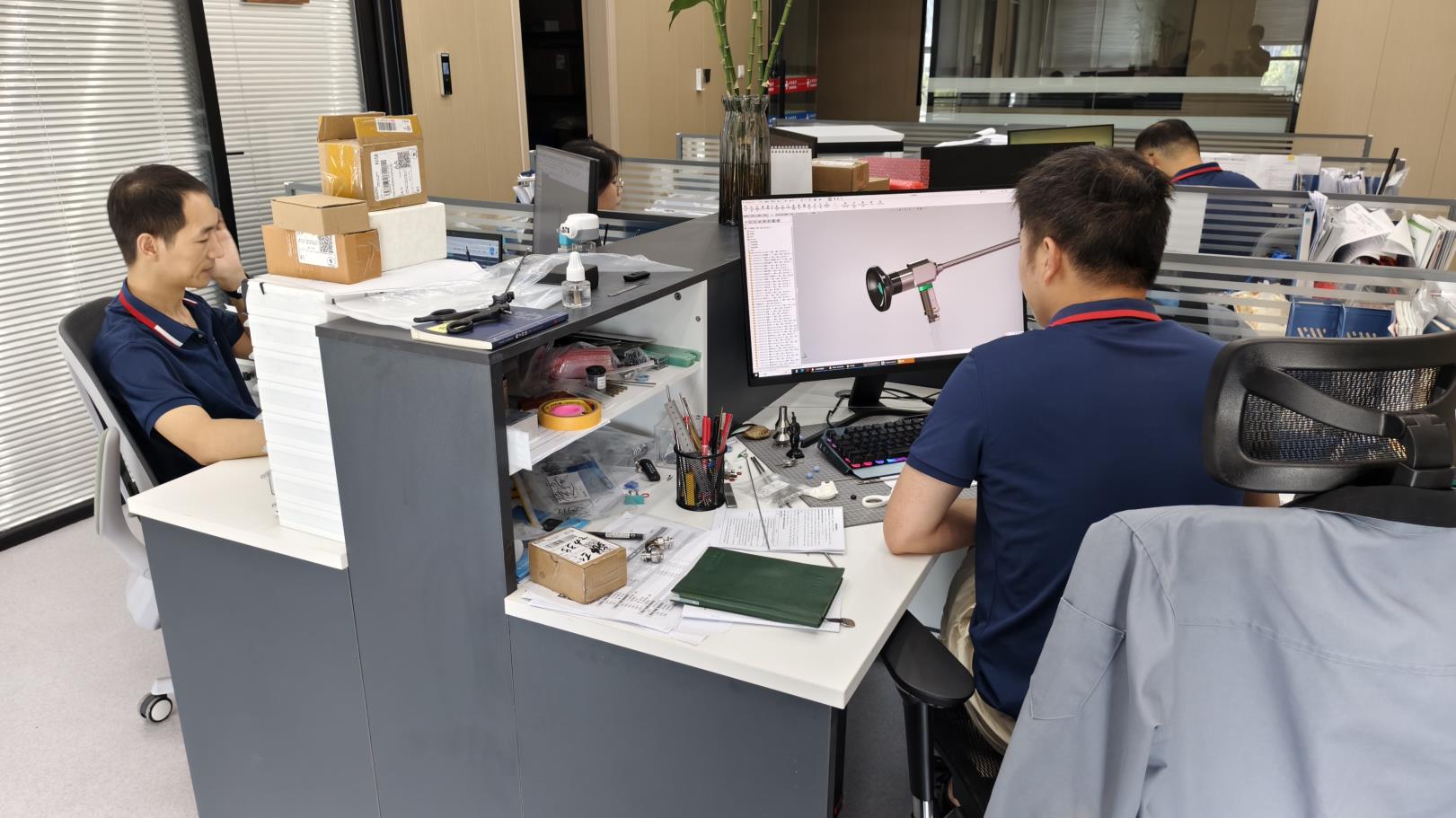
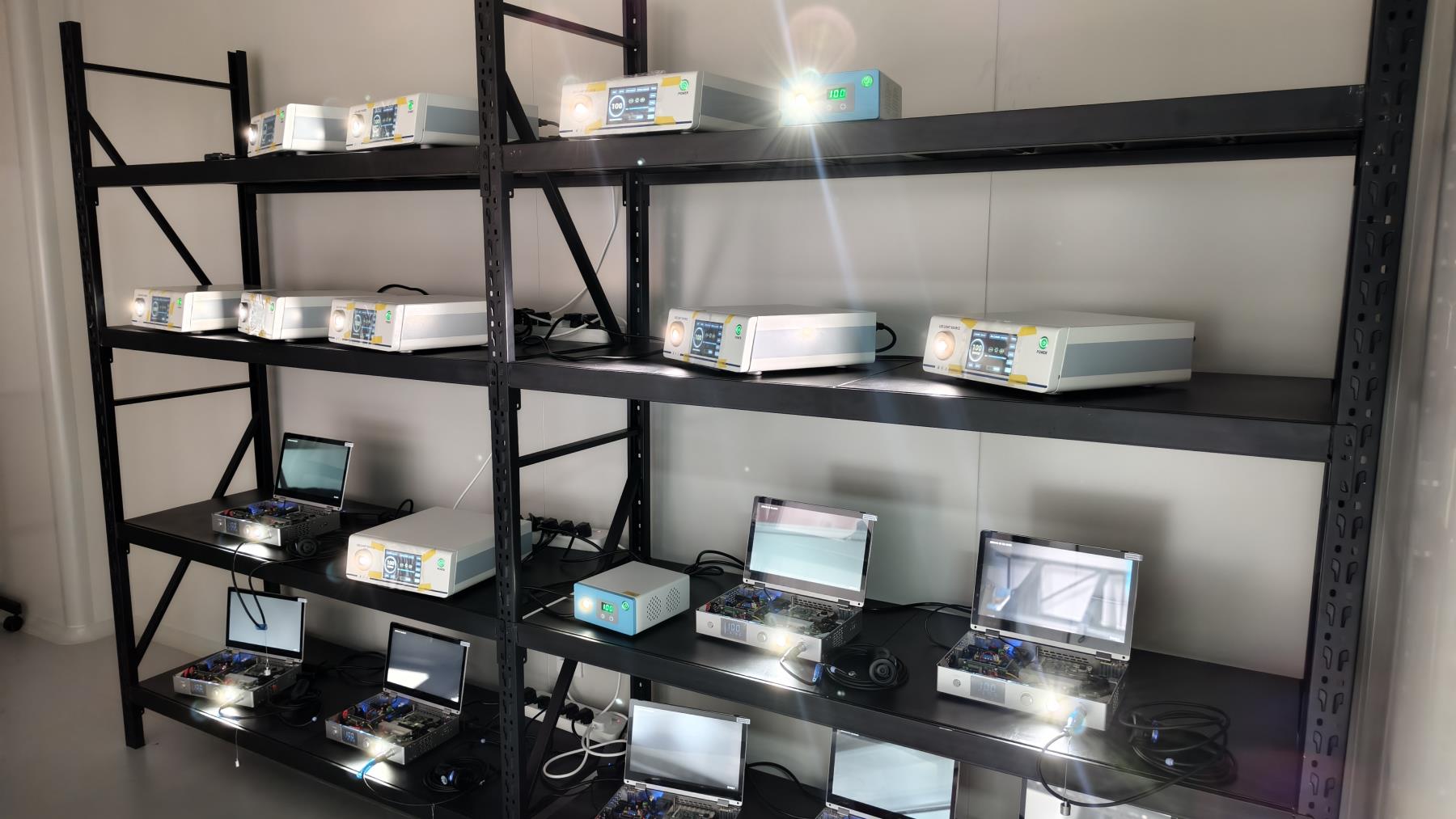
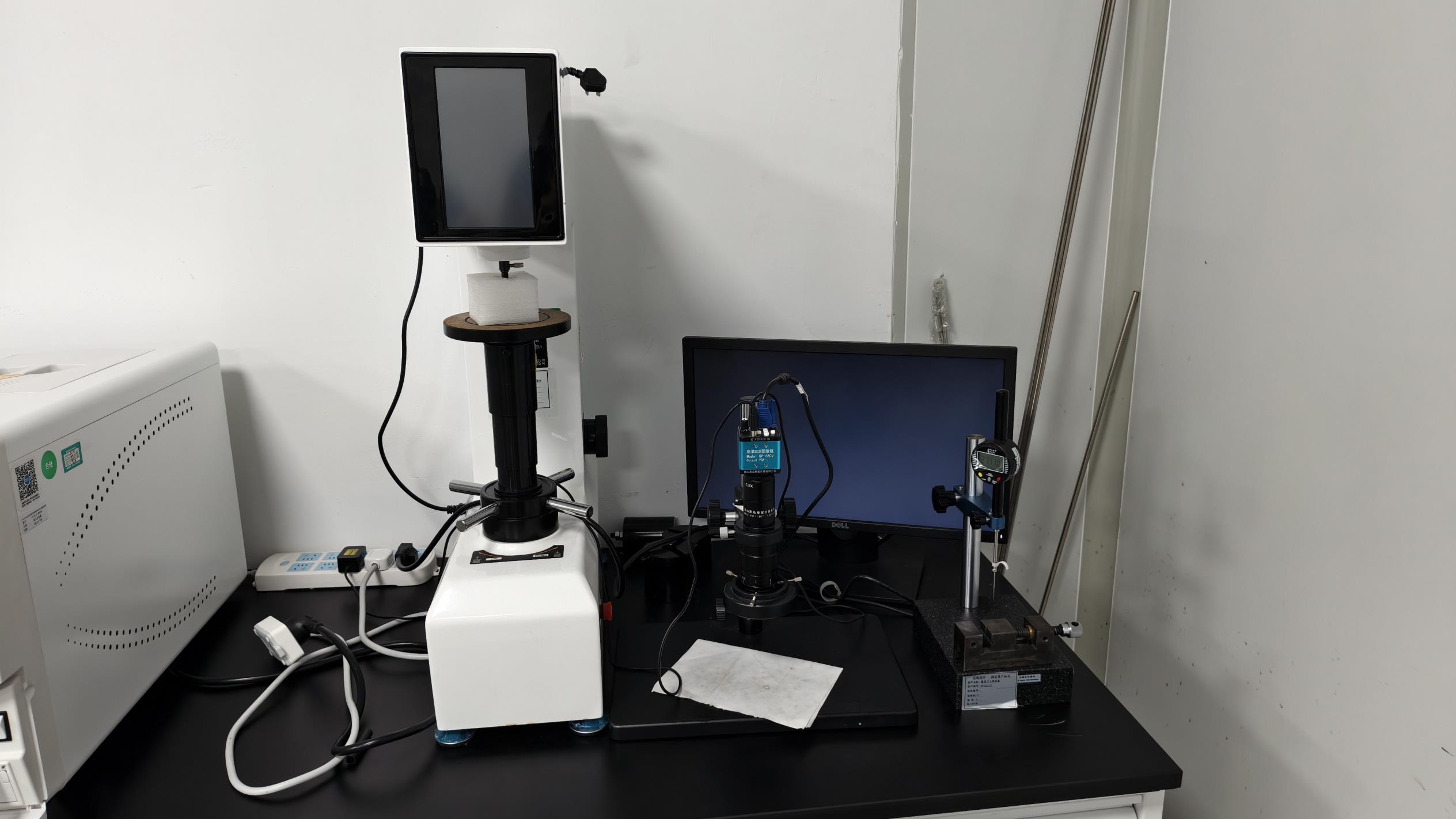
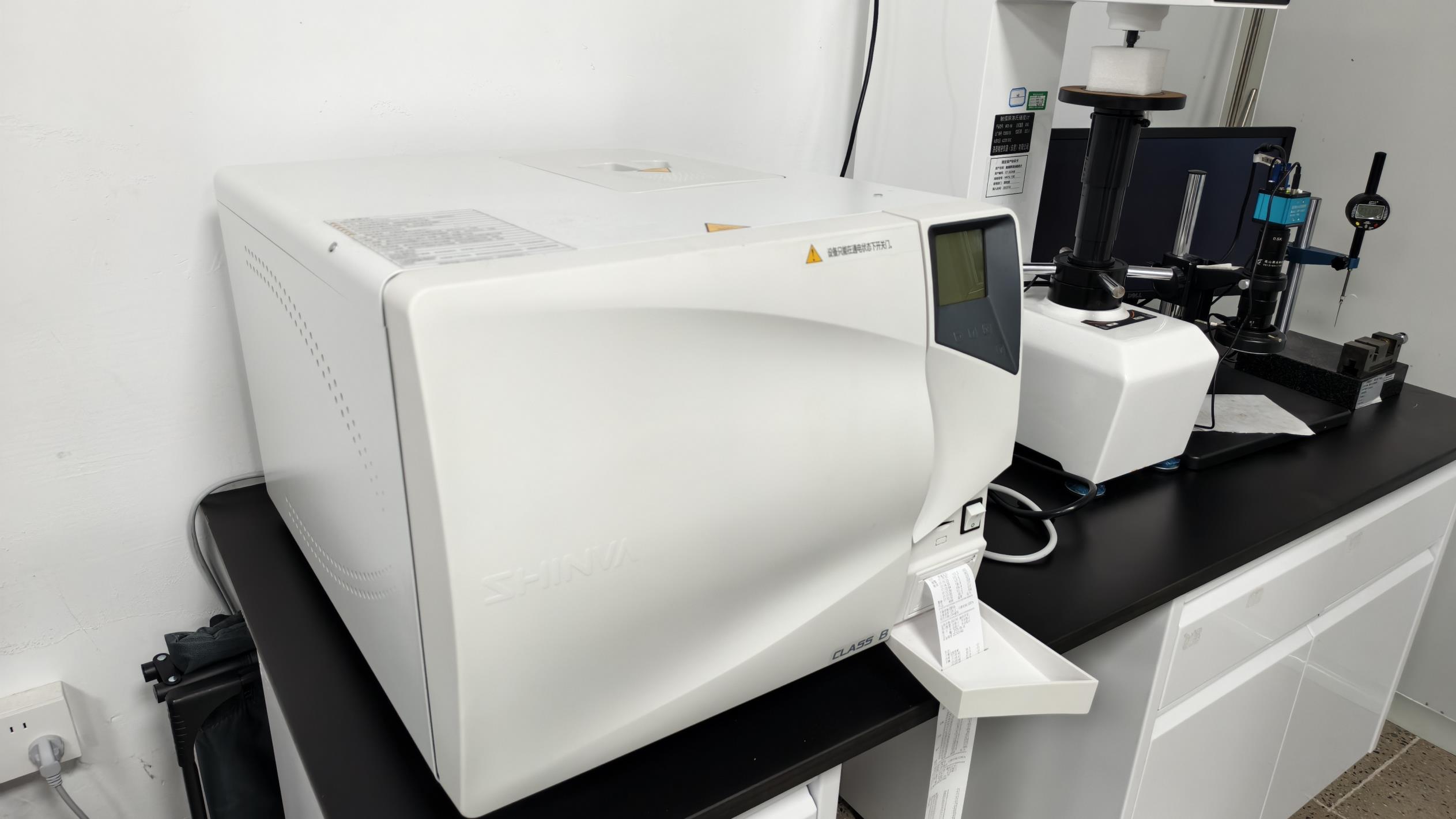
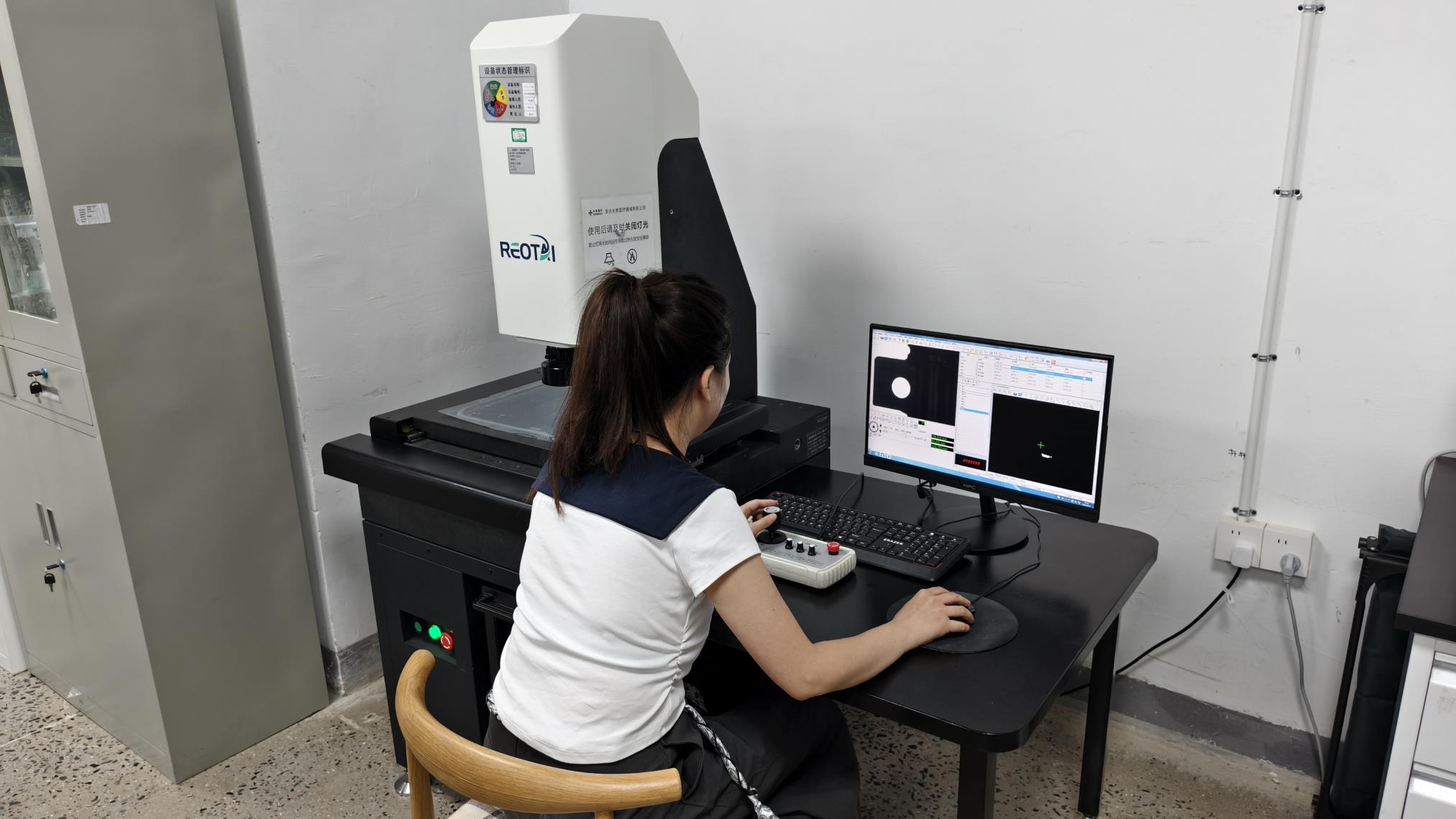
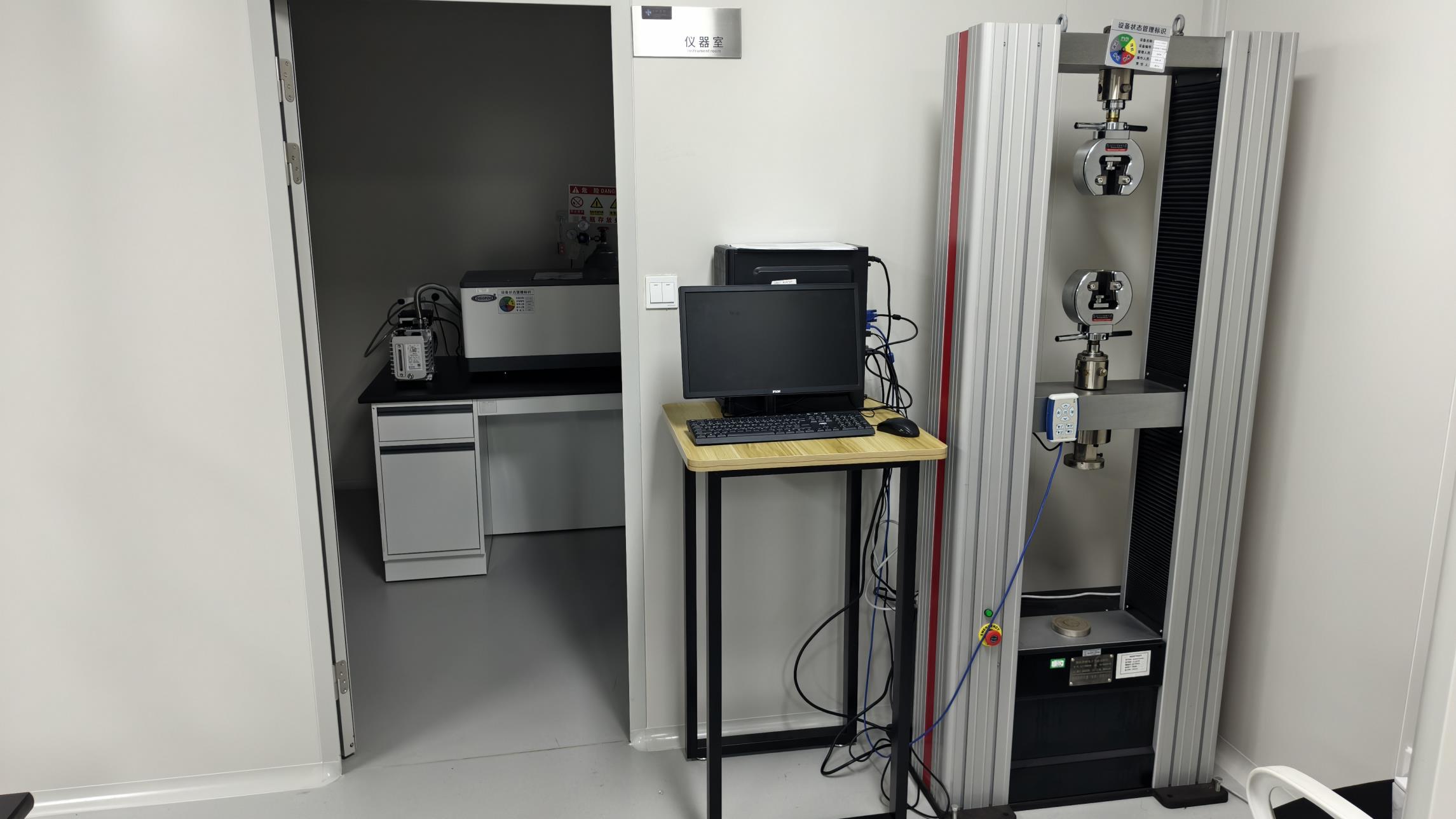
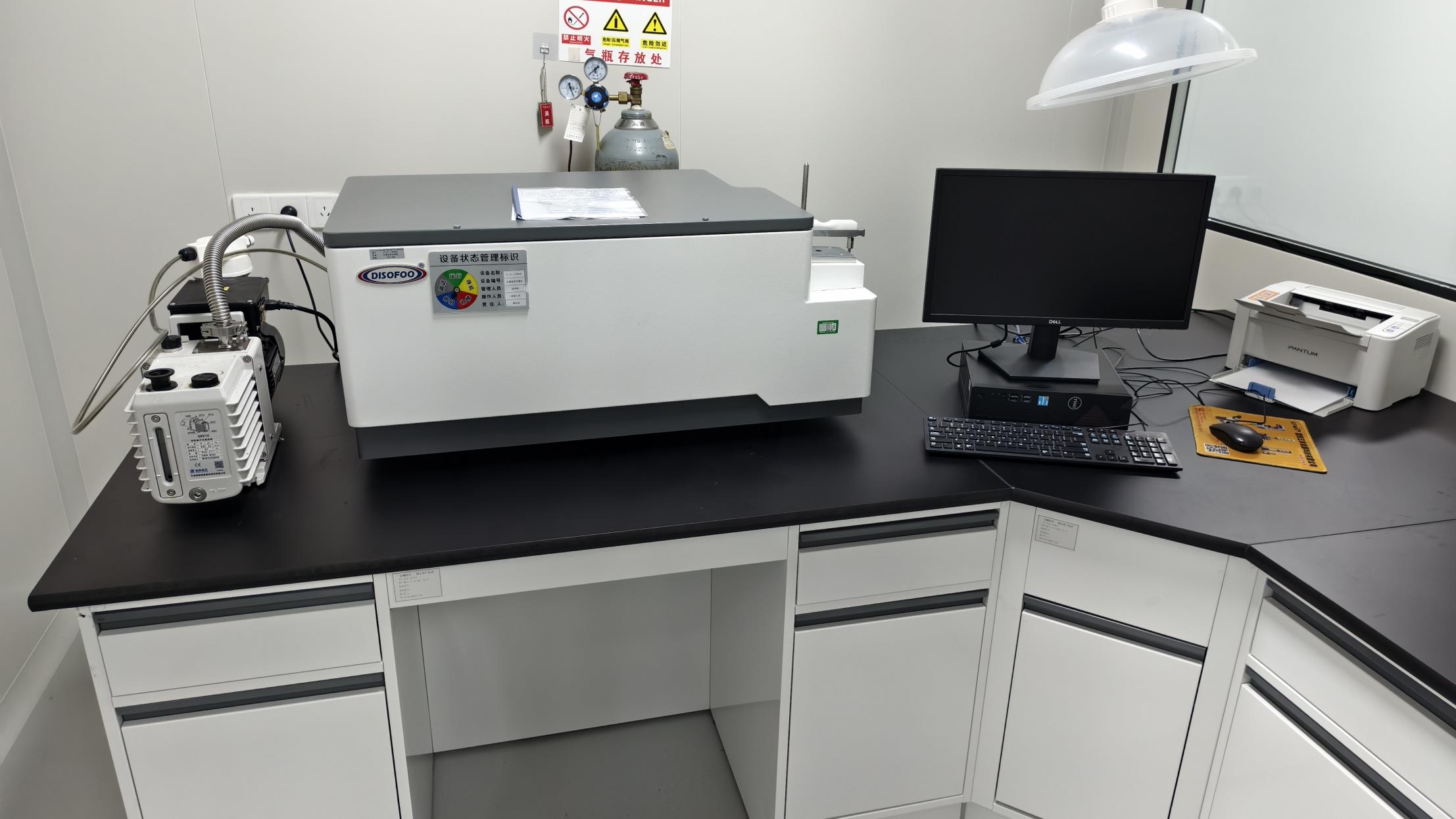
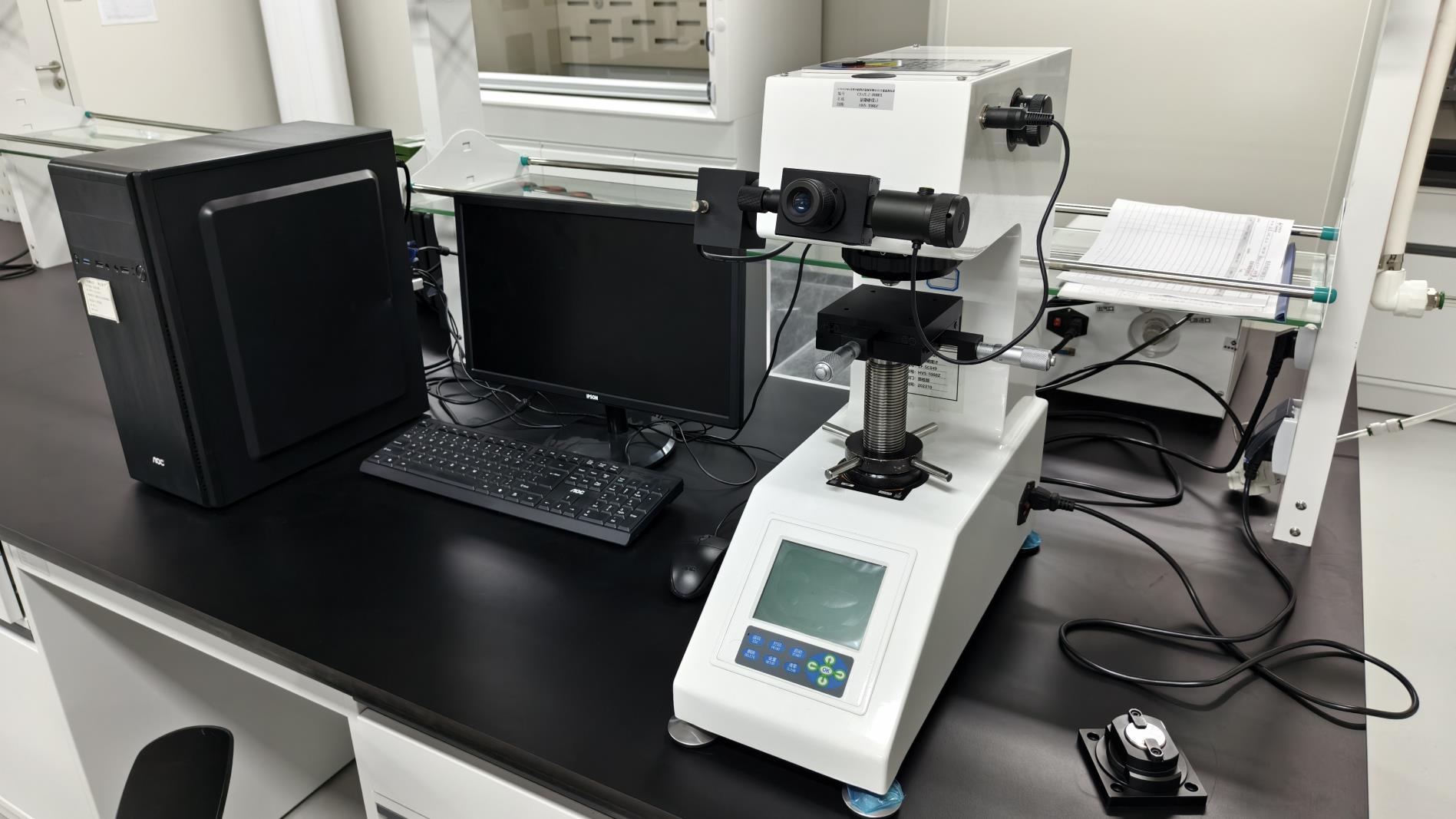
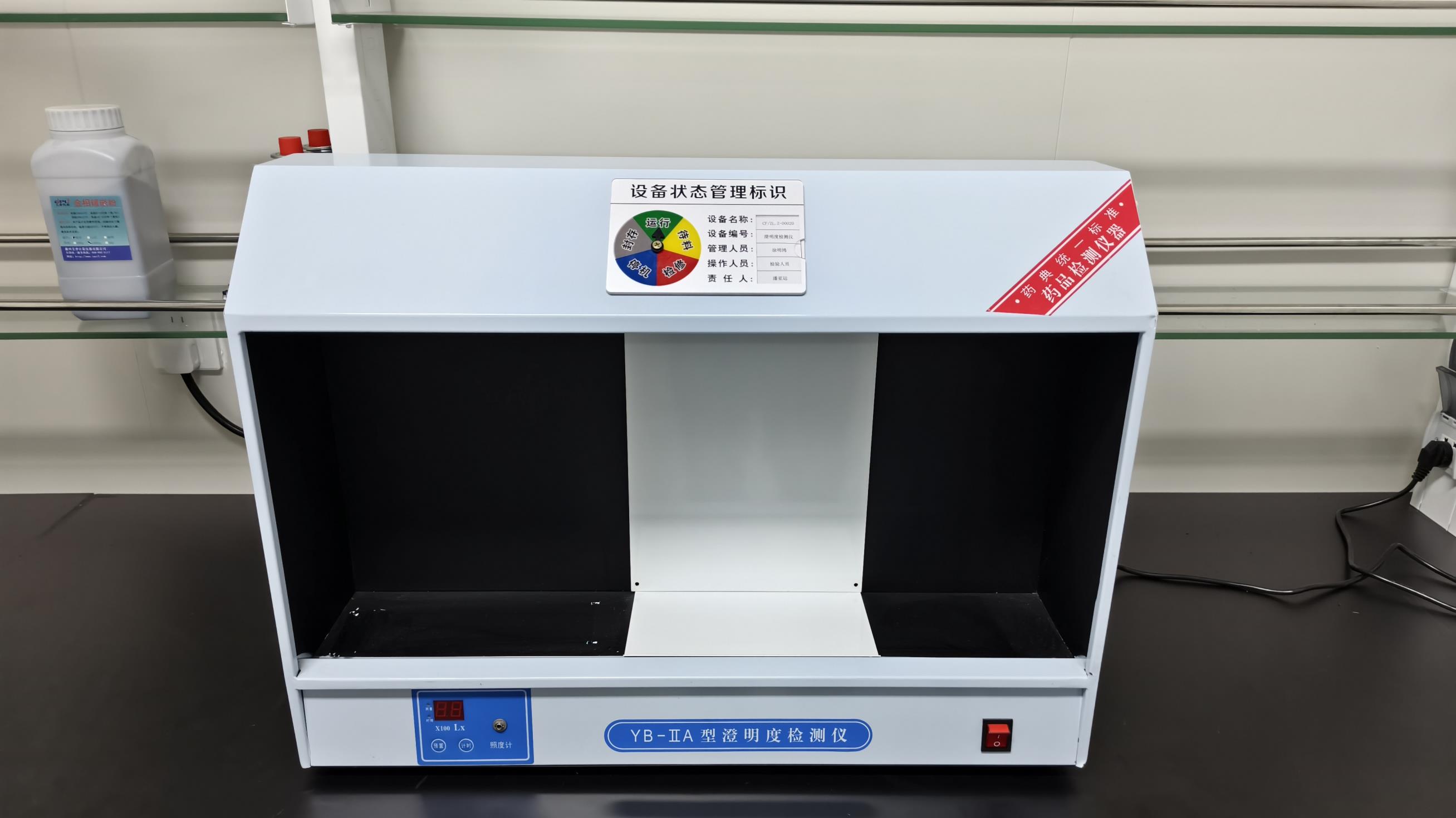
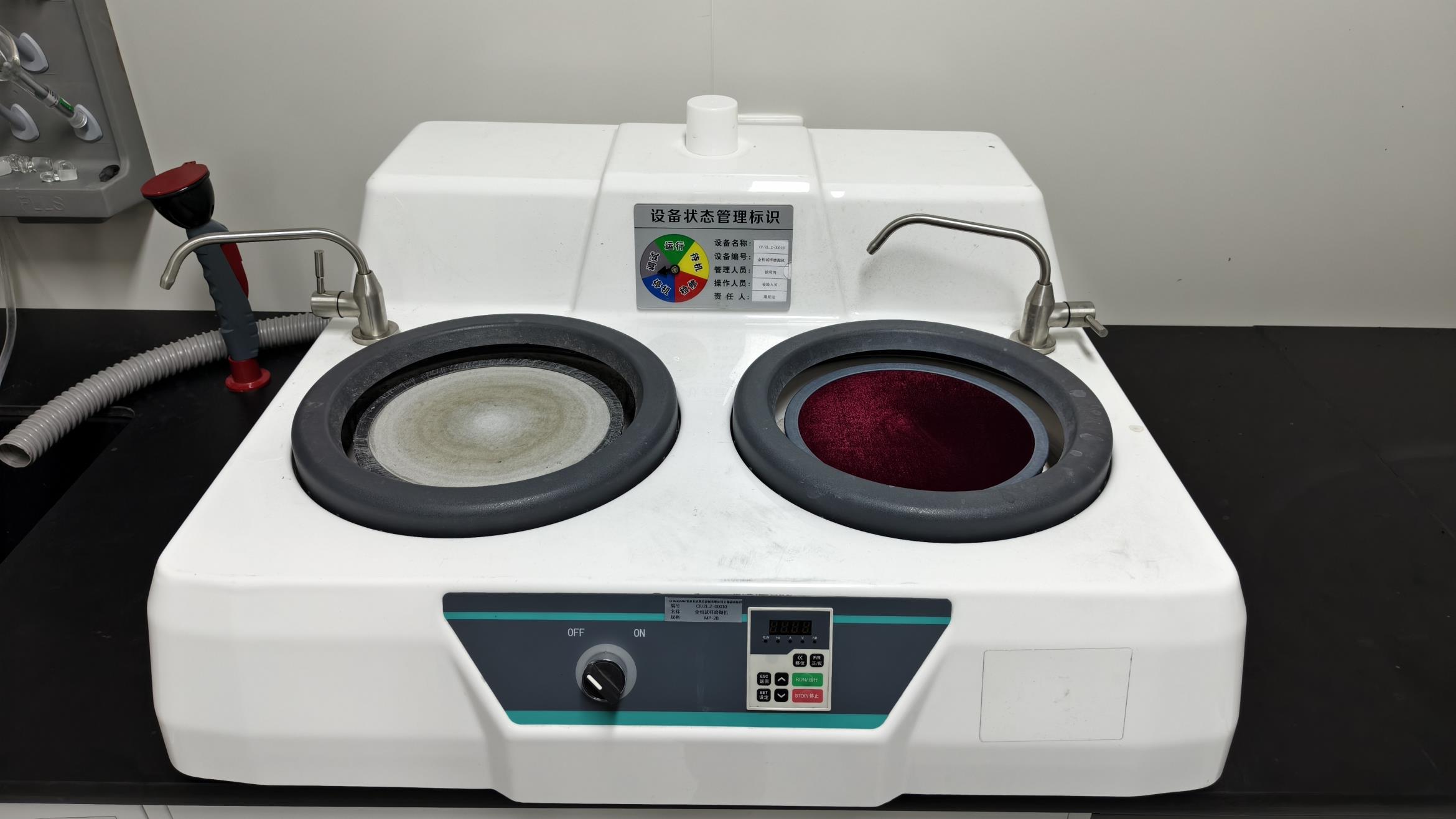
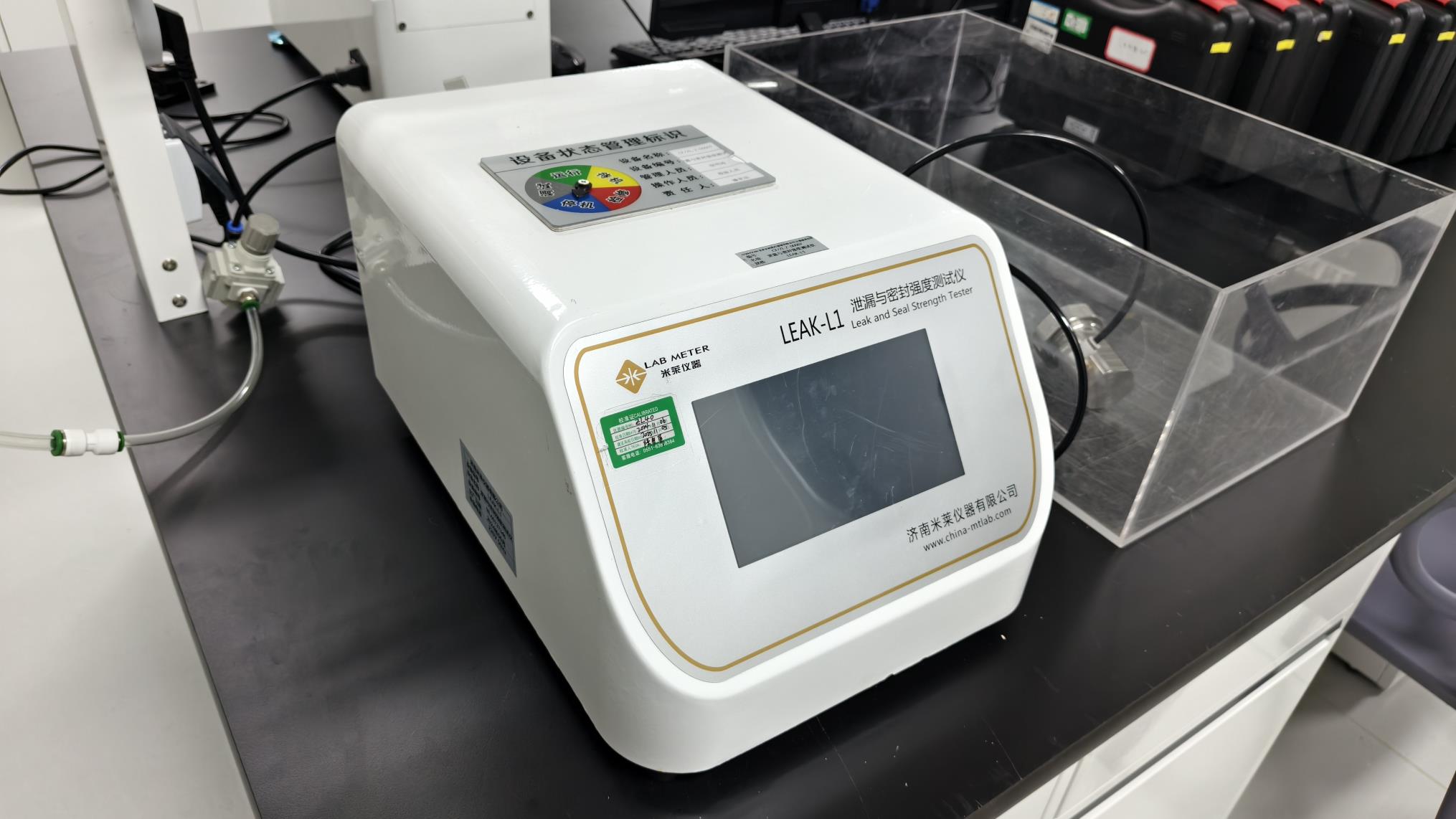
Our quality assurance framework covers the entire lifecycle of each orthopedic component. In order to guarantee safe usage in international markets (North America, Europe, SE Asia, and the Middle East), products are subjected to three key areas of verification:
Streamlining procurement for international orthopedic distributors, hospital purchasing groups, and importers.
Exporting to Europe, North America, and Southeast Asia, Zynfuse maintains streamlined customs procedures and strong relationships with major freight carriers, mitigating risk and ensuring timely arrival of urgent inventory shipments.
We provide full dossier documentation to simplify registrations. Our regulatory team prepares ISO 13485 test data, biocompatibility validations, and technical files to support local regulatory applications.
We handle both high-volume standardized production and specialized customizable low-run configurations, letting our global distributor partners optimize inventory control without compromising quality.
In today's complex market environment, healthcare distributors must manage long manufacturing lead times and unpredictable supply disruptions. With an annual export volume of $18.5 million and a manufacturing site spanning 18,600 m², Zynfuse provides dependable manufacturing backup. By consolidating in-house tooling, raw material stocks, machining, polishing, surface treatment, cleanroom packing, and final quality checks, we minimize production delays and pass the savings on to our clients.
Innovative solutions paving the path forward for next-generation orthopaedic implants.
As trauma orthopedics continues to evolve, the demand for more anatomical, biocompatible, and patient-specific solution models increases. Zynfuse is actively focusing its R&D engineering on next-generation clinical developments:
Direct answers from our engineering and regulatory departments regarding material grades, certifications, and customization.
We manufacture our plates and locking screws exclusively from medical-grade Titanium Alloy (Ti-6Al-4V ELI) conforming to ASTM F136 and ISO 5832-3 standards. This material offers superior tensile strength, high corrosion fatigue limits, and excellent long-term biocompatibility compared to standard CP Titanium.
Yes. Zynfuse Medical operates under a verified ISO 13485 Quality Management System. Our primary facilities and products undergo ongoing mechanical testing, biocompatibility profiling, and clinical design audits to meet requirements across key regions like North America, Europe, Southeast Asia, and the Middle East.
Our distal radius plates feature an ultra-low profile design (typically 1.5mm to 2.0mm thickness) with rounded, highly polished bevel edges. The screw heads sit flush inside the plate holes, reducing contact friction and soft tissue irritation along the flexor tendons.
Custom ODM projects typically require 45 to 60 days from CAD design validation to pilot-batch production. The minimum order quantity (MOQ) varies based on the geometric complexity and tooling needs, but we offer scalable initial runs for clinical validation trials.
Every batch of screws and plates is checked using Automatic 2D Video Measuring Instruments and precision thread go/no-go gauges. This ensures locking screw threads align properly with the plate holes, preventing cross-threading or mechanical lock failure during operations.
We offer both non-sterile bulk packaging (often preferred for custom orthopedic instrument sets) and double-barrier sterile packaging (utilizing medical-grade Tyvek pouches). Sterile packaging undergo sealing integrity testing to ensure safety up to the point of use.
Explore additional specialized trauma, spine, joint, and surgical instrumentation systems available for global distribution.