Zynfuse
Zynfuse
Zynfuse
High-grade surgical implants and cutting-edge tool sets engineered for exceptional clinical efficacy and mechanical performance.
The surging demand for bone-preserving implants and outpatient joint surgeries.
The global orthopedic sector is experiencing a monumental paradigm shift towards tissue-preserving, minimally invasive alternatives to Total Knee Arthroplasty (TKA). Unicompartmental Knee Arthroplasty (UKA), commonly referred to as partial knee replacement, has emerged as the primary choice for addressing single-compartment osteoarthritis. This growth is driven by structural demographic shifts, an increasingly active aging population, and a universal healthcare push toward reducing hospitalization stays. By targeting only the damaged medial or lateral compartment while conserving the anterior and posterior cruciate ligaments (ACL/PCL), UKA maintains natural joint kinematics, resulting in faster recovery cycles and significantly improved patient satisfaction indices.
Industrially, medical device distributors and healthcare purchasers are demanding highly specialized OEM partnerships. The standard off-the-shelf implant lines no longer fit the evolving surgical paradigms that prioritize patient-specific fits and regional anatomic variations. Today's global UKA ecosystem requires custom manufacturing capability, advanced biocompatible coatings, and rapid prototyping workflows. Companies that master the balance of supply-chain reliability, compliance with ISO 13485 standards, and cost-effective manufacturing are leading the market. Global suppliers must deliver implants that maintain structural integrity over millions of loading cycles, optimizing the interface between bone and implant to eliminate early aseptic loosening.
The global UKA market is expanding rapidly, fueled by the rise of outpatient Ambulatory Surgical Centers (ASCs) demanding high-efficiency, single-use instrument kits and anatomically optimized implants.
Preservation of the native cruciate ligaments keeps natural knee kinematics intact. Modern surgeons prefer UKA because patients report that the knee "feels more natural" compared to total joint replacements.
By shortening post-op recovery times and lowering hospital readmission rates, UKA offers exceptional economic returns for healthcare networks and insurance payors worldwide.
Why precise implant geometries dictate the long-term survival rate of partial knee systems.
The knee is a complex, multi-axial joint subject to loads several times an individual's body weight during daily activities. Standard UKA implants often fail due to geometric mismatch at the bone-implant interface, which leads to localized stress concentrations, accelerated tibial subsidence, and wear on the polyethylene insert. Custom OEM Unicompartmental Knee systems solve these issues by offering precision-fit geometries that align perfectly with the patient’s natural tibial plateau slope and femoral condyle radius. This precise anatomical alignment optimizes pressure distribution across the load-bearing surfaces, maintaining physiological tracking throughout flexion and extension.
From a material science perspective, modern UKA femoral components require Cobalt-Chromium-Molybdenum (CoCrMo) alloys with mirror-polished articulation surfaces, or advanced titanium alloys with ceramic-like coatings (such as Titanium Nitride) to mitigate metal sensitivity and lower friction coefficients. The tibial tray must support mechanical load transfer without causing stress shielding. Our R&D team uses advanced finite element analysis (FEA) to simulate and optimize these stress vectors, ensuring that the implants preserve bone density and support long-term biologic fixation.
Zynfuse Medical Technology Co., Ltd. — Your trusted partner in advanced orthopedic implants.
Established in 2016, Zynfuse Medical Technology Co., Ltd. is a leading professional orthopedic medical device manufacturer specializing in high-performance bone fusion, advanced trauma systems, and reconstructive joint implants. With 12 years of deep industry experience and 7 years of global export expertise, Zynfuse has established itself as an innovative force in the international orthopedic market. Operating from a modern, state-of-the-art manufacturing facility covering approximately 18,600 m², our team integrates cutting-edge engineering with robust supply-chain performance, yielding an annual export revenue of over $18.5 million.
Zynfuse serves key healthcare markets across North America, Europe, Southeast Asia, and the Middle East, partnering with medical distributors, hospital purchasing groups, orthopedic clinical networks, and medical device importers. Backed by a strong product development program, Zynfuse launches approximately 320 new products every year, keeping our clients at the forefront of orthopedic technology.
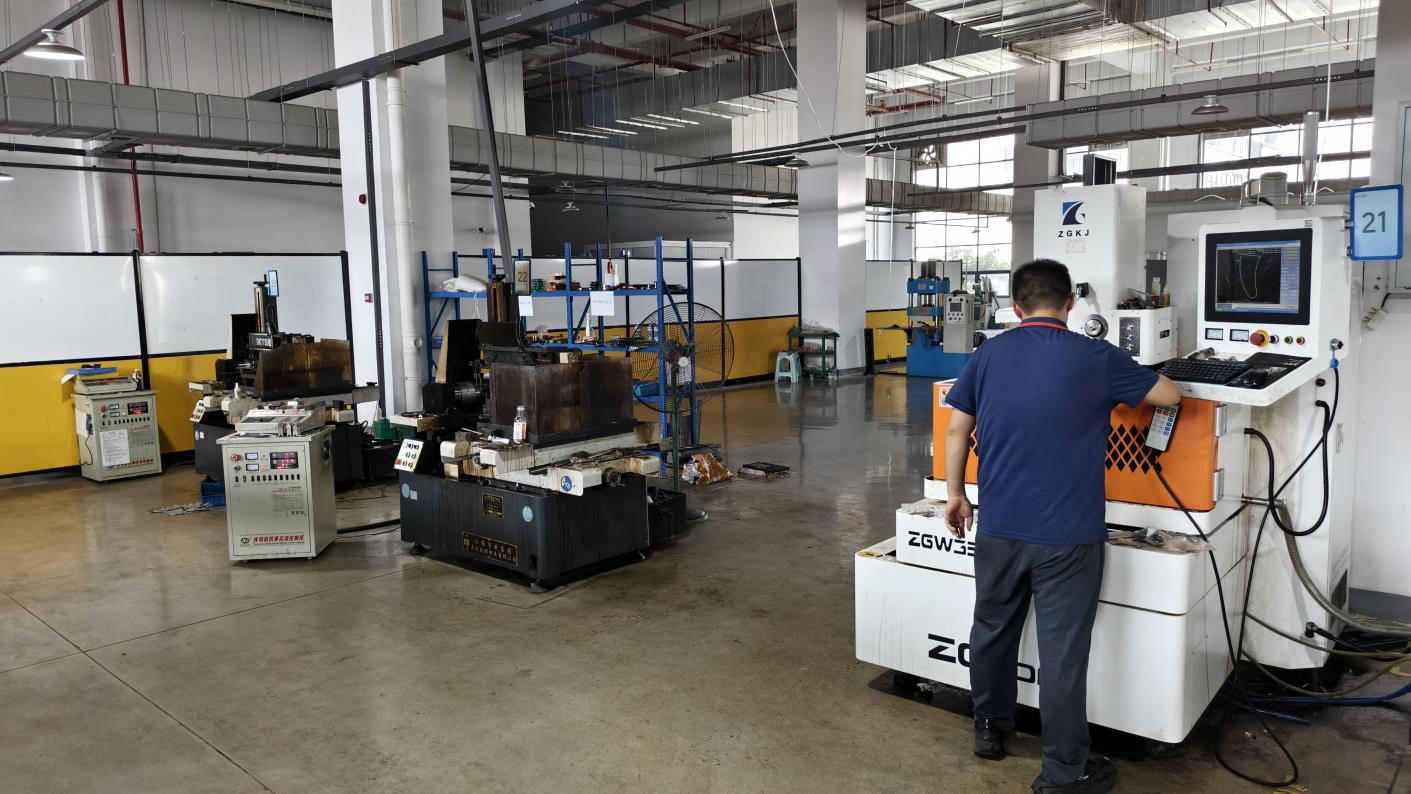
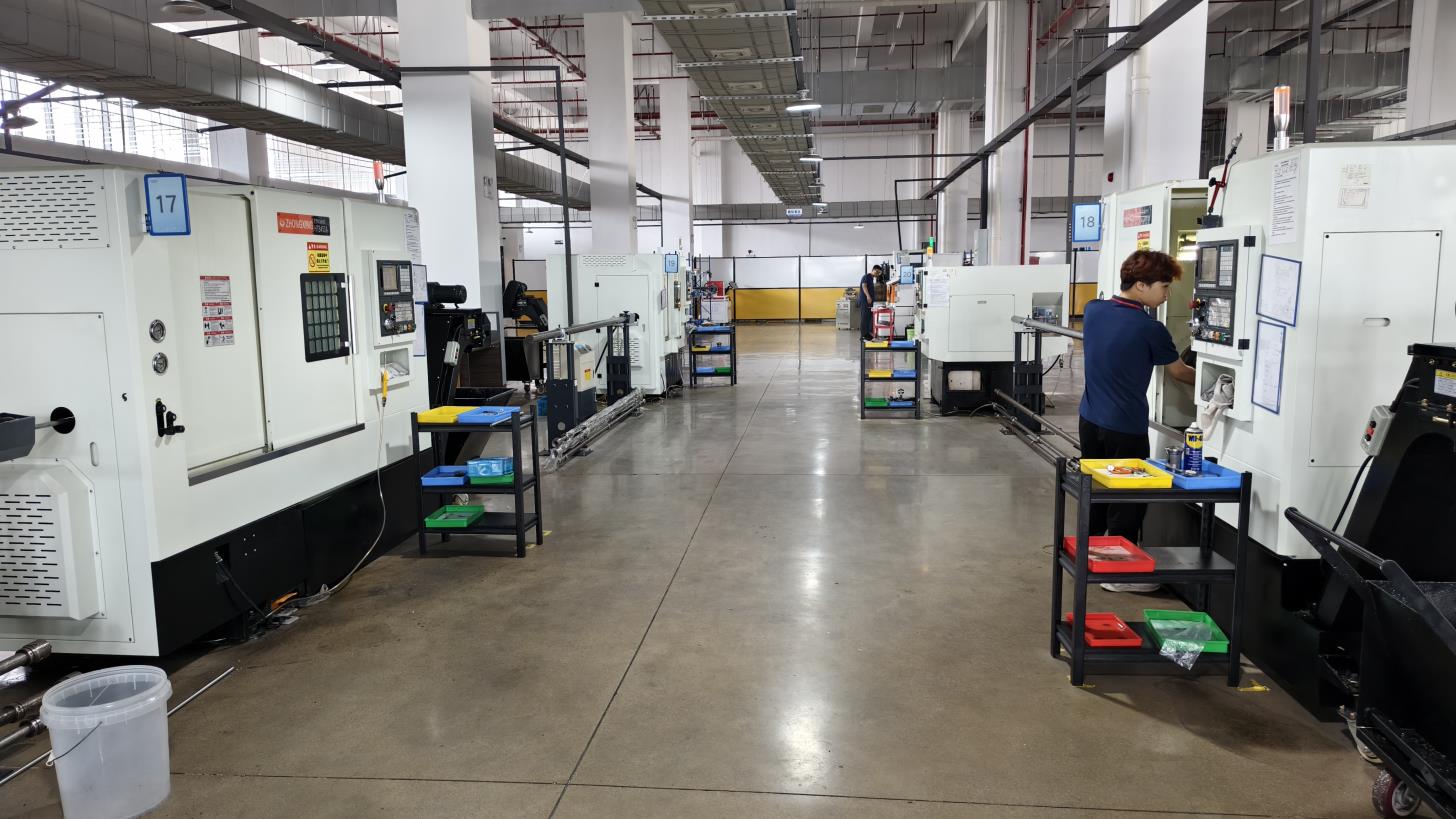
Our validated, step-by-step manufacturing process ensures absolute precision for every orthopedic implant.
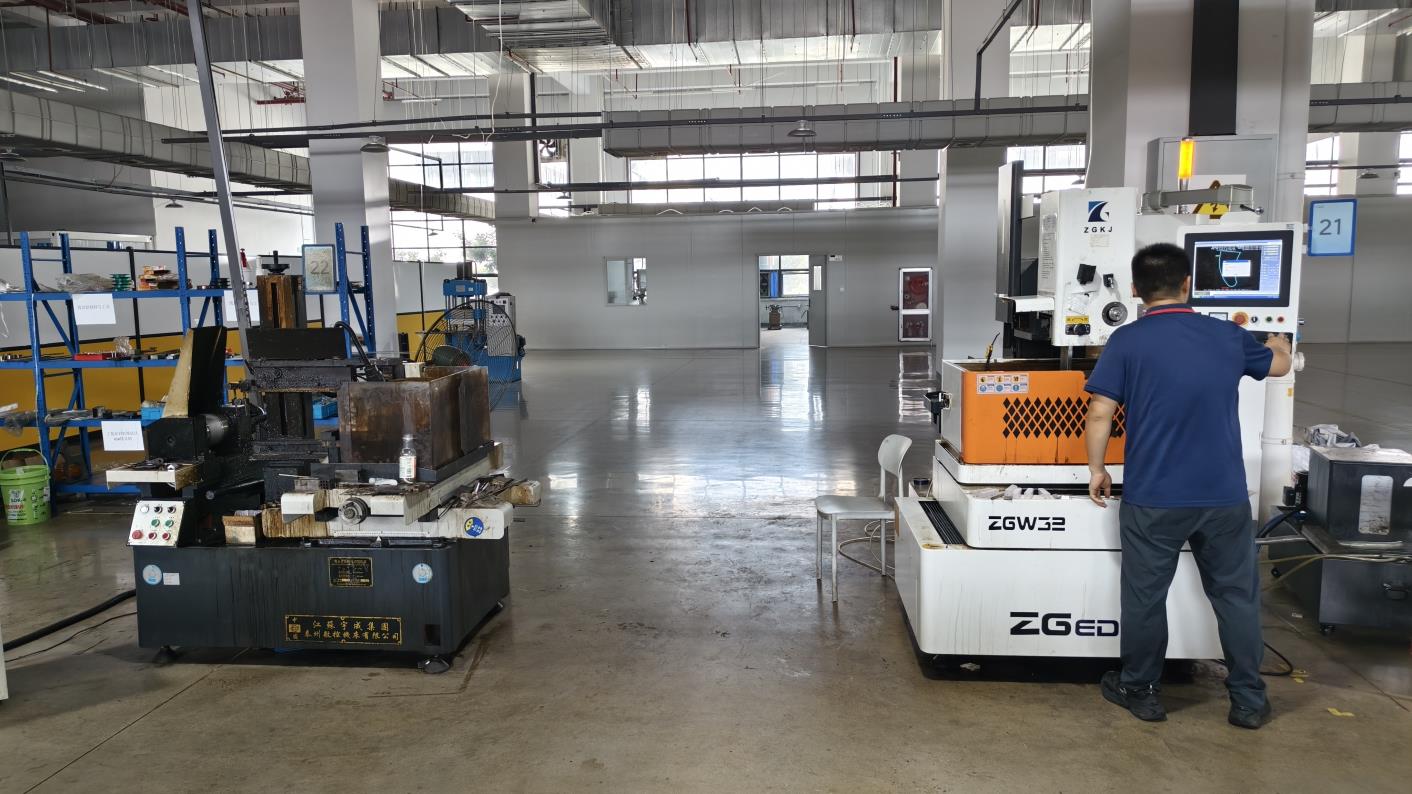
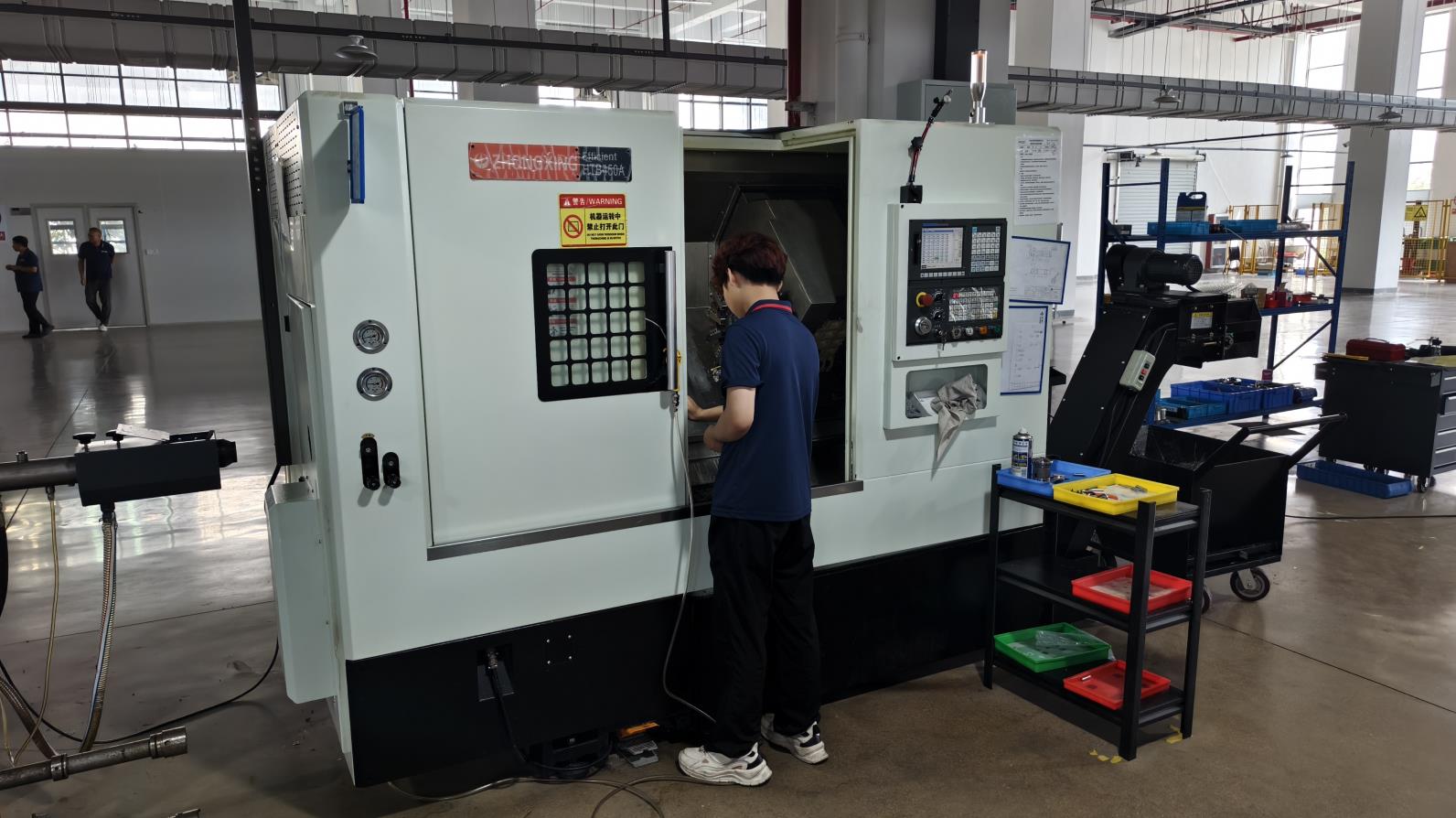
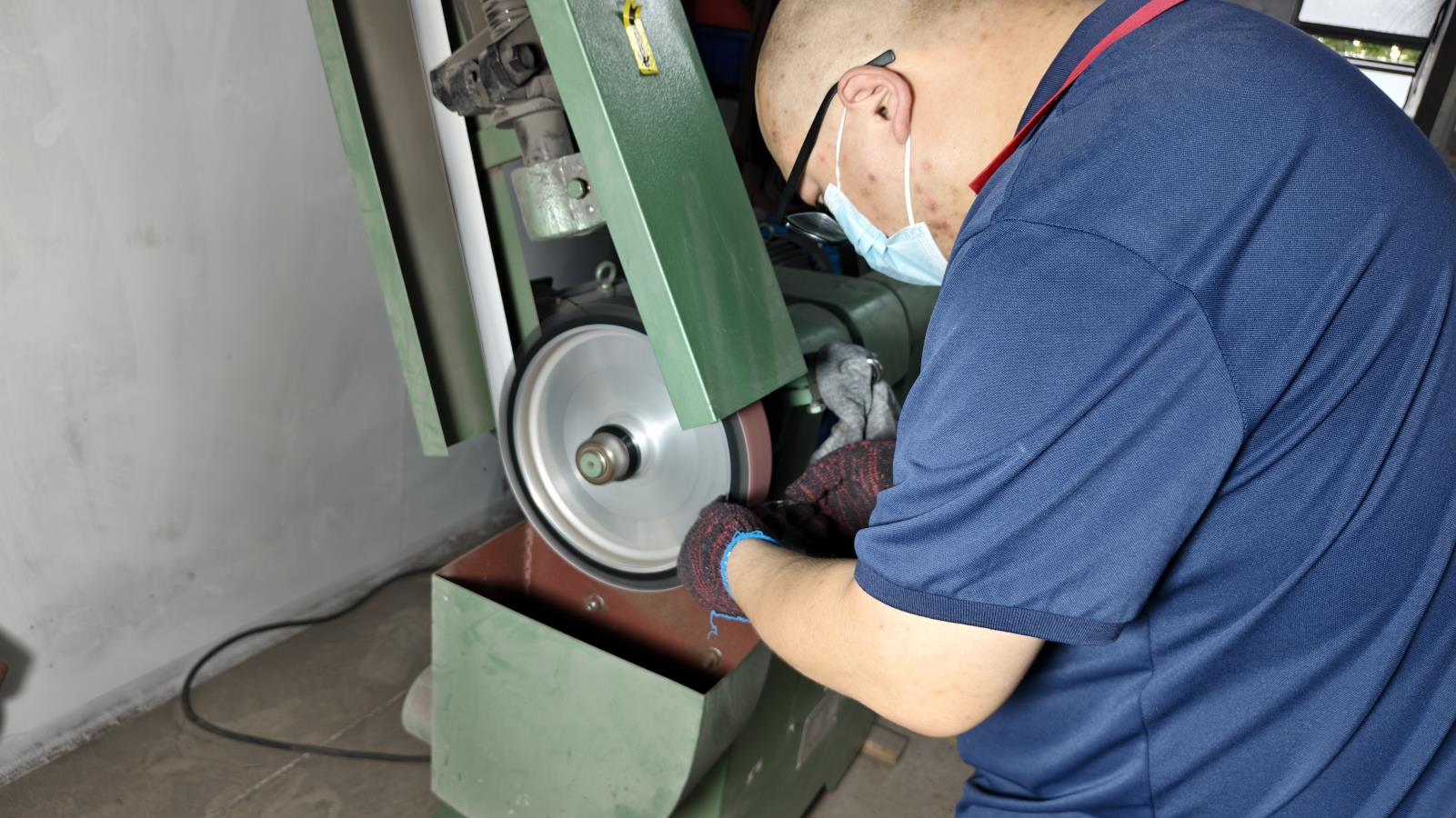
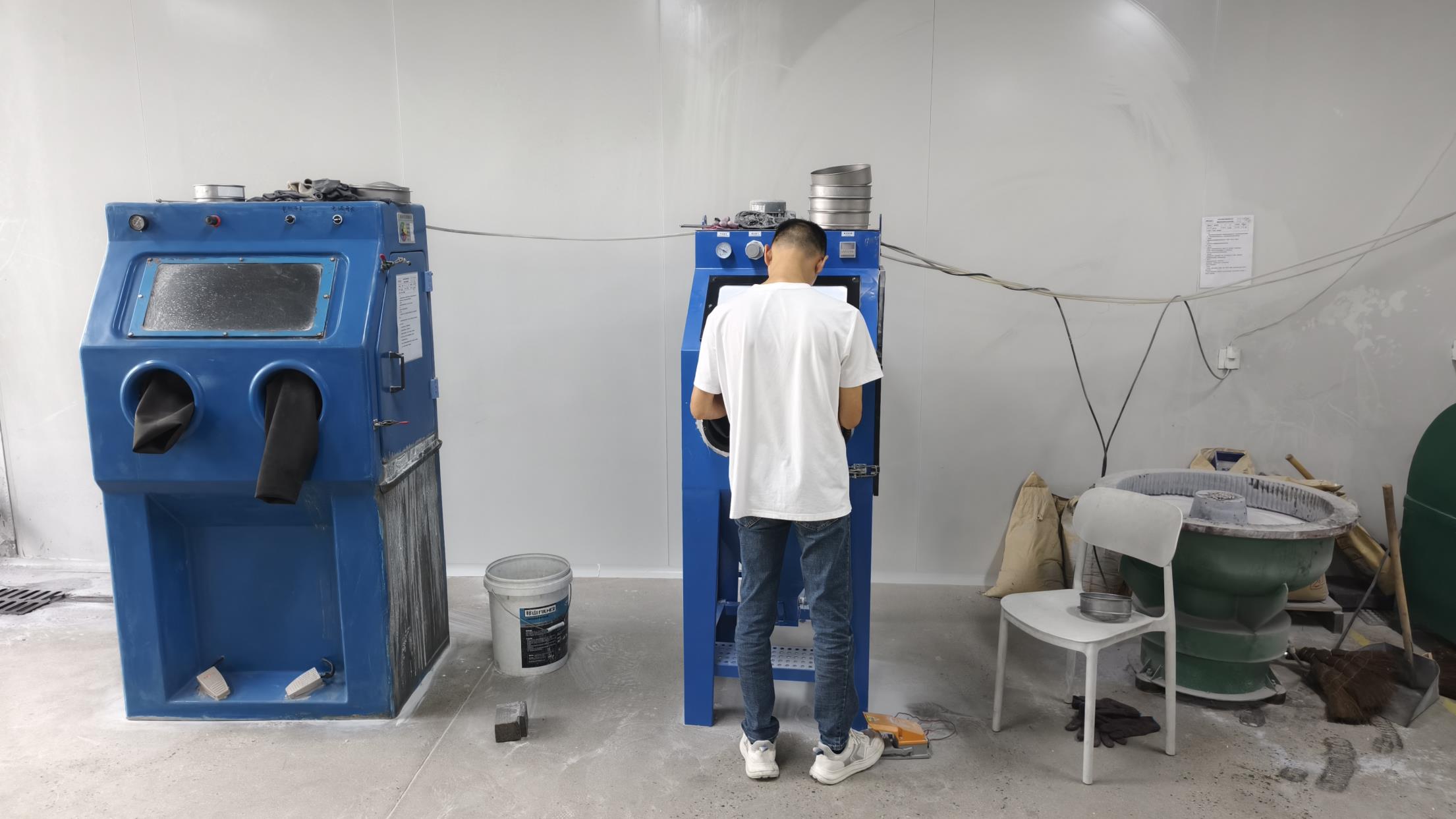
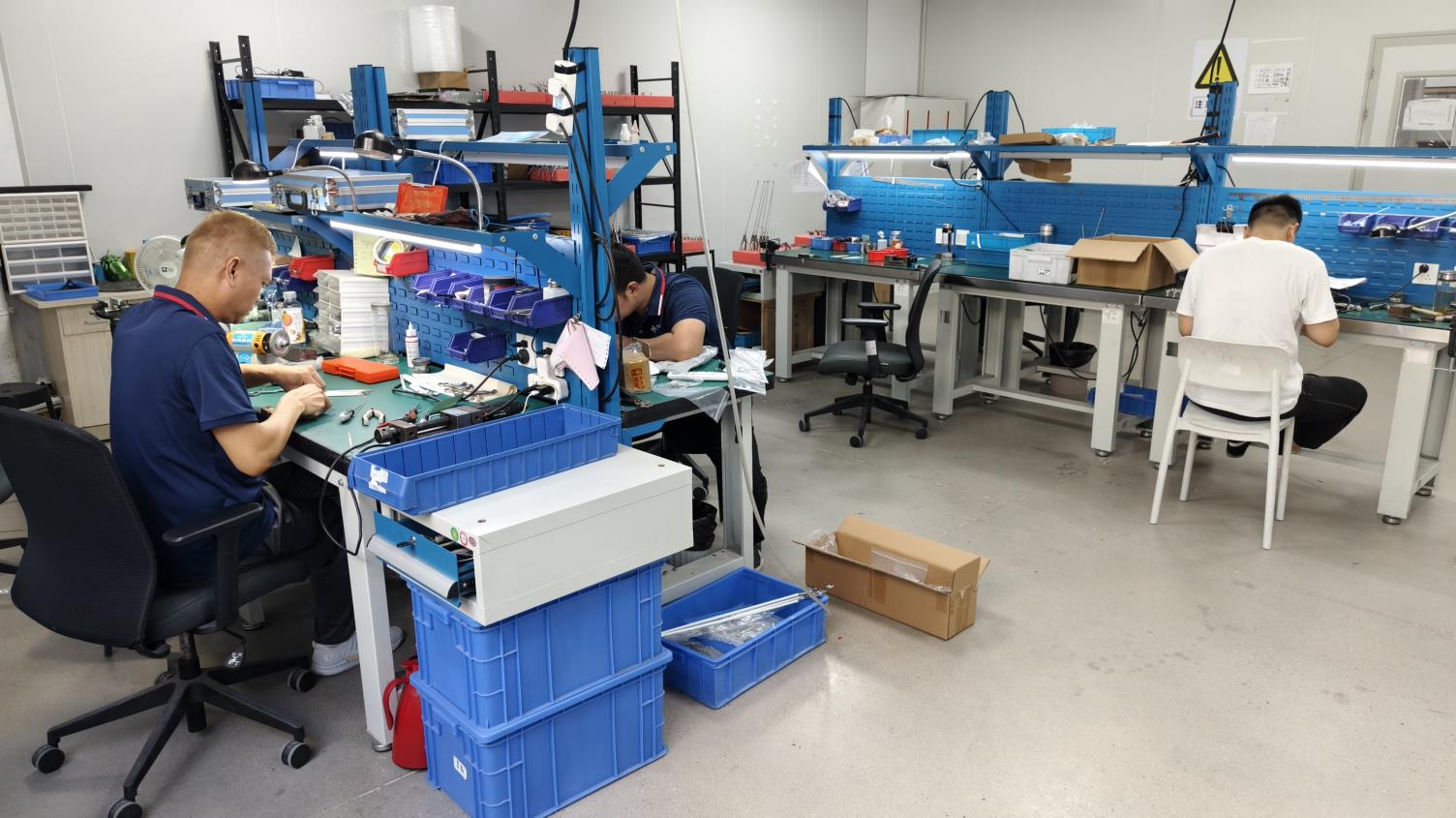
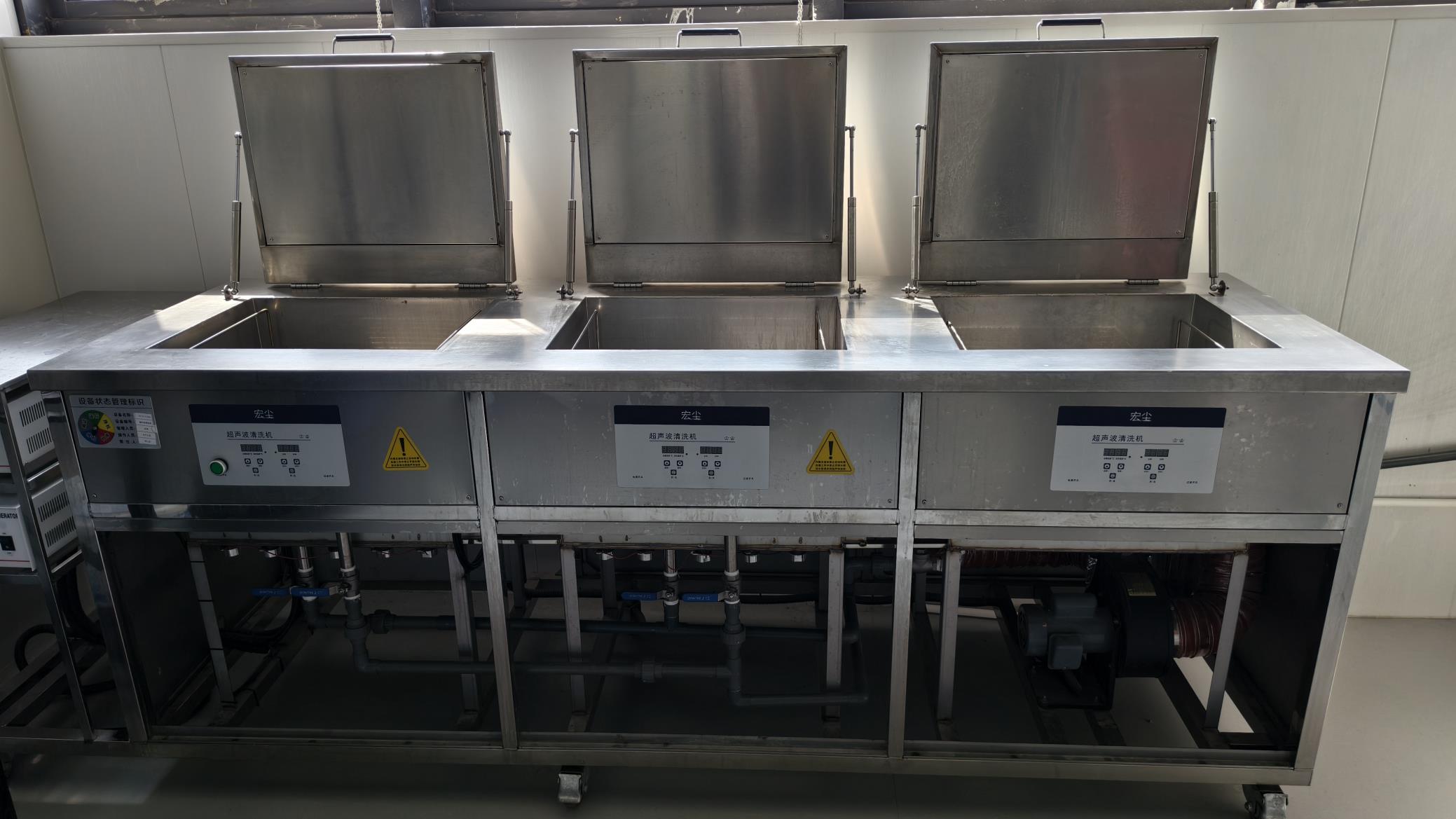
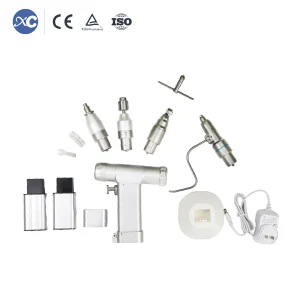
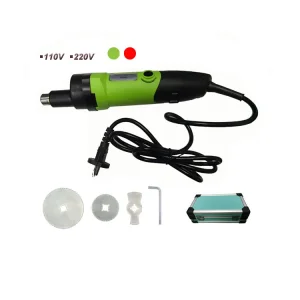
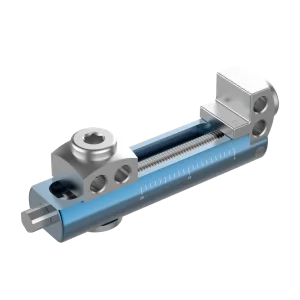
To support our custom OEM and ODM product design goals, Zynfuse maintains a modern fleet of high-end machinery, including Swiss-type lathes, CNC mills, wire-cutting machines, and advanced laser welding systems.
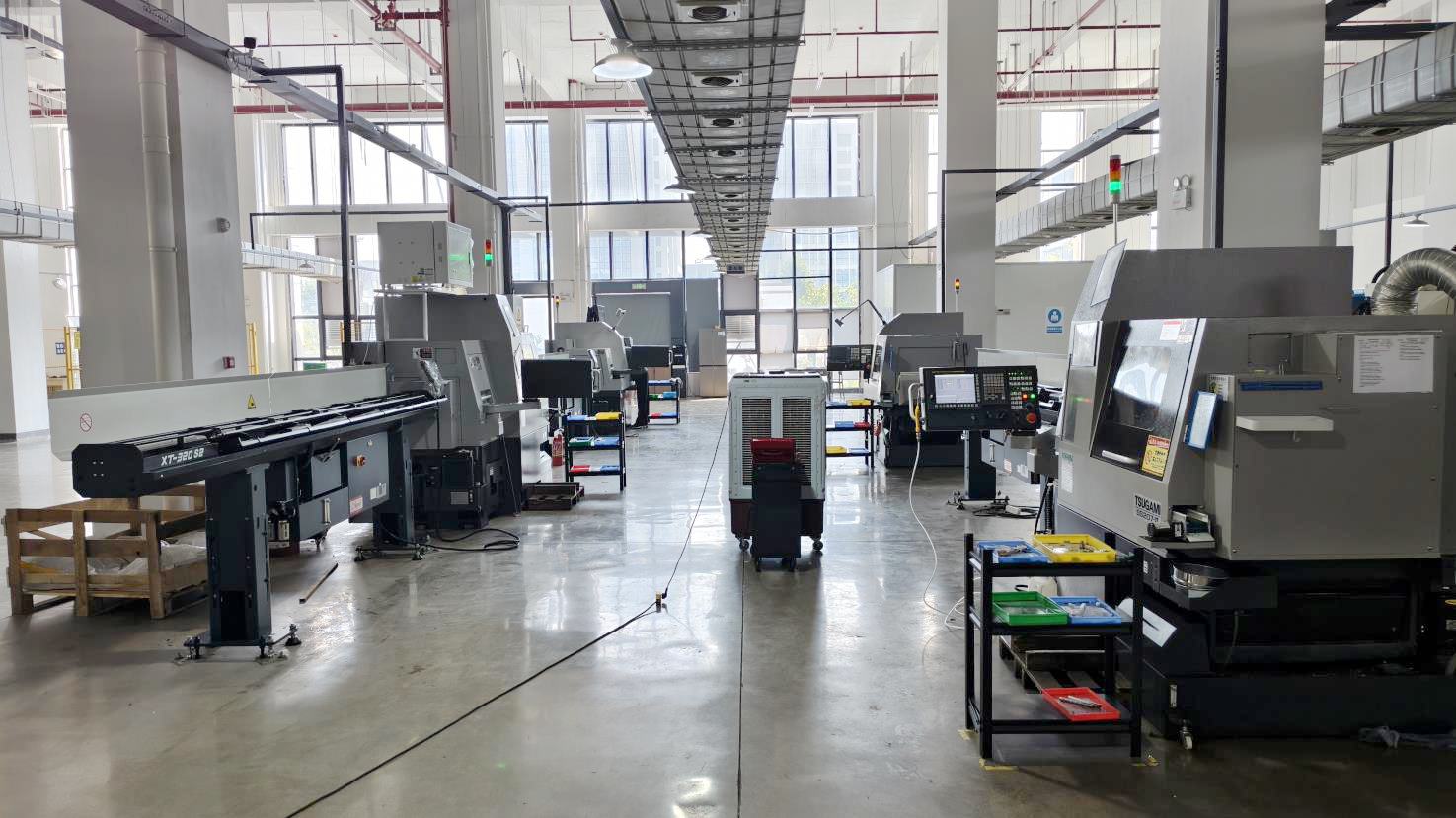
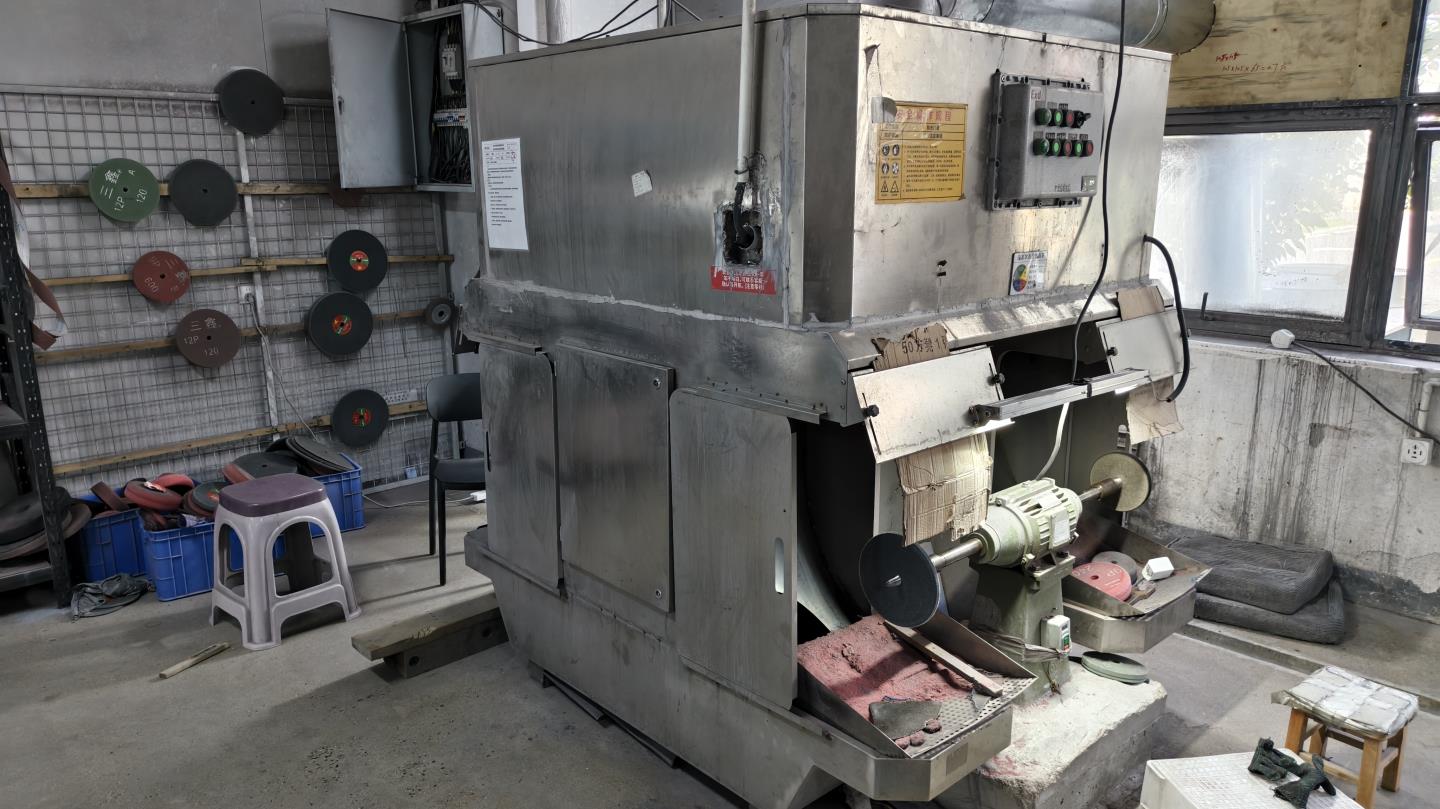
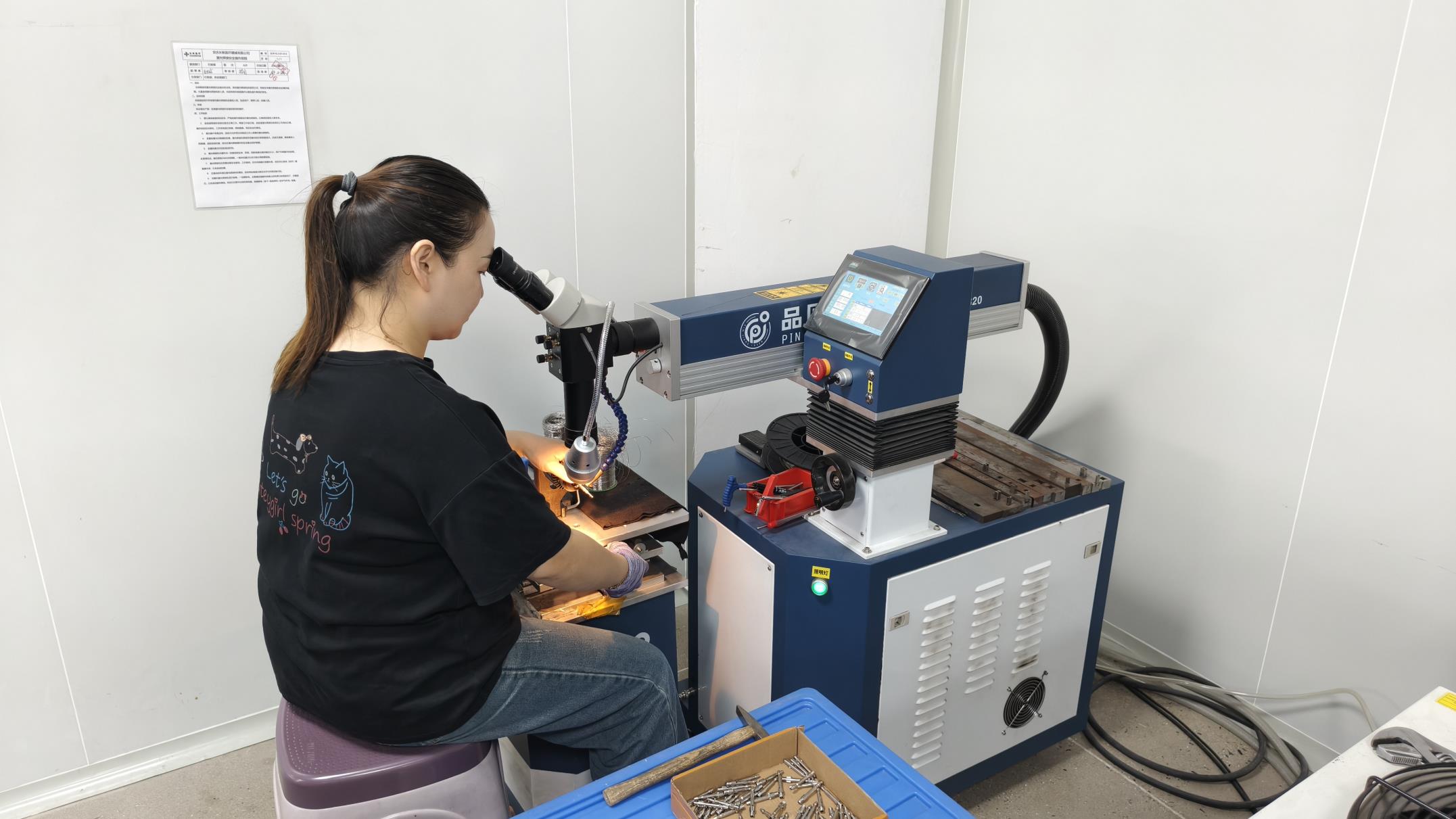
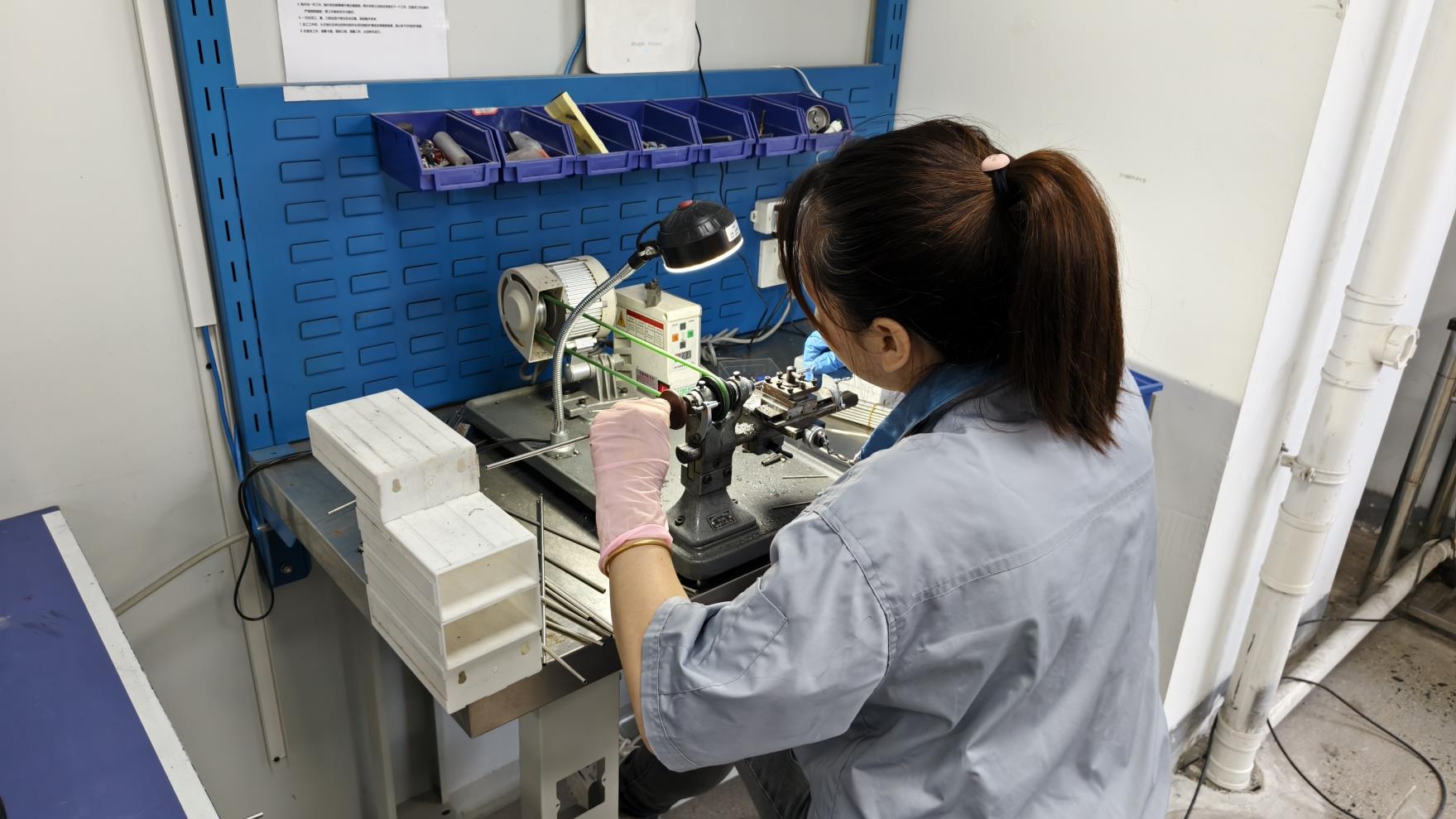
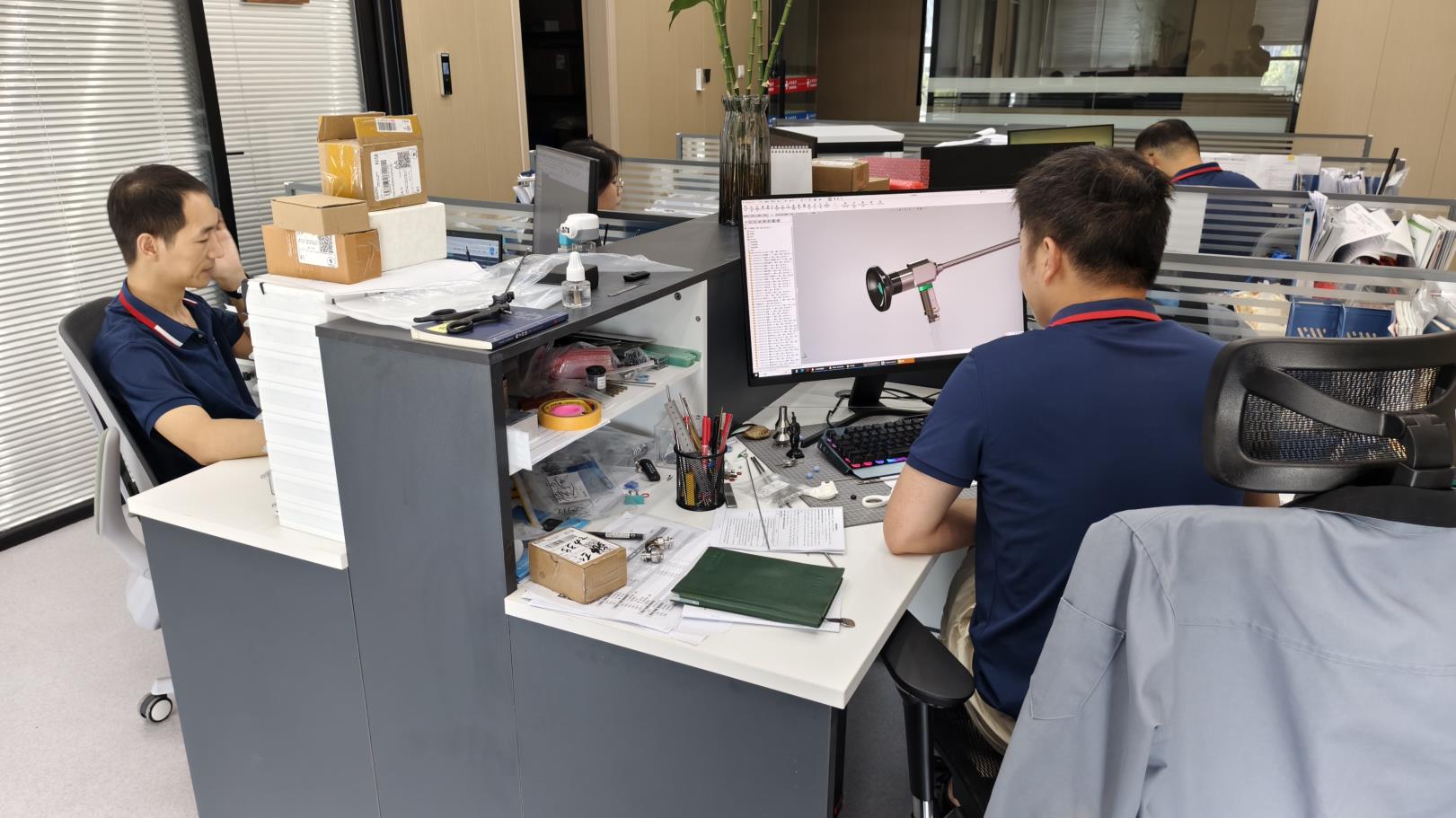
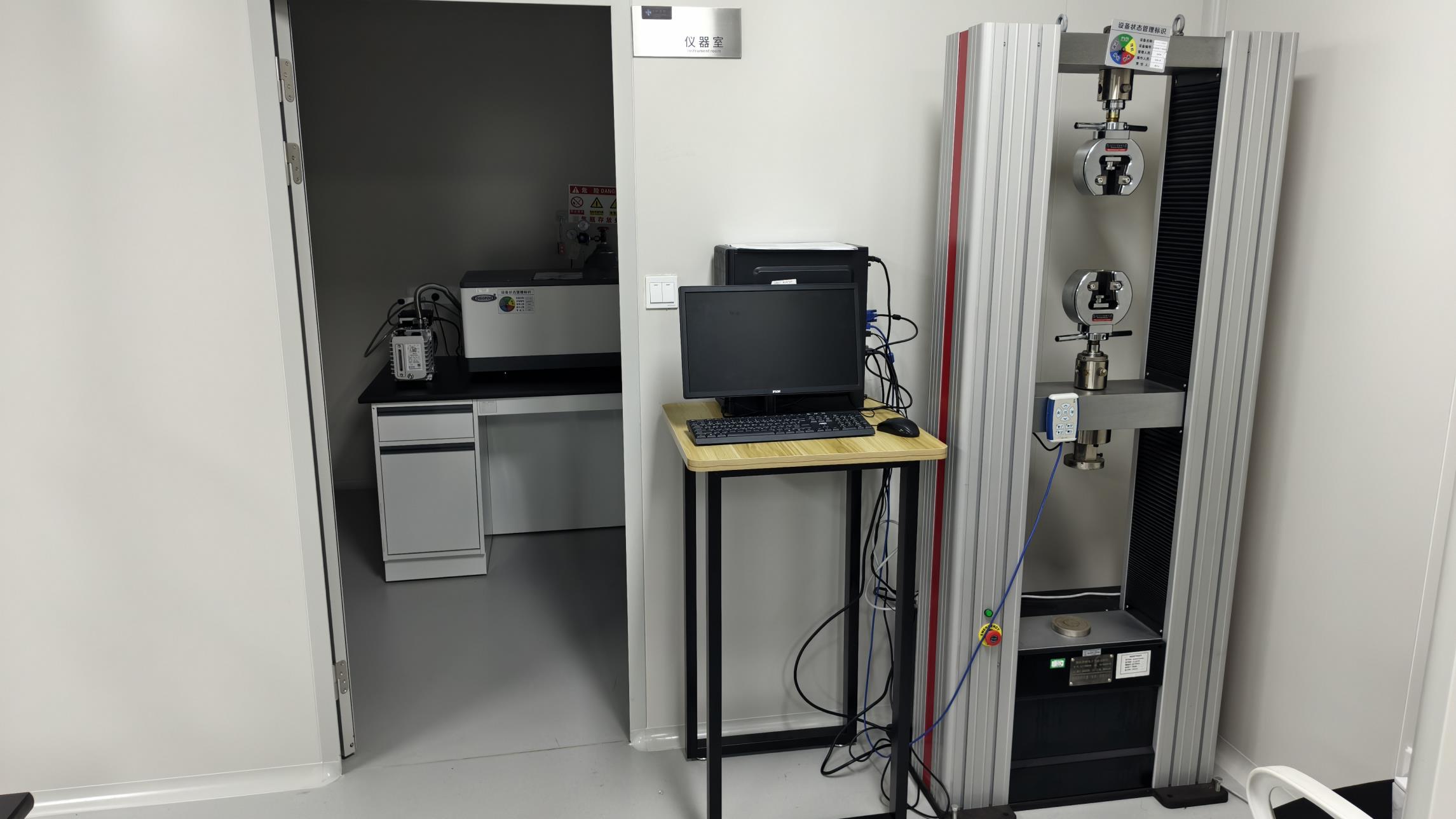
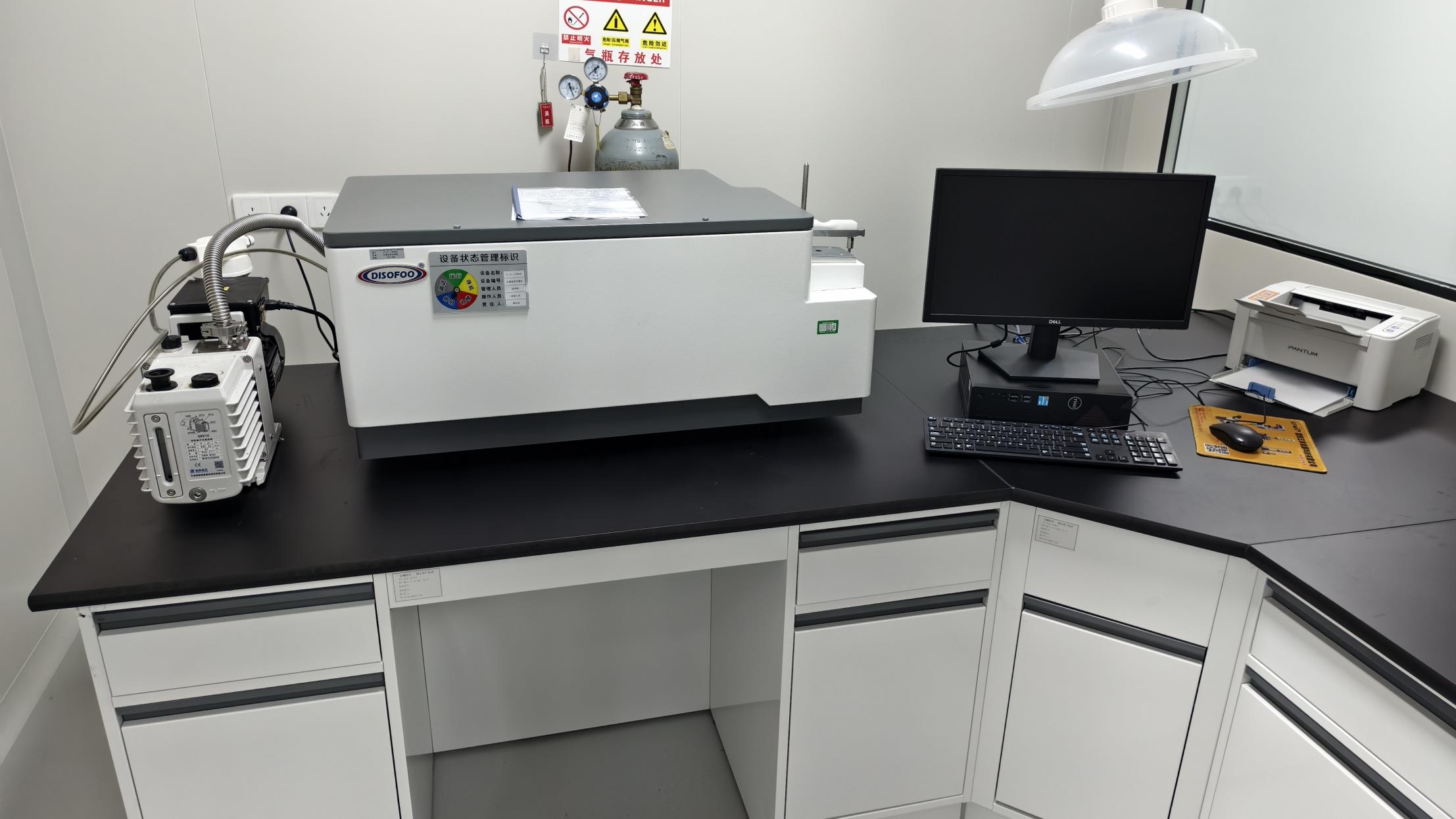
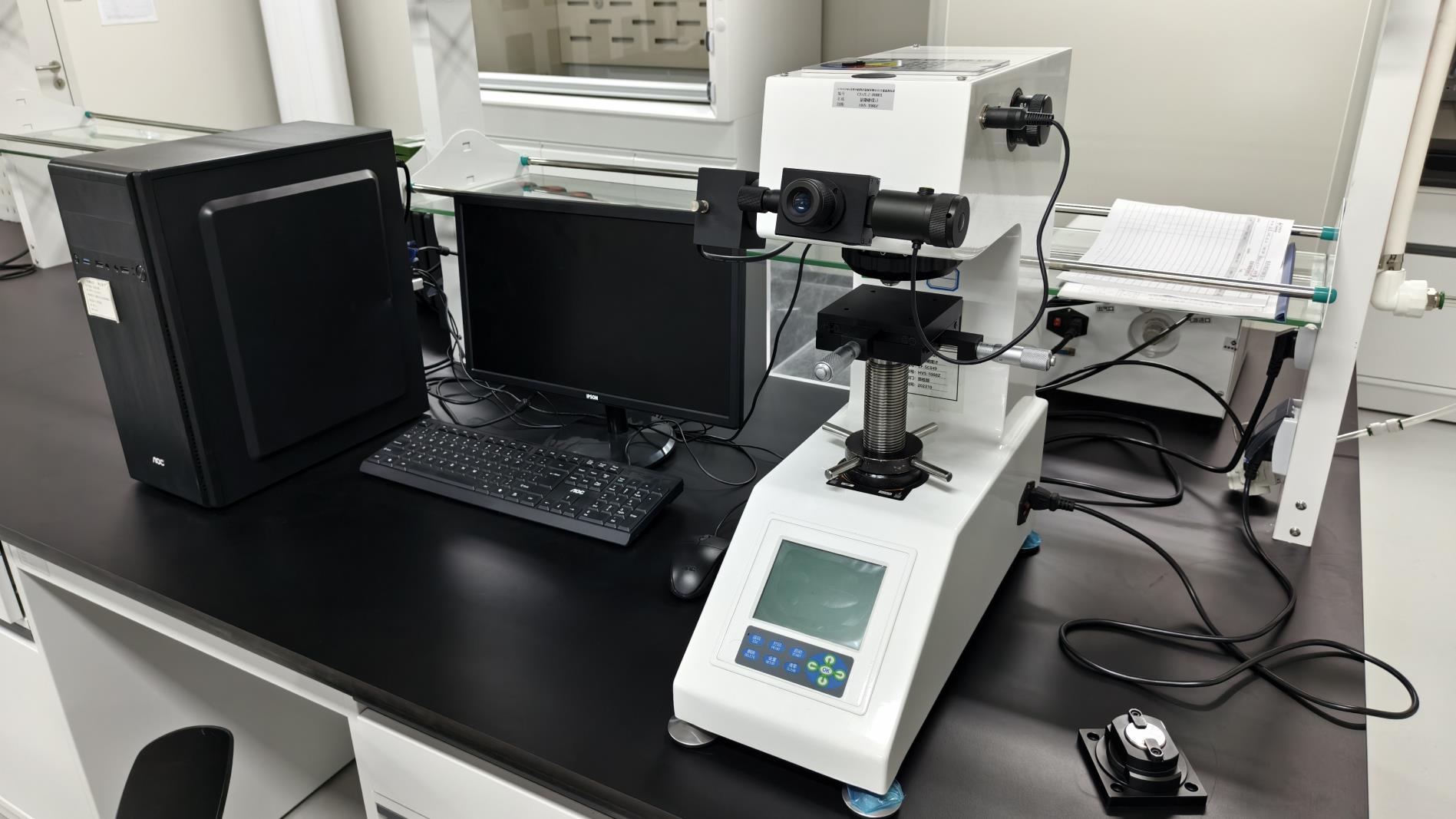
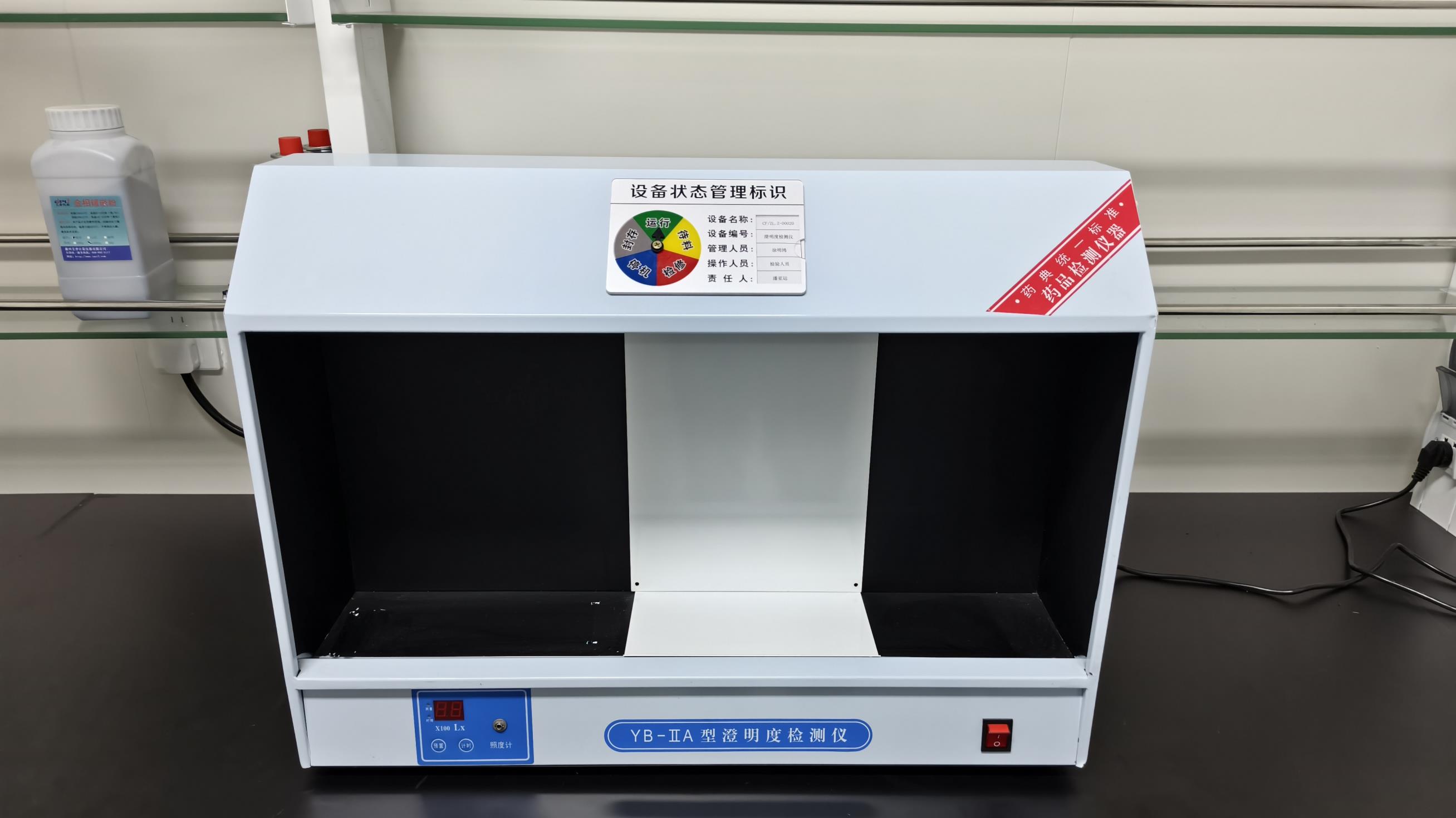
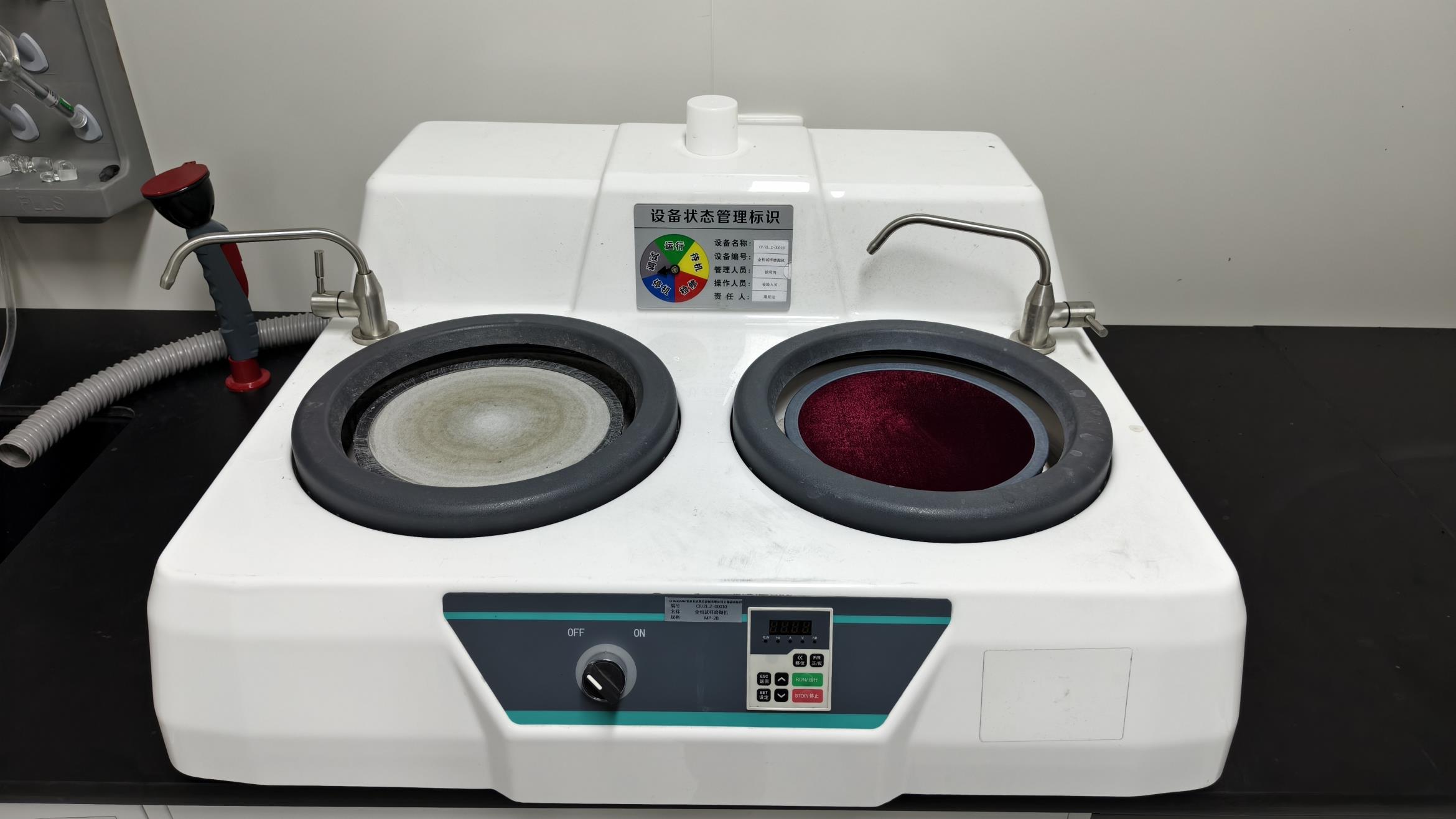
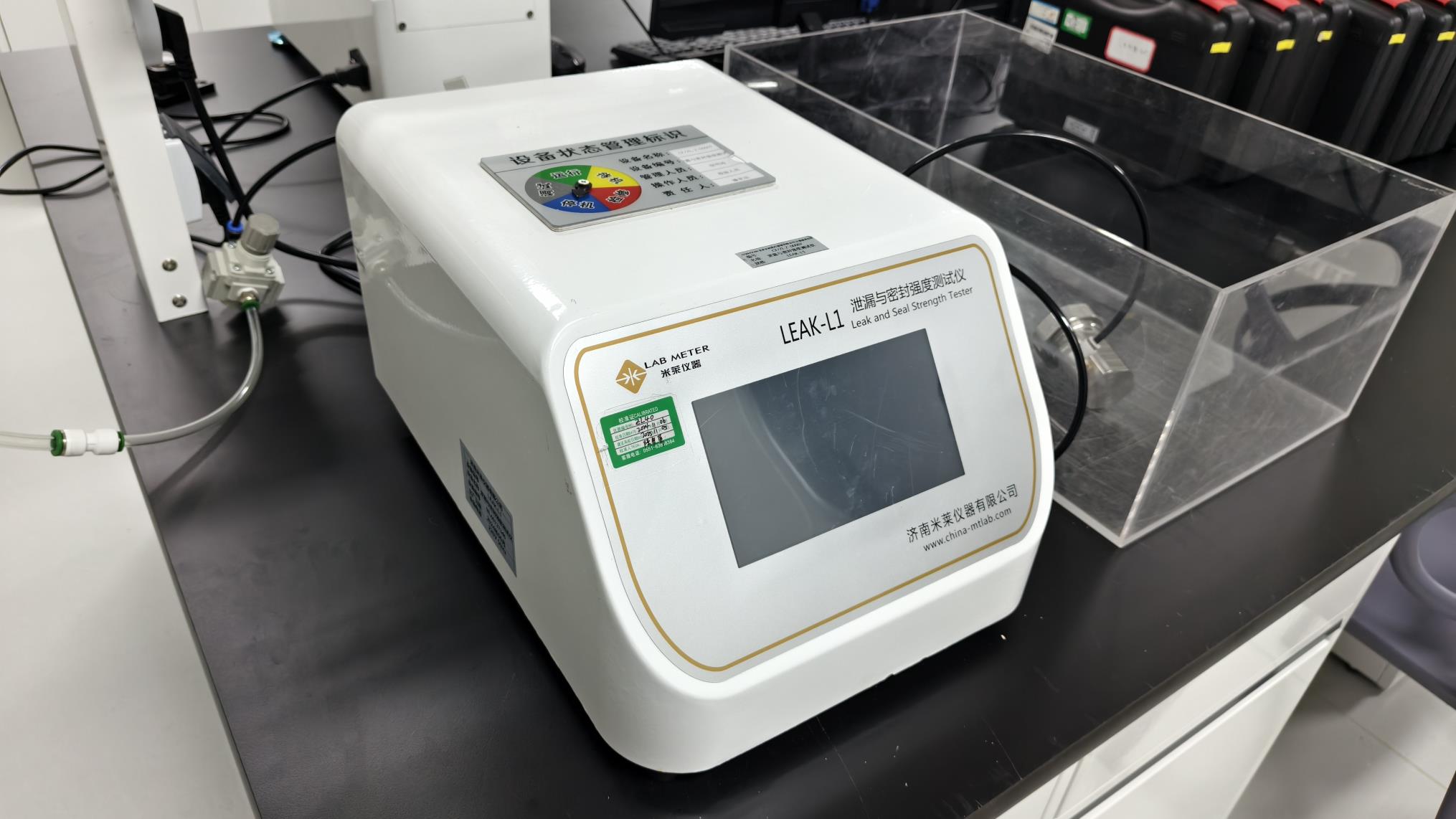
Every implant undergoes extensive testing in our ISO 13485-compliant quality laboratories.
Our quality assurance system is based on medical device standards designed to ensure material safety, mechanical longevity, and biological compatibility. Supported by 68 quality inspection specialists, our testing labs handle everything from raw titanium alloy validation to finished product sterility testing. We perform regular fatigue testing under simulated joint fluid conditions (following ISO 14243 standards) to confirm the mechanical durability of our UKA implant platforms.

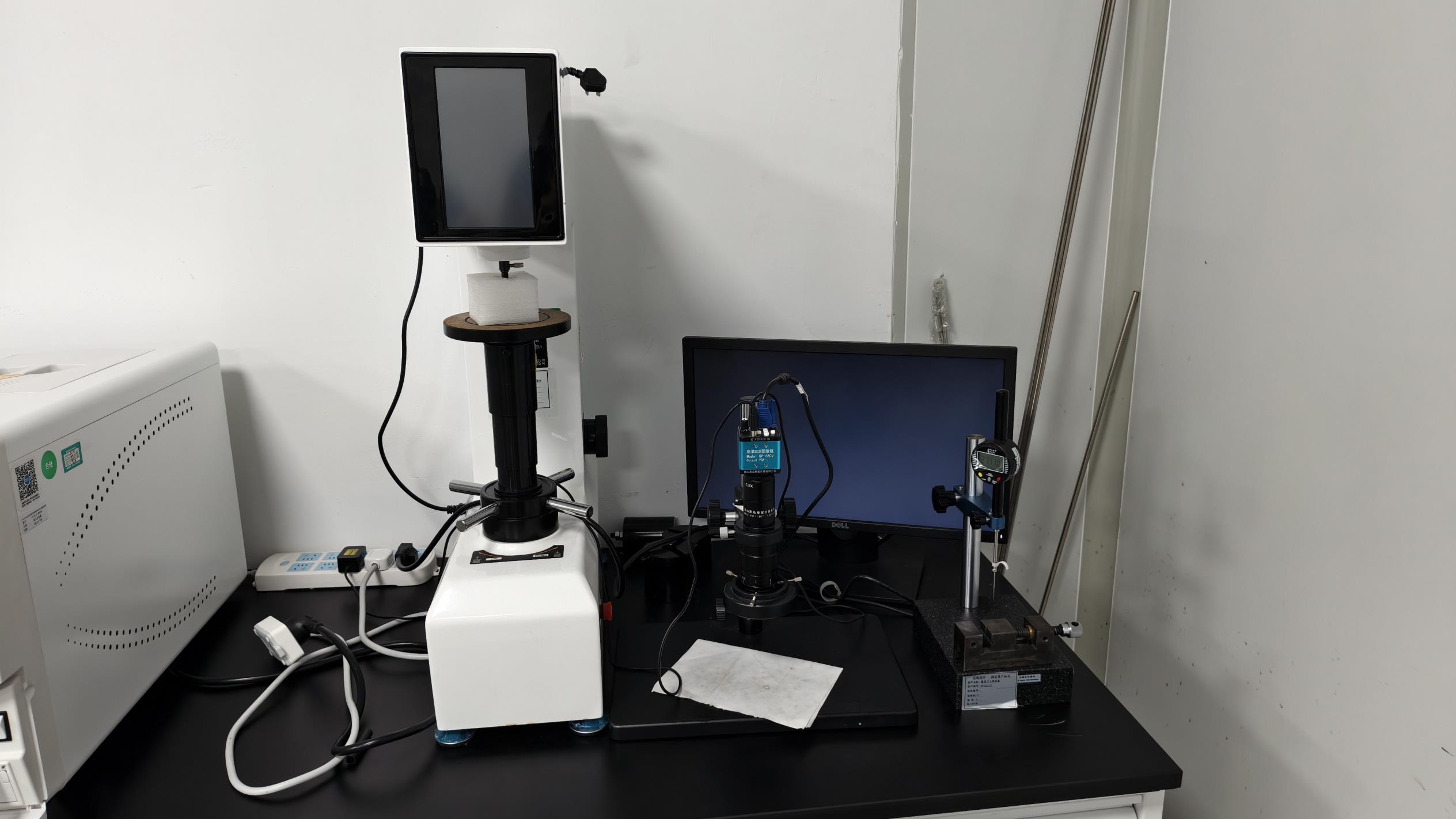
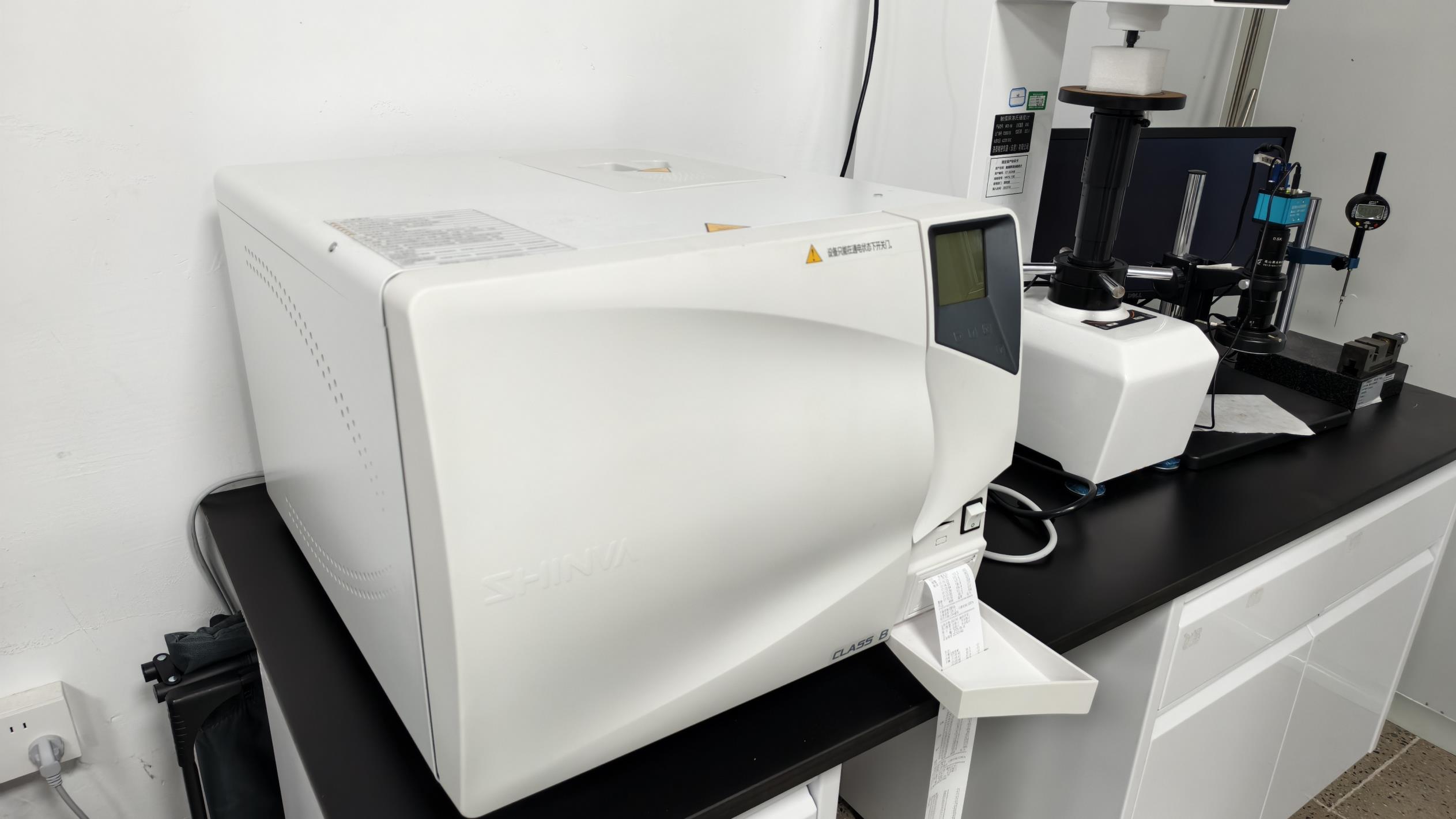
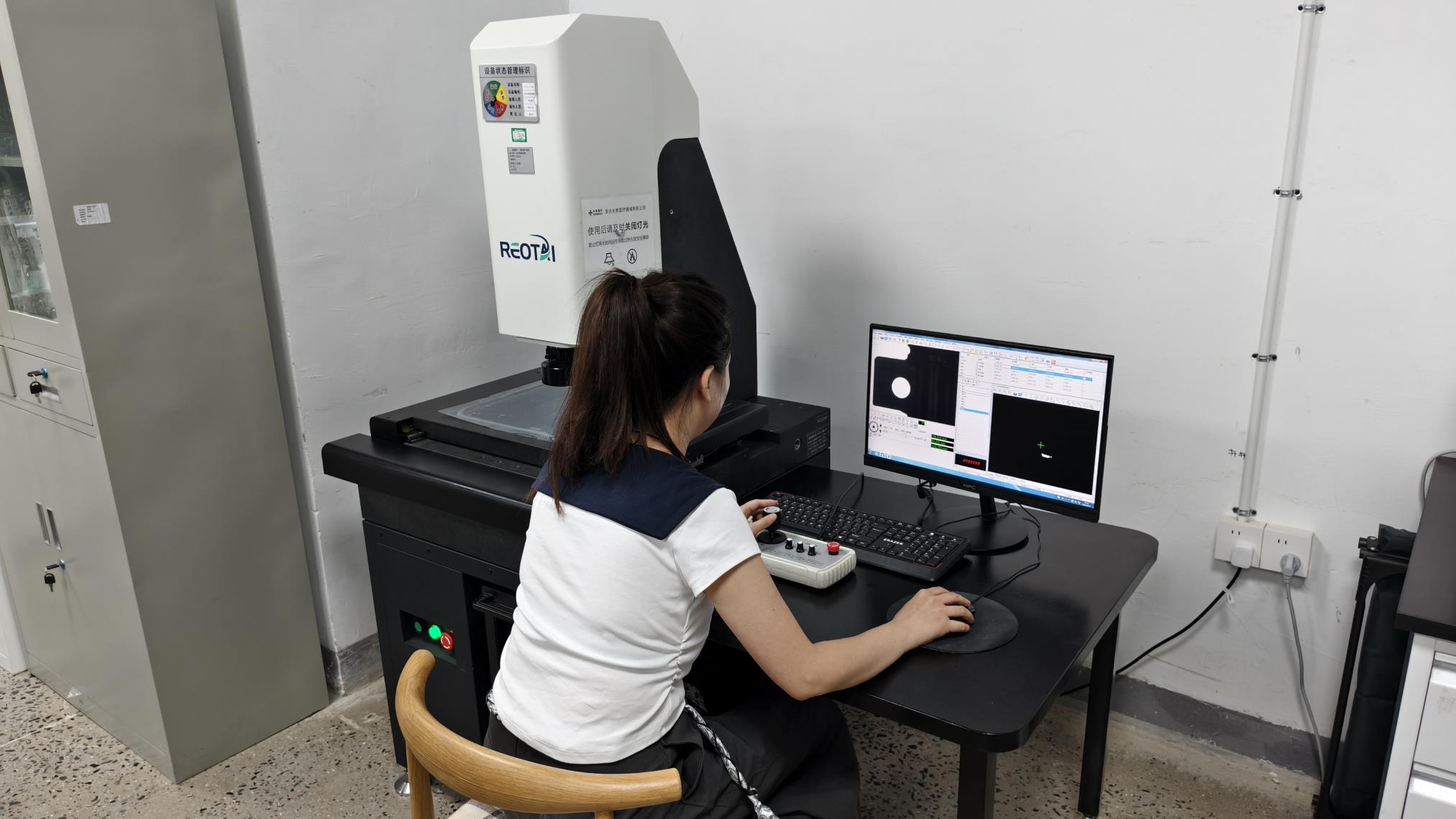
Tailoring orthopaedic solutions to meet the clinical requirements of regional markets.
The clinical application of Unicompartmental Knee Arthroplasty (UKA) varies by region due to differences in anatomical demographics, localized healthcare policies, and surgeon preferences. In North American markets, the focus is heavily on outpatient surgery protocols in Ambulatory Surgical Centers (ASCs), where the demand is high for sterile-packed, single-use, and simplified surgical instrumentation sets. In contrast, European clinics place high value on long-term clinical registry data and cost-to-benefit ratios. This makes durable, cementless implants with Osteoblast-conductive coatings highly sought after.
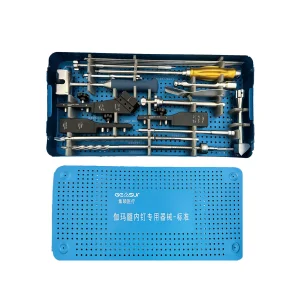
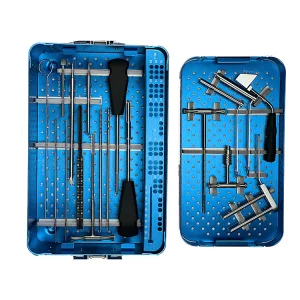
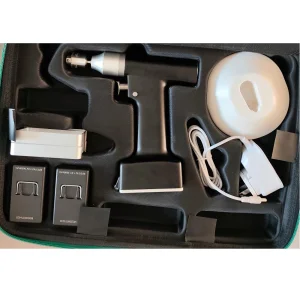
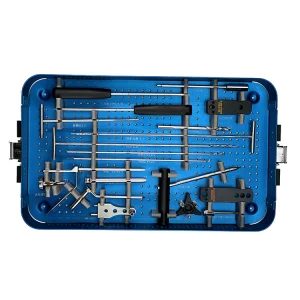
In Southeast Asian and Middle Eastern regions, unique anatomical dynamics—such as higher average knee flexion requirements for cultural activities—demand implants designed for deeper flexion ranges. Zynfuse addresses these diverse needs by providing customized sizing profiles, variable constraint designs, and regional instrument modification services. Our R&D team works directly with regional distributors and clinical groups to design custom instrument kits, supporting local surgeons with precise, easy-to-use tools.
Where orthopedic engineering meets advanced materials and digital surgery.
Integrating 3D printing (Electron Beam Melting) to produce porous titanium structures that mimic human trabecular bone, maximizing rapid biological osseointegration.
Transitioning to Vitamin-E blended Highly Cross-Linked Polyethylene (HXLPE) inserts to minimize oxidation, reduce long-term wear debris, and extend implant lifespan.
Developing surgical navigation links and robotic-assisted instruments to help surgeons execute bone cuts with sub-millimeter precision, improving implant alignment.
Streamlined regulatory support, reliable logistics, and agile custom manufacturing.
For global medical device importers, brand owners, and hospital purchasing groups, bringing new joint reconstruction lines to market requires navigating complex manufacturing timelines and regulatory requirements. Zynfuse offers comprehensive, turnkey OEM/ODM solutions to simplify this process. We provide full technical documentation, including raw material traceability certificates, mechanical fatigue test reports, and sterilization validations, enabling smooth regulatory registration in local markets.
By partnering with over 1,200 suppliers and logistics coordinators worldwide, we ensure consistent raw material supplies and stable, reliable delivery schedules. Whether you need custom branding, specialized titanium plating, or low-friction DLC (Diamond-Like Carbon) coatings, Zynfuse provides a reliable, end-to-end manufacturing solution from initial CAD design to sterile packaging.
Technical details regarding Zynfuse OEM/ODM capabilities, materials, and quality standards.
We use high-grade Cobalt-Chromium-Molybdenum (CoCrMo) alloys complying with ASTM F75/F1537 for femoral components, and medical-grade Titanium Alloys (Ti6Al4V ELI) complying with ASTM F136 for tibial trays. Our articulating inserts are machined from Ultra-High-Molecular-Weight Polyethylene (UHMWPE) or premium PEEK-OPTIMA.
Our manufacturing processes are certified under the ISO 13485 quality management system. We provide comprehensive documentation support—such as biocompatibility dossiers (ISO 10993), packaging validations (ISO 11607), and mechanical test reports—to simplify local regulatory approvals.
Yes. Backed by our team of 85 R&D engineers, we specialize in converting CT/MRI scan data into precise CAD/CAM coordinates, allowing us to manufacture custom, patient-matched femoral and tibial components.
Standard OEM modifications on existing platforms typically take 4–6 weeks. Custom product designs, including prototype development, biomechanical simulation, and validation runs, are generally completed within 12–16 weeks.
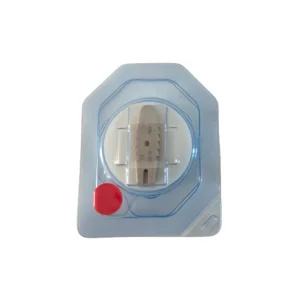
Yes. We offer gamma-sterile or ethylene oxide (EO) sterile packaging solutions within Class 10,000 (ISO Class 7) cleanrooms, delivering implant systems that are sterile and ready for immediate clinical use.
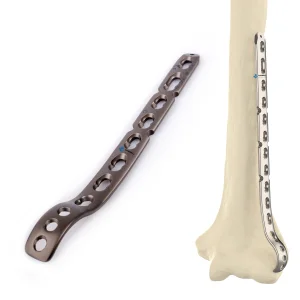
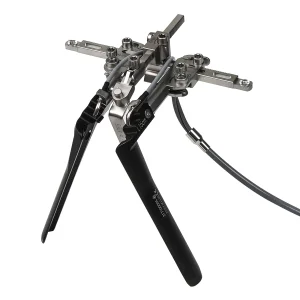
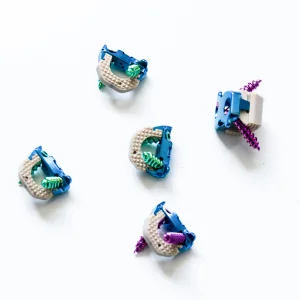
High-precision micro-instruments, trauma fixation plates, and spinal implants engineered to clinical standards.