Zynfuse
Zynfuse
Zynfuse
State-of-the-art instruments engineered to optimize surgical precision, supporting dynamic orthopedic and spinal fusion procedures globally.
Transforaminal Lumbar Interbody Fusion (TLIF) has emerged as a cornerstone technique in spinal reconstructive surgery. Historically, titanium was the material of choice due to its high load-bearing capacity; however, the divergence in mechanical modulus between titanium and human cortical bone frequently resulted in stress-shielding and localized subsidence. The development of implant-grade Polyetheretherketone (PEEK) has revolutionized this clinical landscape.
By mimicking the elastic modulus of human bone, PEEK cages optimize stress distribution across the fusion column, promoting healthy osteogenesis in accordance with Wolff's Law. Furthermore, PEEK’s native radiolucency ensures artifact-free visualization under post-operative X-ray and CT imaging, enabling surgeons to monitor bone bridge consolidation and progress with unmatched accuracy.
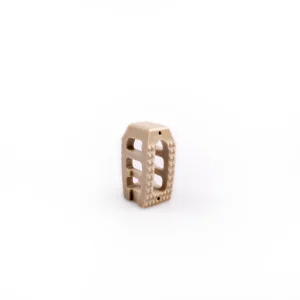
As a leading custom OEM TLIF PEEK Cages factory, Zynfuse Medical leverages specialized medical-grade PEEK polymer (complying with ASTM F2026 standards) to manufacture advanced lumbar implants. These devices integrate aggressive pyramidal serrations, large central grafting windows, and bulleted leading edges to streamline surgical insertion while ensuring high primary mechanical stability.
A globally trusted, ISO 13485-certified manufacturer specializing in high-precision spinal implants and surgical systems.
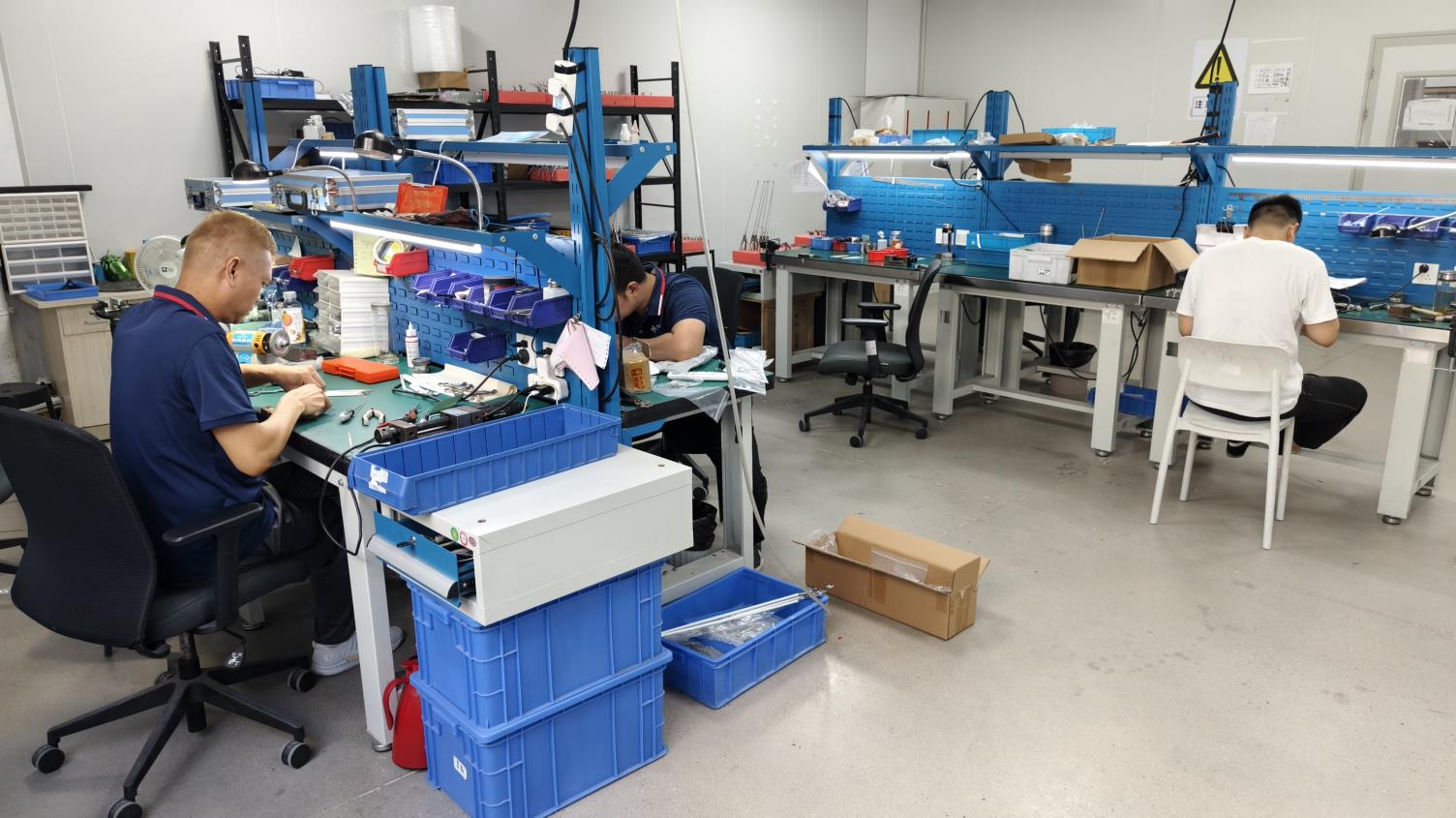
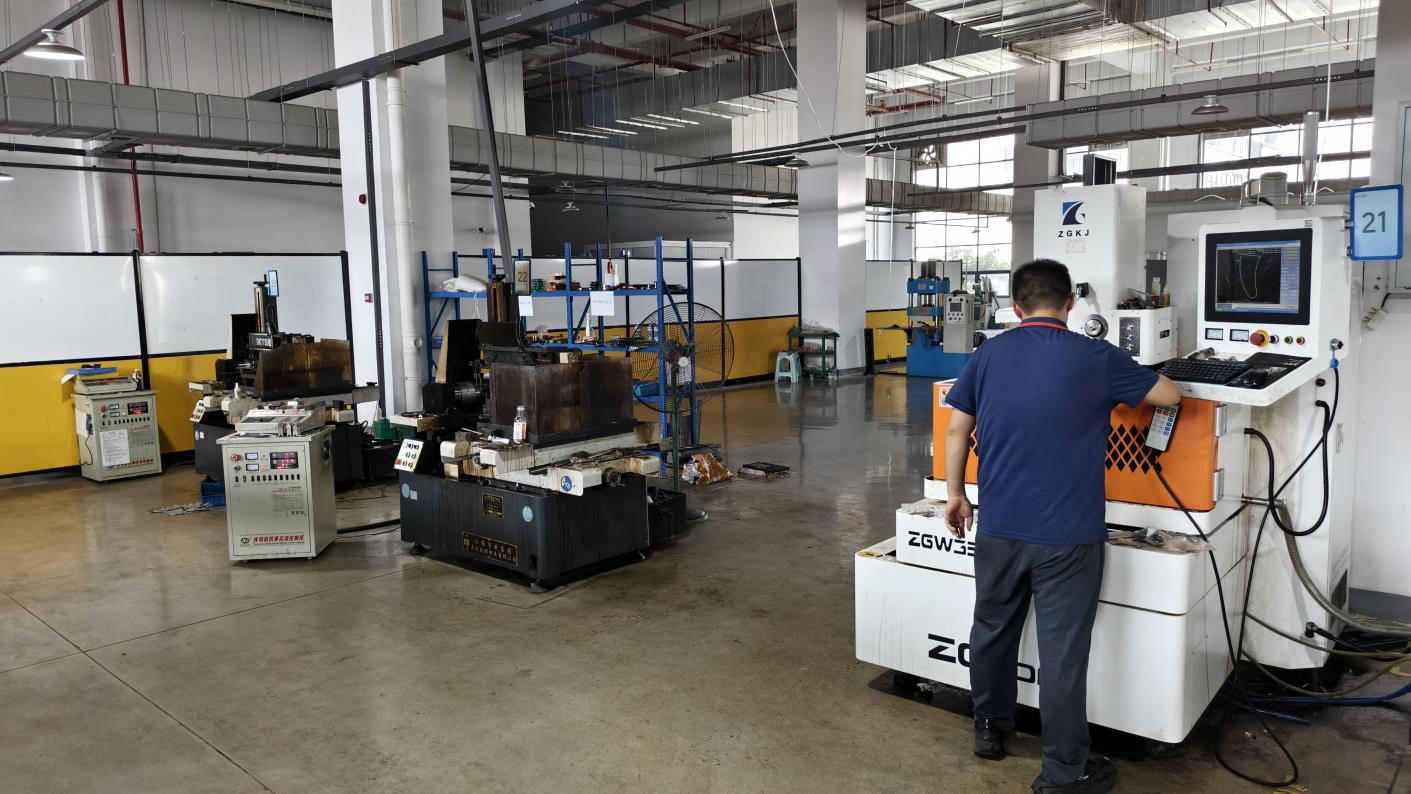
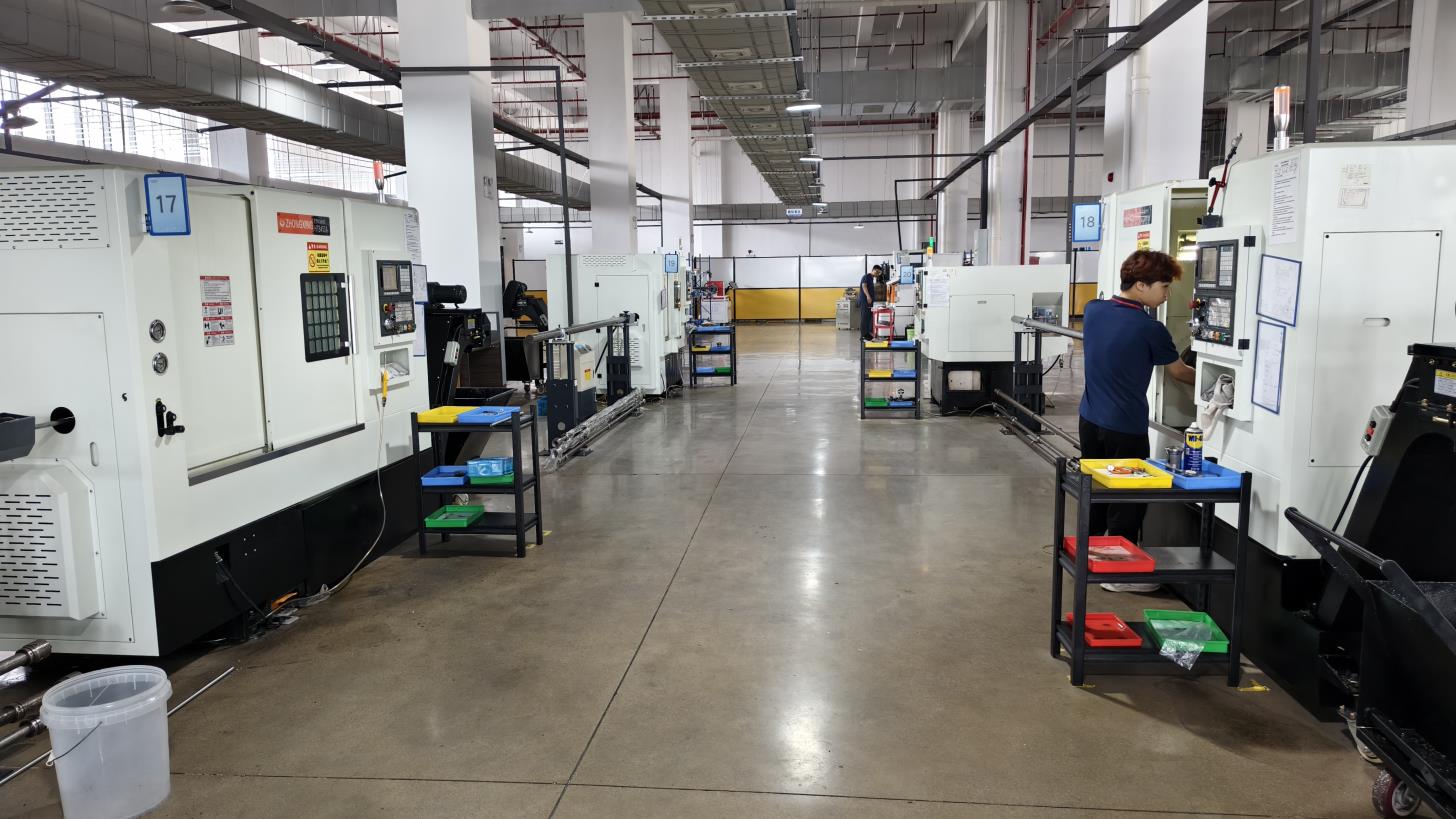
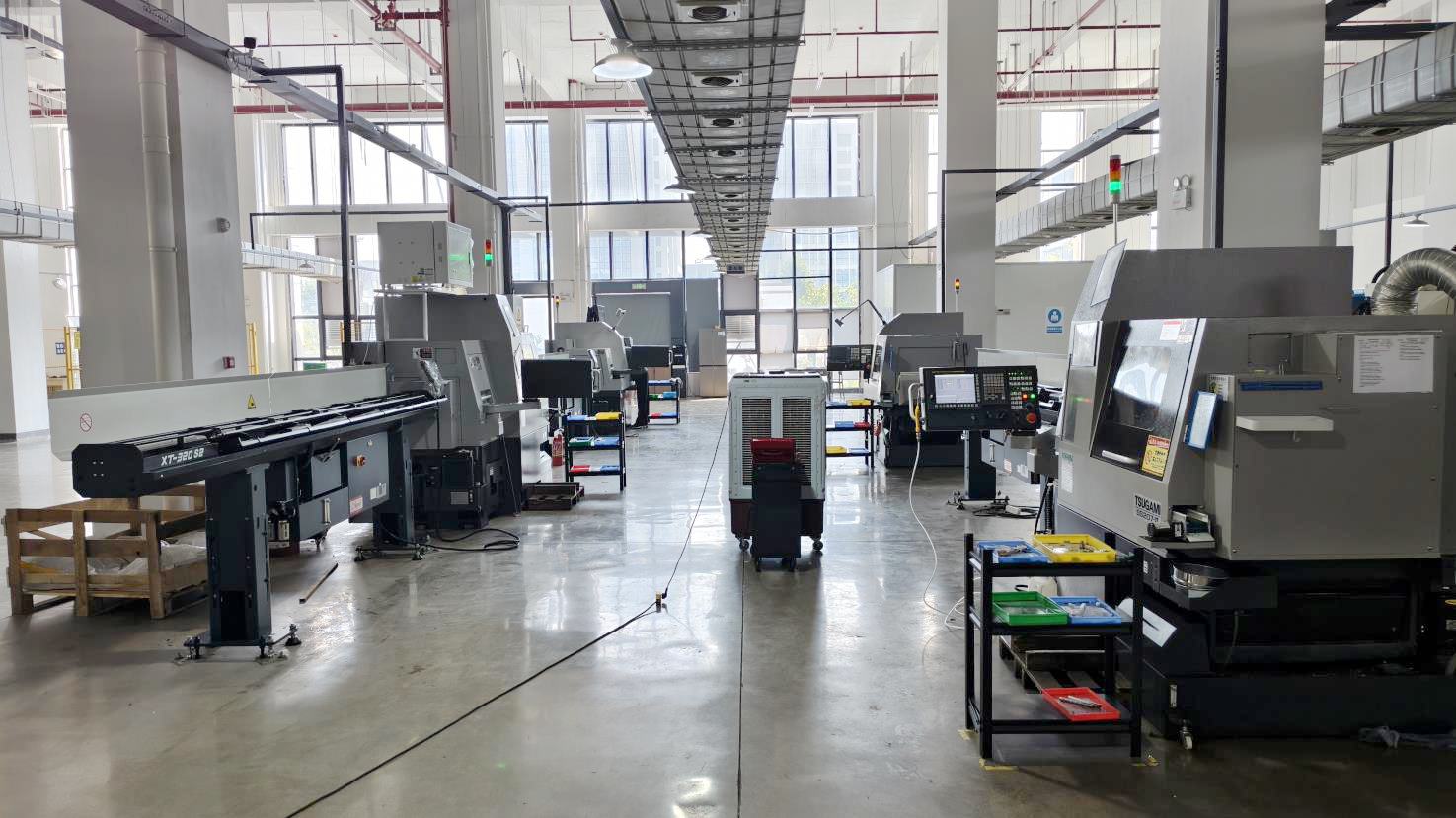
Established in 2016, Zynfuse Medical has quickly grown into a leading force in spinal reconstruction technology, backed by 12 years of core industry experience and 7 years of specialized export experience. Our state-of-the-art production base in China covers over 18,600 m², containing Class 100,000 cleanrooms and advanced CNC machining centers optimized for clinical-grade PEEK and titanium processing.
We work closely with global hospital purchasing organizations, specialized orthopedic distributors, and medical device importers to supply reliable orthopedic components. Backed by an annual export revenue of $18.5 million and supported by a global partner network spanning more than 1,200 distributors, we maintain the capacity to fulfill high-volume OEM/ODM projects while providing comprehensive design-to-delivery support.
Driven by a specialized team of 85 senior bio-engineers, we continuously push the boundaries of implant design, introducing approximately 320 new products each year.
Supported by 68 quality control specialists, we maintain strict testing standards (ISO 13485, ASTM F2077) to ensure maximum safety and reliability for every batch.
We offer complete OEM/ODM solutions, from altering implant dimensions and material grades to custom instrument design and private labeling.
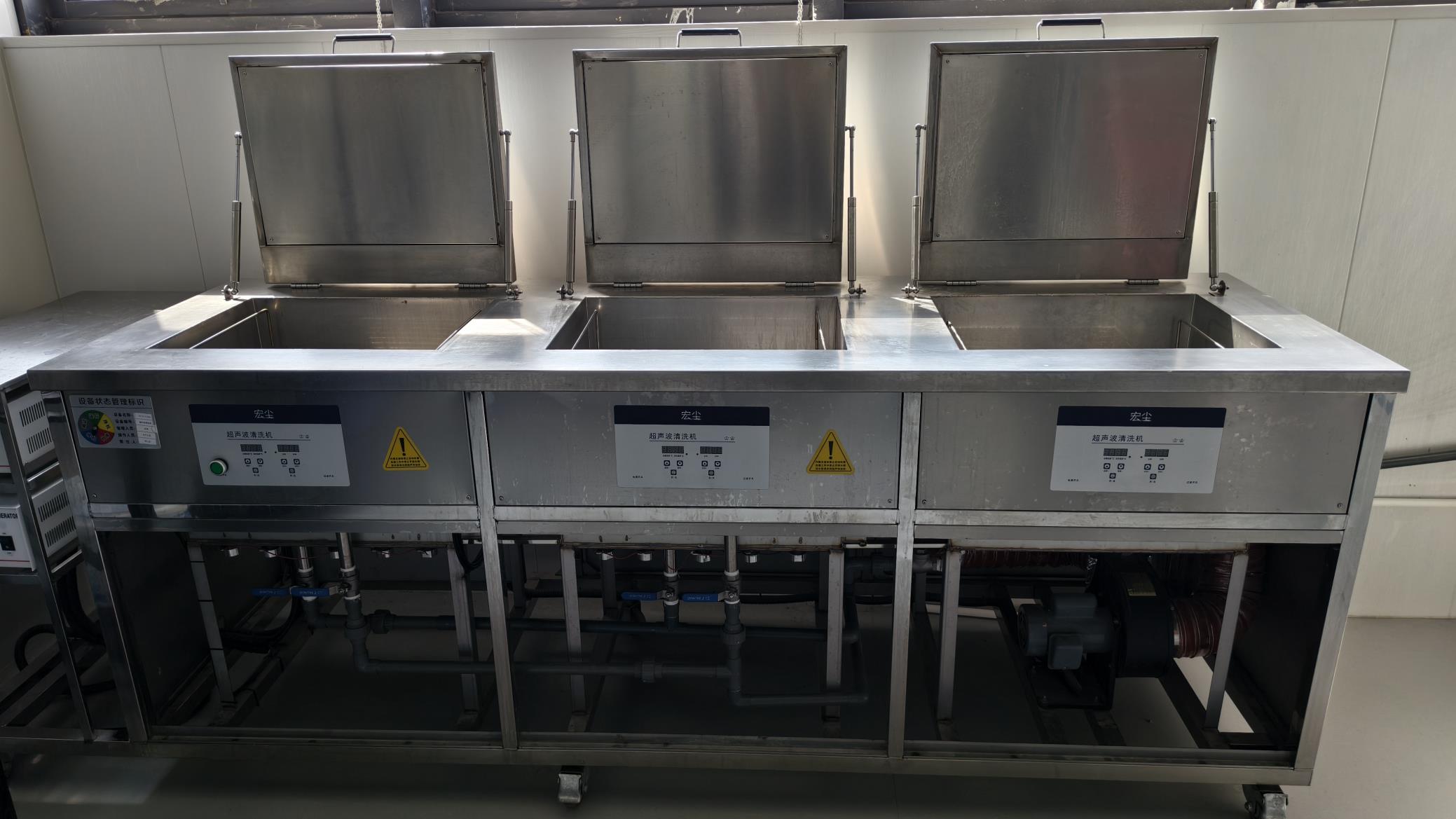
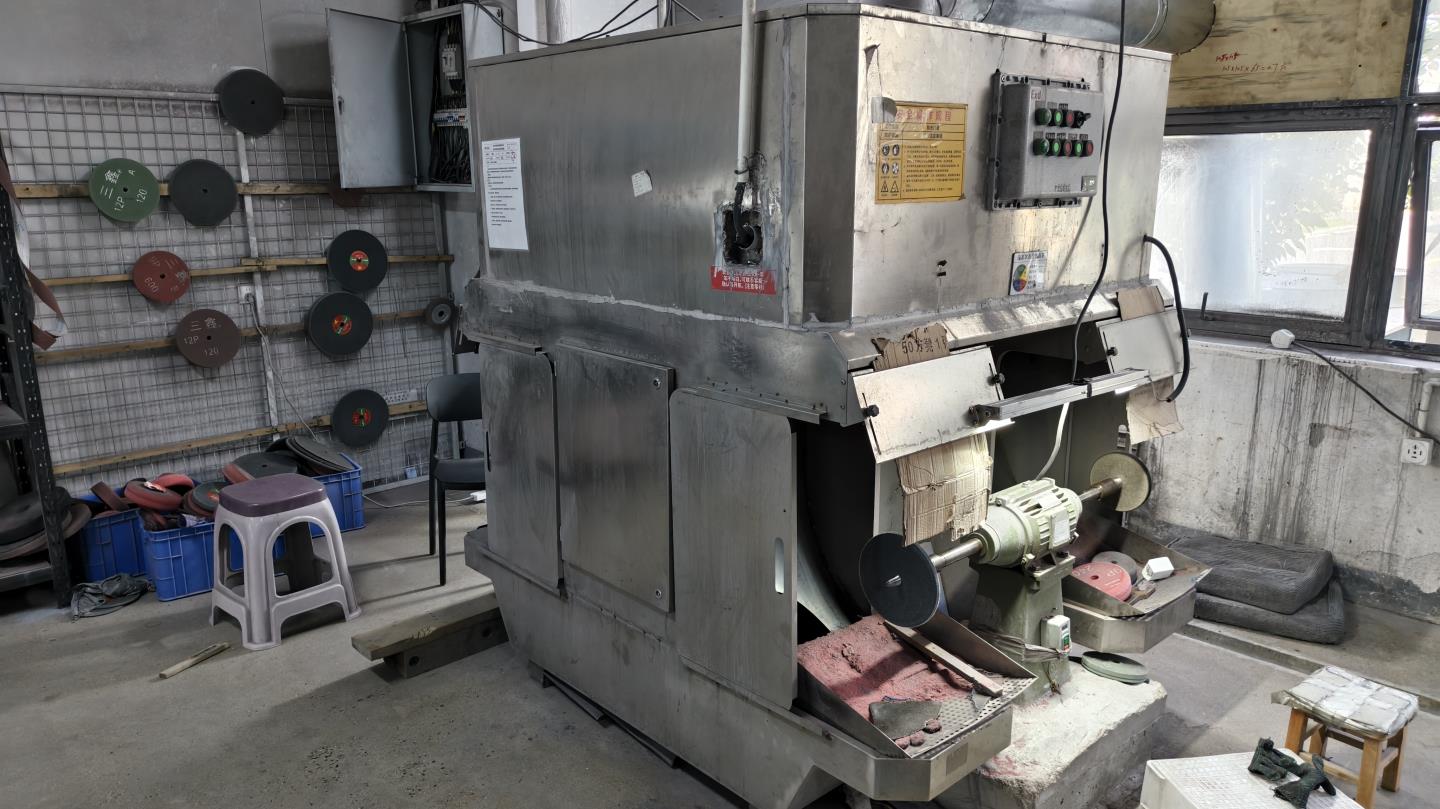
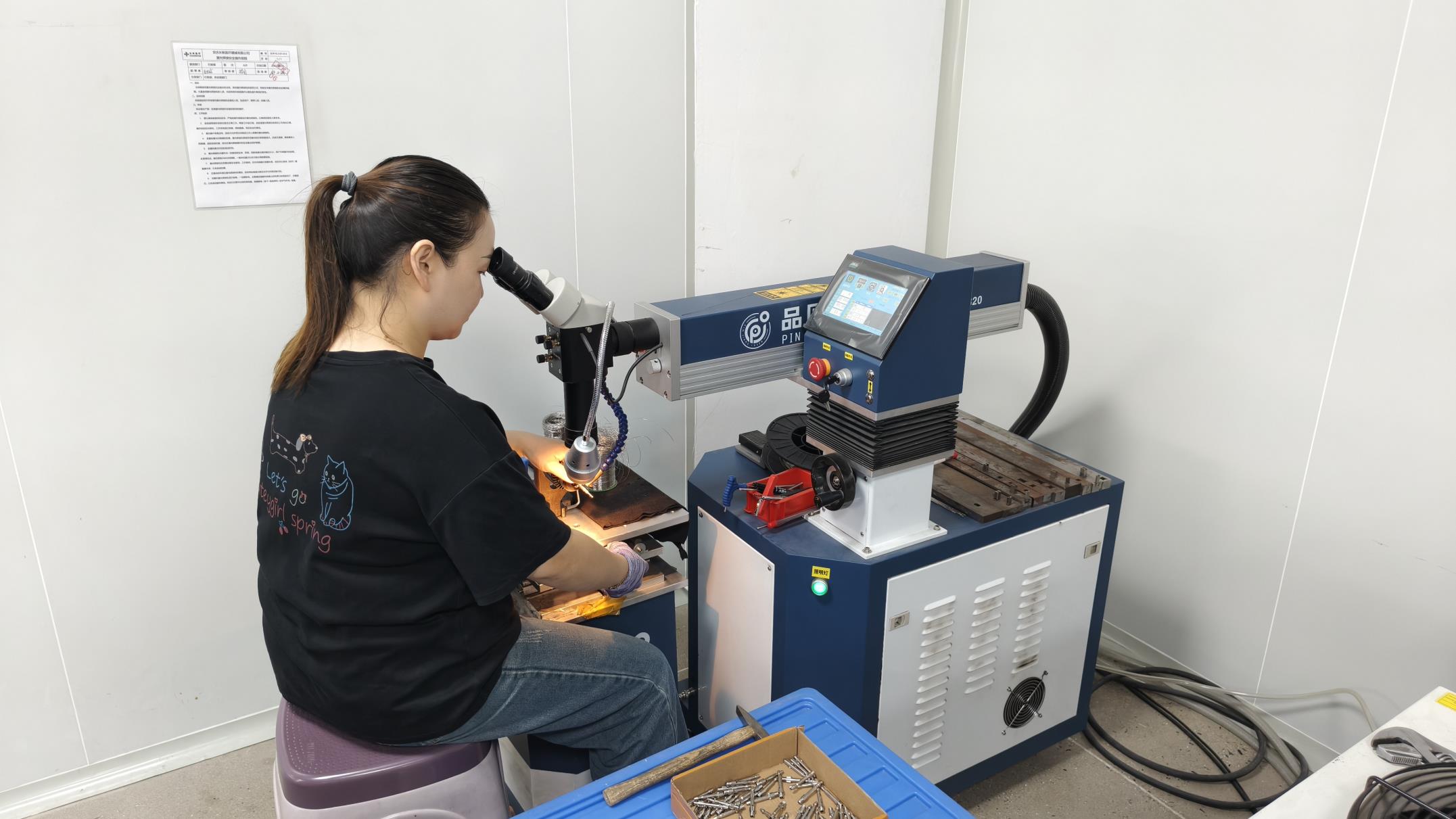
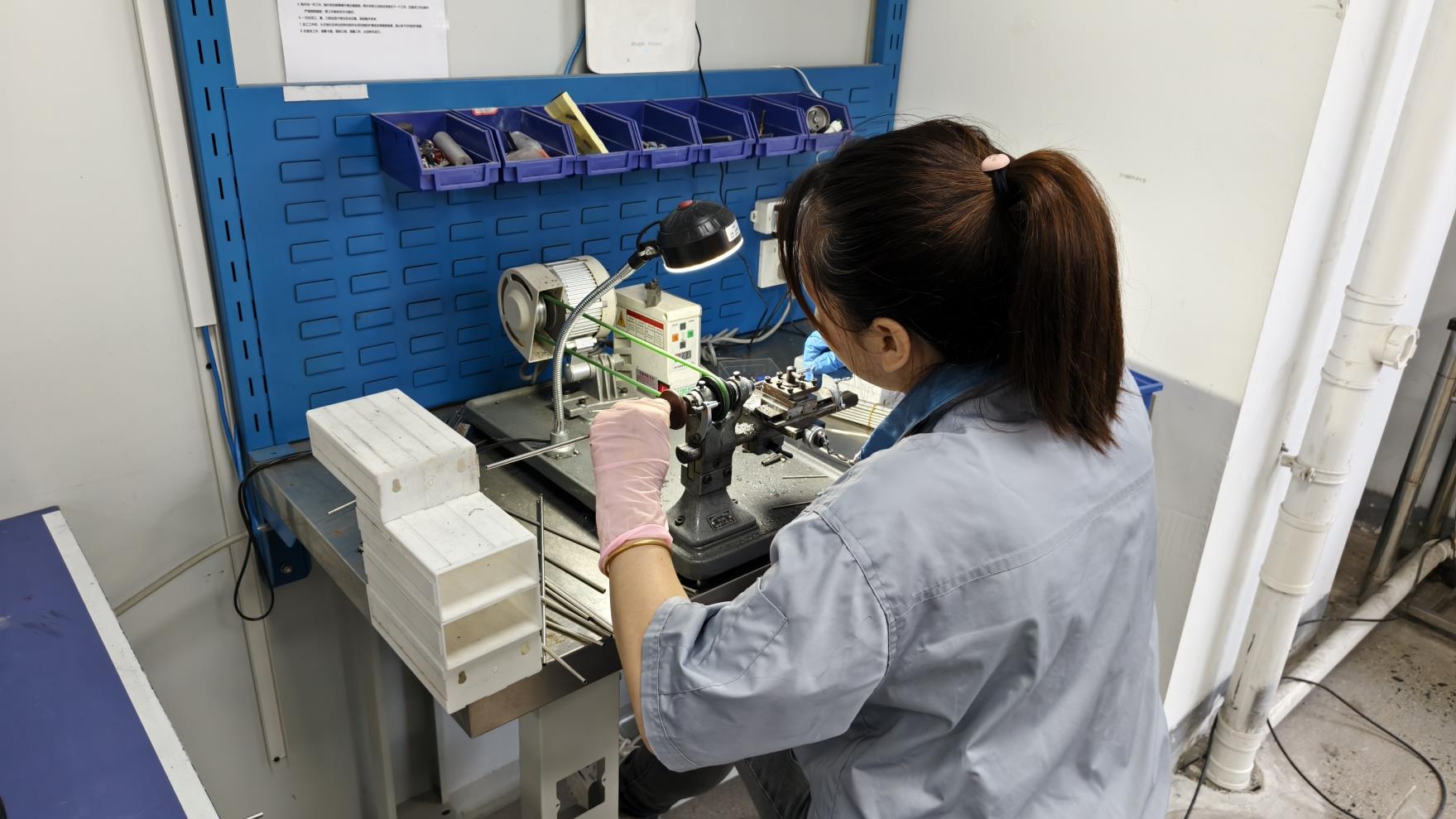
A detailed look into our specialized manufacturing processes, showcasing how we achieve micron-level precision and cleanroom sterilization.
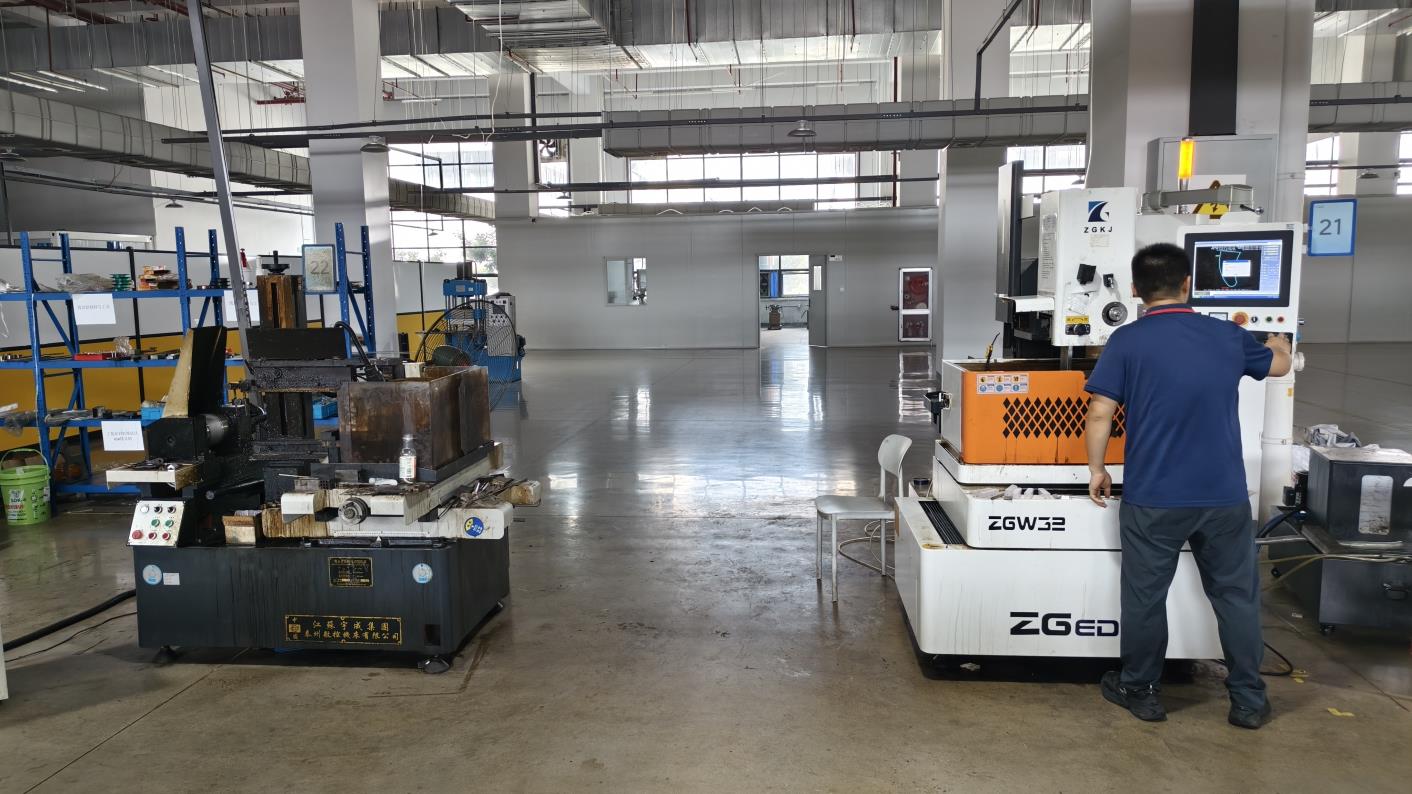
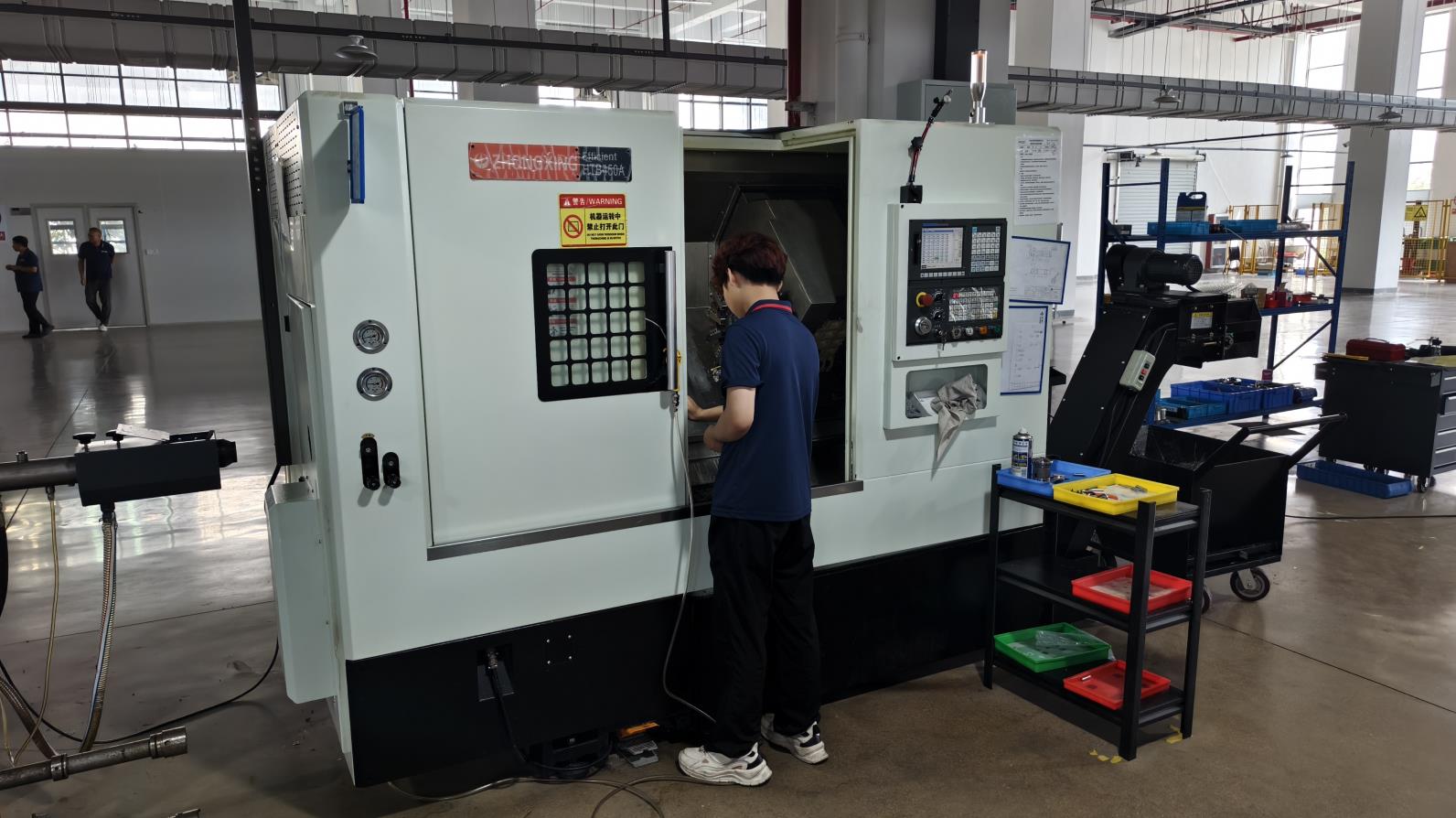
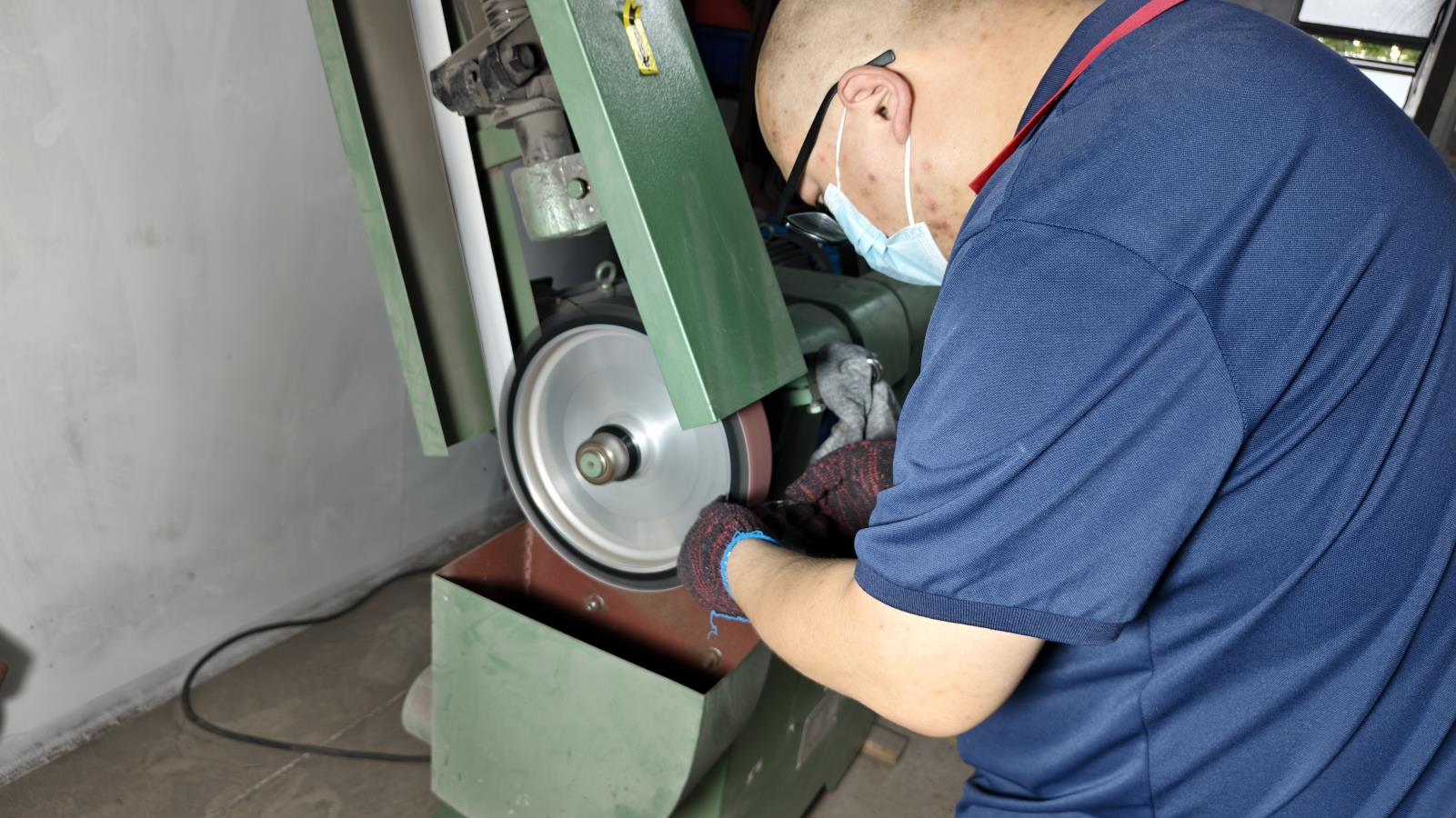
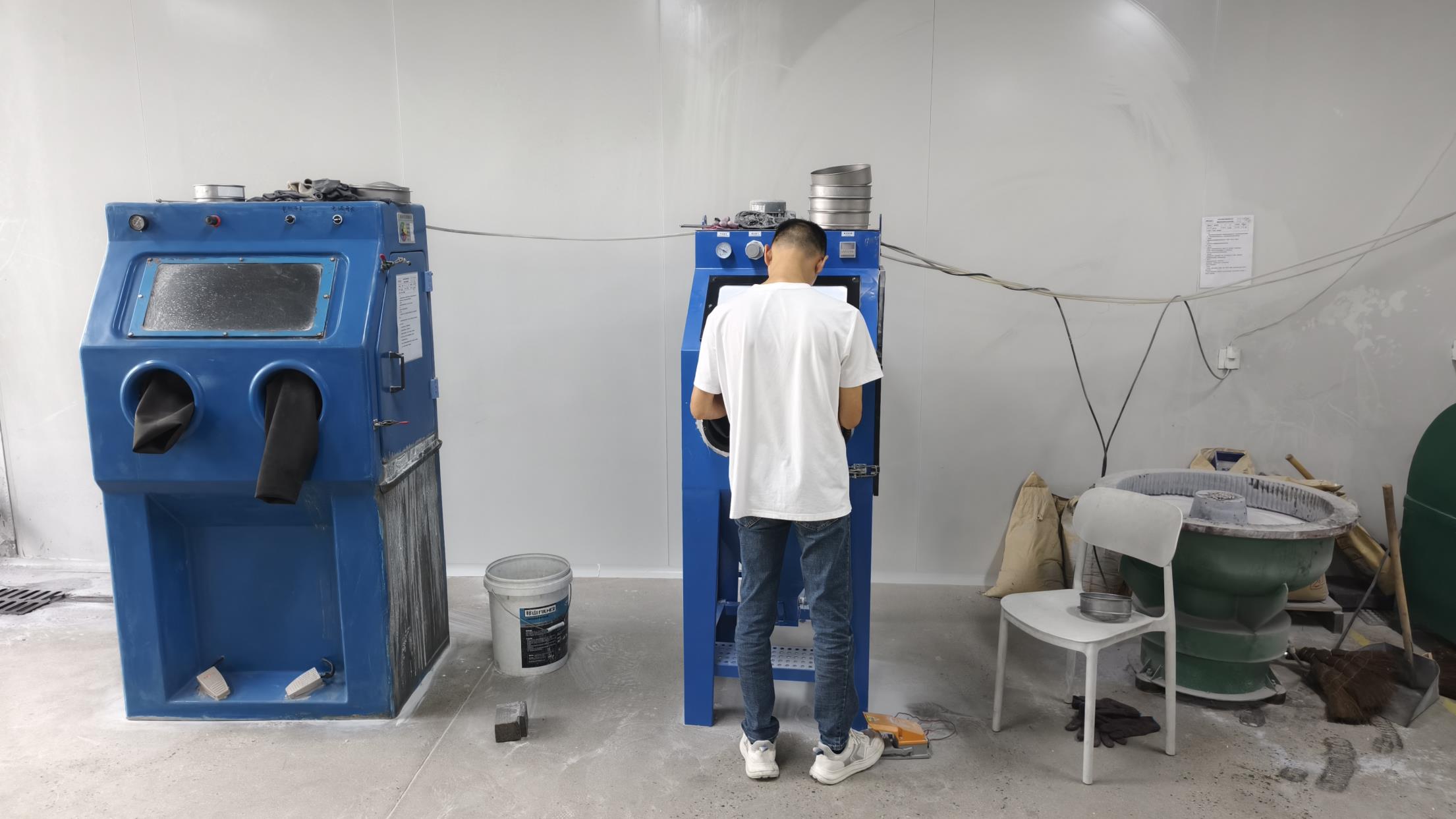
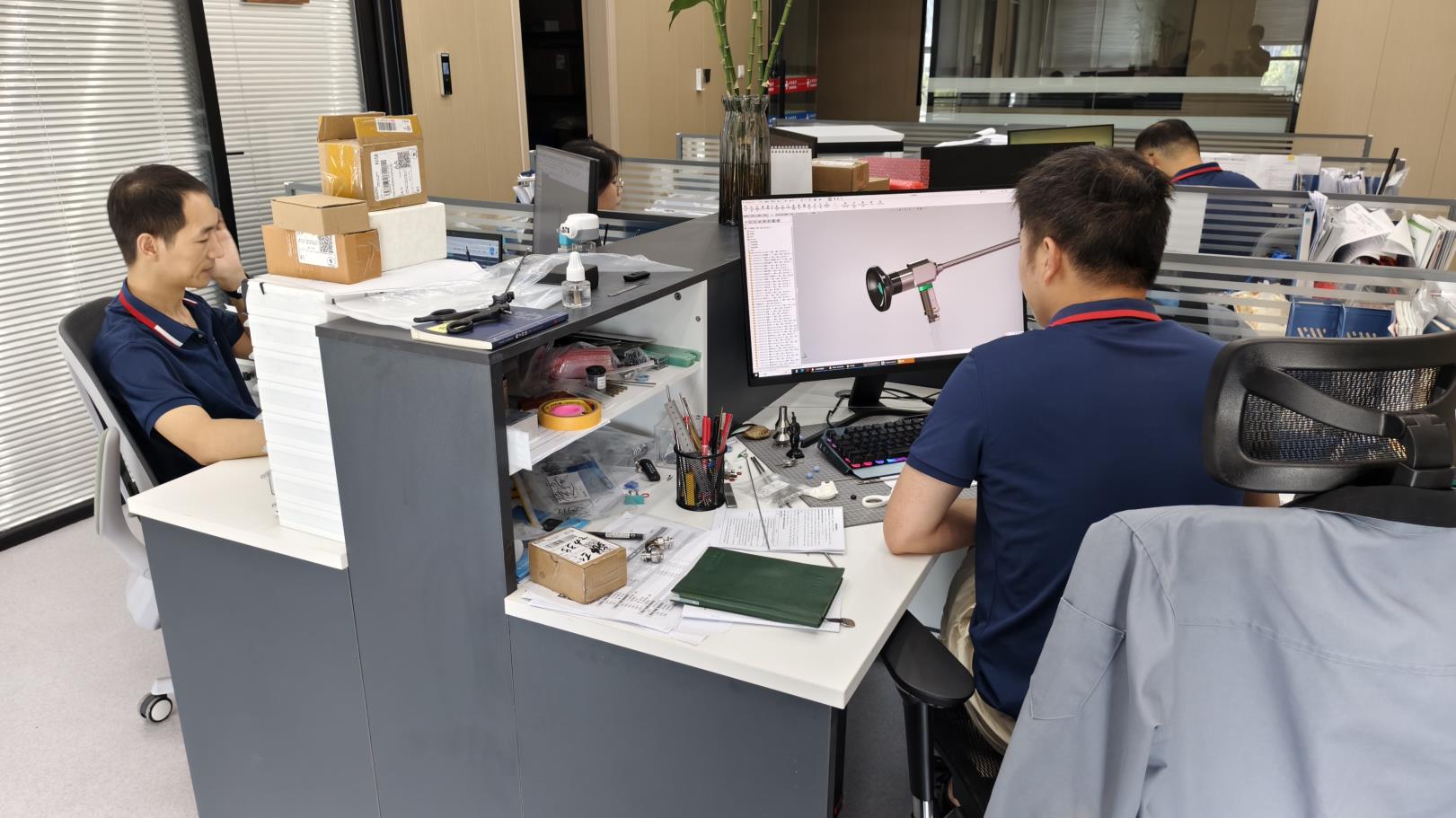
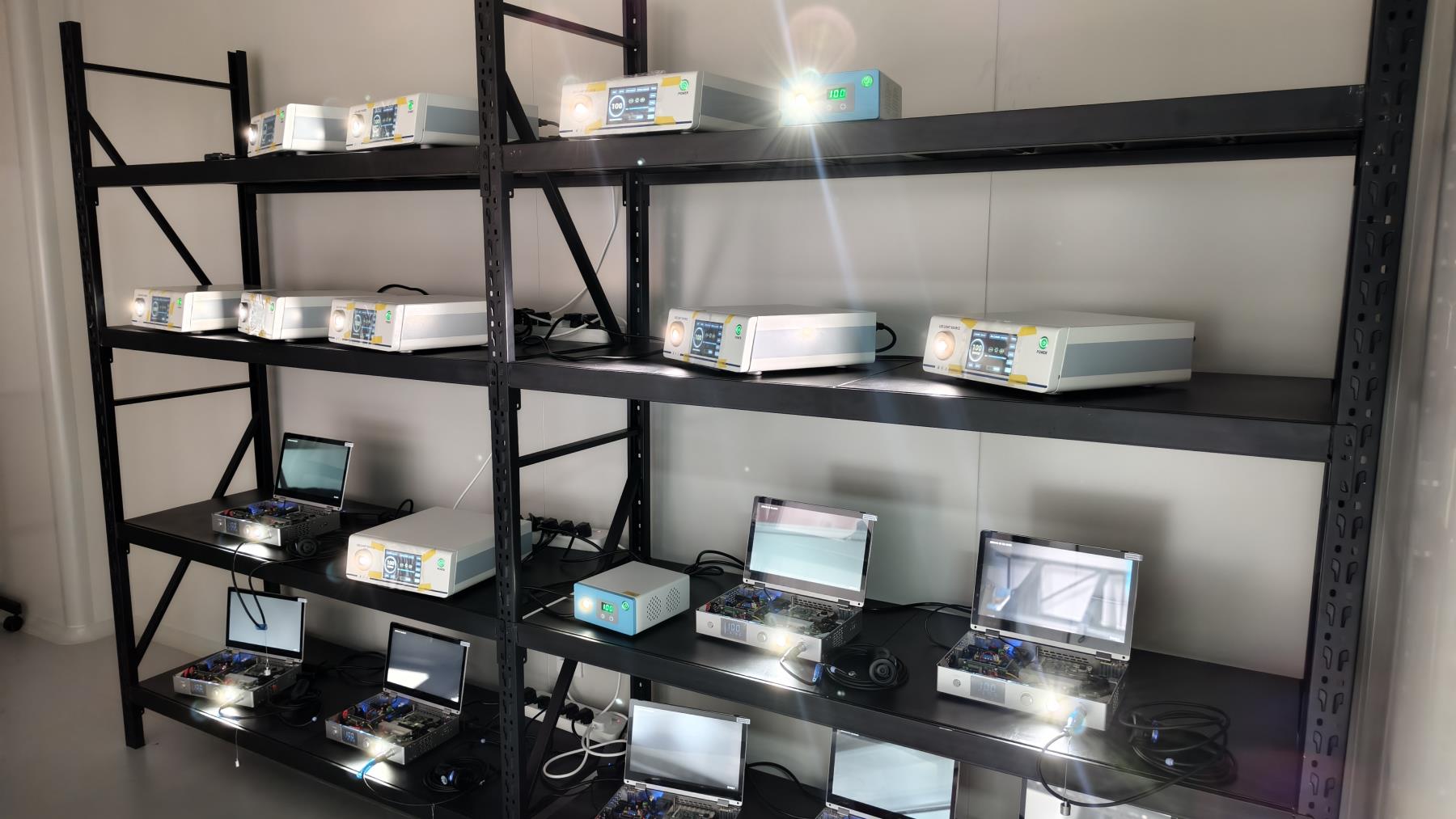
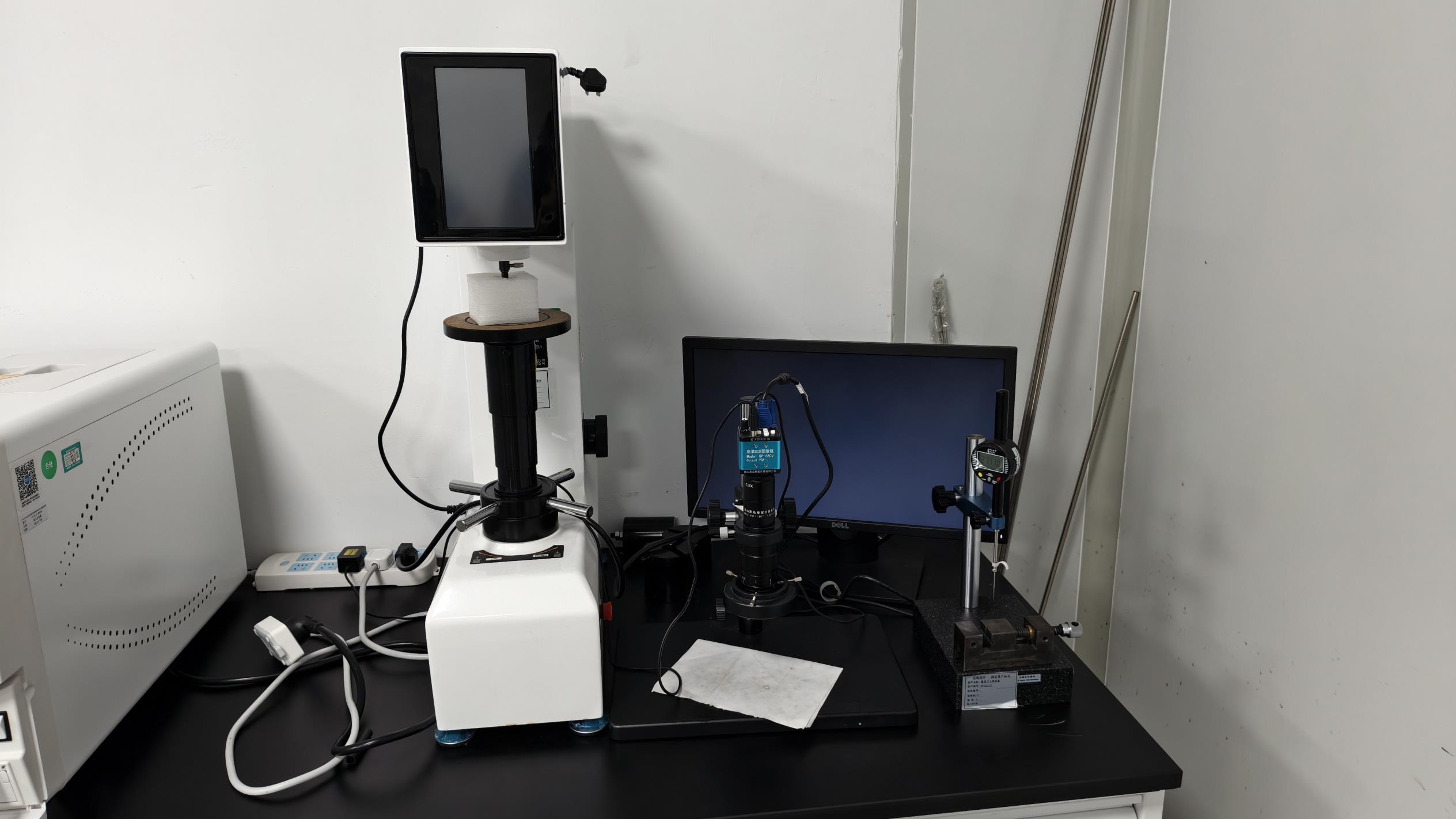
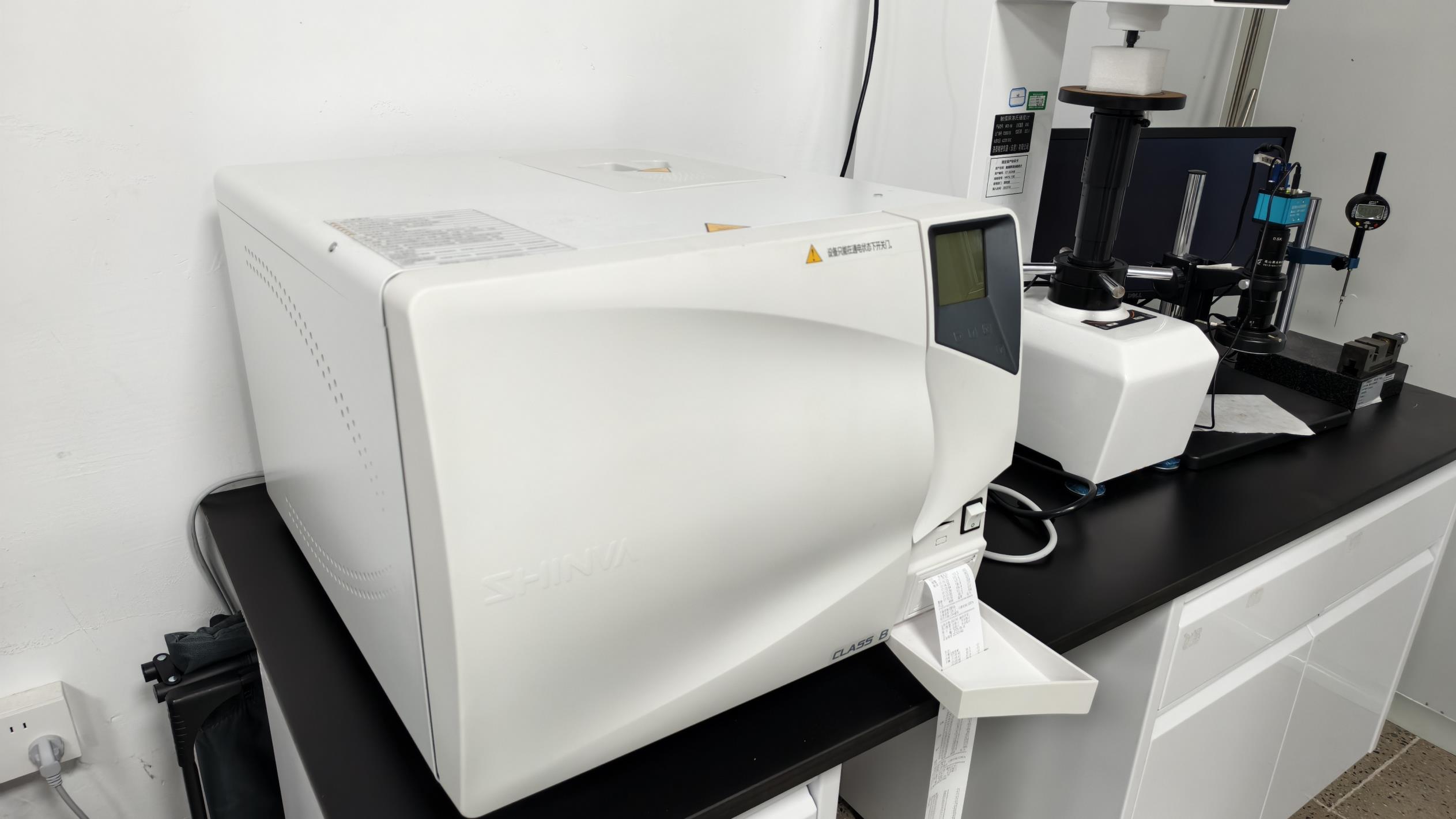
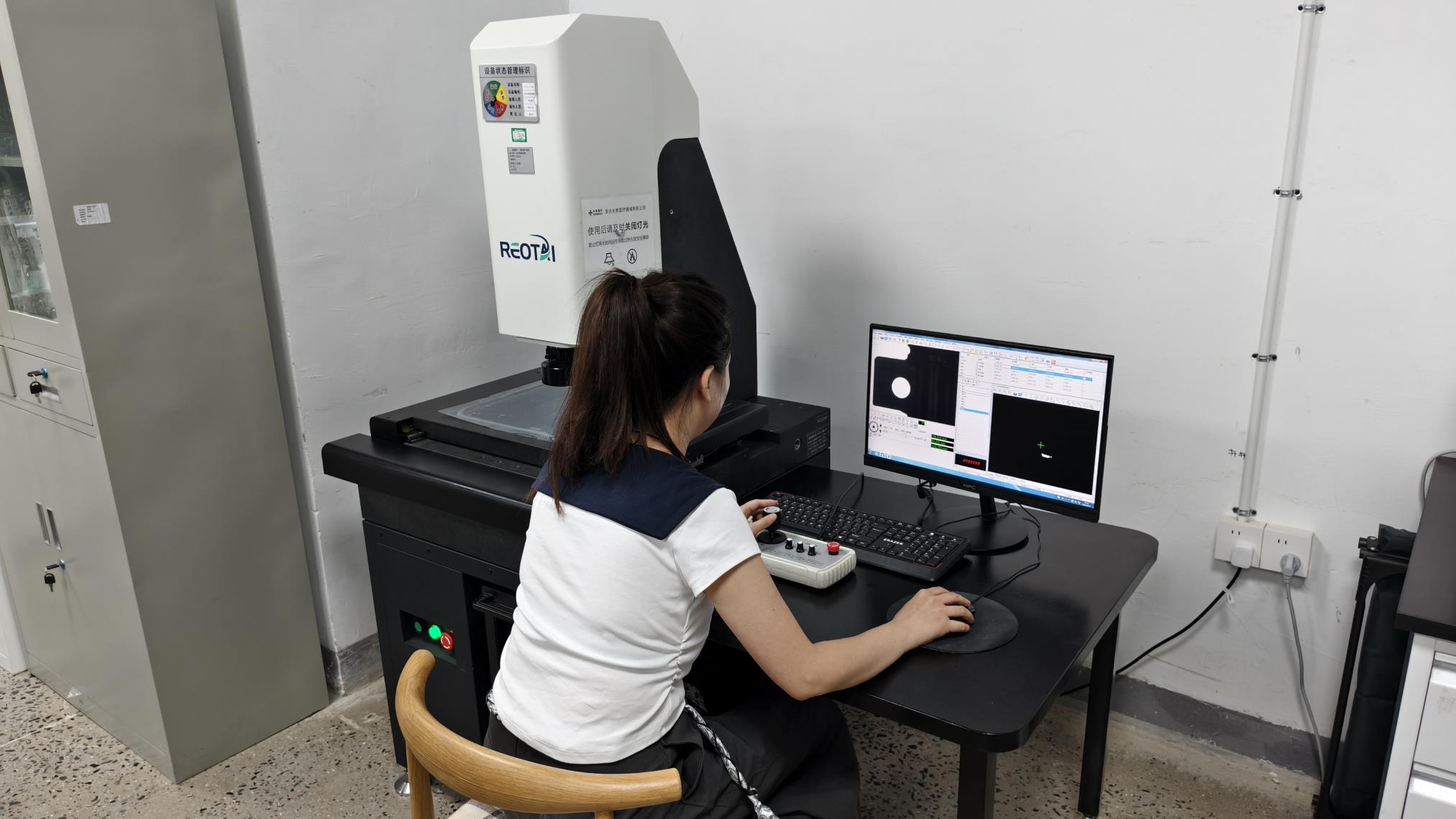
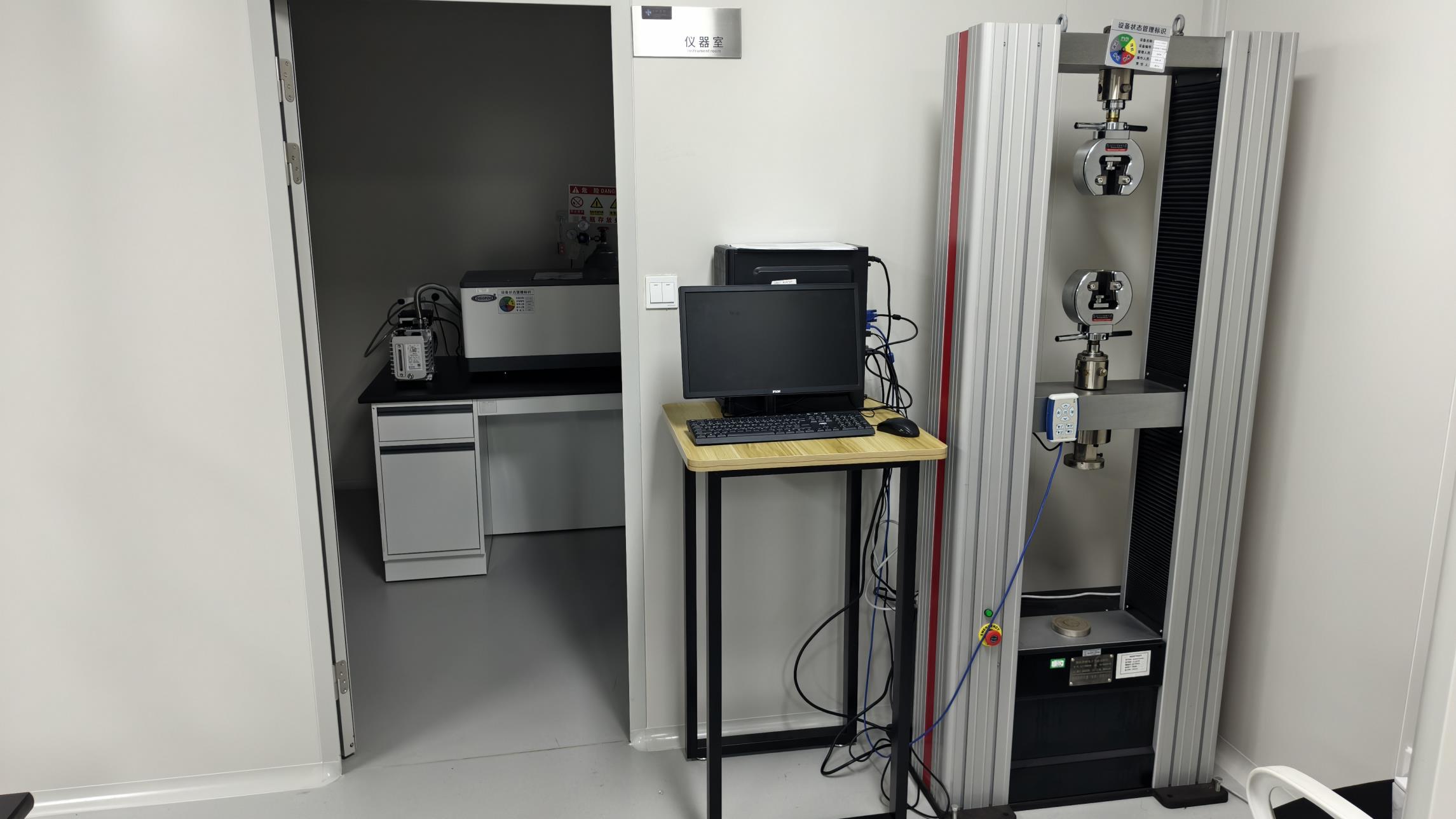
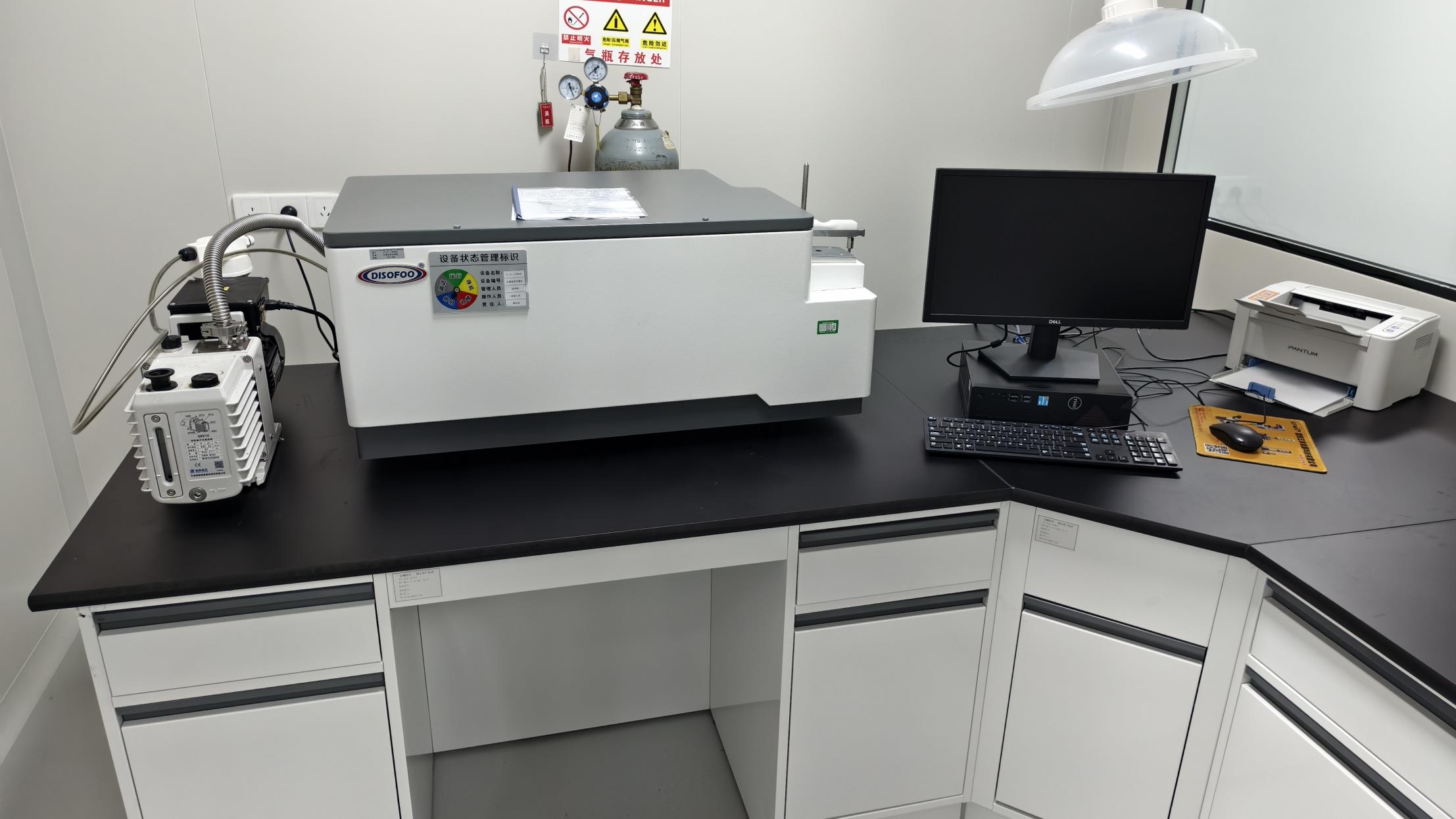
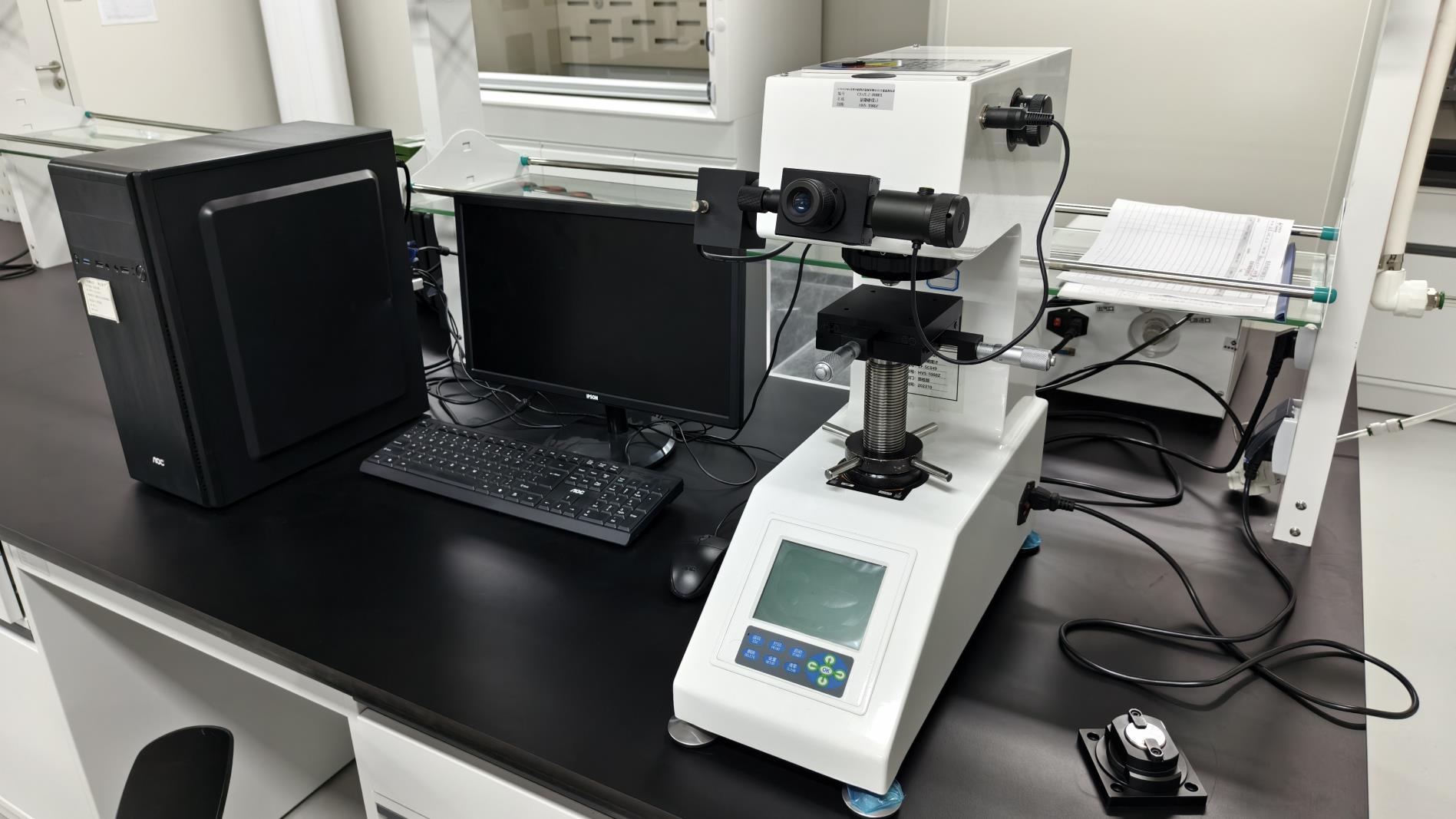
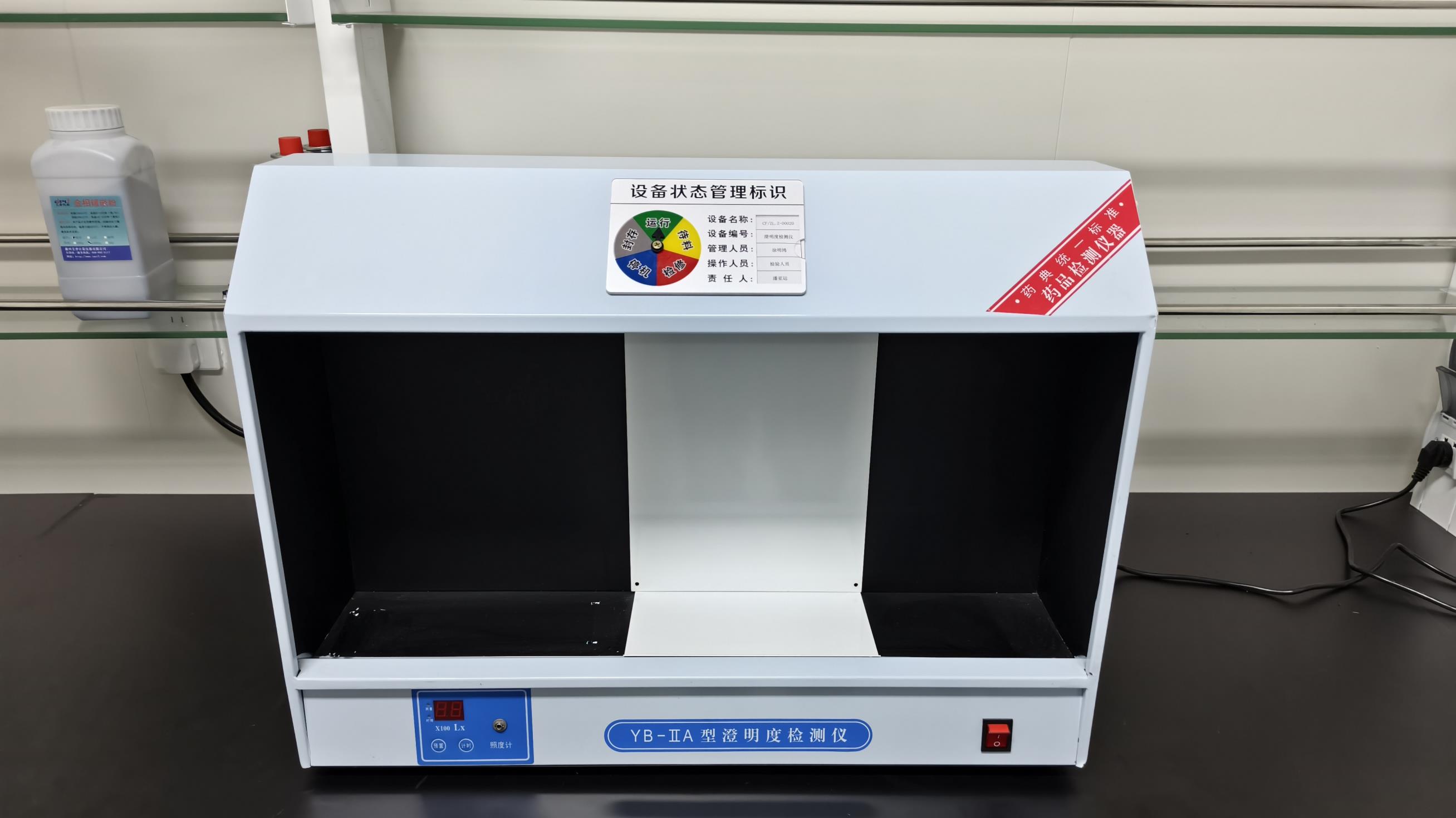
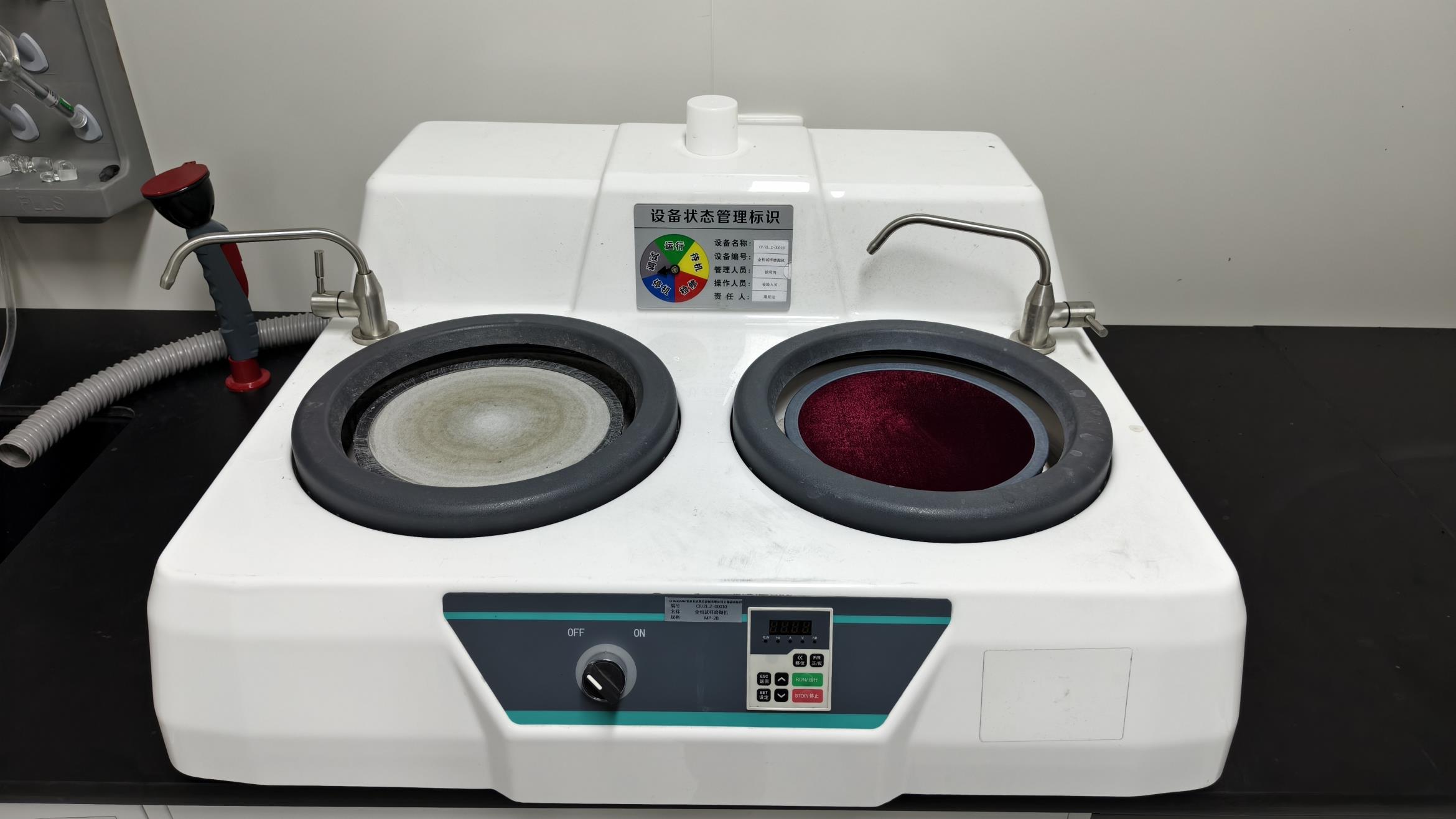
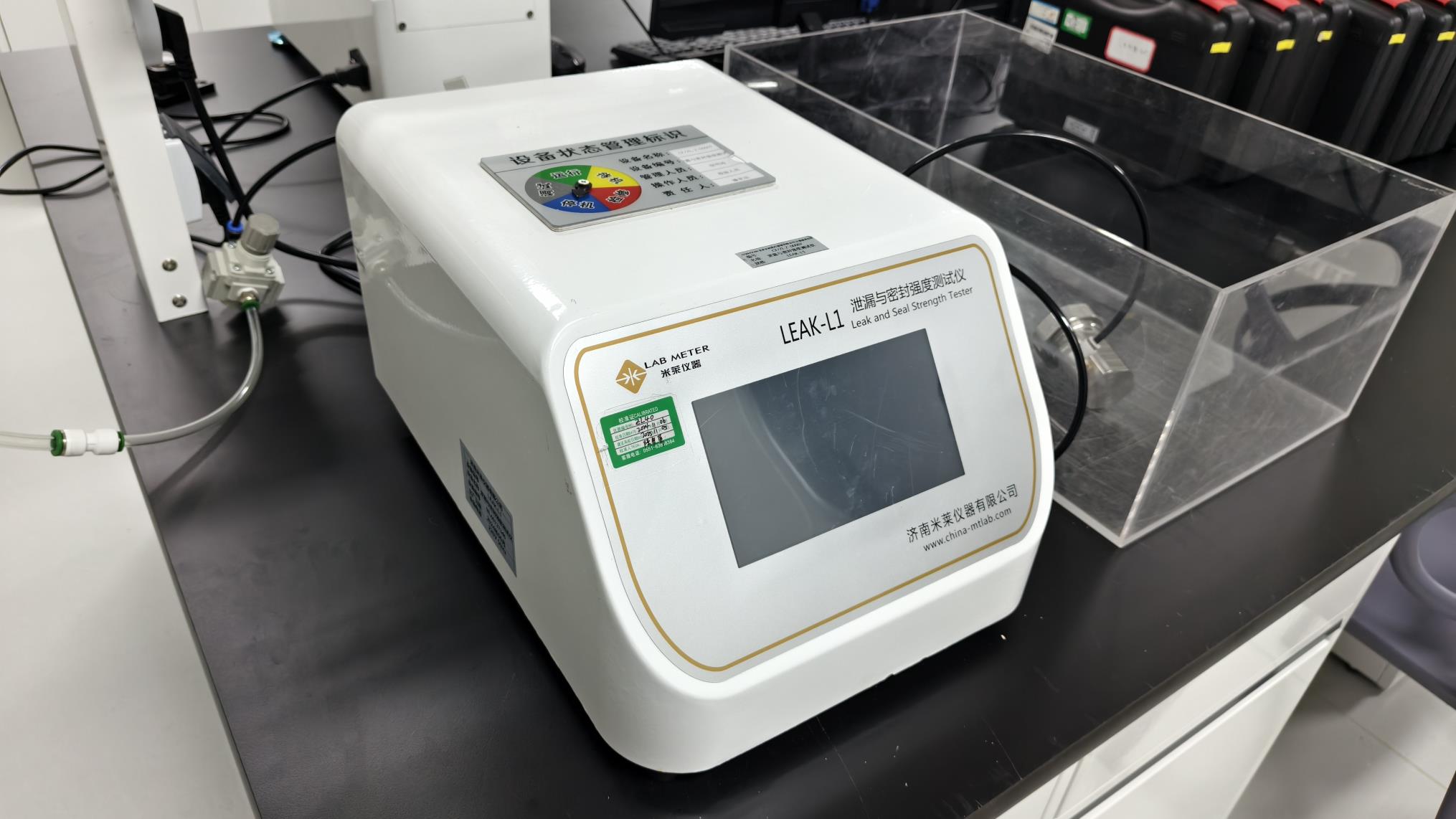
Ensuring absolute compliance with strict medical device directives across global health jurisdictions.
Exporting implantable Class III medical devices requires strict compliance with international regulatory standards. Zynfuse Medical operates under a certified quality management system compliant with ISO 13485, ensuring traceabilty from raw material receipt through CNC machining, validation testing, cleaning, cleanroom packaging, and sterilization validation.
| Regulatory Standard | Compliance Parameter | Verification Method / Tooling |
|---|---|---|
| ASTM F2026 | Standard Specification for implantable PEEK polymers in surgical devices. | FTIR Spectrometry and DSC Thermal Analysis verification. |
| ISO 13485:2016 | Quality management systems for the design and manufacture of medical devices. | BSI / SGS third-party system registration and surveillance audits. |
| ASTM F2077 & F2267 | Static and dynamic compression, shear, and subsidence testing of interbody fusion devices. | Servo-hydraulic fatigue testers, simulating 5 million cycles. |
| ISO 10993 | Biological evaluation of medical devices (systemic toxicity, cytotoxicity, sensitization). | In vitro and in vivo biocompatibility screening protocols. |
| Cleanroom ISO Class 7/8 | Controlled particulate and microbiological environments during packaging. | Air flow velocity sensors, particle counters, and settle plates. |
Our custom OEM TLIF PEEK Cages are indicated for spinal fusion procedures in skeletally mature patients with degenerative disc disease (DDD) at one or two contiguous levels of the lumbar spine (L2-S1).
A successful TLIF procedure depends on correct restoration of disc height and lumbar lordosis, which helps optimize foraminal decompression and balance structural load across the spinal column.
Our implants feature a bulleted nose design that eases insertion through a unilateral posterior approach. The aggressive, bi-directional serrations on the top and bottom surfaces provide immediate mechanical resistance to migration or expulsion. The large, open grafting chamber allows for maximum packing of autograft or bone graft substitutes, which helps facilitate rapid, thorough bone bridging through the center of the cage.
Developing next-generation biomimetic designs and active surface treatments to enhance bone integration.
Developing fully porous micro-structures that mimic the natural cell size of trabecular bone. This design allows bone to grow directly into the implant, improving mechanical stability at the bone-implant interface.
Applying a thin, porous titanium coating to PEEK implants. This hybrid design combines the stiffness match of PEEK with the osteoconductive advantages of titanium for better healing.
Integrating continuous carbon fibers into the PEEK polymer matrix. This structure provides high fatigue resistance for patients needing long-term structural spine support.
Expert answers addressing the critical manufacturing, engineering, and compliance requirements of global buyers.
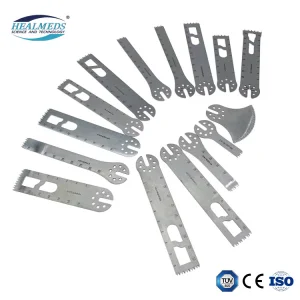
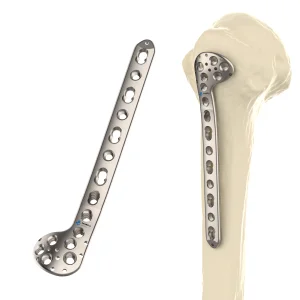
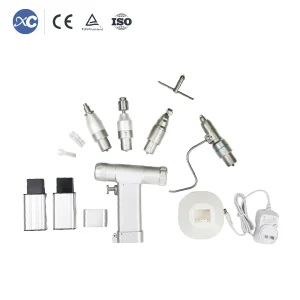
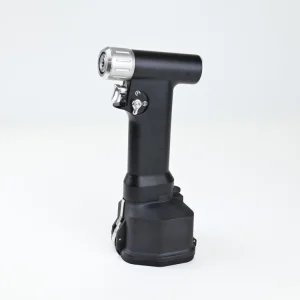
High-precision trauma plates, intramedullary locking systems, and advanced power tools for demanding surgical procedures.