Zynfuse
Zynfuse
Zynfuse
High-precision orthopedic implants, surgical tools, and power systems manufactured under rigorous international quality frameworks.
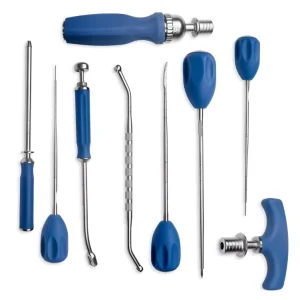
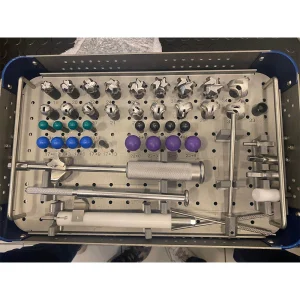
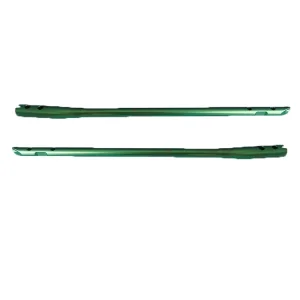
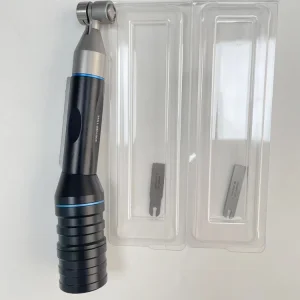
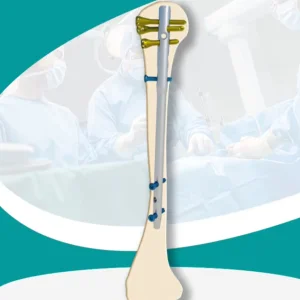
Modern orthopedic trauma management increasingly relies on retrograde intramedullary nailing for the stabilization of distal femoral fractures, supracondylar fractures, and complex peri-articular injuries. Unlike anterograde approaches, retrograde insertion bypasses the proximal femur, optimizing entry geometry through the intercondylar notch. This minimizes gluteal morbidity, preserves proximal soft tissue, and presents a biomechanically sound solution for patients with ipsilateral hip fractures, prior hip prostheses, or severe obesity.
To support these complex surgeries, global distributors and orthopedic implant brands require a highly reliable manufacturing partner. Zynfuse Medical Technology Co., Ltd. stands at the forefront of this space. Established in 2016, we integrate over 12 years of industry experience and 7 years of specialized export expertise to manufacture premium titanium alloy and stainless steel retrograde nail systems.
Our modern manufacturing facility spans over 18,600 m², powered by automated production machinery and strict testing processes. Through scientific research and continuous technical refinement, we ensure every custom OEM retrograde femoral nail meets global biomechanical thresholds, improving surgical outcomes and patient recovery timelines.
Tailoring geometric configurations, screw alignment directions, and advanced material characteristics to fit regional clinical variations.
A standard retrograde nail does not suit every anatomical archetype. For example, East Asian populations exhibit greater femoral anterior curvature compared to Western populations. Zynfuse overcomes this limitation by offering precise customizations of insertion radius, distal bend angle, and locking configurations to fit specific patient profiles.
| Feature Parameter | Standard Configurations | OEM Customization Options | Clinical Intent & Advantage |
|---|---|---|---|
| Implant Material | Ti-6Al-4V ELI (ASTM F136) | Stainless Steel 316LVM, PEEK composites | Ensures high fatigue strength and biocompatibility, reducing implant failure. |
| Nail Diameter | 9.0mm to 12.0mm (1.0mm increments) | Custom 8.0mm, 8.5mm, 13.0mm, 14.0mm | Accommodates varying intramedullary canal widths and bone density profiles. |
| Nail Length | 160mm to 420mm (20mm increments) | Variable fractional lengths or ultra-short nails | Spans the fracture site while preserving proximal/distal bone structures. |
| Distal Bend (Herzog Bend) | 5° or 6° anatomical curvature | 3° to 8° adjustable bends | Prevents penetration of the anterior cortex during retrograde entry. |
| Locking Configurations | Standard multi-planar static/dynamic locking | Polyaxial angle-stable locking options | Optimizes rotational stability in osteoporotic or comminuted distal bone. |
| Surface Treatments | Anodized (Type II / Type III) | Bioactive HA coatings, acid etched micro-topography | Reduces bacterial adhesion risk while optimizing bone contact stability. |
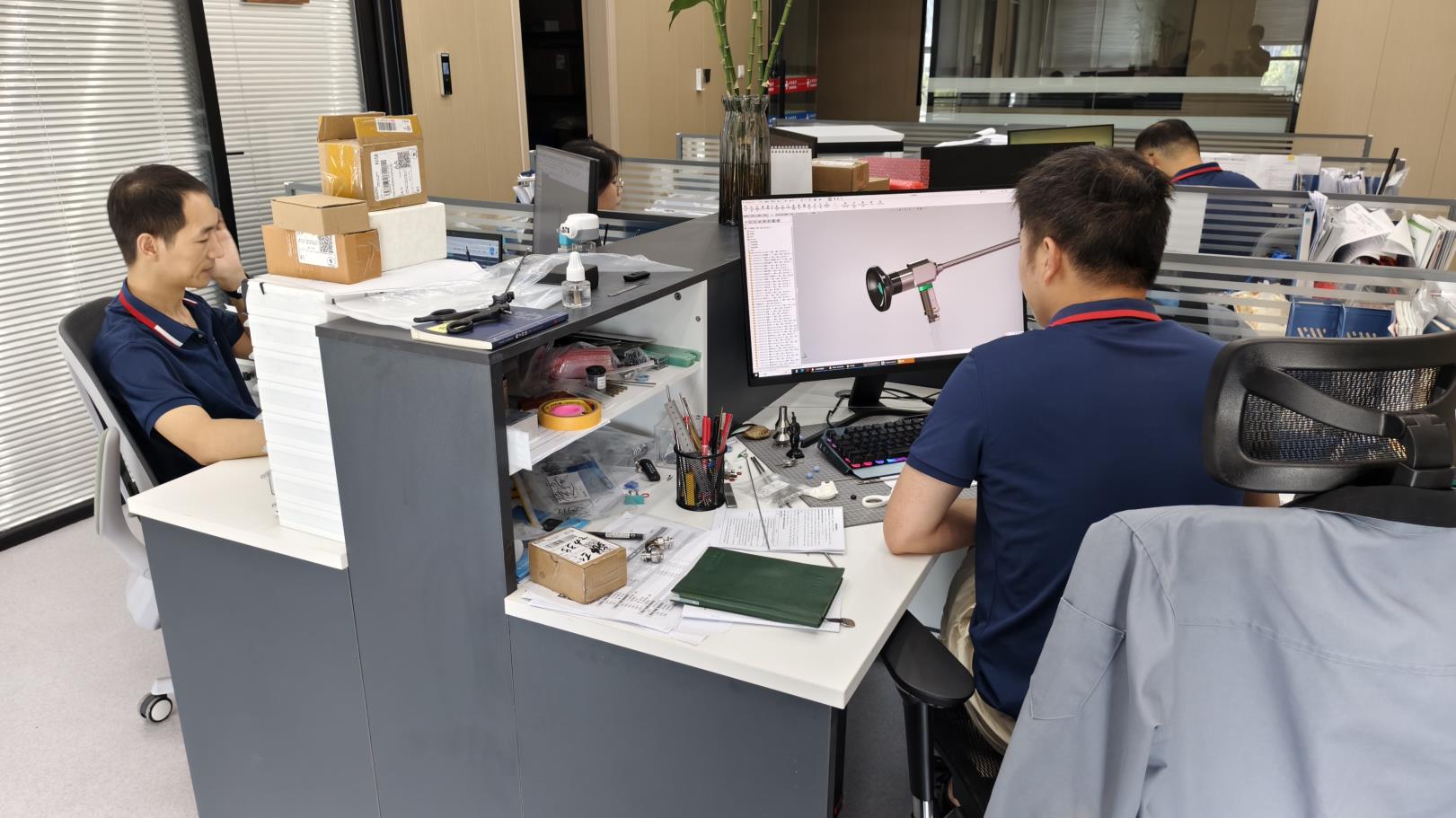
Step-by-step look inside Zynfuse's manufacturing facility, showing our equipment, validation steps, and assembly lines.
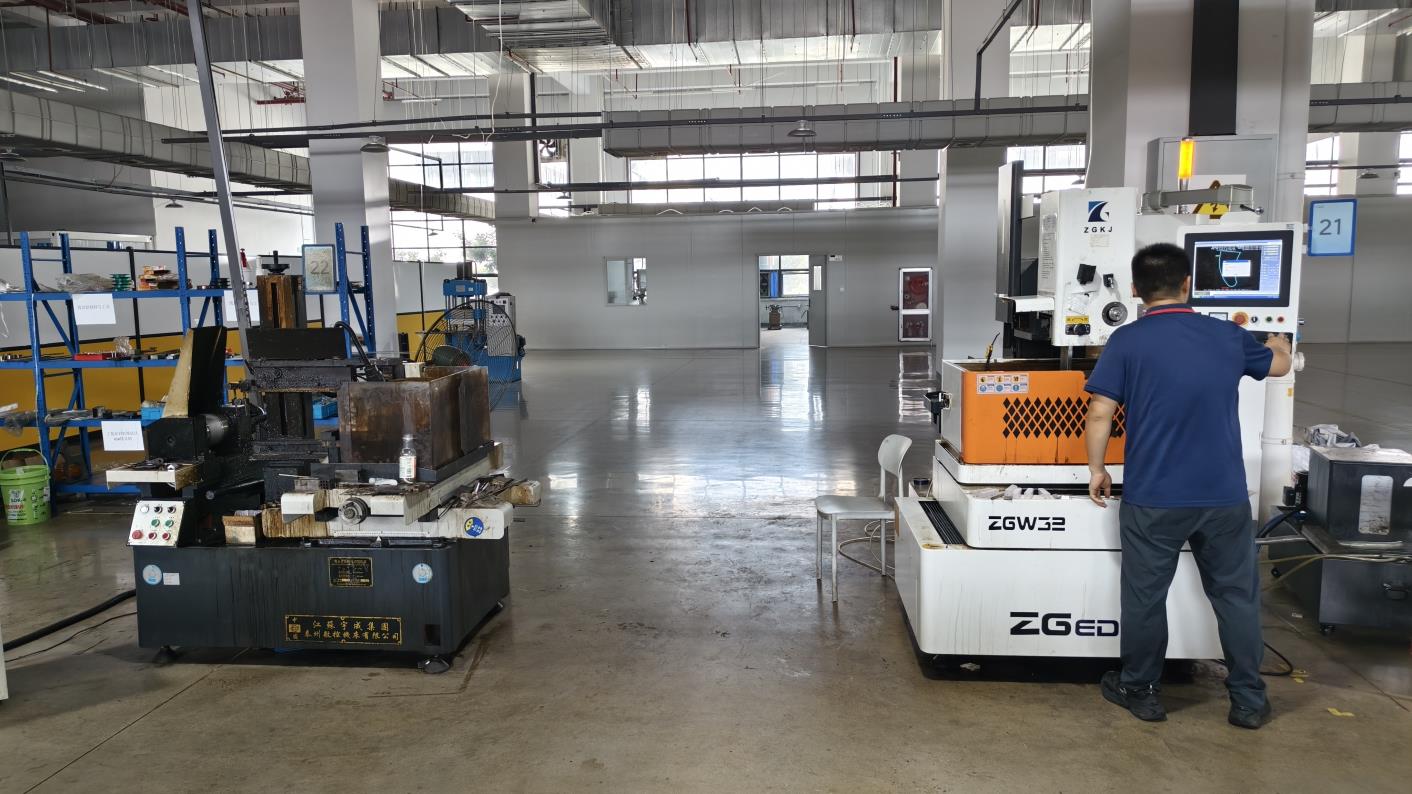
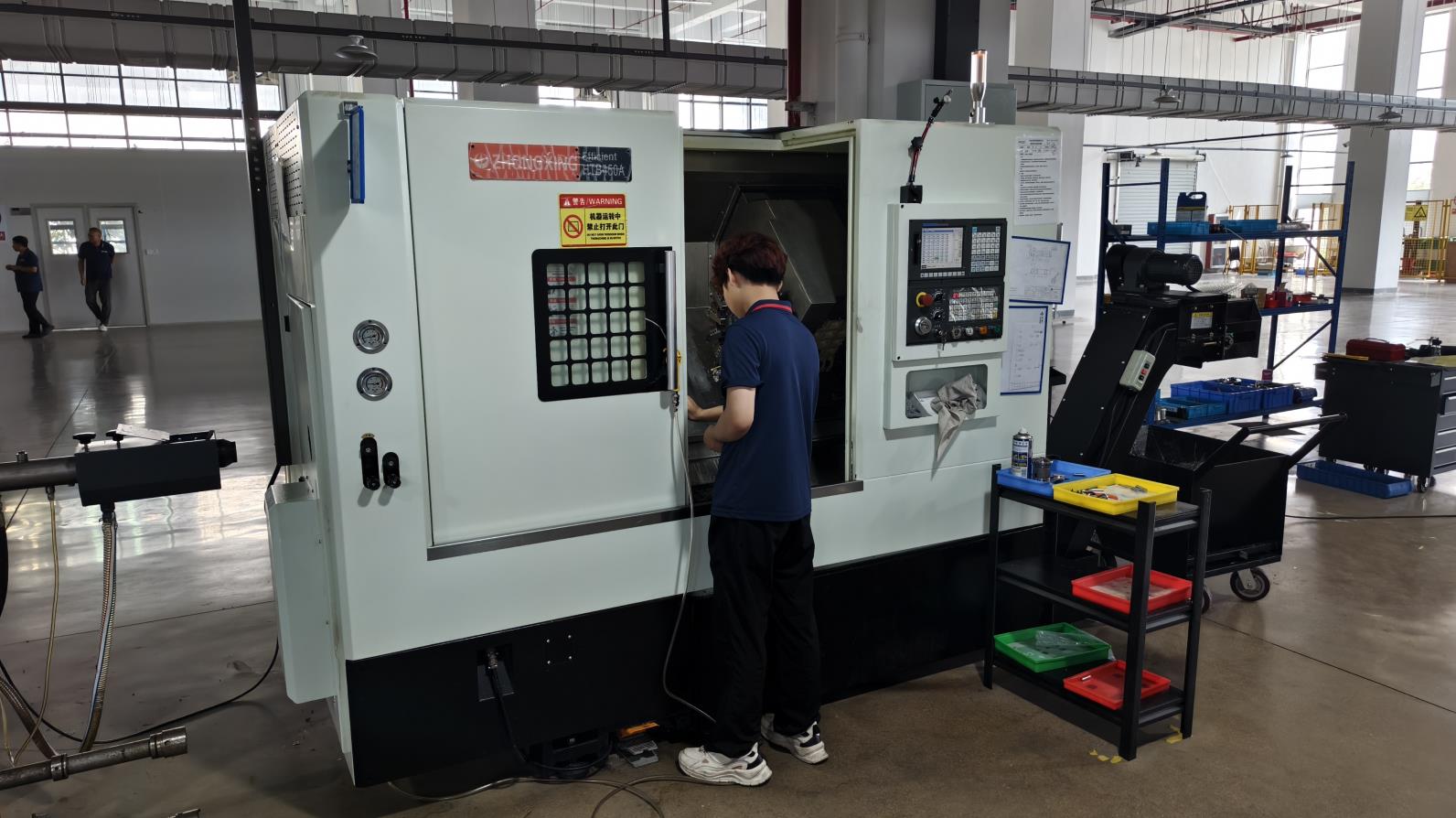
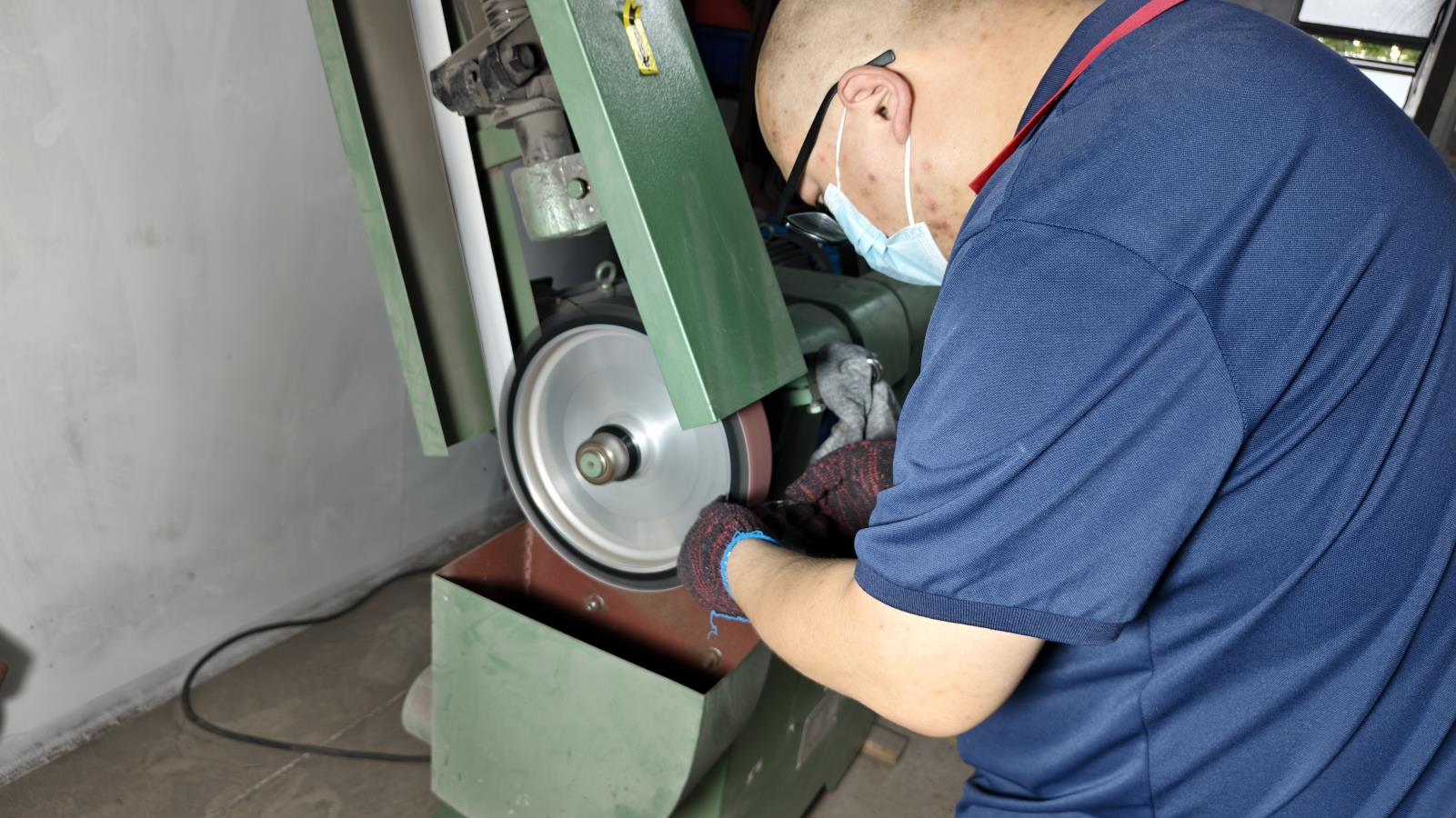
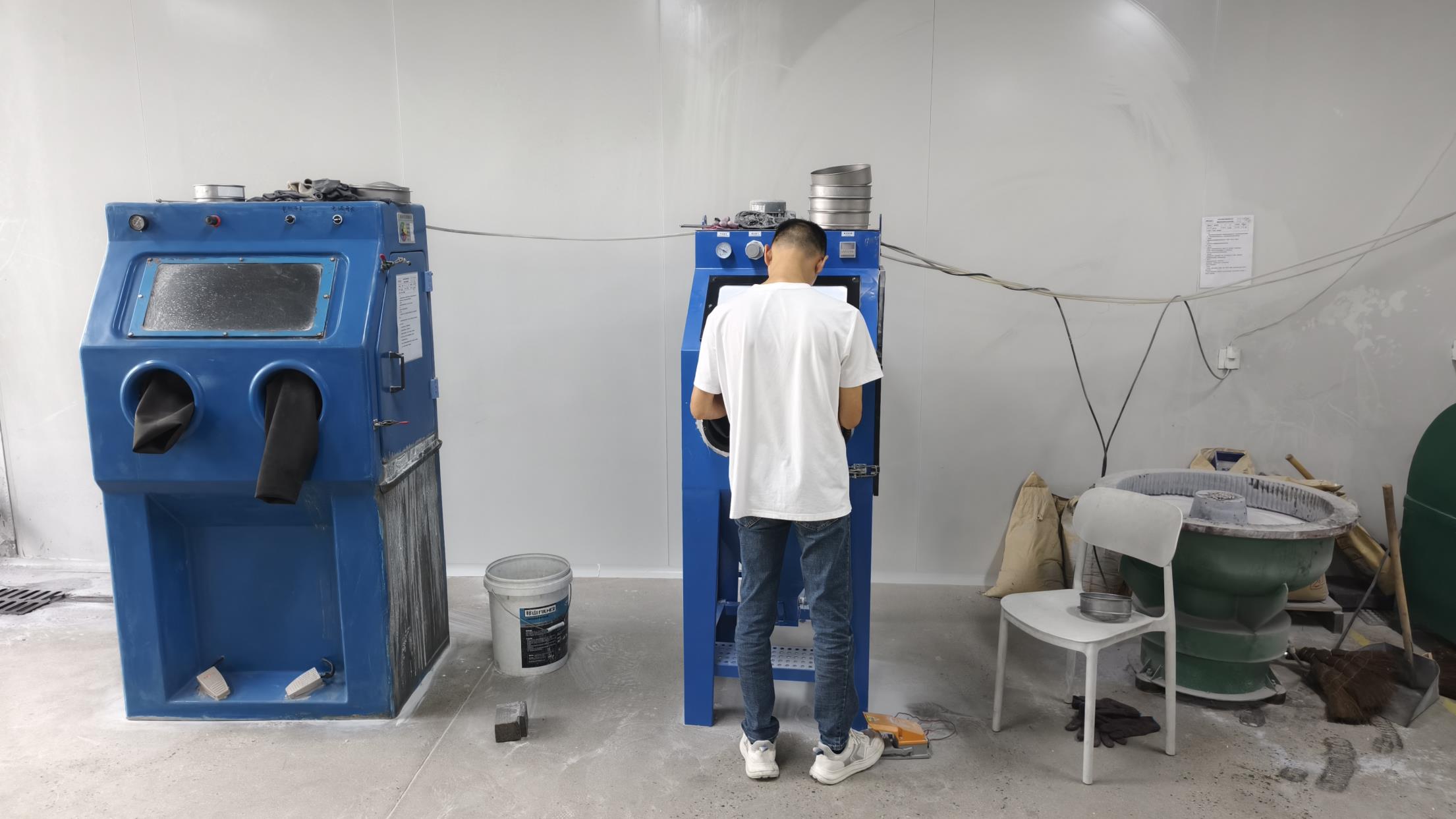
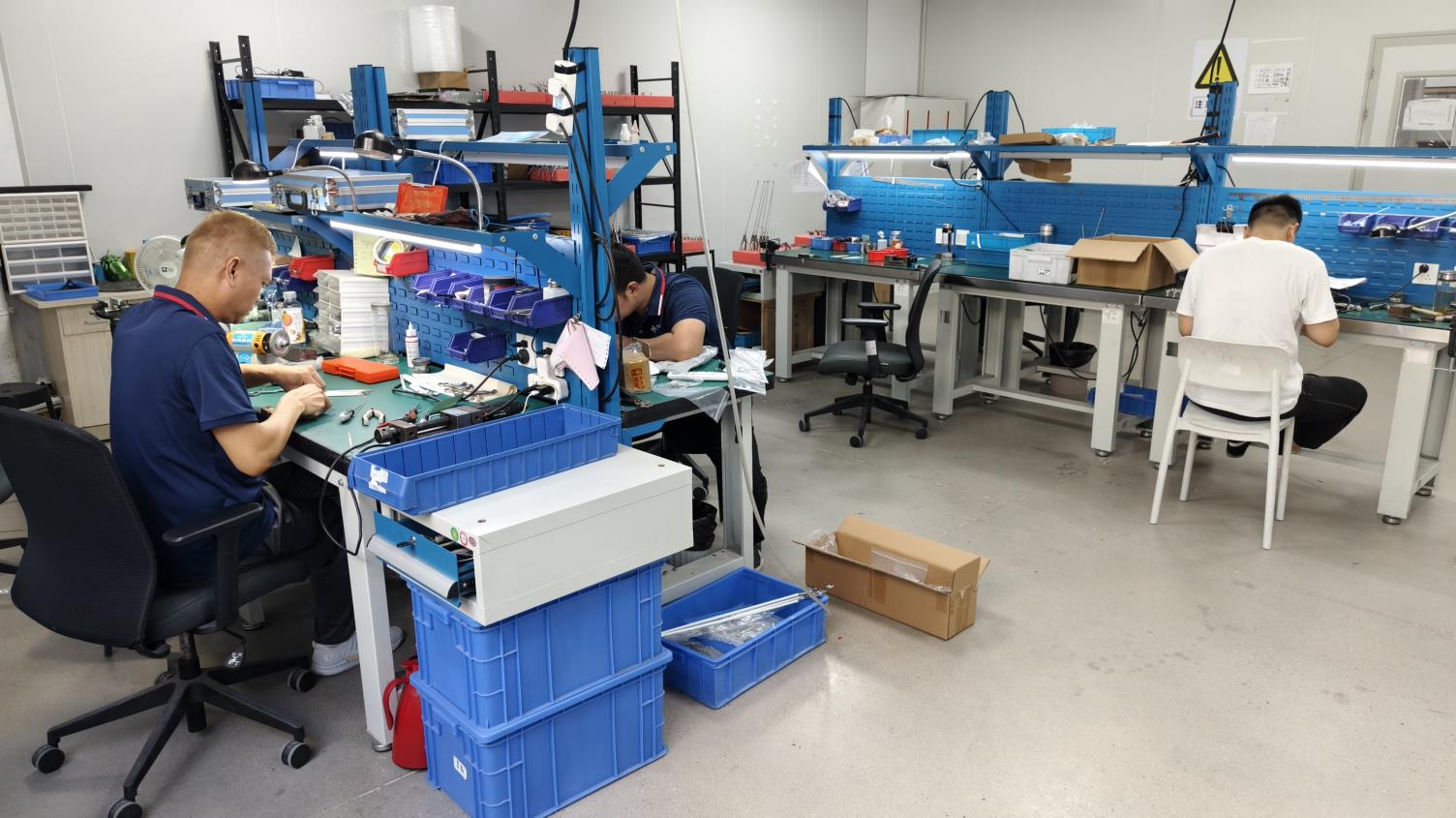
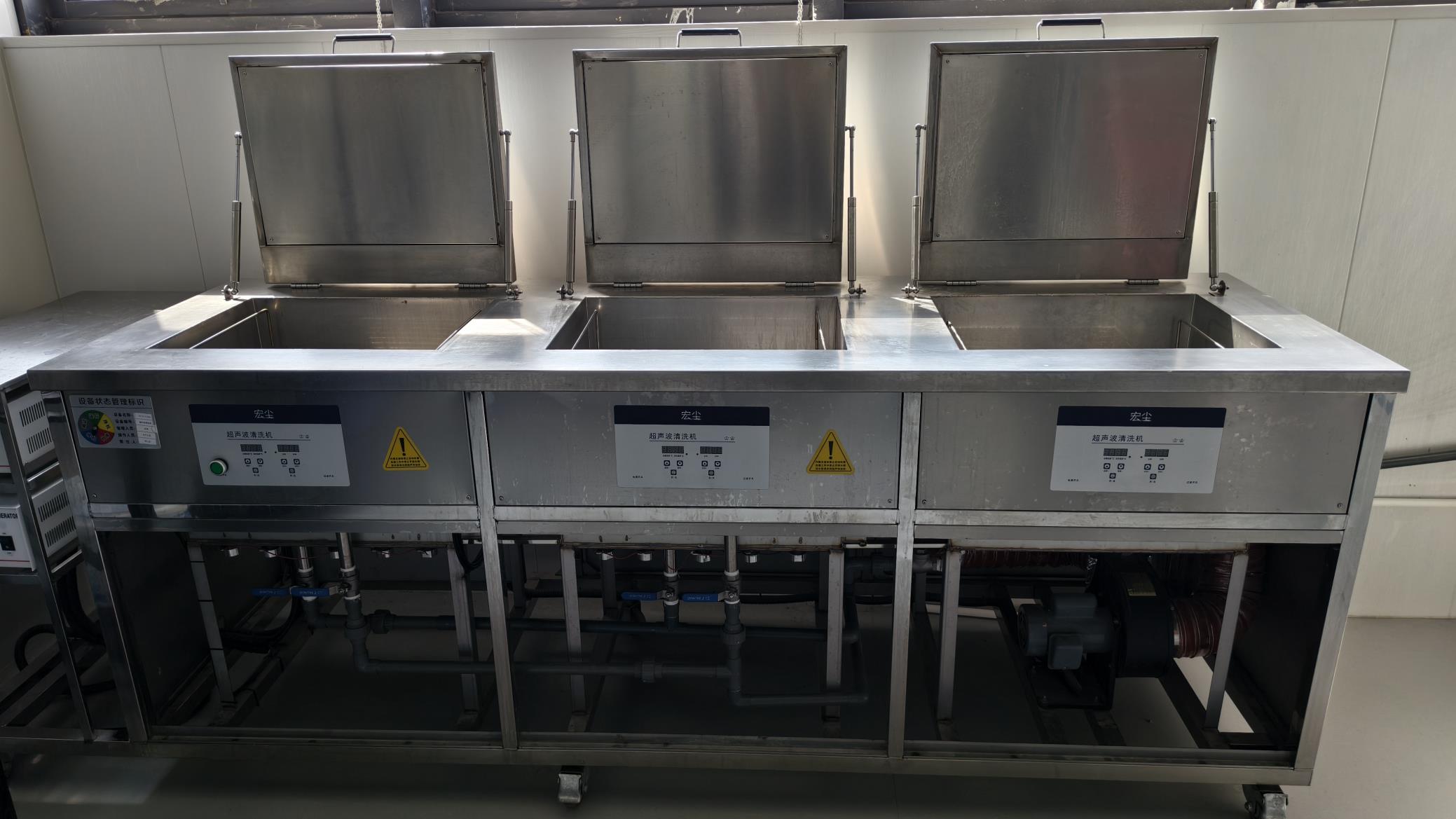
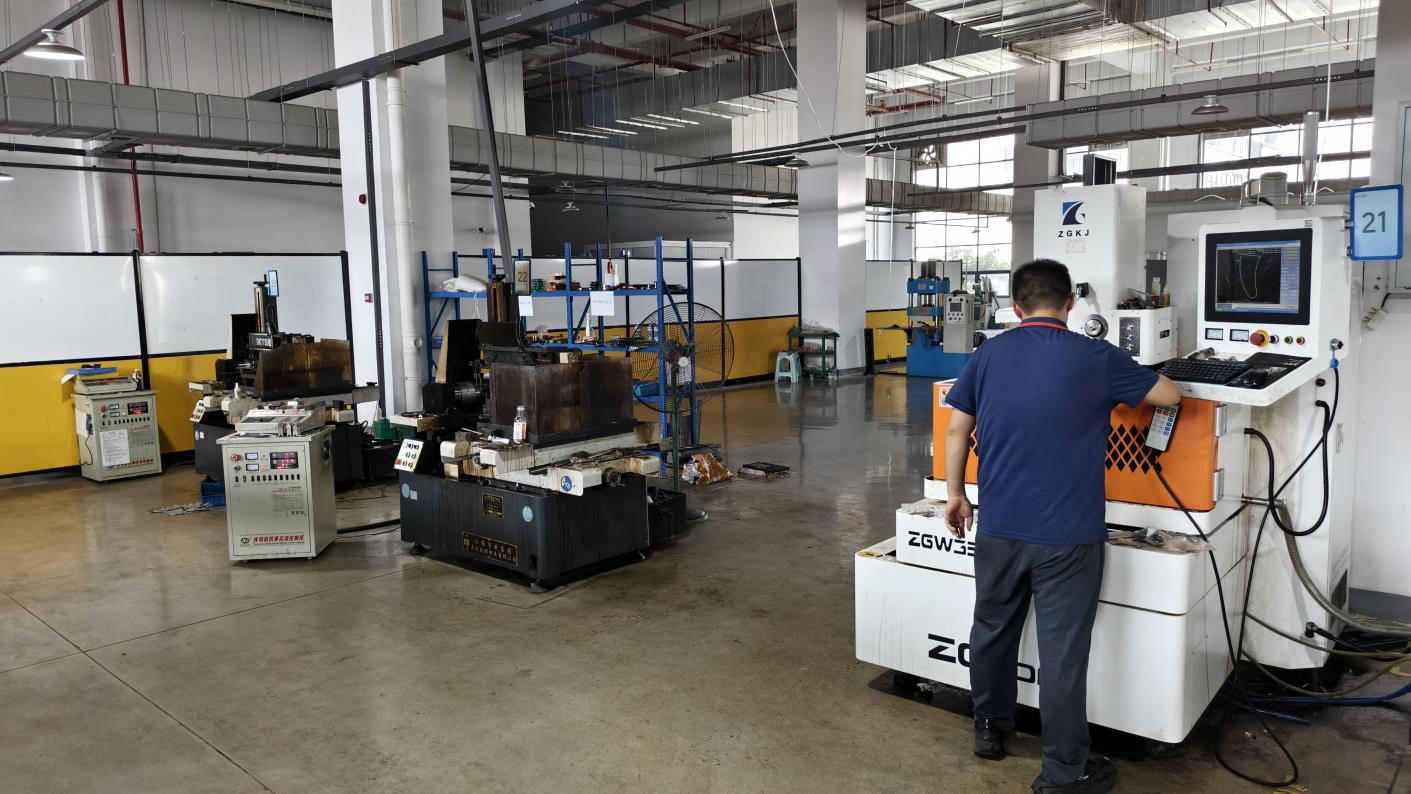
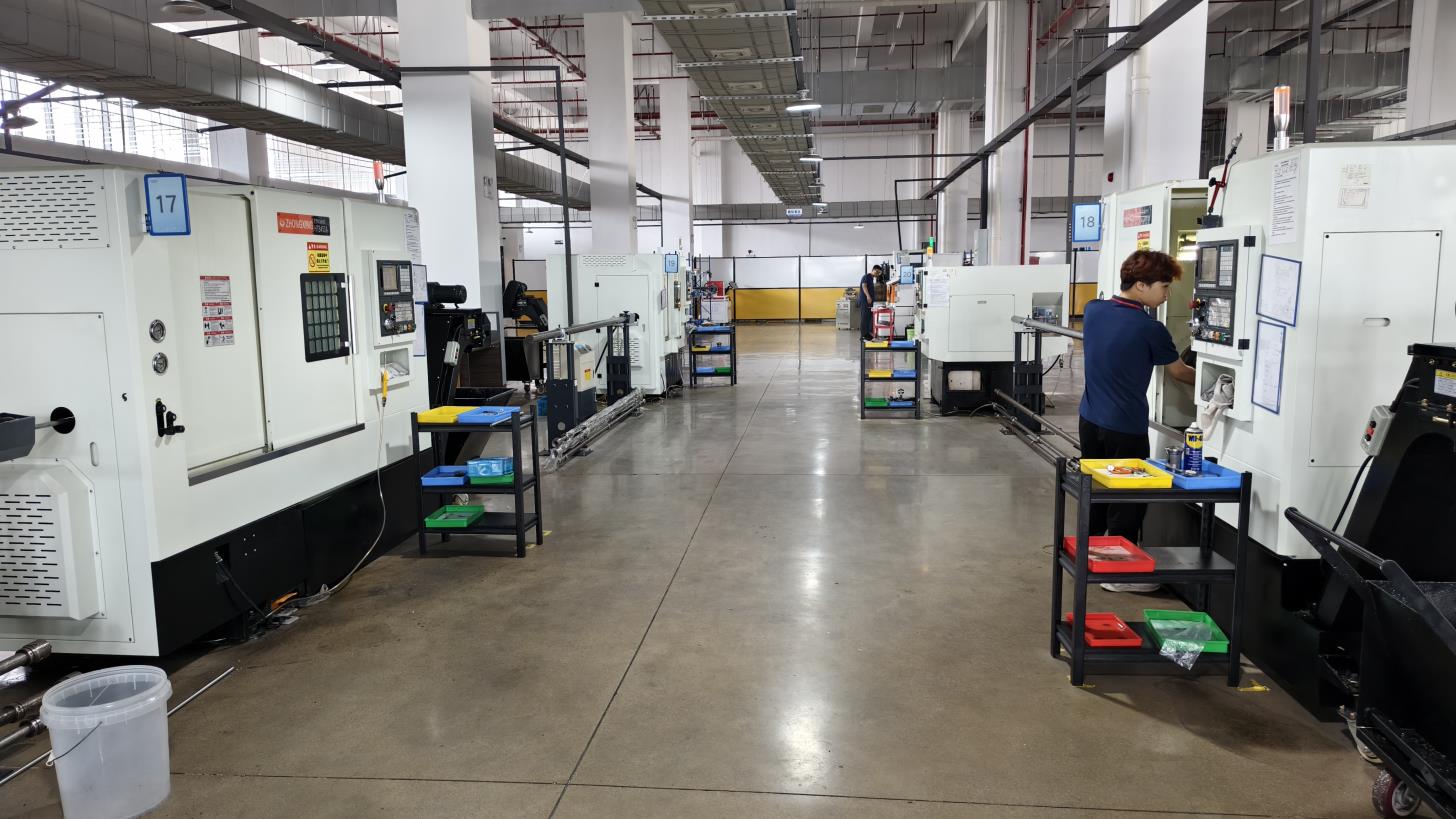
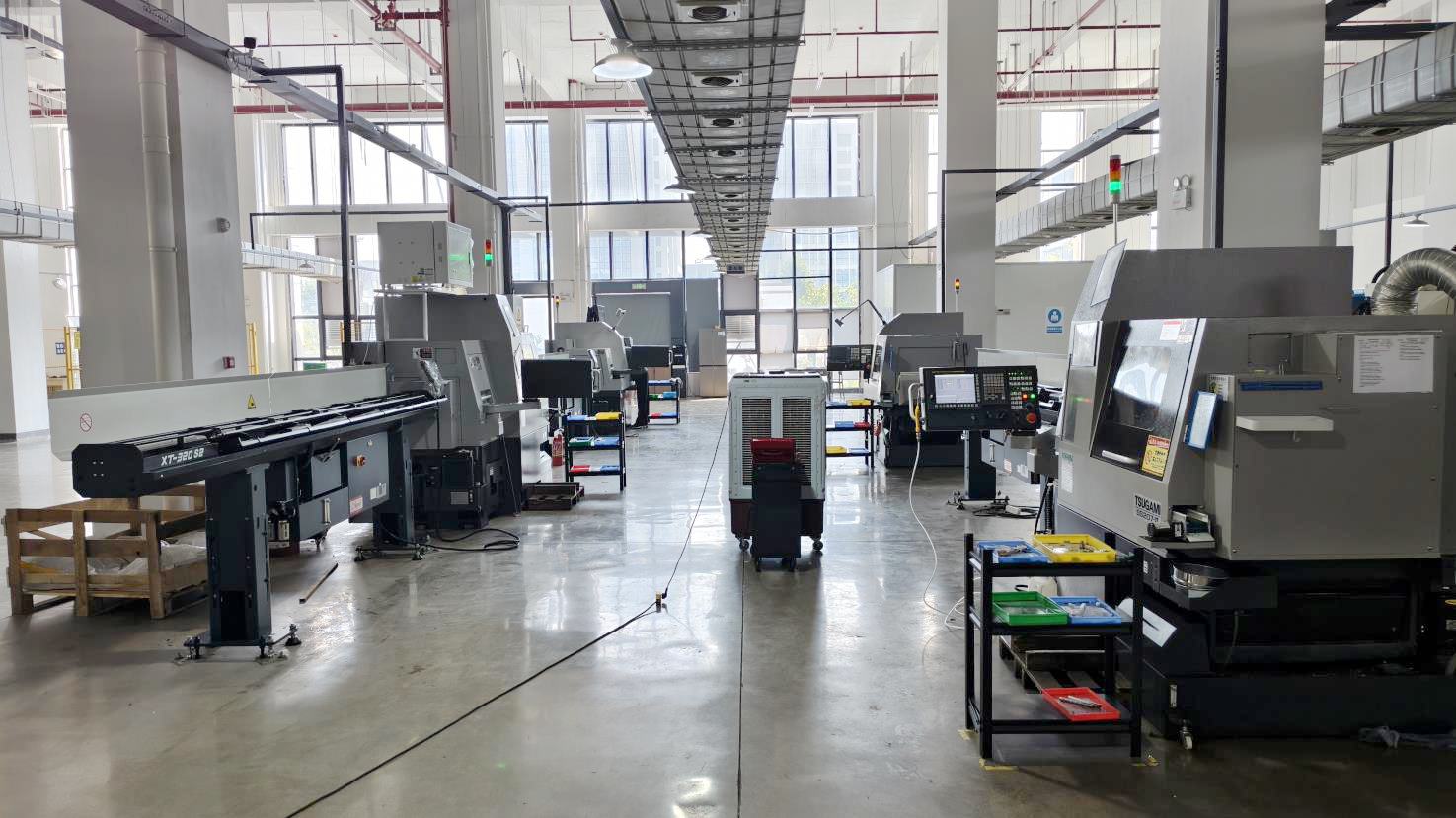
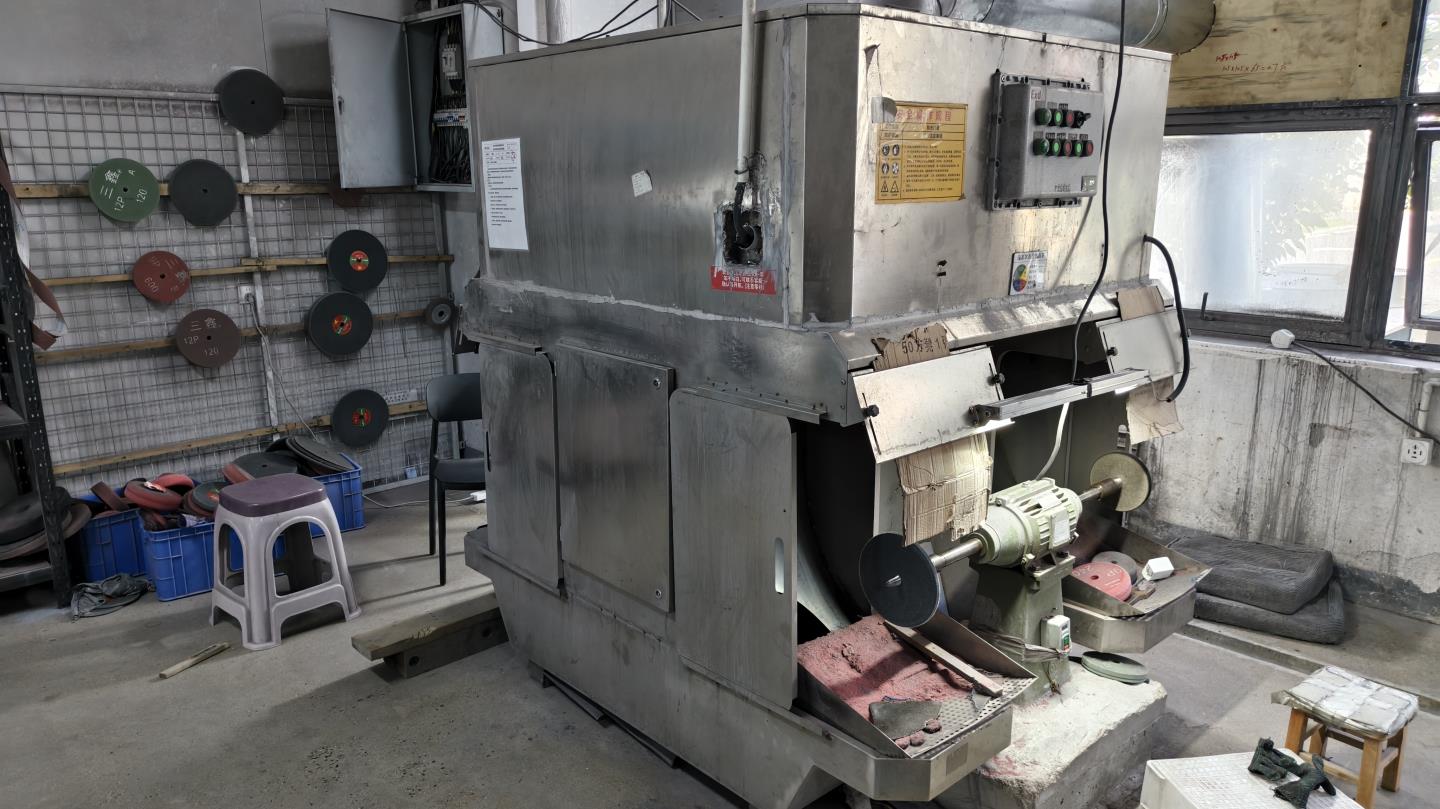
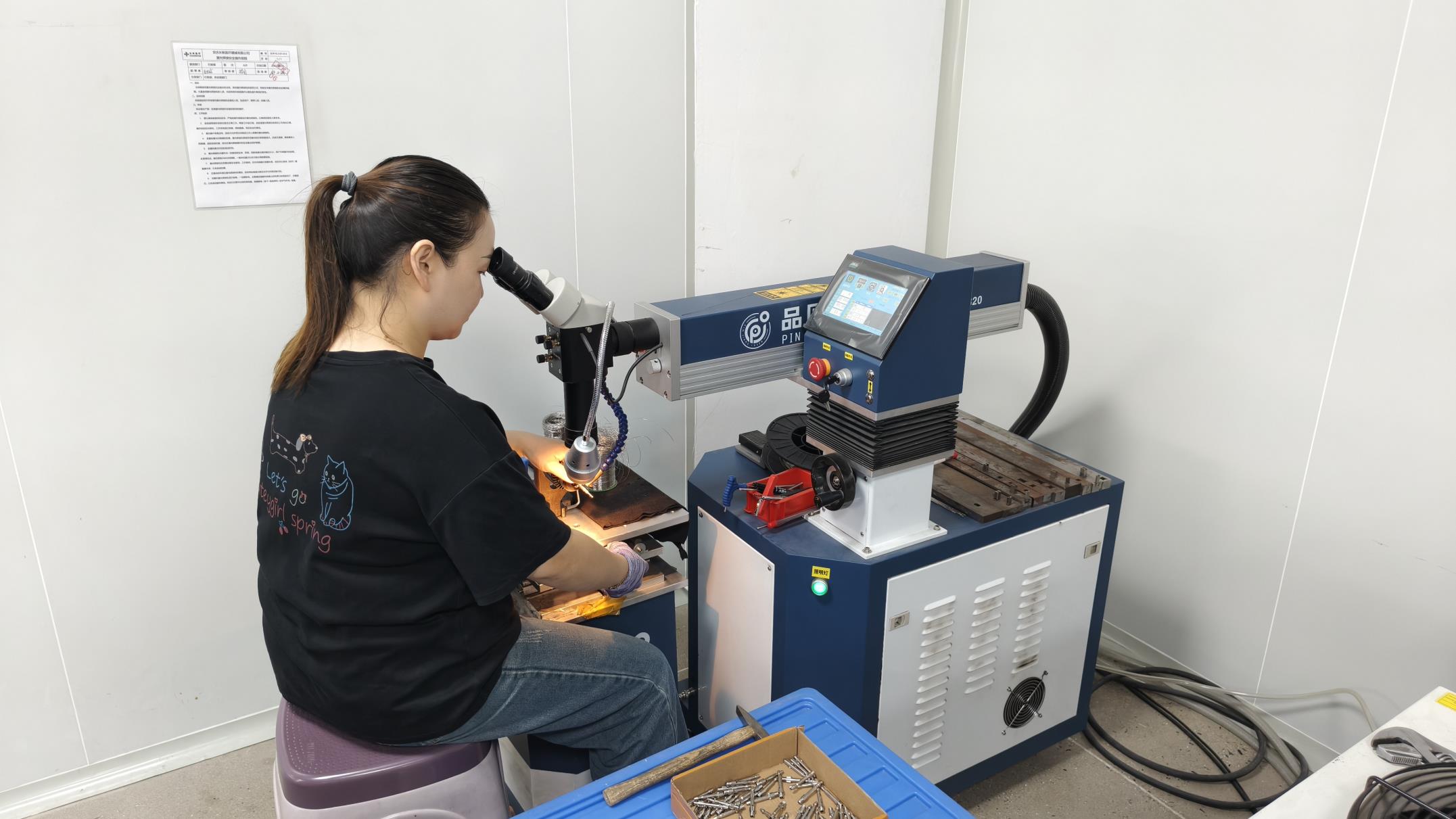
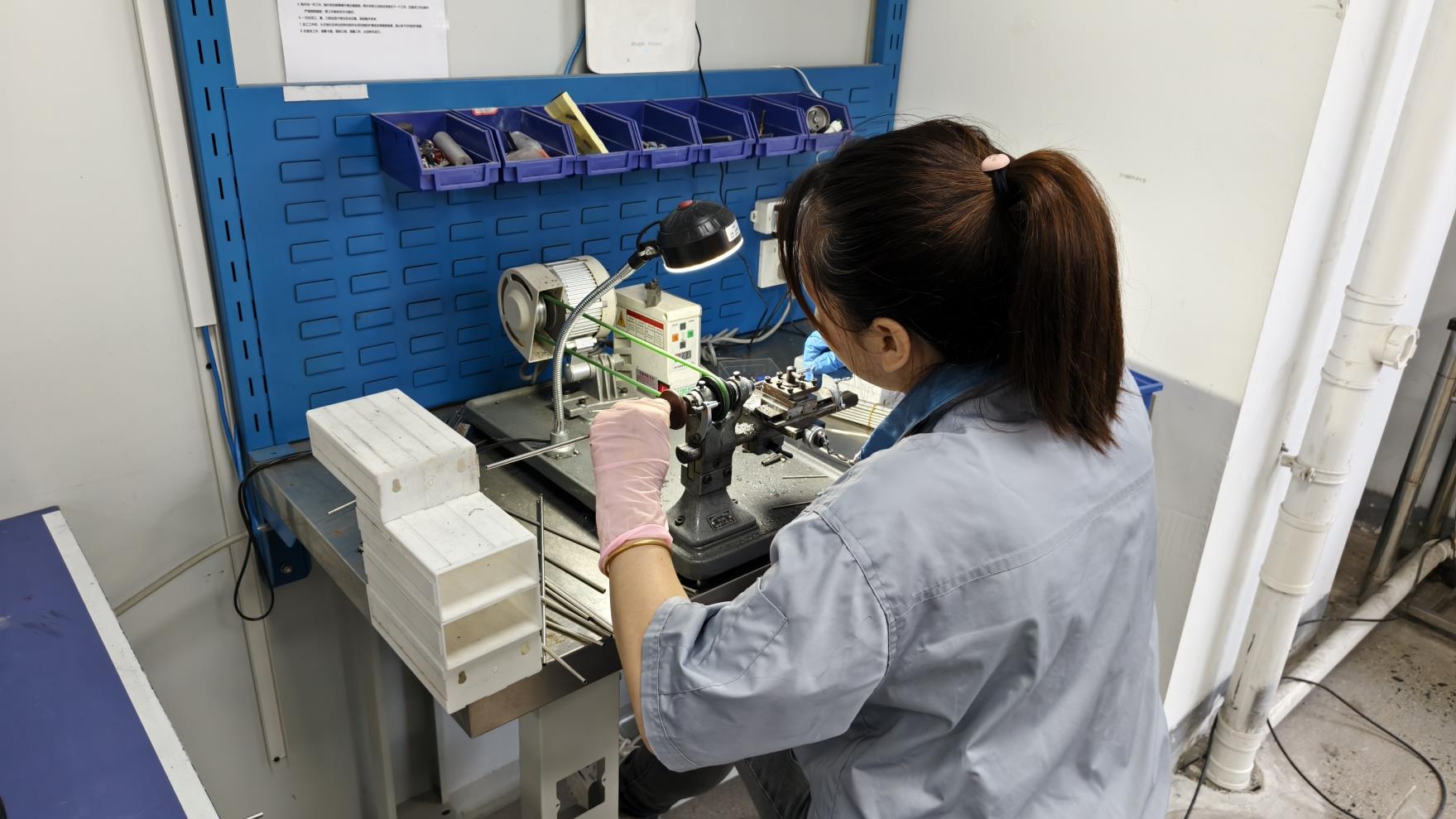
Our manufacturing workflow is built on efficiency and consistency. The integration of Swiss-type CNC lathes allows for high-precision, single-pass machining of complex intramedullary profiles. At the same time, specialized laser welding machinery ensures structural integrity when welding sub-components, such as interlocking sleeve ends. Post-machining treatments include multi-phase ultrasonic cleaning and precision polishing. These steps are performed in ISO-classified environments to prevent organic contaminants from remaining on the implant surface.
How our 68 quality assurance specialists inspect, test, and validate every production run.
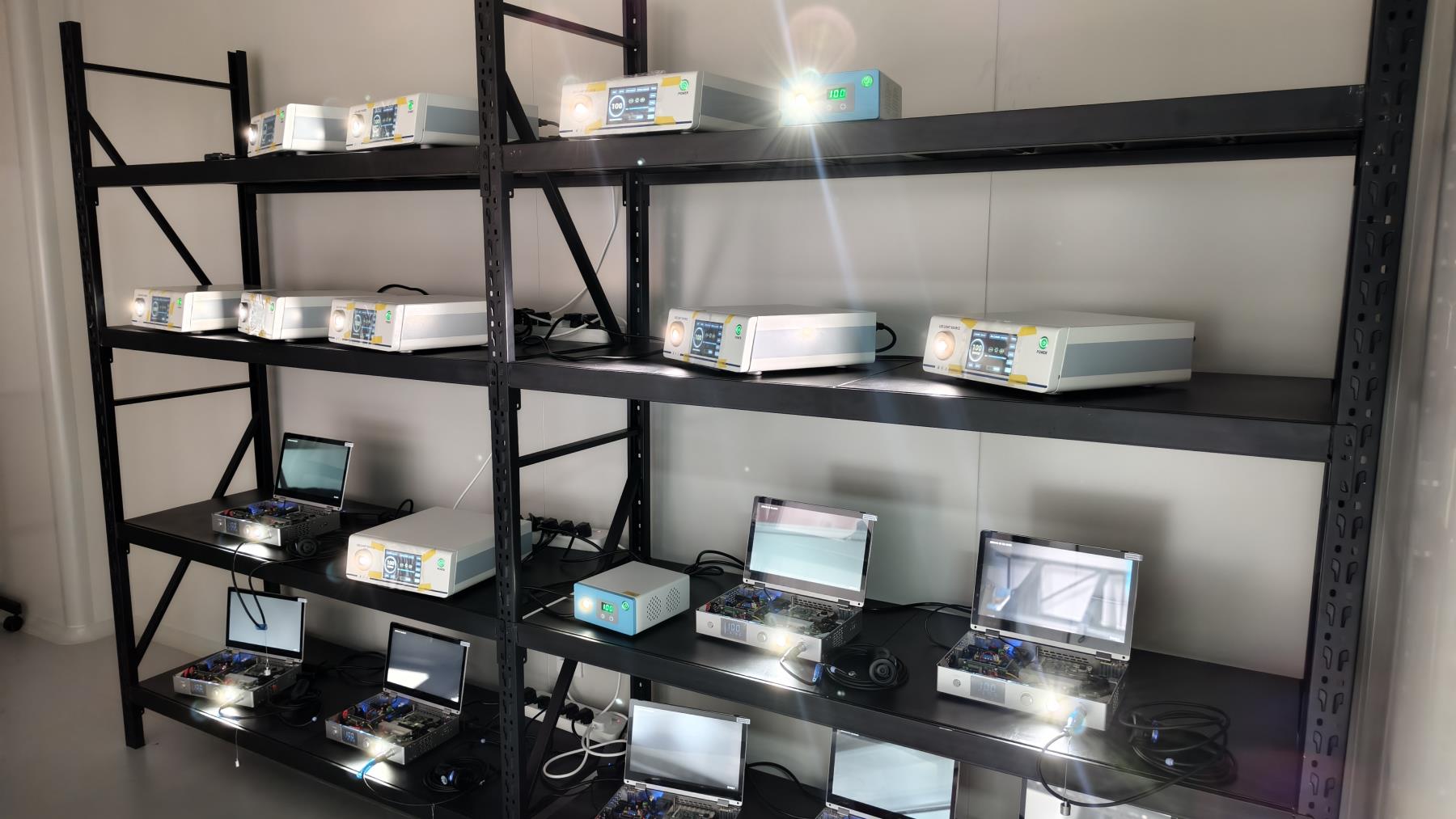
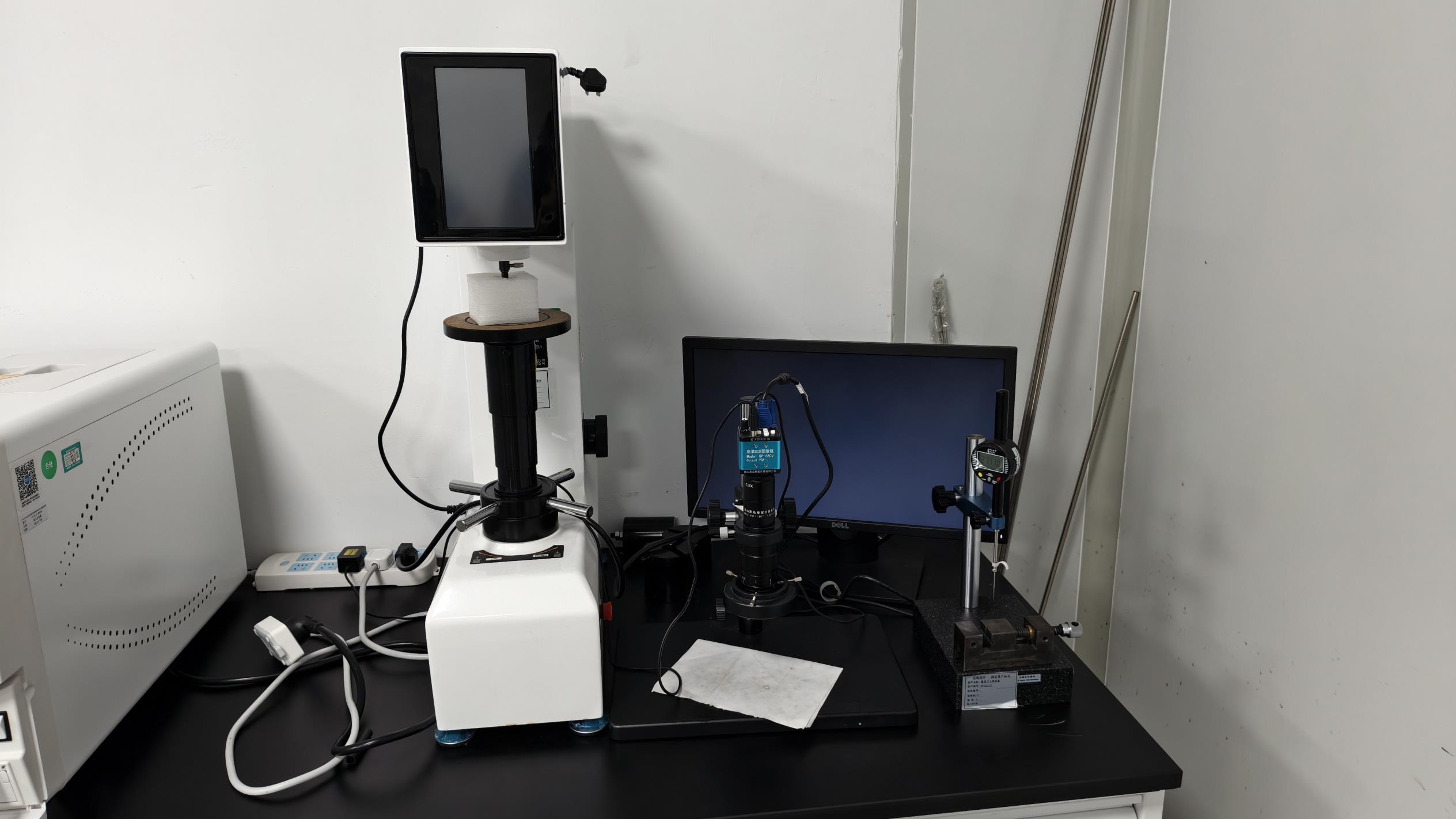
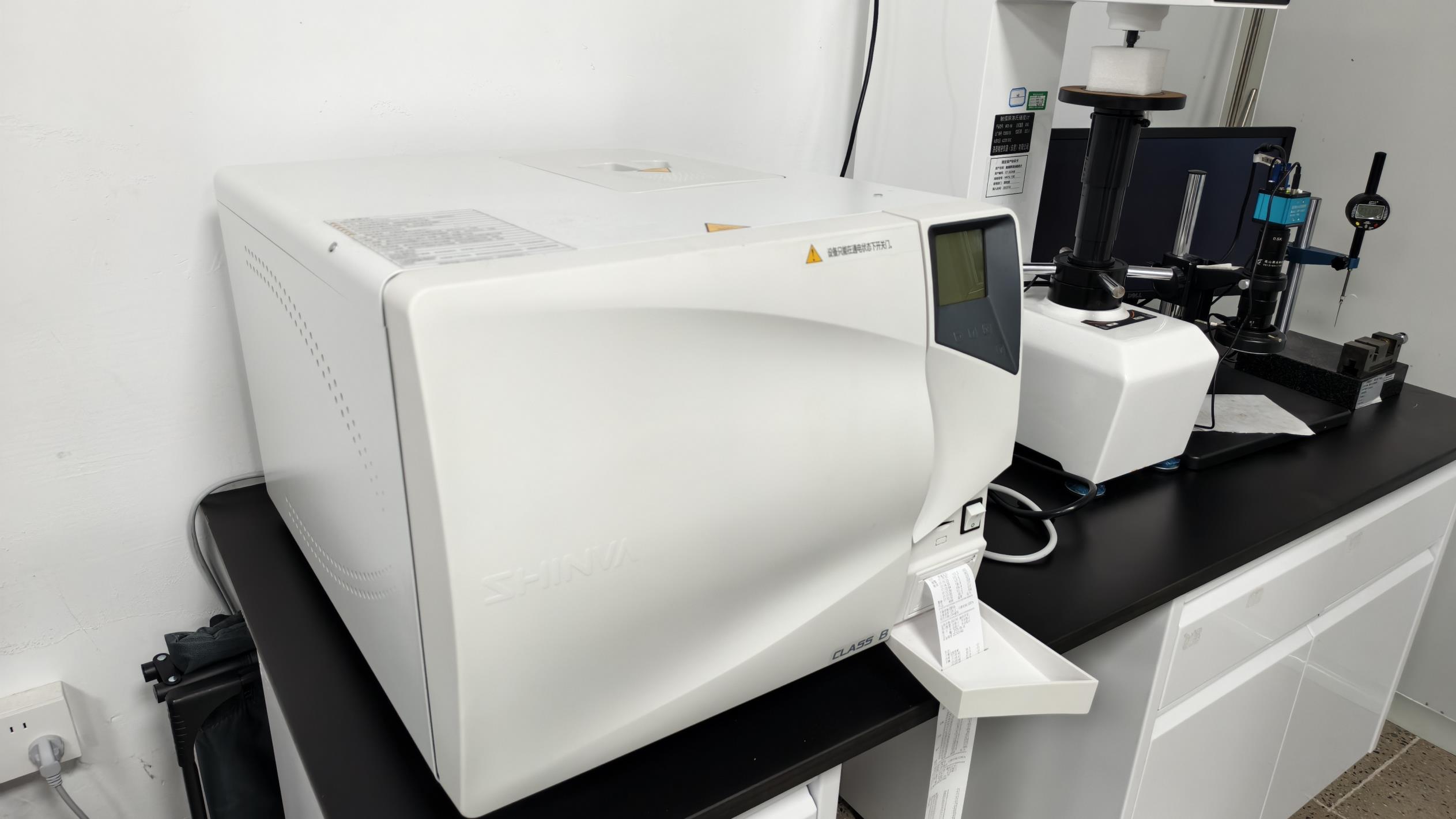
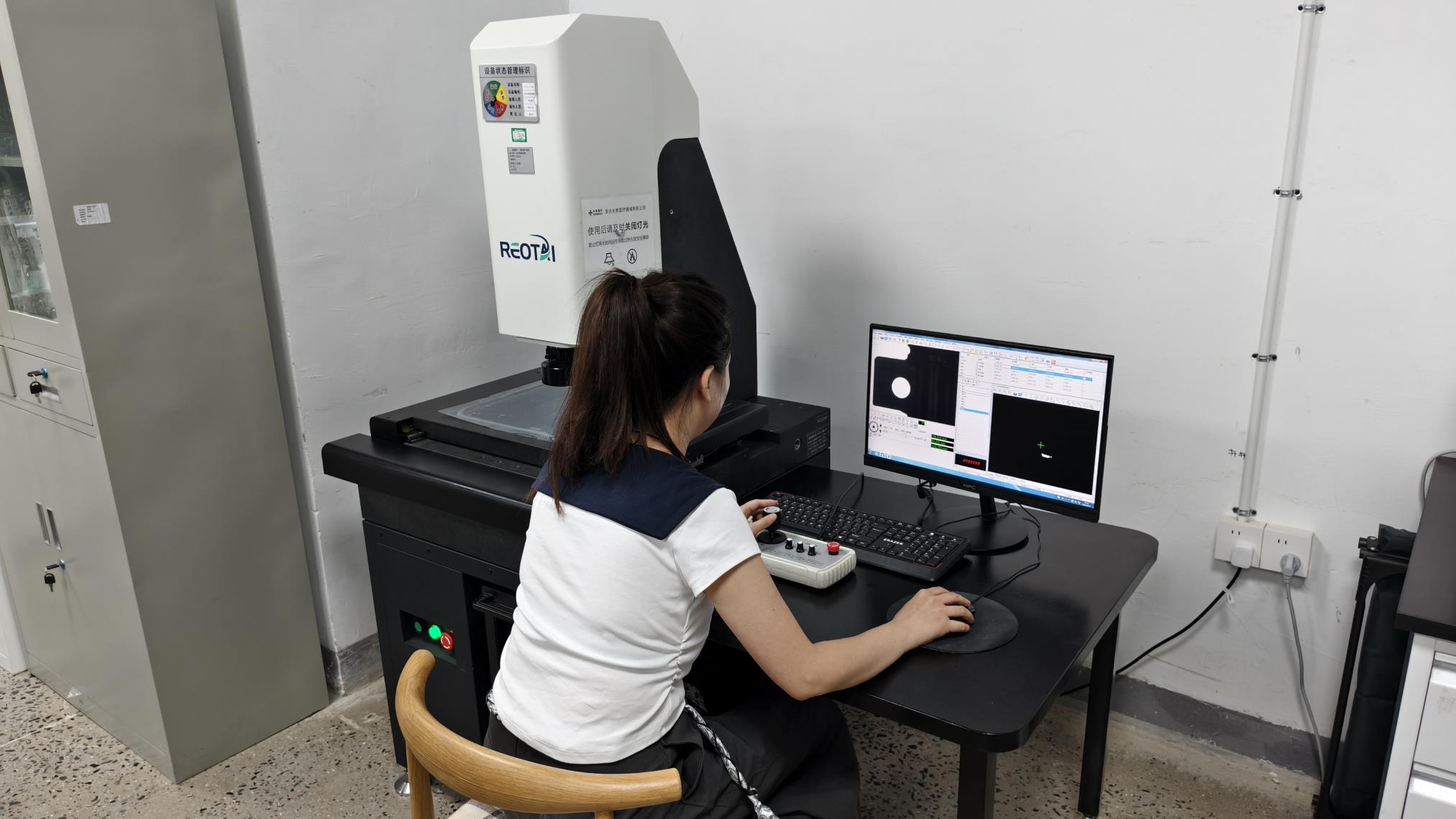
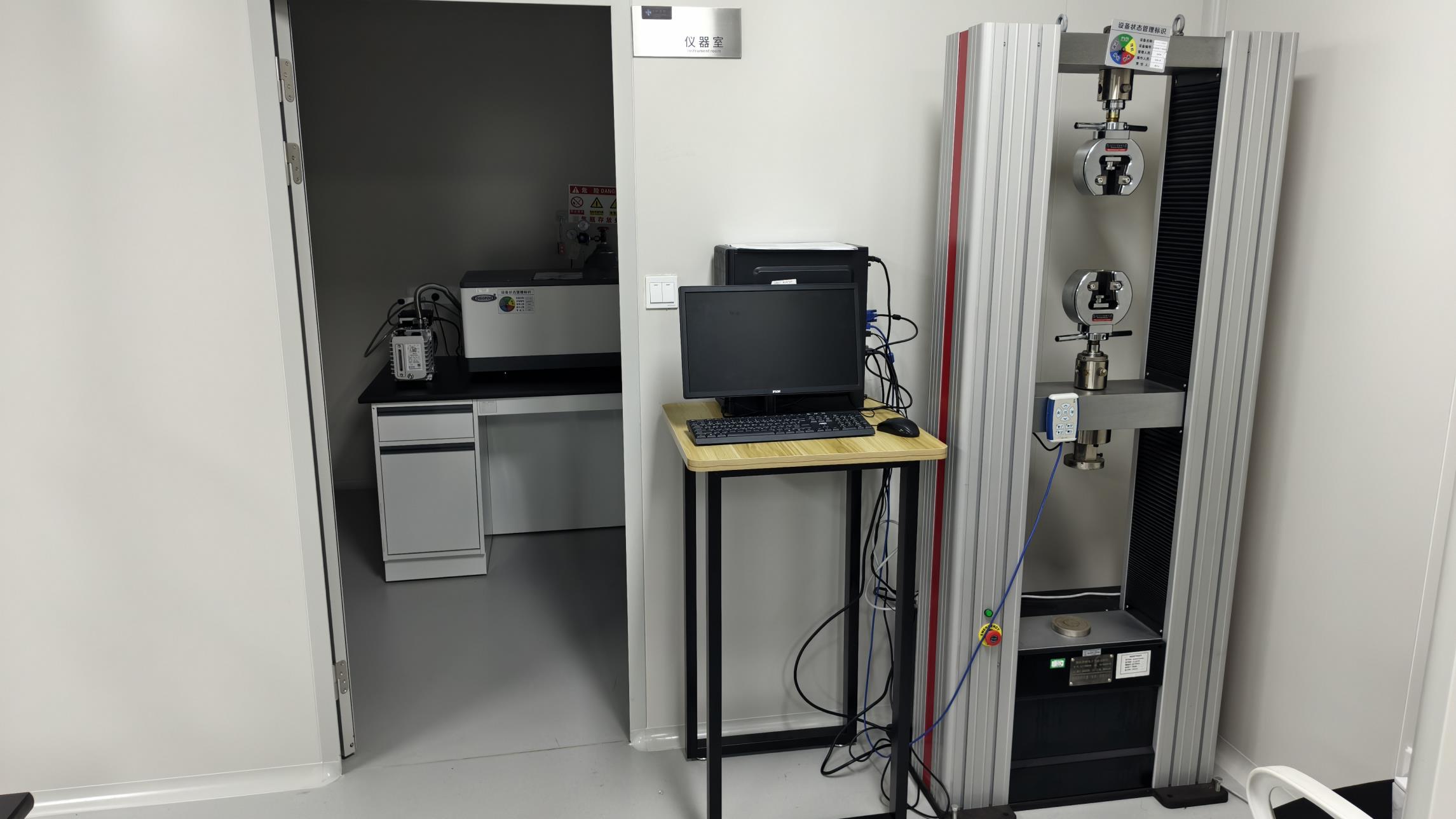
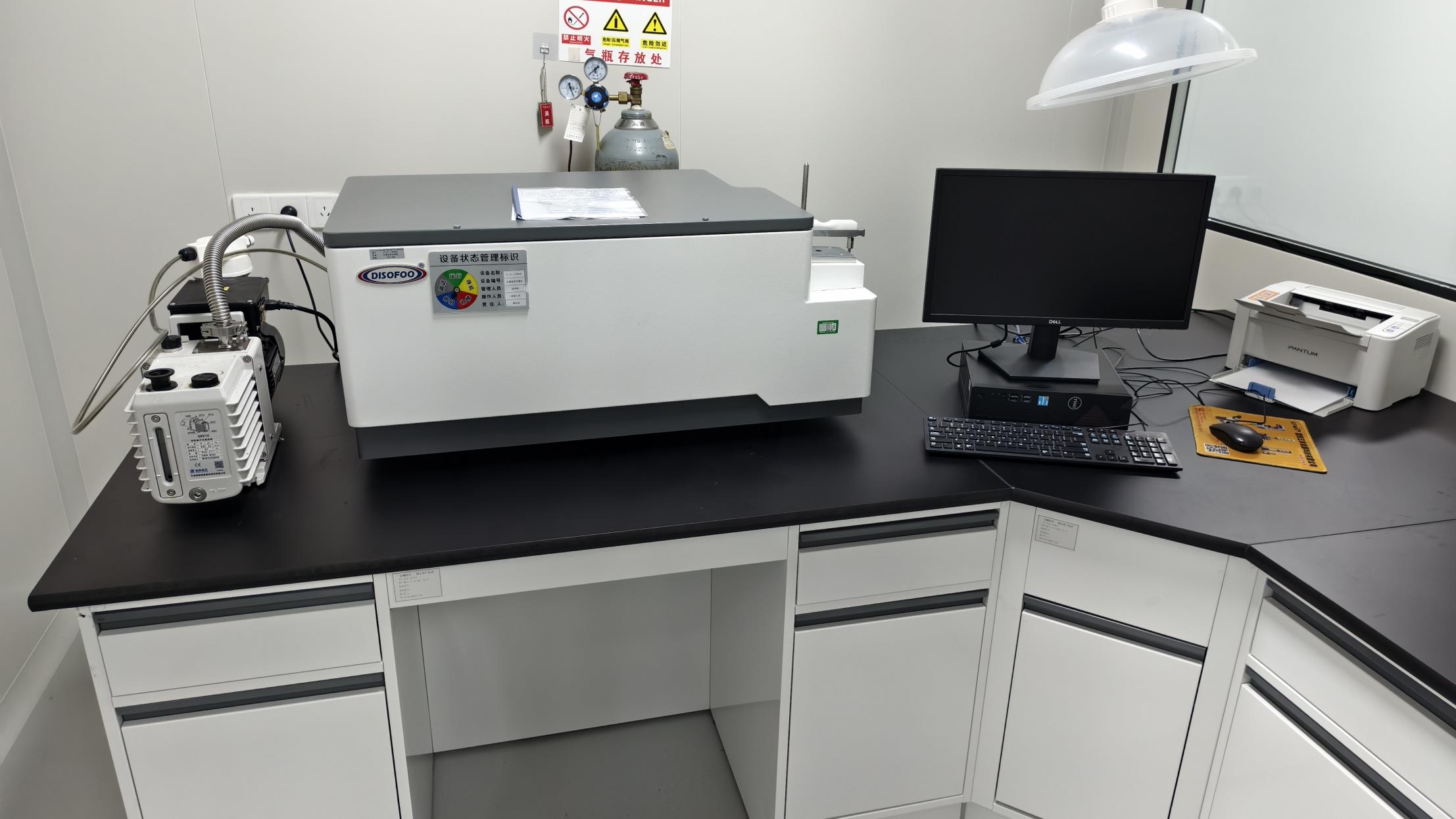
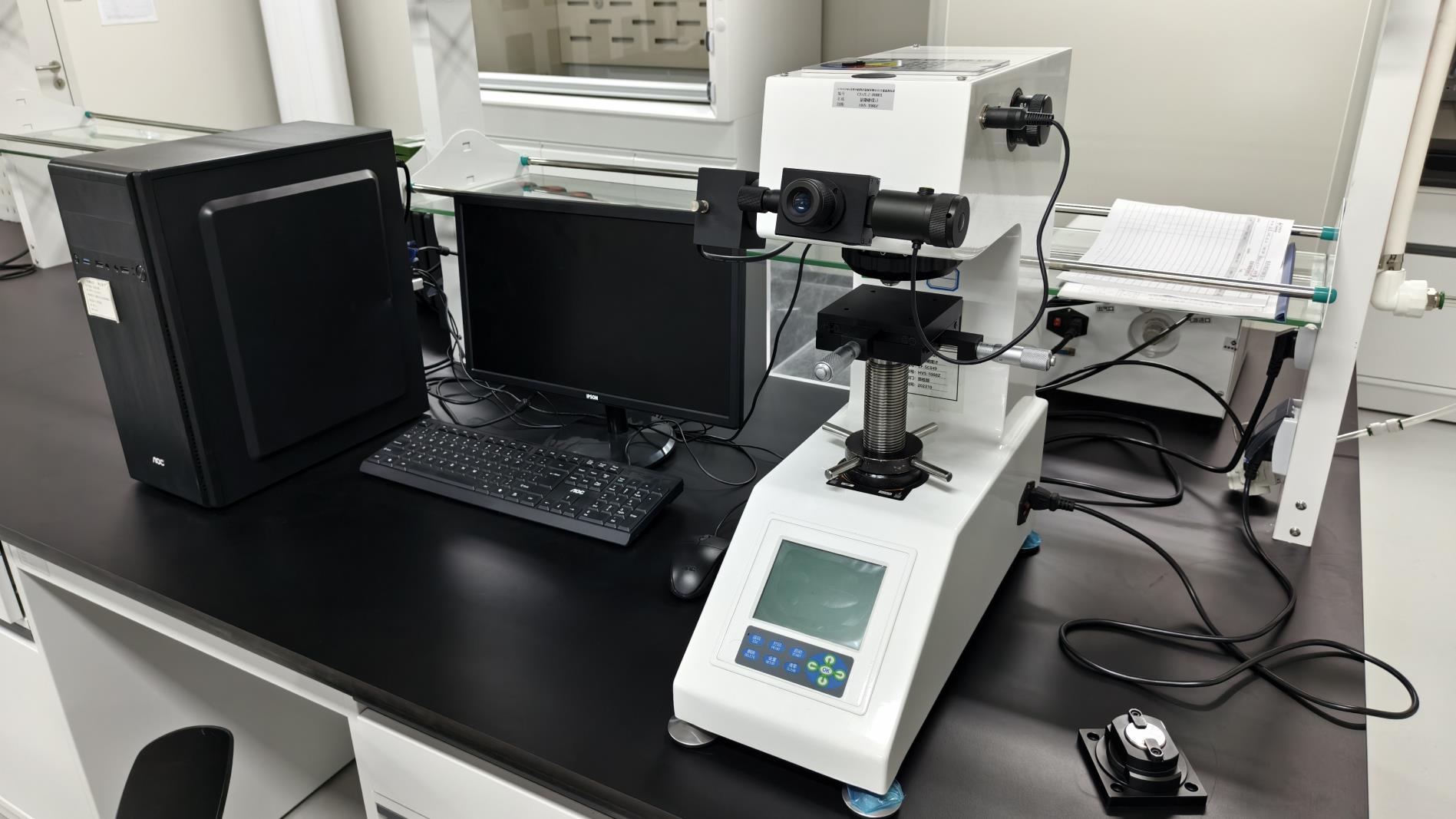
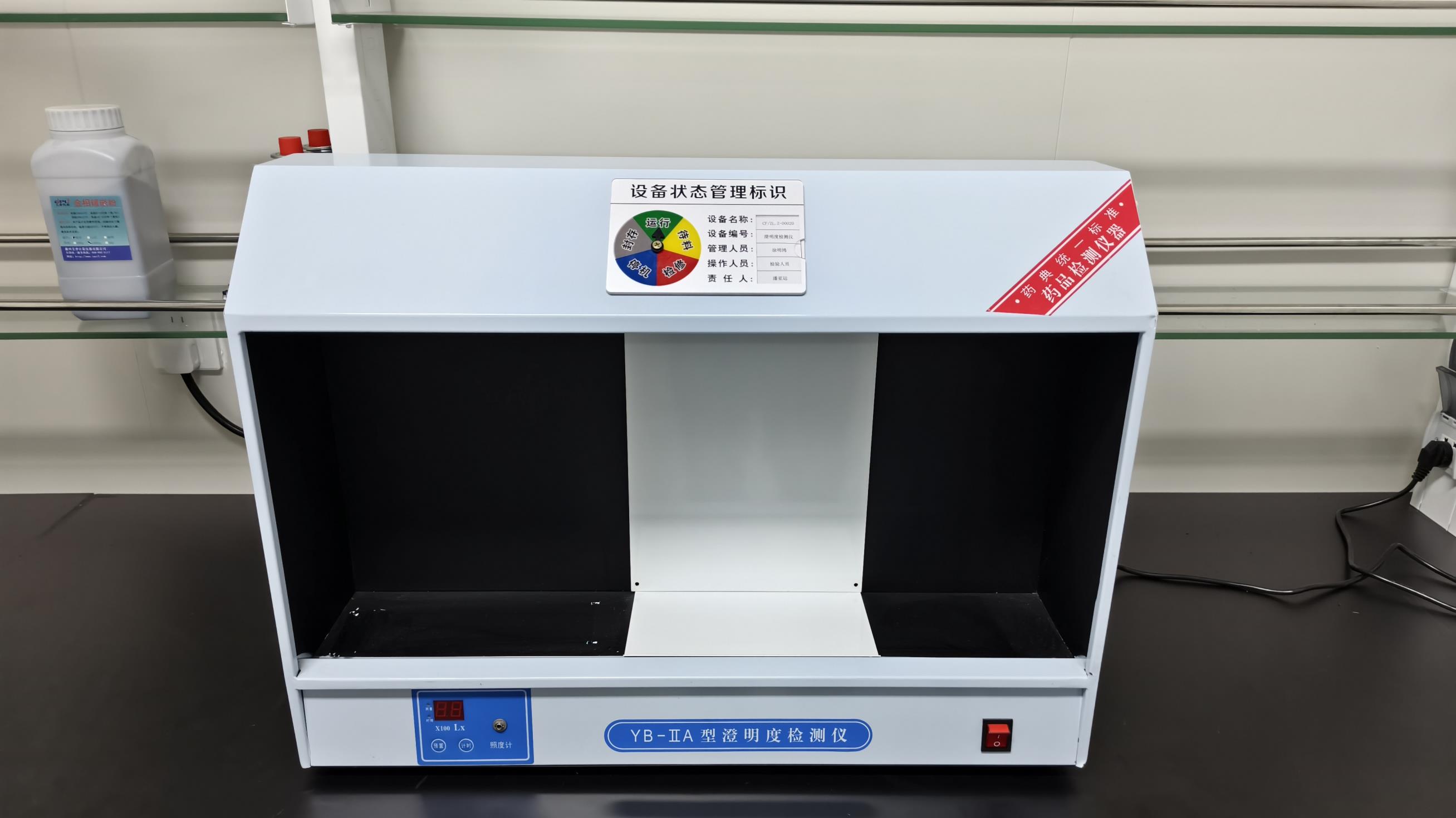
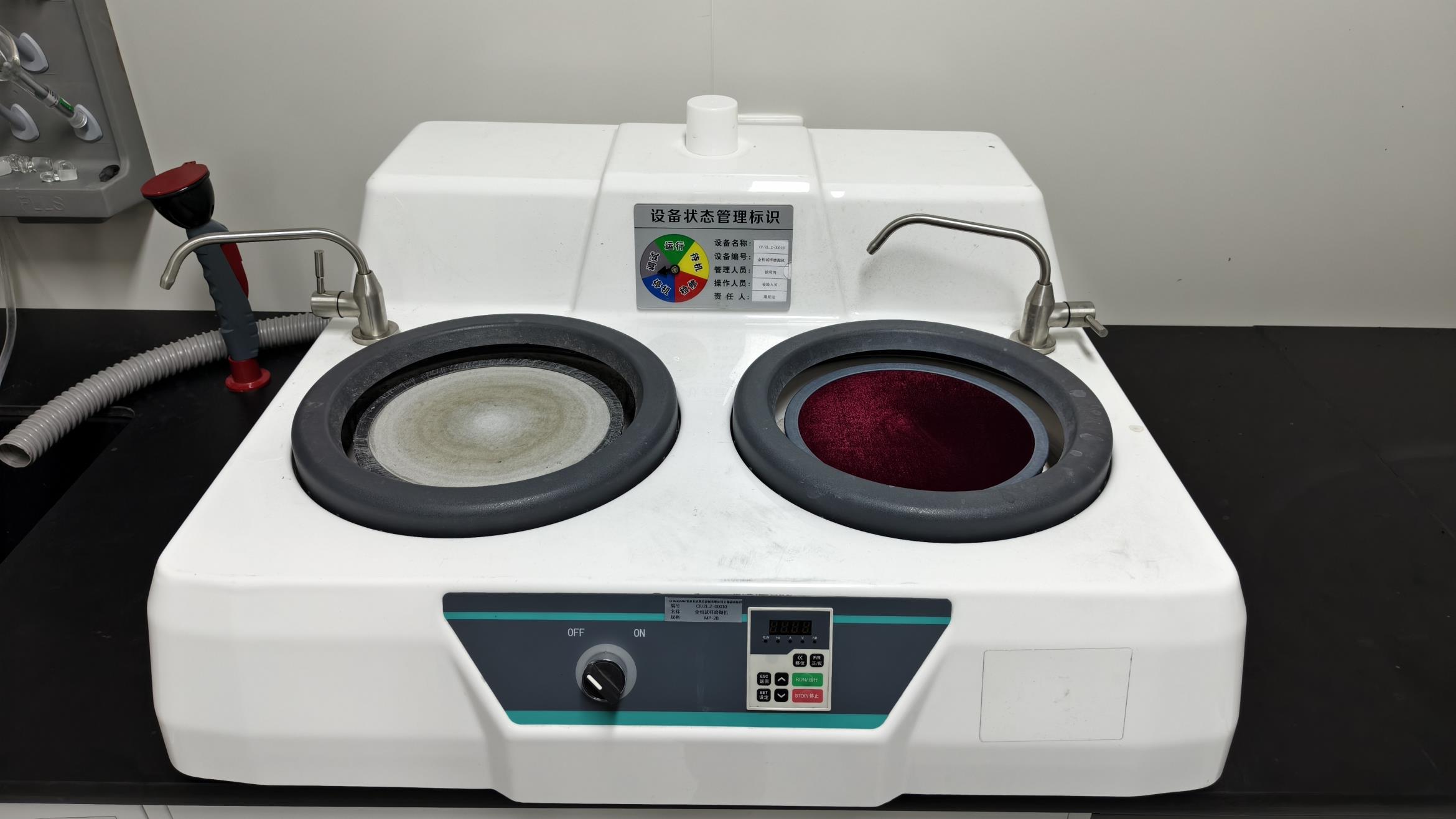
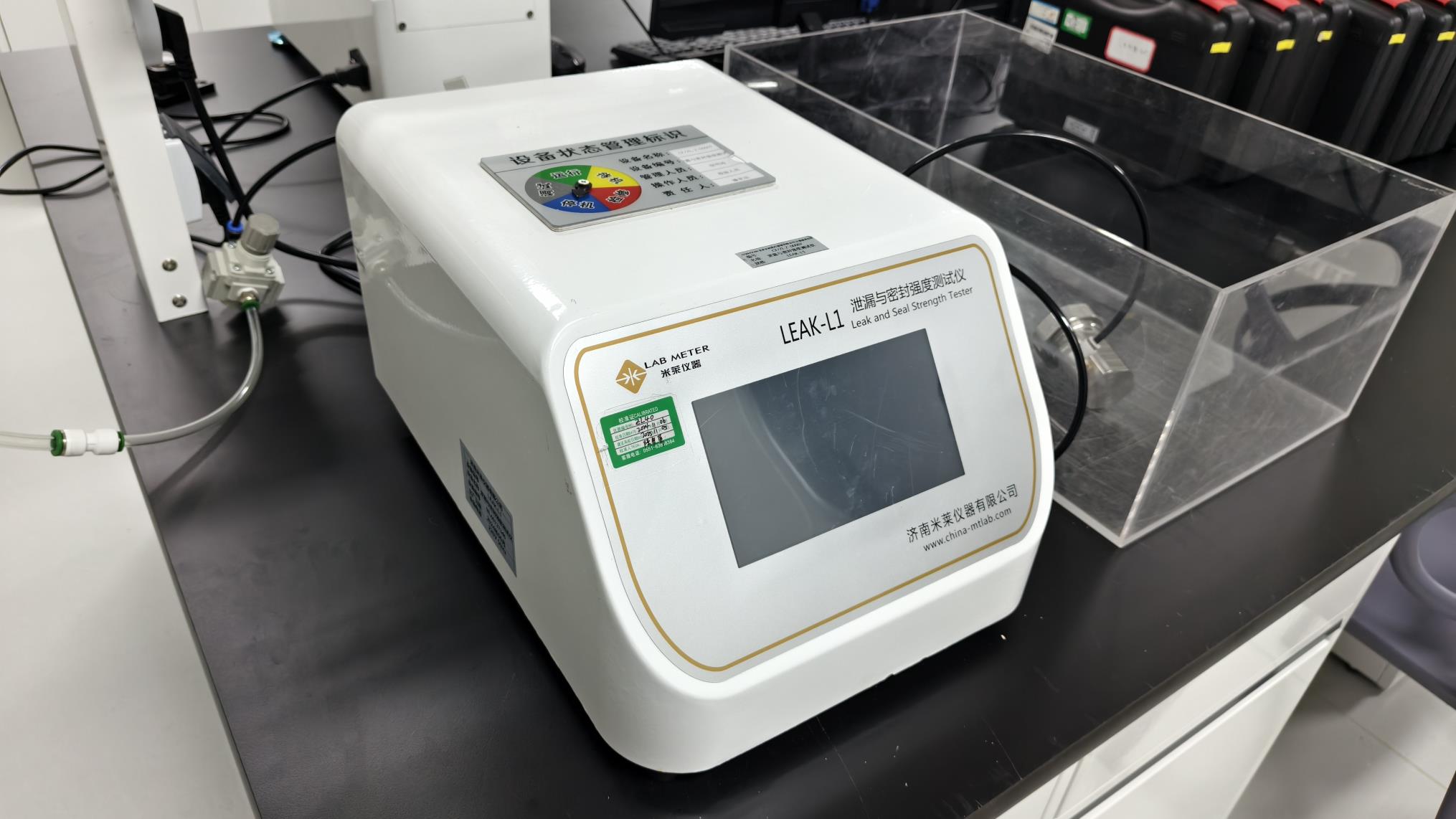
Quality assurance is the core of our operations. Zynfuse maintains an ISO 13485-certified quality management system. Our staff of 68 quality inspection specialists conducts chemical composition analysis using optical emission spectrometers, verifies mechanical tensile strength, and evaluates structural hardness across all batches.
Furthermore, fatigue and aging tests simulate up to 5 million loading cycles, ensuring the retrograde nail can withstand standard post-operative weight-bearing. Finally, seal strength and cleanroom clarity tests ensure all packaged, sterile-delivered OEM components remain safe during shipping and storage.
Developing next-generation implants to improve healing rates and reduce post-operative complications.
We are researching radiolucent PEEK composite materials. These offer a modulus of elasticity closer to cortical bone, which helps minimize stress shielding and simplifies intraoperative fluoroscopic evaluation.
Developing active release mechanisms, such as silver-ion nanotechnology and local gentamicin carriers. These are designed to inhibit bacterial biofilm formation and lower surgical site infection (SSI) rates in open trauma cases.
Developing integrated micro-sensors to monitor axial strain and temperature within the bone canal. This data provides clinical feedback on real-time healing progress and early signs of structural failure.
Sourcing medical devices globally requires evaluating regulatory alignment, supply chain stability, and cost-to-quality efficiency. For purchasing departments in surgical centers and distribution networks, choosing an OEM supplier goes beyond unit pricing.
Regulatory Compliance: Standard retrograde nails must meet strict international standards, including ASTM F1264 for intramedullary fixation devices. Zynfuse uses ISO 13485-certified systems to ensure compliance, facilitating local registration pathways like FDA 510(k) in the US and MDR in the EU.
Supply Chain Security: Relying on a single supplier can carry risks. Zynfuse mitigates this with a network of 1,200 verified logistics and supply partners. This support maintains lead times of 30 to 45 days, even during high-demand periods or raw material shortages.
Zynfuse supports global expansion through localization services. We provide medical distributors with detailed documentation, including mechanical fatigue curves, biocompatibility test results, and clinical validation records.
We work directly with medical regulatory consultants in North America, Western Europe, Southeast Asia, and the Middle East to ensure registration processes align with local requirements. Our team offers bilingual documentation support, custom packaging design, and laser marking for device tracking. This allows your team to focus on clinical positioning and business development.
Answers to common technical, logistical, and design questions from procurement managers and distributors.
Explore our full line of internal and external fixation implants, specialized surgical instrumentation, and power tools.