Zynfuse
High-precision titanium implants, spinal fixation, and arthroscopic consumables compliant with global medical device directives.
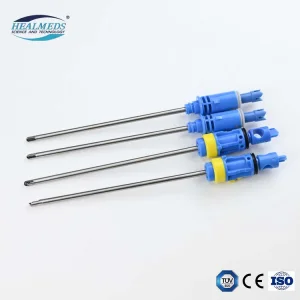
A Technical Whitepaper on Advanced Implant Manufacturing, Supply Chain Resilience, and Regulatory Compliance
The global orthopedic medical device market is undergoing a structural transformation driven by an aging global population, increased prevalence of musculoskeletal disorders, and rising demand for minimally invasive surgical procedures. Within this high-precision sector, the role of a specialized Custom OEM Orthopedic Consumables Supplier has evolved from basic contract manufacturing to deep strategic integration across design, material science, multi-axis micro-machining, and international regulatory navigation.
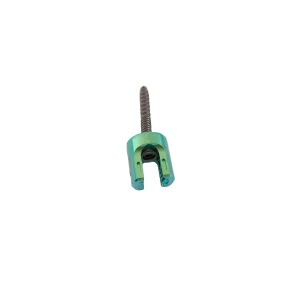
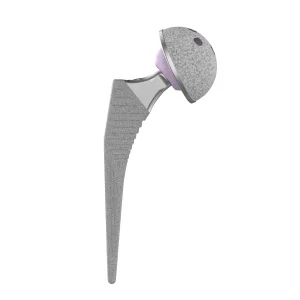
As modern surgical techniques—such as robotic-assisted spine surgery, complex joint revision, and high-speed sports medicine arthroscopy—advance, the physical requirements placed on implants and single-use consumables have reached unprecedented tolerances. Implantable hardware like polyaxial pedicle screws, intramedullary nails, PEEK suture anchors, and HA-coated femoral stems demand sub-micron manufacturing accuracy, absolute biocompatibility (under ISO 10993 standards), and verifiable mechanical fatigue strength (governed by ASTM F136 and ISO 5832 specifications).
Operating a state-of-the-art production complex spanning 18,600 m², Zynfuse maintains a highly efficient, integrated supply chain capable of delivering over 320 new custom OEM products annually. With an established export footprint across North America, Europe, Southeast Asia, and the Middle East, Zynfuse acts as an essential production node for global medical device brands, hospital procurement groups, and specialized orthopedic distributors. The engineering architecture is safeguarded by 68 quality inspection specialists implementing rigorous ISO 13485 quality management system protocols.
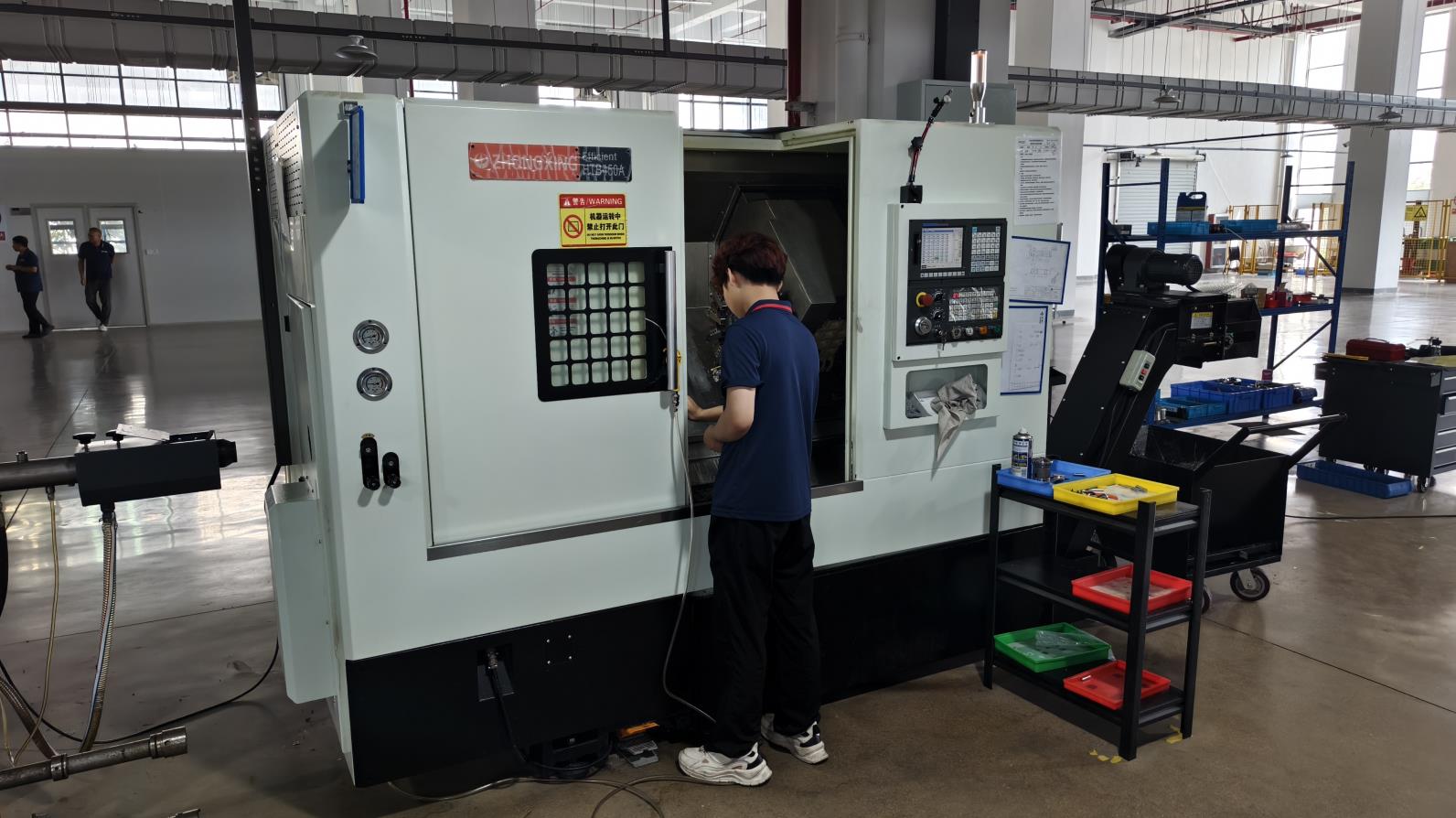
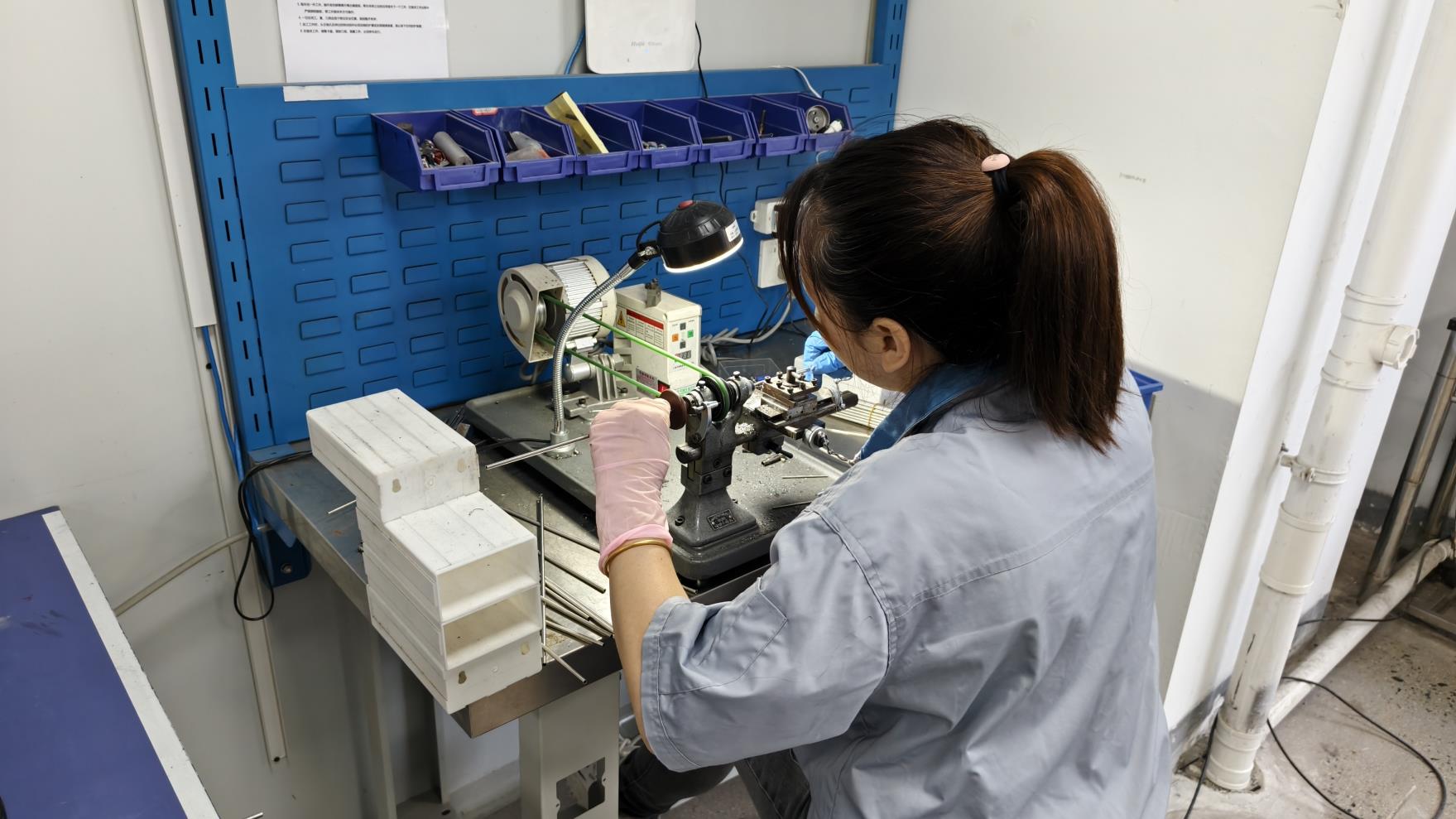
End-to-end component fabrication using Swiss-type CNC lathes, laser welding, and high-precision surface engineering.
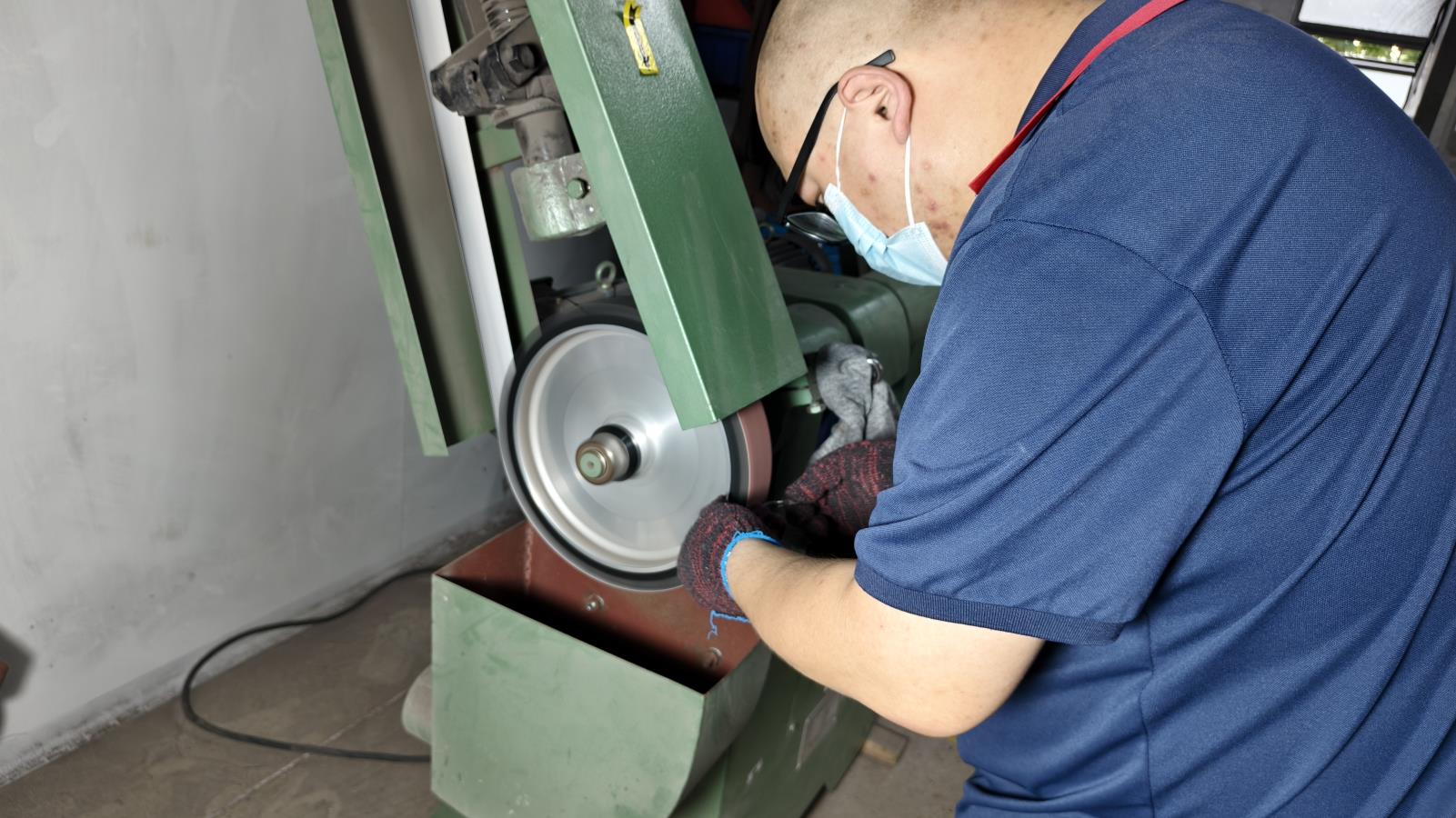
Manufacturing medical-grade orthopedic consumables requires absolute mastery over challenging biometals and polymers—specifically Medical Grade Titanium Alloys (Ti-6Al-4V ELI / Grade 23), Cobalt-Chromium-Molybdenum (CoCrMo), Ultra-High-Molecular-Weight Polyethylene (UHMWPE), and Polyetheretherketone (PEEK). Zynfuse operates a multi-stage production framework optimized for tight-tolerance medical components.
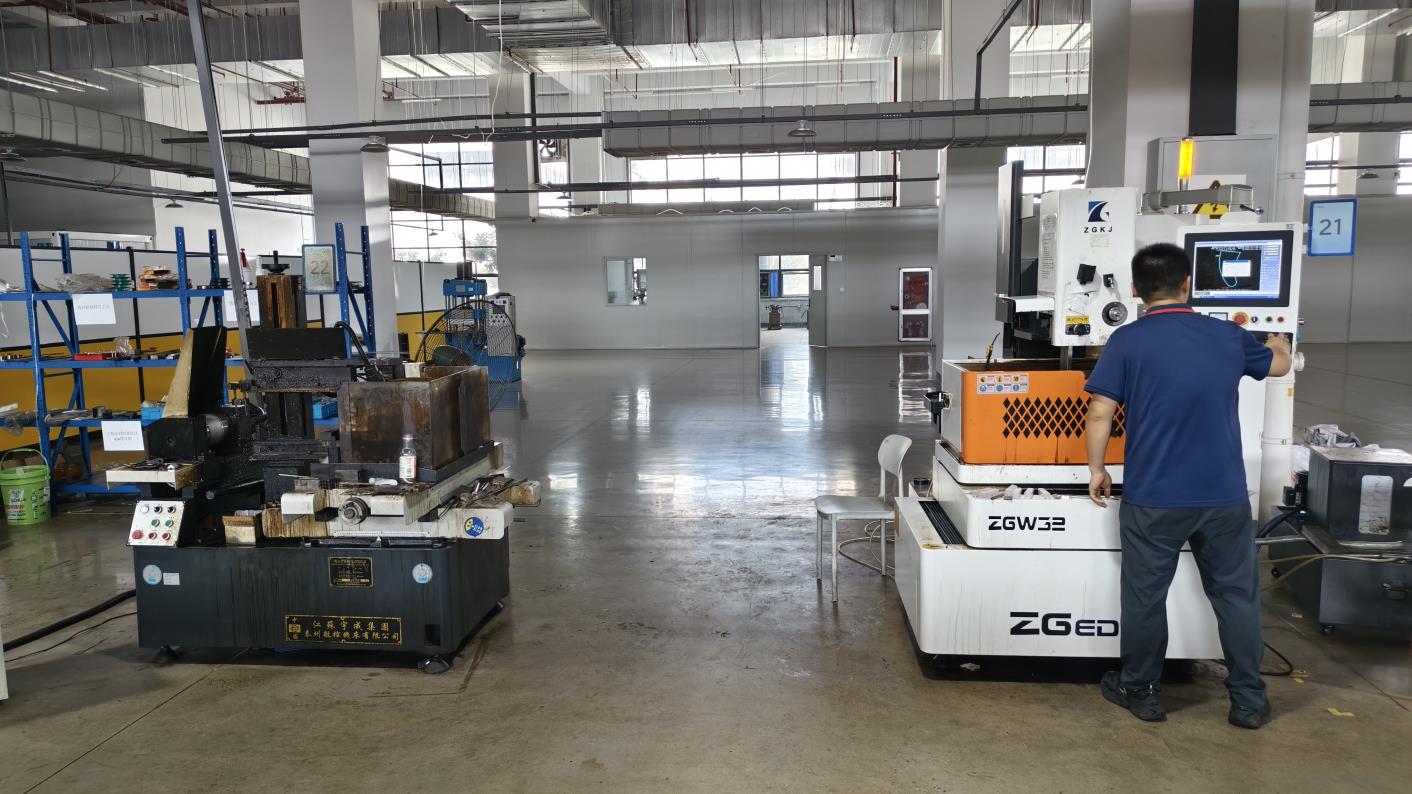
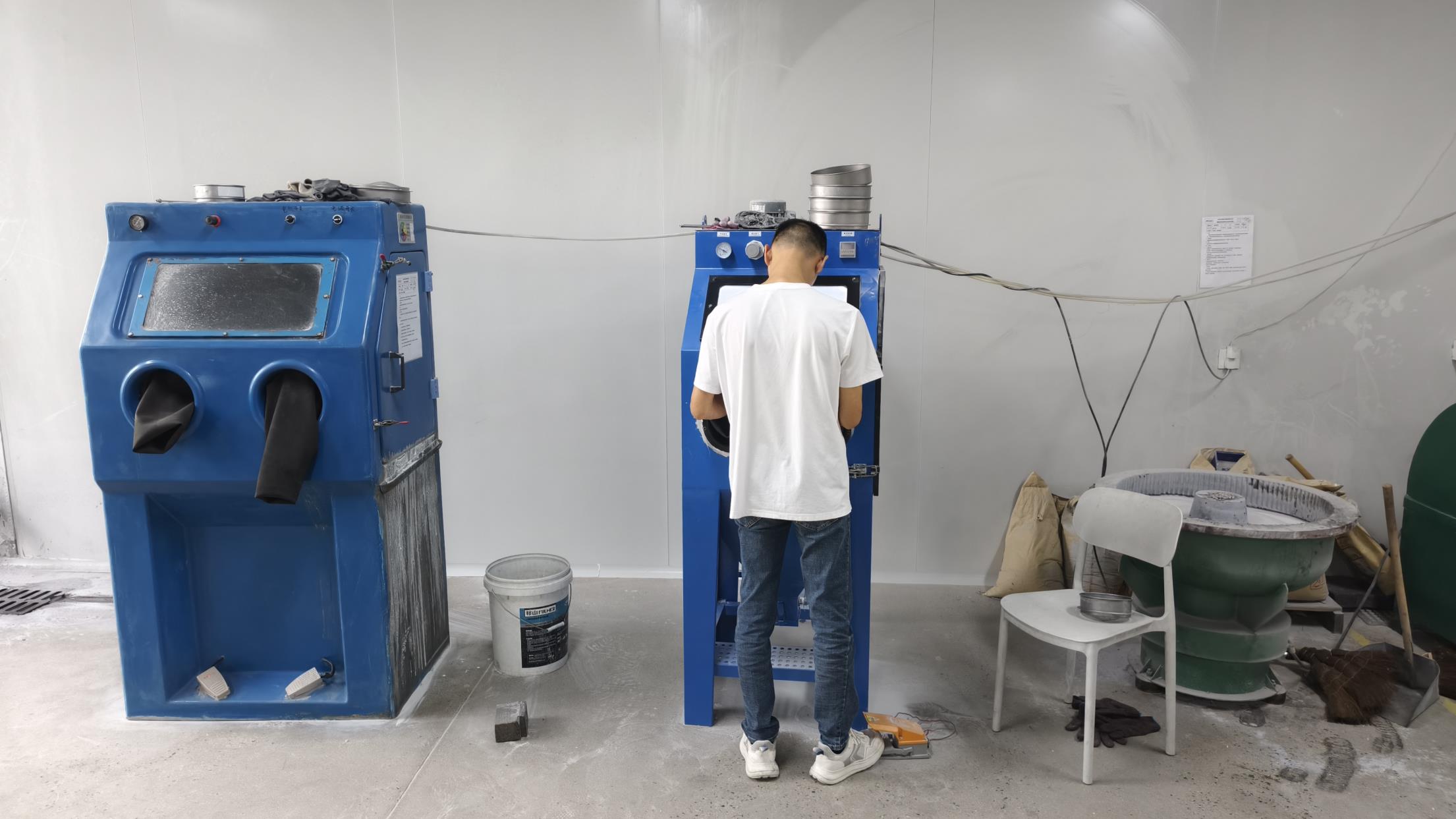
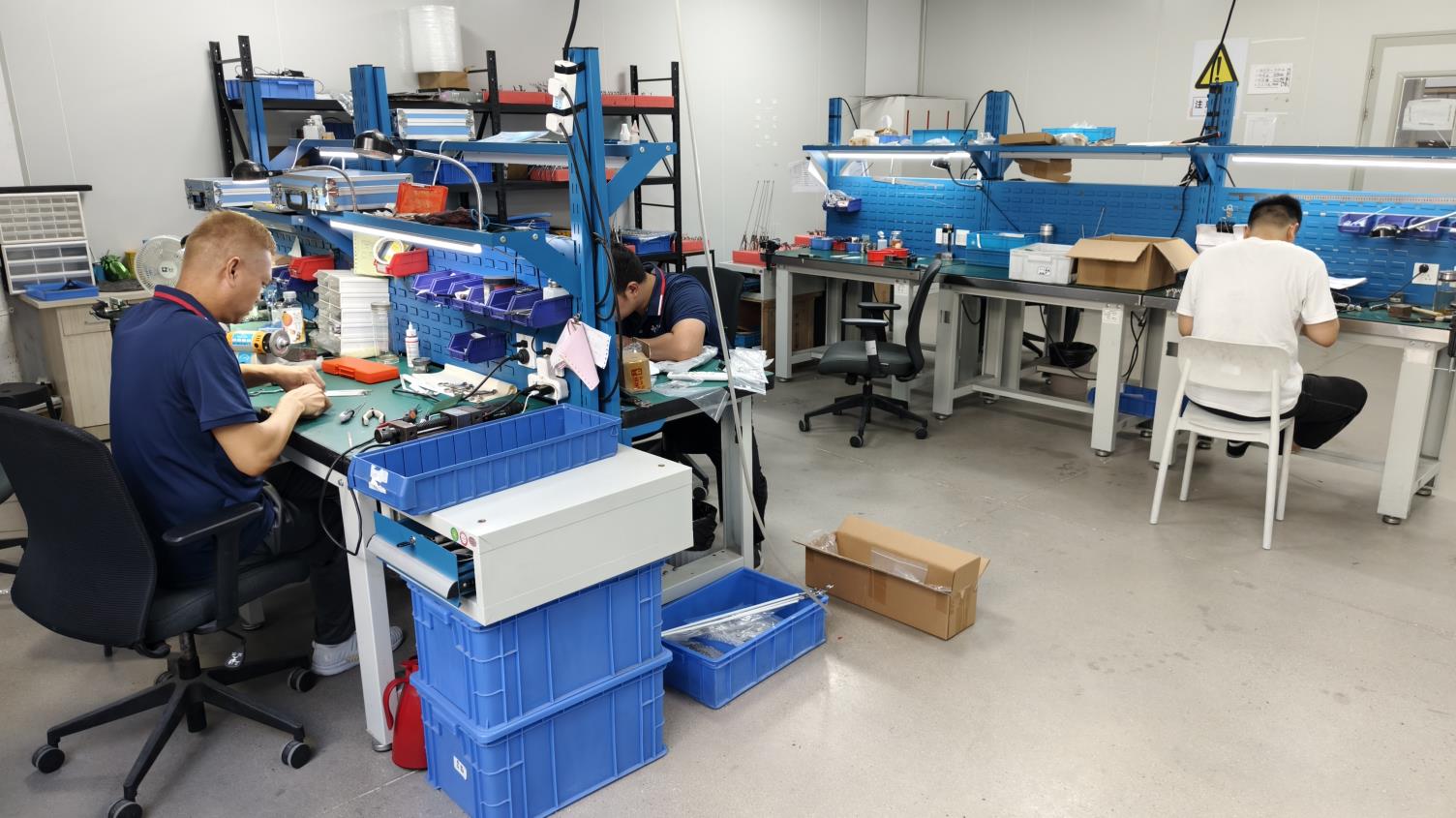
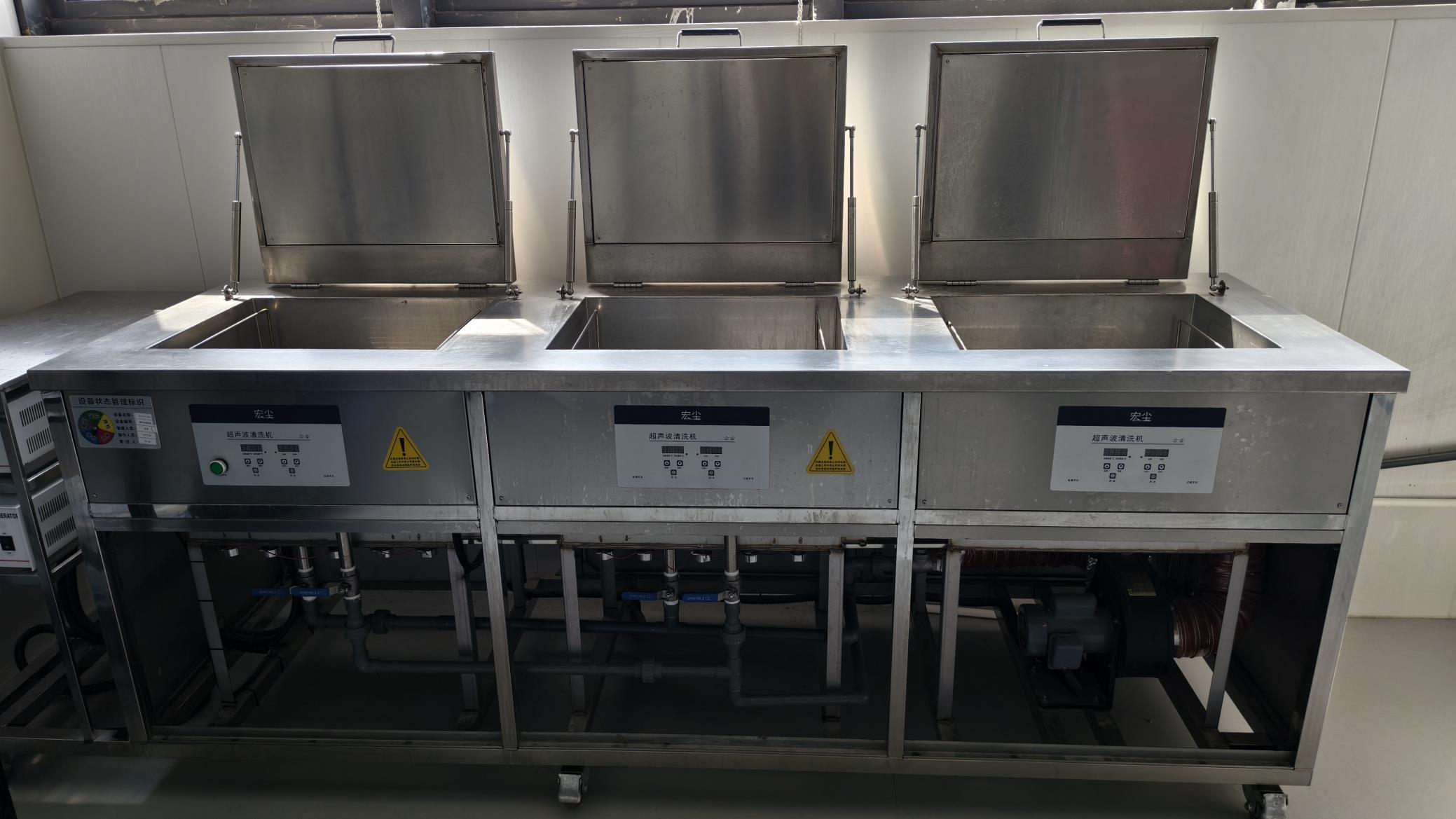
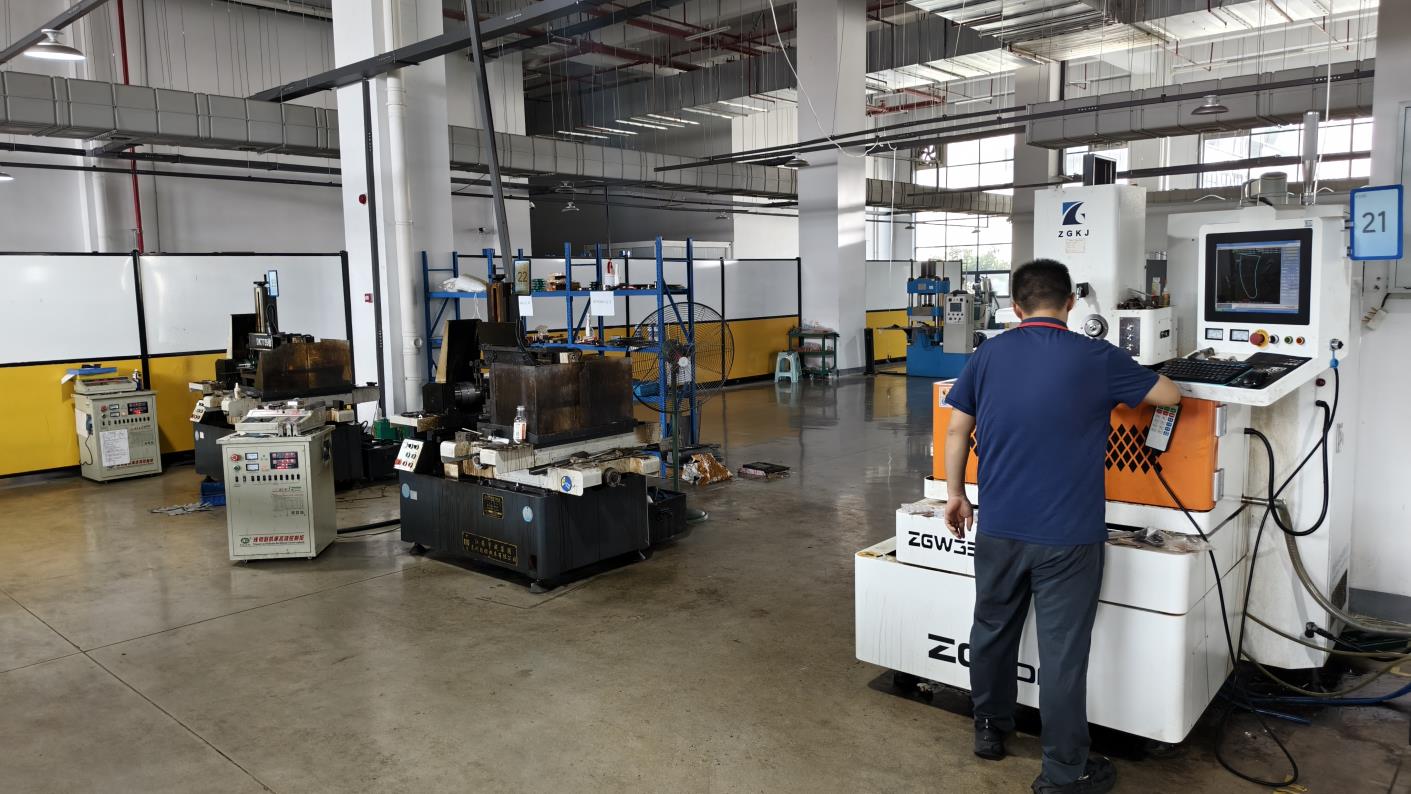
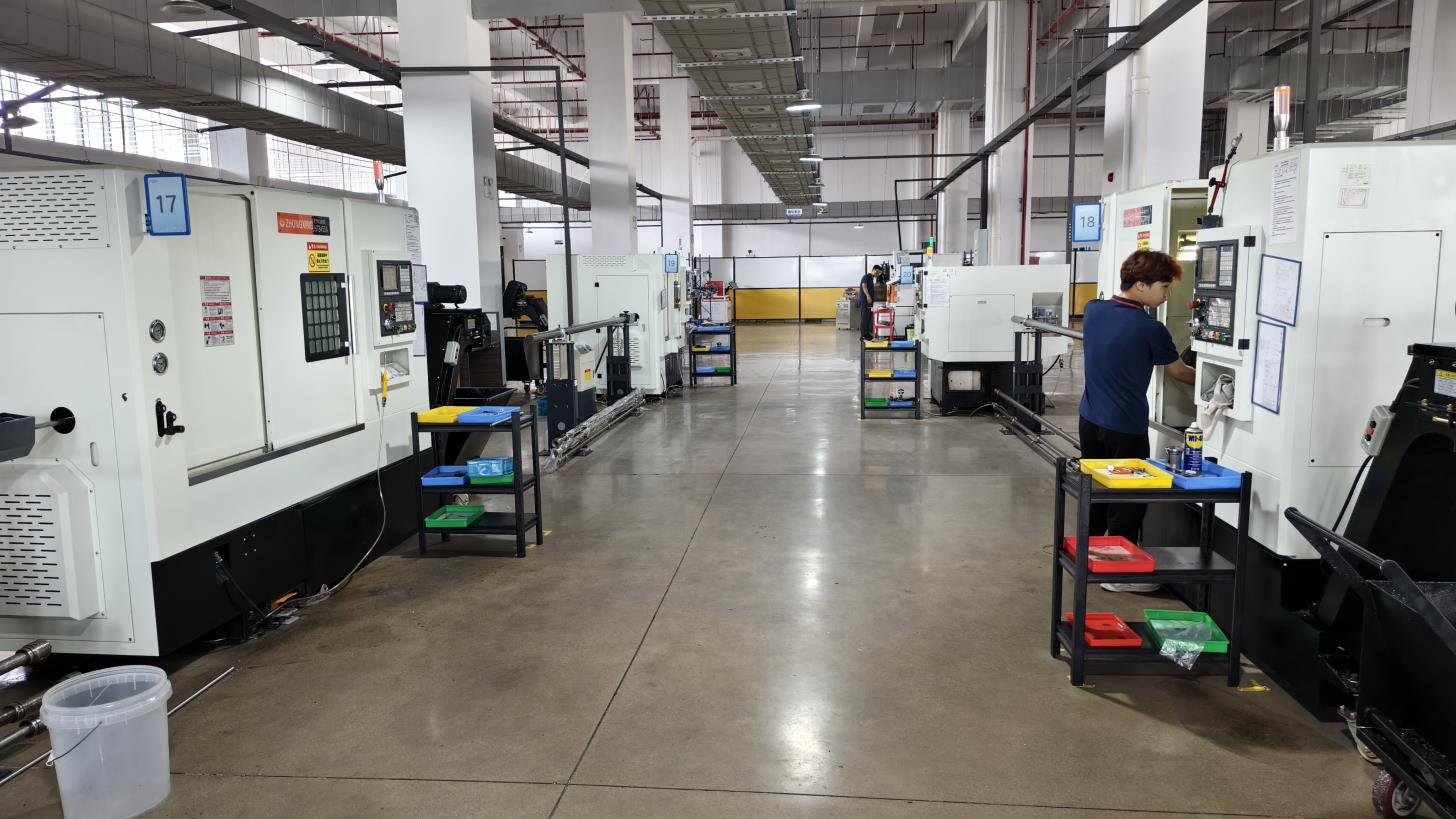
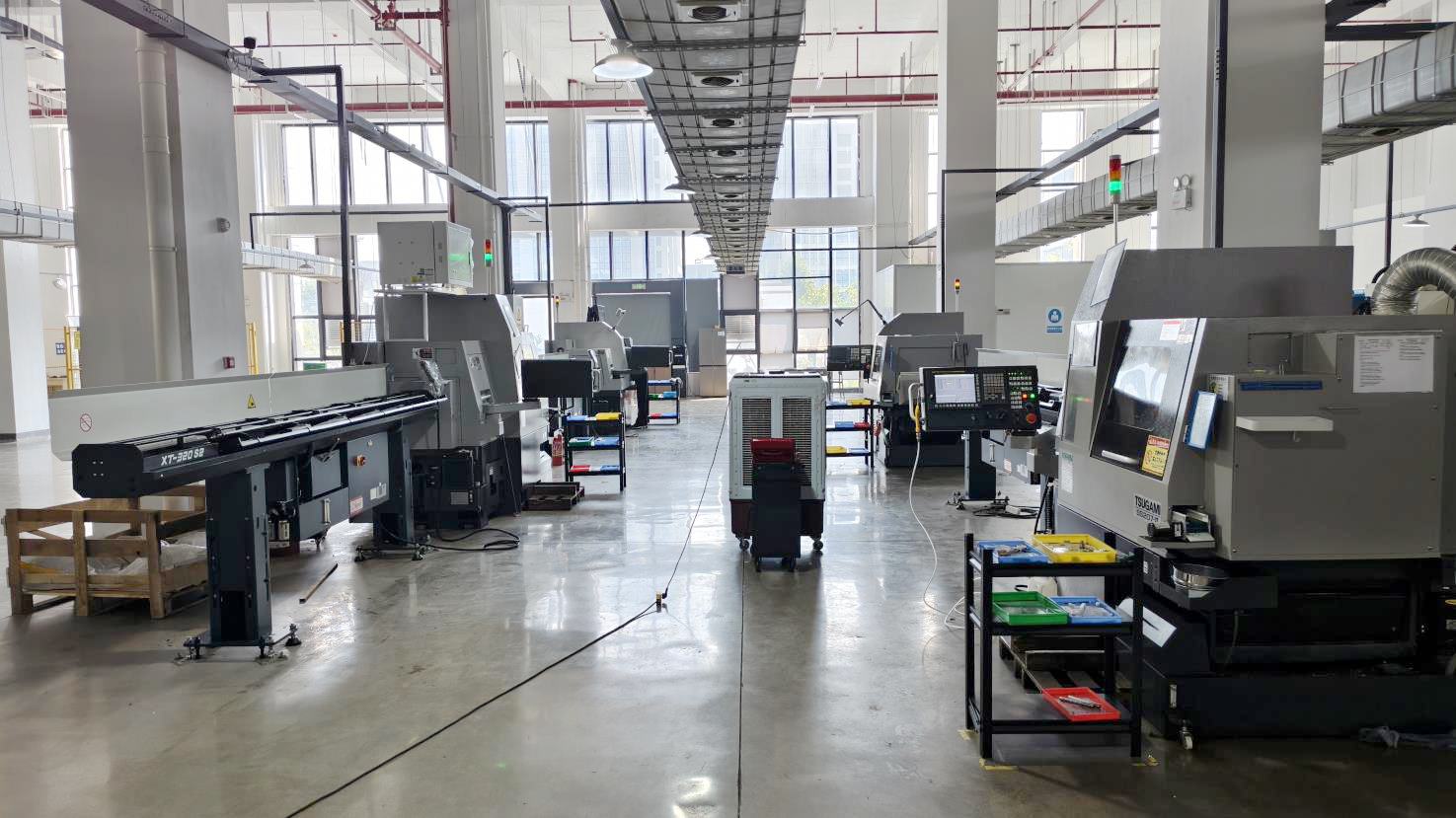
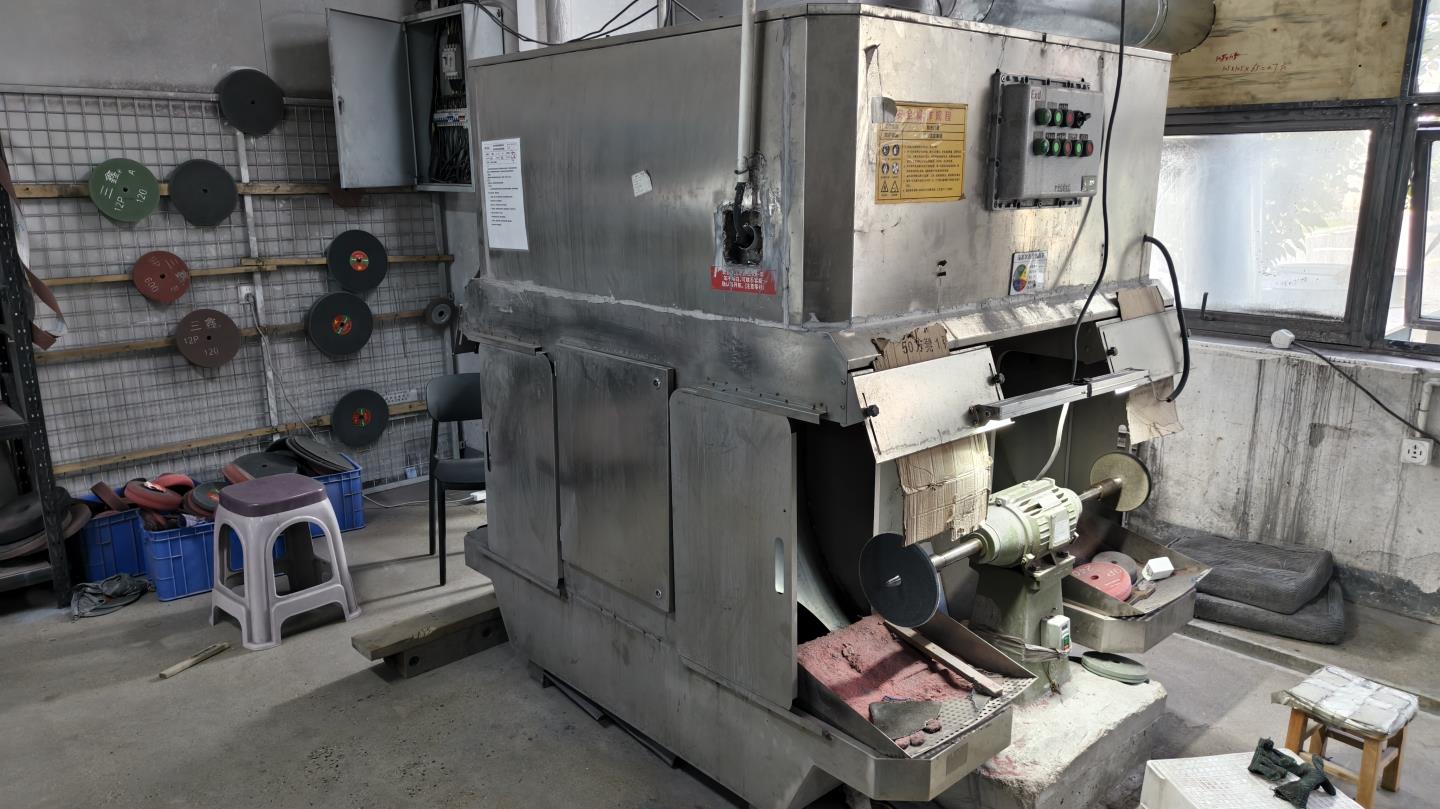
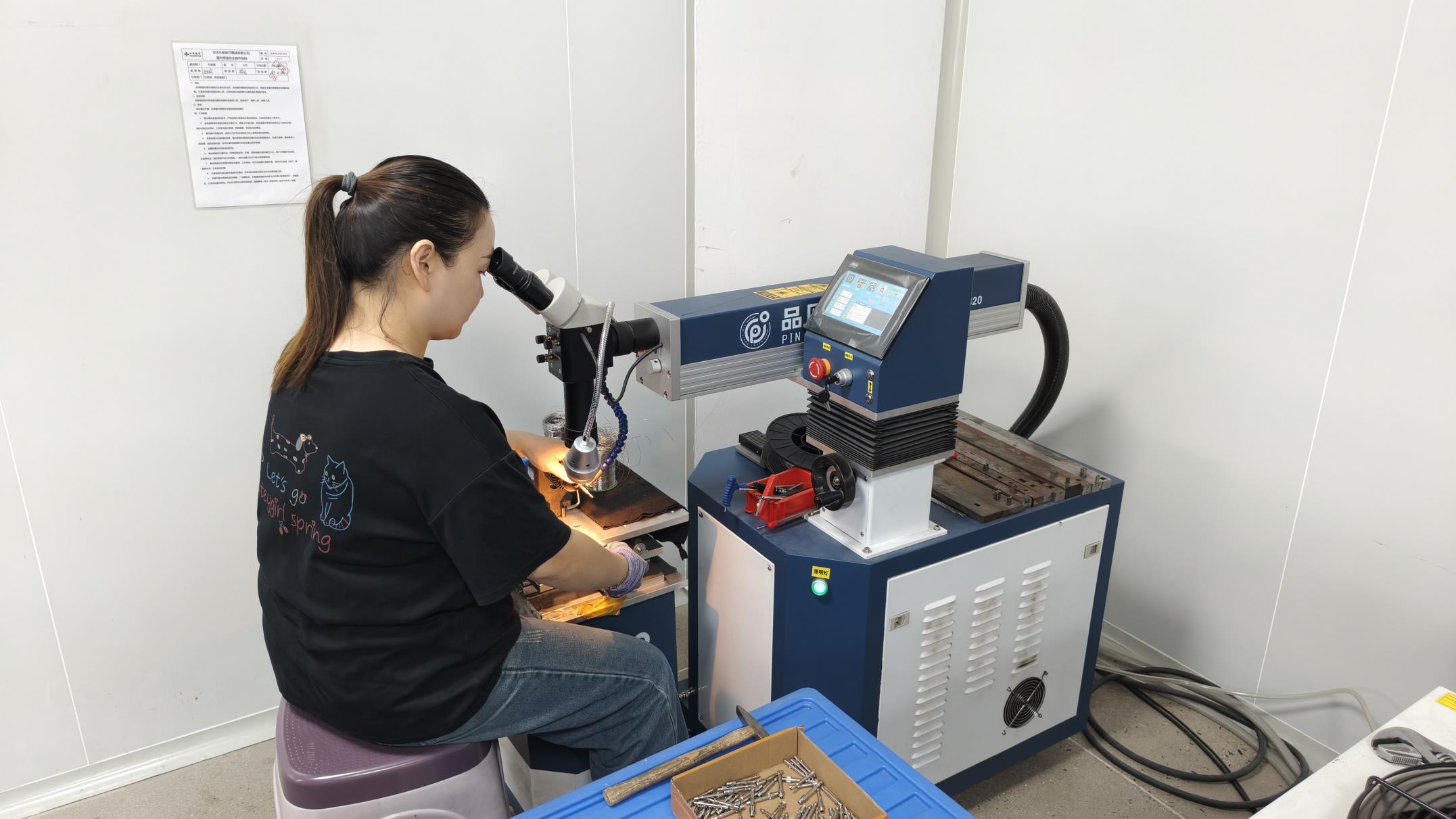
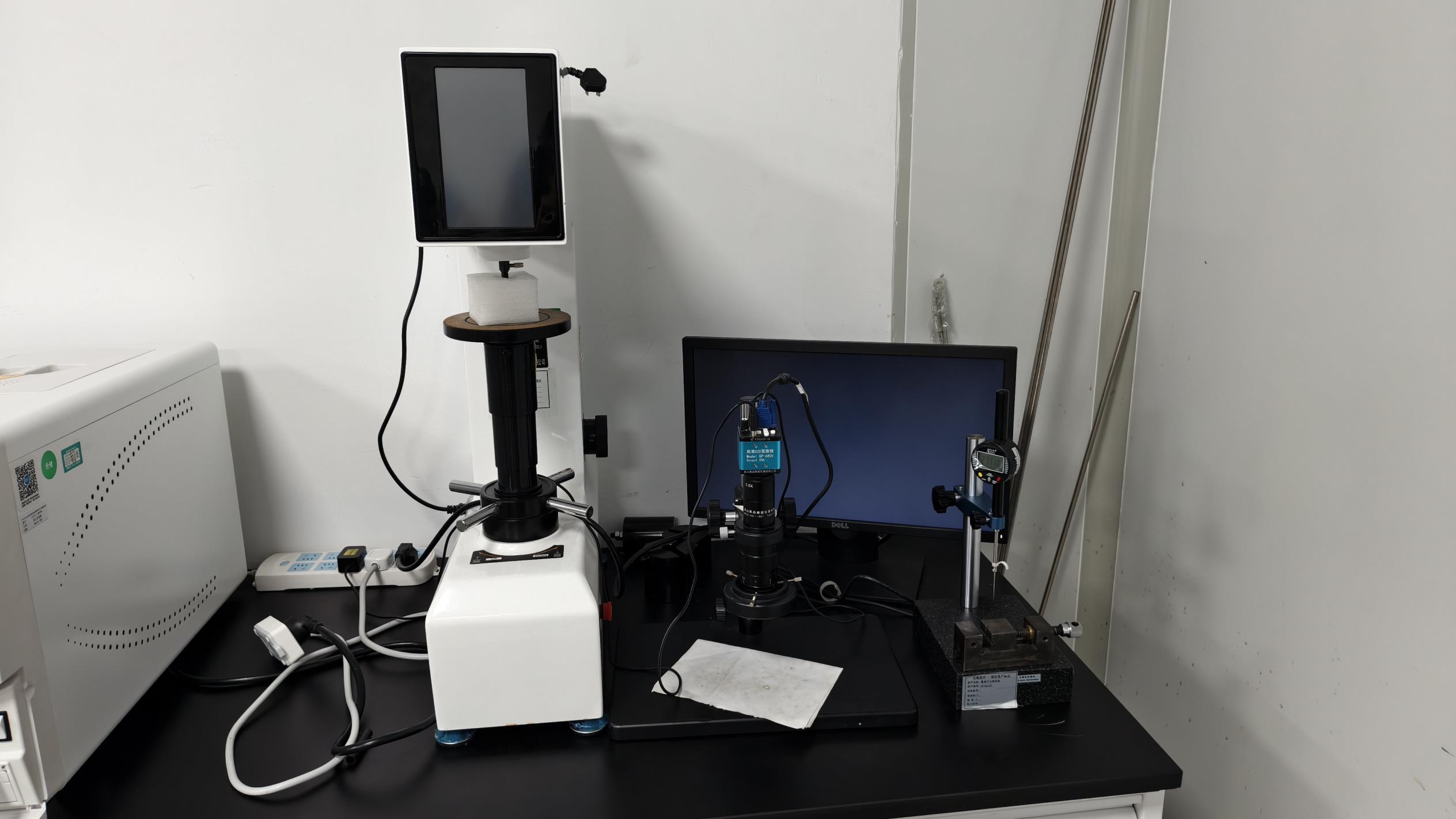
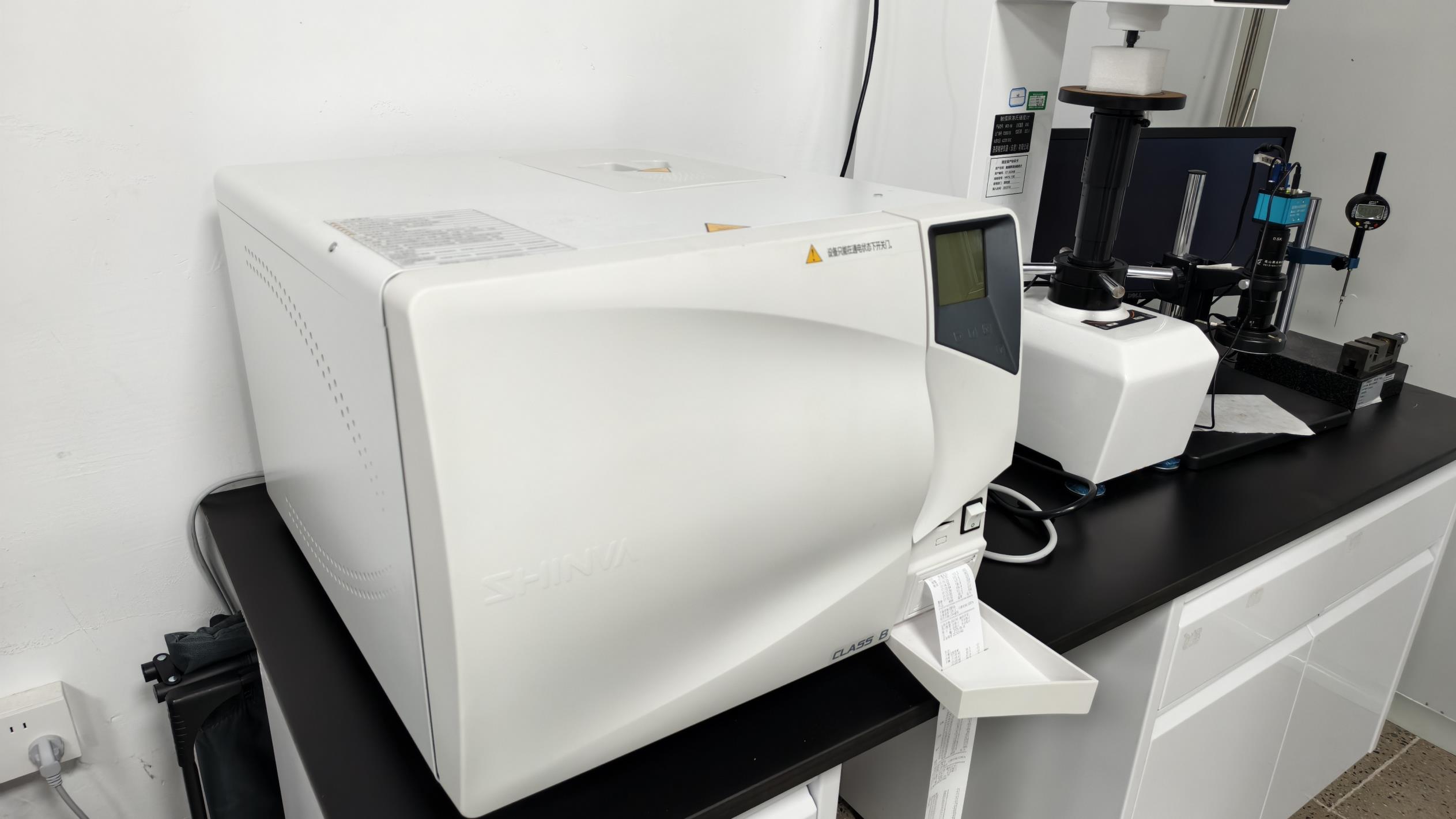
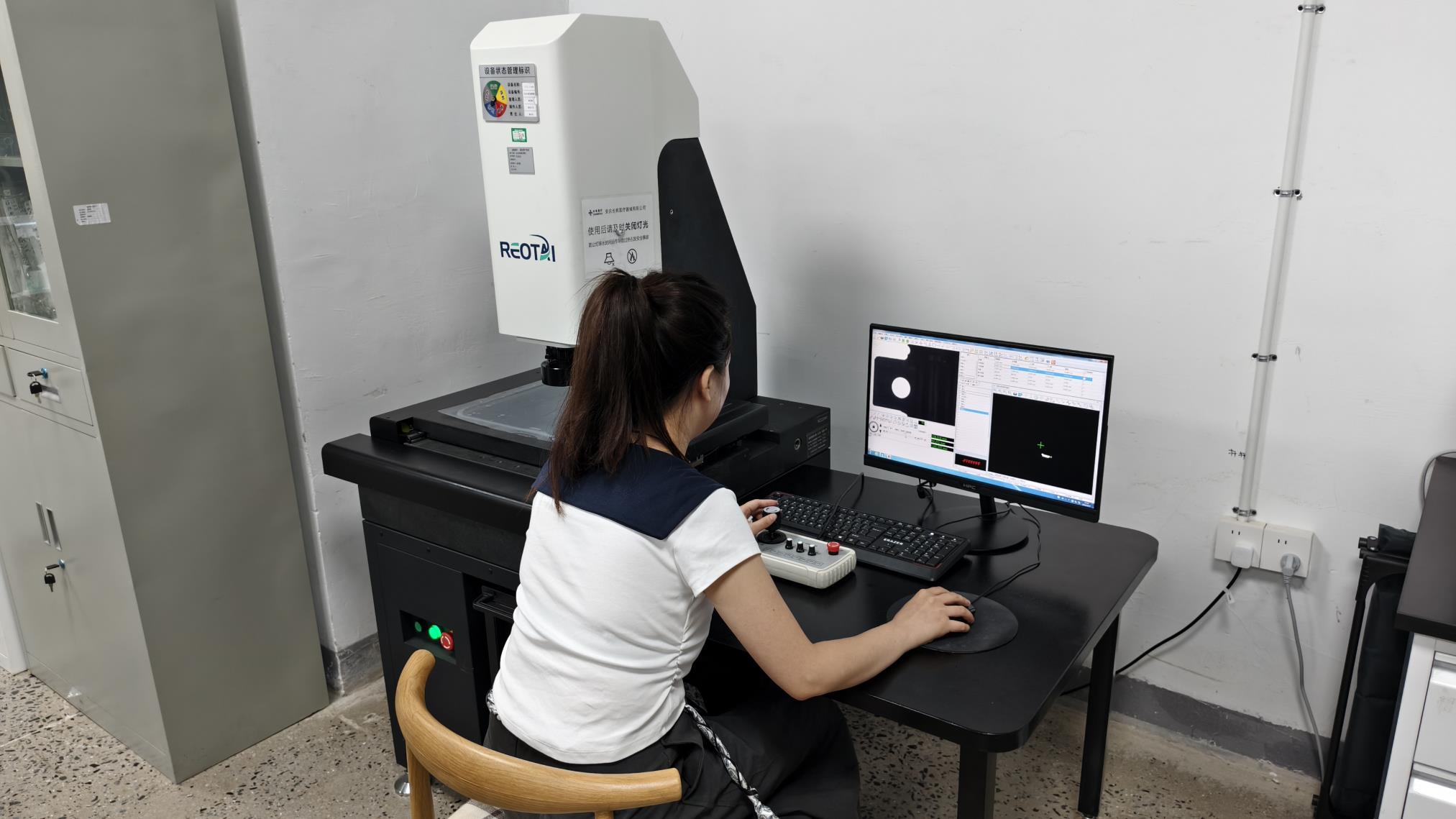
100% Traceability, Mechanical Integrity Validation, and Biocompatibility Assurance under ISO 13485 Guidelines.
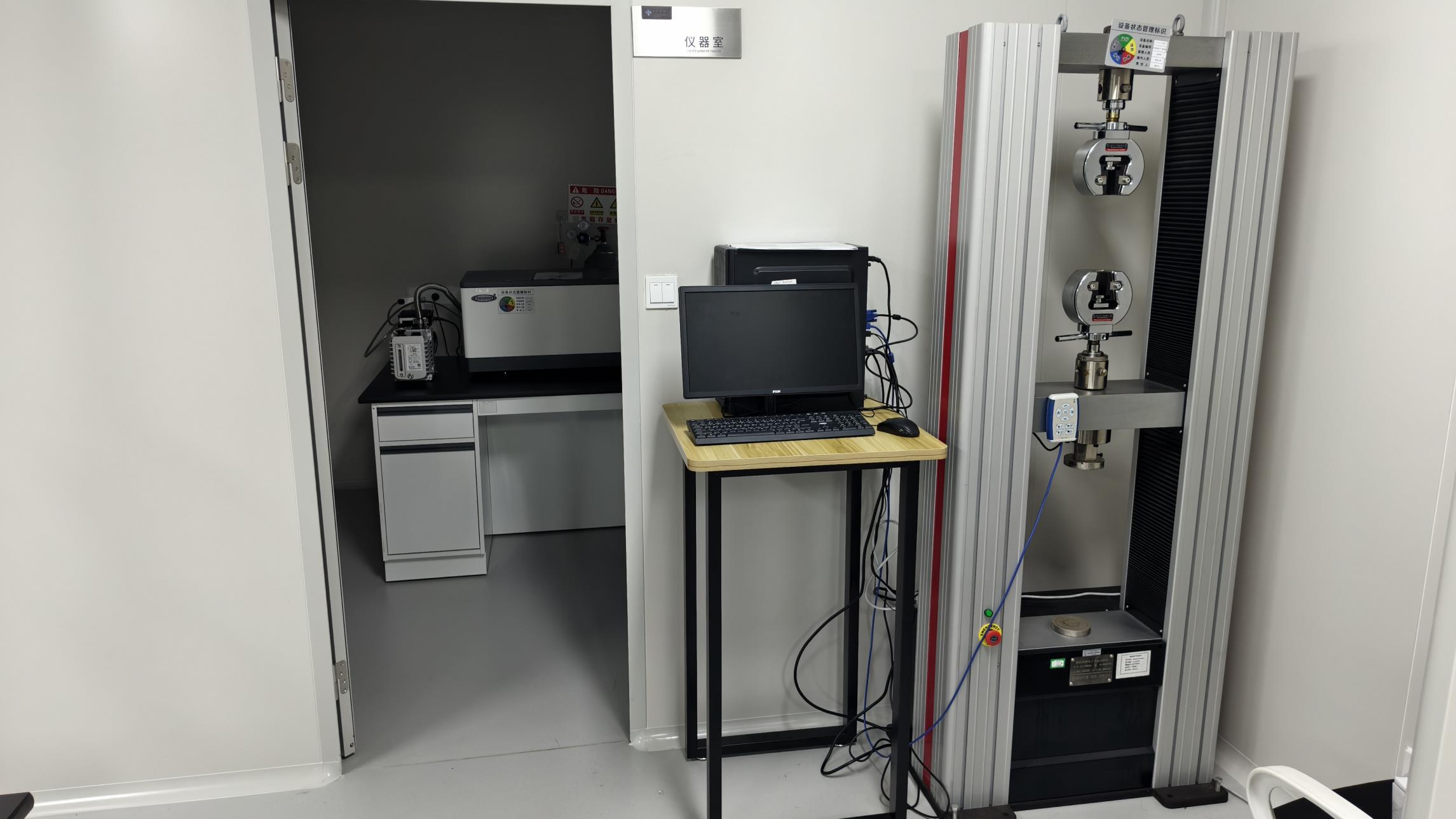
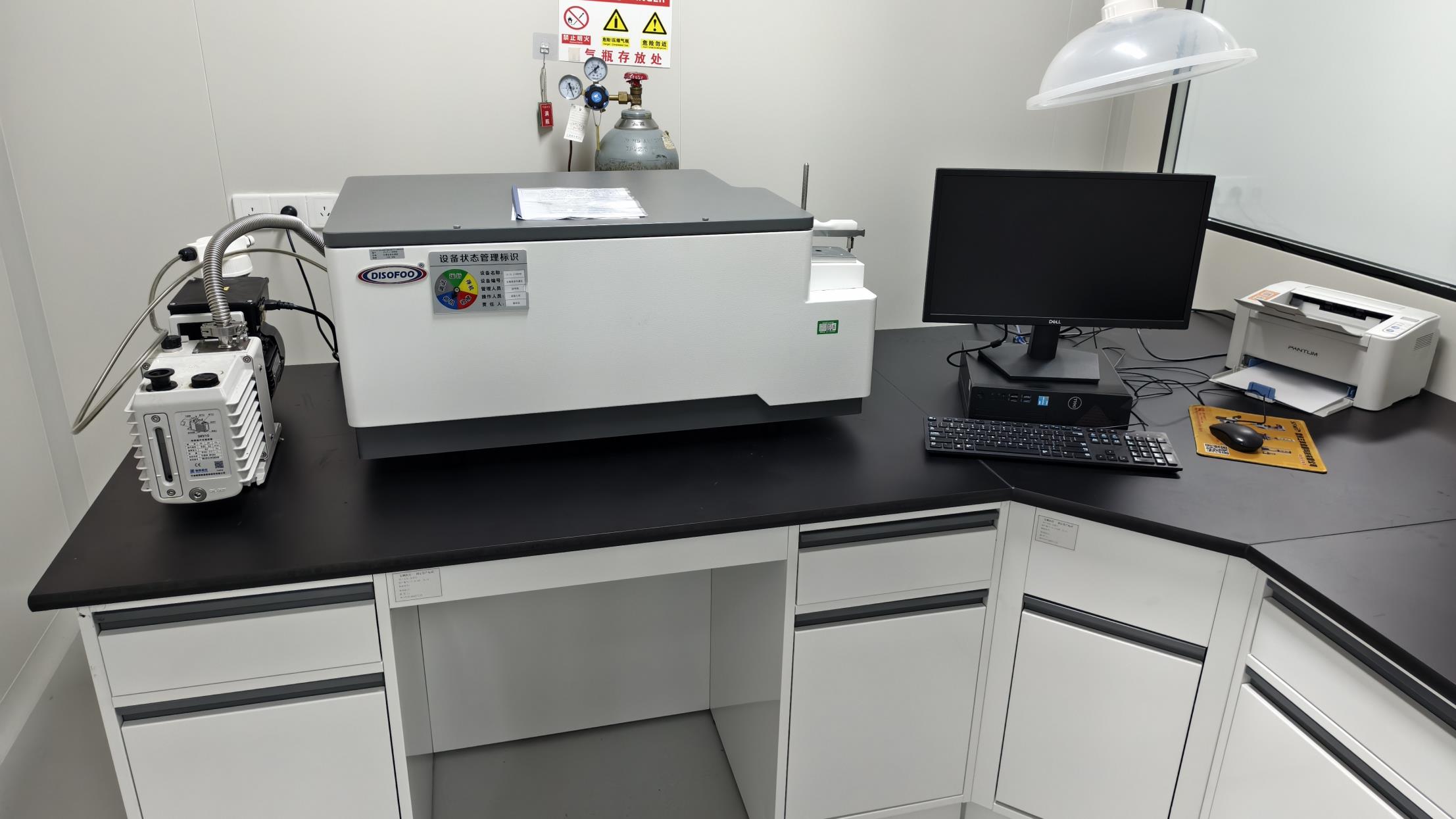
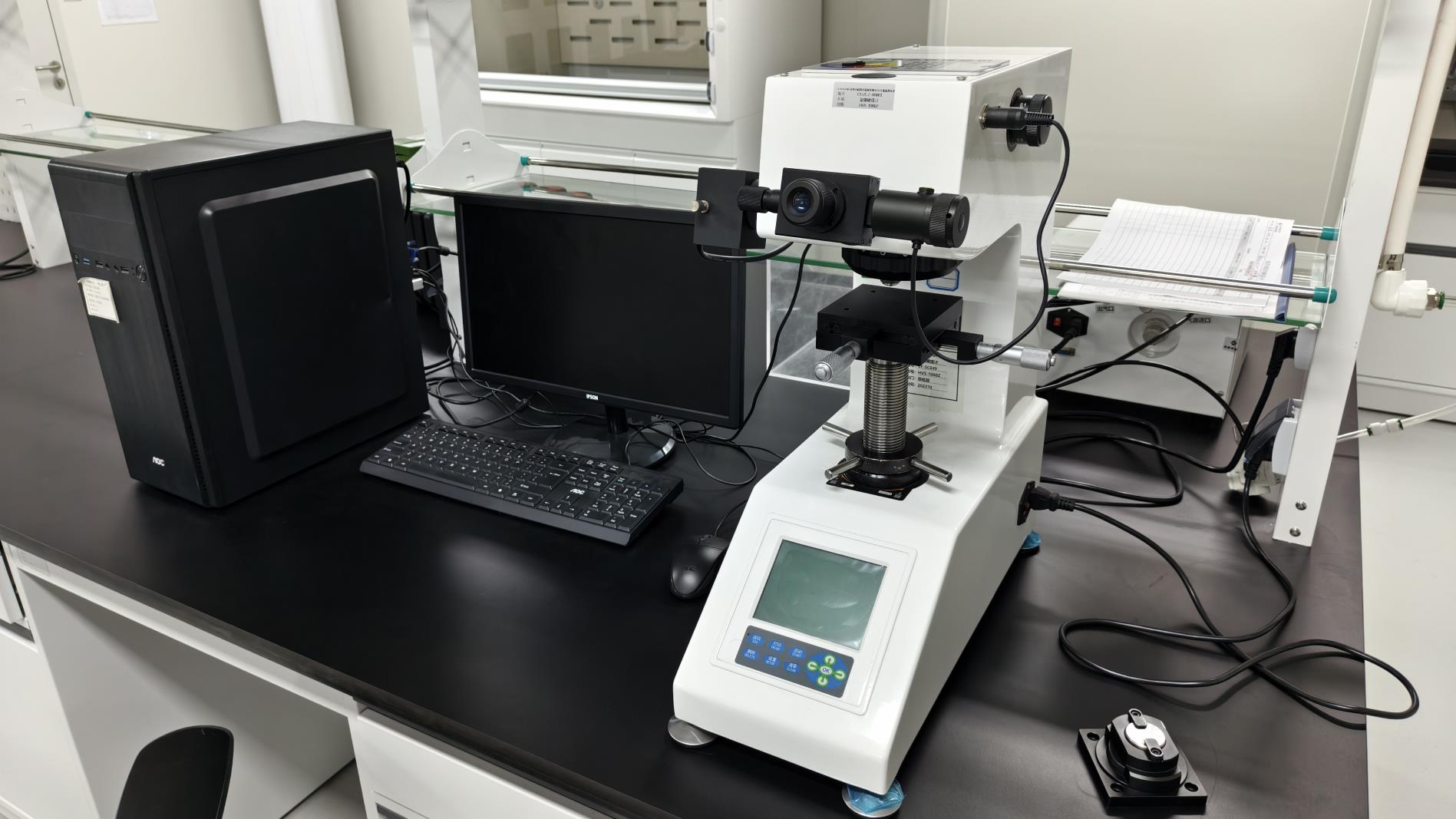
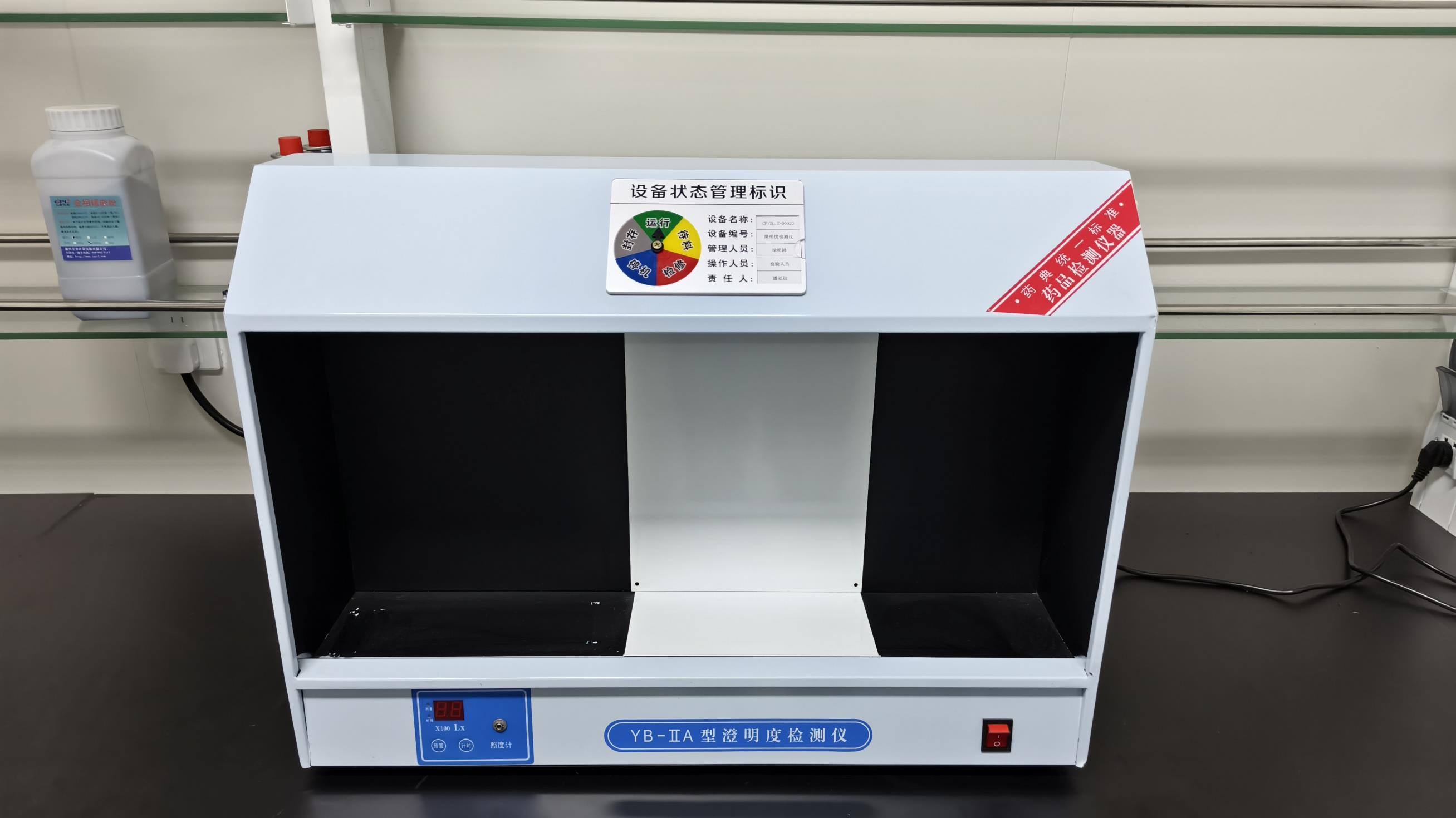
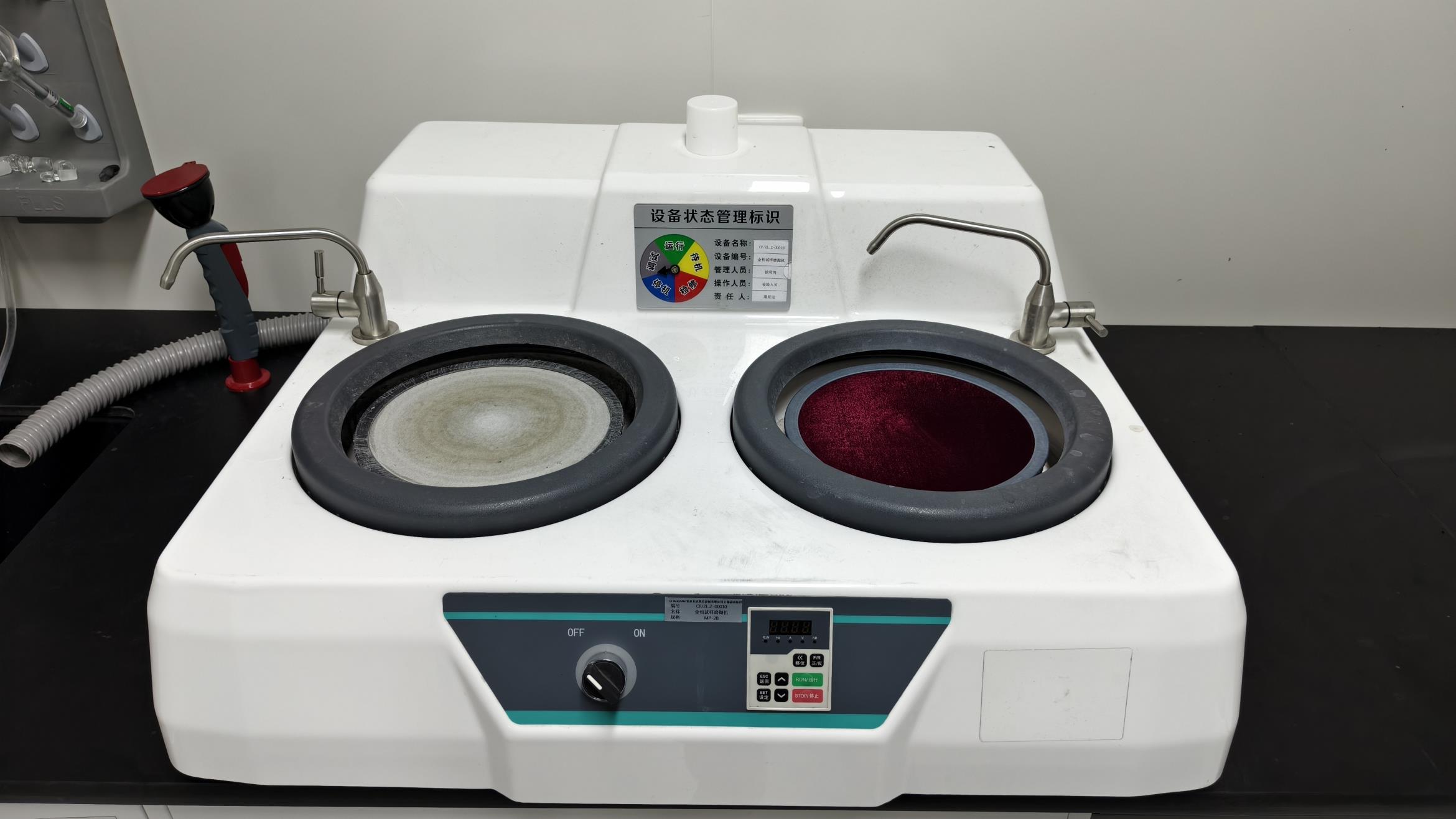
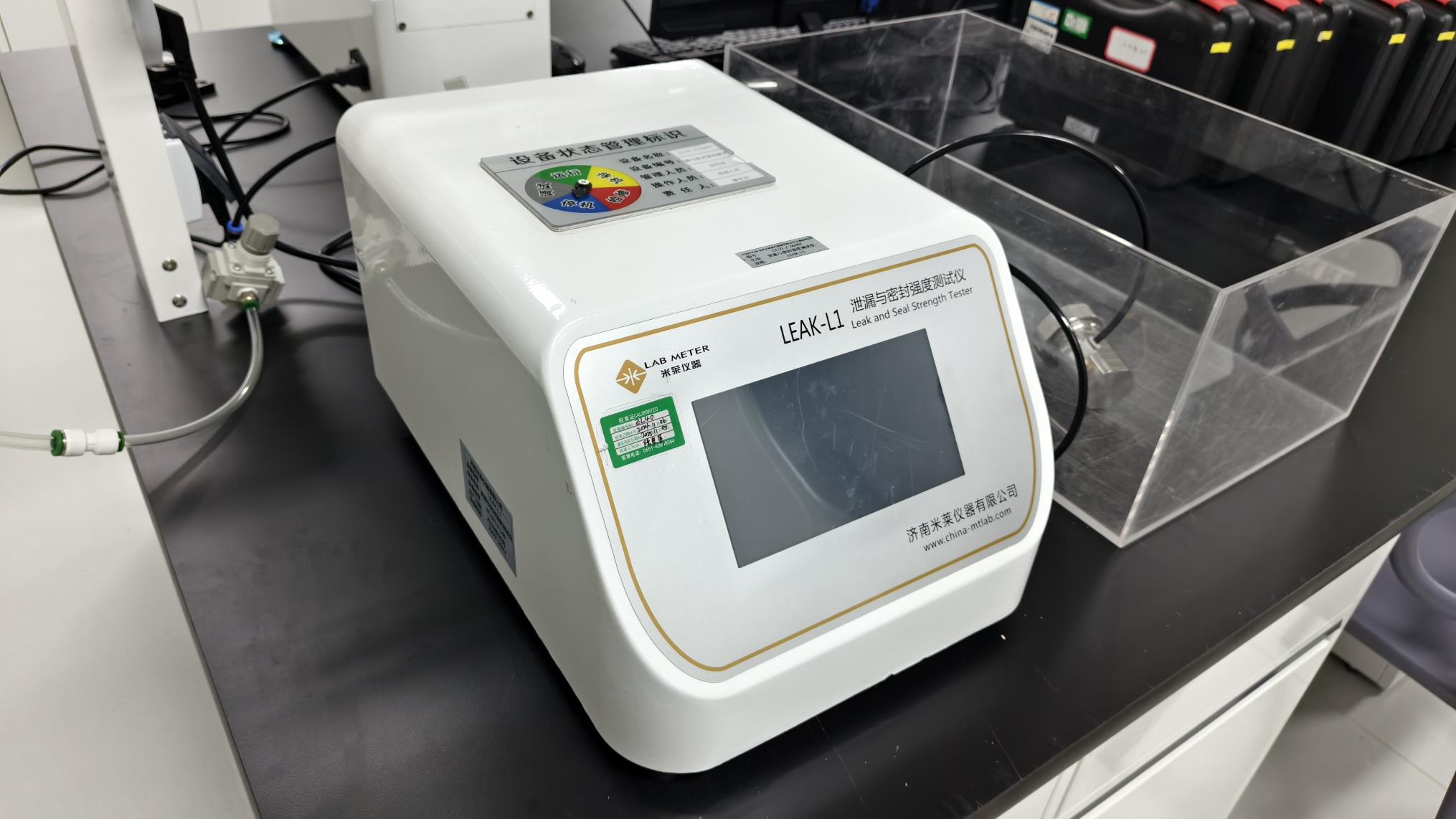
Because orthopedic implants directly affect patient outcomes and long-term bone healing, product failure is not an option. Zynfuse enforces a multi-tier testing pipeline leveraging 68 dedicated quality engineers. Every production lot undergoes non-destructive evaluation, dimensional verification using high-magnification optics, mechanical stress-fatigue cycling, and bio-burden testing.

Unlocking Cost Competitiveness, Speed to Market, and Custom OEM Integration for Global Healthcare Brands
China's advanced medical manufacturing hubs feature deep integration of raw material refiners, specialized coating facilities (Plasma Spraying, HA Coating), and precision toolmakers. This cluster density reduces lead times for complex assemblies from months to weeks.
Our engineering group of 85 specialists provides instant Design for Manufacturability (DFM) feedback. Utilizing advanced Swiss-lathe programming and 5-axis CAD/CAM simulation, we can transition from initial CAD design to functional clinical prototype within 14 business days.
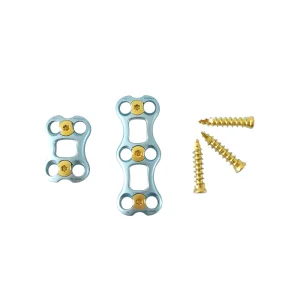
Whether servicing specialized niche surgical instruments or scaling up high-volume trauma plates and pedicle screws, Zynfuse offers flexible minimum order quantities (MOQs) paired with high-volume cost efficiencies for multinational OEM partners.
Pioneering Next-Generation Orthopedic Technology for Modern Surgical Suites and Specialized Trauma Centers
The landscape of orthopedic consumables is rapidly integrating with digital surgery workflows, robotics, and patient-specific implantology. Global procurement teams must align with OEM partners who understand these shifting dynamics:
Explore our export-certified implant solutions engineered for seamless clinical integration and optimal biomechanical stability.
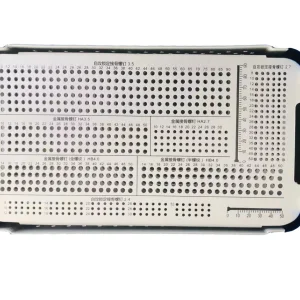
In-depth insights into OEM customization workflow, regulatory document transfers, quality audits, and logistics.