Zynfuse
Zynfuse
Zynfuse
High-precision instrumentation and trauma fixation systems engineered to comply with ISO 13485 and global standards.
Modern clinical orthopaedics demands fixation implants that deliver perfect structural support while avoiding stress shielding. Research and development in the design of bone plates and screws focus heavily on mimicking the natural elastomeric properties of cortical bone. Titanium alloys (predominantly Ti-6Al-4V ELI) and high-performance polyetheretherketone (PEEK) have become the material baselines for contemporary osteosynthesis implants.
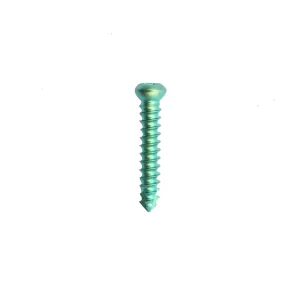
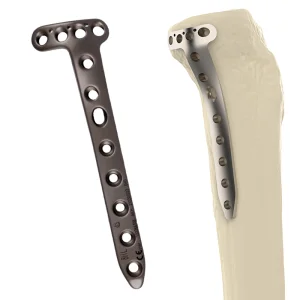
Locking plate technologies have changed fracture fixation dynamics. Unlike conventional non-locking plates, where stability relies on friction between the plate and bone surface, locking plates function as internal fixators. The integration of locking screws allows for rigid construct stability without disrupting periosteal microvascular blood supply. This advance prevents bone necrosis underneath the plate and accelerates clinical healing phases.
As a premier custom OEM manufacturer, Zynfuse Medical Technology Co., Ltd. addresses the complexities of this biomechanical relationship. Through precise engineering, we optimize thread profiles, screw pitches, and plate contours to offer orthopedic surgeons maximum tactile control and long-term implant integrity.
The global orthopaedic implant supply chain has transitioned to highly integrated hubs. Leveraging advanced manufacturing clusters in China, Zynfuse integrates raw material sourcing, automated machining, surface chemistry modification, and regulatory inspection workflows.
This local manufacturing cluster delivers significant benefits for global buyers:
Moreover, the proximity to advanced testing facilities allows for continuous validation of raw materials, ensuring every batch meets or exceeds ISO standards.
A step-by-step look at our automated production line and testing equipment, maintaining zero-defect tolerances.
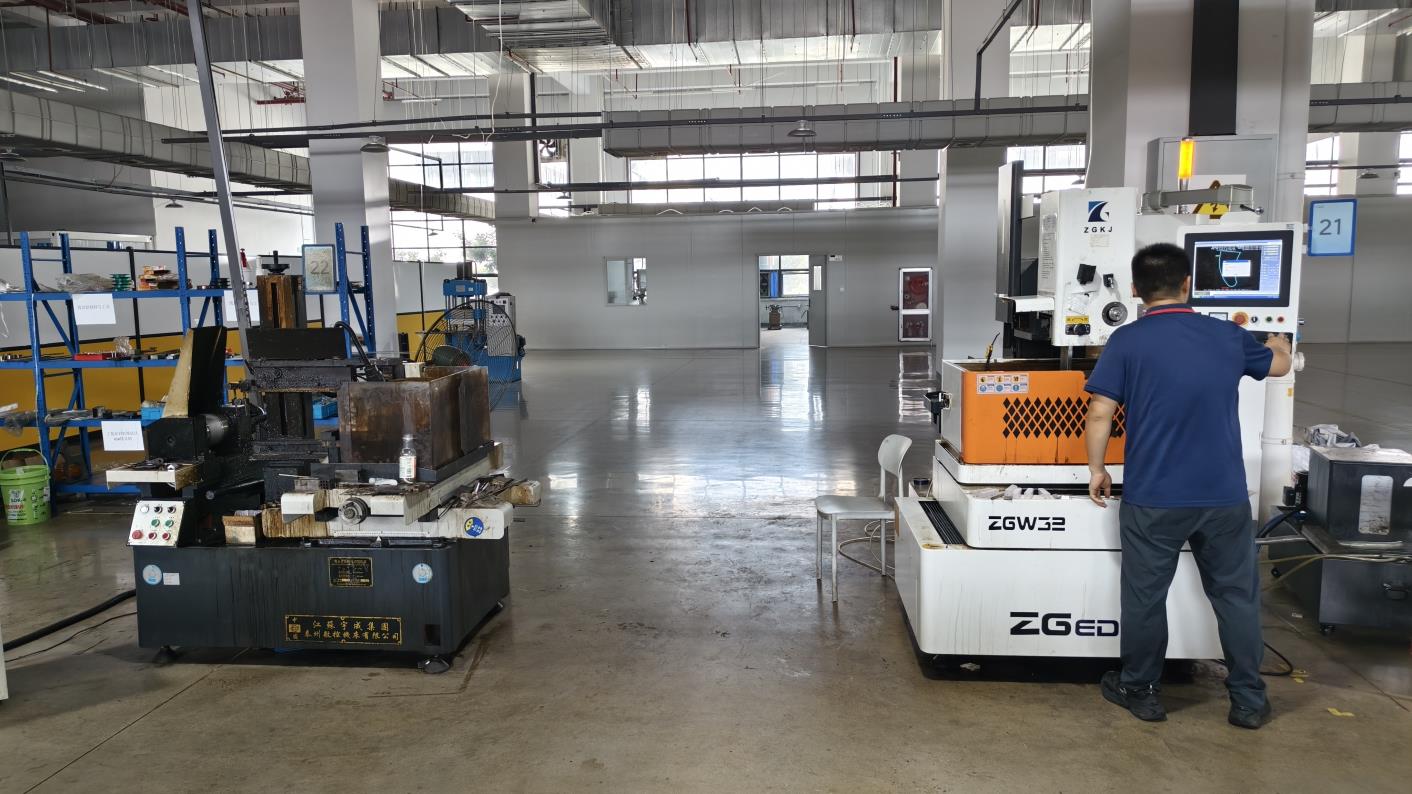
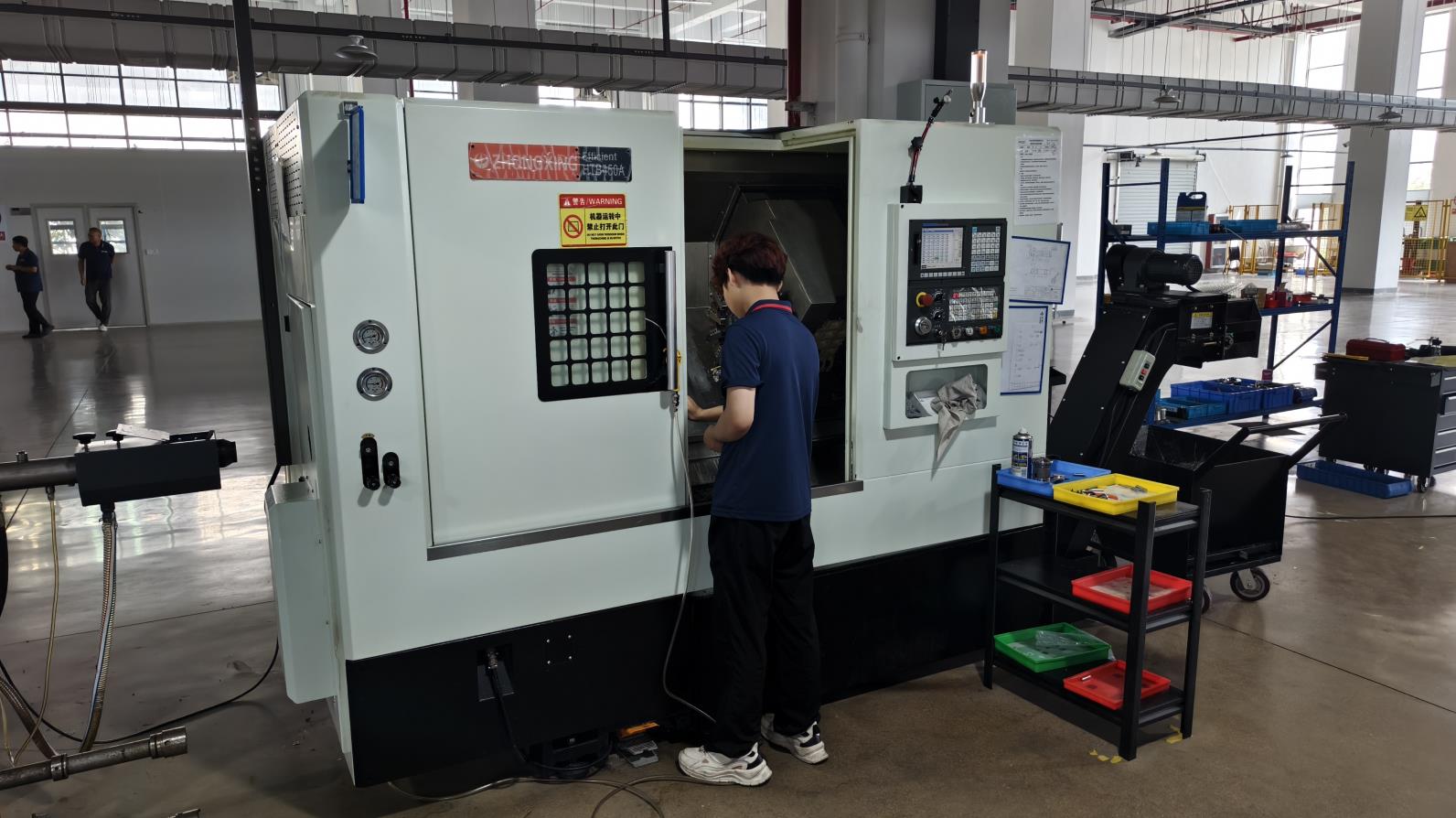
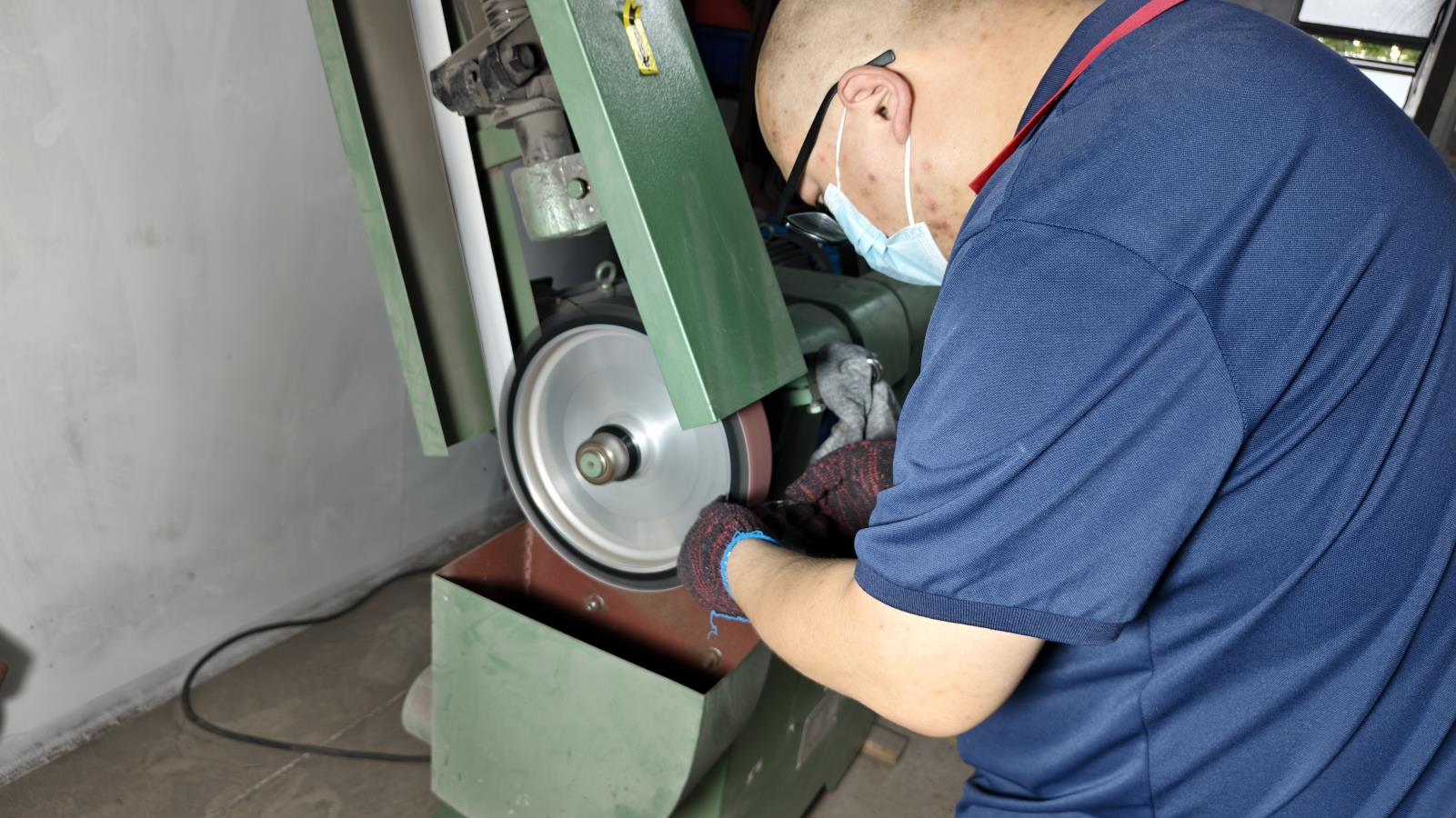
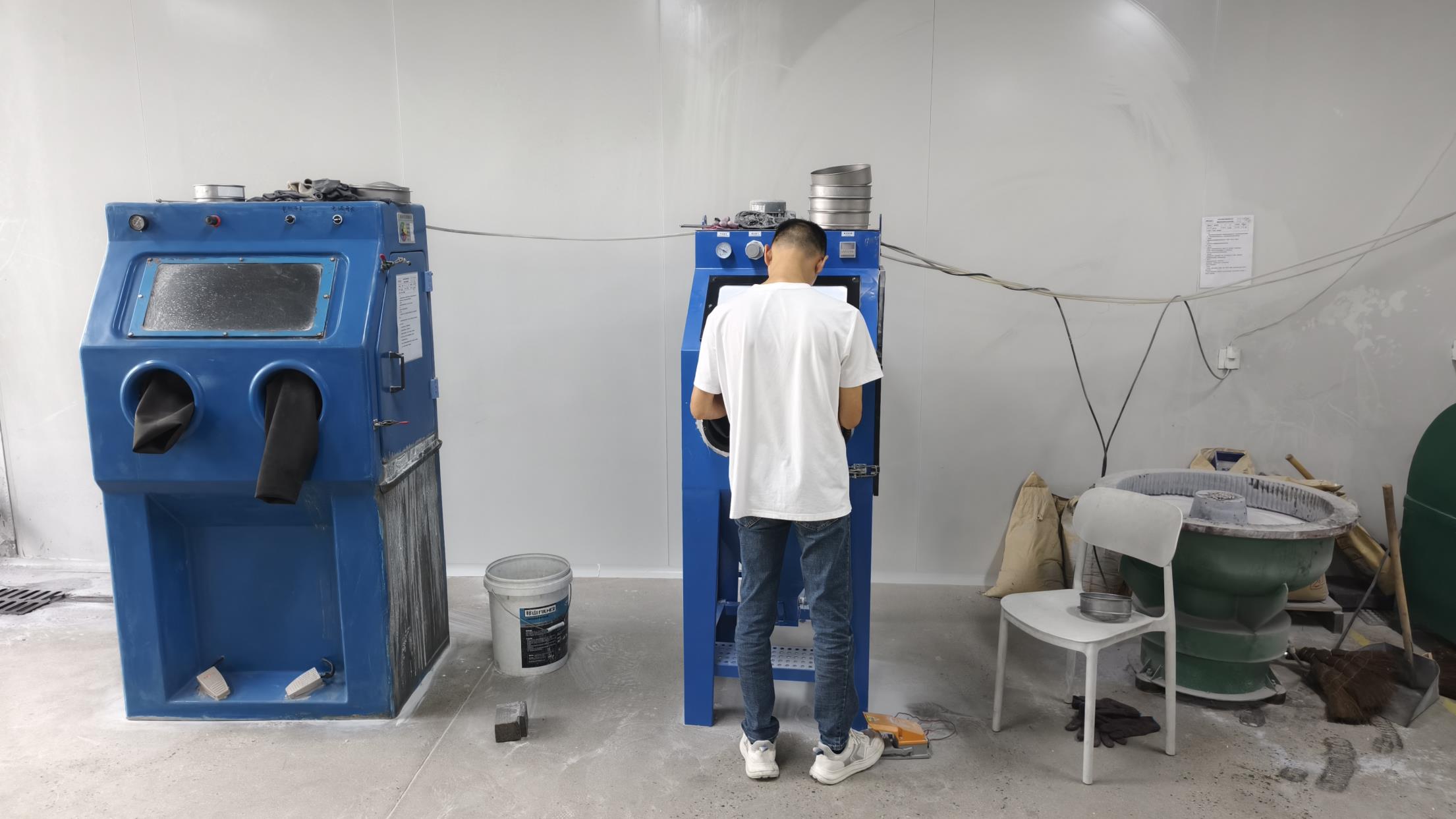
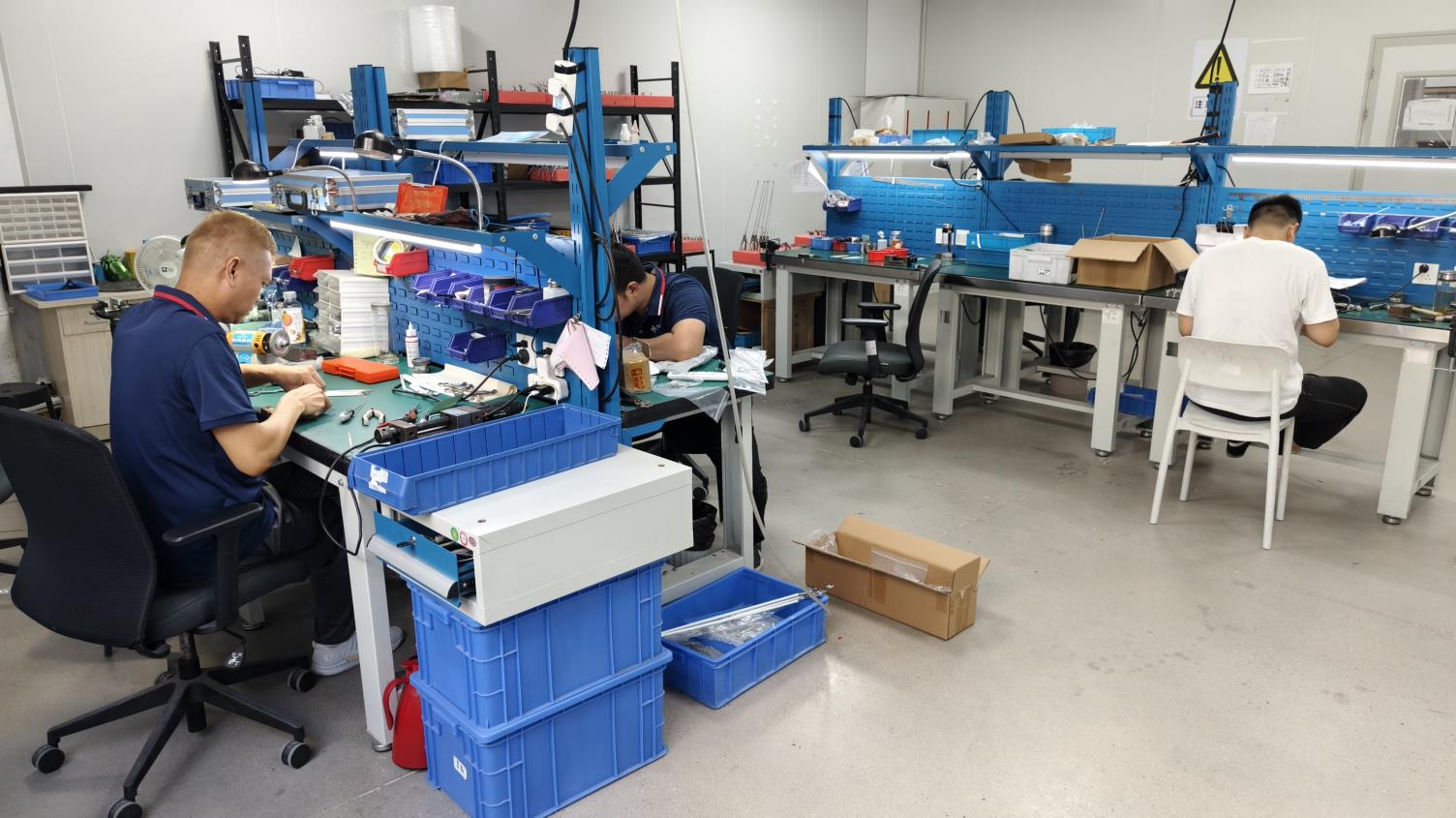
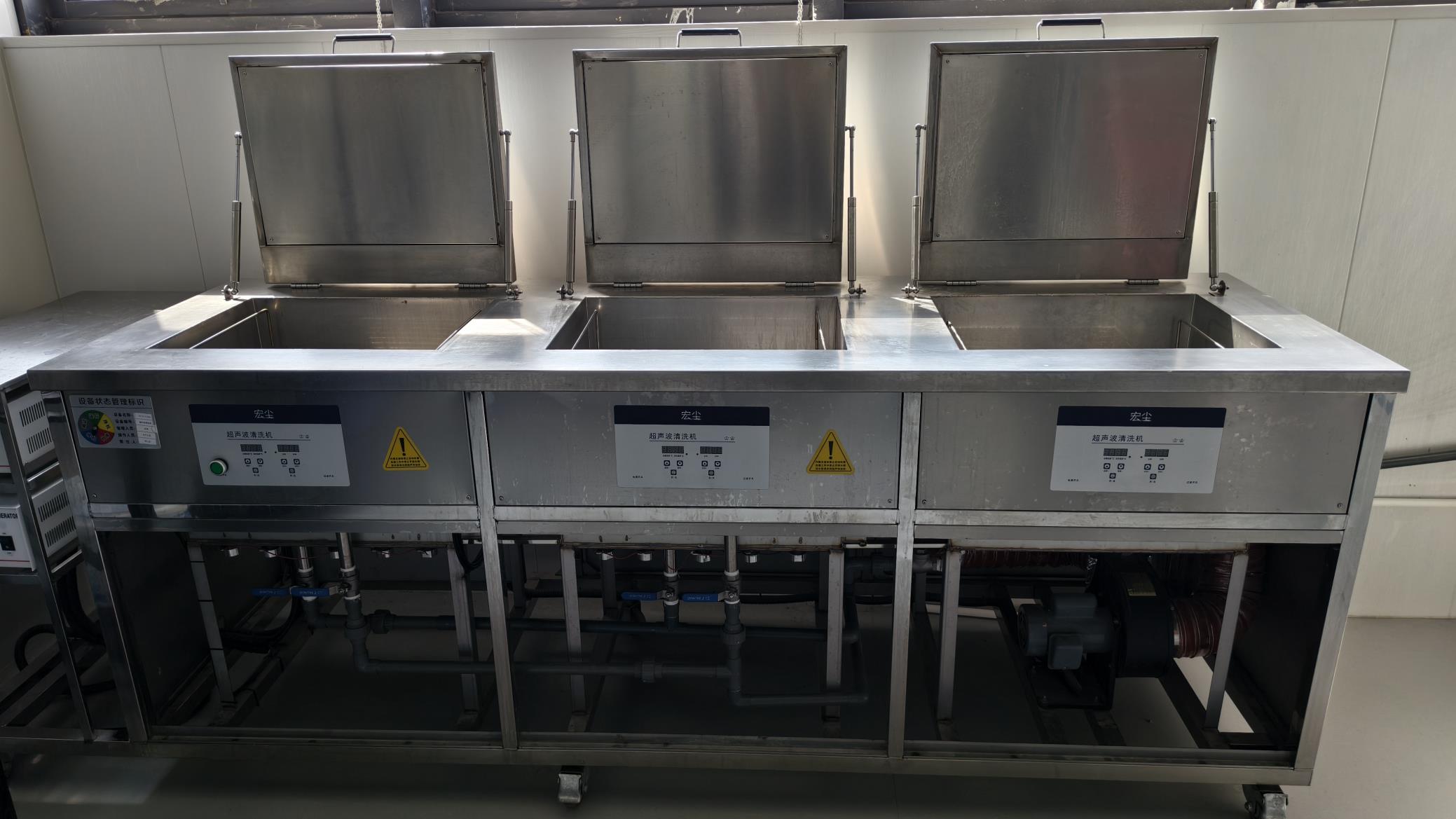
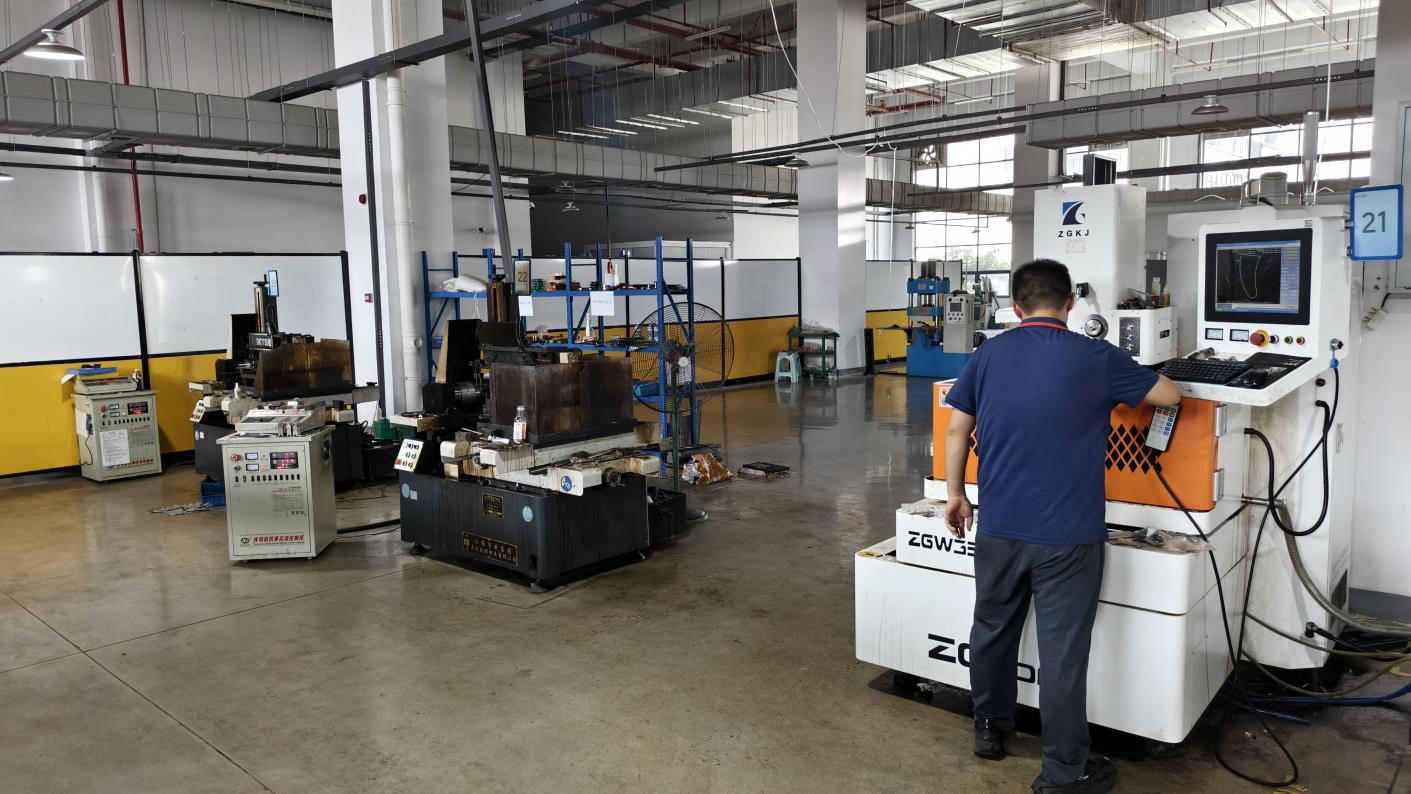
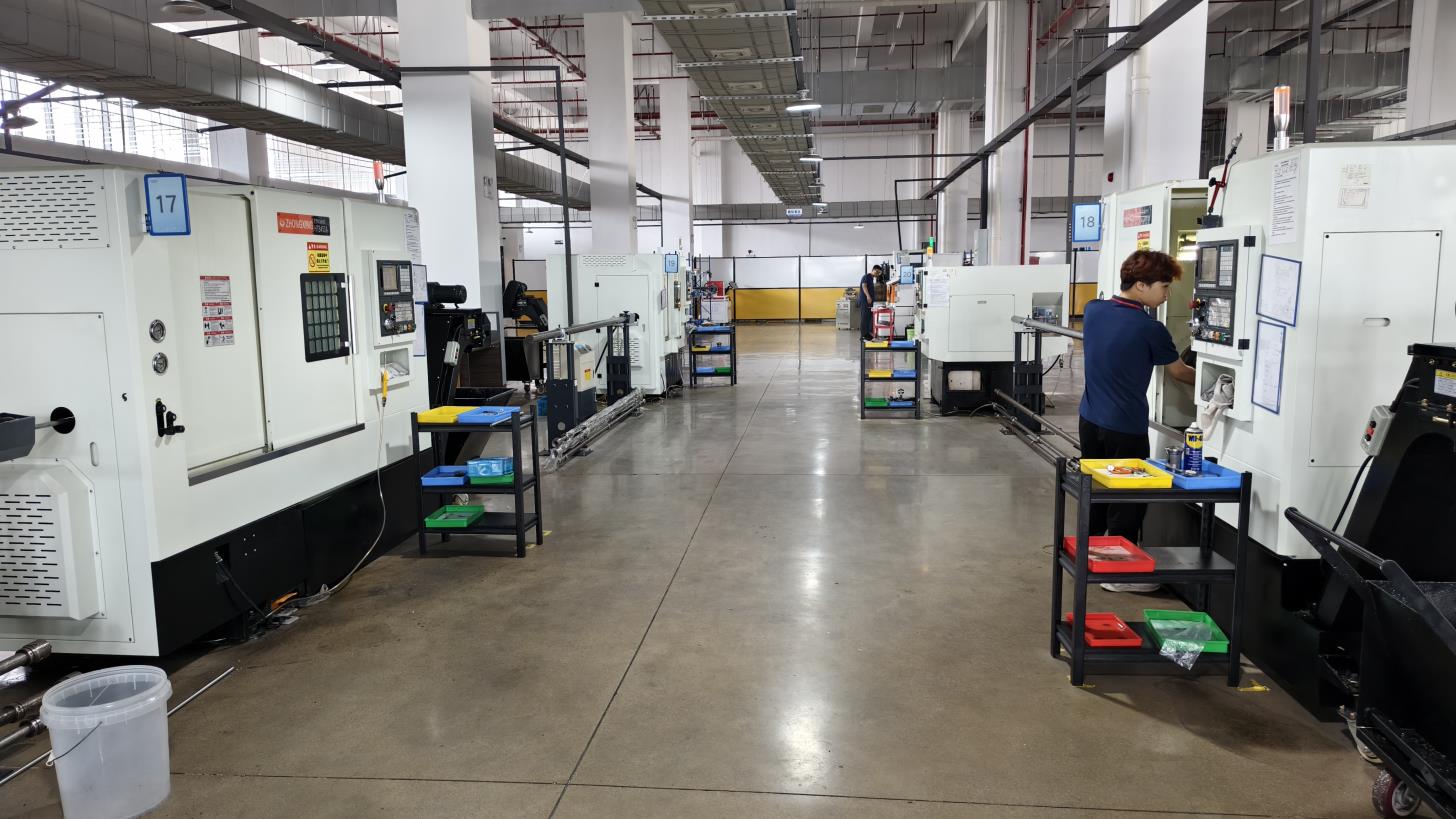
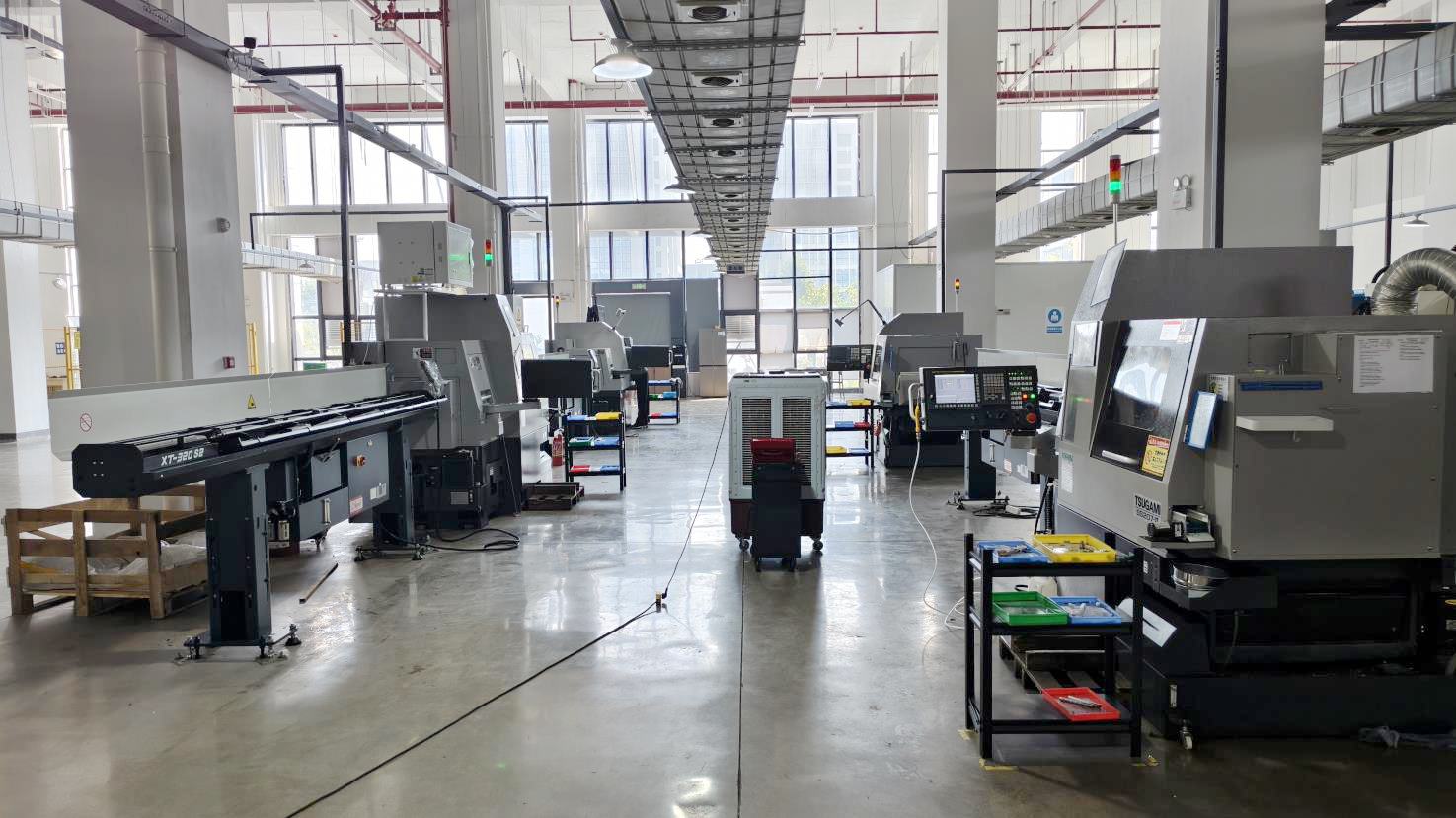
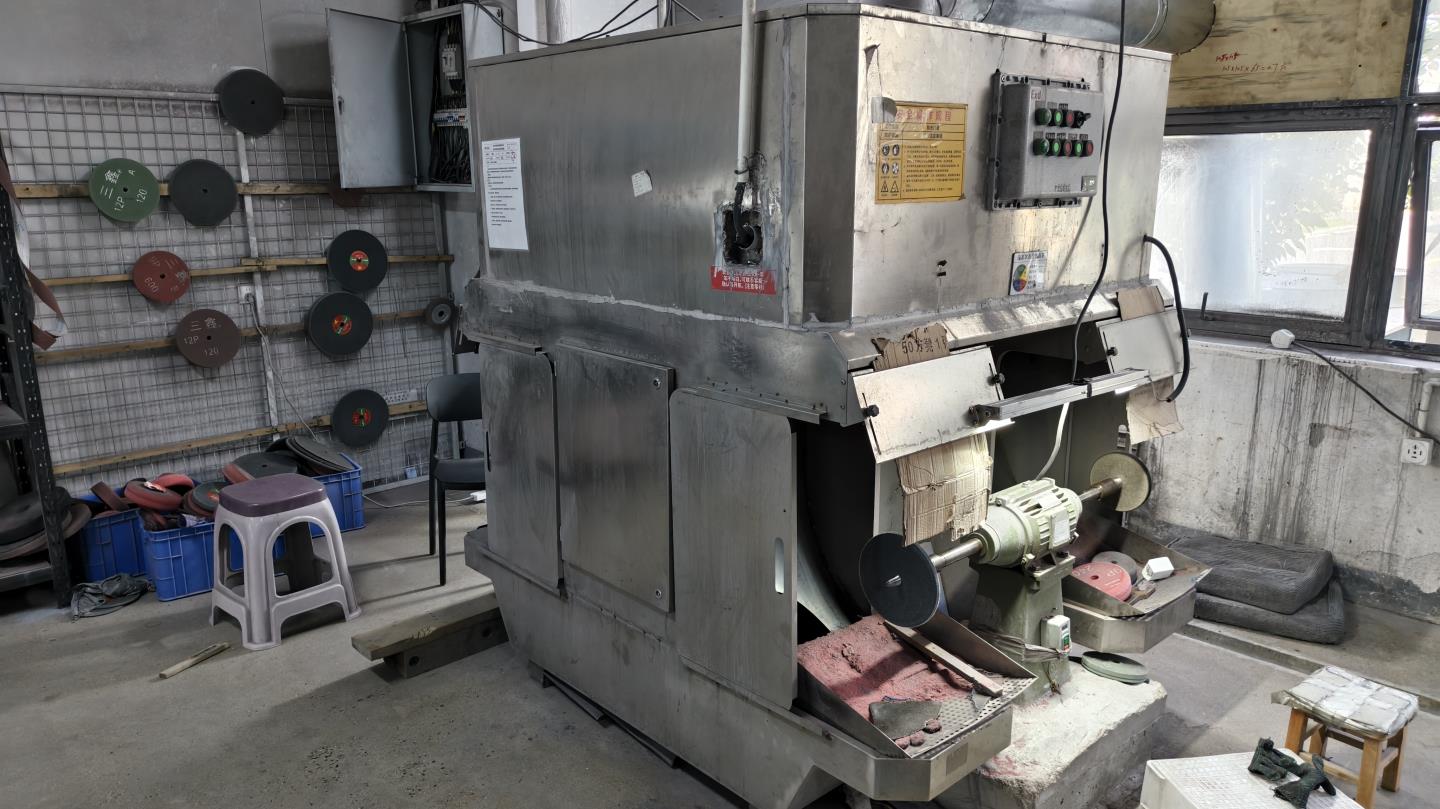
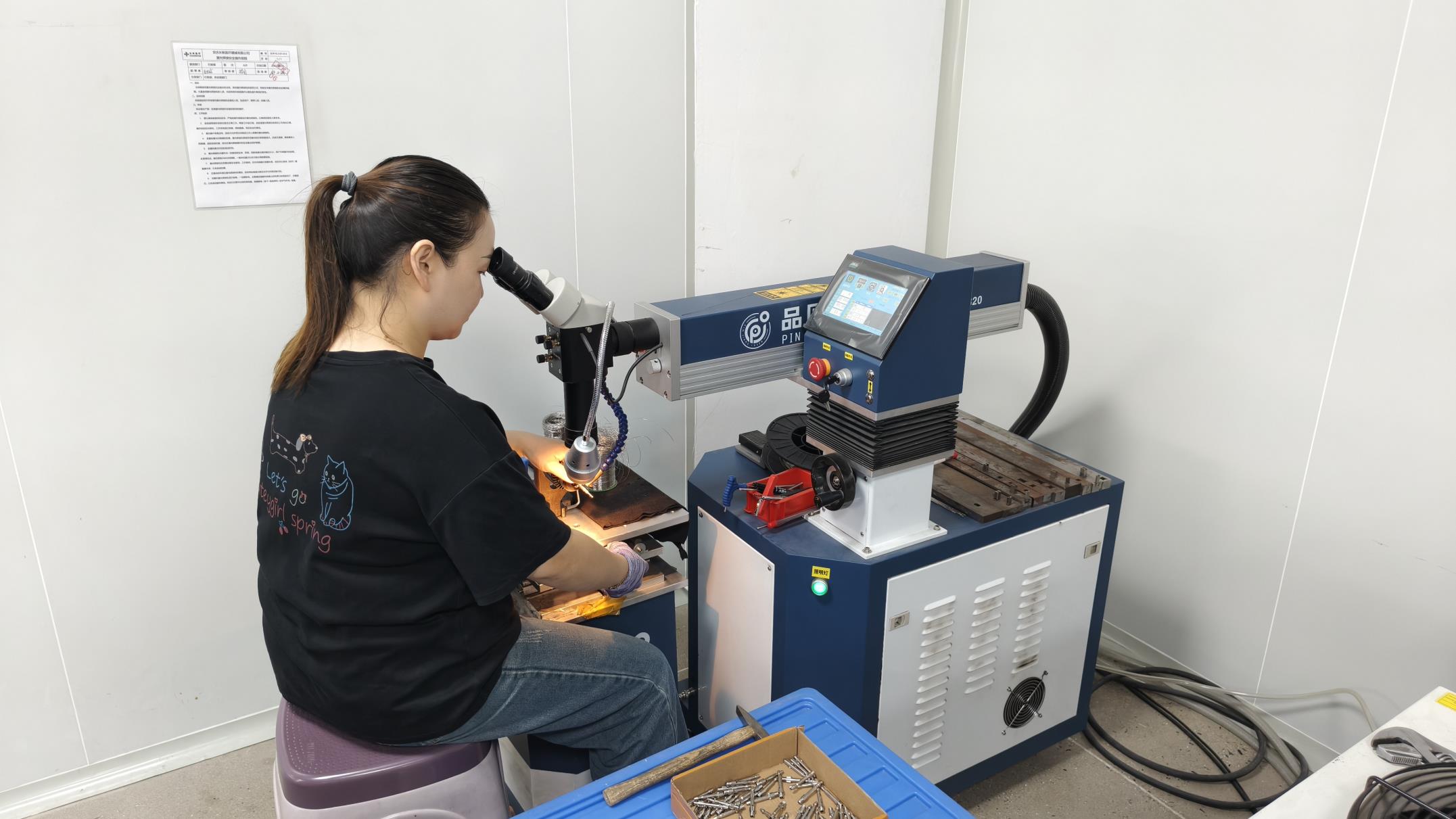
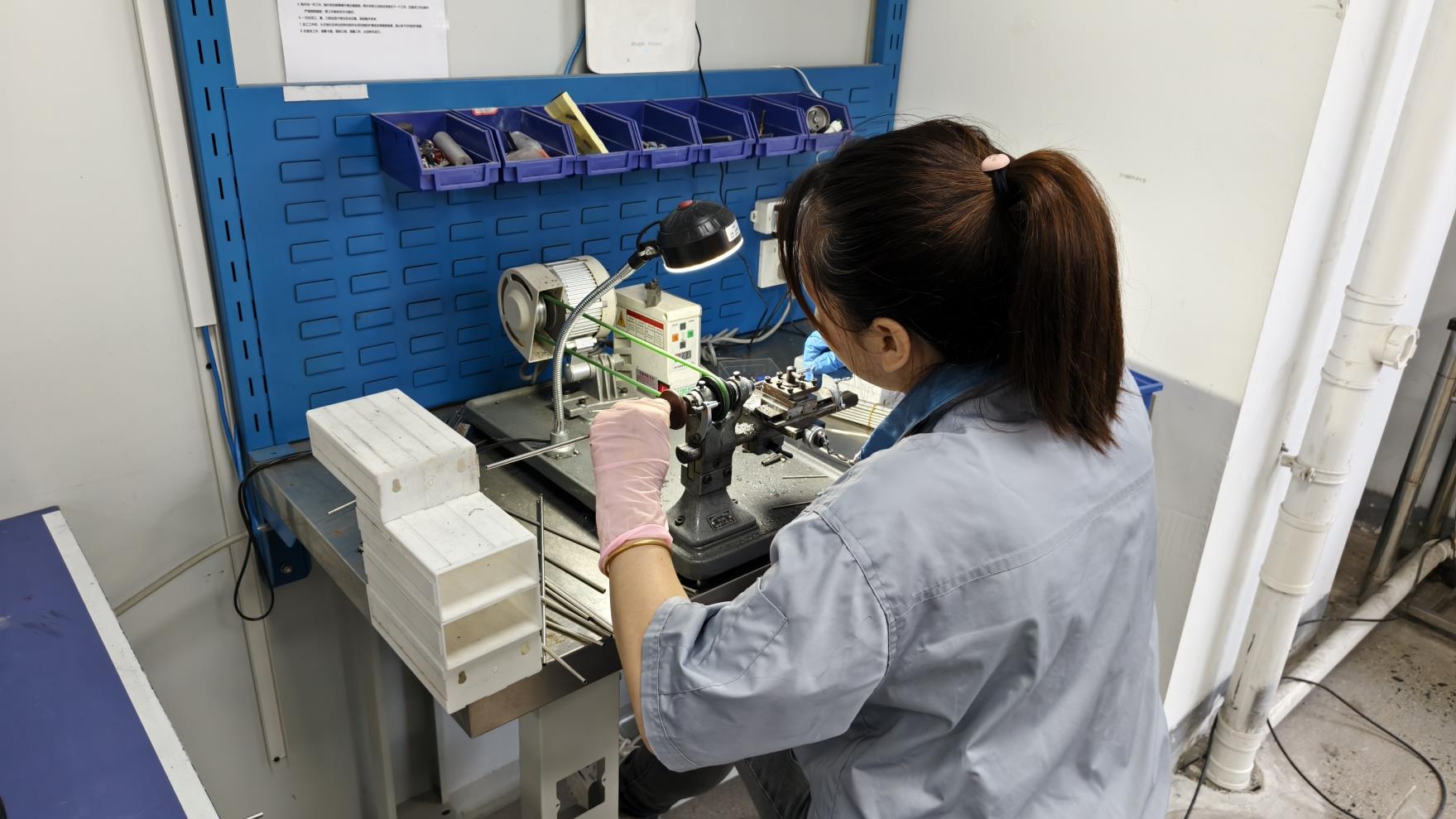
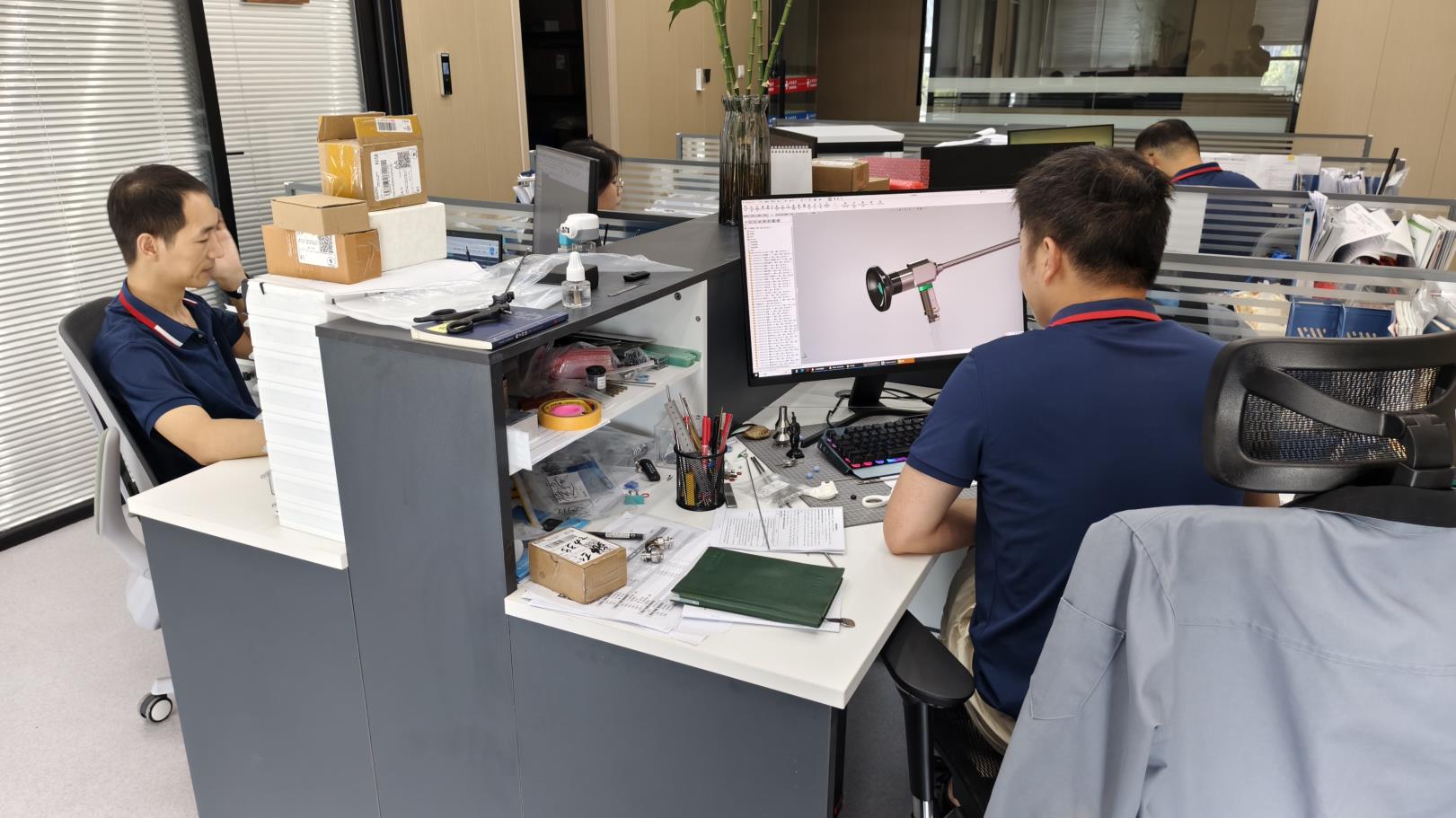
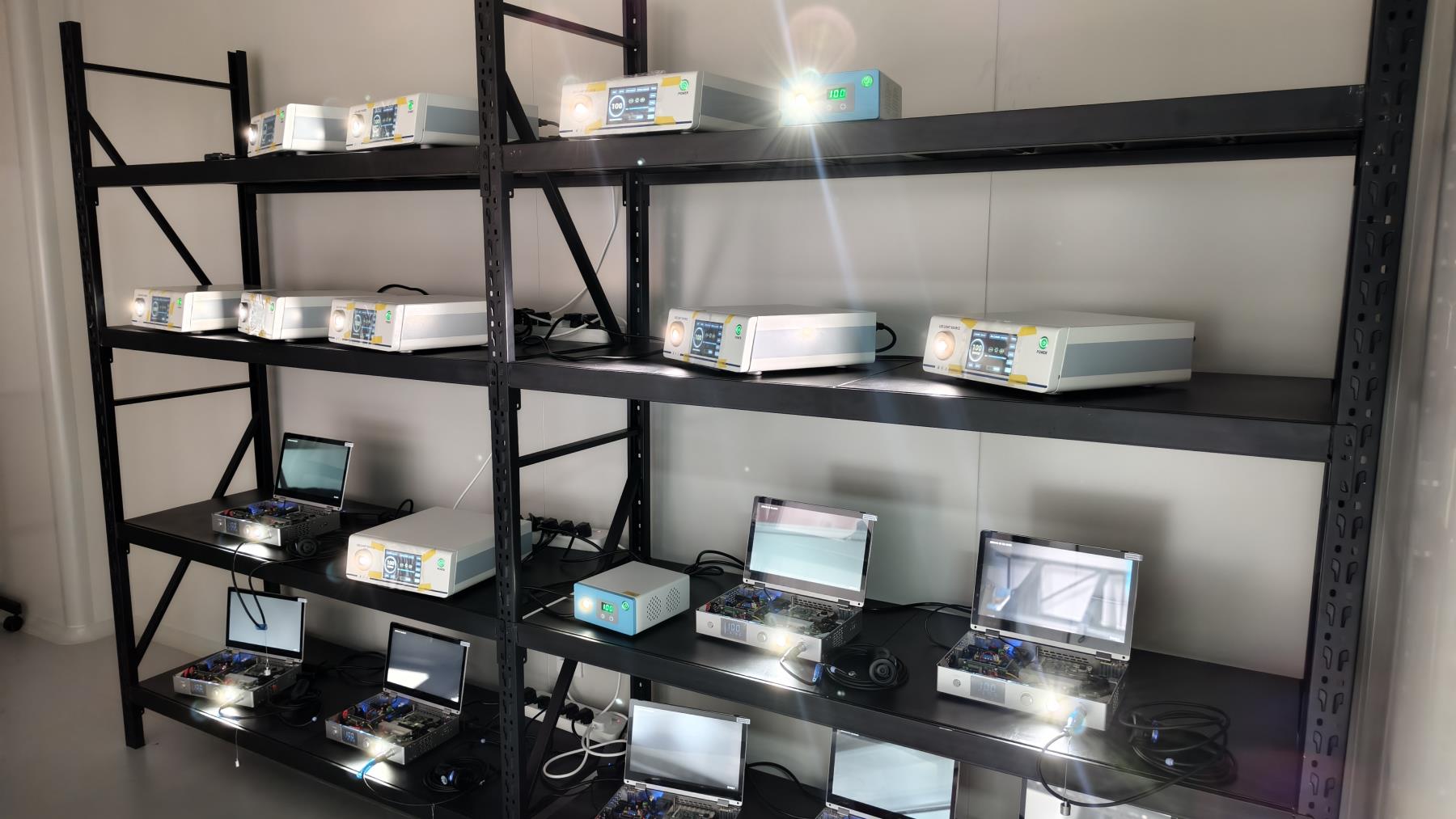
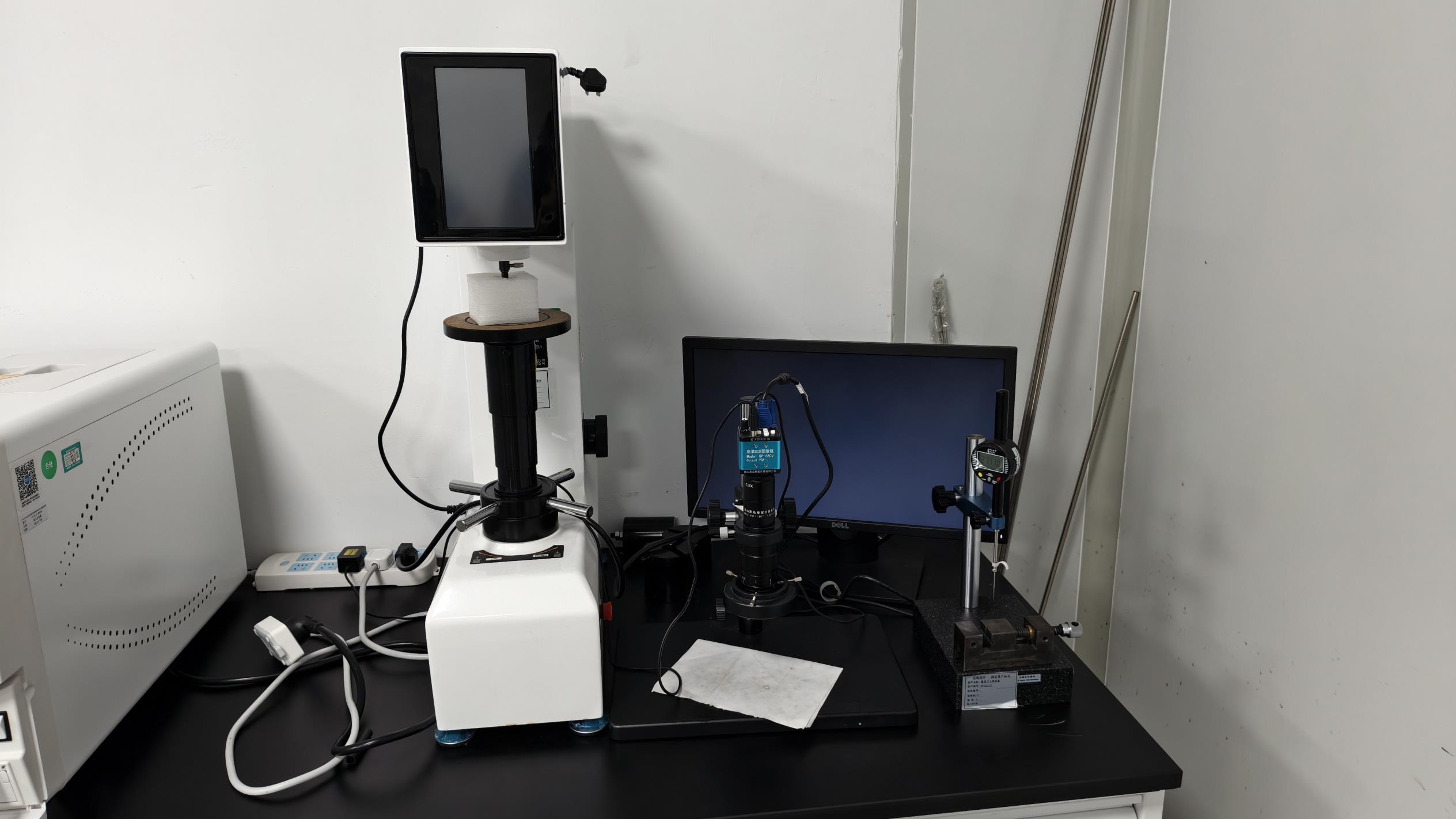
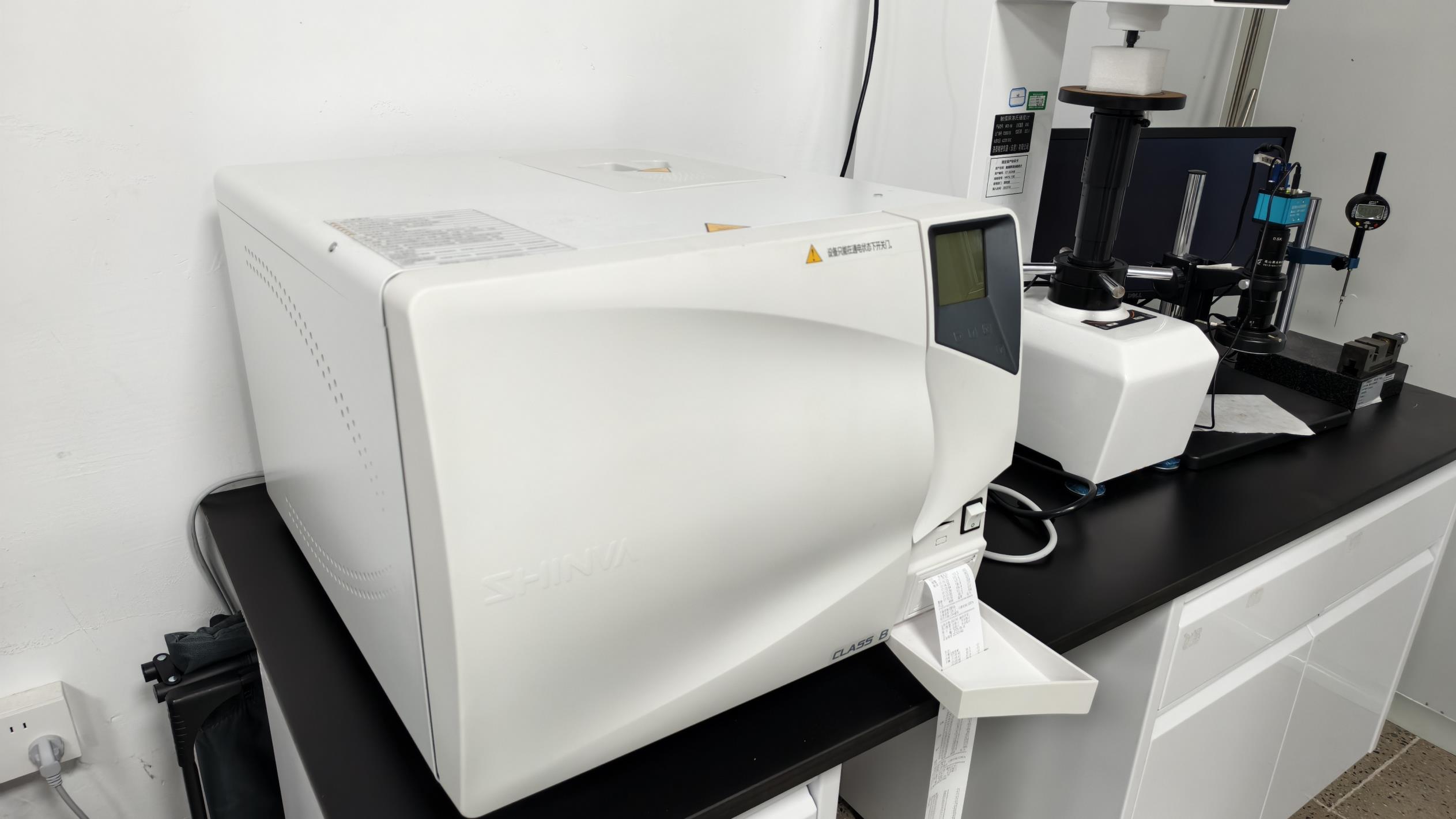
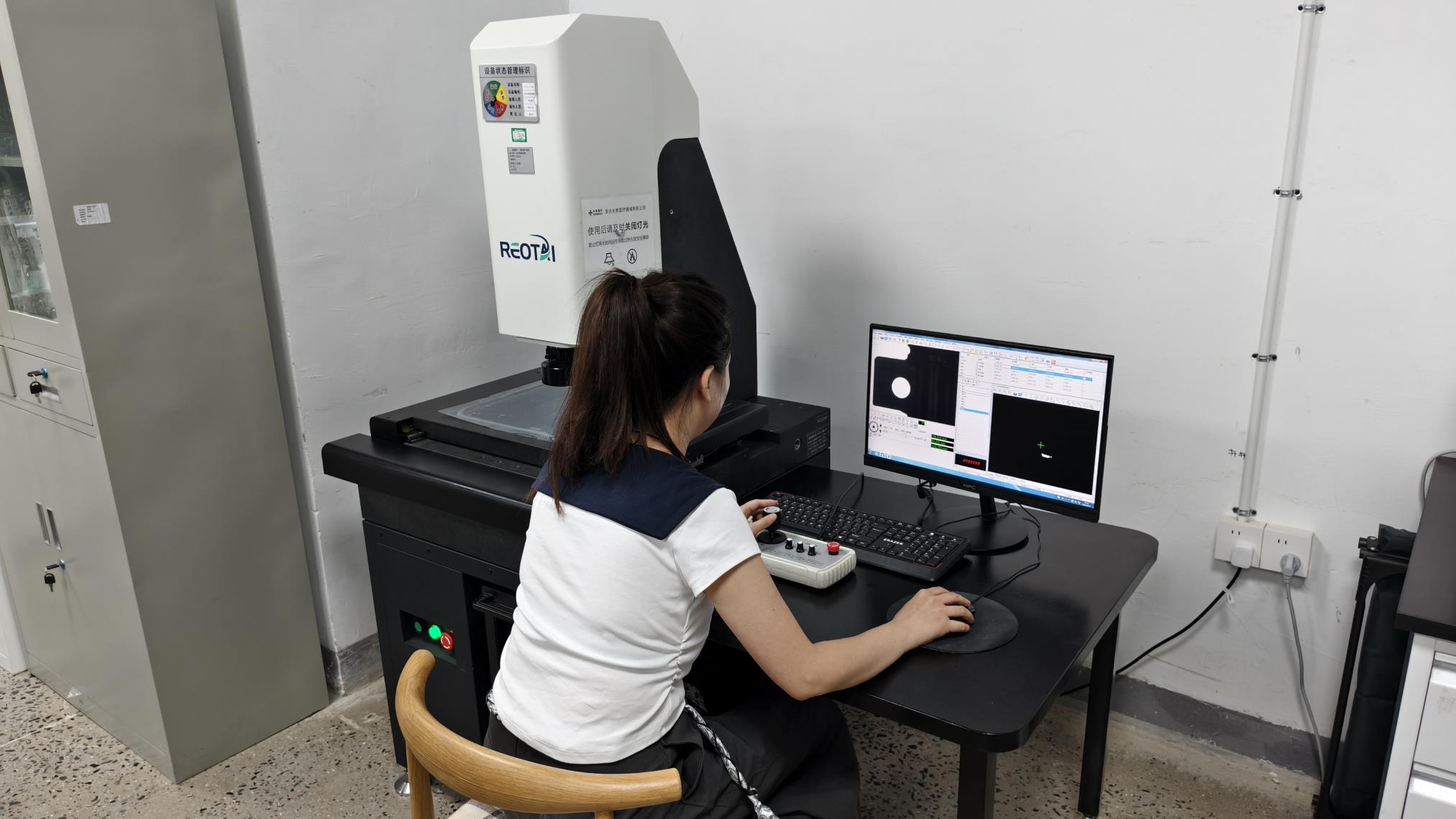
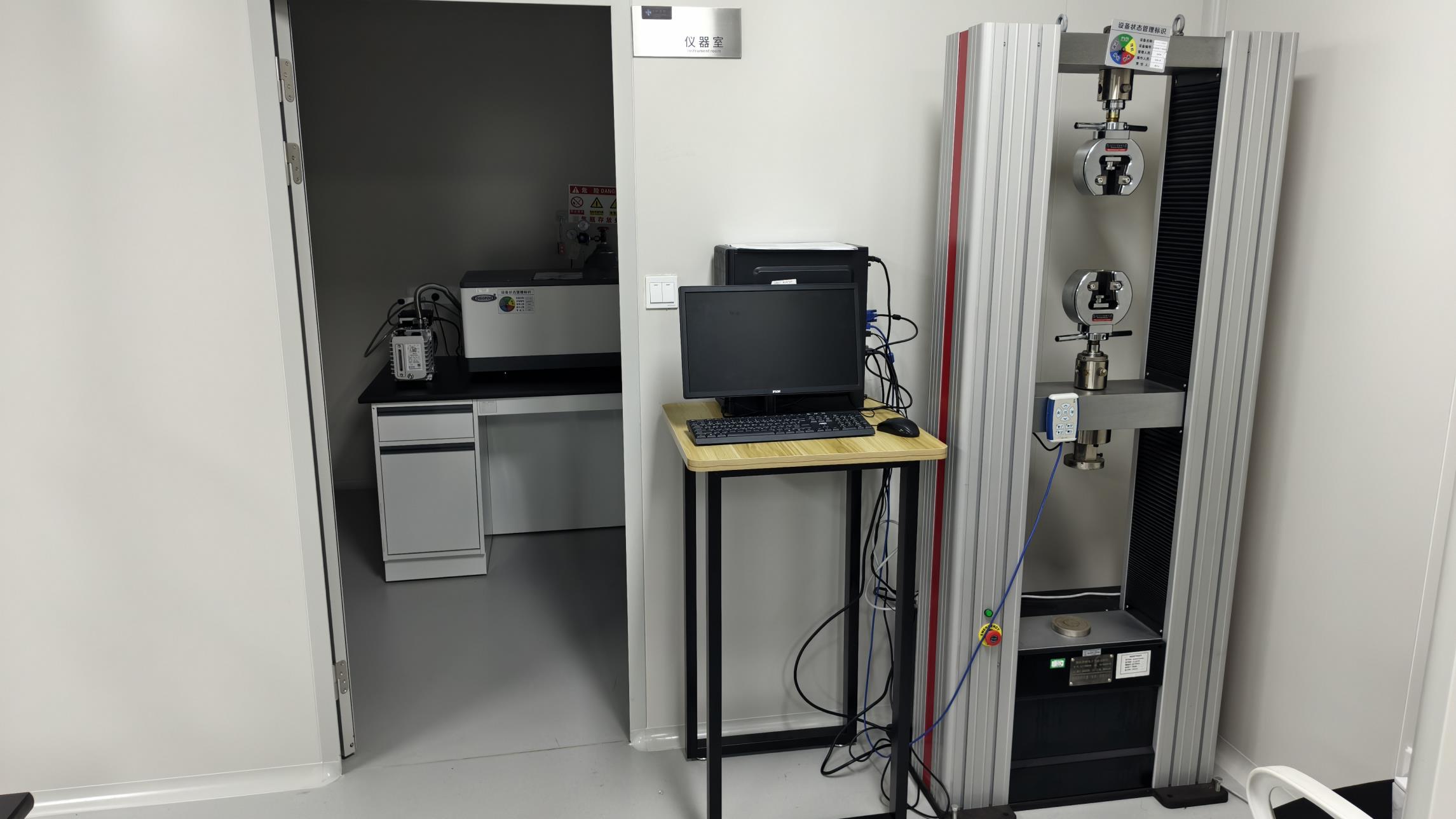
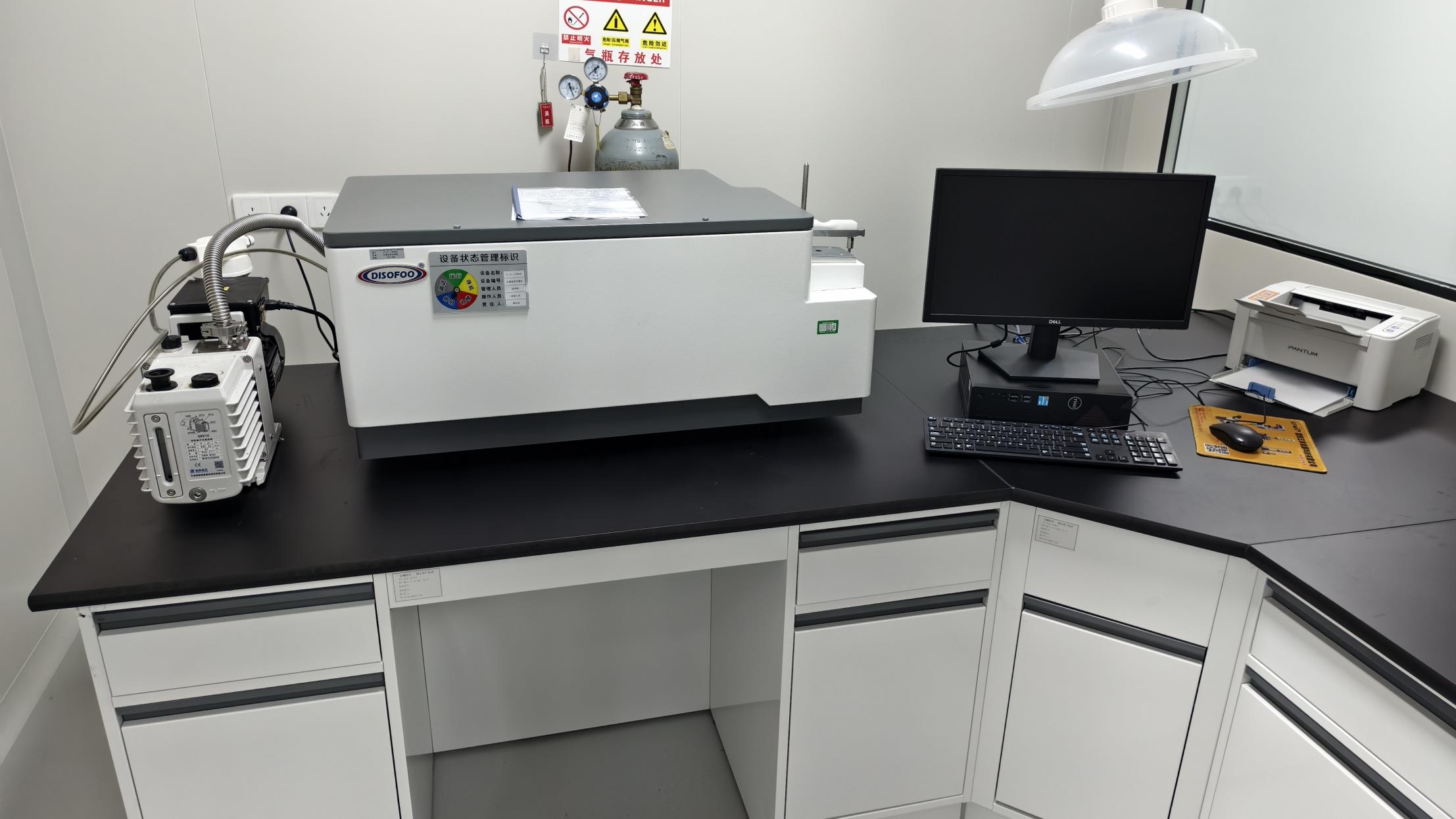
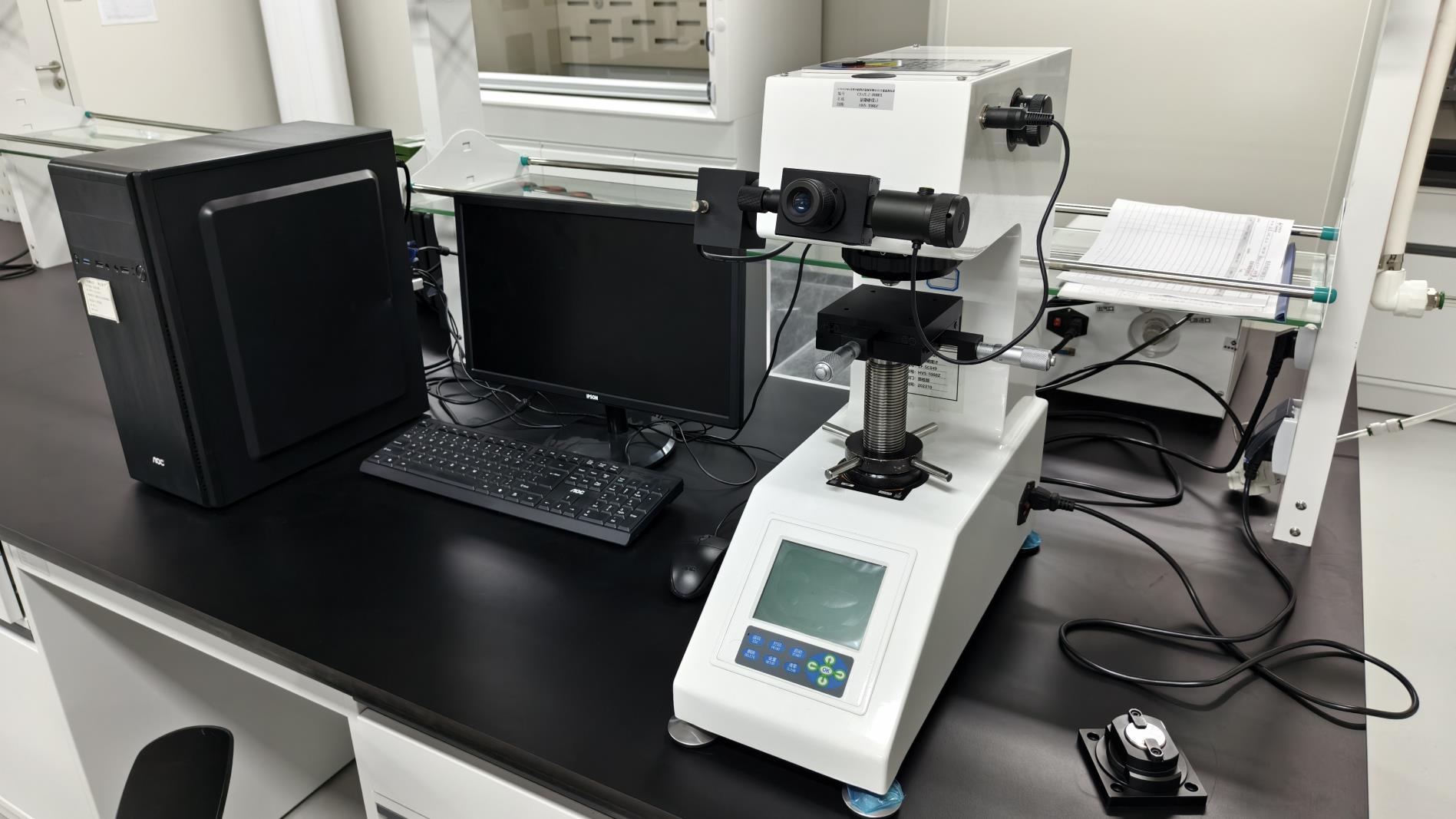
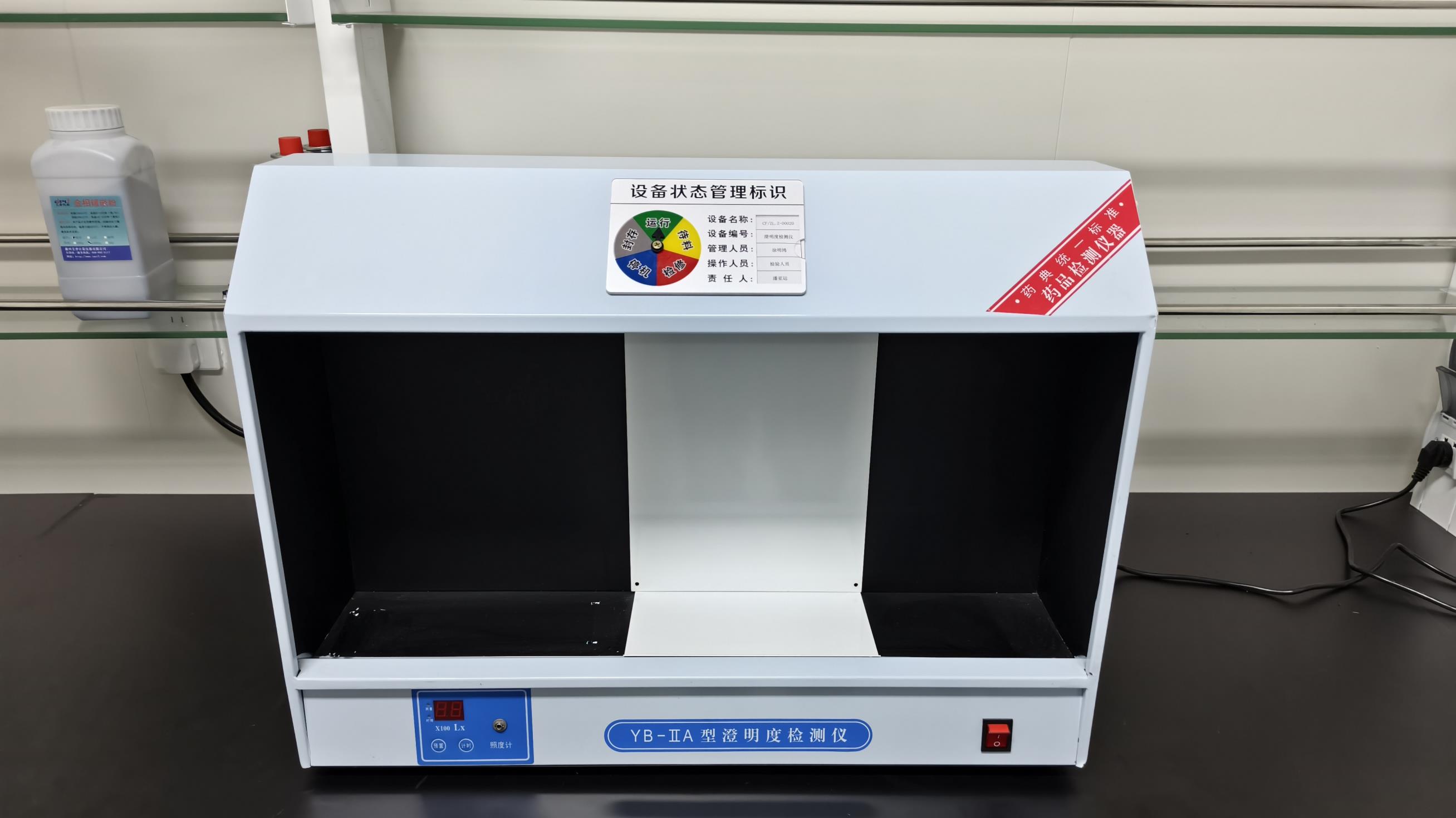
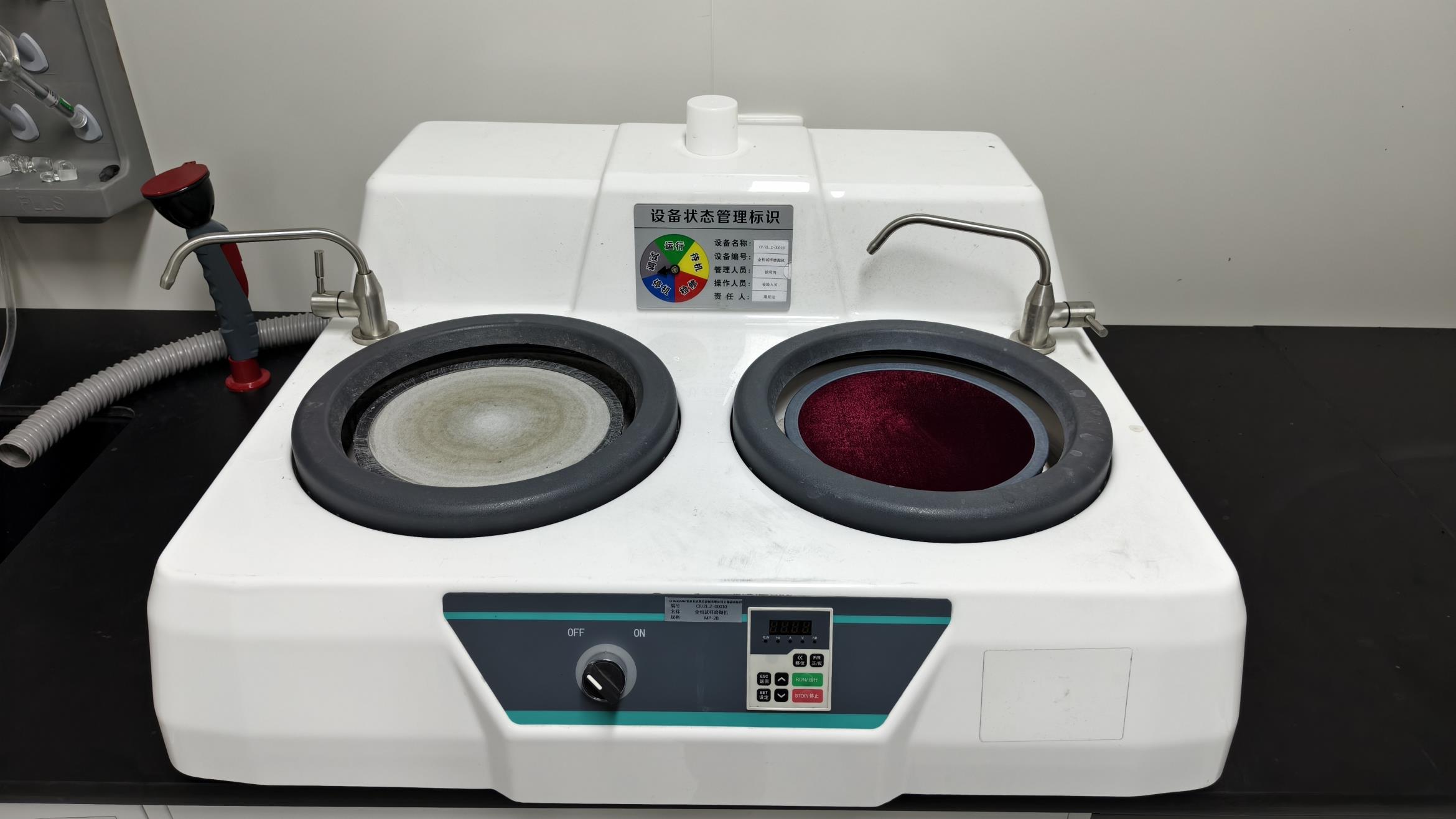
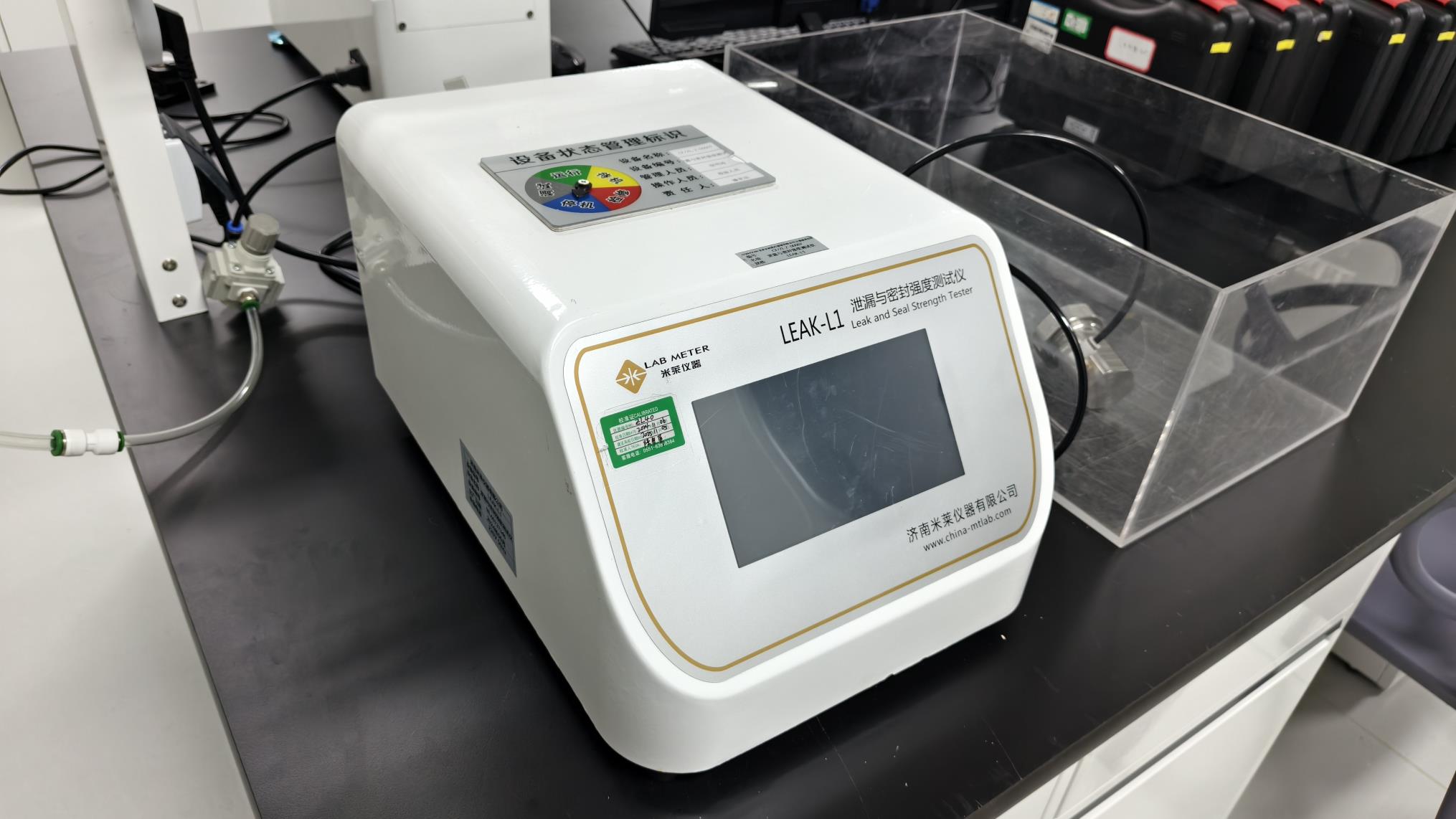
Manufacturing clinical bone plates and screws requires rigorous quality management. At Zynfuse, our facility utilizes an ISO 13485-compliant quality management system. Our 68 quality inspection specialists monitor each production stage, from raw titanium ingot verification to mechanical fatigue testing.
Our testing procedures encompass:
Our R&D department features 85 experienced design engineers, allowing Zynfuse to develop and release approximately 320 new products annually. This capacity supports global medical device distributors and hospitals with ready-to-market solutions as well as tailored custom implants.
Managing international orthopedic supply chains presents regulatory and logistics challenges. Zynfuse helps partners minimize risk by providing high-quality support throughout the procurement process:
1. Material Certificate and Traceability: Every shipment includes certified mill reports for biocompatible metals (titanium alloys, cobalt-chromium, implant-grade stainless steel).
2. Regulatory Dossier Support: Our team assists distributors with technical documentation, including sterilization verification files, packaging validations, and biocompatibility studies for local regulatory submittals.
3. Dynamic Inventory Programs: We offer flexible scheduling and stocking models for global medical distributors to ensure a continuous supply of implants and instruments.
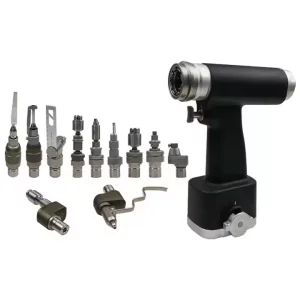
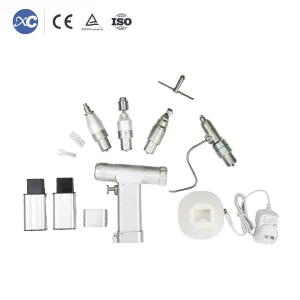
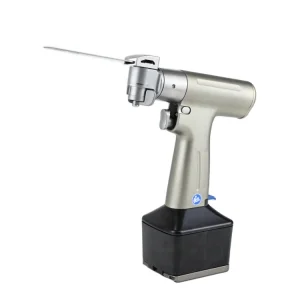
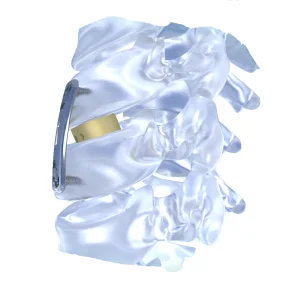
Comprehensive trauma plate selections, spinal fusion cages, and power tools for clinical environments.
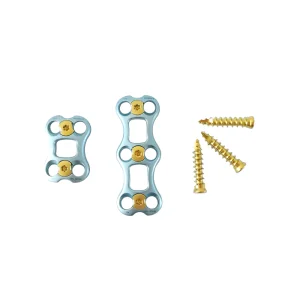
Expert information on materials, design considerations, quality standards, and logistics for OEM/ODM implants.
We primarily use medical-grade Titanium Alloys (such as Ti-6Al-4V ELI conforming to ASTM F136), implant-grade Stainless Steel (316LVM, ASTM F138), and high-performance Polyetheretherketone (PEEK-OPTIMA). These materials are selected for their biocompatibility, mechanical durability, and long-term performance under physiological stress.
Every batch of implants undergoes mechanical fatigue testing in accordance with ASTM F382 (for bone plates) and ASTM F543 (for medical bone screws). We verify ultimate tensile strength, yield strength, bending stiffness, and fatigue life profiles using our in-house computer-controlled tensile testing and aging test equipment.
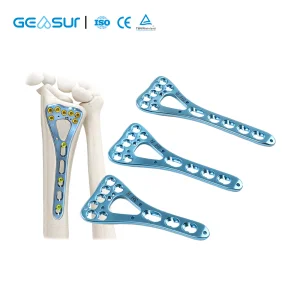
We provide extensive OEM/ODM customization, including anatomic plate contours, screw hole patterns (locking, non-locking, dynamic compression, or variable-angle combination holes), plate thicknesses, and anodization options (such as Type II Grey or Color Anodization). Our design engineers collaborate with clients using advanced 3D CAD/CAM software to refine customized designs before manufacturing.
Conventional compression plates rely on friction between the plate and bone, which can compromise the periosteal microvascular system. Locking plates feature threaded screw holes that lock the screw head directly to the plate, forming a rigid fixed-angle construct. This system functions as an internal fixator, reducing contact pressure on the bone cortex, protecting blood supply, and lowering the risk of hardware loosening.
Zynfuse maintains an ISO 13485 certification, and our core product lines are CE-marked and FDA-registered. Our quality system includes documented raw material traceability, in-process Swiss-type CNC dimensional verification, surface integrity audits, cleanroom packaging controls, and validation of sterilization cycles.
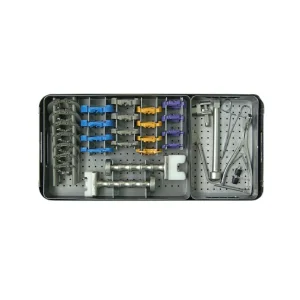
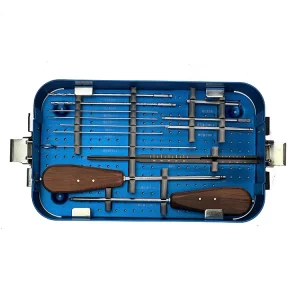
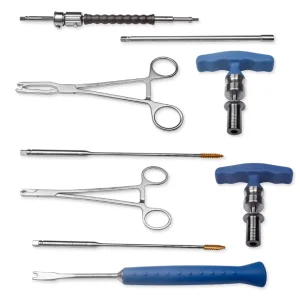
Yes. We design and manufacture specialized instrument kits to match our customized implant systems, including drill guides, tappers, screwdrivers, plate benders, and depth gauges. This guarantees optimal fit and alignment during surgical procedures.
Typical OEM lead times vary depending on design complexity and regulatory requirements. For existing designs, production runs generally take between 30 to 45 days. Fully customized projects, which require joint R&D, rapid prototyping, and mechanical validation, typically take 60 to 90 days.
All titanium implants undergo chemical passivation and anodization to form a stable titanium oxide surface layer. This passive film prevents heavy metal ion release, increases corrosion resistance, and improves tissue integration.