Zynfuse
Zynfuse
Zynfuse
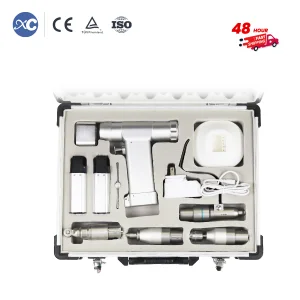
Standard-compliant titanium fixation devices and medical power tools certified for global orthopedic operations.
Unveiling market dynamics, regulatory trends, and structural shifts in spine stabilization technologies.
For two decades, Polyetheretherketone (PEEK) dominated the interbody fusion market due to its radiolucency and modulus similar to cortical bone. However, clinical studies highlight PEEK's hydrophobic nature, which often yields a fibrous encapsulation rather than direct osseointegration. Today, the spine industry is undergoing a significant transformation back to titanium biomaterials, specifically porous and 3D-printed titanium. The introduction of roughened titanium surfaces and customized porous networks has solved the stress-shielding dilemma while retaining high bone-implant contact (BIC) and osteoinductivity.
Aging demographics, the surge in minimally invasive spine surgeries (MISS), and rising healthcare expenditures drive the global demand for titanium interbody cages. Large medical organizations and distributors are seeking established China wholesale suppliers capable of achieving high-volume production without sacrificing structural tolerances. Modern suppliers must offer advanced mechanical properties, robust chemical compliance, and extensive design versatility to satisfy international standards like ISO 13485, CE MDR, and FDA clearances.
A professional orthopedic medical device manufacturer specializing in bone fusion and advanced implant systems.
Established in 2016, Zynfuse Medical Technology Co., Ltd. has constructed a strong foundation in orthopedic solutions with 12 years of industry experience and 7 years of export experience, serving global healthcare markets with consistent quality and reliability. Zynfuse serves major global markets including North America, Europe, Southeast Asia, and the Middle East, collaborating with hospitals, distributors, orthopedic clinics, and medical device importers.
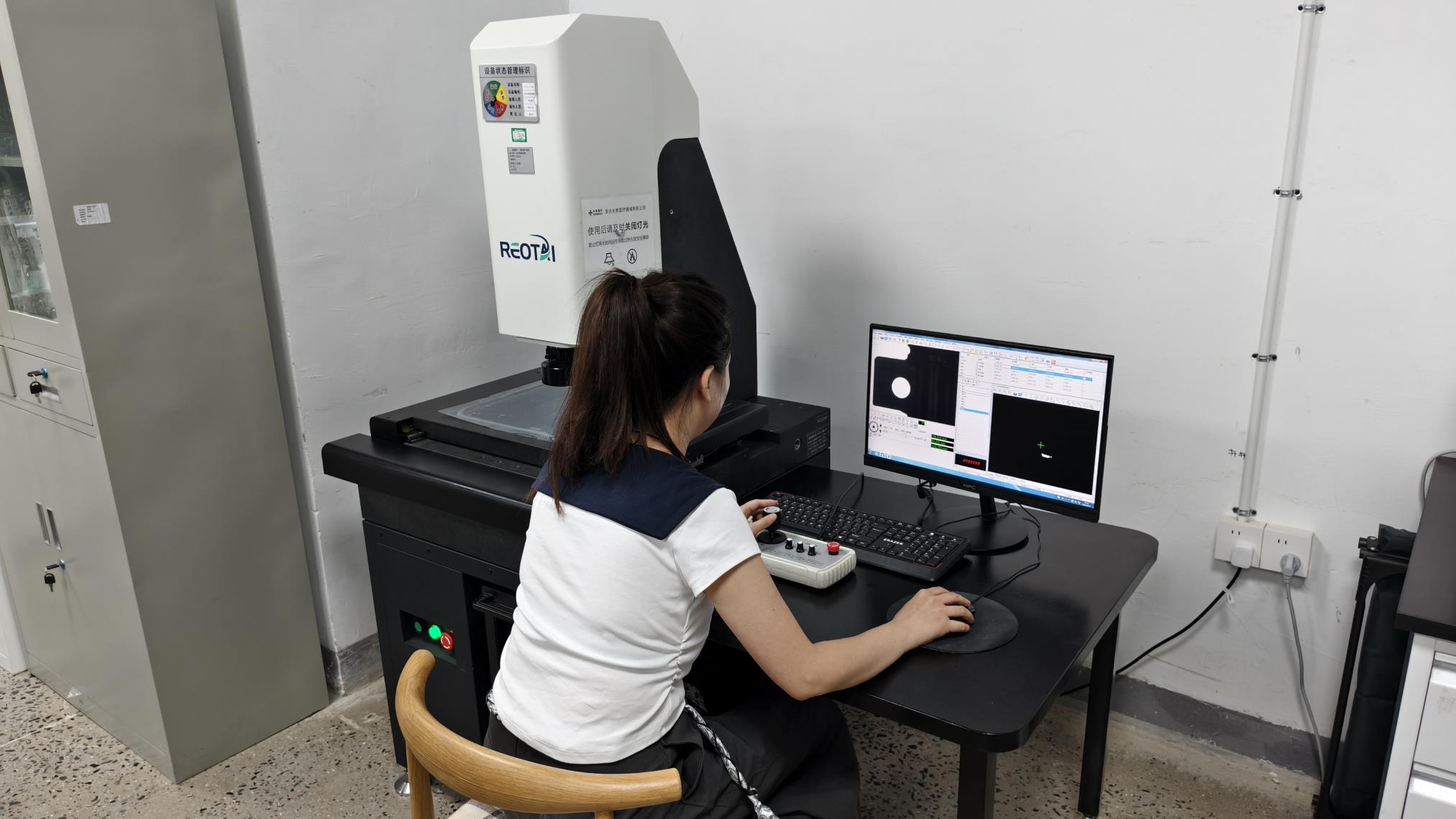
Our organization employs 68 quality inspection specialists ensuring strict compliance with international medical standards. We implement ISO 13485-based inspection systems, mechanical performance testing, and biocompatibility evaluations.
Our robust engineering team continues to expand its innovation capabilities, launching approximately 320 new products annually. Customization options cover implant geometry adjustments, material grades, and OEM/ODM solutions.
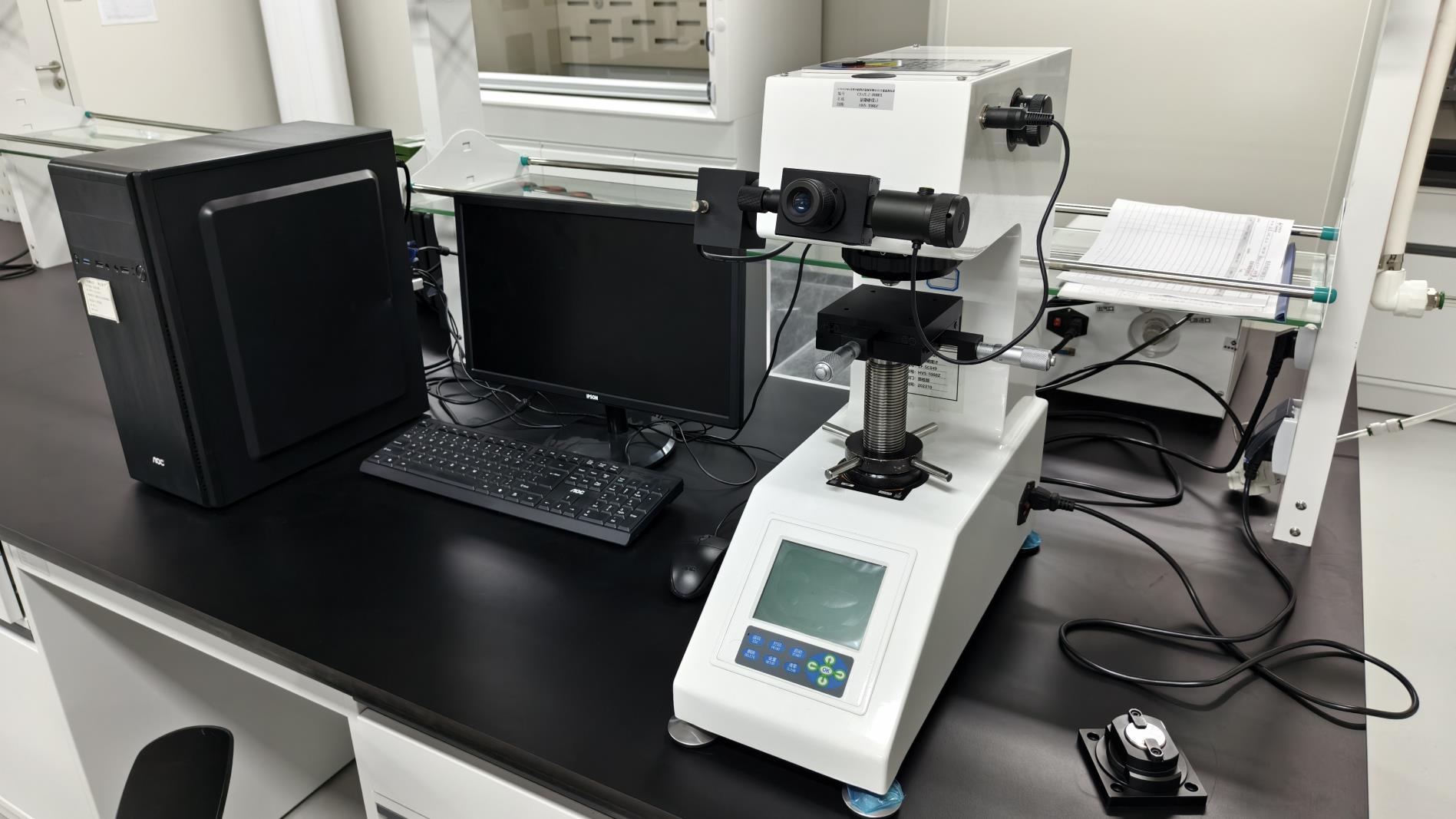
Inspection methods include dimensional verification, fatigue testing, and surface integrity analysis. Every step of the production phase undergoes trace audits to maintain clean Room standards.
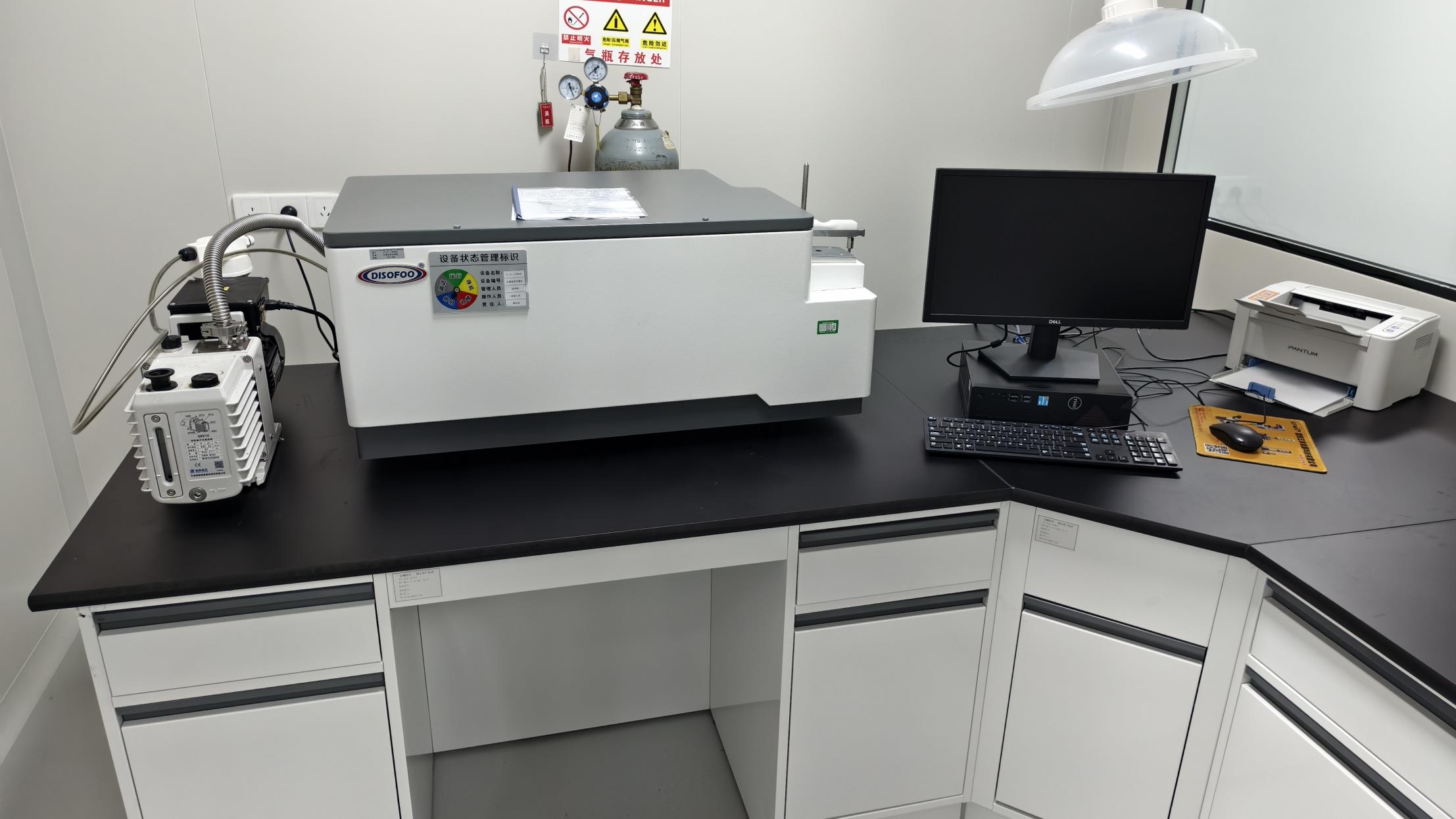
Every step of our production workflow is monitored and executed utilizing advanced CNC lathe systems, Swiss-type machinery, and material characterization tools.
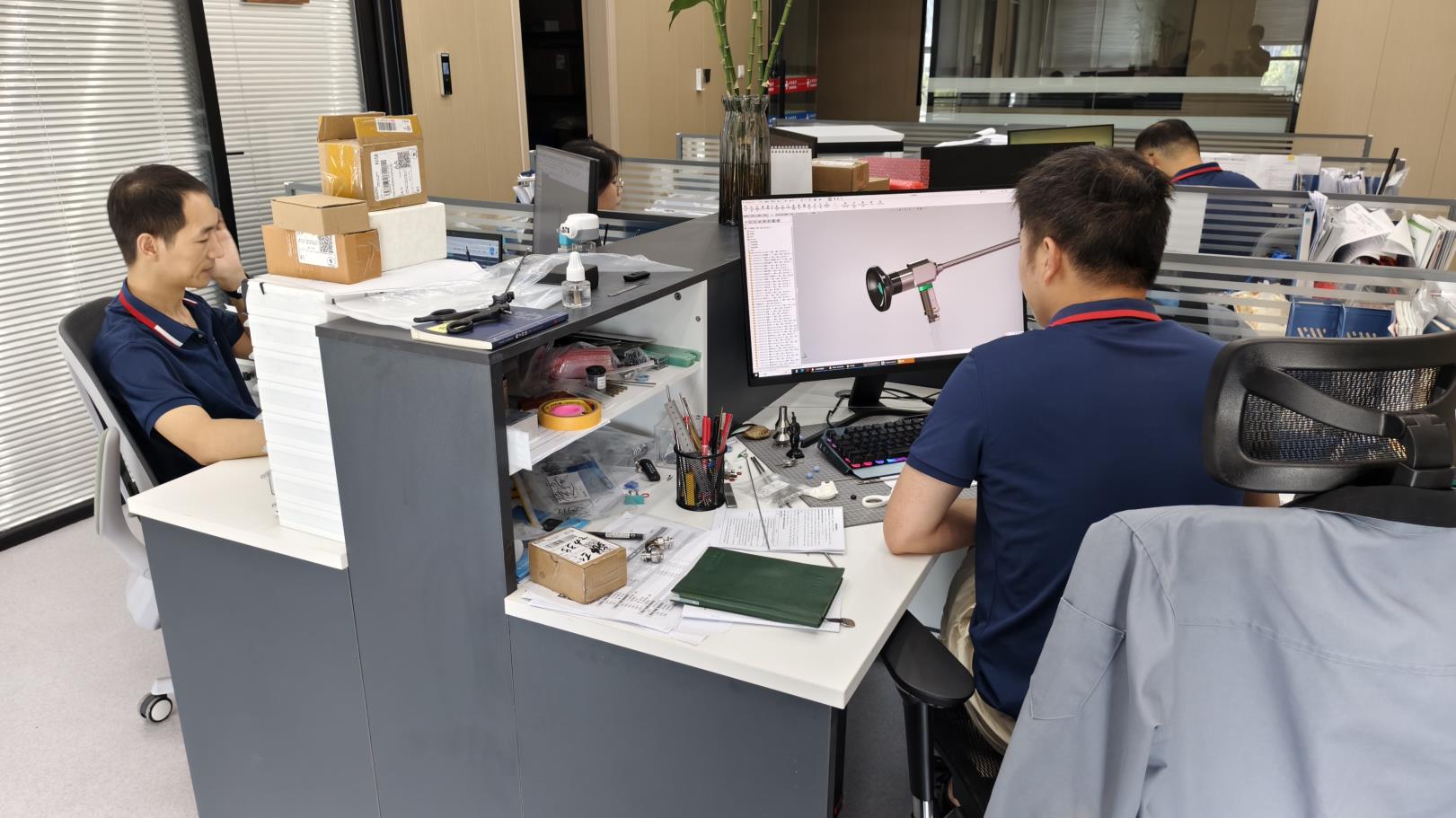
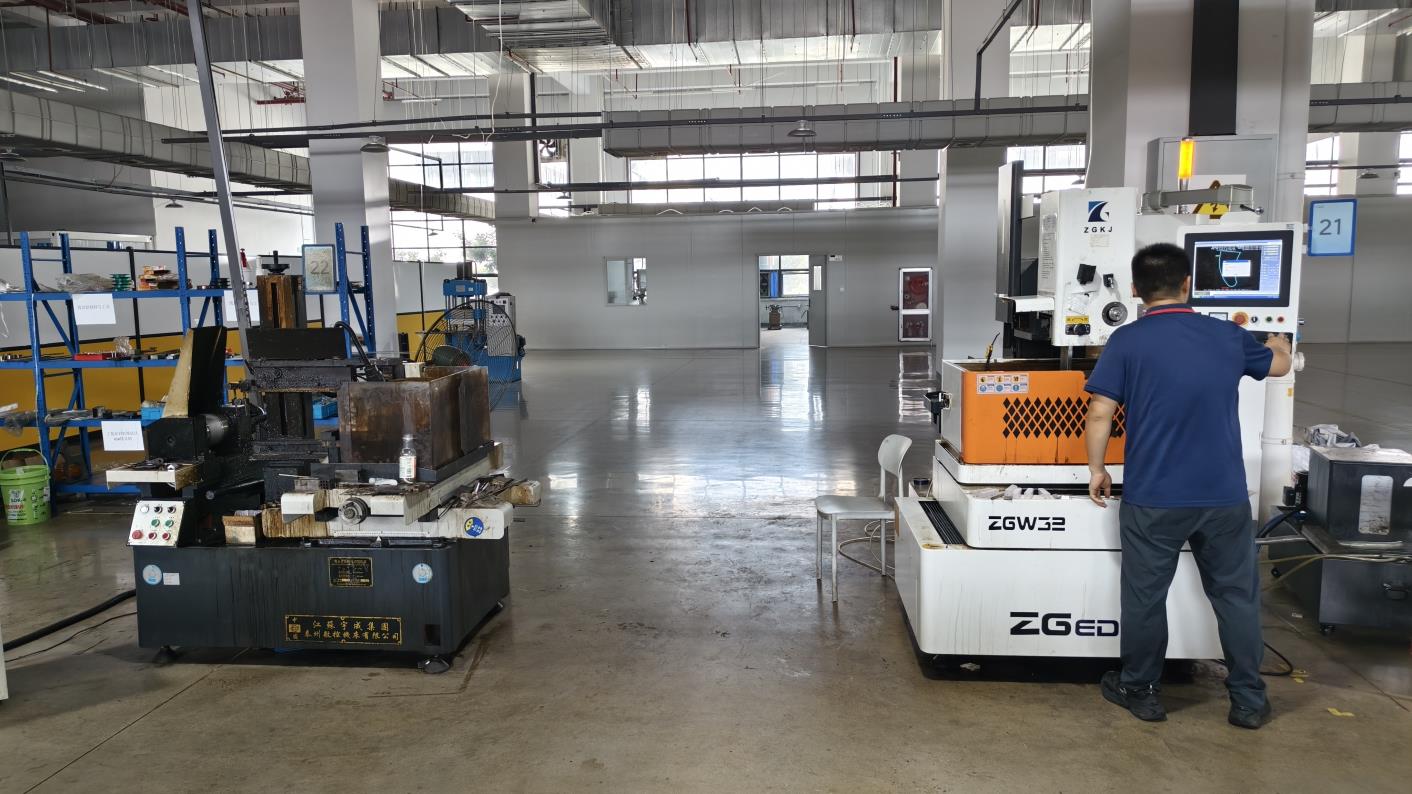
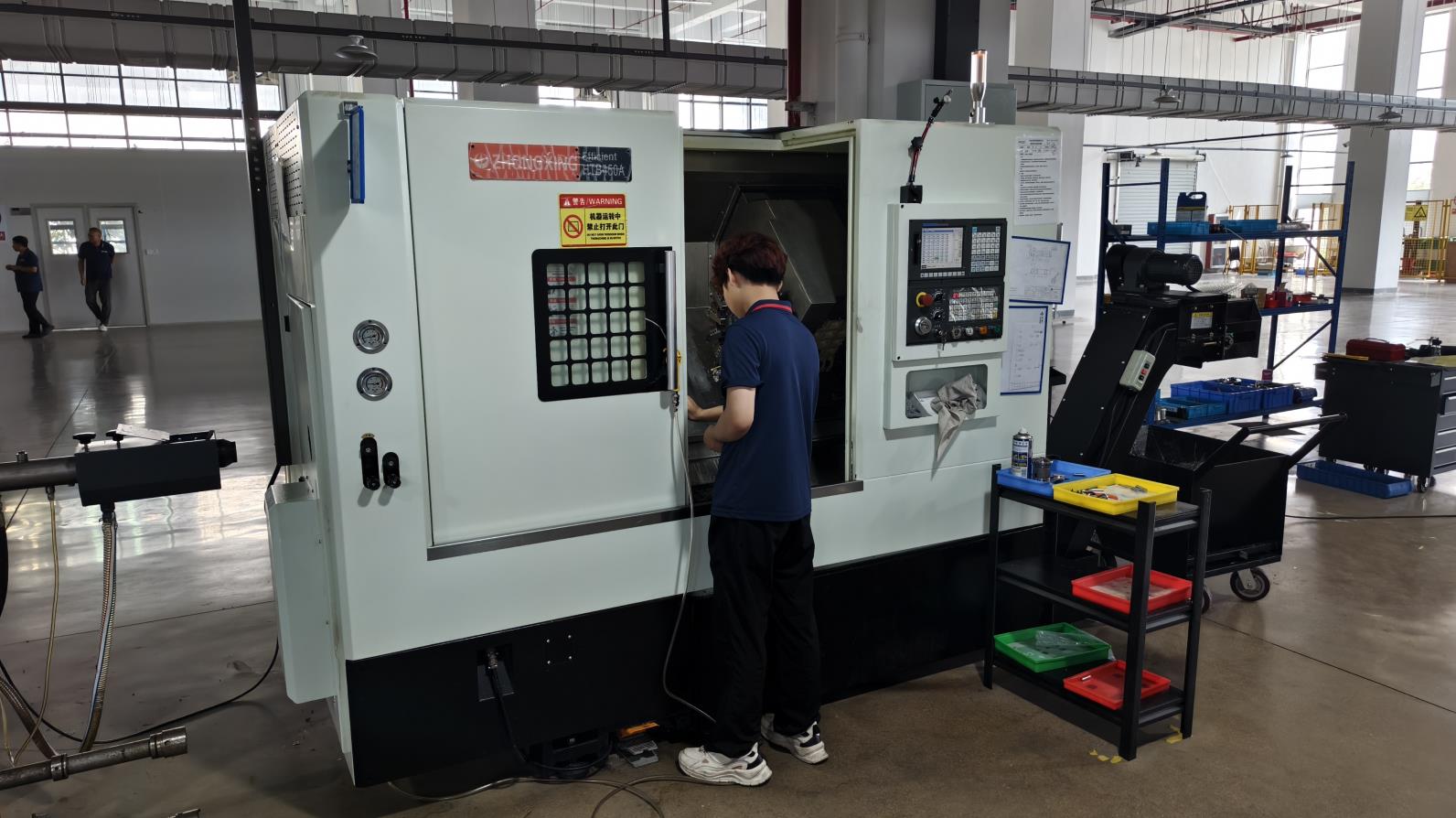
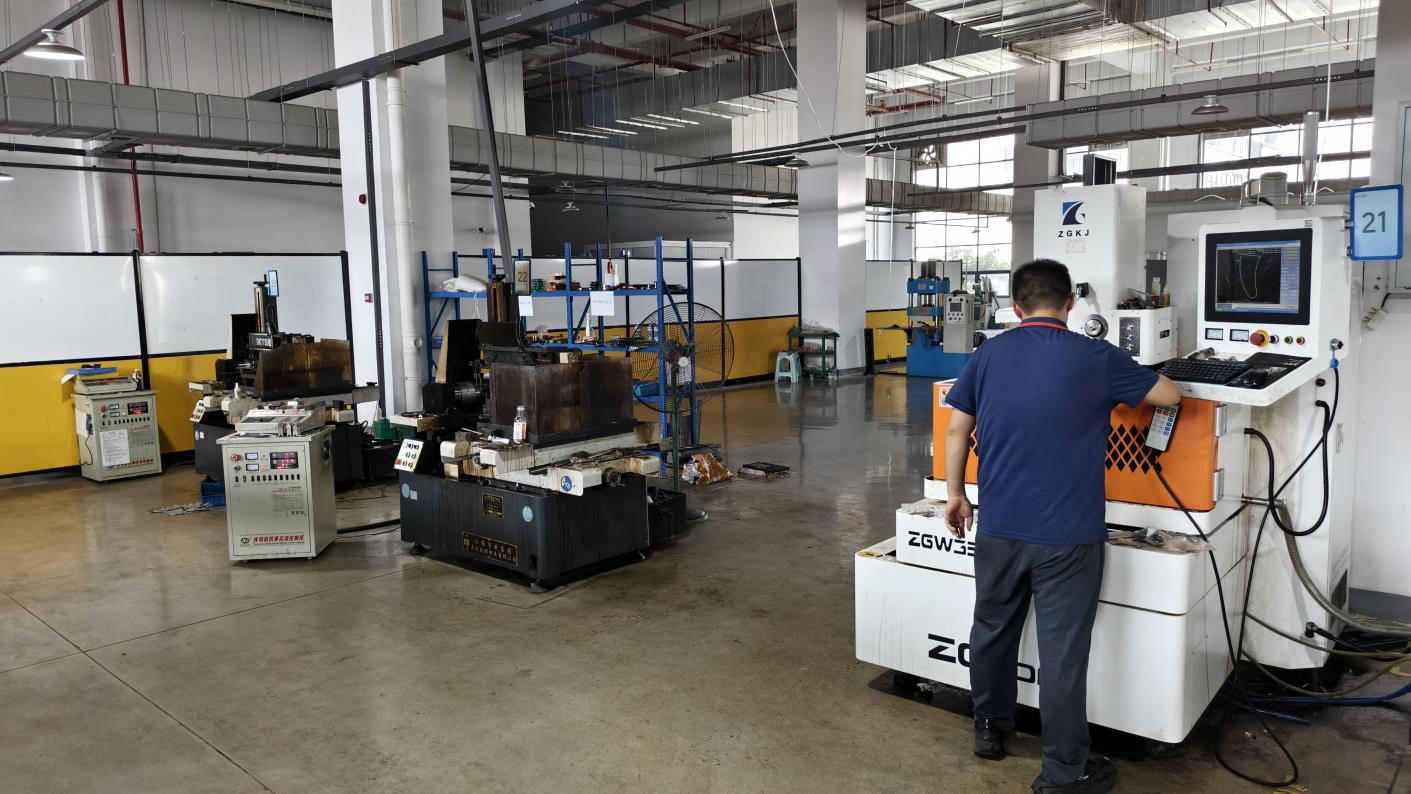
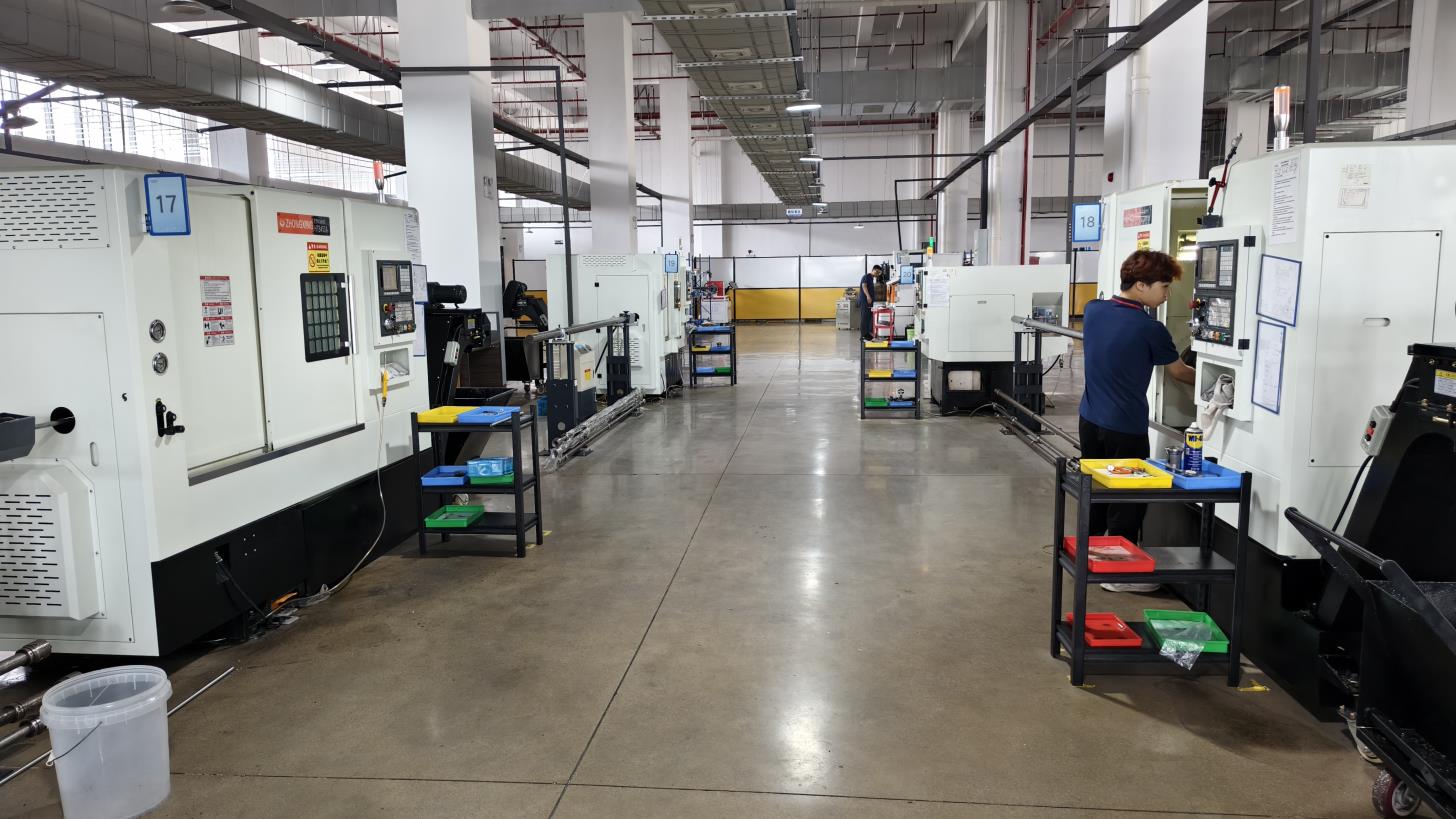
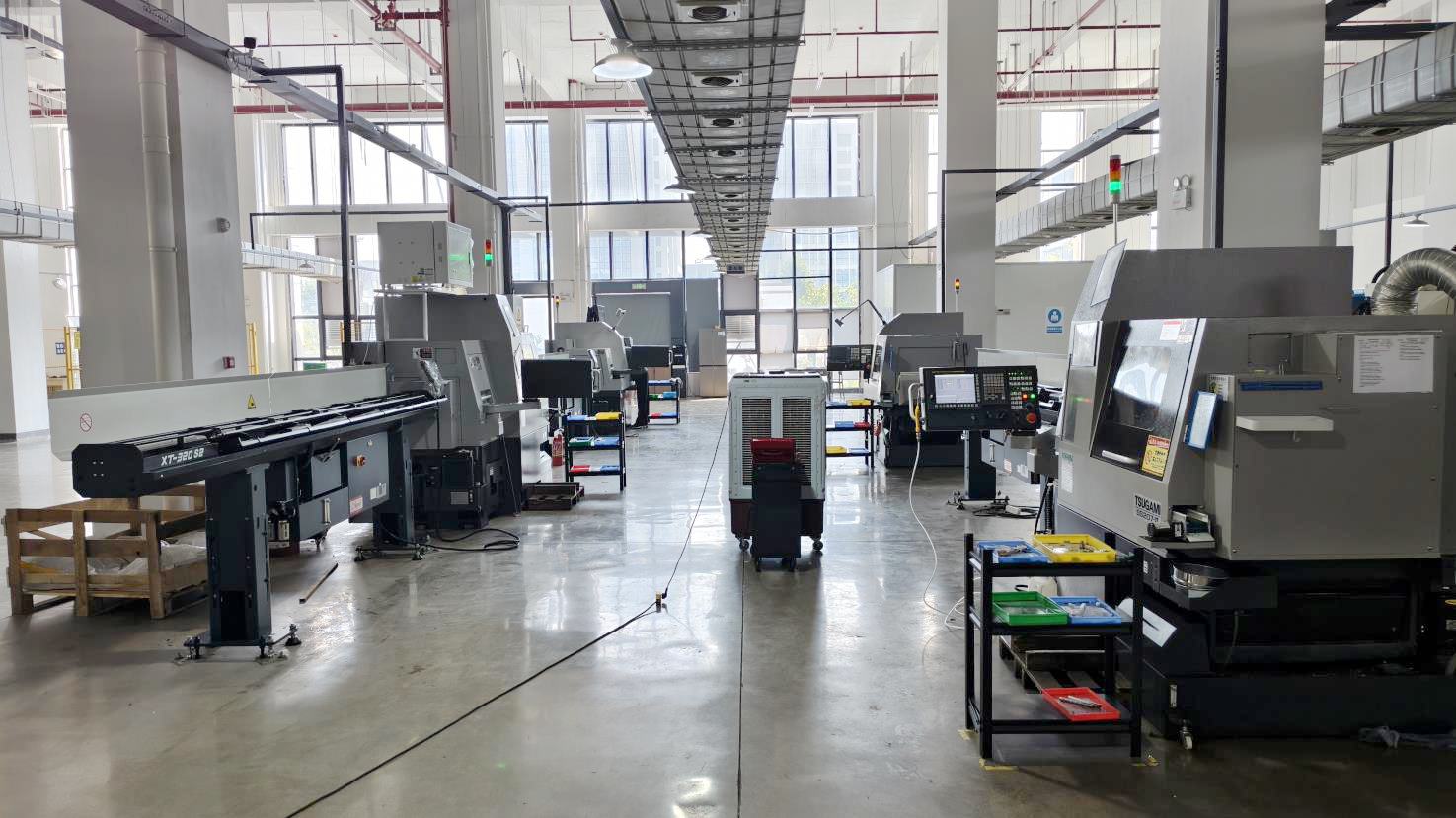
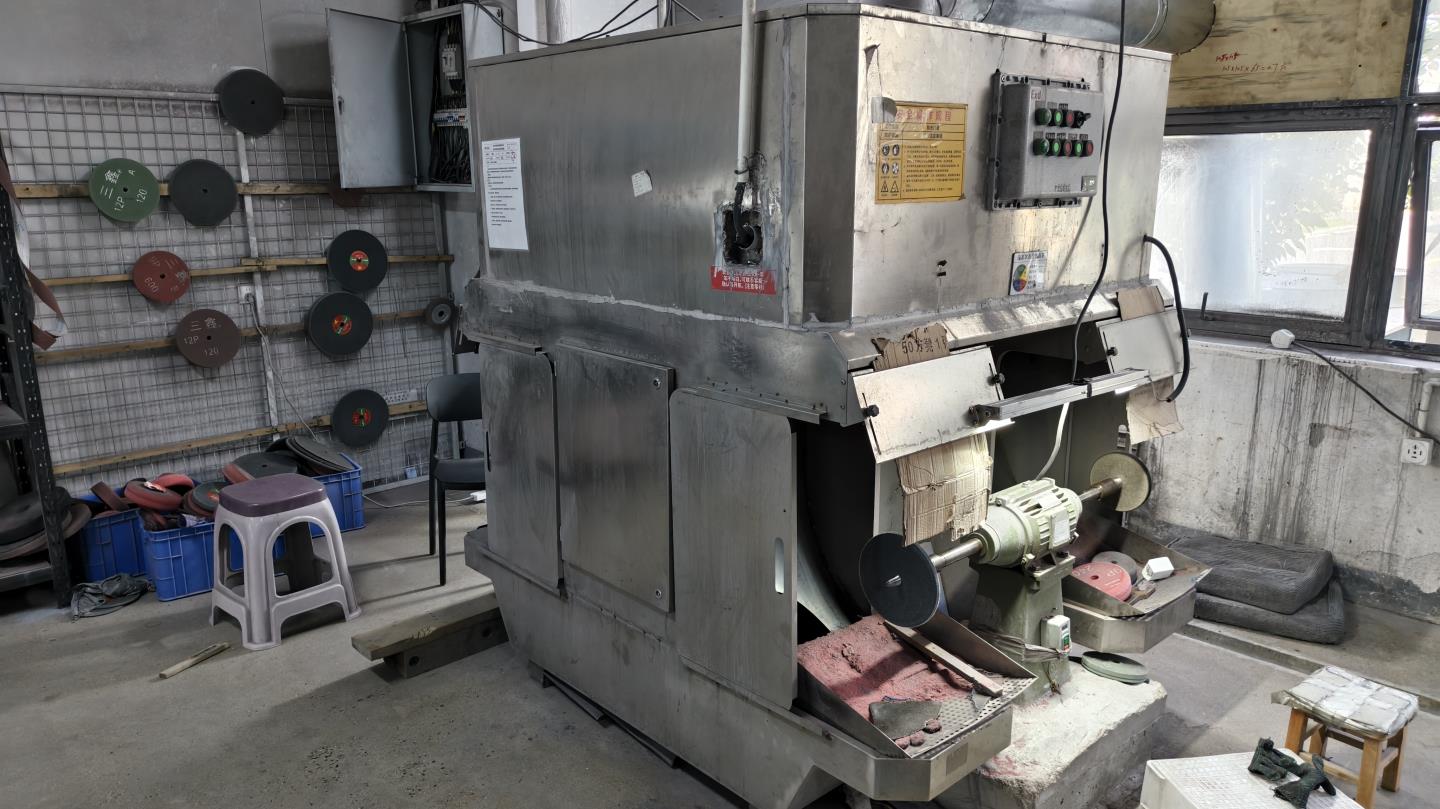
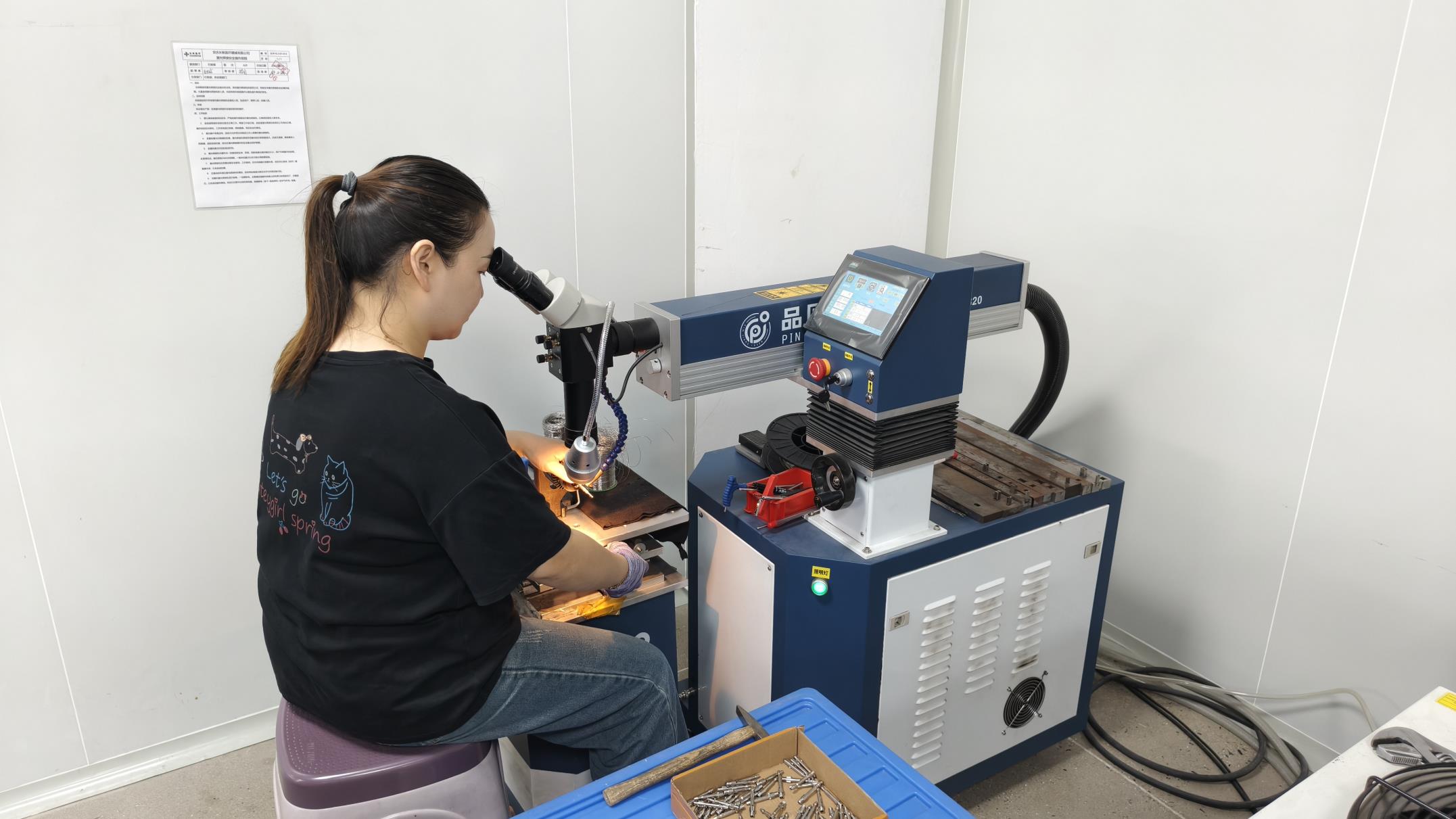
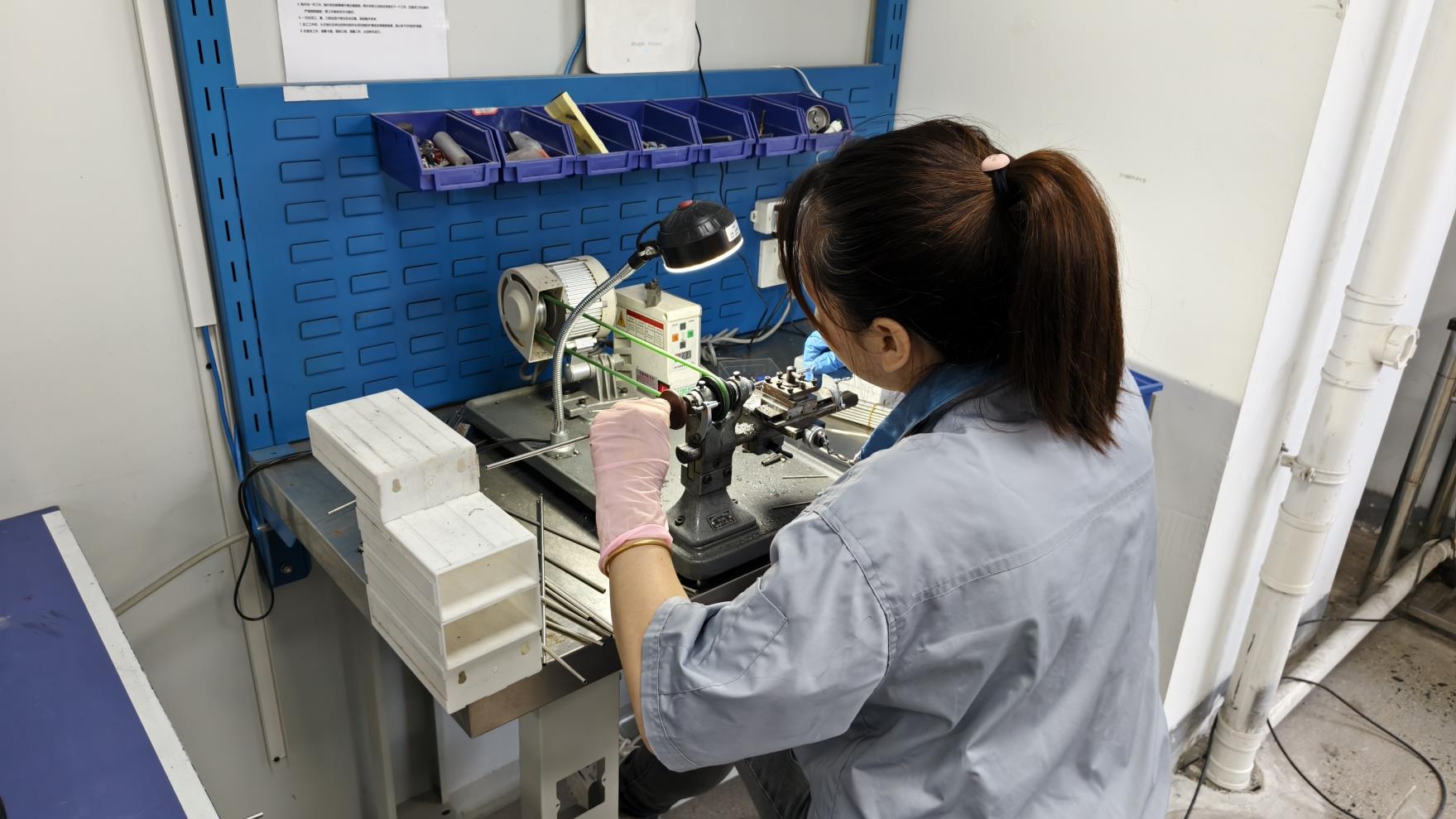
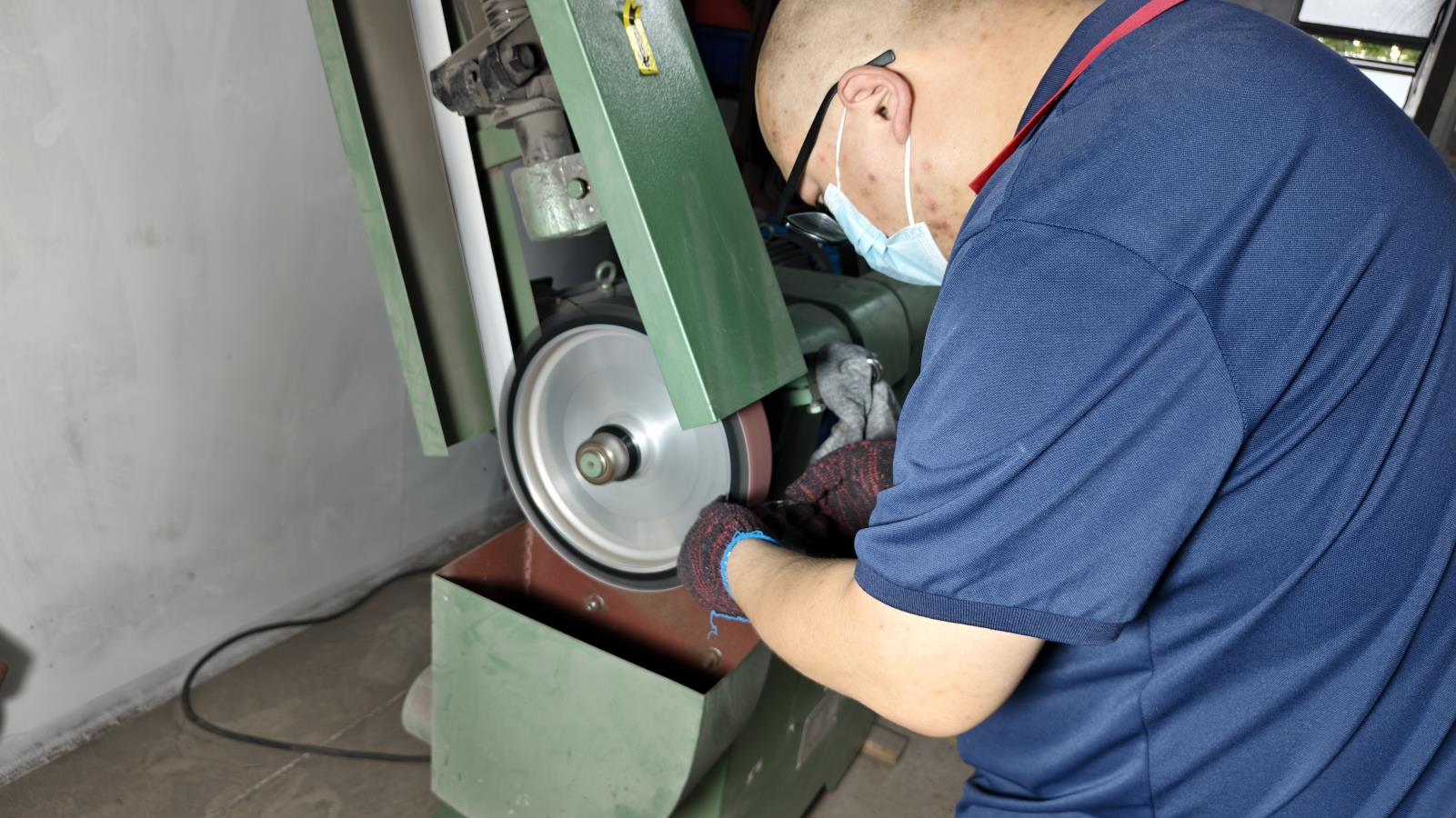
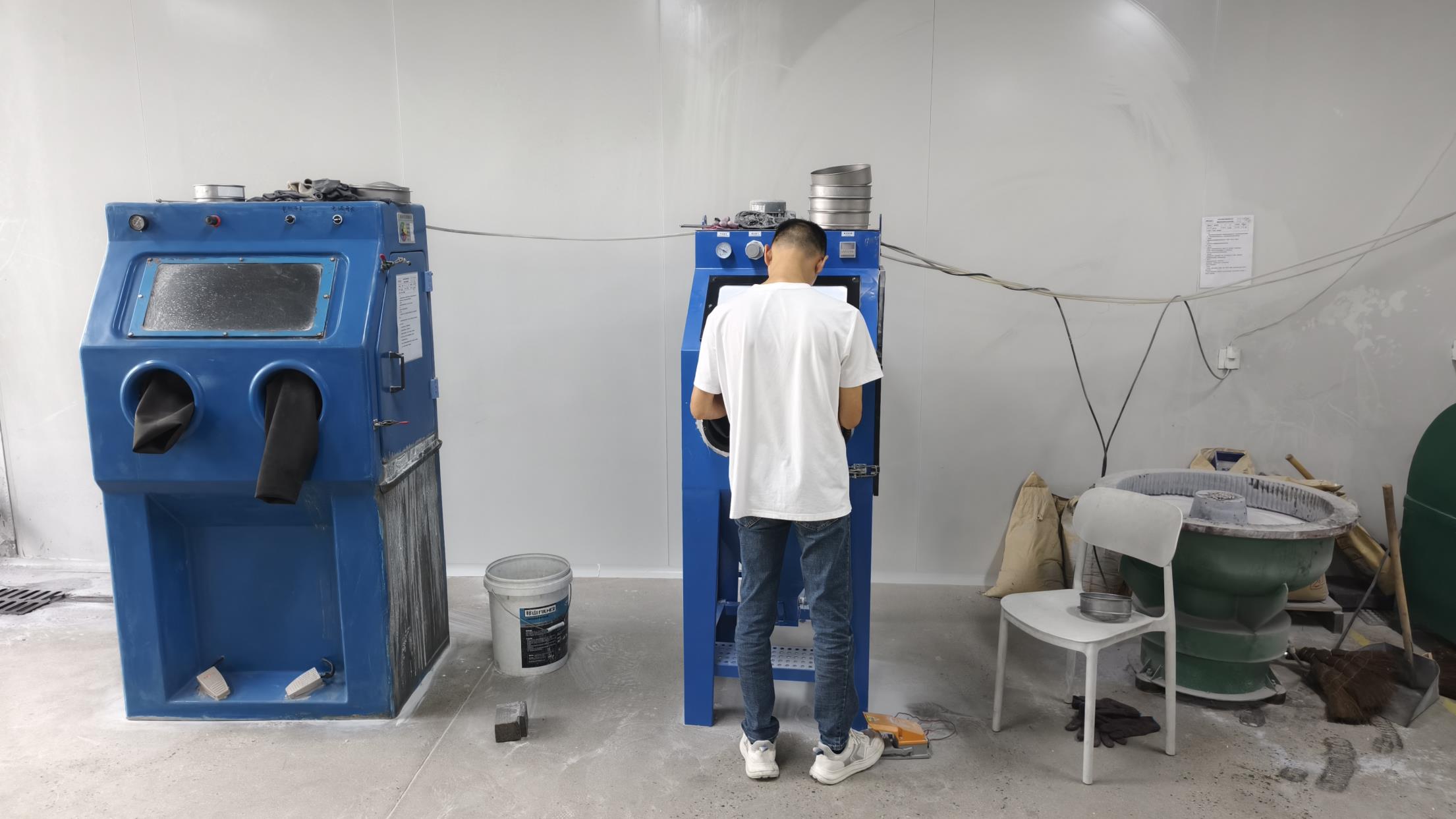
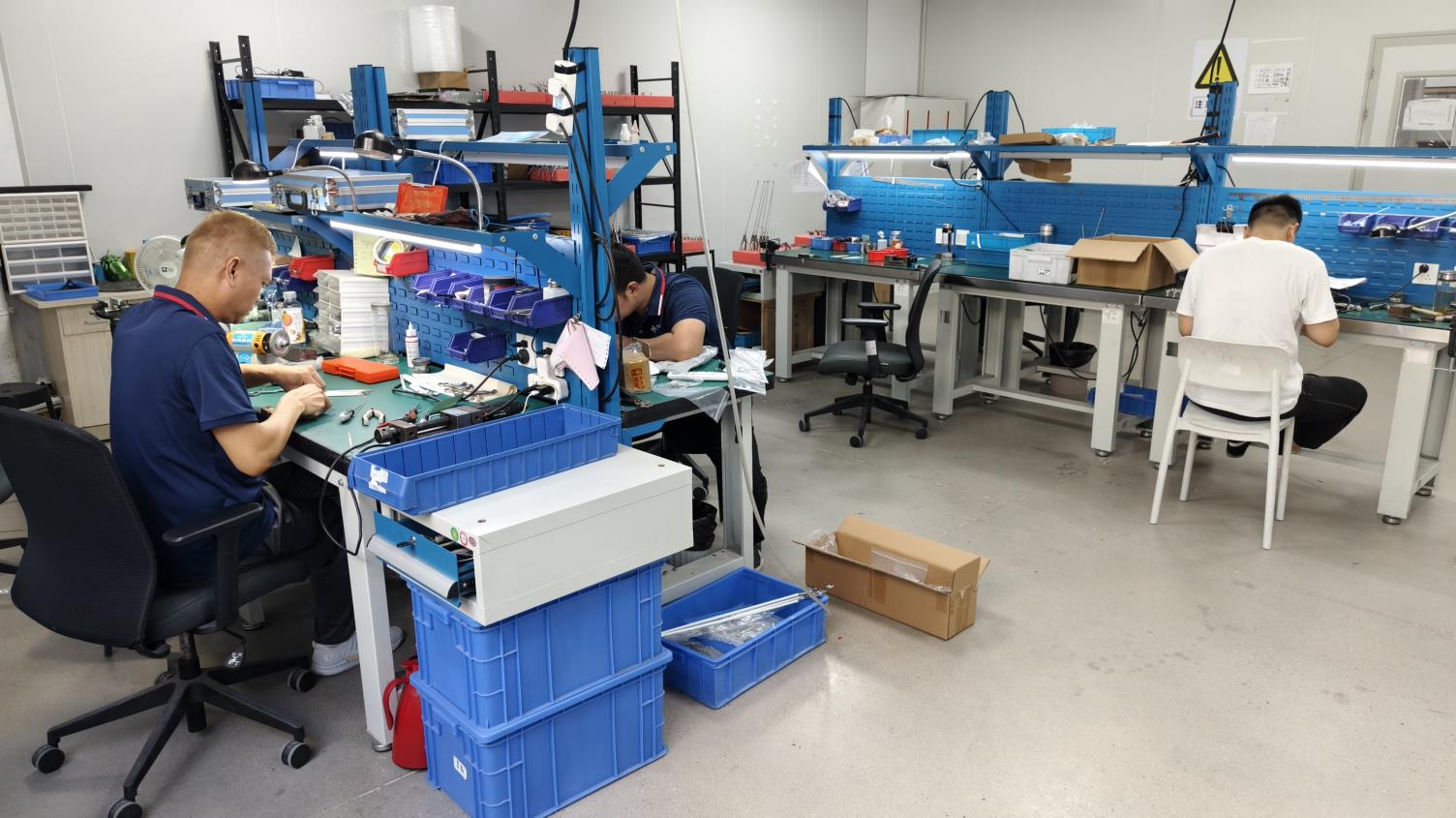
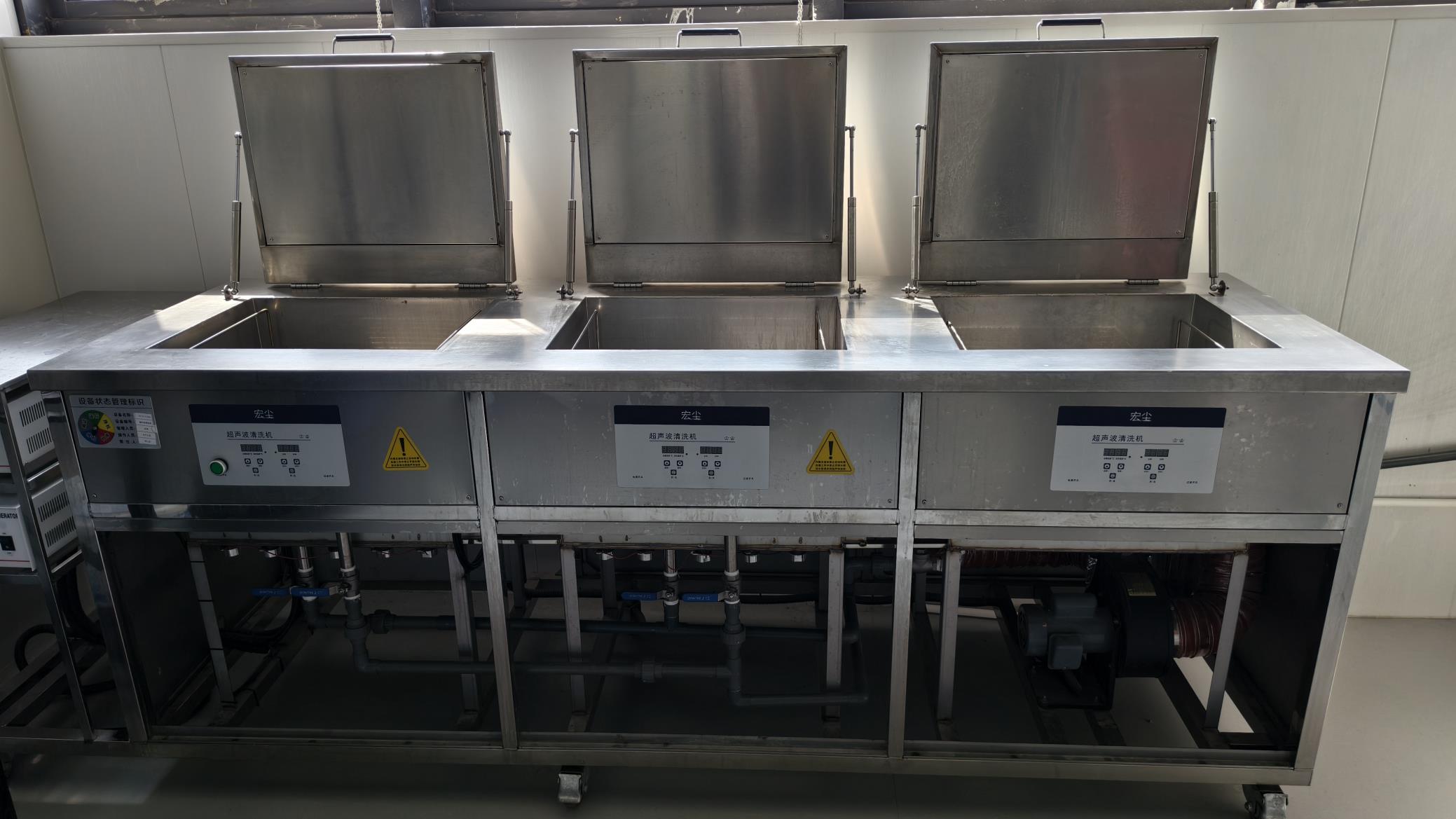
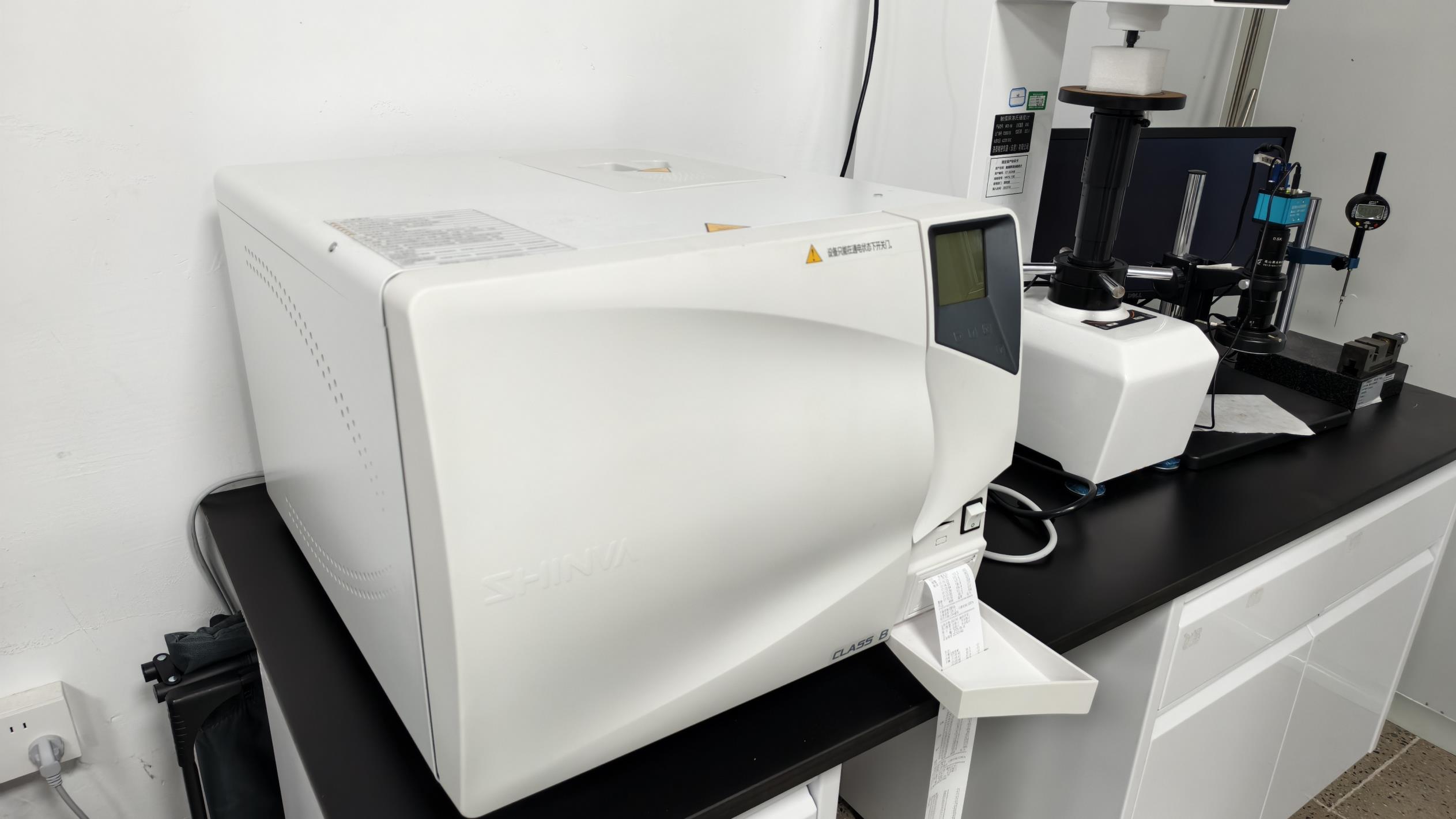
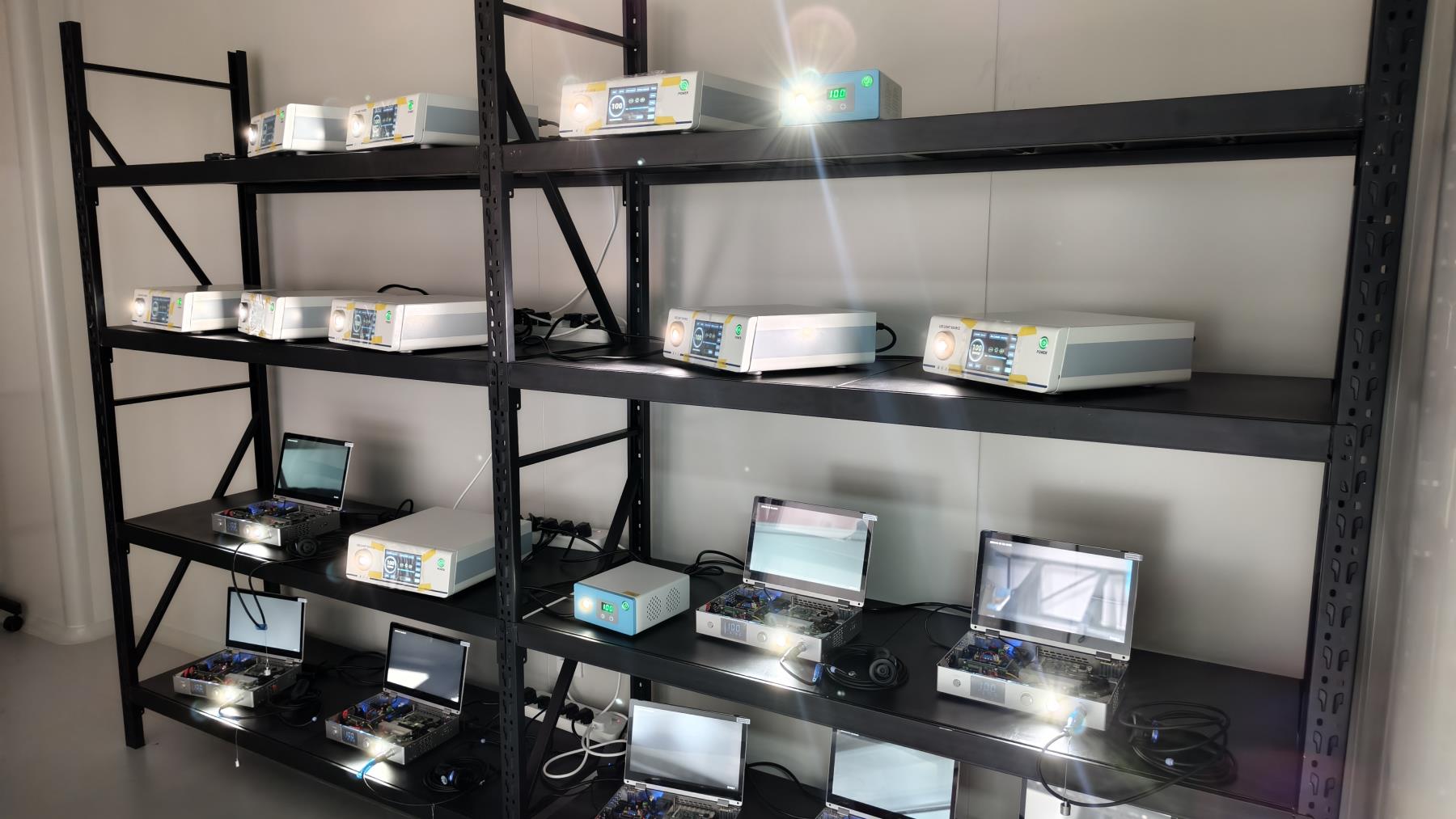
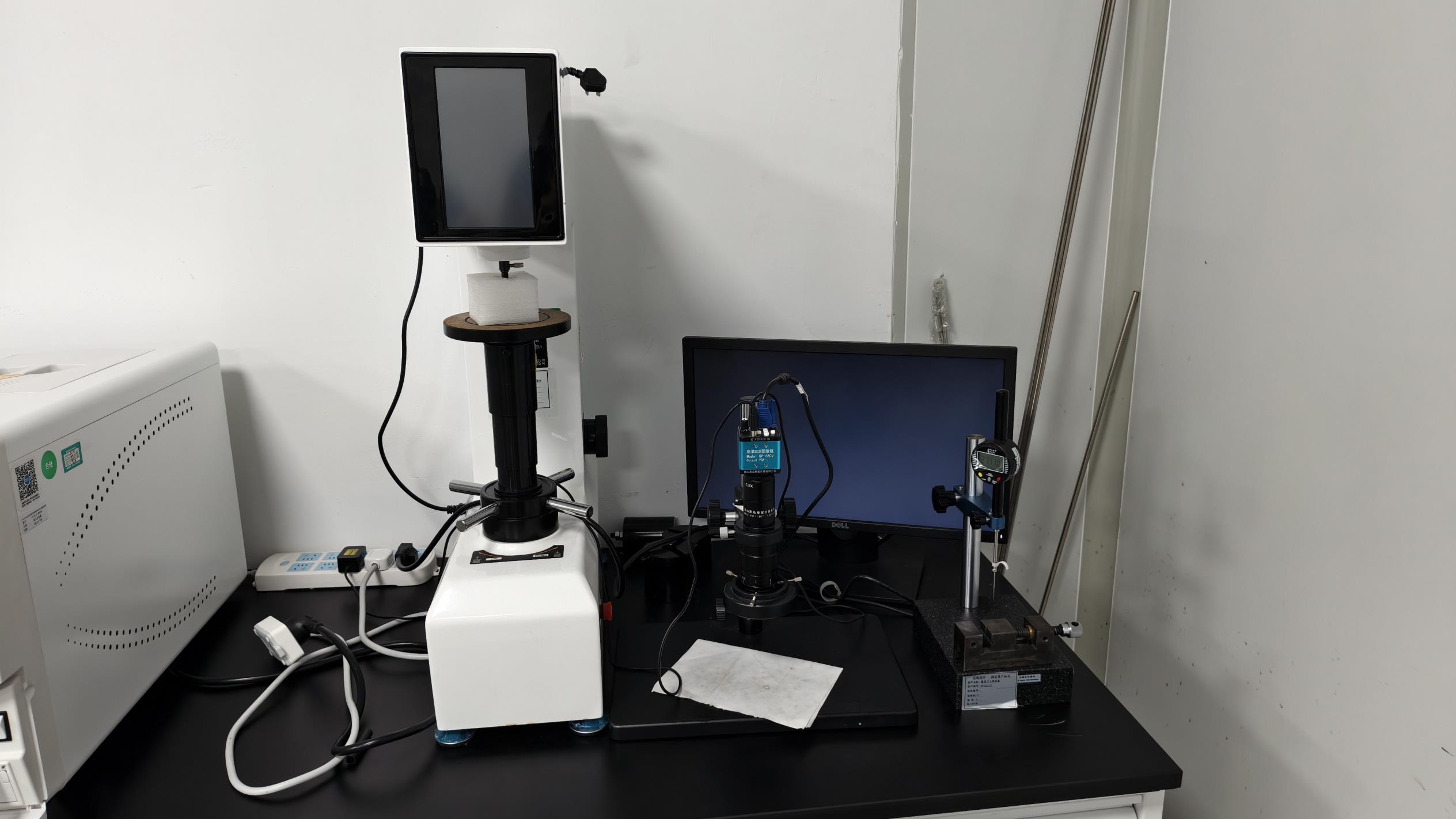
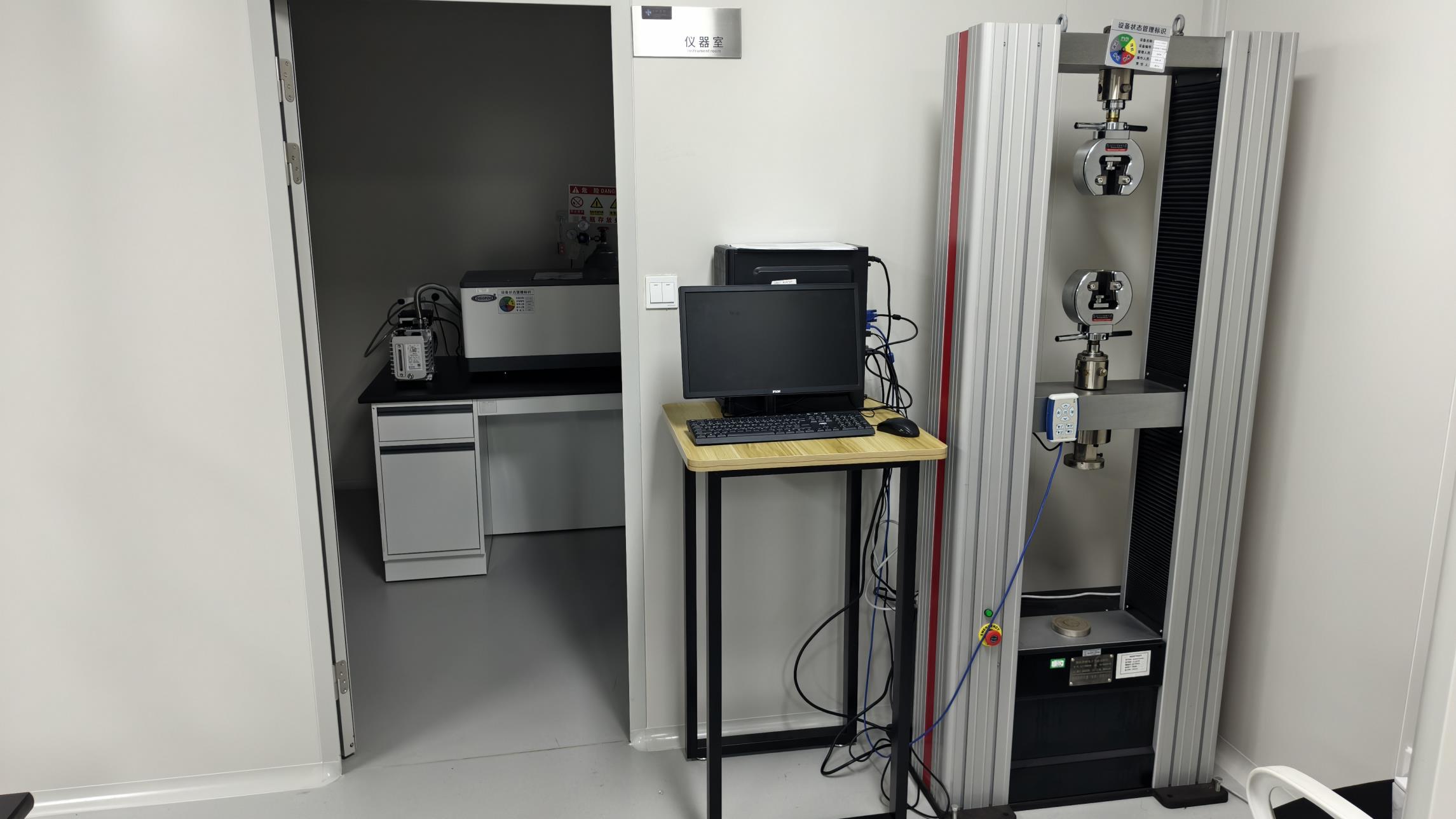
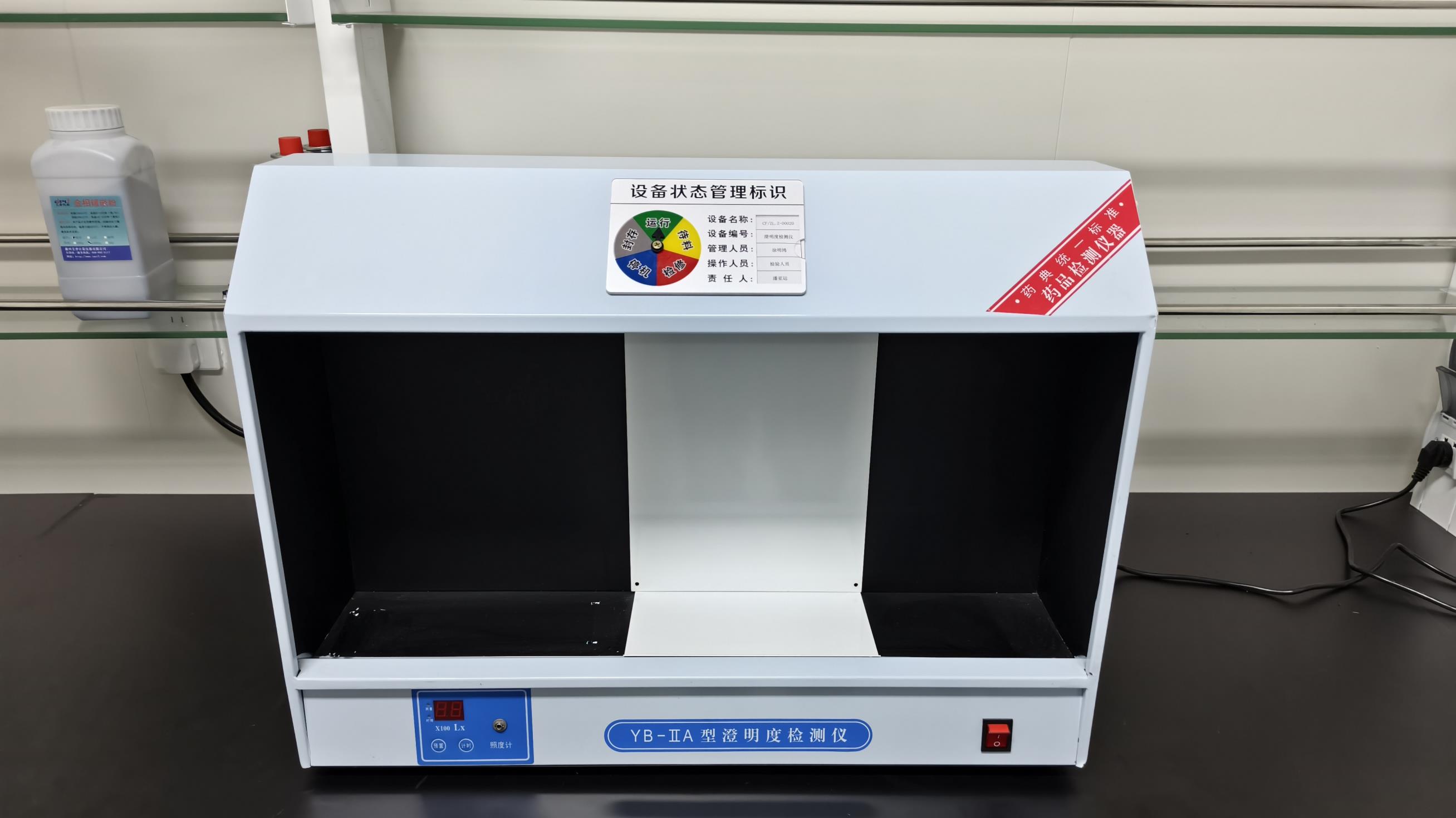
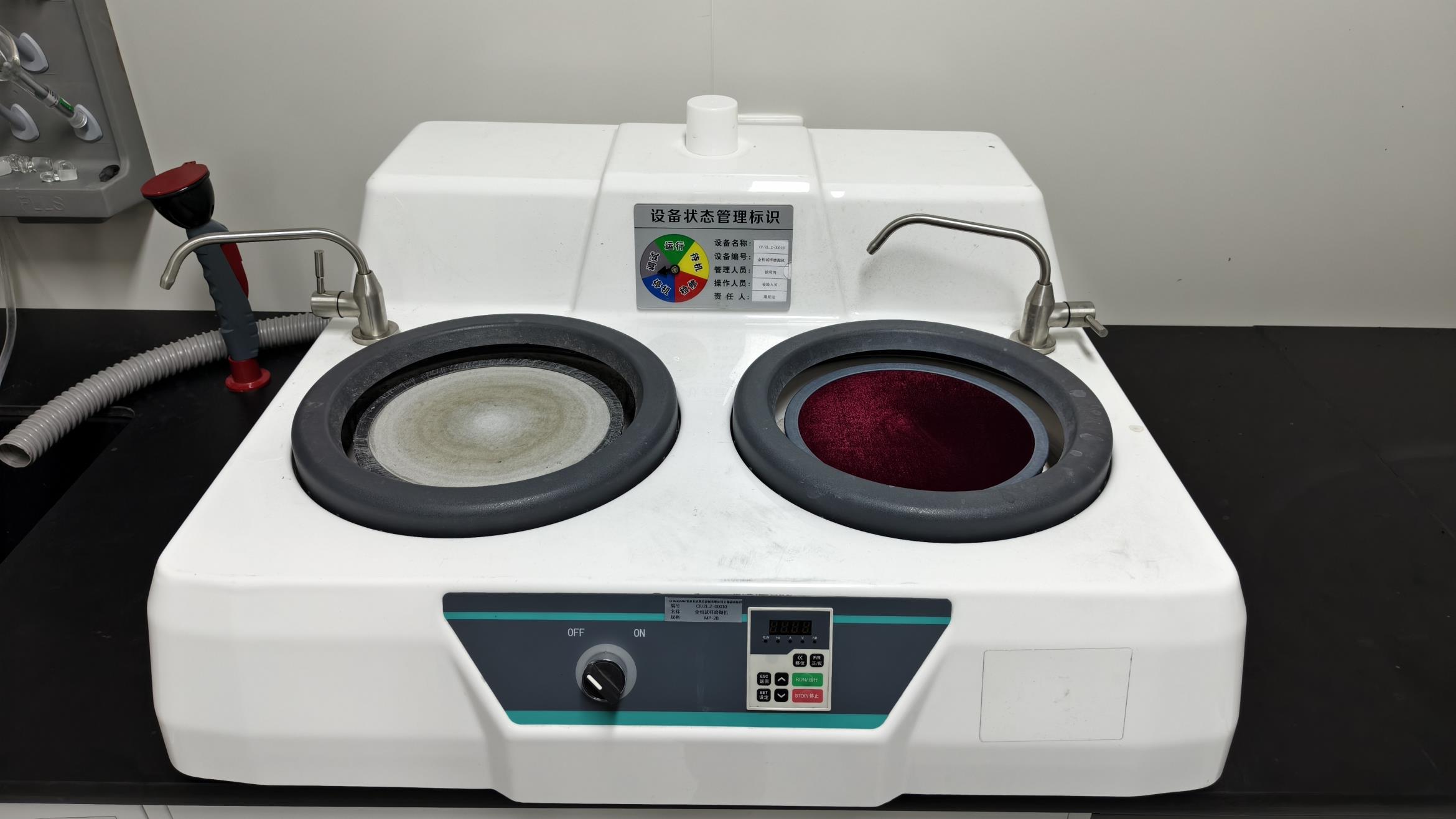
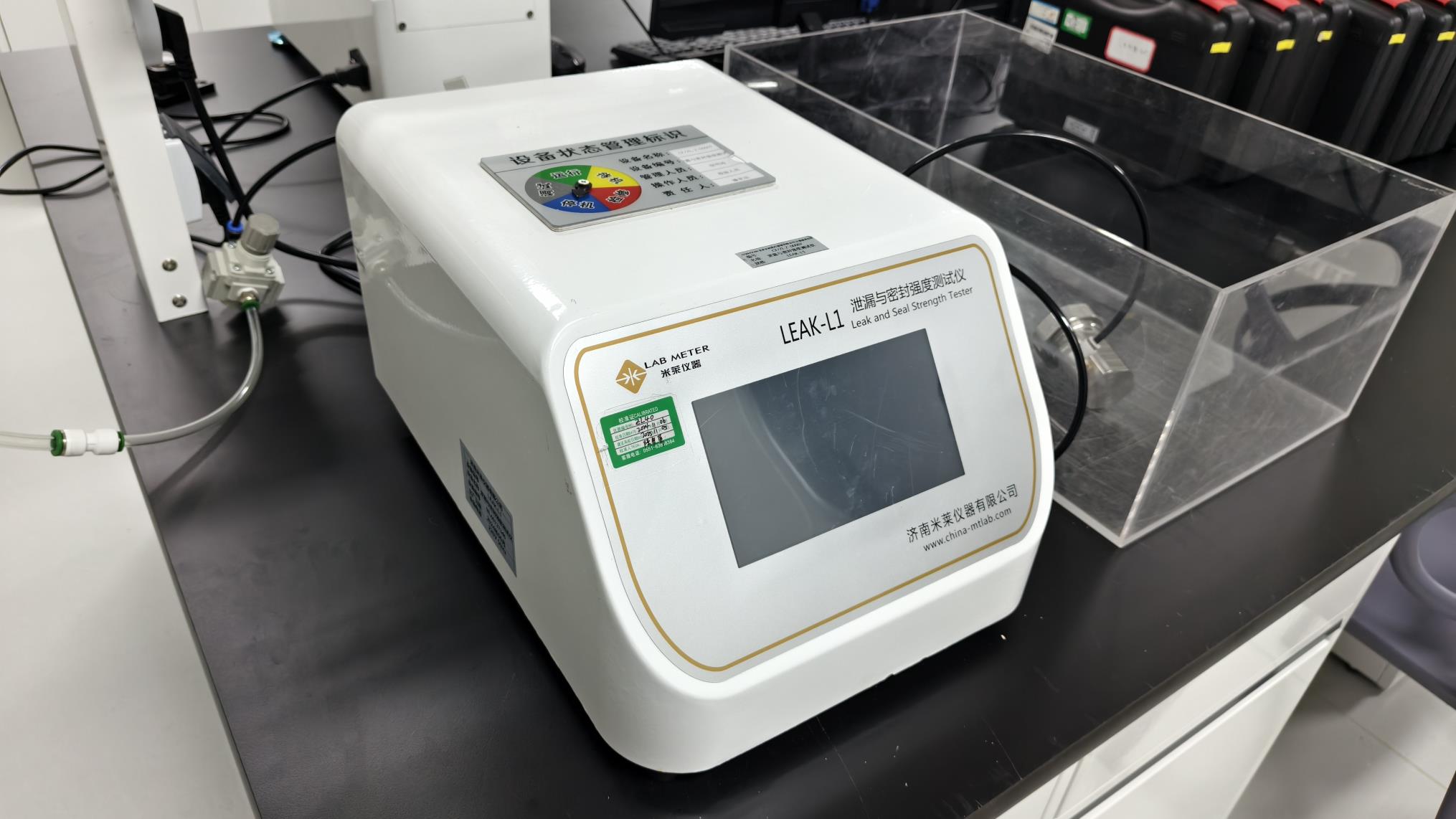
Zynfuse controls every aspect of manufacturing validation using state-of-the-art testing equipment.
The scientific matrix behind Grade 23 (Ti-6Al-4V ELI) titanium spinal implants.
| Material Property | Ti-6Al-4V ELI (Grade 23) | Standard PEEK Implants | Cortical Bone Reference | Clinical Performance Advantage |
|---|---|---|---|---|
| Elastic Modulus (GPa) | 110 (Solid) / 3-5 (3D porous) | 3.6 - 4.0 | 12 - 18 | Modulated porosity eliminates stress shielding. |
| Direct Osseointegration | Excellent (Hydrophilic rough surface) | Minimal (Fibrous capsule barrier) | Active cell interface | Prevents migration and pseudoarthrosis. |
| Tensile Strength (MPa) | 860 - 960 | 90 - 100 | 100 - 150 | Resists mechanical deformation and collapse under load. |
| Visual Verification | Moderate Radiopacity (No halo artifacts) | Total Radiolucency | Standard Density | Enables easy post-operative verification. |
Wolff's Law dictates that bone remodels in response to the physical stresses placed upon it. Traditional dense titanium alloys carry the bulk of physiological loads, shielding the healing bone graft and reducing fusion speed. Zynfuse resolves this through trabecular lattice engineering. By designing interbody cages with internal macro-porosity (500–800 μm pore size) and interconnected channels, we optimize load-transfer mechanisms. This porous geometry facilitates high capillary action for blood-clotting factors, creating a natural scaffolding for osteoblast migration.
Implant surface topography acts as a key signal for cellular behavior. Plain titanium, while biocompatible, relies solely on physical integration. Our manufacturing system implements advanced anodic oxidation and selective acid-etching. This process constructs a dual-scale micro/nano-roughness on the cage's surfaces. Research shows that nano-roughened surfaces trigger early upregulation of alkaline phosphatase activity, resulting in faster bone deposition and superior biomechanical anchorage shortly after implantation.
Adapting design parameters to match specific spinal approaches and clinical challenges.
Lumbar stabilization demands implants capable of bearing large axial loads. Our posterior and transforaminal lumbar interbody cages feature built-in lordotic angles (4° to 15°) to restore natural sagittal balance. Their bulleted nose designs facilitate straightforward insertion, minimizing dural retraction during surgical approaches.
Anterior Cervical Discectomy and Fusion requires small, precise profiles. Zynfuse cervical titanium cages are shaped to match the concave profile of cervical endplates. Incorporating dual-screw or zero-profile locking plate integrations, they prevent cage migration while preserving the esophageal clearance envelope.
Lateral cages span the apophyseal ring of the vertebral body, providing excellent structural support and indirect decompression. Our wide footprint designs distribute stress evenly, minimizing subsidence risks in patients with lower bone mineral density.
How next-generation bio-functional designs are shaping the future of spinal fusion technology.
The next era of orthopedic implants shifts from bio-inert structures to bioactive interfaces. Our ongoing R&D focuses on combining porous titanium with osteoinductive nanoparticles (such as silicon, strontium, and magnesium). These elements act as active chemical signals, attracting local progenitor cells and accelerating mineralization directly inside the porous structure of the cage.
To reduce post-surgical infection risks and support bone healing in compromised patient profiles (e.g., diabetics, smokers), Zynfuse is testing drug-eluting surfaces. Utilizing biodegradable nanopolymer coatings, these upcoming implants release localized, low-dose osteogenetic proteins or antimicrobial agents over a 30-day post-operative window.
Answers to critical questions regarding standards, quality verification, lead times, and customization.
Our titanium implants are manufactured using medical-grade Titanium-6Aluminum-4Vanadium Extra Low Interstitial (Ti-6Al-4V ELI) conformant to the ASTM F136 and ISO 5832-3 standards. This alloy delivers enhanced fracture toughness, ductility, and high biocompatibility, making it perfect for permanent surgical placement.
Every design variation undergoes rigorous mechanical testing in our validation facility. We follow ASTM F2077 (for static and dynamic compression, shear, and torsion tests) and ASTM F2267 (to evaluate subsidence under static axial compression). Our cages are tested up to 5 million load cycles to ensure long-term stability.
Yes. Supported by 85 R&D engineers, we specialize in OEM/ODM adaptations. We adjust lordotic angles, footprints, graft windows, and surface finishes to meet the regional surgical requirements of distributors. Prototype development and test reports are provided before full production runs.
Standard wholesale orders for existing designs are typically manufactured and dispatched within 30 to 45 business days. Highly customized designs involving prototype validation and specialized machining can take between 60 to 90 days. We operate a streamlined supply chain with over 1,200 partners to secure raw materials and fast delivery.
Our facility houses ISO Class 7 (Class 10,000) cleanrooms where implants undergo multi-stage ultrasonic washing and clean packaging. While we supply many implants non-sterile (requiring autoclave sterilization at the hospital), we can accommodate sterile packaging configurations using ethylene oxide (EO) or gamma irradiation based on country-specific regulatory demands.
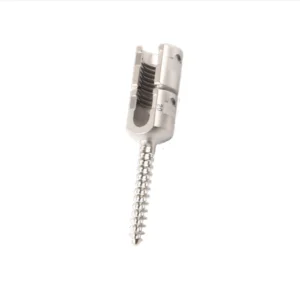
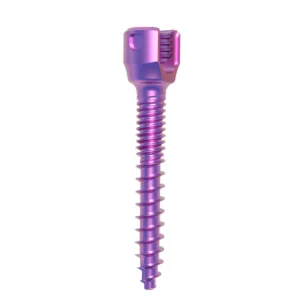
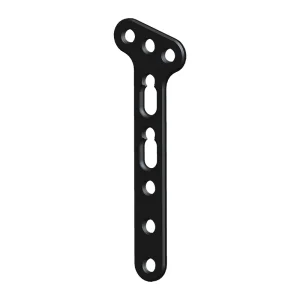
Explore our complete range of trauma plates, spinal screw-rod systems, and veterinary orthopedic kits.