Zynfuse
Zynfuse
Zynfuse
Modern internal fixation techniques have shifted focus from strict mechanical compression to biological osteosynthesis. Small fragment locking plates (specifically in the 2.7mm to 3.5mm range) represent the technological vanguard of this paradigm.
In orthopedic trauma surgery, maintaining the vascularity of the bone fragment is crucial for rapid healing. Traditional compression plates require direct contact between the plate and the bone surface, creating friction to achieve stability. This compression can choke the periosteal microcirculation, occasionally leading to bone necrosis or delayed union.
By contrast, Small Fragment Locking Plates act as internal fixators. The locking screw threads lock directly into the threaded plate holes, creating a fixed-angle construct. This mechanical independence from plate-to-bone contact preserves the critical periosteal blood supply.
Furthermore, the stability provided by the fixed-angle system is mechanically superior in osteoporotic bone. In conventional systems, screw pull-out is a common failure mode; locking systems distribute stress evenly along the entire length of the construct, drastically reducing the rate of hardware failure.
| Mechanical Metric | Standard Plates | Locking Plate Systems |
|---|---|---|
| Primary Stability Mode | Bone-Plate Friction | Fixed-Angle Locking Construct |
| Periosteal Perfusion | Reduced (High Compression) | Preserved (Minimal Contact) |
| Failure in Osteoporotic Bone | Higher Risk (Screw Pull-out) | Significantly Reduced Risk |
| Load Sharing Mode | Frictional Shear Force | Axial Load Distribution |
Established in 2016, Zynfuse Medical Technology Co., Ltd. is a professional orthopedic medical device manufacturer specializing in bone fusion and advanced implant systems for surgical innovation.
With a strong foundation built upon 12 years of industry experience and 7 years of export expertise, Zynfuse Medical Technology serves global healthcare markets with consistent quality, reliability, and precision. Our specialized manufacturing plant covers approximately 18,600 m², featuring state-of-the-art infrastructure optimized for medical implants.
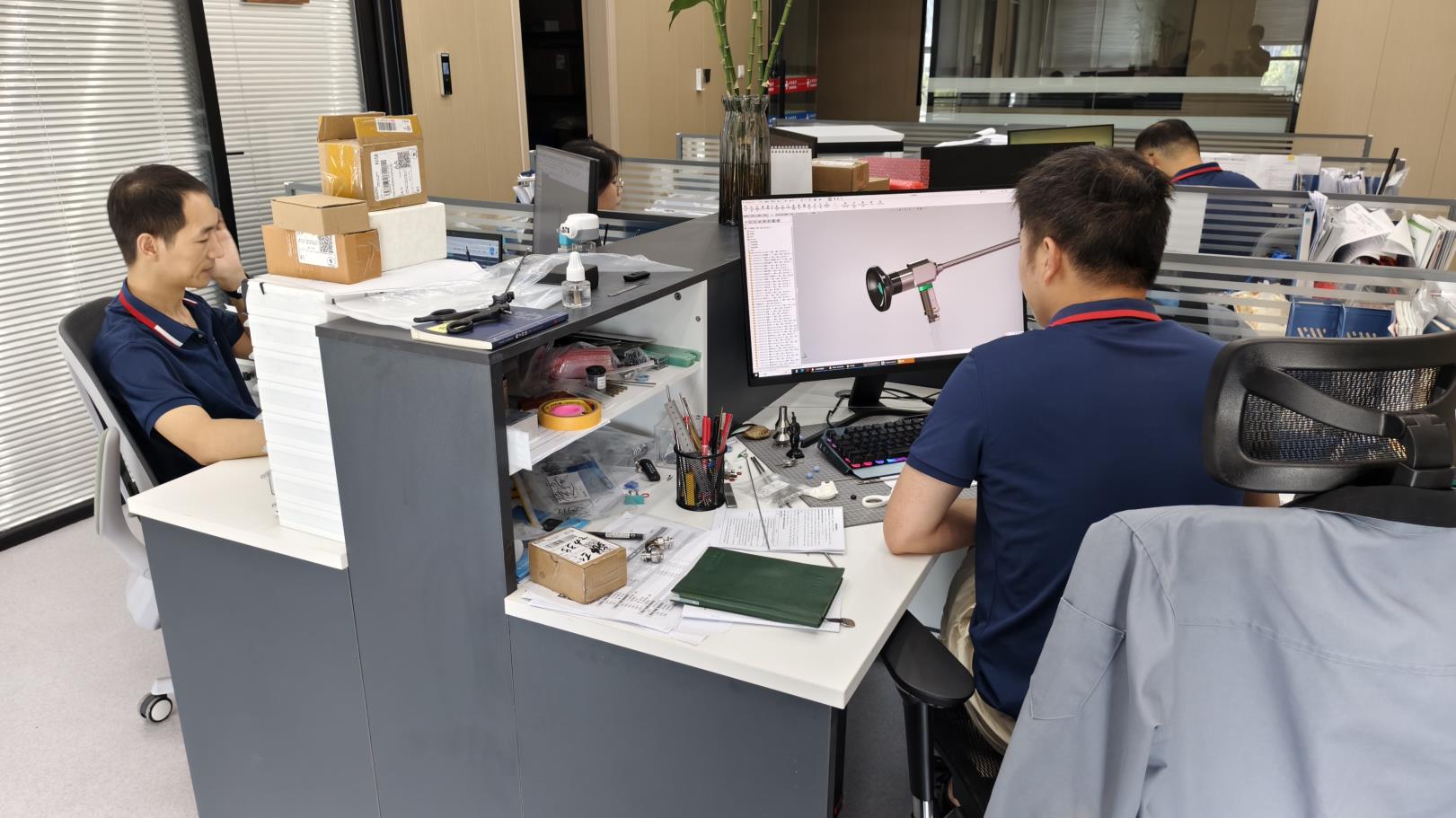
Our organization is deeply integrated into global supply chains, partnering with hospital procurement departments, medical device importers, and specialized orthopedic clinics across North America, Europe, Southeast Asia, and the Middle East. Supported by an advanced R&D team of 85 engineers and a dedicated team of 68 quality inspection specialists, we are capable of launching approximately 320 new products annually while executing demanding OEM/ODM adaptations to patient-specific geometries.
Understanding the economics and structural advantages of sourcing from modern Chinese medical hubs.
China has evolved from a simple manufacturer to a sophisticated epicentre of precision medical technology. The integration of localized component ecosystems, raw material suppliers, and specialized heat treatment facilities enables unprecedented manufacturing speed. Zynfuse optimizes this industrial concentration to deliver implants that match the mechanical profiles of premium global brands while maintaining commercial efficiency.
We utilize advanced Swiss-type CNC sliding headstock lathes, high-speed wire cutting machines, and state-of-the-art laser welding setups to minimize cycle times. Our automated line is balanced to support rapid switching between product runs, reducing lead times to a fraction of standard Western lead times.
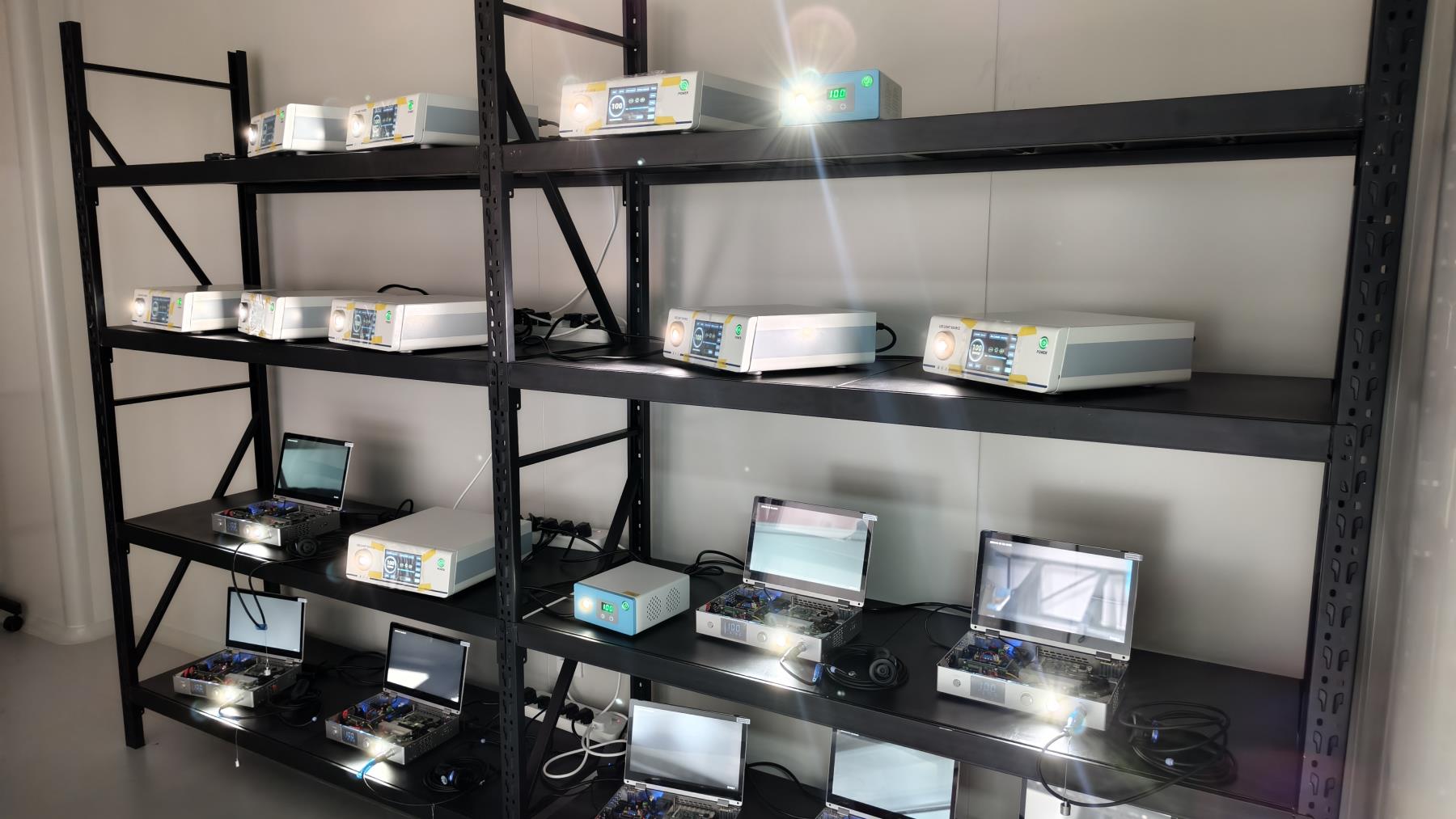
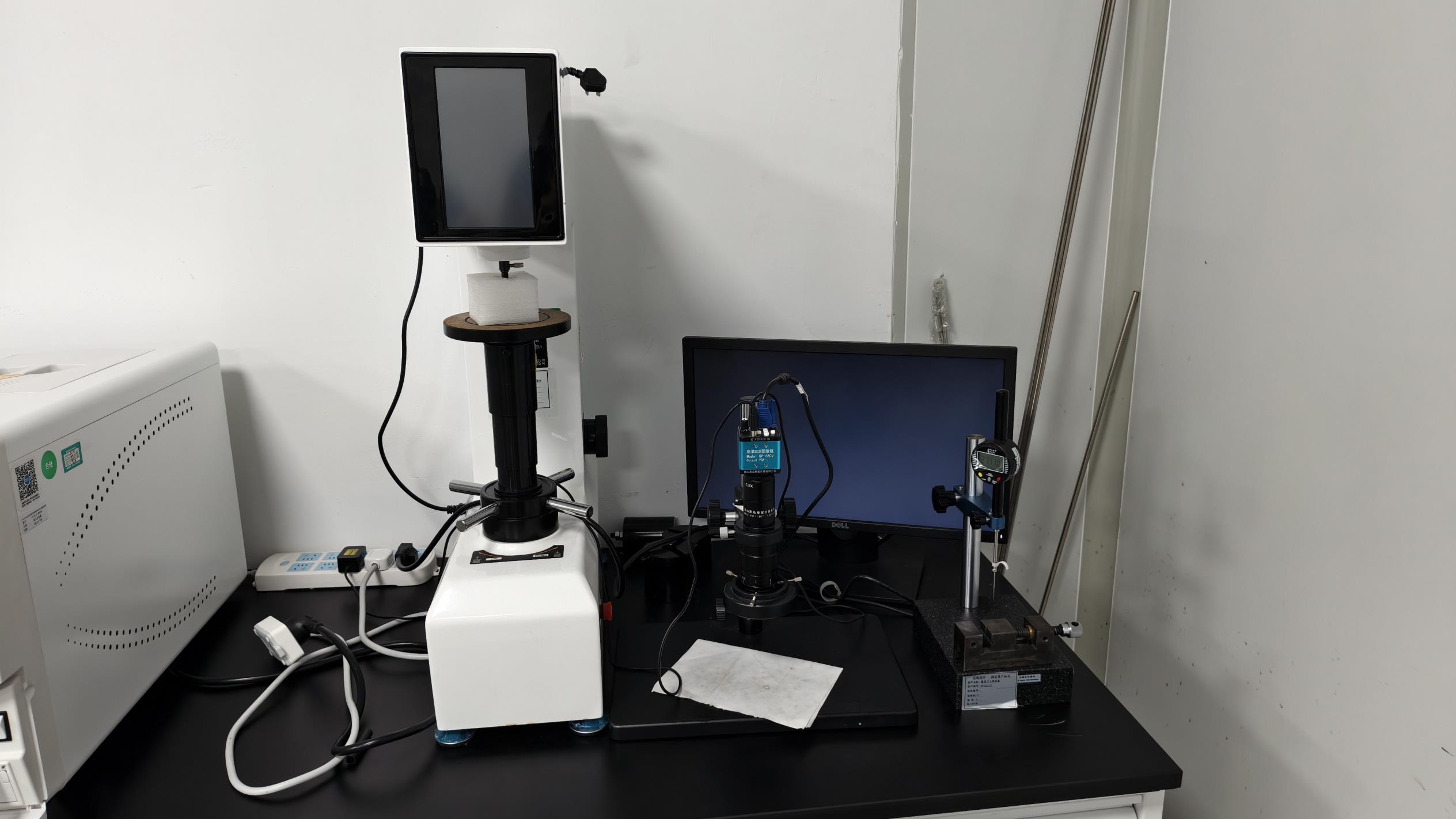
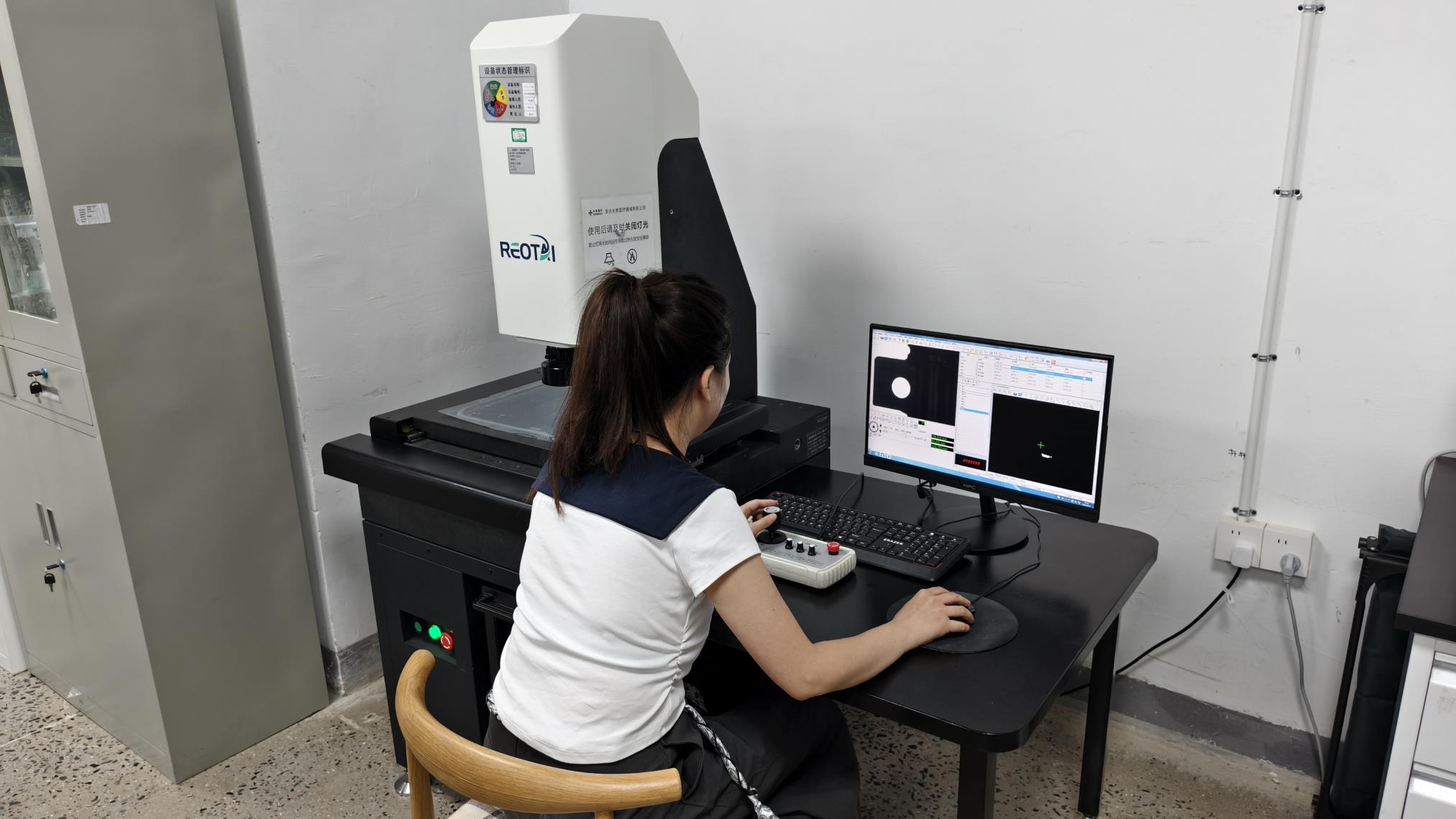
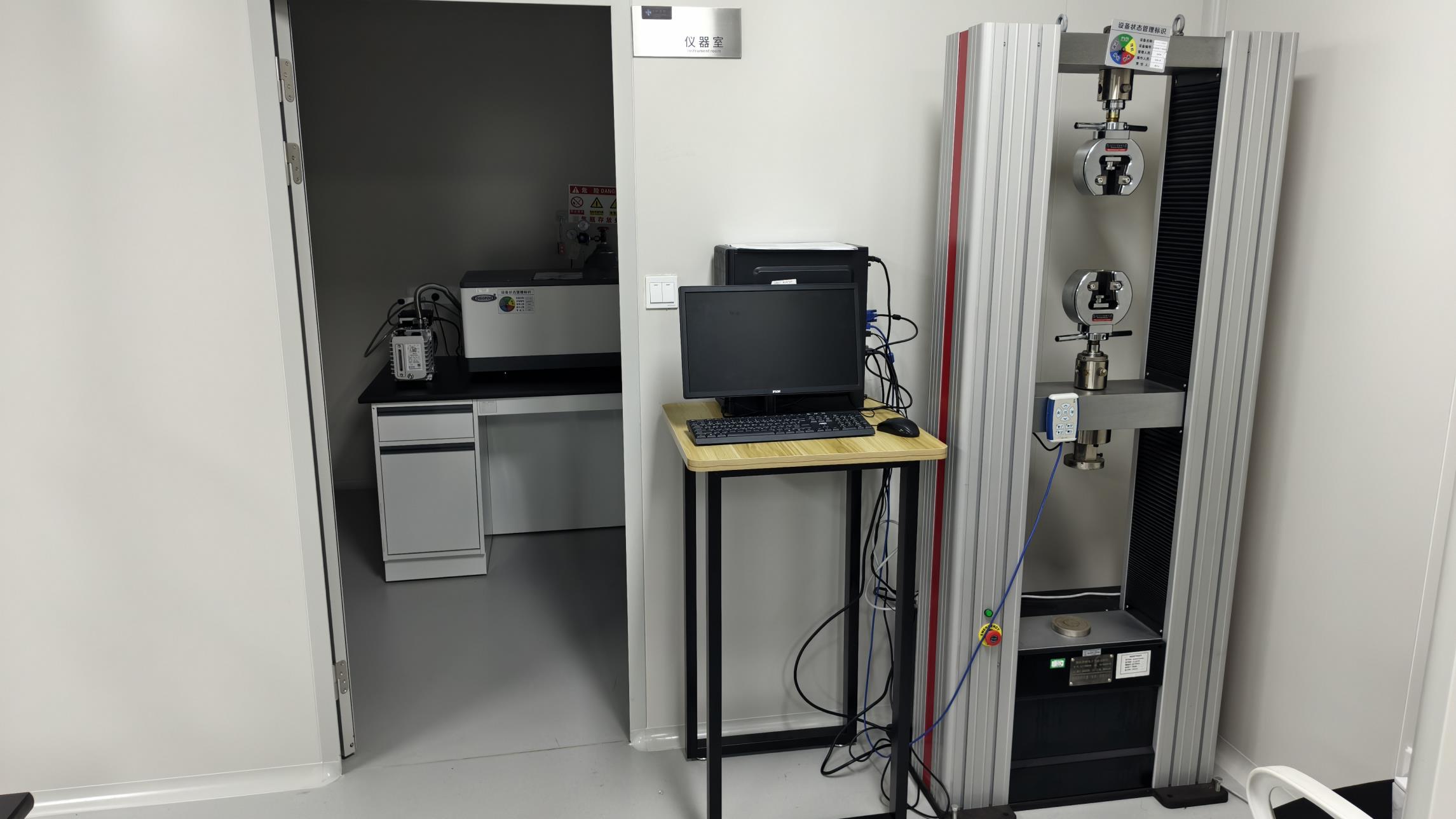
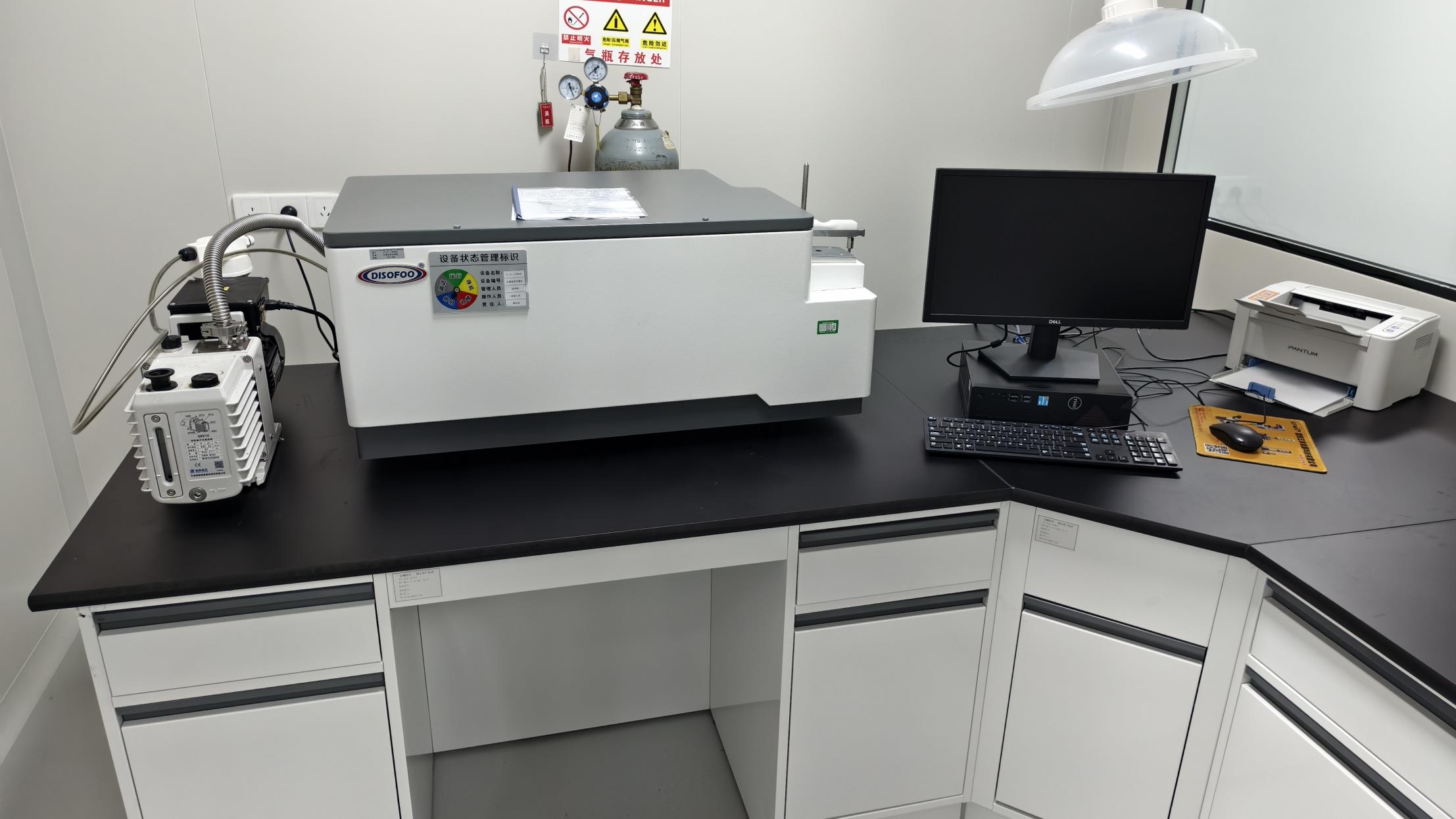
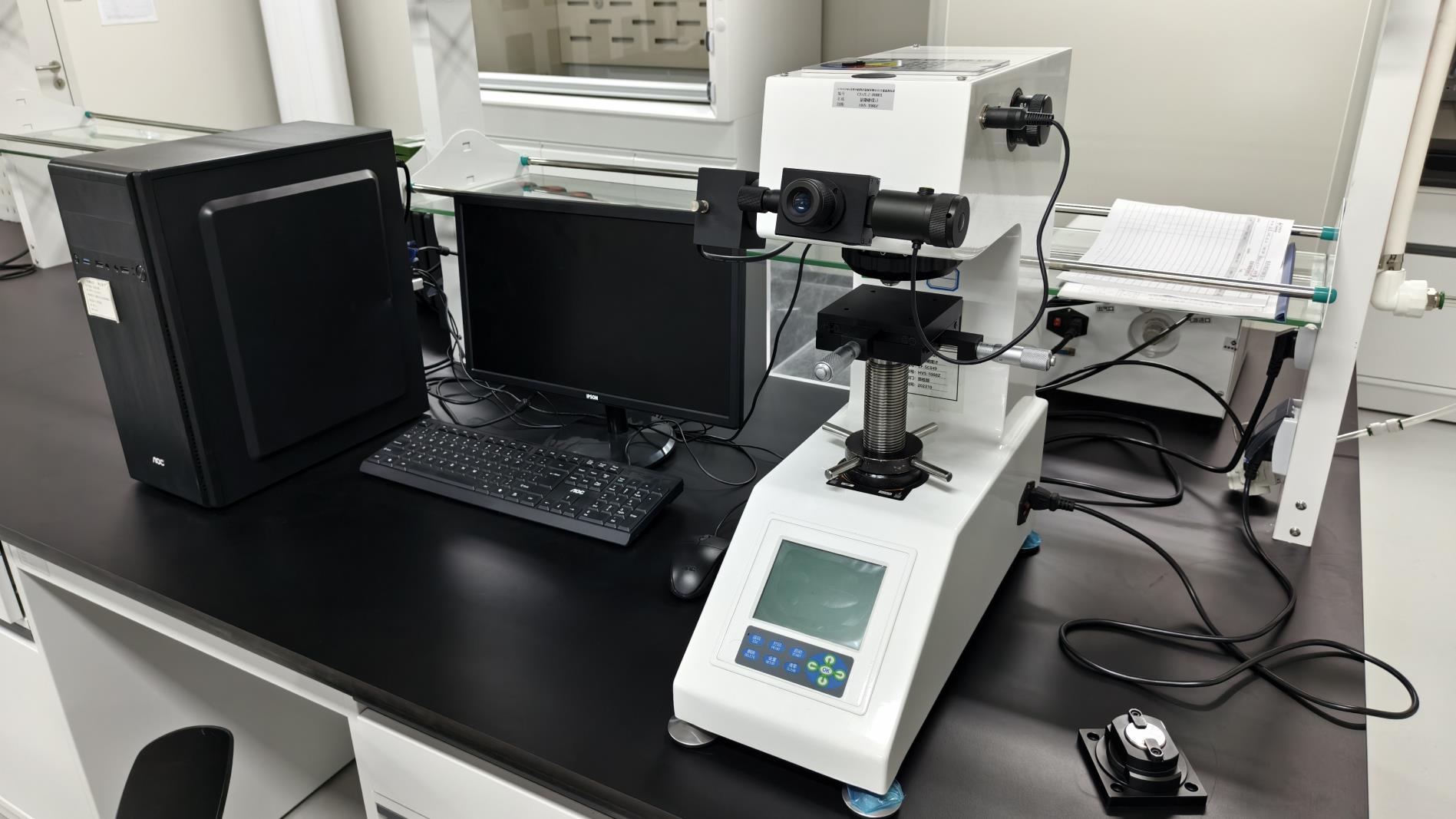
Every titanium locking plate undergoes a rigid sequence of mechanical forming, finishing, and validation procedures.
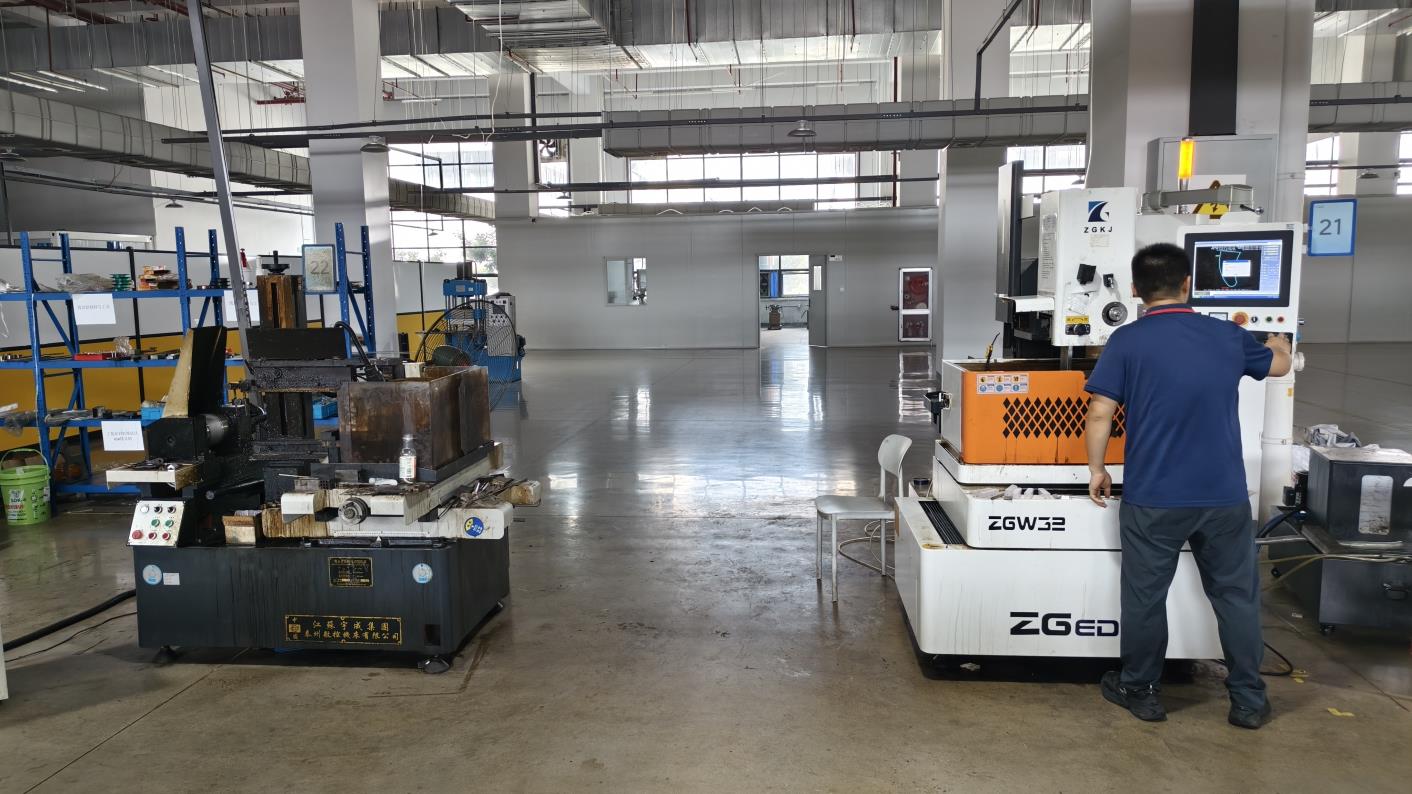
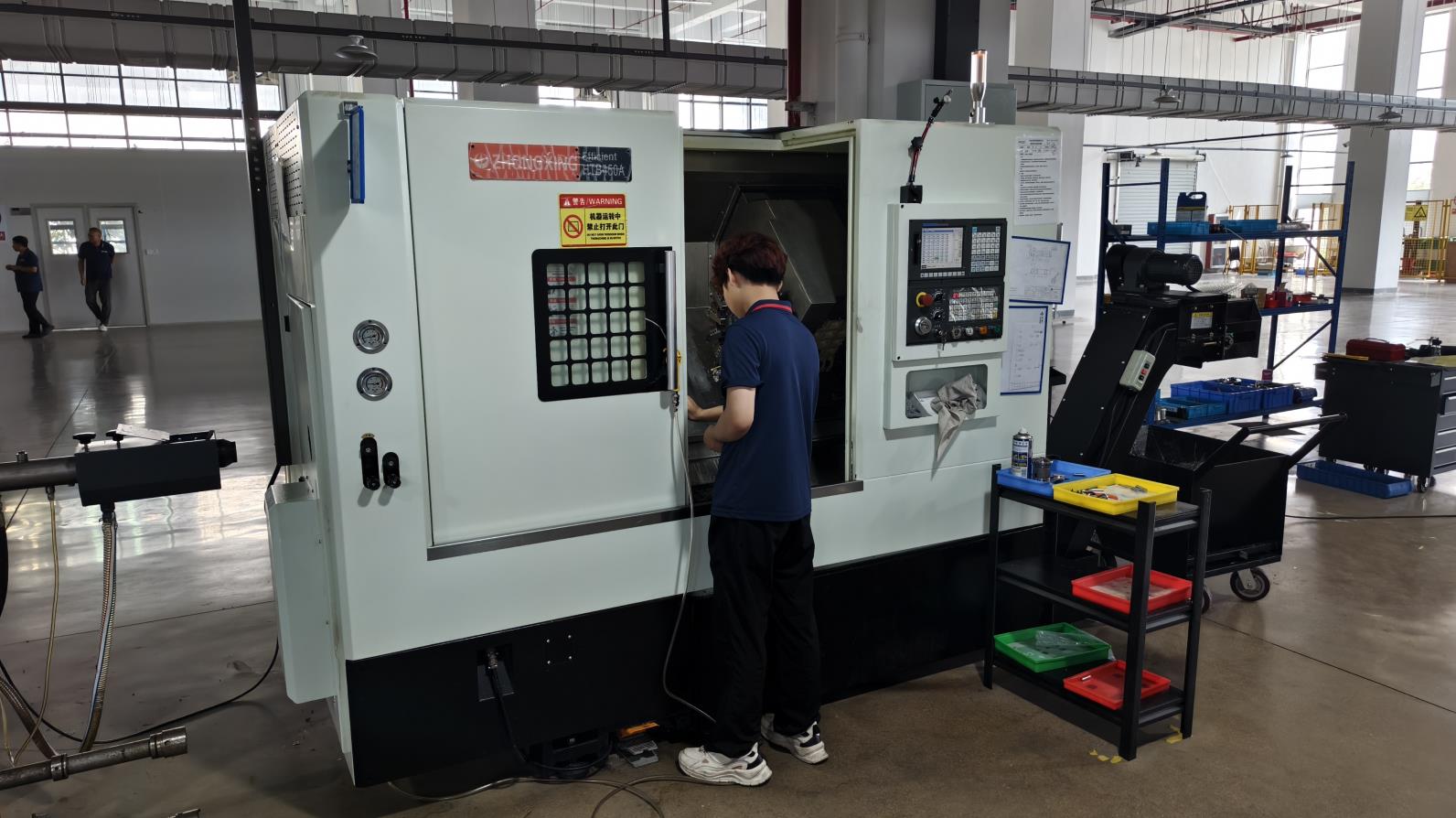
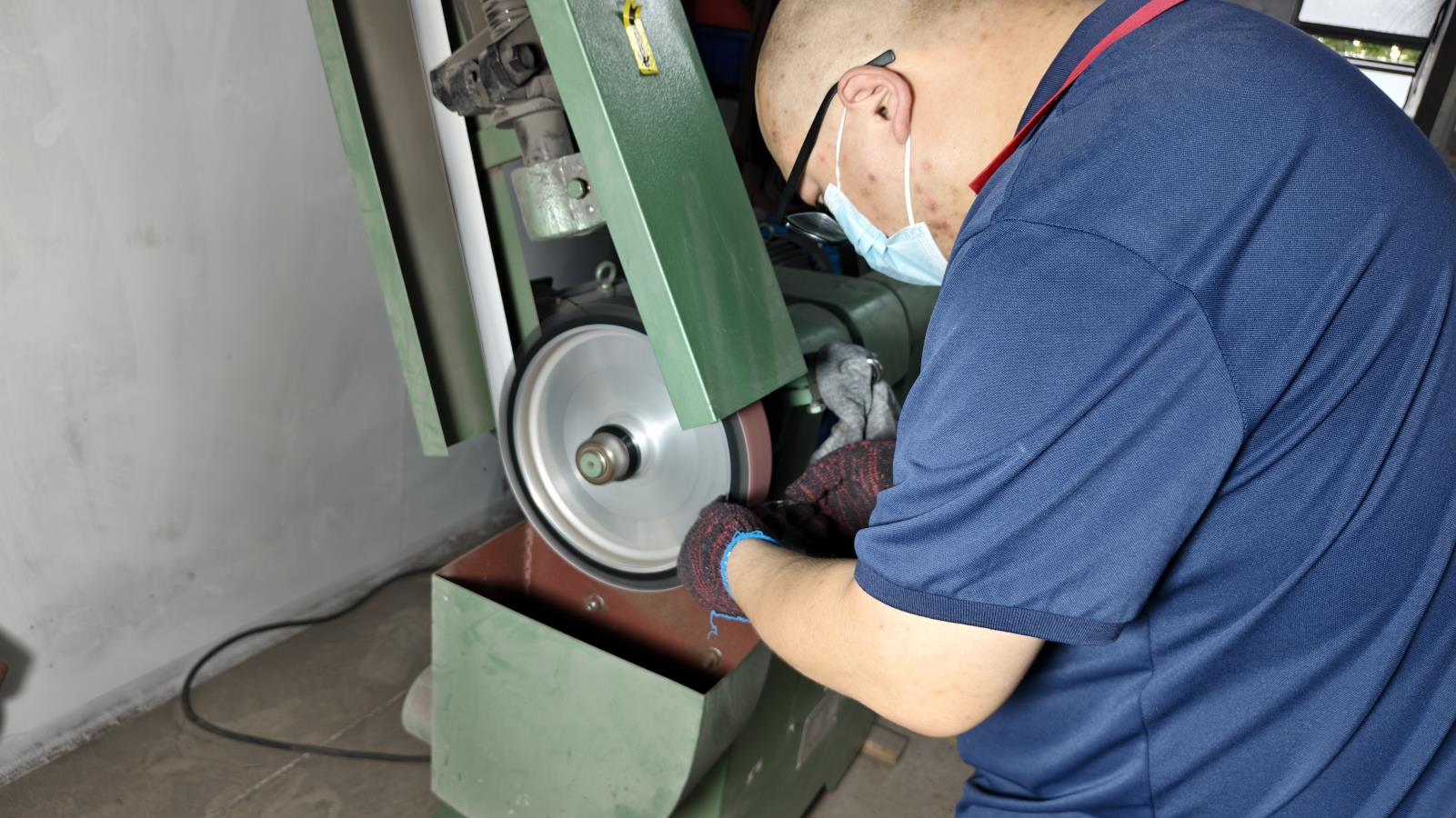
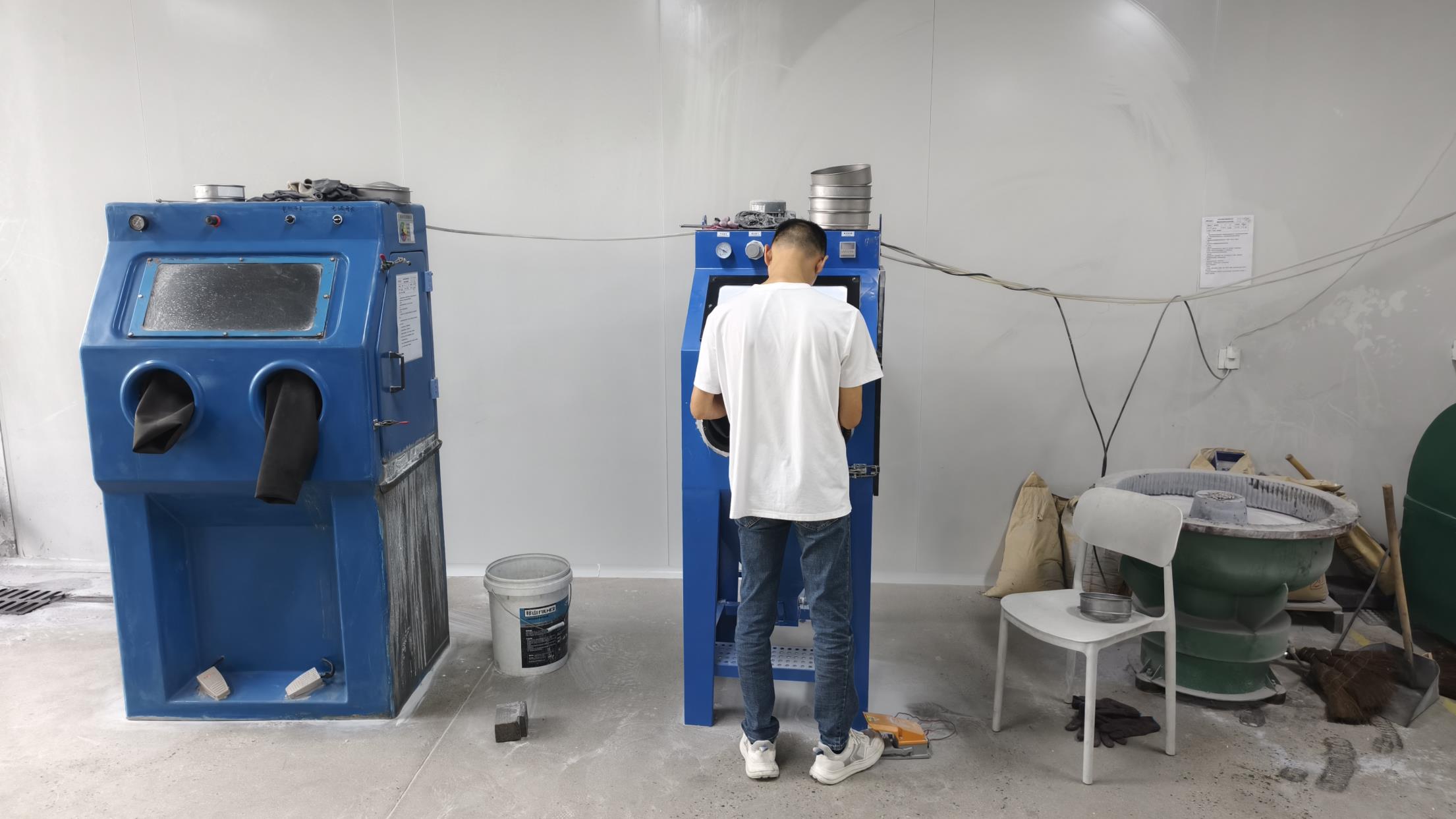
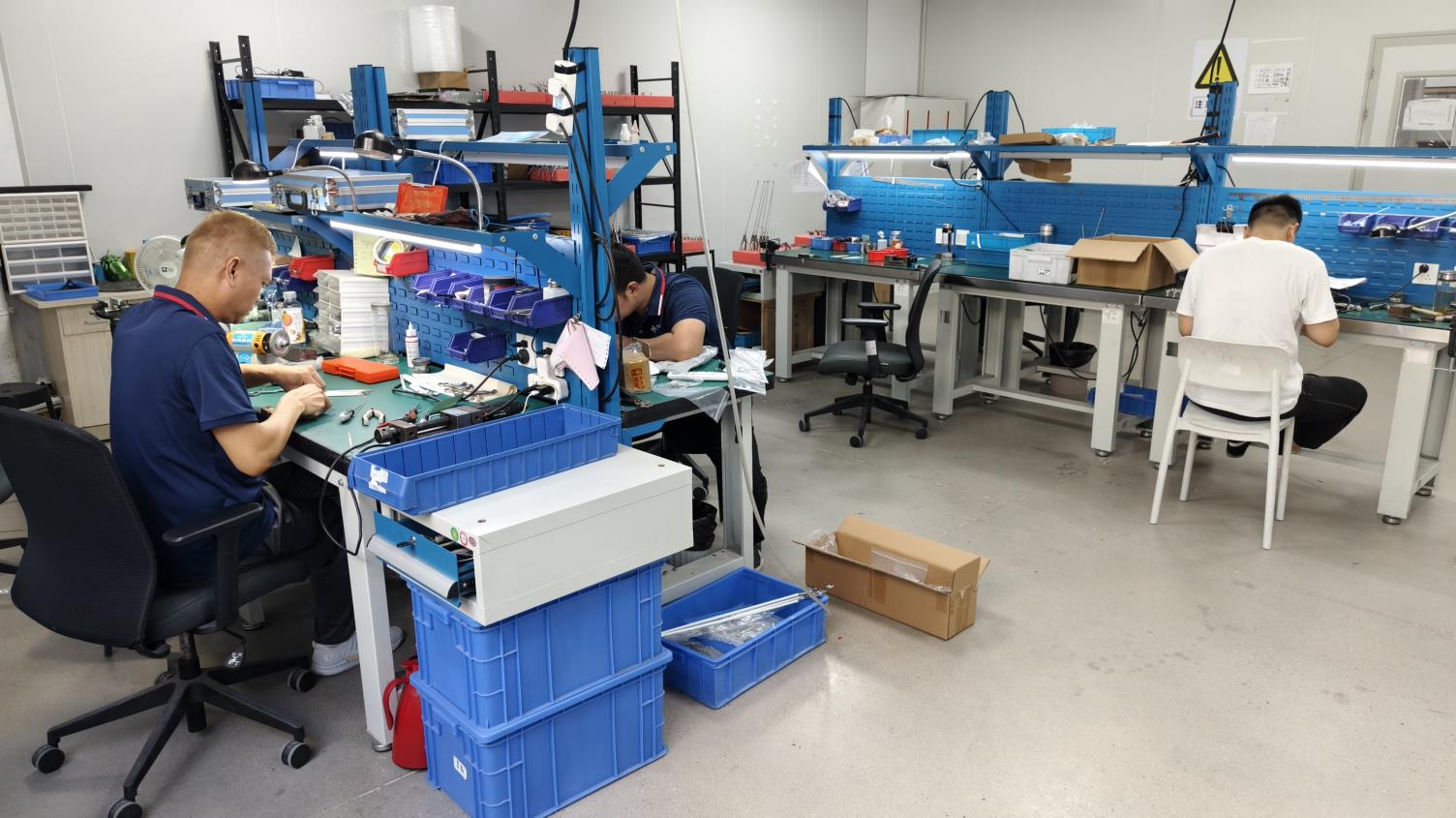
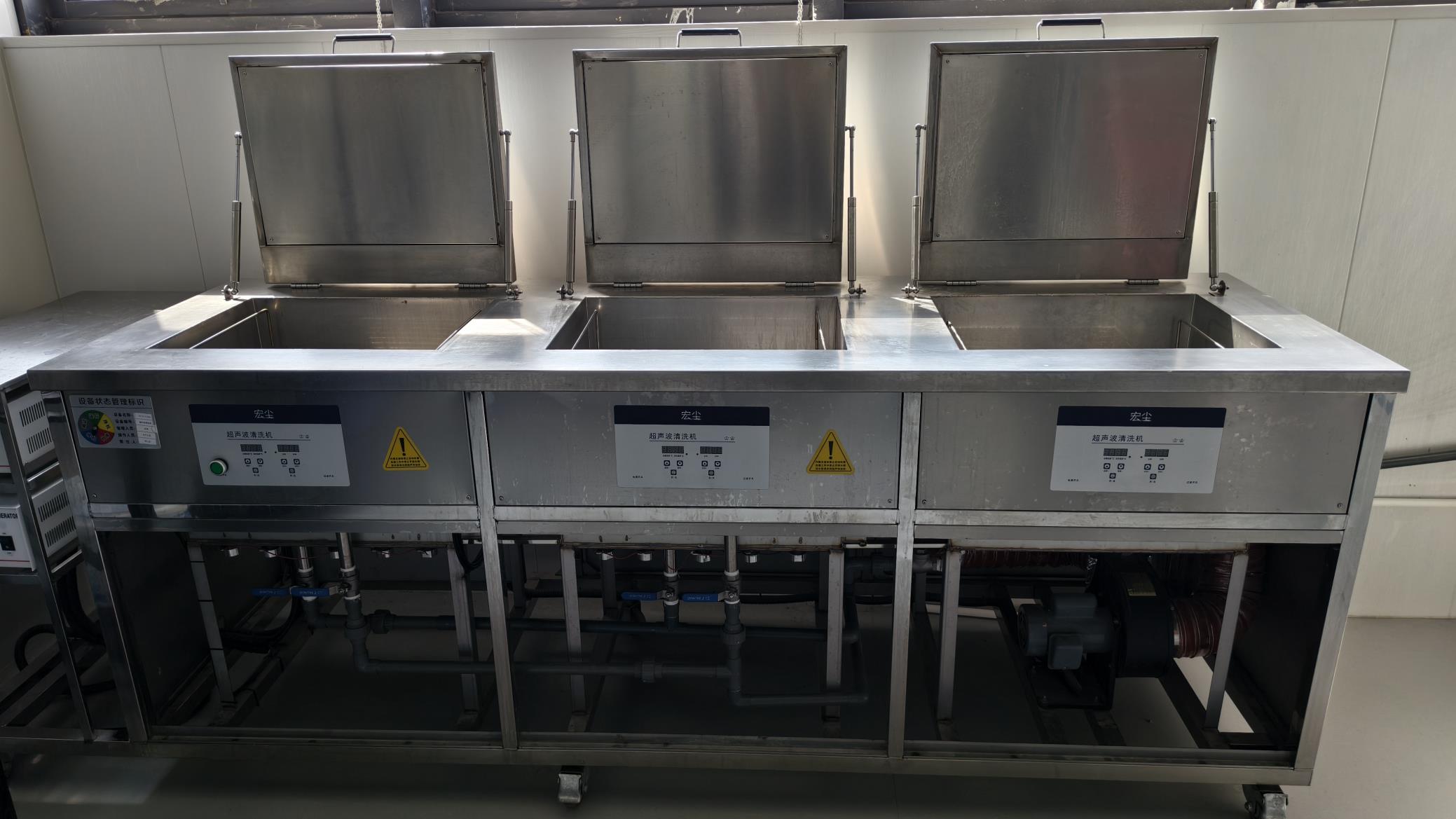
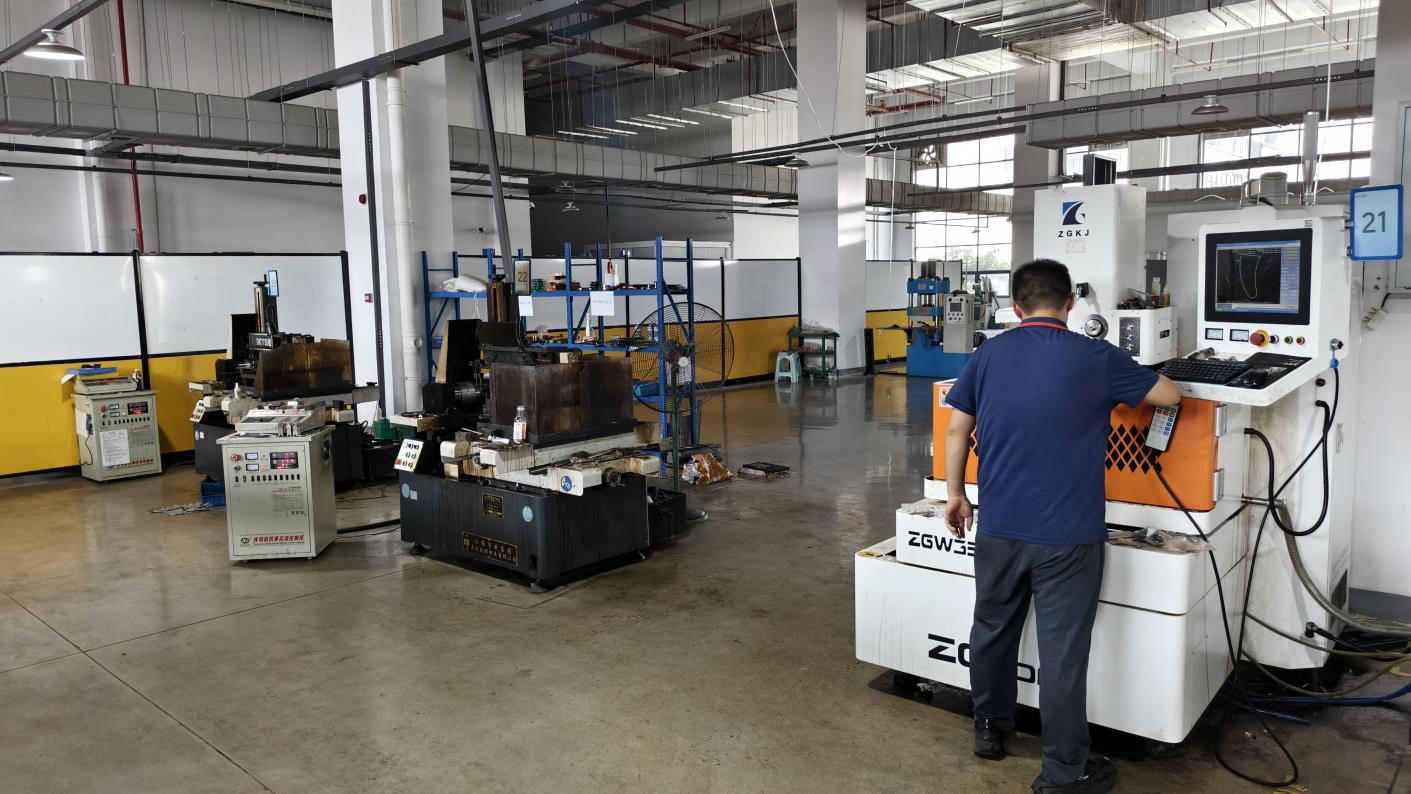
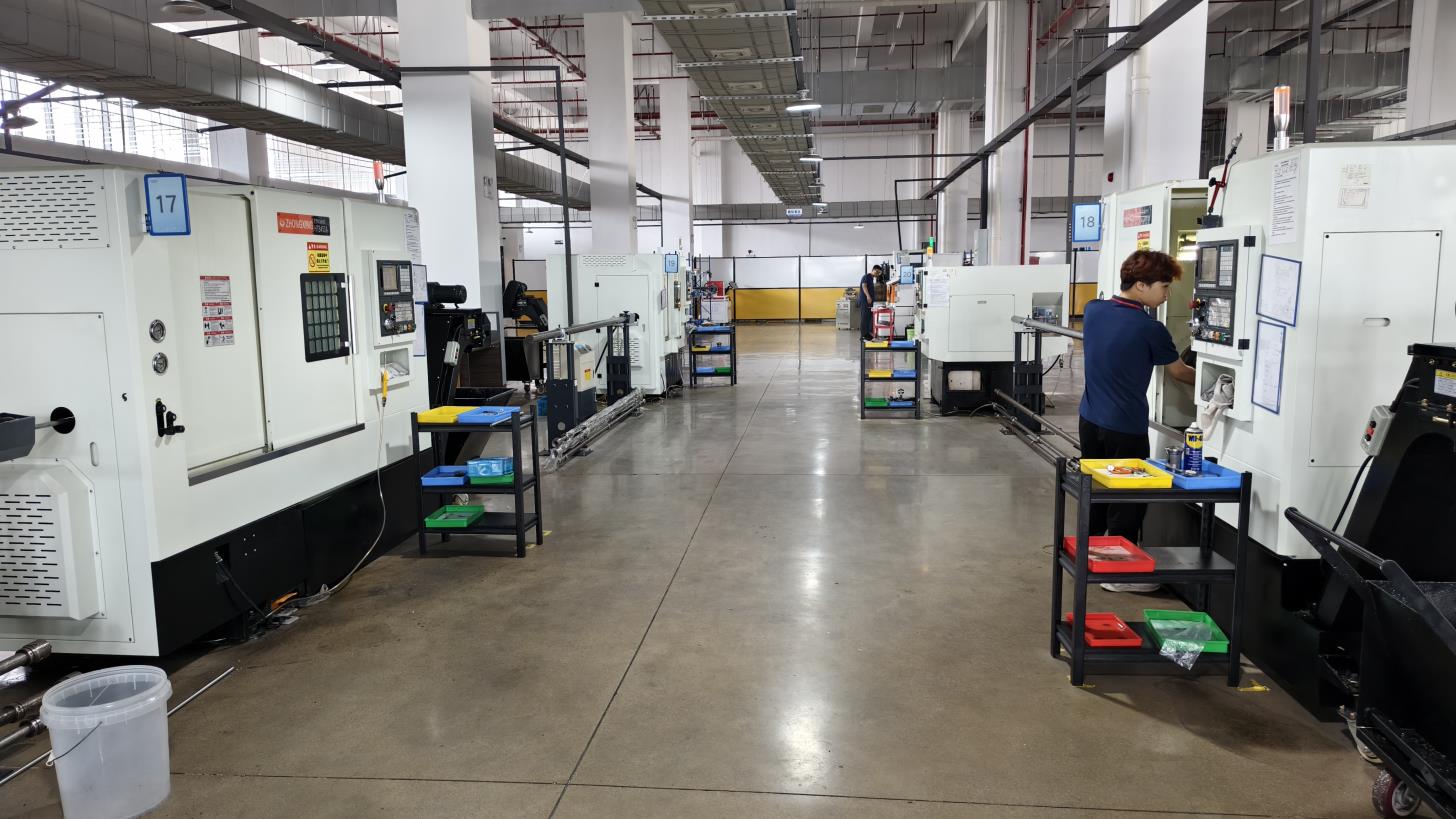
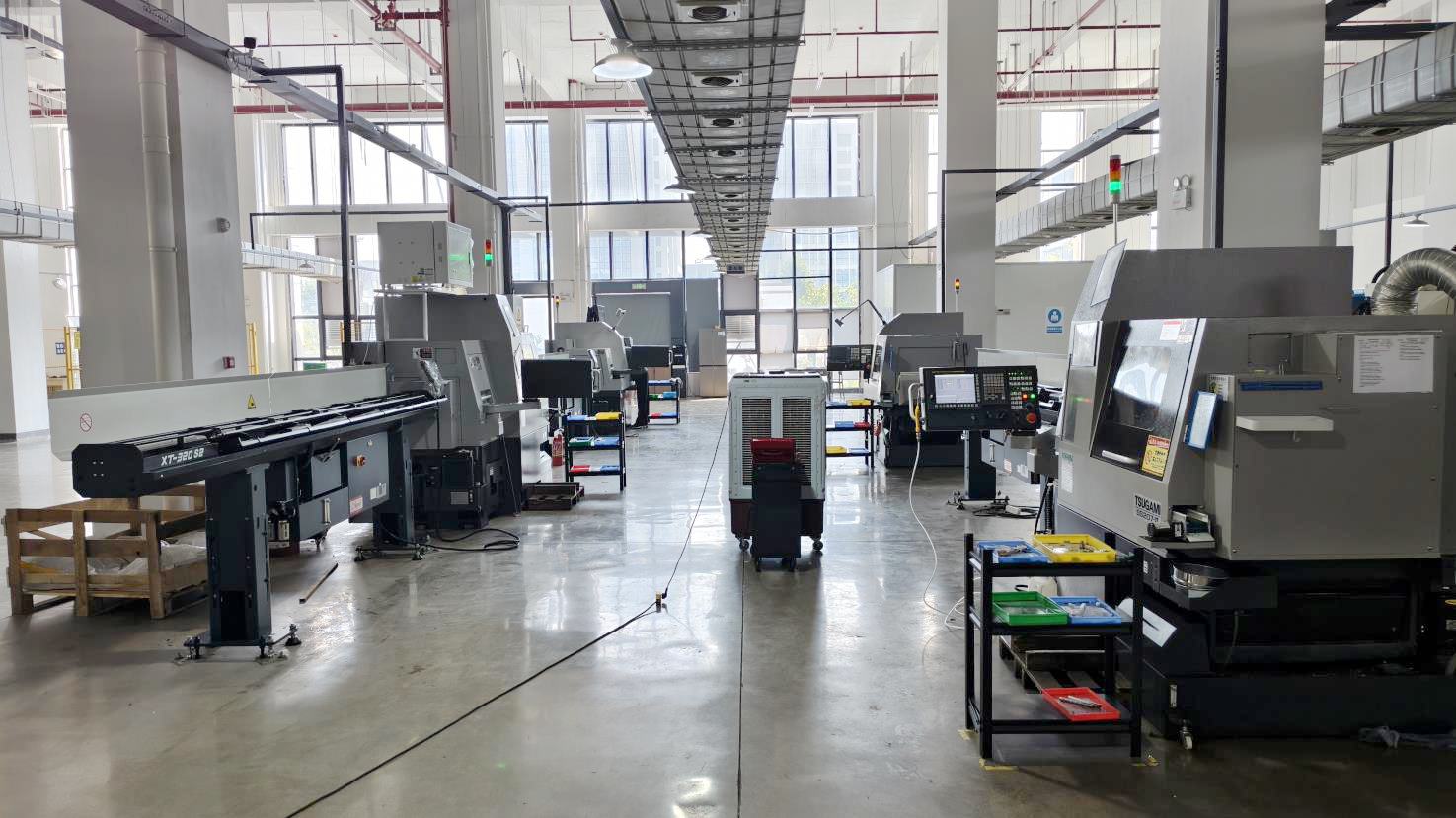
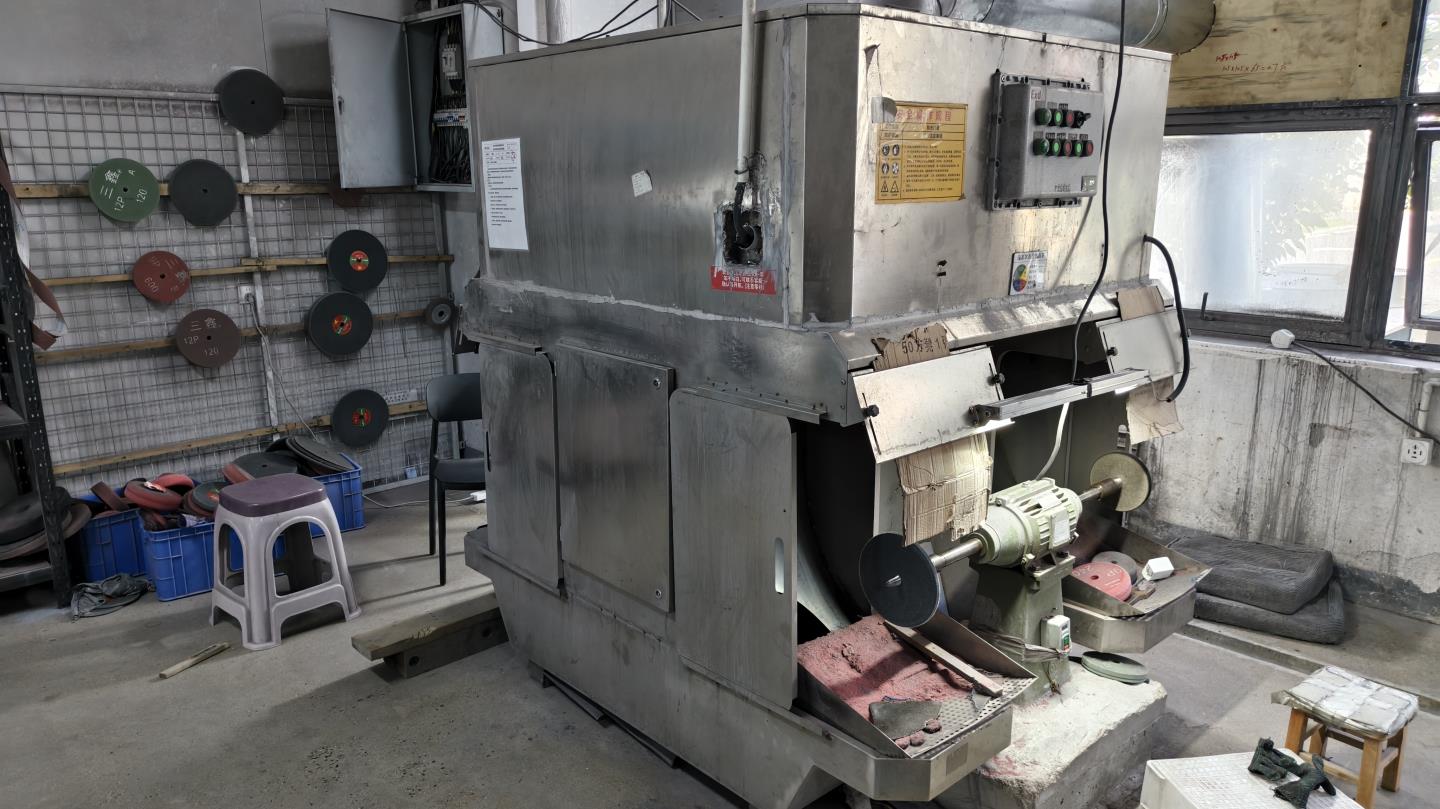
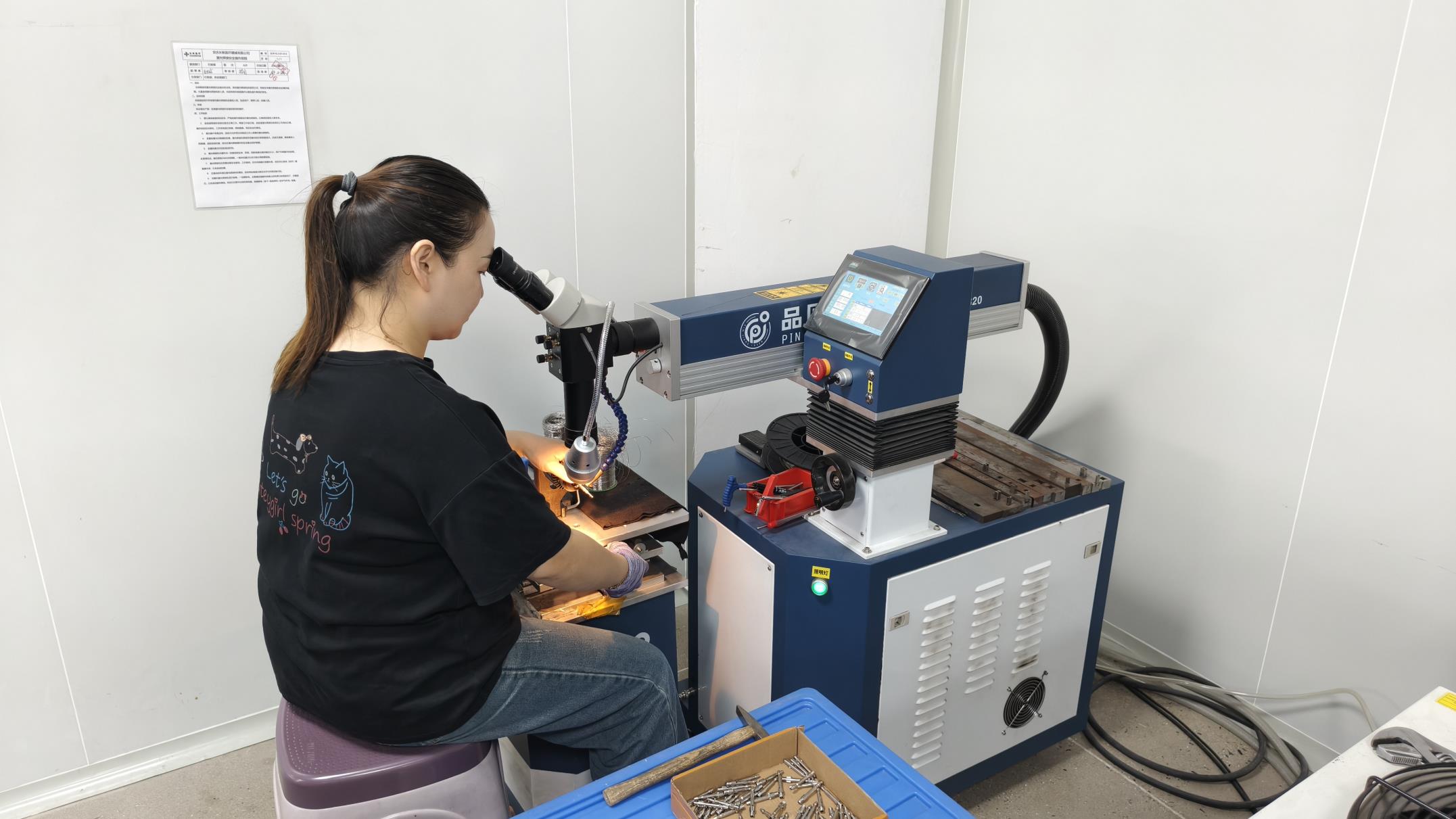
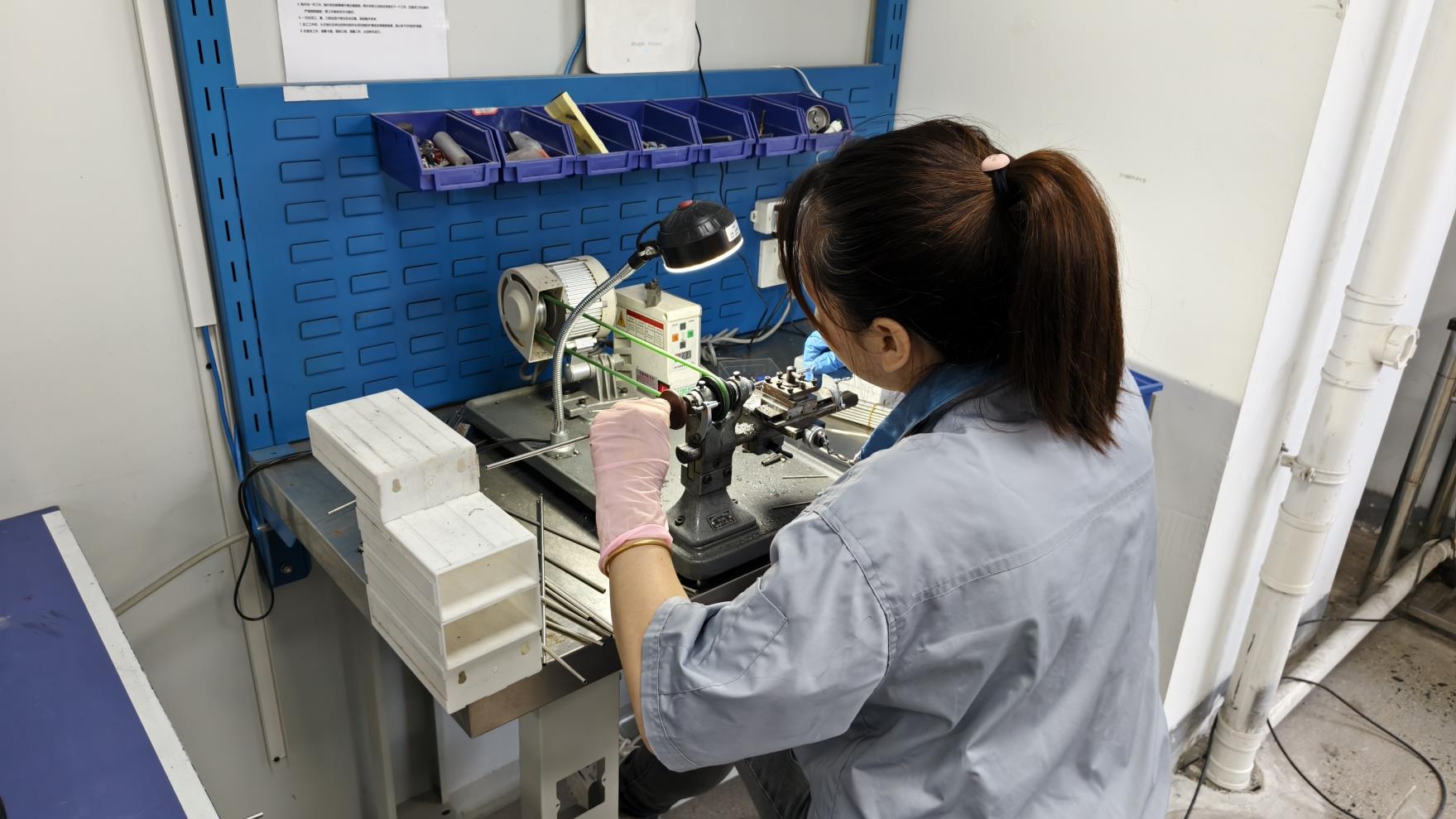
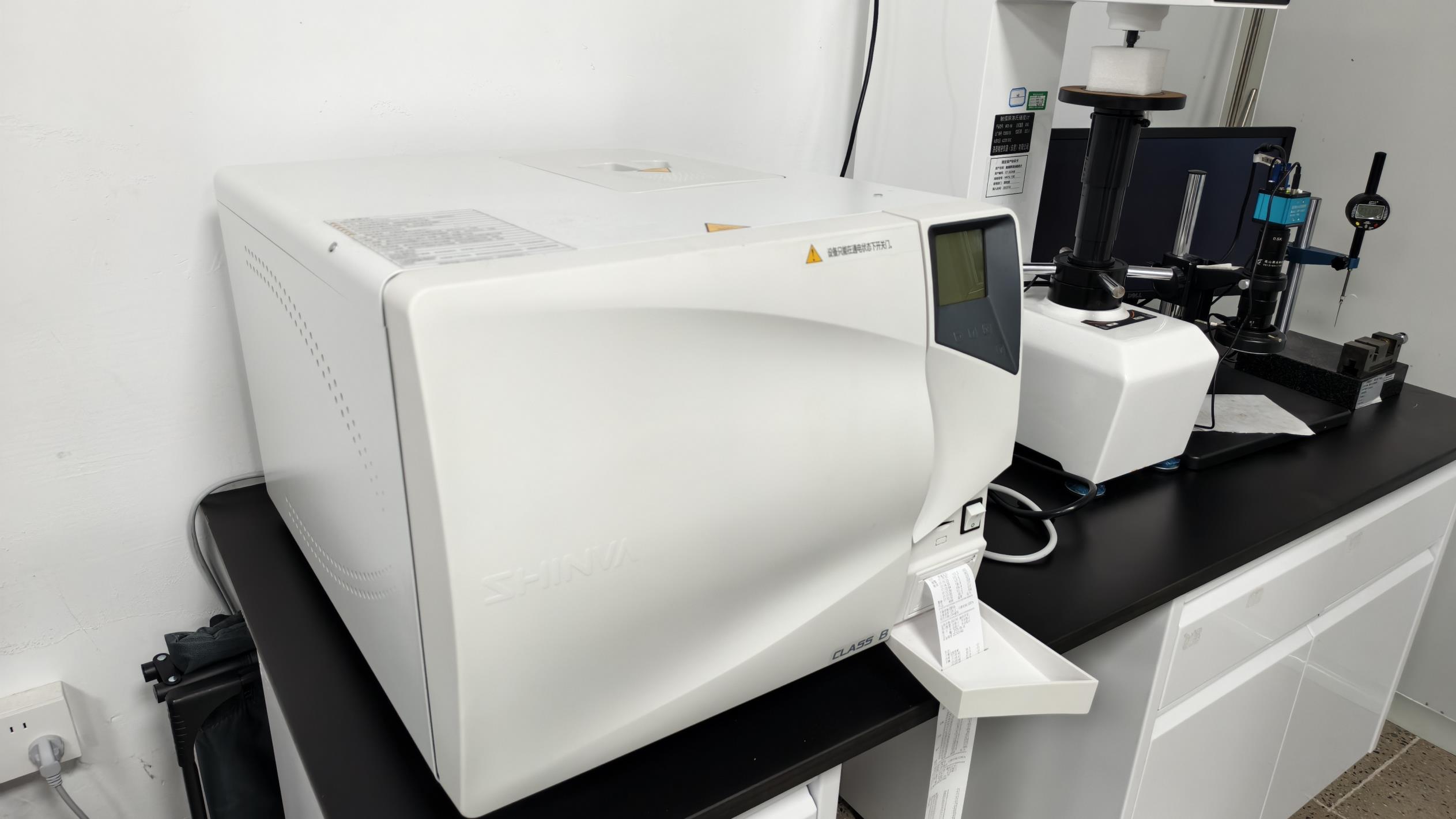
Our verification protocol leverages the expertise of 68 quality assurance engineers and specialized testing technology.
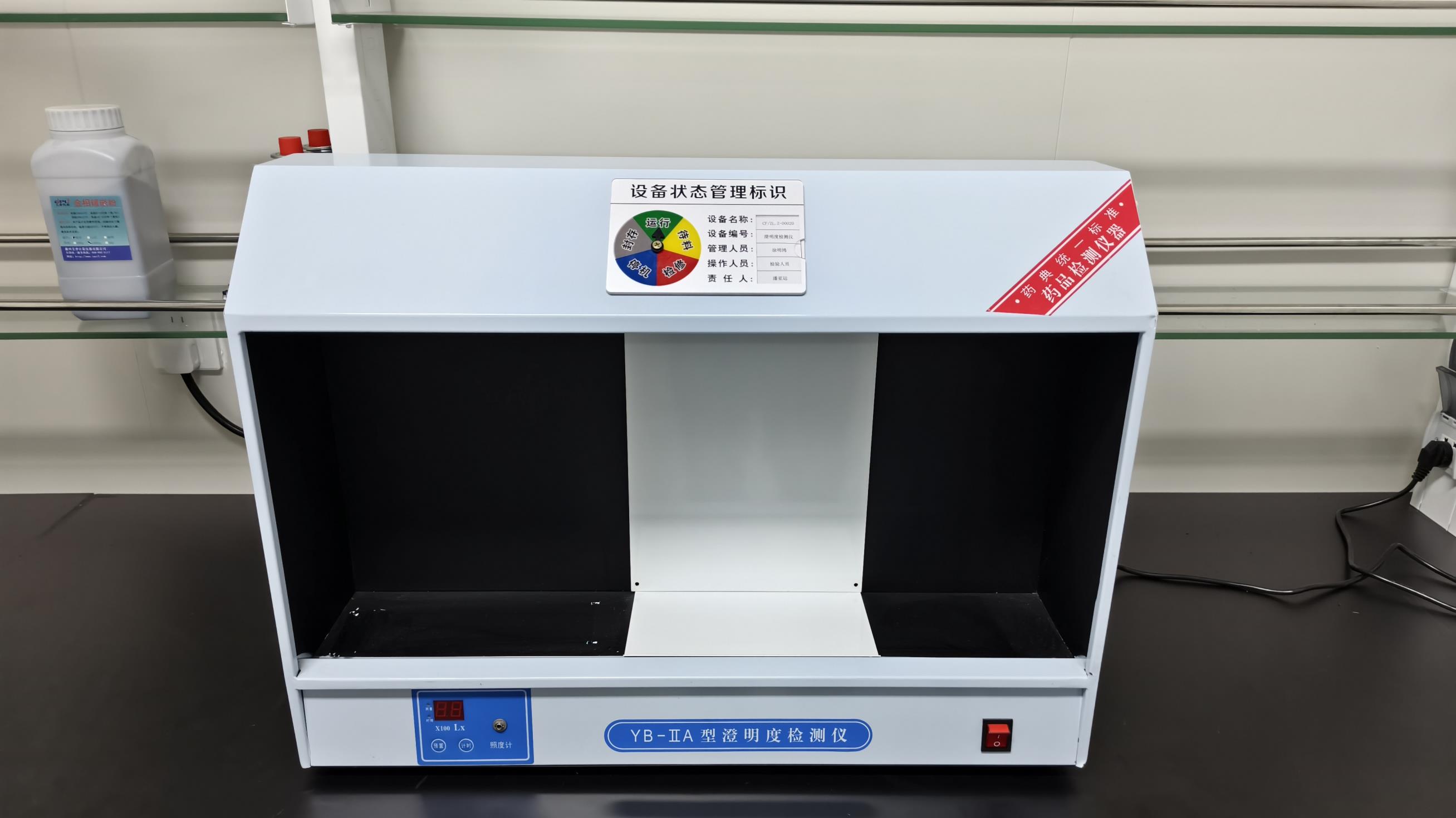
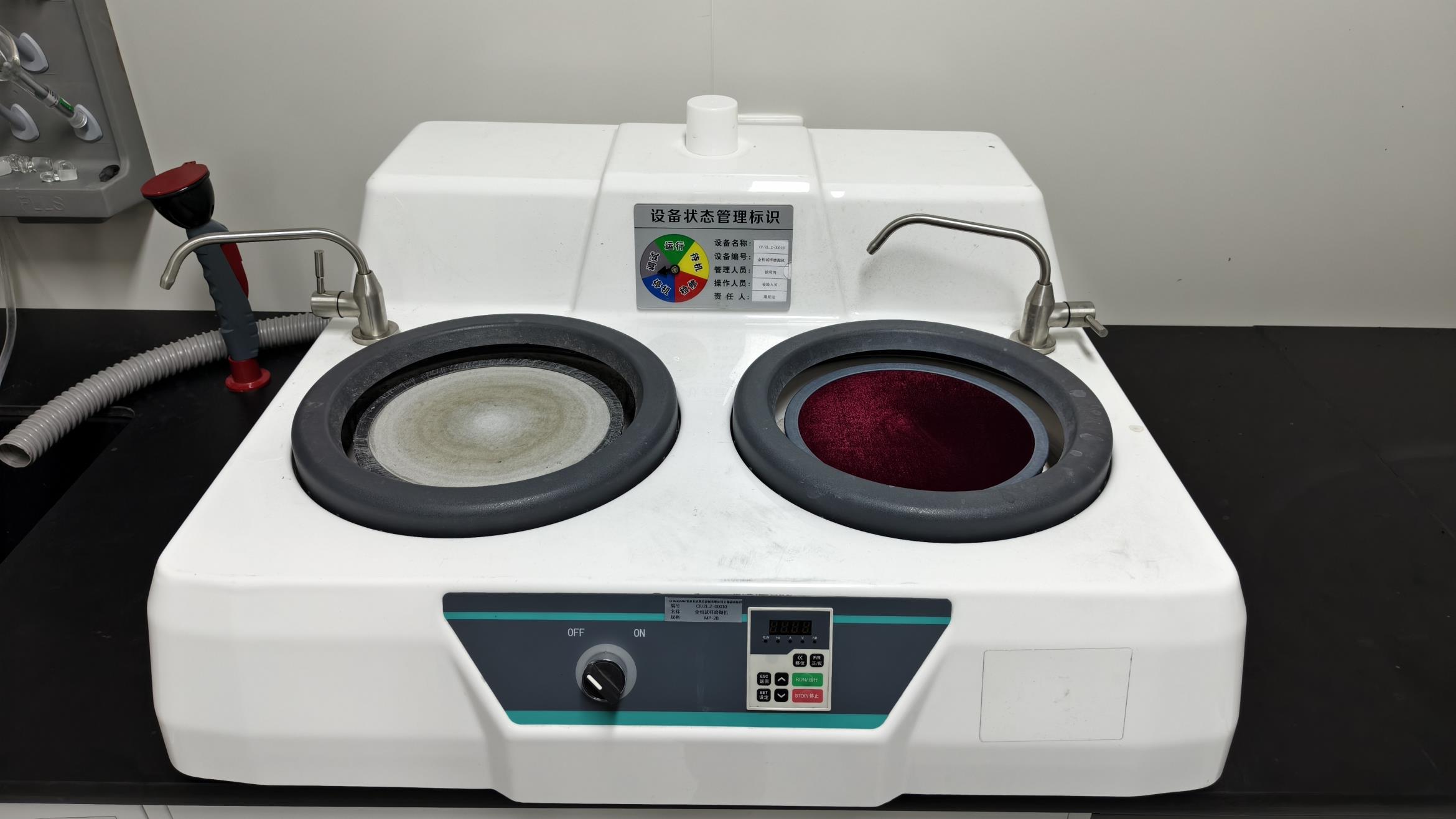
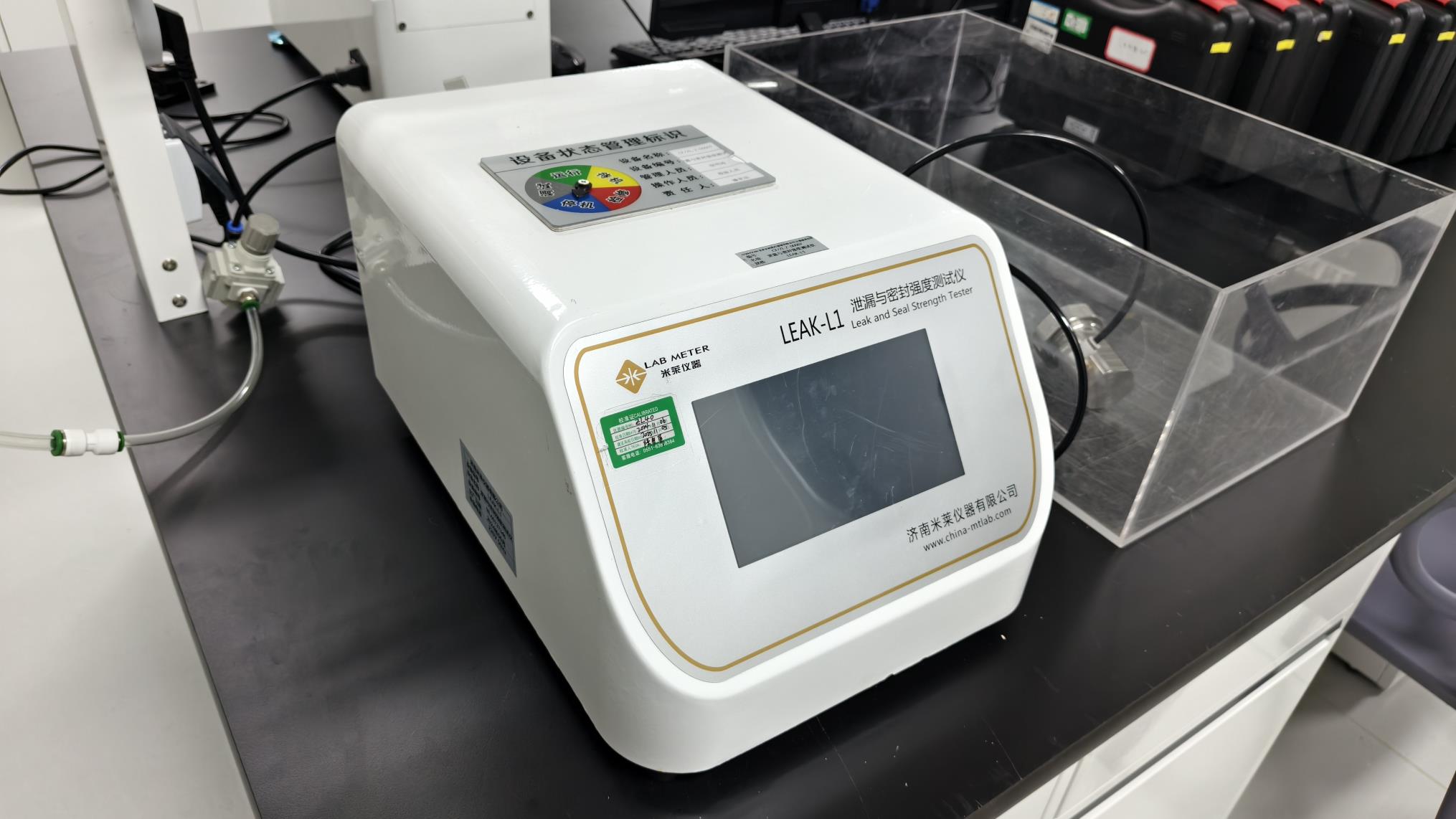
Matching material properties and structural anatomy for targeted fracture management.
Zynfuse produces implants using only certified medical-grade raw materials: Grade 5 Titanium Alloy (Ti-6Al-4V ELI) in compliance with ASTM F136, and 316L Stainless Steel conforming to ASTM F138. Titanium’s excellent biocompatibility, coupled with its lower elastic modulus (compared to stainless steel), allows for minimal stress shielding, promoting micro-motion to stimulate secondary bone callus formation.
Small fragment locking plates are primarily indicated for fractures where anatomic reconstruction is critical, yet soft tissue coverage is thin. Common localized clinical application scenarios include:
Navigating regulatory compliance and documentation for hassle-free medical device importation.
For international distributors, importing orthopedic implants requires absolute compliance with national competent authorities (such as the US FDA, European MDR, and local ministries of health). An exporter must provide a complete documentation dossier.
At Zynfuse, our compliance protocol includes providing Material Traceability Certificates (MTC), biocompatibility screening reports (ISO 10993 series), and sterilization validation data (under ISO 11137 standards). Our QC department coordinates with regulatory experts to assist in your local product registration filings, ensuring smooth customs clearance.
The future of traumatology: Custom geometry, active coatings, and bio-absorbable constructs.
The orthopedic trauma industry is moving rapidly towards personalization. Key developments include Patient-Specific Implants (PSI) generated via 3D reconstruction of patient CT scans. These designs eliminate intra-operative plate bending, minimizing surgery times and reducing mechanical micro-cracks induced during cold bending.
Additionally, the integration of bio-active surface treatments (such as type II/III anodizing or hydroxyapatite coating) helps stimulate local osteogenesis, improving implant integration. Zynfuse continues to invest 10% of its annual export revenue back into R&D to pioneer smart-designed locking plate solutions that accommodate these clinical advances.
Essential answers for international buyers, sourcing managers, and orthopedic distributors.