Zynfuse
Zynfuse
Zynfuse
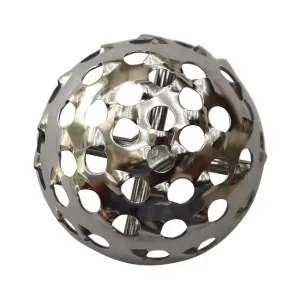
In the domain of Total Knee Arthroplasty (TKA), patellar resurfacing remains a vital clinical component that directly affects postoperative outcomes, revision rates, and patient comfort. Patellar components are engineered to reproduce the anatomical articulation of the human knee, restoring natural biomechanics while ensuring optimal stress distribution across the patellofemoral joint. Choosing the right design—be it all-polyethylene (All-Poly), metal-backed, or cementless porous-coated variants—impacts the longevity of the entire joint construct.
The macro-industry landscape is experiencing a paradigm shift towards high-performance polymer materials. Ultra-High-Molecular-Weight Polyethylene (UHMWPE) remains the material of choice due to its high wear resistance, low coefficient of friction, and high impact toughness. As global life expectancy rises and younger, more active patients undergo joint replacement procedures, the demand for patellar implants capable of withstanding millions of high-stress loading cycles without significant degradation is at an all-time high.
Ensures anatomical matching, reducing patellar tilt, subluxation, and lateral patellofemoral pressure syndrome post-surgery.
Resists sub-surface fatigue wear, delamination, and adhesive transfer even under extreme mechanical loading environments.
Optimized structural pegs enhance shear stress distribution and mechanical interlocking with bone cement.
Zynfuse Medical Technology Co., Ltd. has established itself as an orthopedic medical device manufacturer specializing in bone fusion systems, trauma fixation elements, and advanced joint reconstruction implants. Founded in 2016, Zynfuse possesses 12 years of industry experience and 7 years of international export pedigree.
Zynfuse's manufacturing system complies with ISO 13485 quality management standards. A dedicated team of 68 quality inspection specialists monitors every stage of production, from raw material procurement to final sterile packaging. The company caters to medical distributors, OEM partners, and healthcare institutions across North America, Europe, Southeast Asia, and the Middle East, ensuring product reliability and mechanical performance.
The design and production of patellar components rely on advanced material science and biomechanical engineering. Zynfuse’s technical roadmap prioritizes high wear resistance and structural longevity, implementing key advancements in our product range:
Our patellar components utilize highly cross-linked polyethylene (XLPE) formulations, which undergo electron-beam irradiation to cross-link the molecular chains. This process reduces wear rates compared to conventional polyethylene. Additionally, we integrate Vitamin E (alpha-tocopherol) stabilization to scavenge free radicals, preventing in vivo oxidation and long-term mechanical degradation without compromising wear performance.
Zynfuse designs and manufactures both domed (symmetric) and anatomical (asymmetric) patellar configurations. Symmetric domes facilitate simplified surgical placement and adapt to varying femoral trochlear geometries. Asymmetric designs, matching native lateral and medial patellar facets, optimize tracking, reduce contact stress, and mitigate the risk of lateral impingement.
Operating from our 18,600 m² smart factory, Zynfuse integrates vertical manufacturing processes with real-time testing frameworks. Every patellar component, orthopedic plate, and intramedullary nail undergoes a verified production flow to ensure compliance with surgical specifications.
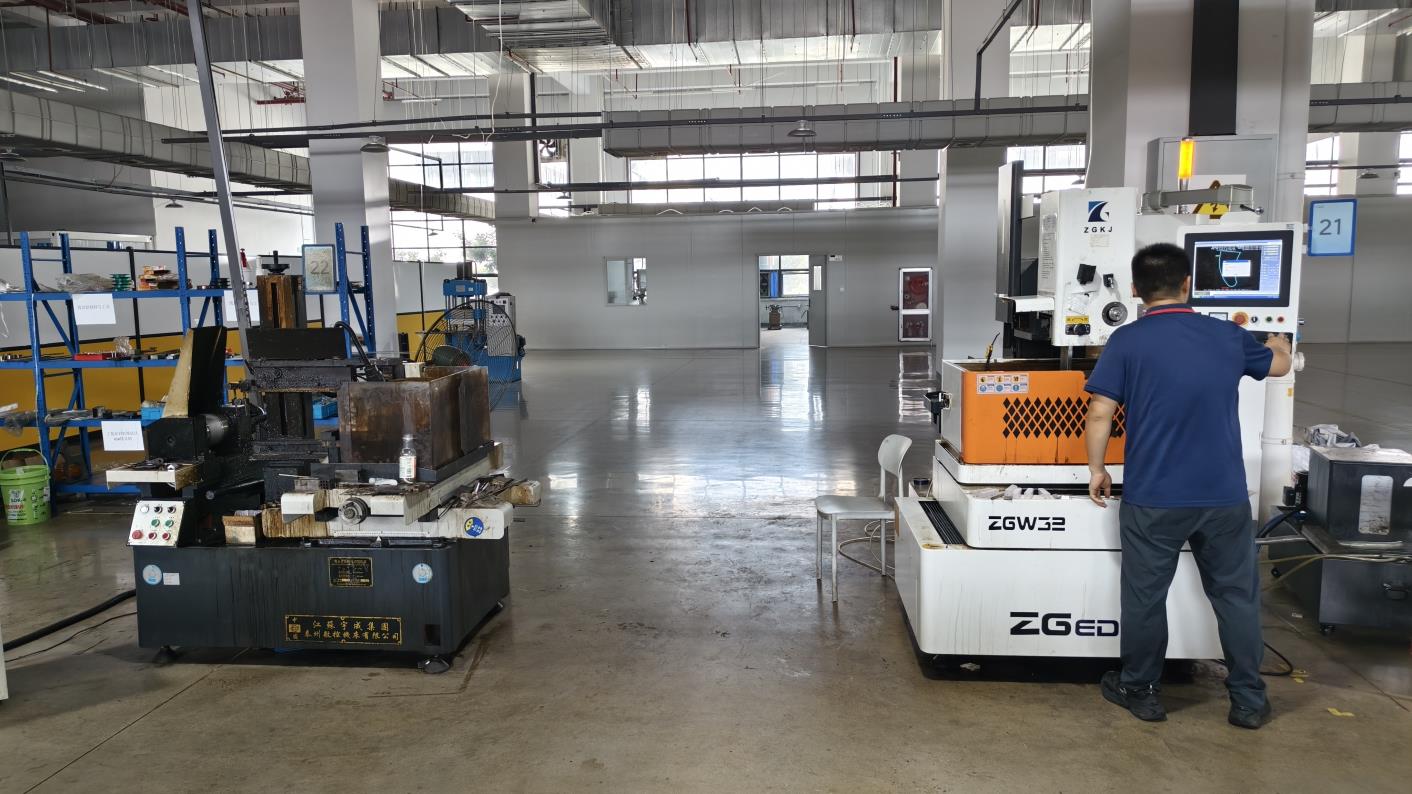
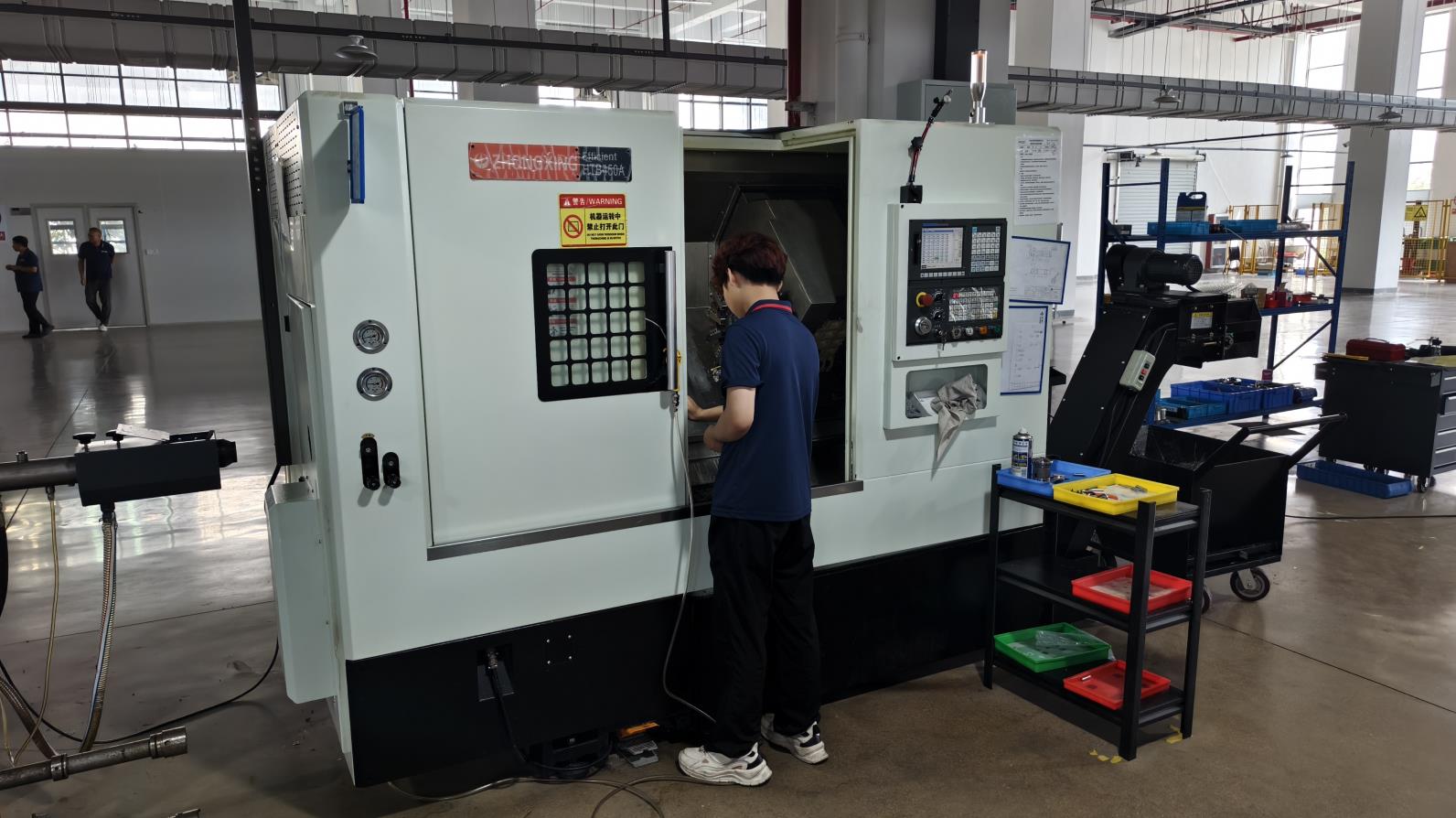
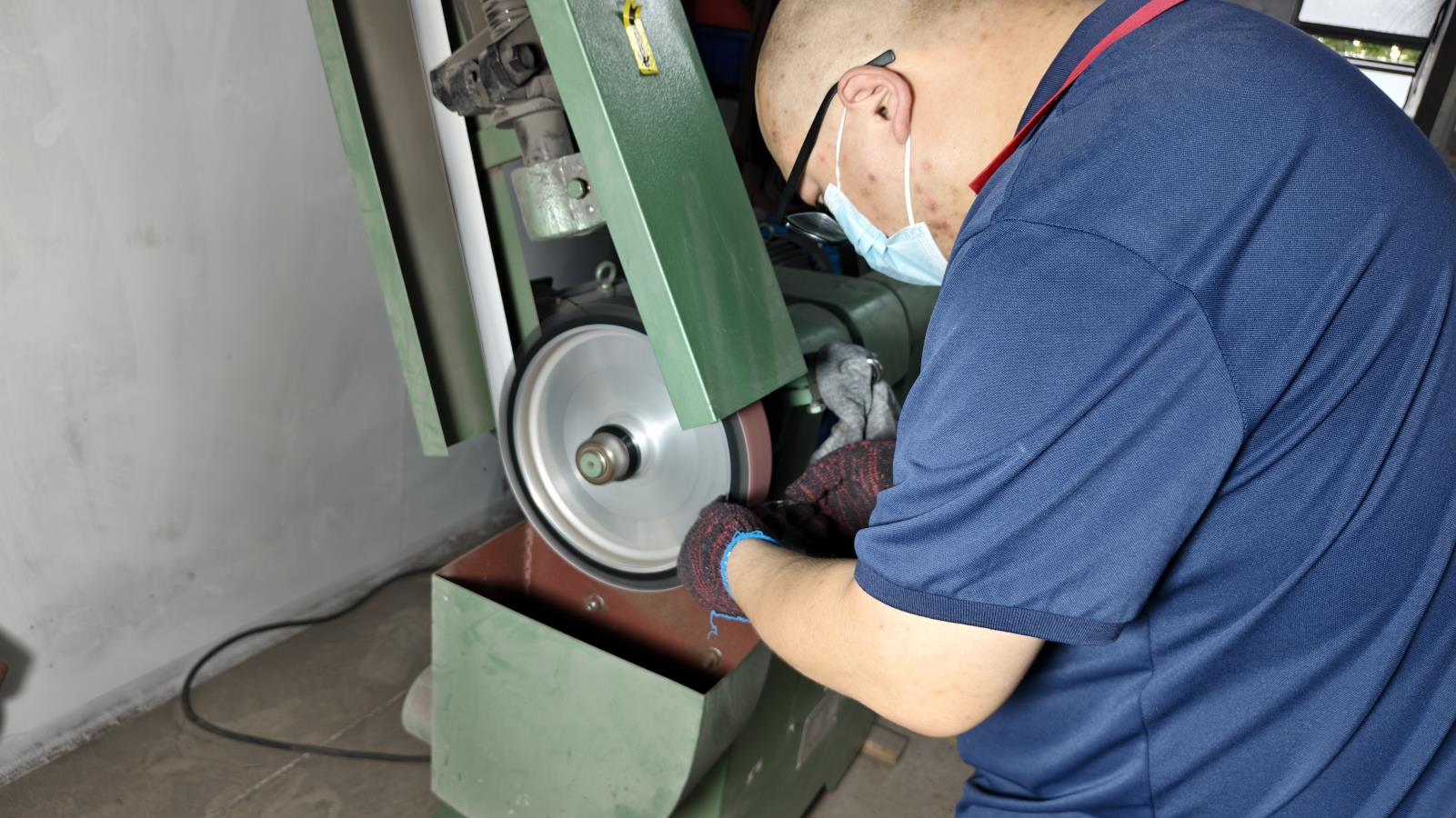
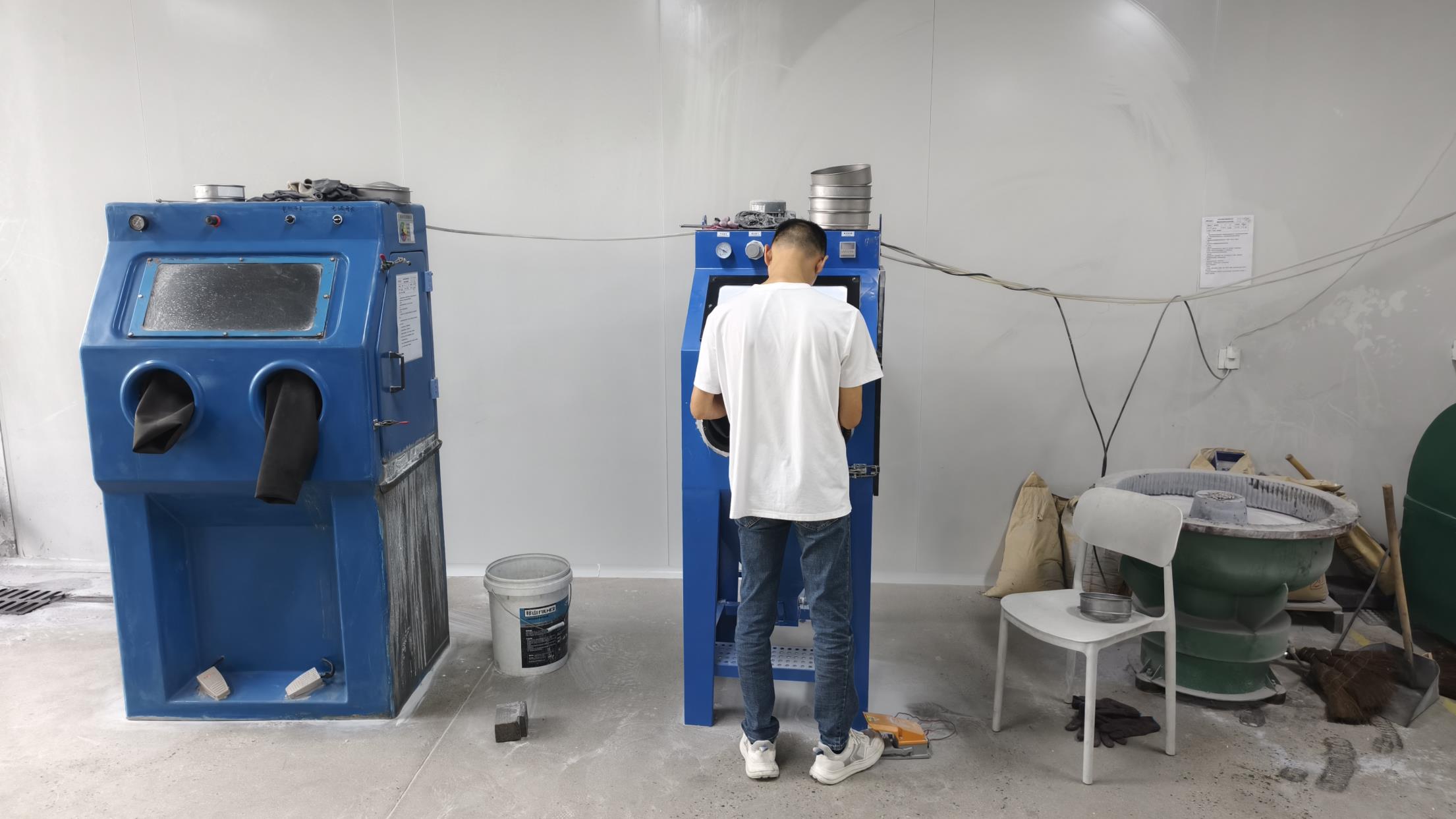
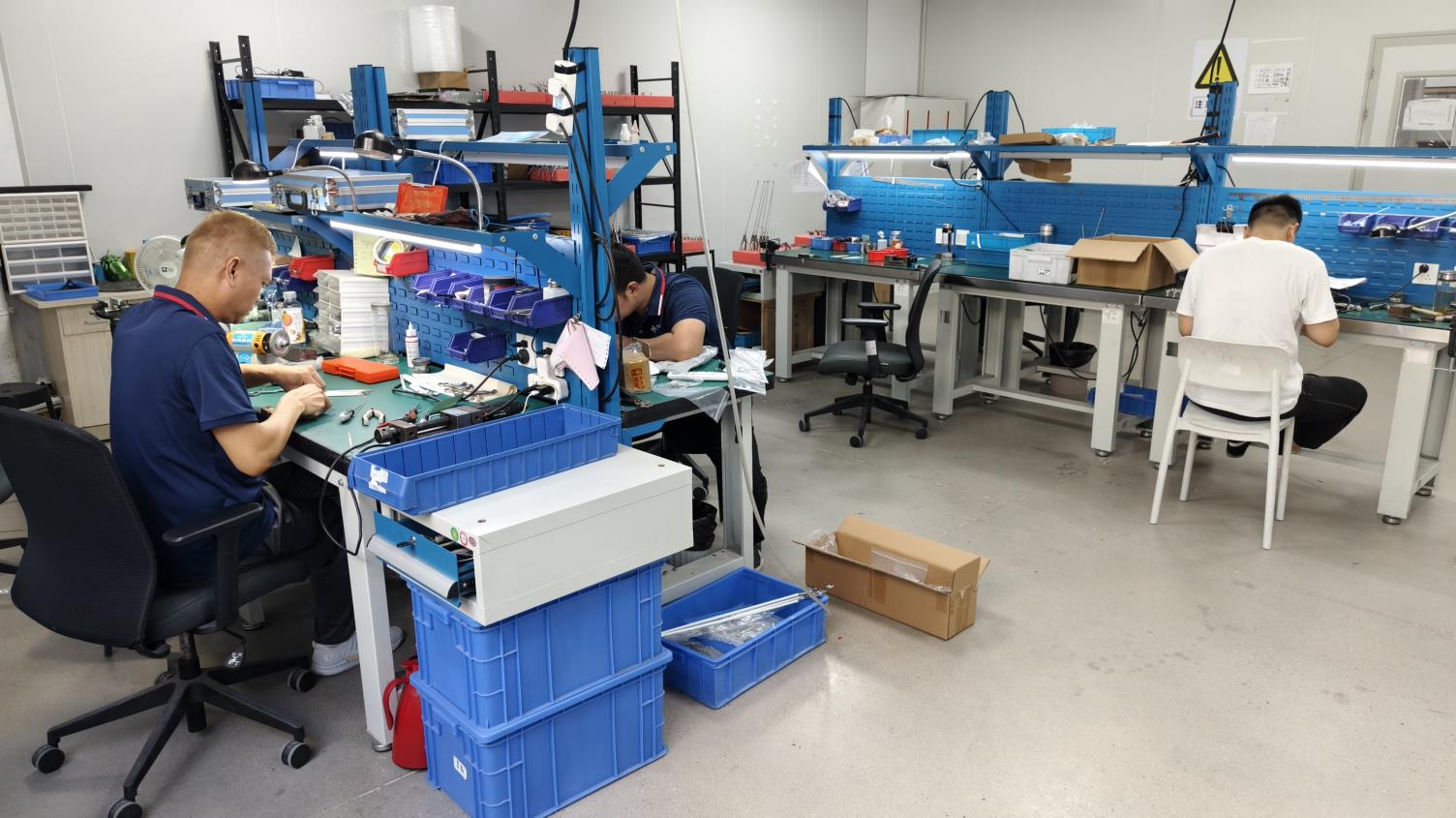
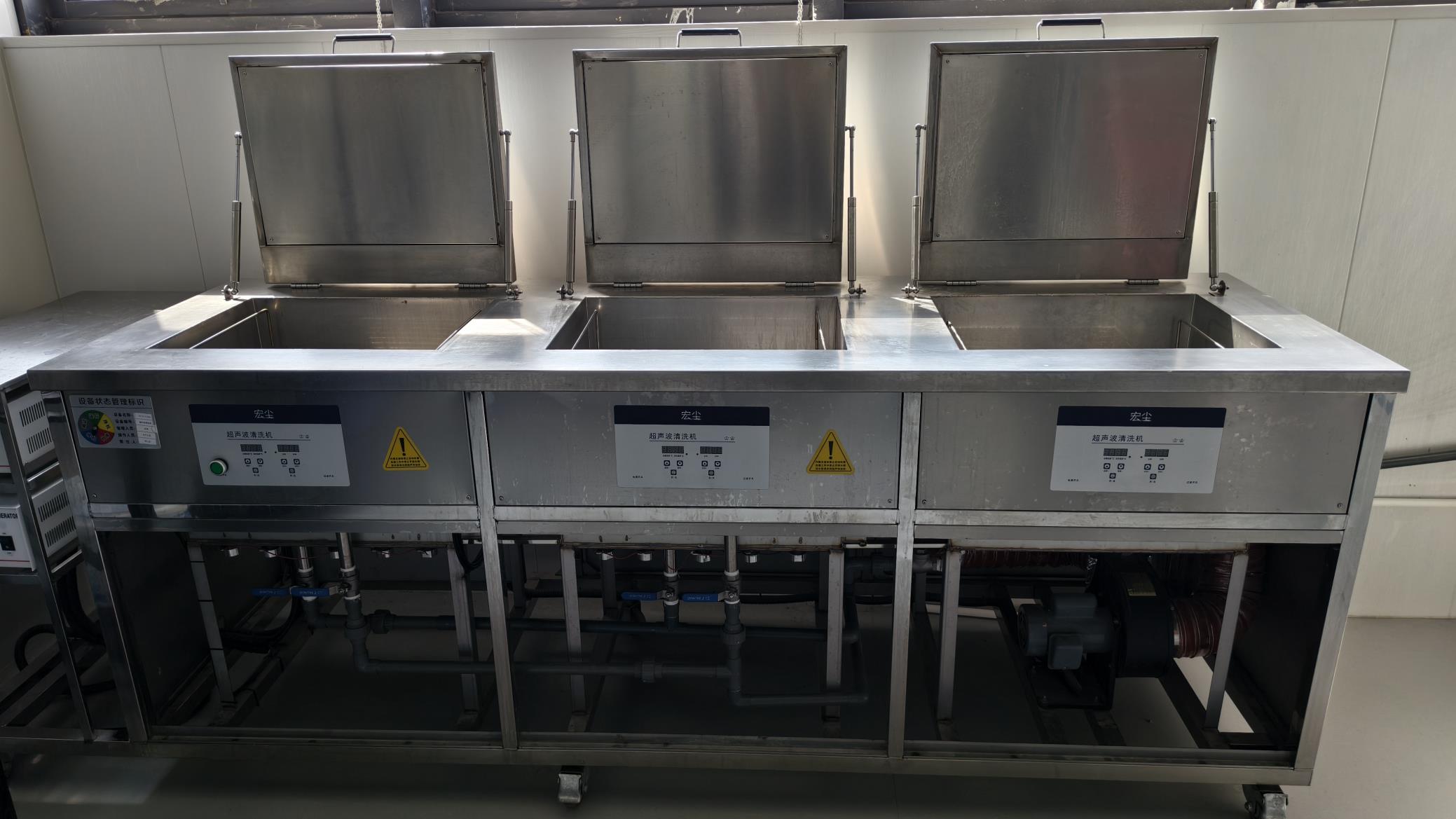
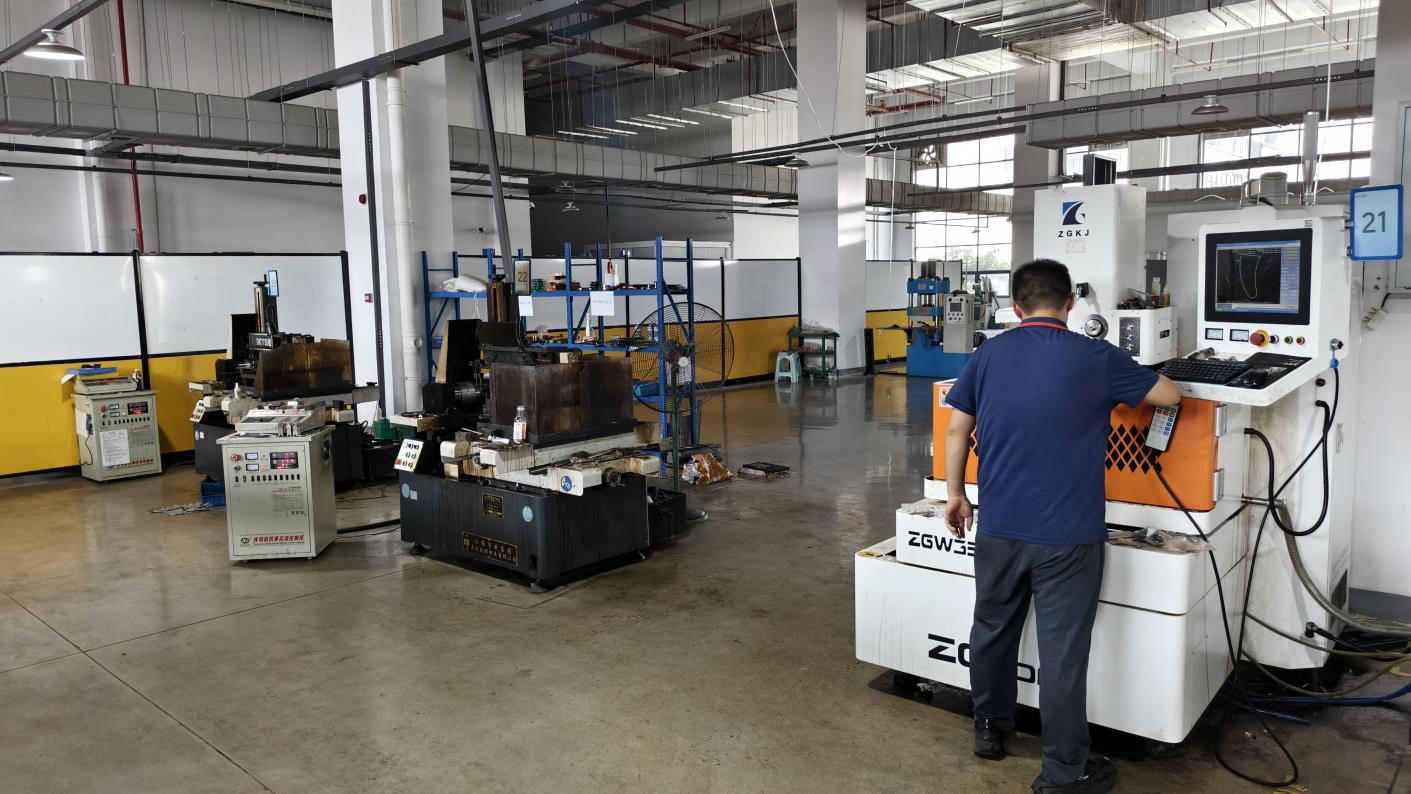
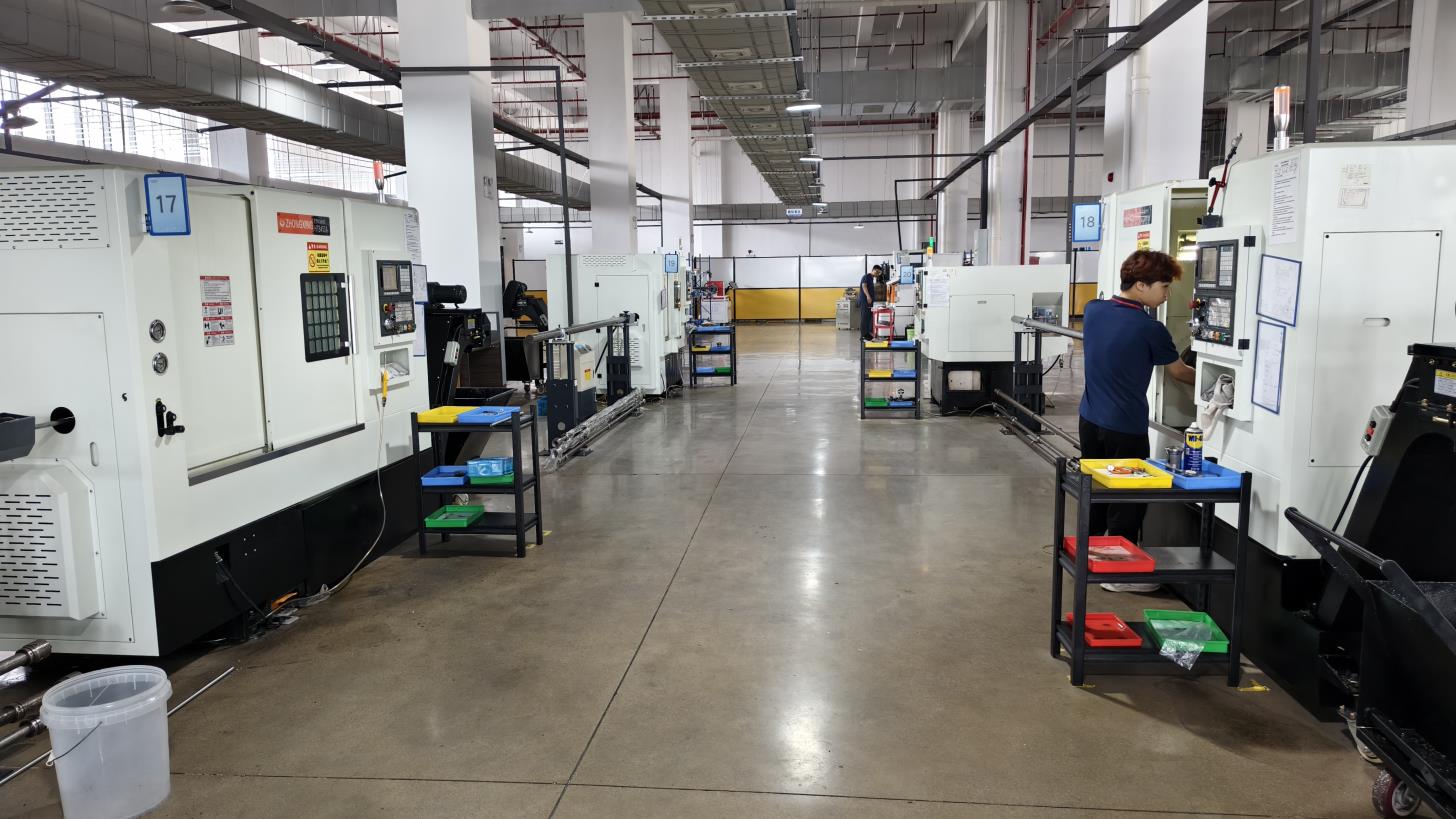
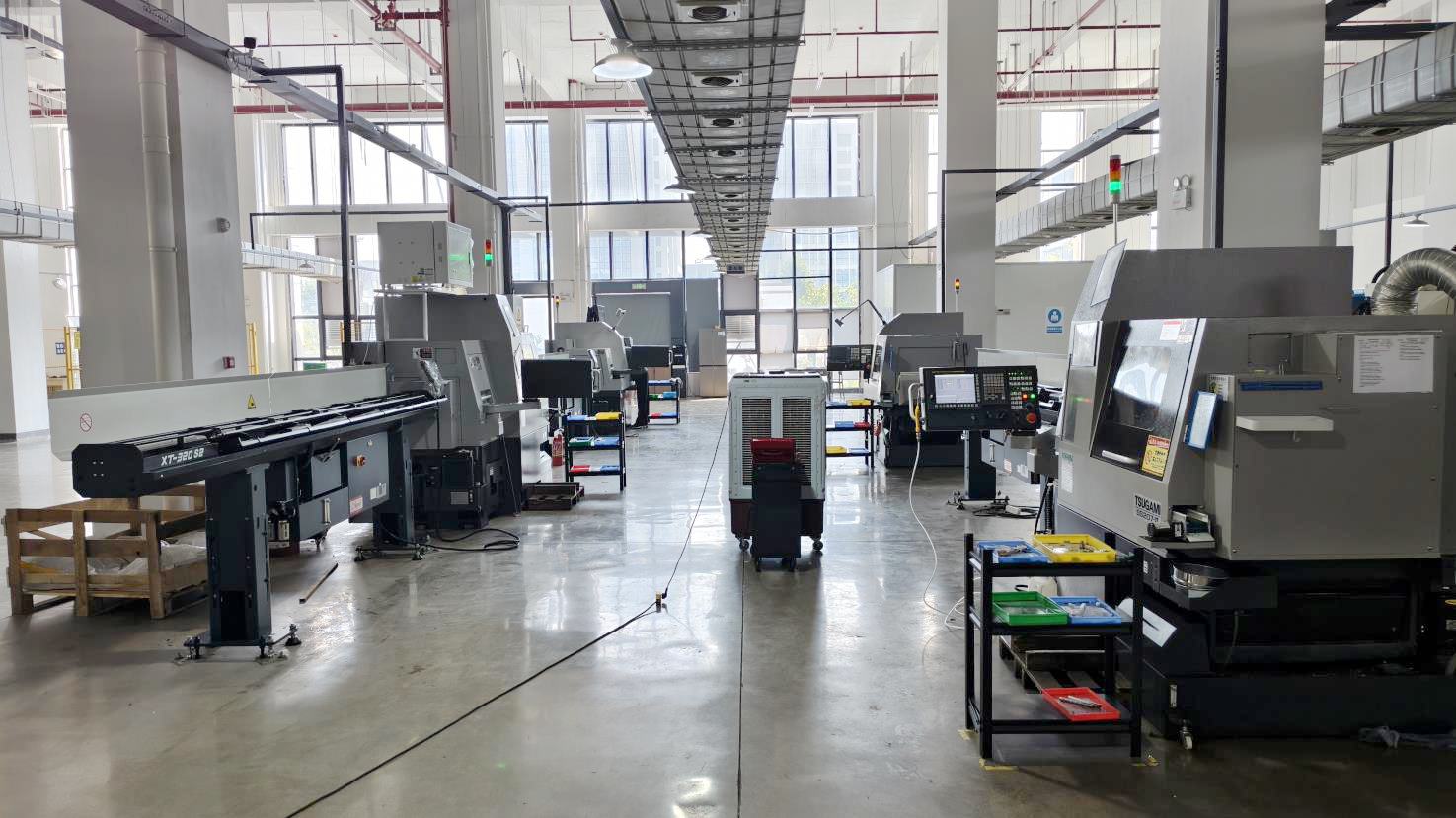
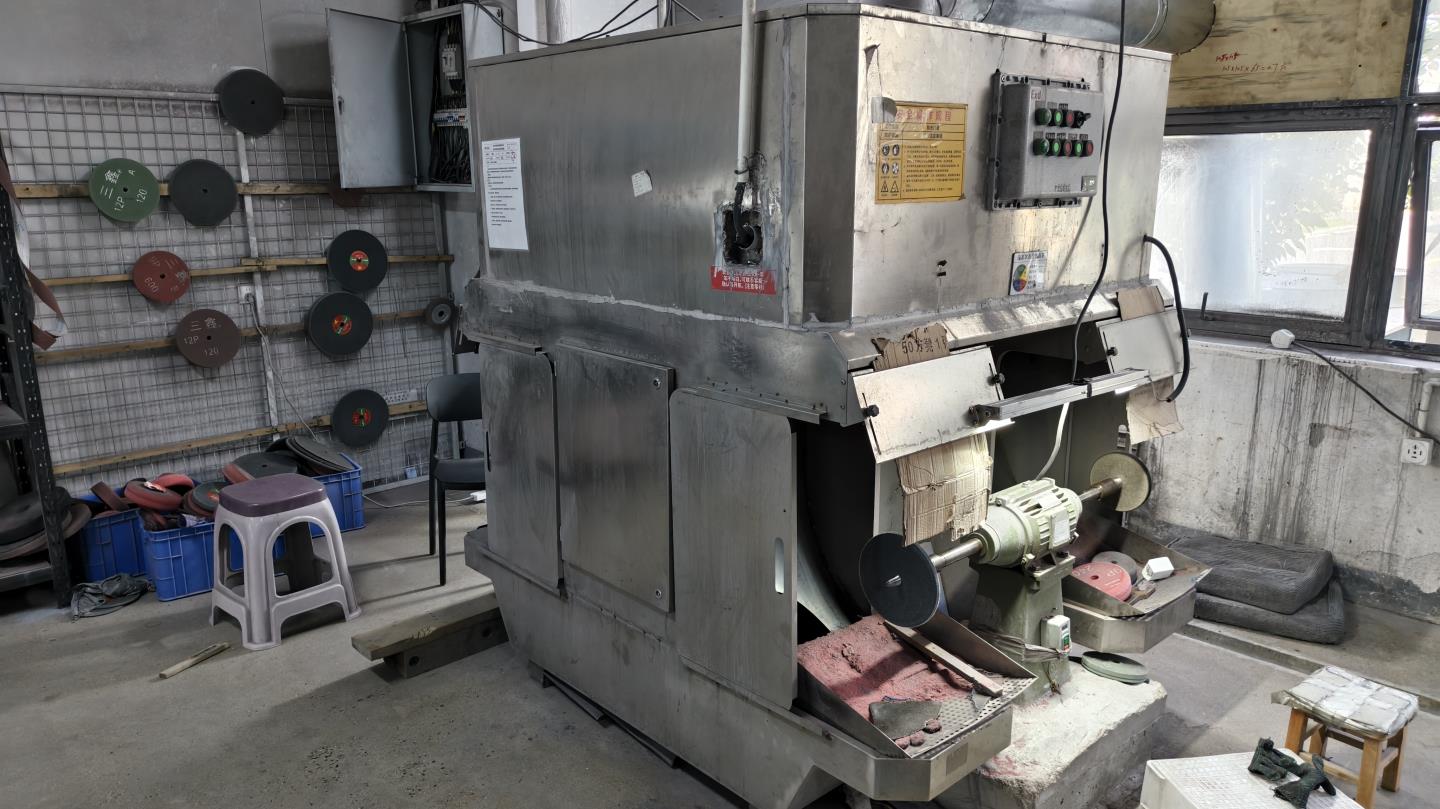
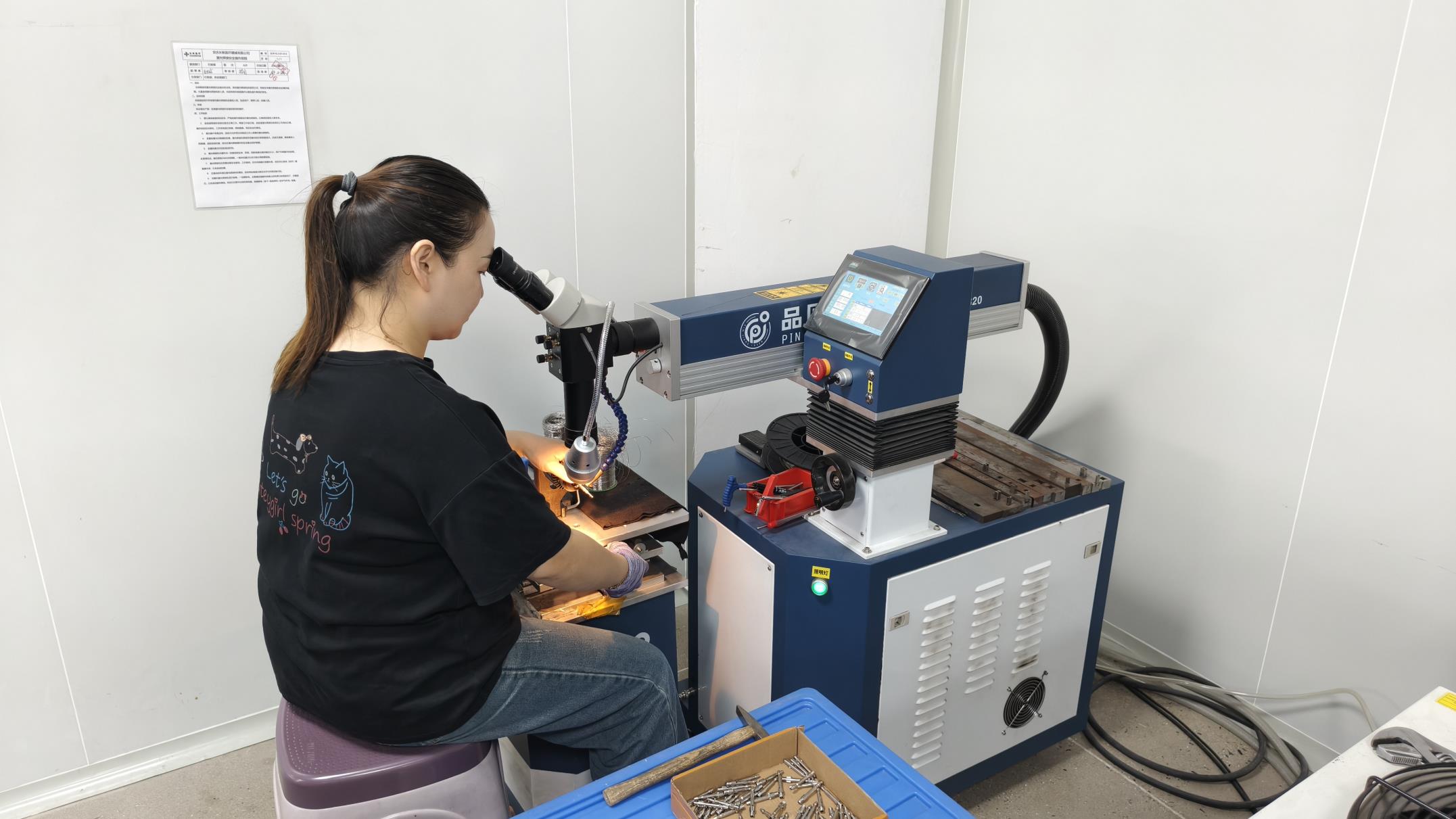
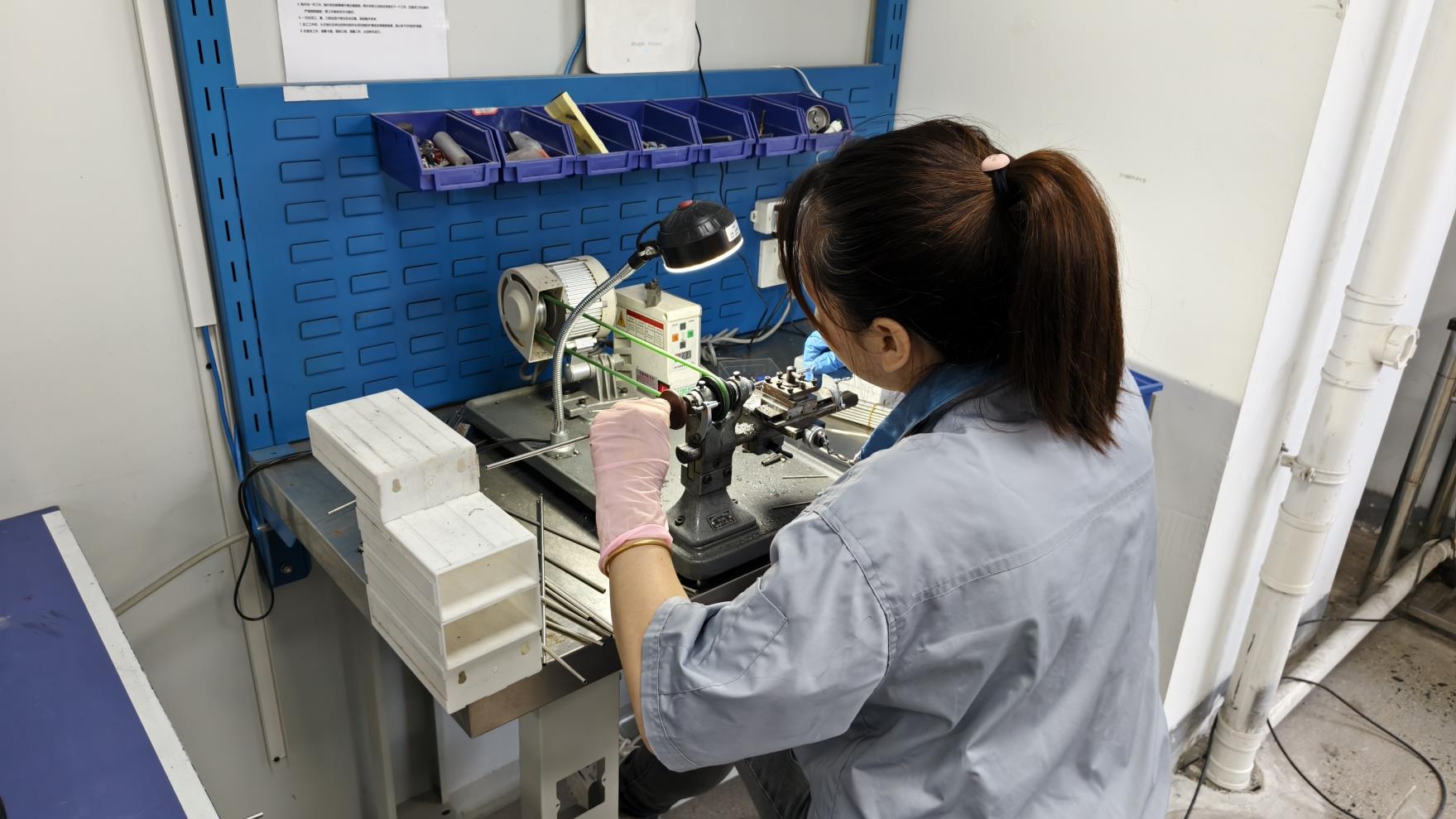
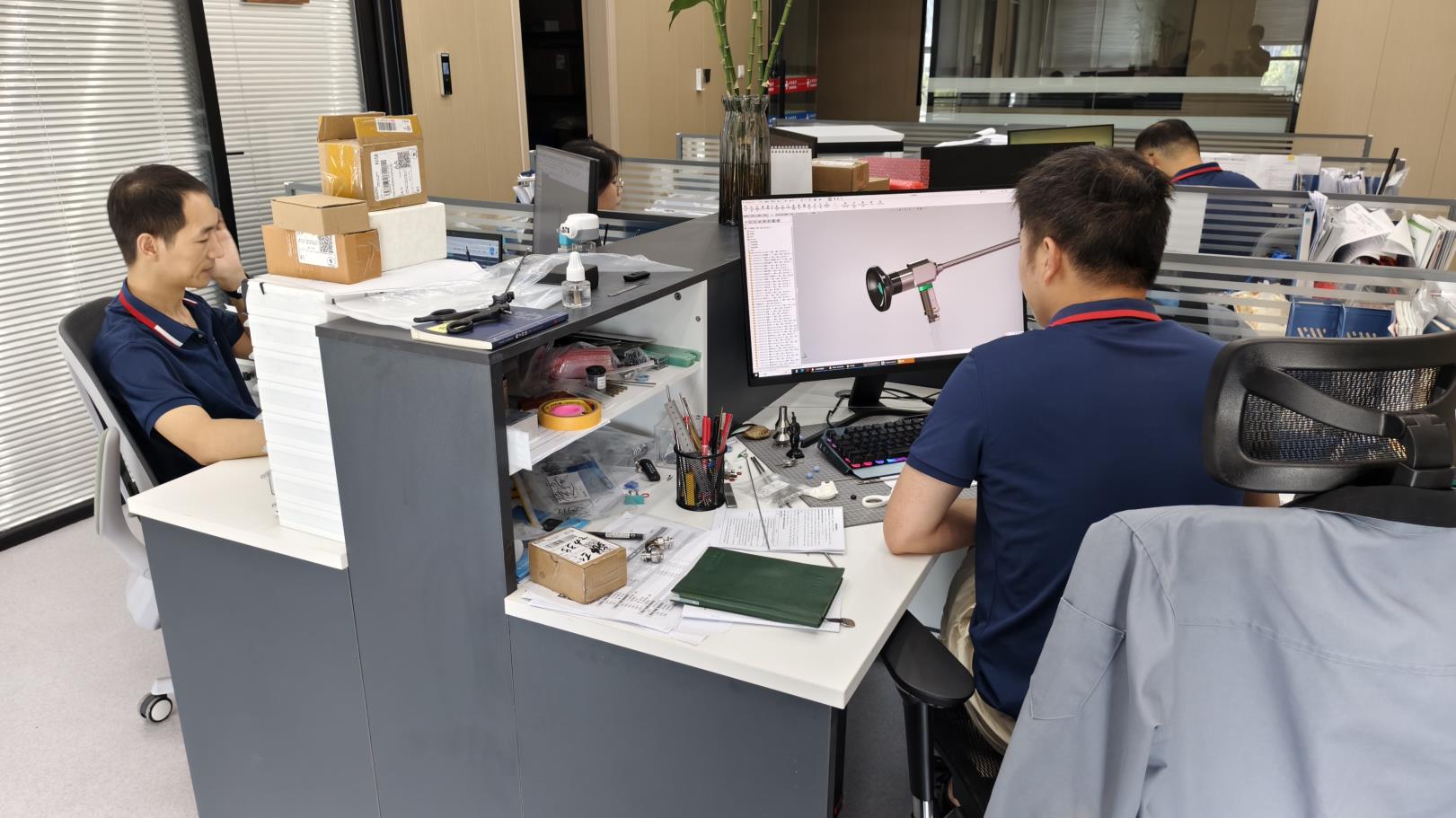
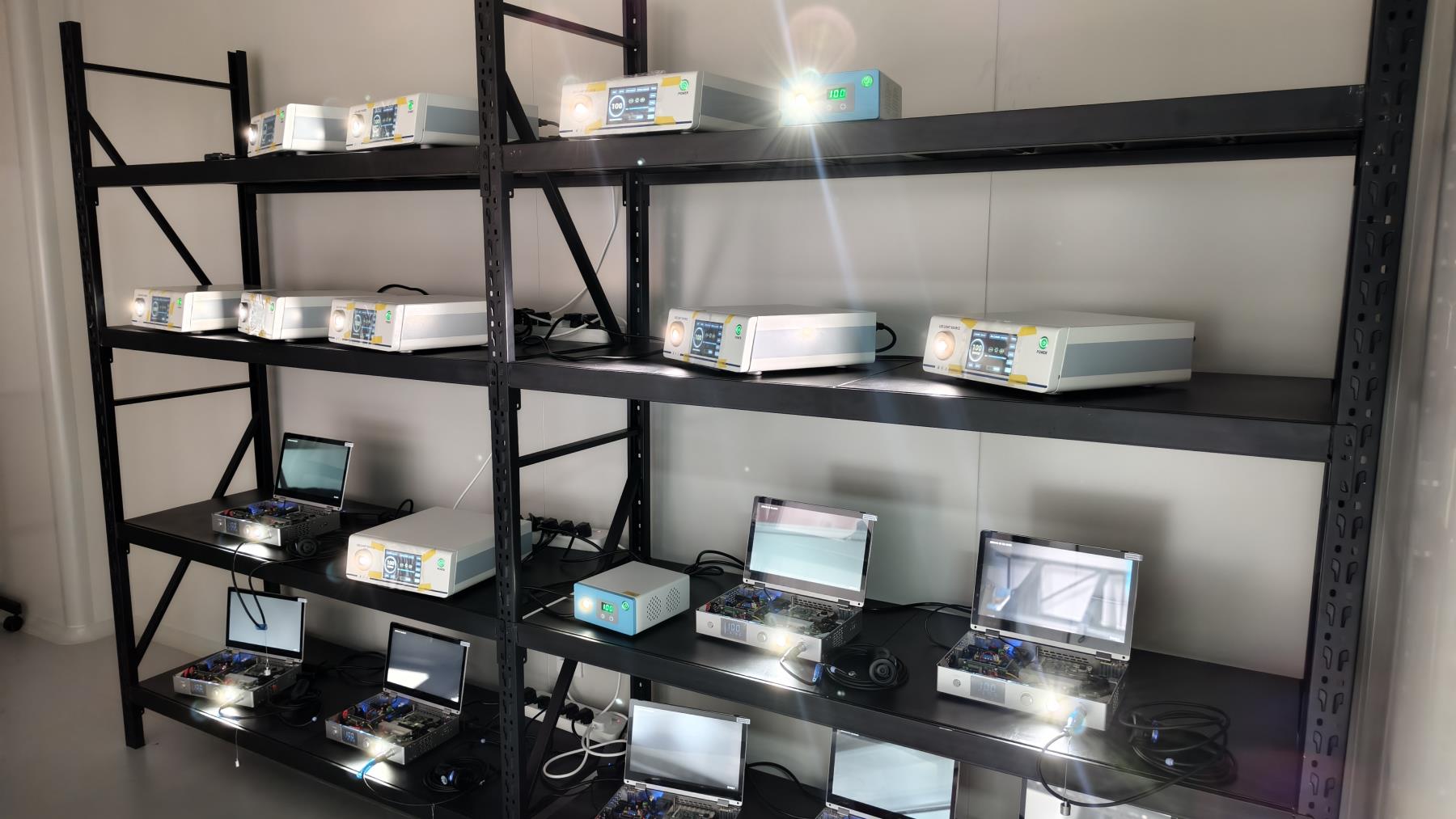
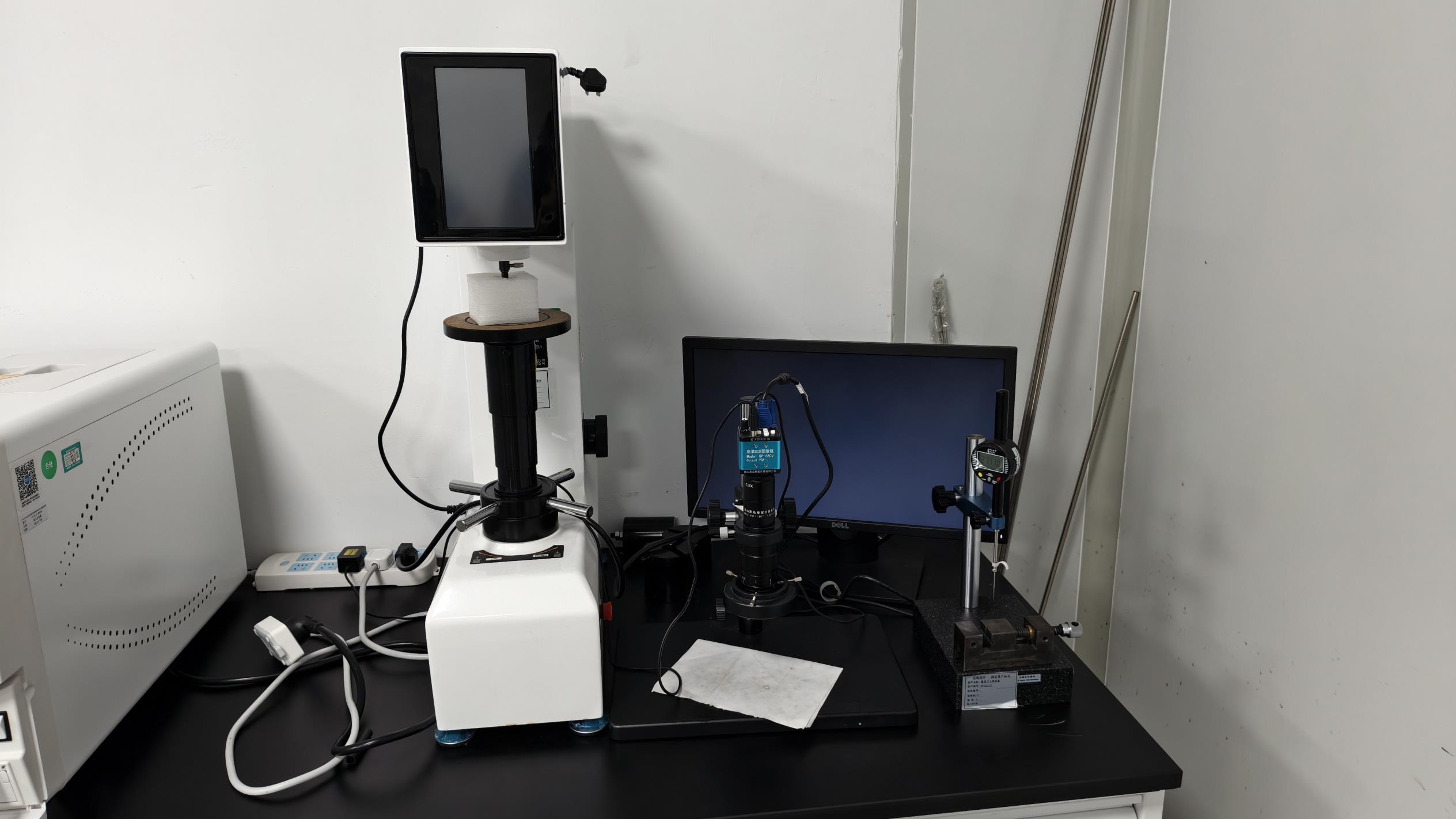
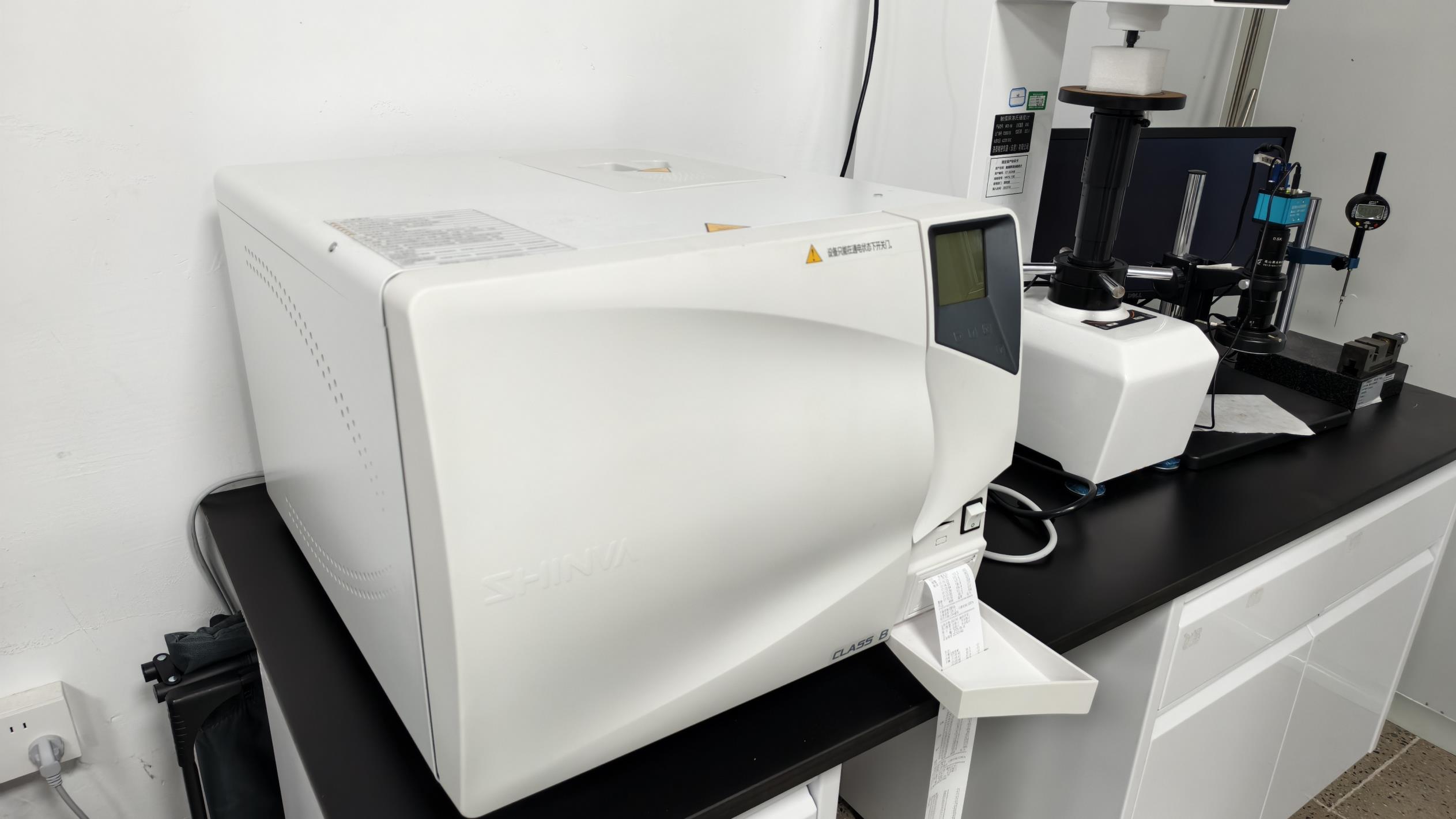
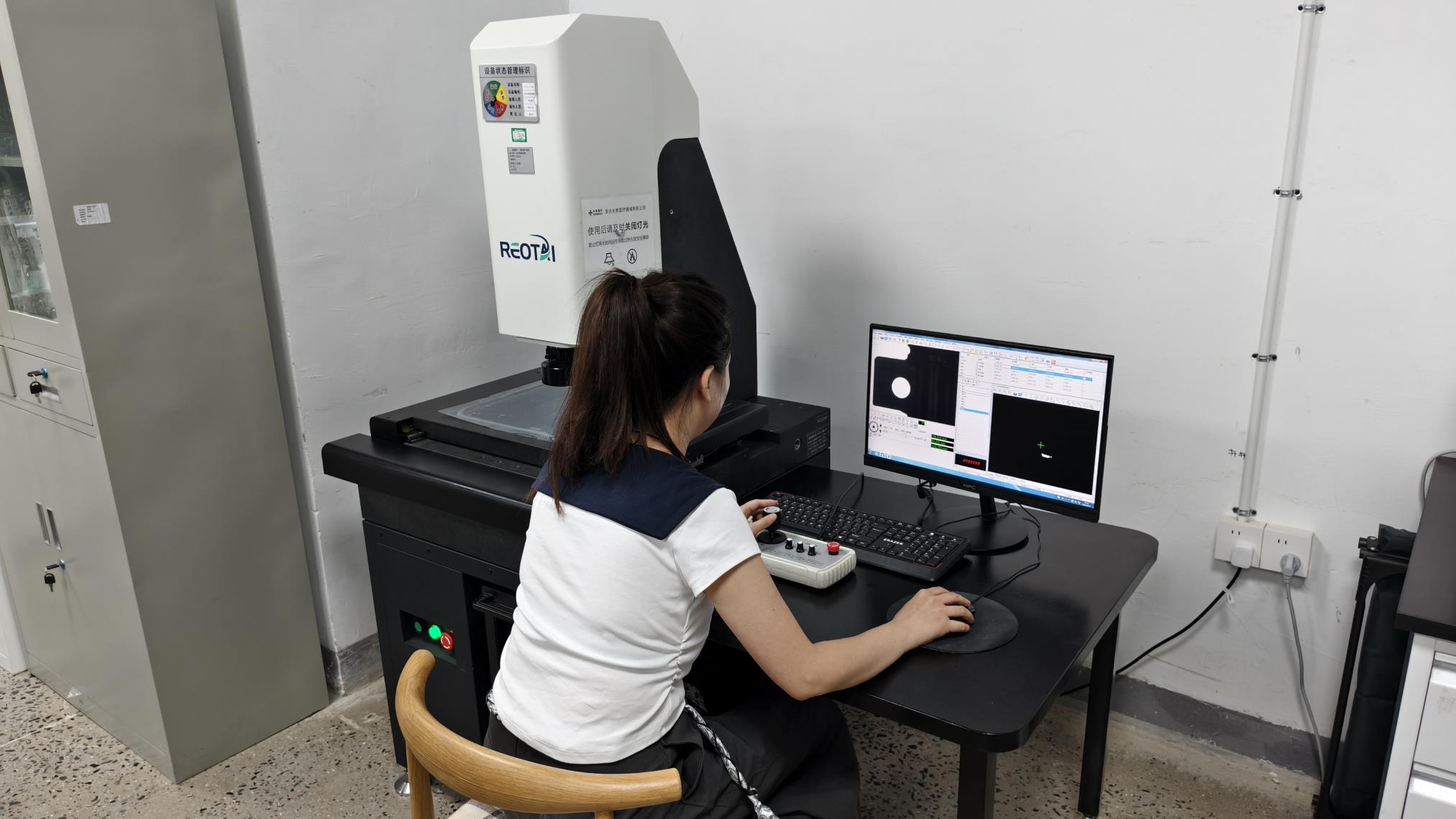
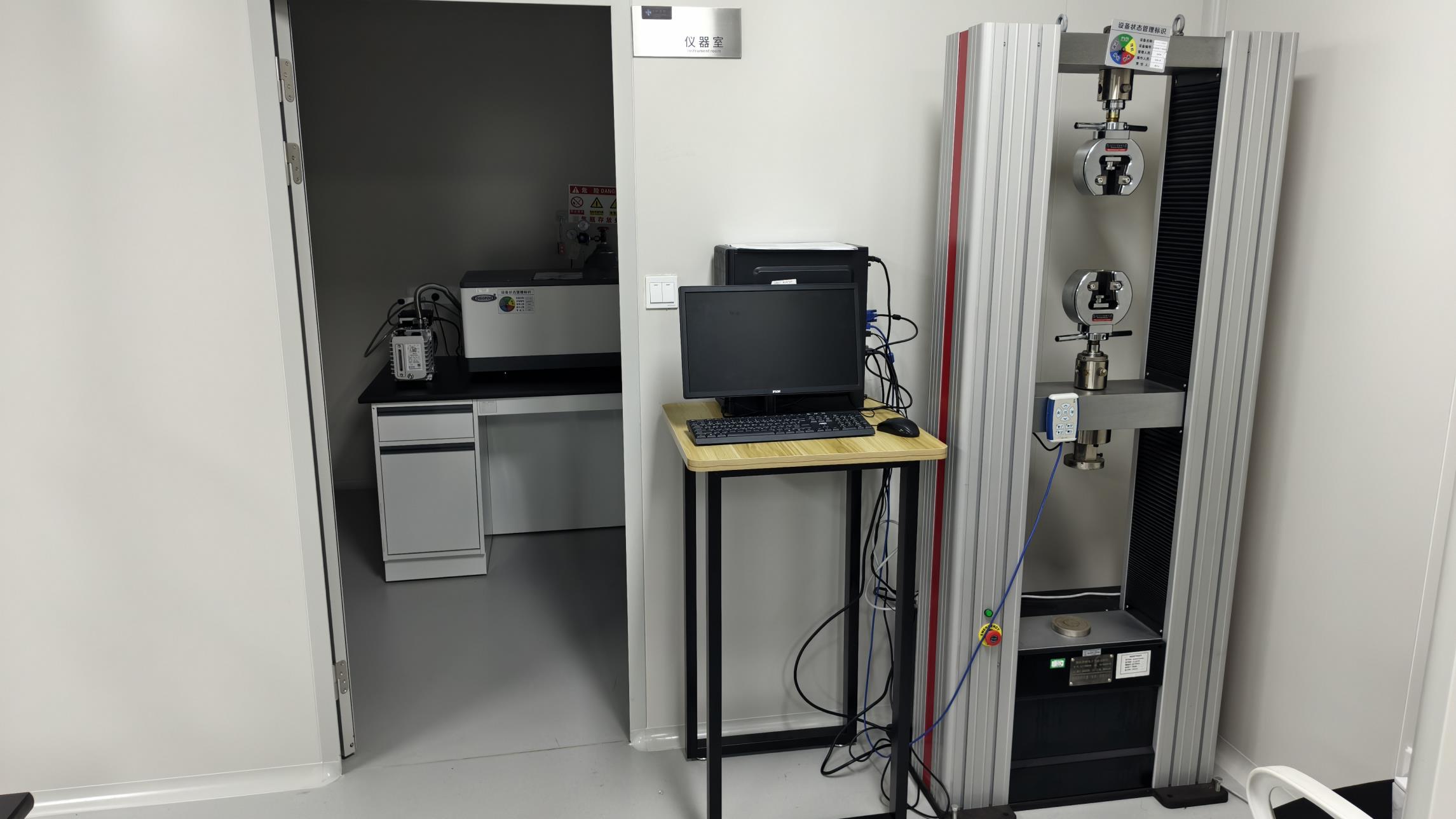
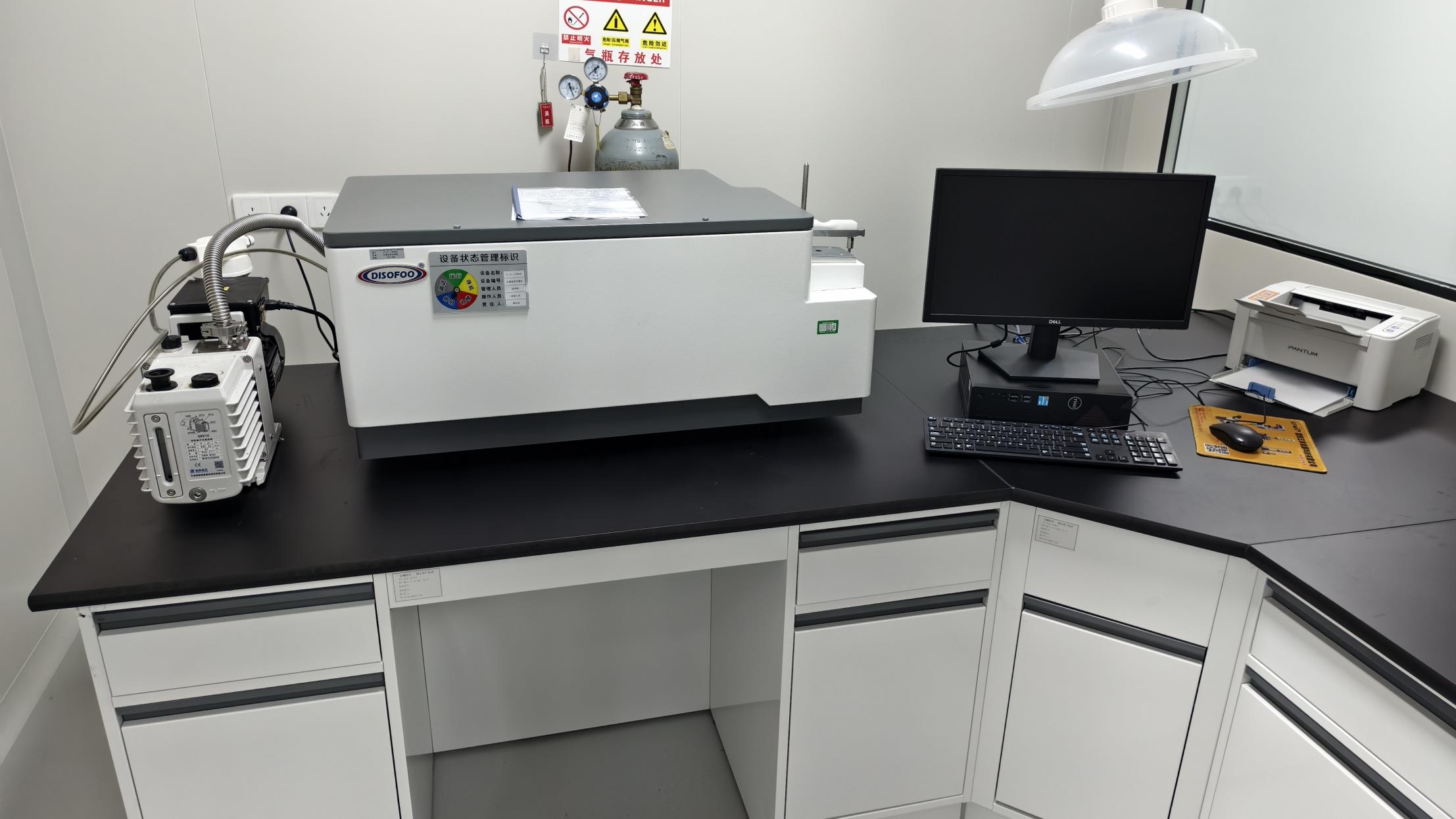
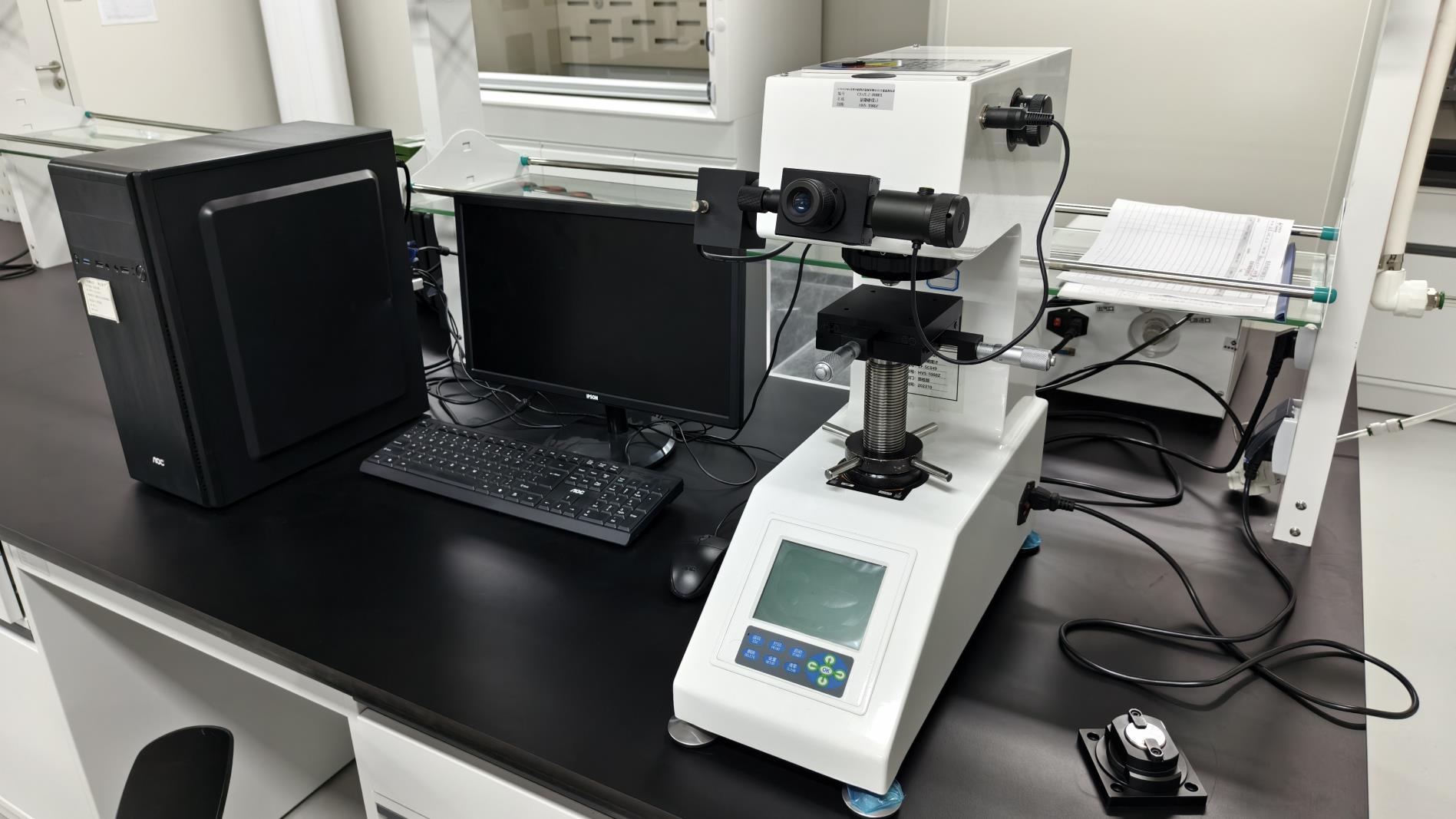
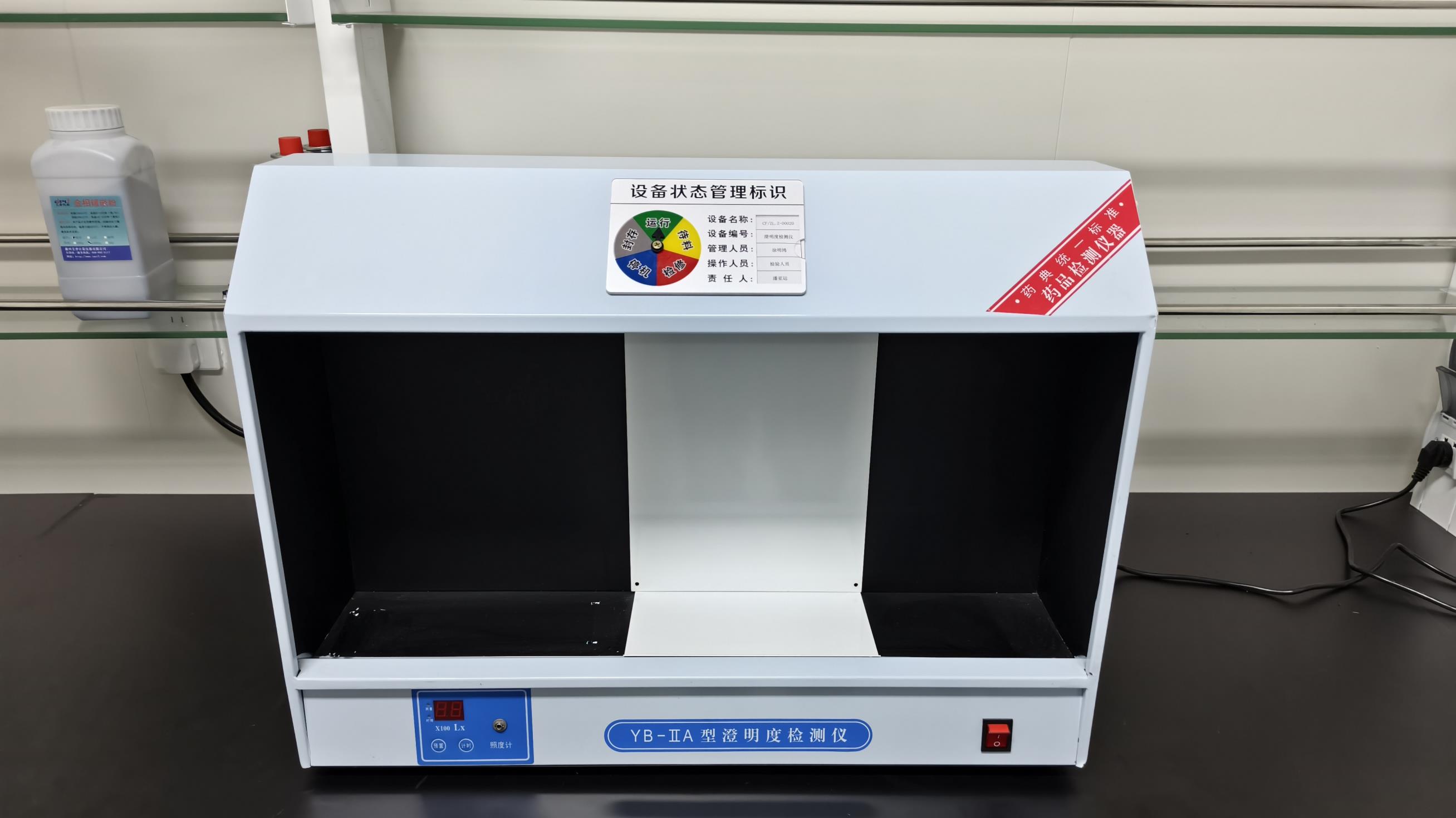
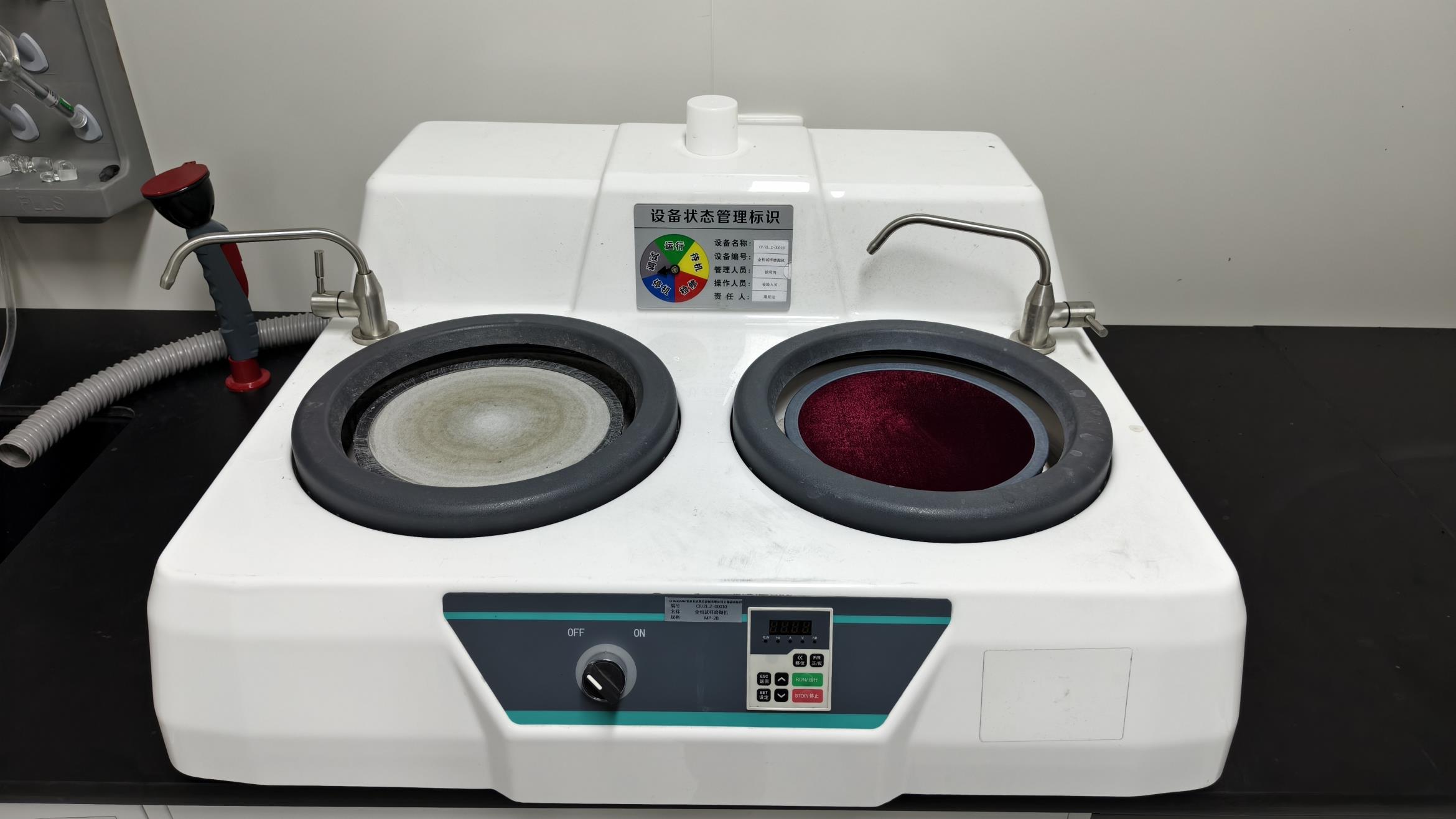
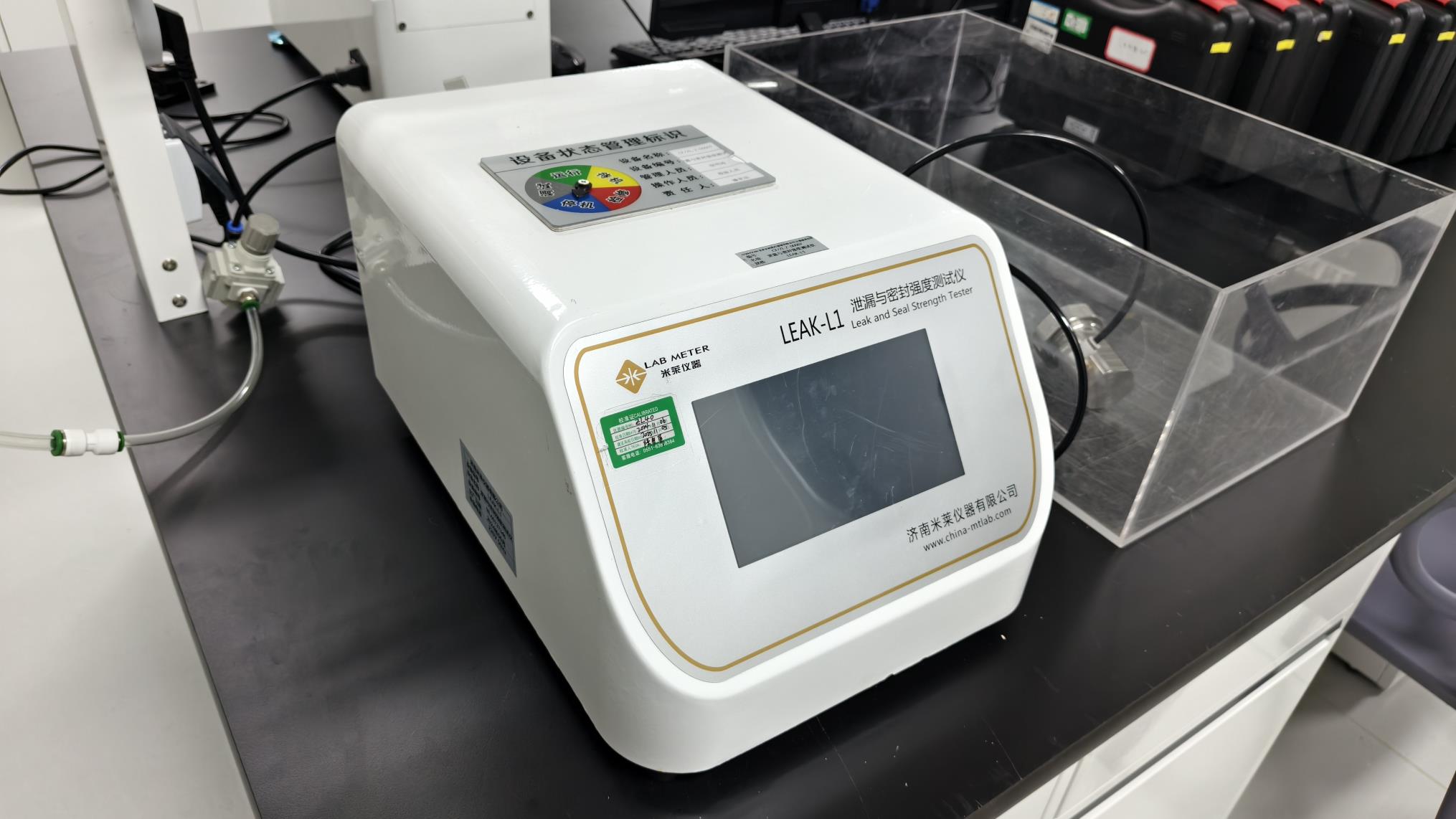
Our multi-phase quality verification protocol includes:
Medical device sourcing teams require supply security, international regulatory compliance, and consistent quality metrics. Zynfuse supports overseas business partners by addressing these challenges directly:
Our facility maintains a rigorous Quality Management System. Raw material tracing, machining profiles, and sterilization records are archived for 15 years to support retrospective audits.
Zynfuse products are manufactured to meet CE standards, facilitating regulatory clearance and market entry in the European Union, South America, and target markets in the Middle East and Asia.
Our R&D team of 85 engineers supports custom configurations, including custom bone-contact geometries and specialized packaging for clinical trial groups and medical distributors.