Zynfuse
Zynfuse
Zynfuse
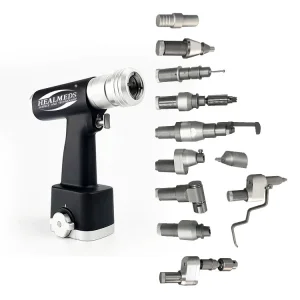
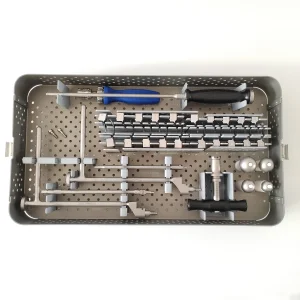
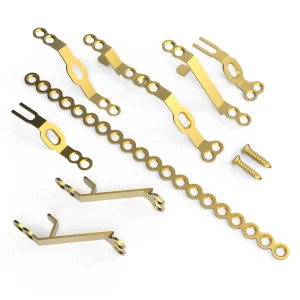
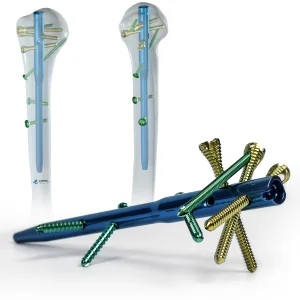
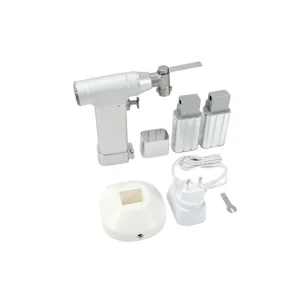
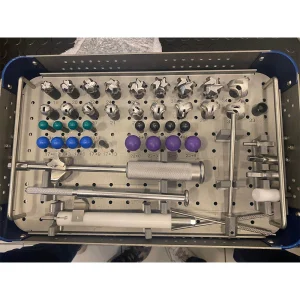
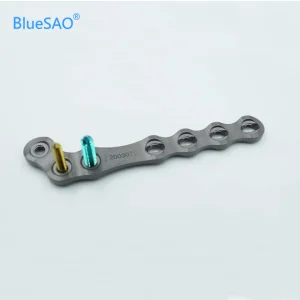
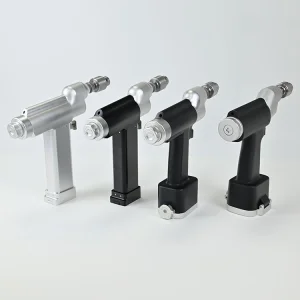
Explore our engineered clinical solutions tailored for osteosynthesis, trauma stabilization, and reconstructive bone surgery.
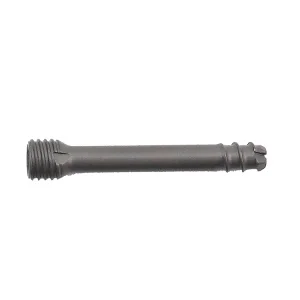
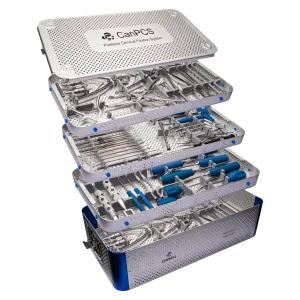
The global orthobiologics market is experiencing an unprecedented expansion, primarily driven by an aging global demographic, a rising incidence of complex spinal fusion procedures, and high-impact sports injuries. Sourcing directors from hospitals, large-scale medical distribution groups, and private orthopedic surgical networks require a stable supply of regenerative biomaterials that meet critical structural criteria: osteoconductive matrix structures, osteoinductive signaling potential, and rapid osteogenic cell integration.
As traditional autografts present localized donor-site morbidity, clinical preference has dramatically shifted toward high-performance allografts, xenografts, and advanced synthetic biphasic calcium phosphate (BCP) ceramics. Navigating this demand landscape requires partnerships with export-ready manufacturers who possess the technological infrastructure to ensure batch-to-batch consistency and rigorous bio-cleansing procedures that retain cellular scaffolding structures without risking immunogenicity.
“Modern surgeons require bone graft substitutes to act not merely as space fillers, but as active biochemical scaffolds that guide patient cell migration and microvascular invasion.”
Selecting the ideal bone graft matrix involves understanding the physiological demands of specific surgical applications. In long-bone trauma reconstruction, mechanical structural integrity is paramount, necessitating cortical bone graft configurations or dense ceramics. Conversely, in spinal cages or small osteotomy sites, highly porous cancellous structures or injectable putty materials are preferred for fast vascularization.
China's manufacturing sector has evolved from supplying basic mechanical implants to developing highly sophisticated biological structures. Modern factories offer specialized formulations—such as pure synthetic Hydroxyapatite (HA), Beta-Tricalcium Phosphate (β-TCP), and bioactive silicate glasses. These systems offer controlled resorption rates matching natural bone remodeling kinetics, offering tailored degradation options for varied patient age profiles and clinical risk factors.
Providing an authoritative look into our advanced manufacturing, scientific capacity, and global supply footprint.
Established in 2016, Zynfuse Medical Technology Co., Ltd. is a leading manufacturer specializing in orthopedic medical devices and advanced implant systems designed for surgical innovation. With over 12 years of industry experience and 7 years of dedicated export experience, Zynfuse has constructed a robust framework supplying medical distributors, hospital procurement departments, and specialized orthopedic surgical centers worldwide.
Our operations are structured around high-capacity output and uncompromising regulatory standards. Zynfuse supports a global network of over 1,200 partners. Quality assurance is maintained by 68 quality inspection specialists implementing rigorous testing systems based on ISO 13485 protocols. Our R&D capabilities encompass implant geometry adjustment, tailored material composition, and comprehensive OEM/ODM solutions, ensuring our partners receive products designed for precise anatomical compatibility and optimal clinical outcomes.
From raw biomaterial cutting to microscopic quality analysis, explore the 22 critical phases in Zynfuse’s production cycle.
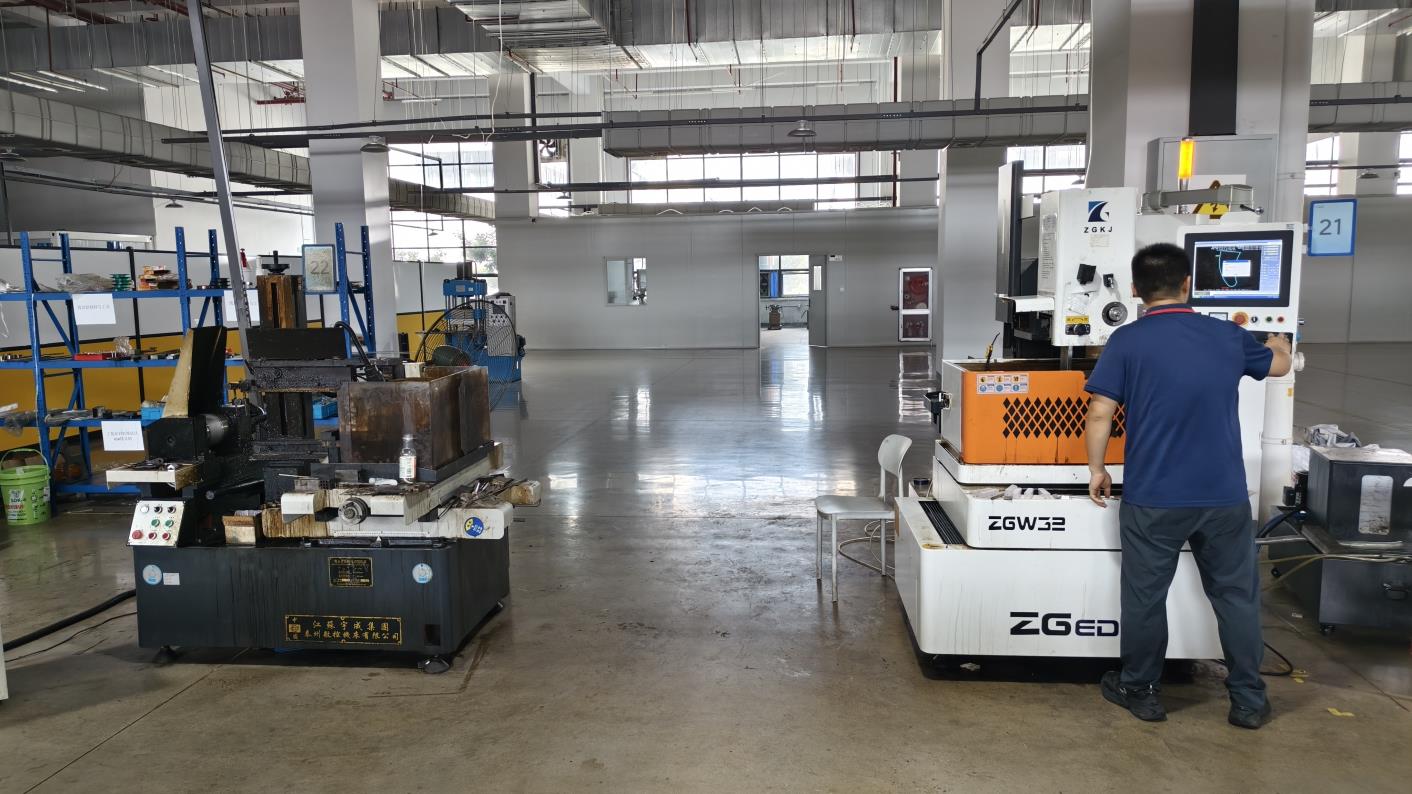
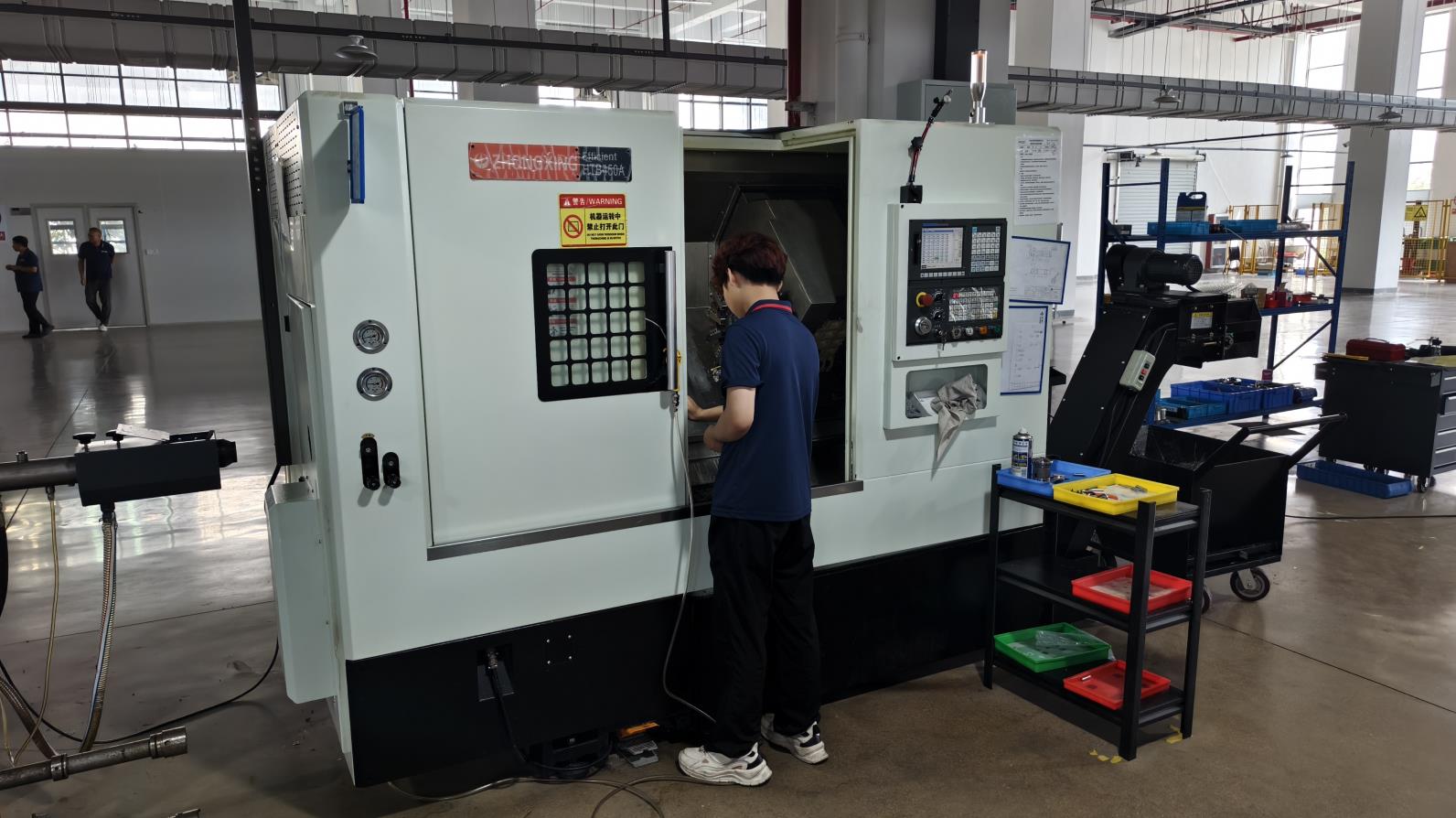
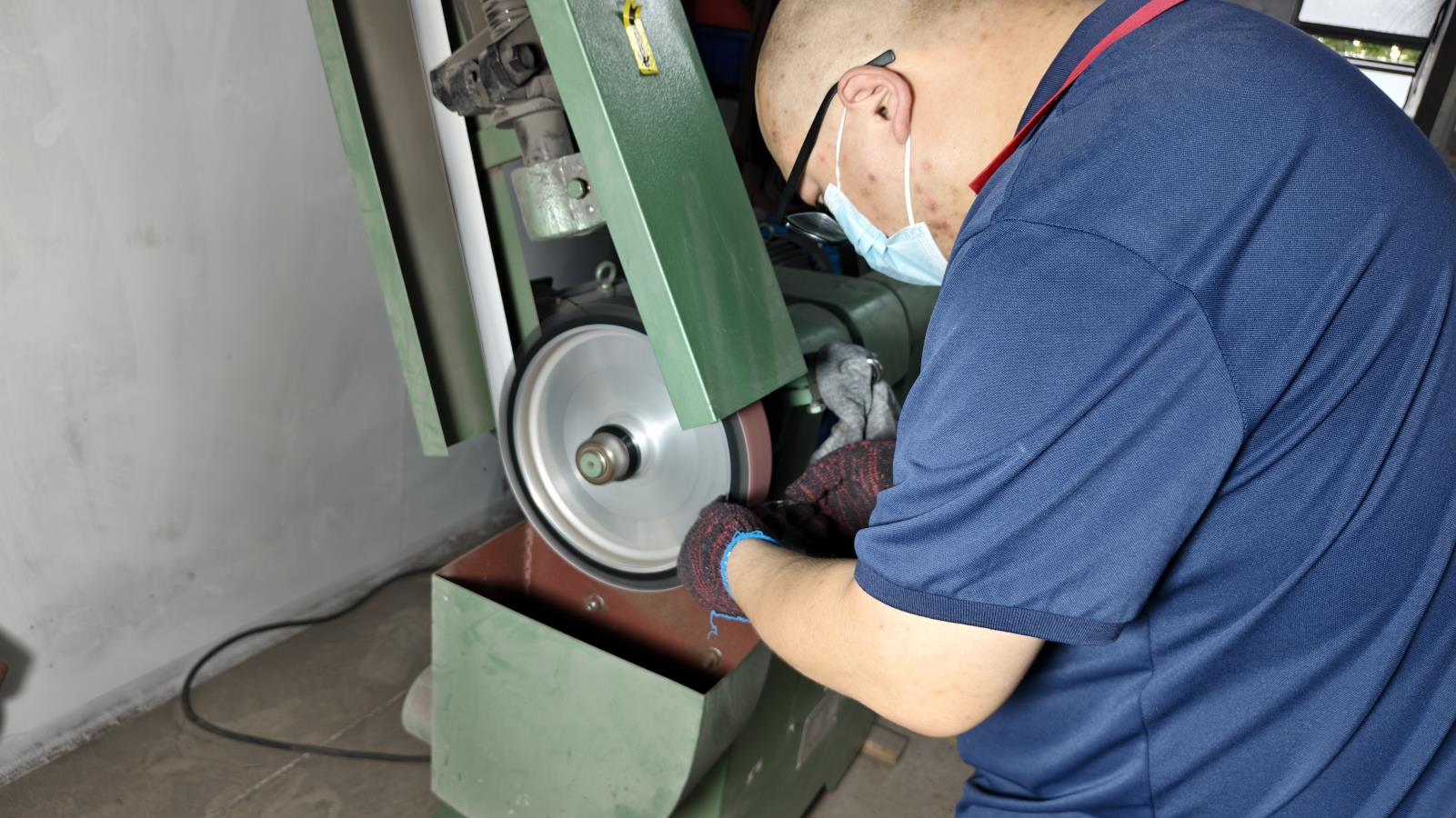
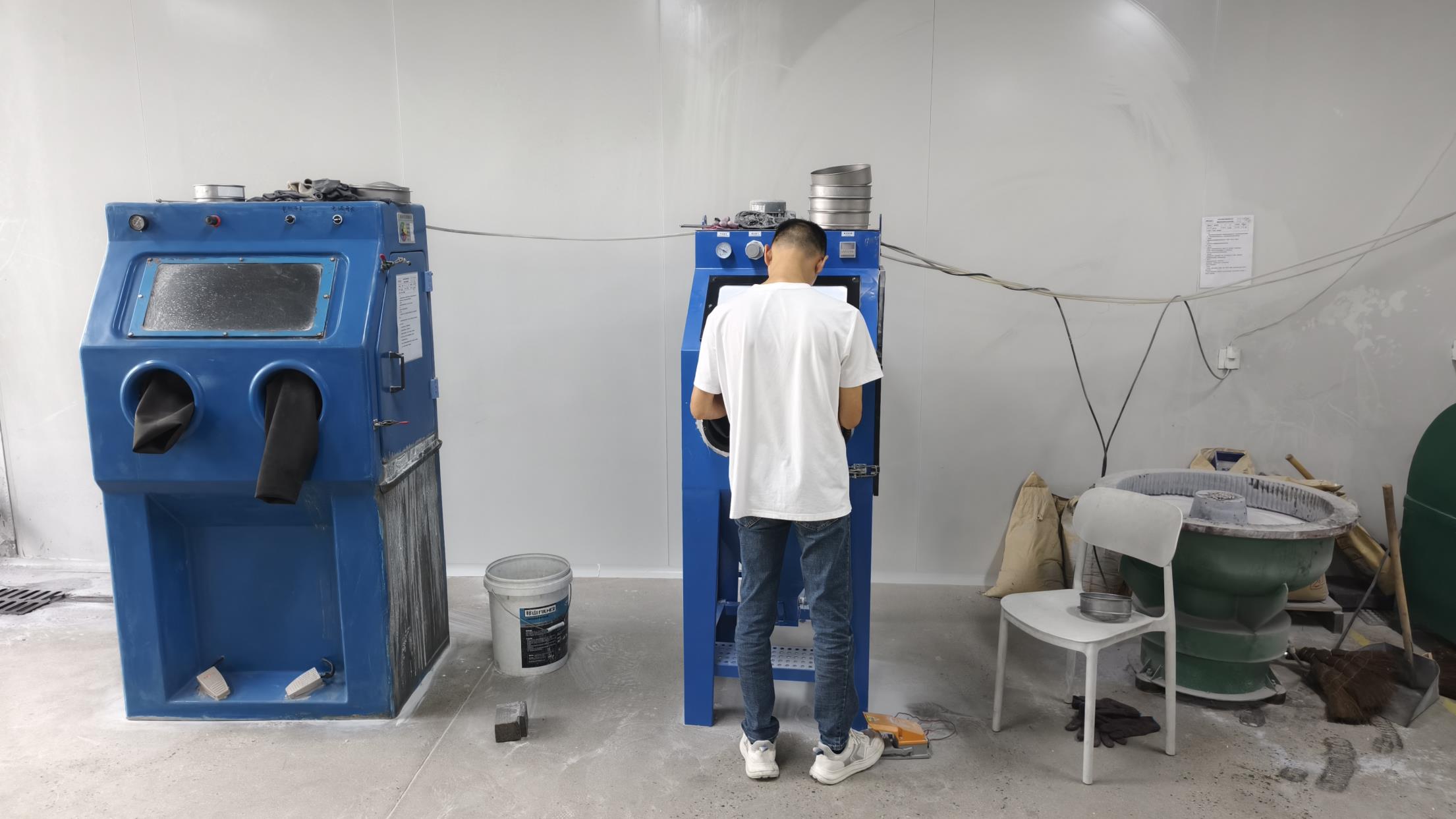
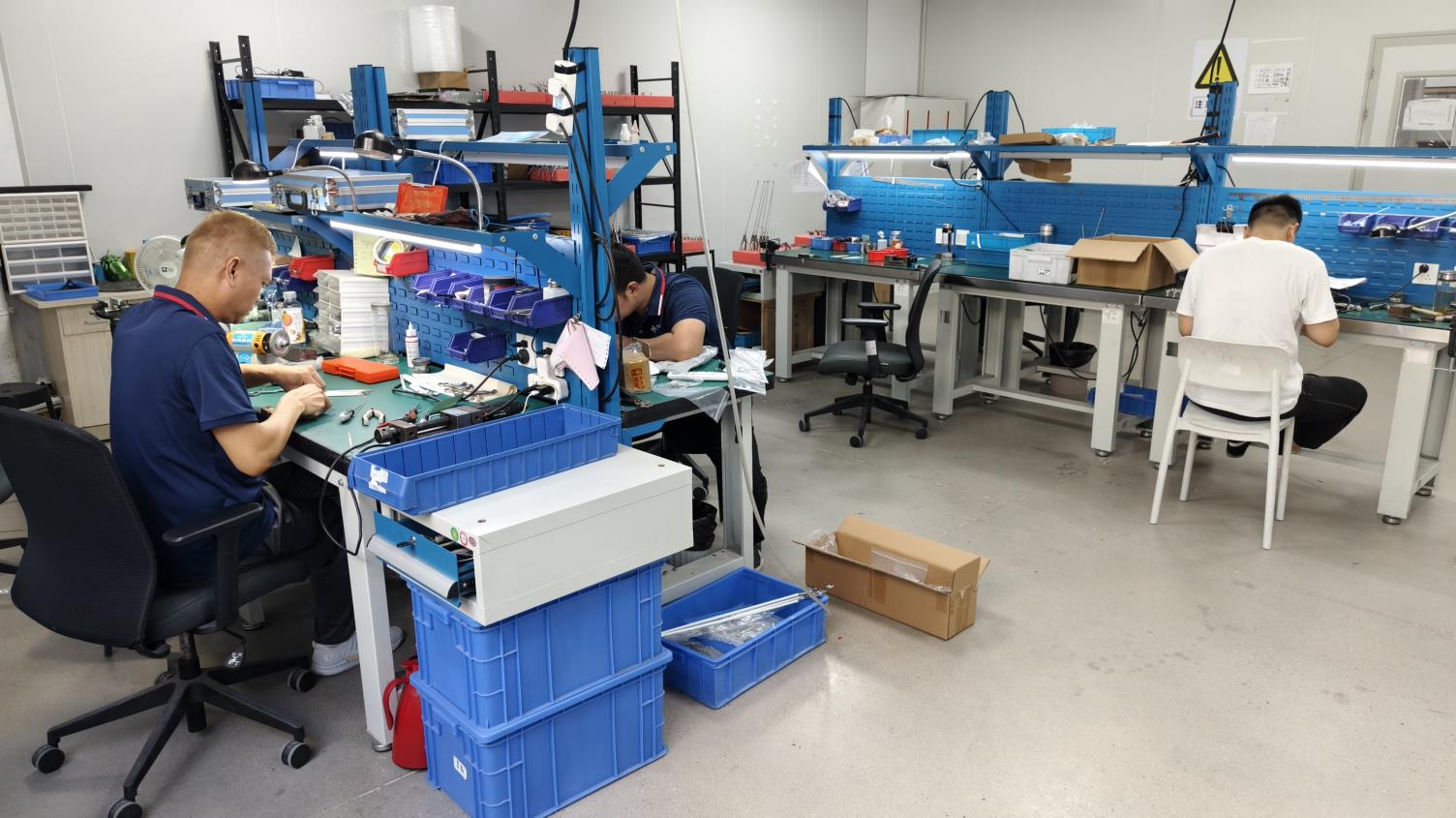
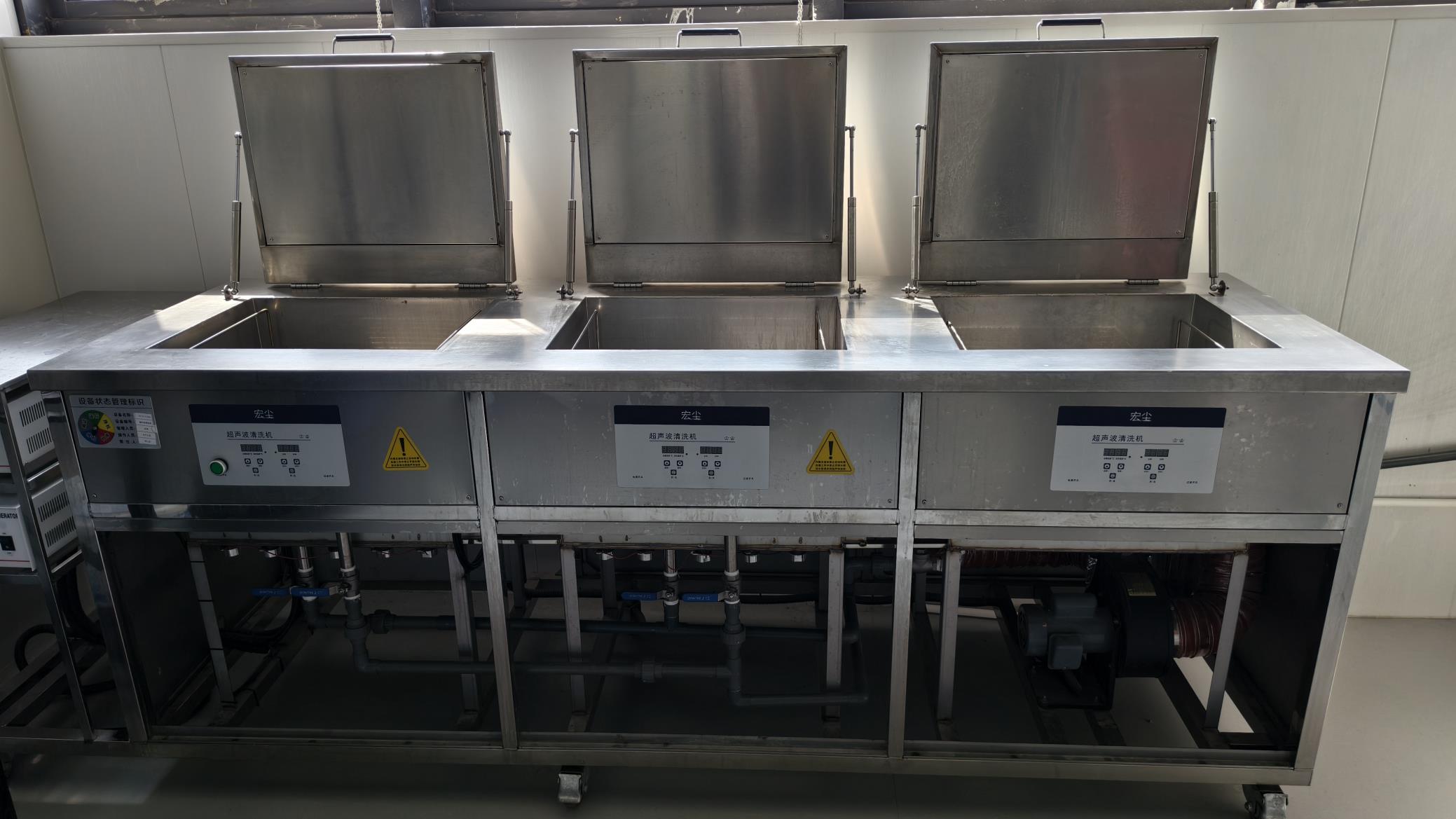
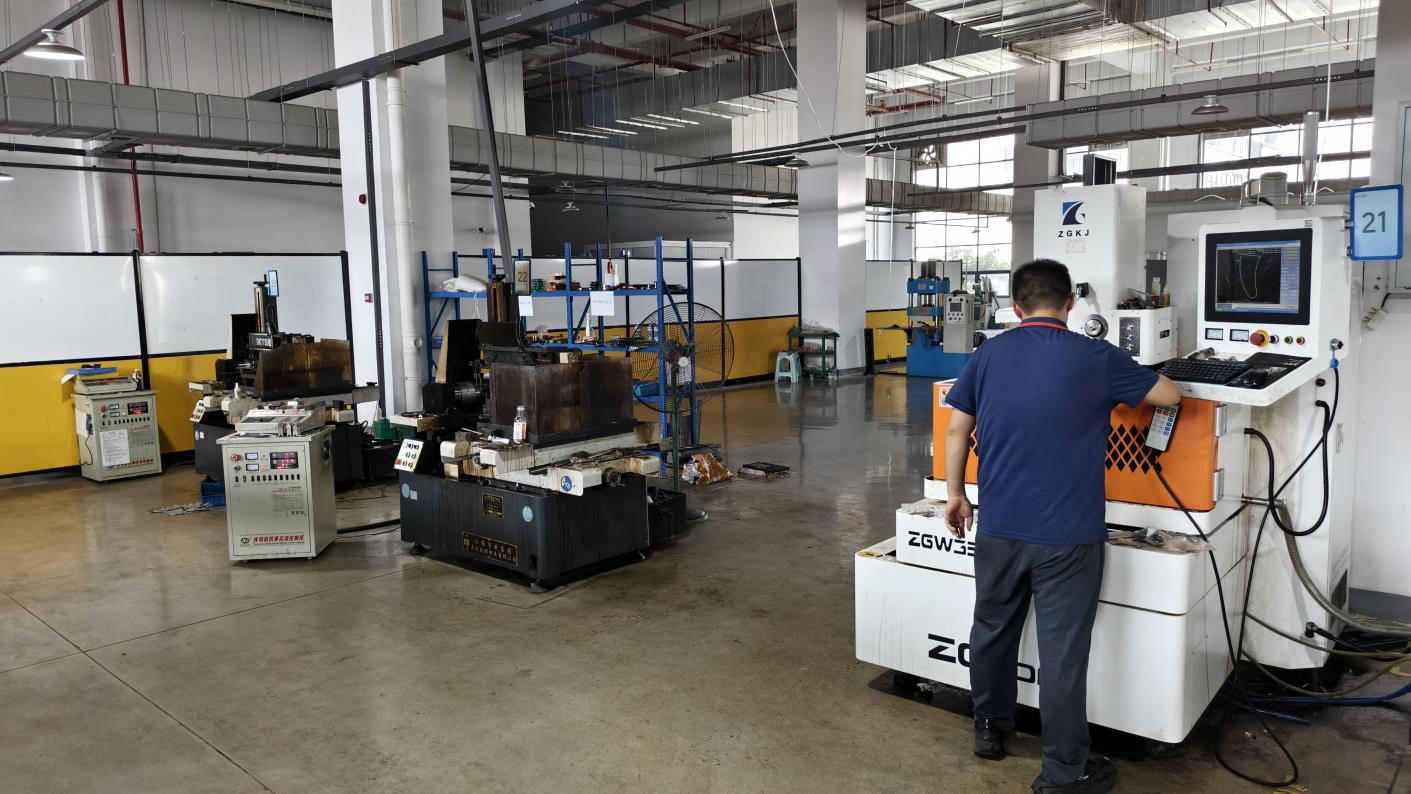
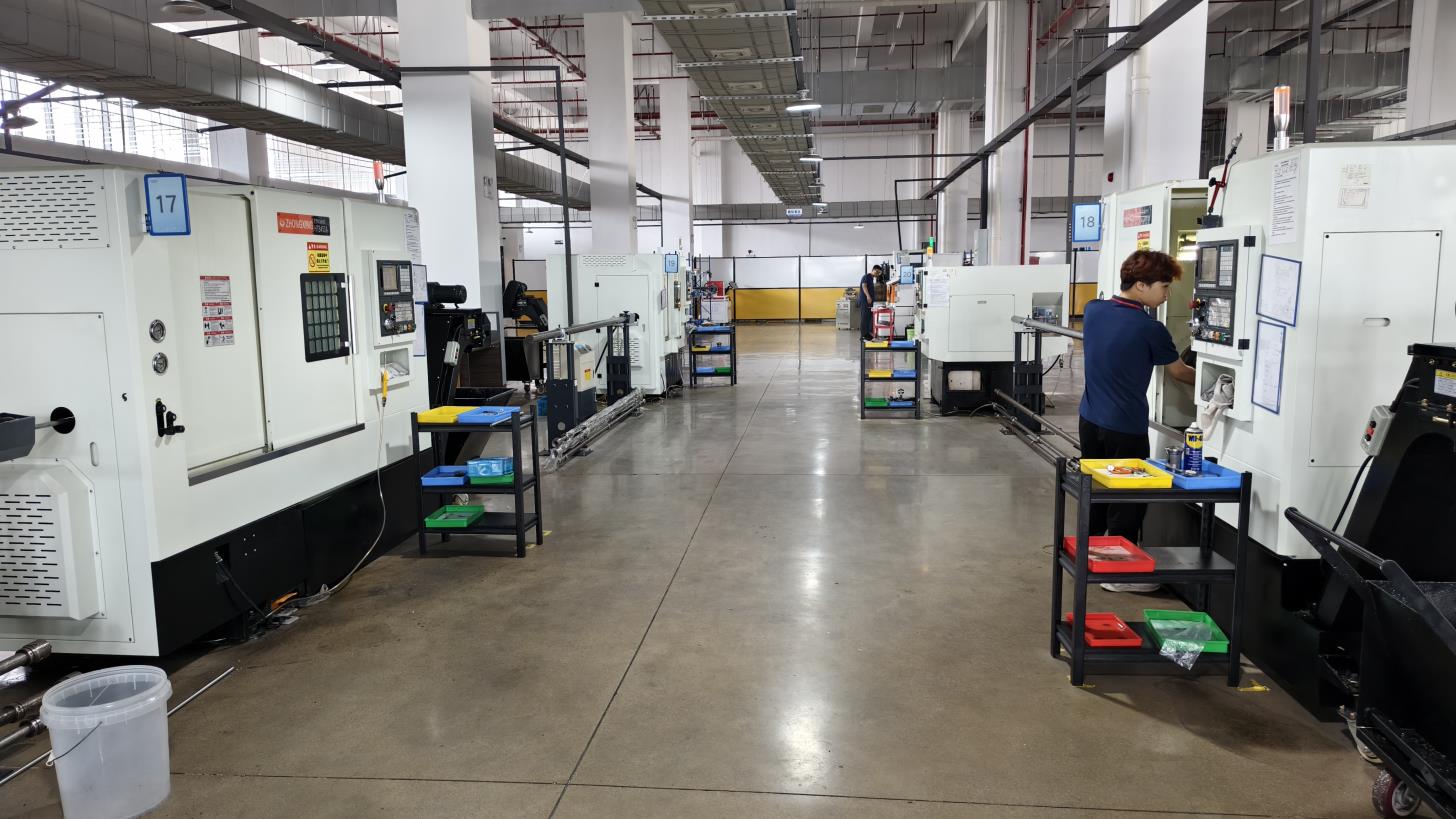
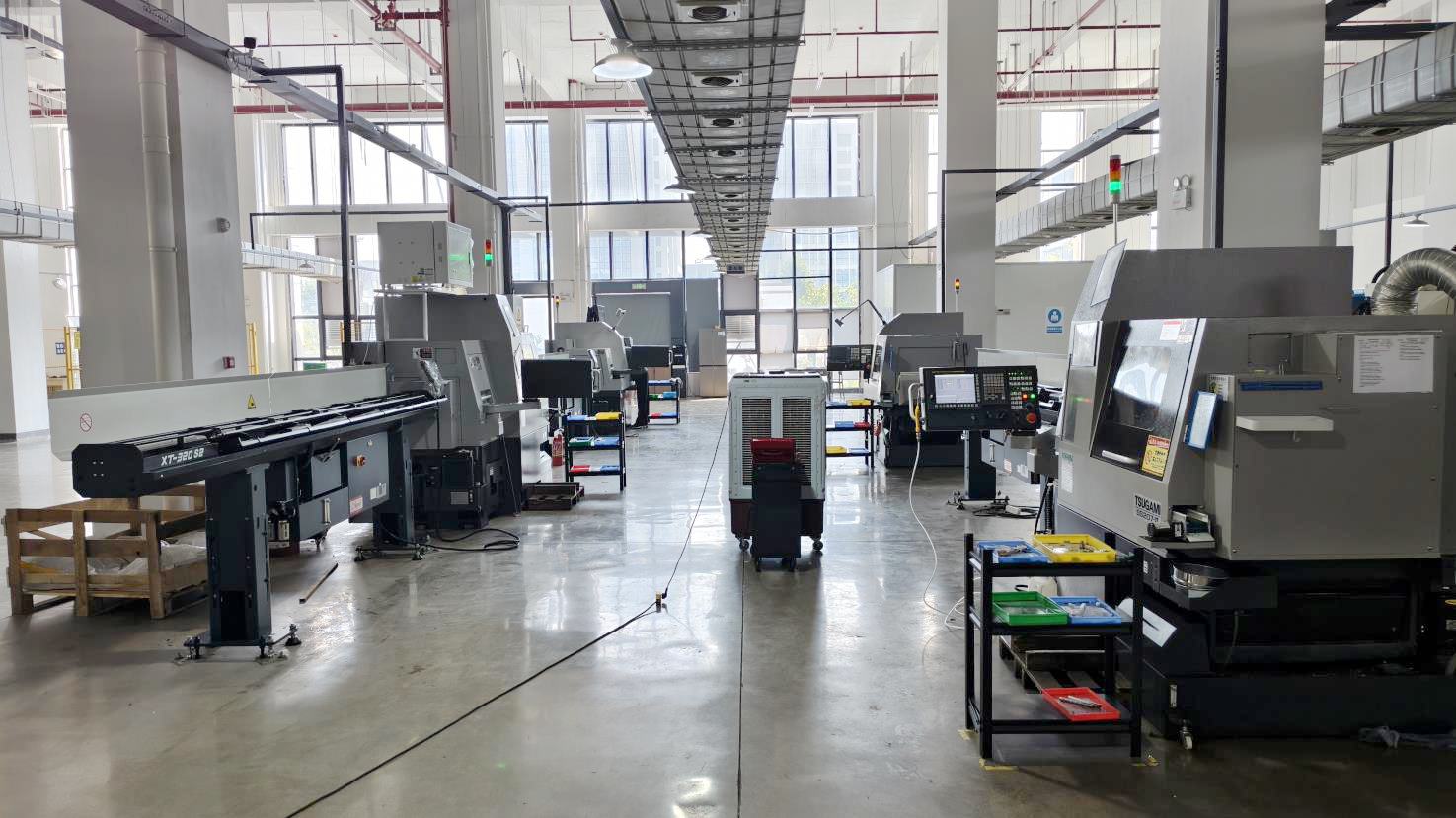
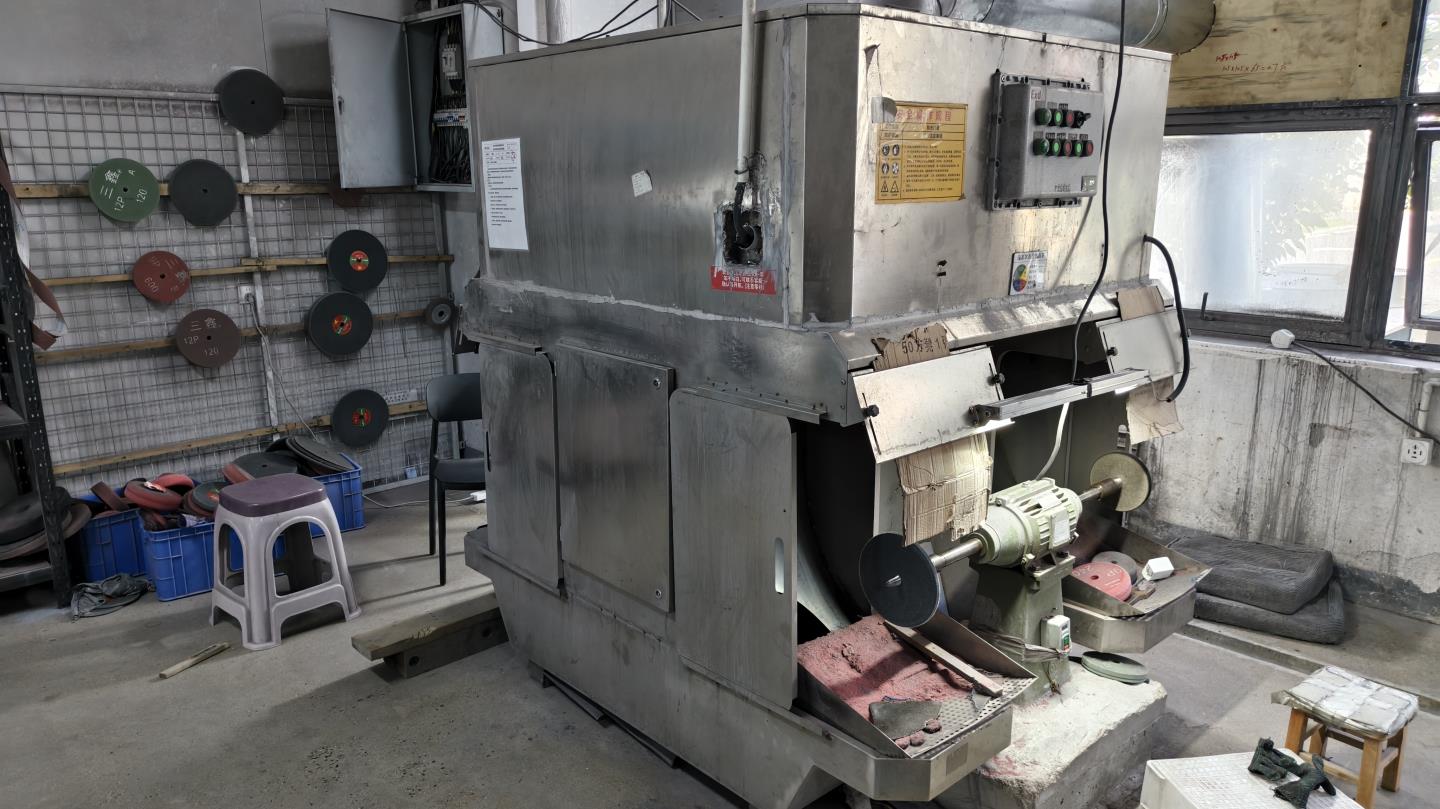
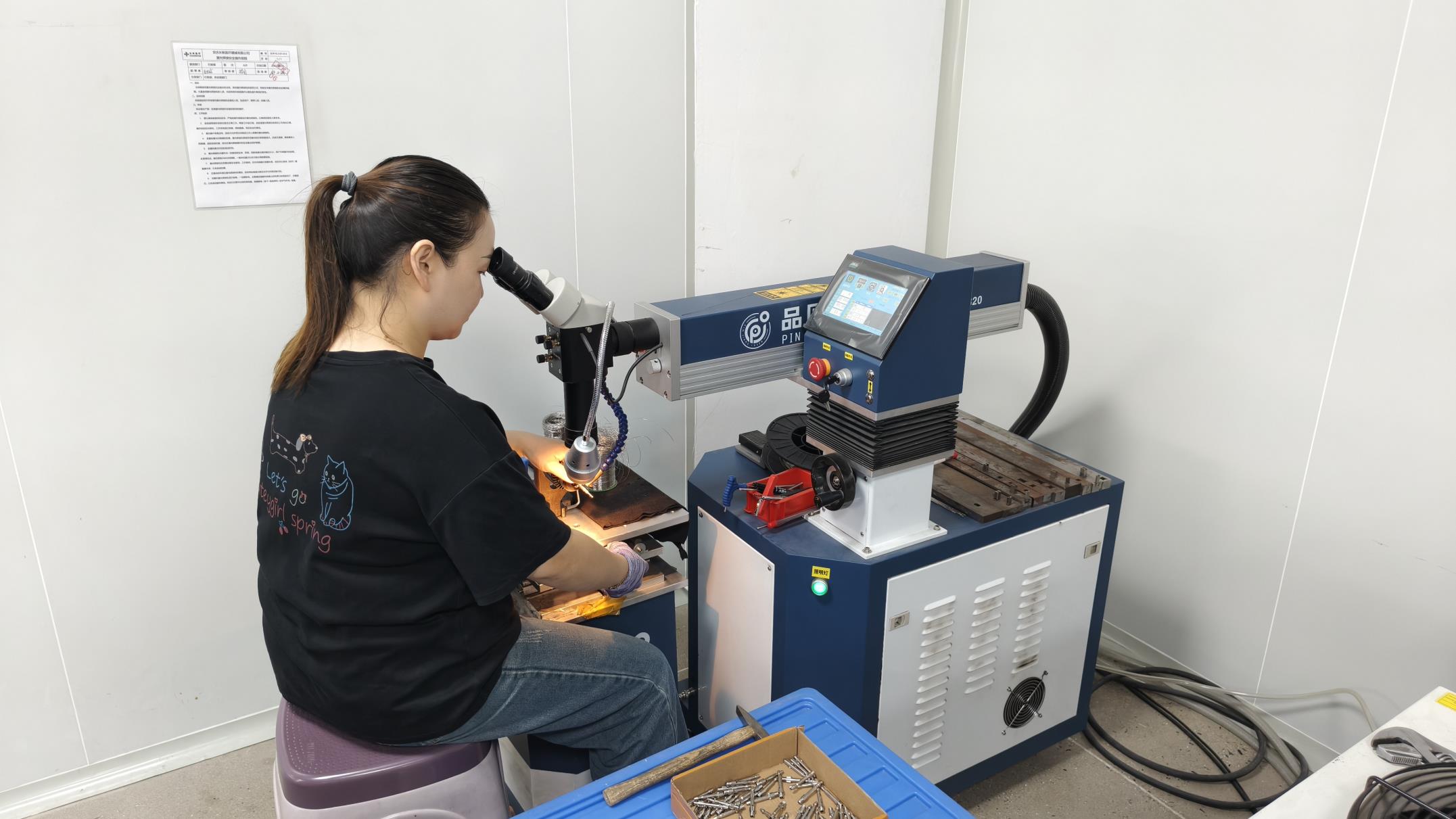
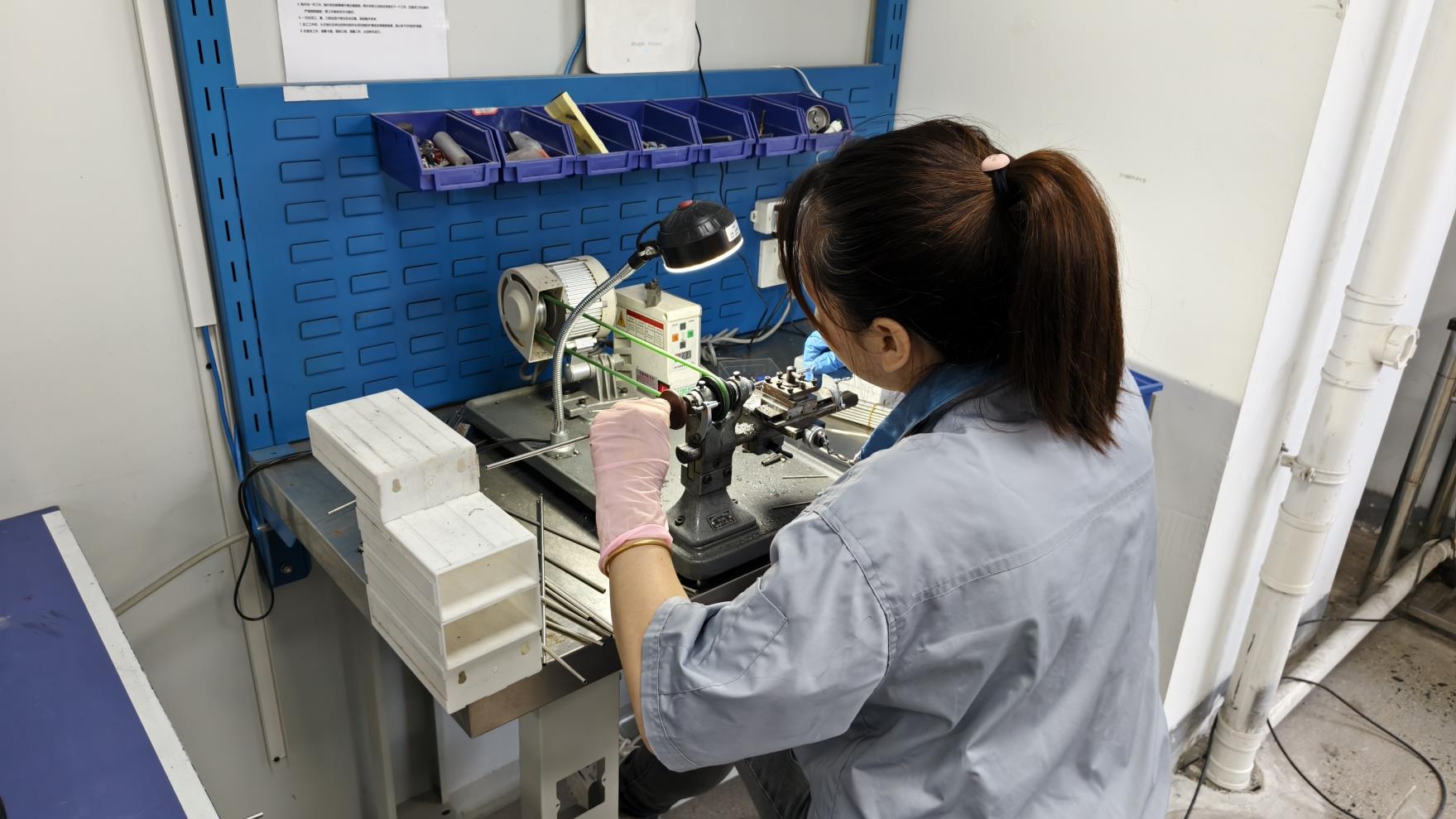
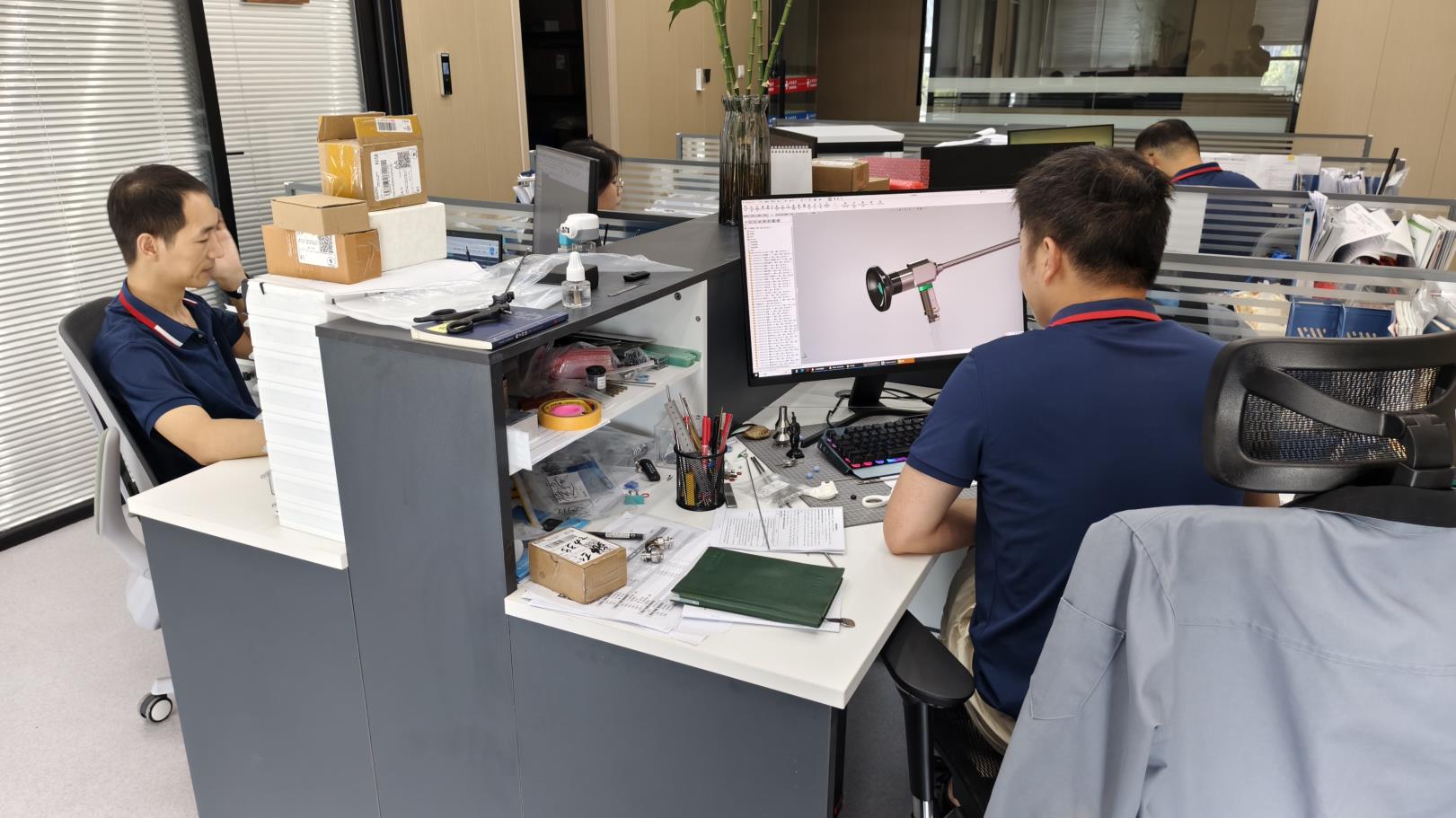

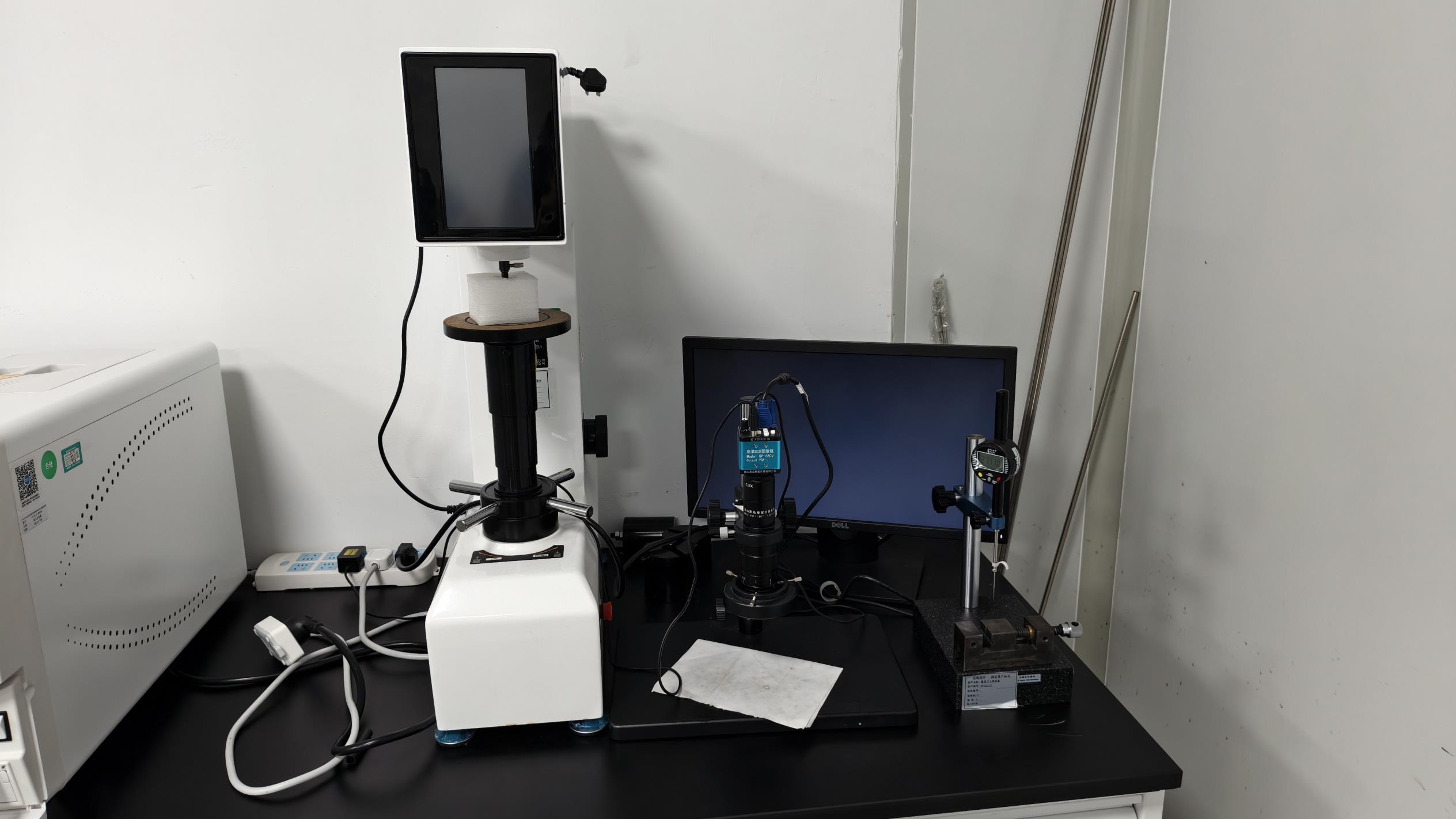
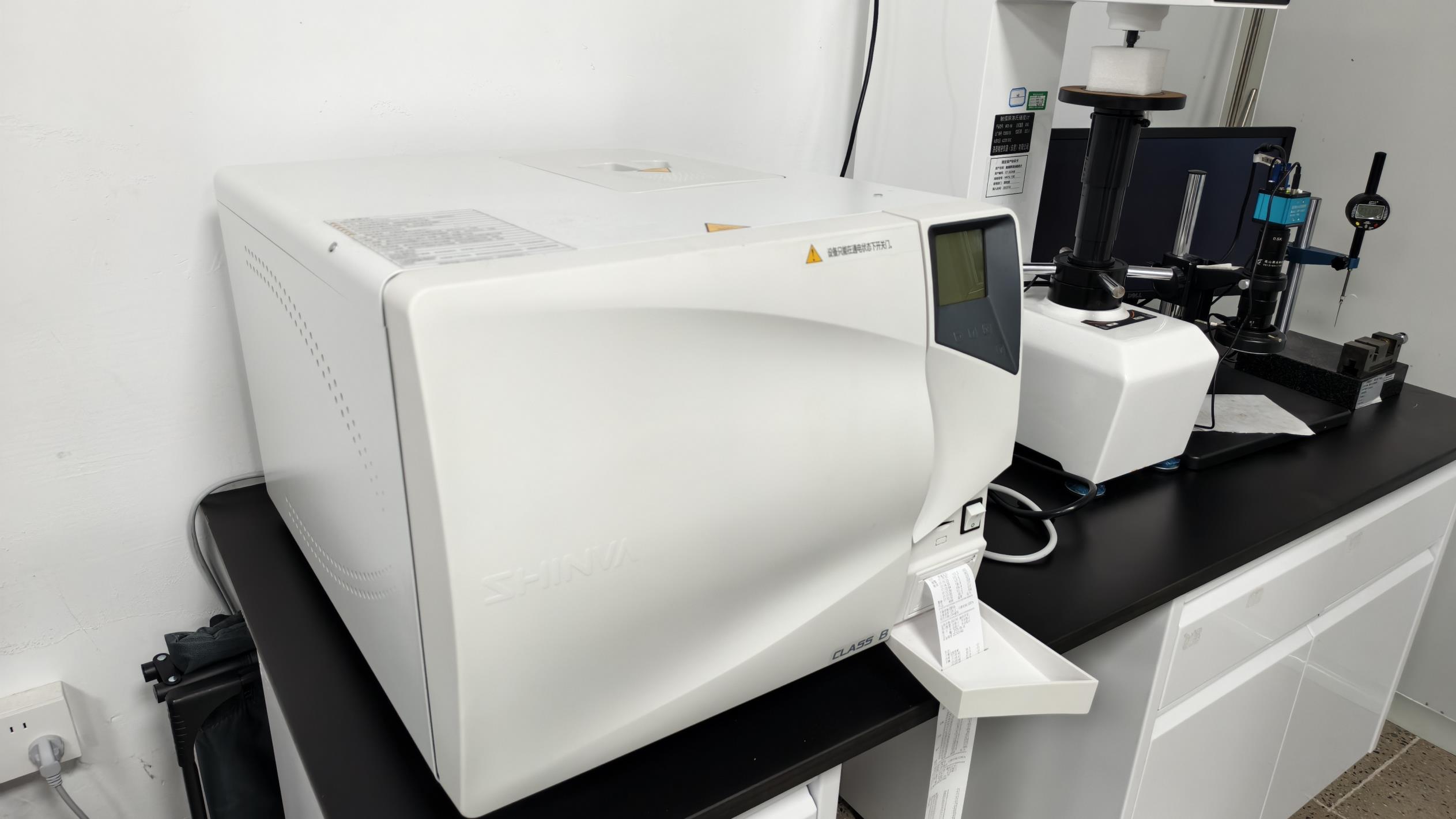
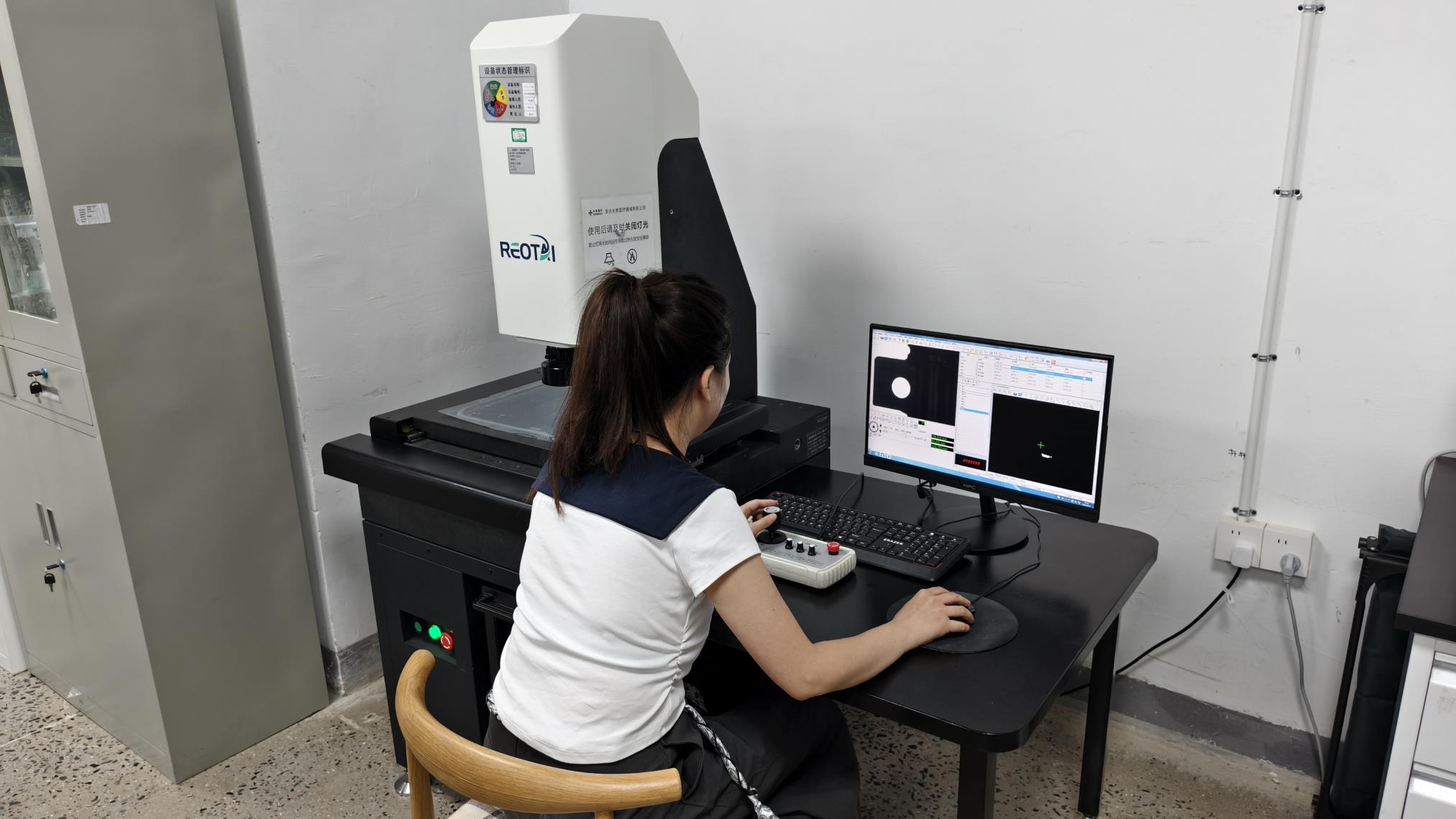
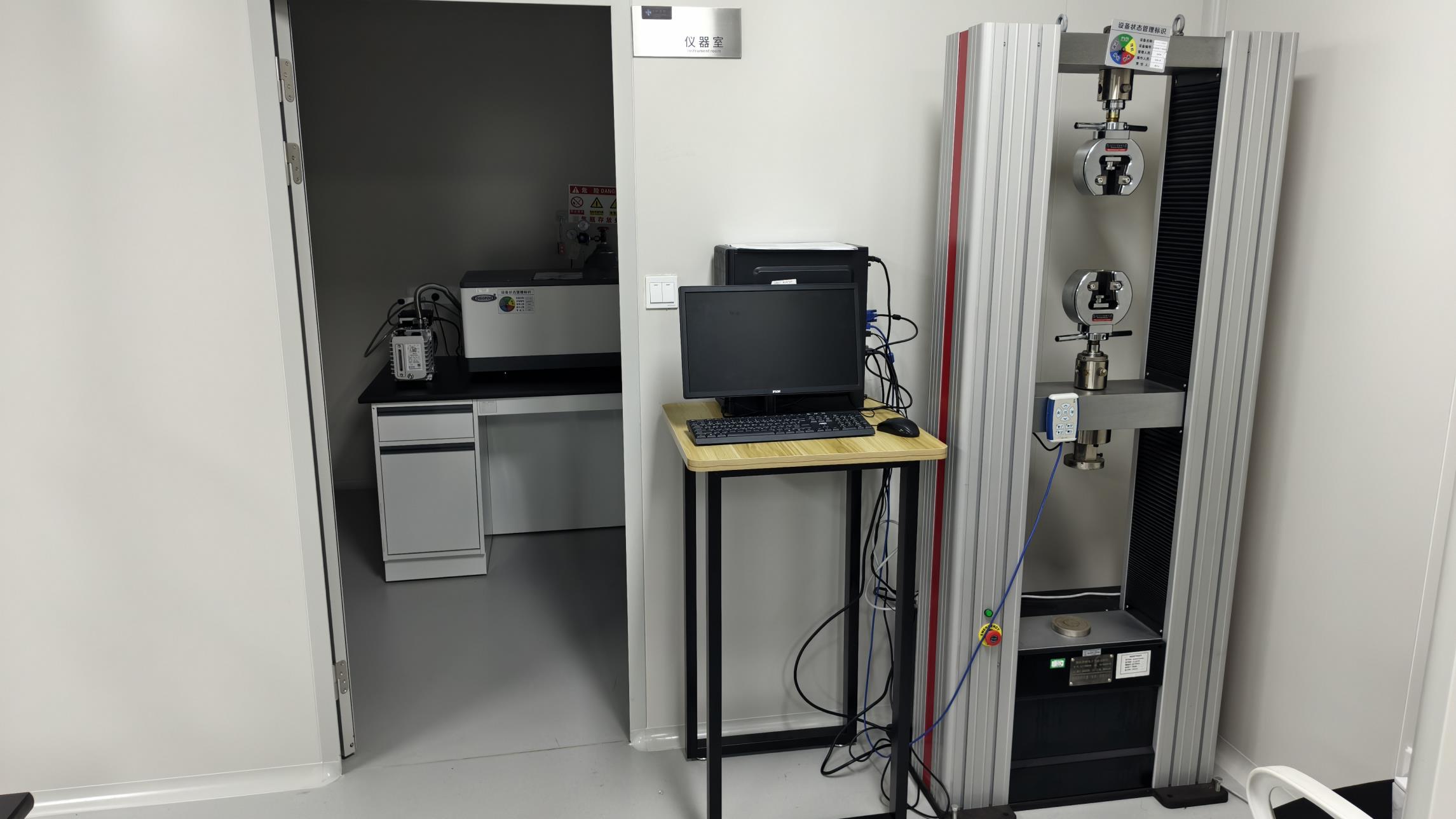
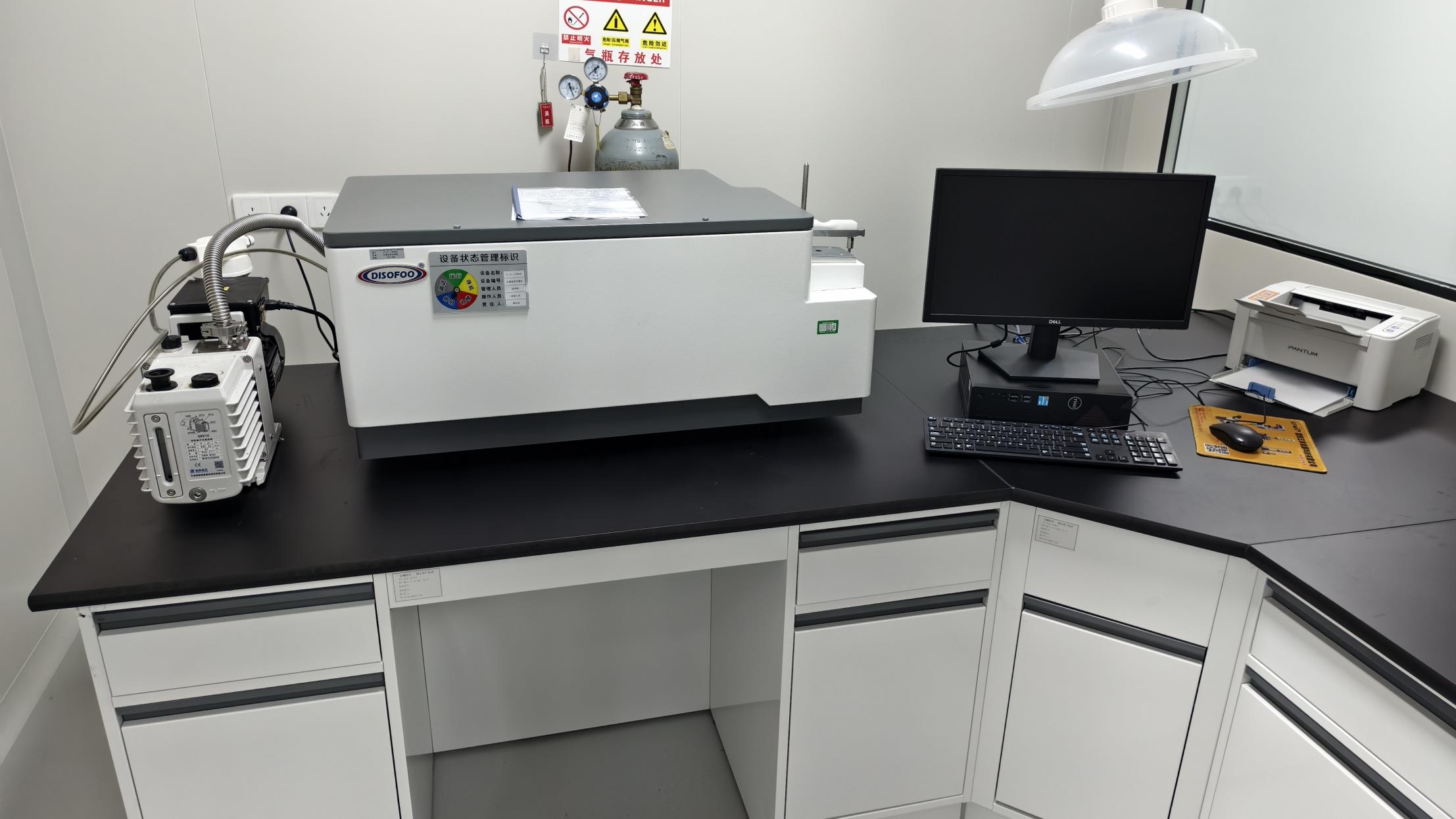
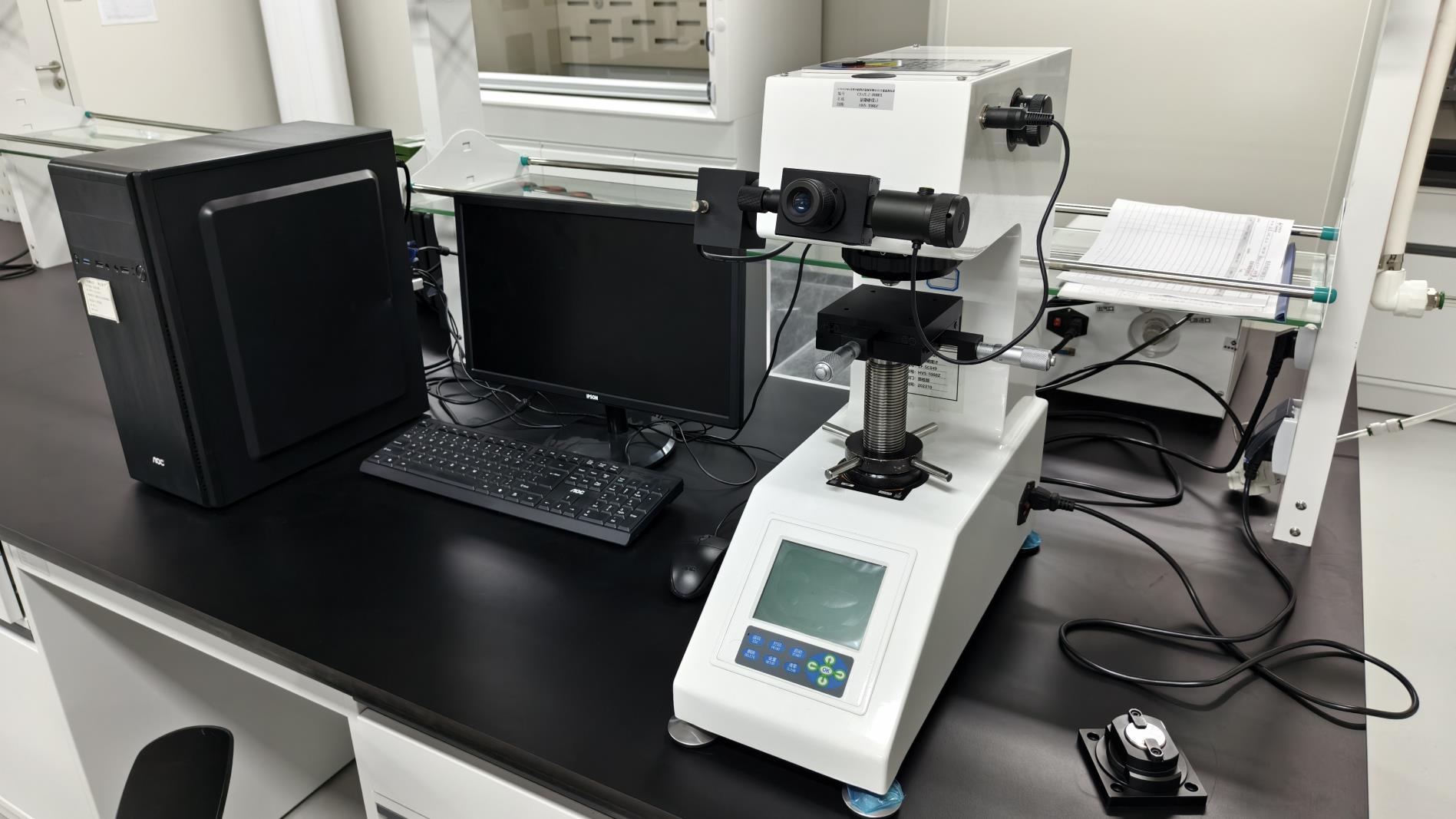
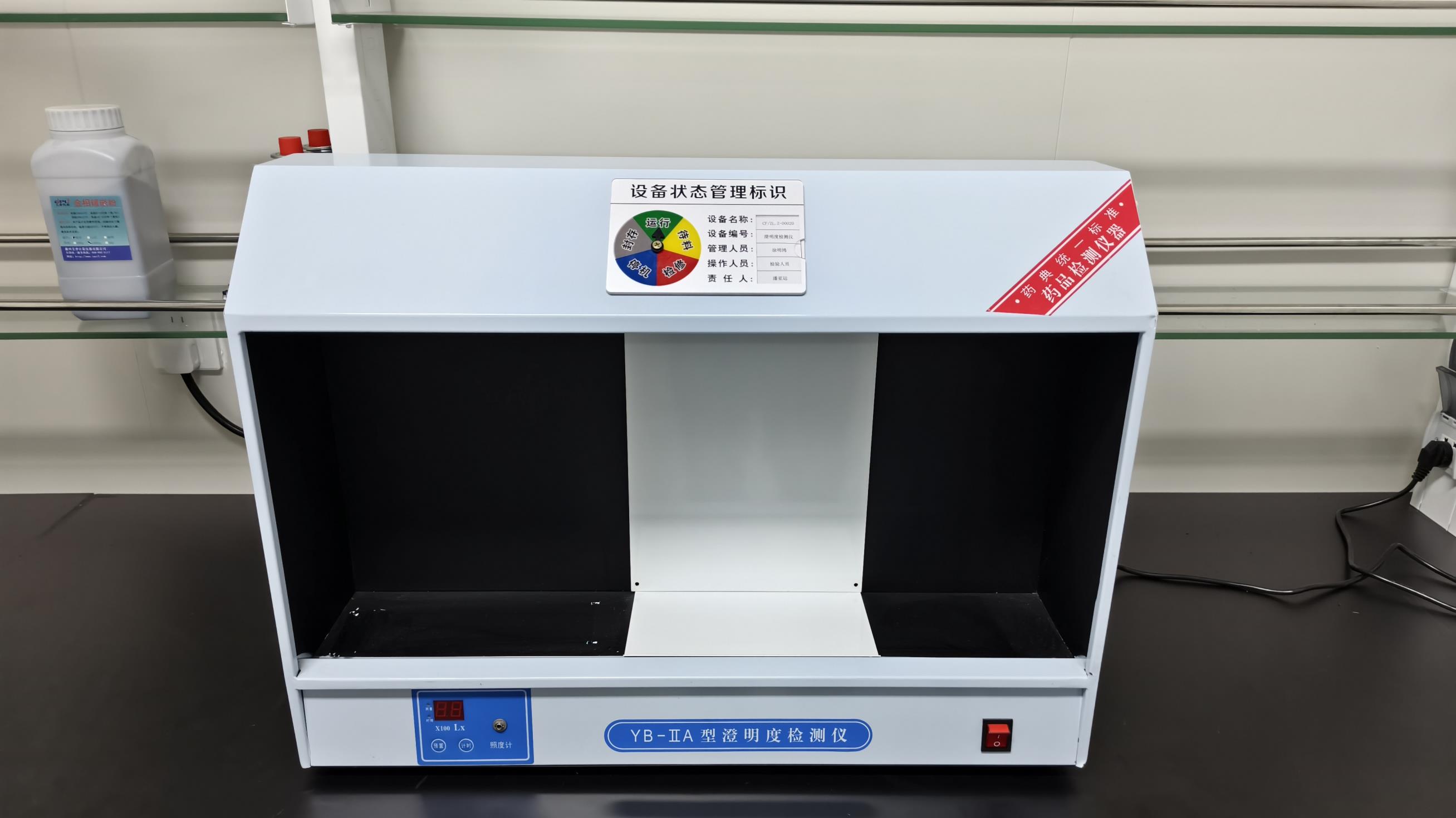
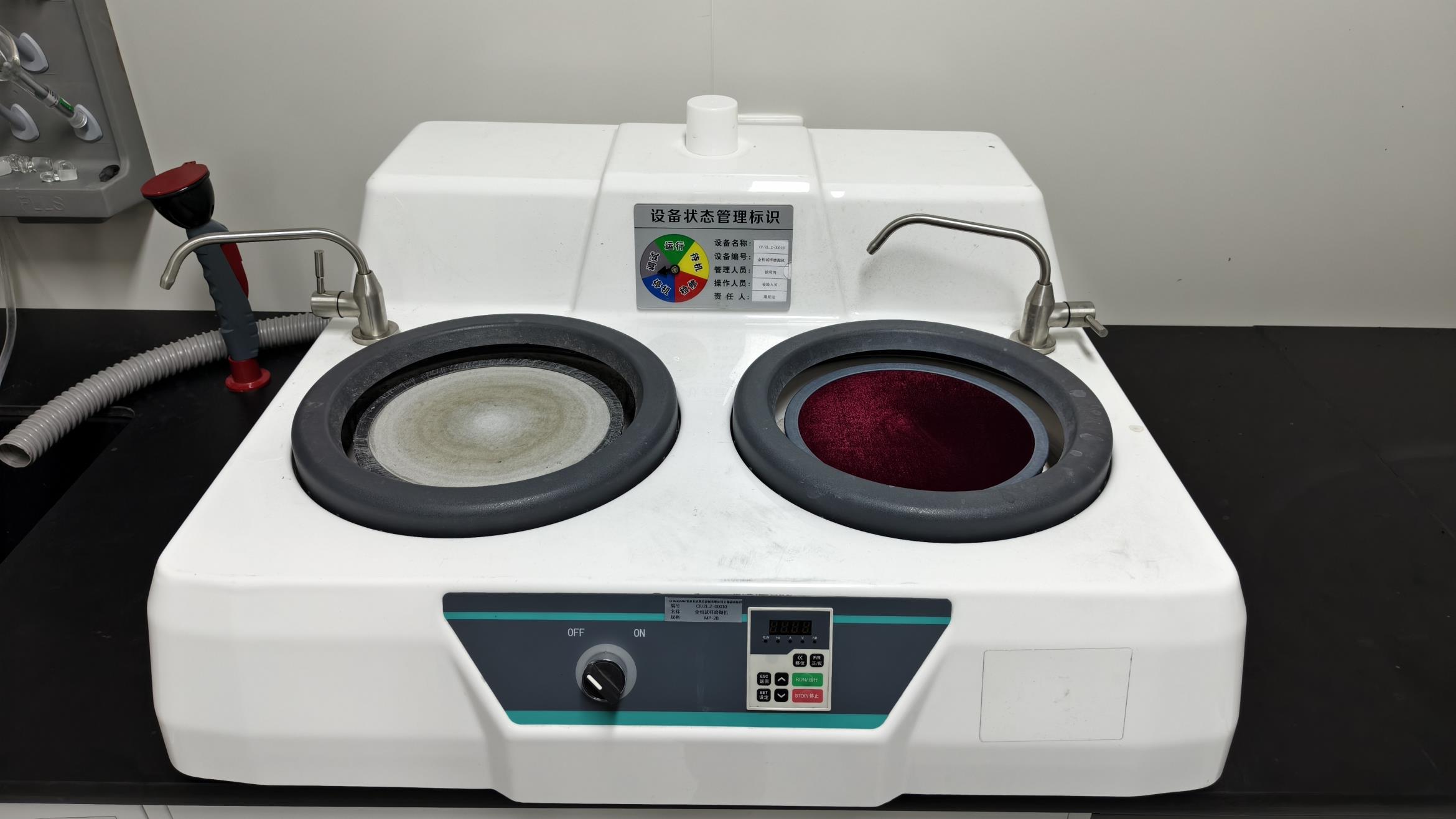
Discover how Zynfuse engineers osteoconductive biomaterials to support rapid cellular infiltration and vascularization.
The clinical efficacy of synthetic bone grafts depends heavily on their internal microarchitecture. If the pores are too small, blood vessels cannot penetrate, leading to localized necrosis at the core of the graft. If the pores are too large, the structural strength is compromised, failing under physiological loads. Zynfuse uses proprietary porogen-leaching and advanced sintering technologies to create a bimodal pore distribution:
An ideal bone graft substitute acts as a temporary scaffold that degrades at a rate matching the patient's natural bone formation. Pure Hydroxyapatite (HA) is highly stable, remaining in the body for years, which is beneficial when permanent mechanical support is needed. In contrast, Beta-Tricalcium Phosphate (β-TCP) degrades more rapidly, releasing calcium and phosphate ions that support new bone mineralization.
Zynfuse manufactures biphasic calcium phosphate (BCP) composites, combining the structural stability of HA with the resorbable properties of β-TCP. Sourcing groups can select custom HA/β-TCP ratios (such as 60/40 or 20/80) to optimize performance for specific clinical applications.
Deposition of nanostructured hydroxyapatite coatings on 3D-printed titanium implants to reduce fibrous encapsulation and accelerate early implant osseointegration.
Integration of synthetic osteoinductive peptides and localized silicon/strontium doping to guide tissue regeneration in osteopenic and geriatric patient populations.
Injectable, thermosensitive hydrogel matrices that deliver bone graft granules directly through minimally invasive surgical ports, setting in situ upon contact with body heat.
How Zynfuse maintains traceabilty, product sterility, and regulatory approvals across major medical markets.
Our production facilities operate under strict ISO 13485 guidelines. Every production run is documented, providing comprehensive traceability from raw chemical procurement to the finished, sterile package.
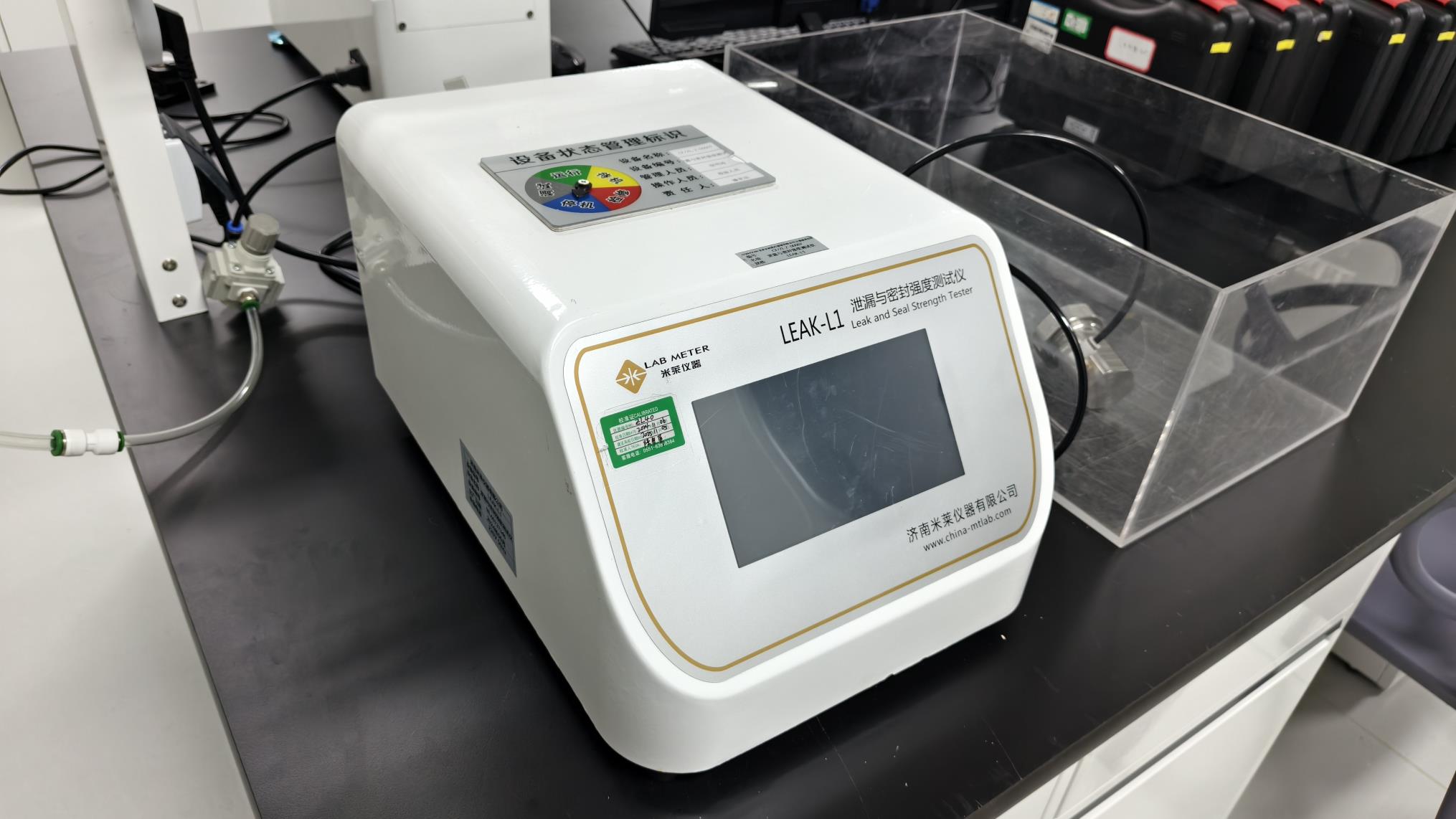
Every batch of implants and bone grafts undergoes extensive testing. Our QC labs evaluate mechanical properties, including tensile strength and fatigue resistance, along with biocompatibility assays, ensuring pyrogen-free safety.
We utilize validated Gamma Irradiation and Ethylene Oxide (EO) sterilization cycles according to ISO 11137 and ISO 11135 standards. This processes ensure a Sterility Assurance Level (SAL) of 10⁻⁶, preserving scaffold structure and chemical purity.
Technical and logistics answers for hospital procurement managers and medical device distributors.
Discover more specialized surgical instruments and implant systems developed for global medical distribution channels.