Zynfuse
Zynfuse
Zynfuse
Explore our premium product portfolio manufactured to high mechanical integrity, biological tolerance, and strict ISO compliance.
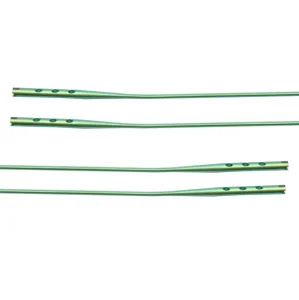
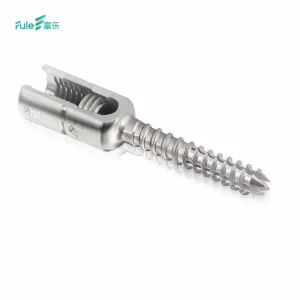
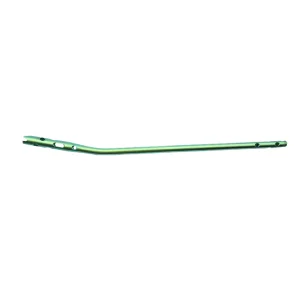
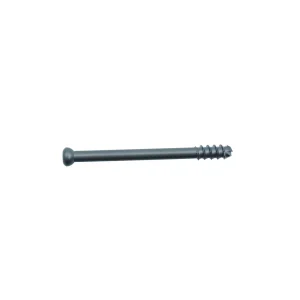
In the domain of joint repair, arthroscopy, and reconstruction, the mechanical interface between soft tissue and bone represents a complex bioengineering challenge. Titanium suture anchors have established themselves as the industry benchmark for securing high-strength sutures into cortical and cancellous bone structures. Utilizing medical-grade Titanium Alloy (typically Ti-6Al-4V ELI corresponding to ASTM F136 specifications), these implants combine high fatigue limit, excellent biocompatibility, and superior structural elasticity (low Young's Modulus compared to stainless steel) to minimize bone resorption while preventing intraoperative deformation under high insertion torque.
From a mechanical perspective, suture anchor performance is defined by its pull-out strength, thread profile, and suture eyelet design. As a premier manufacturer, Zynfuse designs thread pitches engineered for specific bone densities—wider, deeper threads for porous cancellous structures in the humeral head, and fine, sharp threads for high-density cortical bone in the glenoid rim. By optimizing these geometric variables, Zynfuse titanium anchors achieve excellent primary stability immediately upon deployment, facilitating early rehabilitation protocols for patients undergoing rotator cuff repairs, Bankart reconstructions, and ligament stabilization.
The global market for sports medicine devices is expanding rapidly, driven by an aging yet active global population, rising athletic participation, and the clinical shift toward minimally invasive arthroscopic surgeries. Hospital procurement departments, medical distributors, and implant importers in North America, Europe, and Asia are constantly seeking suppliers capable of delivering high-quality implants that meet strict regulatory frameworks (such as CE and FDA expectations) while maintaining sustainable pricing structures.
While historical market share was dominated by a few Western medical device conglomerates, systemic shifts in supply chains and significant manufacturing advancements have positioned top-tier Chinese manufacturers at the forefront of the orthopedic sector. Importers no longer choose between performance and cost; state-of-the-art Chinese medical hubs now leverage highly integrated production technologies to offer identical tolerances and certified materials at a fraction of the traditional cost structure.
Founded in 2016, Zynfuse Medical Technology Co., Ltd. has developed a strong reputation in the global orthopedic implant supply chain. Built on a foundation of 12 years of industry experience and 7 years of export history, we bridge the gap between high-precision Swiss manufacturing standards and Chinese production scale.
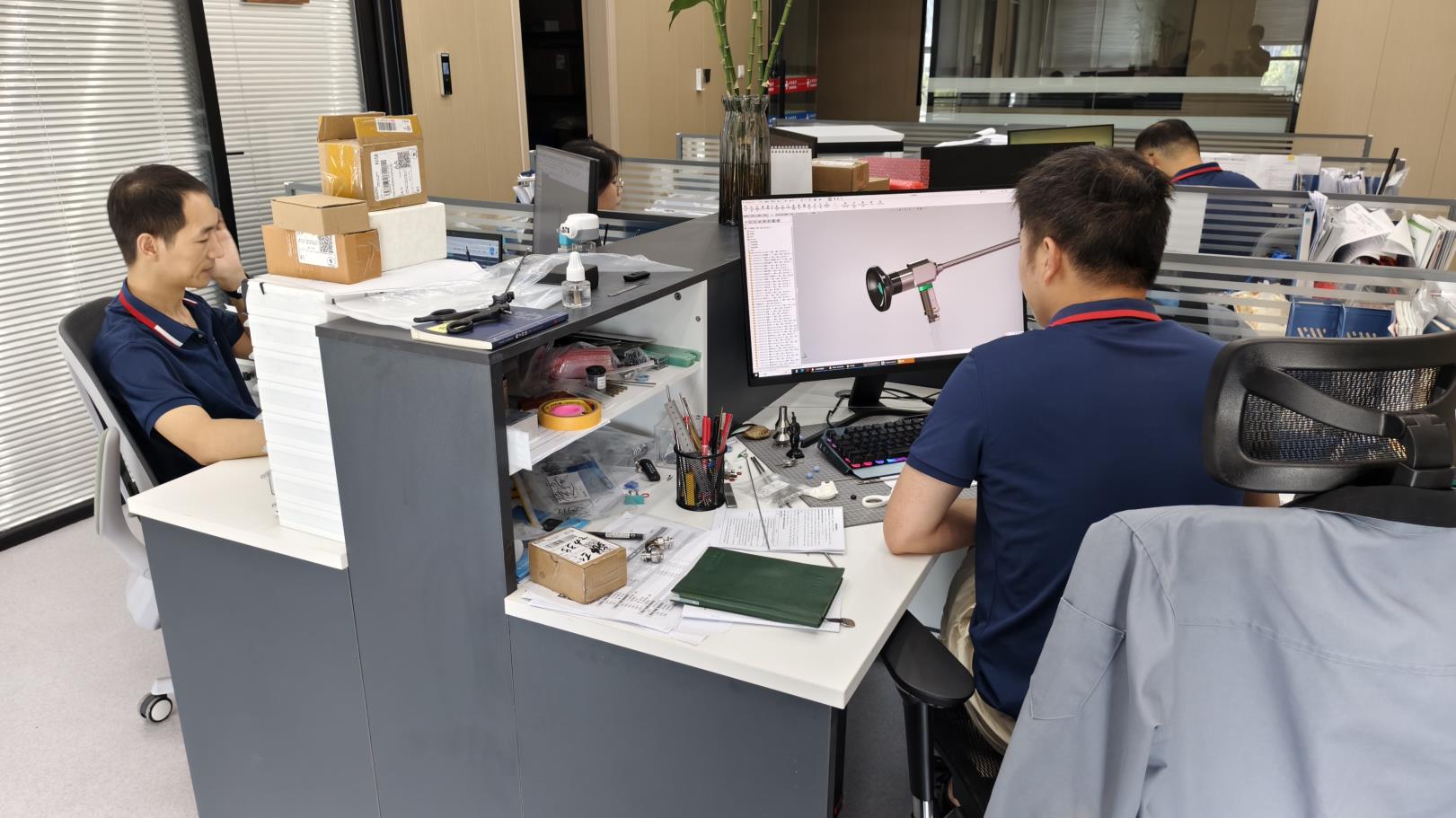
From raw titanium rods to sterile clinical implants, explore Zynfuse's vertically integrated manufacturing steps.
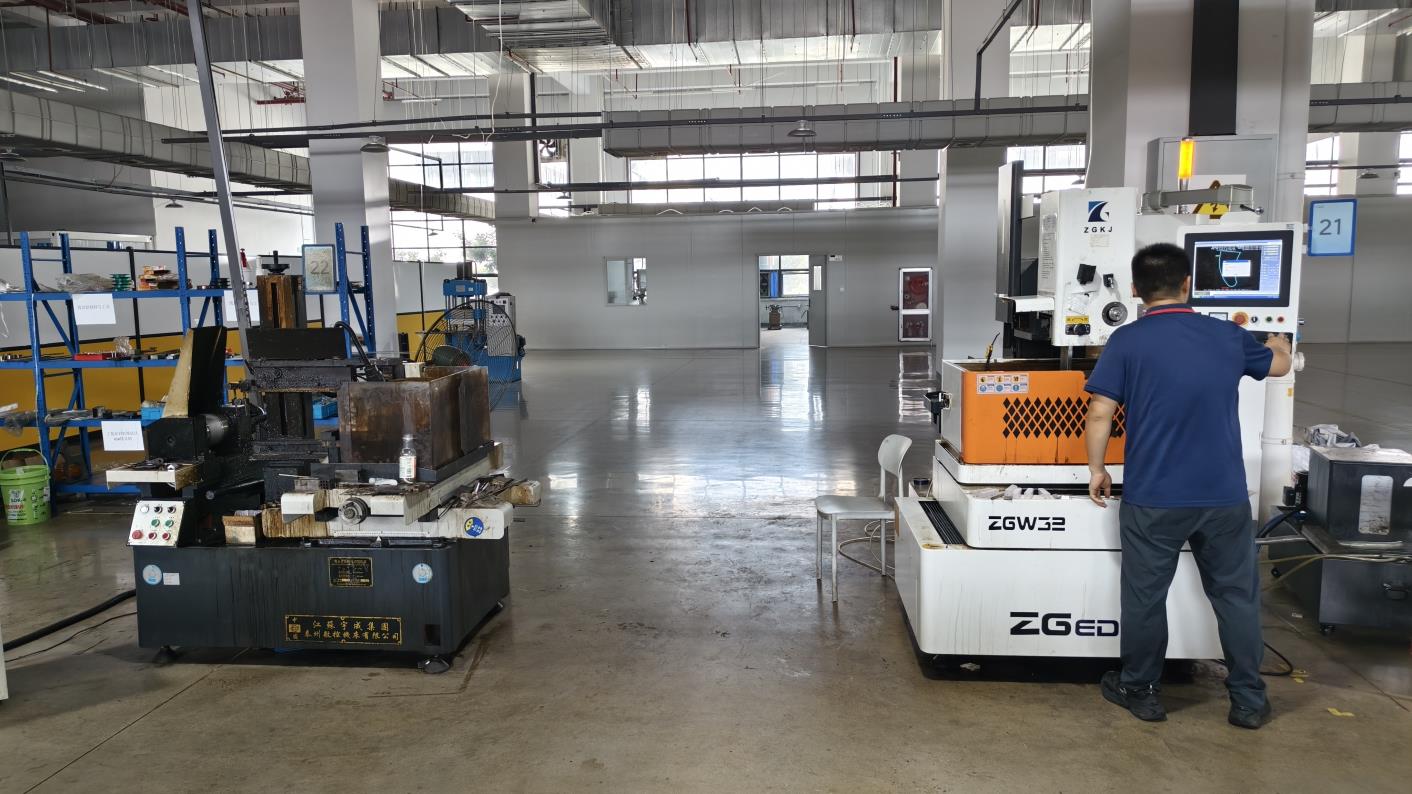
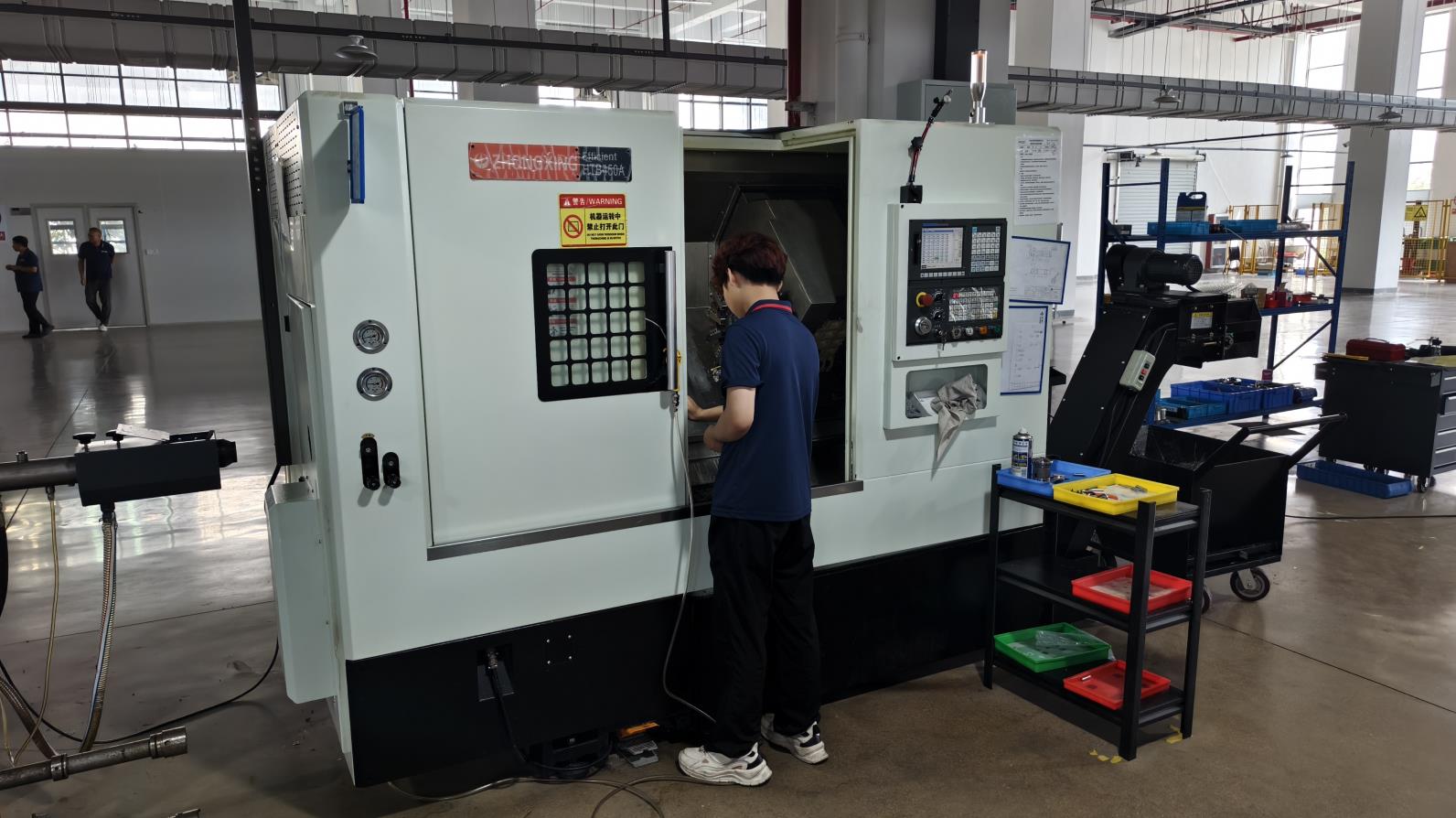
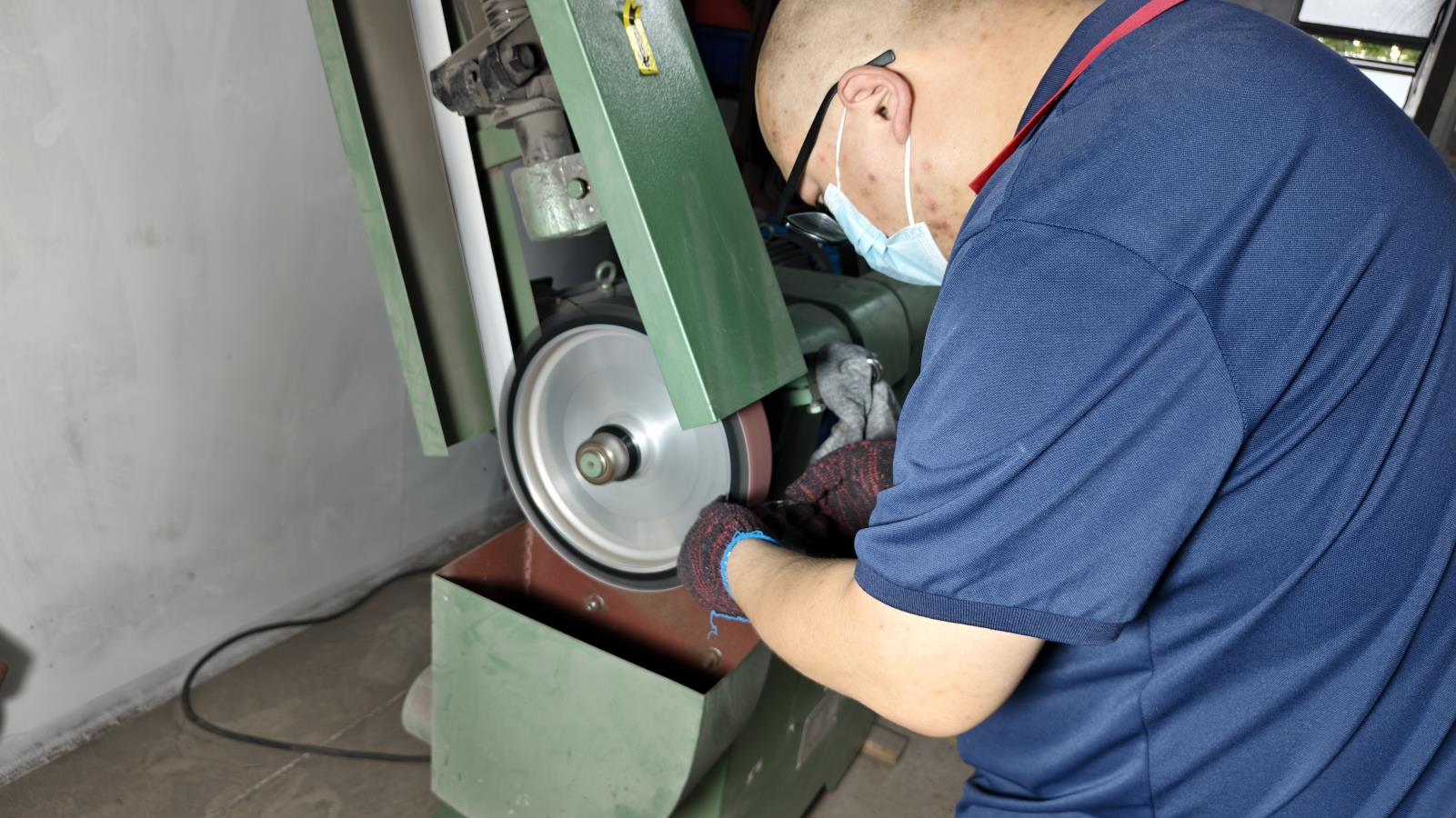
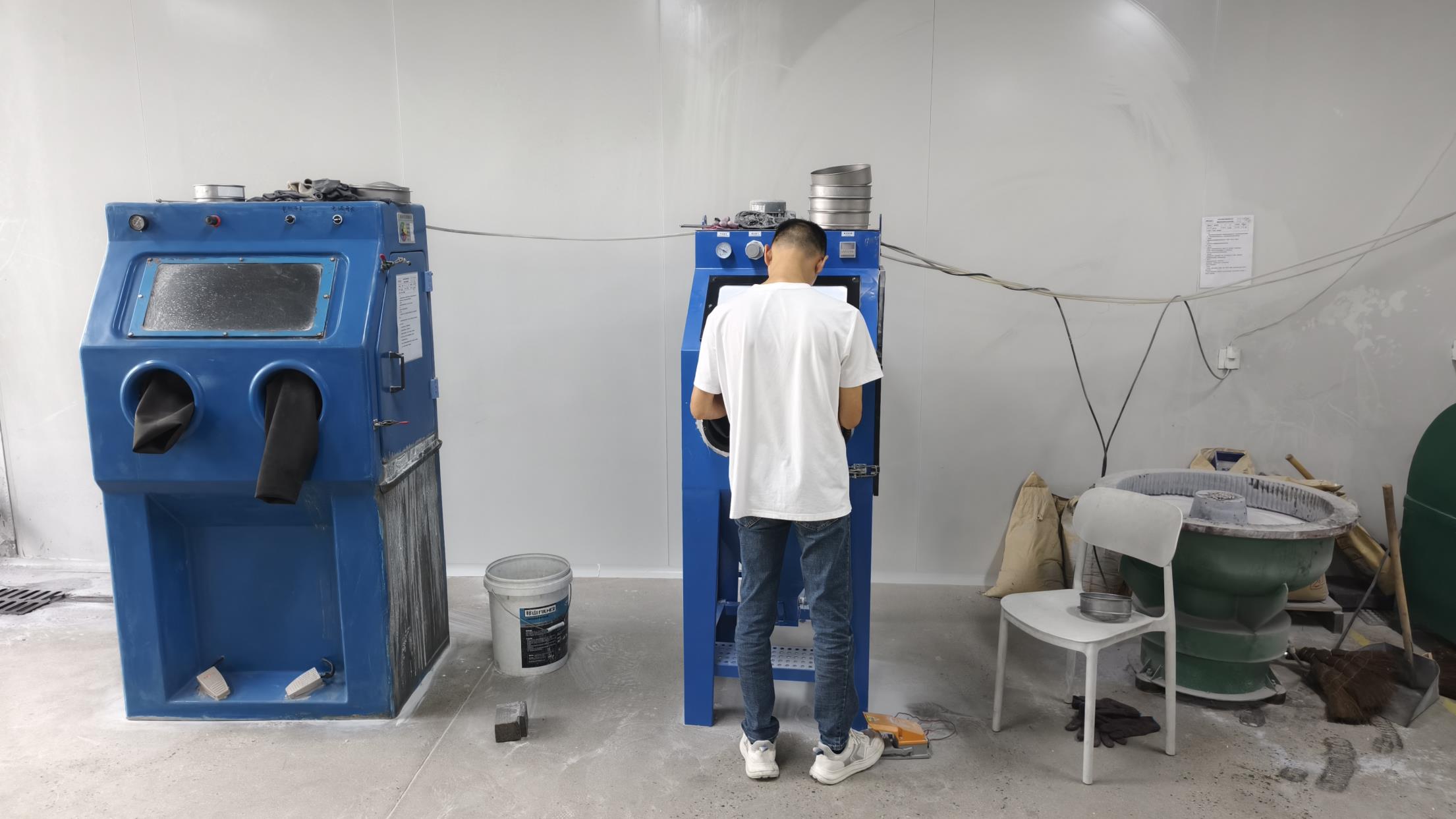
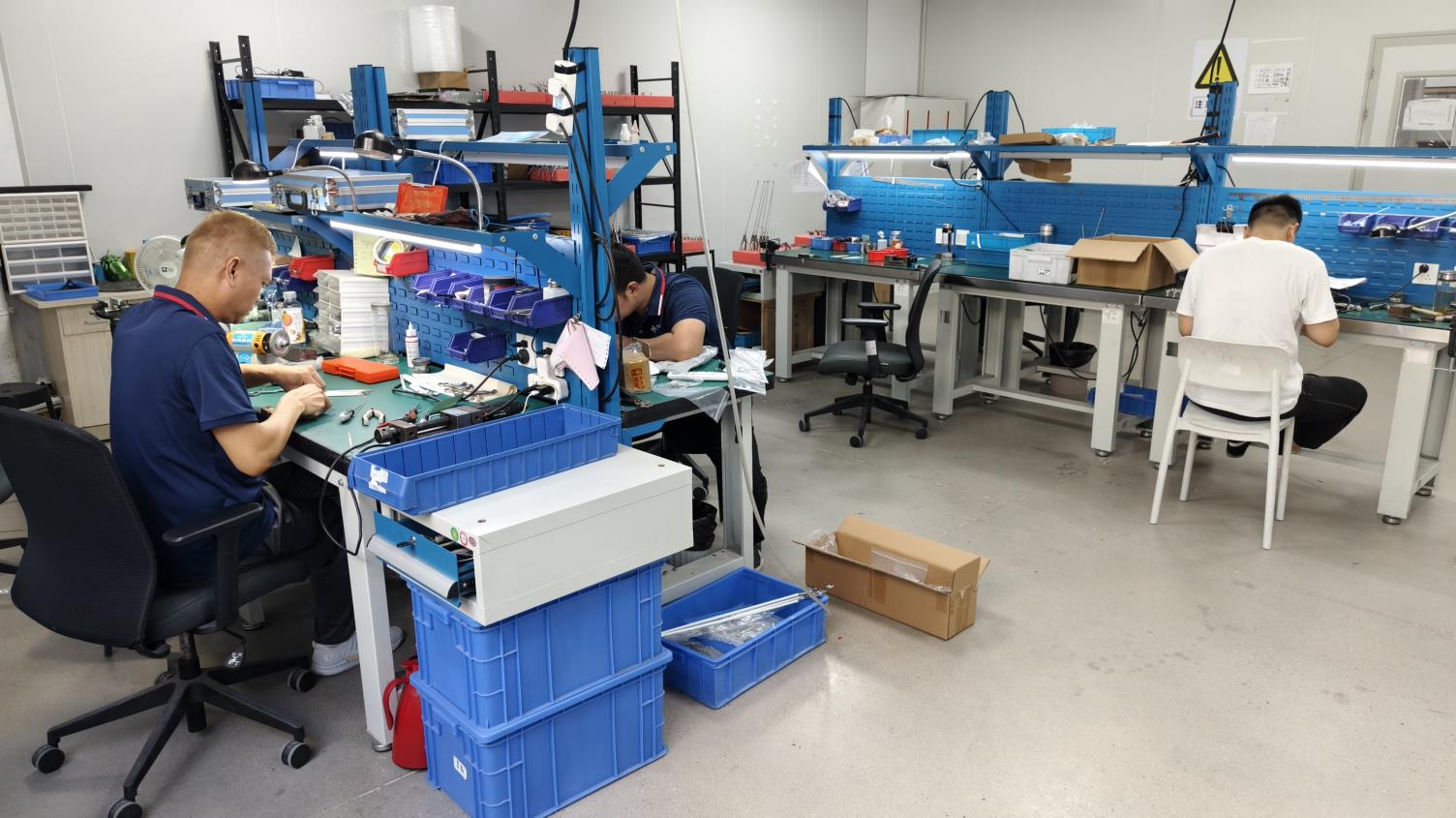
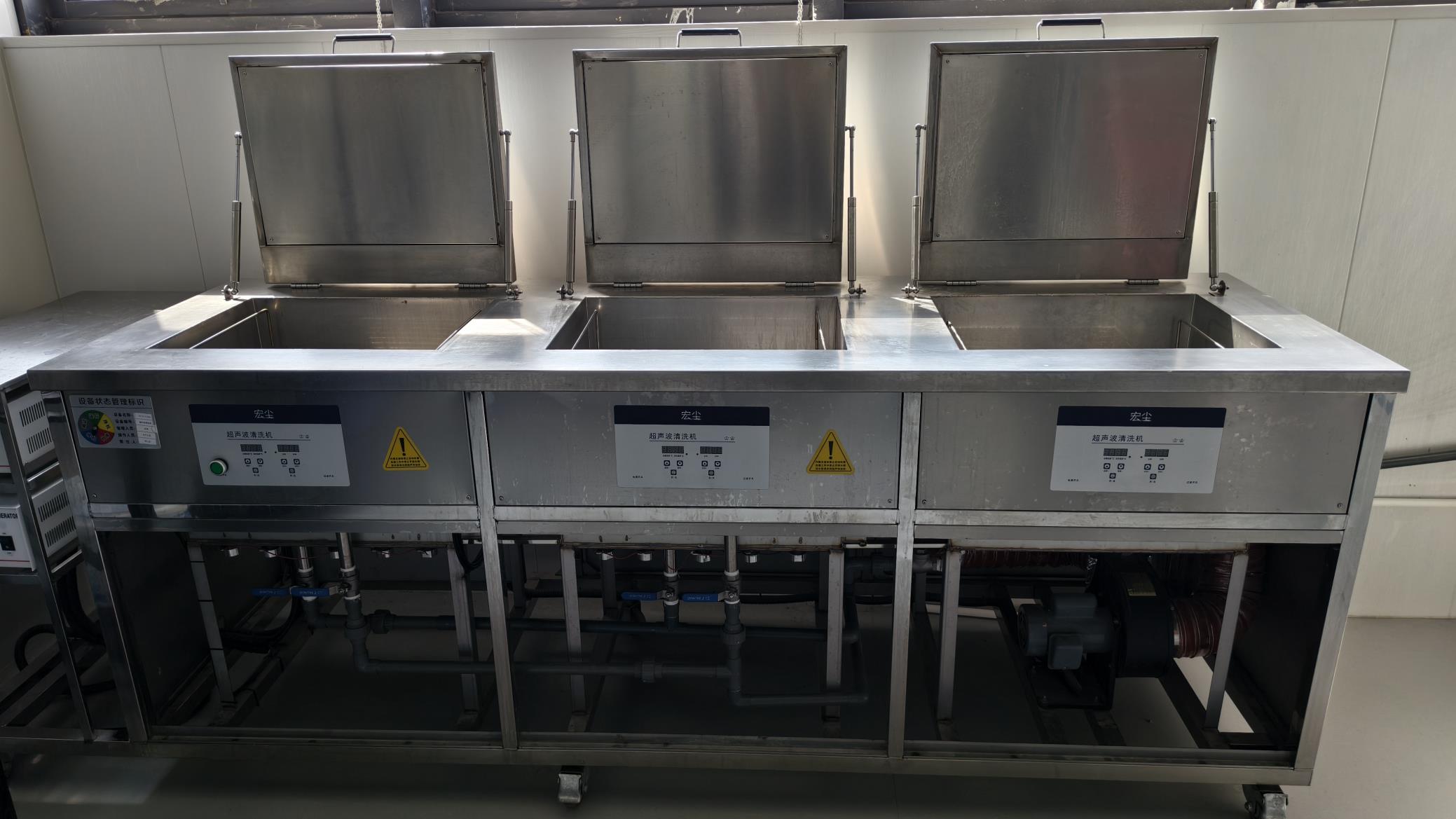
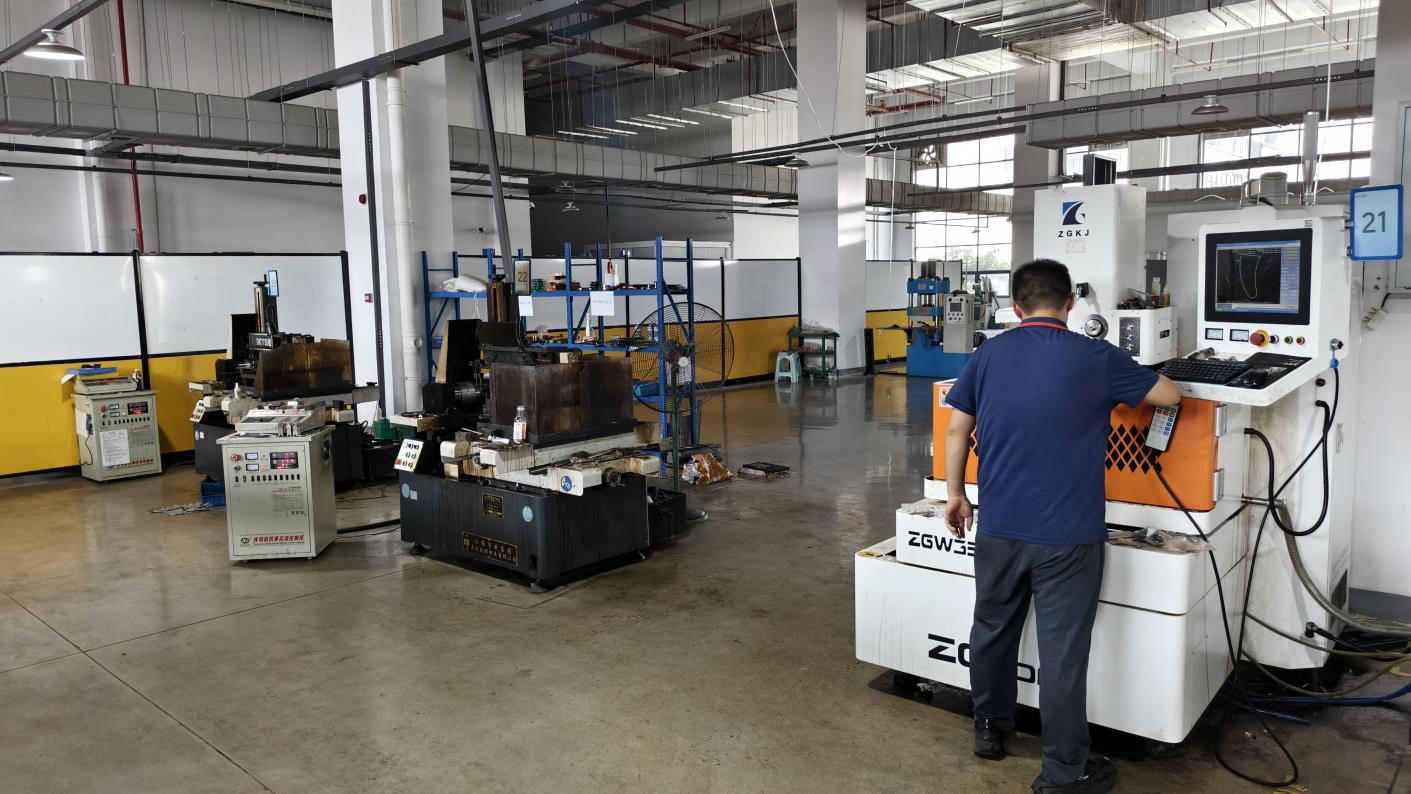
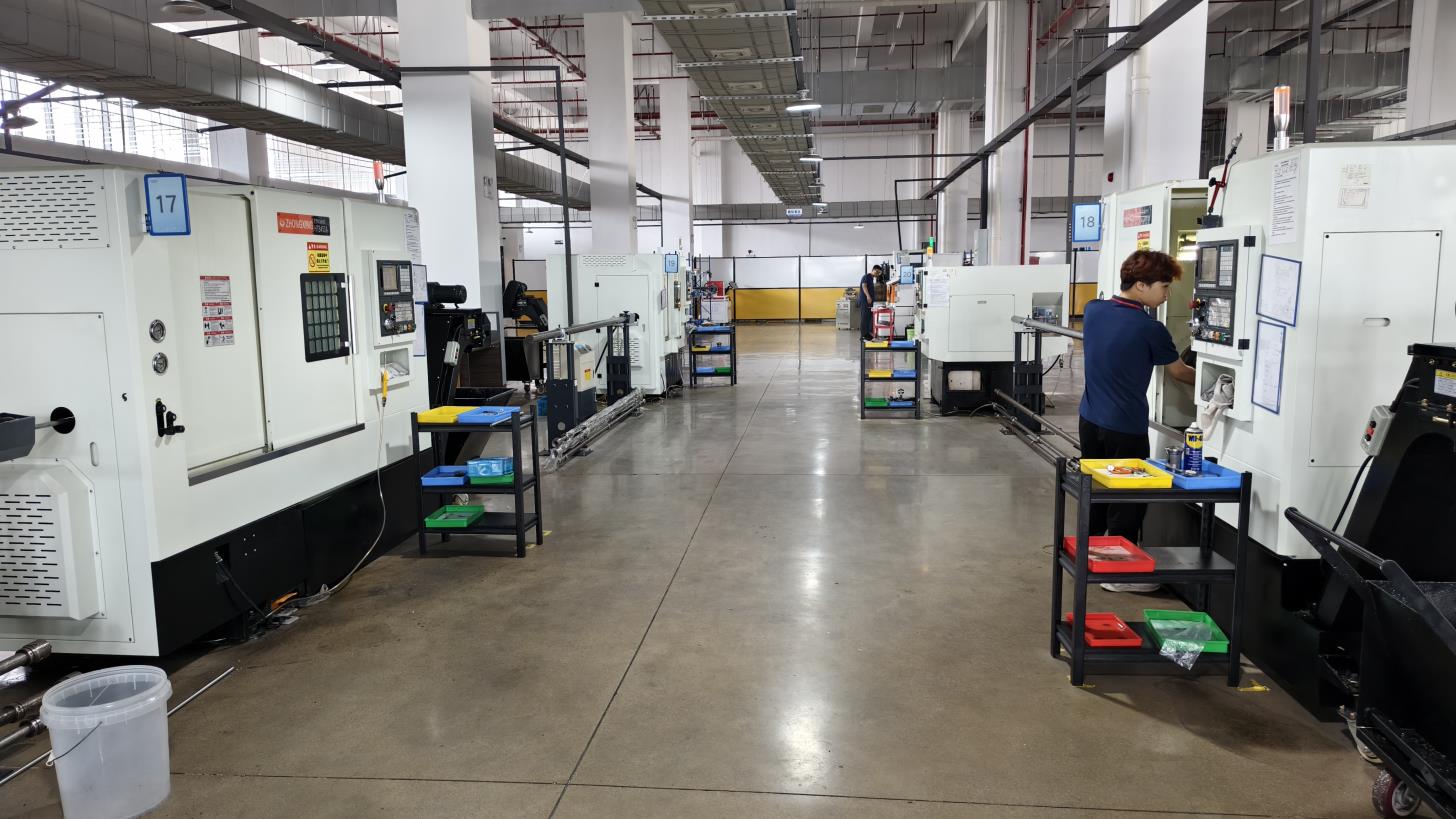
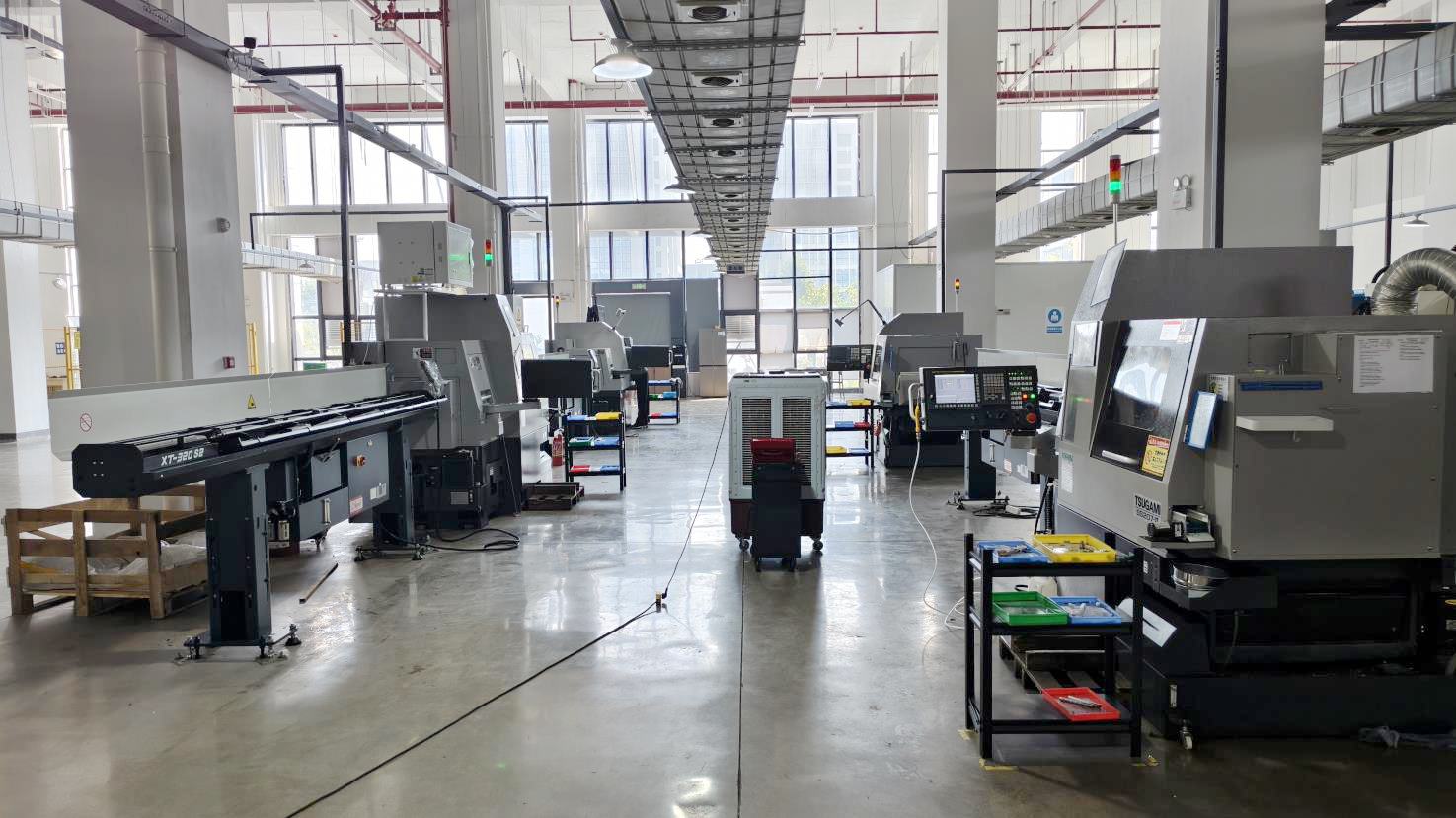
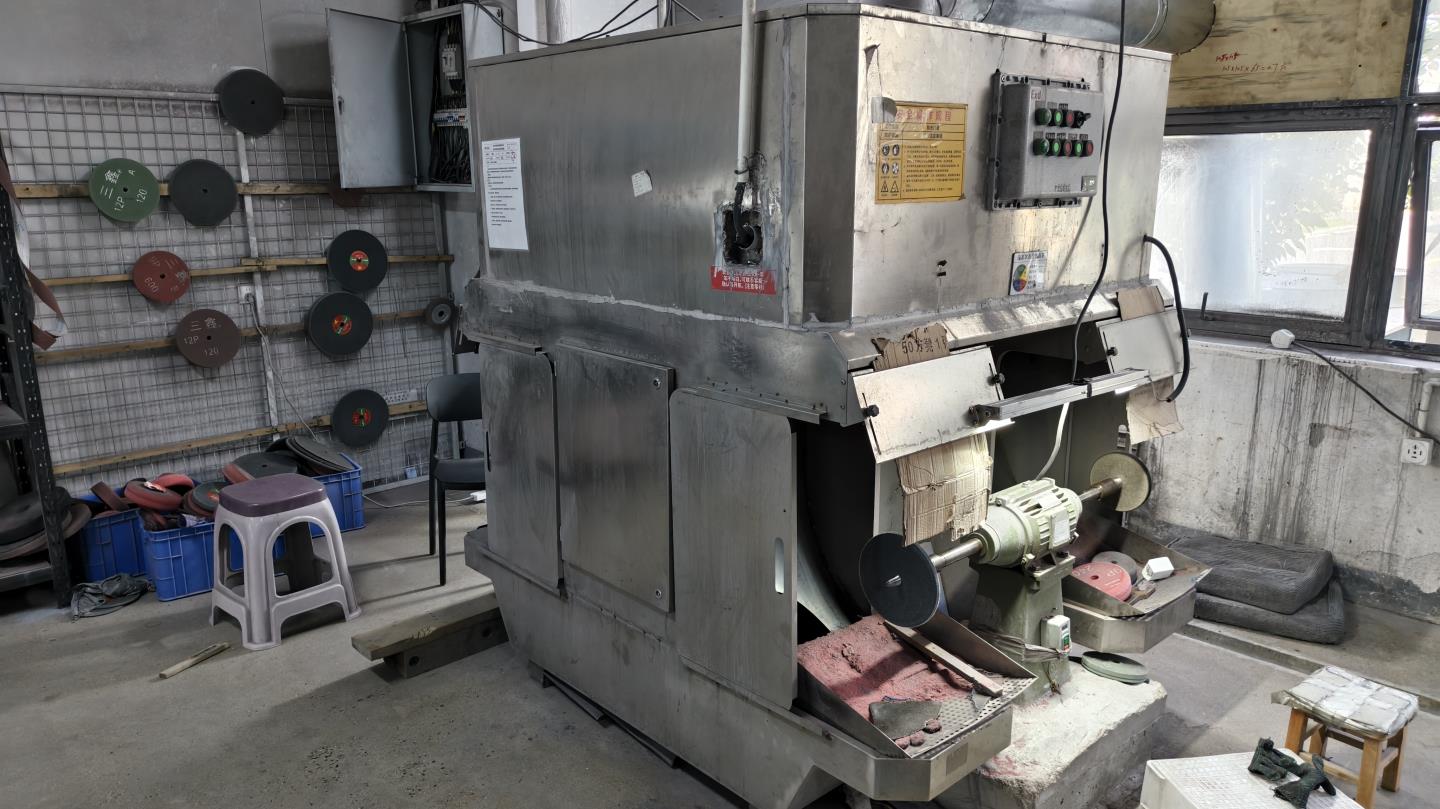
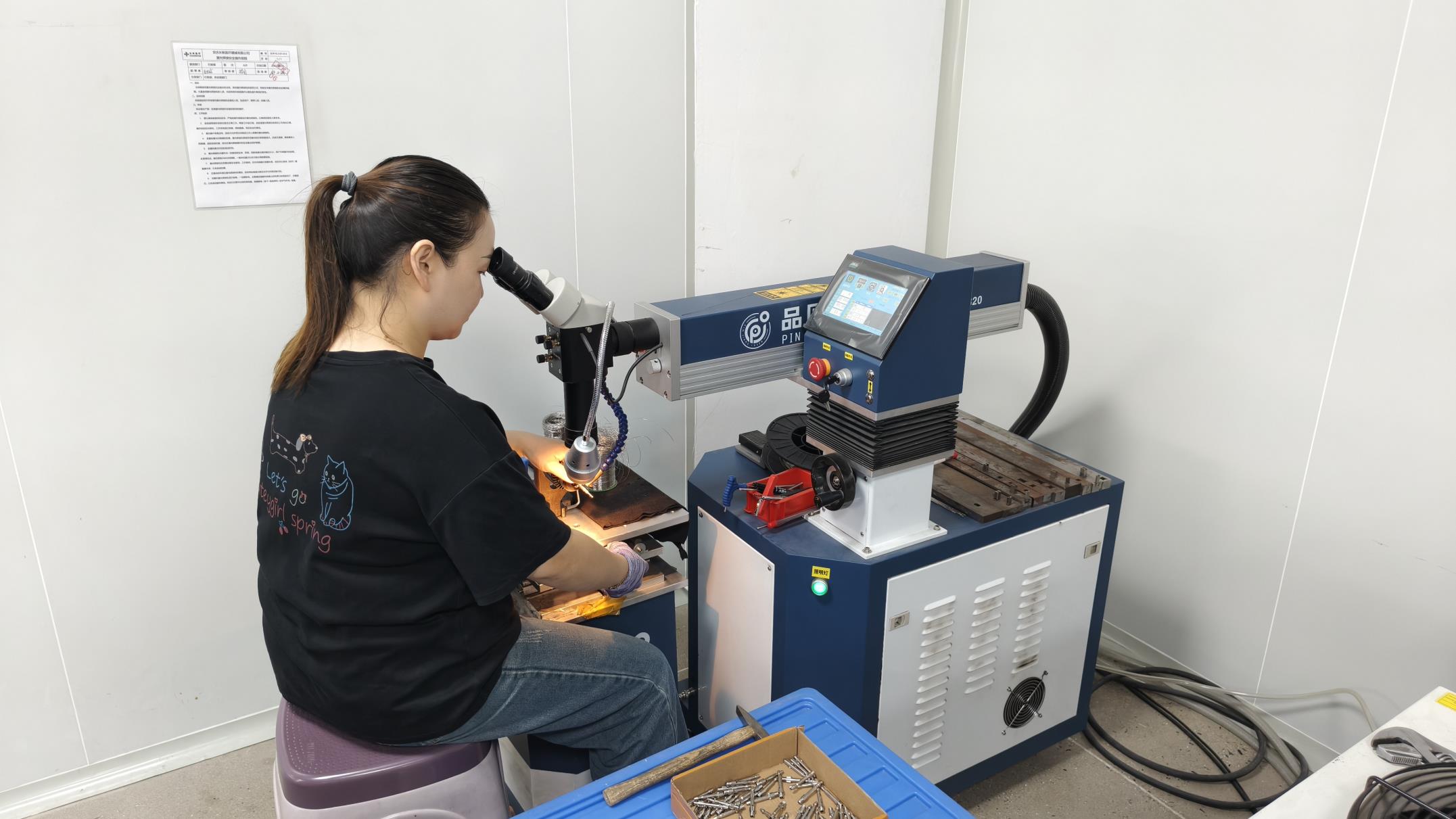
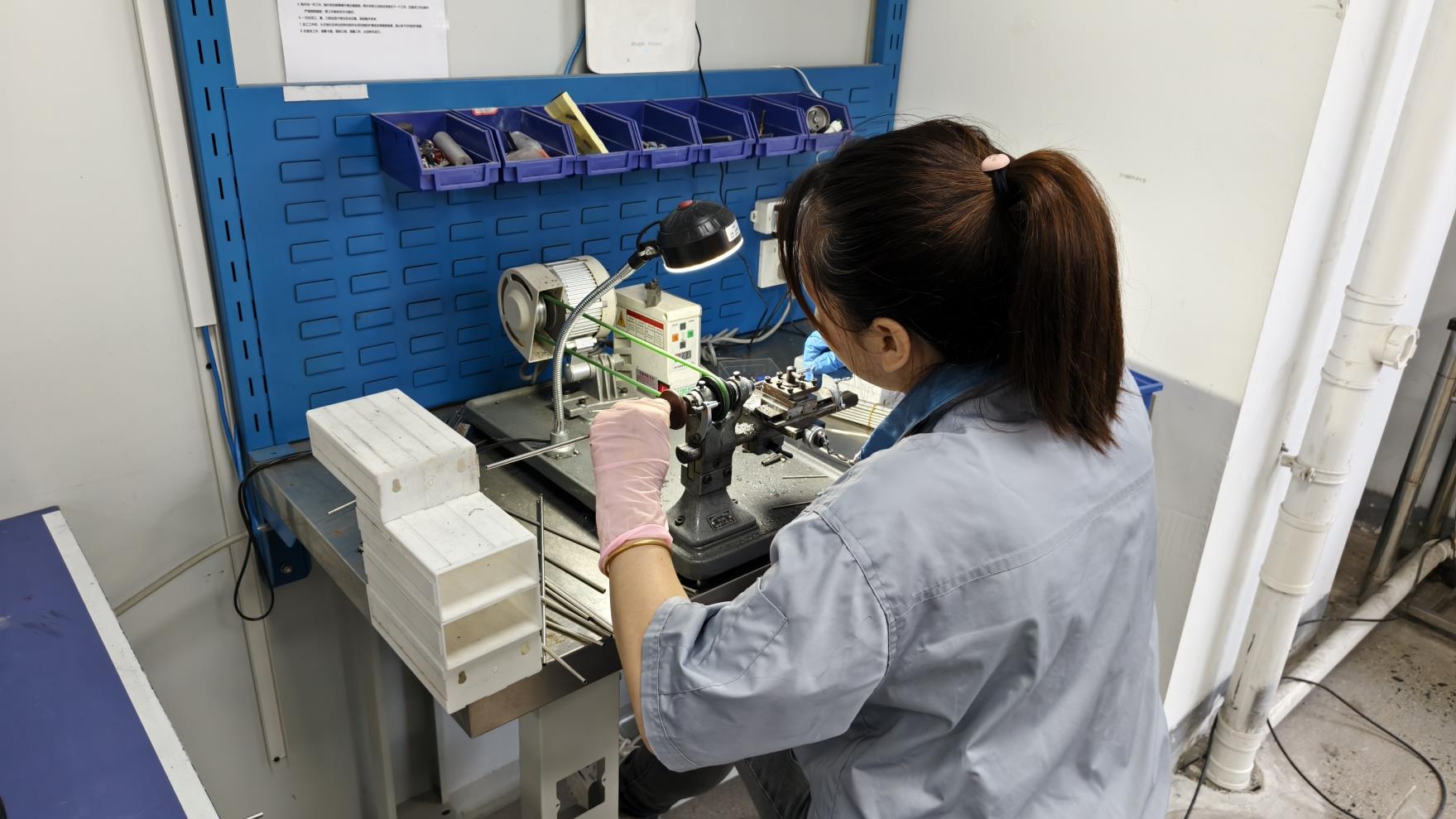
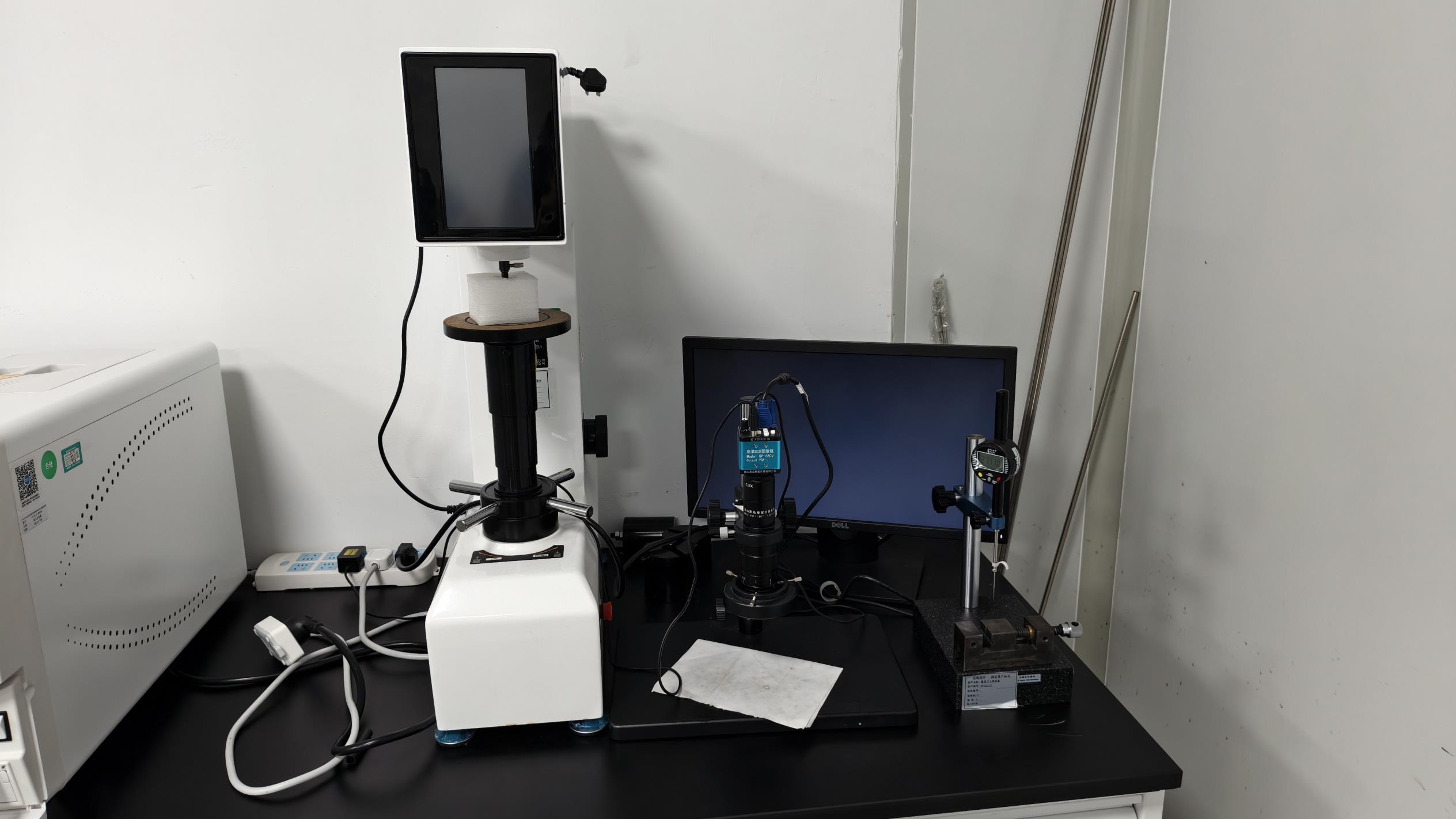
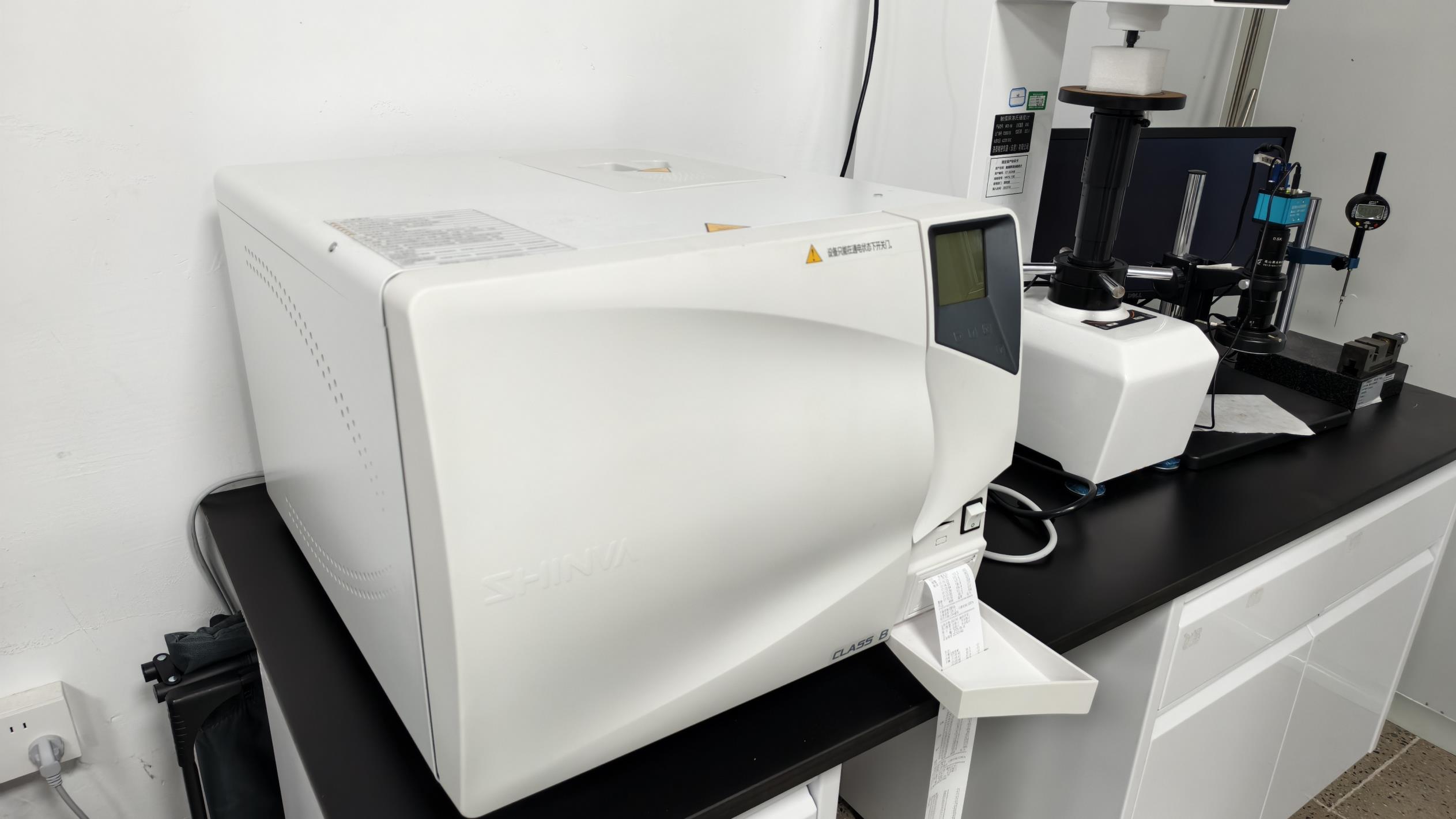
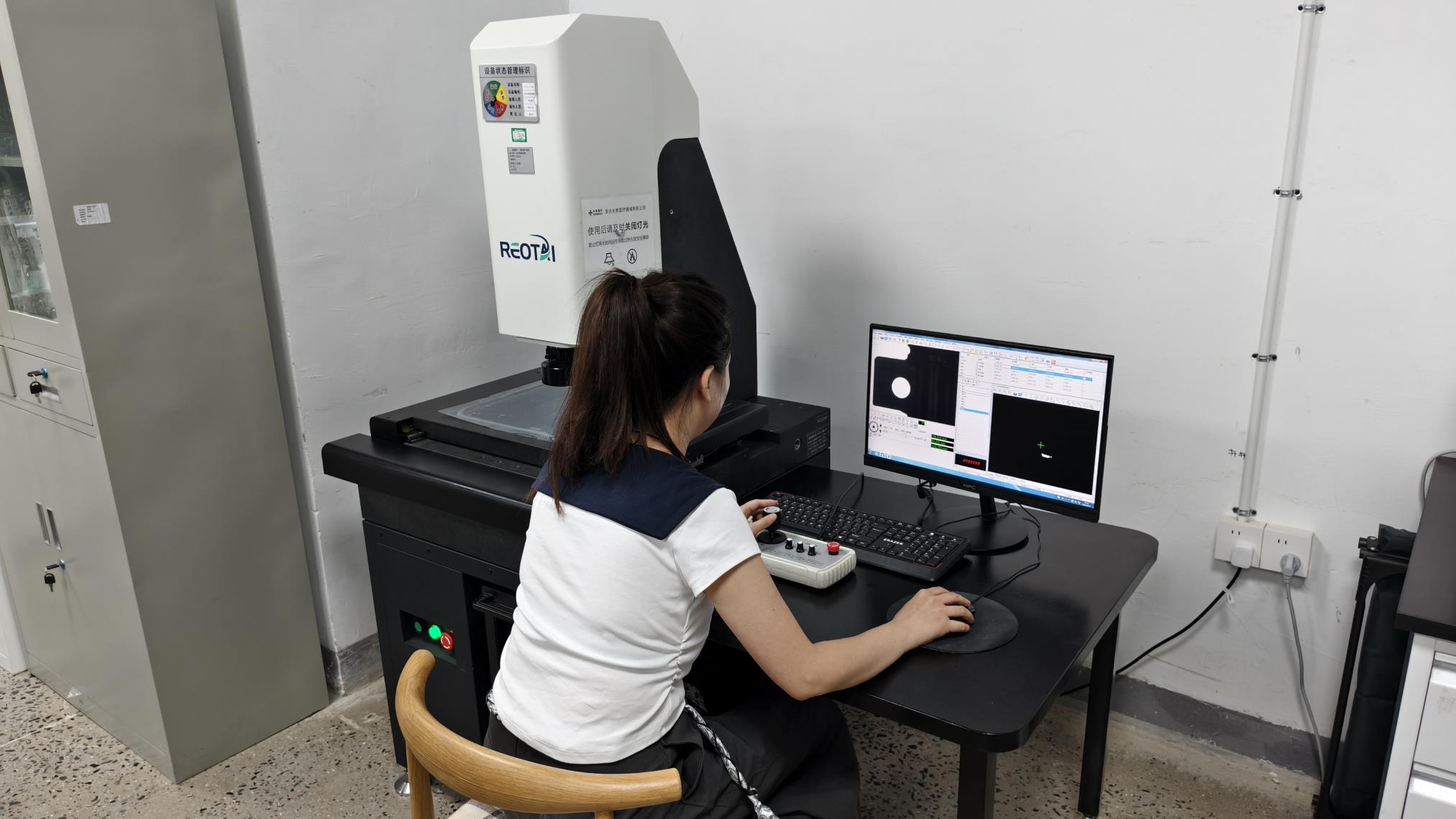
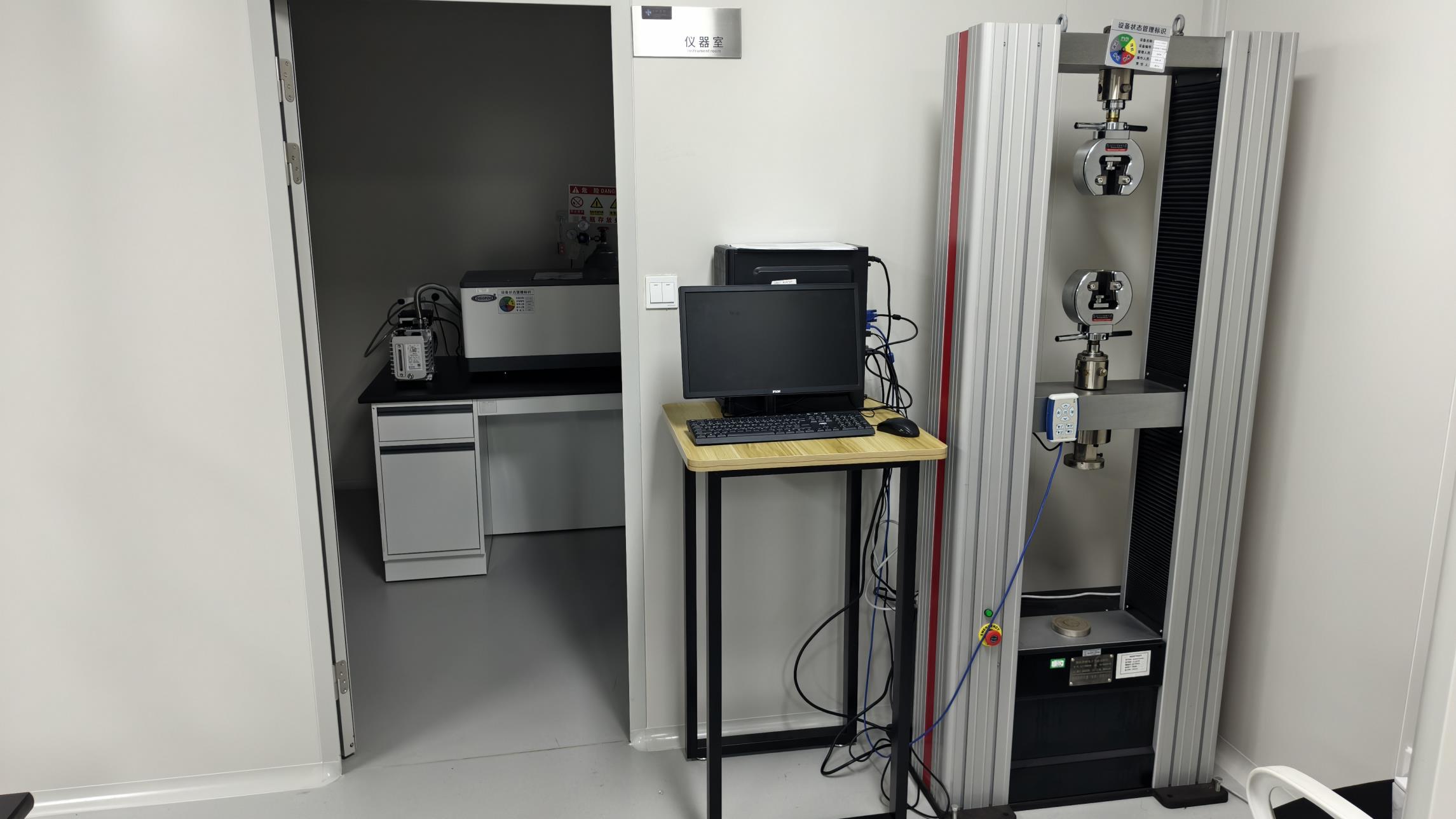
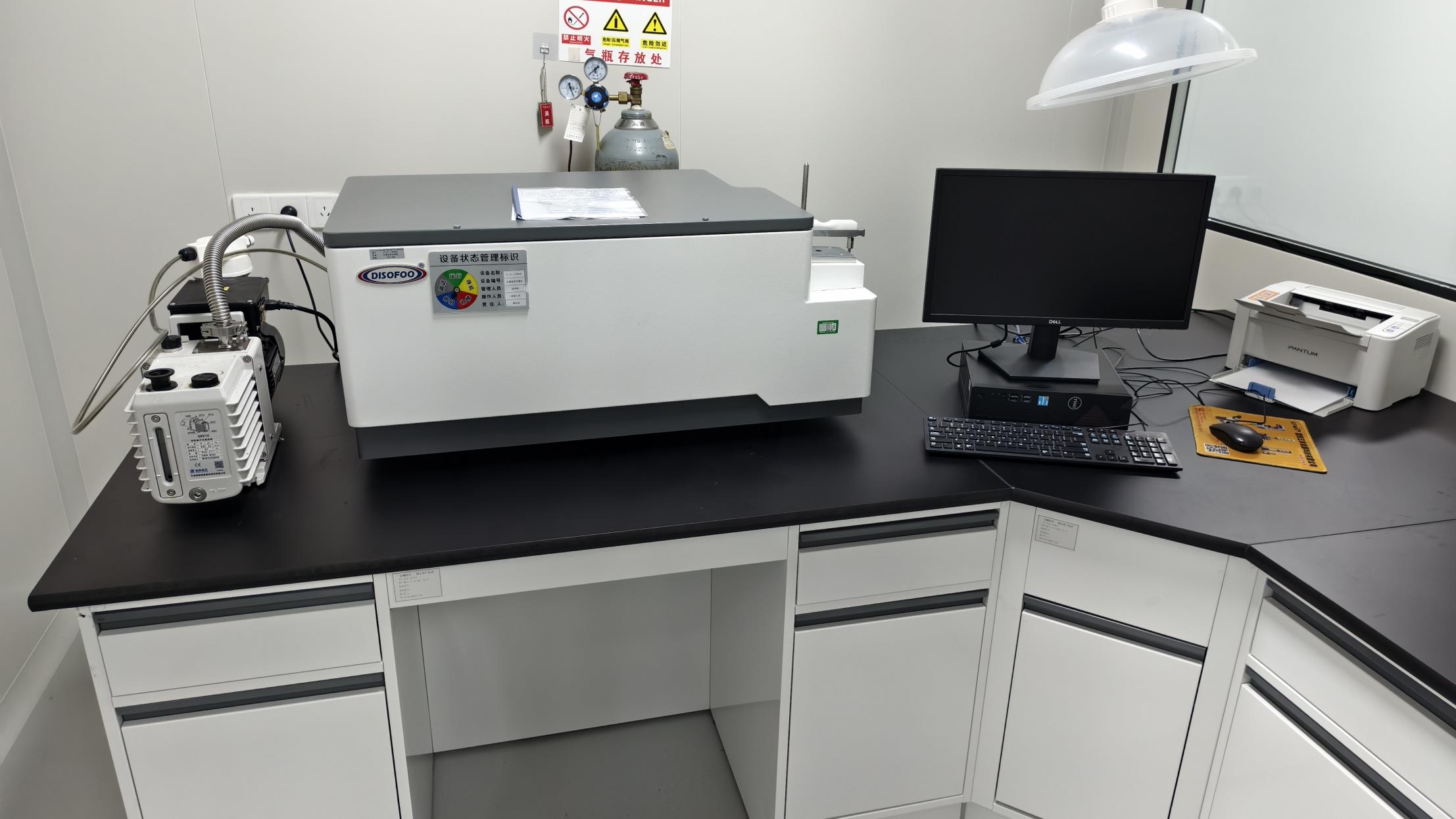
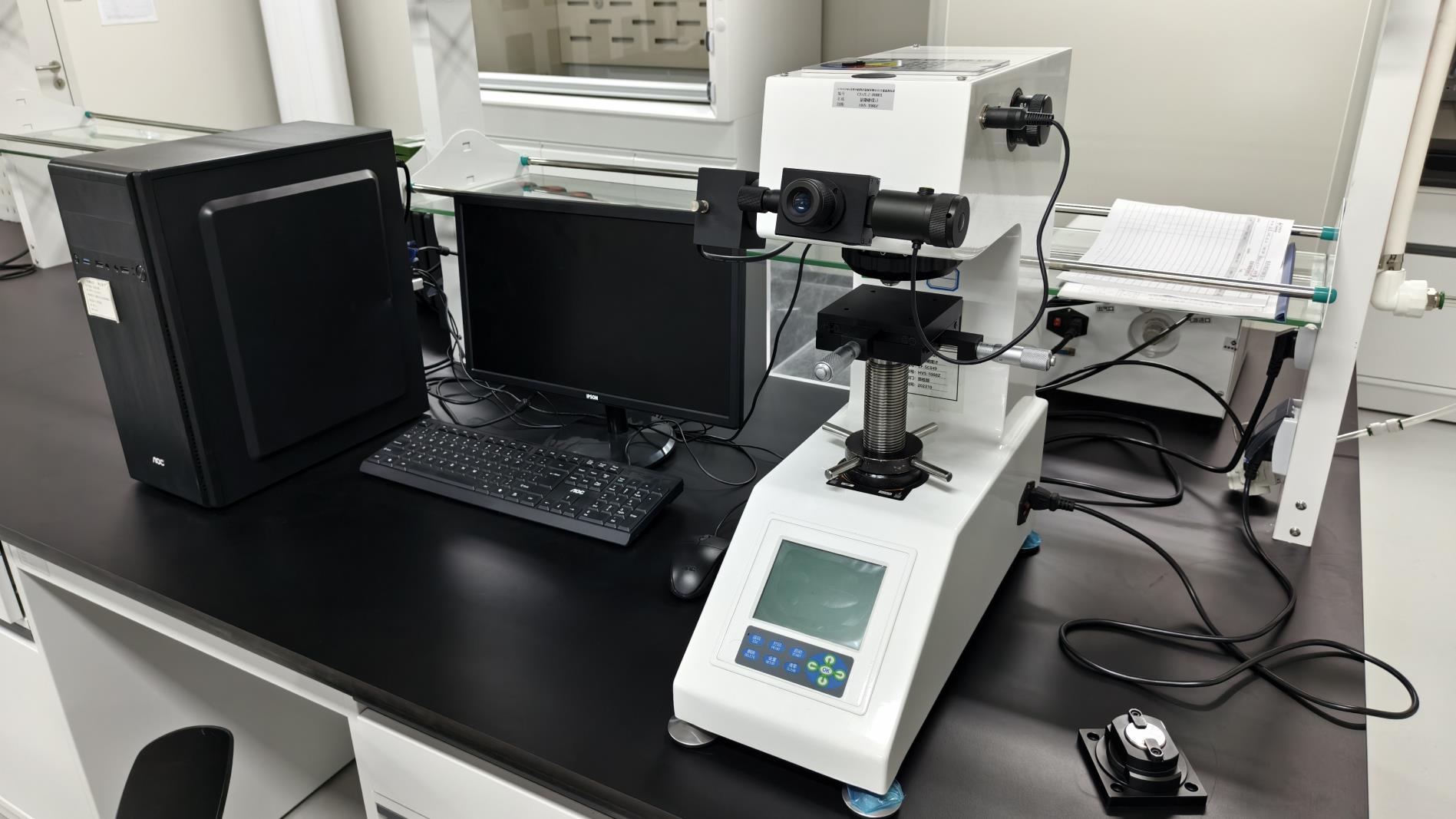
Our ISO 13485 certified laboratory conducts mechanical fatigue testing, dimensional verifications, and biocompatibility evaluations.
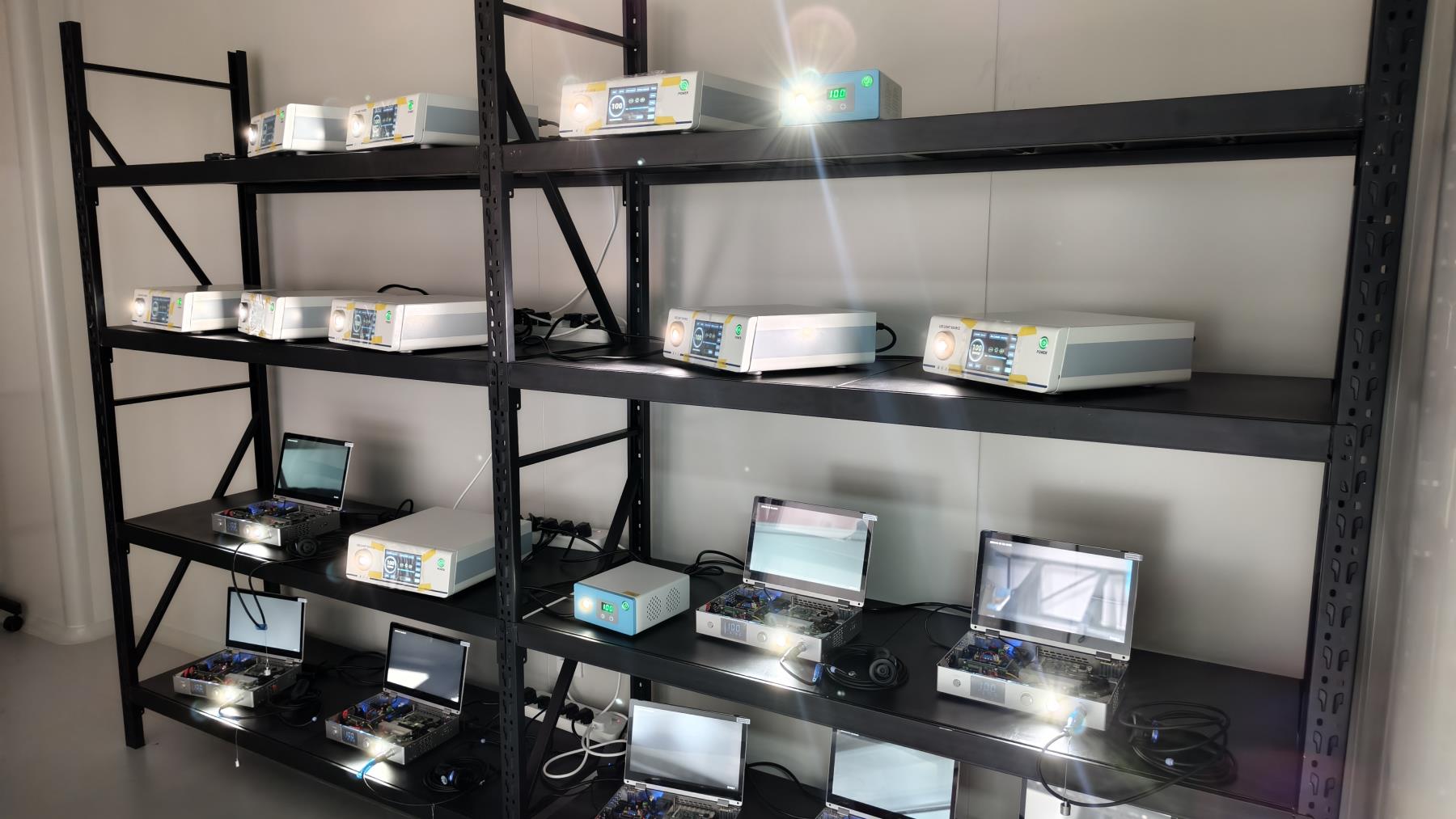
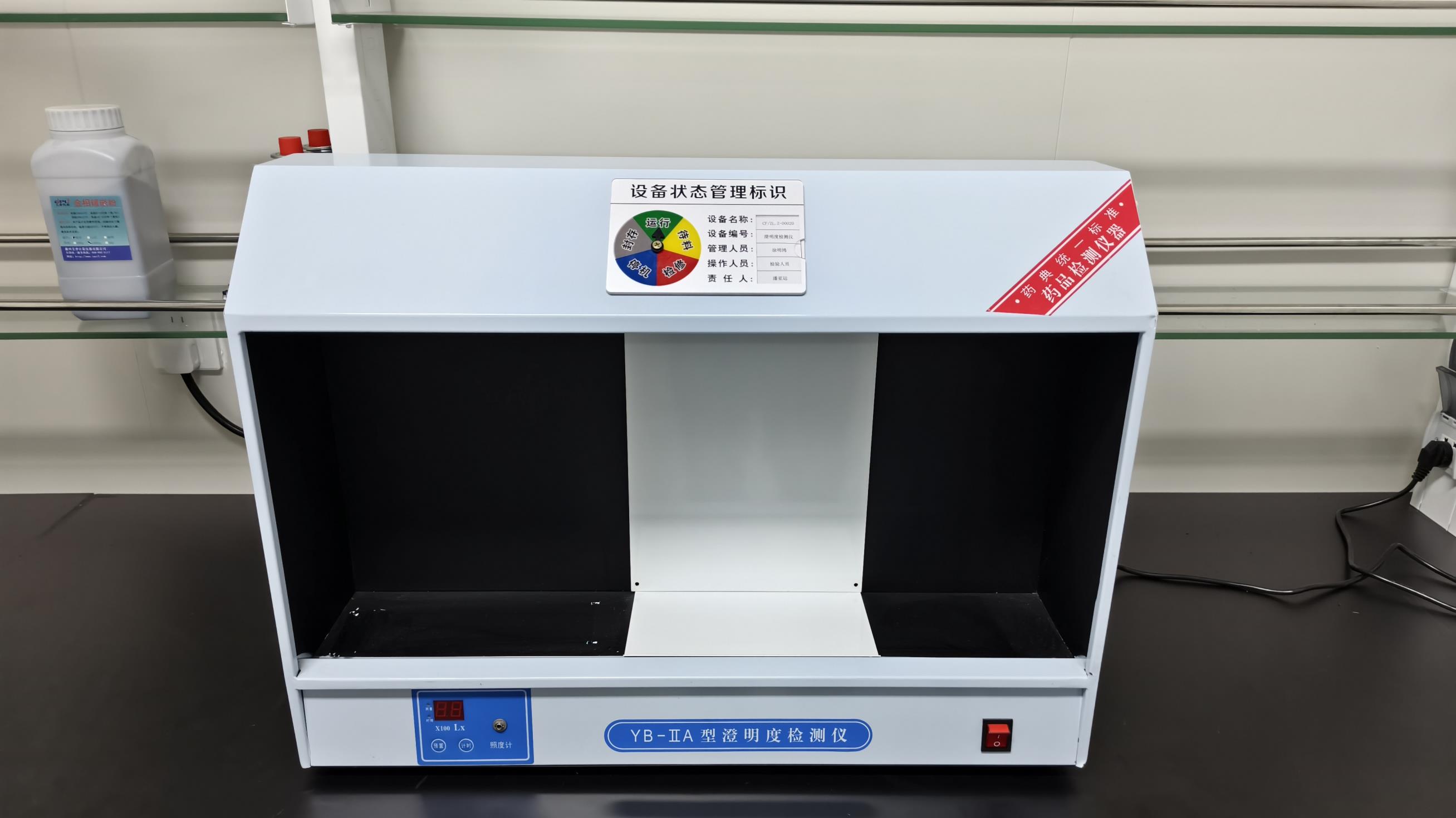
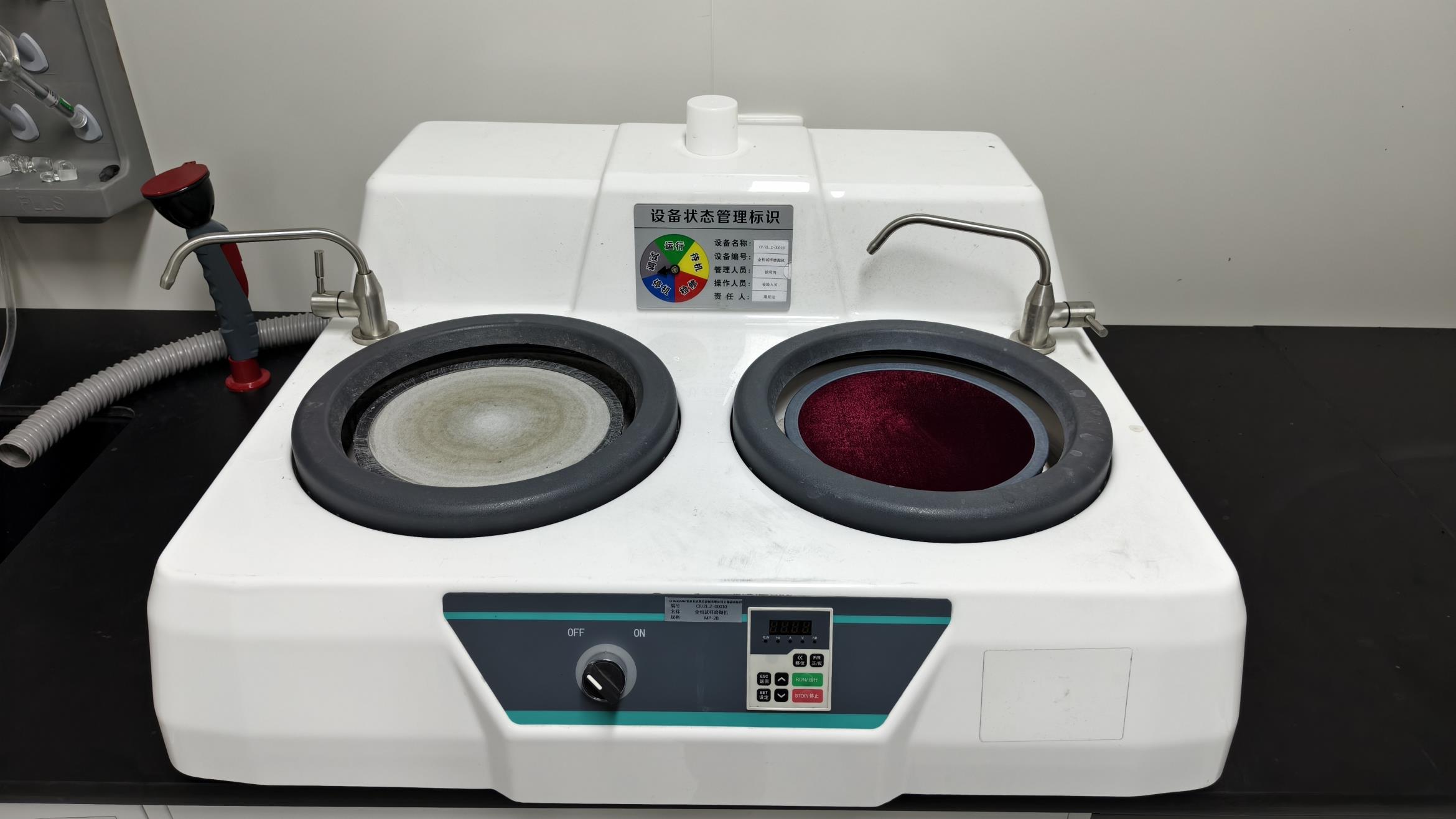
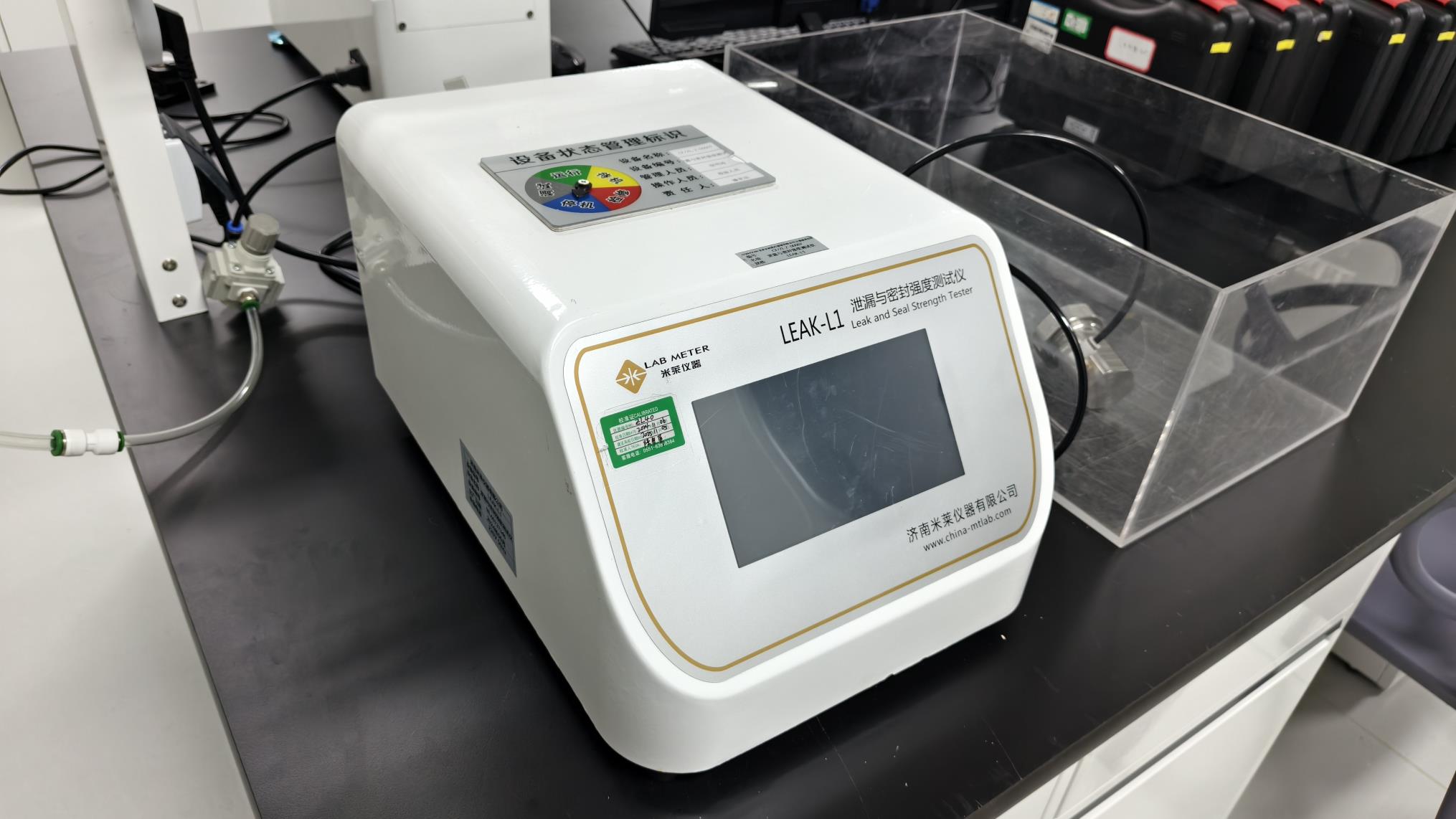
Why leading global surgical centers trust Zynfuse as their primary manufacturing partner.
Dual-pitch thread profiling maximizes cortical purchase and bone-to-implant contact pressure, preventing migration under load.
Polished chamfered transitions minimize friction, preventing suture fraying and breakage during high-tension knot-tying.
Advanced Type II/III chemical treatments form a stable oxide protective layer that accelerates soft tissue healing and osteointegration.
Hospital procurement directors and orthopedic implant distributors prioritize three main criteria when evaluating raw titanium suture anchor supplies: mechanical reliability, biocompatibility profiles, and supply continuity. In modern orthopedic reconstruction, implant failure can lead to revision surgery, litigation, and brand damage. Therefore, selecting a manufacturing partner who maintains strict quality control is essential for managing risk.
During clinical insertion, the suture anchor must withstand significant torsional stress, particularly when being screwed into hard bone structures. If the hex driver interface or the thread profile fails under this torque, the implant must be extracted, which can compromise the integrity of the bone bed. Zynfuse anchors are manufactured from solid Ti-6Al-4V ELI rods using high-precision Swiss-type lathes to ensure strict dimensional tolerances (within ±0.005 mm). This design optimizes driver-implant engagement and prevents stripping during insertion.
Titanium is well-known for its excellent biocompatibility. The natural titanium dioxide (TiO₂) layer on the implant surface prevents metal ion release into adjacent tissues. Zynfuse uses advanced acid cleaning and chemical polishing techniques to stabilize this oxide layer, reducing post-operative inflammation and supporting bone cell attachment at the repair site.
Global health systems are facing increasing pressure to control costs while maintaining high standards of care. Managing surgical inventory requires partners who can deliver consistent quality on reliable timelines. Our 18,600 m² factory integrates everything from engineering design and CNC machining to cleanroom packaging and mechanical verification, helping us control lead times and maintain consistent quality.
Technical and commercial answers to help procurement managers and clinical directors make informed decisions.
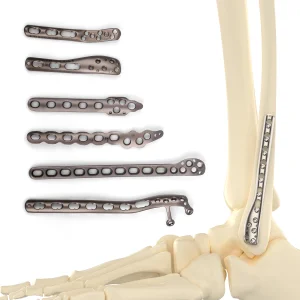
High-precision revision systems, spinal fixation components, and anatomical locking plate assemblies.