Zynfuse
Zynfuse
Zynfuse
Zynfuse Medical design portfolio encompasses rigid spinal stabilization systems, orthopedic fixation tools, arthroplasty assemblies, and customized bone instrumentation developed in collaboration with top trauma surgeons globally.
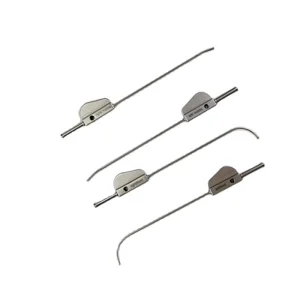
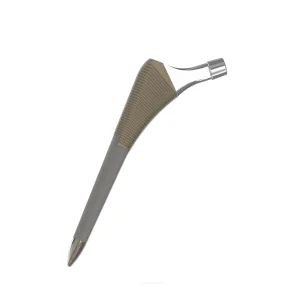
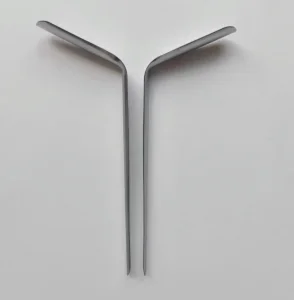
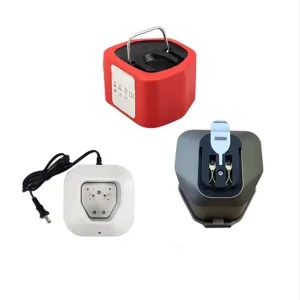
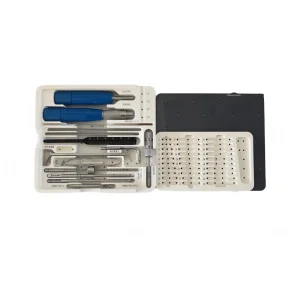
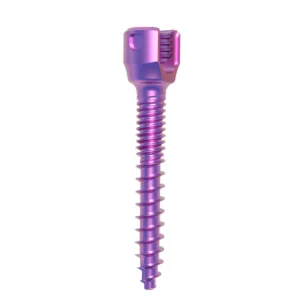
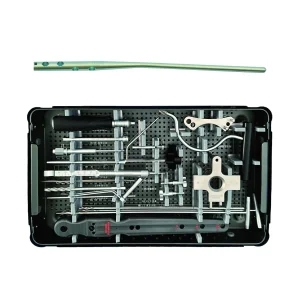
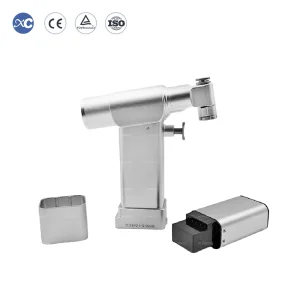
Zynfuse Medical Technology Co., Ltd. is a premier, professional orthopedic medical device manufacturer specializing in high-grade bone fusion and advanced implant systems engineered for surgical innovations. Established in 2016, the enterprise has solid foundations built upon 12 years of industry experience combined with 7 years of specialized export operations, delivering reliable spinal fixation systems to international healthcare corridors.
Operating from a state-of-the-art 18,600 m² manufacturing plant, Zynfuse integrates raw material preparation, Swiss-type CNC processing, and advanced electrochemical surface finish processes under one roof. Our operational structure records over $18.5 million in annual export revenue, underpinned by an expansive B2B procurement network linking over 1,200 partners across North America, Europe, Southeast Asia, and the Middle East.
The international spine stabilization market demands uncompromising material integrity. Historically, spinal fixation transitioned from stainless steel construct to titanium alloy due to its superior biocompatibility, lower elastic modulus, and post-operative MRI compatibility. Titanium spinal rods form the core load-bearing structure in thoracolumbar and cervical surgeries, stabilizing the column while the bone graft undergoes fusion.
In the current global medical purchasing index, cost compression and supply chains have turned major medical device brands towards specialized OEM/ODM partnerships in Asia. High manufacturing quality, strict regulatory conformity, and competitive capital pricing make Chinese manufacturers indispensable components of the global healthcare supply network. Hospitals and distributors no longer search for just a supplier; they require partners capable of verifying physical fatigue limits (such as ASTM F1717) and metallurgical purity.
Zynfuse Medical positions itself as an elite manufacturer catering to these exacting global markets. By keeping engineering, forging, CNC milling, and surface modification internal, the company maintains total batch control, ensuring that implants shipped to trauma hubs in North America or pediatric hospitals in Europe comply identically with CE and local regulatory standards.
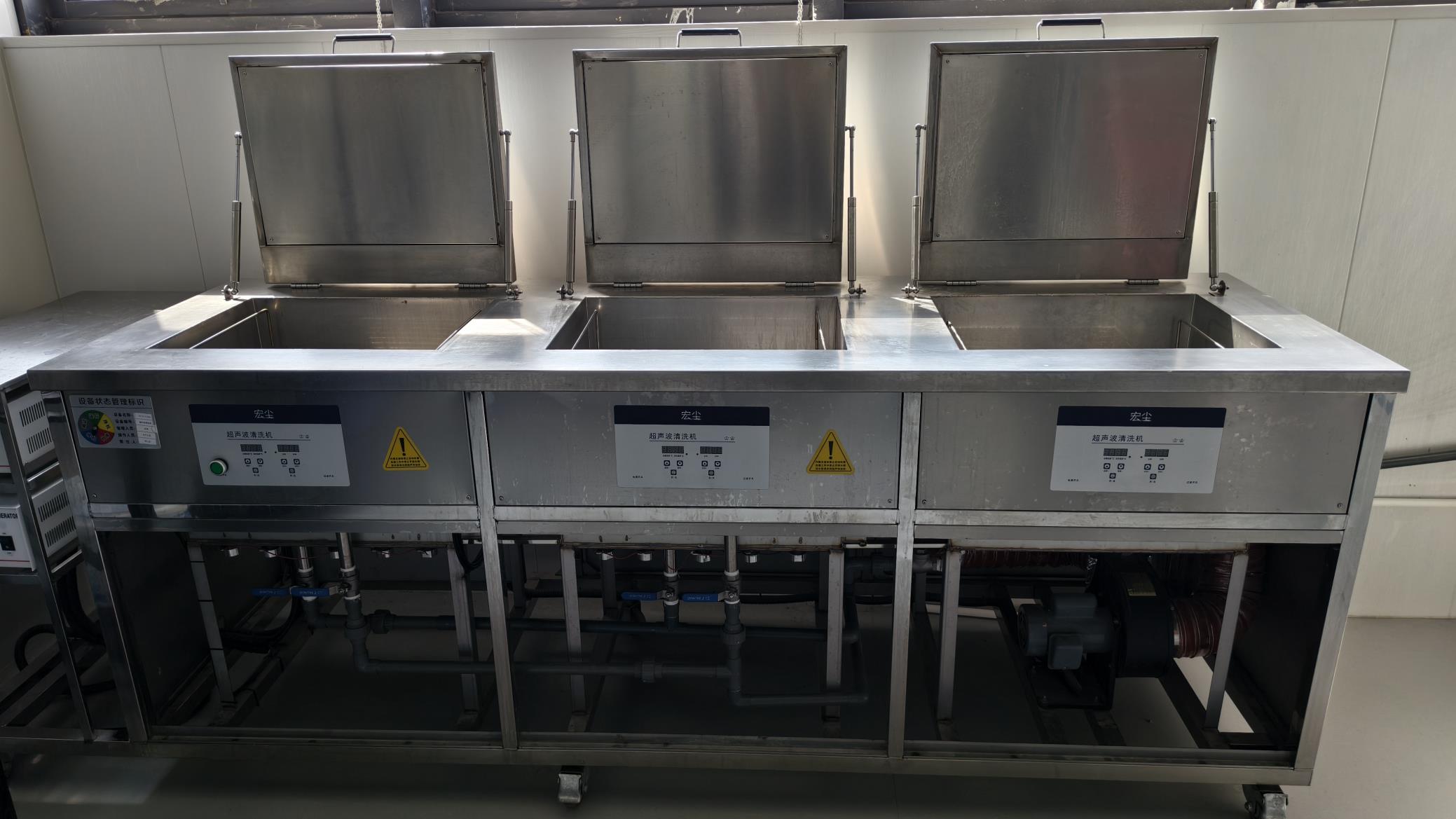
To ensure maximum mechanical fatigue resistance and biological passivity, every titanium spinal rod and screw at Zynfuse undergoes a multi-phased manufacturing process. From primary stock reduction to class-10,000 cleanroom packaging, our protocols strictly isolate high-grade Ti-6Al-4V ELI (Grade 23) alloy from contaminants.
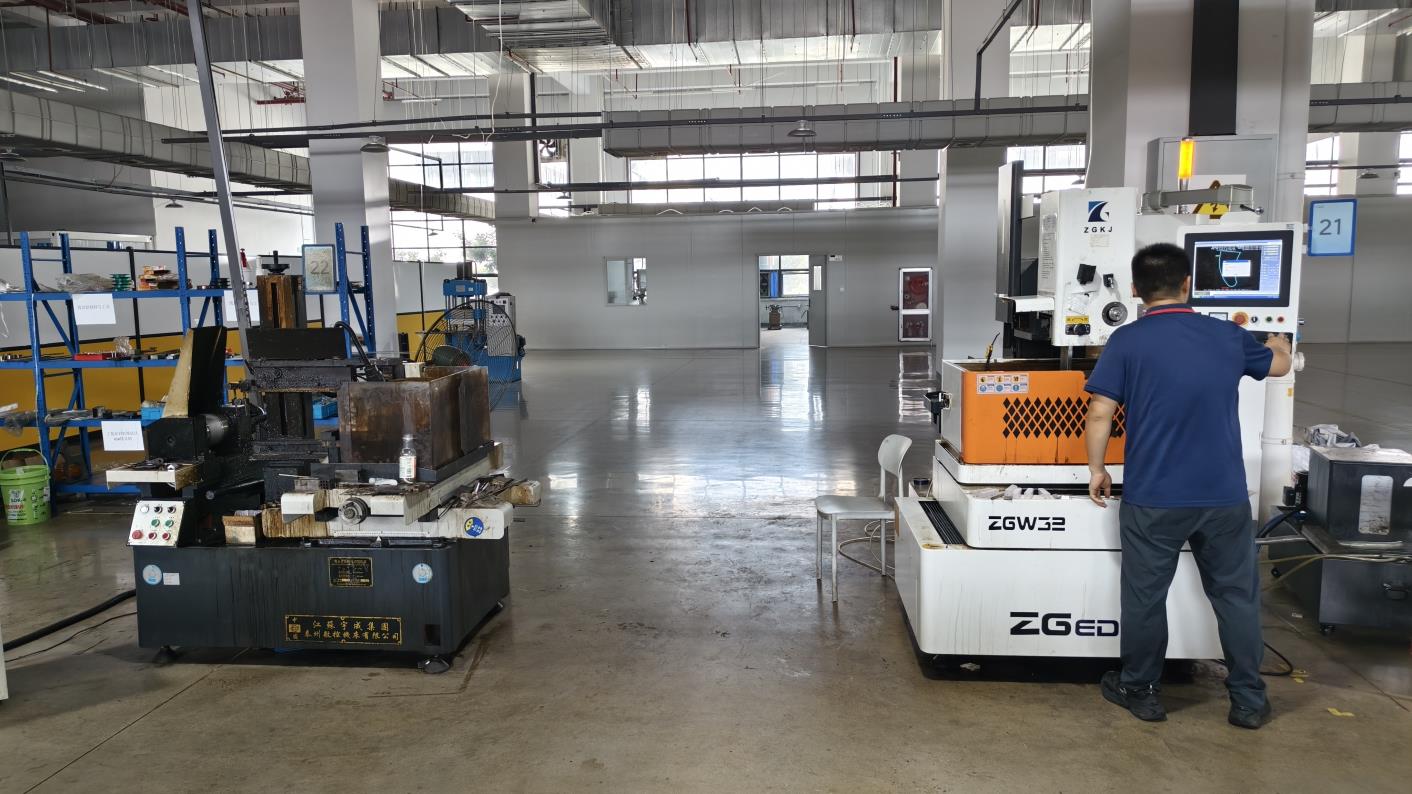
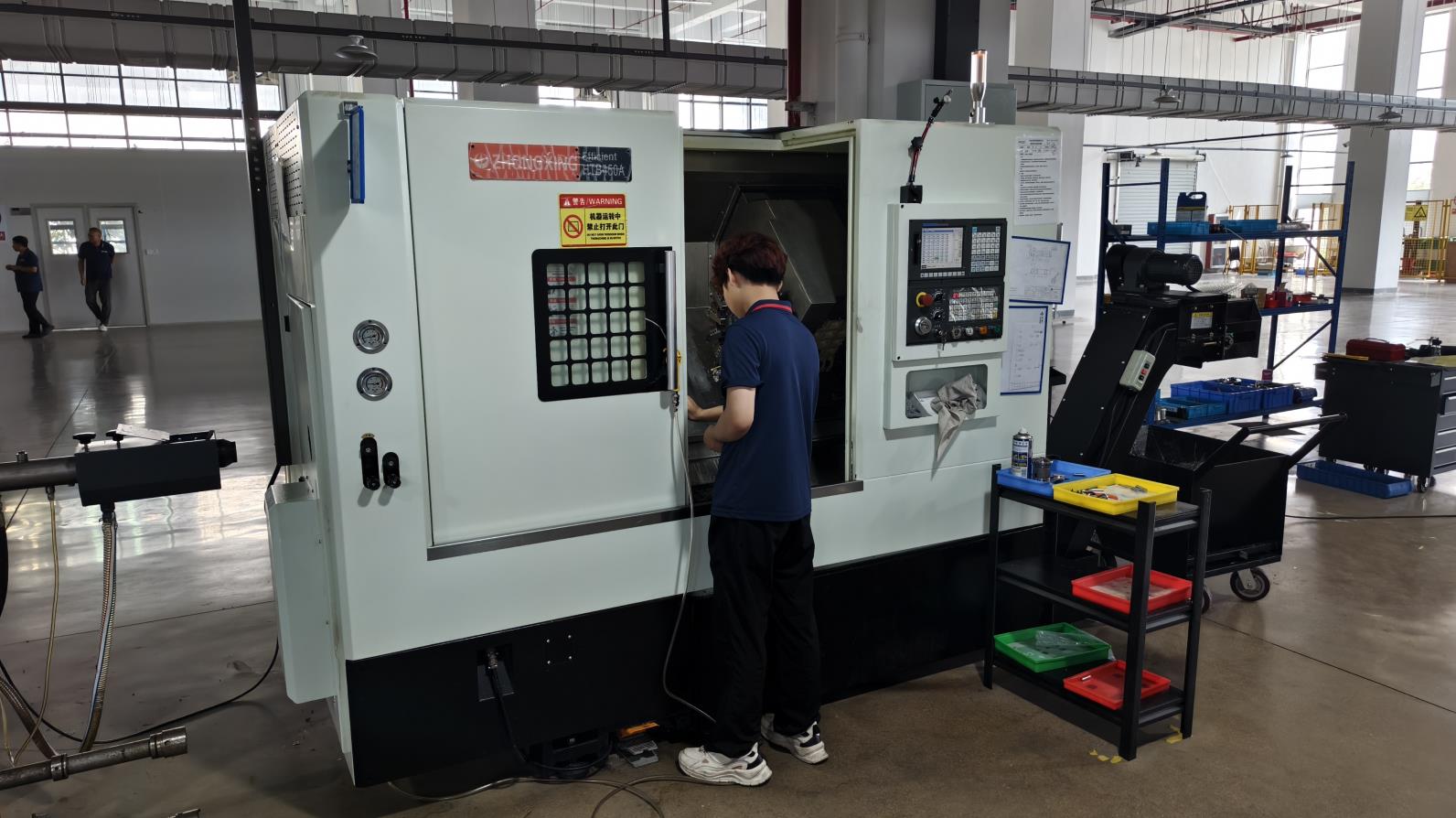
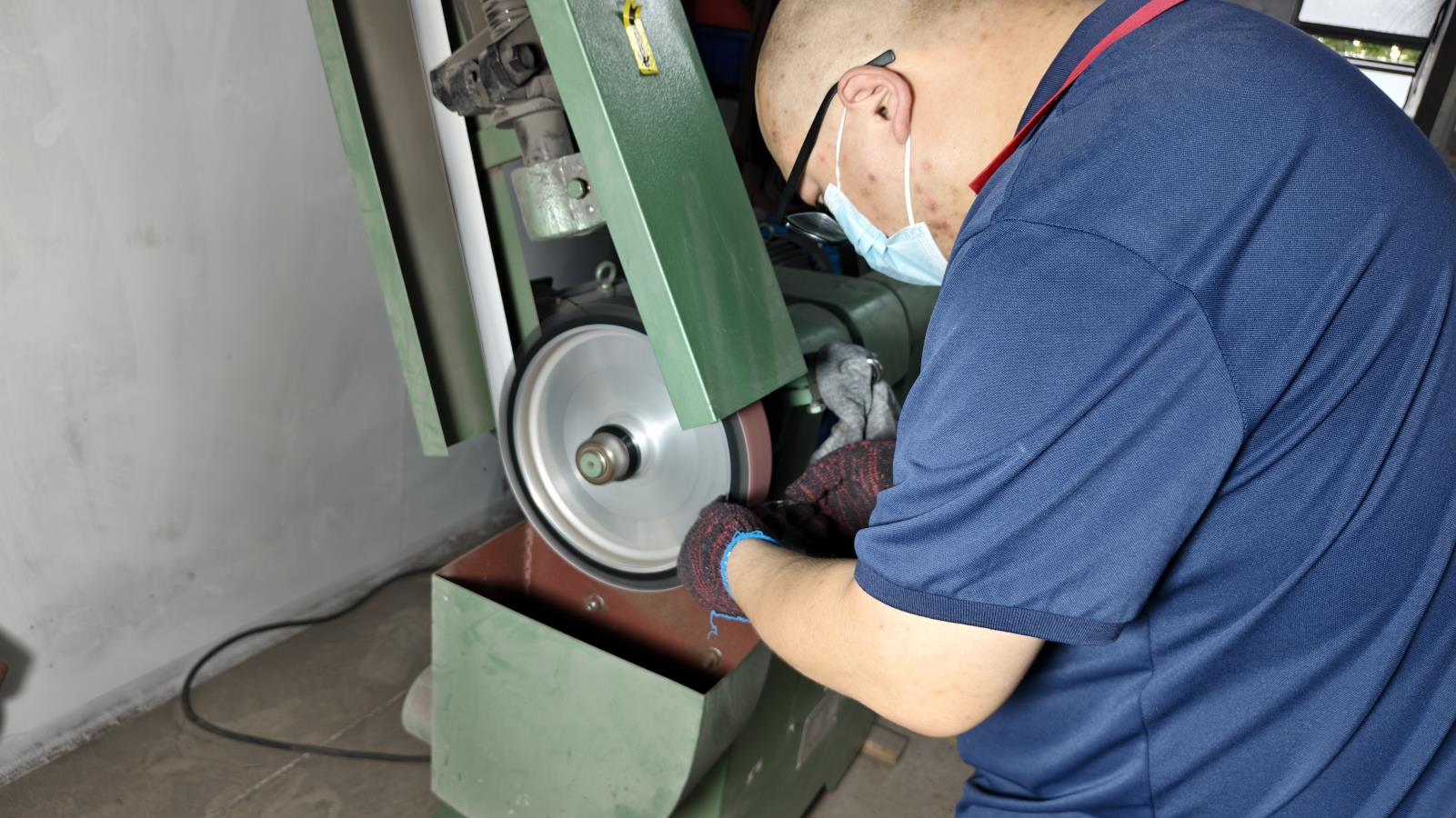
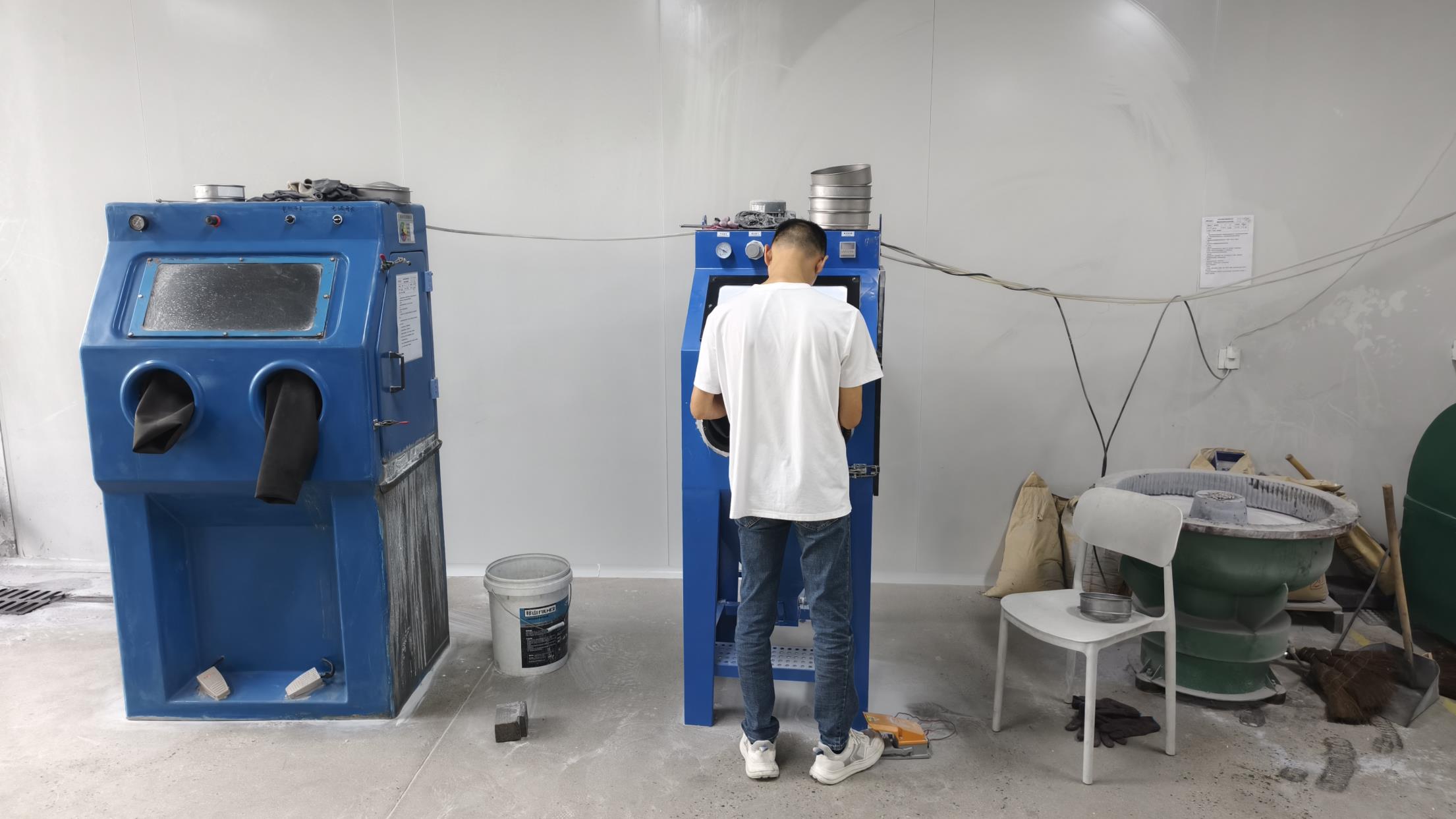
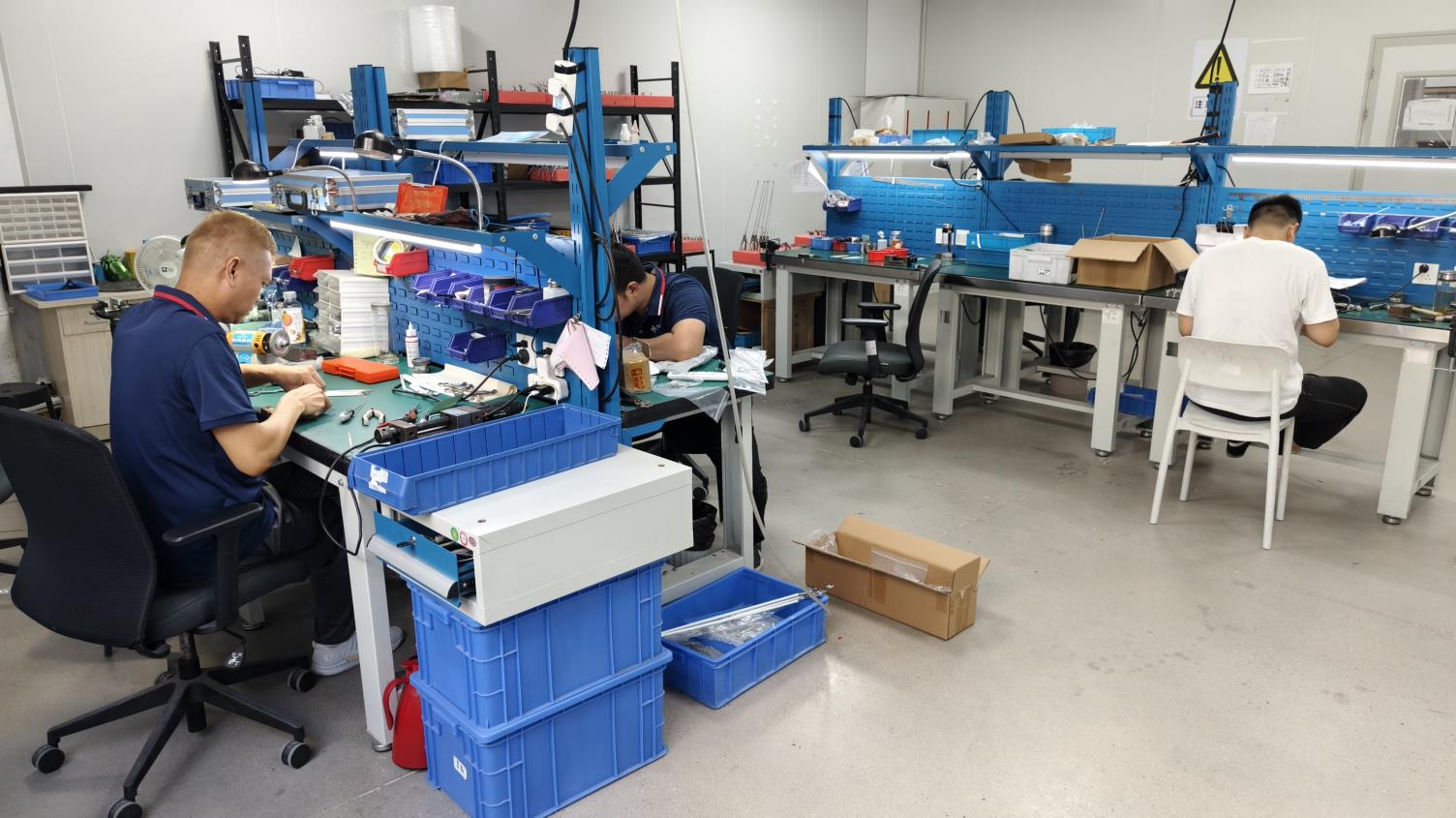
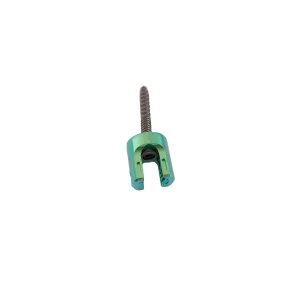
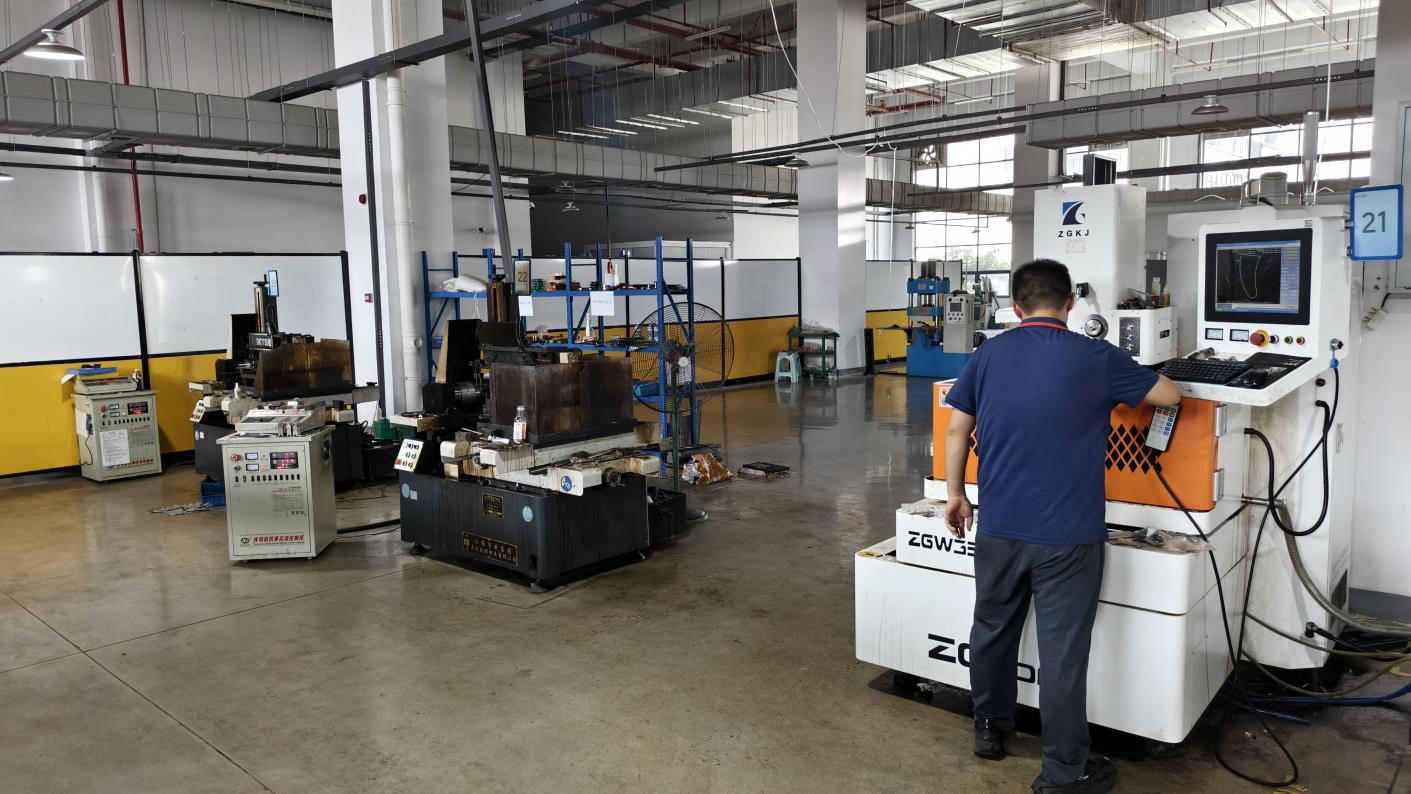
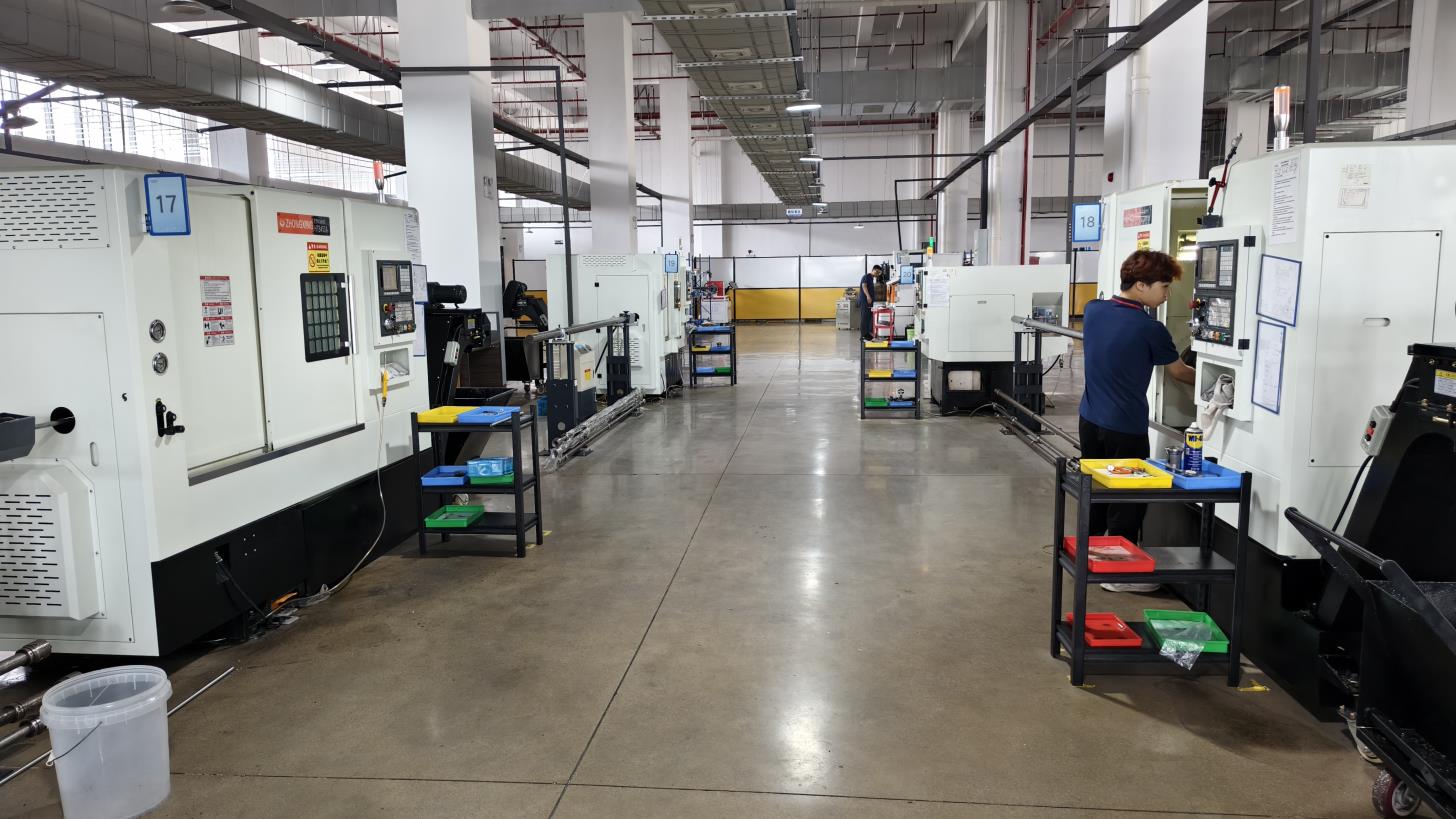
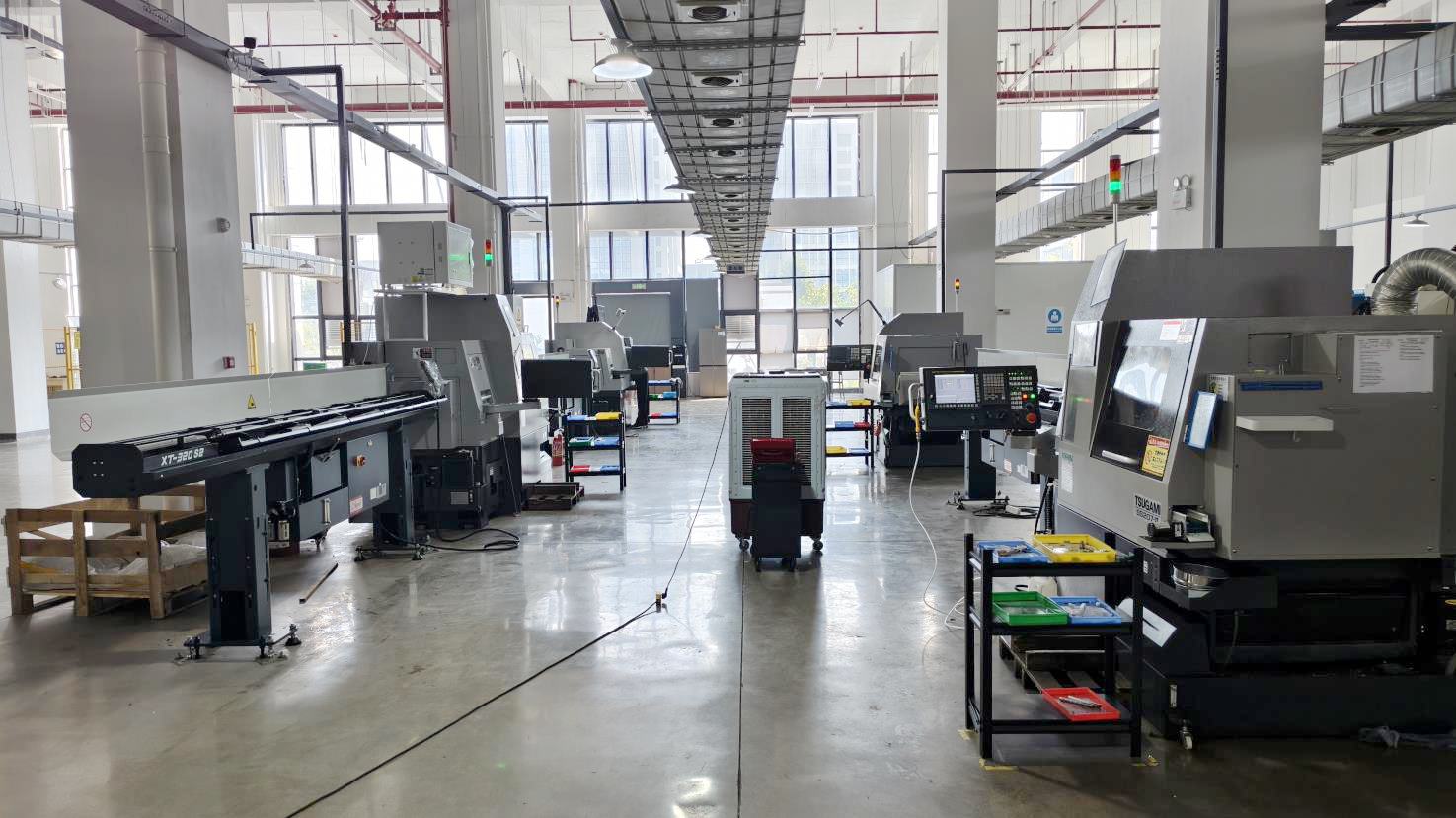
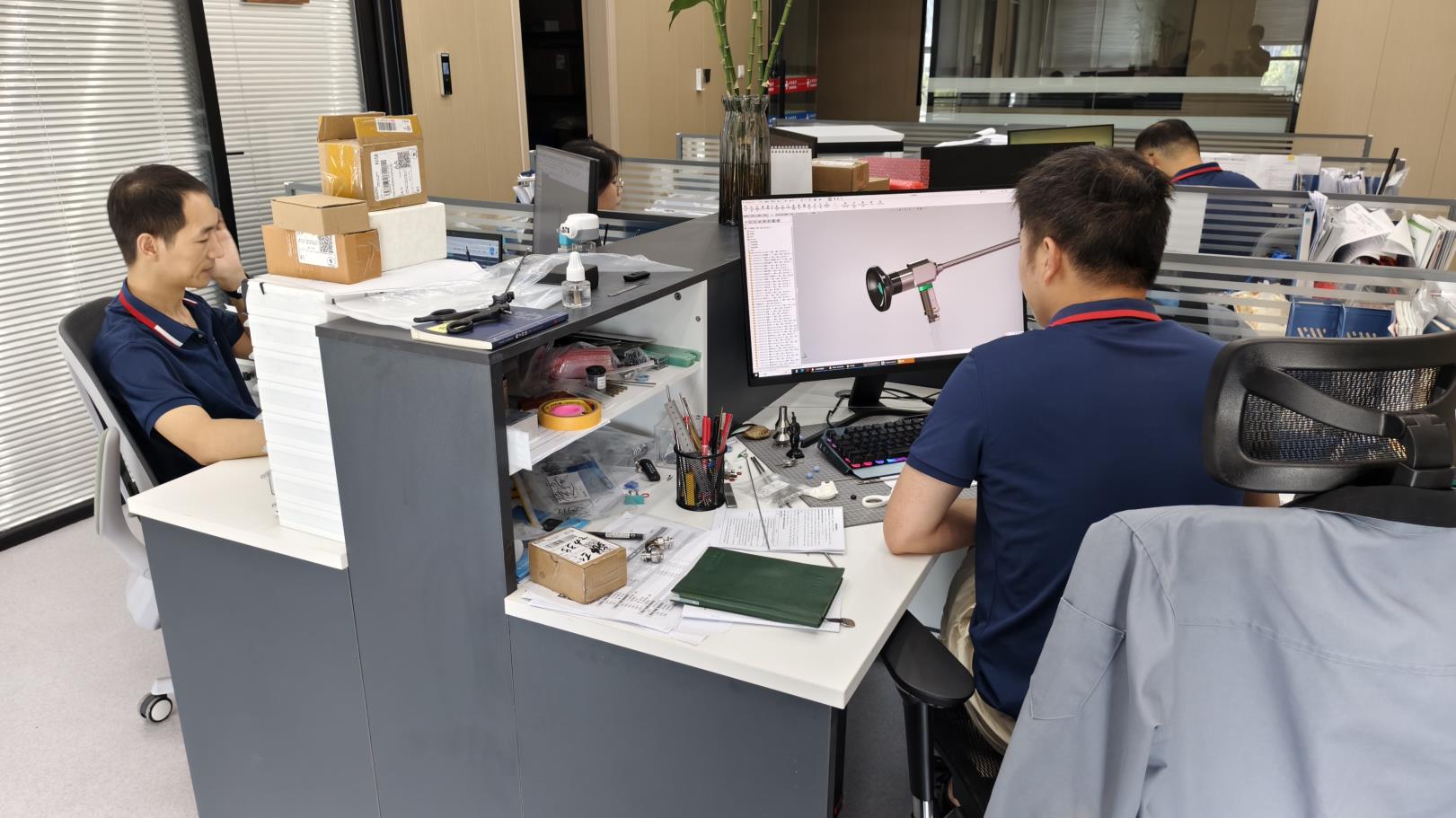
To achieve sub-micron dimensional tolerances on complex items like polyaxial pedicle screws and variable-diameter spinal rods, Zynfuse utilizes industry-leading CNC equipment. The machining floor operates 24/7, regulated by software tools that trace quality deviations in real time.
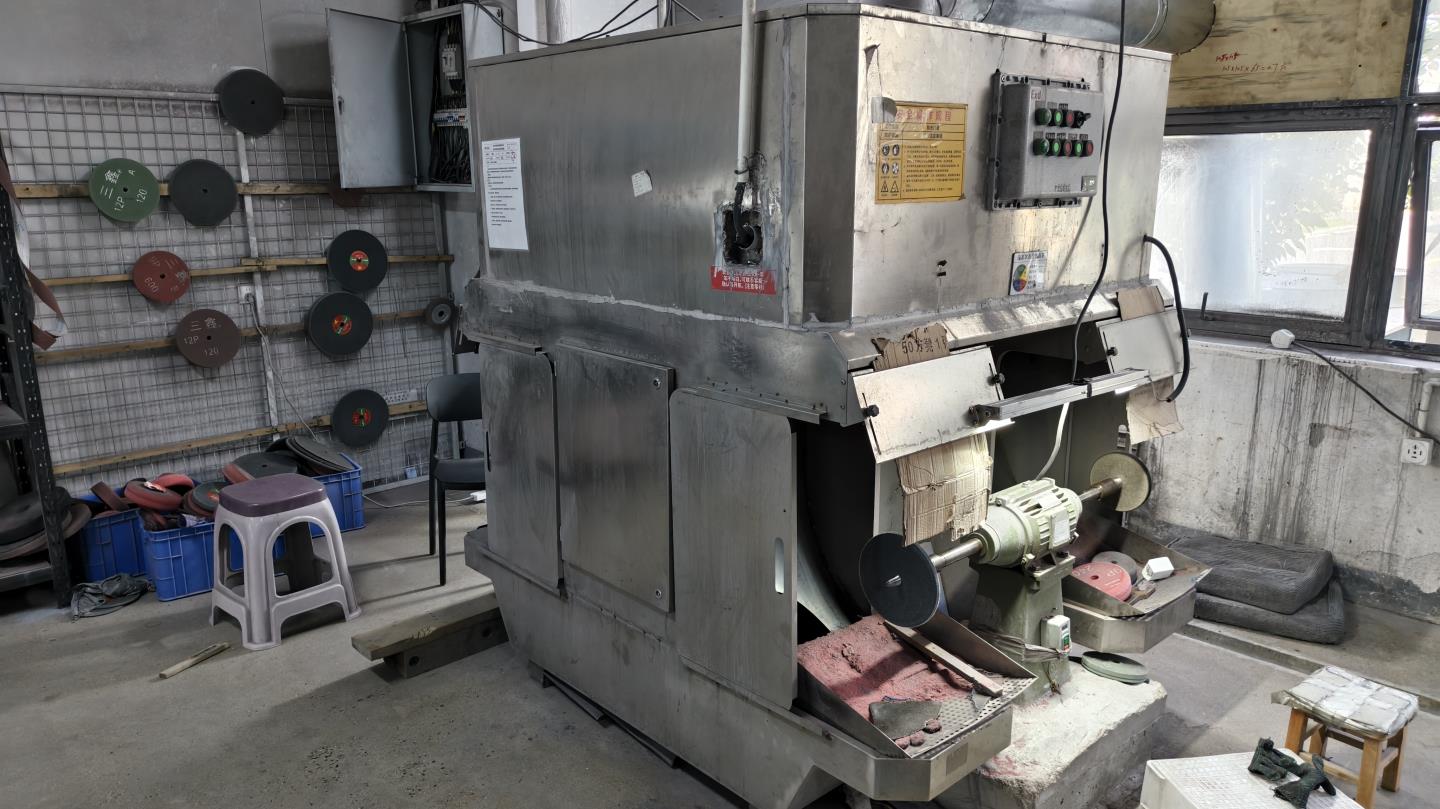
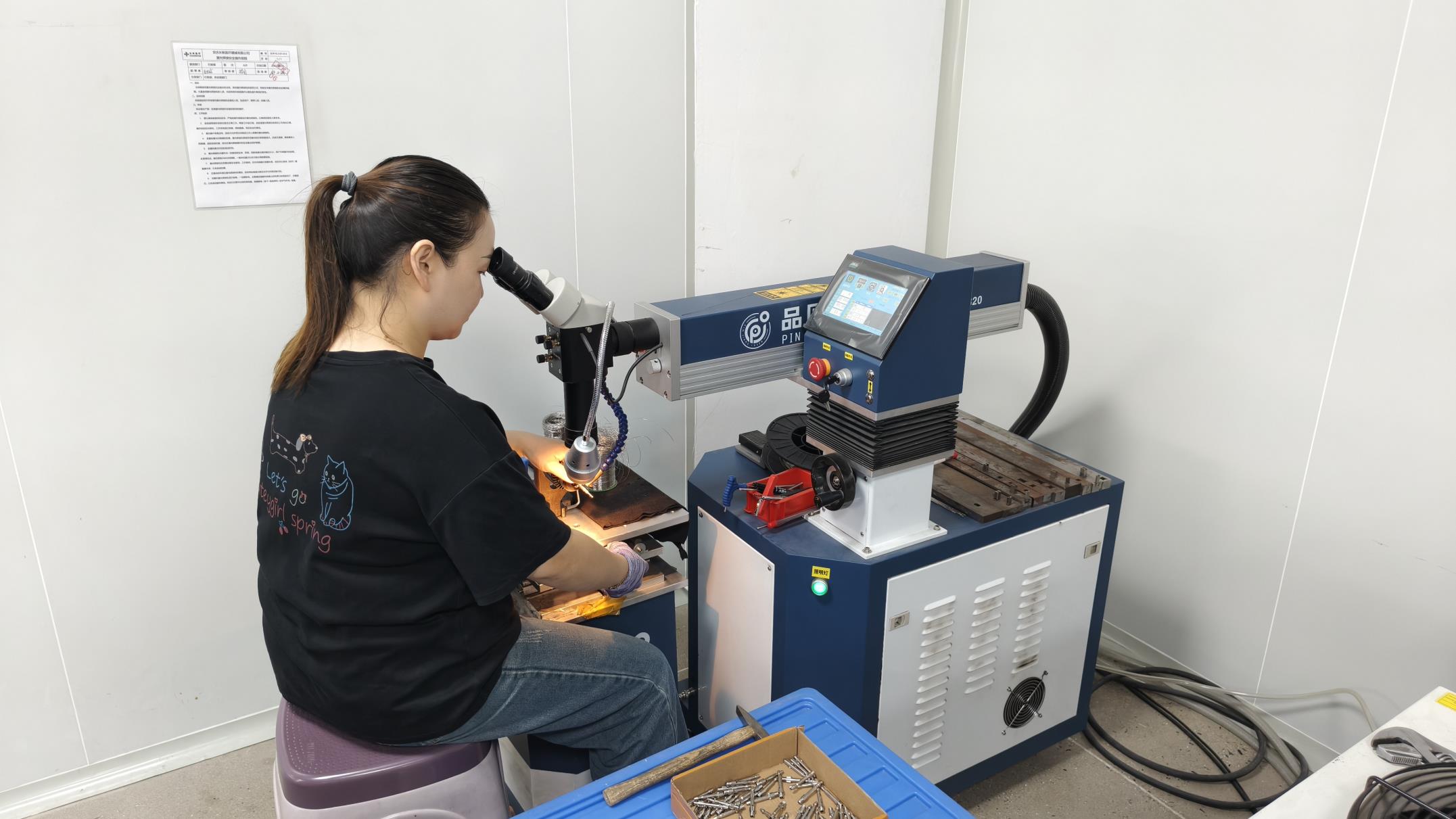
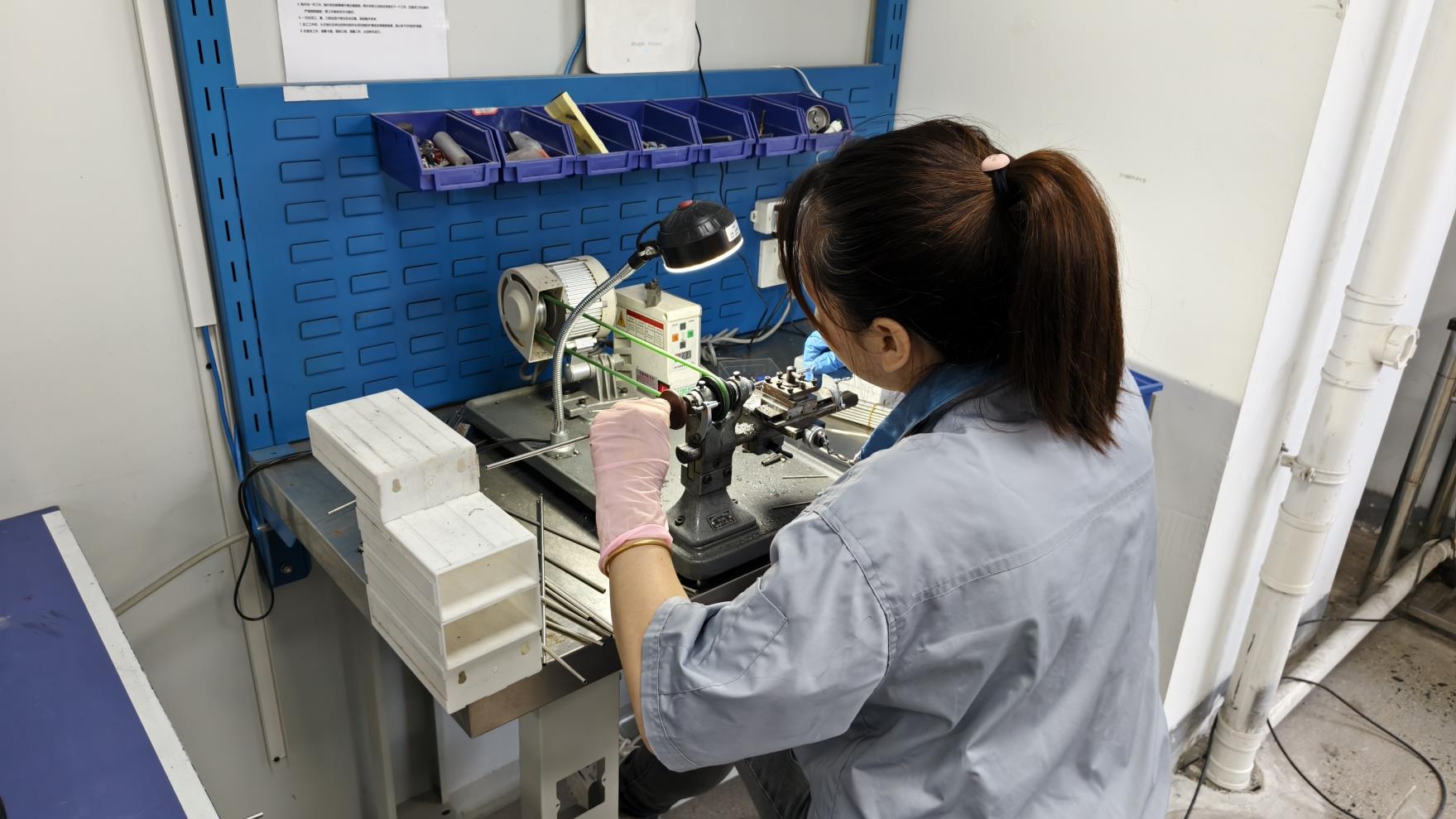
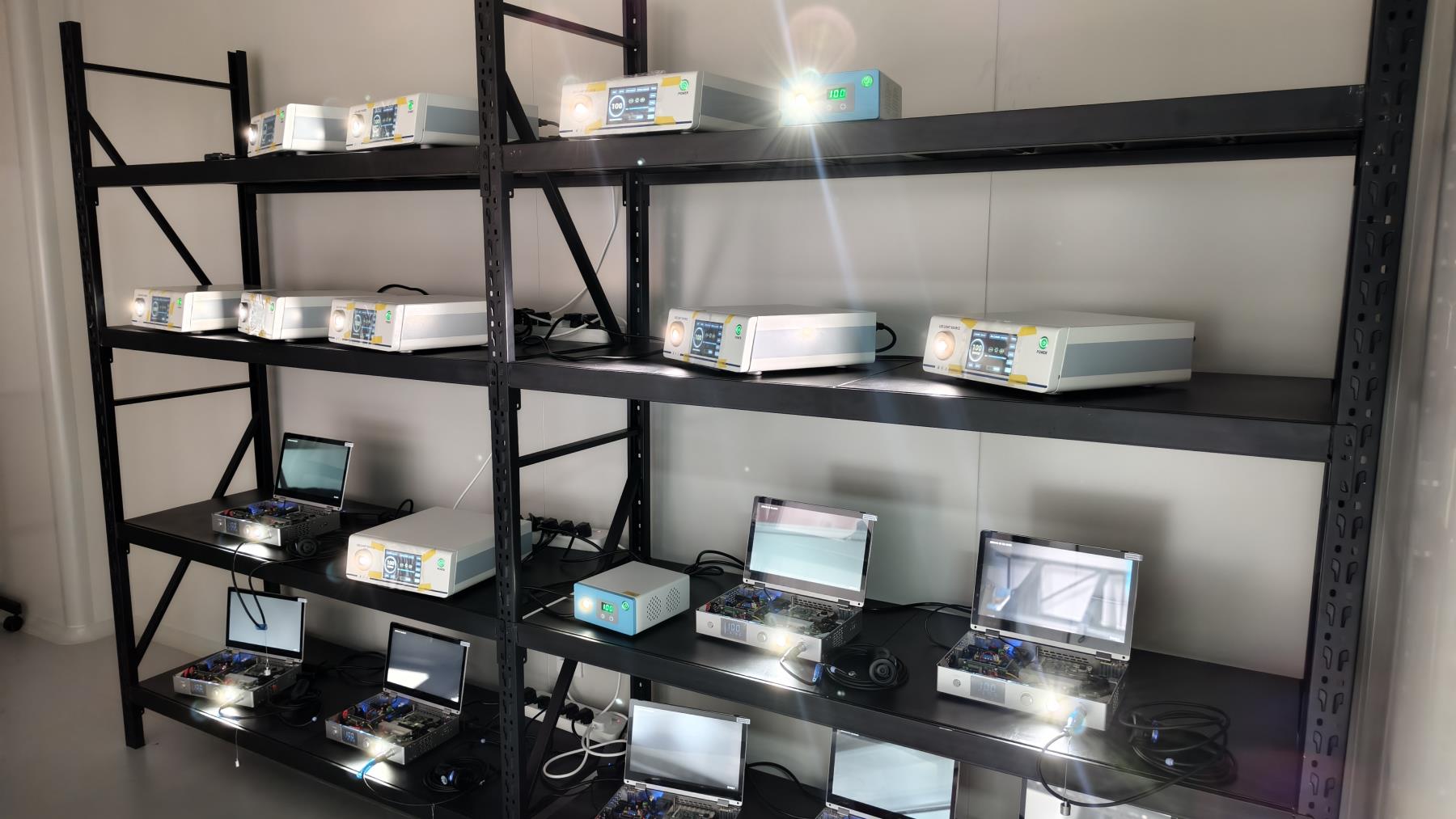
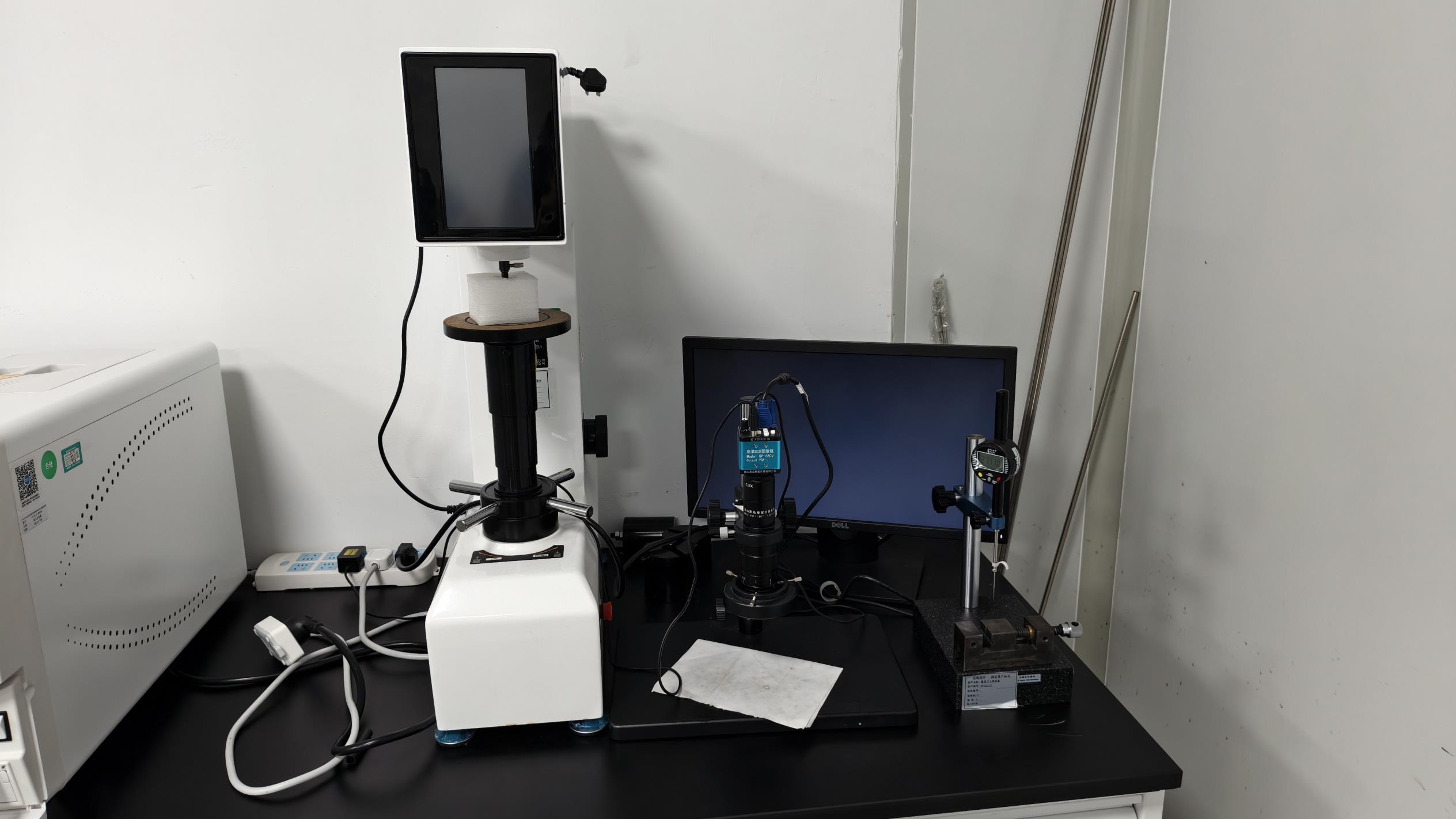
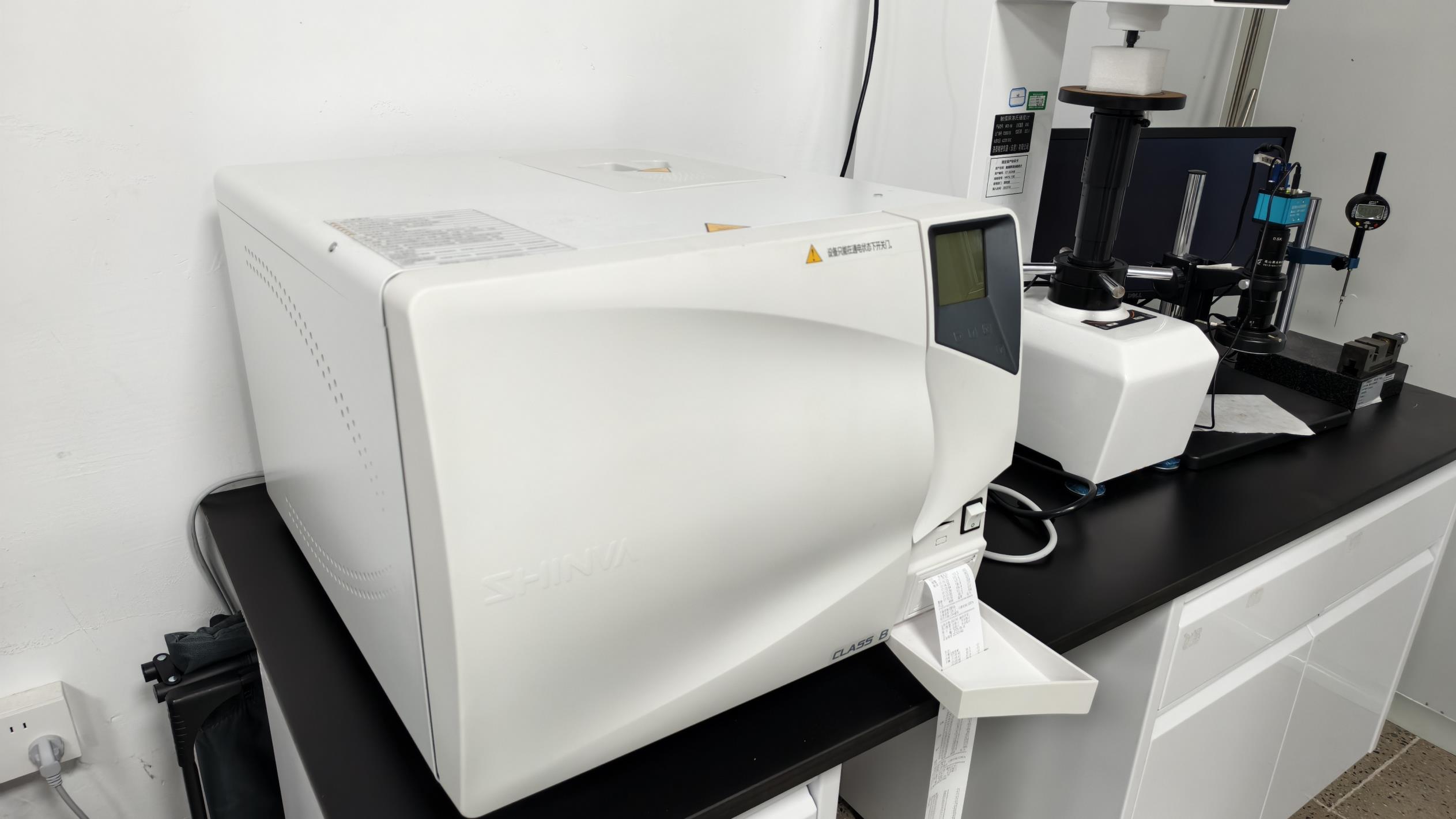
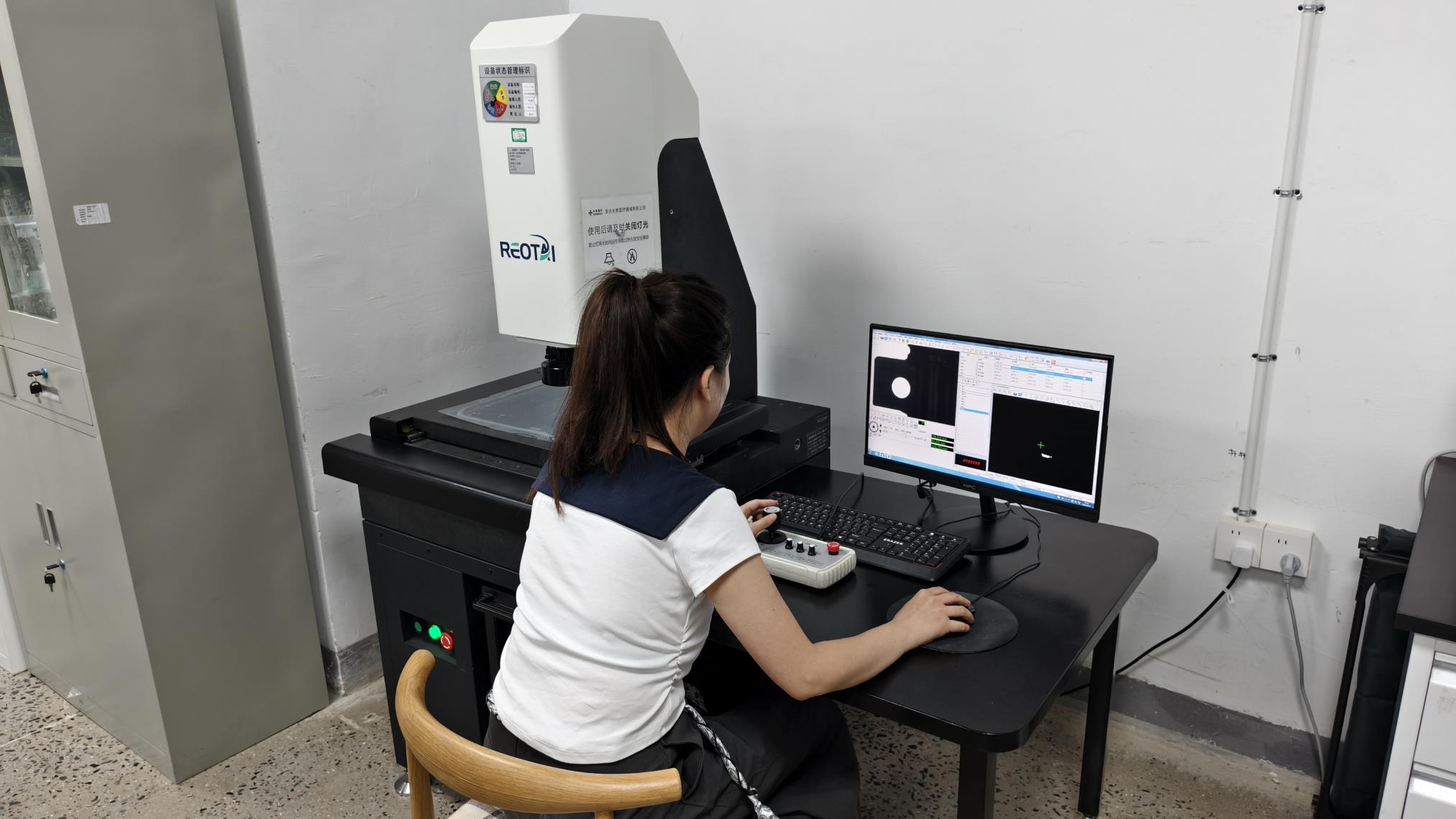
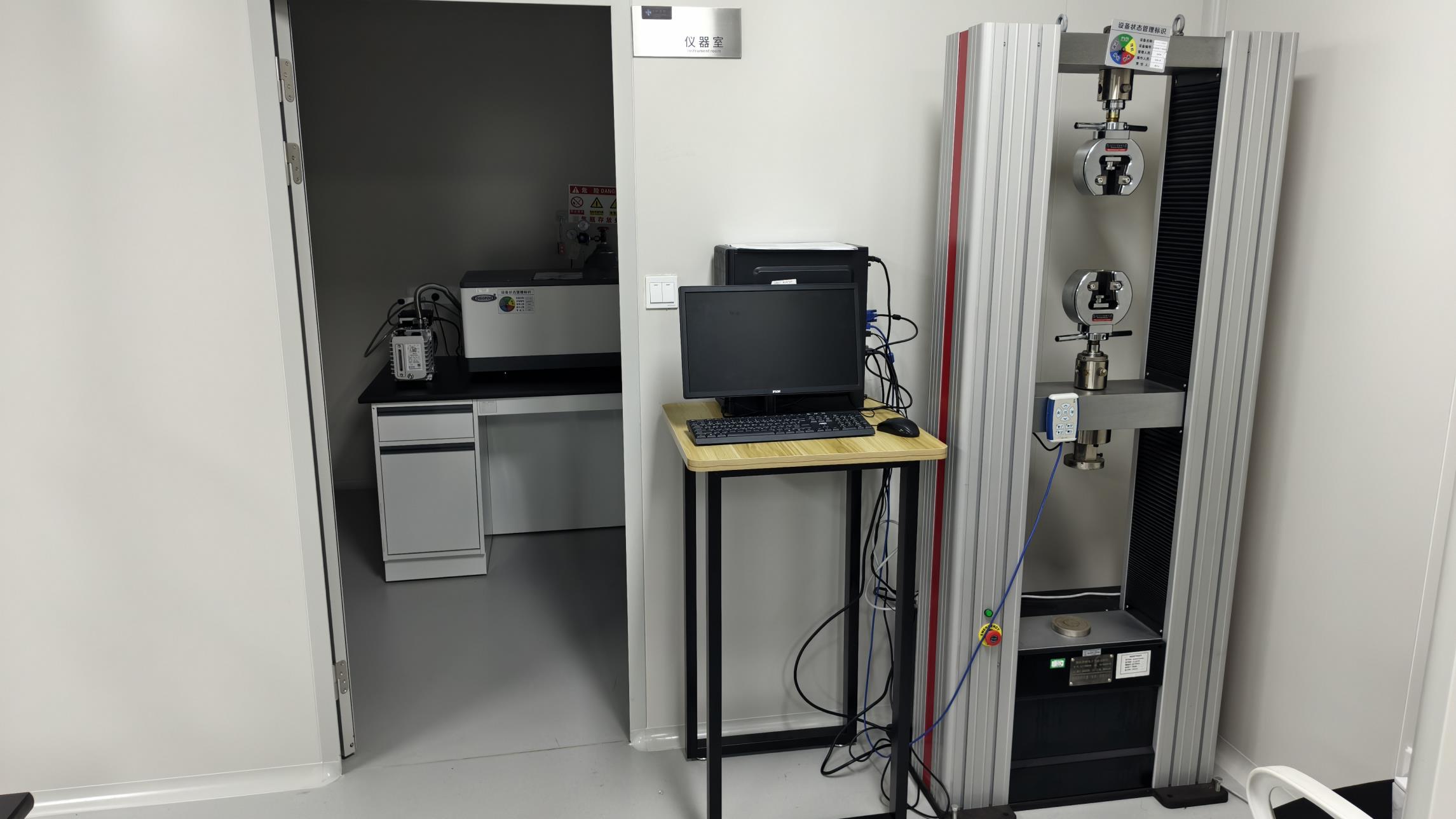
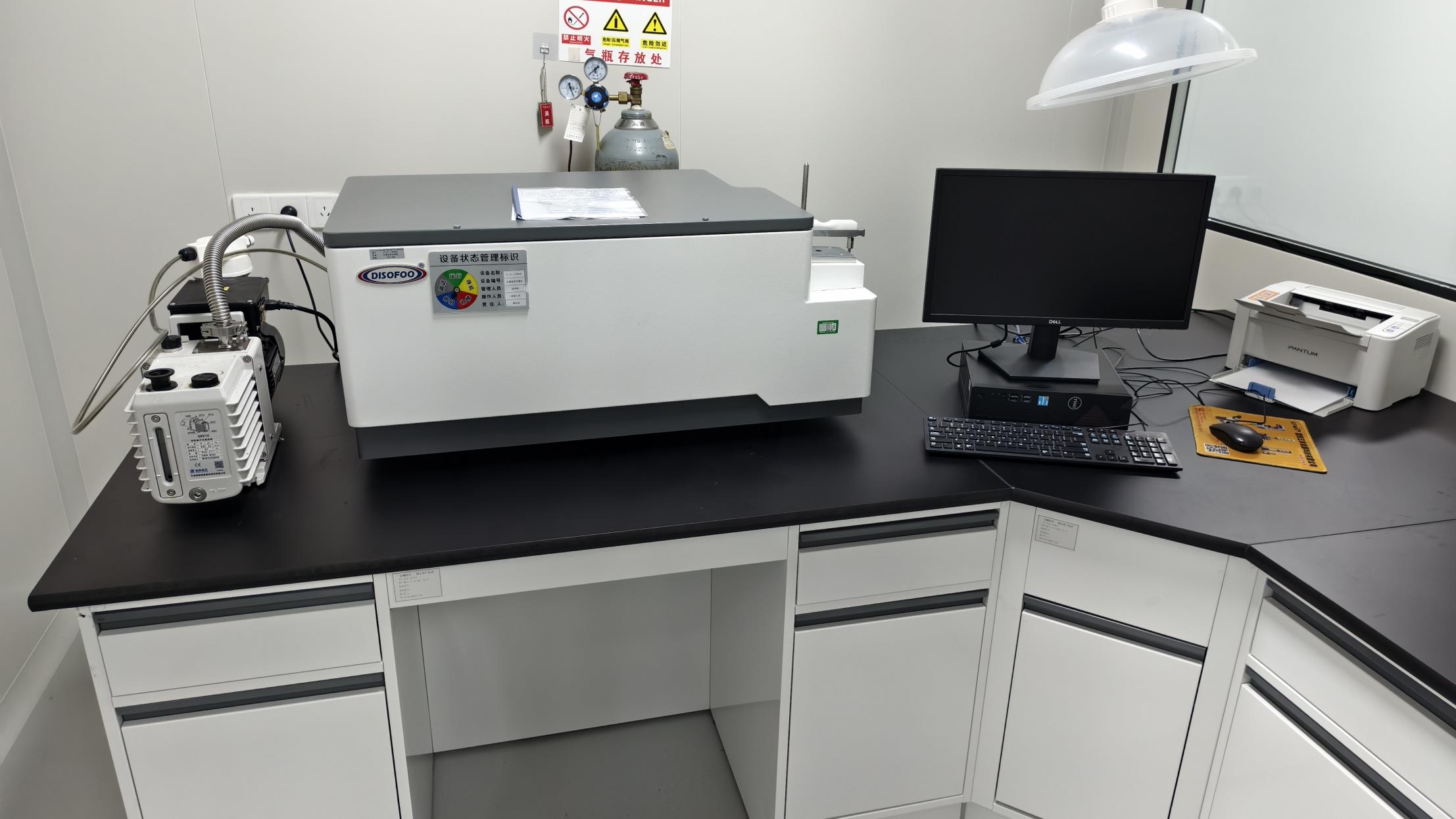
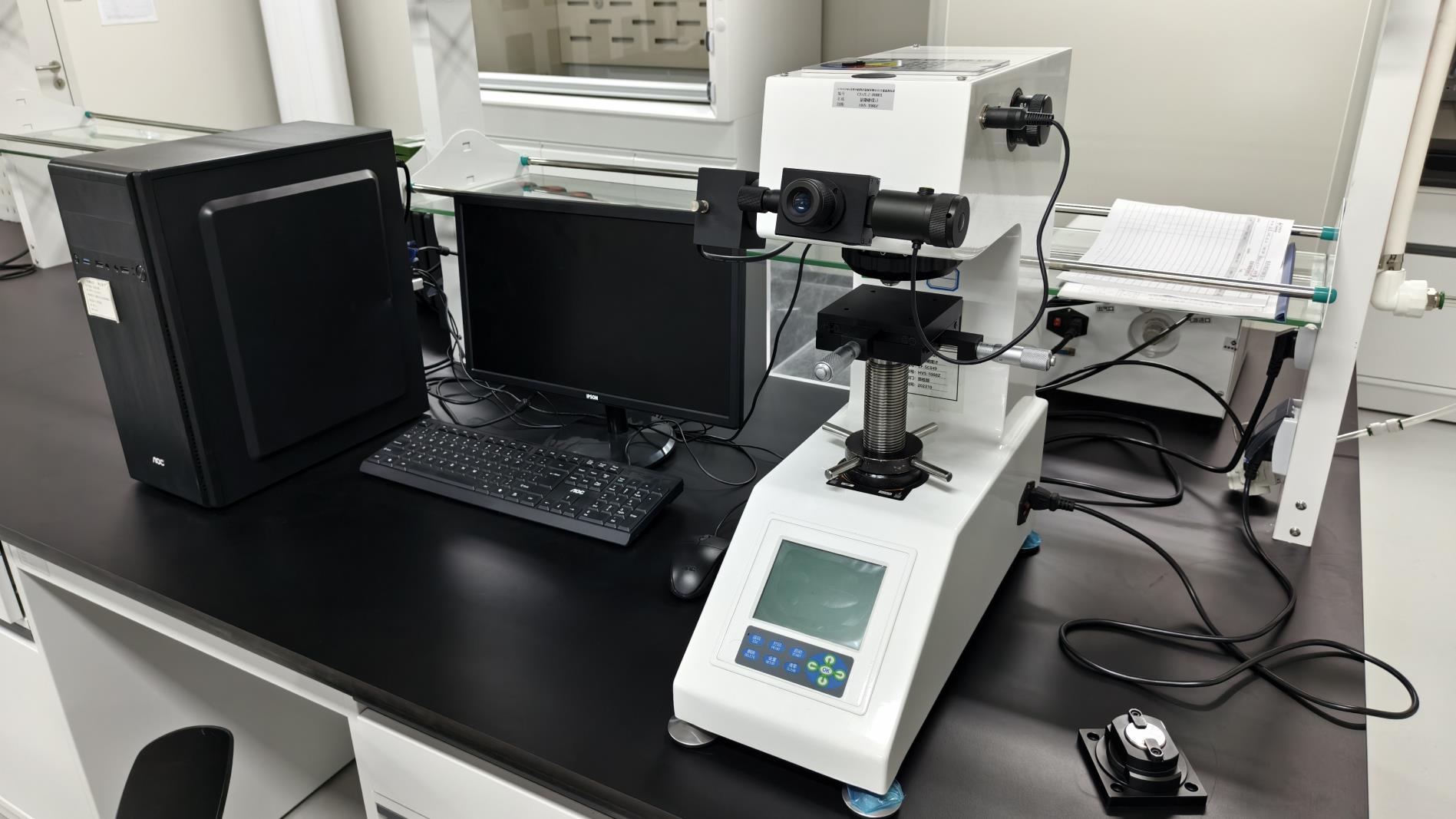
Quality is not a final check; it is designed into every stage of Zynfuse's manufacturing. Our metrology lab is stocked with international validation instruments, testing tensile thresholds, micro-structural integrity, geometric deviations, and cleanliness standards in compliance with ISO 13485 and ASTM benchmarks.
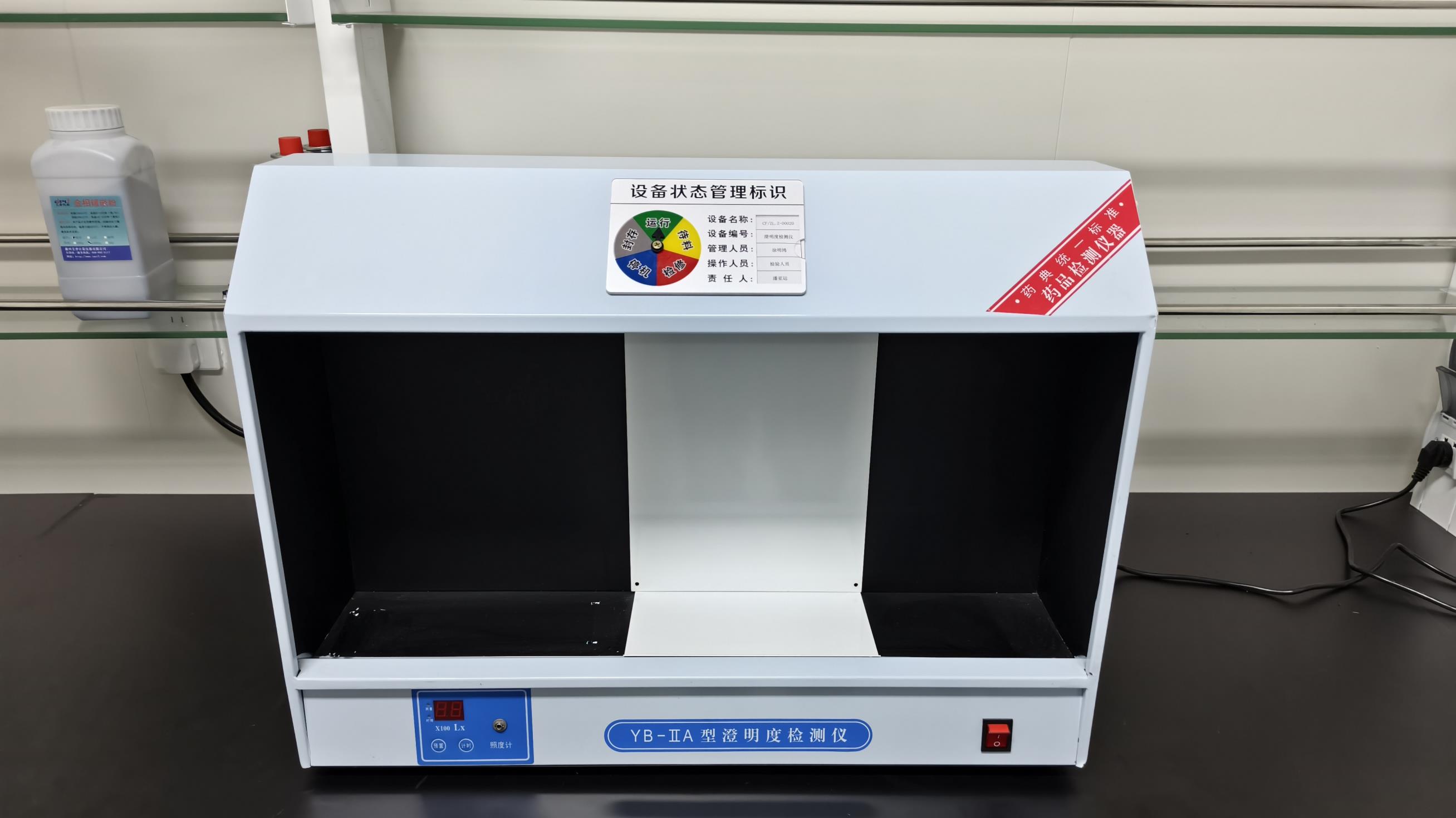
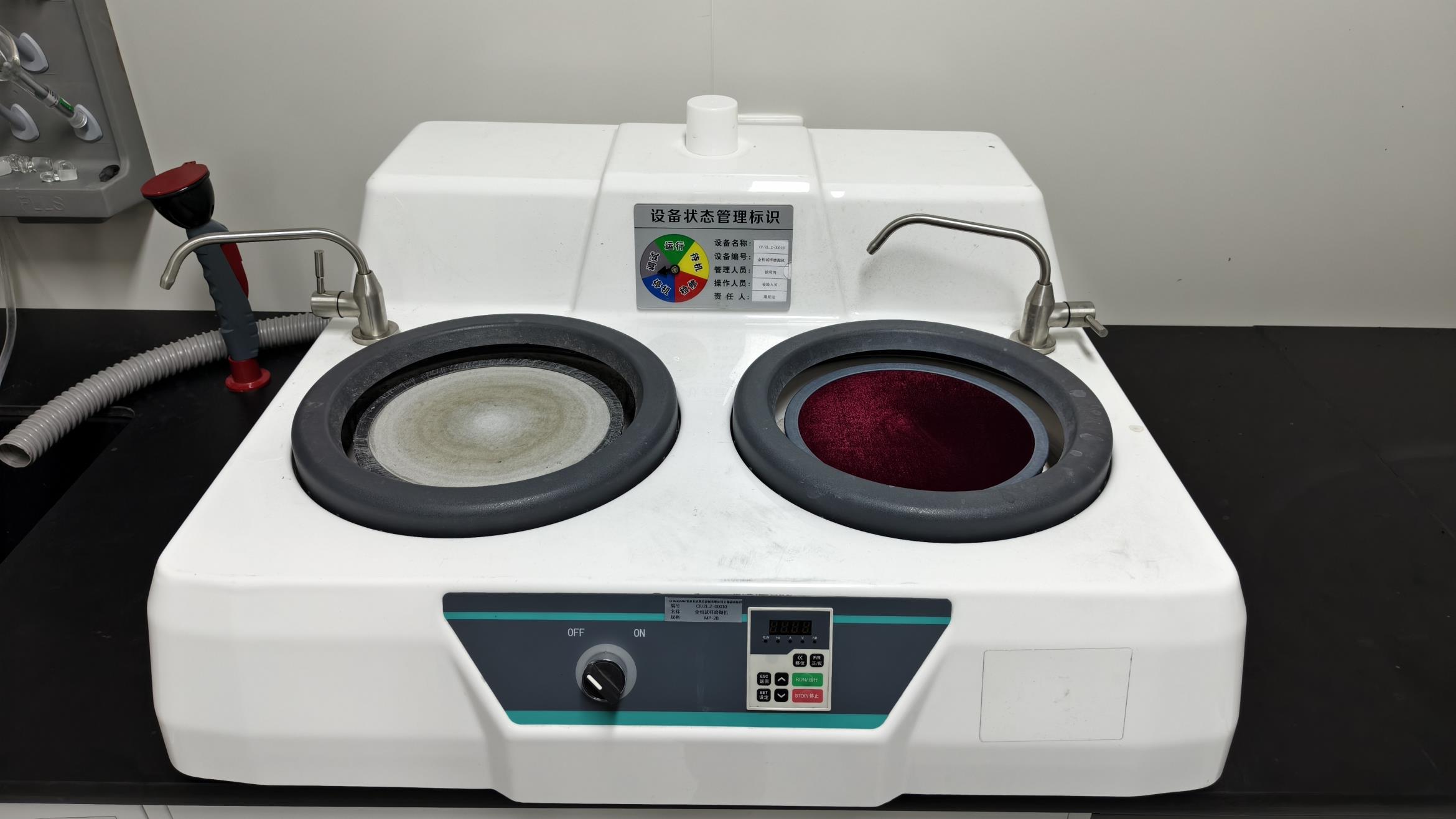
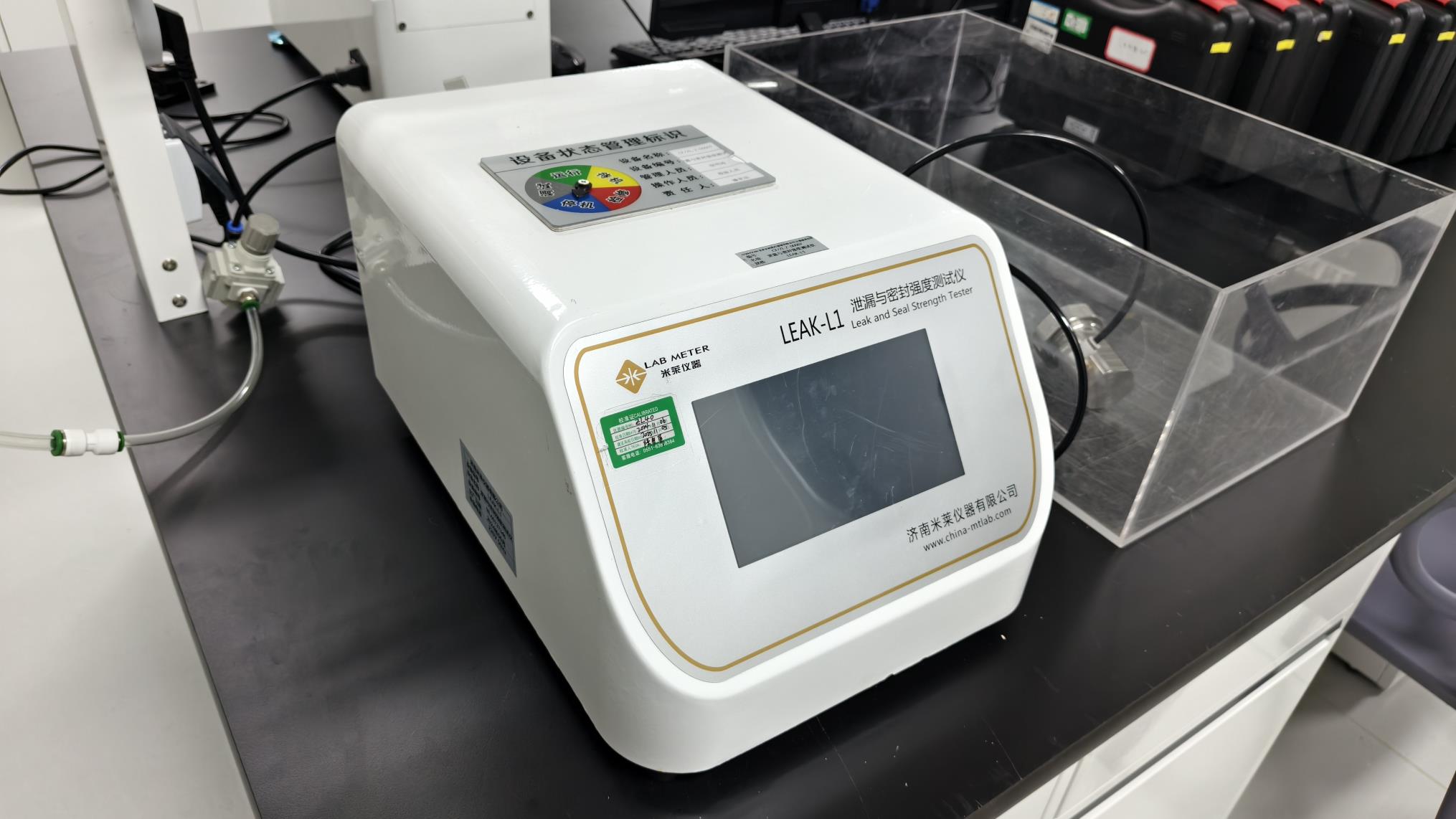
Clinical needs vary significantly by region due to localized anatomy, demographic splits, and surgical approaches:
High prevalence of age-related degenerative disc disease, adult scoliosis, and complex revision procedures. Surgeons lean heavily on pre-bent contoured rods, cobalt-chromium combinations for high rigidity, and low-profile systems compatible with minimally invasive surgery (MIS) approaches.
Often characterized by patients with smaller anatomical dimensions, requiring smaller rod diameters (e.g., 4.5mm or 5.0mm systems rather than standard 5.5mm/6.0mm). There is also a substantial volume of trauma-induced spinal reconstruction cases necessitating high tensile load capacity.
High demand for cost-effective, multi-use orthopedic trauma assemblies. Large public healthcare networks look for rugged implants that can withstand long transport chains, maintaining sterilization integrity in varying storage climates.
China's manufacturing prowess in biomedical implants is built upon deep industrial clustering. At Zynfuse, our factory operates within a geographic hub that provides immediate access to high-purity titanium sponge processing plants, local third-party validation labs, and global logistical ports. This keeps transport times low and protects us from resource shortages.
By sourcing raw titanium alloy locally while using high-end imported Swiss CNC centers, Zynfuse balances cost-efficiency with high technical quality. The result is a highly reliable supply chain that provides international distributors with a hedge against supply shocks.
The future of spinal instrumentation lies at the intersection of biological fusion and dynamic stabilization. Standard titanium rods, while strong, are stiff. This can lead to adjacent segment disease (ASD) due to stress shielding. Zynfuse is actively researching technical roadmaps to bridge this mechanical gap:
Using laser sintering and tailored alloy tempering, we are designing spinal rods with varying stiffness along their length. This provides rigidity at the primary fusion zones and relative flexibility at the transition boundaries to reduce adjacent joint strain.
Moving beyond sandblasting, we are implementing acid-etching protocols that create micro-scale topography on titanium surfaces. This treatment promotes osseointegration, prompting bone cells to anchor directly to the implant.
Collaborating with tech institutions, our long-term roadmap features sensor-embedded spinal systems. These implants track localized loading and strain changes in real-time, providing clinicians with post-op recovery data.
Find detailed answers to common inquiries regarding material sourcing, design compliance, and international shipping options.
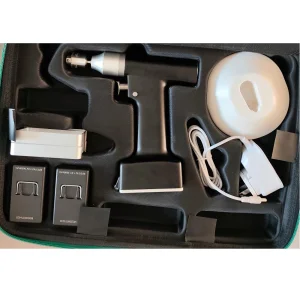
Explore our adjacent medical portfolios, containing orthopedic drills, osteotomy power systems, hip replacement prosthetics, and external traumatology instrumentation sets.