Zynfuse
Zynfuse
Zynfuse
Established in 2016, Zynfuse Medical Technology Co., Ltd. has established itself as an industry-leading orthopedic medical device manufacturer specializing in advanced bone fusion systems, spinal fixation implants, and complex surgical instrument sets. With a legacy spanning over 12 years of industry experience and 7 years of direct export excellence, Zynfuse acts as a critical strategic partner for global healthcare institutions, medical distributors, and specialized orthopedic clinics.
Our operations are centered in an advanced, ISO-certified 18,600 m² modern manufacturing facility engineered to satisfy the high standards of global healthcare systems. Armed with high-precision manufacturing systems and robust engineering pipelines, Zynfuse maintains a stable annual export volume of $18.5 million. This massive capacity is underpinned by a global distribution network including more than 1,200 partners across North America, Europe, Southeast Asia, and the Middle East. By deploying a dedicated quality division containing 68 quality inspection specialists, Zynfuse systematically ensures that every spine instrument set leaving the factory complies with global regulatory frameworks, clinical demands, and biological safety parameters.
Sourcing orthopedic surgical instruments and spinal systems requires navigating tight tolerances, mechanical durability benchmarks, and stringent regional medical standards. For hospital procurement divisions, surgical centers, and device importers, key challenges include:
Deploying devices in major economies requires alignment with the European Union Medical Device Regulation (EU MDR), US FDA approvals, and regional ISO standards. Sourcing from manufacturers without trace-certified metal stock introduces extreme operational risk.
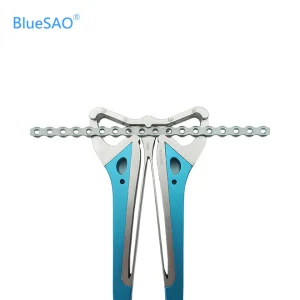
Spinal instruments, especially pedicle screw screwdrivers, vertebral distractors, and compression systems, undergo repetitive mechanical load cycles and severe steam sterilization regimes. Inferior metallurgy leads to rapid degradation, micro-fractures, and potential intraoperative failure.
High-precision spine surgery demands lightweight, tactile, and ergonomically shaped instruments. Every surface finishing technique must satisfy stringent cytotoxicity and corrosion-resistance standards to protect patients during spinal reconstruction processes.
To solve these critical problems, Zynfuse merges state-of-the-art material sciences (such as Grade 5 ELI Titanium, Medical-grade PEEK, and specialized martensitic stainless steels) with modern validation methods. This guarantees that each tool inside our spinal instrument kits maintains consistent tolerances, allowing surgeons to operate with total biomechanical predictability.
Manufacturing clinical-grade spine instruments demands an integrated engineering approach. At Zynfuse, we employ CNC machining pipelines, Swiss-type high-speed turning, and specialized post-processing cells to achieve micron-level accuracy. Below are the key manufacturing stages deployed in our facility:
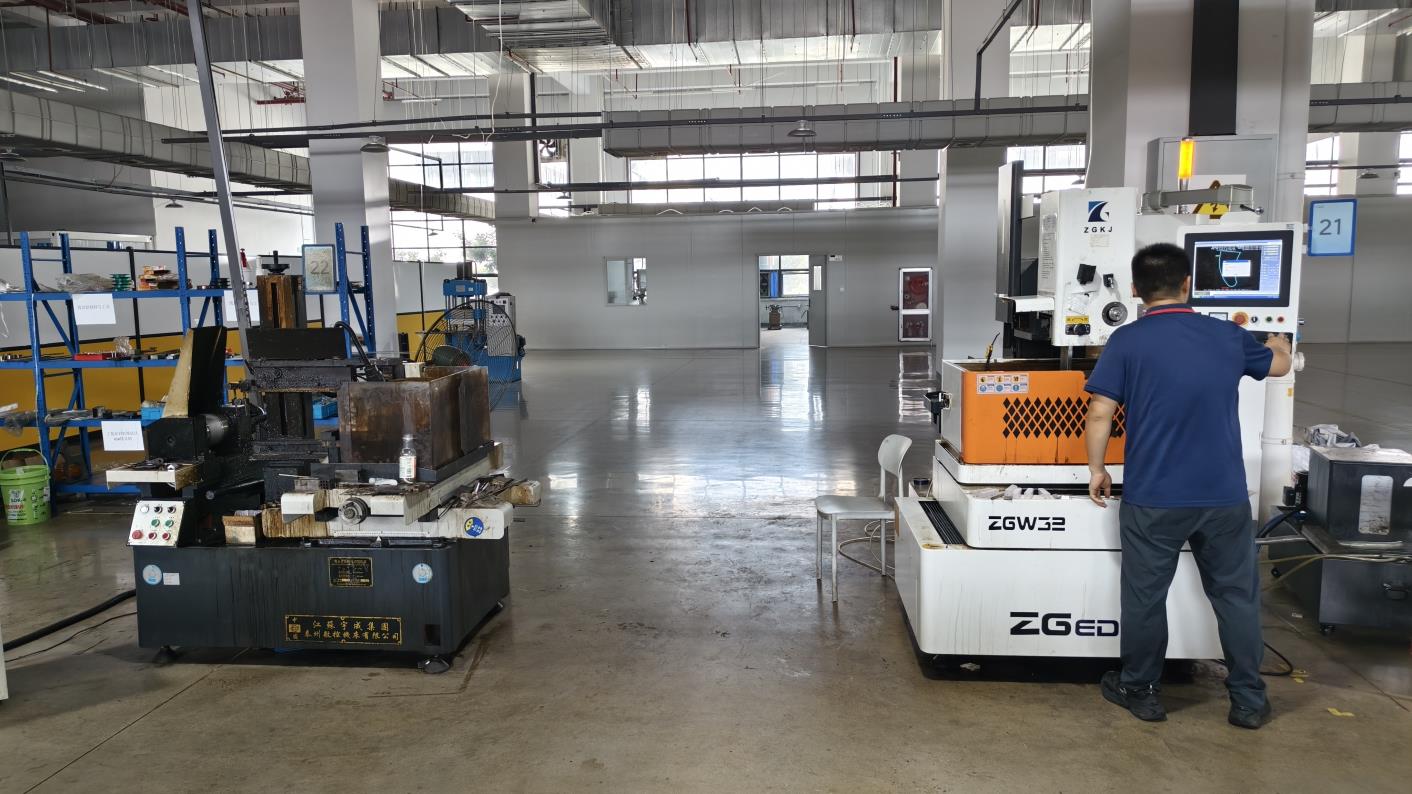
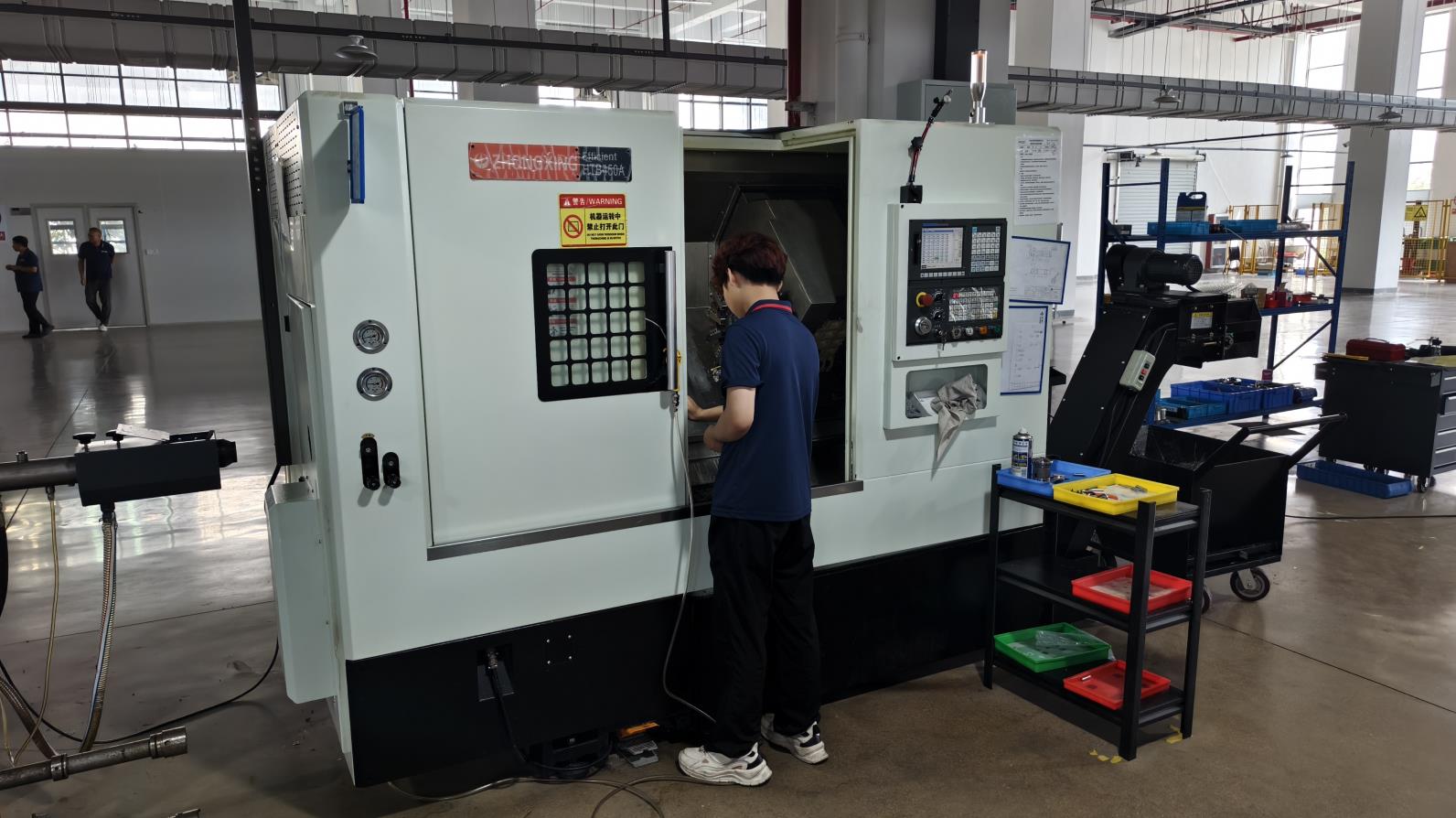
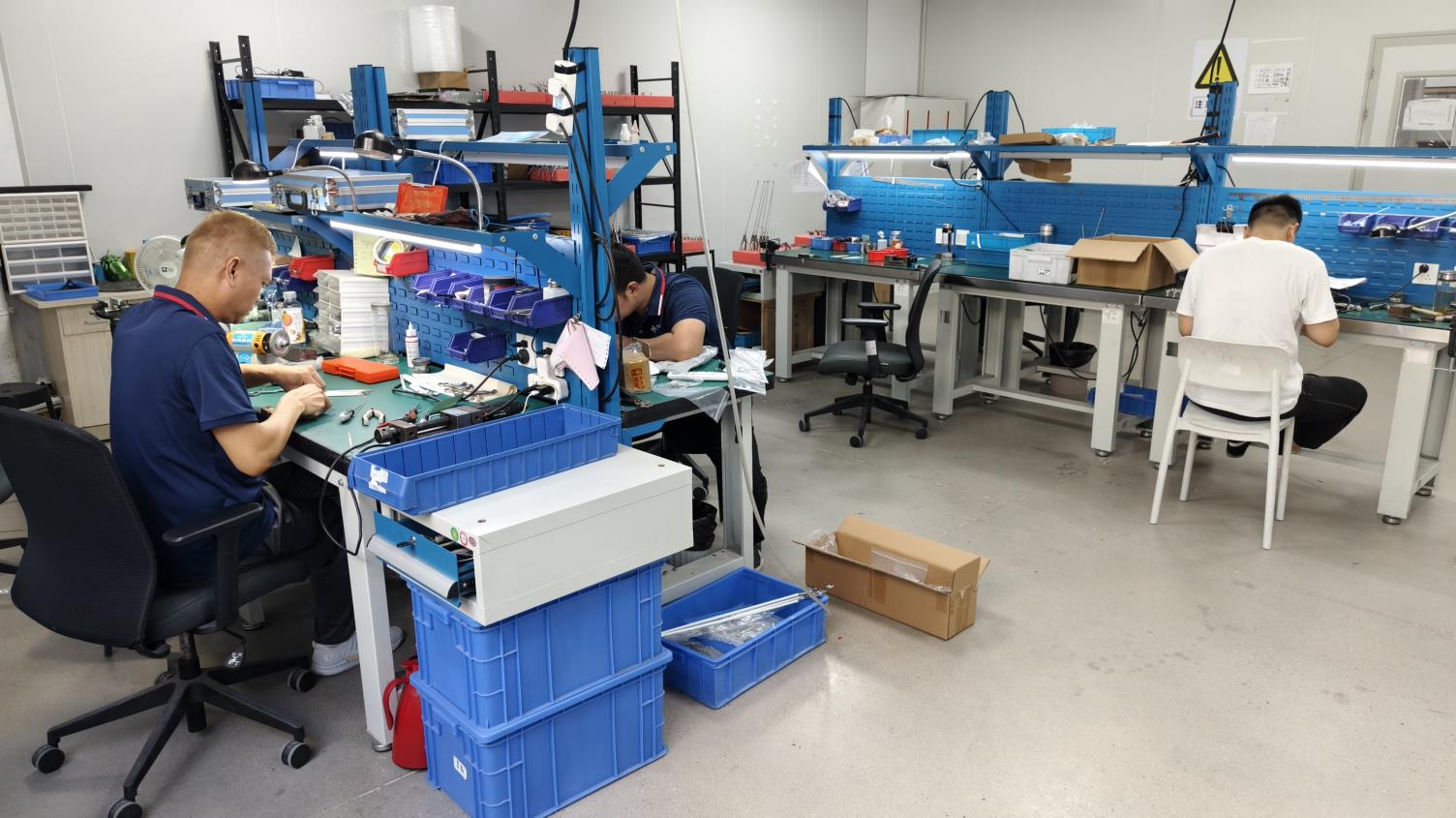
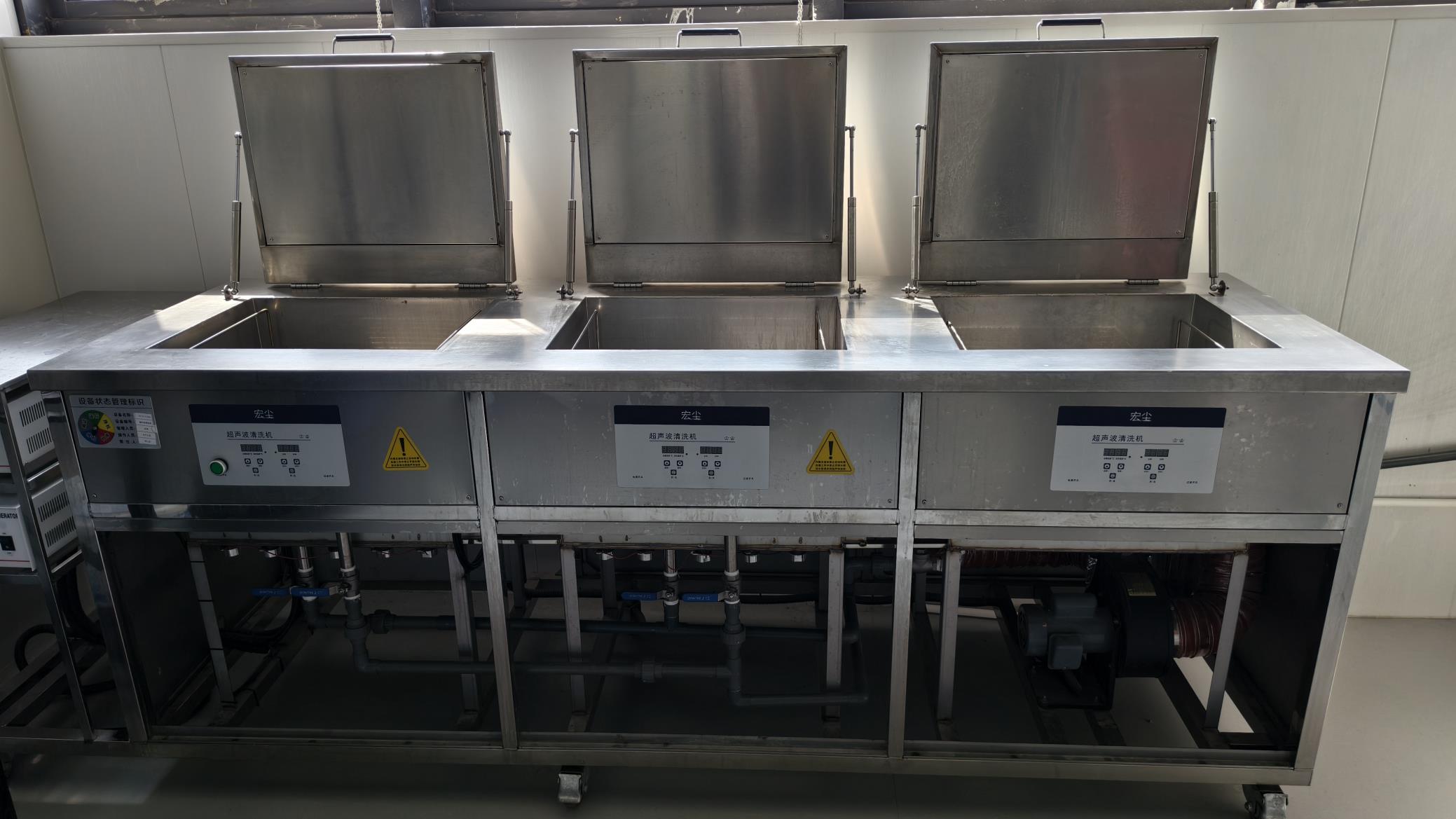
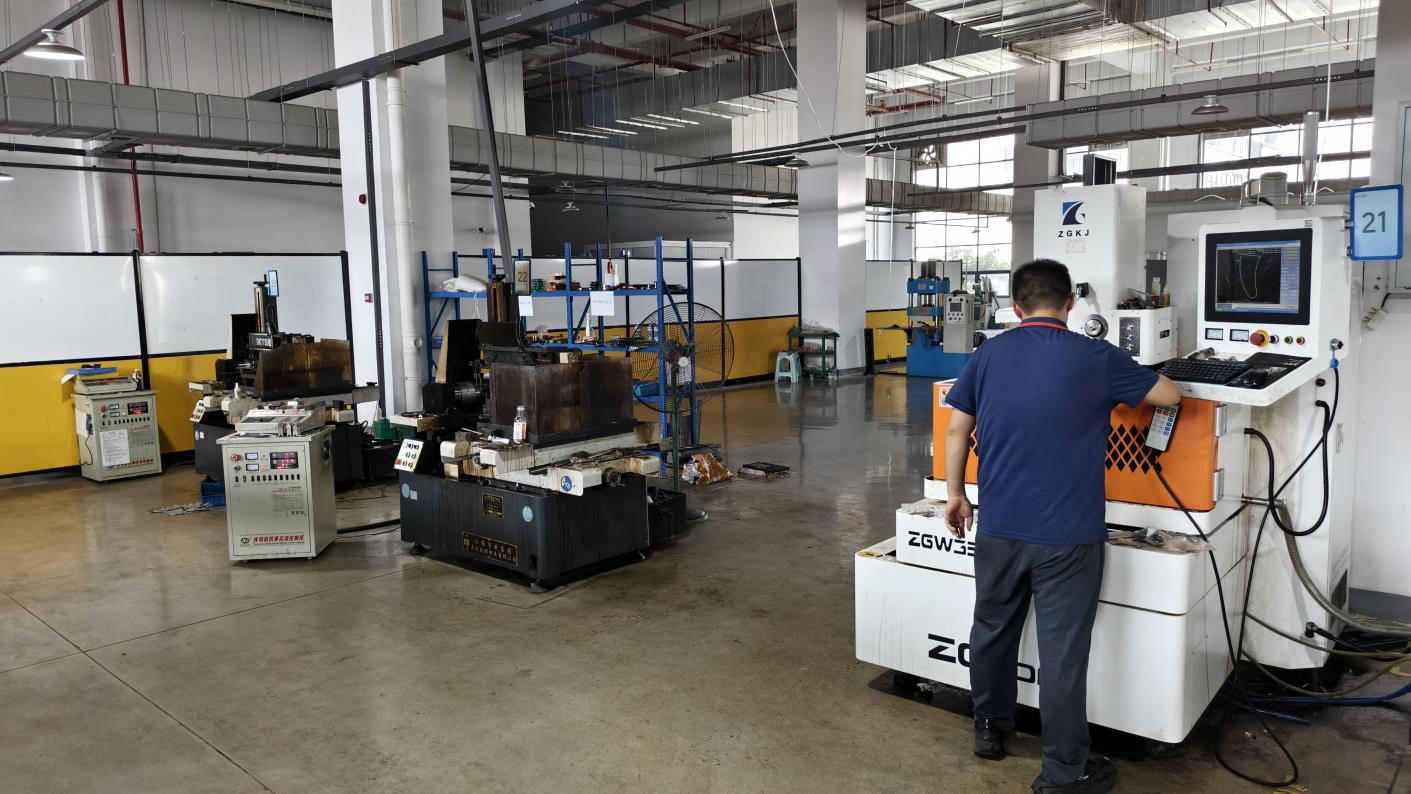
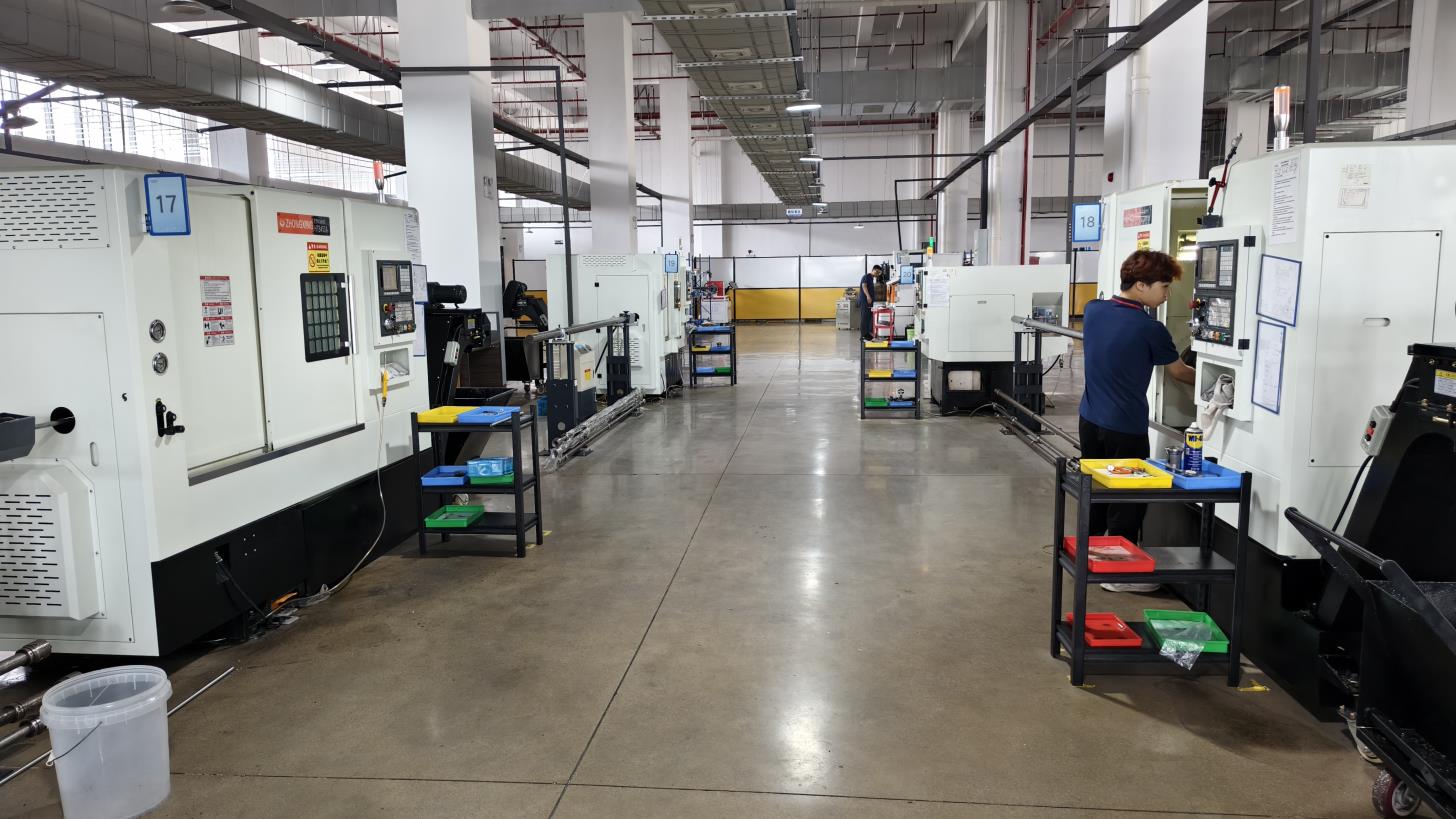
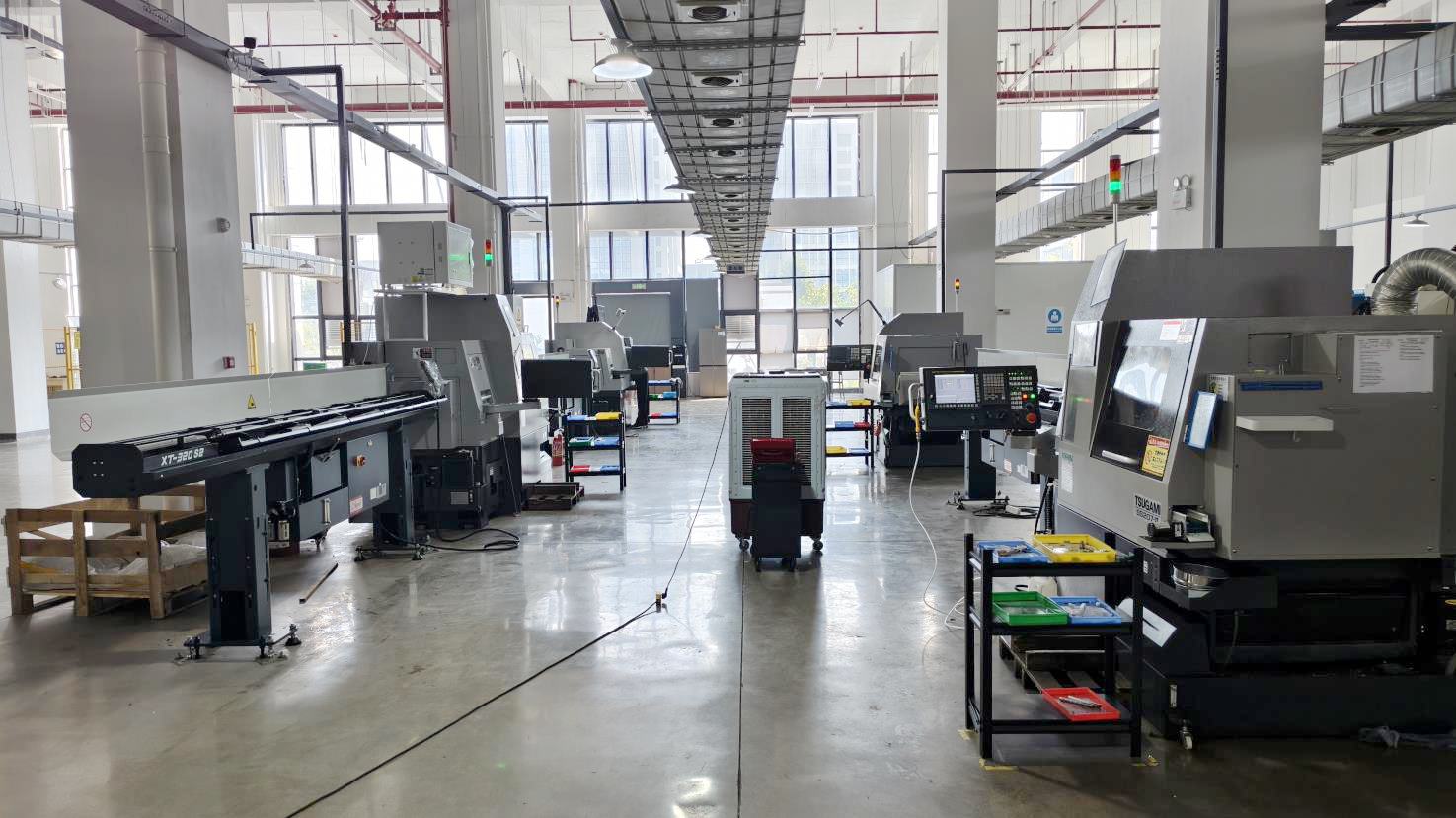
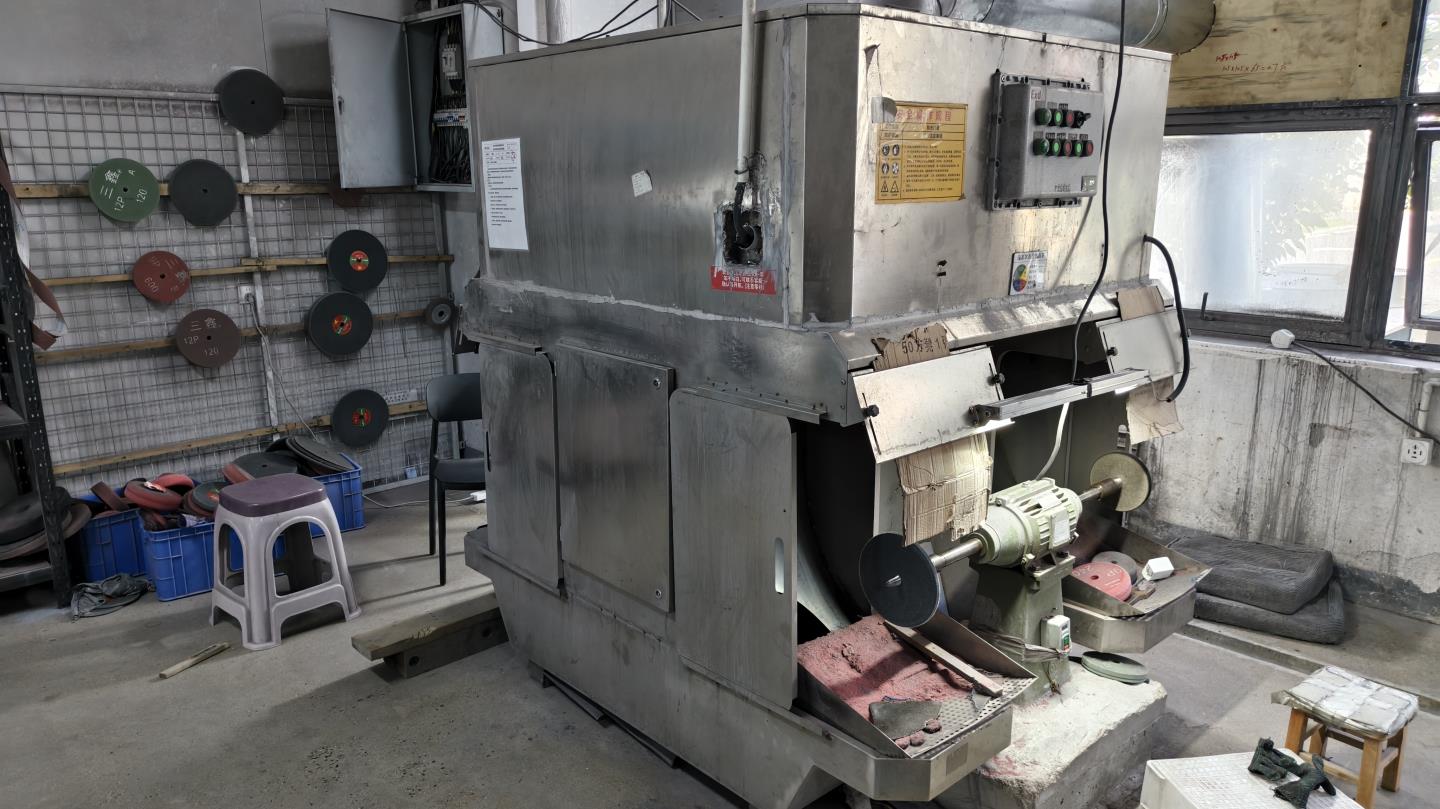
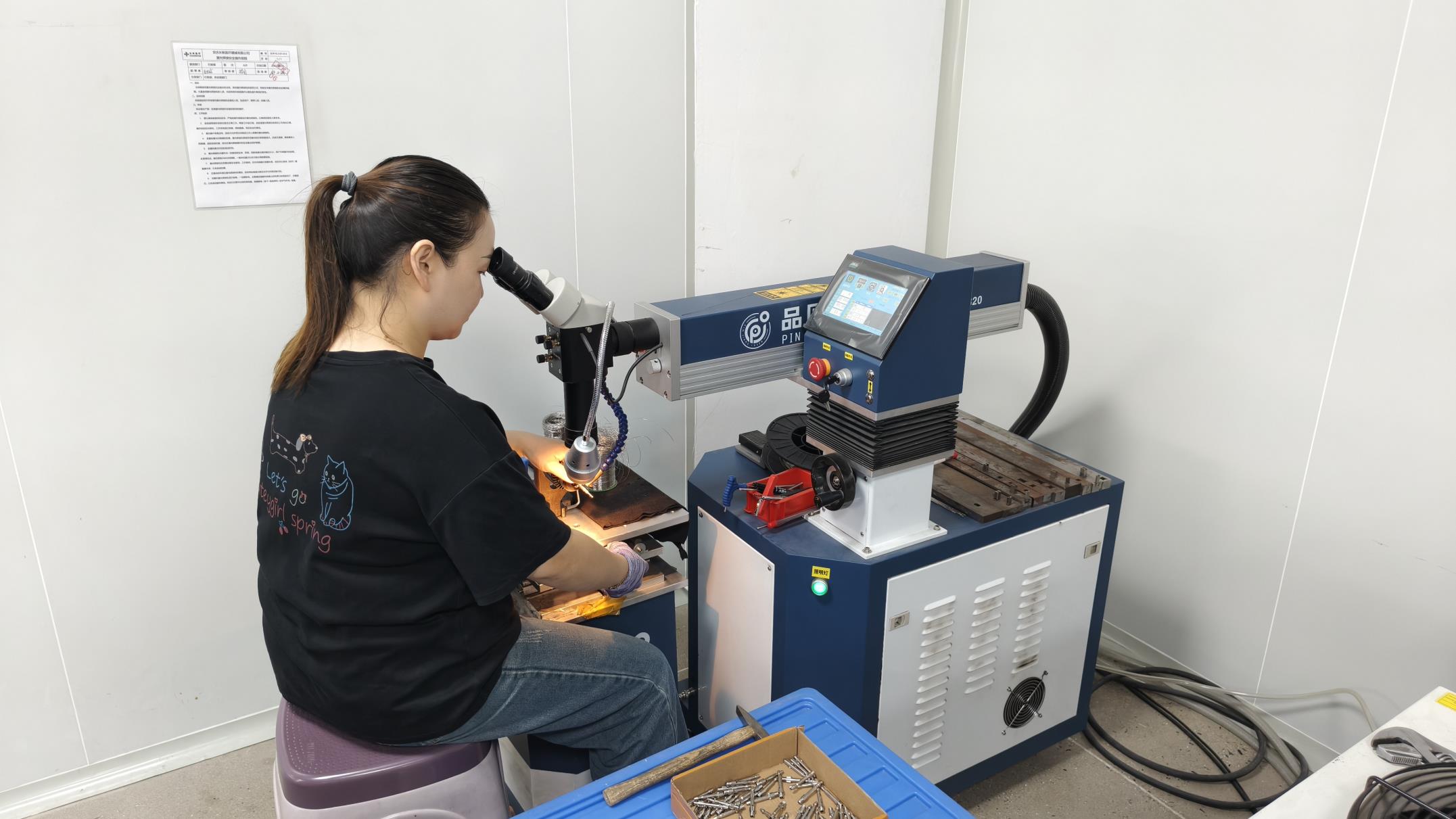
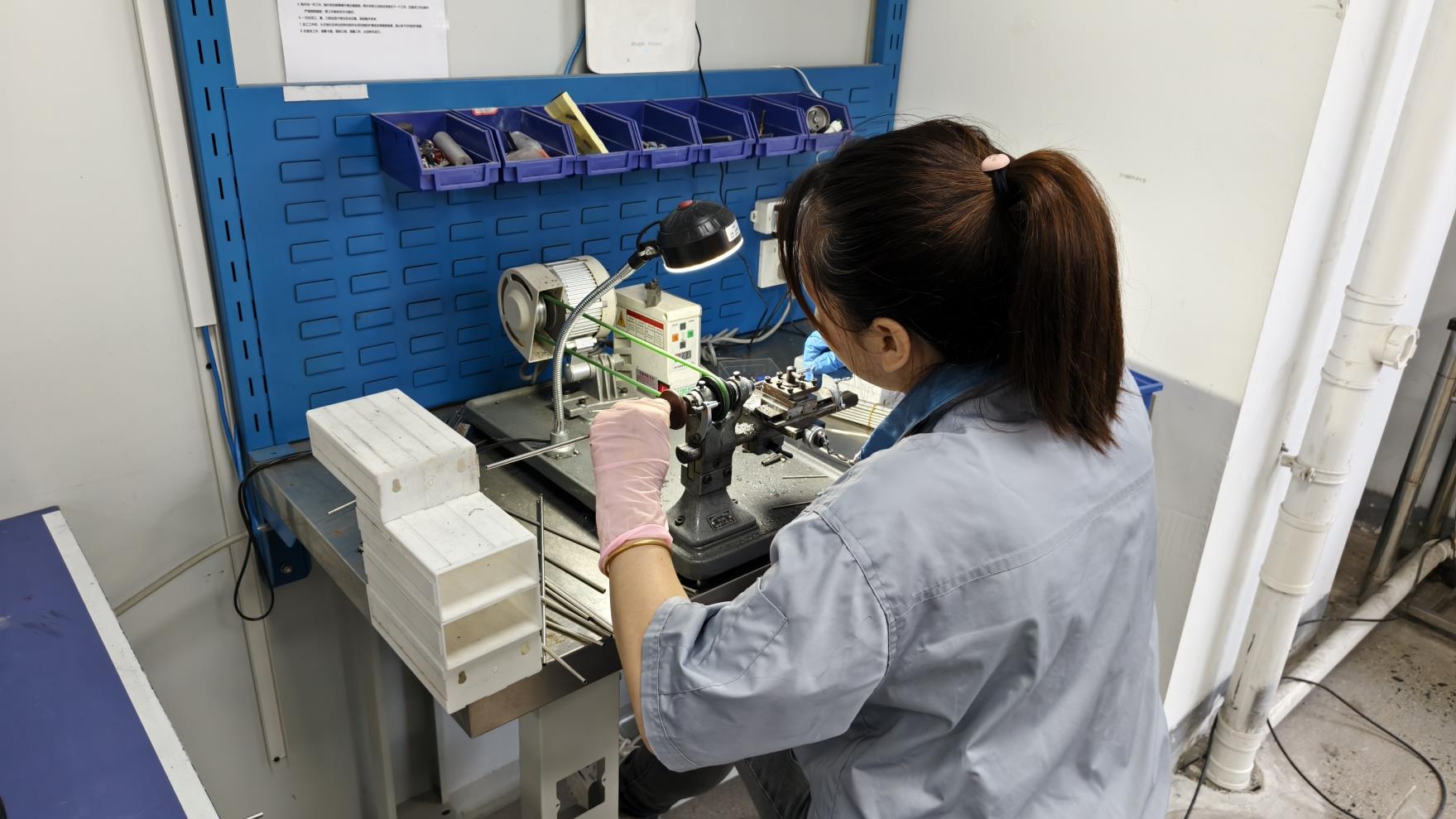
The manufacturing process initiates with certified metal rod stock undergoing precision cutting and multi-axis CNC profiling. In the machining phase, raw shapes are transformed into complex structural forms. We utilize high-end Swiss-type lathes and multi-axis CNC lathes to fabricate critical elements requiring tight tolerances, such as threaded locking mechanisms and drive connections.
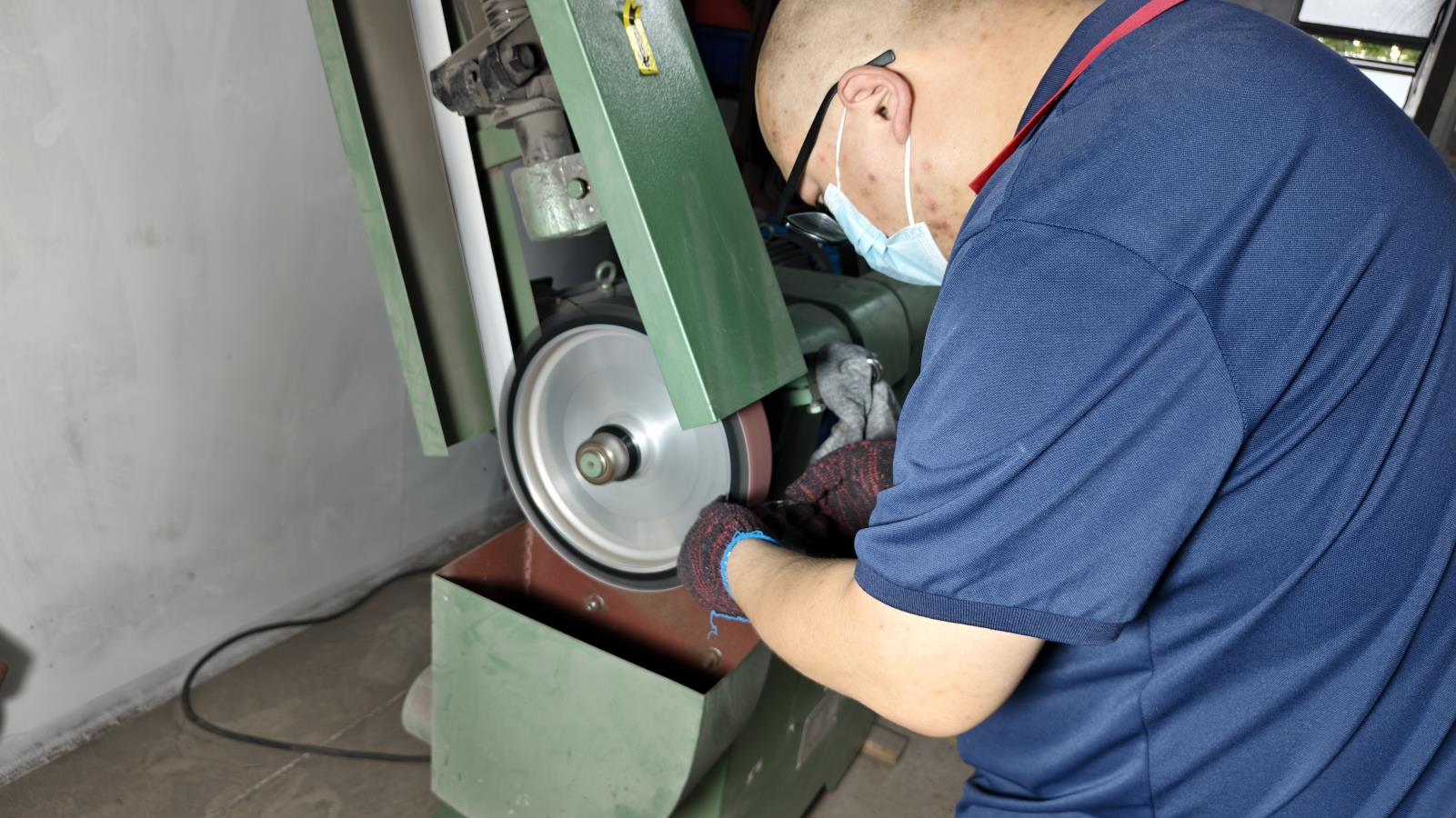
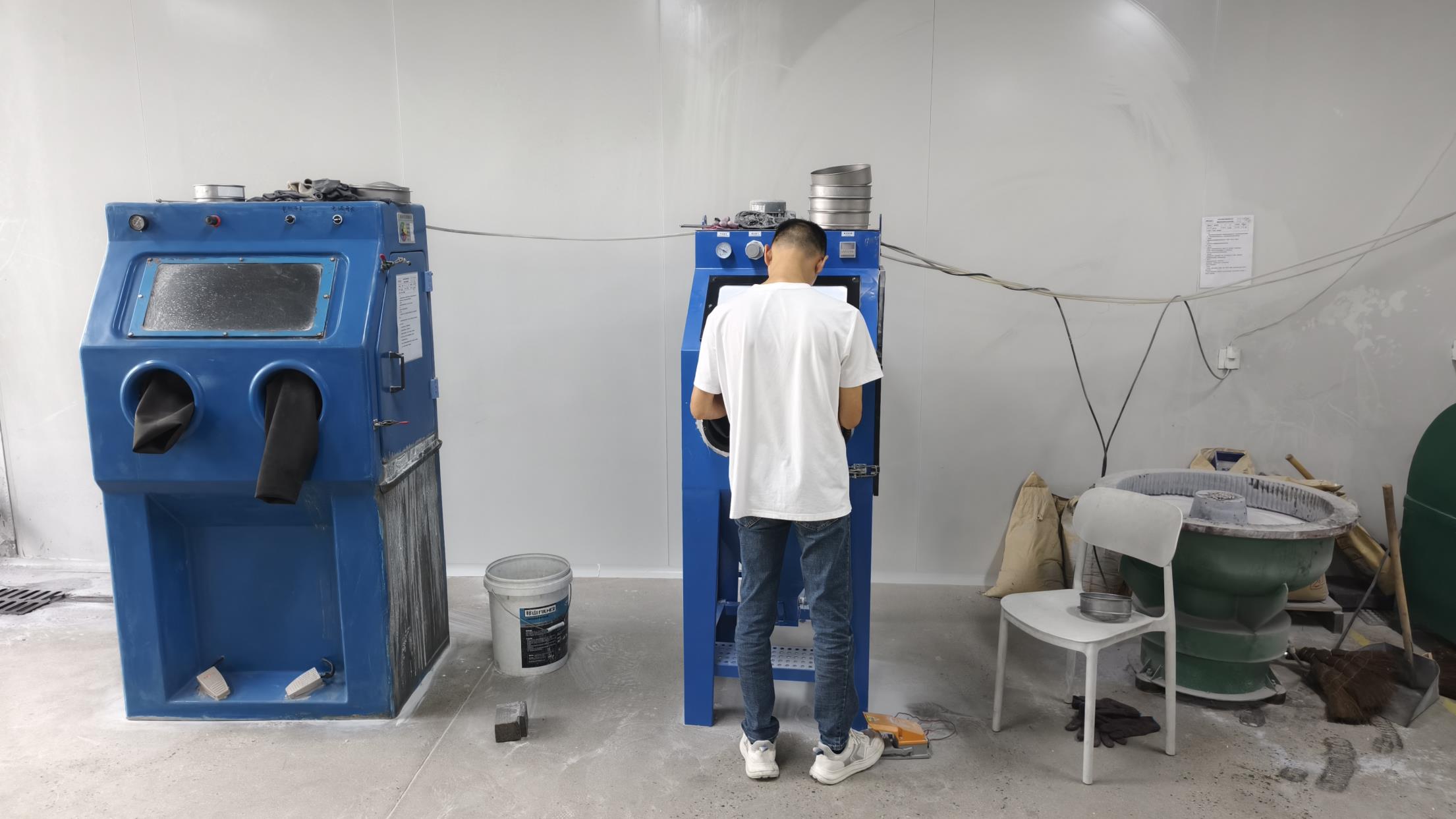
Post-machining processes are critical to ensure surface stability. Specialized grinders and manual/automated polishing systems remove manufacturing defects and achieve a smooth surface finish. The parts then undergo specific surface treatments, such as anodization, acid passivation, or sandblasting, to maximize corrosion resistance. Finished sub-assemblies are processed by precision laser welding machines, manually assembled in clean environments, and then processed through ultrasonic cleaning routines to eliminate physical contaminants prior to cleanroom packaging.
Every spinal instrument and implant manufactured by Zynfuse undergoes rigorous quality control inspections. Our quality management framework complies with ISO 13485, and is run by 68 quality inspection specialists using our in-house medical testing facility. Below are the key instruments and methods deployed to validate quality:
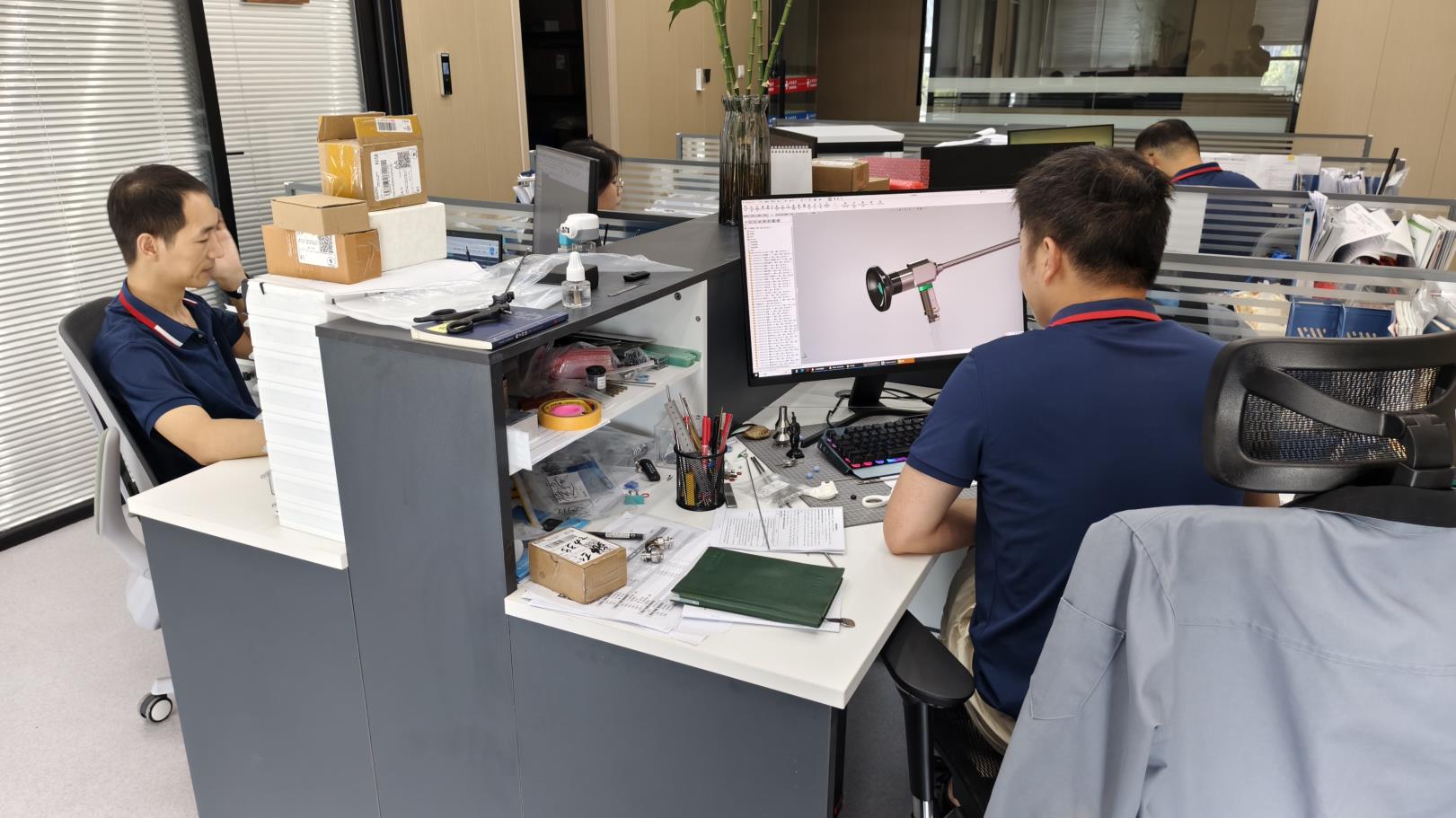

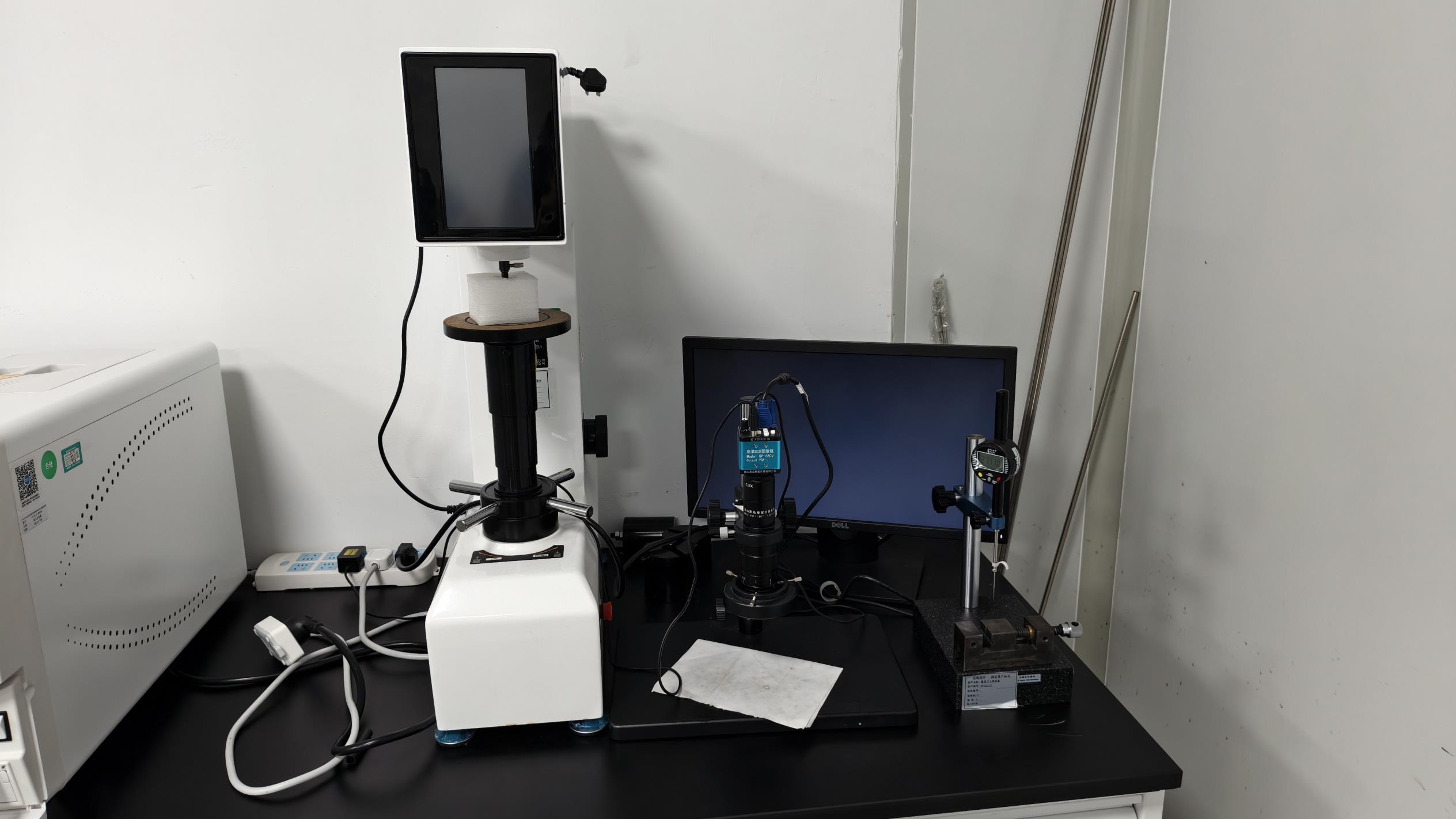
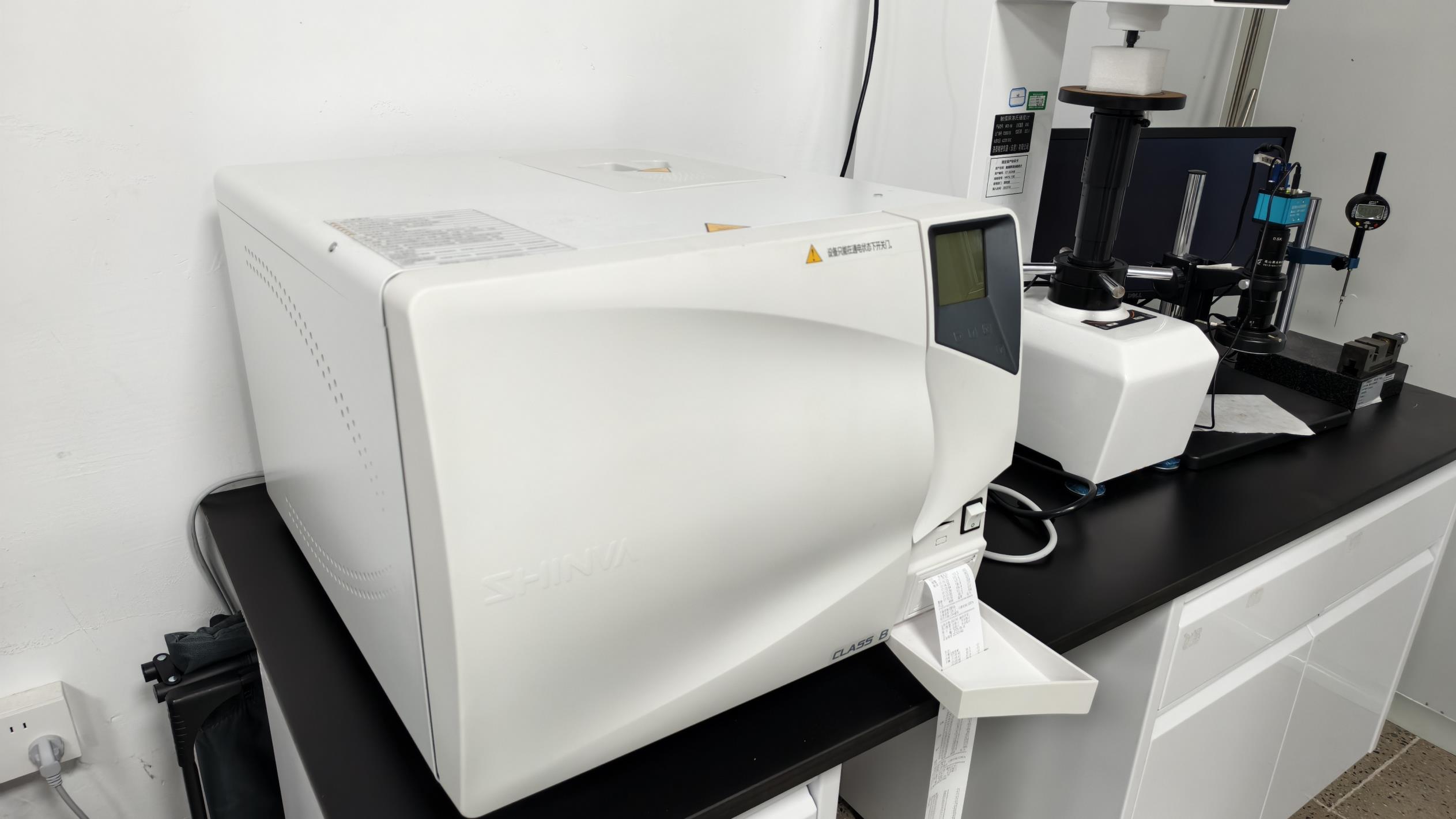
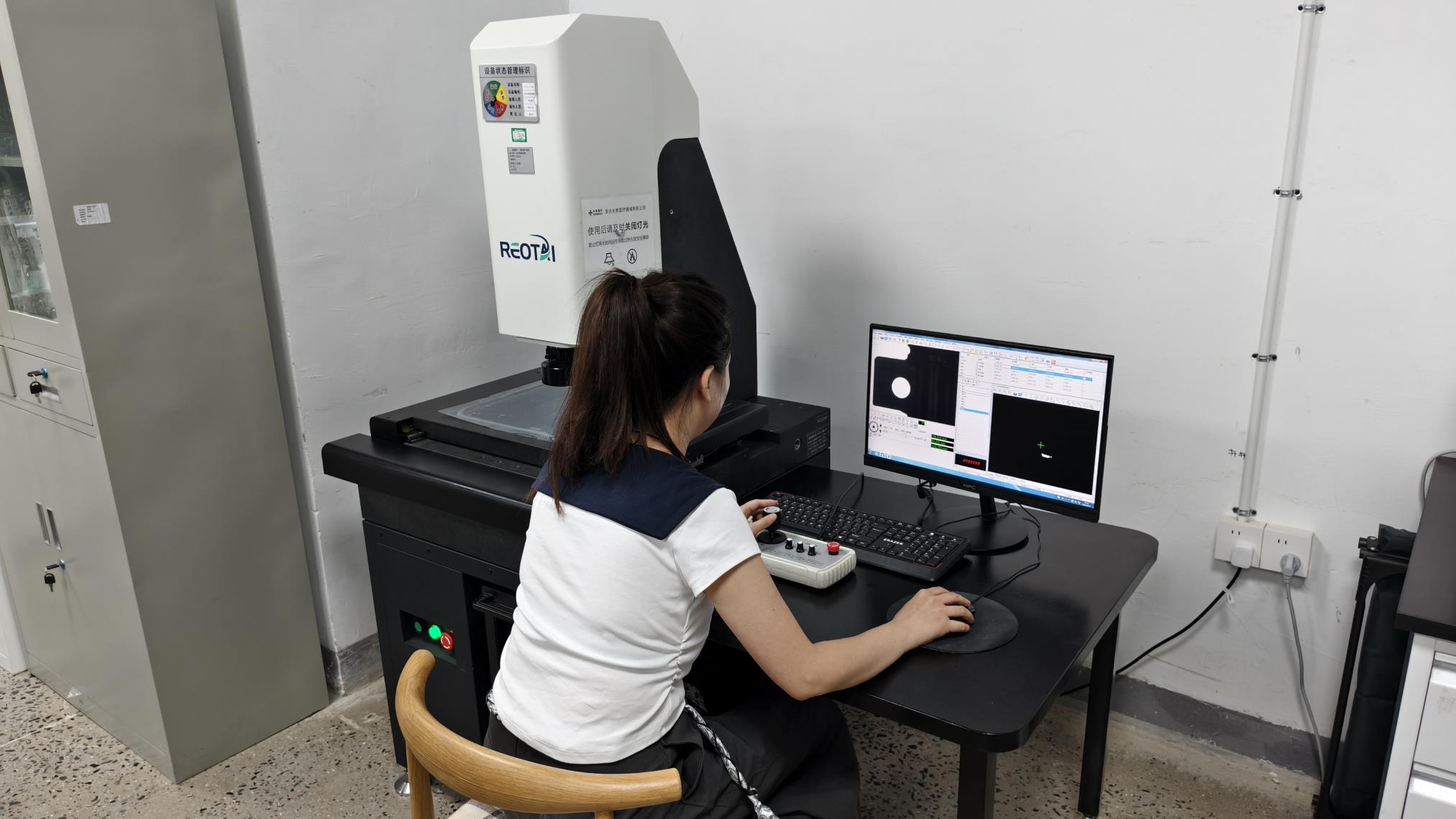
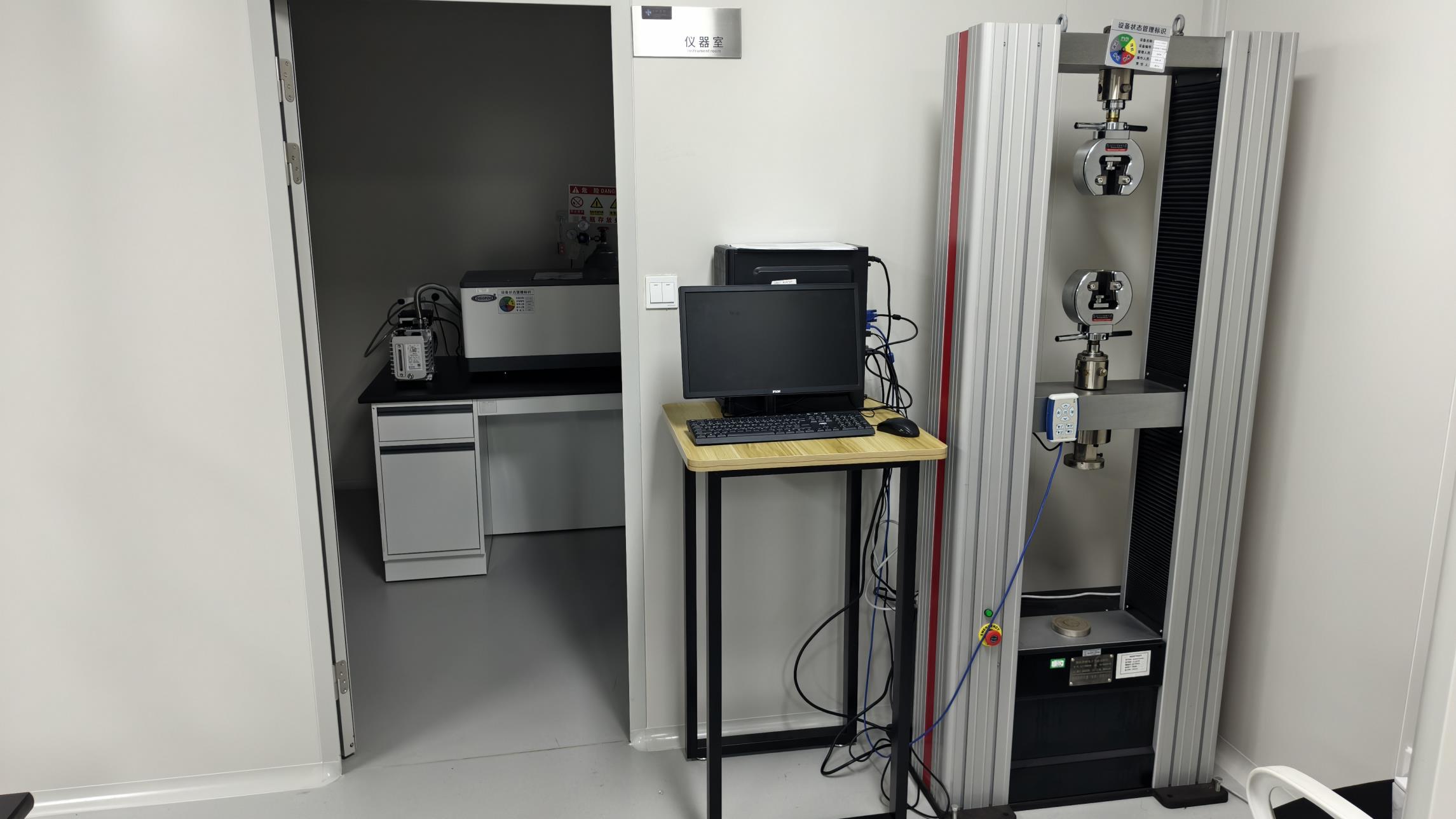
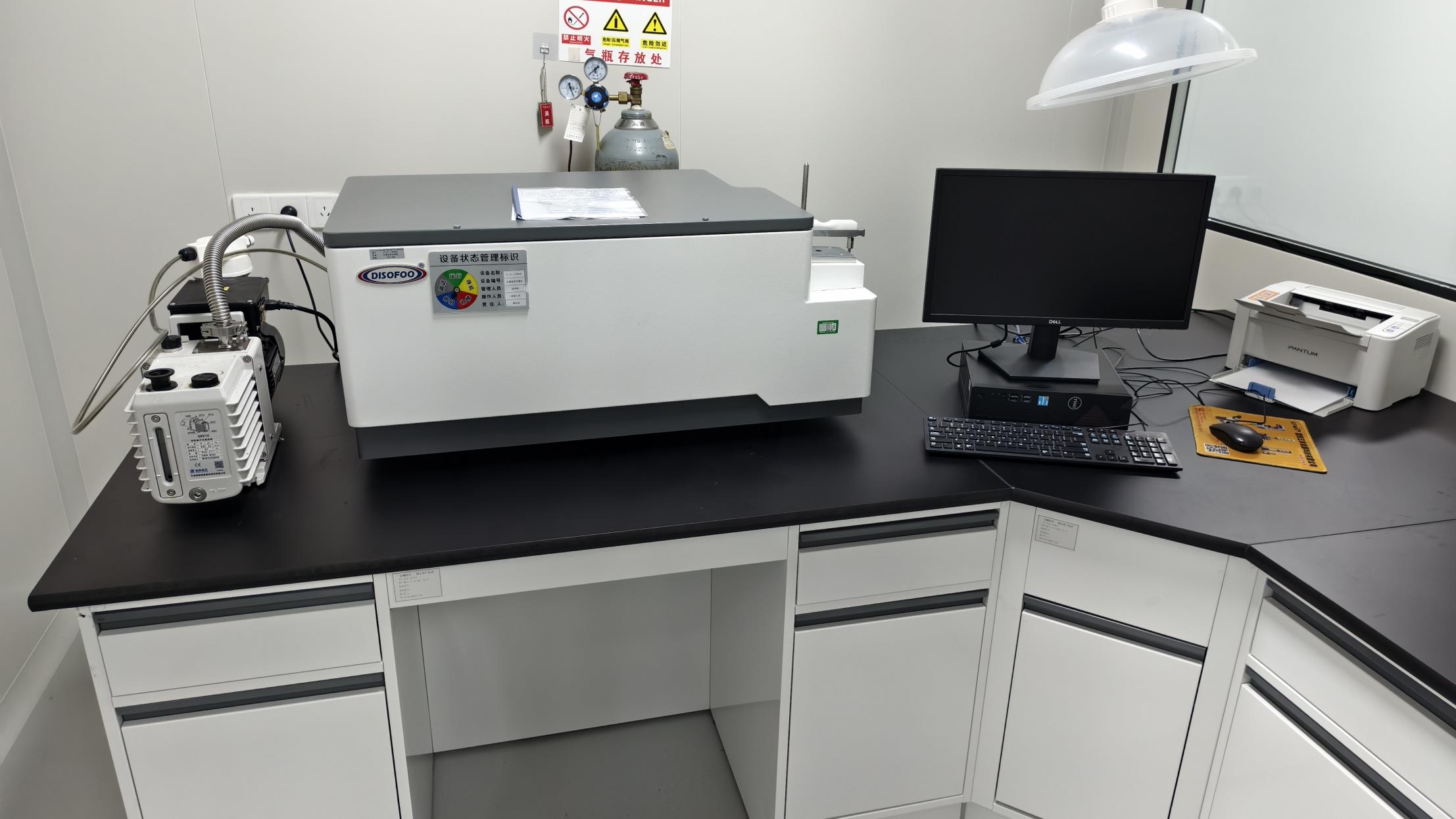
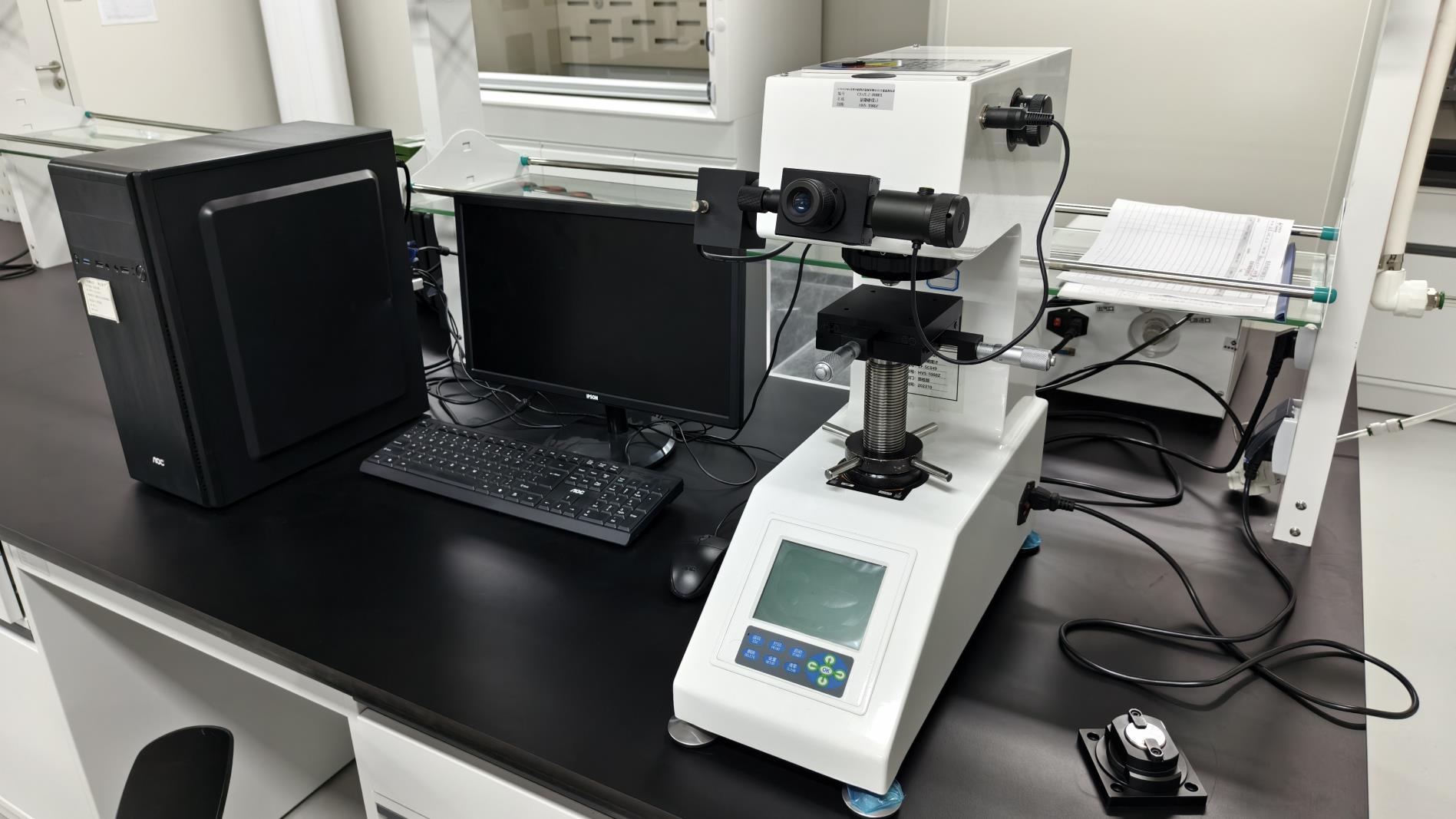
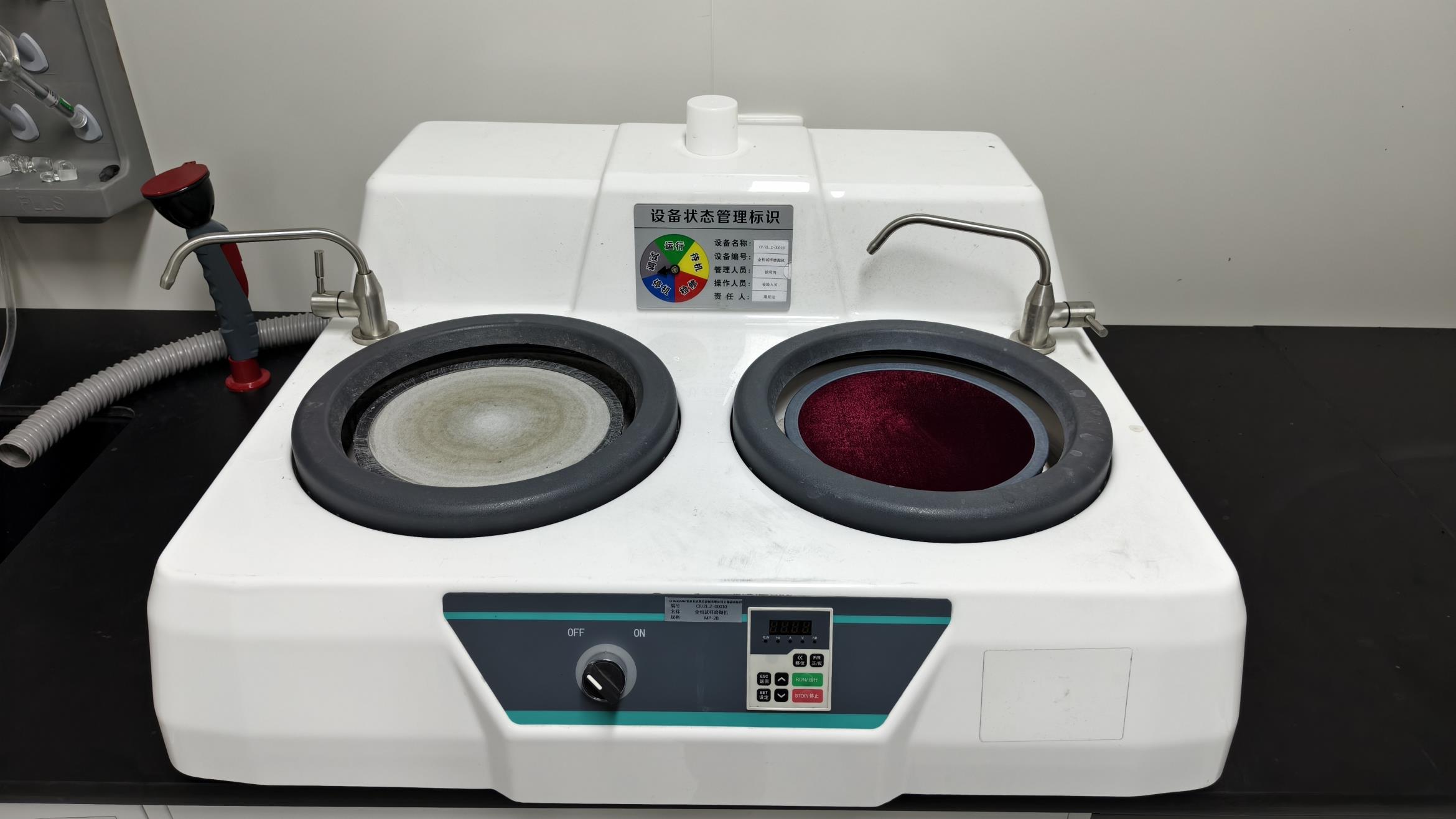
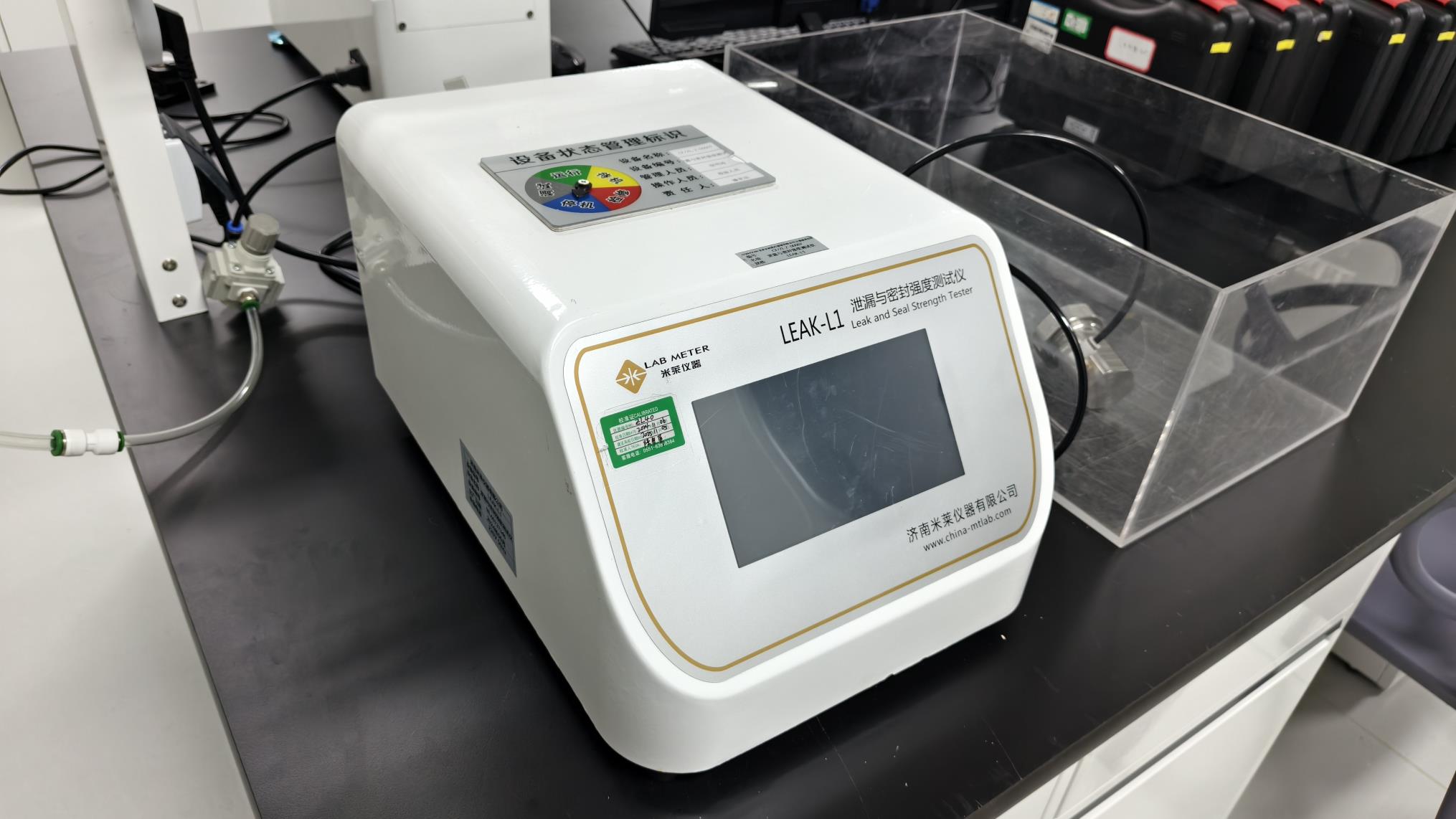
The validation pipeline starts at the design stage, where 3D CAD modeling software ensures correct structural fits. Sourced metal plates and rods undergo inspection using an optical spectrometer to verify composition, while a hardness tester ensures appropriate tempering. During production, parts are checked using a digital microscope for micro-abrasions, and a high-precision automatic 2D video measuring instrument verifies dimensional specifications down to the micron.
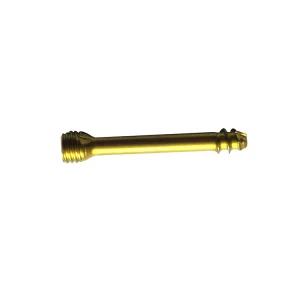
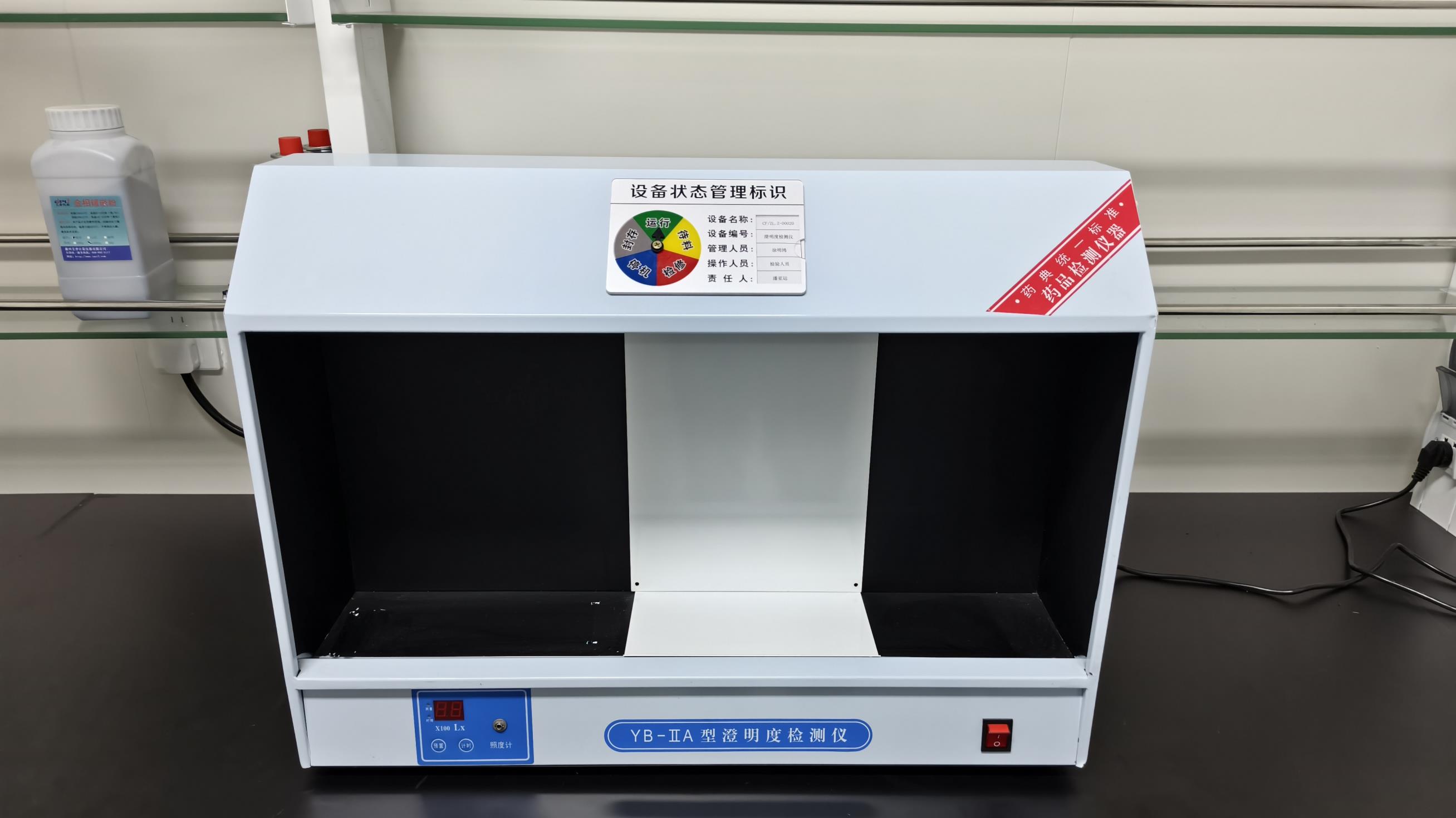
Finished implants and bone screws are subjected to structural stresses on our tensile testing machine to verify ultimate load limits. We also run aging tests to simulate multi-year operational lifetimes. To ensure robust sealing, our packaging is checked on a leakage and sealing strength tester. To verify sterilizability, samples are run through a high-pressure steam sterilizer. The microstructure of the materials is evaluated using a metallographic sample machine, and a specialized clarity detector is utilized to confirm zero particle contamination on the implant surfaces.
The field of spinal fusion and orthopedic instrumentation is advancing rapidly, driven by minimally invasive surgery (MIS), robotic surgery navigation systems, and advanced biocompatible materials. Our R&D division, comprising 85 dedicated design engineers, focuses on these upcoming trends:
We are expanding the application of medical-grade Polyetheretherketone (PEEK) for implants. Our R&D team is developing silicon nitride coatings on PEEK implants to improve osseointegration and reduce bacterial adhesion.
Future spine surgical procedures will rely heavily on surgical robotics. Our upcoming instrument designs feature high-contrast fiducial markers for real-time tracking under optical surgical navigation systems.
To reduce sterilization costs and mitigate cross-contamination risks, Zynfuse is designing disposable surgical instrument kits manufactured from medical-grade polymers and cost-effective alloys.
Zynfuse launches approximately 320 new products annually. This high rate of innovation ensures that our catalog remains aligned with the latest clinical trends, assisting our partners in maintaining a strong market position.
Zynfuse understands that orthopedic distributors and hospital groups require flexible sourcing models. Sourcing directly from Zynfuse provides several key advantages:
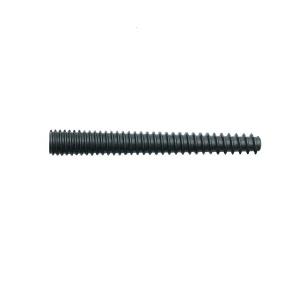
With a large R&D team and CNC capability, we provide extensive customization options. We adjust dimensions, modify screw thread profiles, and custom-etch brand logos for medical device brands.
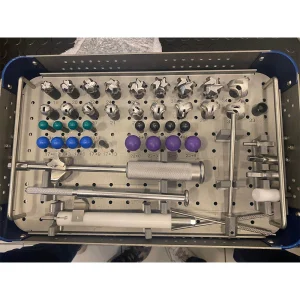
We supply modular, color-coded trays for specialized procedures, including Anterior Cervical Discectomy and Fusion (ACDF), posterior thoracolumbar fixation, and pediatric scoliosis correction.
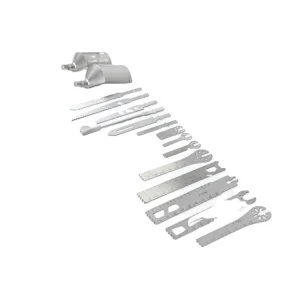
The veterinary surgery market is growing rapidly. Zynfuse supplies customized veterinary hip replacement instruments and TPLO saw blades to meet this demand.