Zynfuse
Zynfuse
Zynfuse
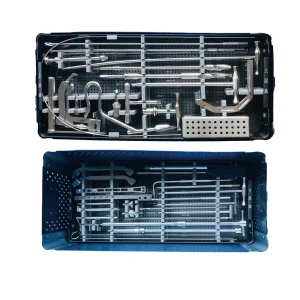
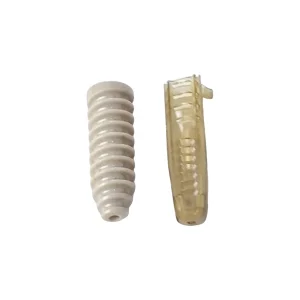
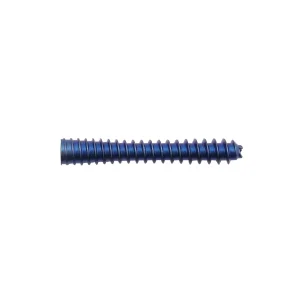
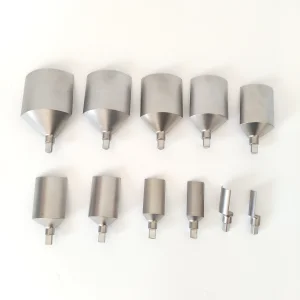
Anterior Cervical Discectomy and Fusion (ACDF) remains the gold standard treatment for symptomatic cervical disc disease, radiculopathy, and myelopathy. At the center of this surgical paradigm is the cervical interbody fusion cage, a mechanical device engineered to restore disc height, preserve cervical lordosis, and provide immediate stabilization while solid bone arthrodesis is achieved. Over the past decade, the global orthopedic landscape has witnessed a rapid transition from autograft harvesting toward synthetic biomaterial cages, requiring manufacturers to produce highly biocompatible, structurally optimized, and fatigue-resistant implants.
"Biomechanical stability of cervical cages is determined by two critical attributes: geometry that aligns with the subchondral bone, and material characteristics that minimize the risk of endplate subsidence."
Modern clinical studies demonstrate that restoring sagittal alignment and height using interbody cages reduces the incidence of adjacent segment degeneration (ASD). However, achieving long-term mechanical success hinges on the selection of advanced materials and surface textures that promote bone cell integration. Top Chinese manufacturers have spearheaded this material evolution, optimizing production strategies to support both PEEK (polyetheretherketone) configurations and 3D-printed trabecular titanium designs.
For years, radiolucent PEEK materials (such as PEEK-OPTIMA™ LT1) have been widely adopted due to their elastic modulus matching human cortical bone, which minimizes stress shielding. The radiolucency of PEEK enables surgeons to accurately monitor fusion progress on follow-up X-rays and CT scans without implant artifacts. Despite these benefits, standard PEEK is hydrophobic and biologically inert, meaning it primarily forms a fibrous interface rather than direct bone contact.
To overcome this limitation, Zynfuse Medical’s R&D division has advanced two modern engineering alternatives:
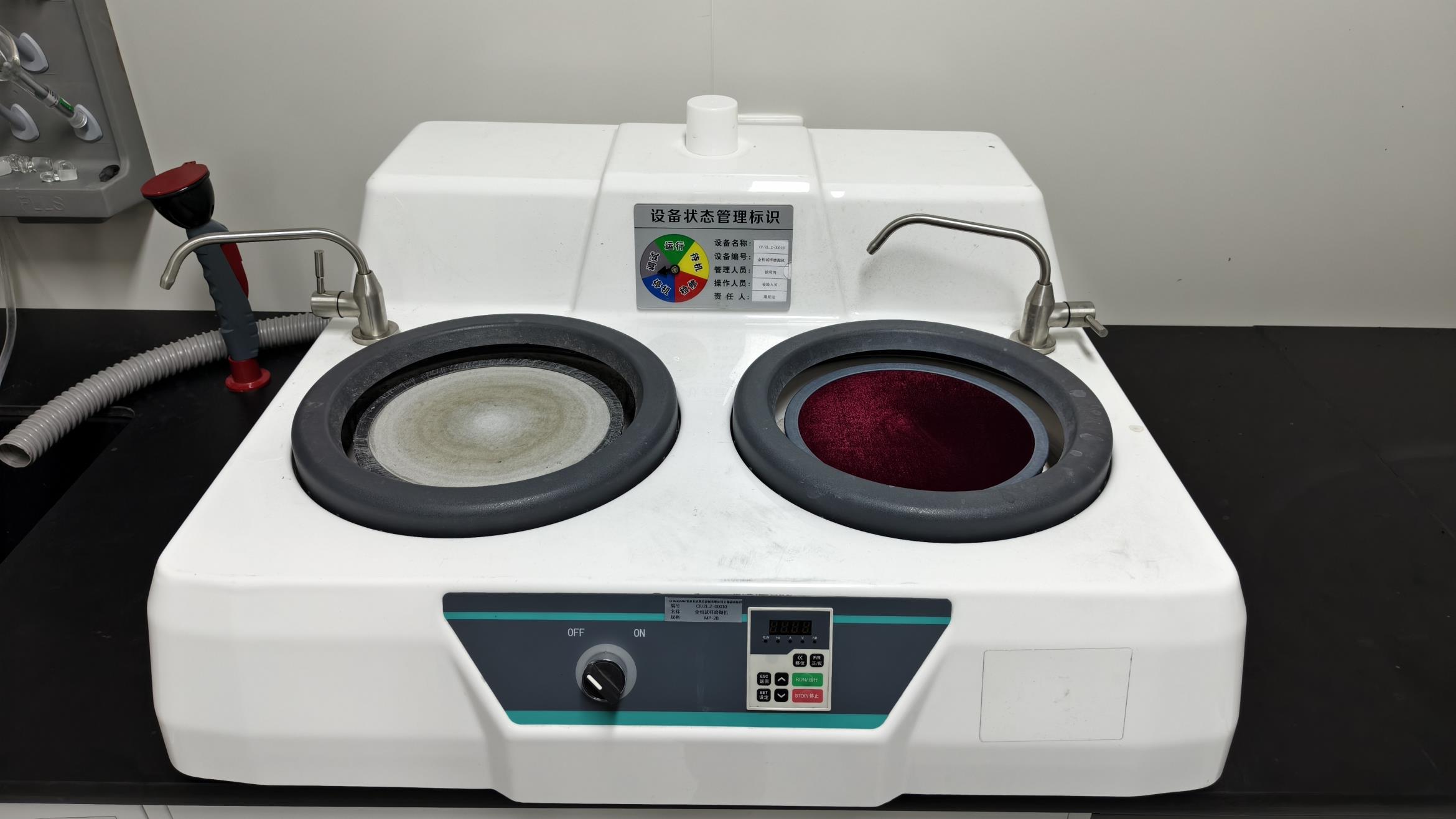
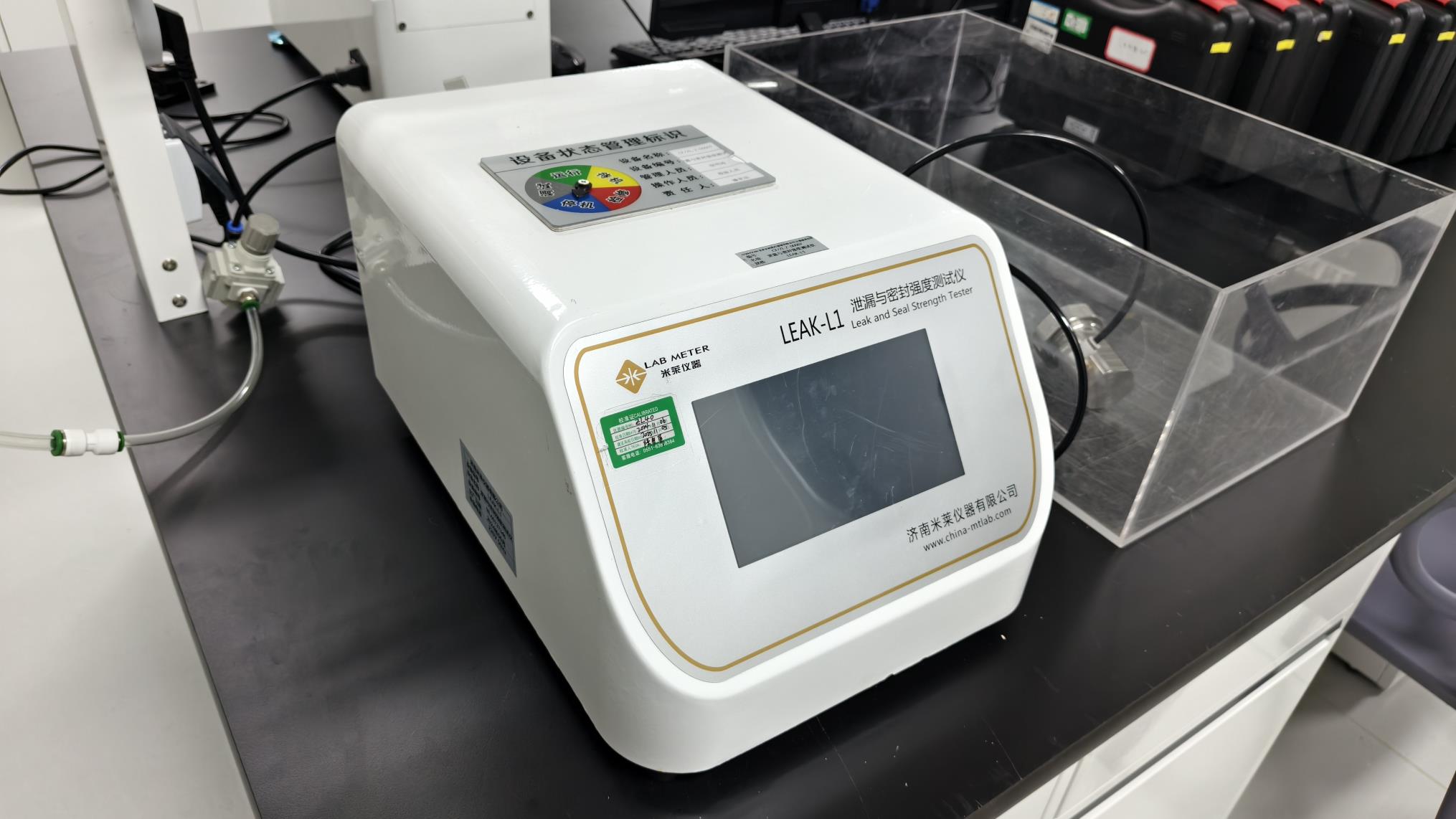
Every cervical cage undergo rigorous mechanical assessment, including static and dynamic compression, shear testing, and subsidence evaluations to prevent endplate structural failure.
Our cages are designed with convex profiles, lordotic options (4° to 12°), and serrated surface teeth to ensure primary stability and fit securely within the cervical disc space.
Optimized central window volumes allow for maximum bone graft containment, promoting bone bridging across the vertebral bodies for faster, more reliable fusion.
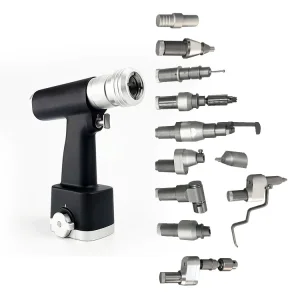
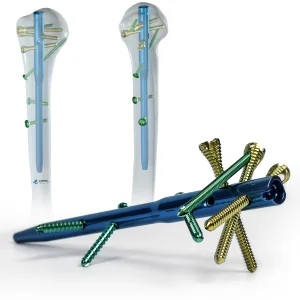
Established in 2016, Zynfuse Medical Technology Co., Ltd. has developed a strong reputation in orthopedic solutions, combining 12 years of industry experience and 7 years of export history. With a modern 18,600 m² ISO-compliant facility, we produce high-precision spinal implants, trauma plates, and orthopedic surgical power tools for global healthcare networks.
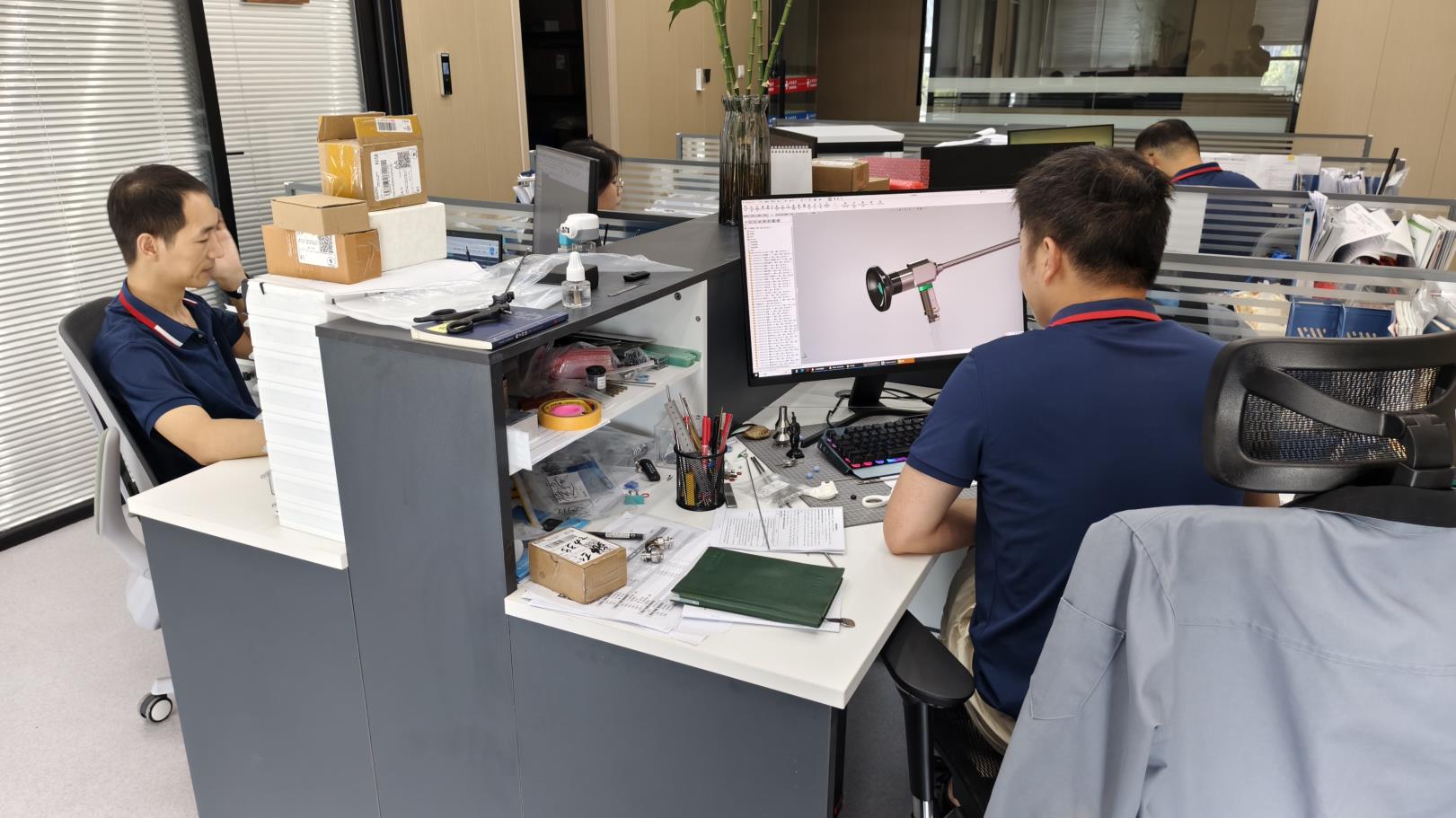
Our commitment to patient safety and quality control is managed by 68 quality inspection specialists, ensuring all materials meet strict international regulatory standards. Led by an R&D team of 85 clinical engineers, Zynfuse designs and manufactures approximately 320 new products annually, securing partnerships with more than 1,200 distributors, hospitals, and surgical centers worldwide.
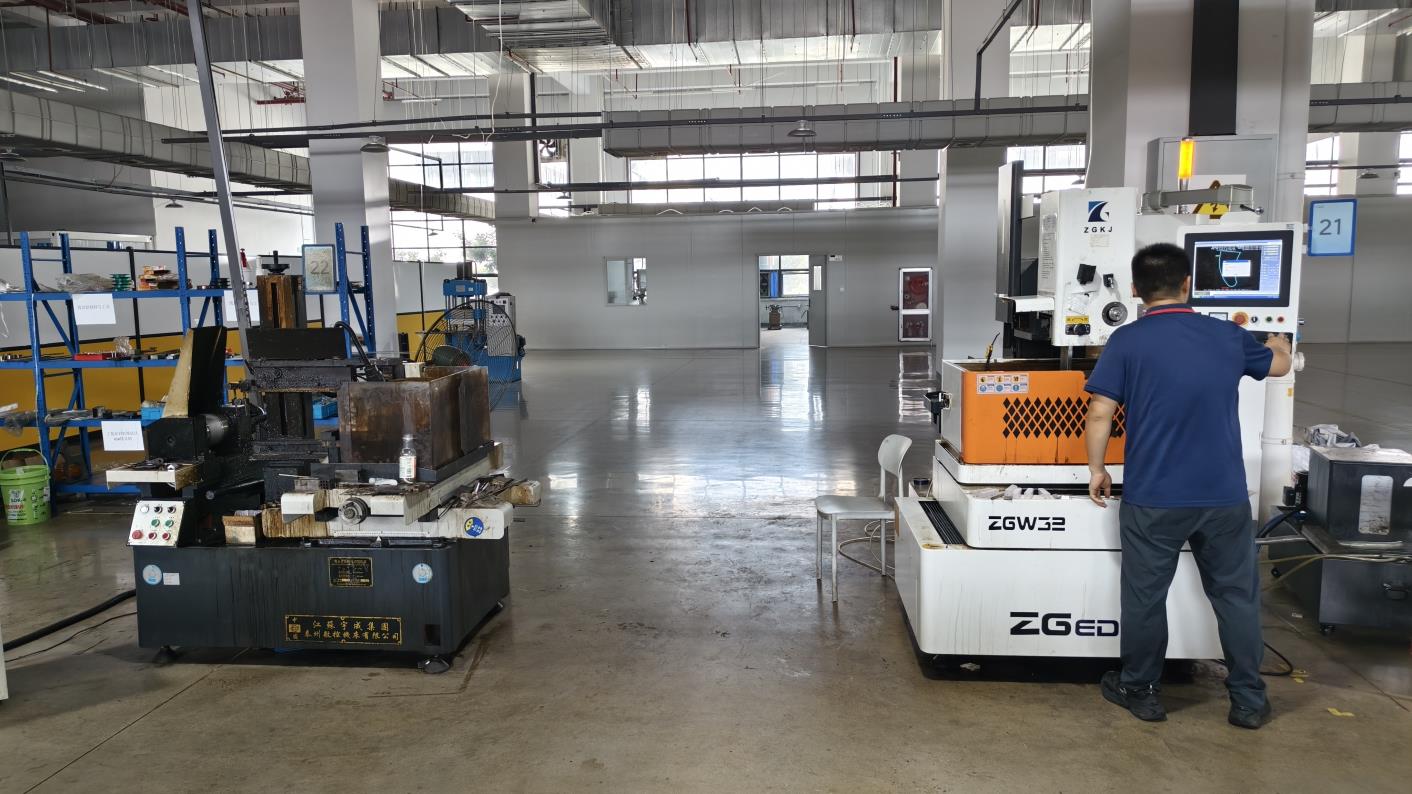
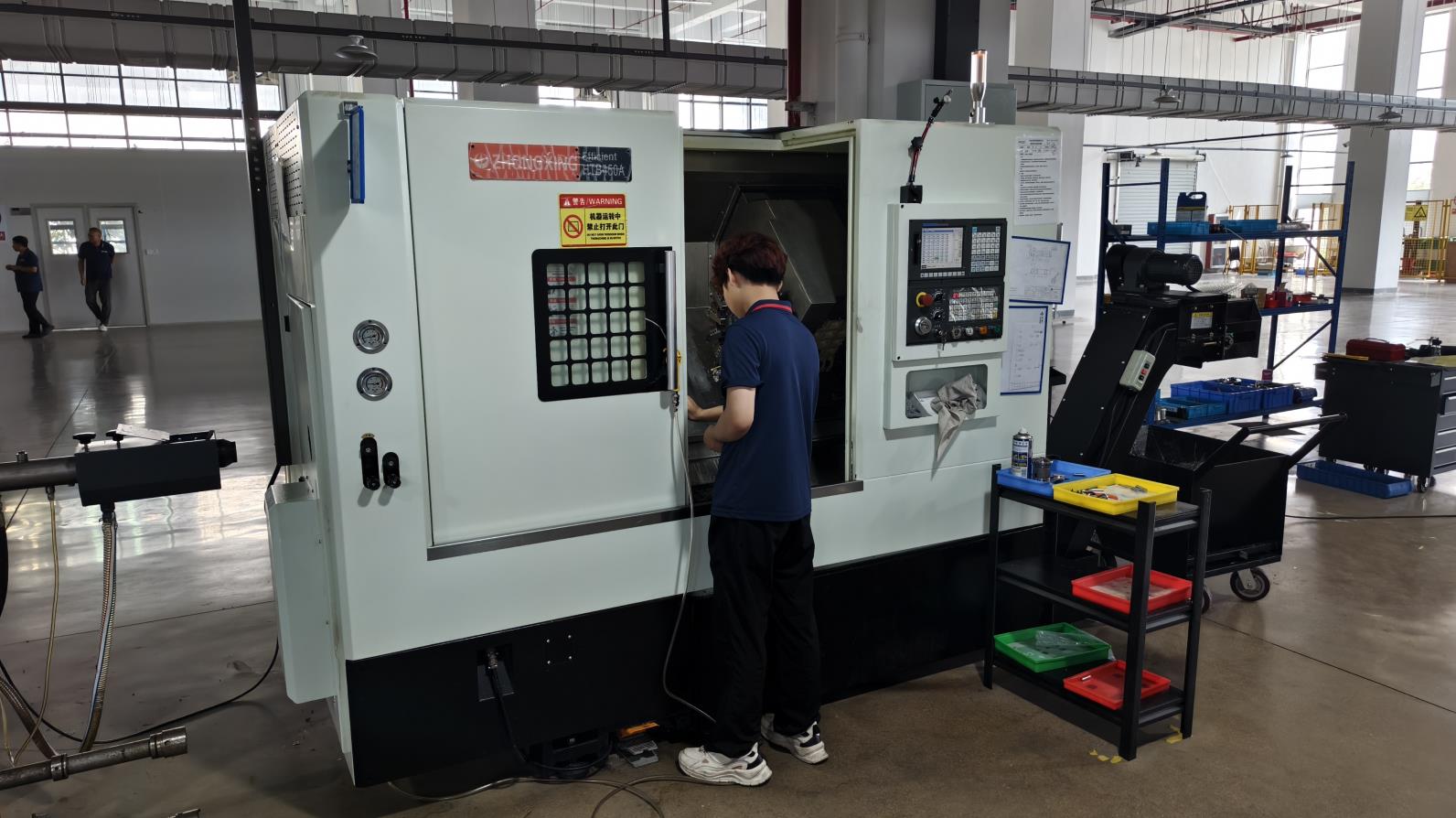
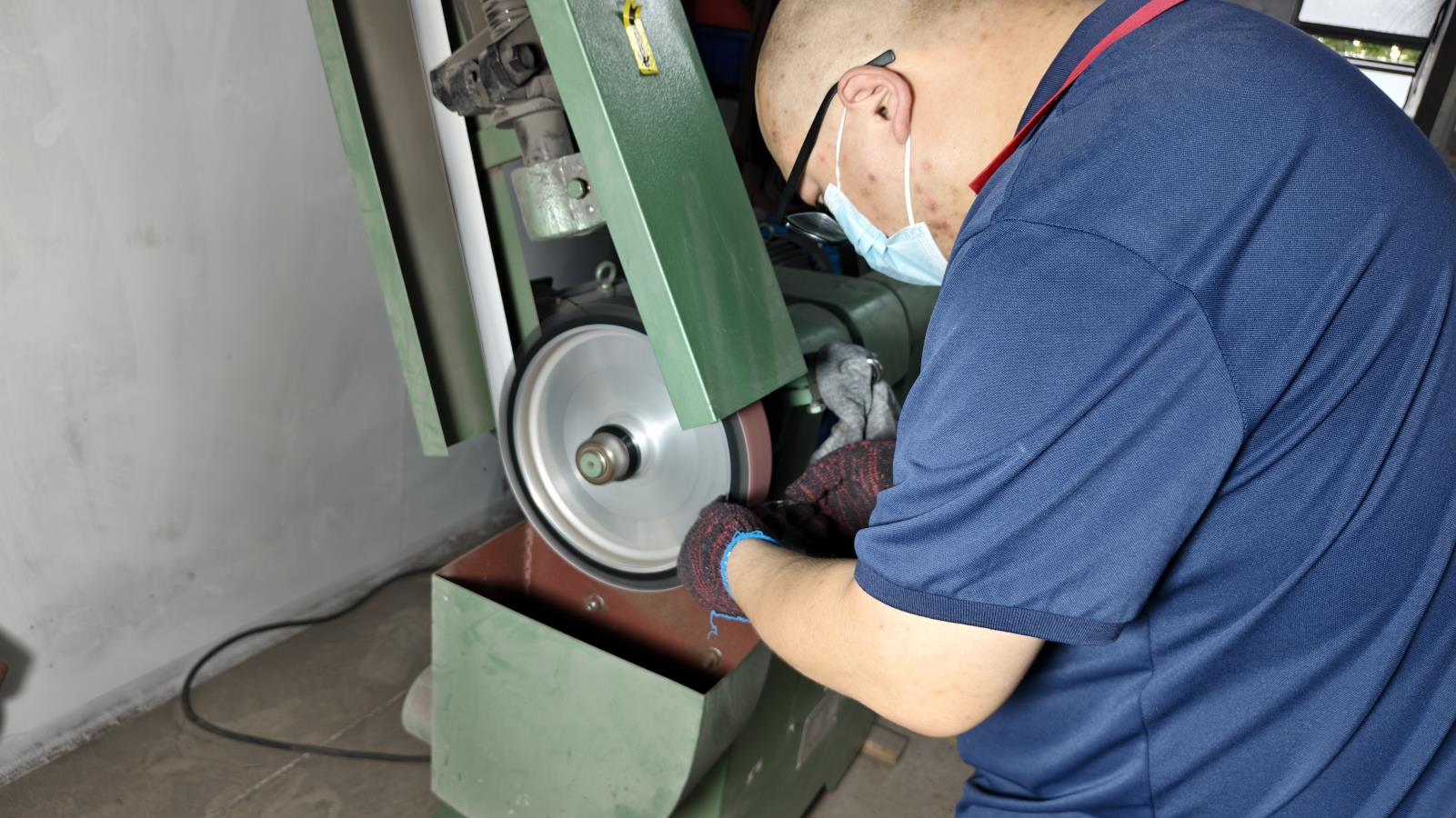
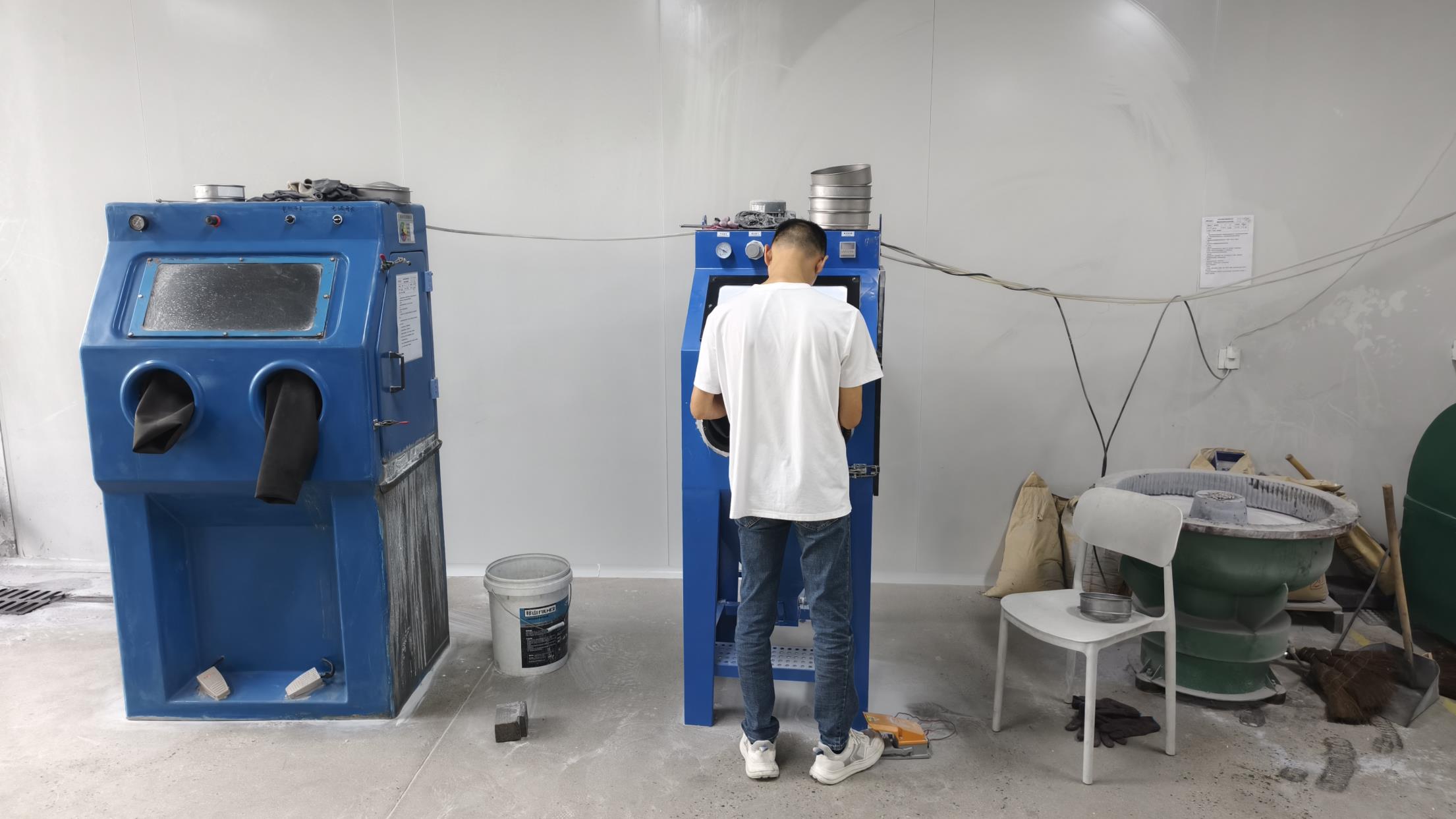
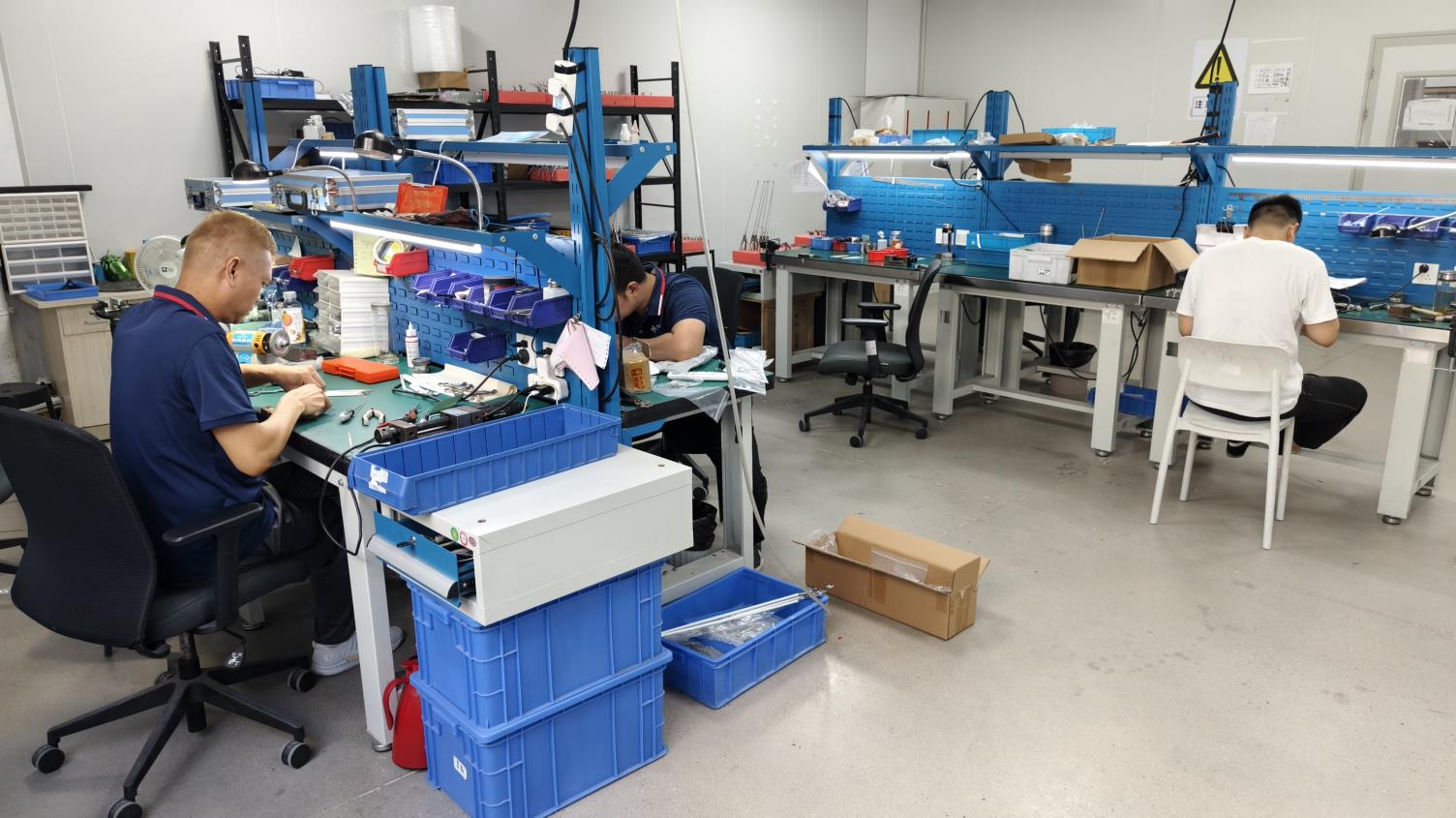
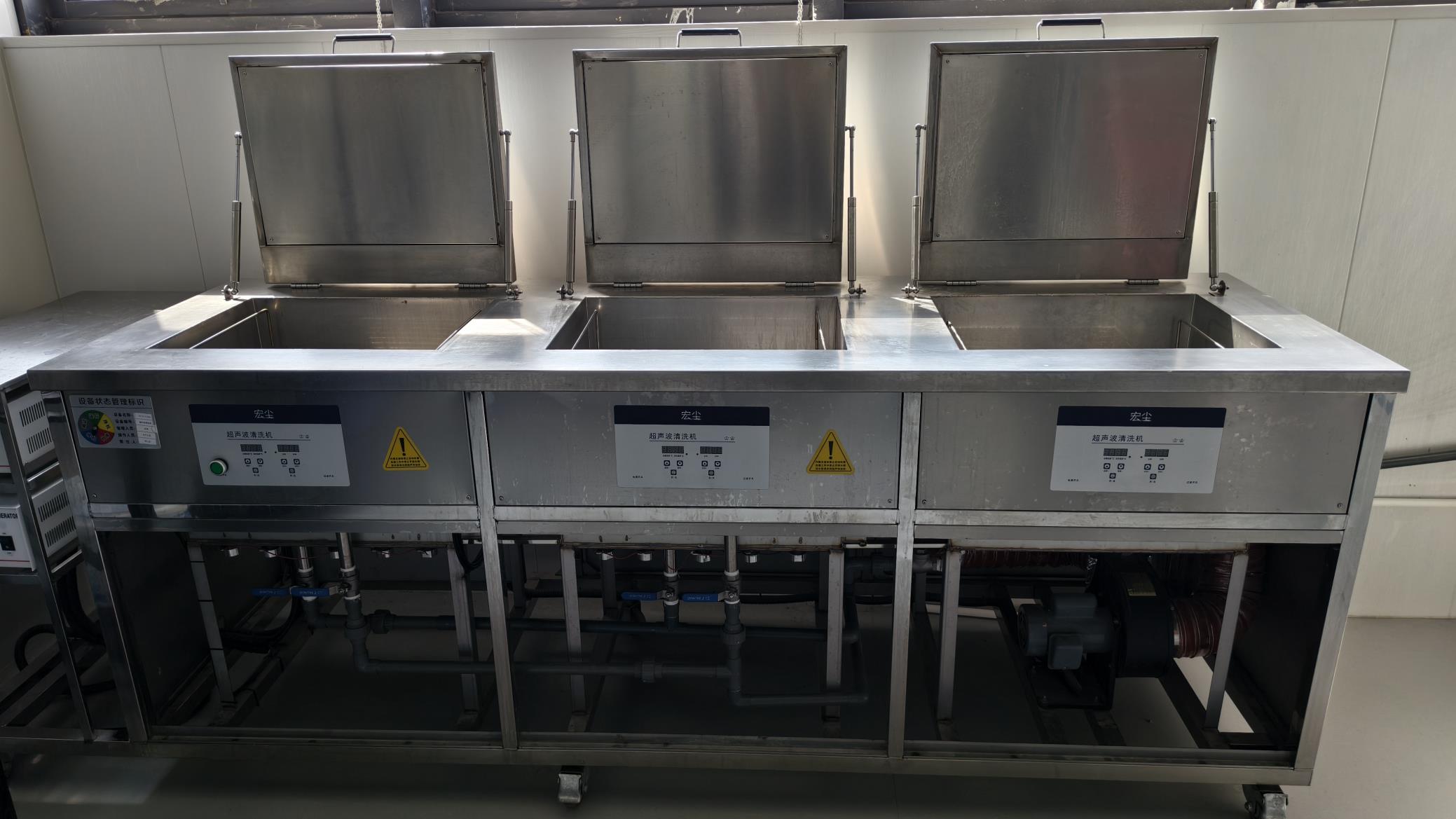
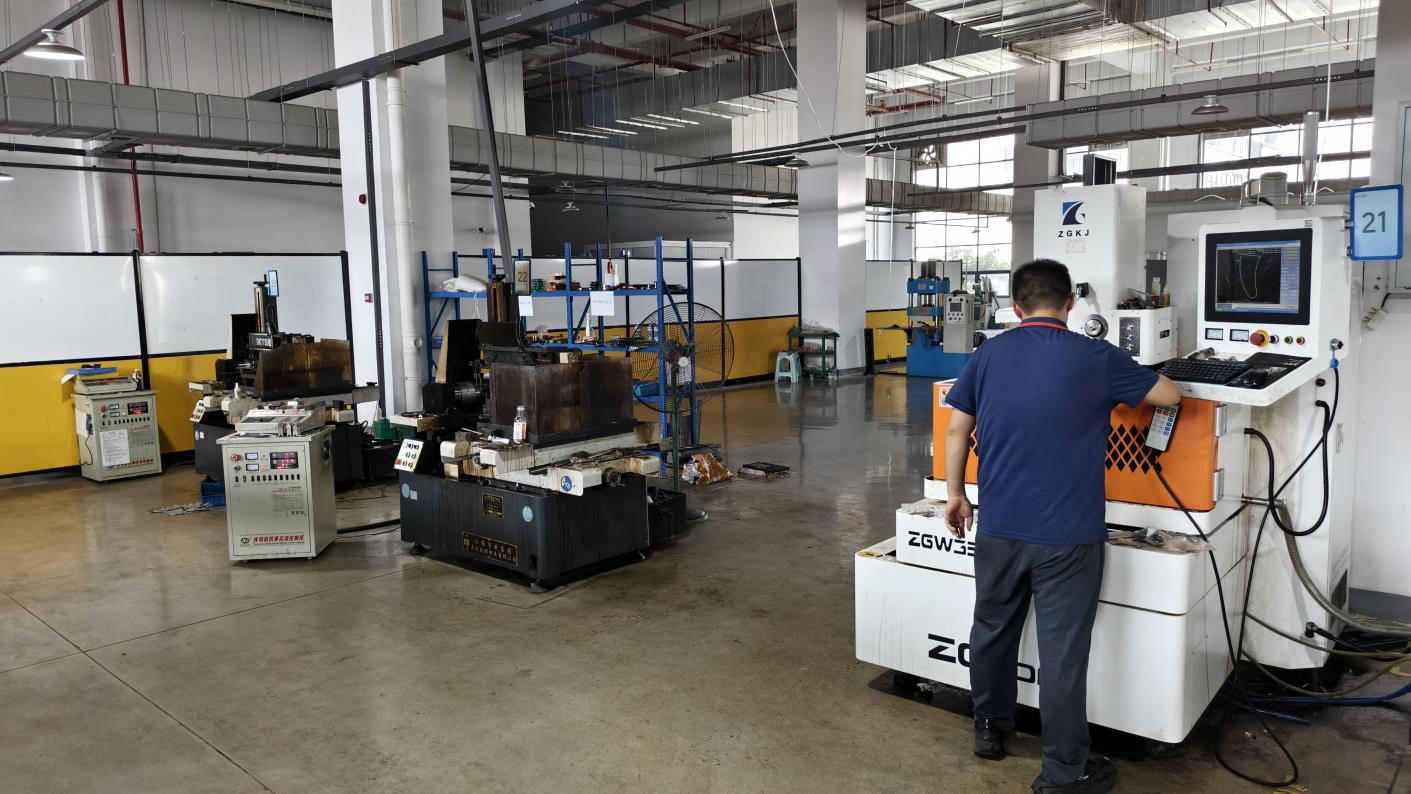
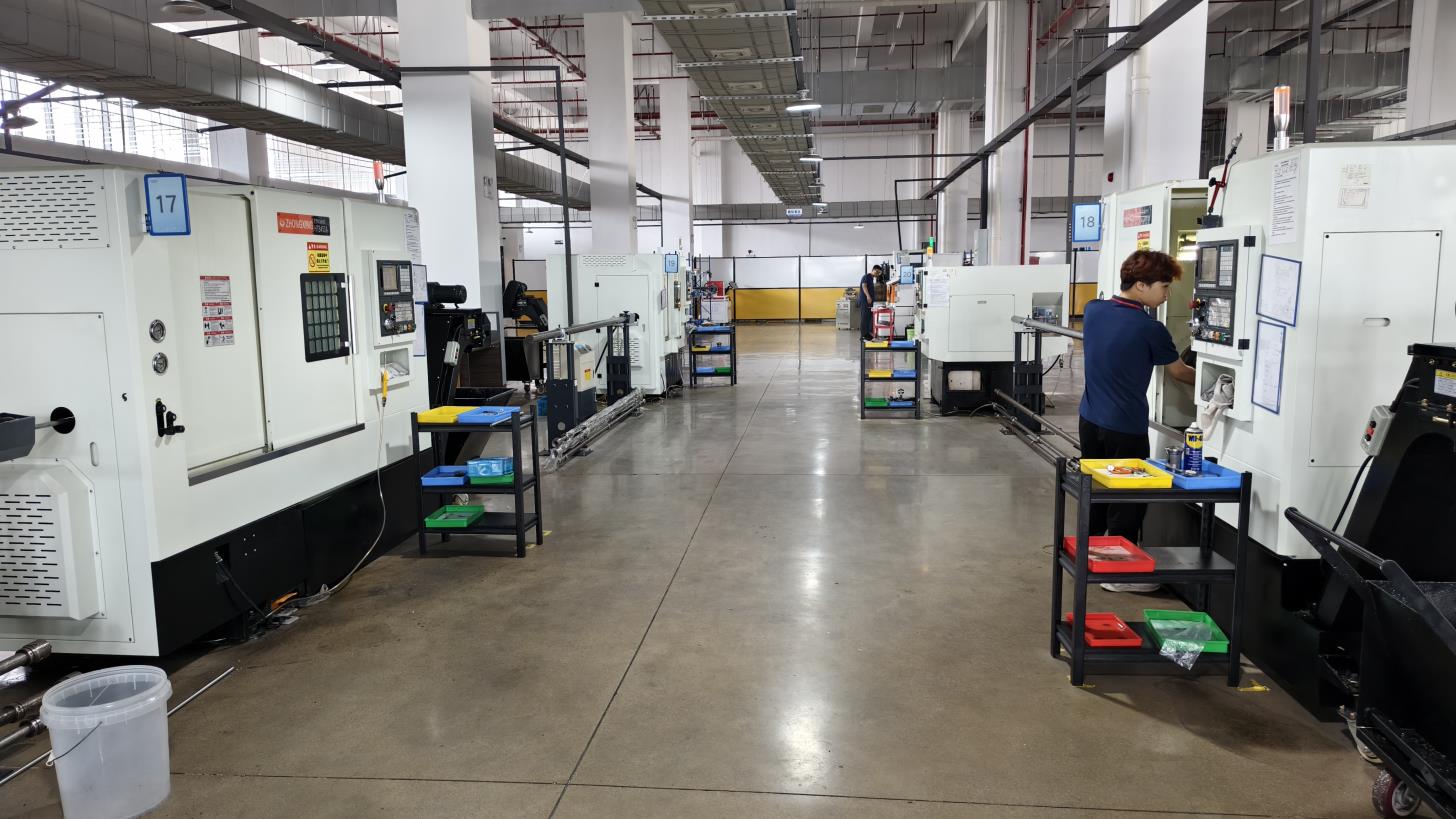
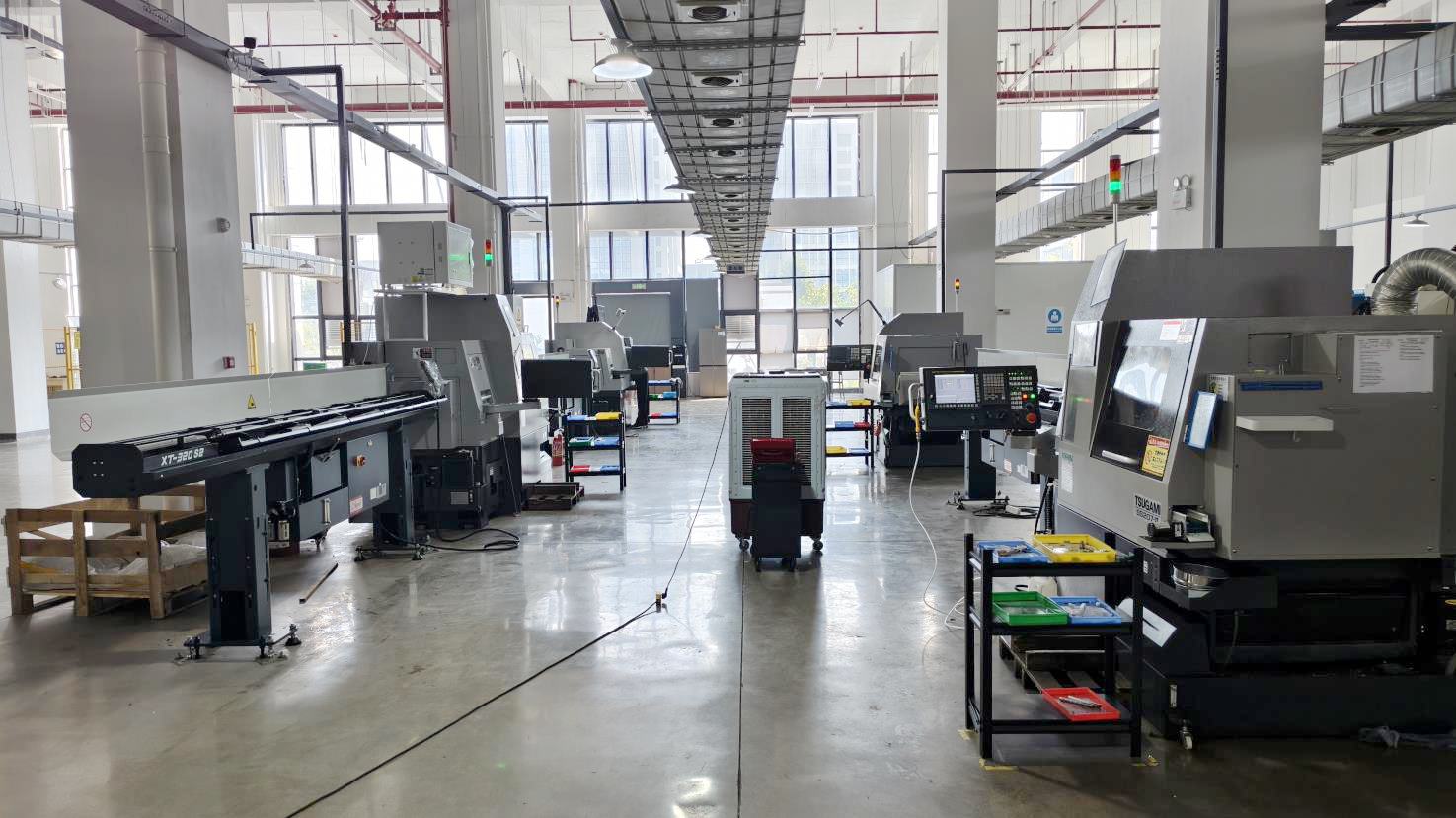
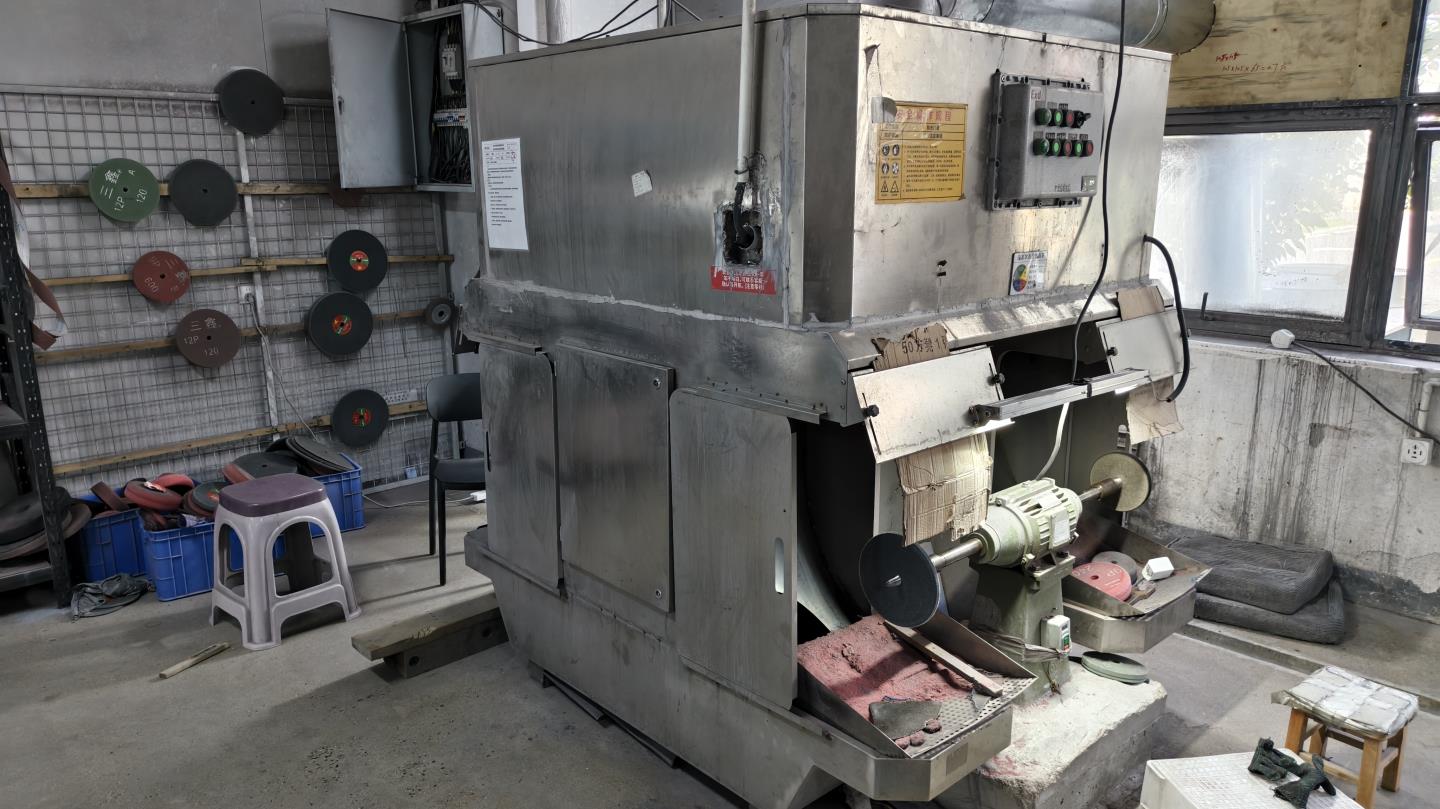
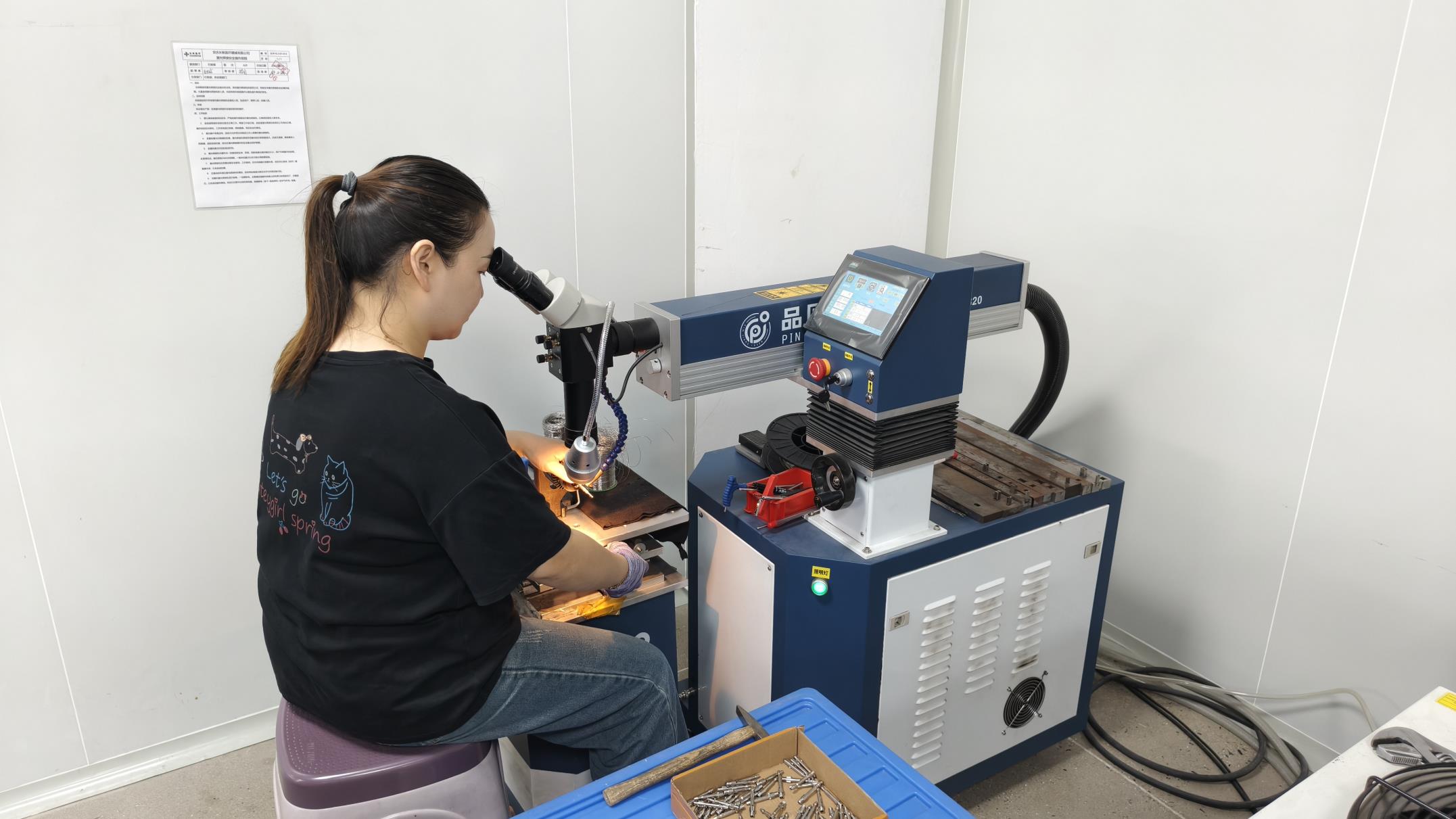
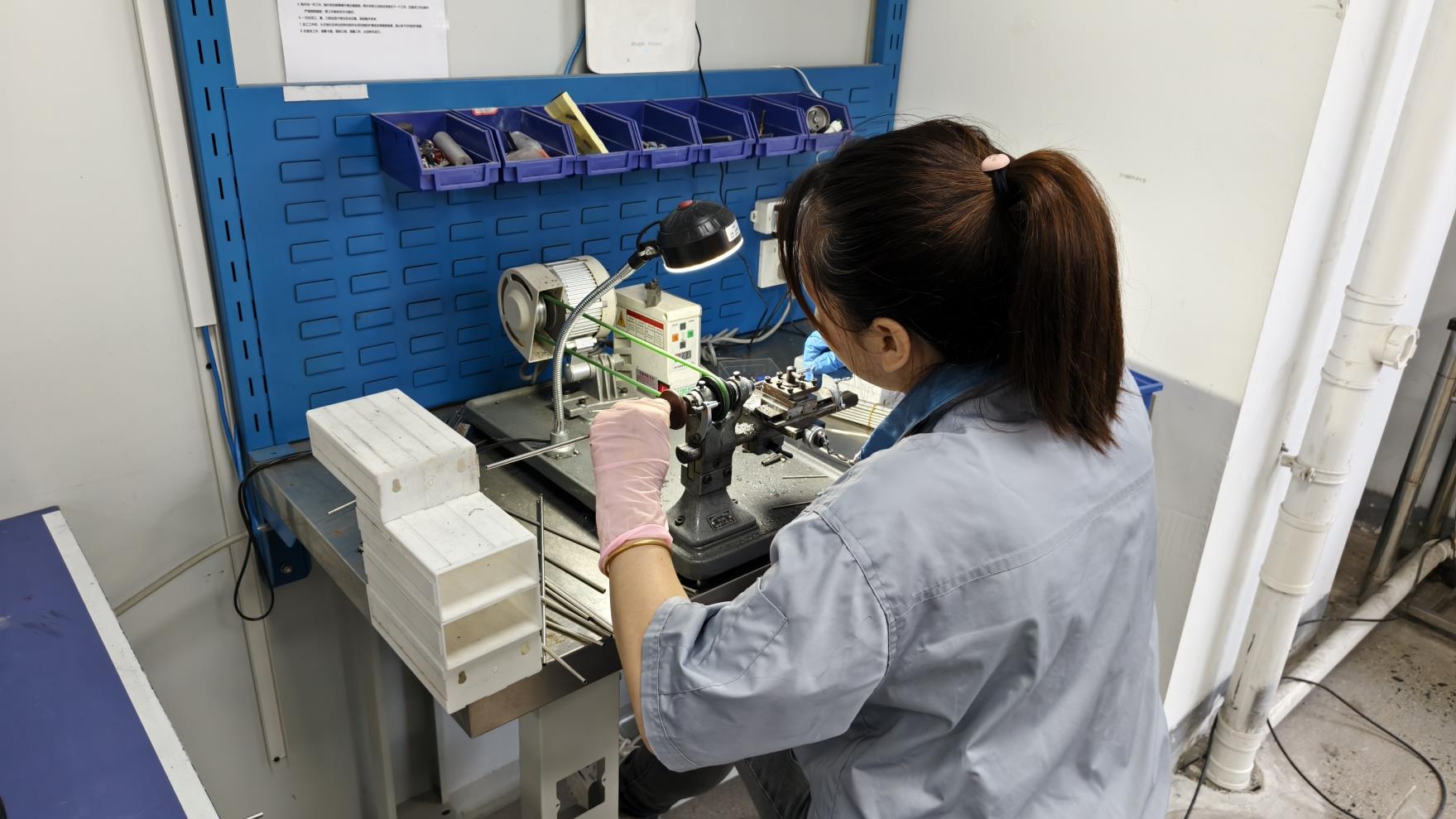
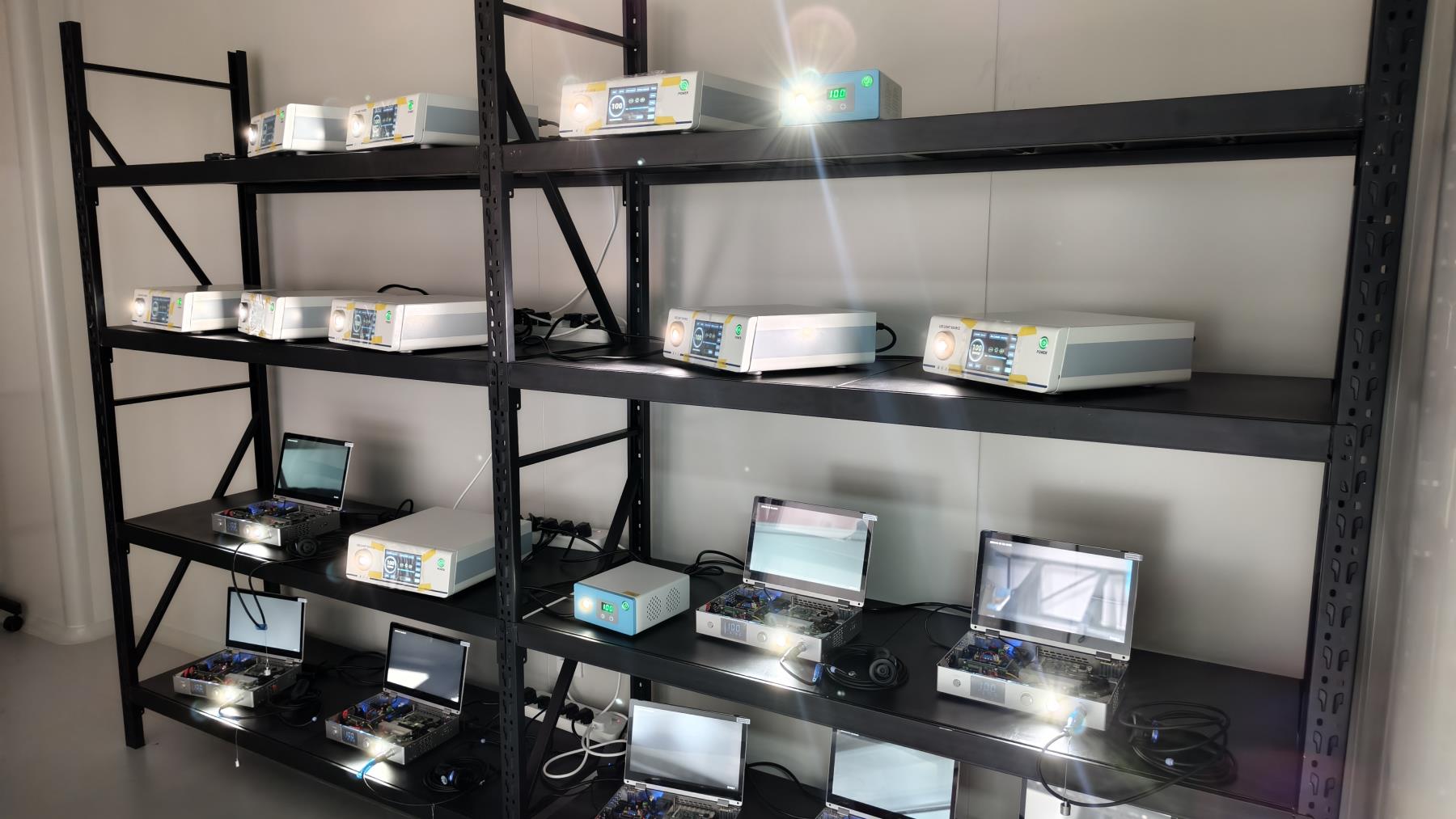
The global medical device sector faces shifting regulatory and sourcing demands. In response, Zynfuse has adopted Industry 4.0 manufacturing processes to ensure production resilience and consistency. By utilizing automated Swiss-type lathes, multi-axis machining centers, and laser welding units, we maintain high precision, with manufacturing dimensional tolerances controlled within the single-micron range.
We manage our supply chain through integrated enterprise resource planning (ERP) systems, tracking production from raw medical-grade titanium and PEEK-OPTIMA rods to sterile packaging. This digital integration helps us respond quickly to supply chain fluctuations, ensuring reliable delivery for distributors and hospital procurement teams even during shifts in the global market.
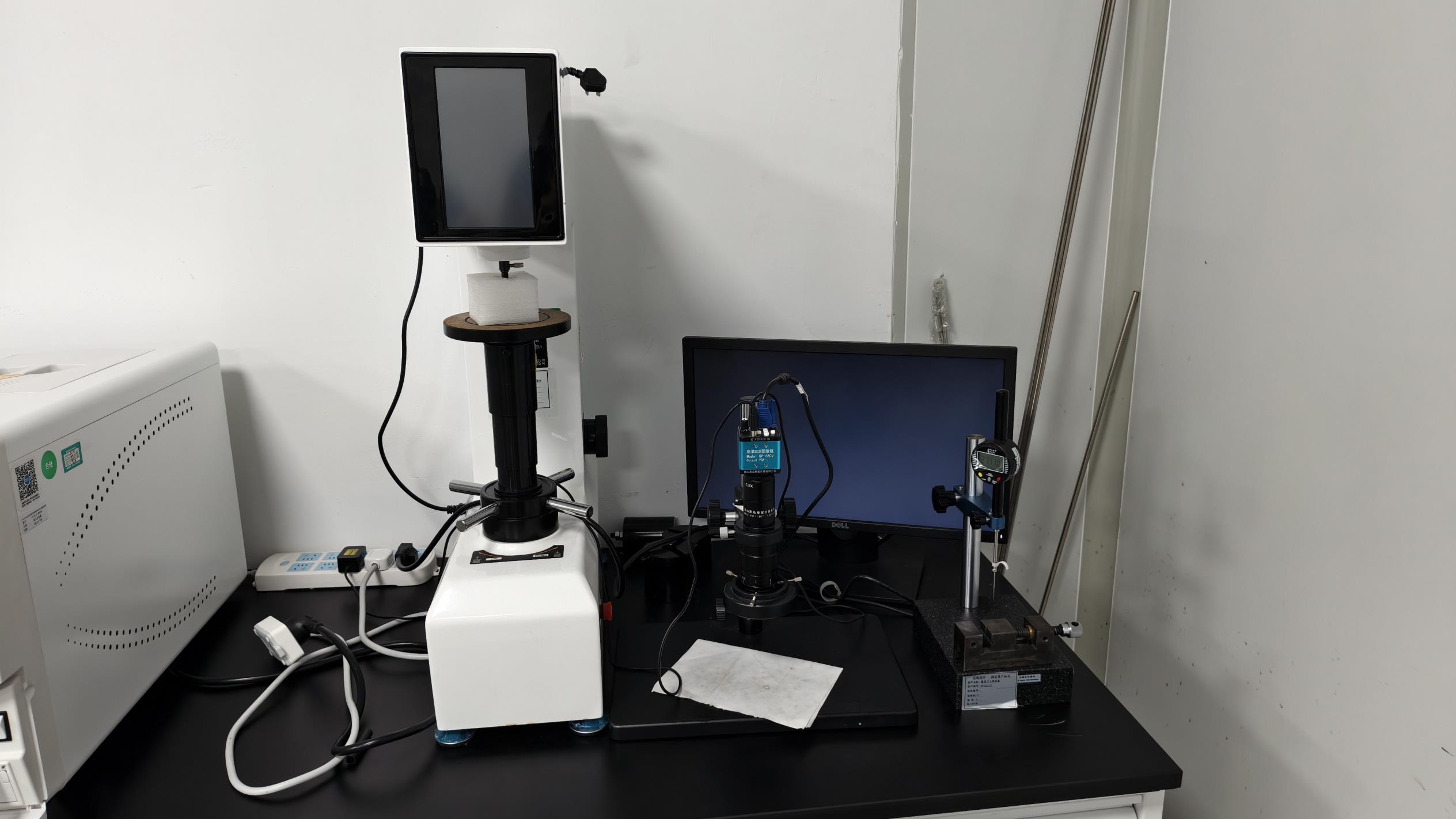
Our raw material partners must pass rigorous incoming material verification tests, including spectroscopic analysis and structural integrity assessments. By controlling our supply chain from the foundational stage, we prevent material irregularities, ensuring all finished implants deliver consistent biomechanical performance.
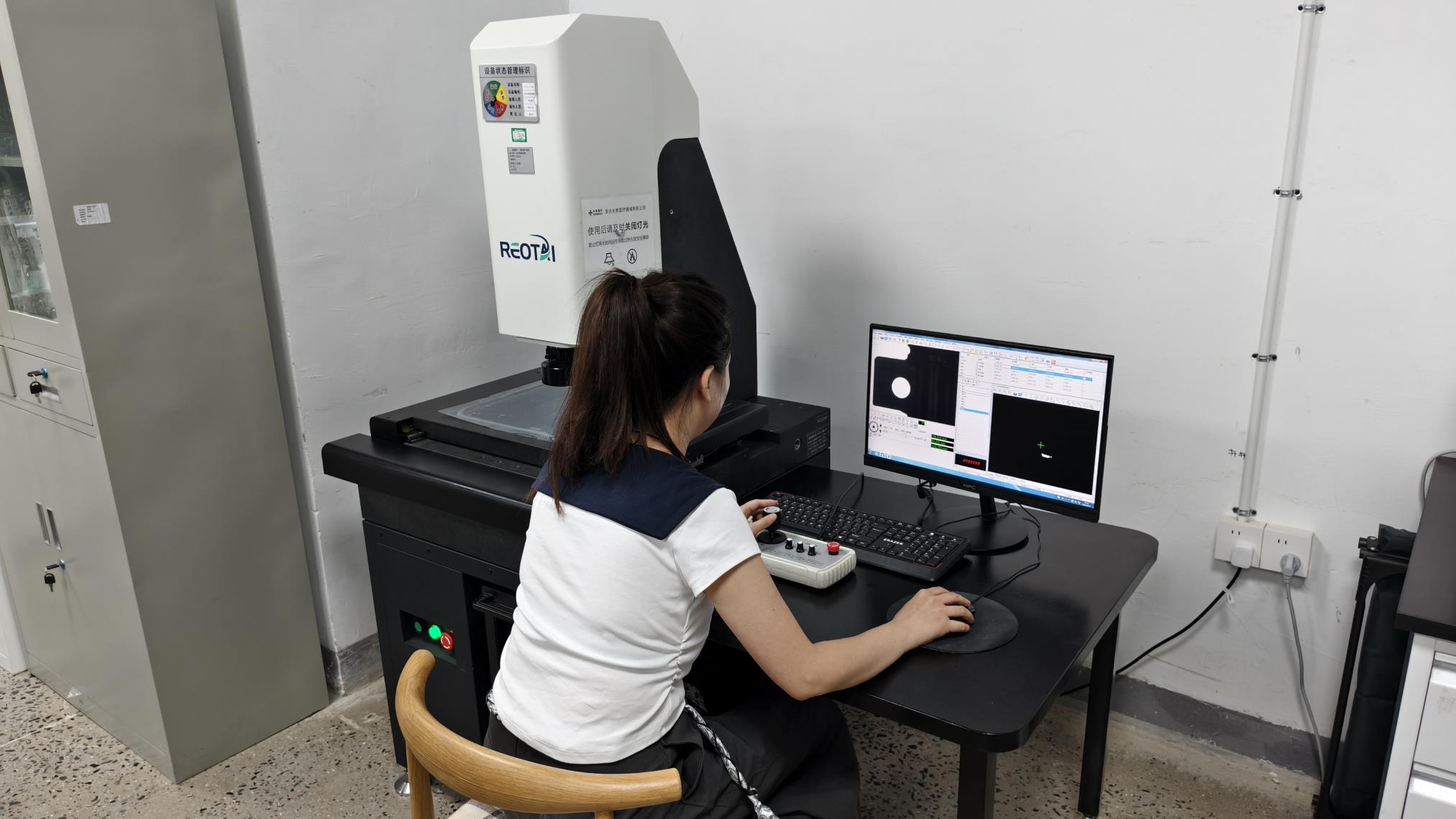

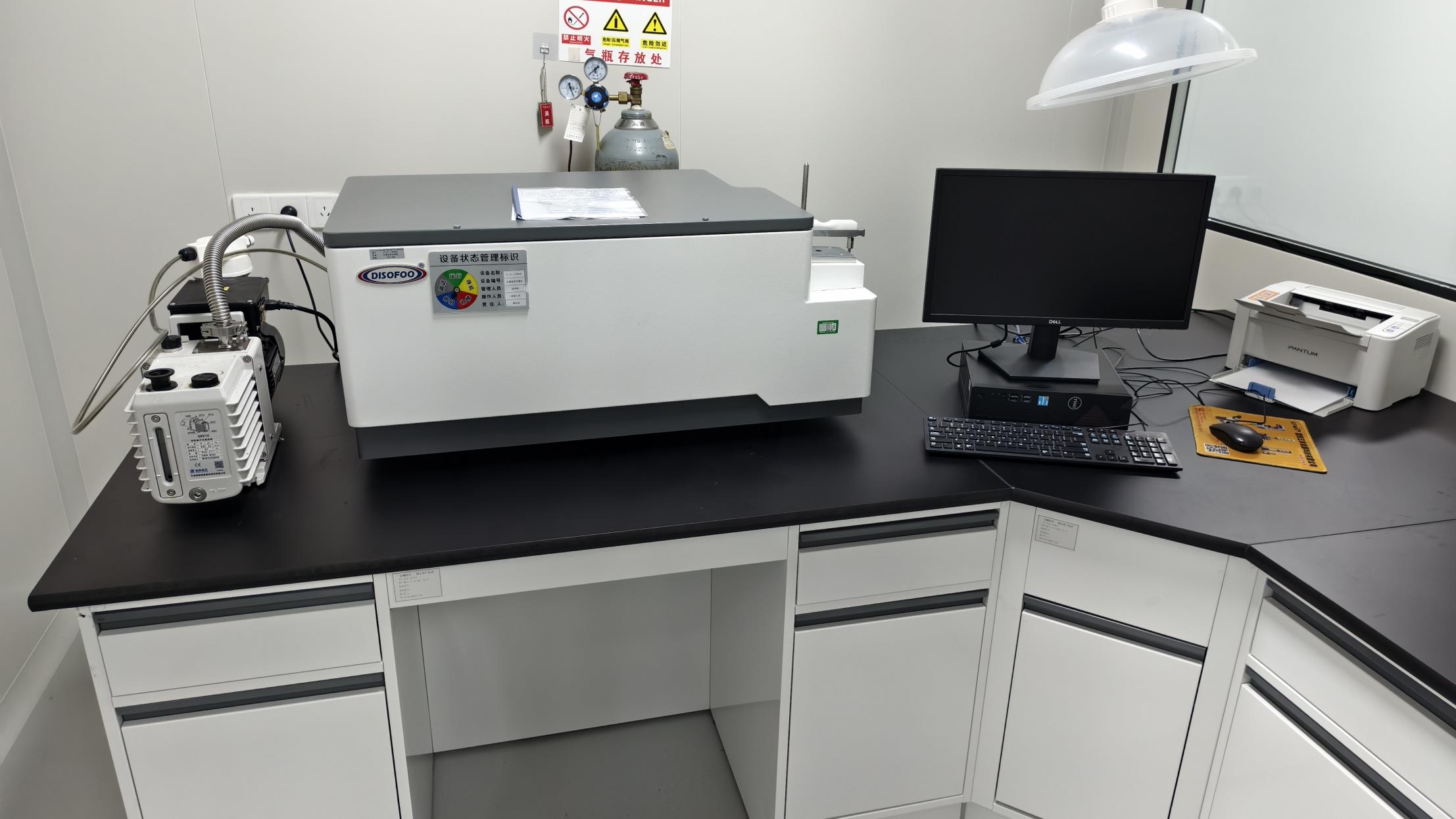
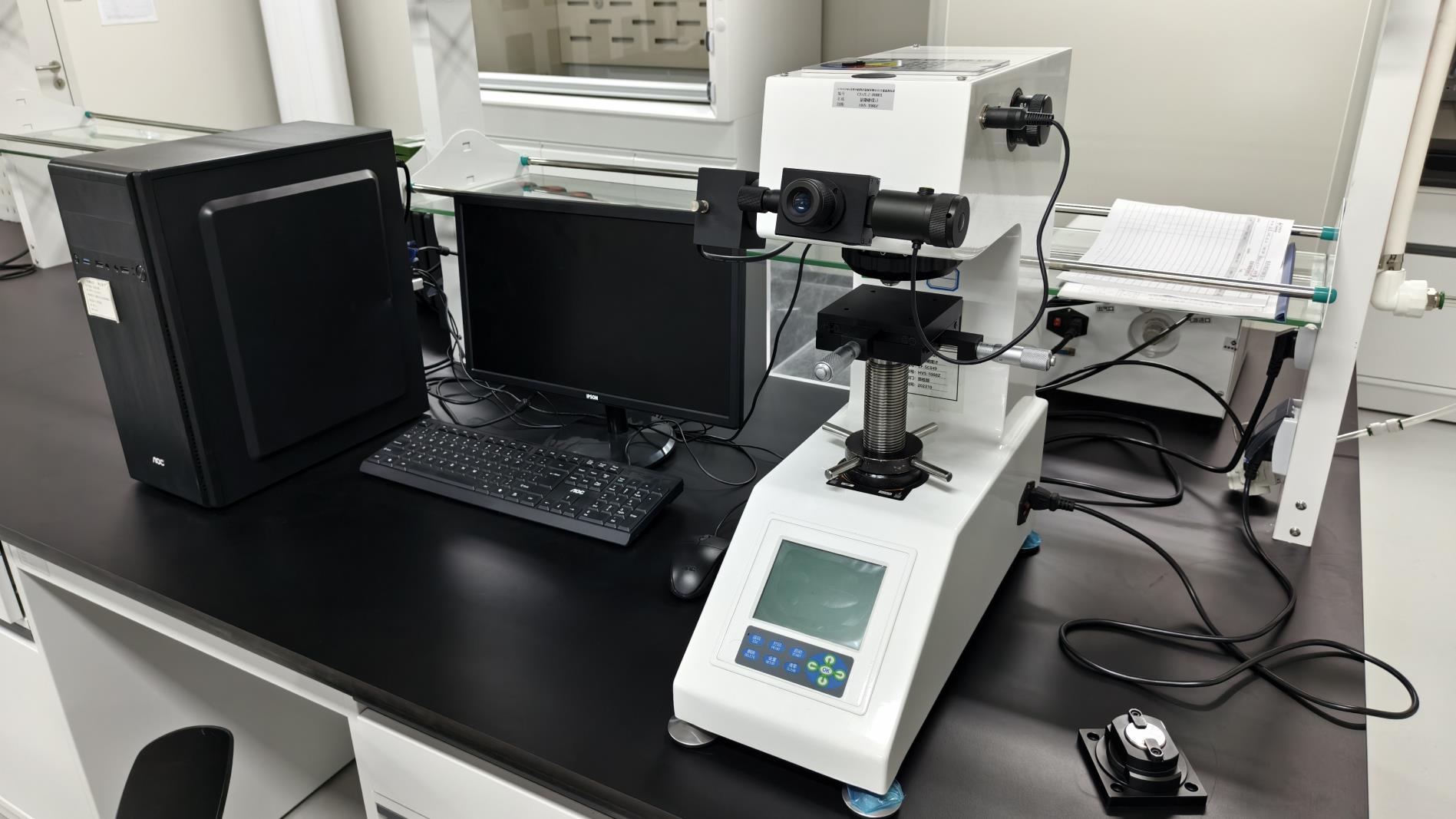
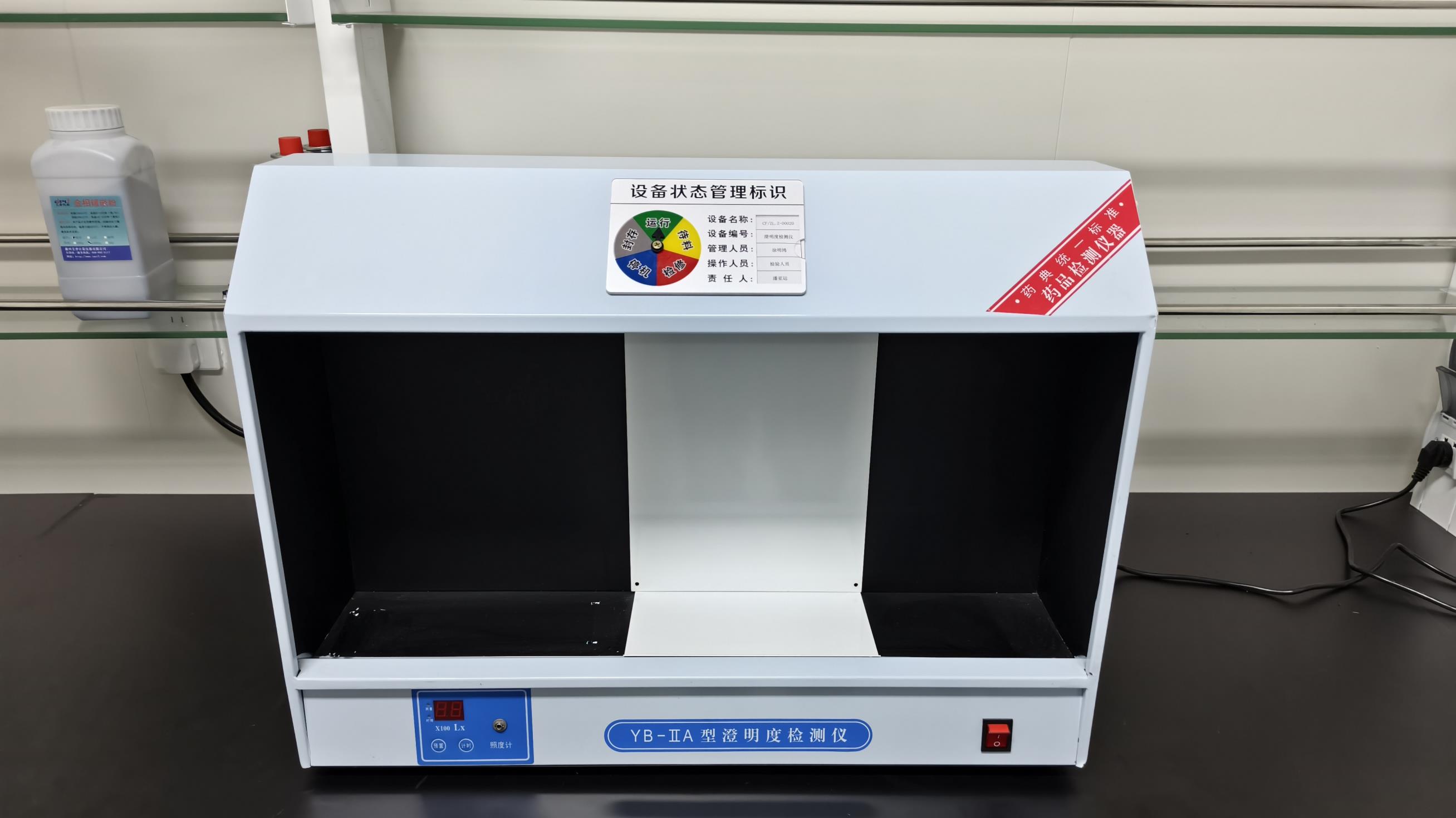
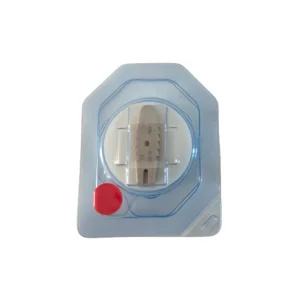
Orthopedic markets demand medical devices tailored to different regional healthcare systems. For example, in North America and Western Europe, outpatient ambulatory surgical centers (ASCs) prioritize simplified, single-use implant kits that streamline operating room prep and reduce sterilization costs.
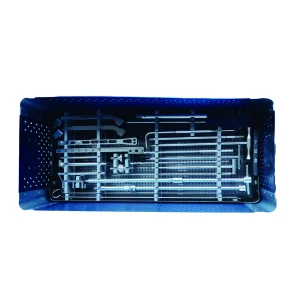
Conversely, in many developing public hospital systems, robust and sterilizable multi-use instrument sets are essential for managing high patient volumes. Zynfuse supports these diverse operational preferences by offering configurable implant options, customized surgical trays, and comprehensive OEM/ODM engineering services.
Deploying medical implants internationally requires strict adherence to regulatory standards. Zynfuse maintains a comprehensive quality management system structured around ISO 13485 guidelines, ensuring consistent documentation and traceability. We prepare and update technical documentation to support registration and compliance processes for distributors in various regional markets.
We manufacture cages using medical-grade PEEK (primarily PEEK-OPTIMA™ LT1), biocompatible titanium alloys (Ti-6Al-4V ELI conforming to ASTM F136), and porous 3D-printed titanium structures. This range allows clinical teams to select the appropriate modulus of elasticity and radiolucency for their surgical requirements.
All design iterations undergo strict mechanical evaluation in accordance with ASTM F2077 (for static and dynamic compression, tension, and shear) and ASTM F2267 (to evaluate subsidence under axial load). Our cages feature anatomical dome profiles and optimized footprints to help distribute weight evenly across the endplates.
Yes. Our R&D division offers comprehensive OEM/ODM services, including customization of lordotic angles (ranging from 4° to 12°), customized heights, footprints, and custom packaging configurations to align with regional clinical preferences.
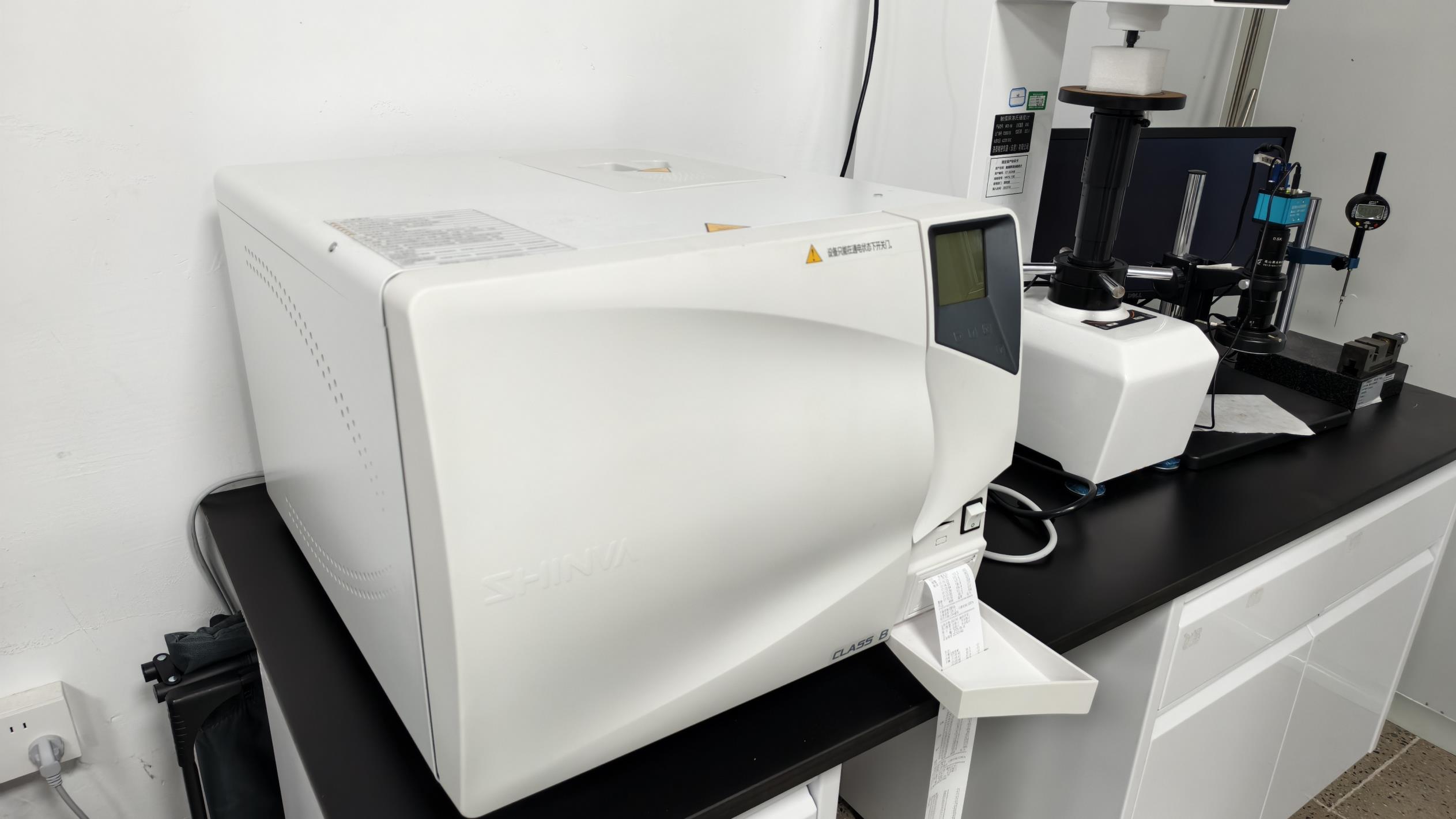
Zynfuse maintains an ISO 13485-certified quality management system. Our production facilities, cleanrooms, and testing labs undergo regular audits to ensure cleanroom environmental standards and product traceability.