Zynfuse
Zynfuse
Zynfuse
In the realm of ligament reconstruction—specifically anterior cruciate ligament (ACL) and posterior cruciate ligament (PCL) surgeries—implant material selection directly dictates clinical outcome margins. Historically, metal (titanium) and bioabsorbable polymers (PLLA/PGA) dominated the market. However, clinical studies identified systemic risks: titanium interference screws cause artifact distortion during post-operative magnetic resonance imaging (MRI) and present extraction challenges in revision surgeries. Conversely, early-generation bioabsorbable screws exhibited localized inflammatory reactions due to rapid, uncontrolled acid degradation.
This is where Polyetheretherketone (PEEK) represents a massive technological leap. As a semi-crystalline thermoplastic, PEEK provides an elastic modulus (3.6 GPa) that closely matches human cortical bone. This biomechanical harmony ensures optimal load sharing, preventing stress shielding at the fixation site. Furthermore, PEEK is chemically inert, non-absorbable, and radiolucent, enabling surgeons to visualize bone tunnel healing with absolute clarity.
| Performance Characteristic | PEEK-OPTIMA™ / Medical PEEK | Titanium Alloy (Ti6Al4V) | Bioabsorbable (PLLA/Beta-TCP) |
|---|---|---|---|
| Modulus of Elasticity | 3.6 - 4.0 GPa (Matches Bone) | 110 - 115 GPa (High Stiffness) | 6.0 - 9.0 GPa (Degrading) |
| Radiolucency (MRI/CT Compatibility) | Excellent (No Artifacts) | Poor (Severe Distortion) | Excellent |
| Revision Surgery Complexity | Easy (Easily drilled through) | High (Requires hard extraction tools) | Variable (Dependent on degradation state) |
| Biocompatibility Profile | Highly Inert, zero tissue irritation | Excellent | Can trigger acidic inflammatory response |
Zynfuse Medical Technology Co., Ltd. is a professional orthopedic medical device manufacturer specializing in bone fusion and advanced implant systems for surgical innovation. Established in 2016, the company has built a strong foundation in orthopedic solutions with 12 years of industry experience and 7 years of export experience, serving global healthcare markets with consistent quality and reliability.
Our infrastructure capacity is designed to scale with global B2B procurement demands. Zynfuse operates a modern manufacturing facility covering approximately 18,600 m², equipped with advanced production and testing equipment. With an annual export revenue of around $18.5 million, backed by an efficient supply chain network of over 1,200 partners worldwide, we ensure consistent delivery parameters for distributors on every continent. The organization employs 68 quality inspection specialists ensuring strict compliance with international medical standards.
Global presence defines our commercial roadmap. Zynfuse serves major global markets including North America, Europe, Southeast Asia, and the Middle East, collaborating with hospitals, distributors, orthopedic clinics, and medical device importers. Our primary client base consists of medical distributors, hospital procurement departments, and orthopedic surgical centers seeking reliable OEM/ODM configurations.
Every PEEK interference screw produced by Zynfuse undergoes a highly controlled multi-stage manufacturing workflow. Utilizing precision CNC milling and Swiss-type lathes, we achieve dimensional tolerances within micro-meters, followed by rigorous bio-cleaning, packaging, and structural fatigue evaluation.
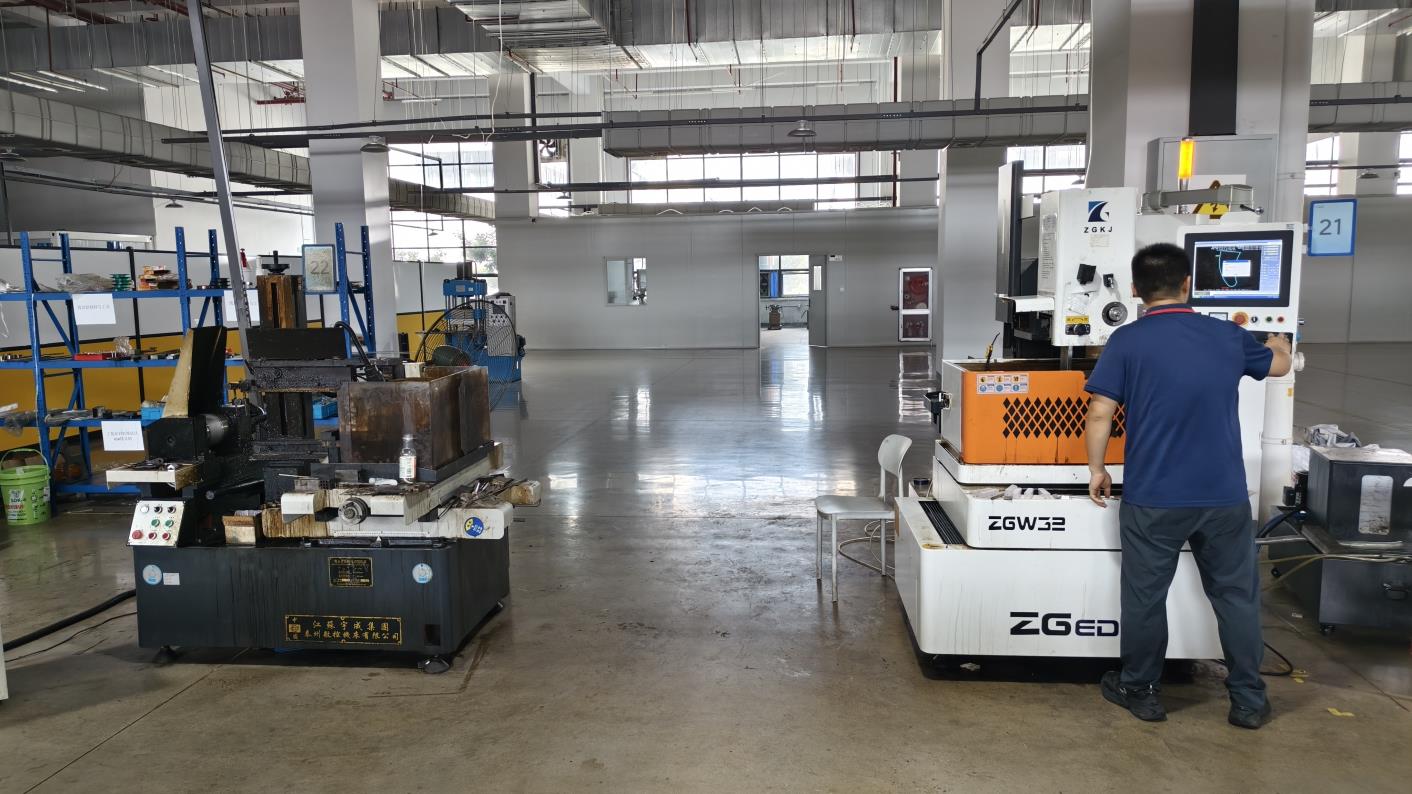
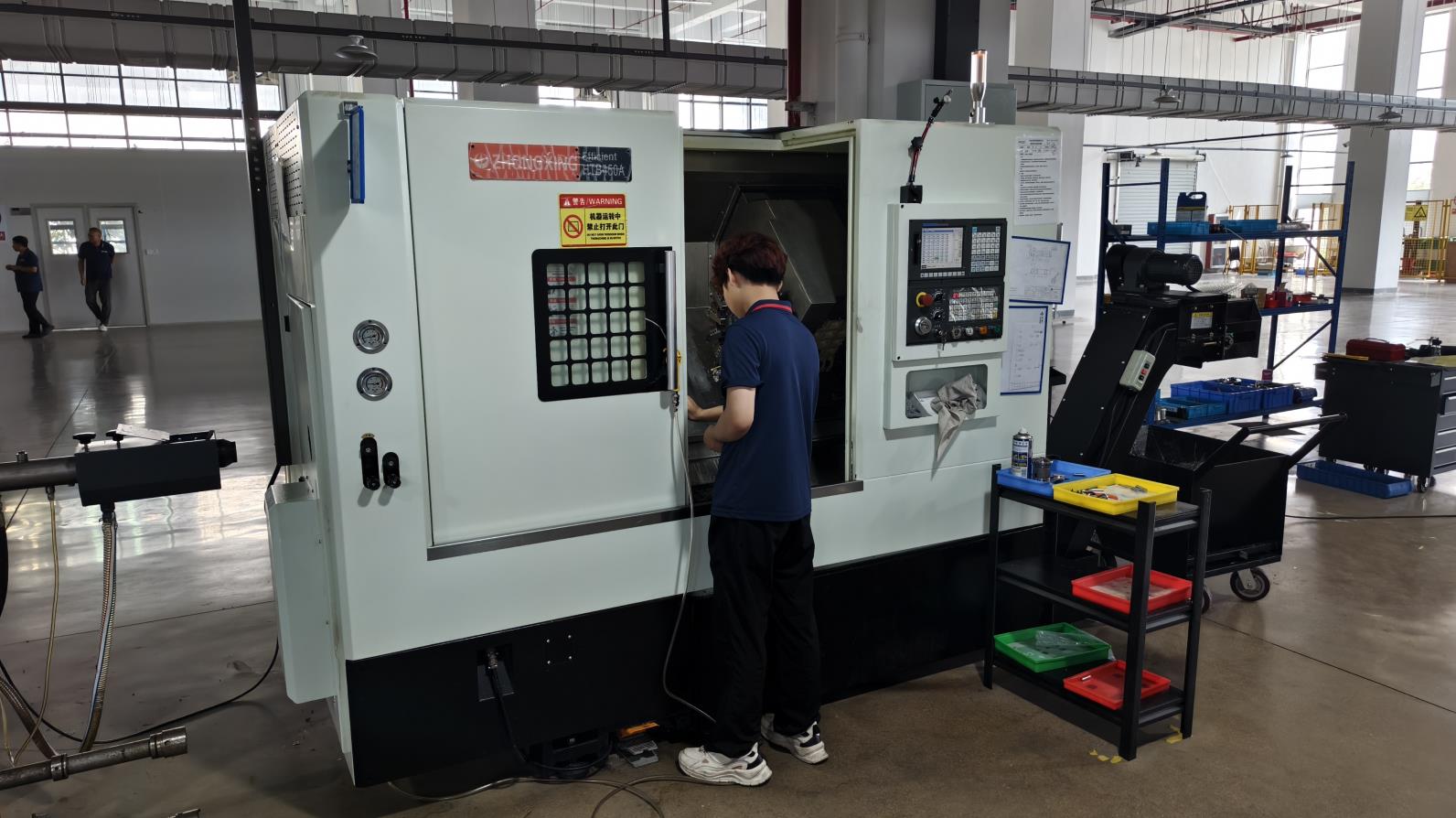
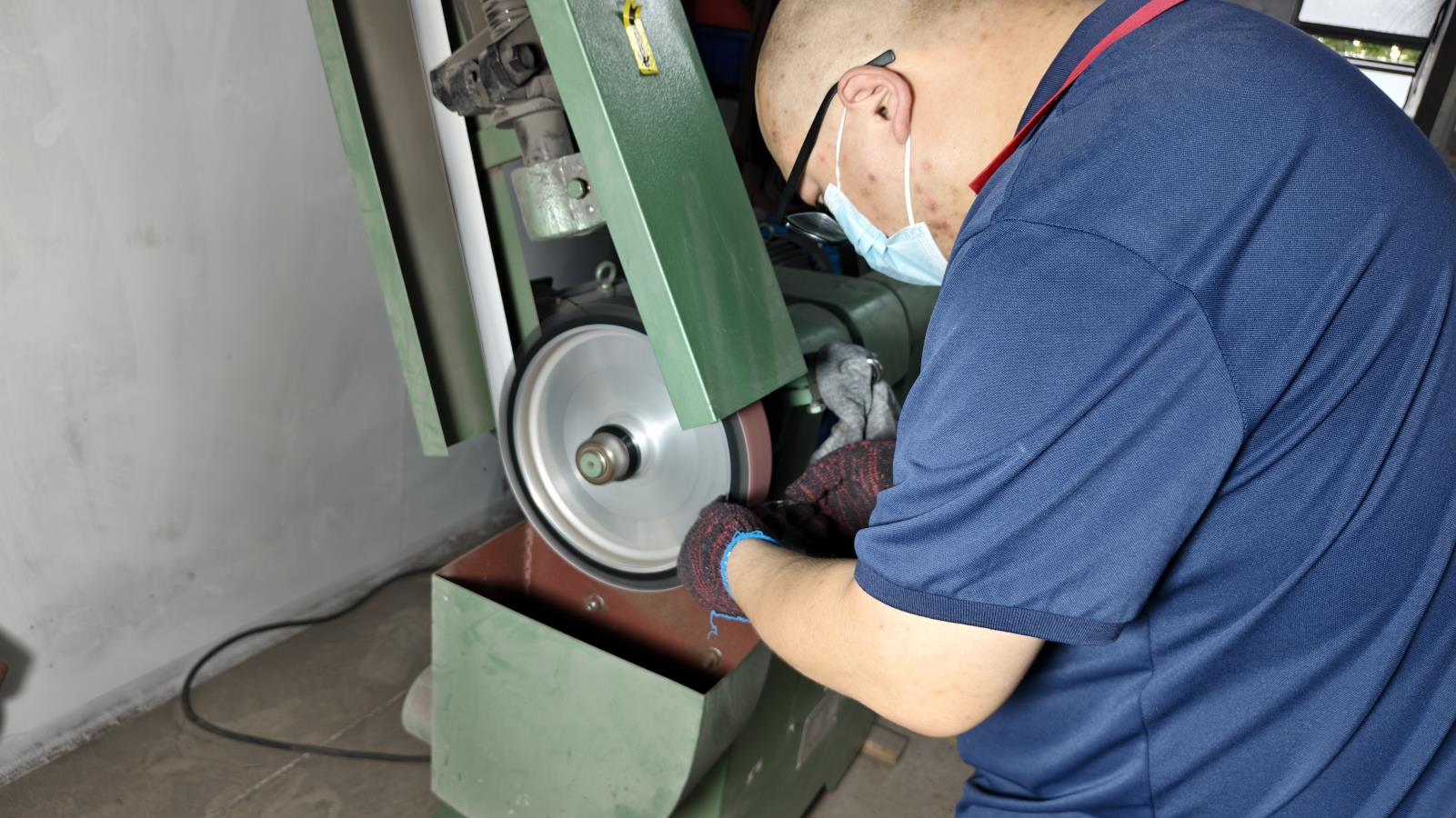
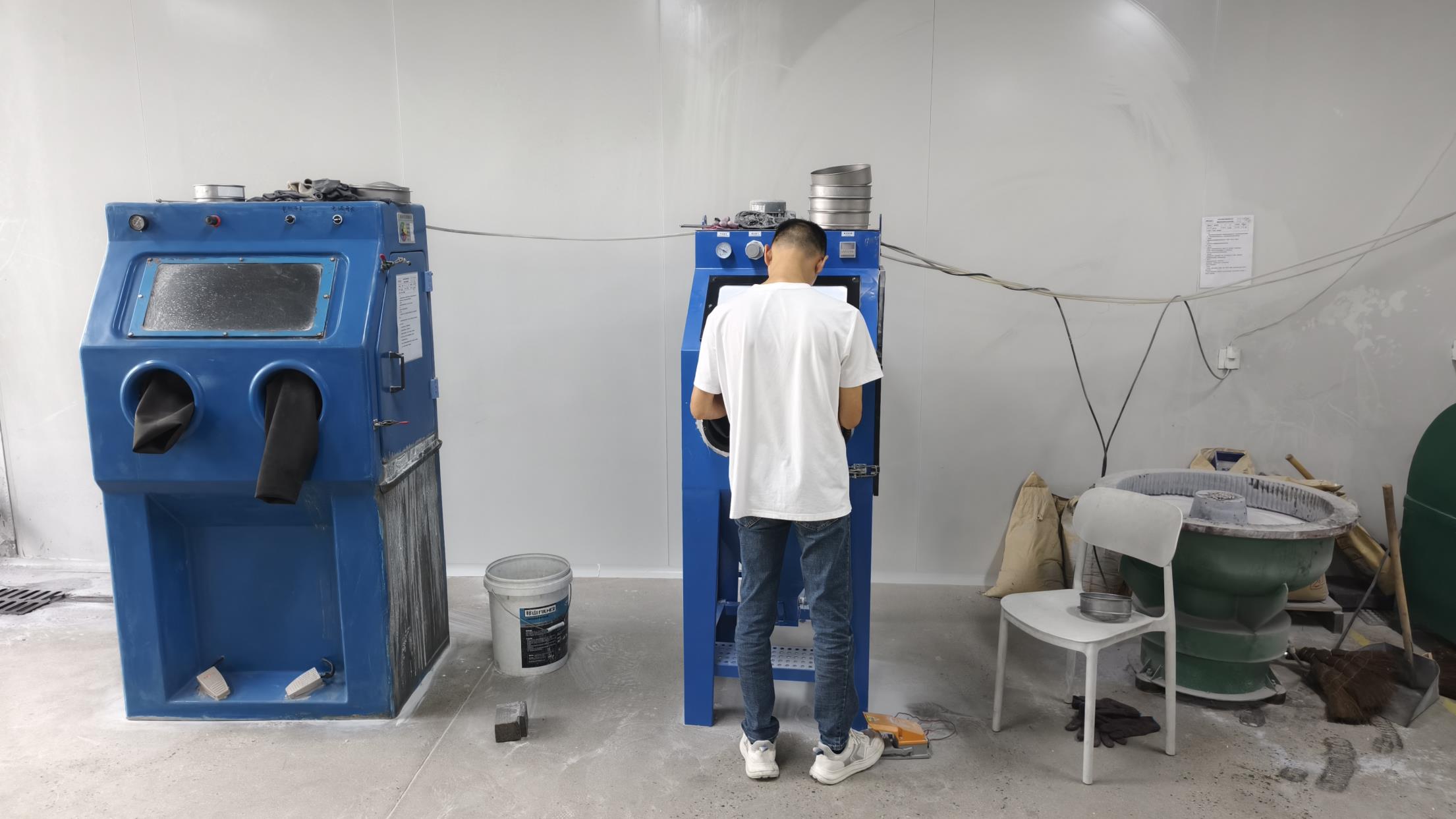
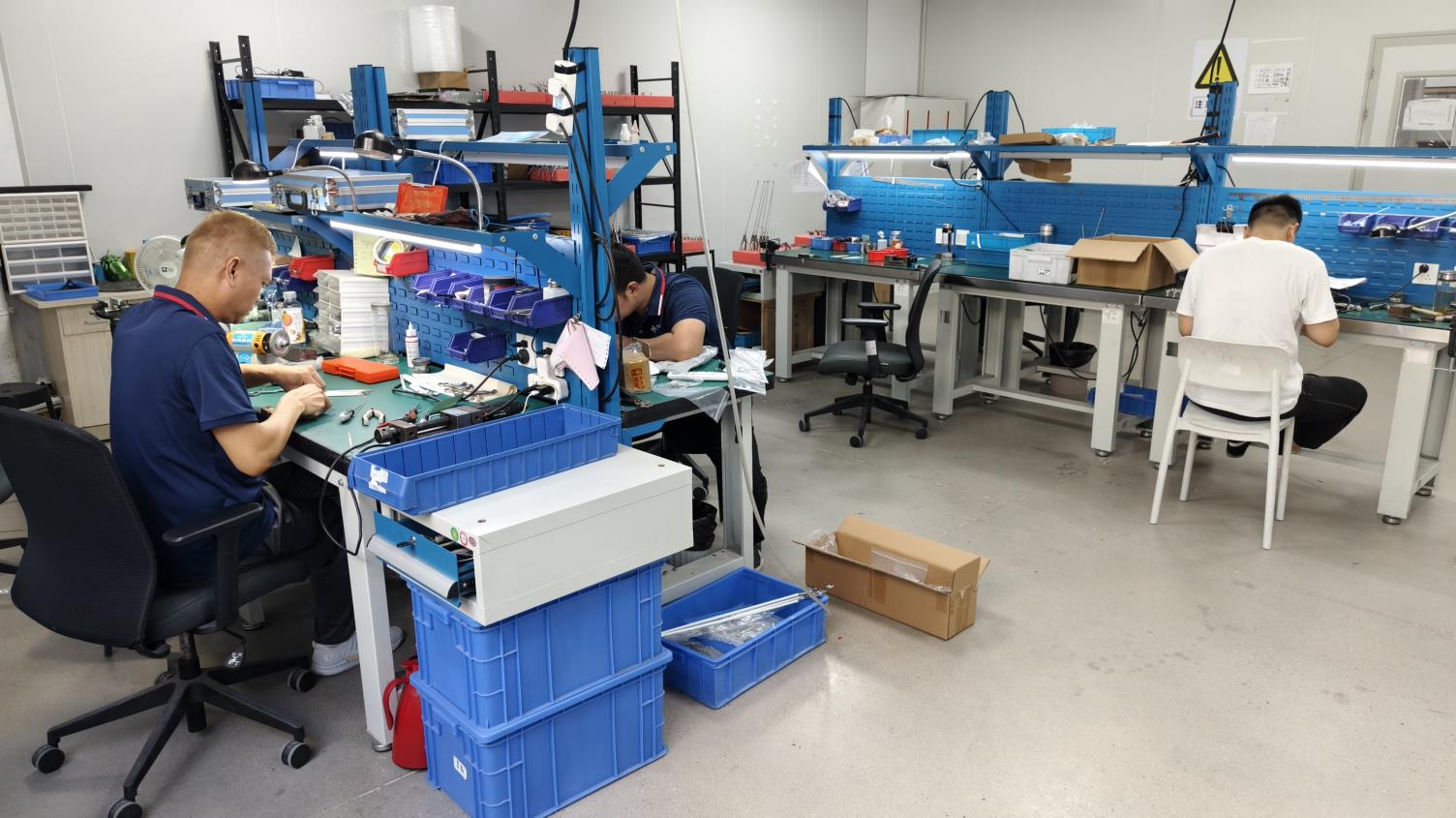

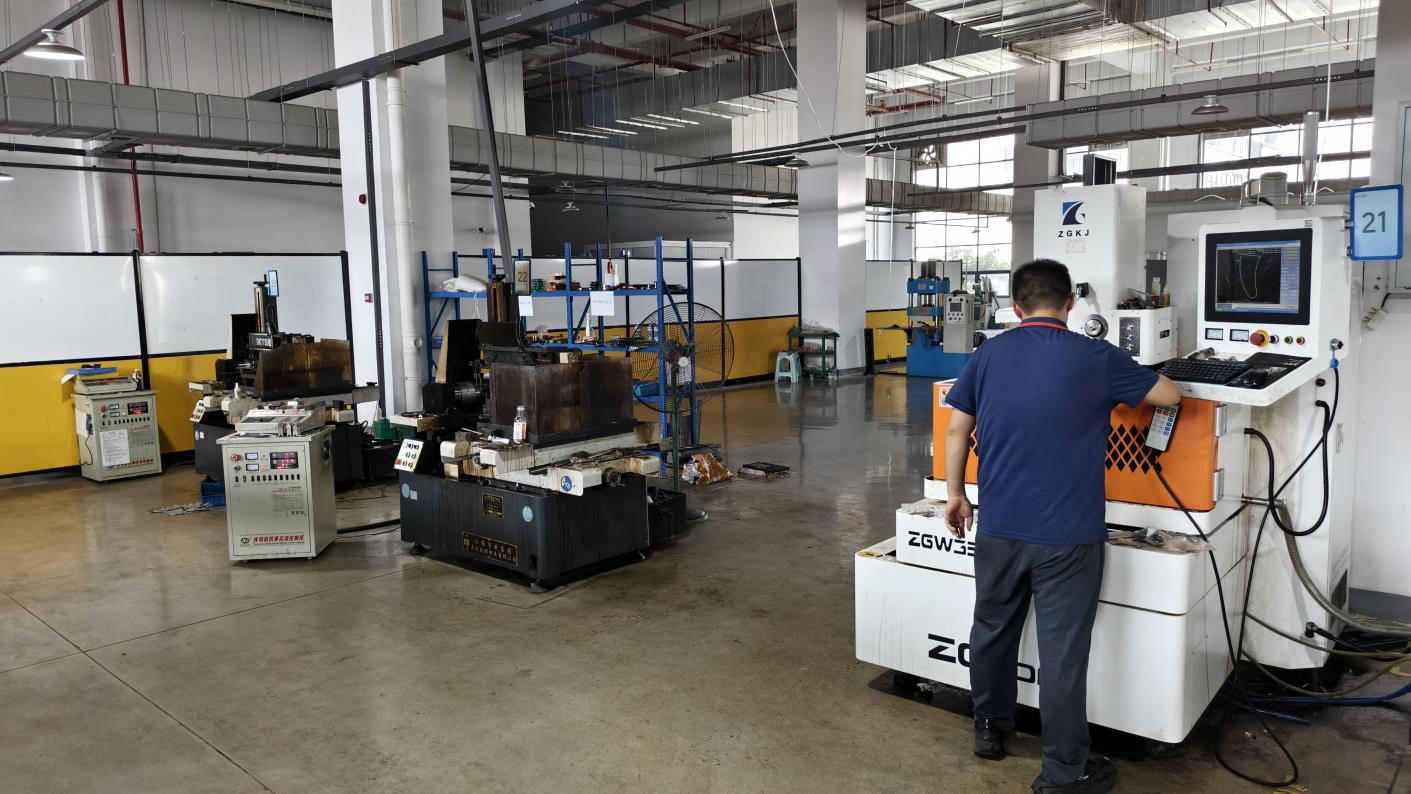
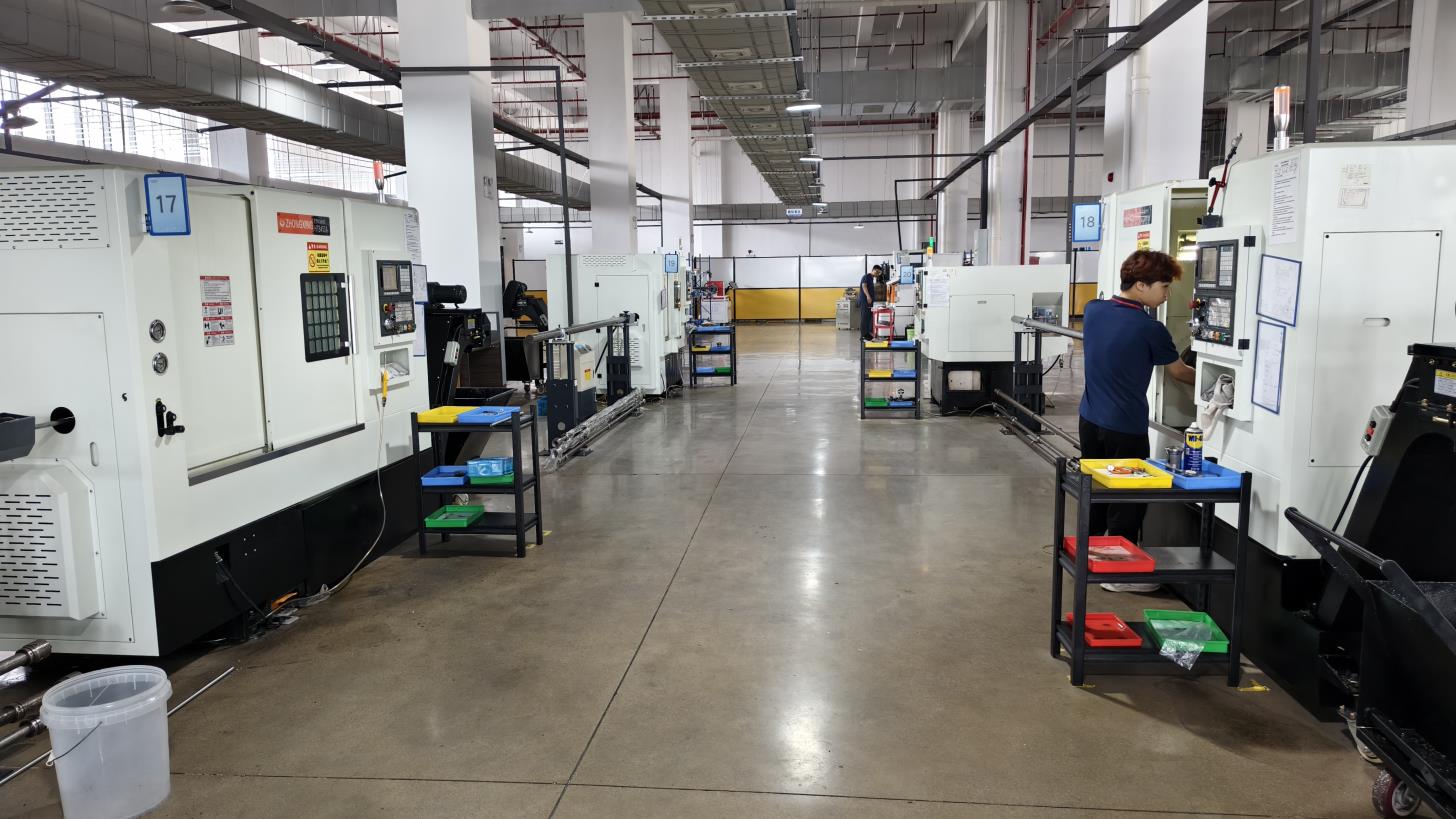
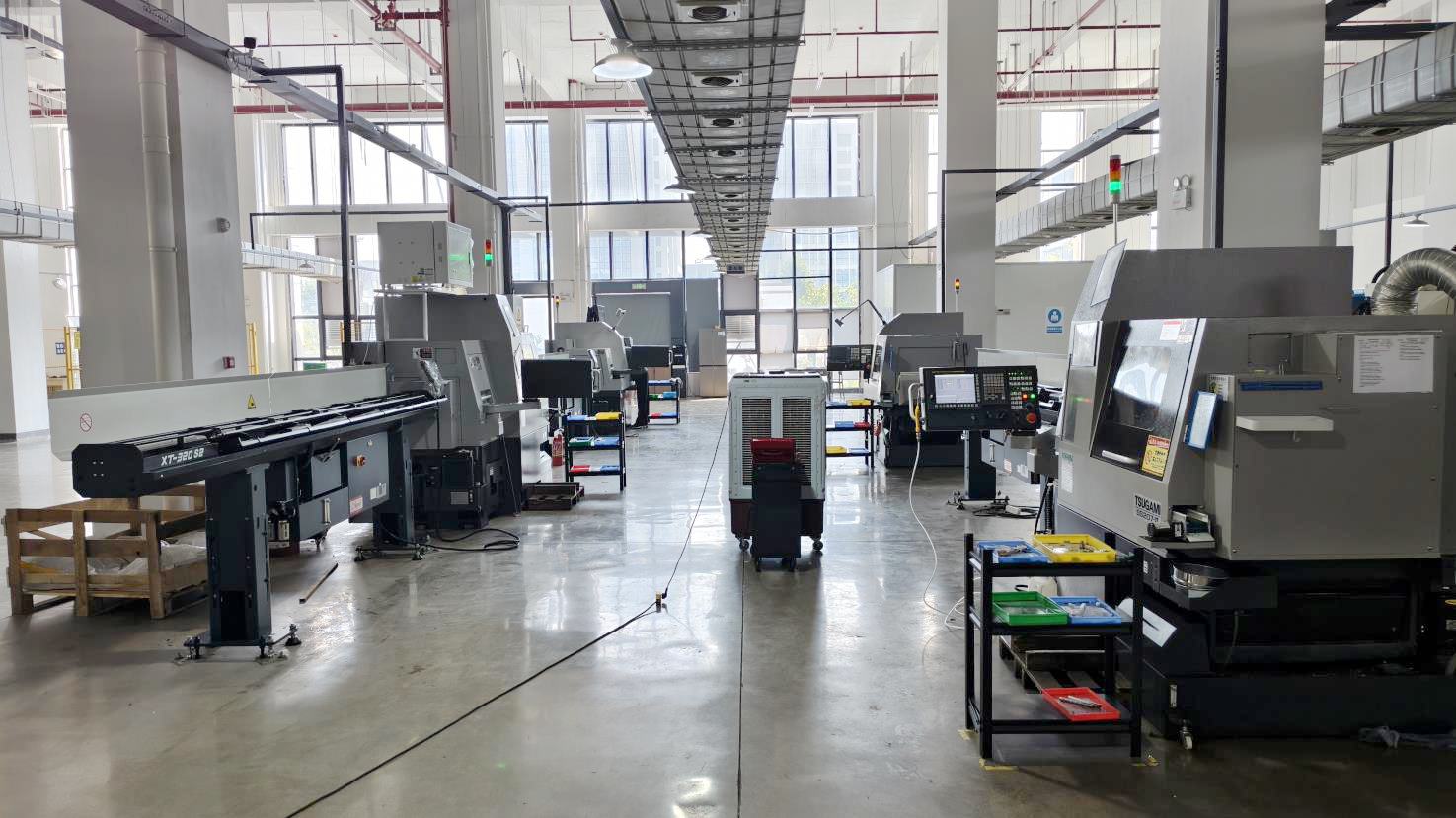
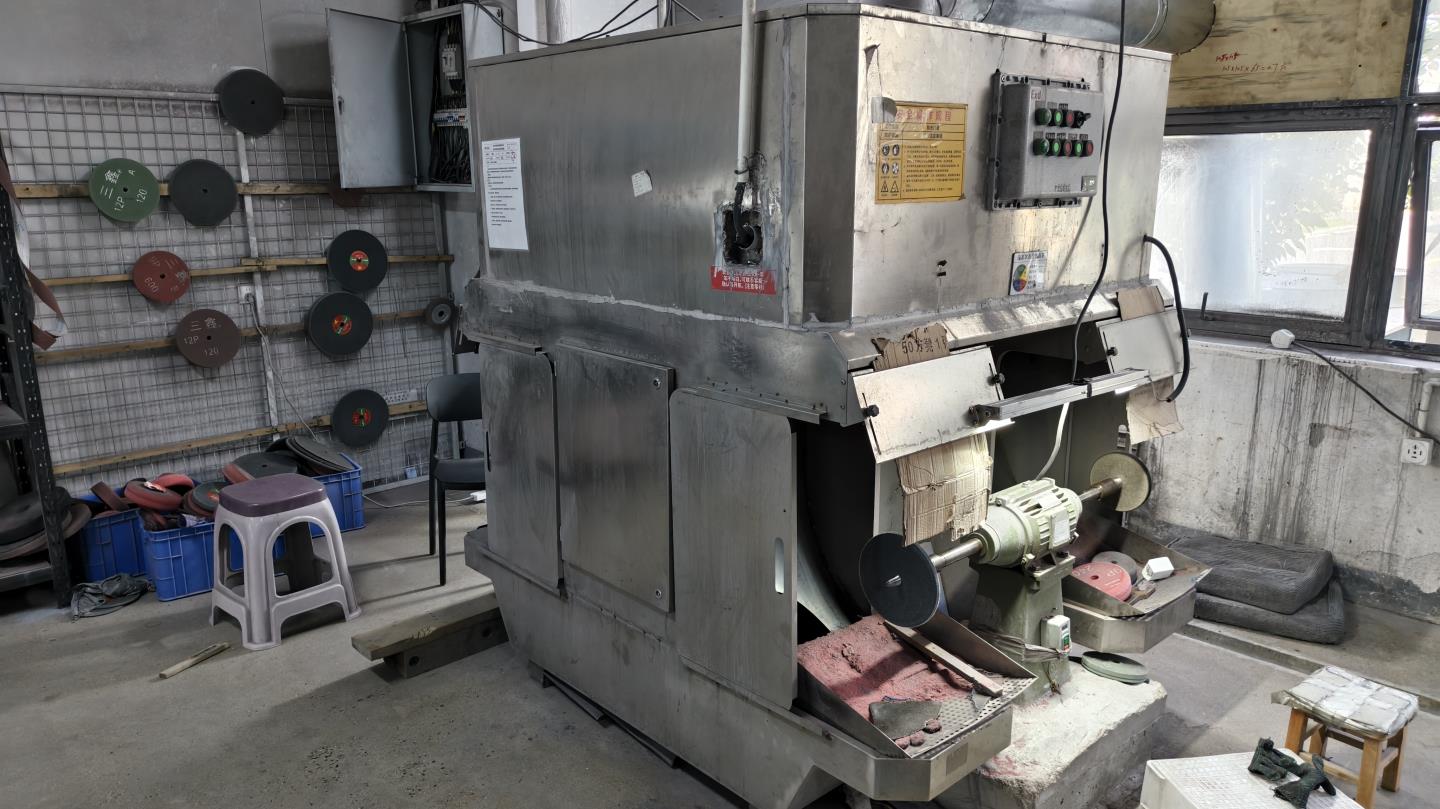
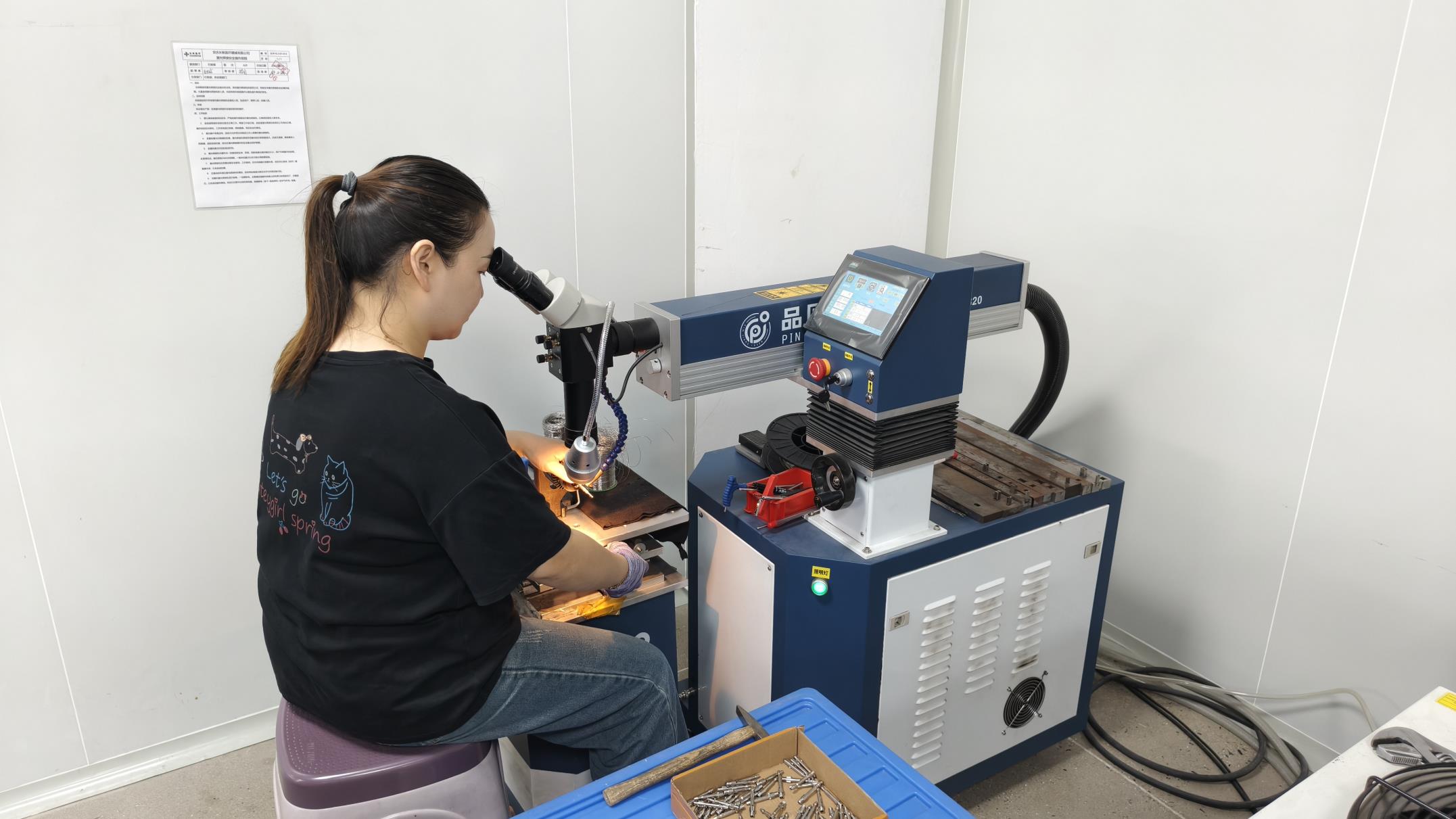
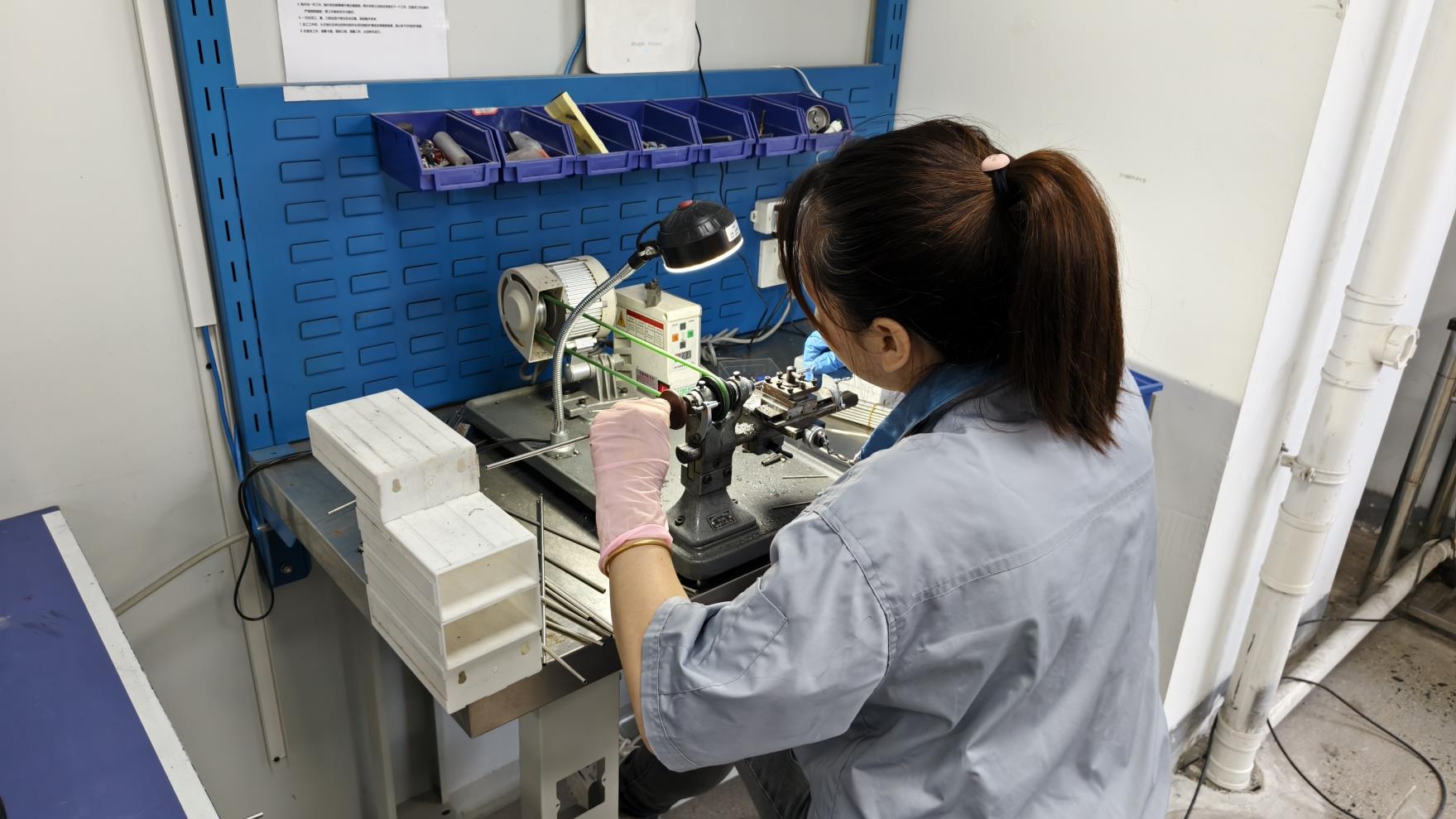
Our laboratory operates under strict ISO 13485 parameters to test tensile properties, dimensional accuracy under digital microscopes, seal integrity, and raw material purity.
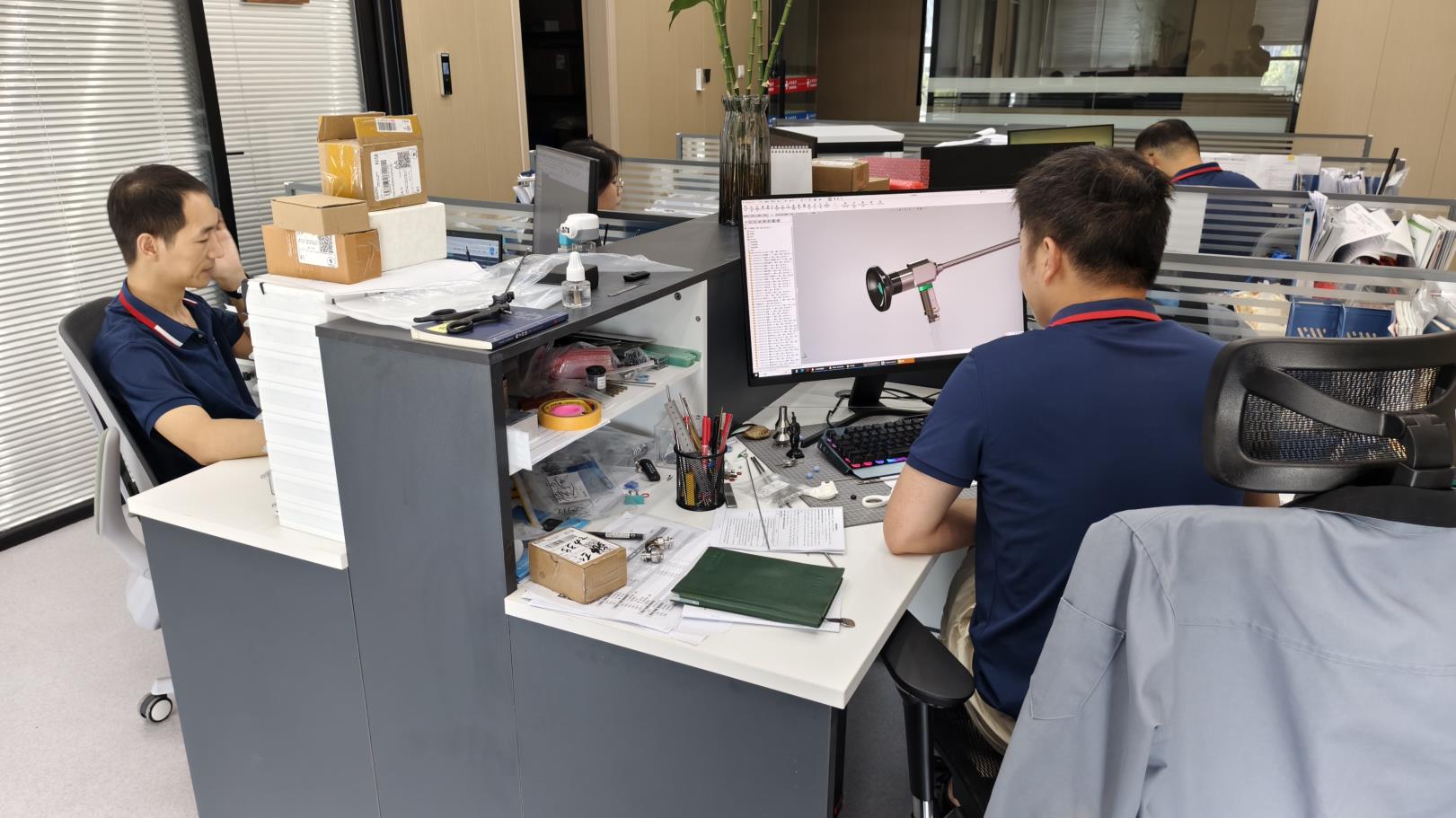
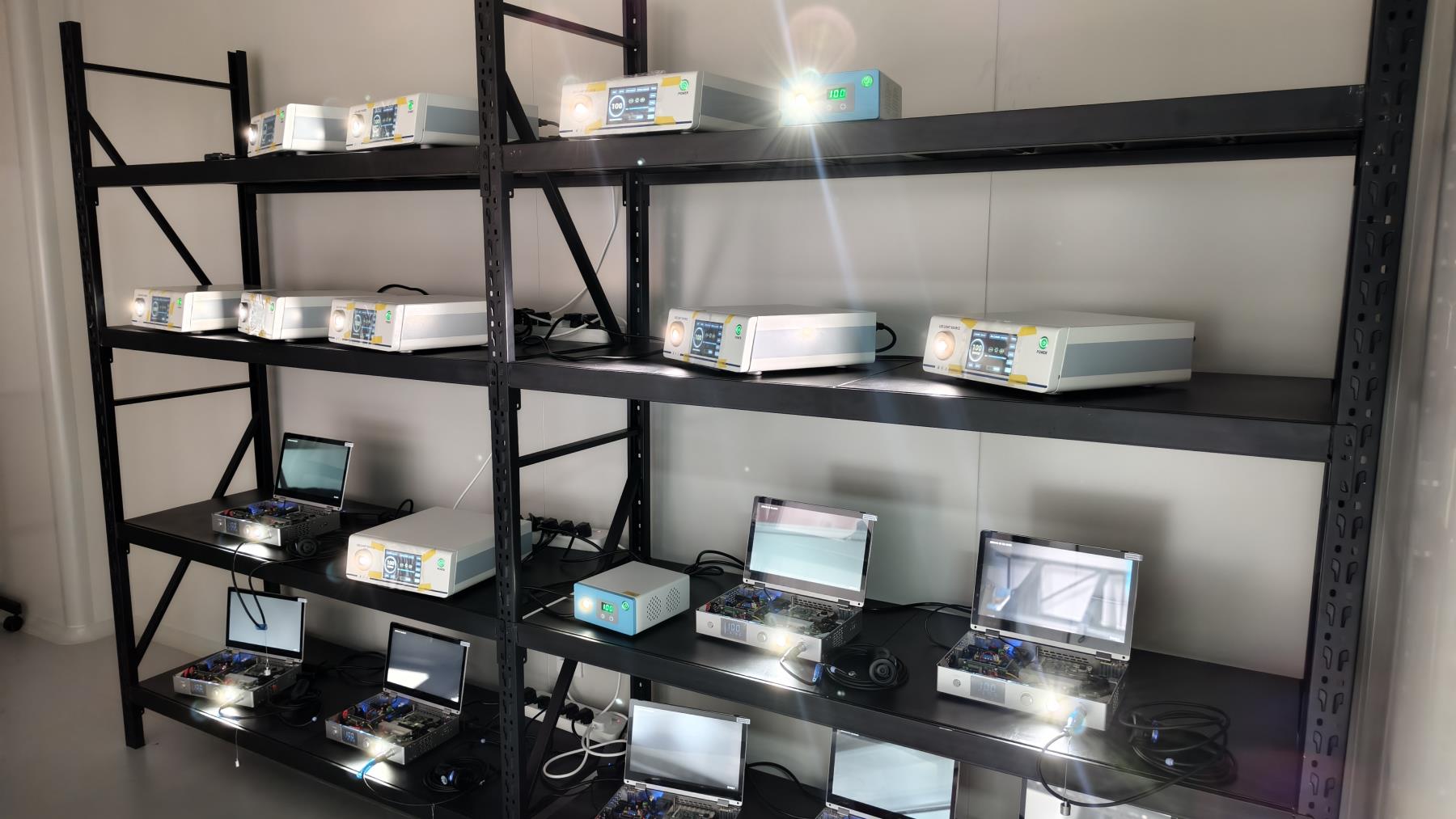
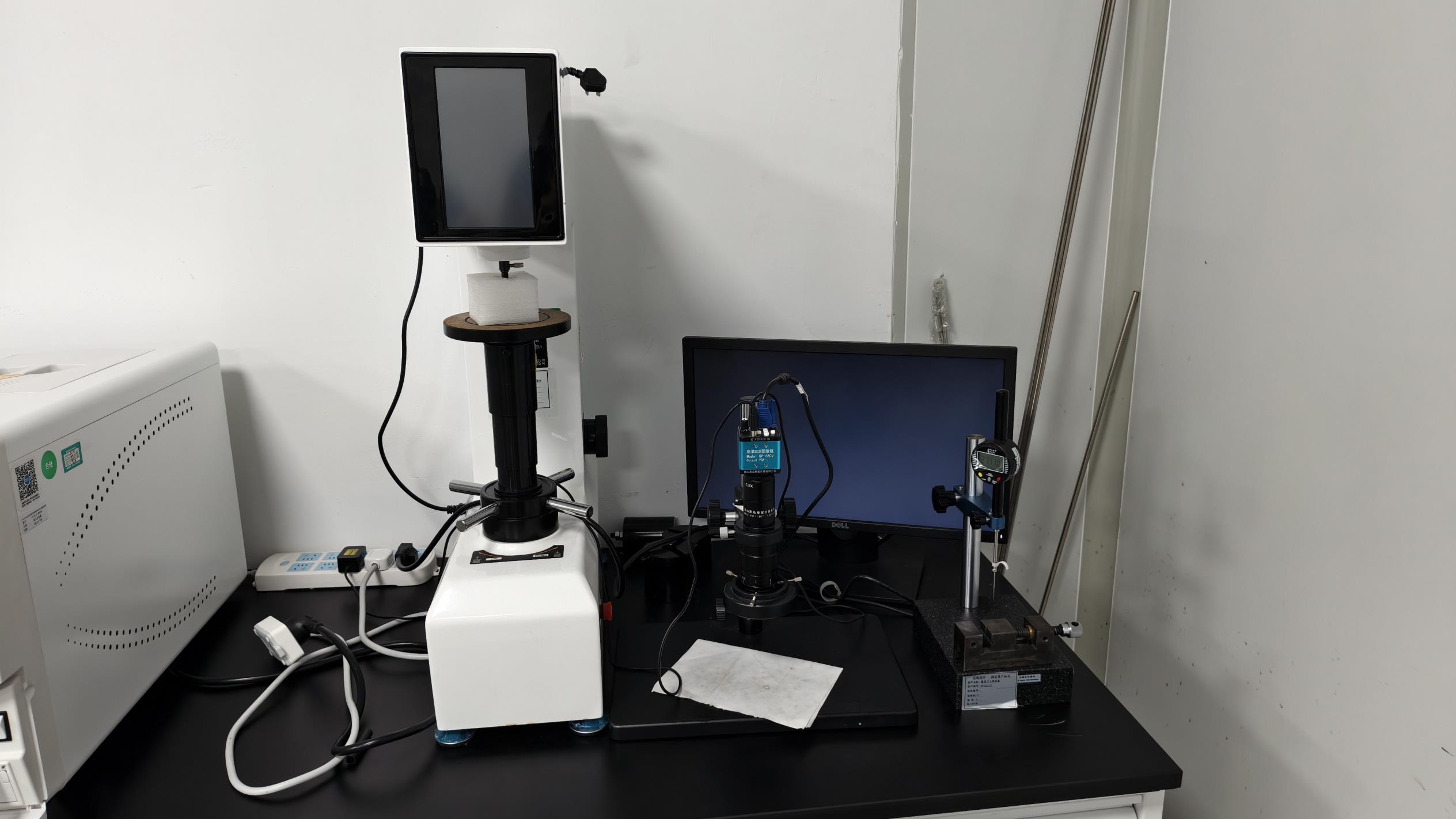
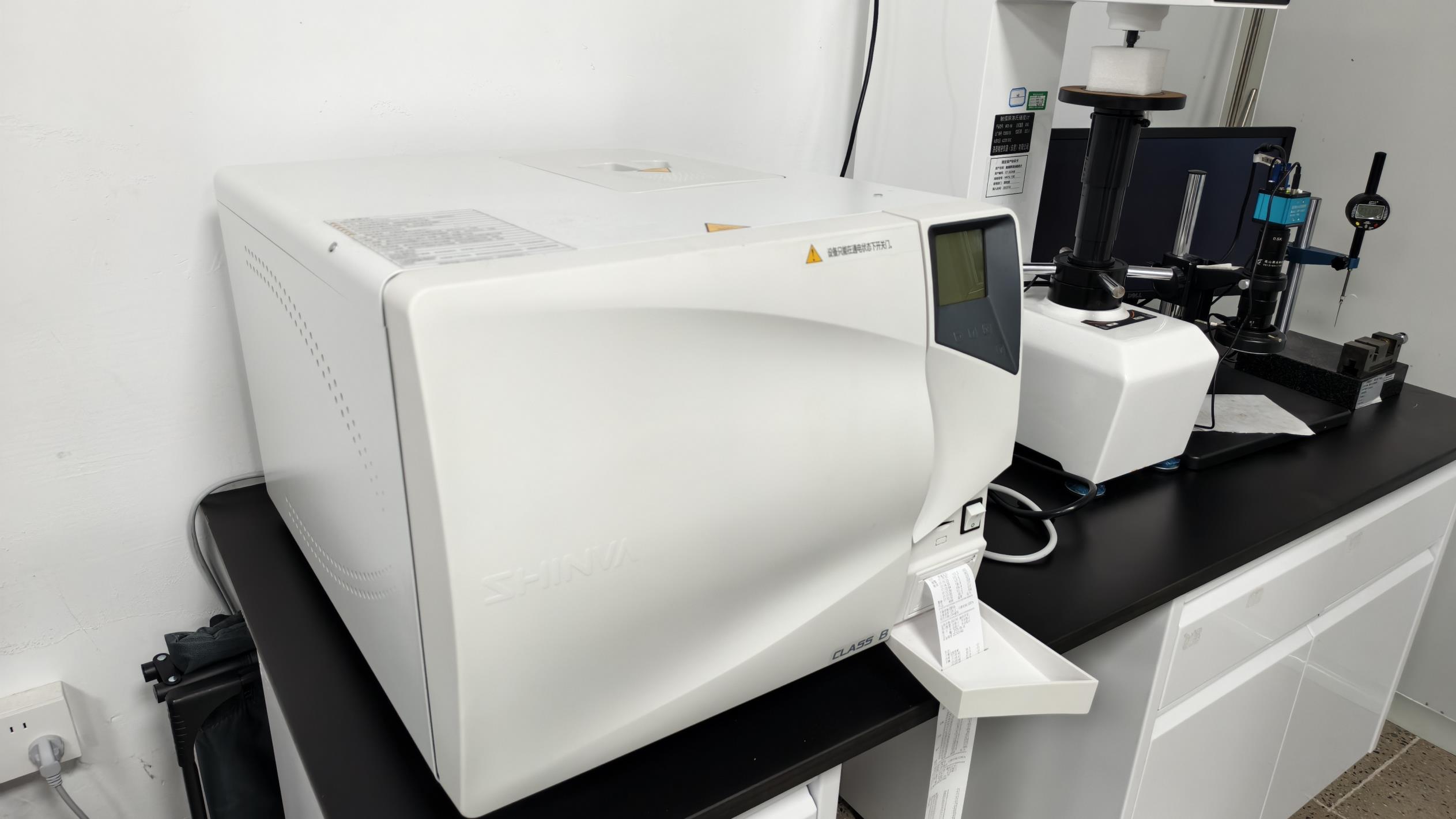
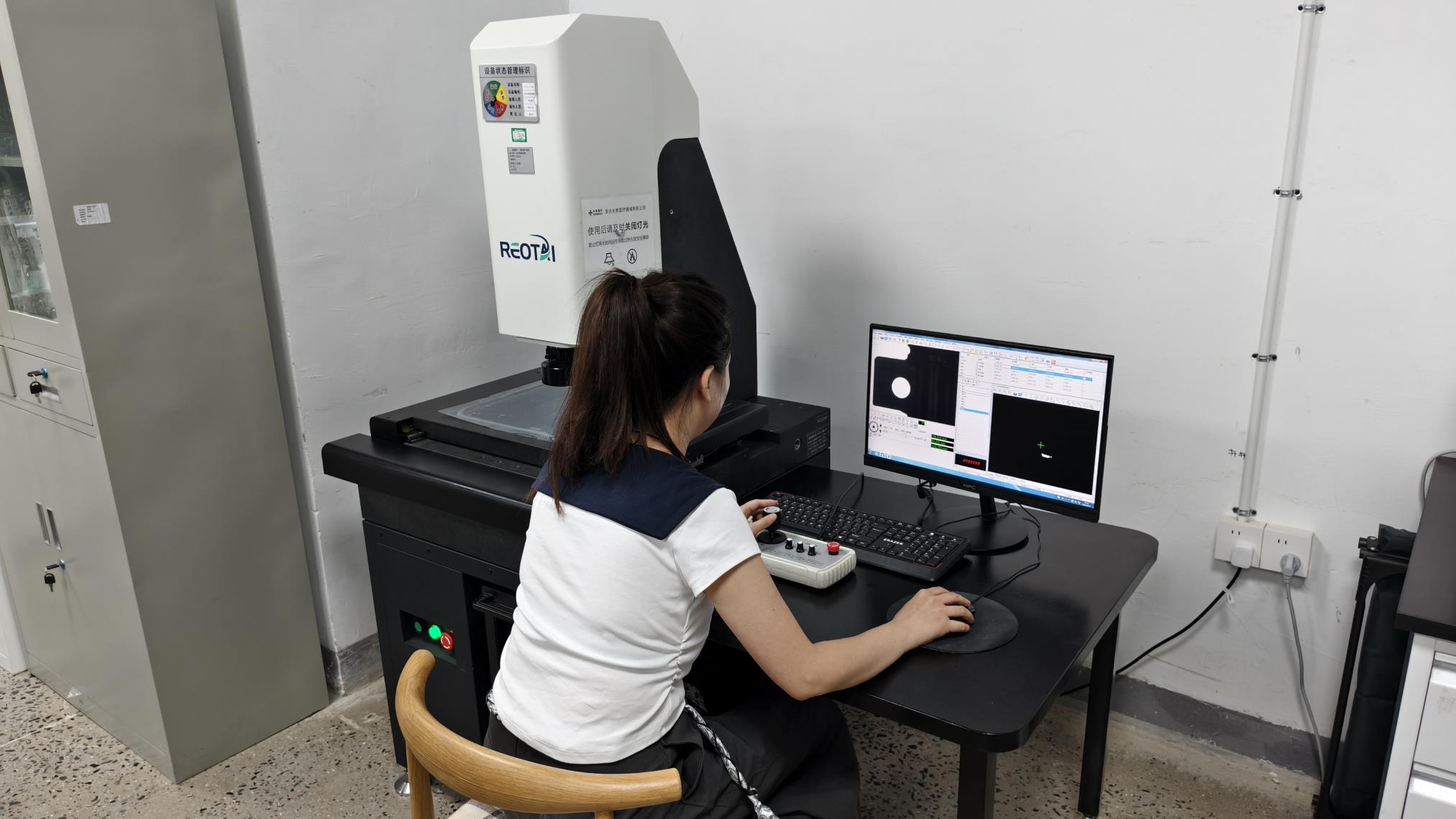
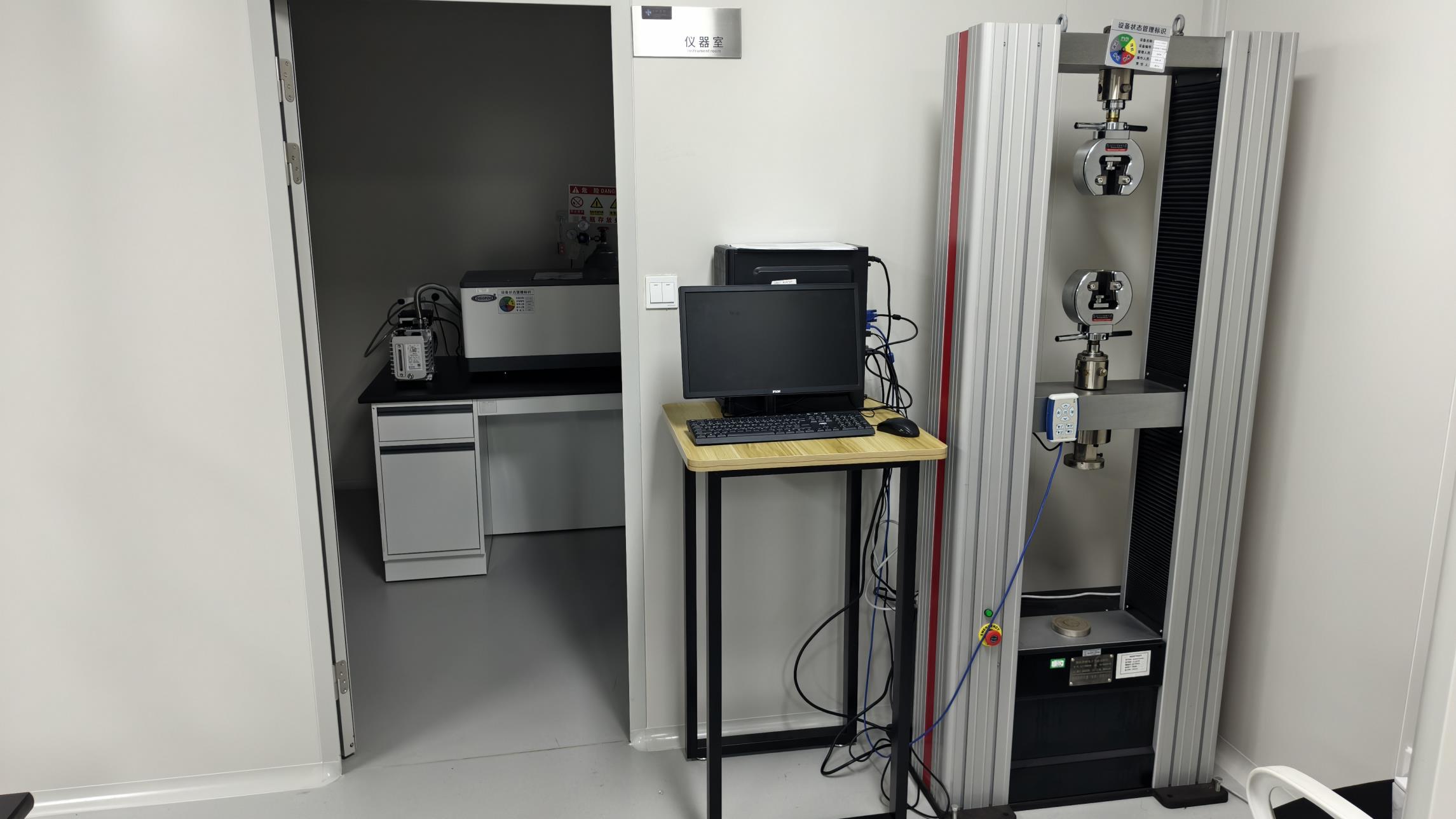
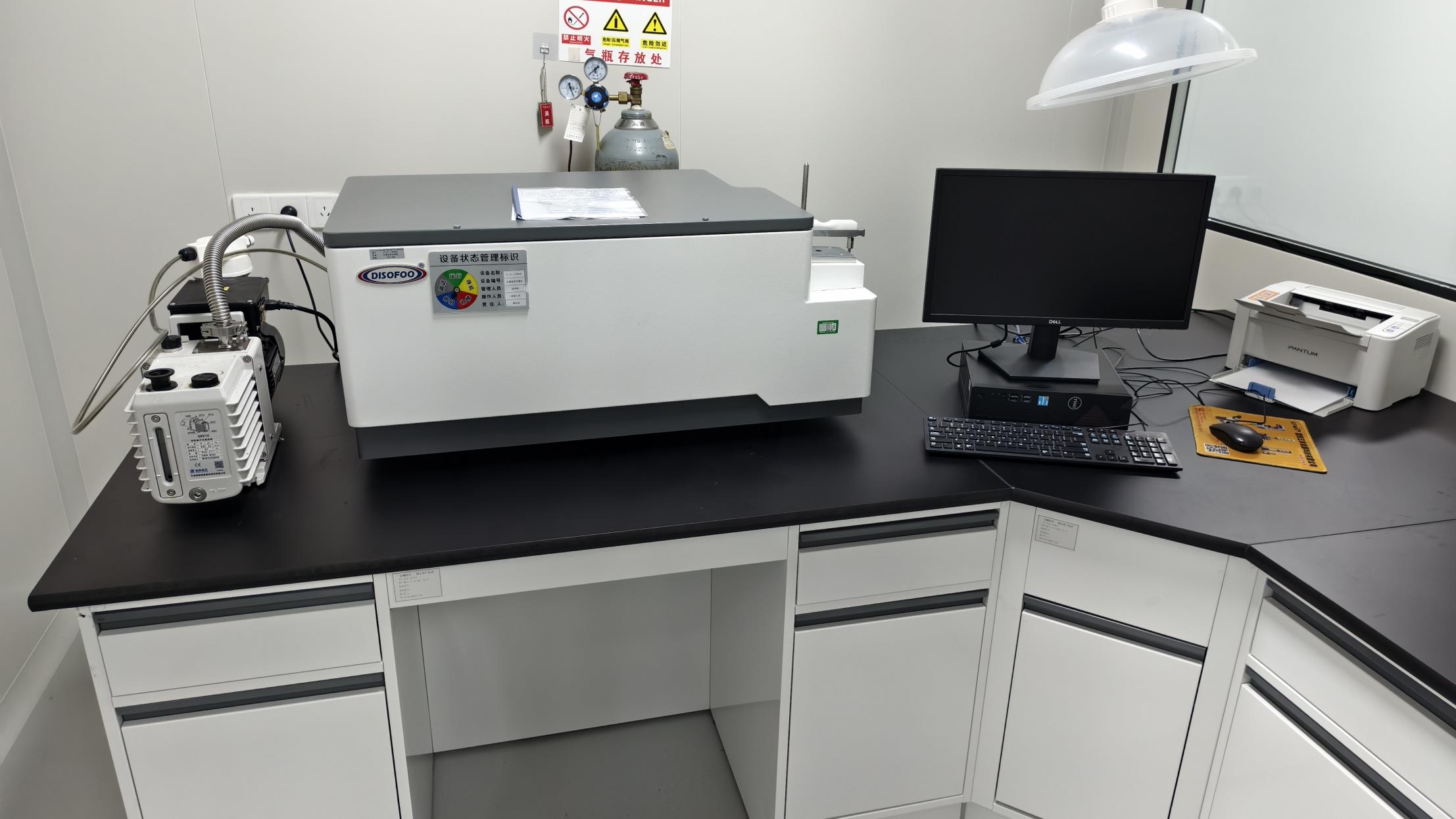
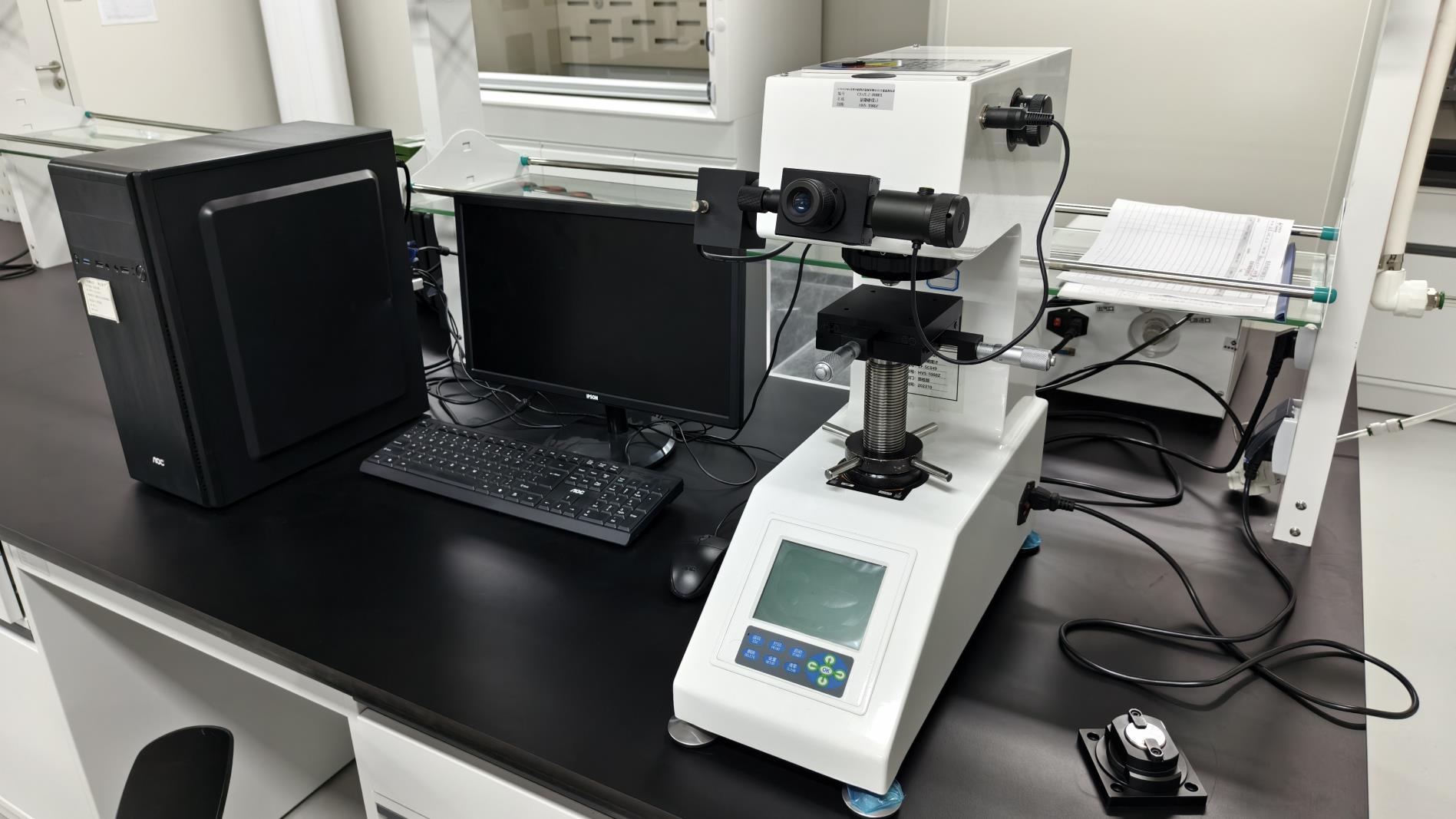
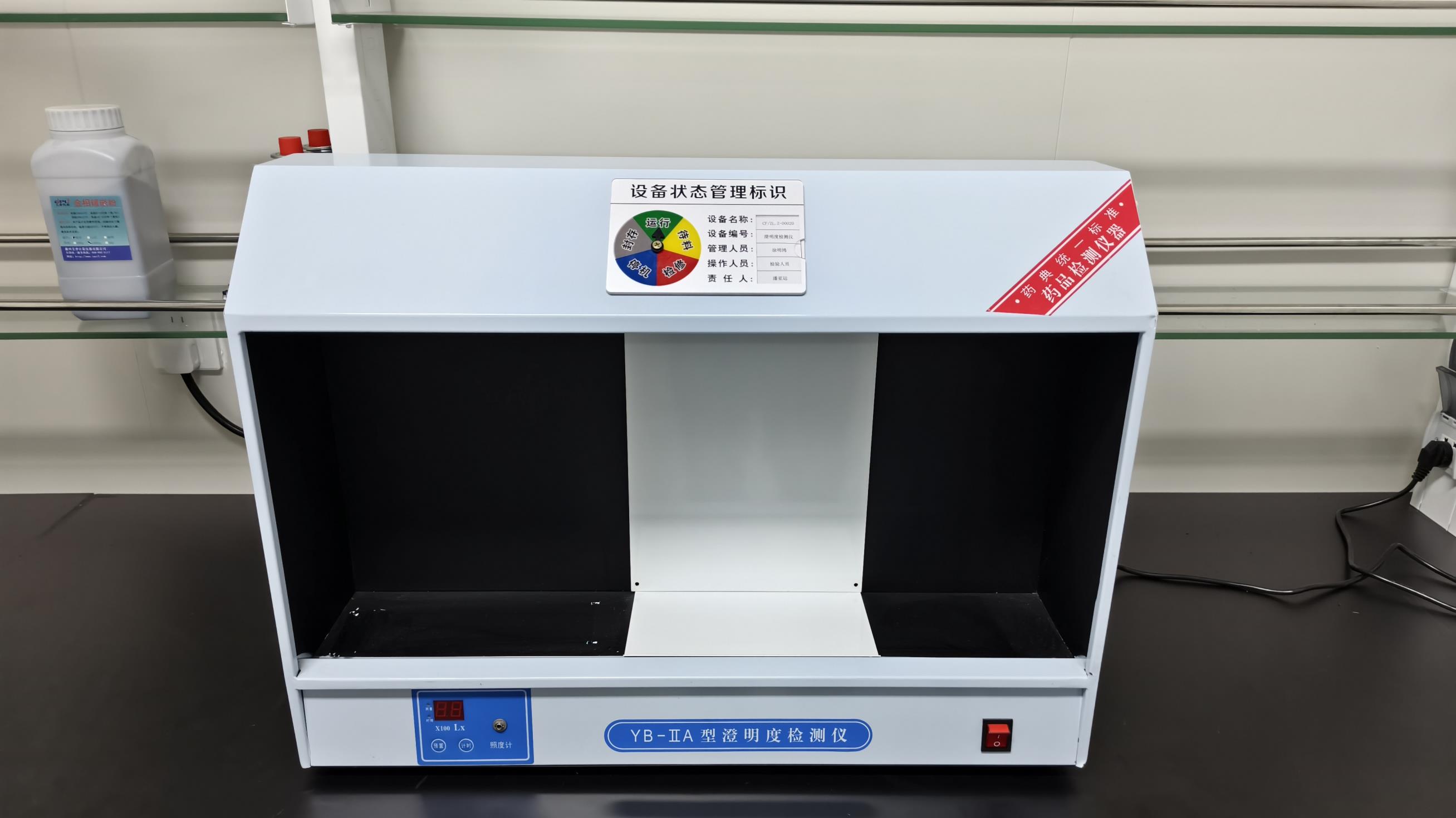
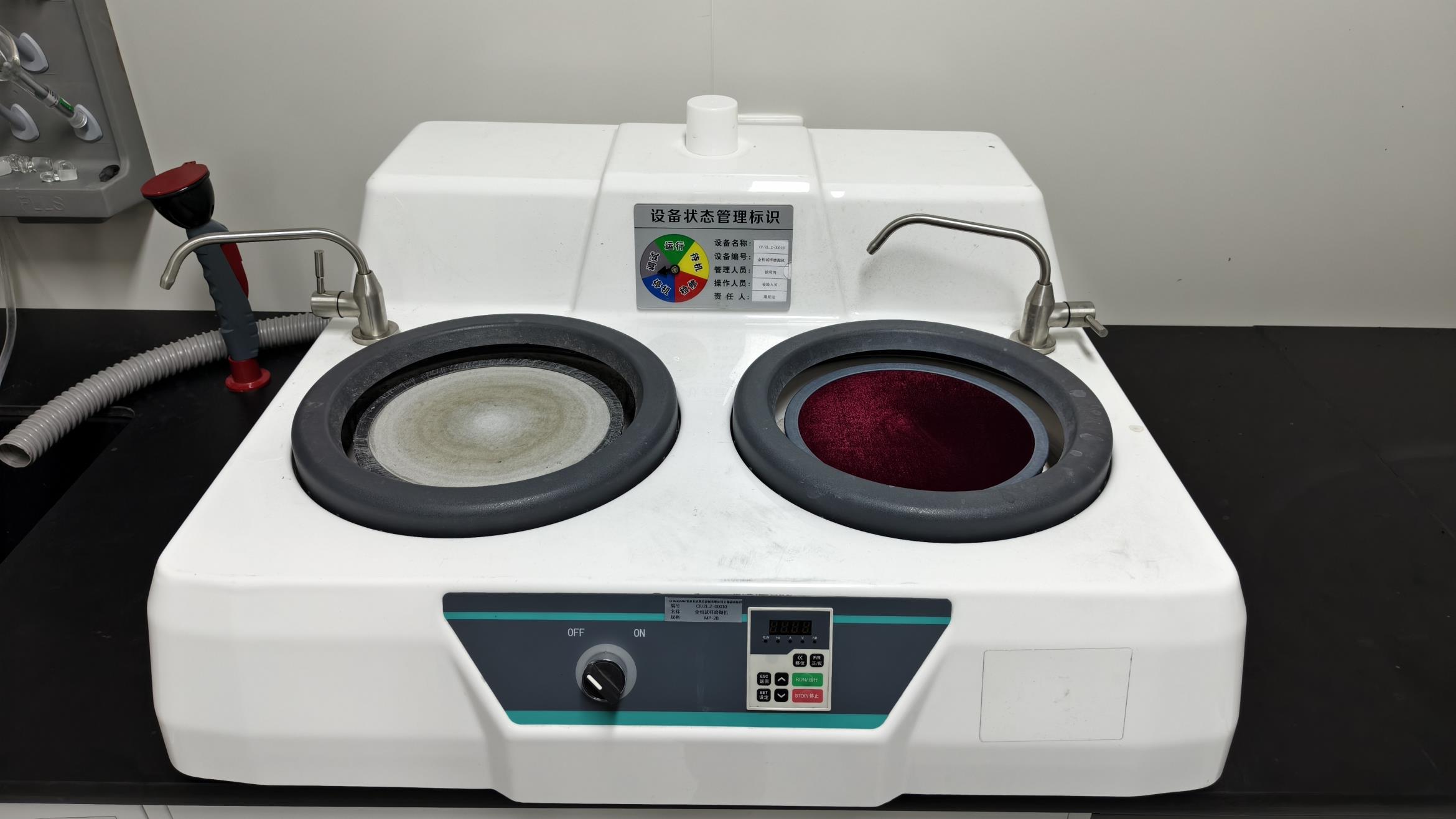
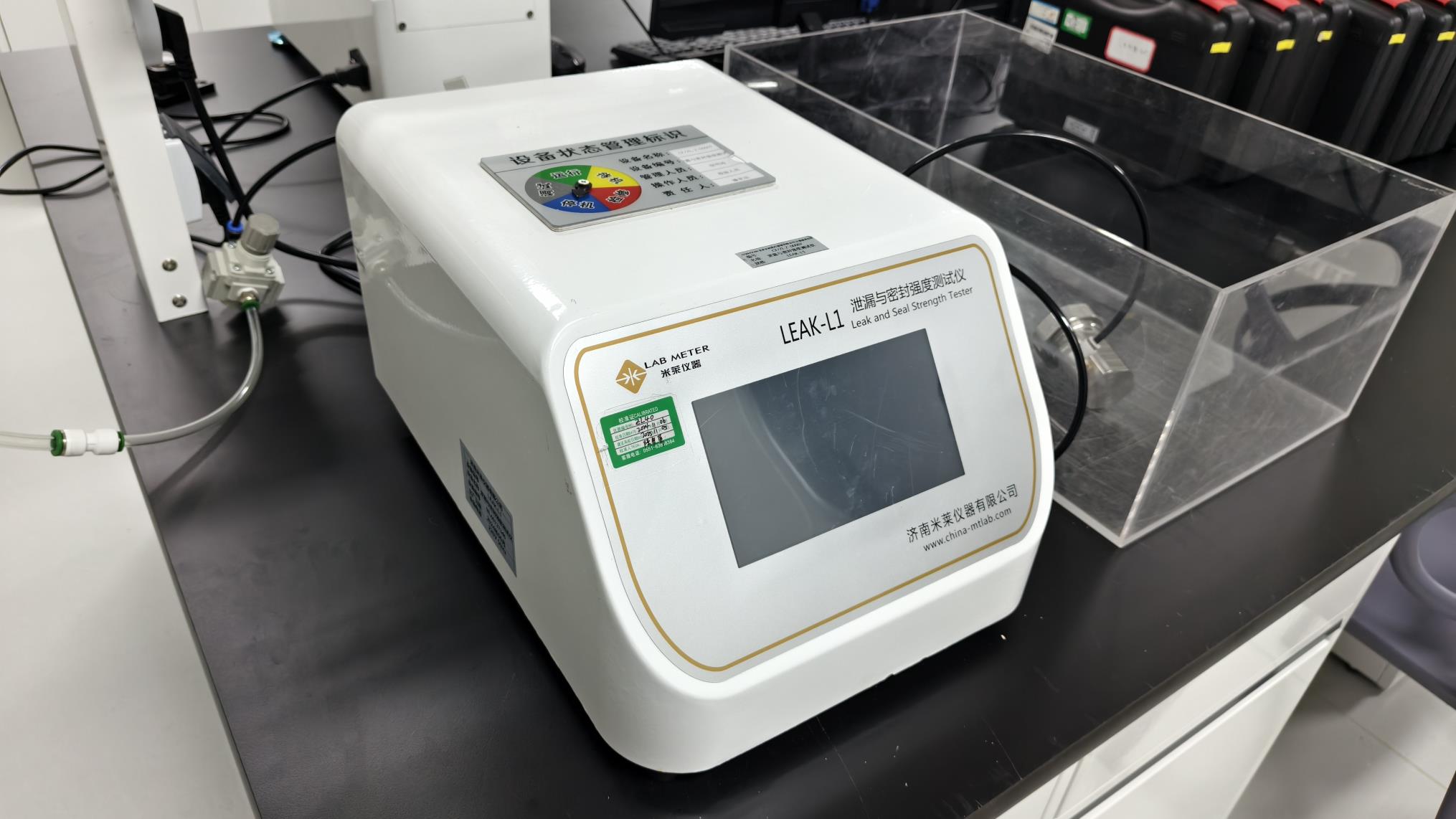
Medical-grade PEEK (Polyetheretherketone) machining requires special heat-dissipation techniques and zero oil-contamination lines. Sourcing from a leading Chinese manufacturer like Zynfuse offers distinct strategic advantages for global buyers:
We source raw medical-grade PEEK exclusively from world-class suppliers like Evonik (VESTAKEEP®) and Solvay. This guarantees the chemical integrity of the polymer chain, avoiding variations in polymer crystallinity and molecular weight distribution.
By situating our 18,600 m² plant in China's industrial manufacturing corridor, we capitalize on a highly integrated component supply chain, reducing general overhead costs while passing the savings directly to our global distributors.
With an R&D group consisting of 85 engineers, we develop approximately 320 new products annually. This rapid iterative process enables us to customize thread profiles, diameter tapers, and driving geometries within weeks, not months.
For orthopedic implants classified under Class III medical devices, documentation compliance is paramount. Zynfuse implements an ISO 13485-based inspection system, validating mechanical performance, implant geometry, and cytotoxicity risk factors.
Our quality assurance framework covers:
B2B hospital buyers and orthopedic device distributors require localized product adaptation. Zynfuse’s PEEK interference screws are designed to adapt to various surgical techniques and bone densities:
Our screws feature specialized thread geometries that securely hold soft-tissue or bone-tendon-bone (BTB) grafts in tibial and femoral tunnels. The tapered nose design facilitates easy self-tapping insertion without damaging the delicate graft structure.
Smaller diameter PEEK screws (typically 4.0mm to 6.0mm) are widely used for biceps tenodesis and shoulder labral repairs. They offer strong fixation strength in cancellous bone regions.
To help distributors navigate regional regulations, Zynfuse provides localized technical support, custom sterilization packaging (sterile vs. non-sterile configurations), and comprehensive technical dossiers (STED format) for local food and drug administration clearances.