Zynfuse
Zynfuse
Zynfuse
Premium Trauma Implants & Precision Surgical Toolsets
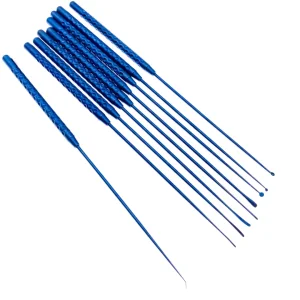
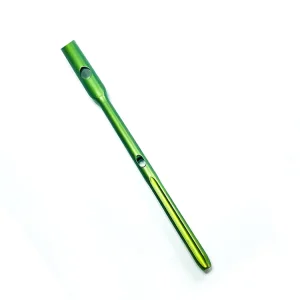
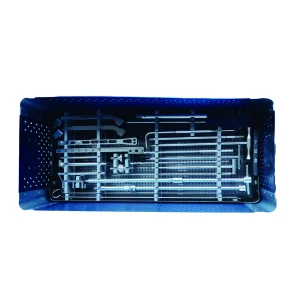
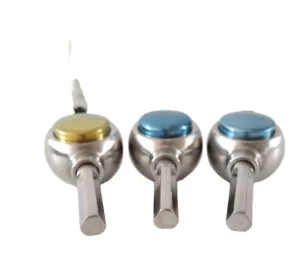
In the rapidly evolving landscape of orthopedic trauma surgery, locking plating systems have emerged as the gold standard for restoring anatomical alignment and biological function. Unlike conventional plating methods that rely on friction at the plate-bone interface, modern locking plate constructs act as internal fixators. By securing locking screws into threaded plate holes, these systems deliver fixed-angle stability, drastically lowering the risk of implant failure in osteoporotic bone or comminuted fractures.
As a global leader in high-performance osteosynthesis, Zynfuse Medical Technology Co., Ltd. implements state-of-the-art metallurgy, biomechanical testing, and precise manufacturing to produce systems that withstand extreme physiological loads. Leveraging years of clinical feedback and clinical trials, we optimize the load-bearing distribution across dynamic and locking zones, facilitating accelerated patient mobilization and minimizing complications like avascular necrosis.
Friction-Fit vs. Fixed-Angle Stability: Engineering the Perfect Interface
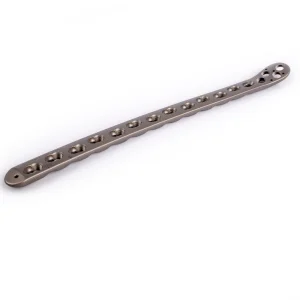
Historically, fracture compression relied heavily on dynamic compression plates (DCP) that friction-locked the plate to the periosteum. However, this compression often compromised periosteal vascularity, leading to bone resorption and delayed healing. The introduction of the Locking Compression Plate (LCP) revolutionized this approach. By utilizing locking screws that thread directly into the plate, the screw-plate construct acts as a single rigid frame. This mechanism prevents the plate from being pressed onto the bone surface, thereby preserving the critical blood supply beneath the plate.
Furthermore, in osteoporotic bone, traditional screws are prone to loosening (pull-out). Locking screw heads, by virtue of their fixed angles, transfer shear forces along the length of the plate, transforming tensile stresses into compressive stresses distributed across a broader surface area. Zynfuse uses medical-grade Titanium Alloys (Ti-6Al-4V ELI) to match the elastic modulus of cortical bone closer than stainless steel, reducing the risk of stress shielding.
| Feature / Parameter | Standard Compression Systems | Zynfuse Advanced Locking Systems | Clinical / Mechanical Benefit |
|---|---|---|---|
| Primary Stabilization | Friction-fit between plate and bone | Threaded, fixed-angle screw-plate lock | Eliminates plate-to-bone contact pressure |
| Vascular Preservation | High compression limits periosteal flow | Perfusion-friendly distance-plating design | Reduces bone necrosis & infection rates |
| Osteoporotic Efficacy | High risk of screw toggling & pull-out | Unified construct resists axial load torque | Preventative structural failure in weak bone |
| Screw Directionality | Fixed trajectory defined by hole axis | Polyaxial & Monaxial locking capabilities | Allows customized targeting of fragments |
| Dynamic Compression | Limited to tension band principles | Combi-holes allowing compression & locking | Hybrid plating tailored to fracture anatomy |
A Modern Pillar of Chinese Medical Device Manufacturing
Established in 2016, Zynfuse Medical Technology Co., Ltd. has developed into a leading global OEM/ODM manufacturer specializing in bone fusion systems, locking plating constructs, intramedullary nails, and arthroscopy instrumentation. Leveraging 12 years of industry experience and 7 years of specialized export operations, we serve medical distributors, public/private hospitals, and clinical implant importers across North America, Europe, Southeast Asia, and the Middle East.
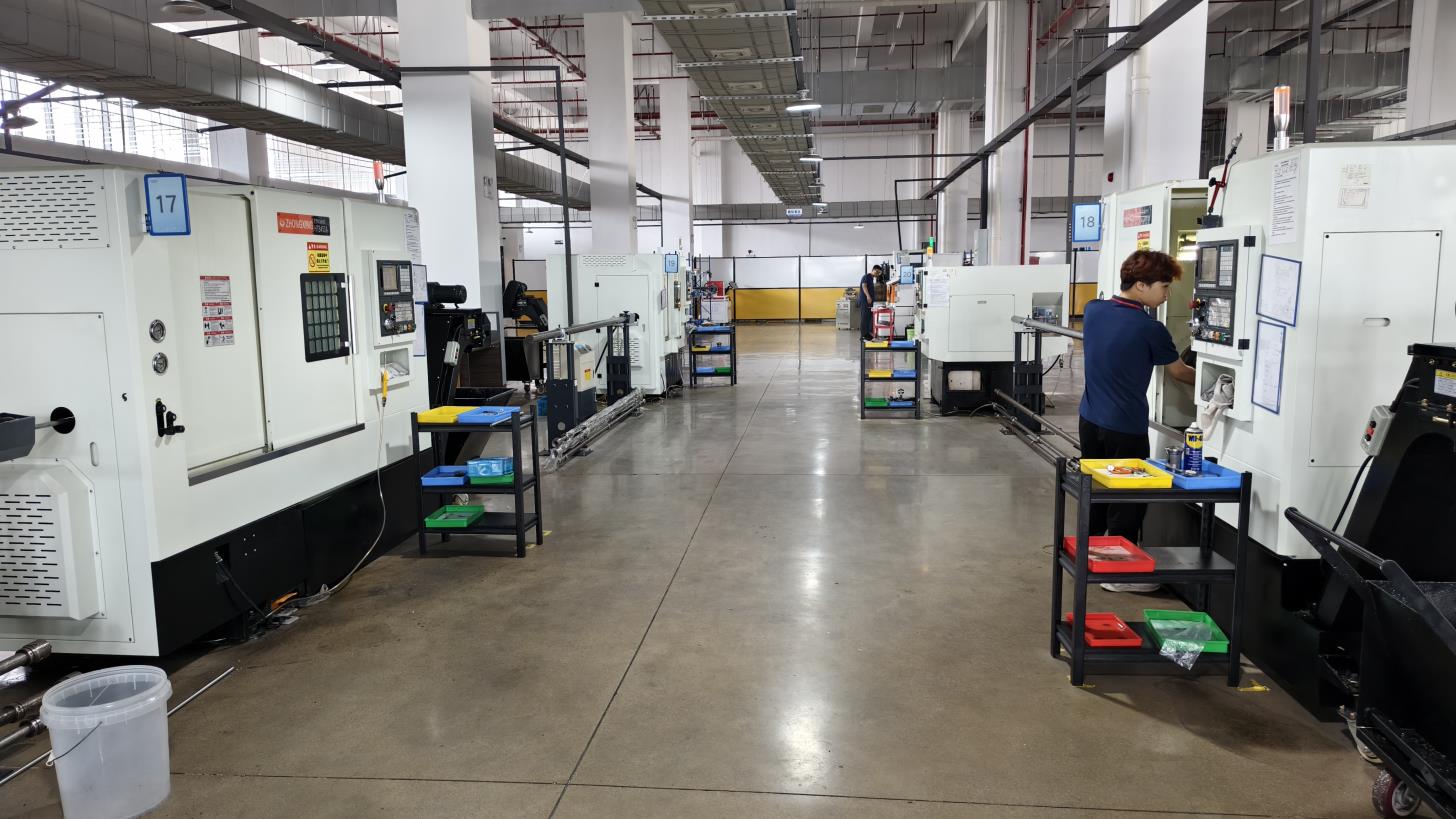
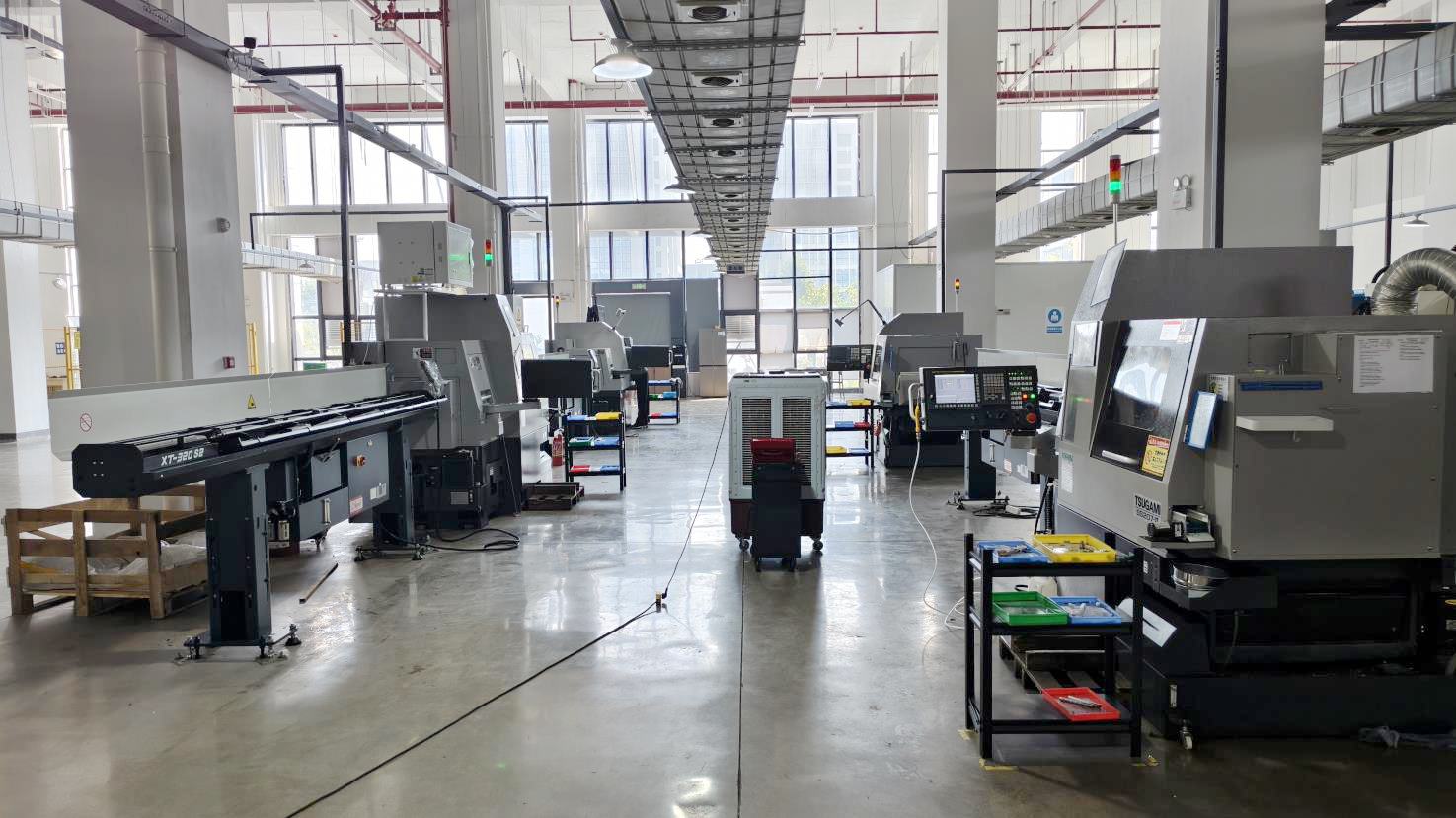
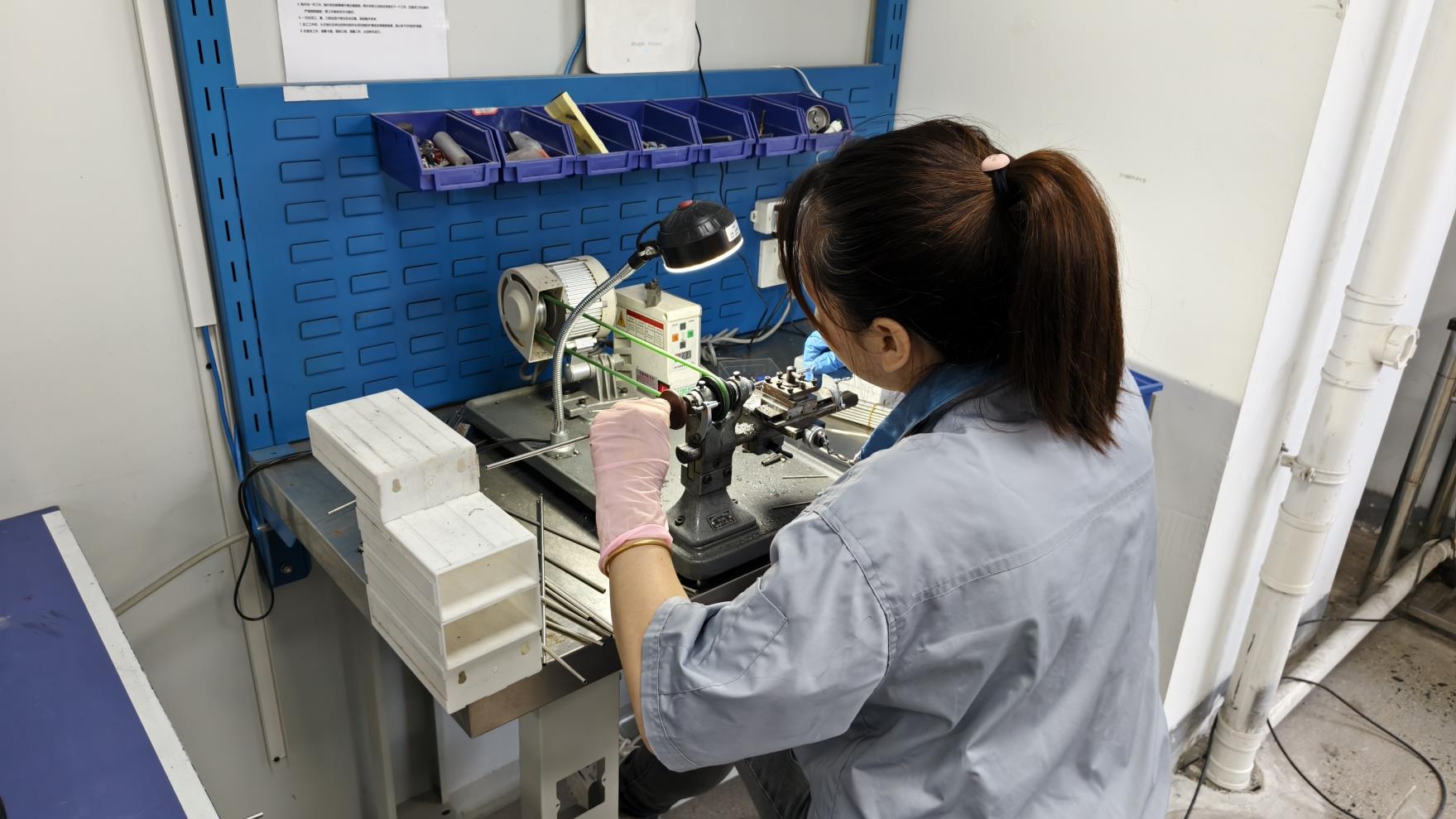
Operating out of an 18,600 m² state-of-the-art facility, our manufacturing floor is partitioned into ISO Class 7/8 cleanrooms, Swiss CNC machining blocks, and advanced automated inspection lines. Our annual export volume exceeds $18.5 million, illustrating the trust placed in Zynfuse by over 1,200 international healthcare procurement networks.
Our core mission revolves around "Preserving Vitality through Precision Engineering." Backed by an aggressive R&D pipeline consisting of 85 veteran bio-engineers, we introduce approximately 320 new orthopedic products and tools annually, ensuring that our clients are continually equipped with cutting-edge surgical systems.
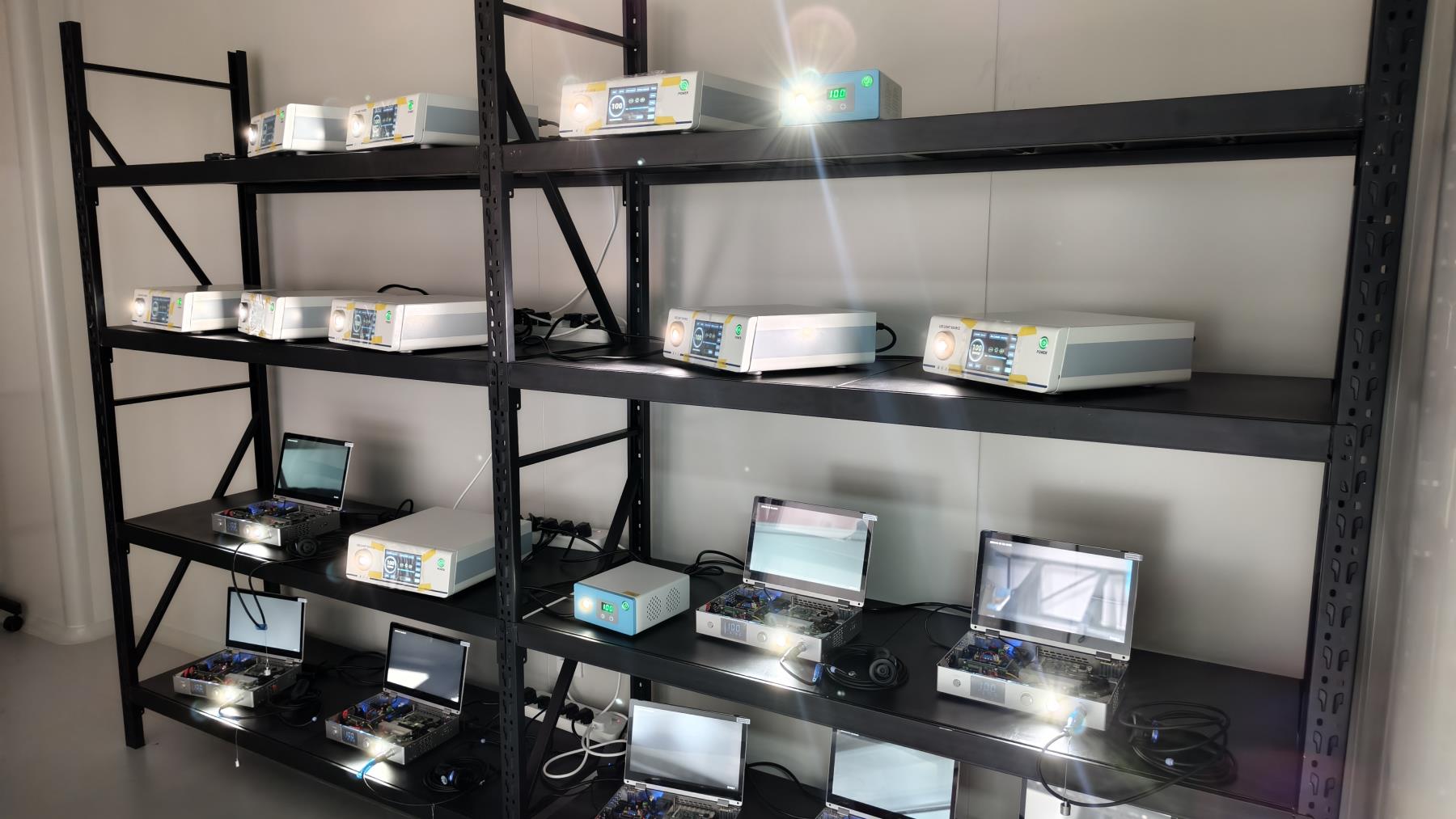
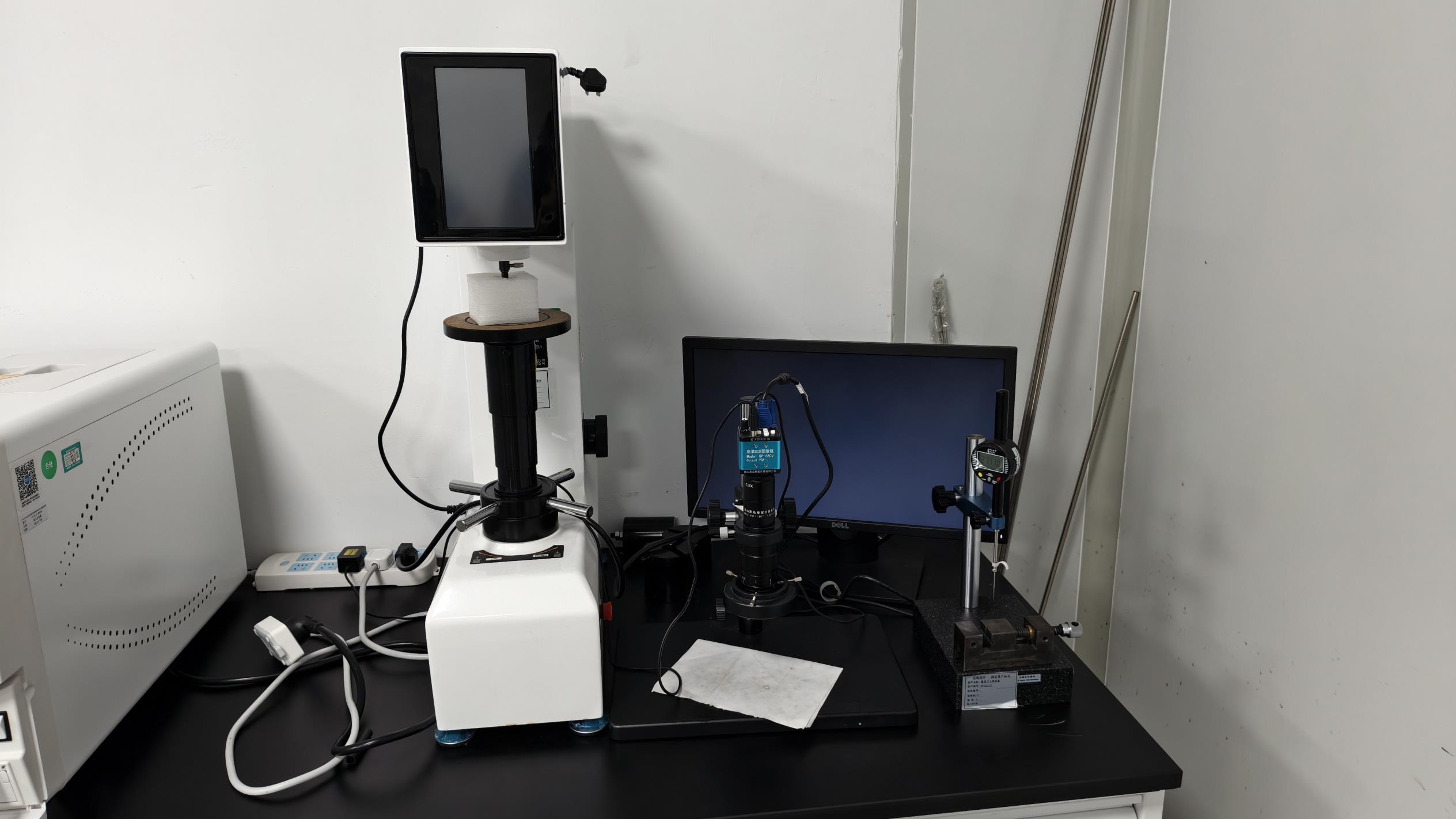
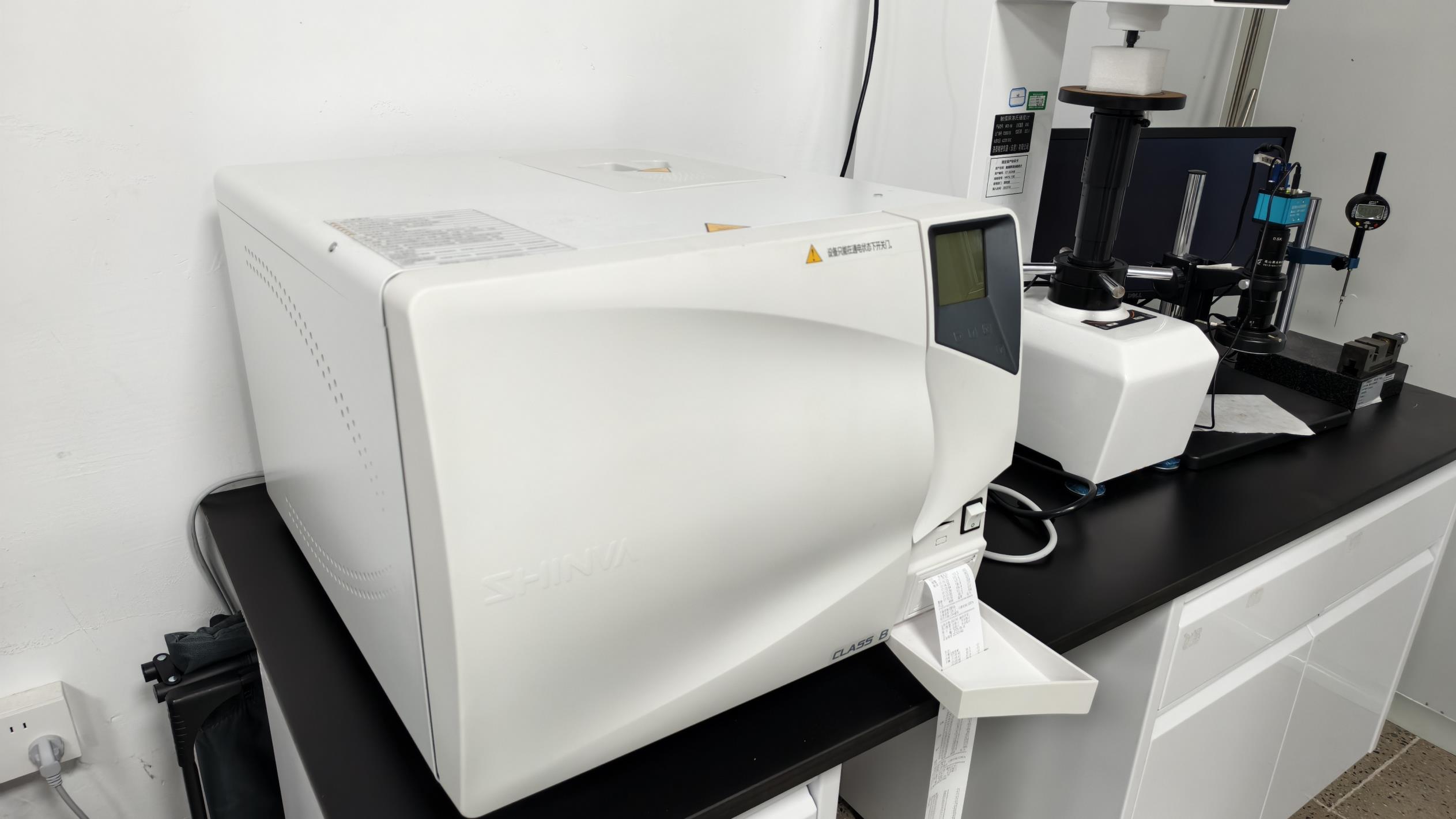
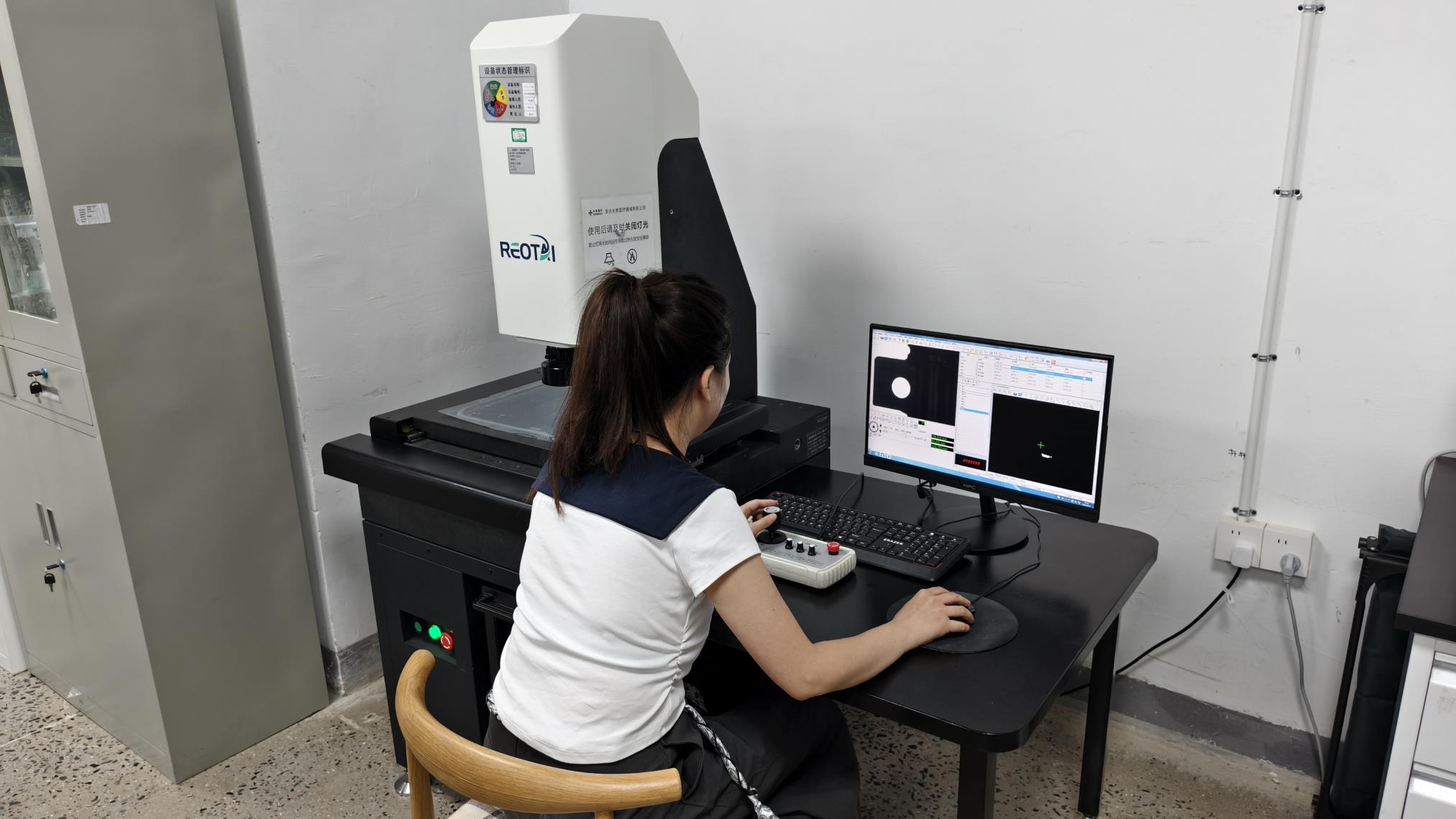
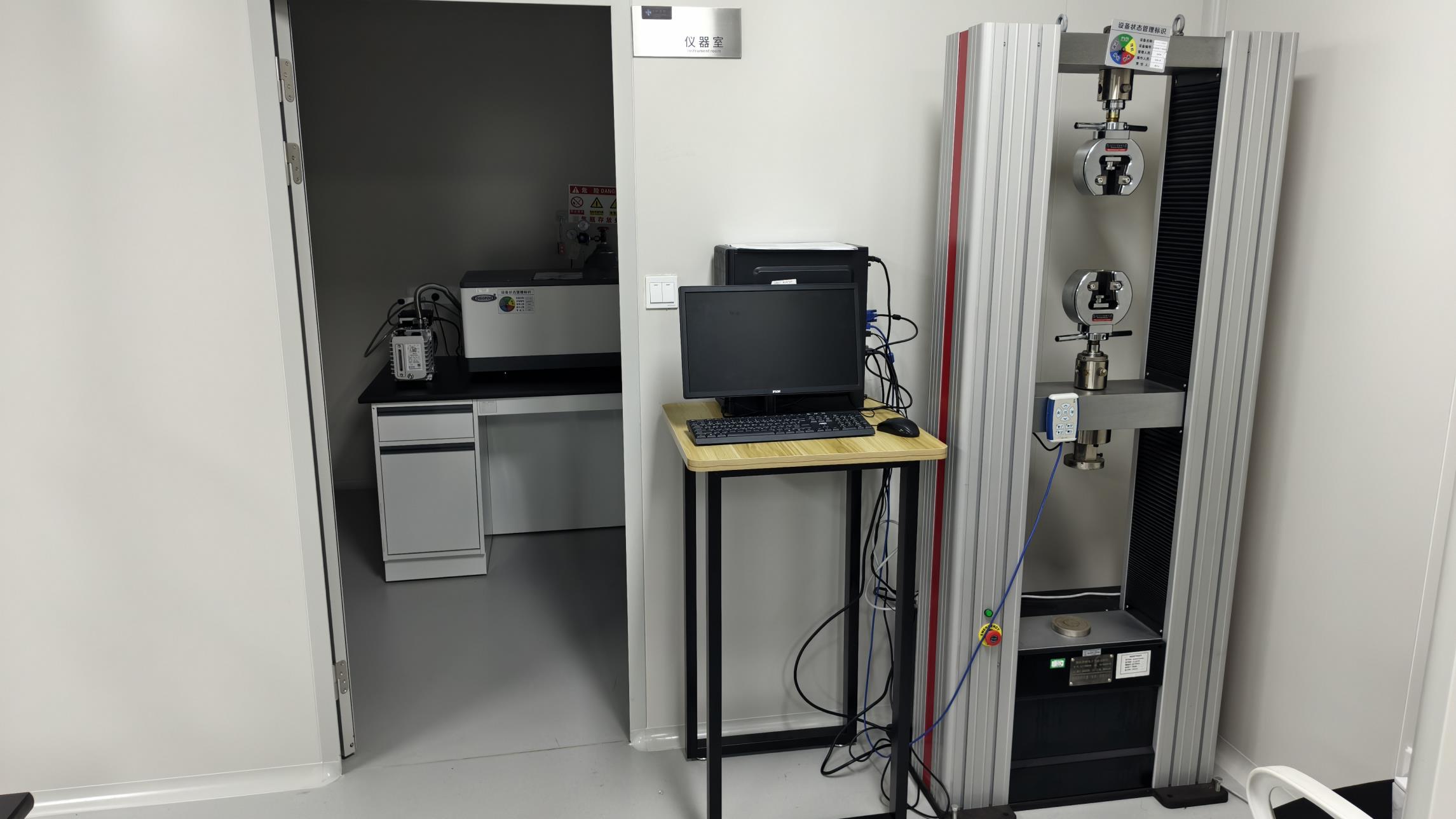
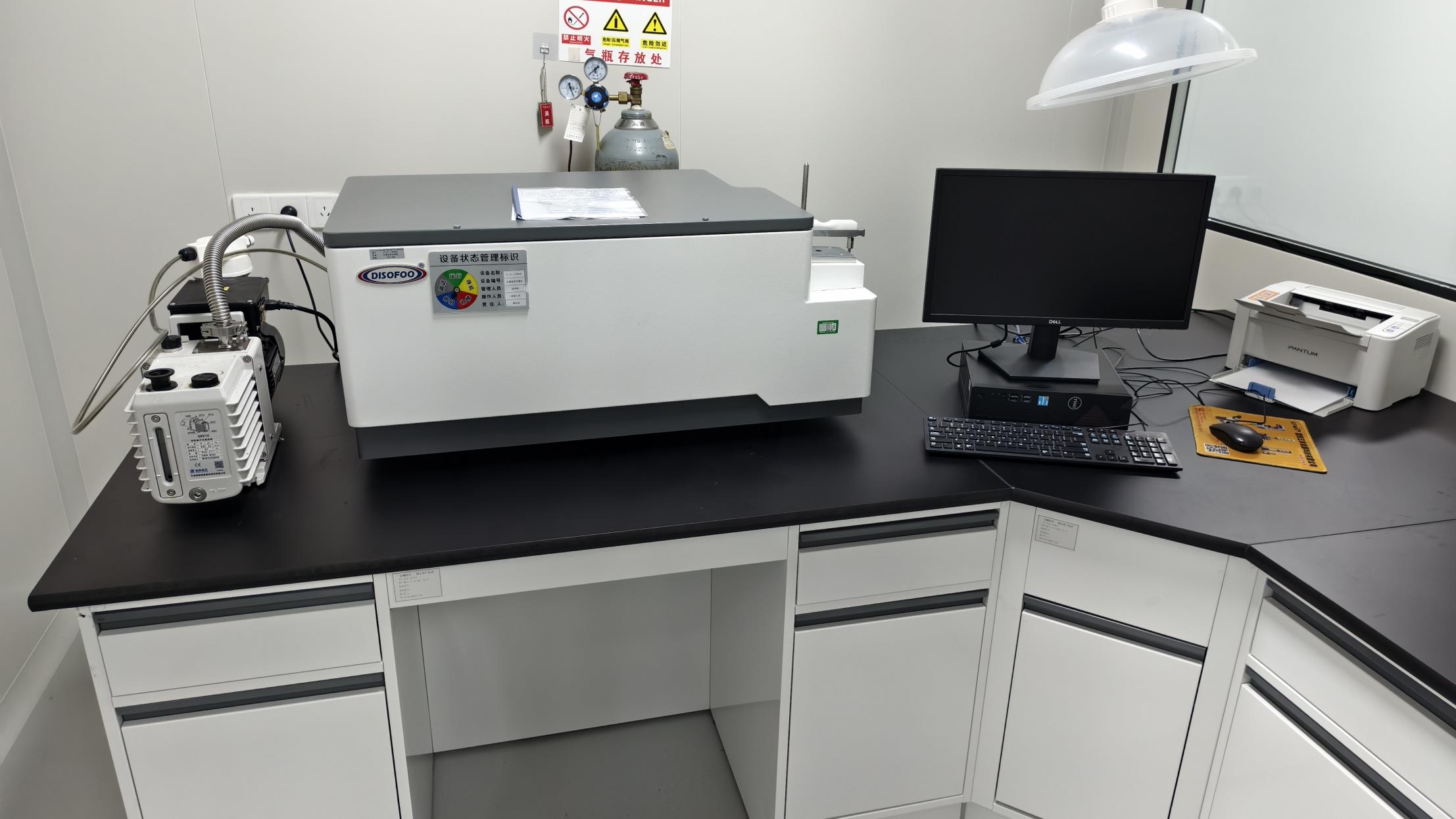
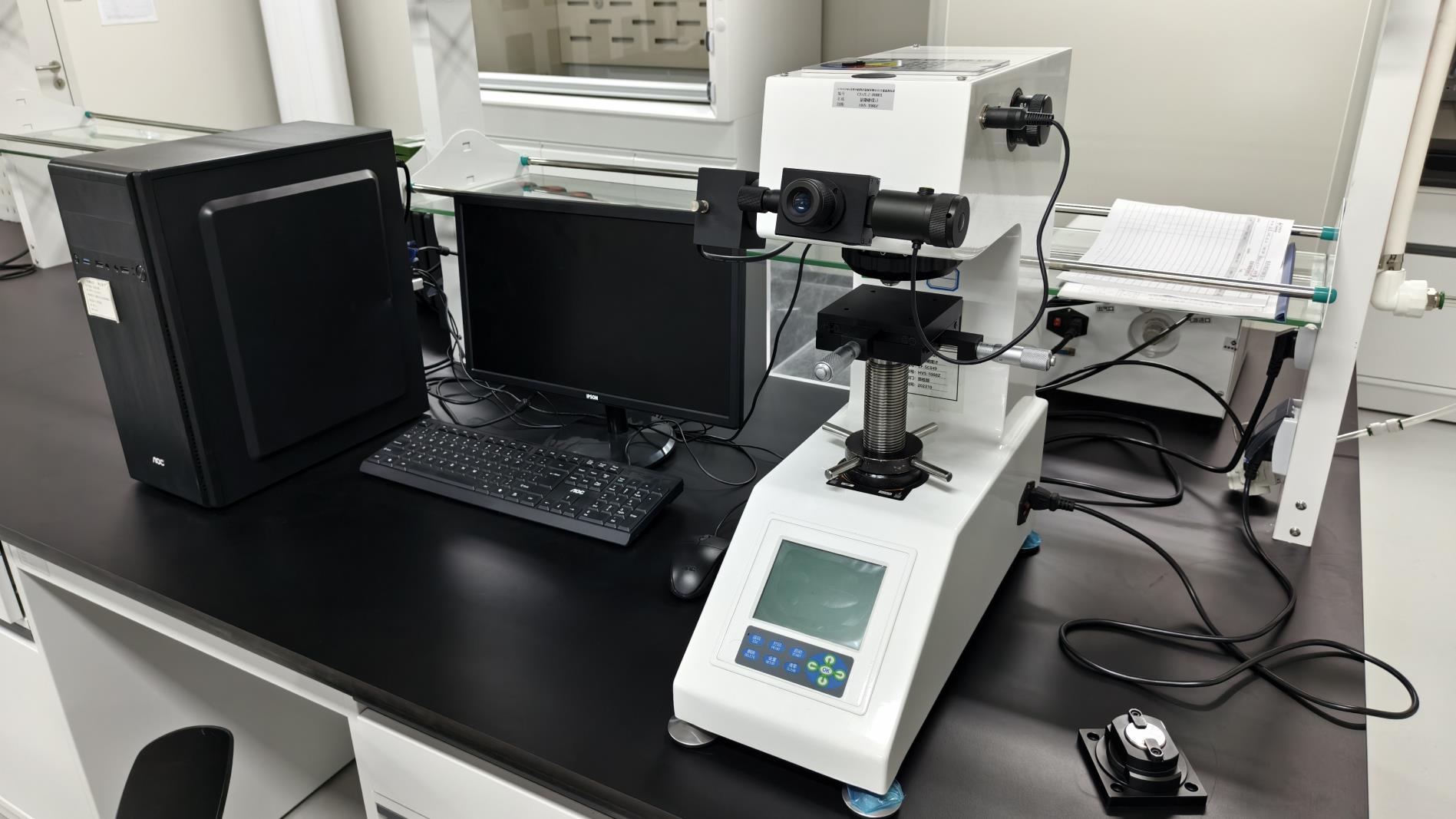
Our quality control protocols are anchored by ISO 13485, FDA guidelines, and European MDR frameworks. Zynfuse employs 68 quality inspection specialists whose sole task is to ensure zero-defect output. Our laboratories execute:
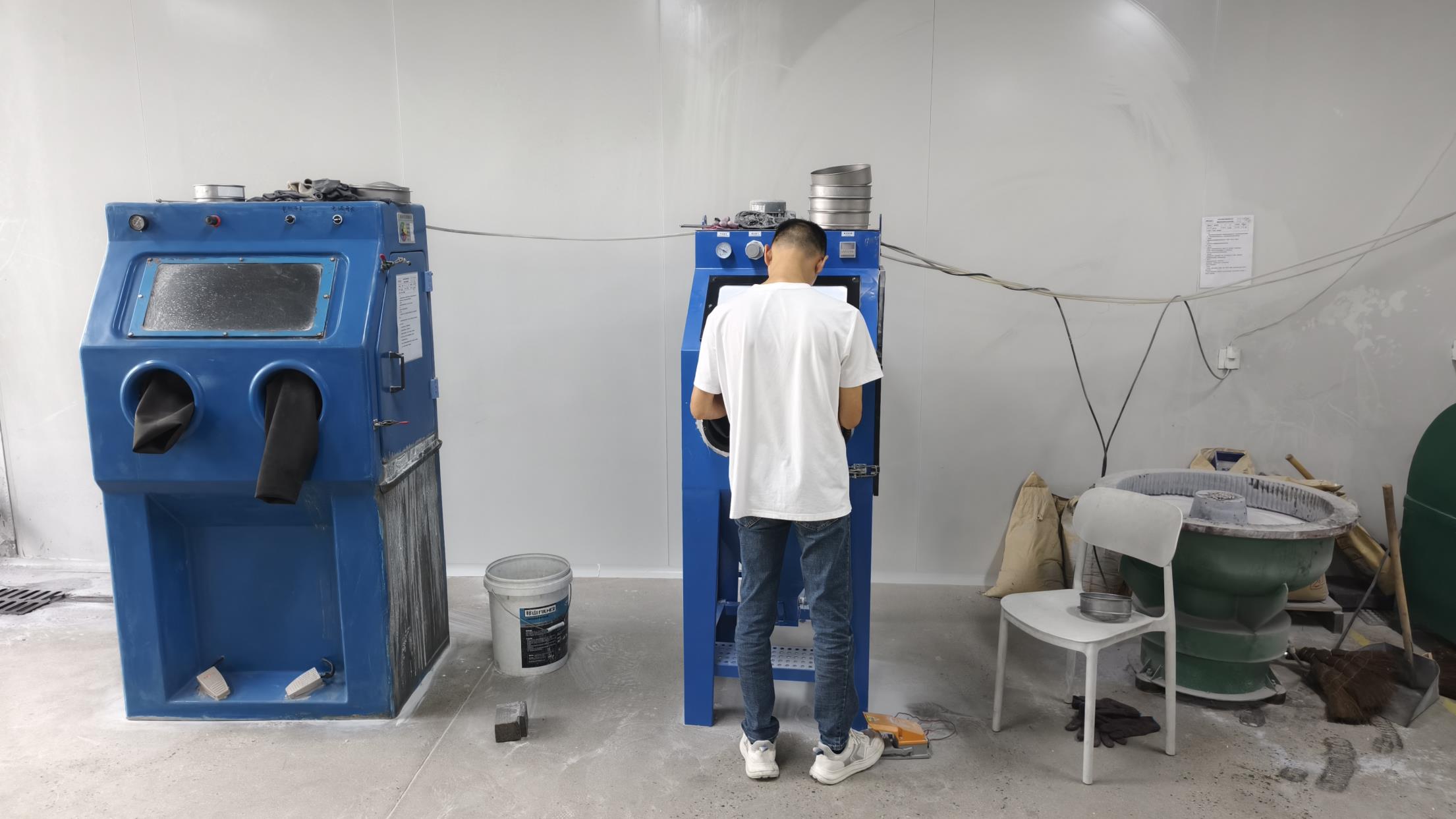
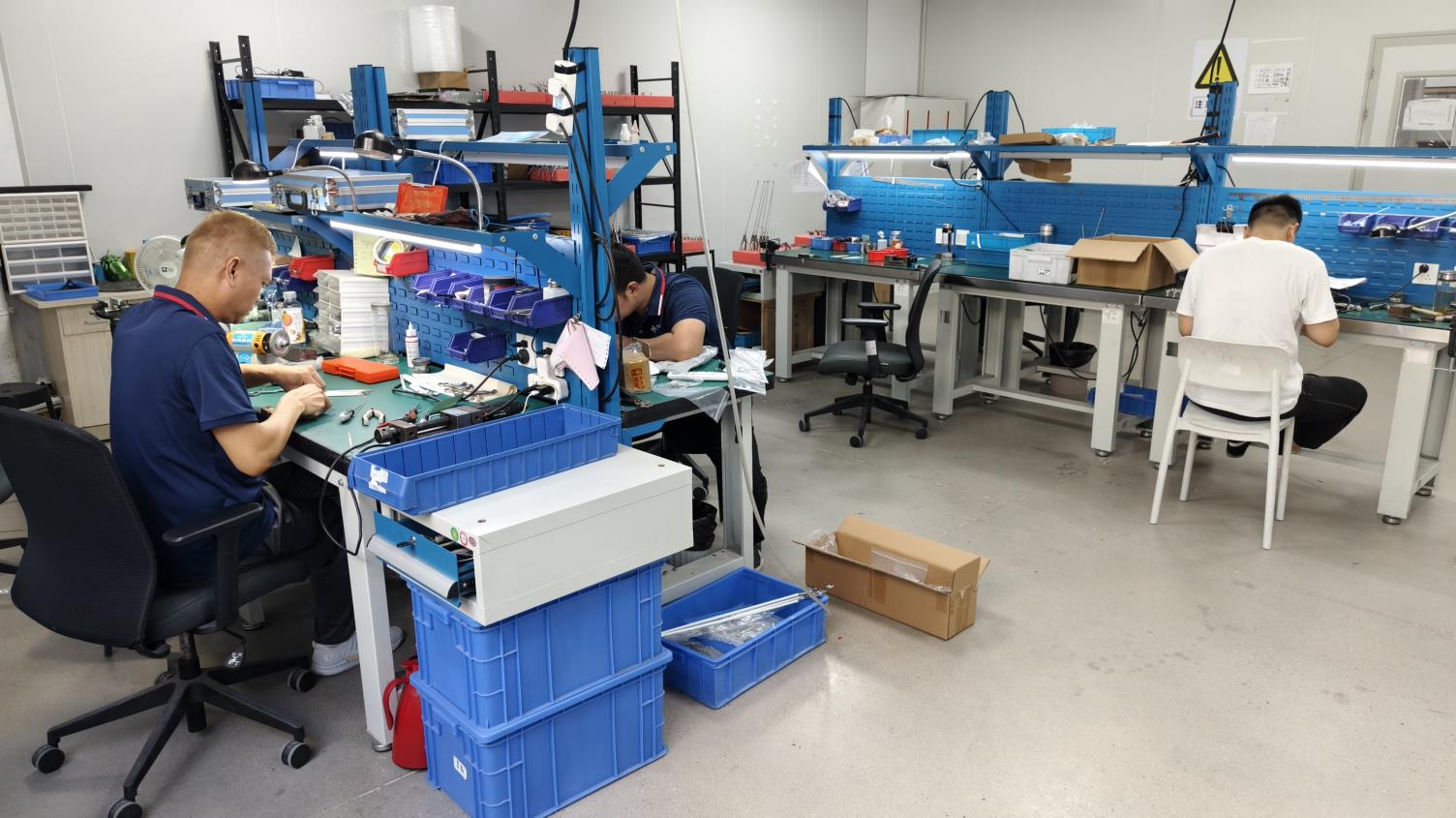
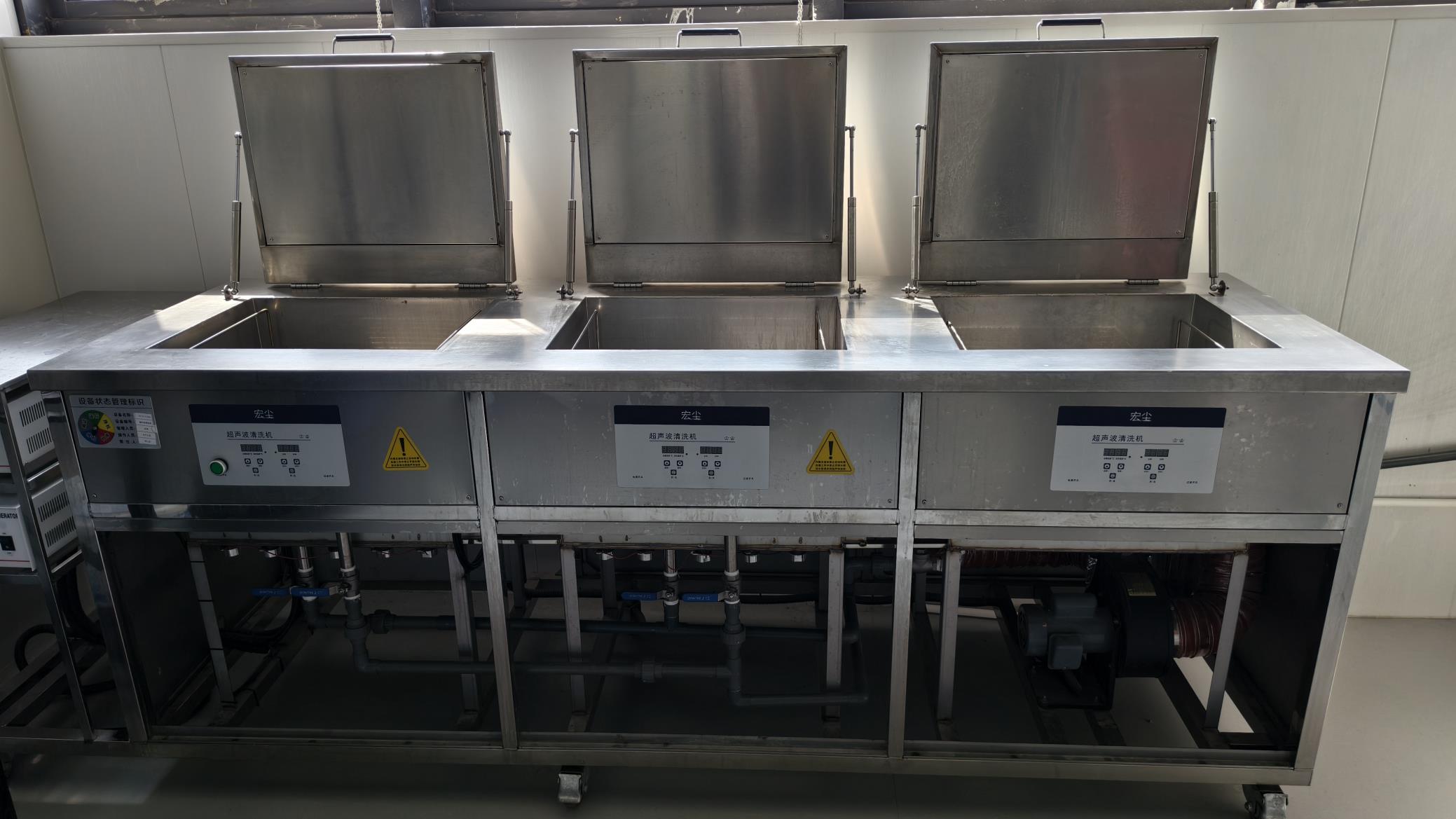
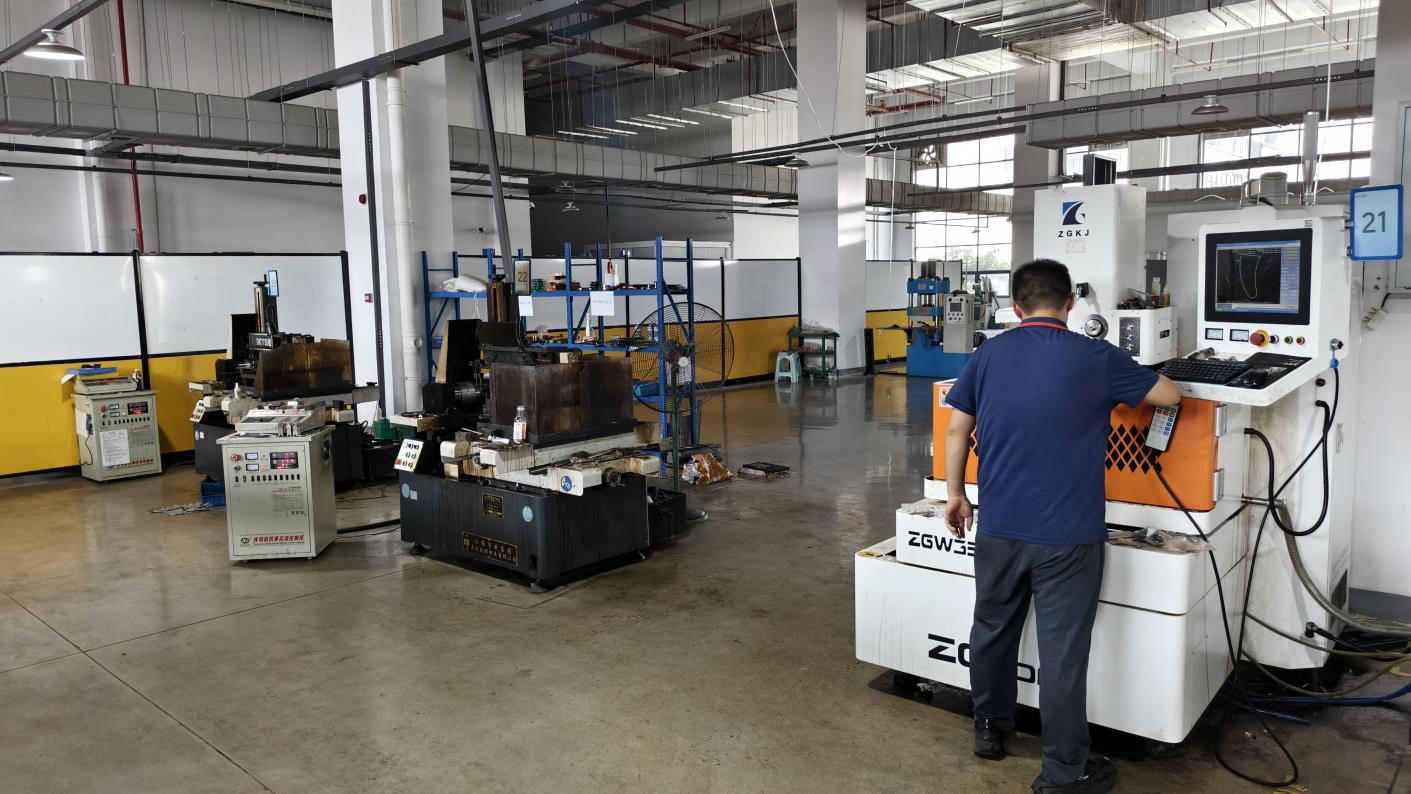
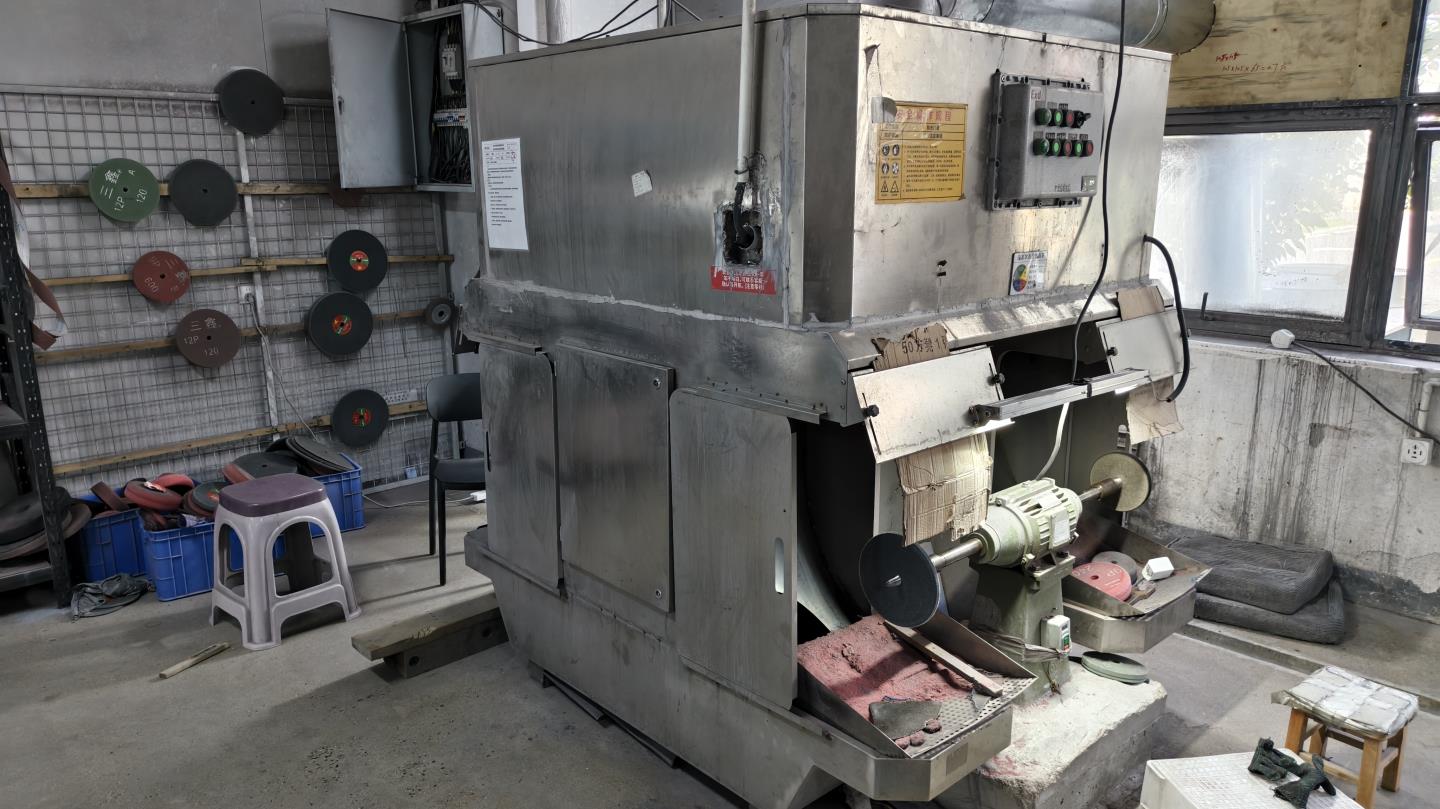
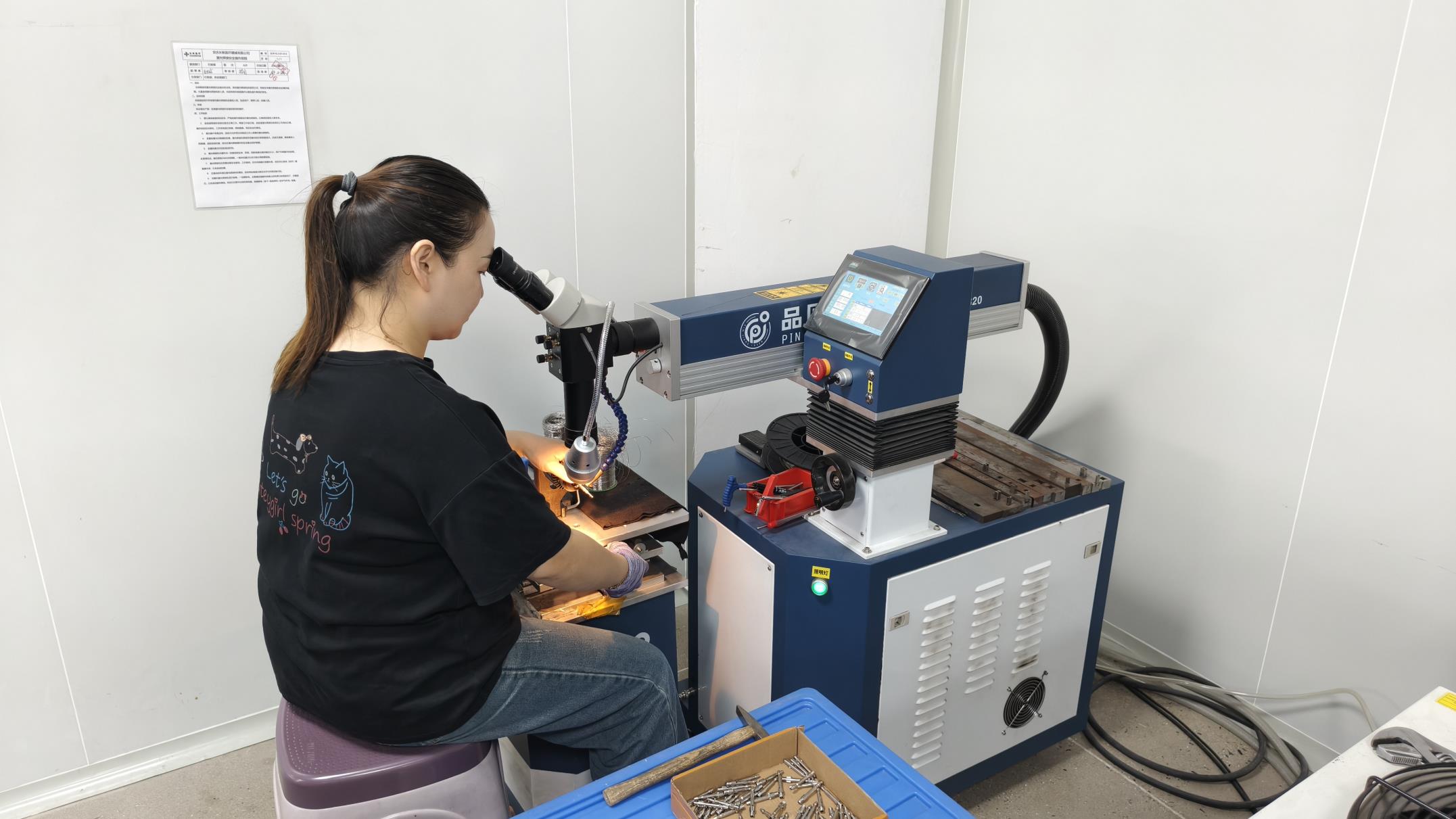
Step-by-Step Production Sequence from Design to Certified Sterility
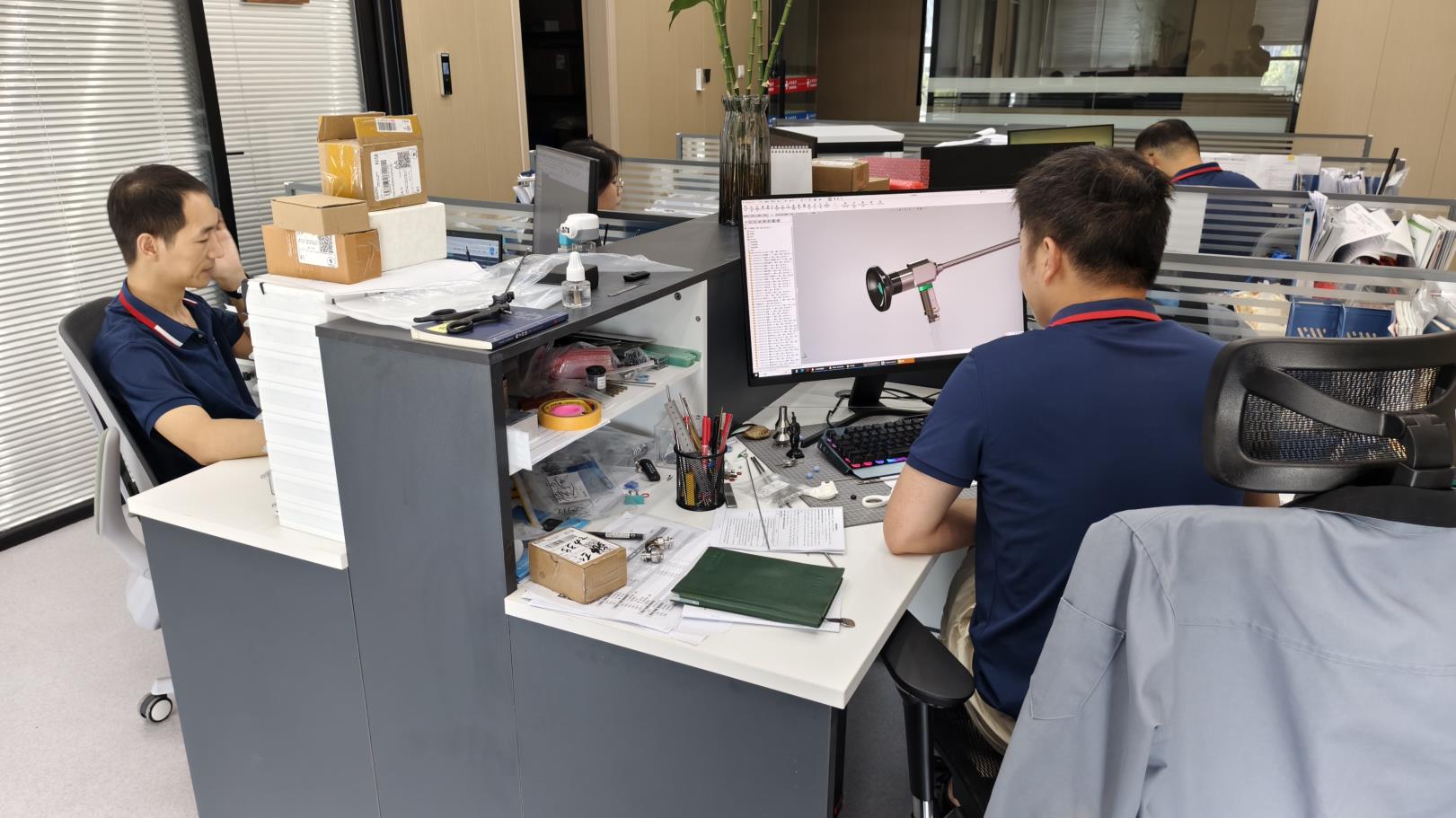
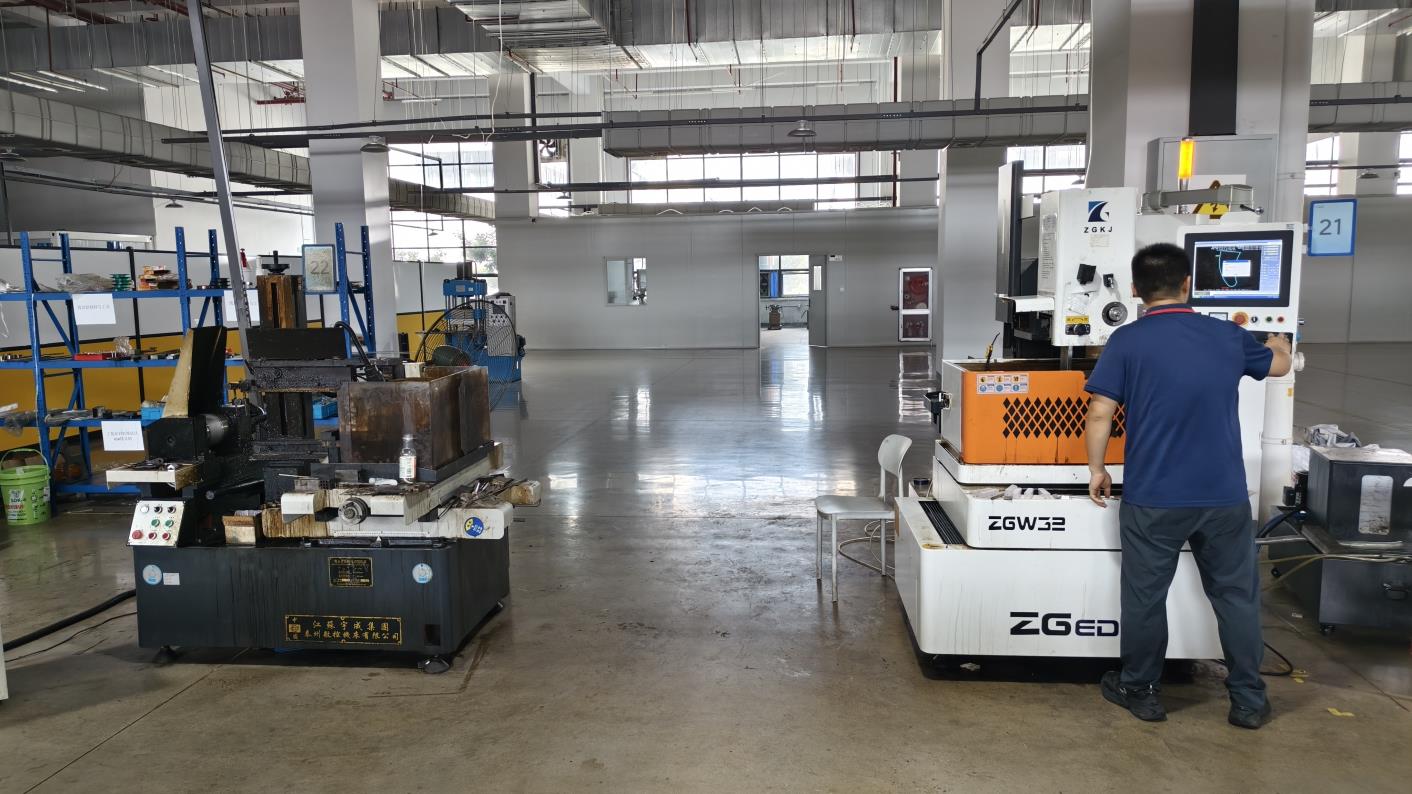
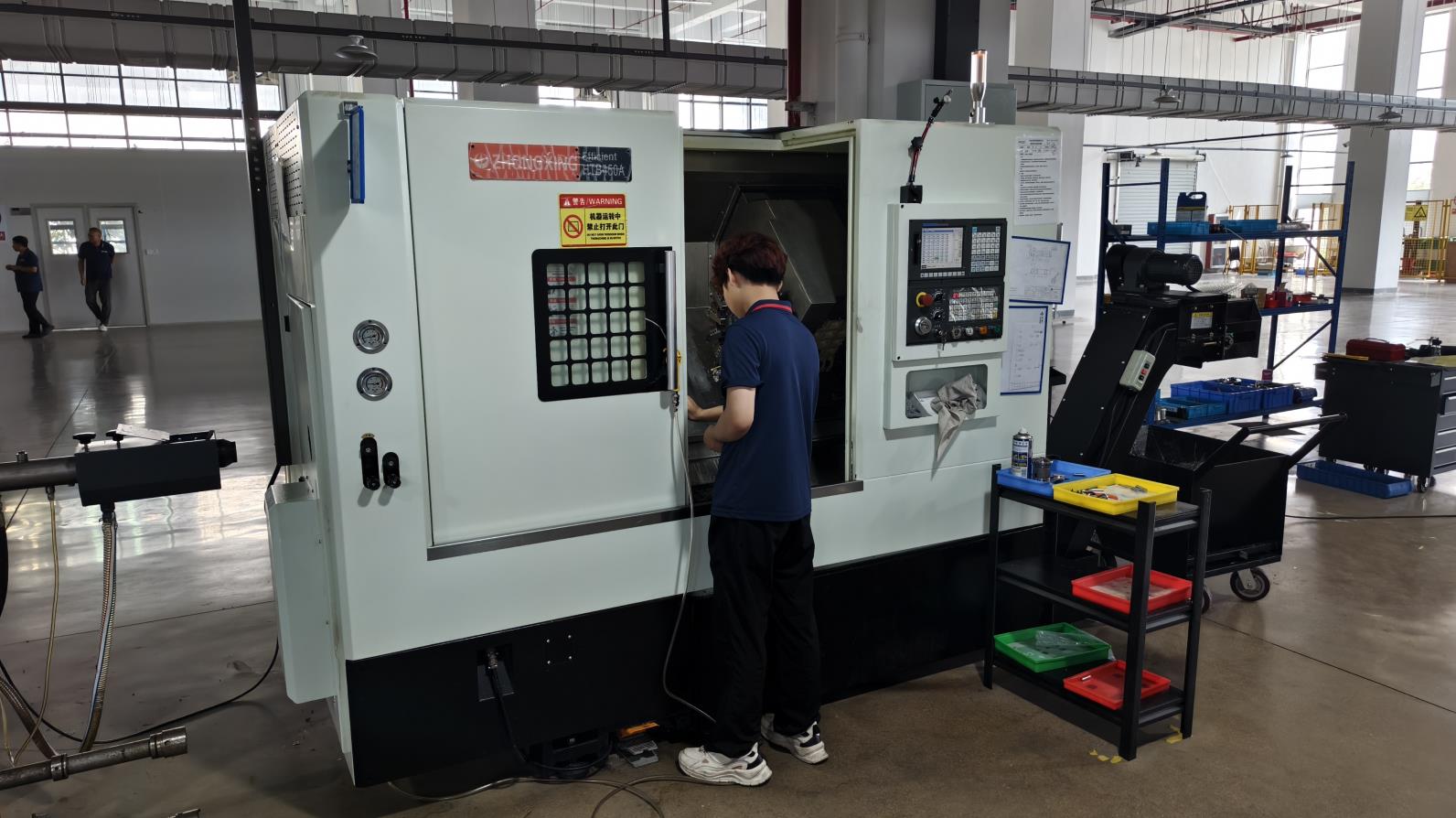
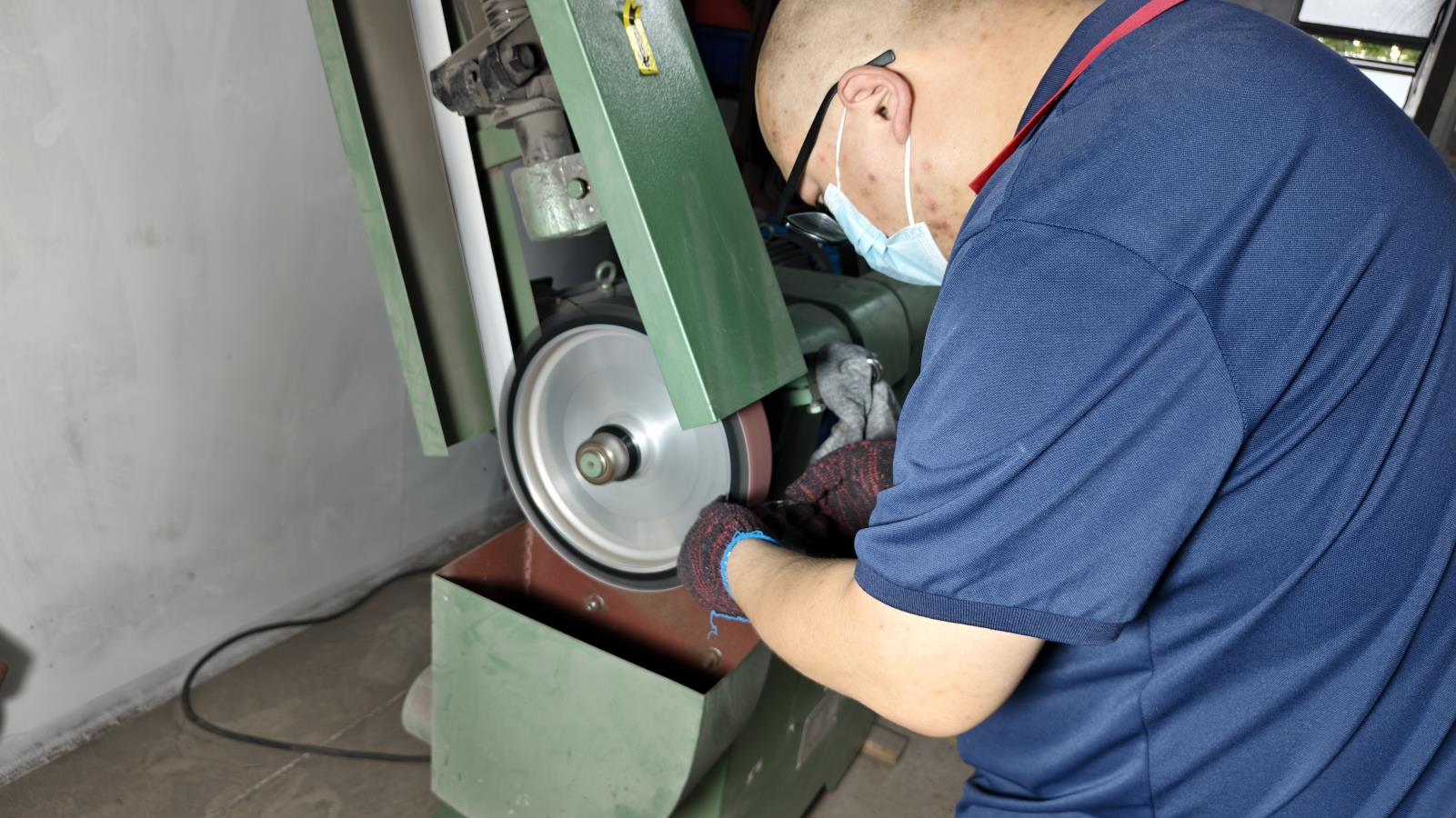
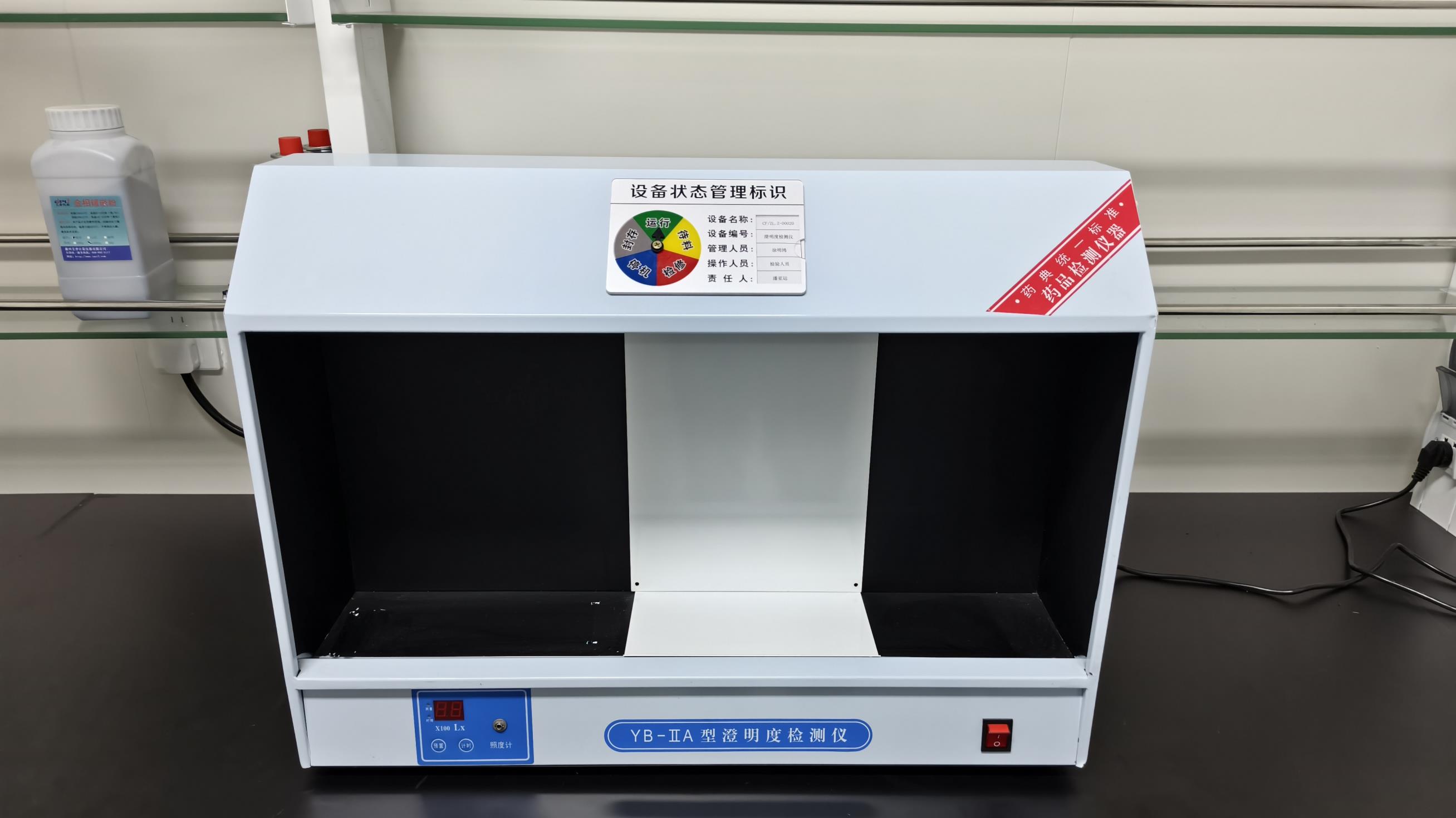
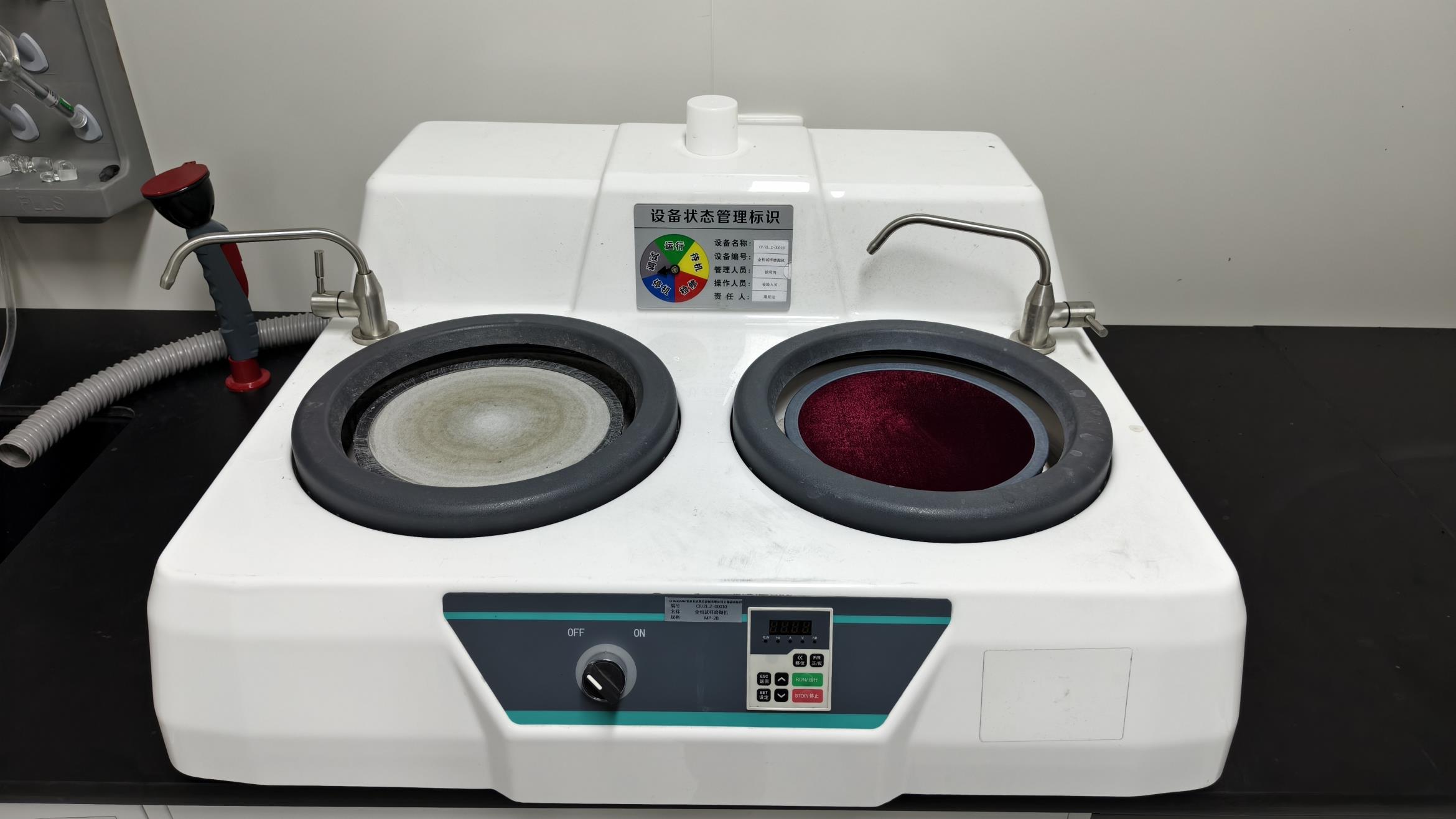
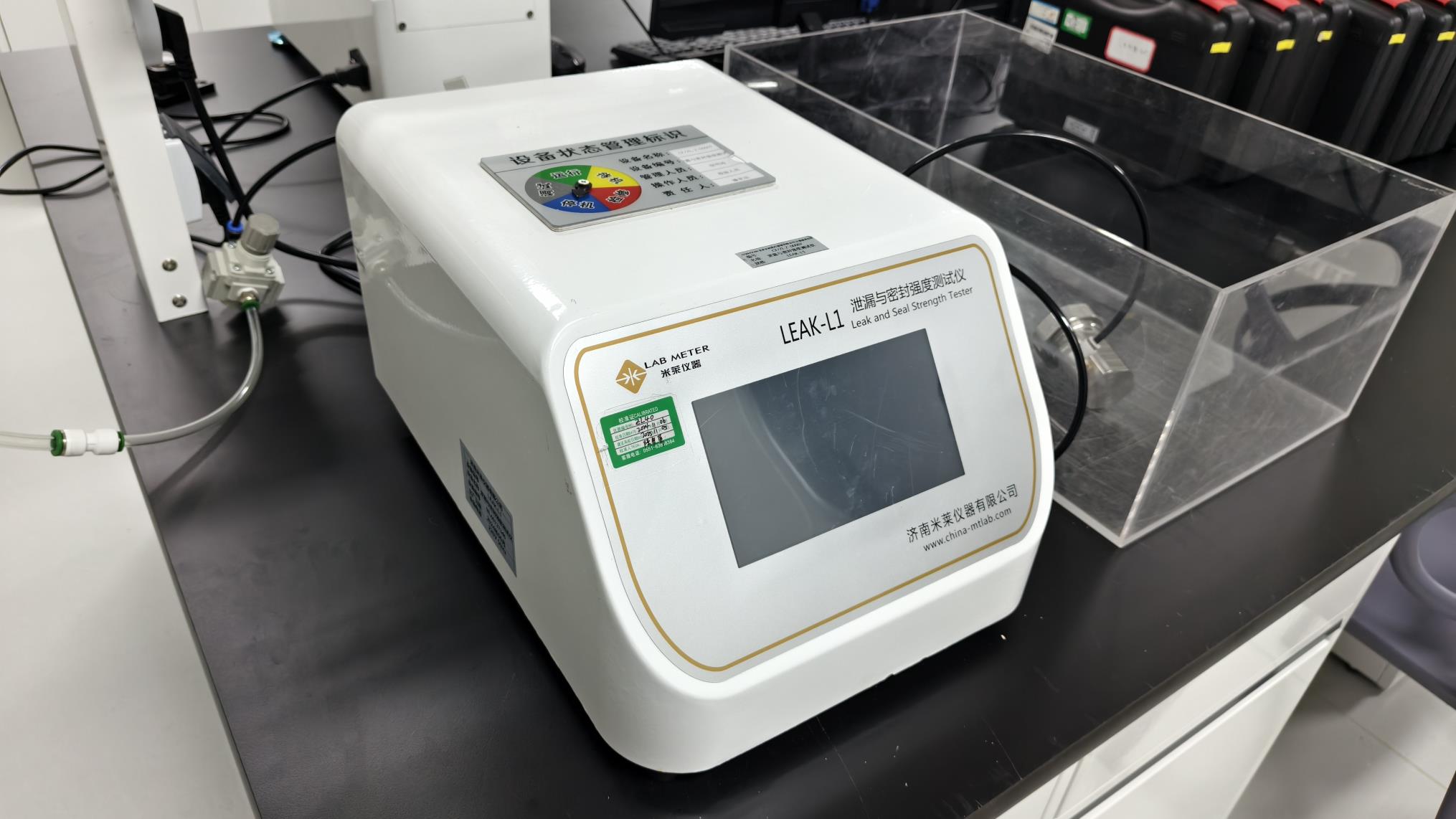
Mitigating Supply Chain Disruptions & Ensuring Steady Surgical Deliveries
For hospital procurement managers, healthcare departments, and surgical distributors, selecting an osteosynthesis supplier goes far beyond implant pricing. The evaluation matrix depends heavily on clinical efficiency, delivery reliability, configuration customizability, and regulatory safety. Modern surgeries cannot tolerate delays; a missing instrument set or lack of locking plates in specific anatomic sizes can ground entire surgical theaters.
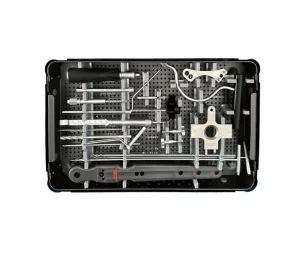
To meet these requirements, Zynfuse has established a highly structured logistical and production flow. We supply locking systems in both sterile (pre-packaged, ready-for-surgery) and non-sterile formats to meet the distinct preferences of hospitals. In regions utilizing rapid autoclave setups, our non-sterile systems are housed in rugged, anodized aluminum cases that withstand high temperatures. Conversely, our sterile-packaged implants are protected in double-layered Tyvek pouches subjected to certified Ethylene Oxide (EO) sterilization, ensuring a reliable 5-year sterile shelf life.
Our robust inventory management systems are coordinated with over 1,200 international partners, ensuring that volume orders of complex configurations—such as proximal femur locking plates, PFNA systems, and multi-functional power tool batteries—are kept in continuous supply. This eliminates production bottlenecks, shielding importers from the supply chain shocks common in high-precision metallurgy.
Navigating Medical Regulations & Custom Product Design
No two patient populations are identical. Skeletal morphometry varies widely across populations, requiring customized implant geometries. Zynfuse offers direct engineering collaborations to modify plate designs, contours, hole positioning, and material thickness.
Operating in the medical device sector demands uncompromising compliance. Zynfuse maintains a full spectrum of quality certifications required to pass stringent audits in Europe, Asia, and the Americas.
Each export batch is accompanied by comprehensive documentation, including material certificates (confirming biocompatible titanium alloy grades), hardness test records, packaging validation certificates, and sterilization reports. Our dedicated regulatory affairs department provides support for local registration dossiers, helping importers navigate the complex post-market surveillance demands under EU MDR and FDA regulatory guidelines.
The Next Decade of Trauma Fixation and Smart Implants
At Zynfuse, our engineers look ahead to the next phase of trauma management. The trajectory of locking plating systems points toward **biological integration and mechanical smart-response**. Our R&D division is actively prototyping three key technologies set to redefine internal fixation:
Applying titanium dioxide nanotubes via electrochemical oxidation. These nanoscale surfaces attract osteoblasts, accelerating osseointegration and creating a hostile surface to bacterial biofilm formation.
Developing dynamic locking elements that allow controlled axial micro-motion. This controlled stress stimulates physiological callus formation, avoiding the delayed healing caused by overly rigid fixation.
Integrating selective laser melting (SLM) metal printing to produce plates with solid cores and trabecular porous margins. This structural blend matches the density and elasticity of surrounding bone.
Answering High-Intent Technical Questions from Surgical Experts and Buyers
Advanced Sports Medicine, Power Tools & Reconstructive Implants