Zynfuse
Zynfuse
Zynfuse
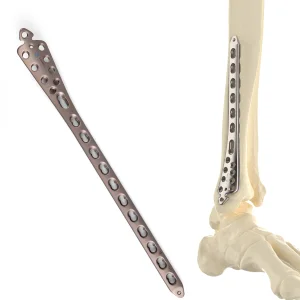
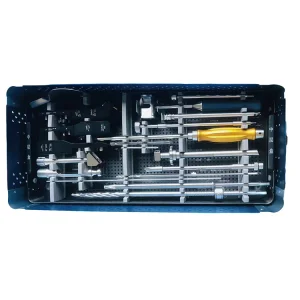
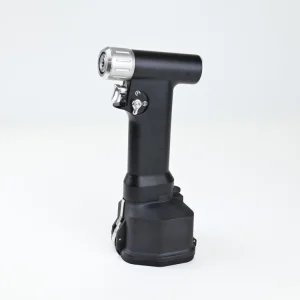
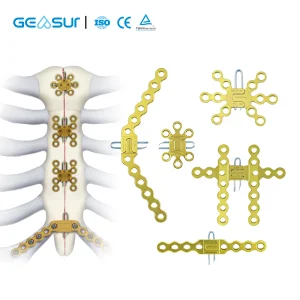
Explore our state-of-the-art proximal femoral fixation systems, locking plates, and surgical power instruments designed for clinical excellence.
Understanding the clinical demand and mechanical landscape of proximal femoral intramedullary fixation systems.
The clinical introduction of intramedullary nails, particularly the Gamma Nail and PFNA (Proximal Femoral Nail Antirotation) systems, revolutionized the management of intertrochanteric, subtrochanteric, and femoral neck fractures. Biomechanically, these devices function as load-sharing implants. Unlike dynamic hip screws (DHS), which function as load-bearing plates on the lateral aspect of the femur, intramedullary nails are situated closer to the mechanical axis of the femur. This reduces the lever arm by approximately 25-30%, decreasing stress-shielding, lowering the risk of implant failure, and encouraging early post-operative mobilization.
Globally, geriatric hip fractures are rising as populations age. World health models estimate the global incidence of osteoporotic femoral fractures will exceed 4.5 million cases annually by 2050. This surge cements the intramedullary nail as an essential trauma kit element globally. Leading surgeons demand anatomical adaptations, high fatigue resistance, and simplified instrumentation. To meet these challenges, suppliers must master complex metallurgical properties and provide surgical tools that match the performance of premium implants.
A premier Chinese medical manufacturer specializing in orthopedic bone fusion and trauma reconstructive systems.
Founded in 2016, Zynfuse Medical Technology Co., Ltd. has established an advanced industrial footprint. Backed by 12 years of industry experience and 7 years of export history, we supply hospitals, clinical networks, and OEM implant brands in North America, Europe, Southeast Asia, and the Middle East. Our modern 18,600 m² facility manages the entire production cycle—from raw medical-grade titanium bar stock processing to sterile packaging and testing.
Quality control is central to our facility operations. Our dedicated team of 68 quality inspection specialists monitors every stage of production. Using an ISO 13485-certified management system, every batch of proximal femoral nails undergoes thorough testing, including dimensional verification, mechanical fatigue testing, and surface integrity analysis, ensuring consistent clinical performance.
Inside Zynfuse's manufacturing facility, showing our fabrication steps and quality control testing protocols.
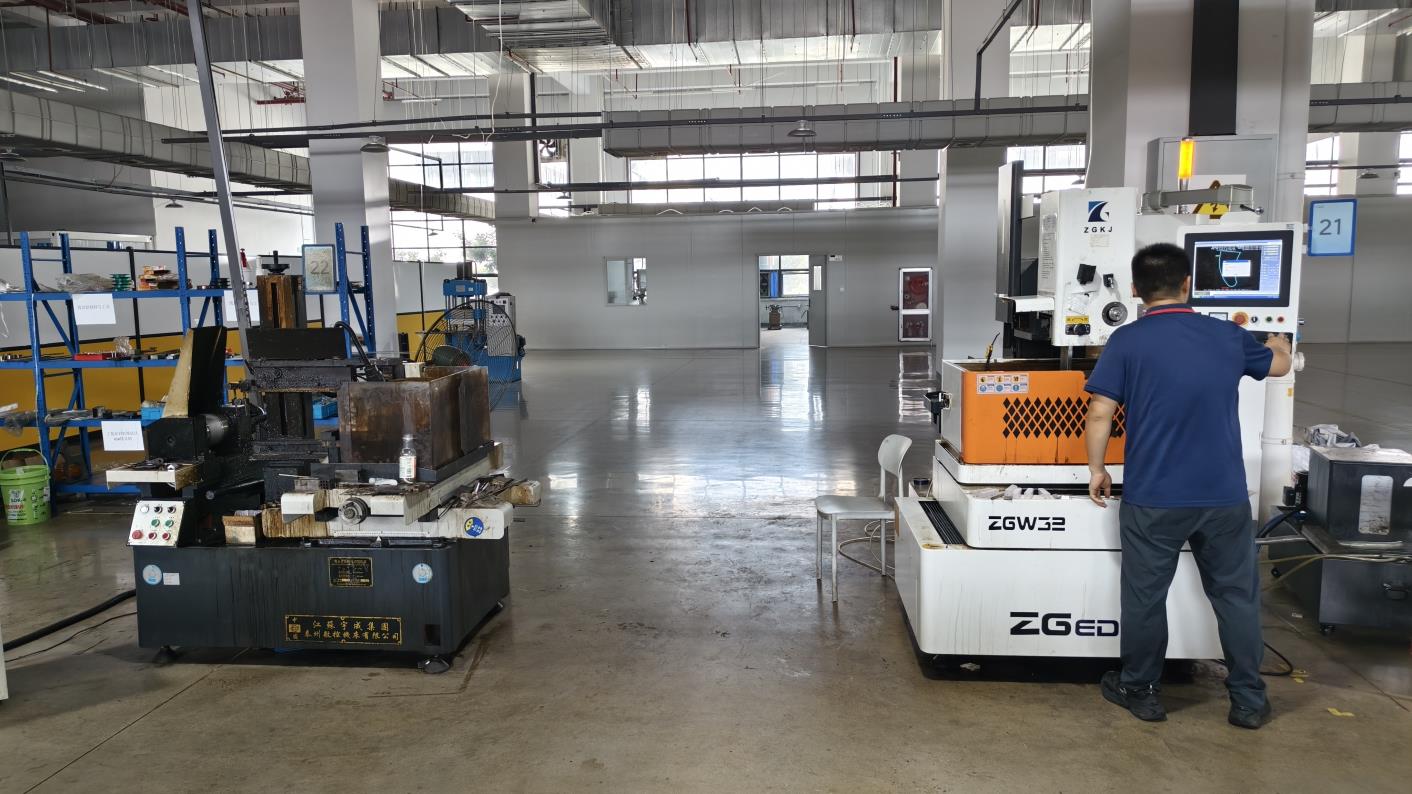 Cutting
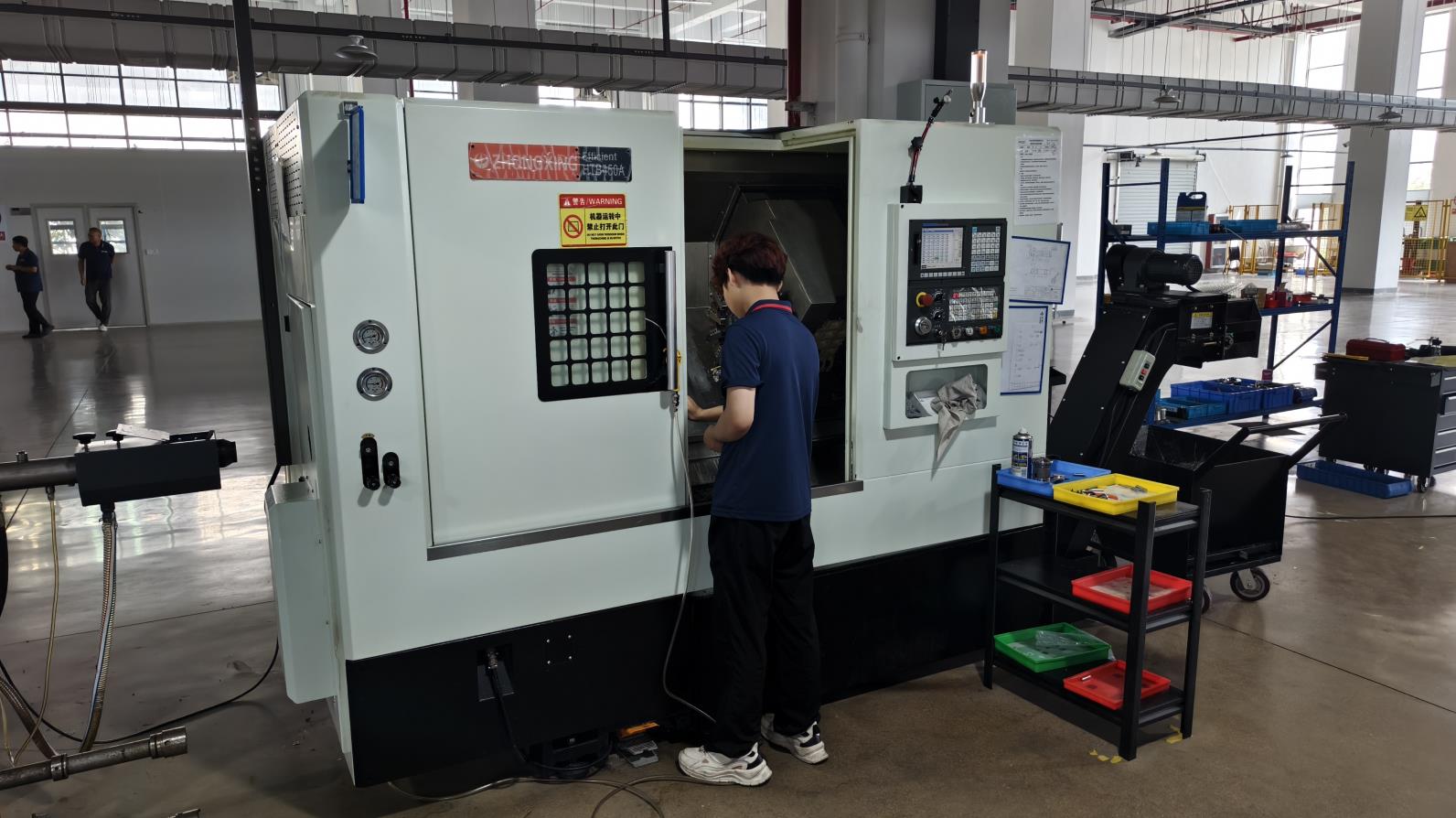 Machining
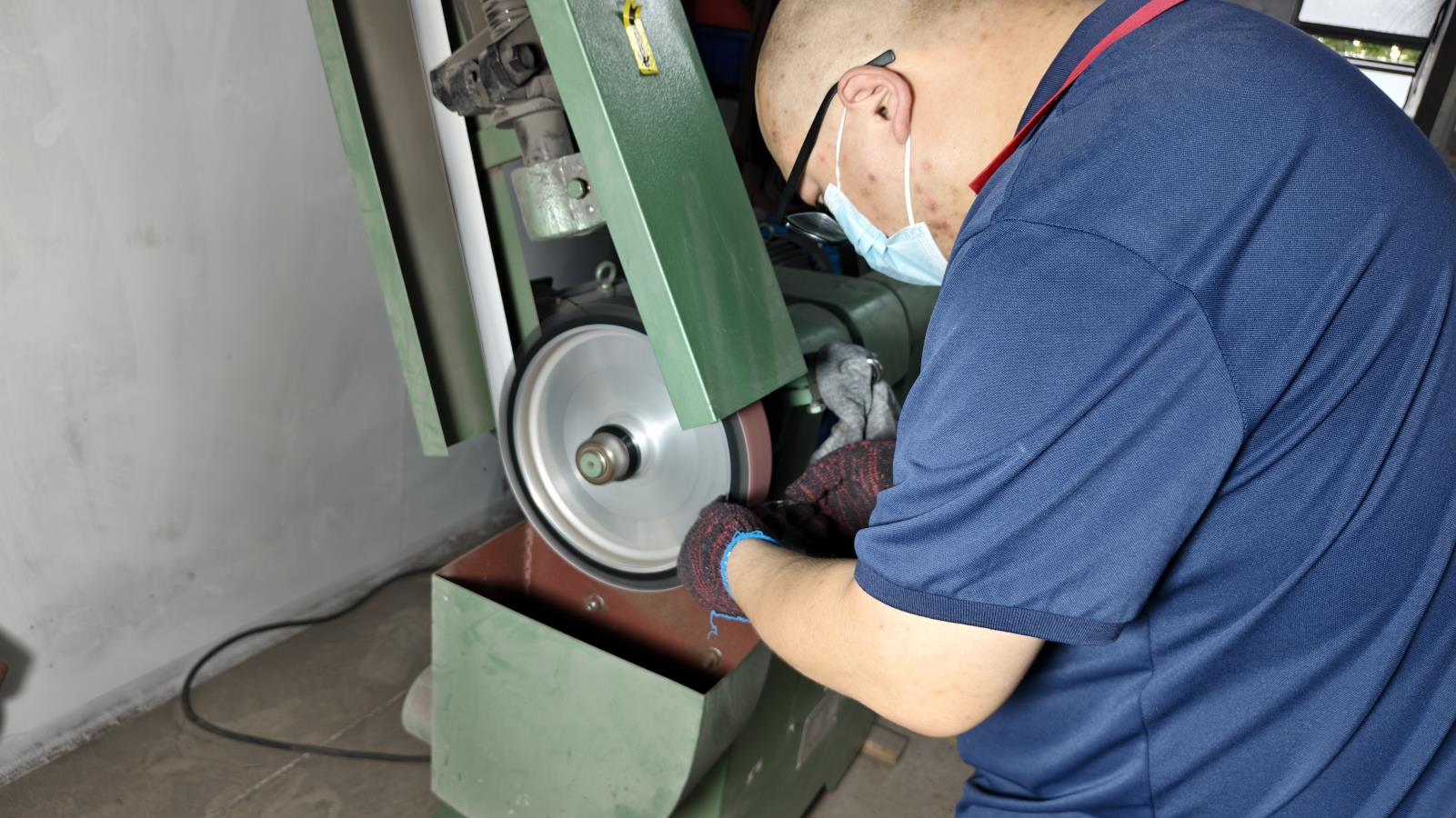 Polishing
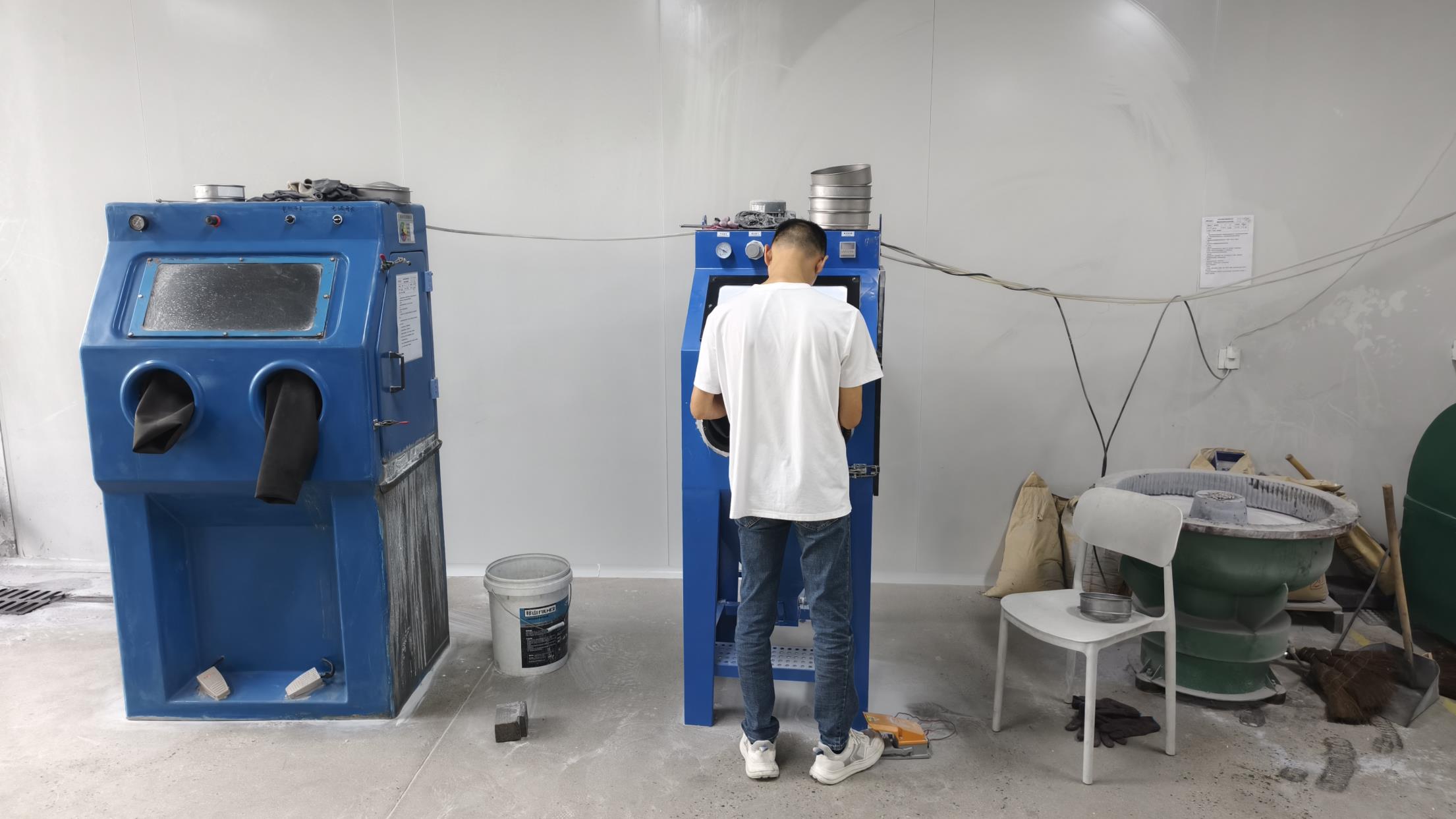 Surface Treatment
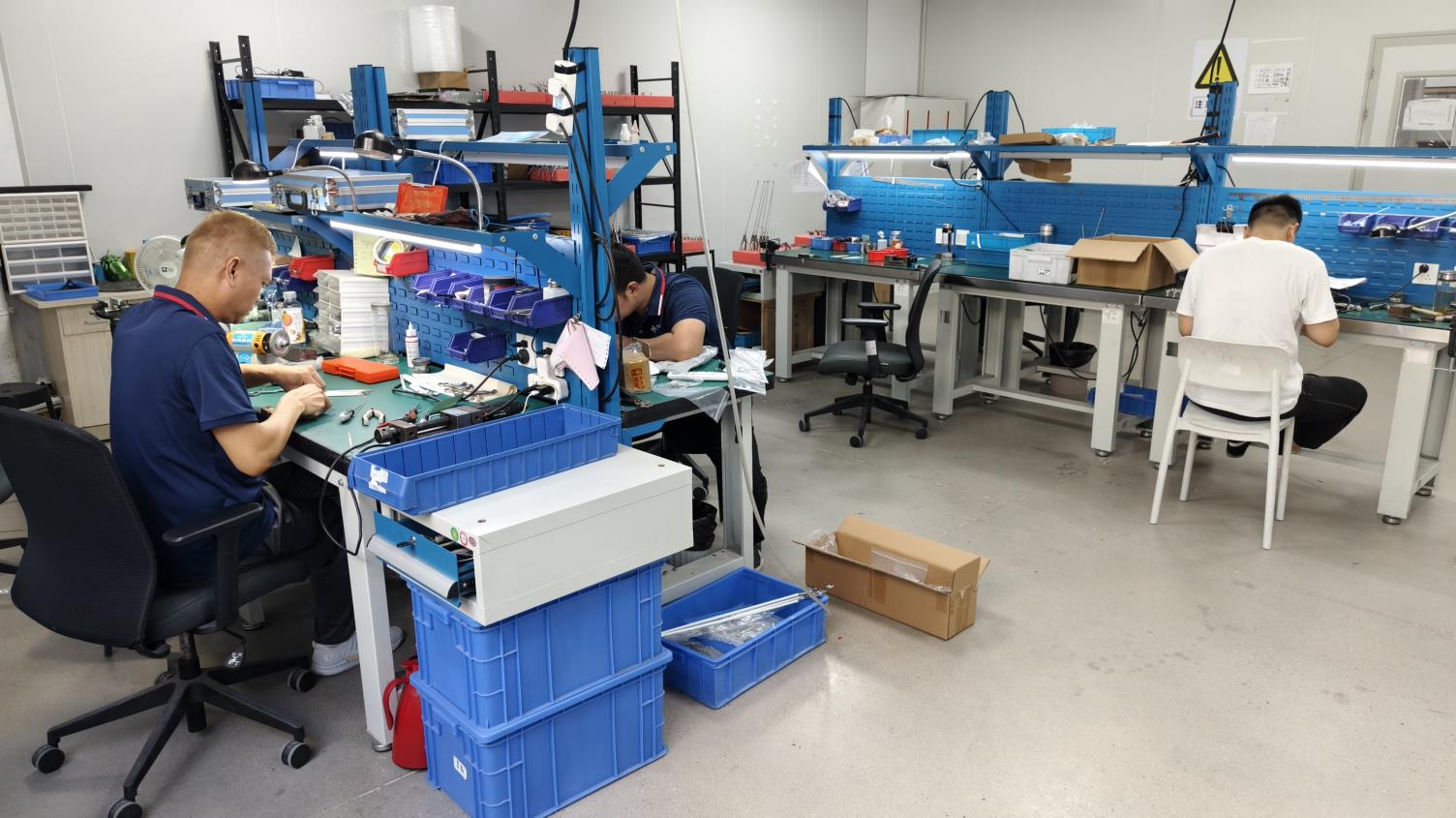 Assembling
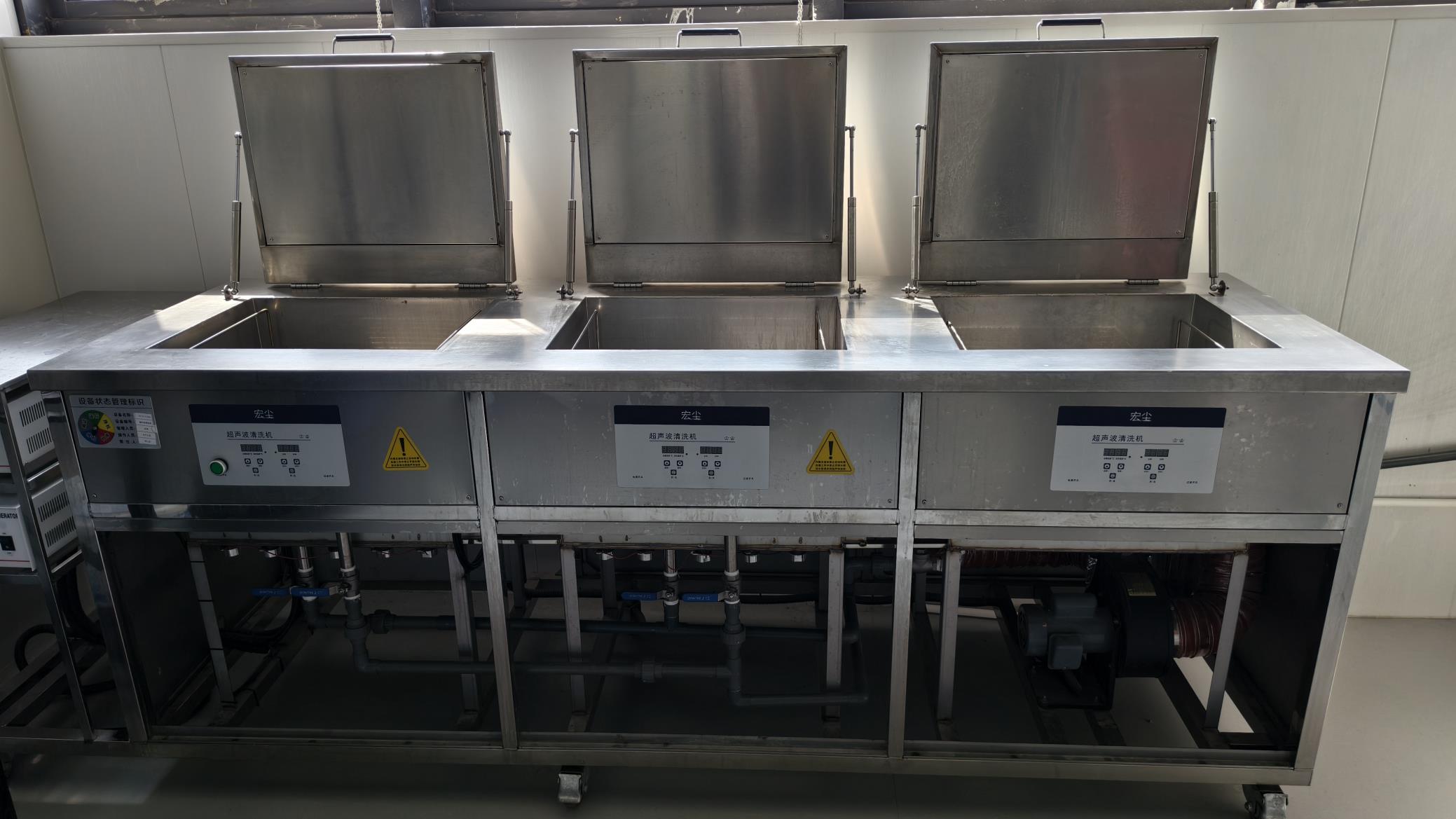 Cleaning
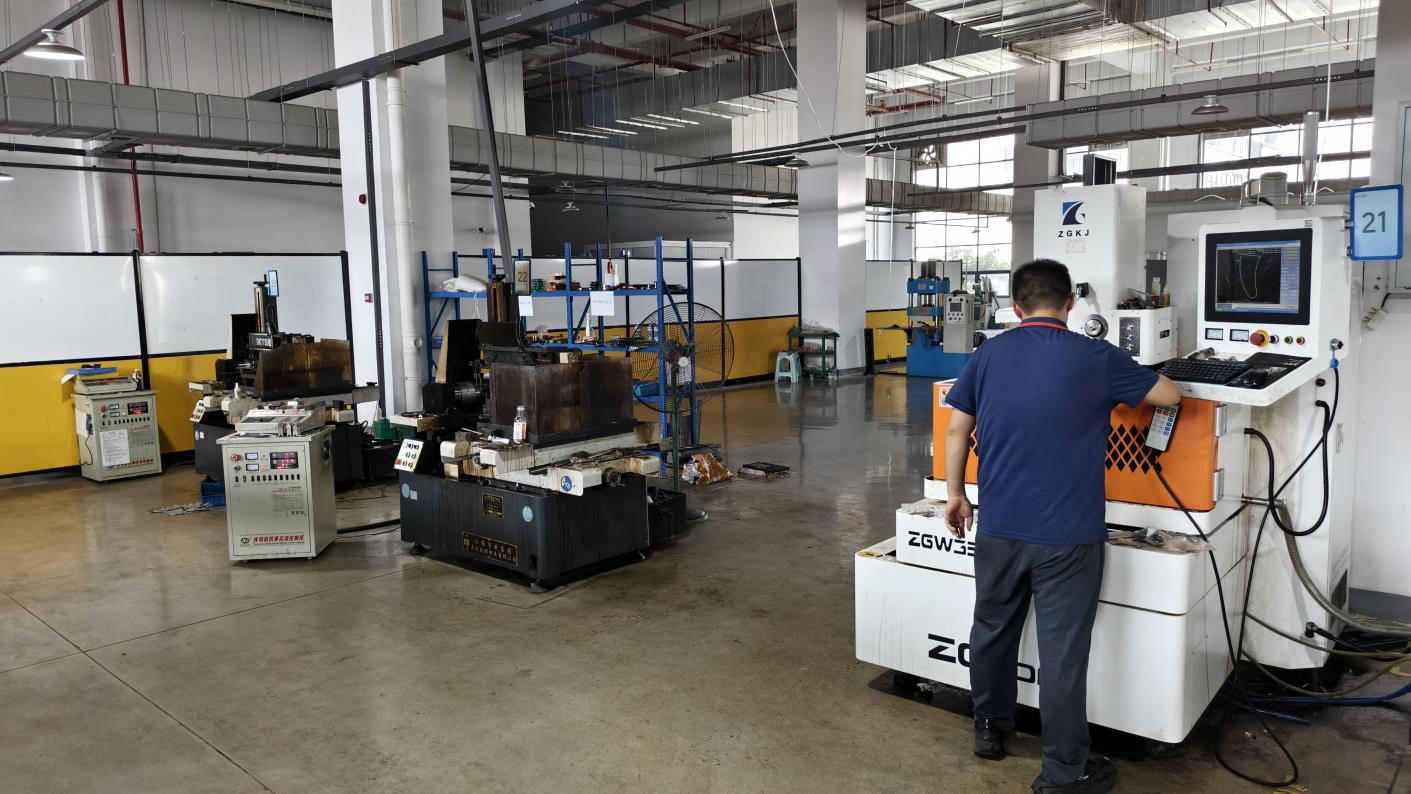 Wire Cutting Machine
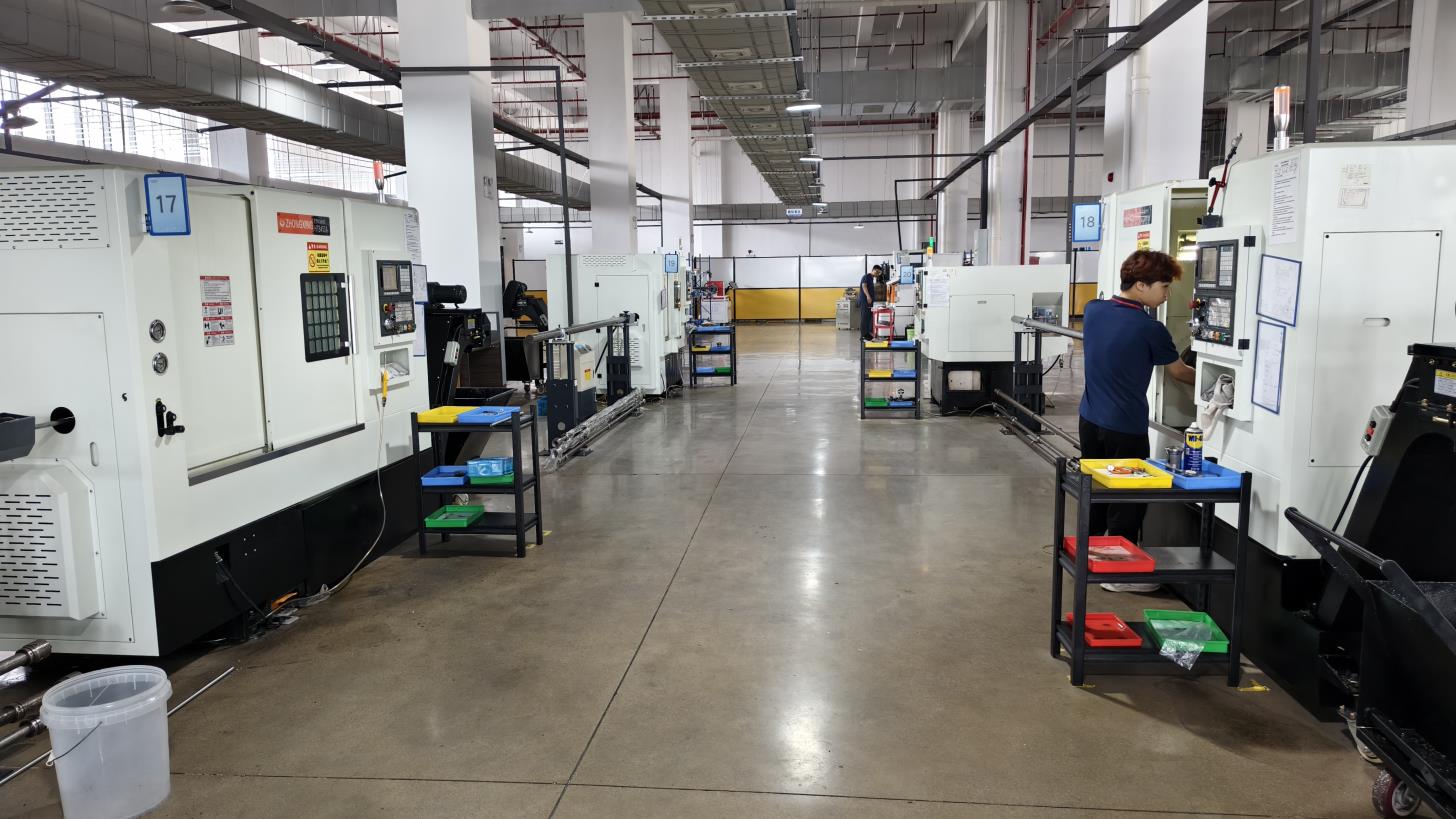 CNC Lathe
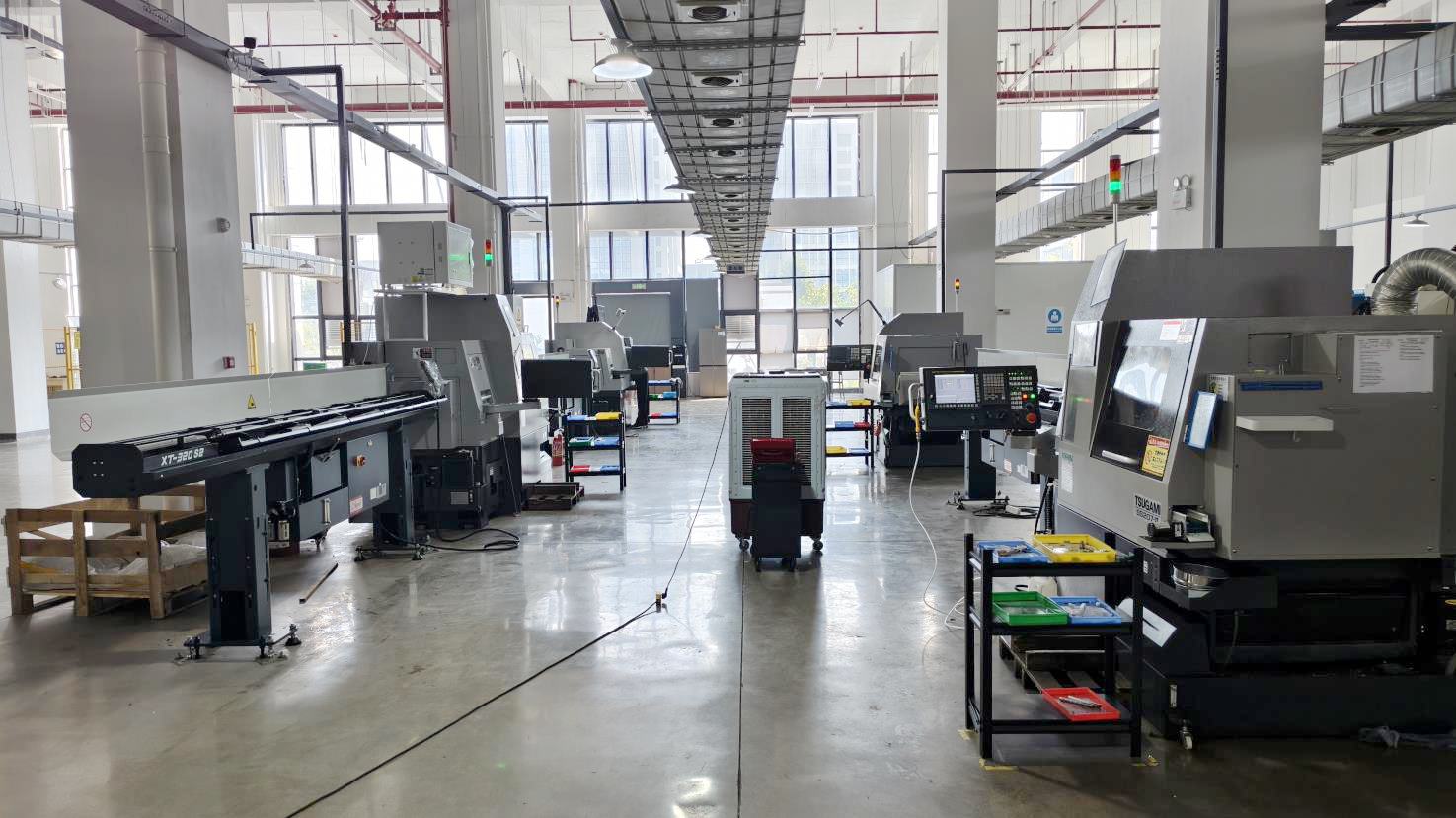 Swiss-type Lathe
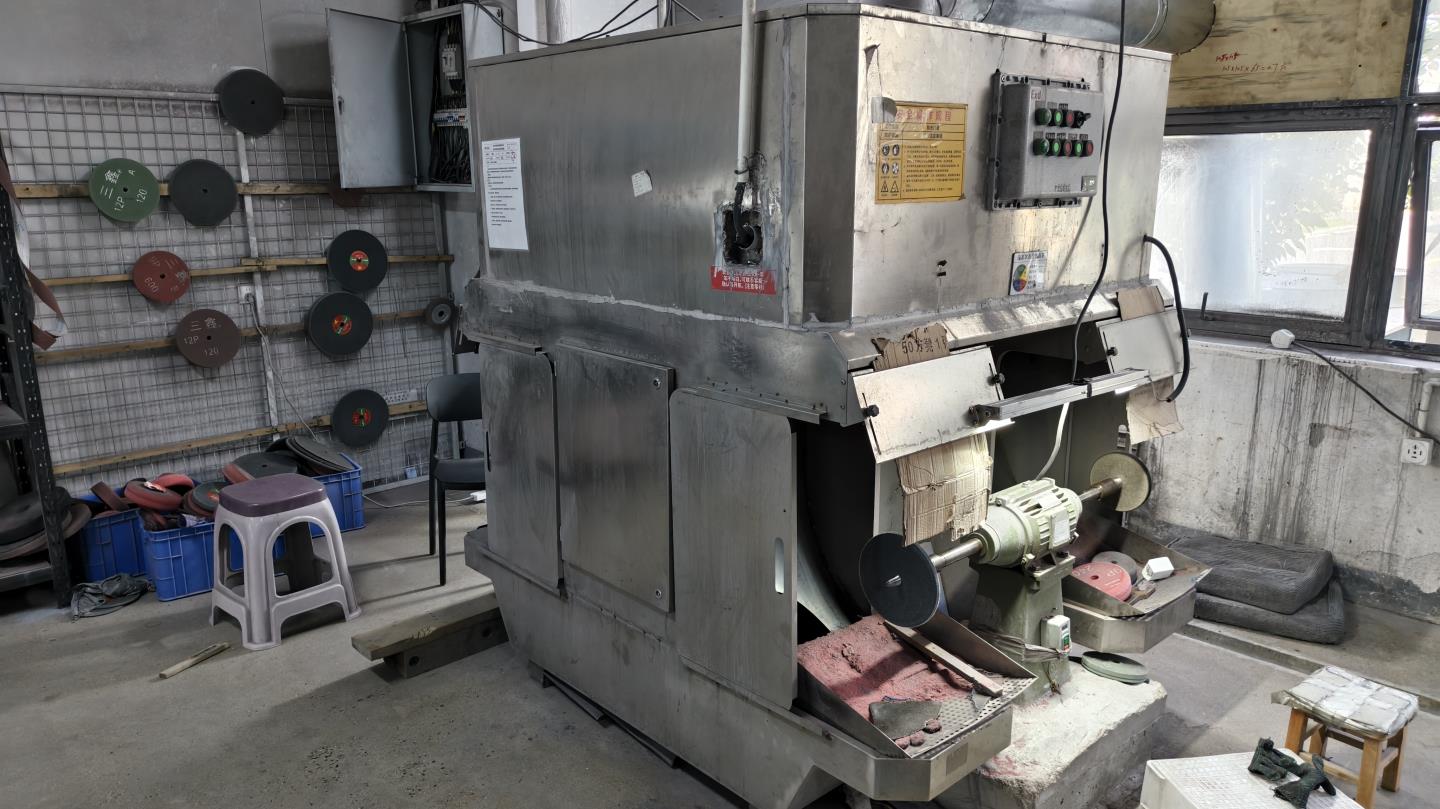 Grinder
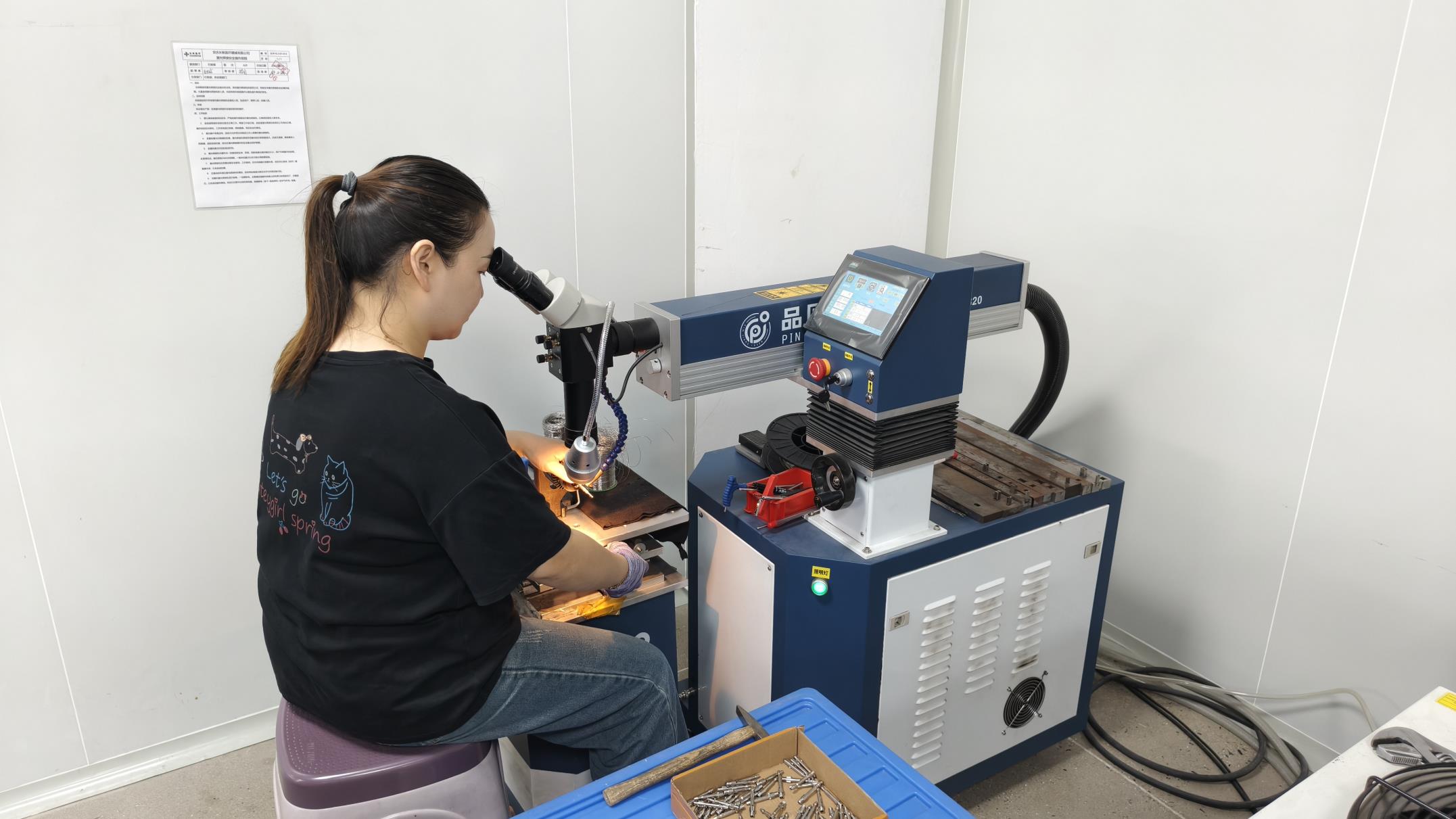 Laser Welding Machine
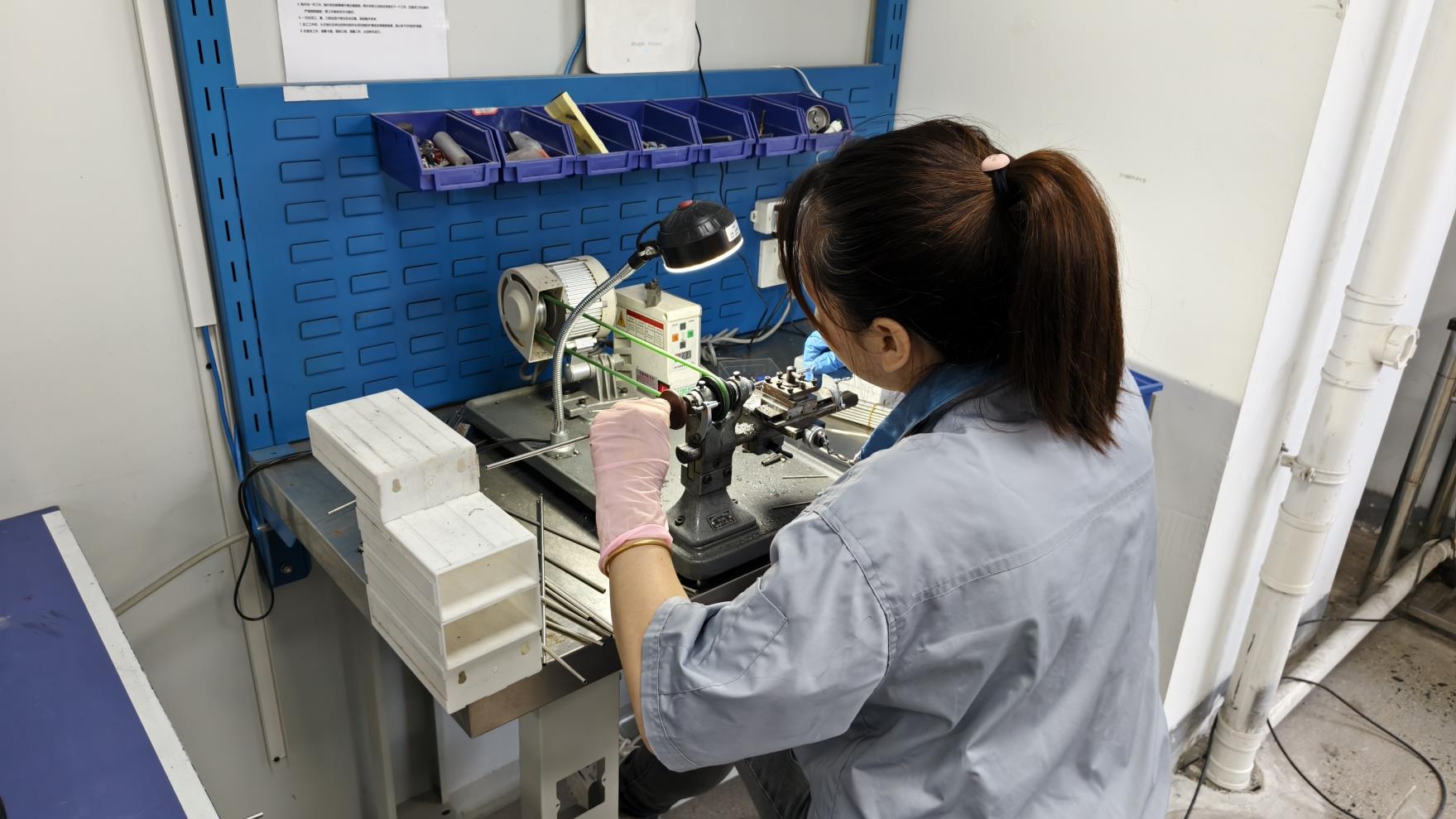 Lathe Operations
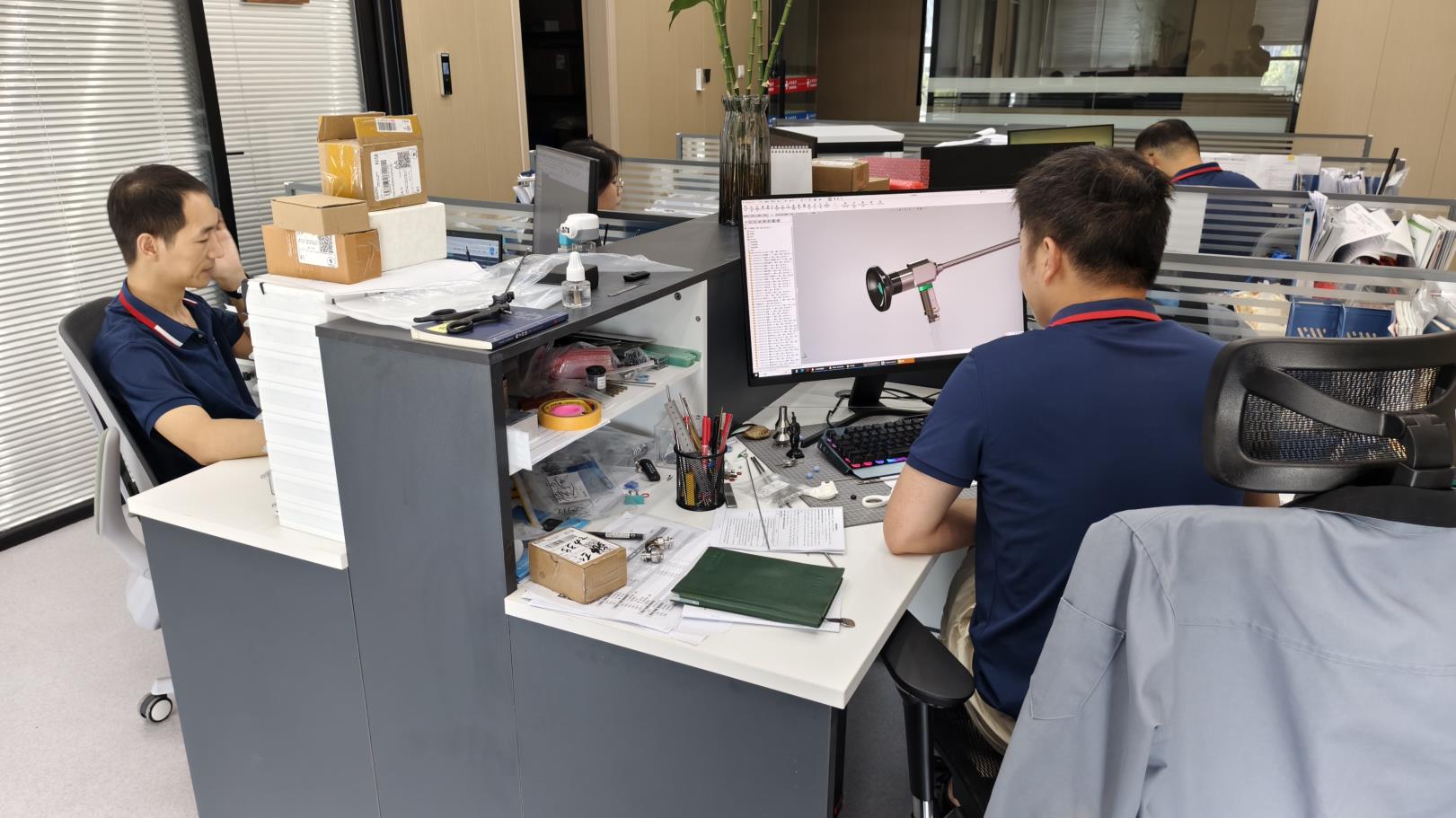 CAD Design / Engineering
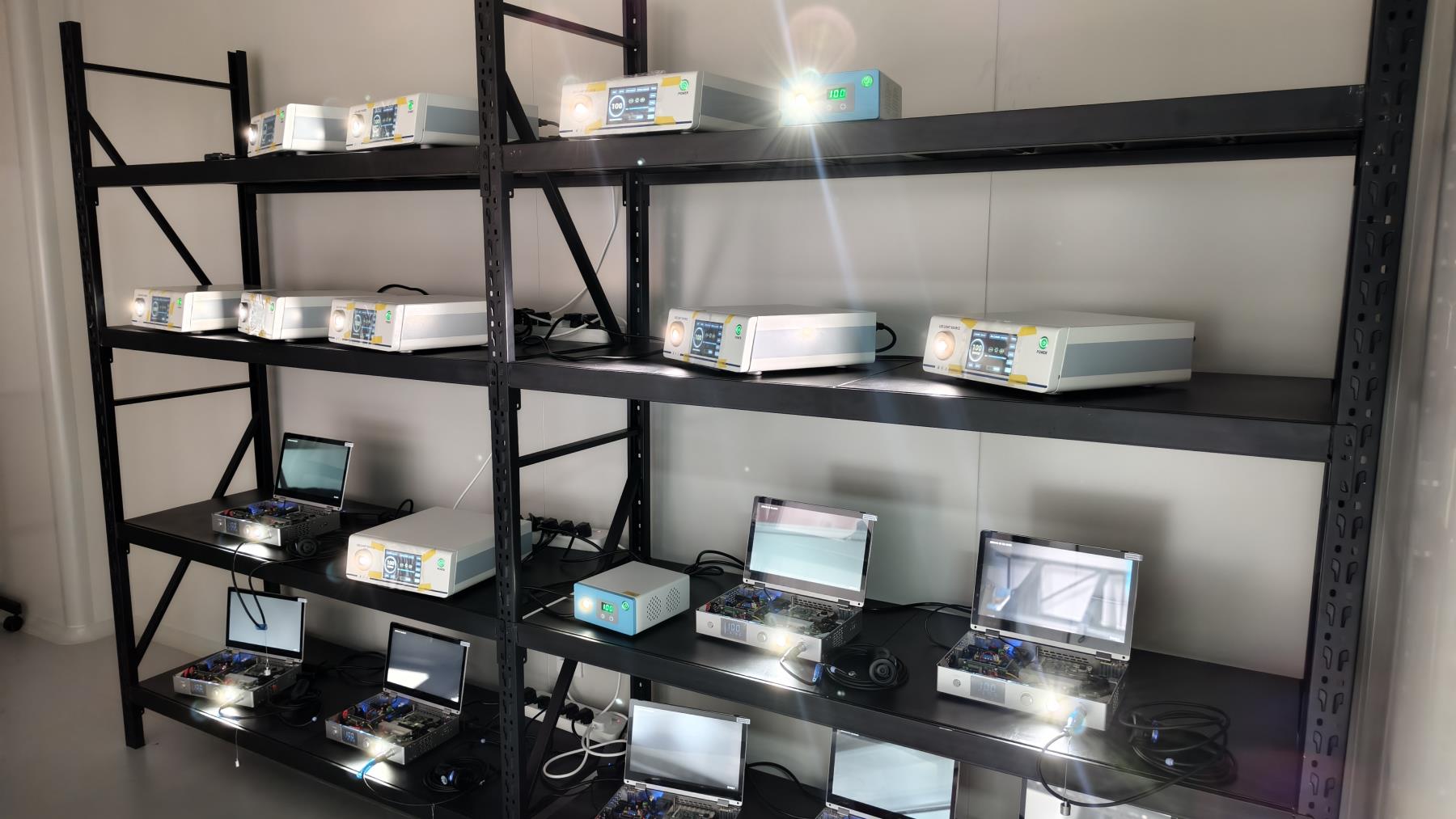 Aging Test
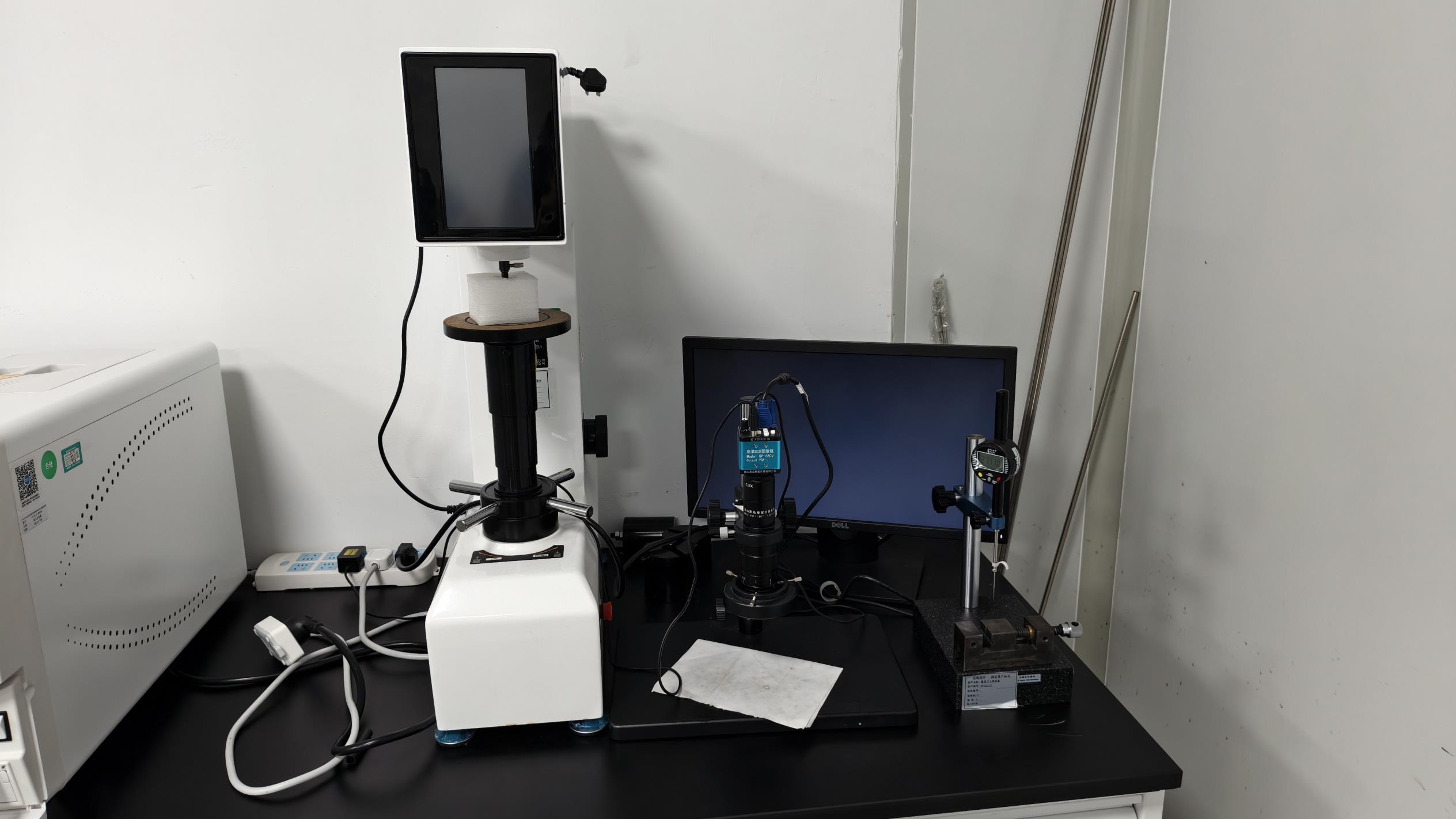 Digital Microscope Verification
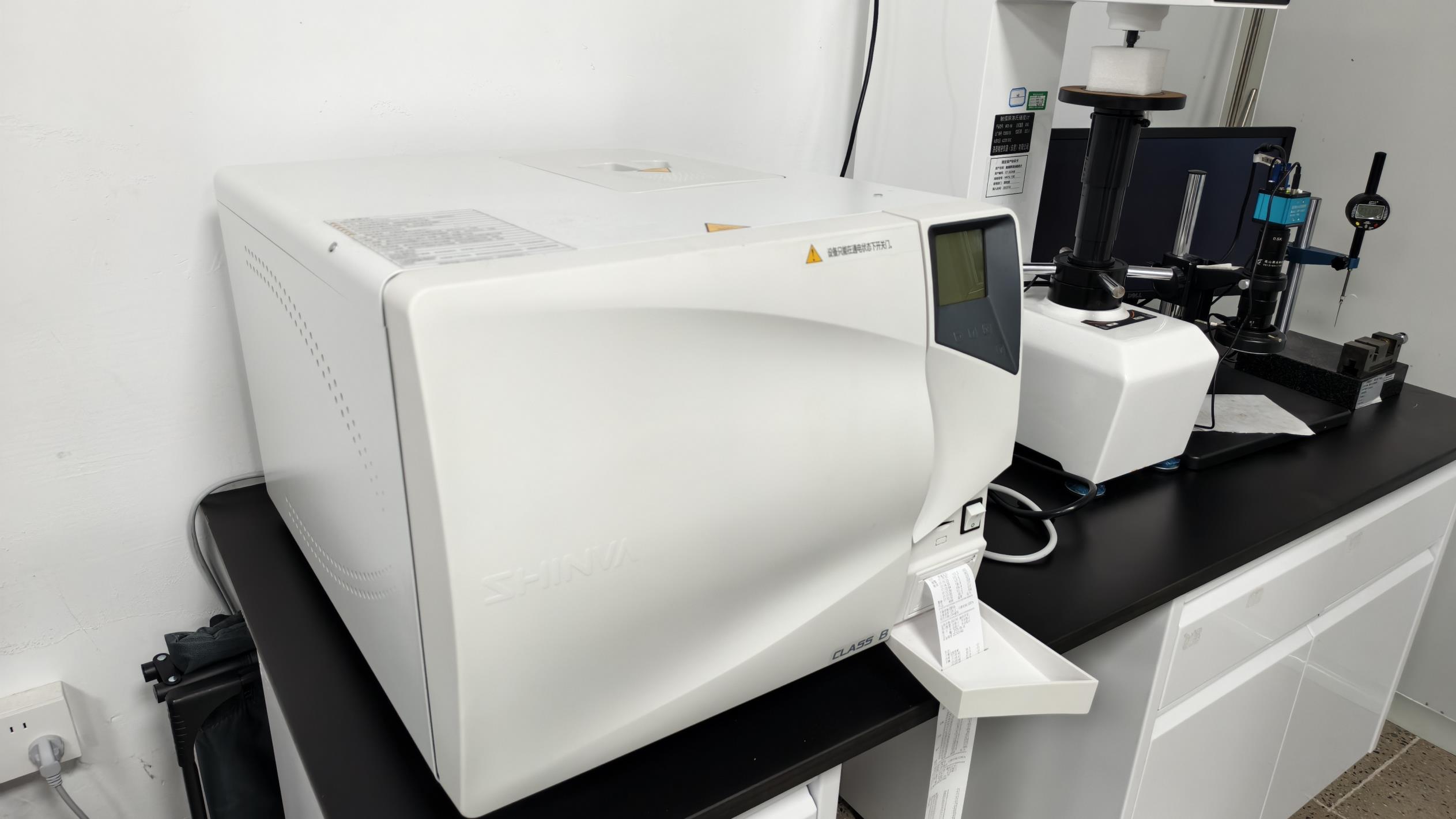 Steam Sterilizer Validation
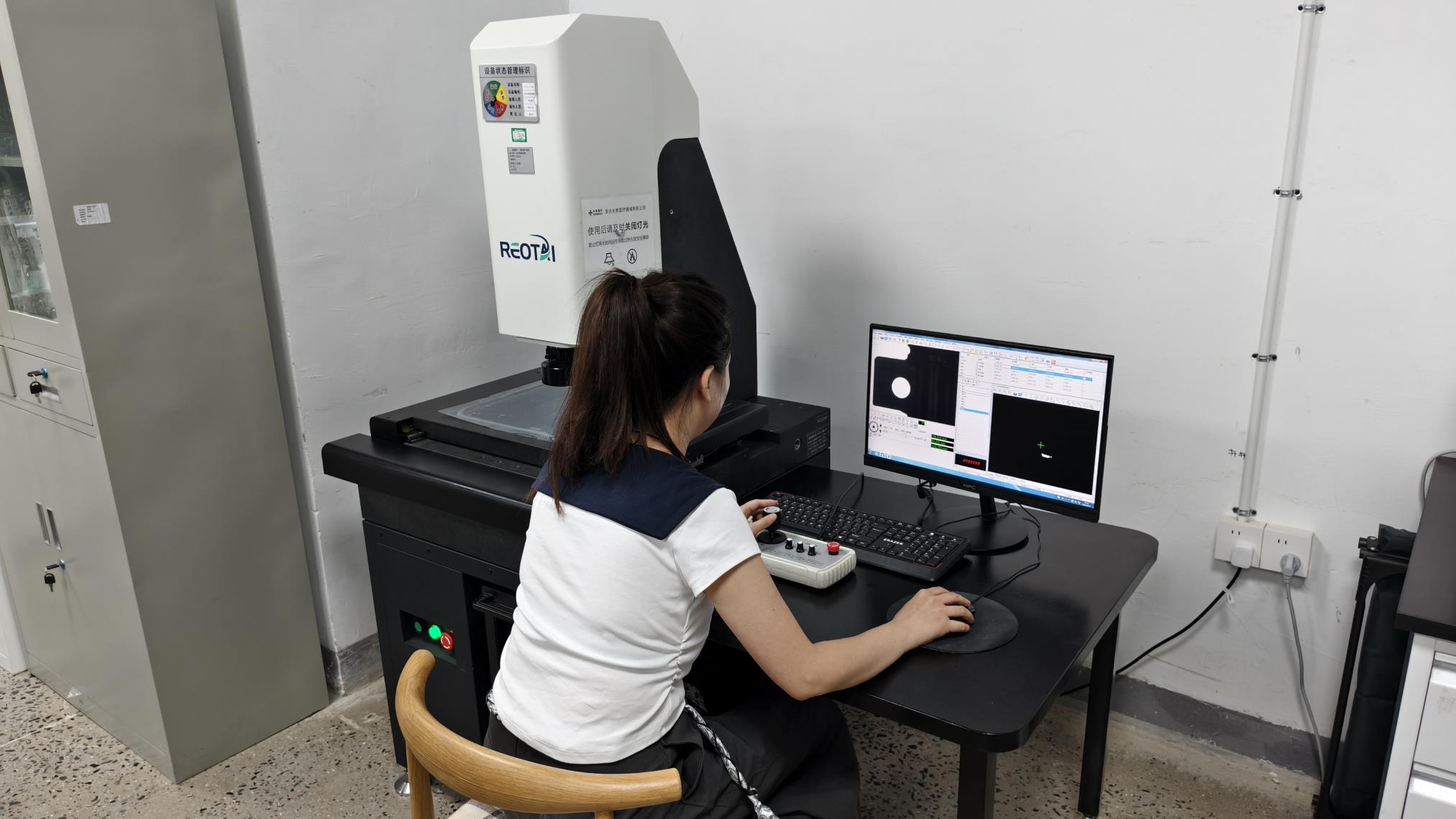 2D Video Measuring Instrument
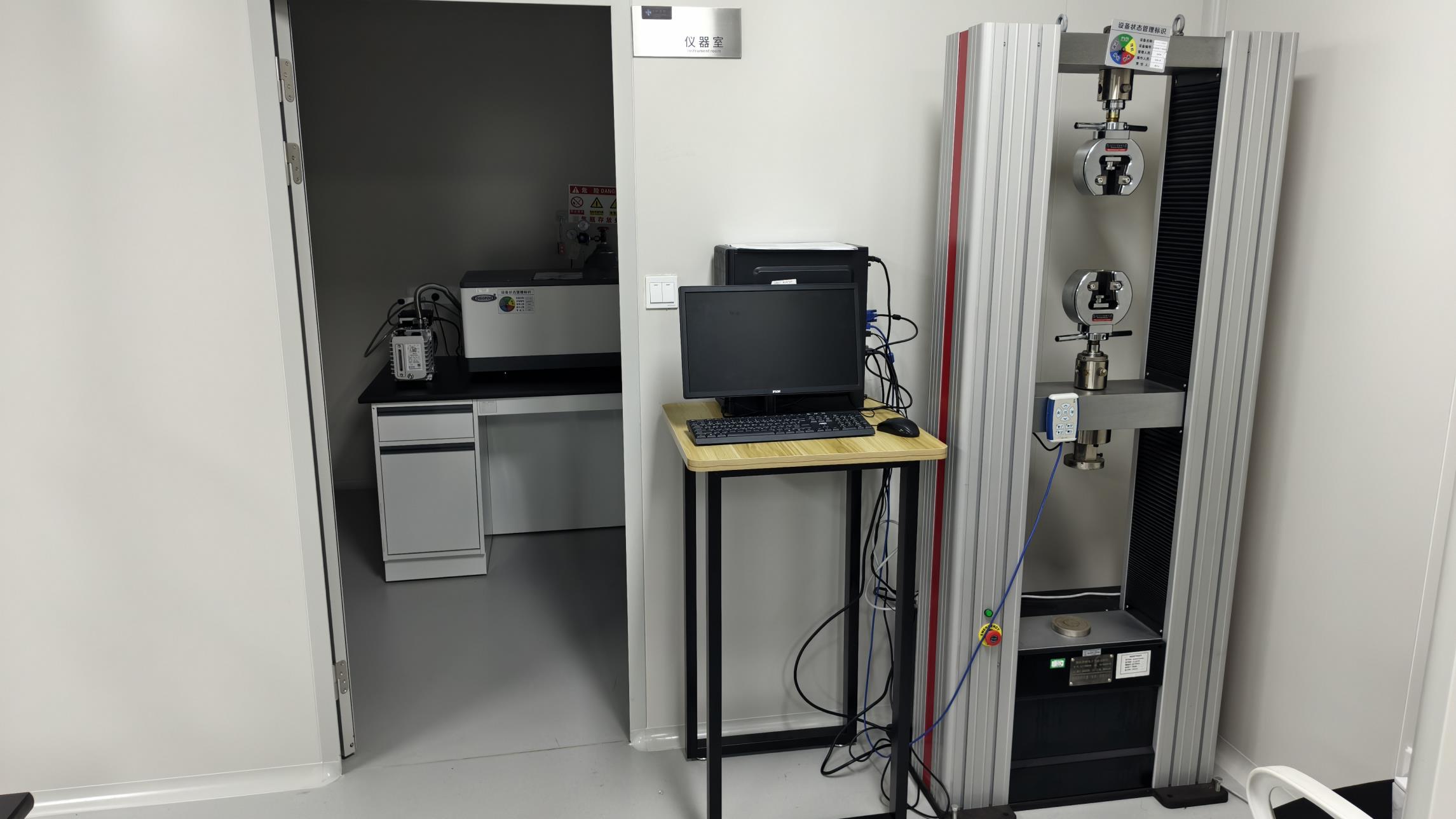 Tensile Testing Machine
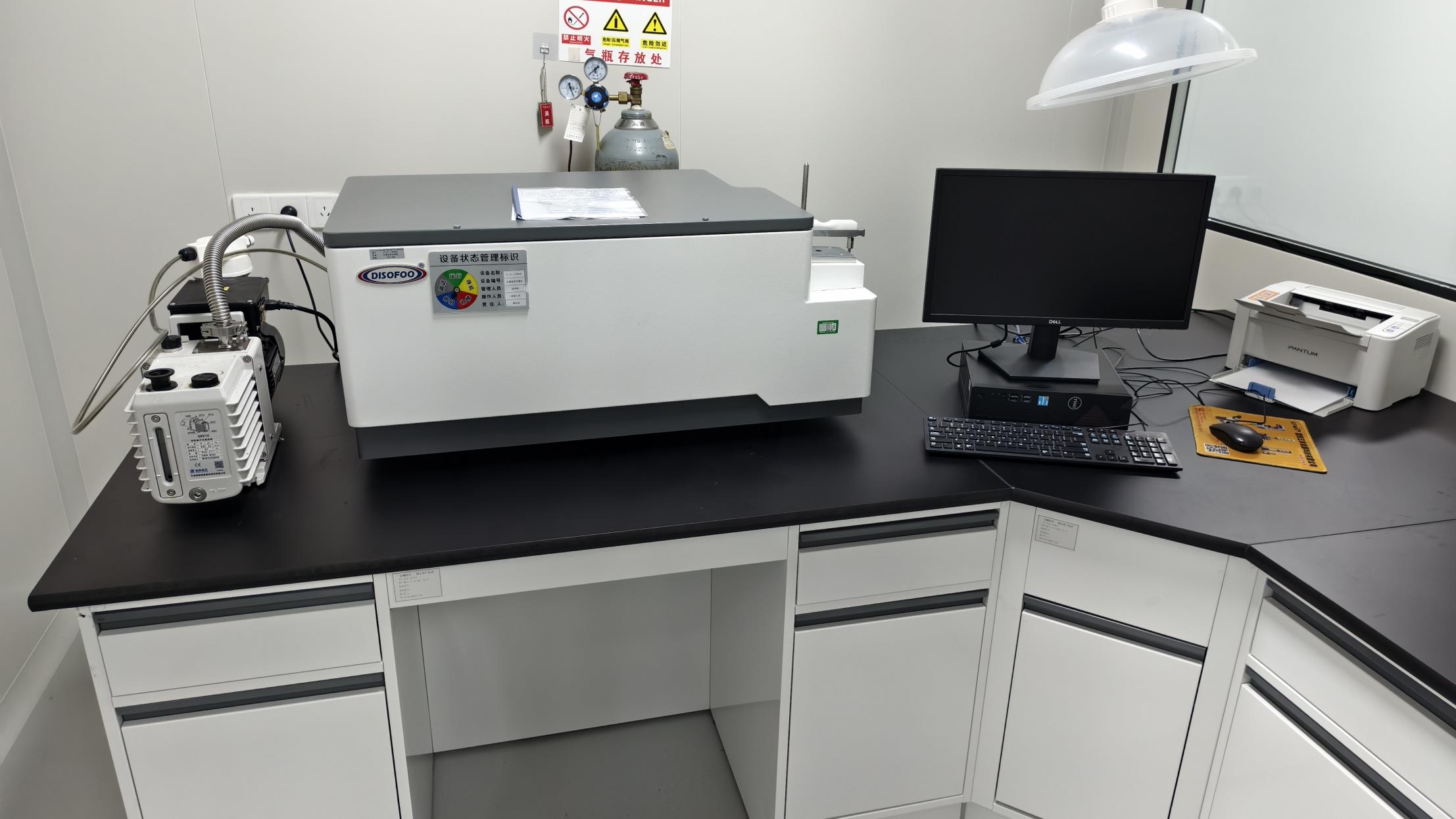 Metal Spectrometer analysis
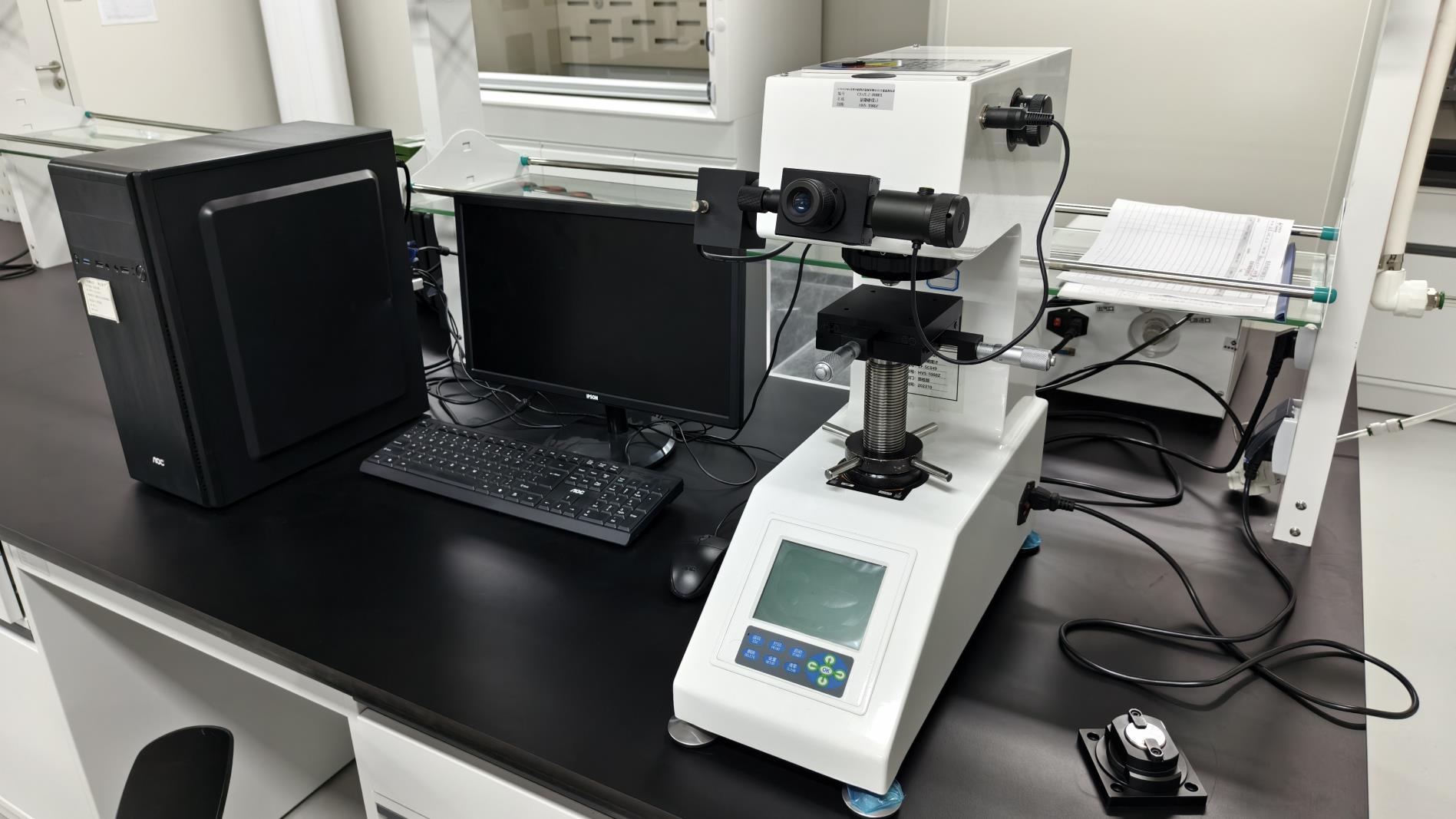 Hardness Tester
 Clarity Detector
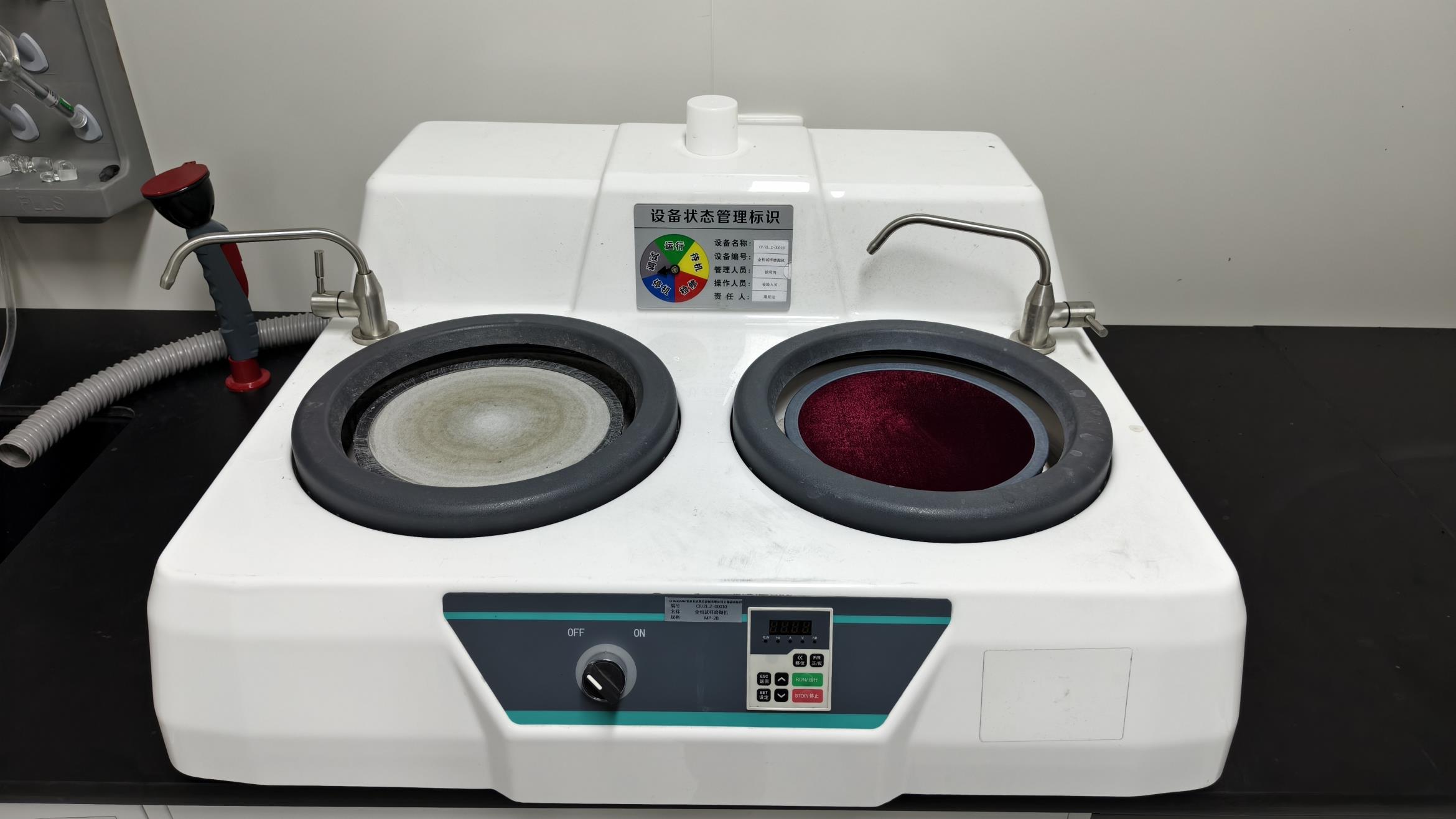 Metallographic Sample Machine
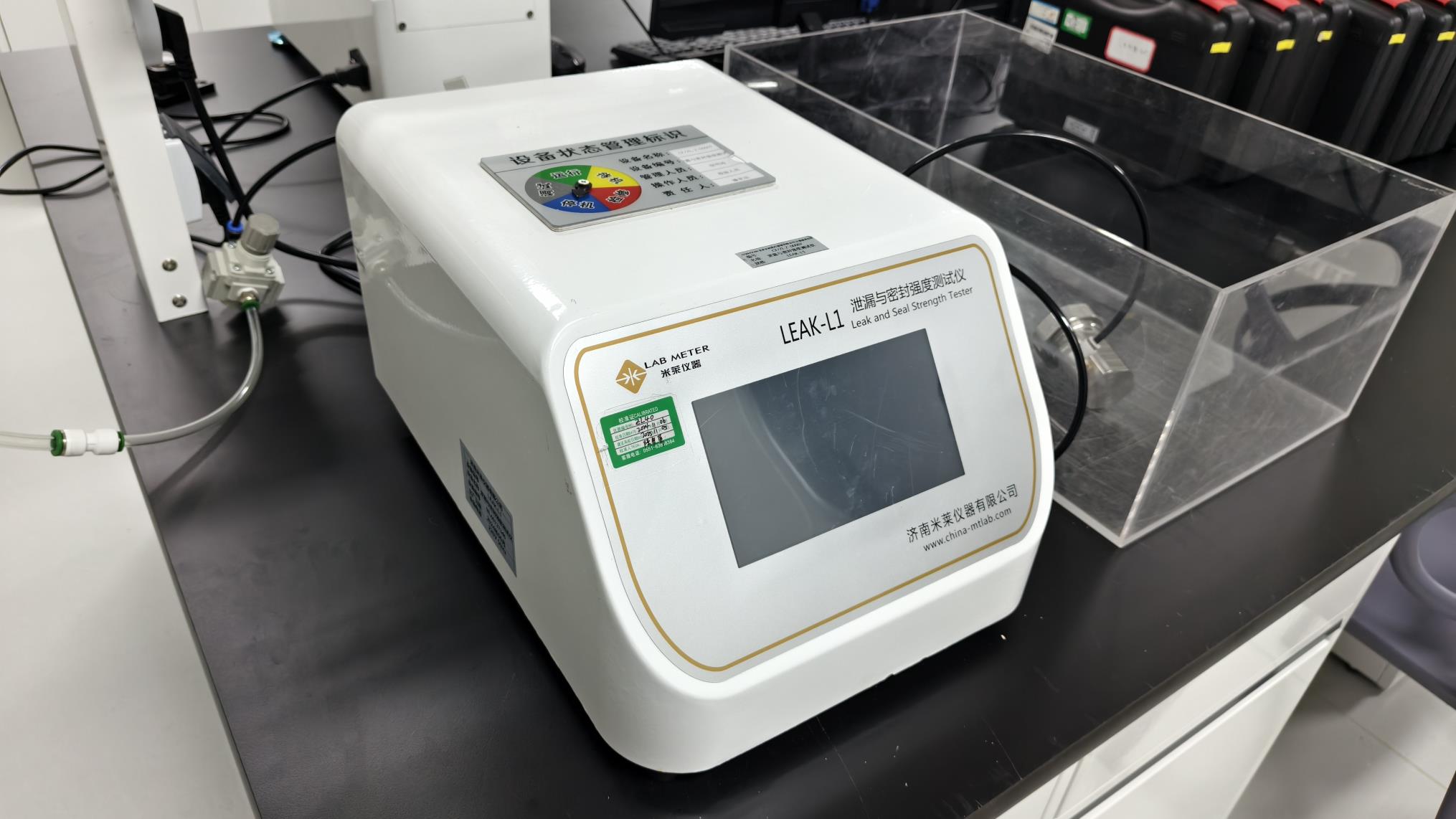 Leakage & Sealing Strength Tester
How design changes improve outcomes across diverse patient populations.
Global orthopedic research confirms that femoral anatomy varies significantly by ethnicity and region. Standard intramedullary nails with large bending radii can cause anterior cortical impingement or distal femur perforation in Asian populations, who generally have shorter statures and smaller, more curved femurs. Zynfuse designs short Gamma Nails and PFNA variants with reduced bend radii and precise CCD angles (125° to 130°). This anatomical optimization minimizes stress at the distal tip during insertion, preventing secondary fracture displacement.
In highly osteoporotic bone, conventional lag screws can back out or cut through the femoral head. Zynfuse helps address this by integrating a helical blade system instead of standard lag screws. The helical blade compacts the surrounding cancellous bone during insertion, increasing surface contact and bone purchase. This mechanism provides stronger rotational and axial stability in low-density bone, reducing complications in elderly populations.
Every clinical case requires customized mechanical control. Our distal locking configurations offer options for both static and dynamic locking. Static locking provides rigid stability for highly unstable fractures, while dynamic locking allows controlled axial micro-motion. This micro-motion transfers load to the healing bone, promoting callus formation and accelerating recovery.
Pioneering tomorrow's orthopedic solutions through material science and bio-mechanical engineering.
We are advancing our surface treatment capabilities by researching nano-hydroxyapatite (HA) and micro-arc oxidation (MAO) coatings for titanium alloy implants. These technologies improve osteointegration, forming a chemical bond between the host bone and the implant surface. This reduces micromotion at the implant-bone interface and lowers the risk of aseptic loosening in complex trauma cases.
Zynfuse's long-term R&D roadmap focuses on incorporating micro-sensor arrays into intramedullary nail systems. These smart implants will measure real-time mechanical strain and temperature fluctuations at the fracture site. By transmitting this data to clinicians, they can monitor the healing process and identify potential non-unions early, helping to prevent implant overload.
Why Zynfuse is the preferred B2B manufacturing partner for global medical device brands.
We source medical-grade Titanium Alloys (Ti-6Al-4V ELI) and PEEK-OPTIMA™ polymers from verified global suppliers. By auditing material chemistry, grain size, and mechanical strength, we ensure our implants meet strict standards for biocompatibility and fatigue life.
Our facility uses automated Swiss-type lathes and multi-axis CNC machining centers. This automation maintains tight dimensional tolerances (+/- 0.005mm), ensuring that intramedullary nails and dynamic lag screws fit together precisely.
With an annual export value of $18.5M and more than 1,200 partners worldwide, Zynfuse manages complex international shipping. We coordinate export documentation, custom packaging, and track shipments to ensure reliable delivery times for distributors, hospitals, and surgical centers.
Answering technical, regulatory, and commercial questions for procurement managers and orthopaedic surgeons.
Explore our spinal fusion cages, pedicle screw systems, power saws, and joint reconstruction implants.