Zynfuse
Zynfuse
Zynfuse
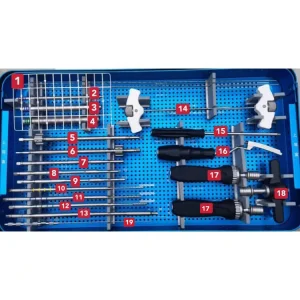
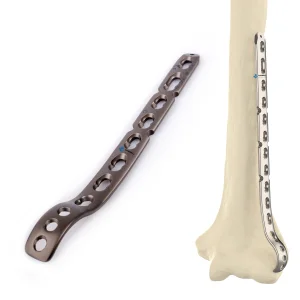
Advanced Orthopedic Traumatology Implants & Comprehensive Surgical Instrument Solutions by Zynfuse Medical
Explore our elite-grade surgical implants and instruments, engineered with medical-grade titanium and manufactured to stringent international quality metrics.
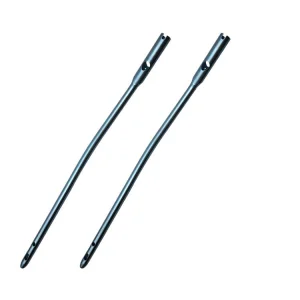
The global market for orthopedic trauma implants has experienced significant shifts, particularly in the domain of internal fixation systems. Femoral intramedullary (IM) nails are widely recognized by trauma surgeons and orthopedic specialists as the gold standard for treating femoral shaft, subtrochanteric, and reconstruction-level fractures. The mechanical superiority of an intramedullary nail lies in its ability to function as a load-sharing device rather than a load-bearing one (like conventional plates). By aligning with the neutral axis of the femur, the IM nail reduces the bending moment at the fracture site, minimizes stress shielding, and promotes secondary bone healing through micromotion-induced callus formation.
From a global commercial perspective, demographic aging and the rising incidence of high-energy road traffic accidents (RTAs) drive steady growth in surgical interventions. Procurement specialists, hospital administrators, and wholesale distributors require high-performance, cost-effective solutions that adhere strictly to international clinical standards. Modern clinical challenges, such as the management of osteoporotic fractures and periprosthetic fractures, demand highly precise locking options (such as dynamic and static distal locking configurations) to prevent rotational deformity and proximal telescoping. The global medical supply chain is shifting towards manufacturers capable of delivering surgical-grade raw materials (ASTM F136 ELI Titanium alloys), state-of-the-art precision engineering, and rigorous biological and mechanical validation processes.
Established in 2016, Zynfuse Medical Technology Co., Ltd. has developed into a premier force in orthopedic manufacturing, merging R&D agility with absolute quality control.
Zynfuse Medical Technology Co., Ltd. is a professional orthopedic medical device manufacturer specializing in bone fusion and advanced implant systems for surgical innovation. With 12 years of industry experience and 7 years of export experience, Zynfuse serves major global markets including North America, Europe, Southeast Asia, and the Middle East. By maintaining an agile supply chain network of over 1,200 partners worldwide, Zynfuse provides dependable manufacturing continuity for medical distributors, hospital procurement departments, and orthopedic surgical centers.
Standardized implants often struggle to accommodate the morphological variations present across diverse patient populations. At Zynfuse, our engineering team designs intramedullary systems that optimize clinical outcomes:
Our femoral intramedullary nails undergo rigorous Finite Element Analysis (FEA) to simulate real-world physiological loading cycles. During a patient's post-operative recovery, the implant must withstand millions of cycles of bending, axial compression, and torsional shear. Zynfuse’s titanium alloy (Ti-6Al-4V ELI) implants offer superior tensile yield strength and fatigue resistance compared to traditional stainless steel, preventing implant deformation, nail breakage, and bolt failure during the critical osteosynthesis phase.
How advanced automated infrastructure, Swiss-precision machining, and continuous process optimization drive exceptional quality and competitive lead times.
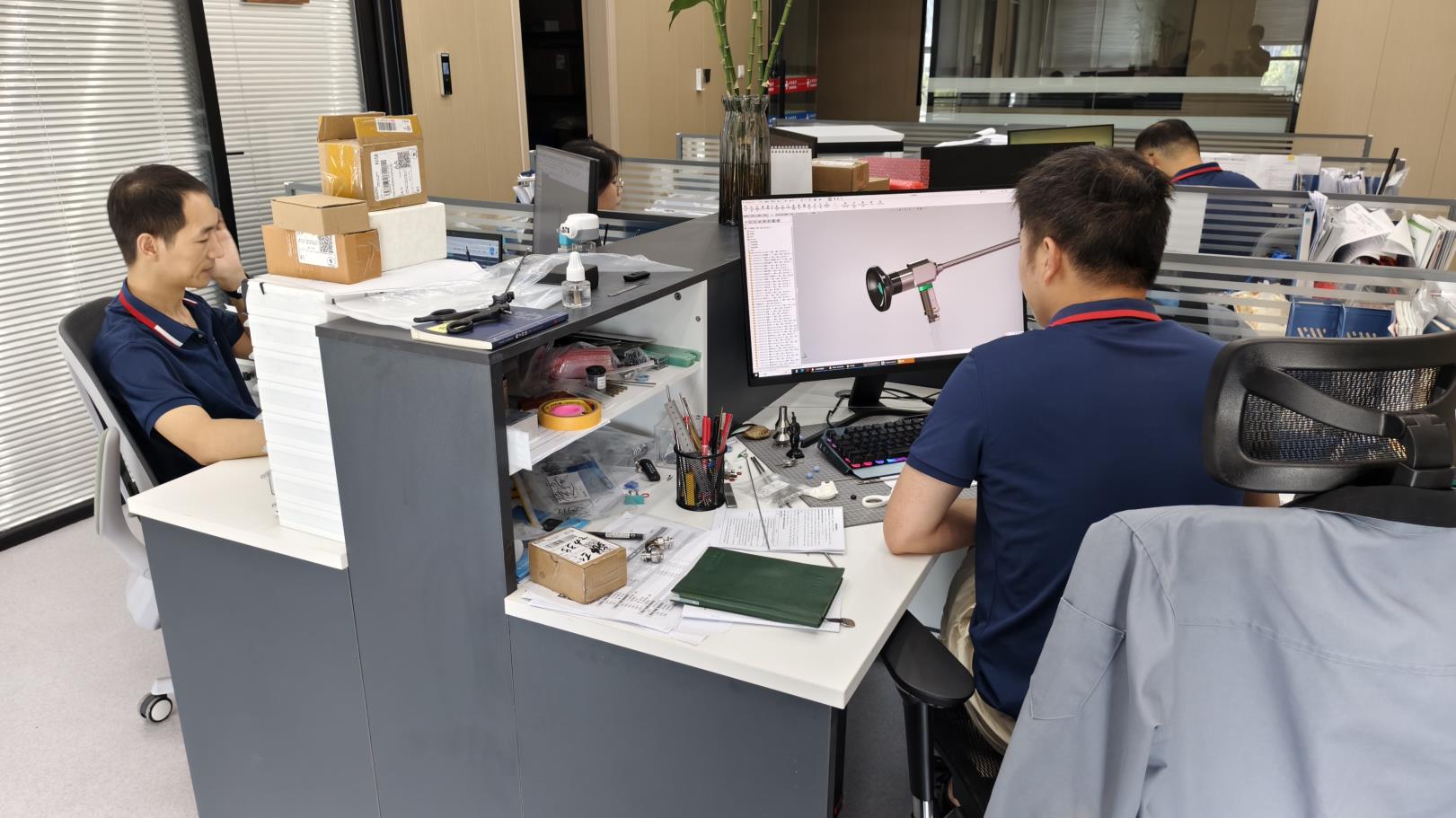
The contemporary medical device industry requires absolute precision. Gone are the days when manufacturing in China was equated with low-complexity manual labor. Zynfuse has pioneered a digital transition, integrating advanced CNC Lathes, Swiss-type Lathes, and automated polishing assemblies. This technological ecosystem guarantees that every femoral nail maintains dimensional tolerances within ±0.01mm. By reducing manual interventions, we virtually eliminate structural deviations and surface defects, which can act as initiation sites for fatigue cracks under mechanical stress.
Our 18,600 m² facility utilizes a step-by-step production flow to maximize structural integrity and surface performance. Each step, from raw bar stock cutting to final laser welding, is tracked through a computerized ERP system, ensuring complete batch traceability—a critical requirement for ISO 13485 and FDA compliance.
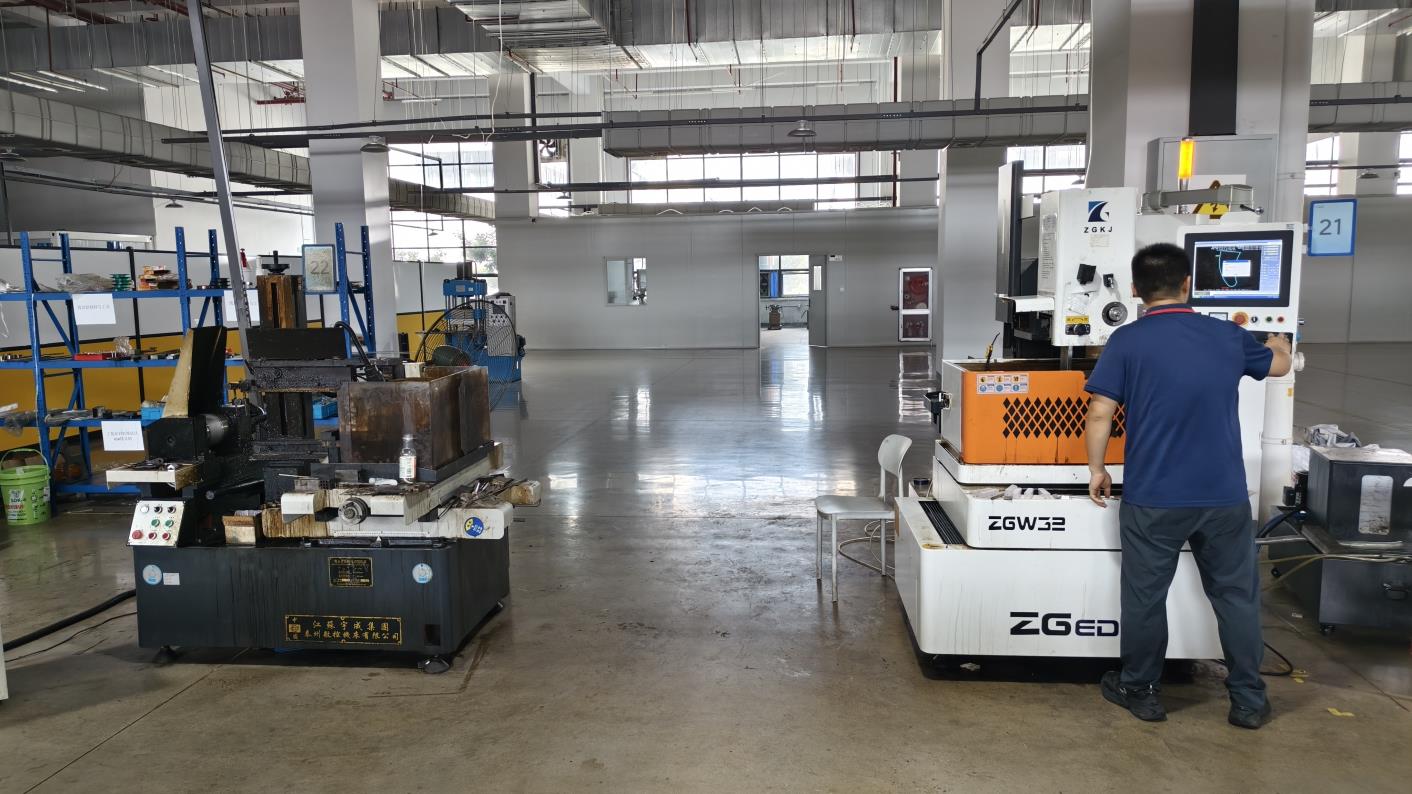
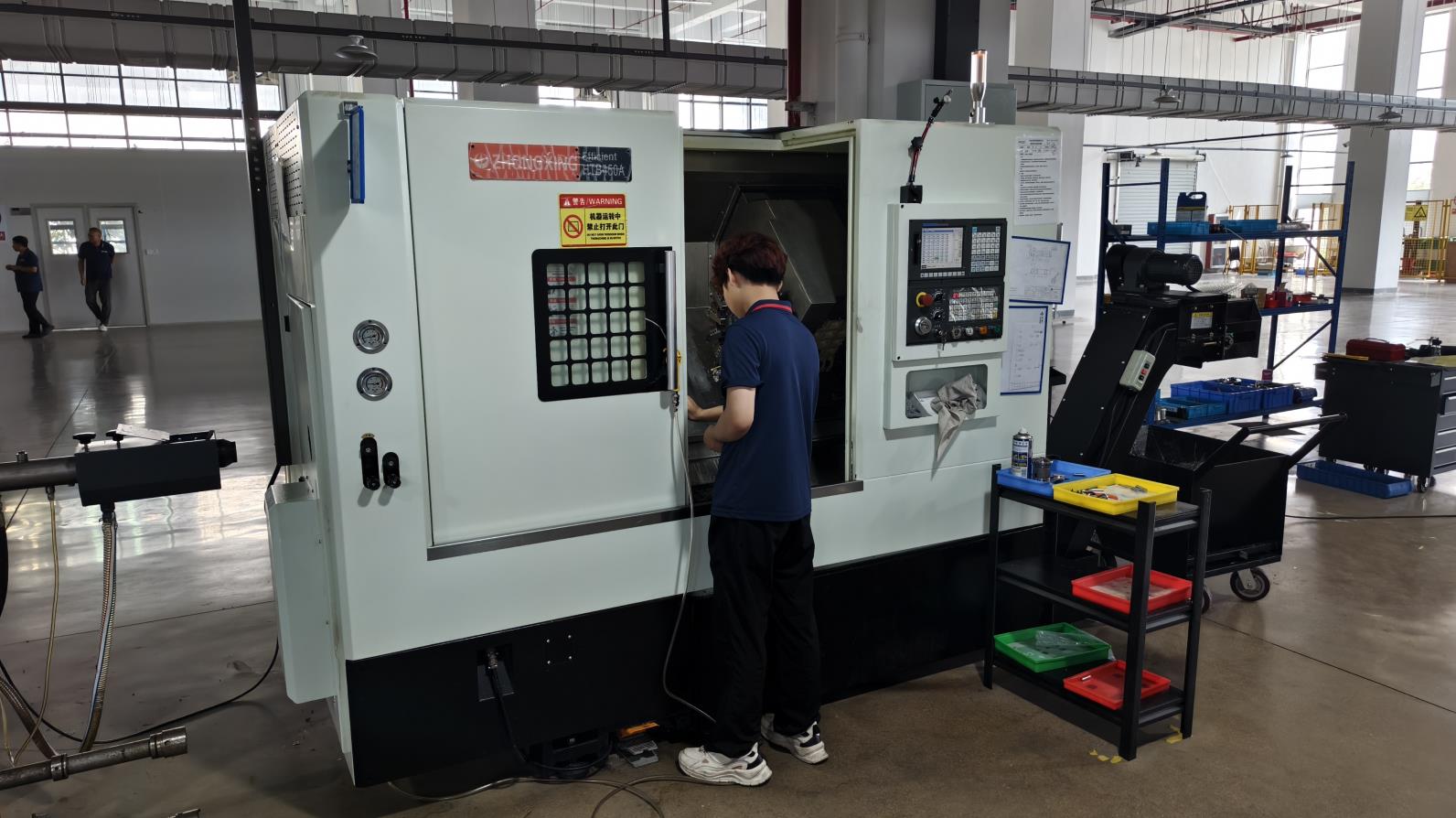
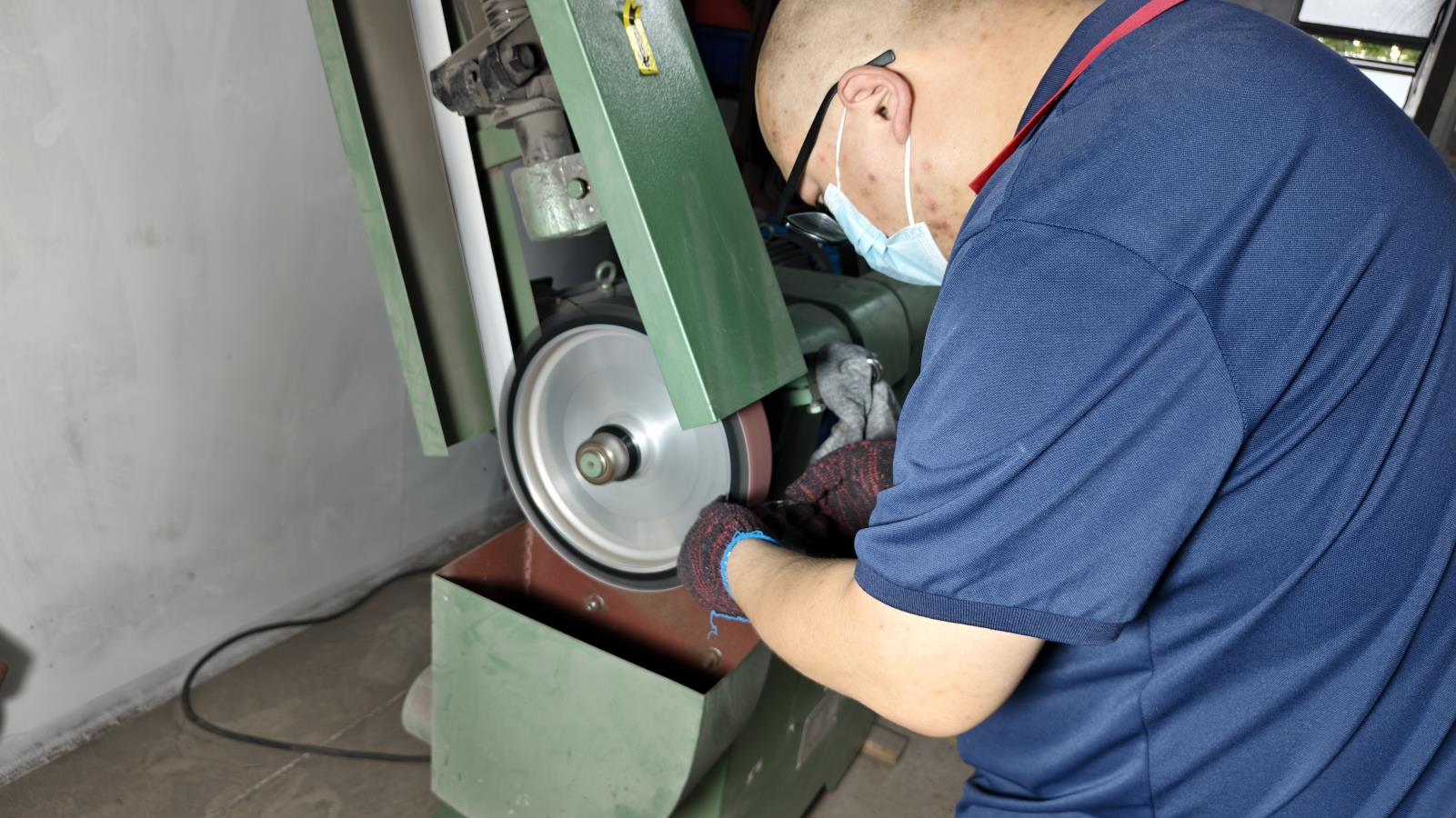
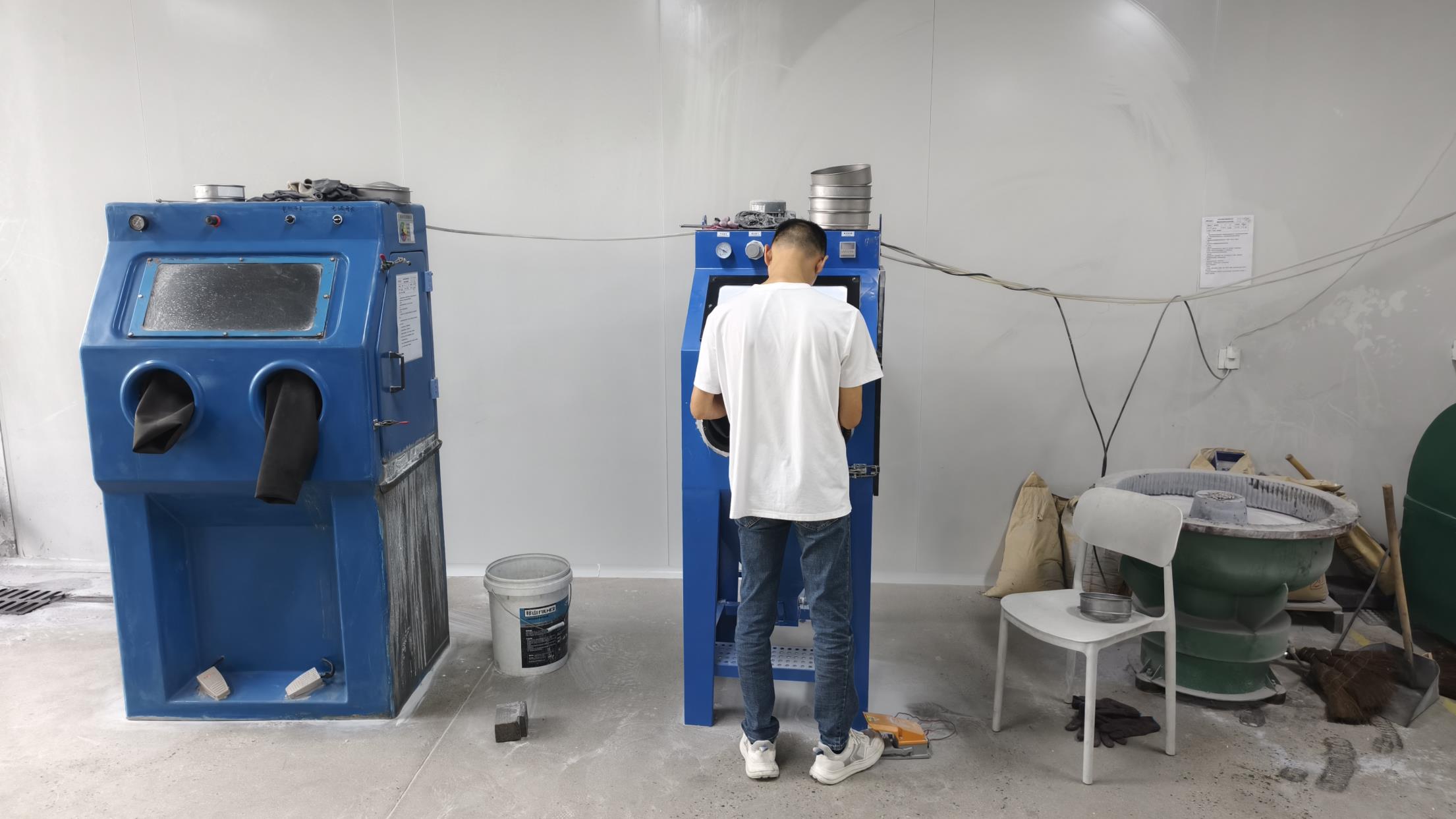
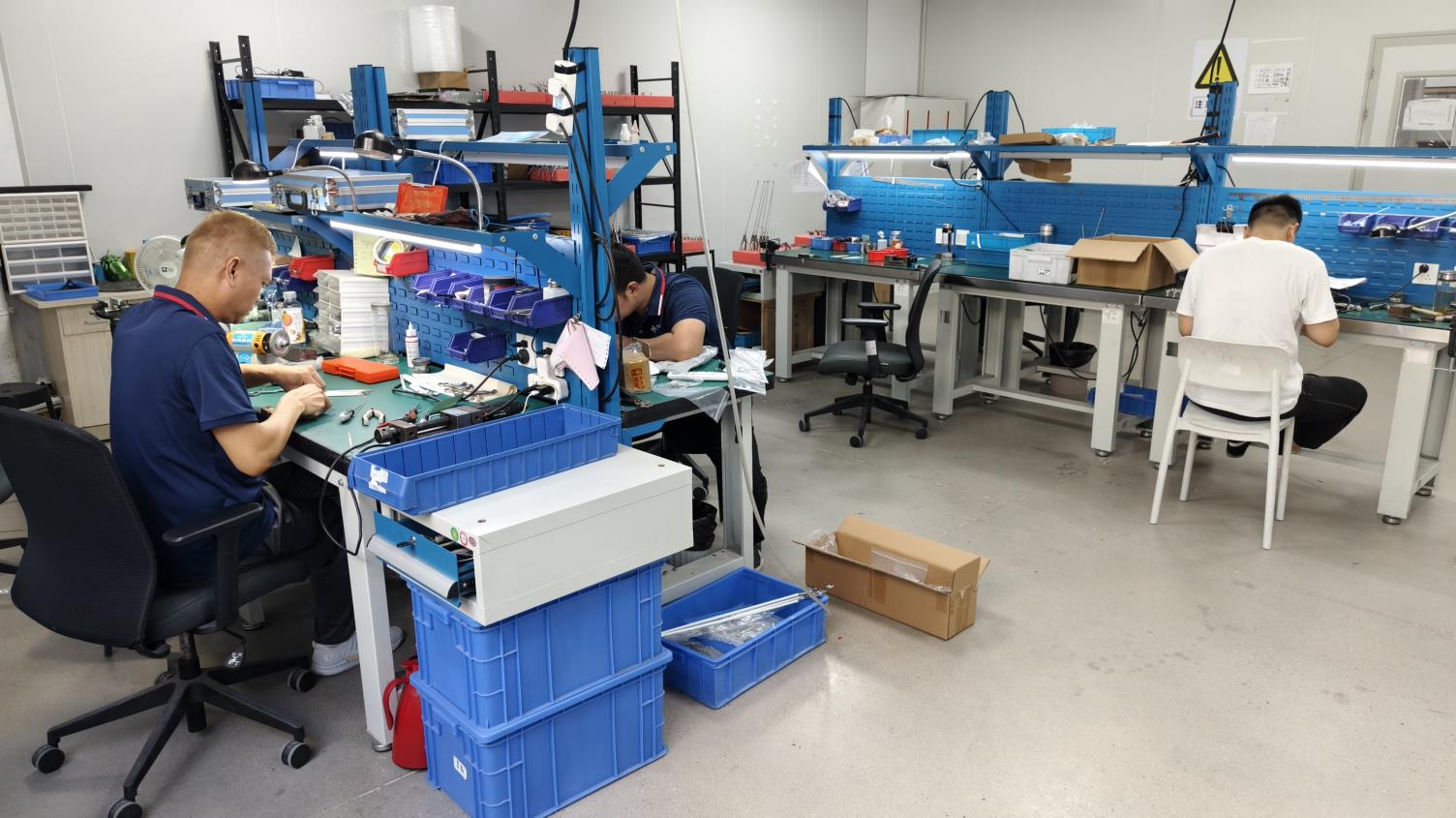
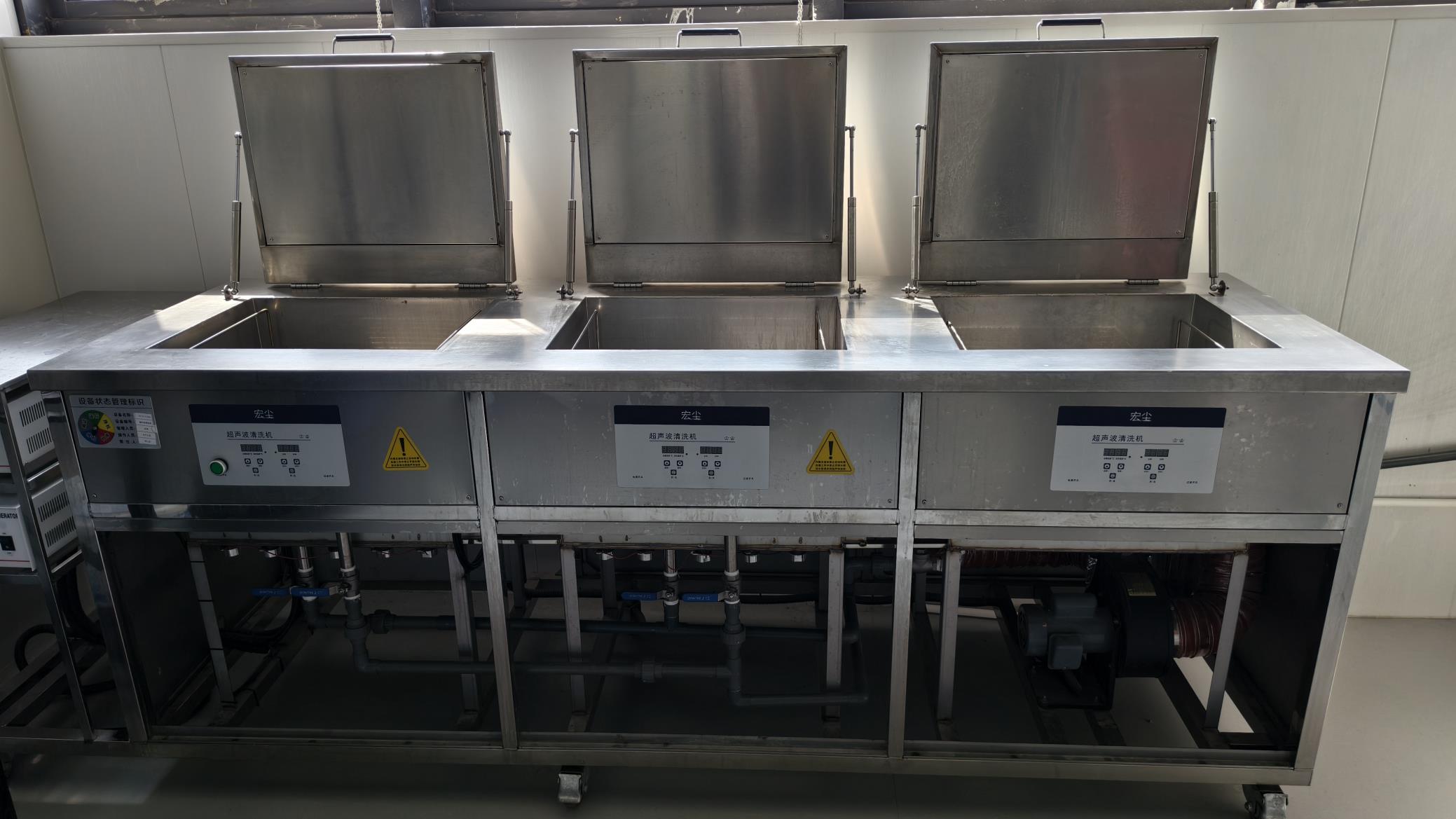
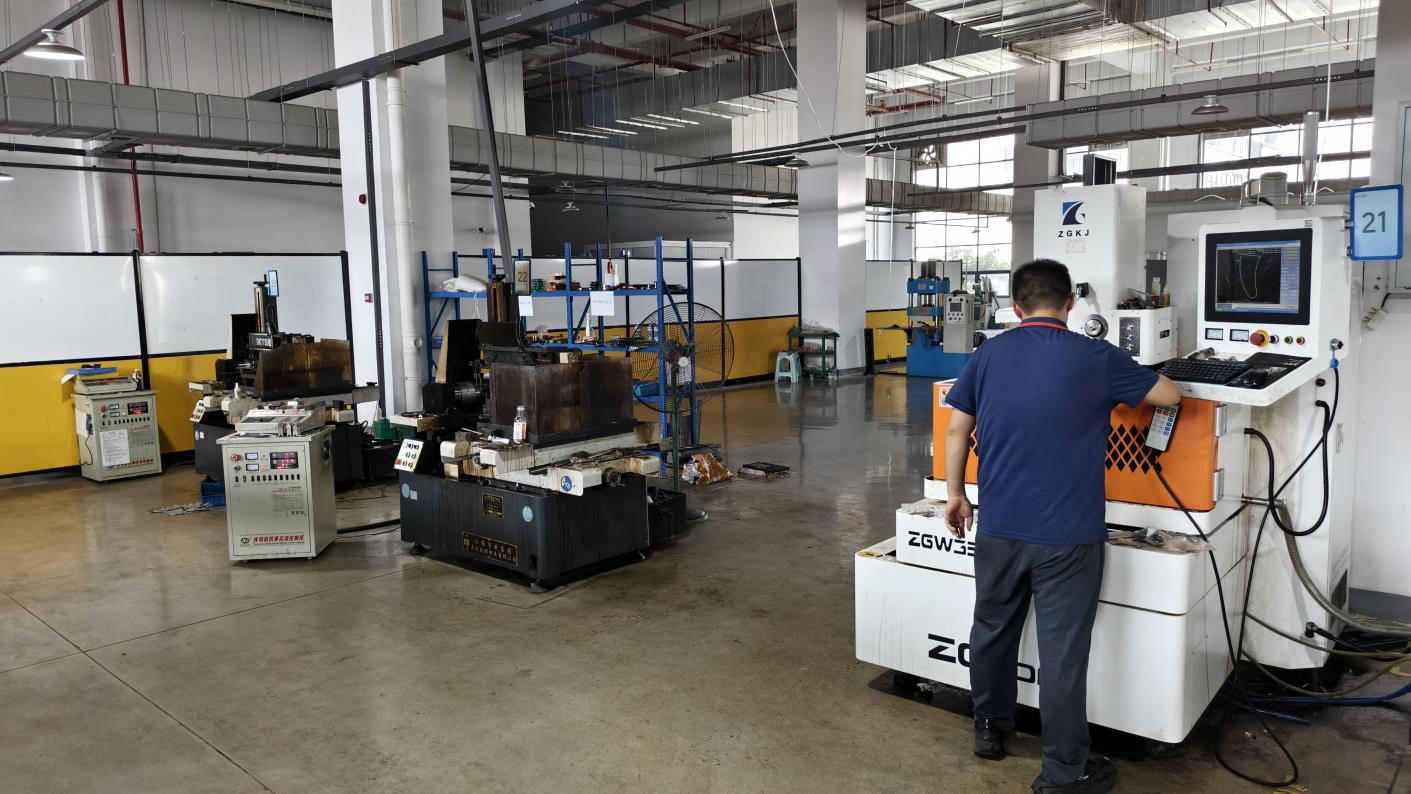
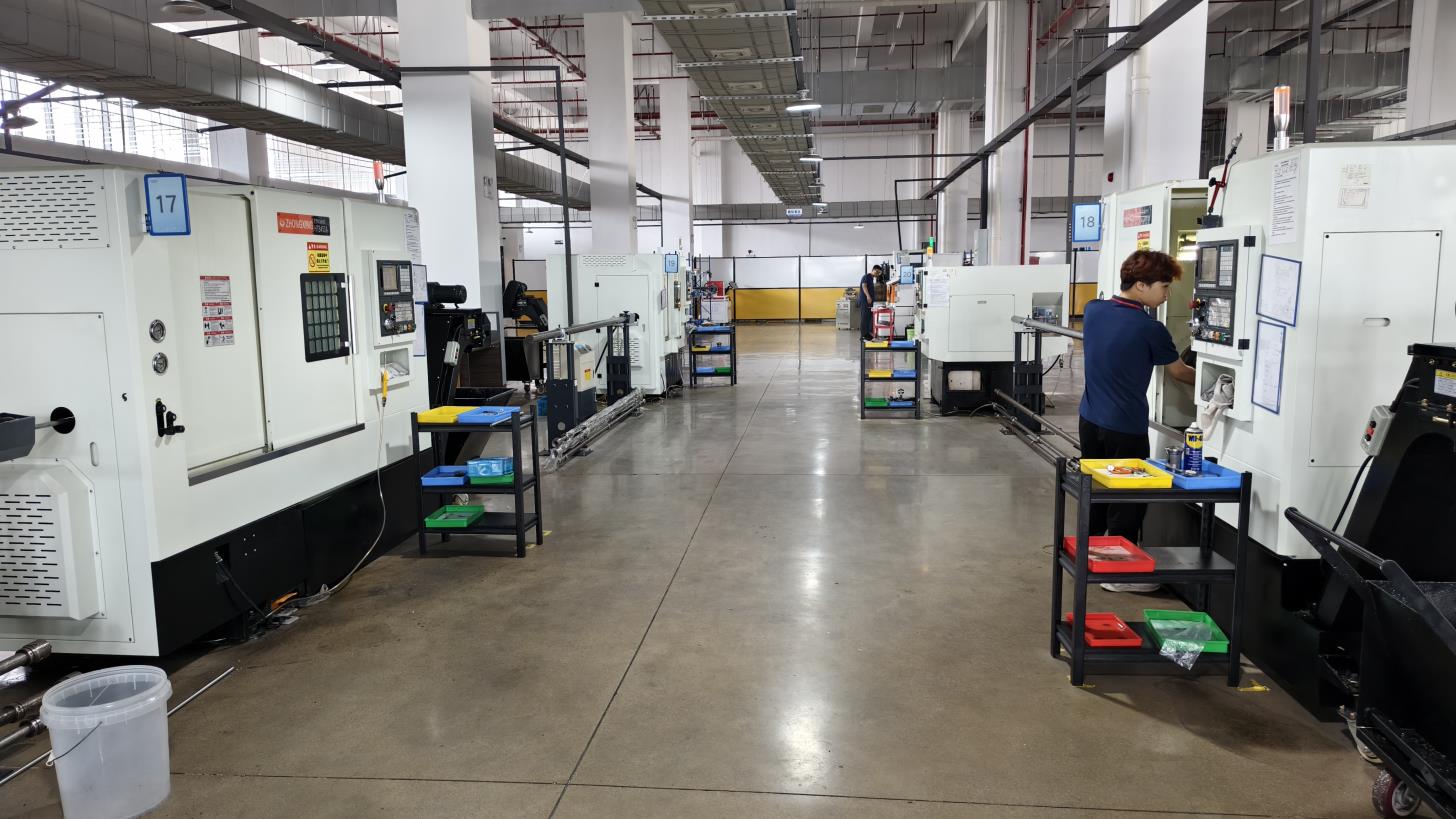
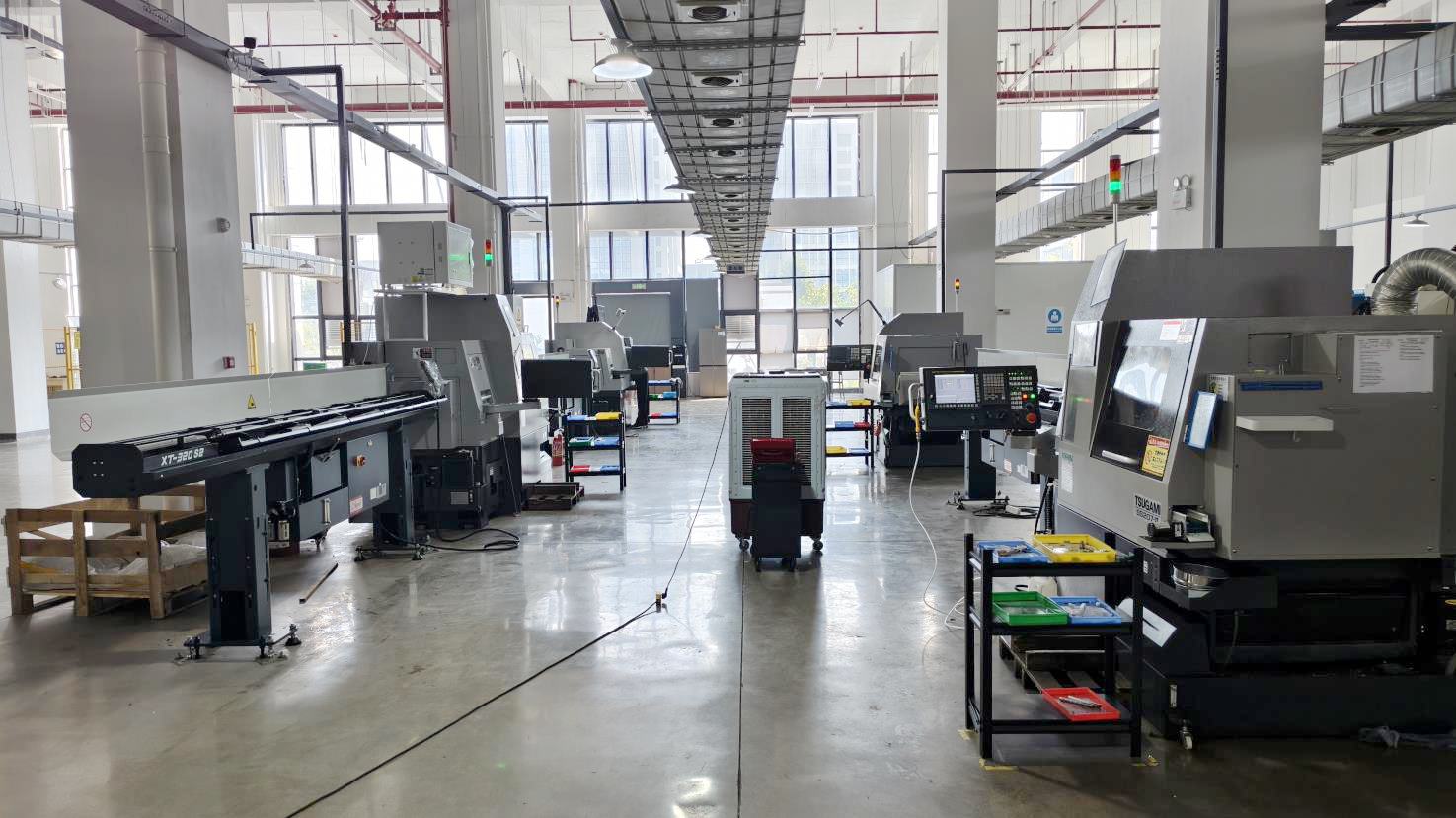
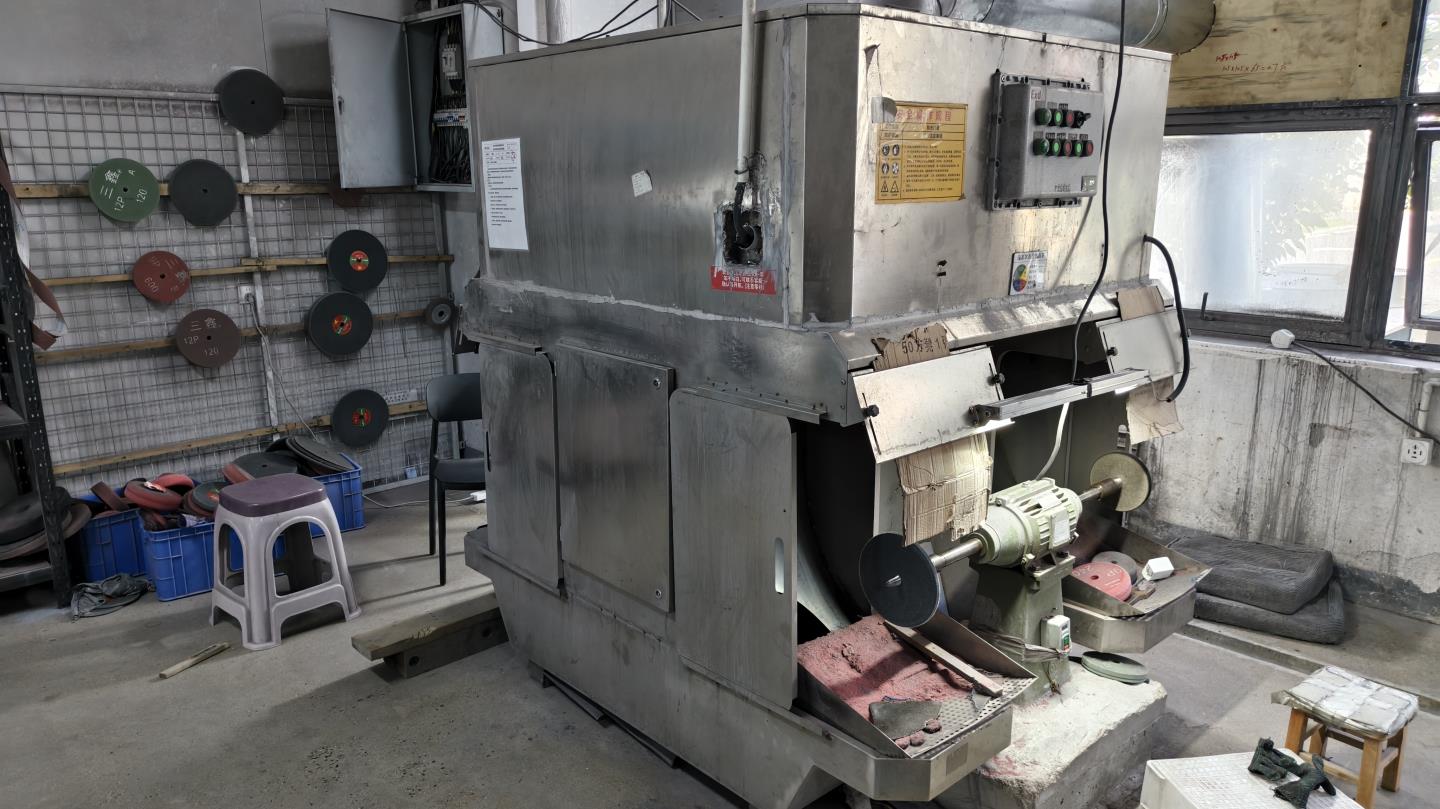
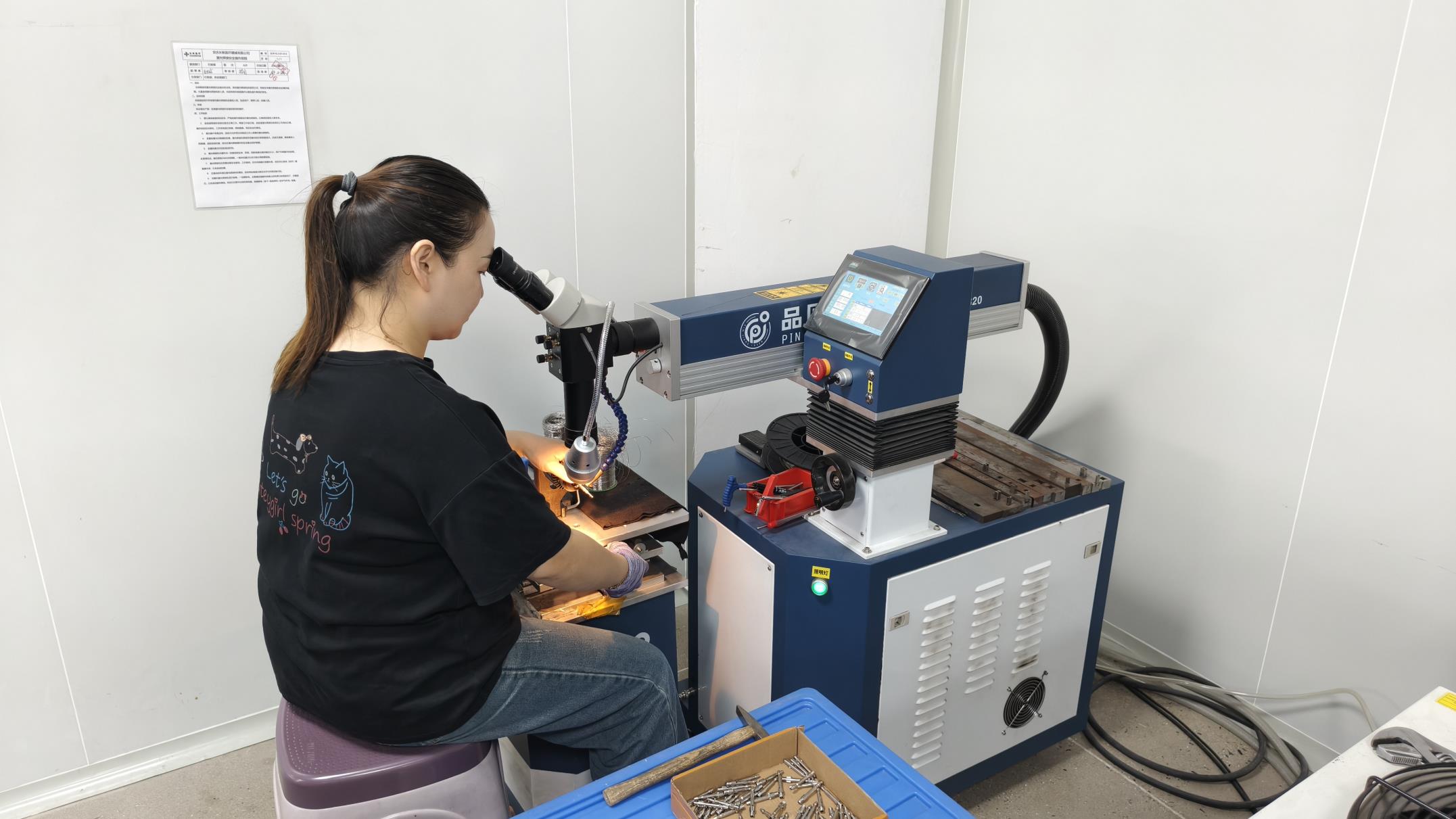
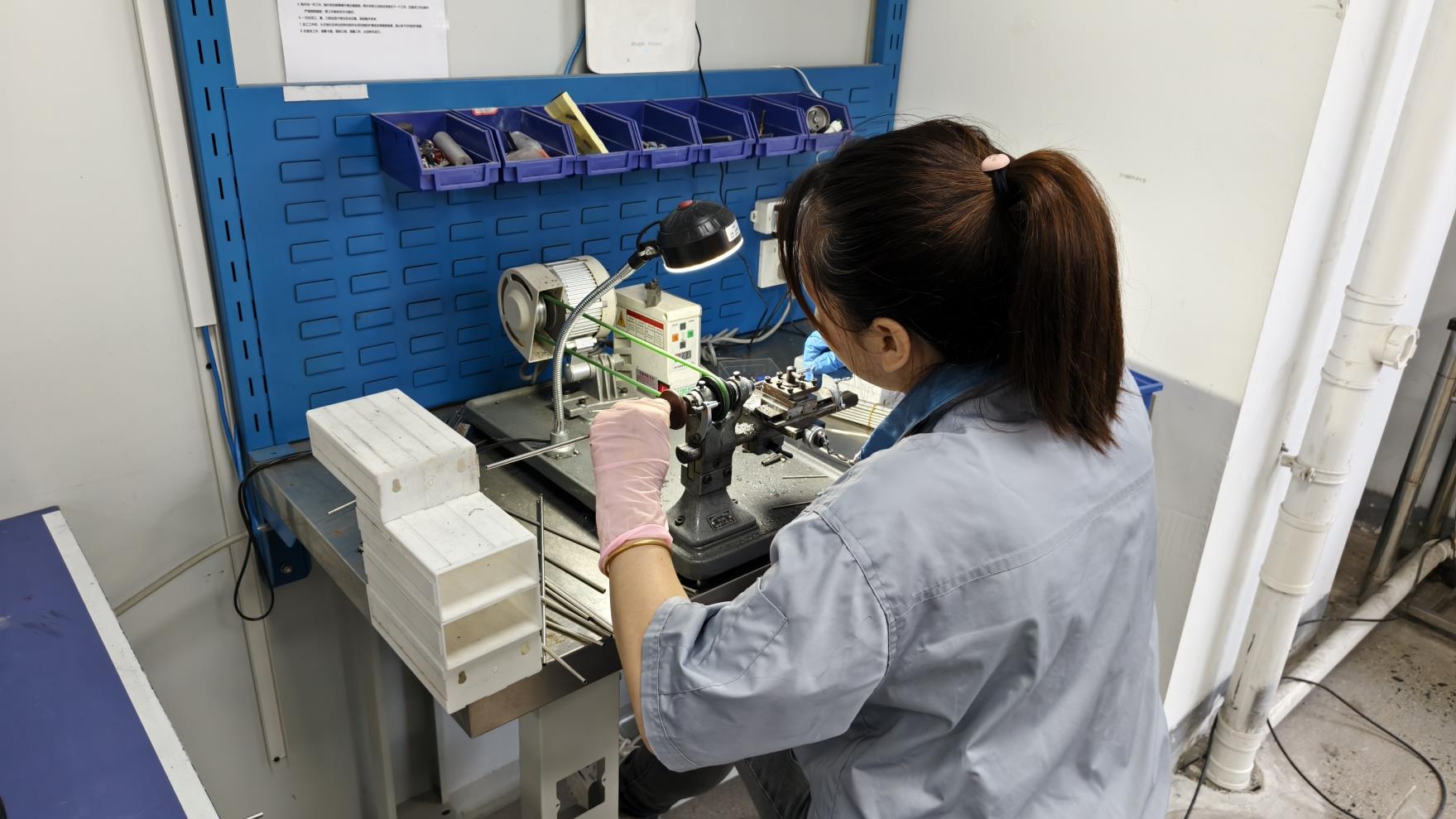
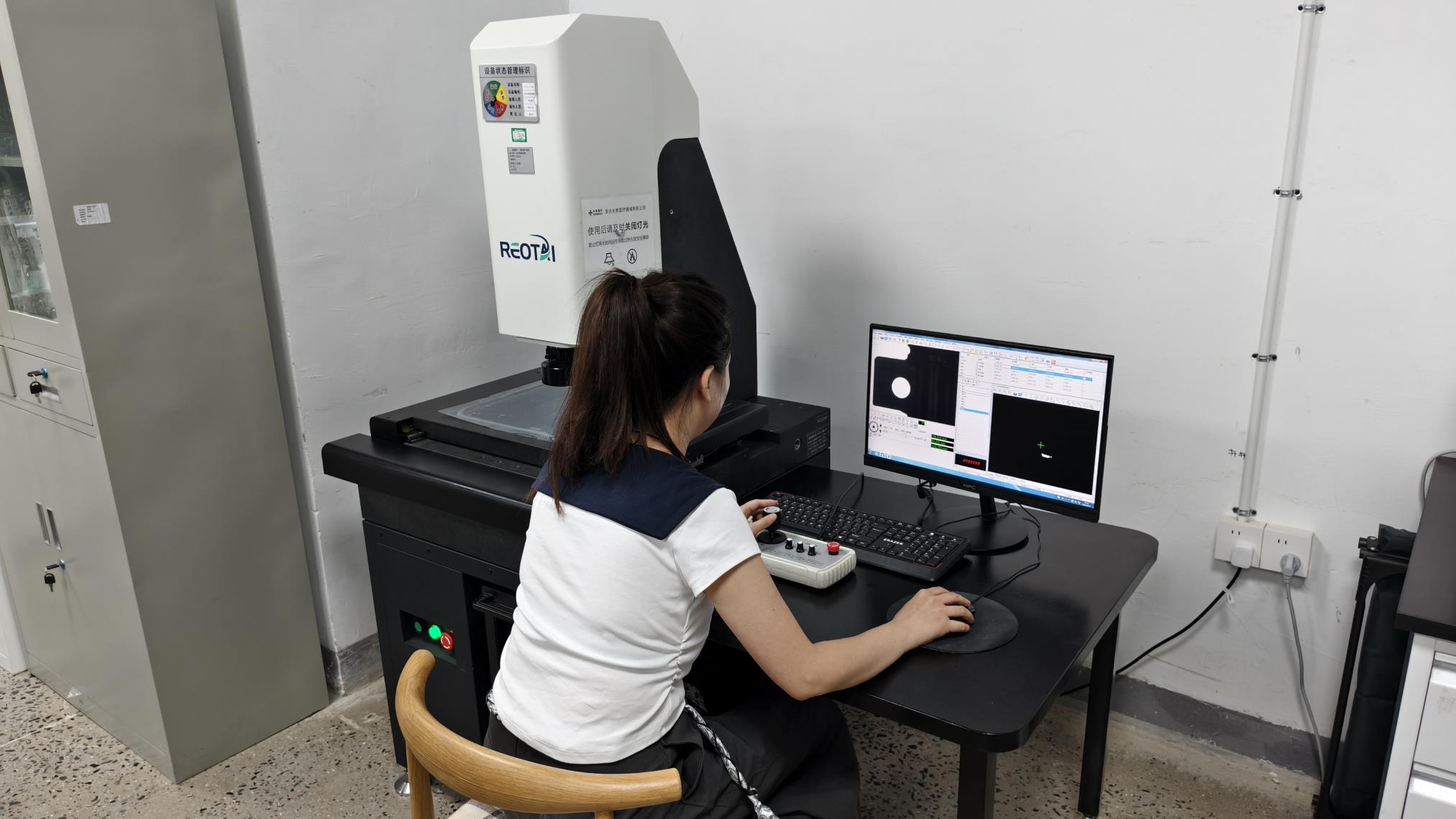
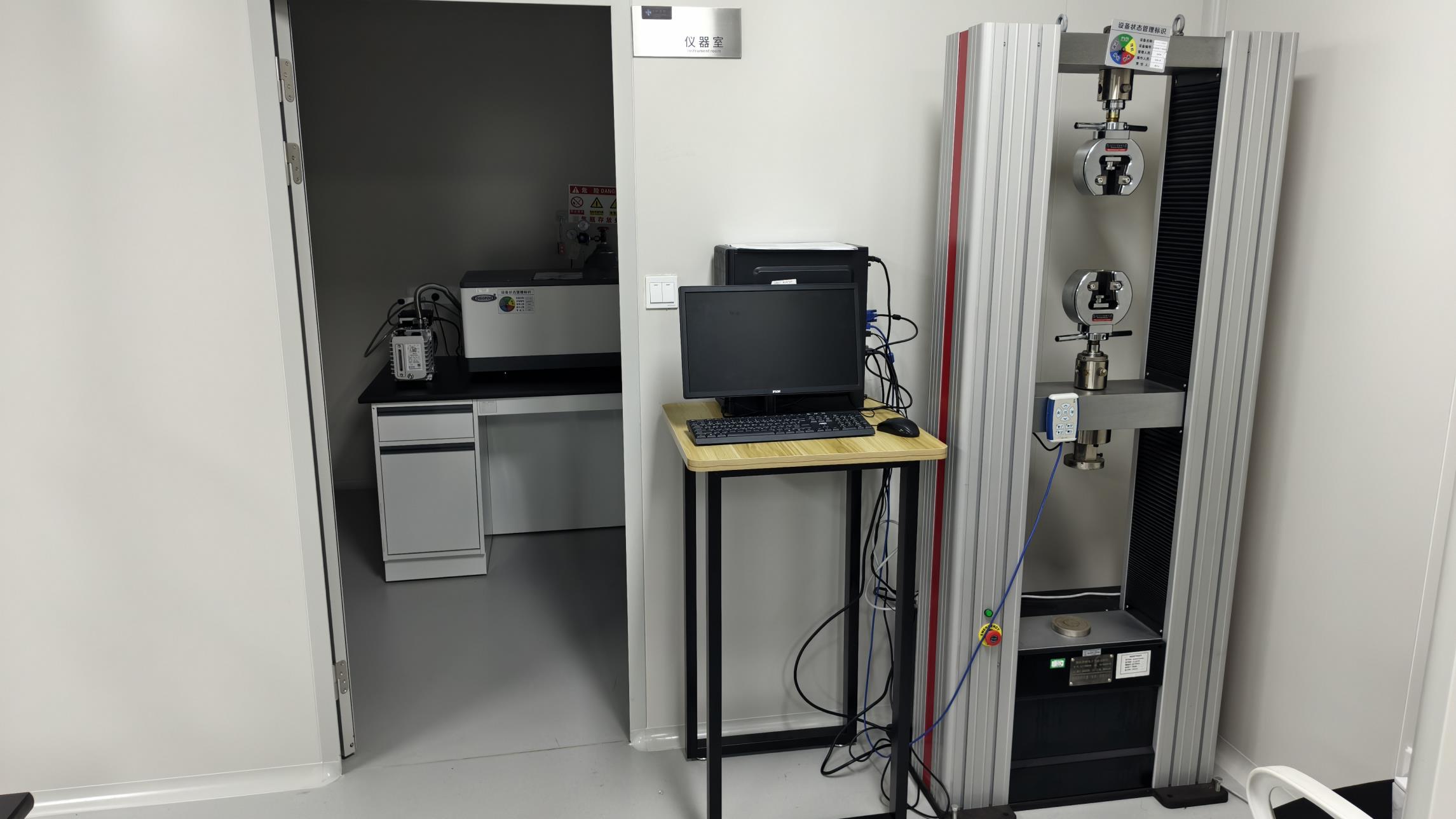
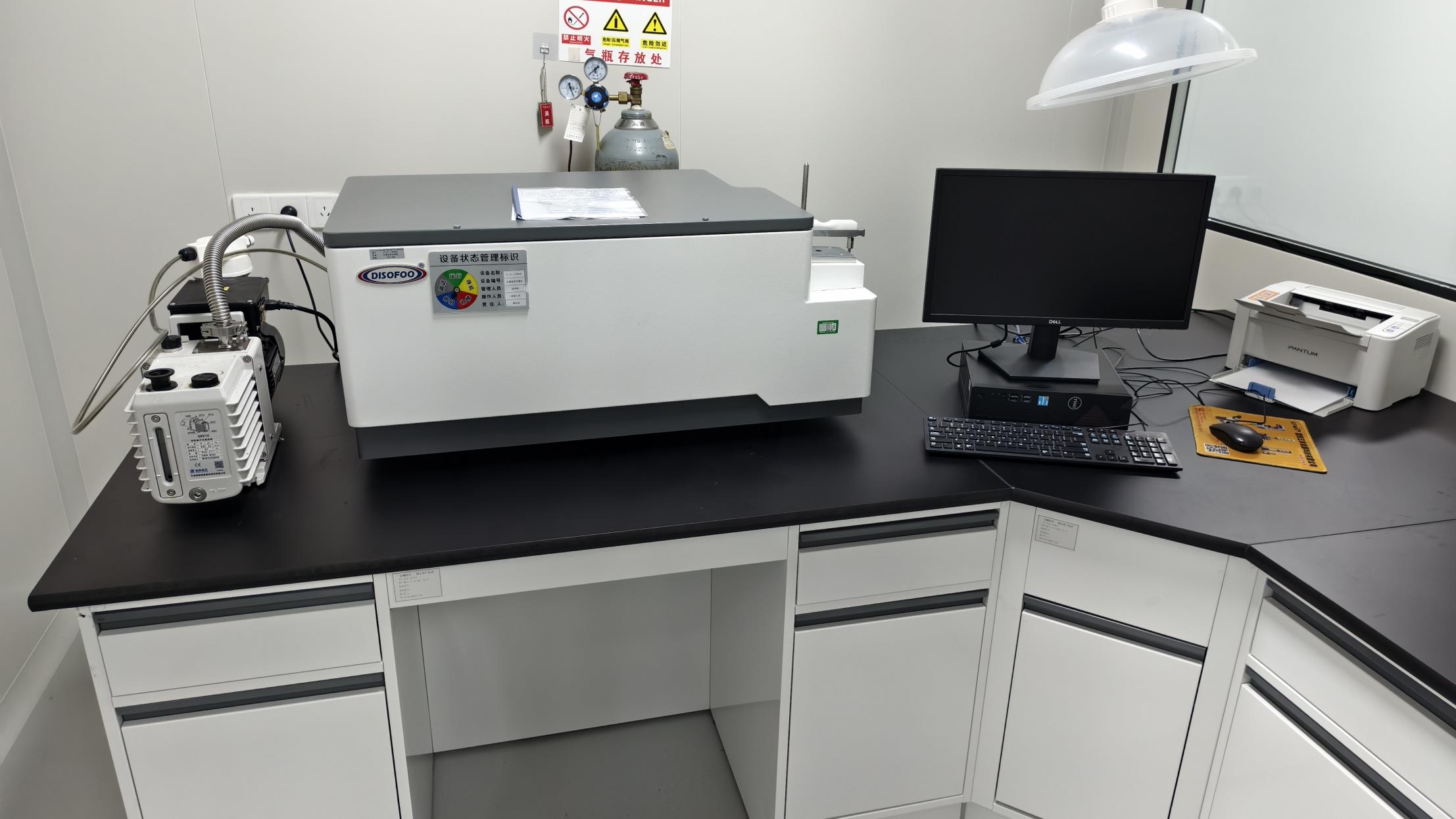
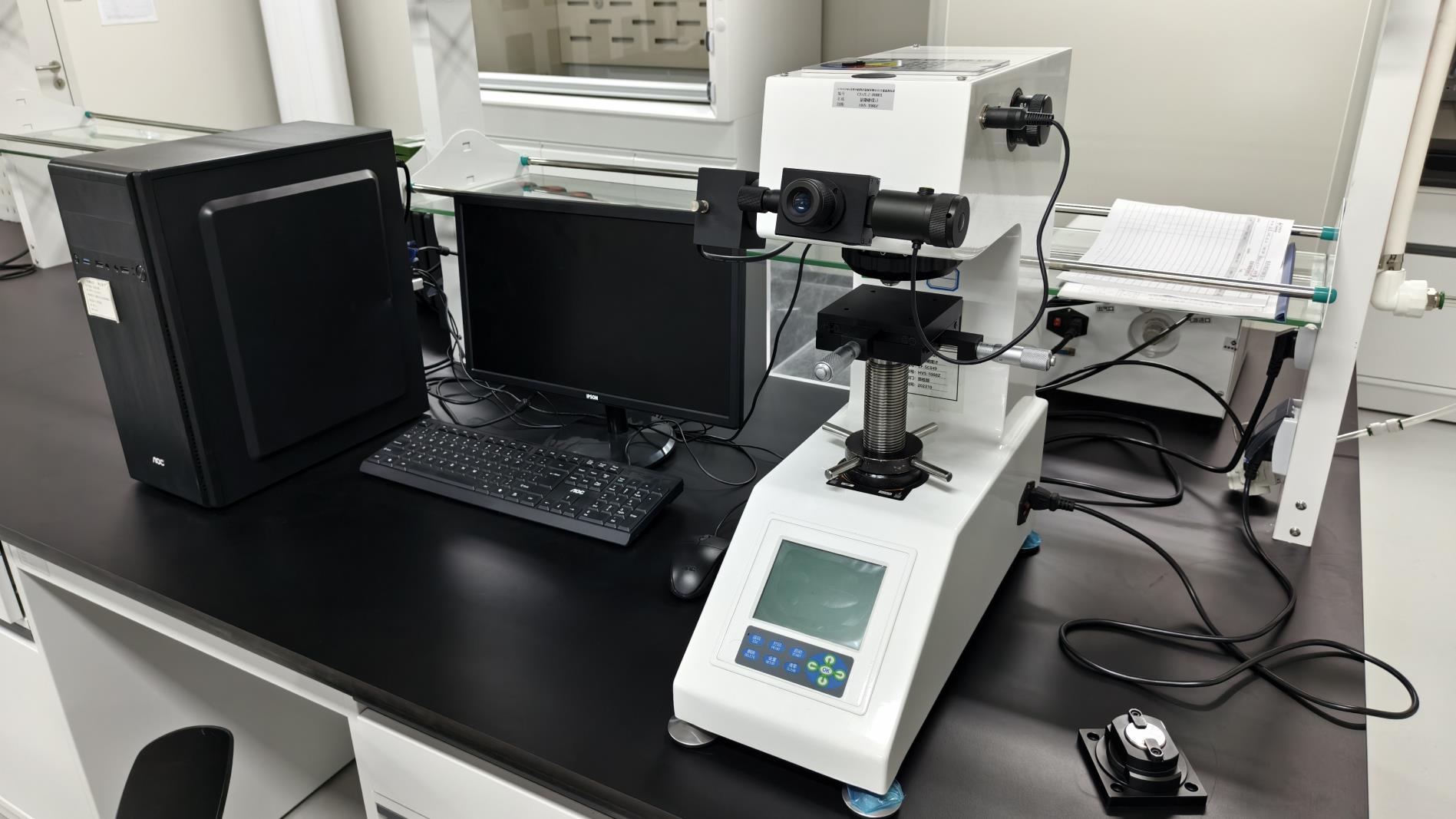
Every batch is evaluated through mechanical performance testing, metallurgical analysis, and dimensional verification to ensure total reliability.
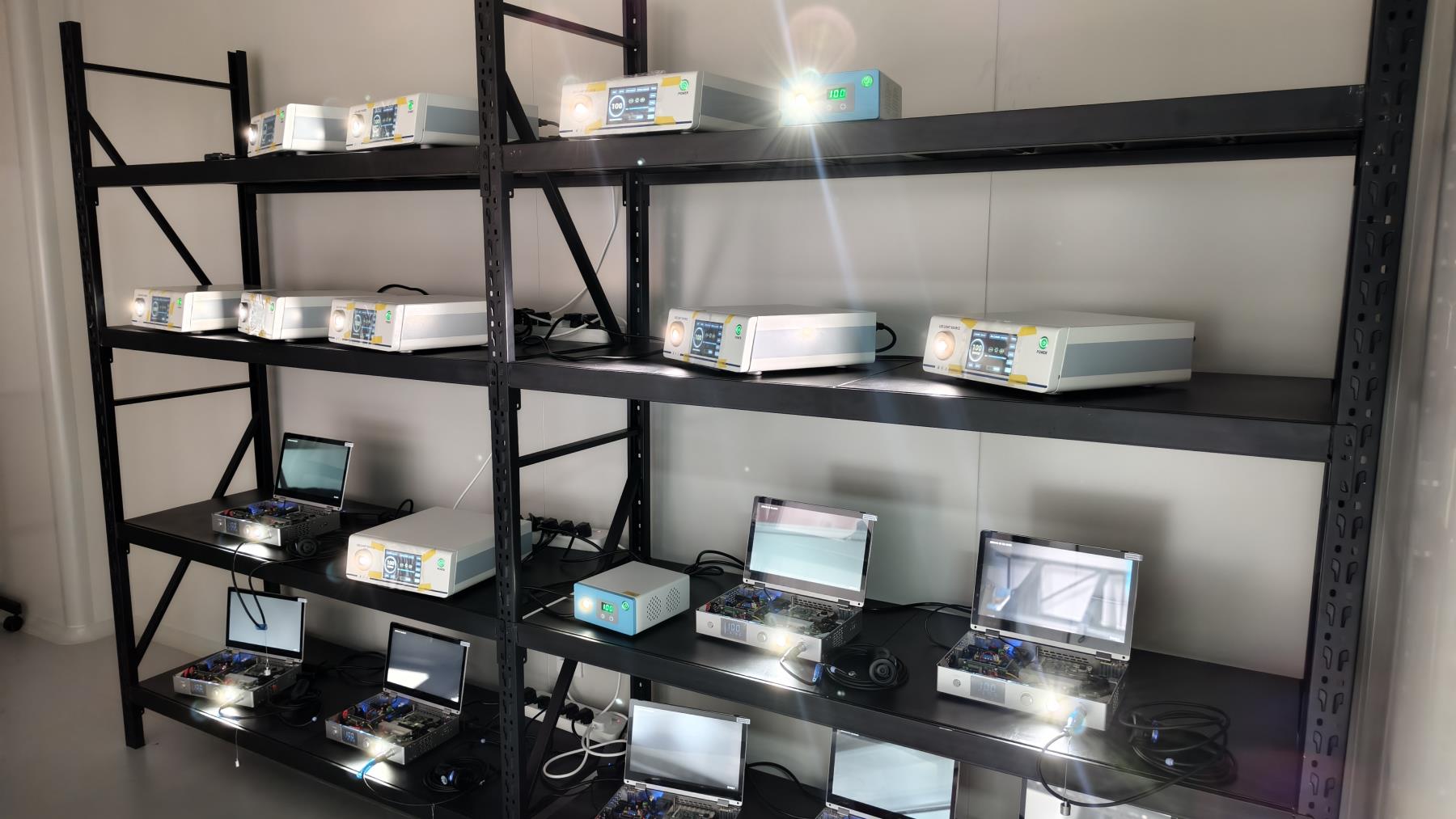
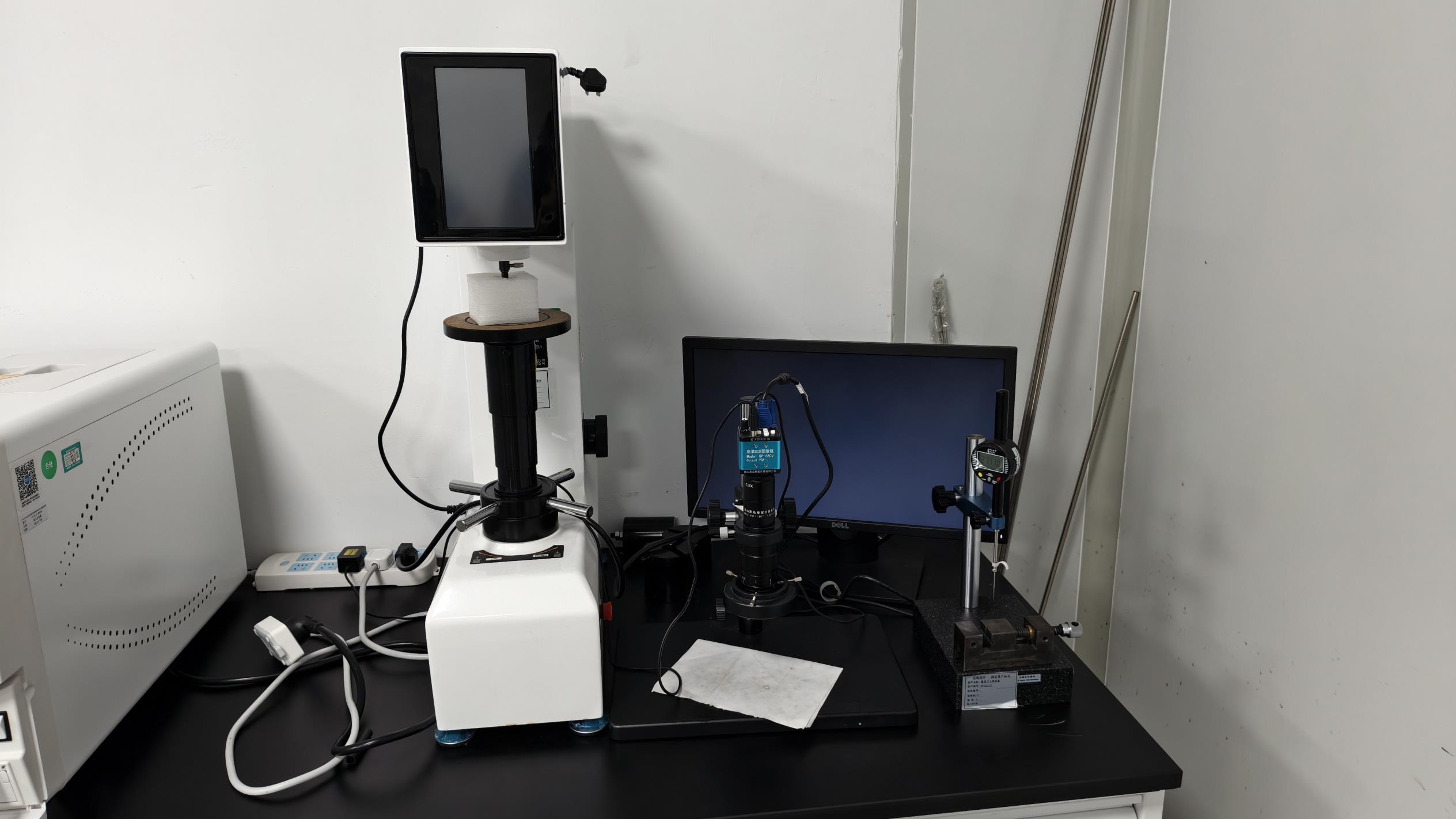
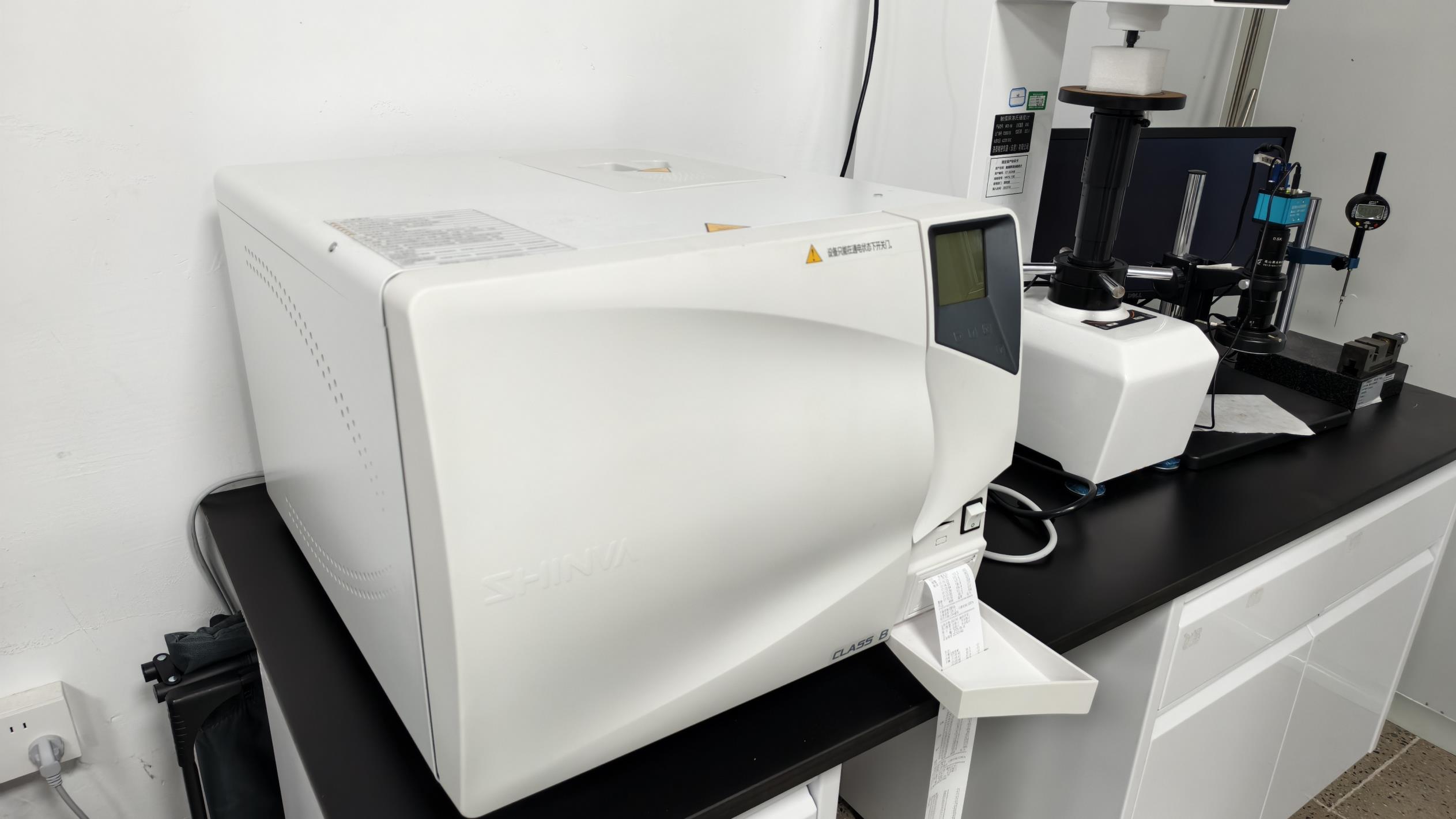
Operating under strict ISO 13485, Zynfuse employs 68 quality inspection specialists who monitor production from raw titanium bar checks to sterile packaging validation. In vitro mechanical tests—such as static and dynamic bending per ASTM F1264—ensure our intramedullary nails withstand the repeated loading cycles encountered during early weight-bearing phase. Our testing laboratory features specialized equipment designed to examine chemical composition, surface finish, hardness, and mechanical limits.
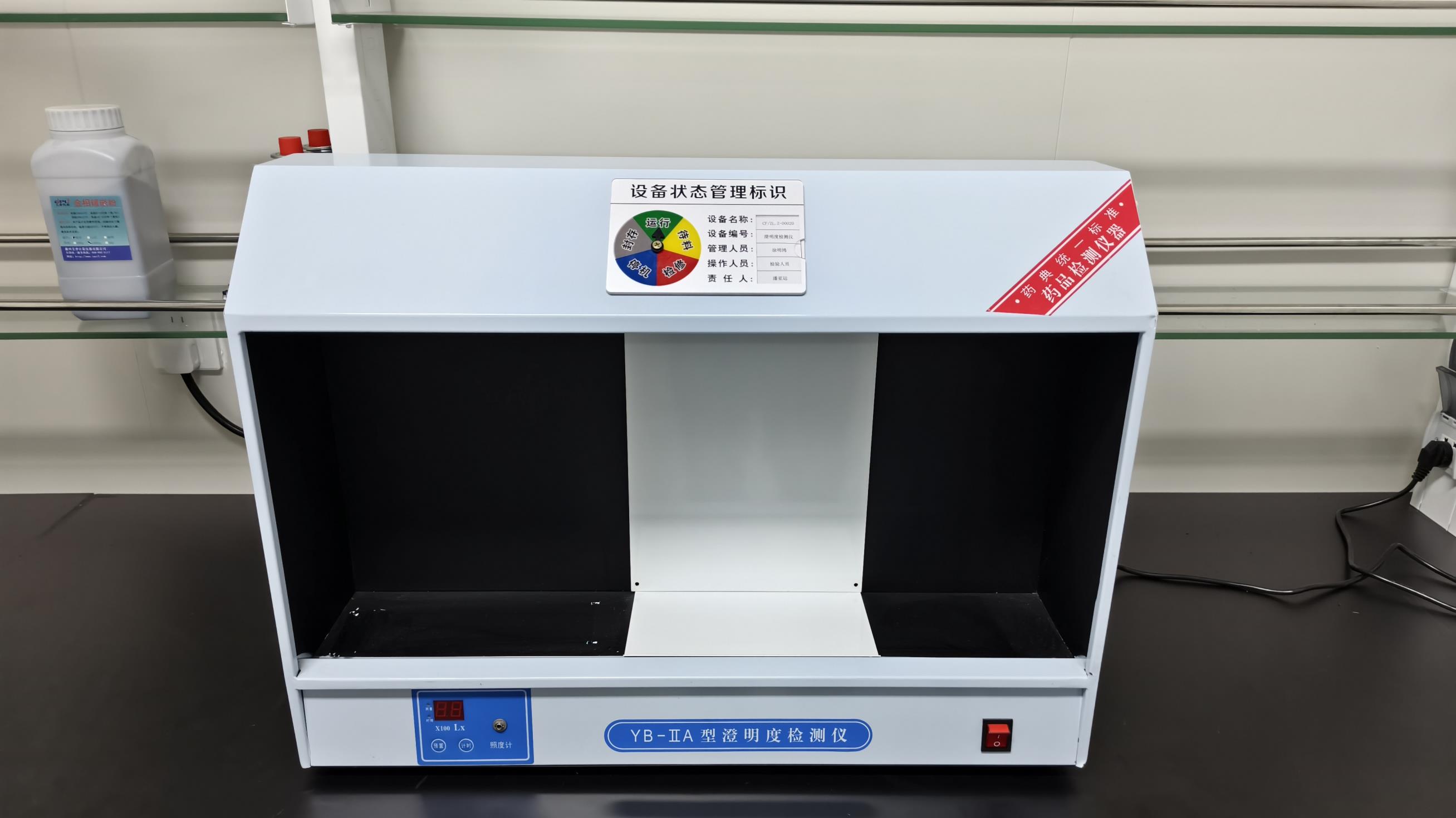
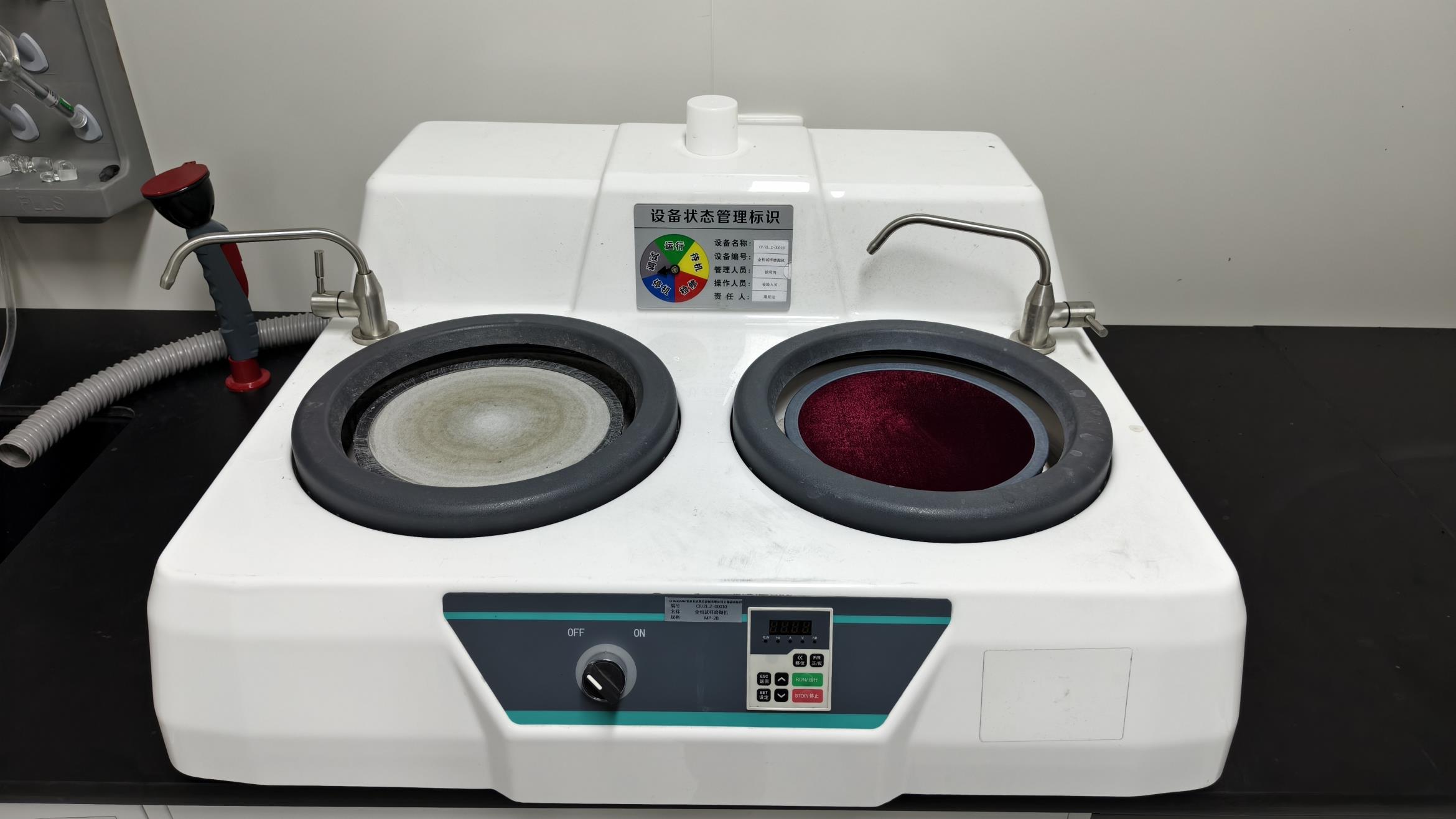
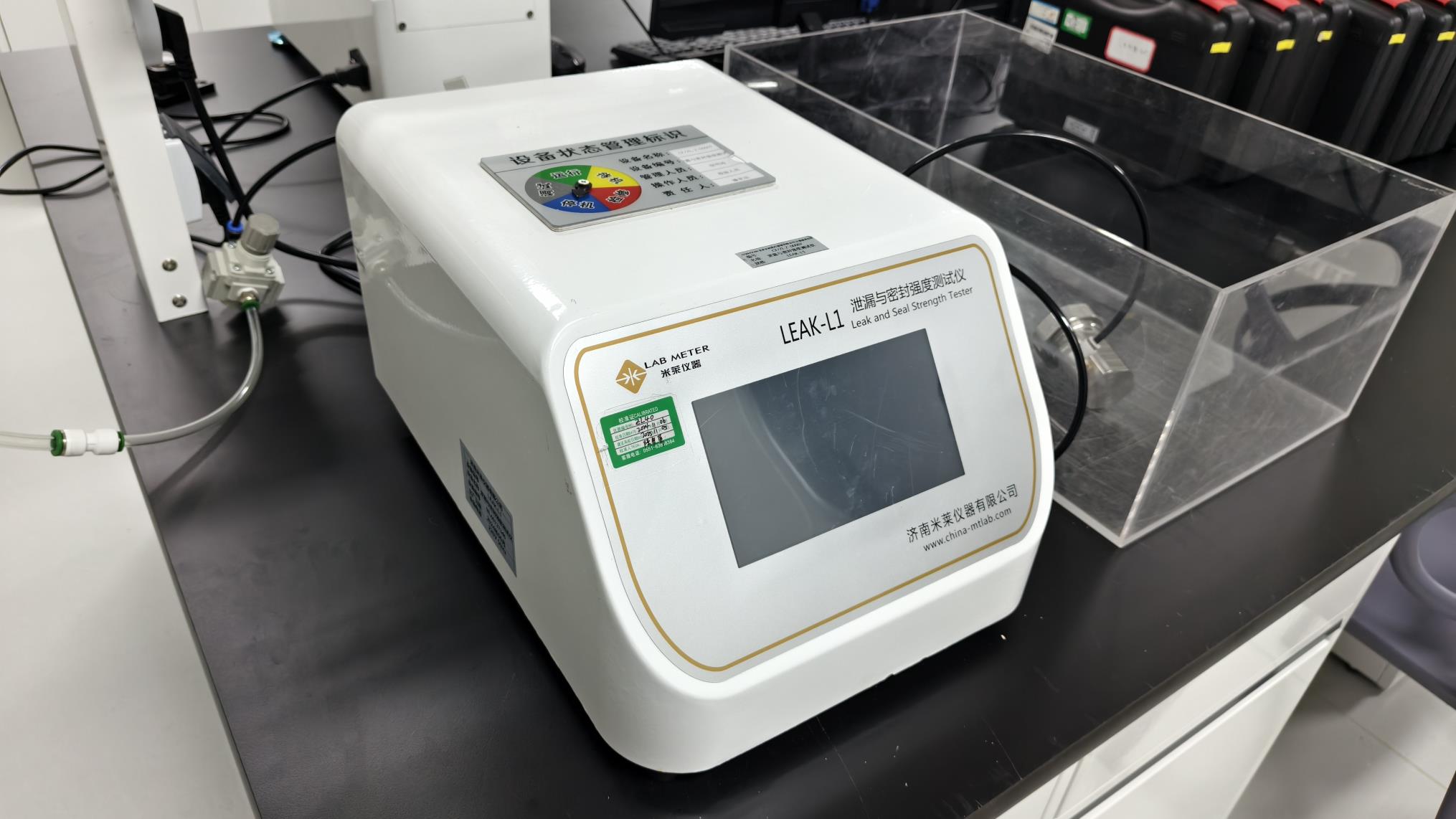
Clinical needs vary by region. For instance, the average anatomical curvature of the East Asian femur is often shorter with a tighter anterior sweep compared to Western populations. Inserting an implant designed for Western anatomy can lead to anterior cortical impingement or distal alignment challenges.
Zynfuse addresses this through our dedicated OEM/ODM services. Backed by 85 R&D engineers, we develop bespoke implant dimensions, modify dynamic locking geometries, and optimize instrument sets to match specific regional anatomical data. We launch over 320 new products annually, demonstrating our ability to rapidly adapt to emerging clinical trends.
We provide full documentation to streamline your import processes:
Answers to technical and commercial questions from healthcare procurement officers and medical device distributors.
We construct our femoral intramedullary nails using Medical Grade Titanium Alloy (Ti-6Al-4V ELI) in strict compliance with ASTM F136 and ISO 5832-3 standards. This material is chosen for its superior biocompatibility, high fatigue strength, and low elastic modulus, which helps minimize stress-shielding effects on cortical bone.
Every product line undergoes mechanical testing, including static and dynamic fatigue tests conducted in our ISO-compliant laboratory. Testing is carried out on our high-precision tensile testing machines to simulate millions of walking cycles, verifying structural integrity and durability before clinical deployment.
Yes. Our R&D division adapts implant geometry to suit various populations. We adjust parameters such as the ROC, proximal diameter, and distal tip taper to prevent anterior cortex impingement and ensure a better anatomical fit for different markets.
We use Type II anodization for our titanium implants. This electrochemical surface treatment enhances wear resistance, reduces friction during insertion, minimizes fretting corrosion at the contact interface with locking screws, and provides a biocompatible oxide barrier.
We offer both options. Non-sterile implants are cleaned and prepared for steam autoclave sterilization at hospitals. Sterile implants are packaged in ISO Class 8 cleanrooms using medical-grade Tyvek packaging, validated for sterile barrier maintenance.
Raw material bar stock undergoes testing before entering production. We run optical emission spectrometers to verify chemical composition, ultrasonic testing to check for micro-cracks, and hardness testers to confirm tensile integrity.
MOQ varies based on design complexity and size ranges. Standard modifications to existing tooling have lower thresholds, while entirely new implant geometries require minimum volumes to cover engineering setups and regulatory testing.
Yes. We provide complete dossier documentation, including ISO 13485 certification, CE technical files, material safety data sheets, and clinical evaluation literature to support registration with local health authorities.
We utilize automated multi-stage ultrasonic cleaning systems using deionized water. Cleanliness is confirmed with clarity detectors and particulate analysis to guarantee implants are free of manufacturing oils and residues before packaging.
Standard components usually ship within 30 to 45 days of order confirmation. Custom OEM projects, which require design confirmation, mechanical validation, and regulatory review, typically require a lead time of 60 to 90 days.
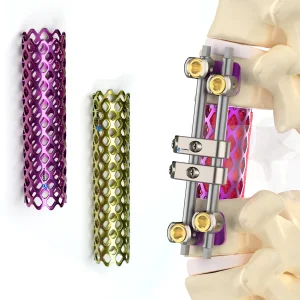
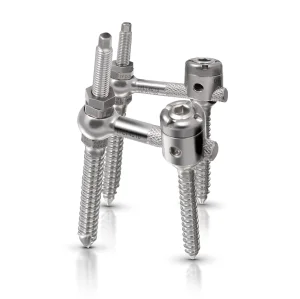
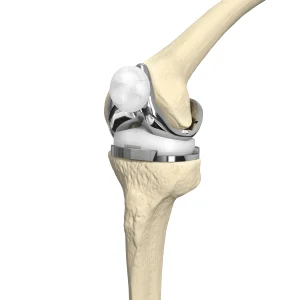
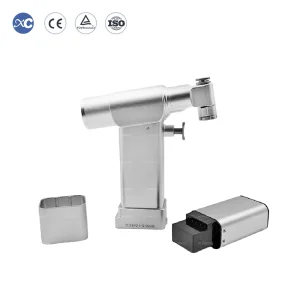
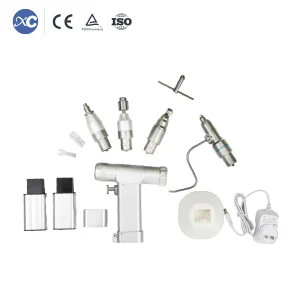
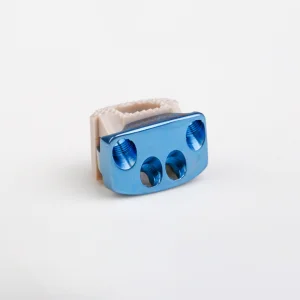
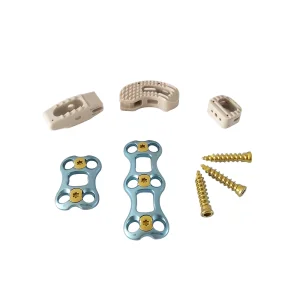
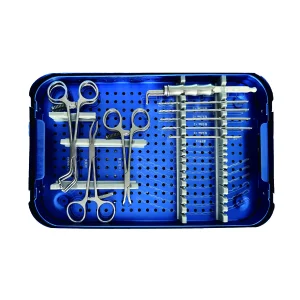
A diverse portfolio of orthopedic solutions, from minimally invasive spinal fixation kits to specialized trauma instruments.