Zynfuse
Zynfuse
Zynfuse
High-performance surgical screws, instrument sets, and fixators utilized in complex orthopedic trauma cases worldwide.
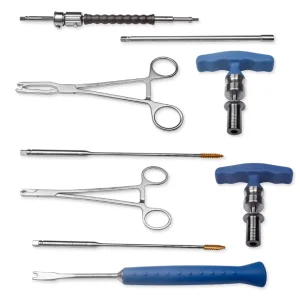
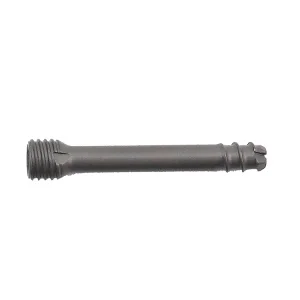
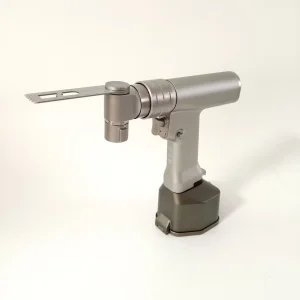
A Whitepaper on Structural Integrity, Advanced Metallurgy, and Regulatory Directives for Global Procurement Teams
External fixation systems have evolved far beyond the basic pins-and-rods constructs of the early 20th century. Modern reconstructive surgery and complex trauma management demand systems that deliver a delicate balance between mechanical stability and load sharing. For orthopaedic surgical departments, selecting the optimal system means addressing critical complications such as pin-tract infection, mechanical loosening, and malunion.
Our external fixator solutions leverage advanced mechanotransduction research. By introducing controlled micro-motion (axial dynamization), these systems actively promote osteogenesis and callus formation. High-strength materials and specialized coatings reduce the physical profile of the frame, ensuring patient comfort without compromising alignment integrity.
The materials employed in our manufacturing processes determine clinical safety and diagnostic clarity. We utilize biocompatible Titanium Alloy (Ti-6Al-4V) and radiolucent carbon fiber composites. The mechanical advantages of these configurations include:
Why top-tier global medical brands select Chinese manufacturers for high-precision OEM/ODM production.
The localization of aerospace-grade titanium purification and carbon-fiber processing within China provides raw-material cost insulation. Combined with robust local logistics, we maintain stable pricing models for complex surgical implants even during global supply chain fluctuations.
Chinese medical device factories employ state-of-the-art multi-axis Swiss-type lathes and CNC milling stations. This enables sub-micron precision for features like self-tapping threads on pins, snap-lock mechanisms on clamps, and serrated anti-slip locking teeth.
Under strict regulatory shifts (such as the EU MDR and FDA Quality System Regulation), Chinese manufacturers have invested heavily in testing facilities. This includes ISO class 7 cleanrooms, automated visual inspection systems, and advanced fatigue testing arrays.
A Leading Industrial Hub for Orthopedic Innovations and High-Precision Trauma Implants
Established in 2016, Zynfuse Medical Technology Co., Ltd. has developed a strong reputation in the global orthopedic sector. Leveraging over 12 years of industry experience and 7 years of export experience, we operate as a dedicated manufacturing and development partner. Our global distribution network services hospitals, medical distributors, and surgical centers across North America, Europe, Southeast Asia, and the Middle East.
Our operations span a modern 18,600 m² manufacturing facility configured with dedicated lines for machining, polishing, surface treatment, sterile packaging, and quality verification. Through these facilities, we maintain stable production capacity, supporting an annual export revenue of approximately $18.5 million and providing solutions to over 1,200 global partners.
At Zynfuse, clinical challenges drive engineering solutions. Our R&D team consists of 85 dedicated engineers who collaborate with orthopedic surgeons and clinical biomechanists. This infrastructure allows us to introduce approximately 320 new products annually, maintaining a dynamic portfolio of anatomical plates, intramedullary nails, and external fixation hardware.
We provide comprehensive OEM and ODM support, including:
A detailed look at our quality-controlled production sequence, from raw stock to finished sterile implant.
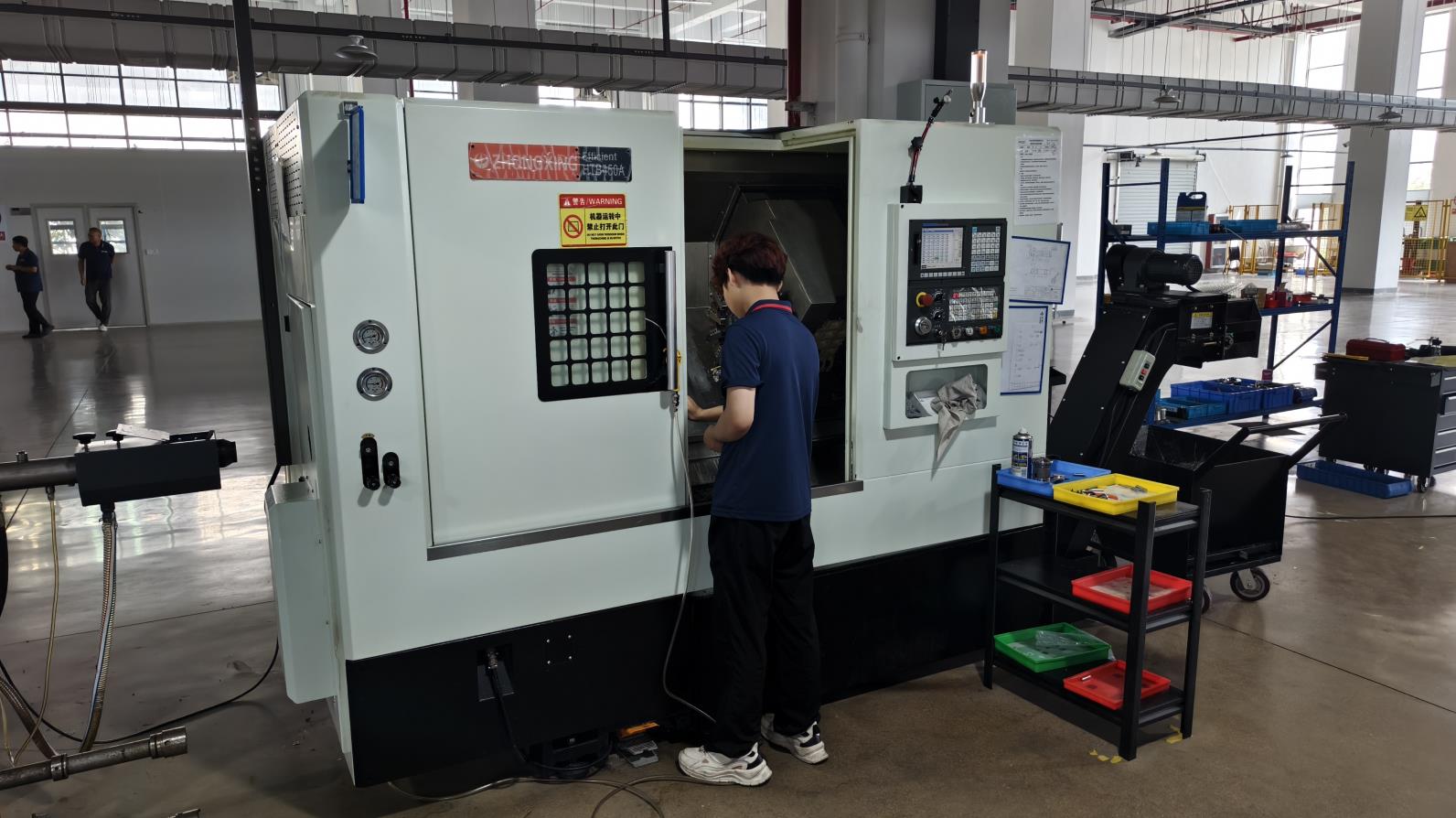
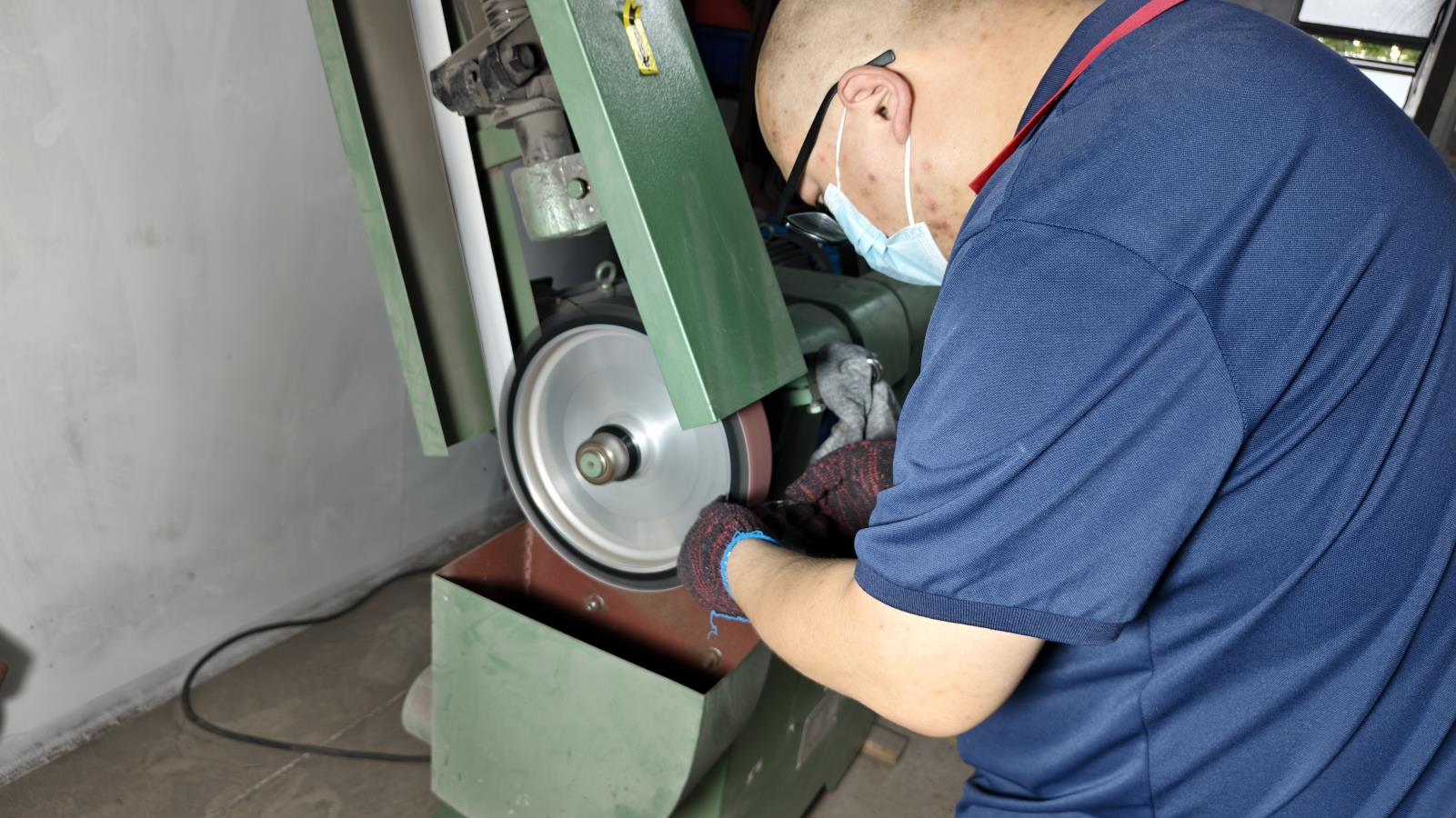
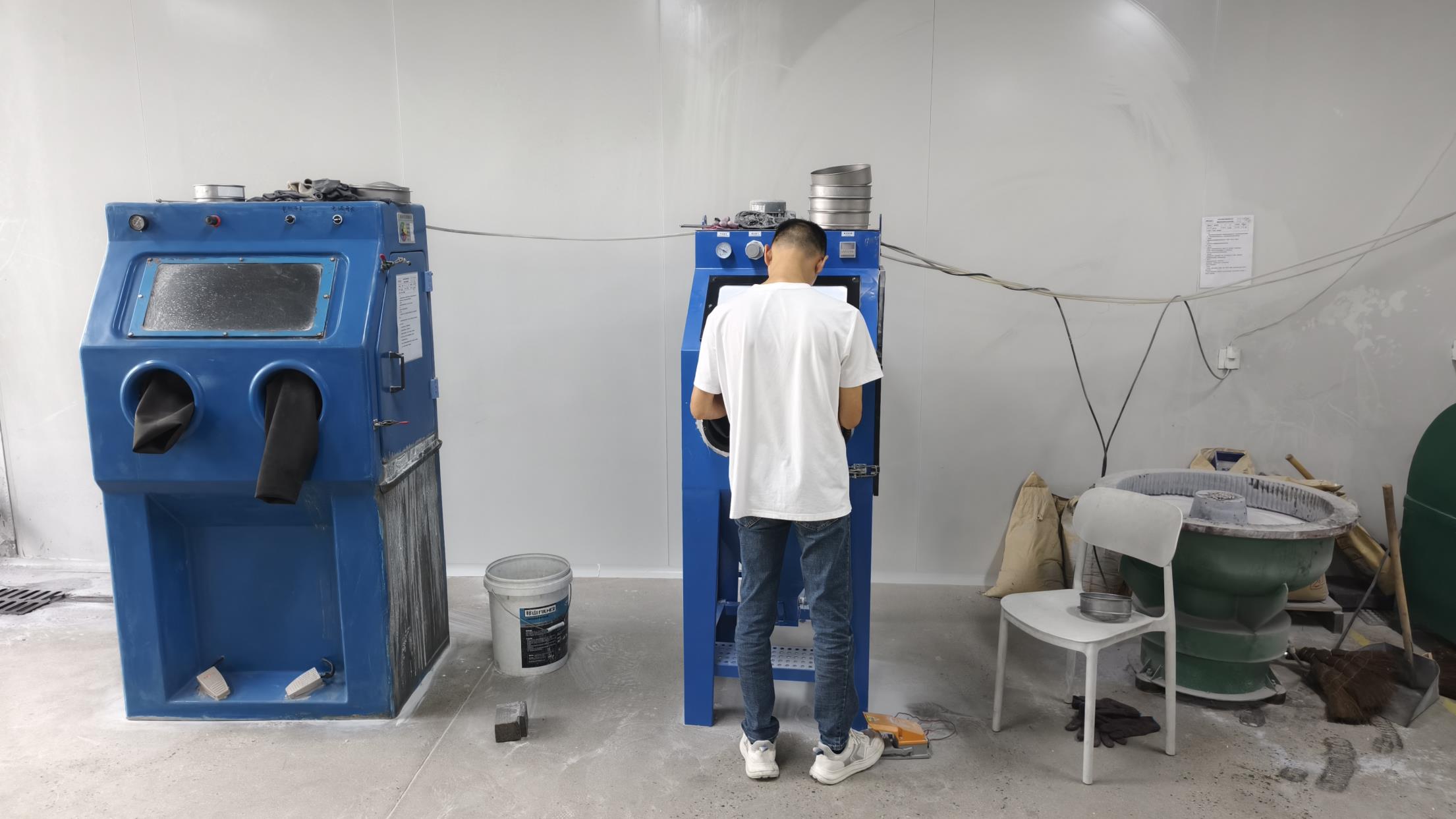
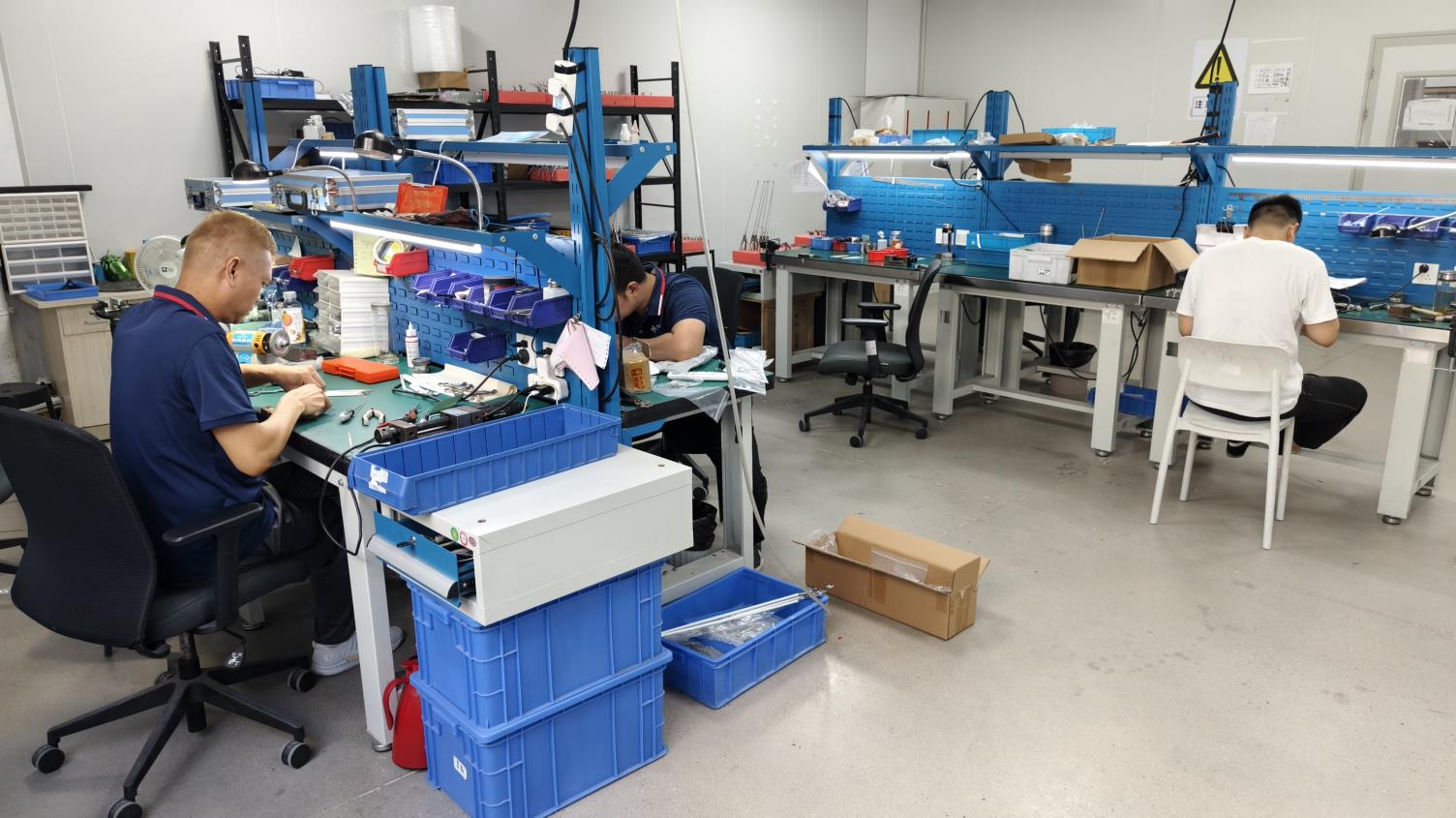
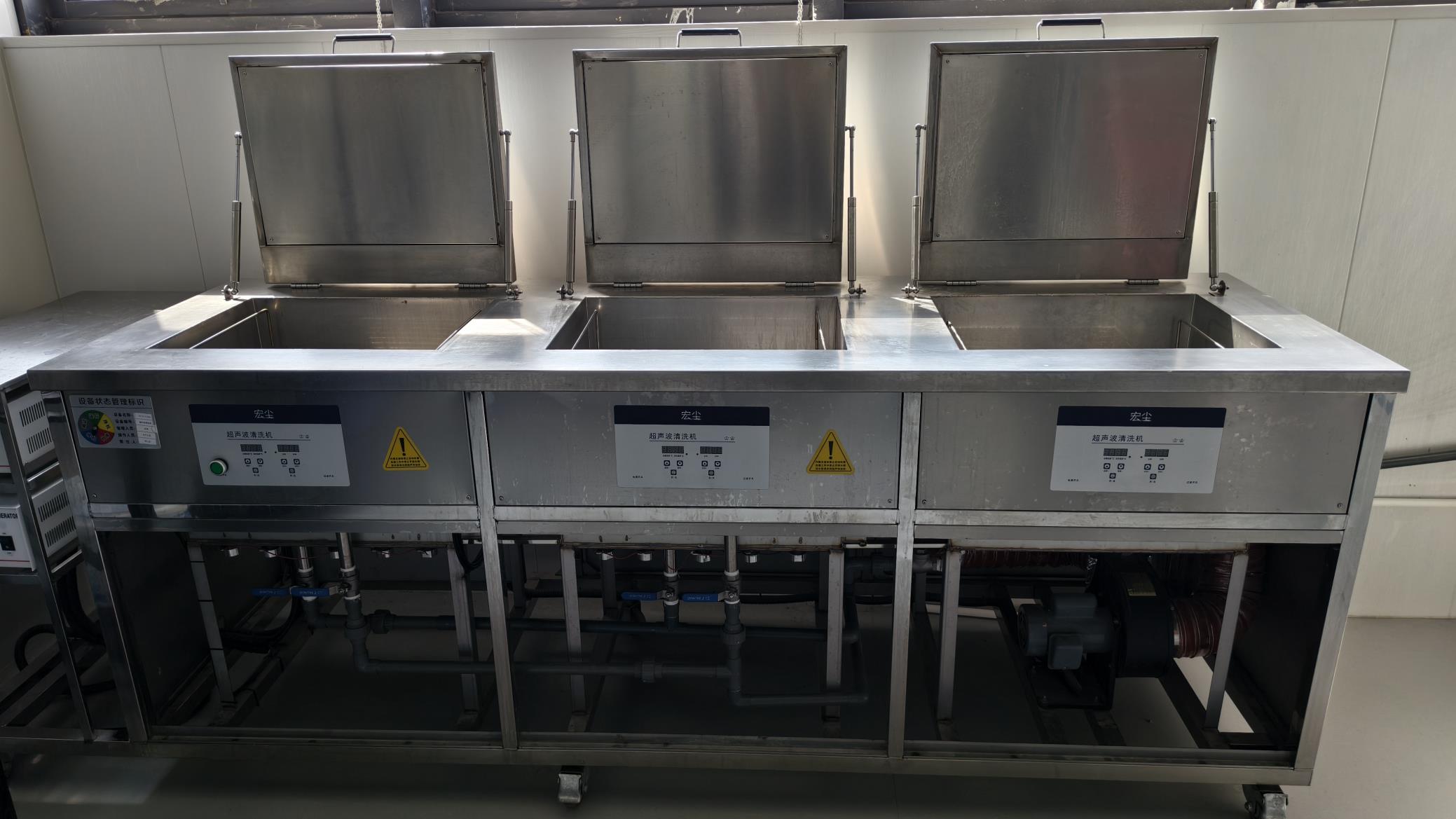
Our orthopedic products are manufactured under structured protocols. The raw material, sourced from verified medical-grade suppliers, is first cut into working segments. Multi-axis CNC machining centers translate CAD/CAM designs into precise physical components, which then undergo meticulous manual and mechanical polishing to reduce surface roughness and eliminate micro-fracture propagation points.
The components are processed with chemical anodization or passivation to construct a bio-inert surface oxide layer. This step helps prevent heavy metal ion release and enhances biocompatibility. Following sub-assembly inspection, all parts undergo ultrasonic cleaning cycles inside a controlled environment to eliminate particulate debris before packaging.
High-end industrial equipment that secures dimensional consistency and rapid manufacturing capabilities.
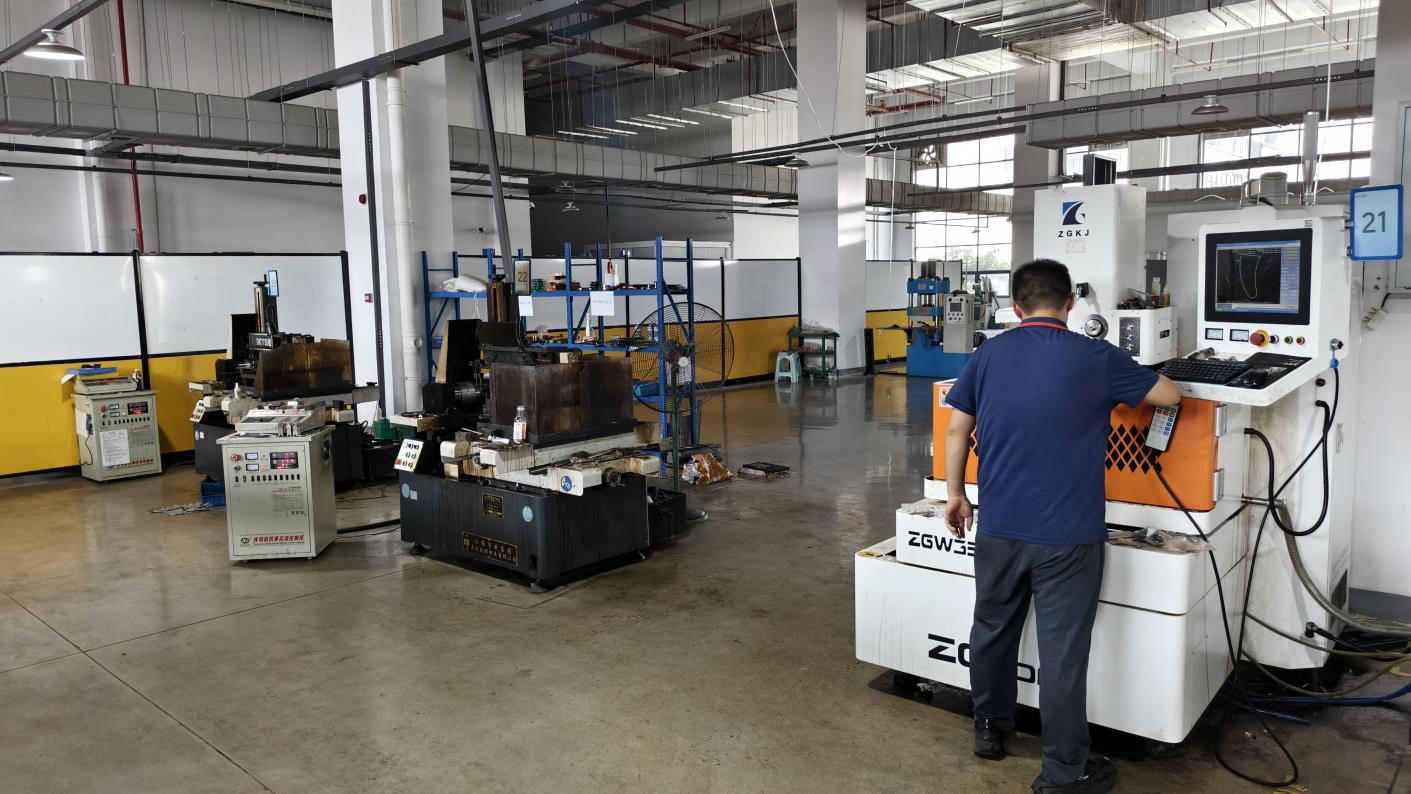
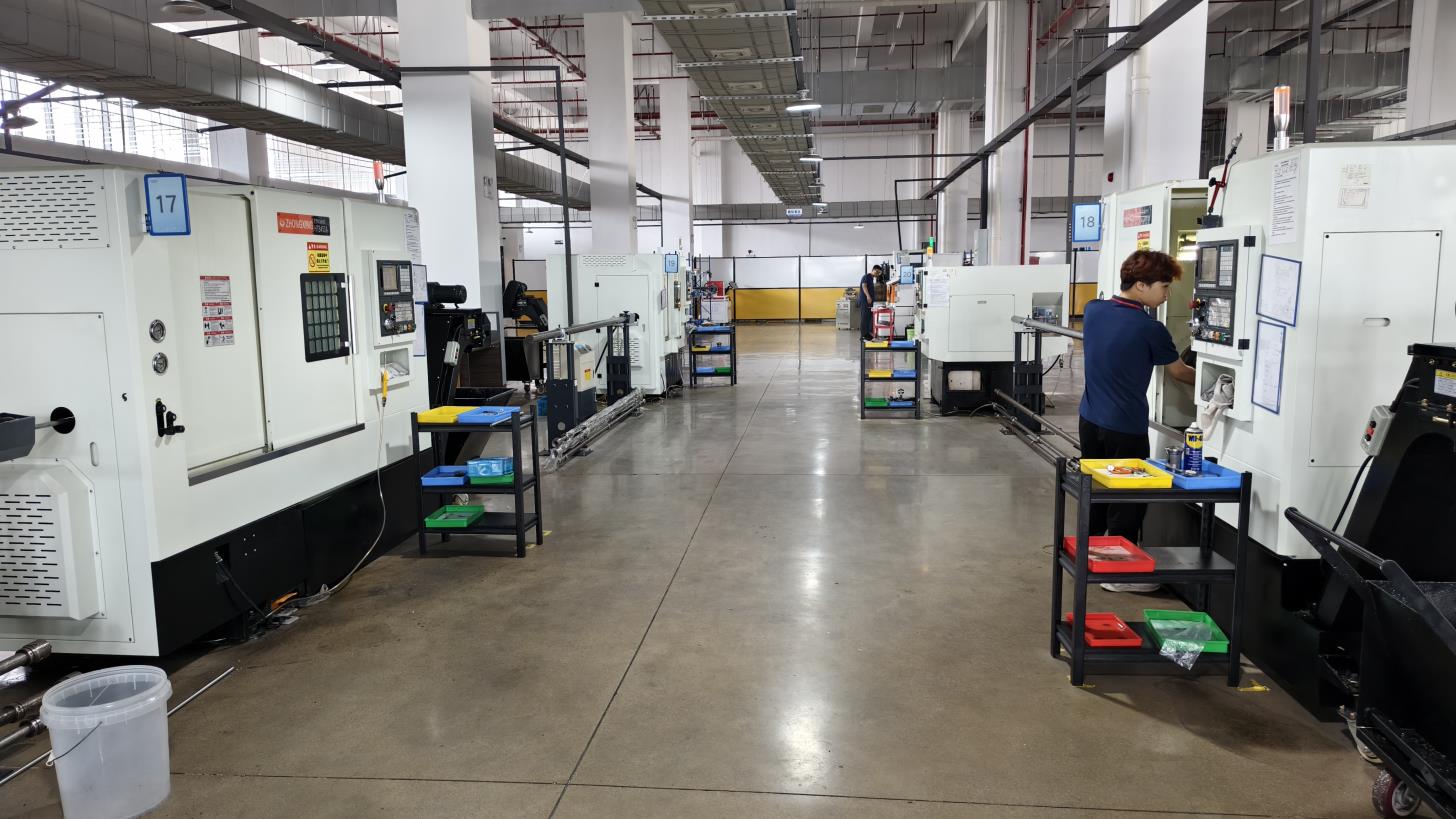
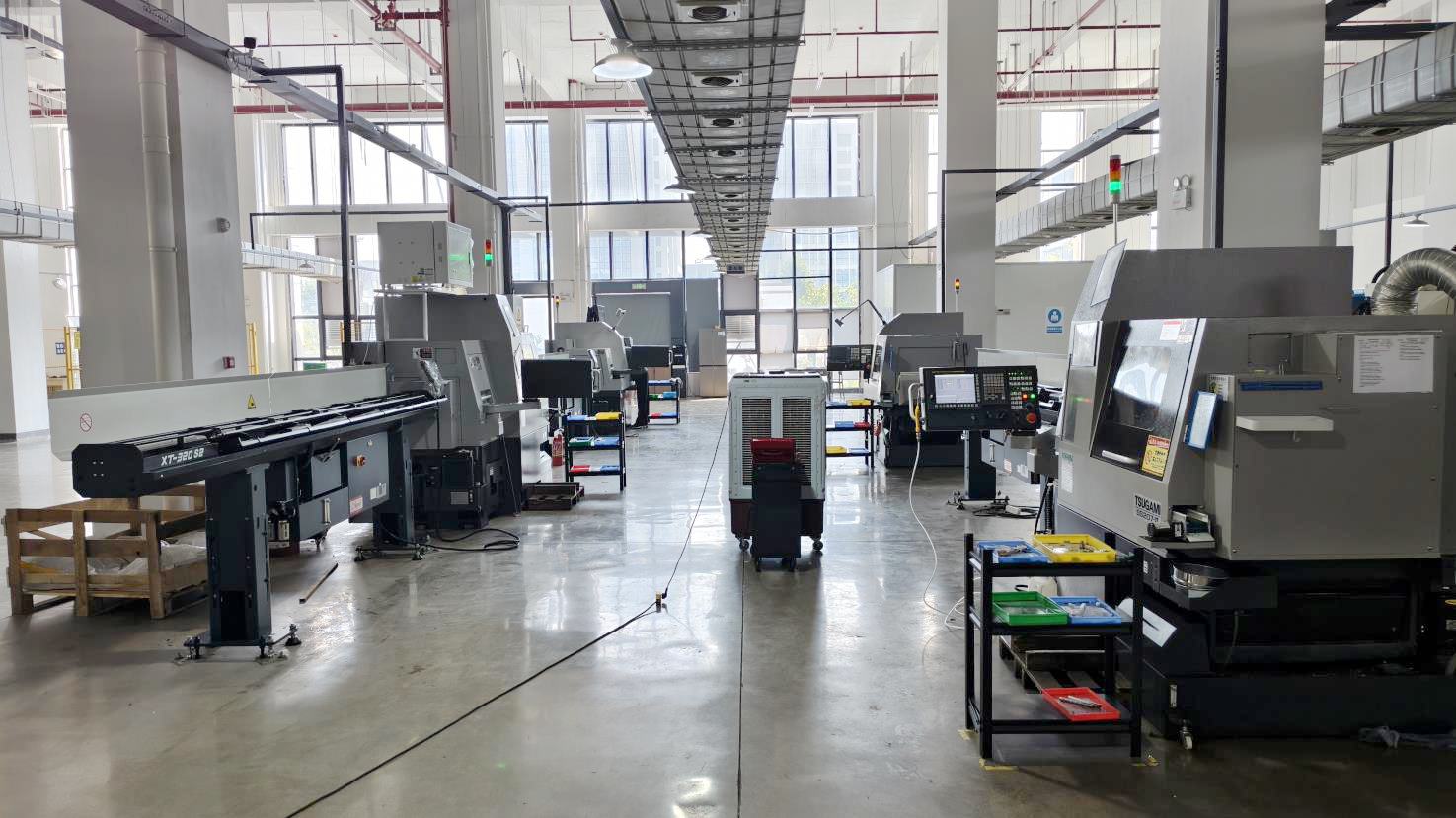
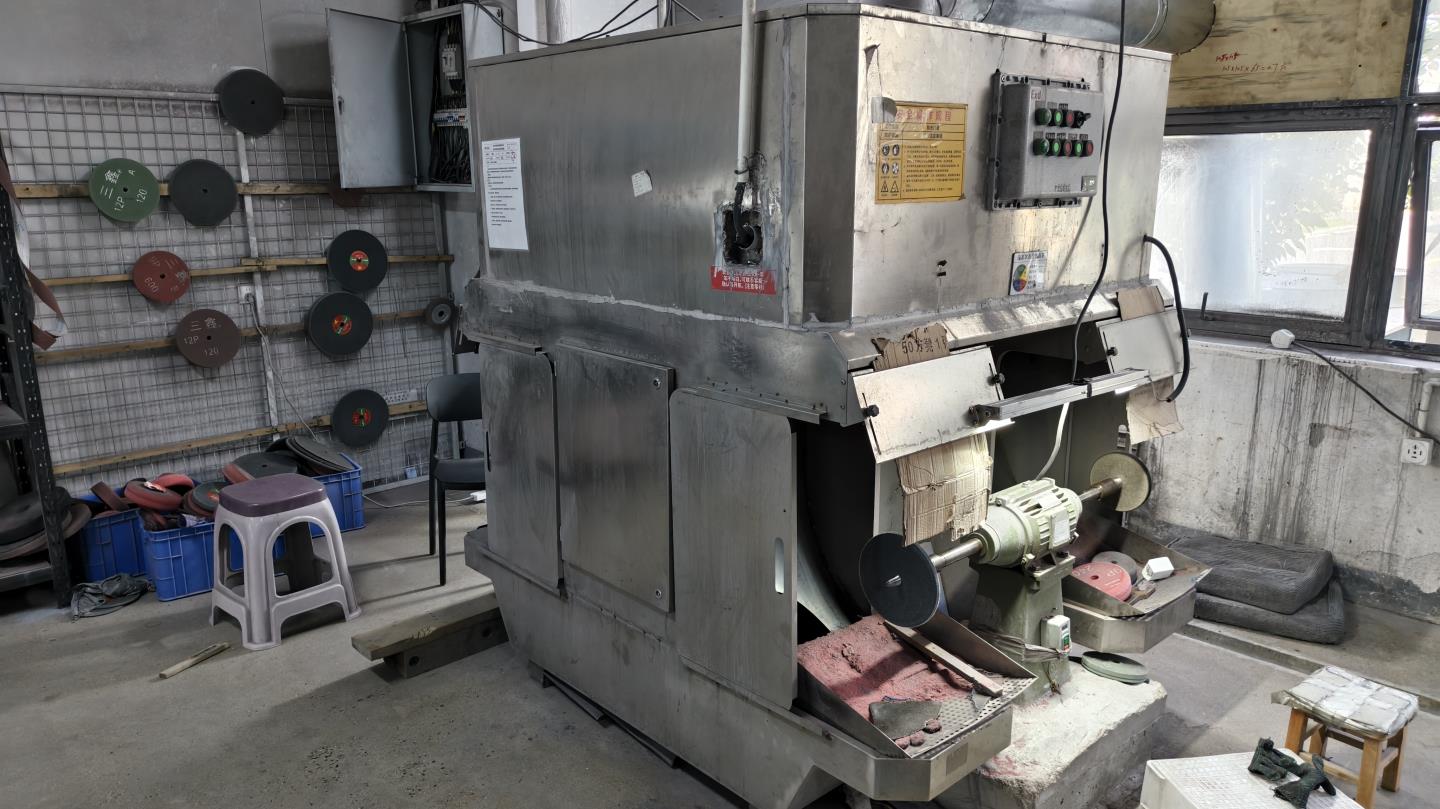
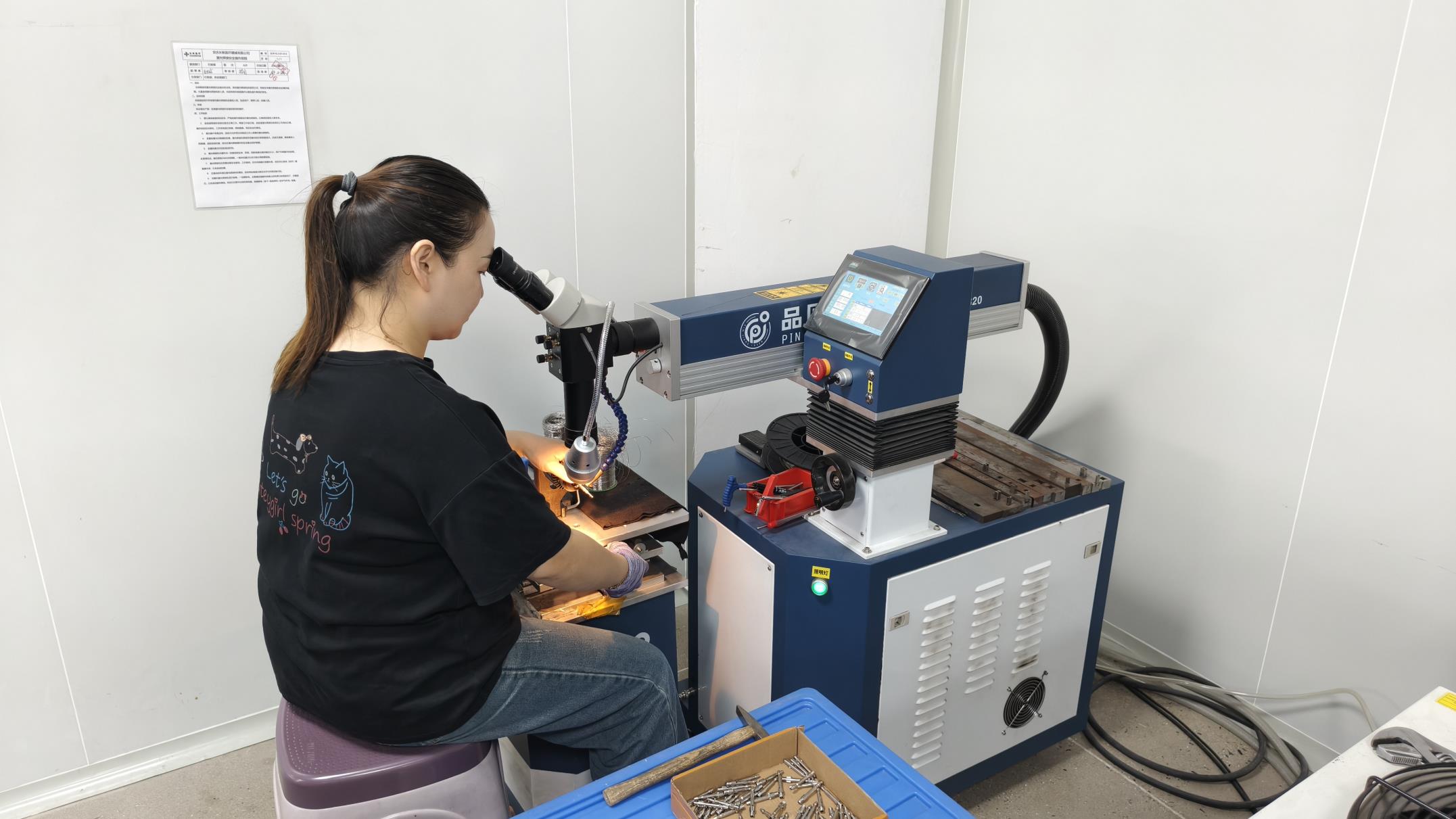
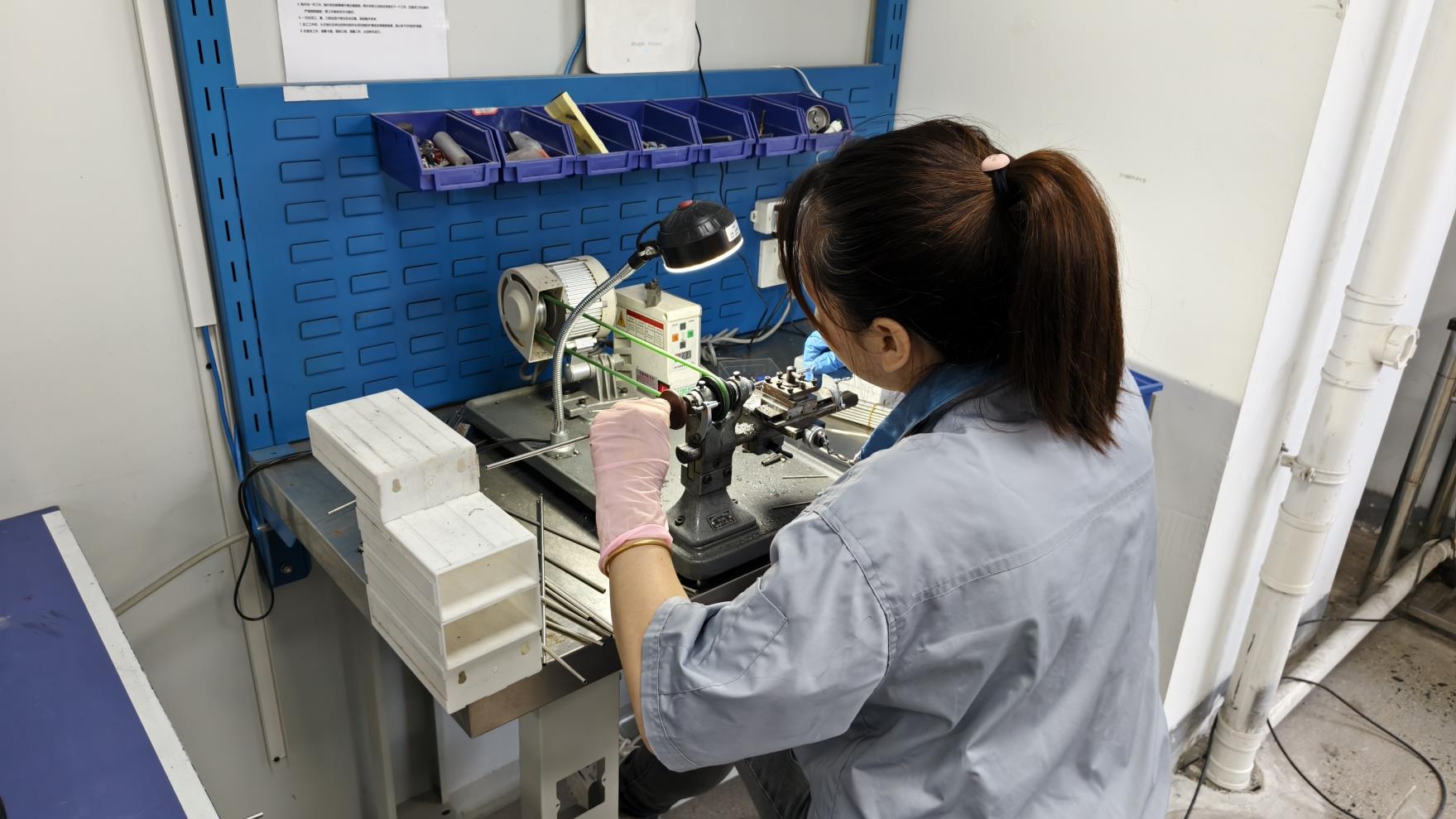
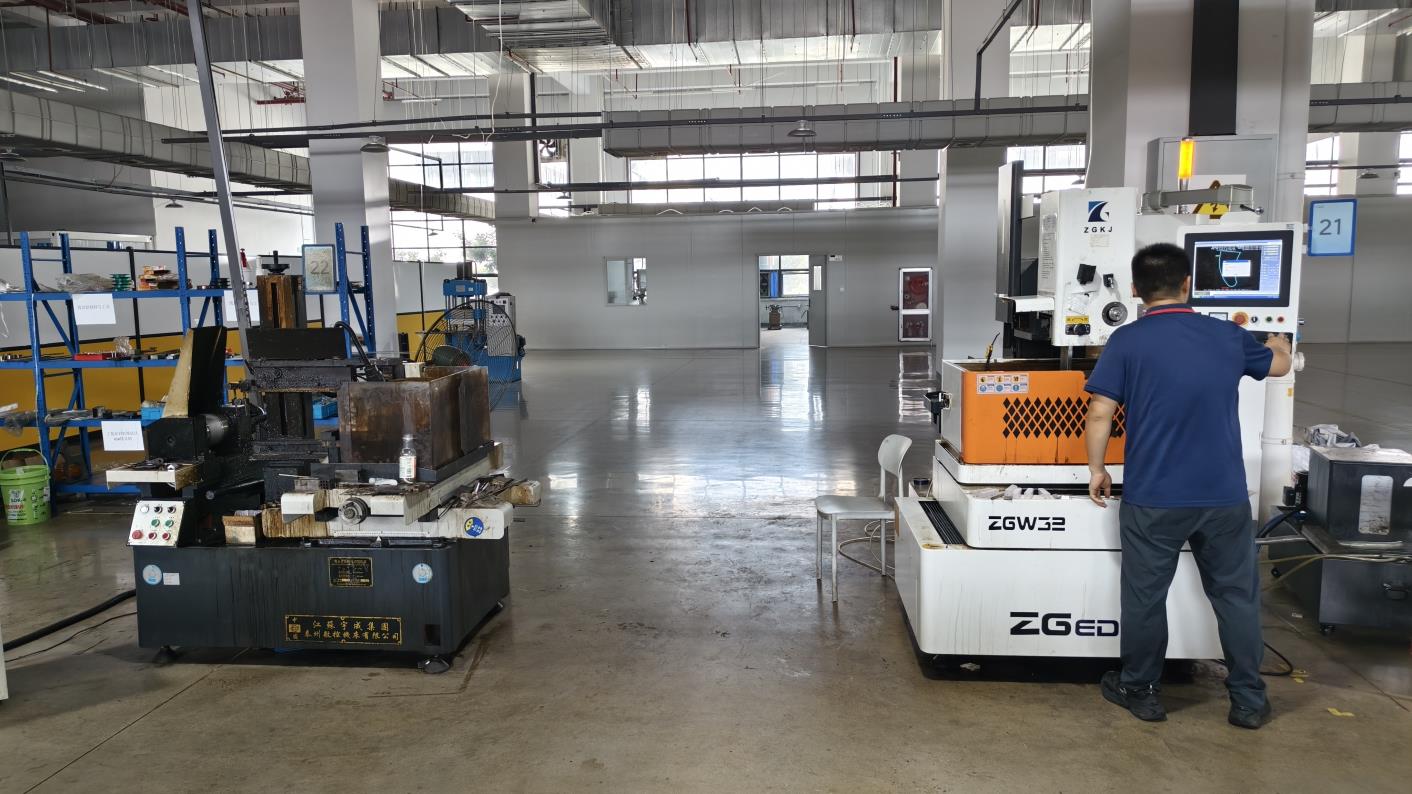
Our machining facility features specialized machinery configuations. Swiss-type high-precision CNC lathes execute simultaneous complex axial movements, enabling single-pass fabrication of thin pins, cannulated channels, and miniature screws. This setup avoids part repositioning errors and minimizes dimensional variation.
Advanced Wire Cutting systems and surface grinders cut complex profiles into components, like external fixator clamps and pelvic ring arches. Additionally, automated laser welding machines produce clean joints without introducing thermal deformation or structural changes in the surrounding metal.
How our 68 Quality Specialists use advanced analytical tools to ensure mechanical safety and biological compliance.
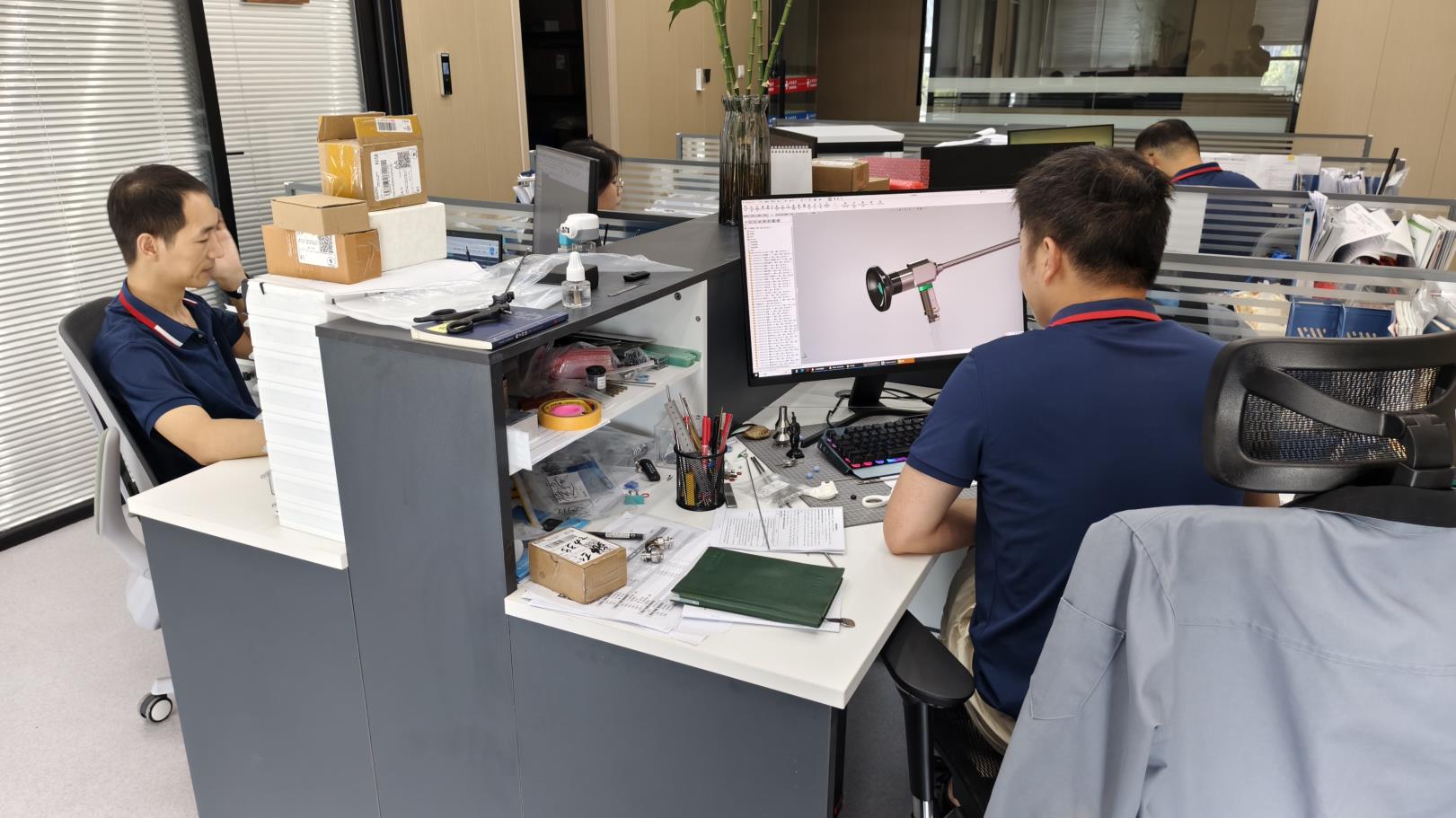
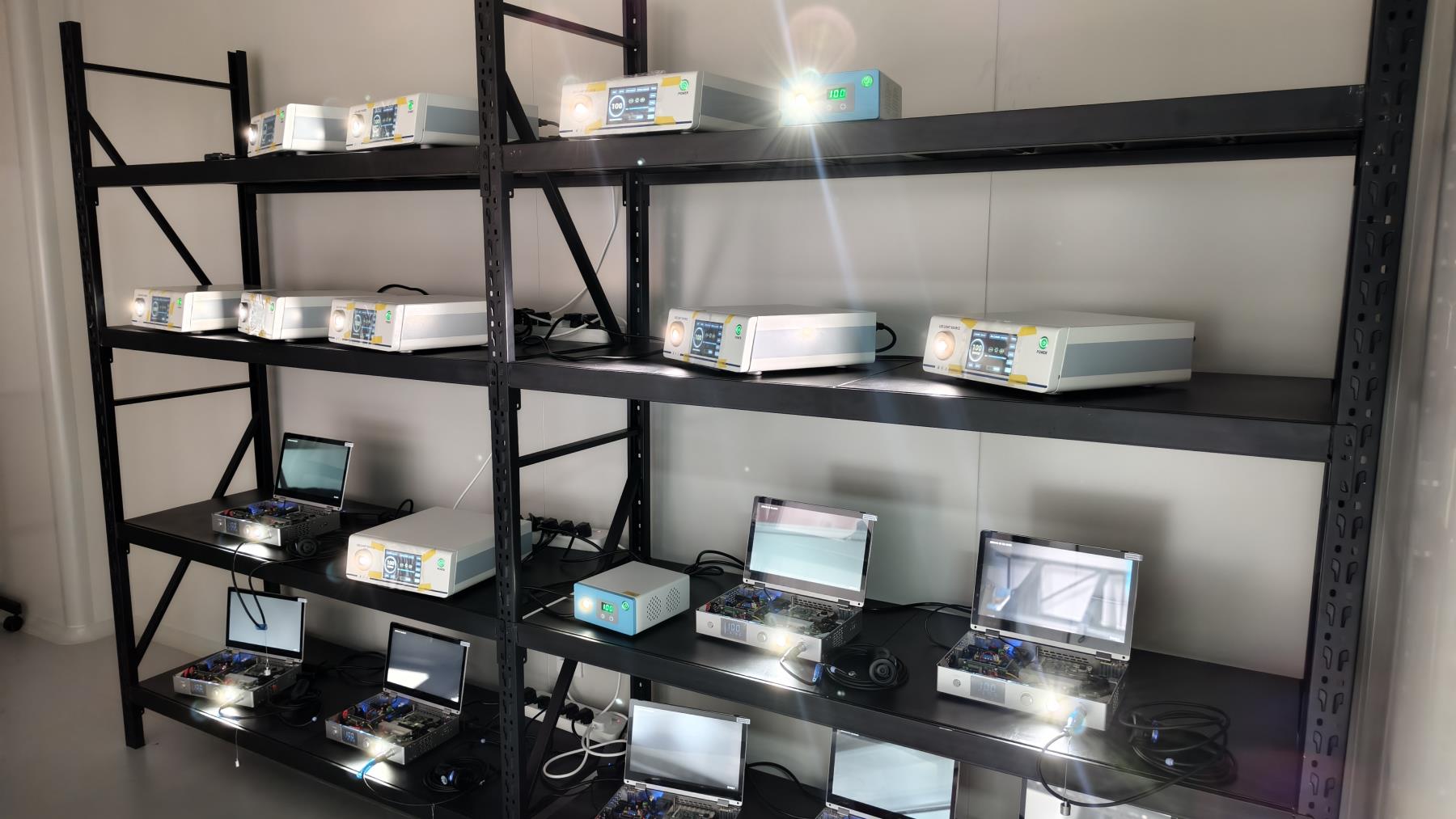
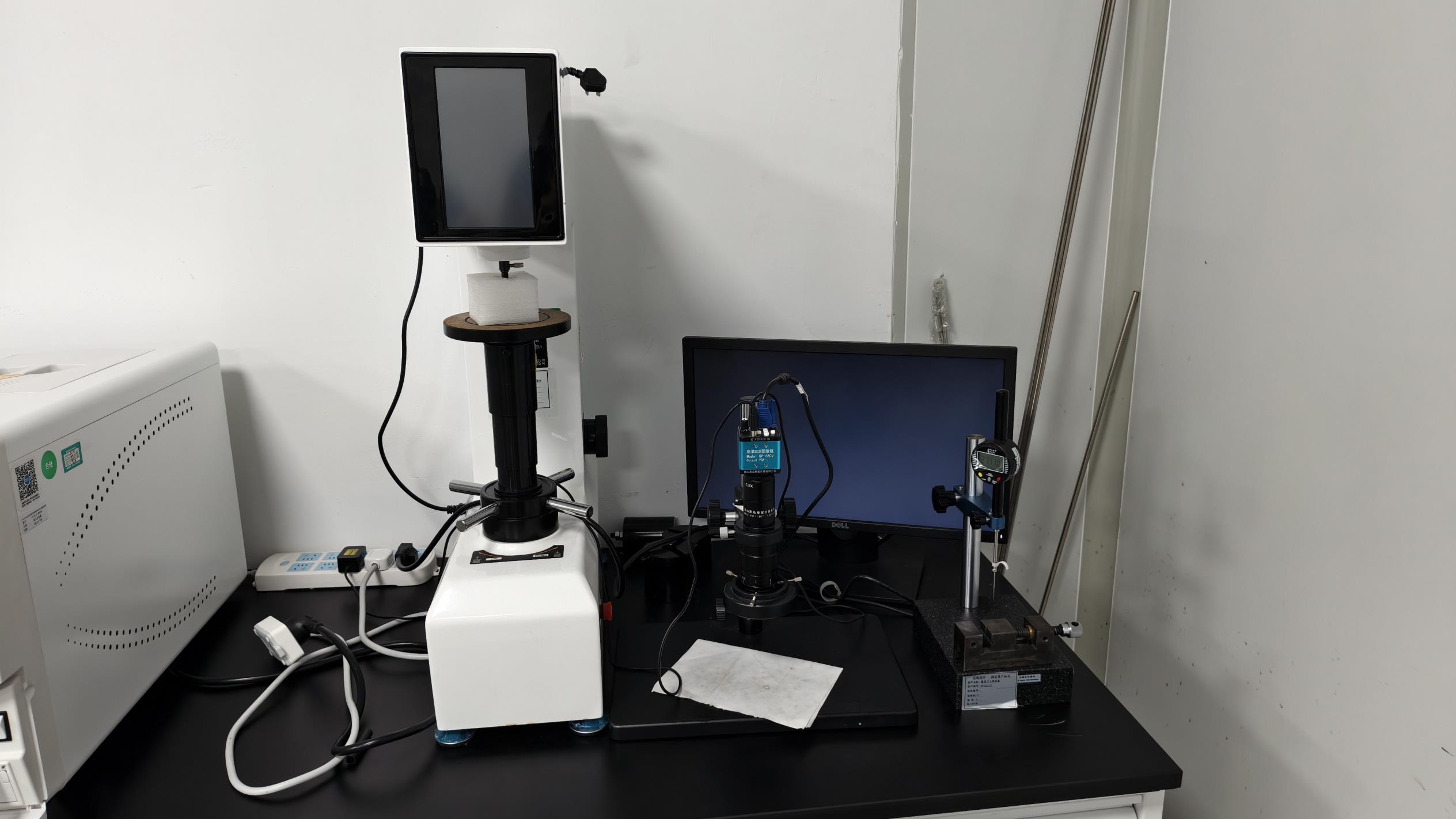
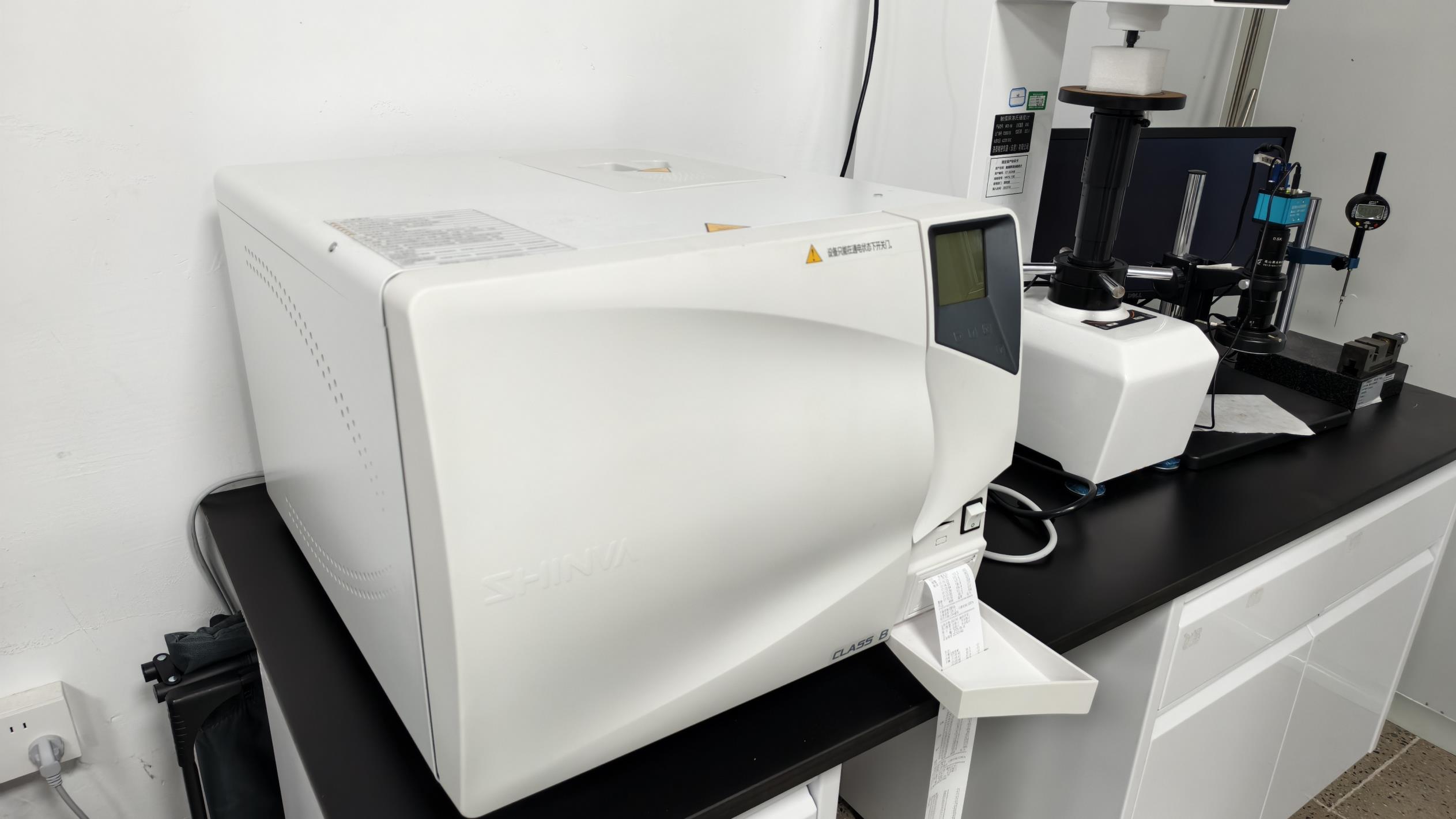
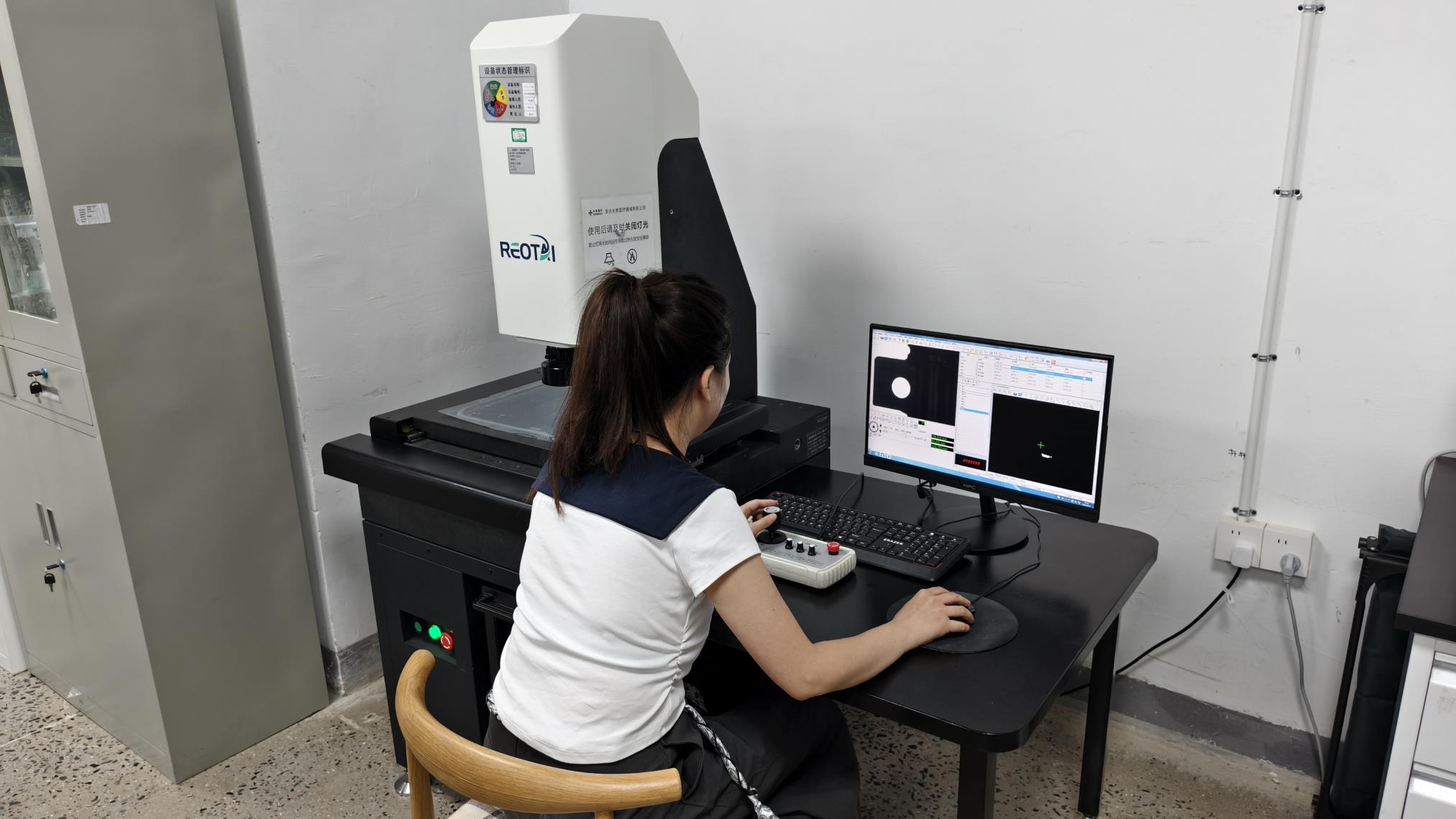
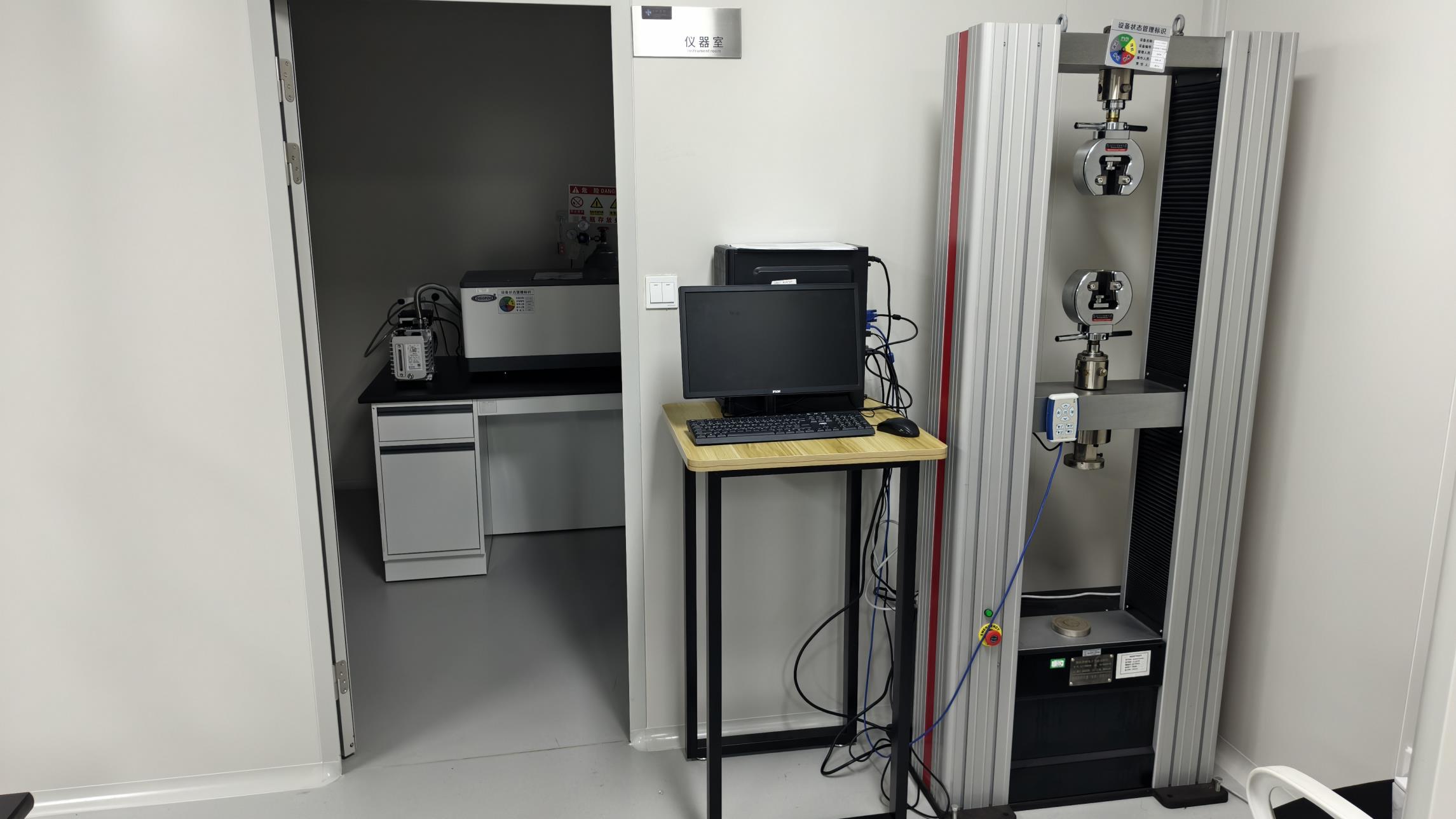
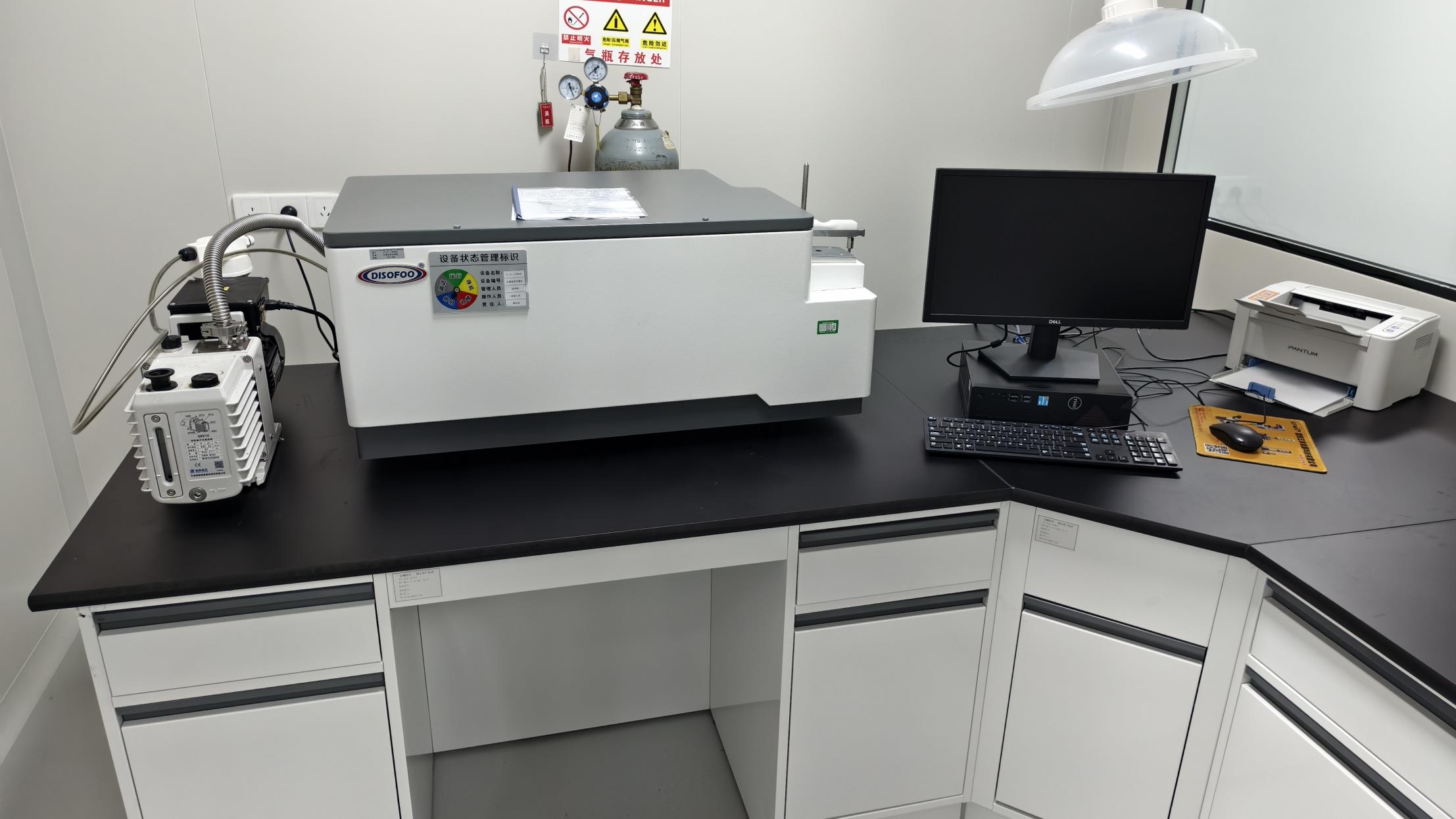
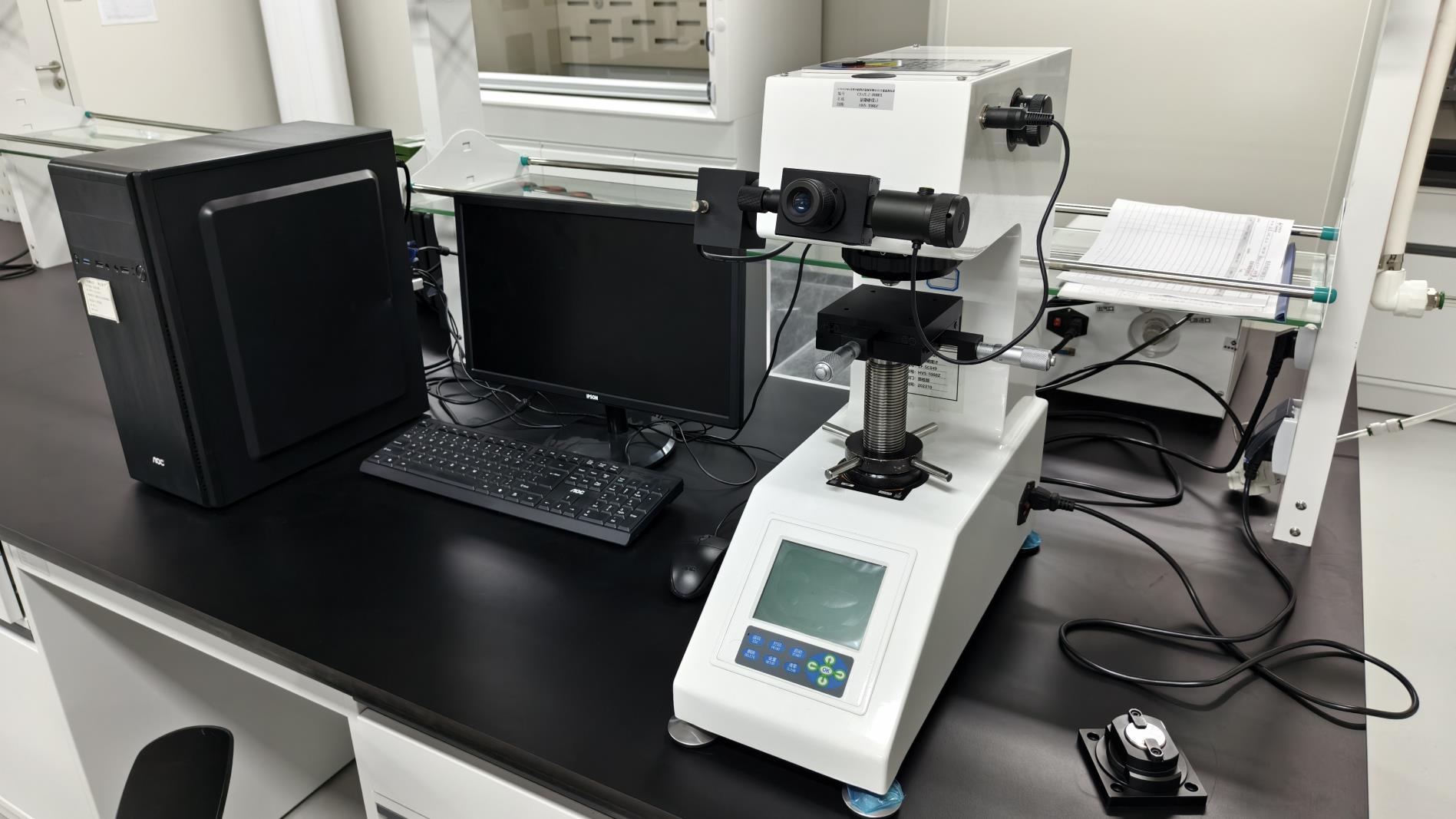
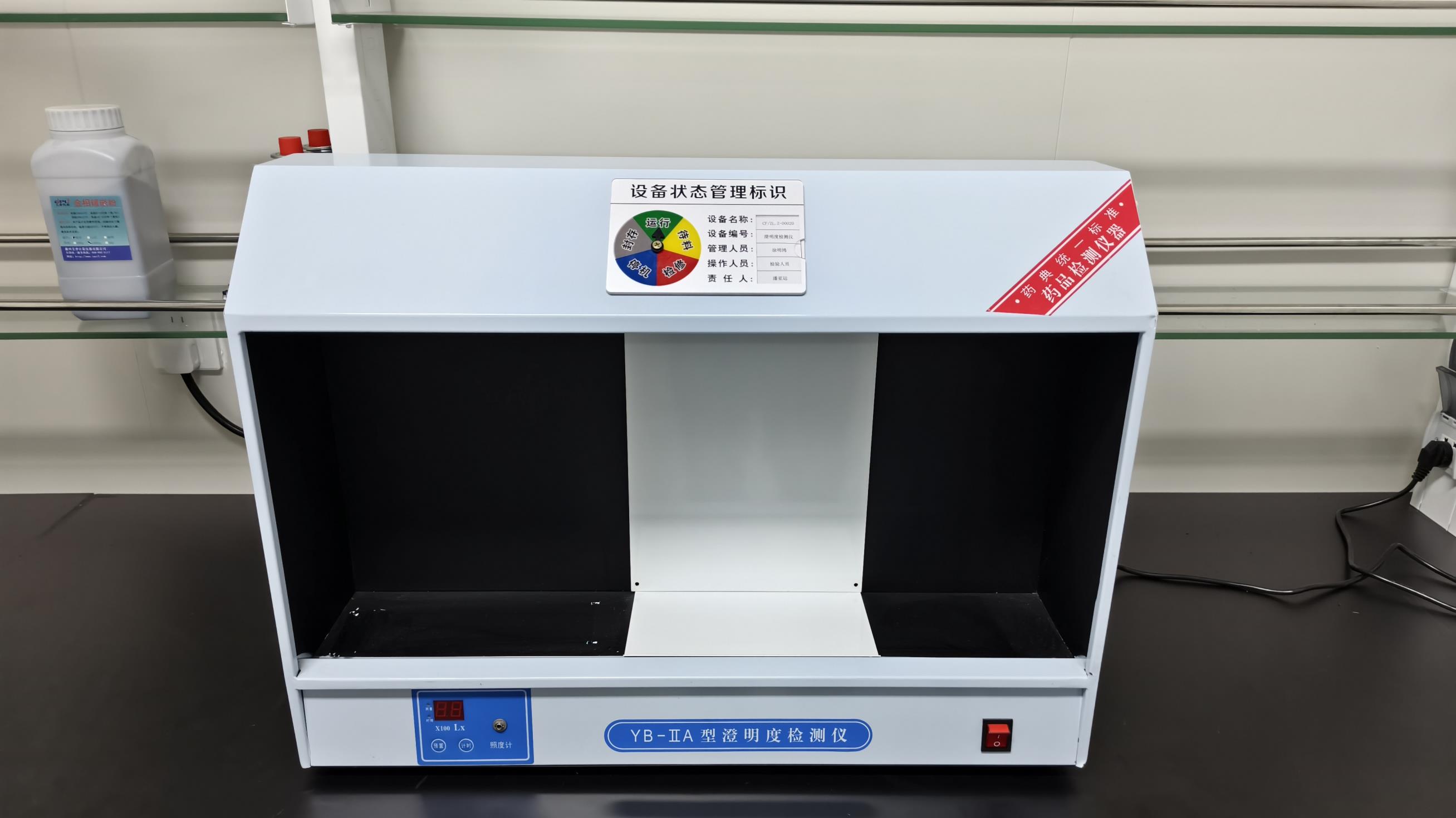
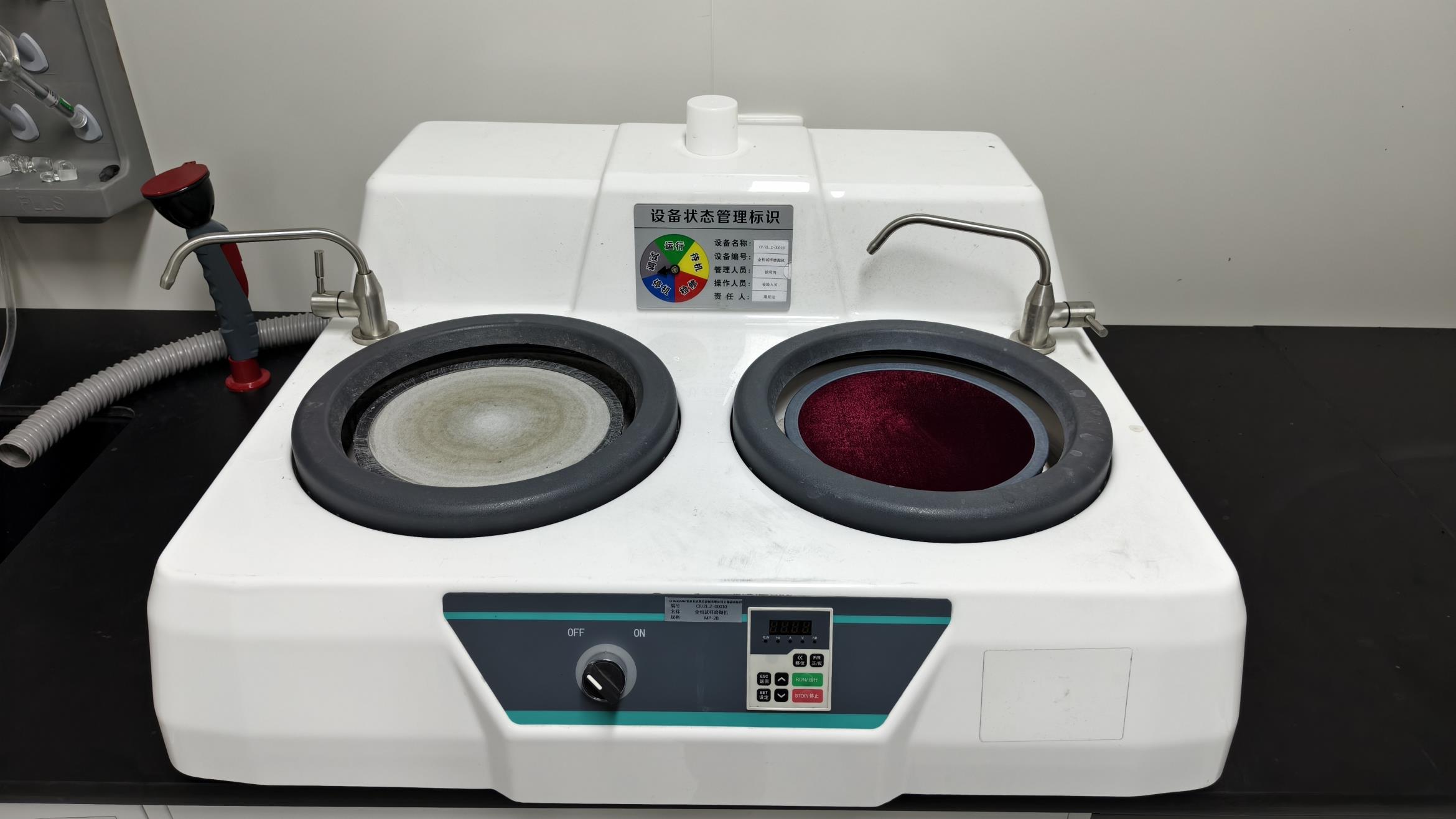
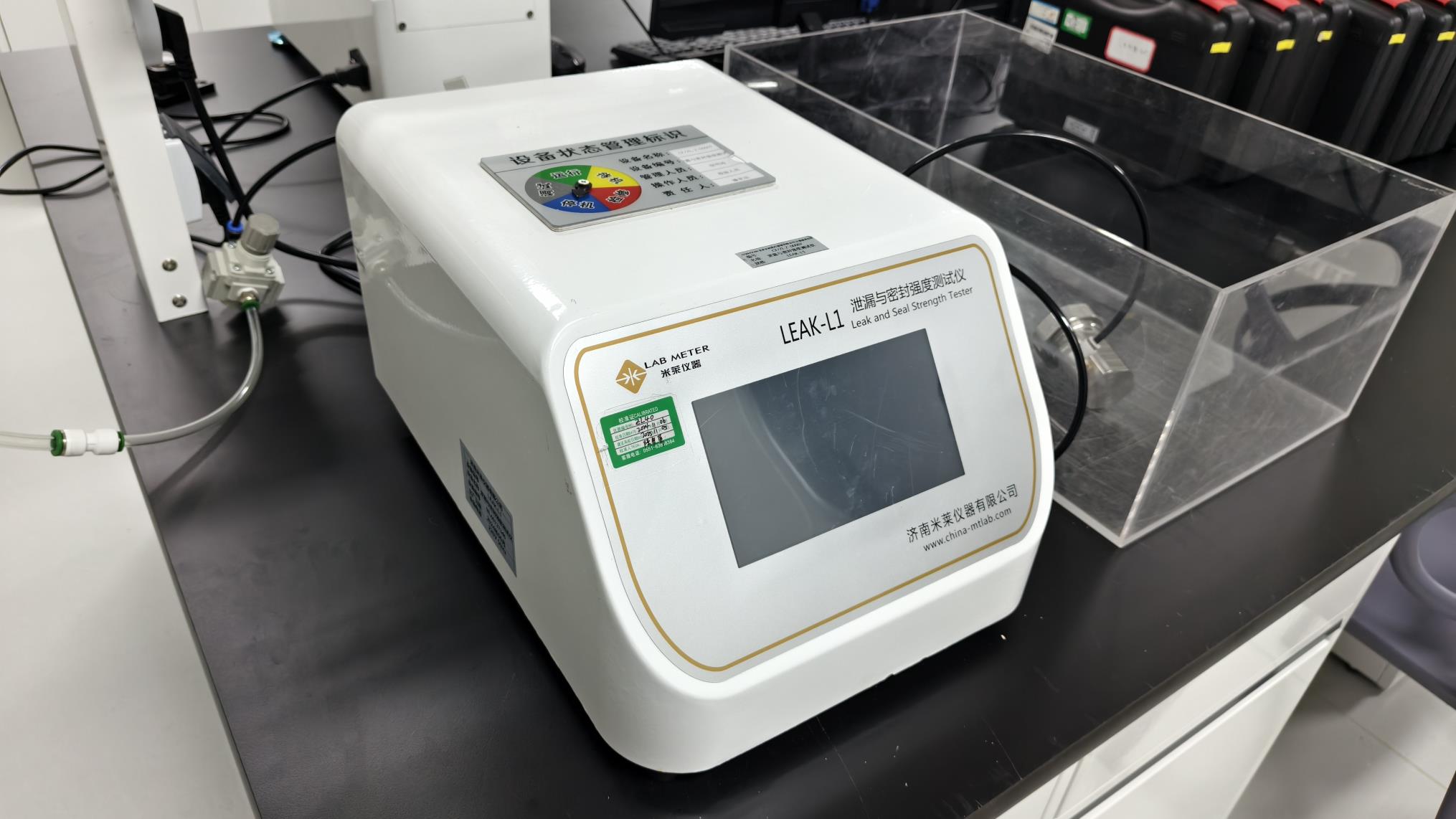
Quality verification is integrated into every phase of our manufacturing process. We operate under an ISO 13485-compliant quality management system, tracking every implant back to its source material batch. Our verification workflow utilizes several advanced analytical systems:
Addressing complex trauma, limb reconstruction, and orthopedic pathology across diverse clinical environments.
In polytrauma cases with compromised hemodynamic stability, prolonged internal fixation can trigger an inflammatory response, commonly referred to as the "second hit." Under these circumstances, our modular external fixation systems provide rapid skeletal stabilization. The modular clamps and rods allow for quick assembly, restoring gross alignment, stabilizing soft tissues, and protecting neurovascular structures until the patient is stable for definitive internal fixation.
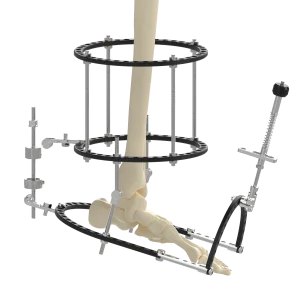
Managing segmental bone defects from trauma, osteomyelitis, or congenital non-unions requires adaptable stabilization. Our Limb Reconstruction Systems (LRS) and hybrid external fixators are engineered for long-term clinical use. They support precise, incremental adjustment for distraction osteogenesis, allowing controlled bone transport and deformity correction along precise anatomical axes.
Pediatric orthopedics requires lightweight, low-profile designs that avoid damage to active growth plates. Our miniature external fixation lines are constructed from high-tensile titanium alloys, offering required stability with minimal weight to support patient mobility.
Grade III open fractures present high risks of infection and require regular soft-tissue access. Our external frames isolate the stabilization points from the injury site, providing surgeons with unobstructed access for wound care, vacuum-assisted closure, and flap reconstructions.
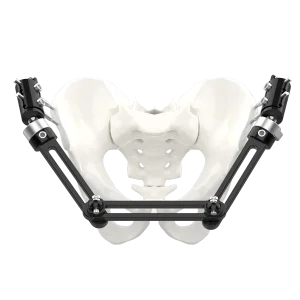
Unstable pelvic ring injuries require immediate stabilization to manage retroperitoneal bleeding. Our external pelvic frames provide rapid mechanical compression of the pelvic ring, stabilizing the bony pelvis and reducing internal pelvic volume.
Operational protocols for hospital procurement departments, regional distributors, and OEM buyers.
For international medical distributors and healthcare networks, sourcing external fixation systems involves balancing unit economics, quality standards, and regulatory clearance. Zynfuse supports these procurement requirements through structured operations:
We work with established medical logistics partners to provide secure transport of sterile and non-sterile configurations. Our export division coordinates customs clearance, provides double-walled protective packaging, and includes detailed sterilization instructions for non-sterile shipments. Each product shipment is accompanied by a Certificate of Analysis (CoA) confirming the material grade and quality inspection clearance.
Expert technical answers regarding materials, sterilization, and sourcing protocols.
Additional surgical implants, specialized instruments, and hybrid fixator systems from our factory catalog.