Zynfuse
Zynfuse
Zynfuse
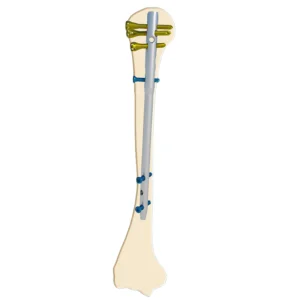
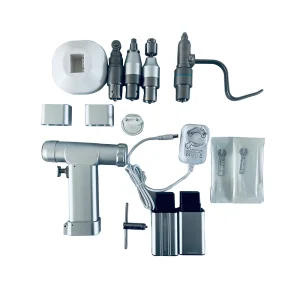
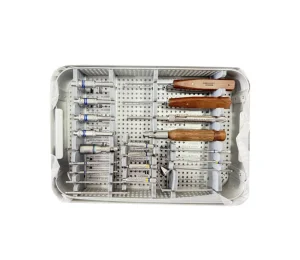
Explore our premium selection of CE-certified reconstructive implants, multi-functional veterinary power drills, and advanced osteosynthesis instrument packages engineered for precision surgery.
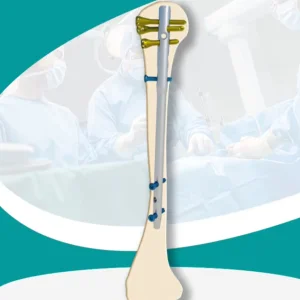
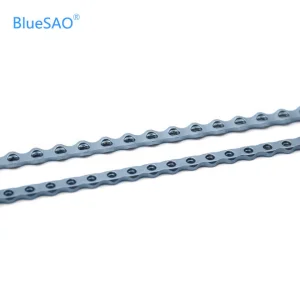
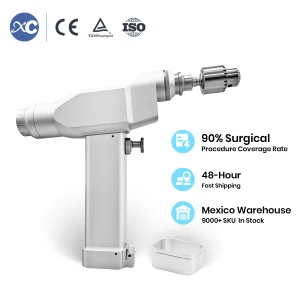
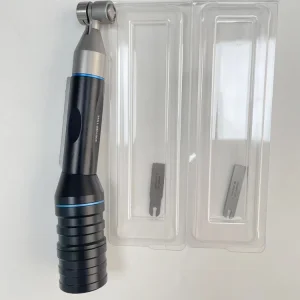
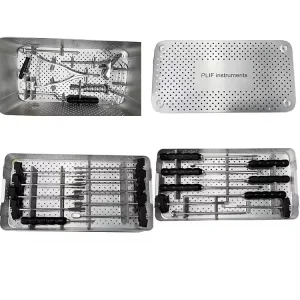
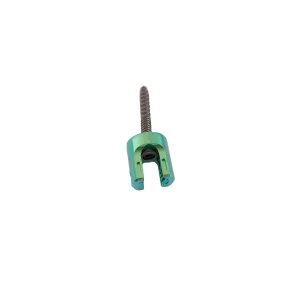
In the paradigm of complex spine deformity correction, specifically concerning severe scoliosis, kyphosis, and multi-segmental instability, spinal hooks remain irreplaceable anchors. While pedicle screws have dominated modern thoracic and lumbar constructs, spinal hooks (laminar, pedicle, and transverse process variants) provide structural advantages in anatomical zones where narrow pedicles or osteopenic bone structures limit screw insertion. By engaging with the robust cortical surfaces of the lamina or the transverse process, spinal hooks distribute axial and translational loads across a wider surface area.
Laminar hooks engage with the superior or inferior margins of the lamina. Under biomechanical testing, laminas demonstrate significant resistance to laminar failure under distraction, serving as robust termination points for long constructs. Our CE-certified laminar hooks feature custom contoured throats designed to minimize canal intrusion and safeguard neurological structures.
Pedicle hooks are placed through the facet joint, seating against the pedicle. They excel in the upper thoracic spine where pedicle anatomy is challenging. Transverse process hooks clamp over the transverse process to counter rotational forces. When combined in dynamic constructs, they establish a rigid claw configuration that resists pullout under extreme corrective forces.
Zynfuse utilizes ISO 5832-3 compliant Titanium Alloy (Ti-6Al-4V ELI) and PEEK-OPTIMA™ biocompatible polymers. The high tensile strength-to-weight ratio of titanium maximizes mechanical load-sharing, while PEEK-OPTIMA allows radiolucent imaging, permitting accurate CT and MRI post-operative evaluations of bone fusion interfaces.
Established in 2016, Zynfuse Medical Technology Co., Ltd. has grown into a leading professional orthopedic medical device manufacturer. Specializing in advanced bone fusion and spinal implant systems, we integrate 12 years of industry experience with 7 years of export expertise to serve global healthcare markets with absolute compliance and reliability.
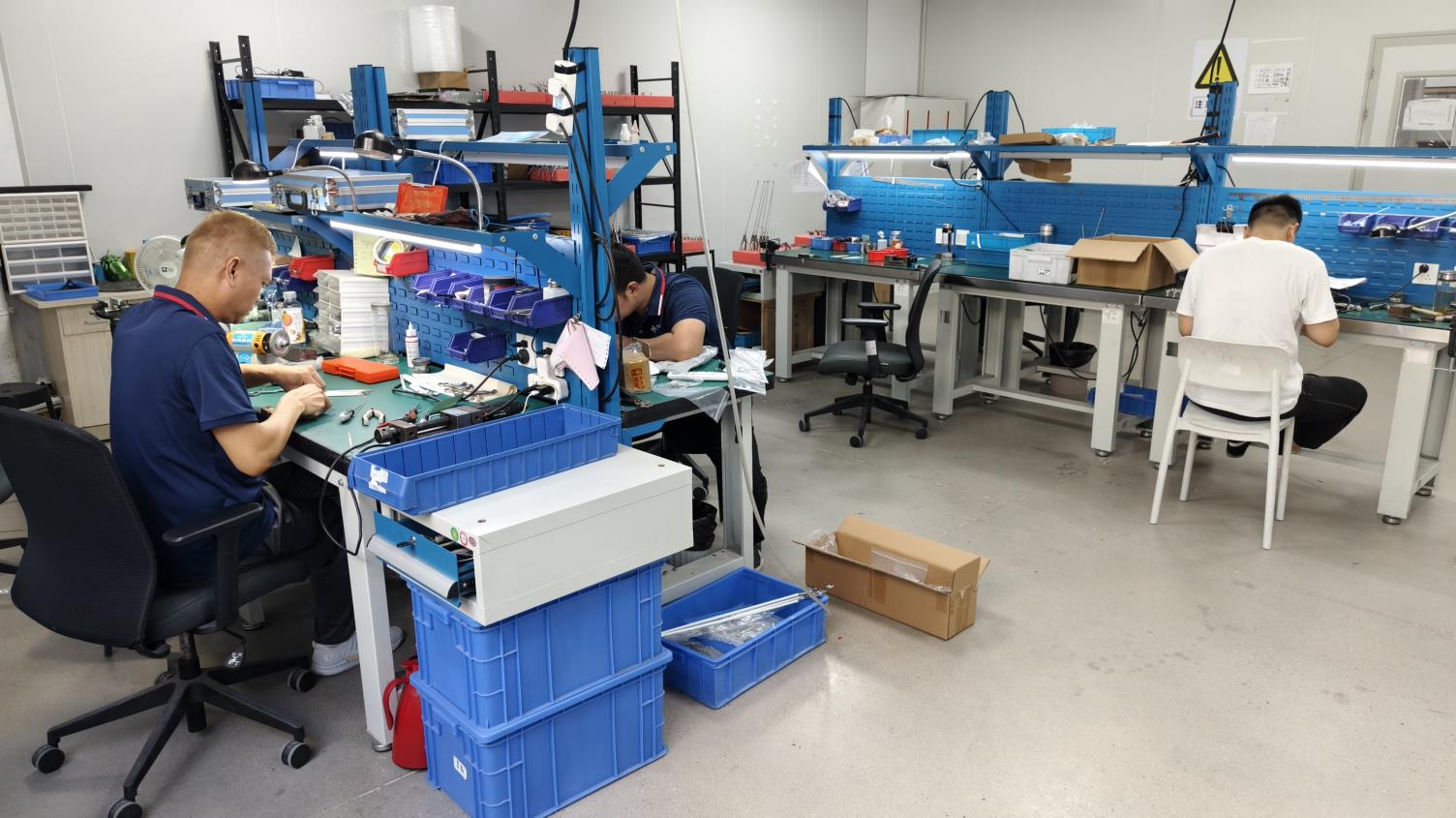
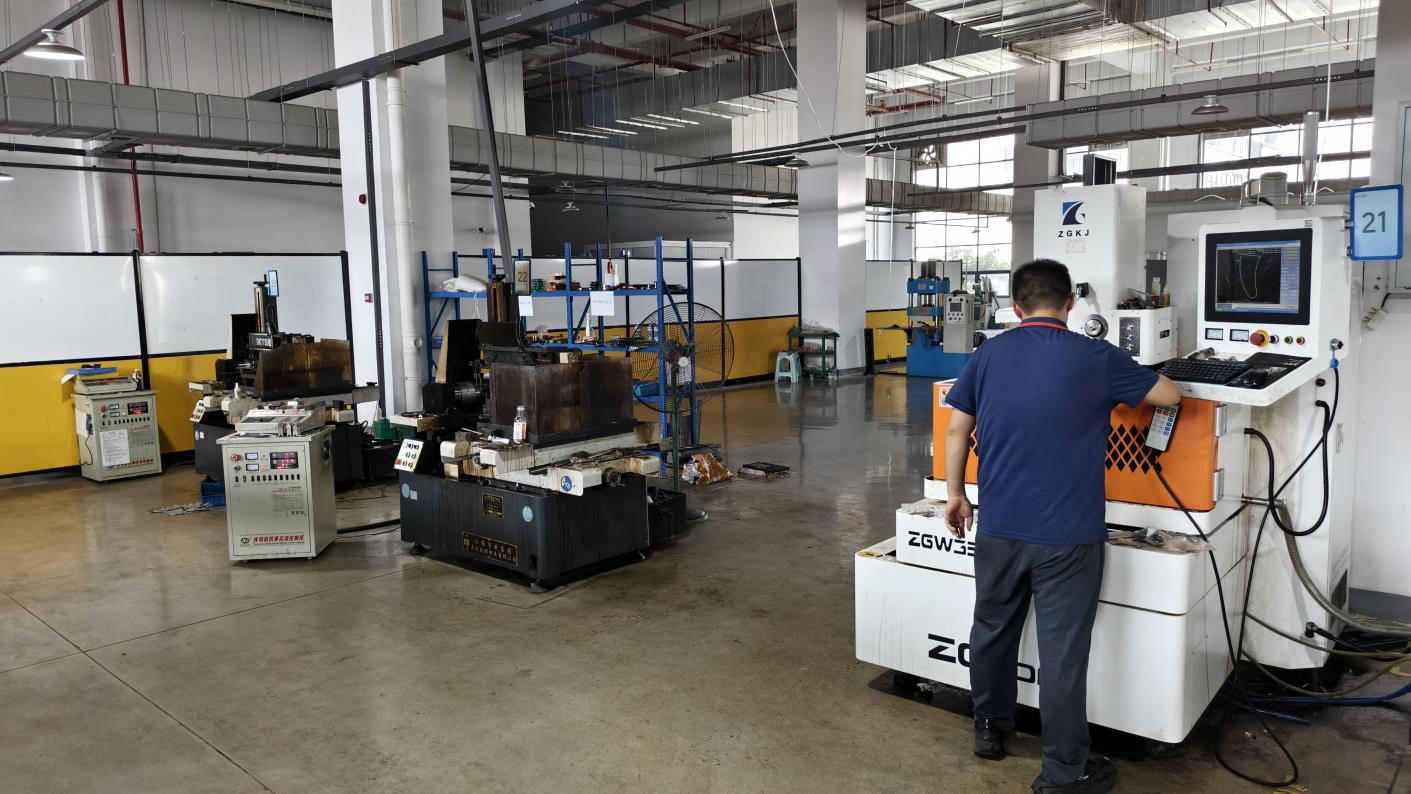
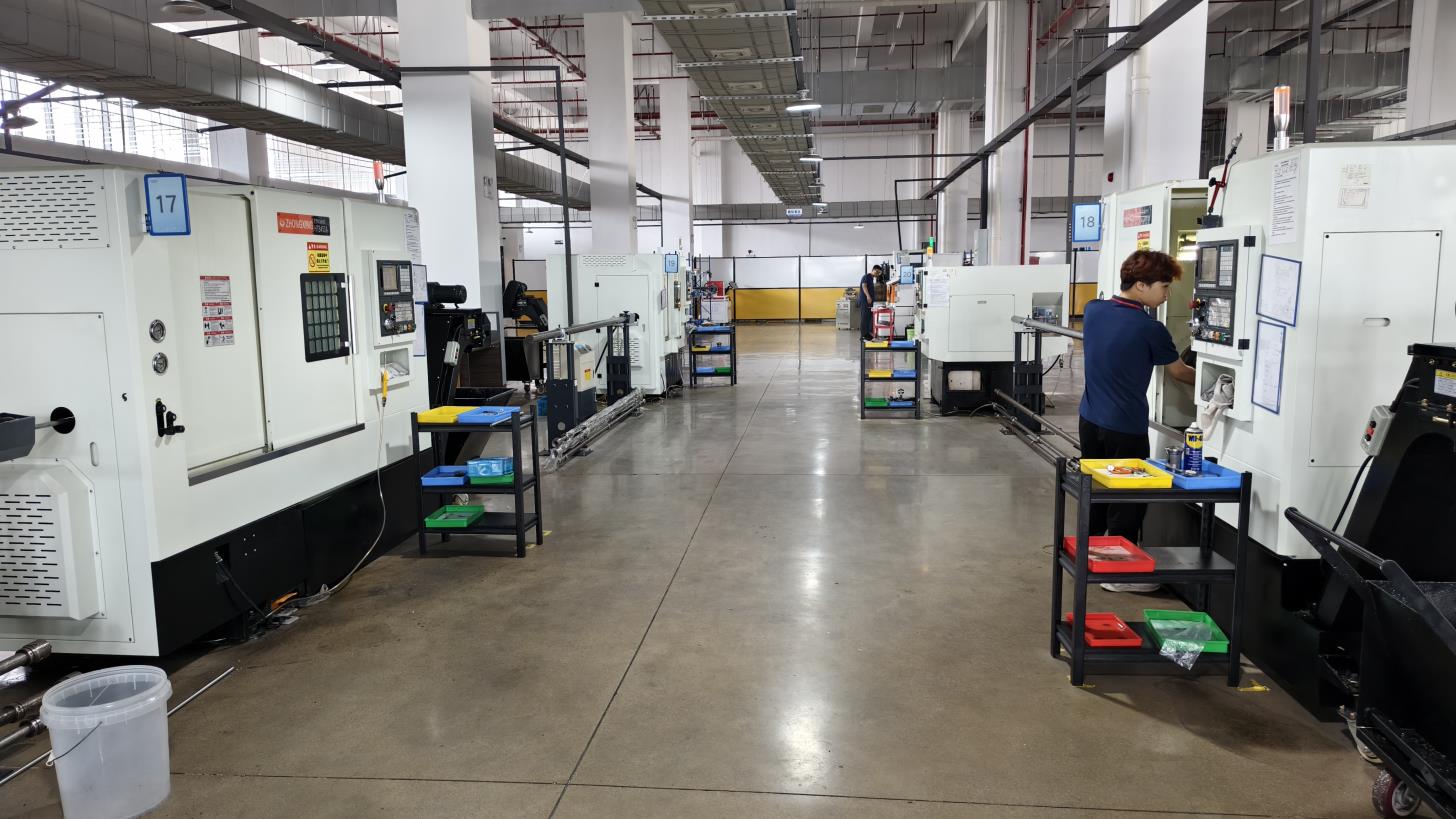
Modern Production Facility
Annual Export Volume
Quality Inspection (QC) Team
Dedicated R&D Department
Operating a modernized manufacturing matrix, Zynfuse maintains a highly efficient supply chain network of over 1,200 partners worldwide. Our target markets span major global centers, including North America, Europe, Southeast Asia, and the Middle East. We collaborate with international hospital networks, medical distributors, specialized orthopedic clinics, and medical device importers to supply top-tier Class III implants.
Our design framework introduces approximately 320 new products annually, offering flexible customization options such as custom implant geometries, material variations, and comprehensive OEM/ODM solutions tailored to target regulatory markets.
The future of spinal stabilization involves moving away from static metal configurations toward dynamic load-sharing, smart coatings, and patient-specific implant designs. At Zynfuse, our research focuses on bringing next-generation technological innovations into operating rooms worldwide.
By using Electron Beam Melting (EBM) and Direct Metal Laser Sintering (DMLS), we are developing patient-specific spinal hooks. 3D-printed based on patient CT scans, these hooks match the unique anatomical morphology of a patient's lamina, significantly reducing focal bone stress concentration.
To reduce implant displacement and hardware loosening, we are integrating bioactive micro-coatings (such as Hydroxyapatite and biological silicon dioxide) onto hook-bone interfaces. This encourages local osteogenesis and osseointegration, forming a secure biological bond between the cortical bone and the titanium implant.
Modern surgical suites demand navigation-ready implant systems. Our next-generation spinal hooks are developed alongside electromagnetic tracking markers and computerized surgical guides. This ensures high-accuracy placement and real-time intraoperative visualization during minimally invasive procedures.
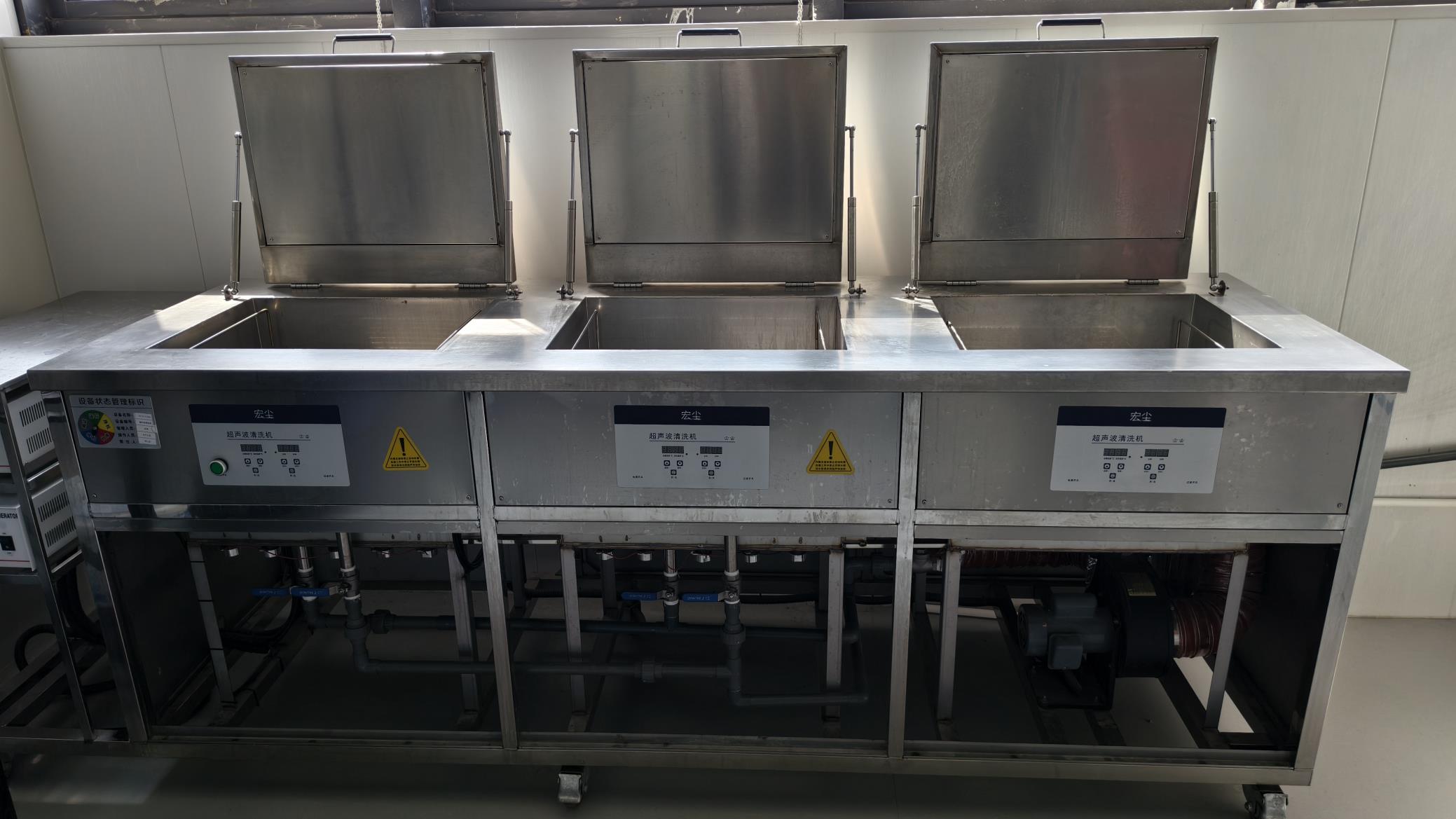
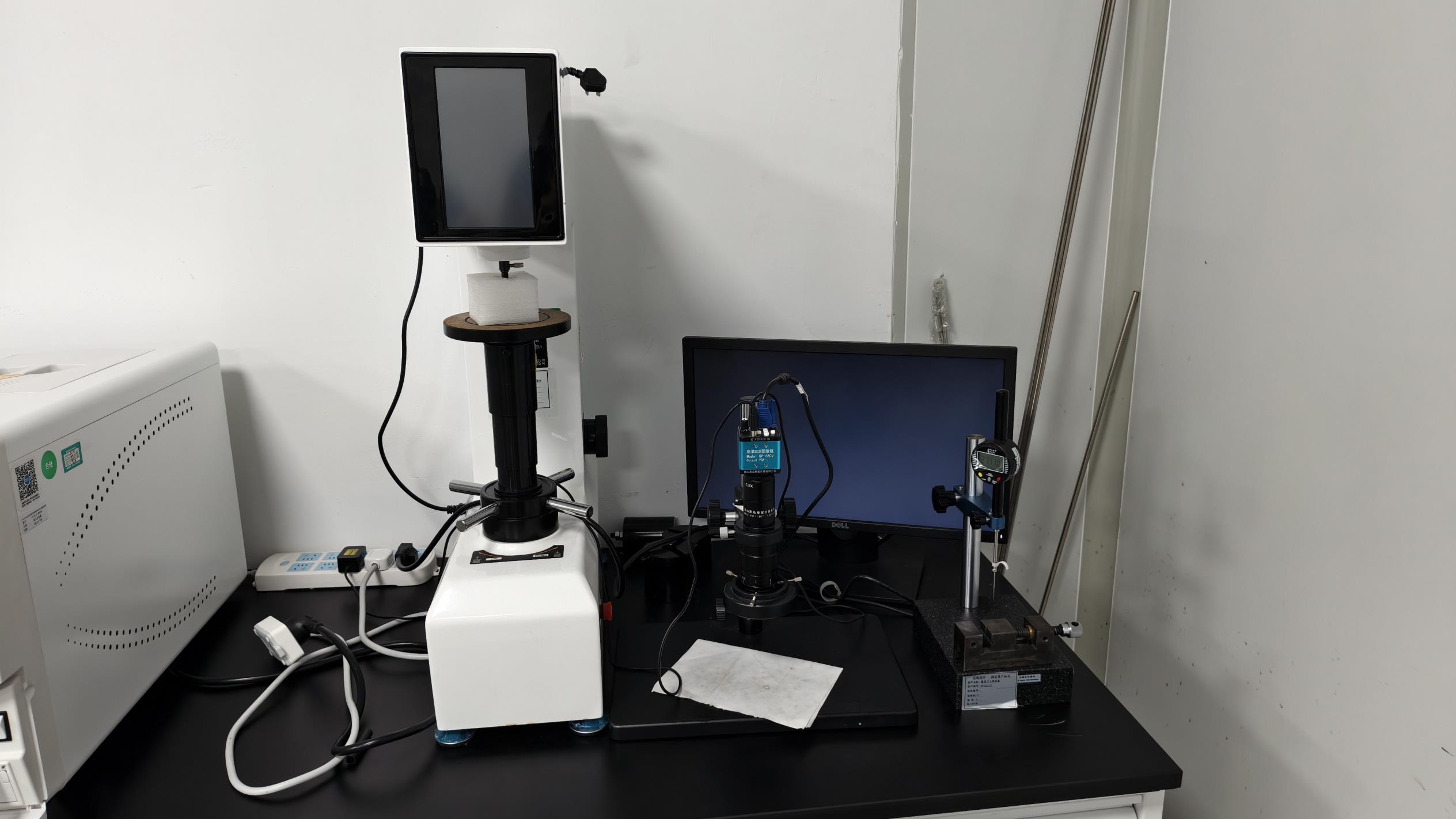
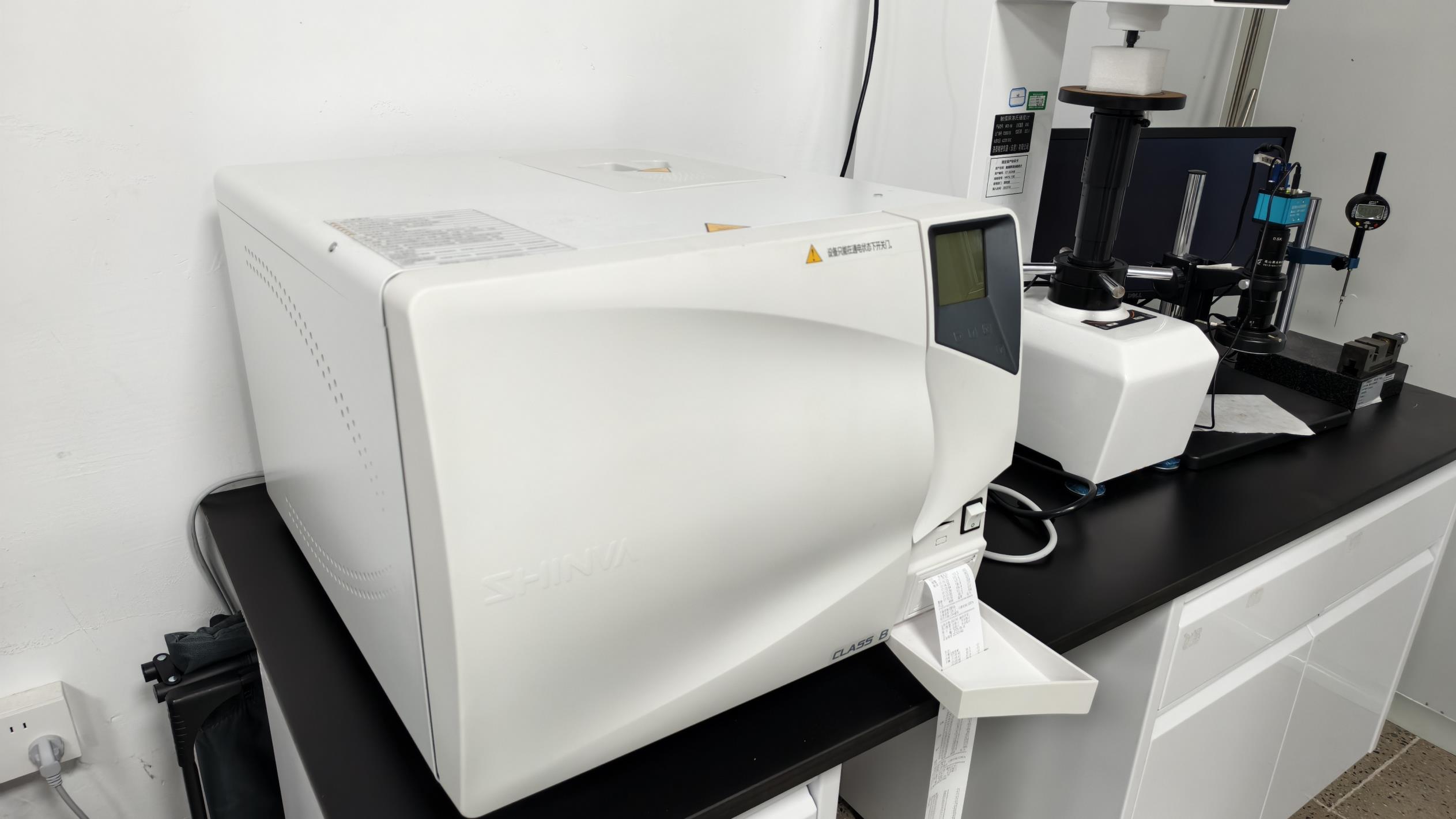
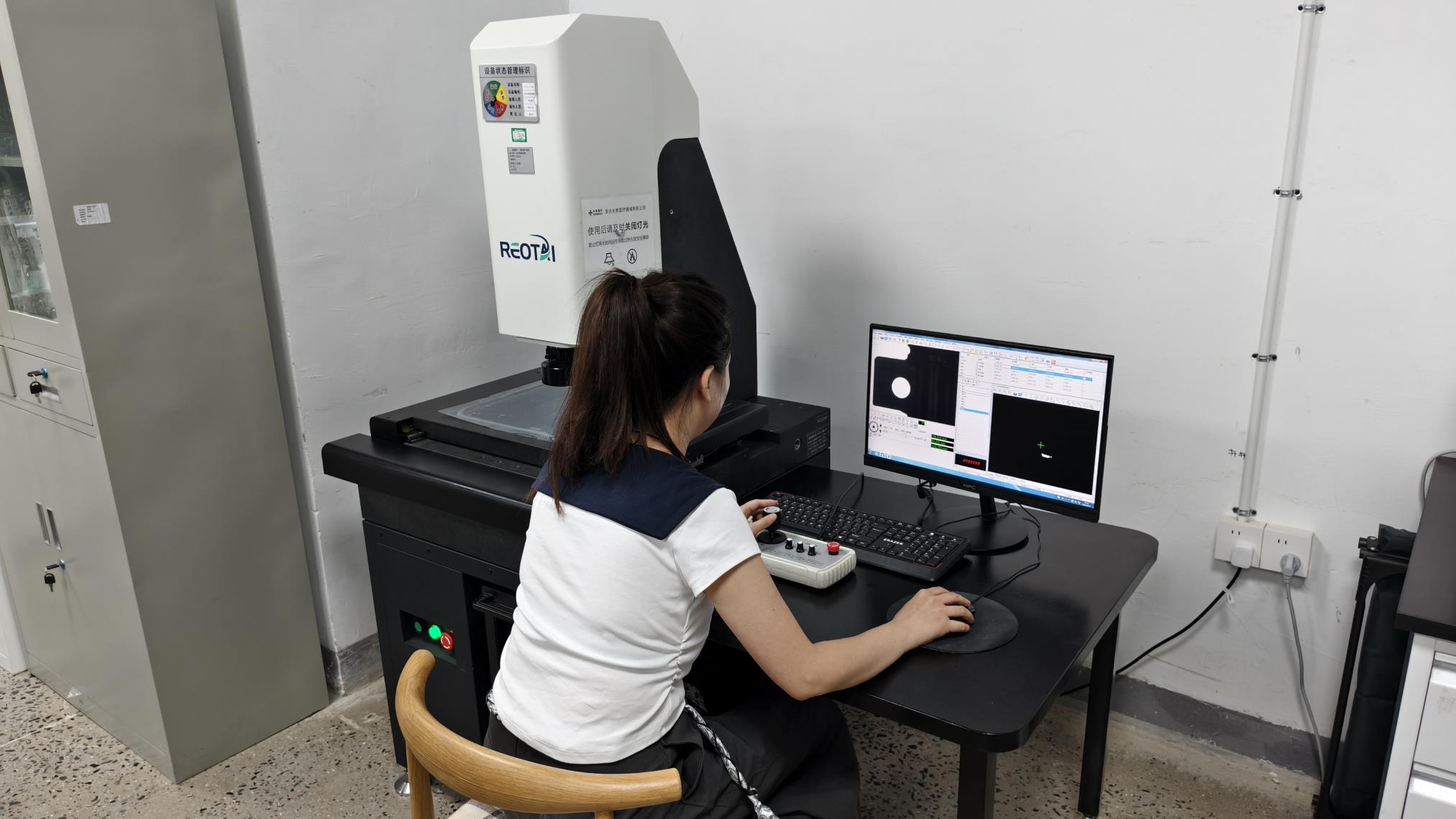
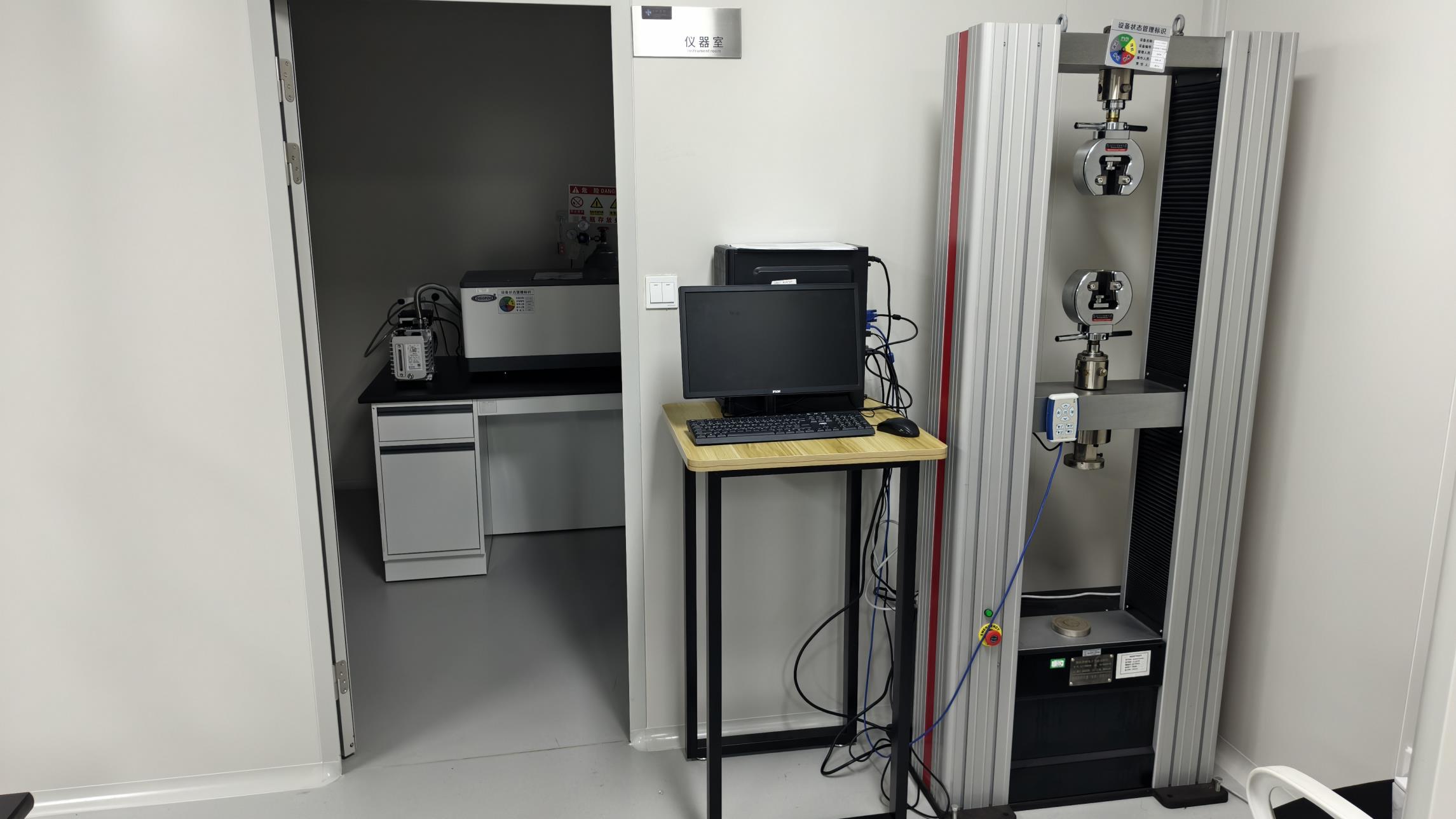
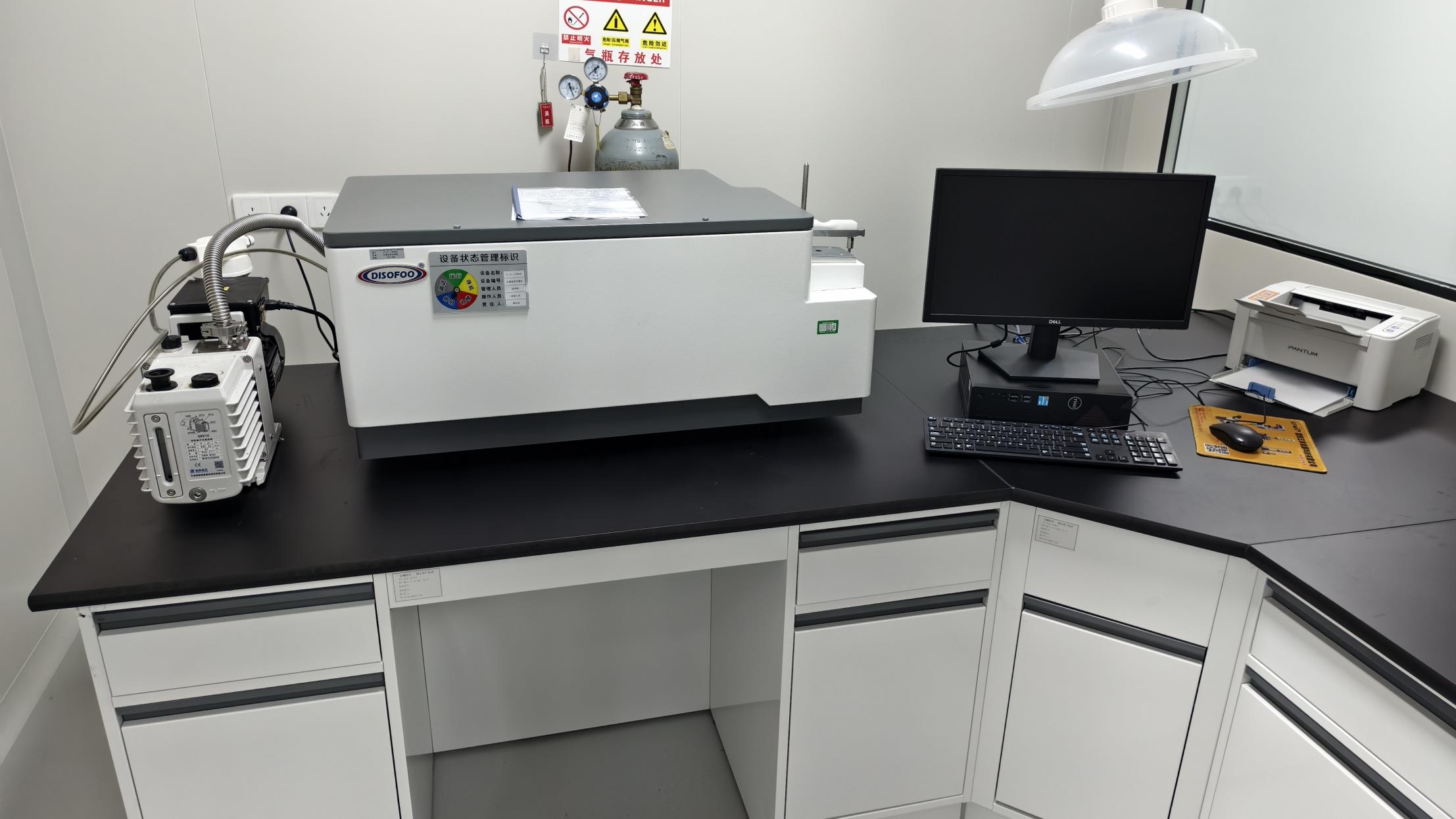
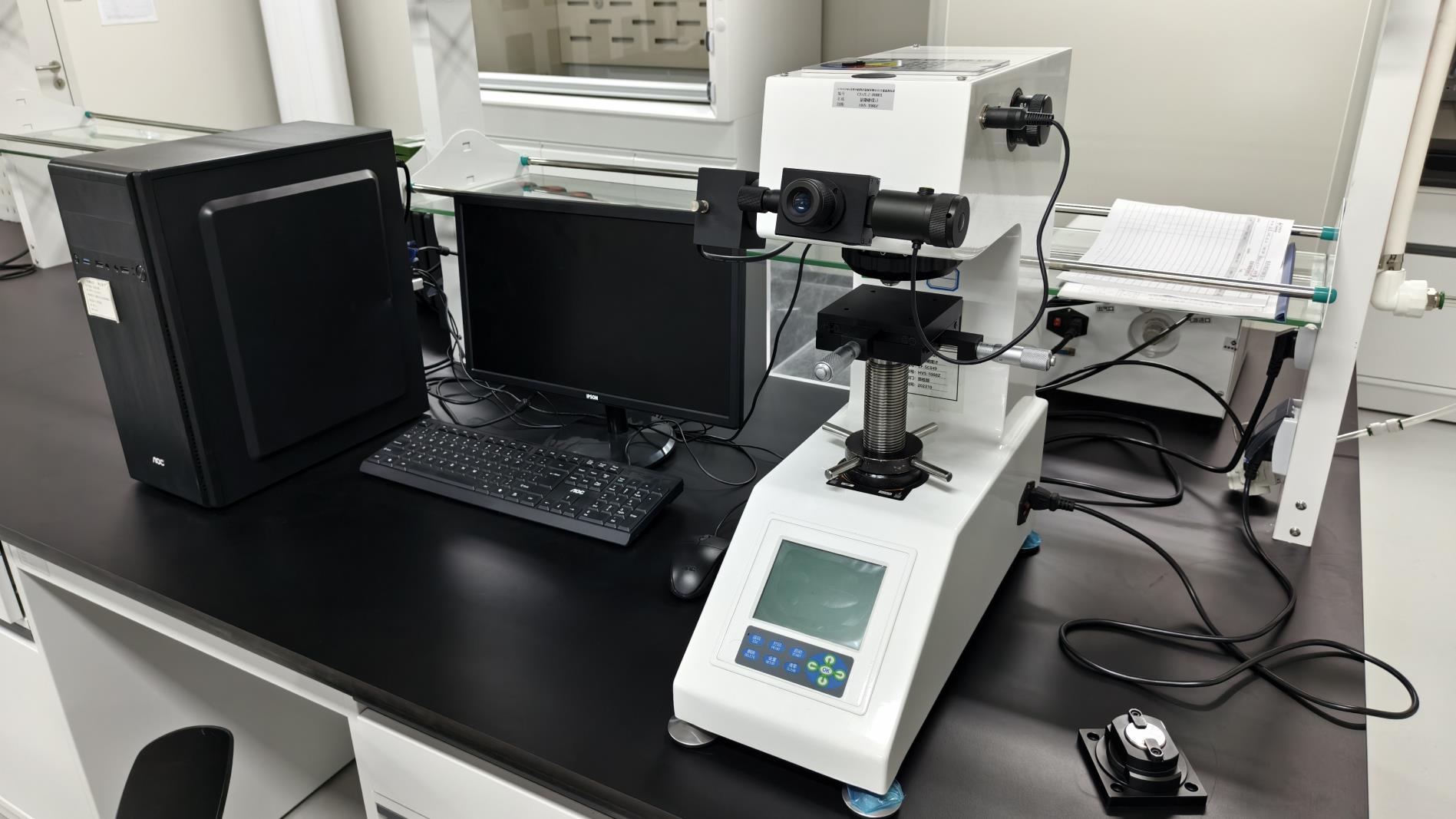
Operating in our modern production facility, Zynfuse employs advanced CNC machining, digital verification, and cleanroom packaging. We combine high-speed Swiss-type lathes with advanced quality control instruments to ensure every batch of spinal hooks meets the mechanical requirements of ASTM F1717 and ISO standards.
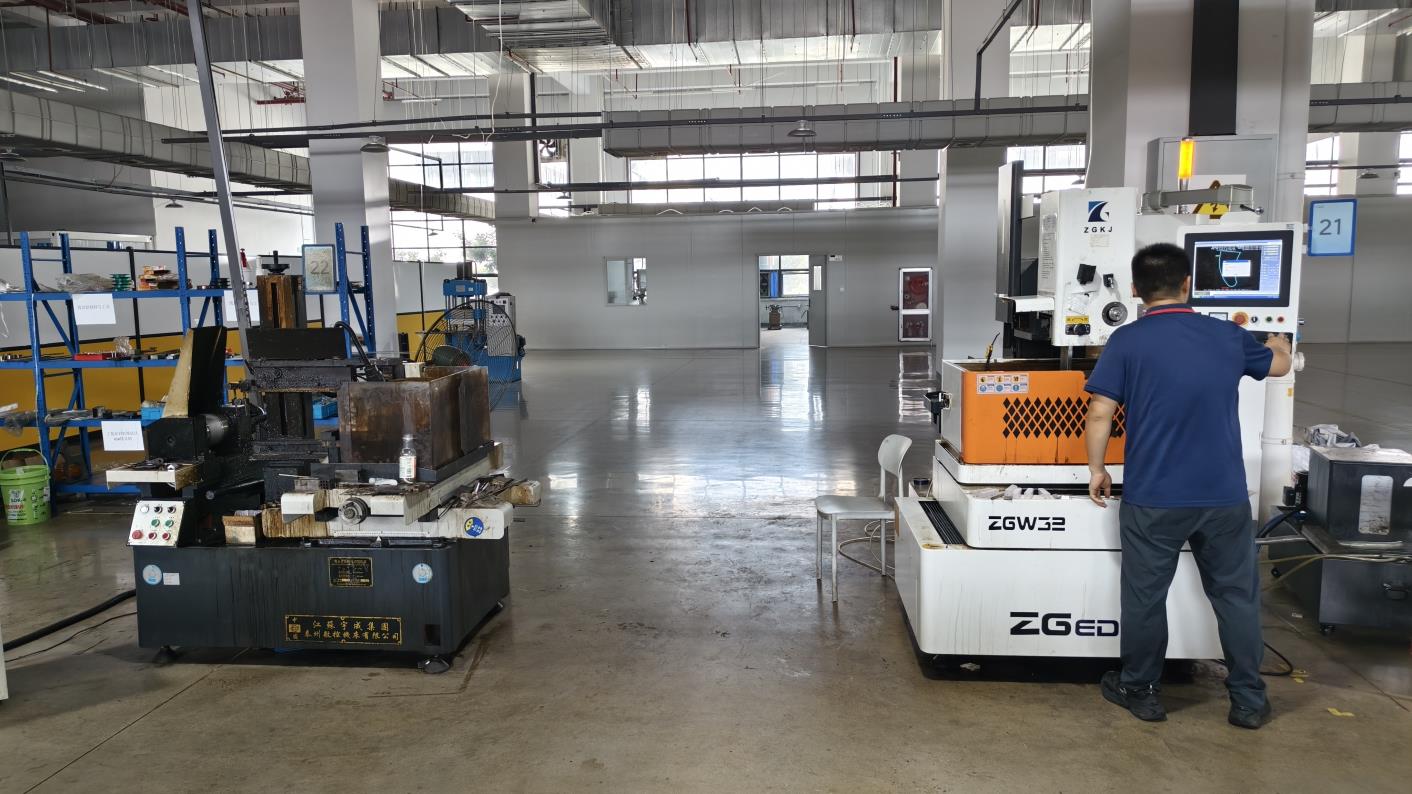
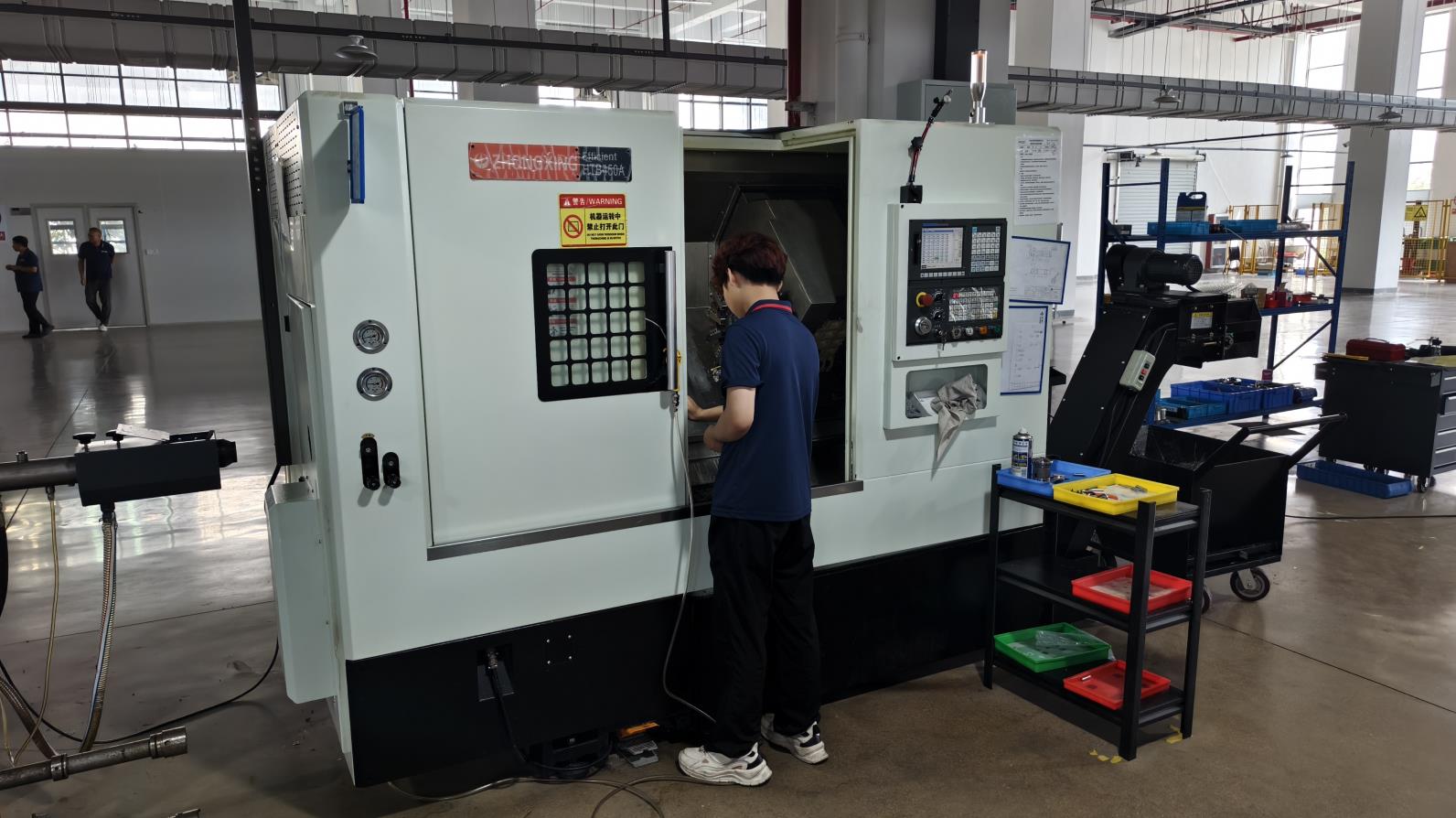
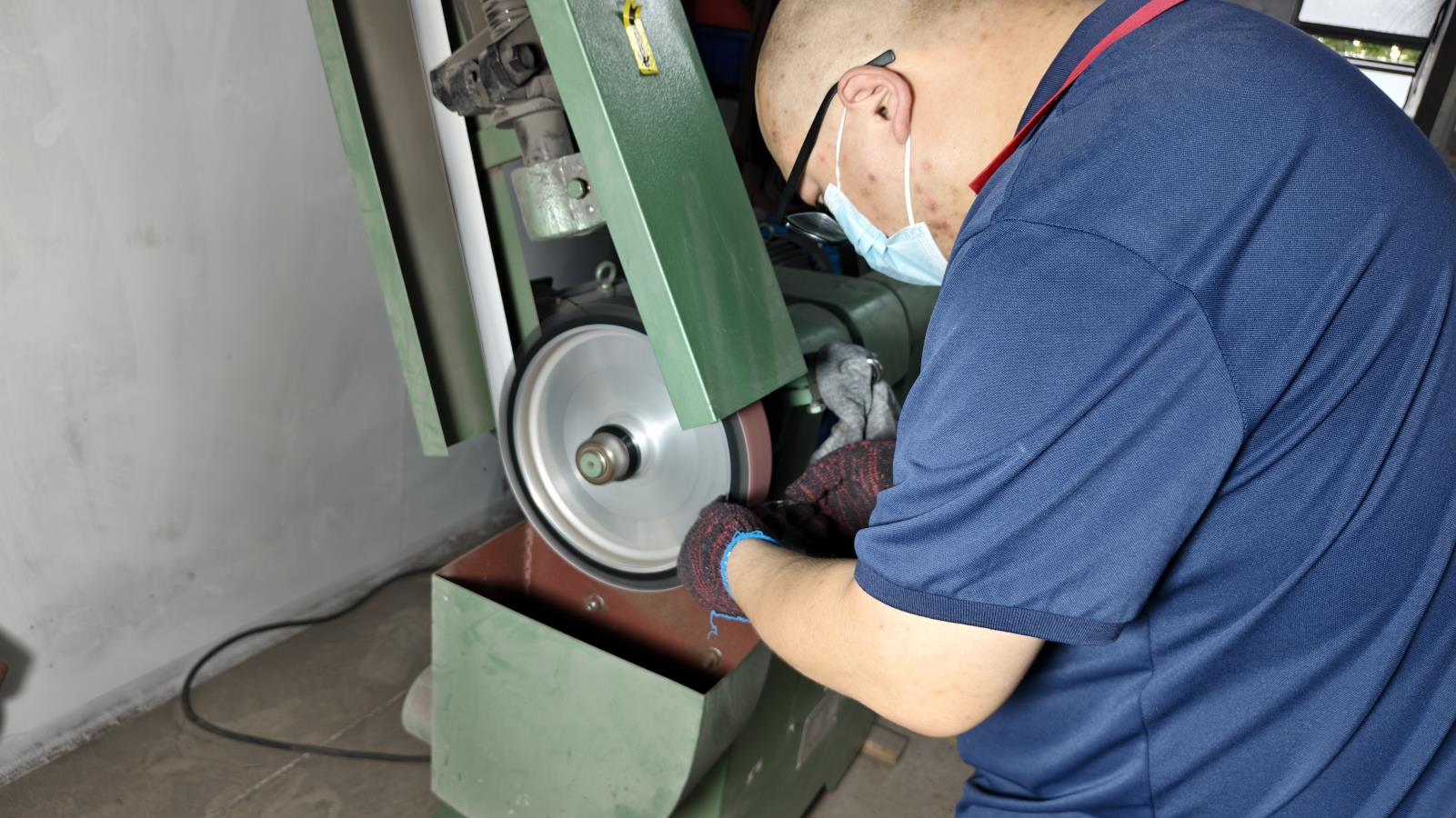
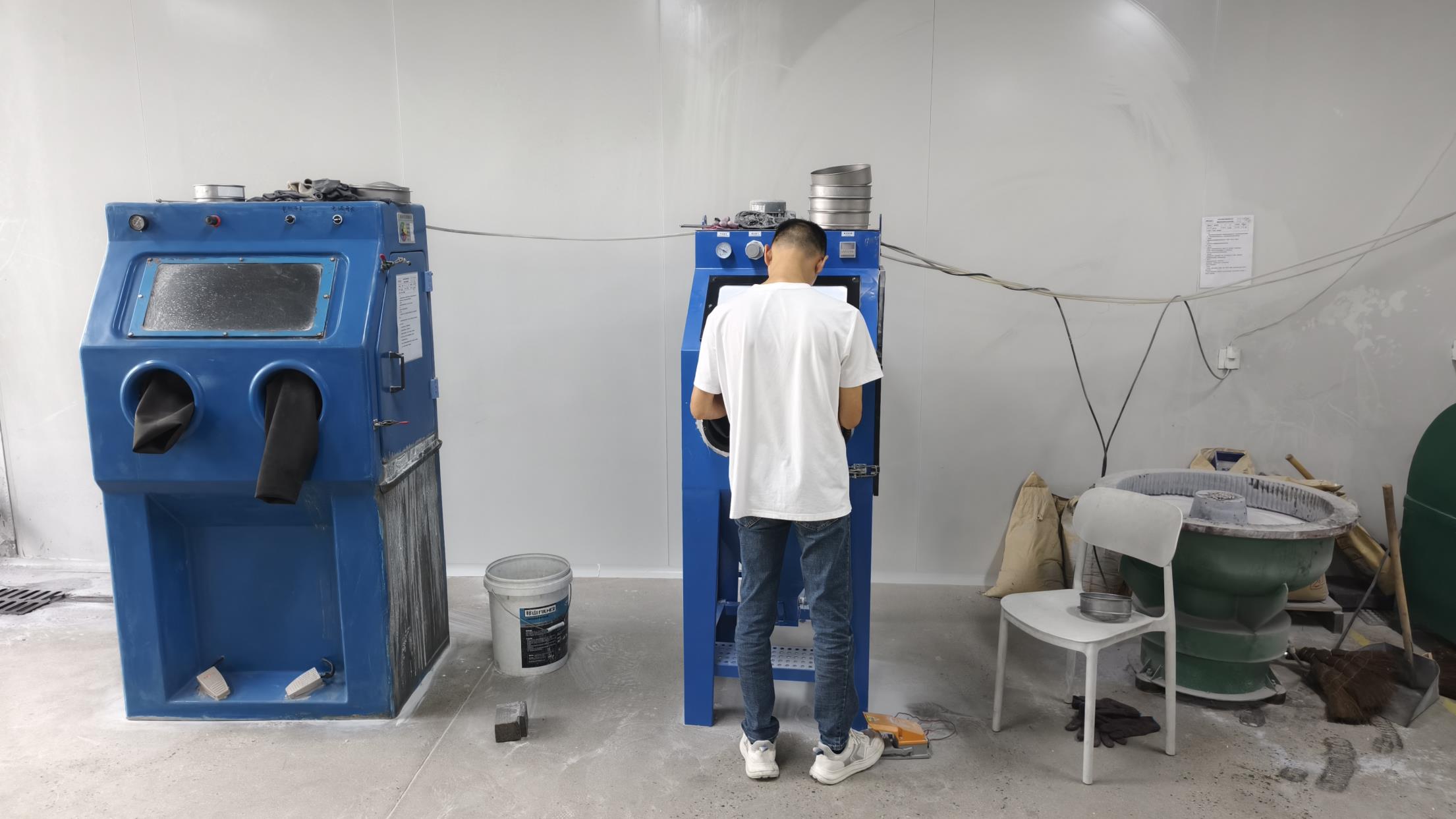
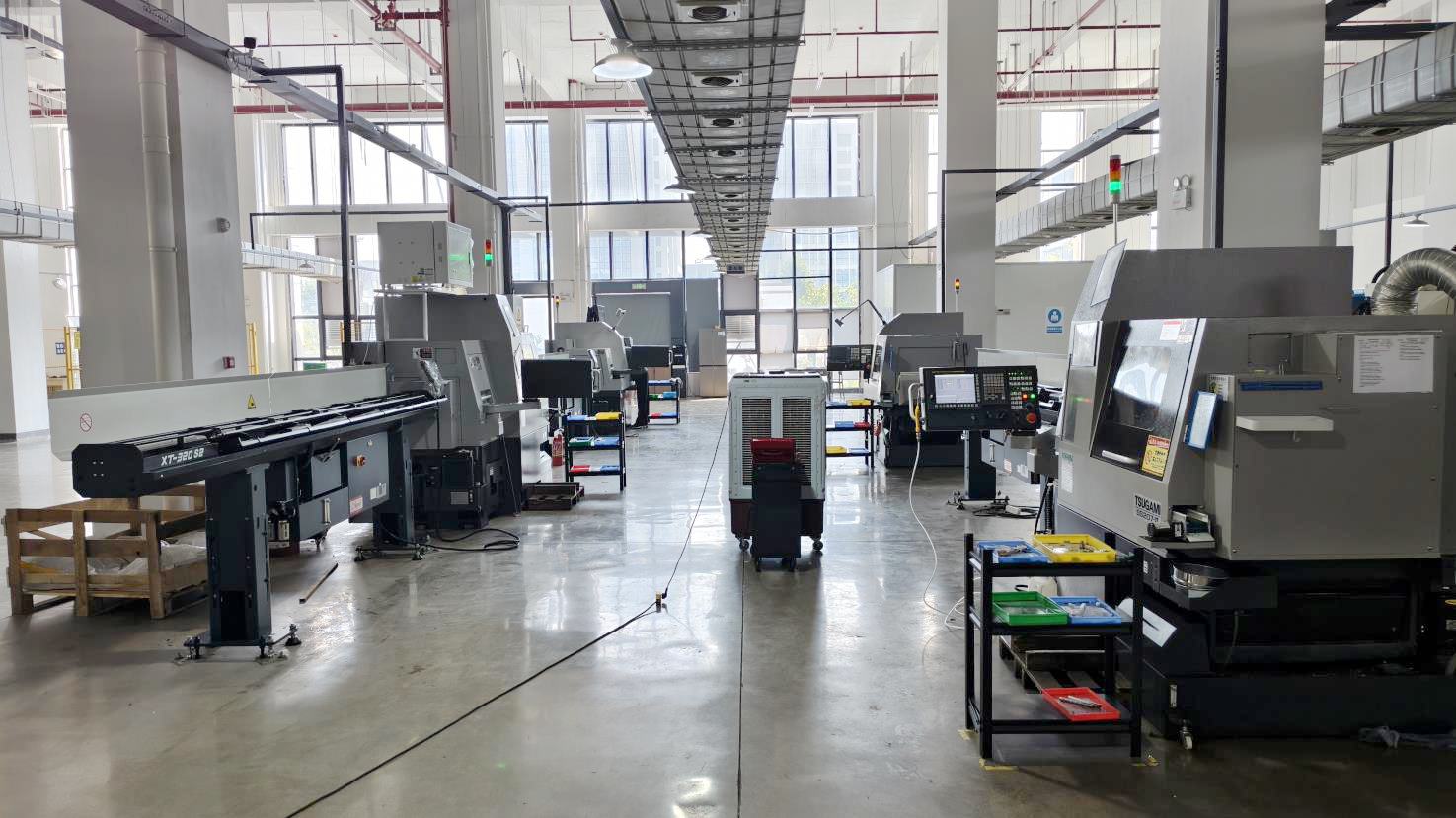
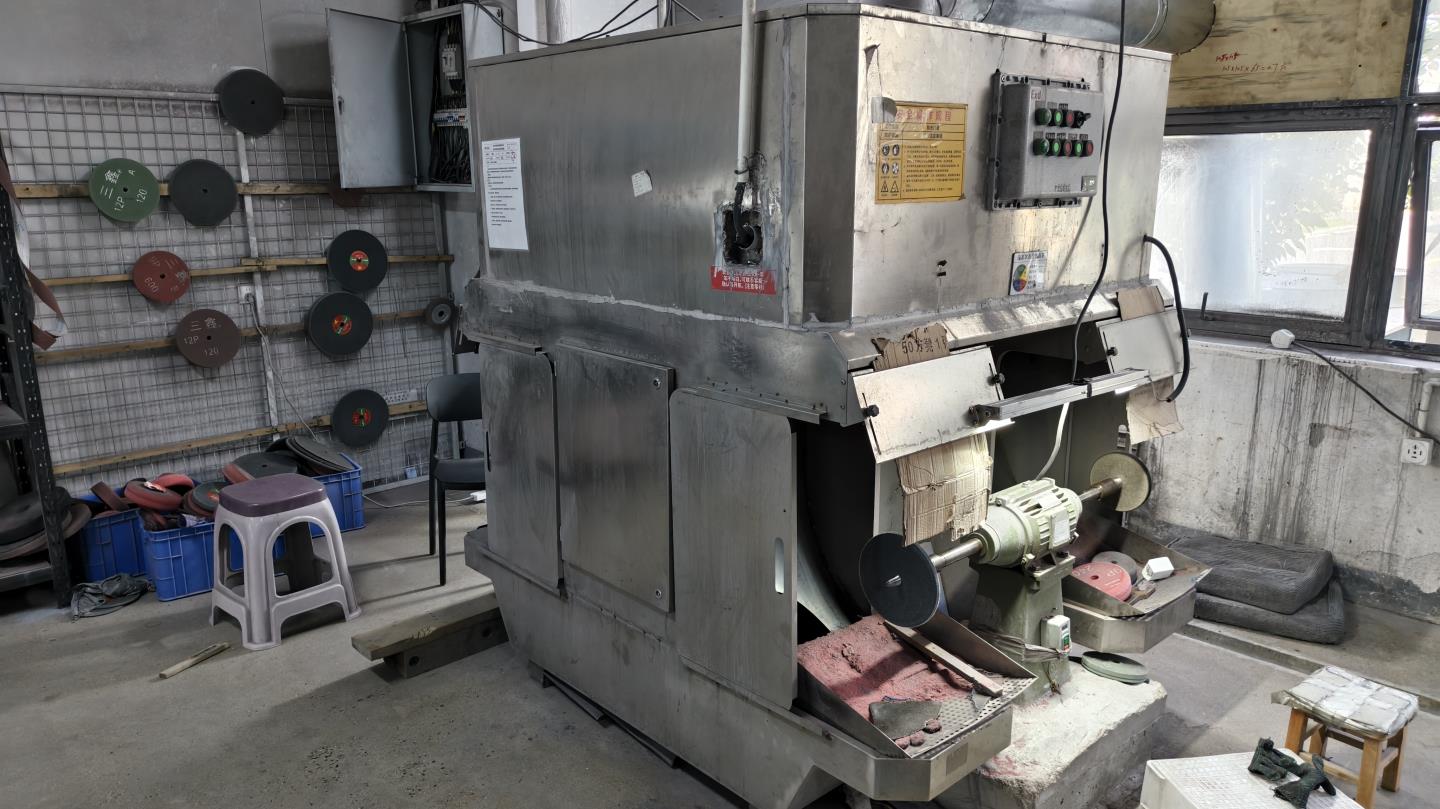
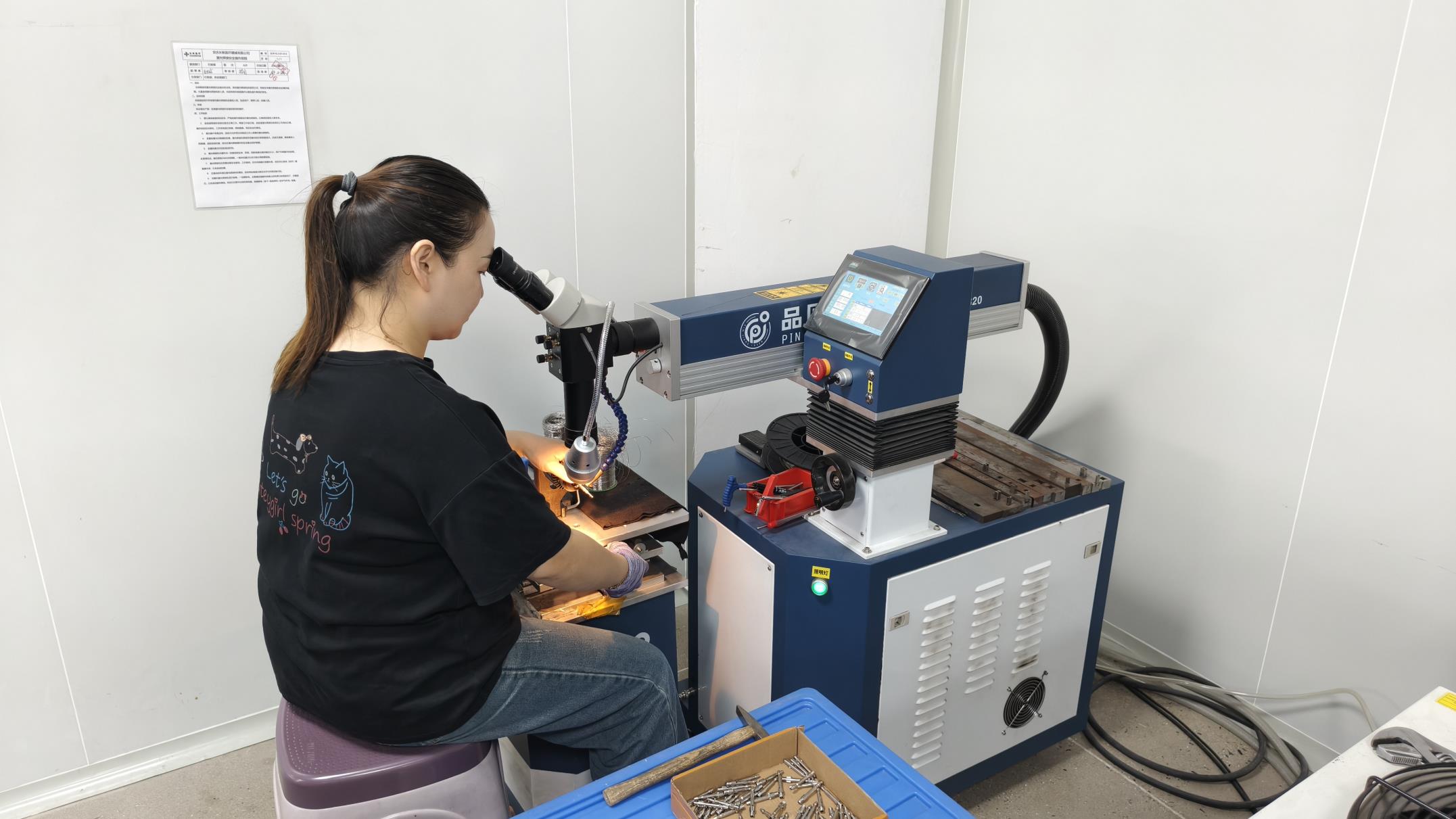
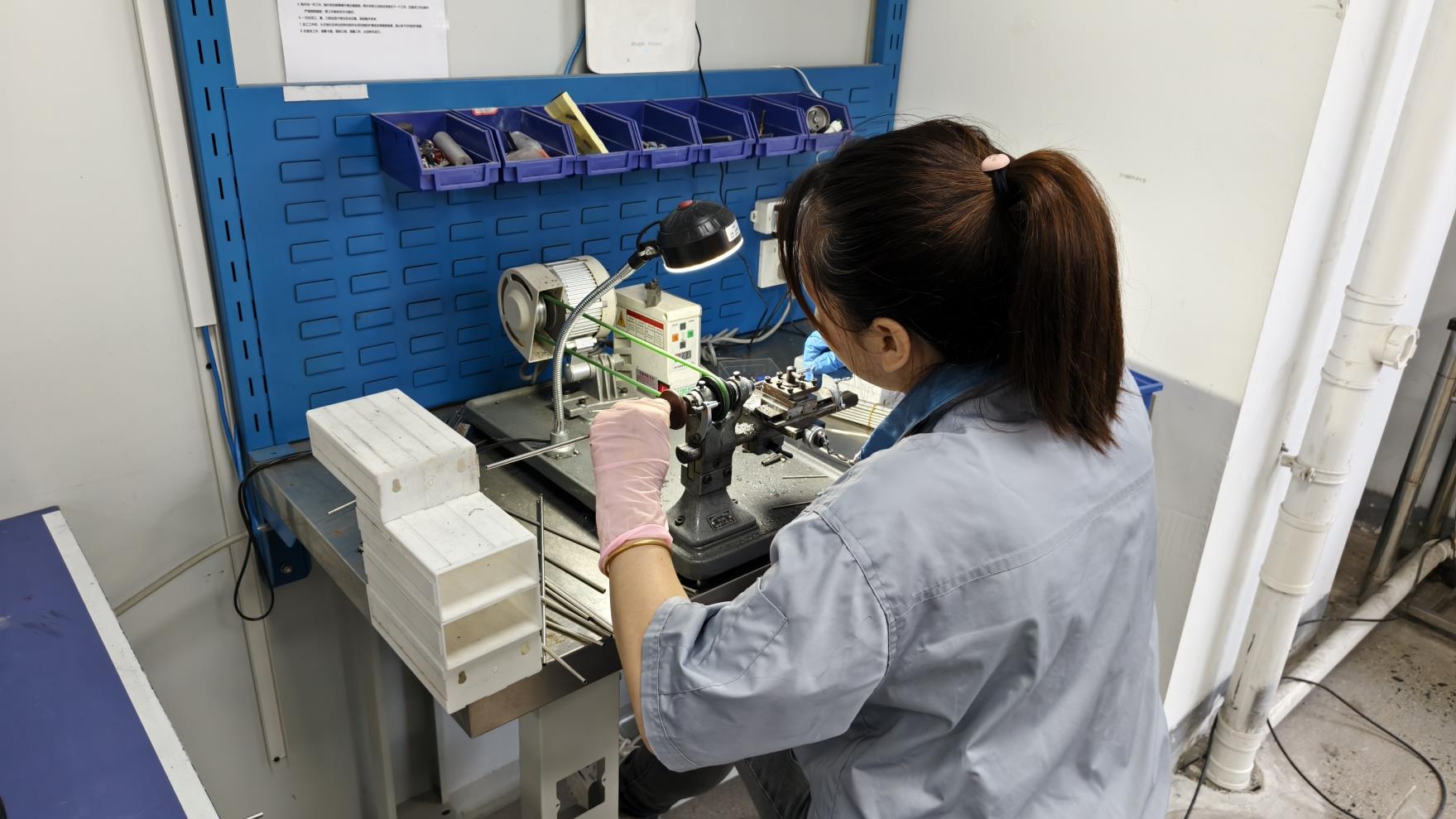
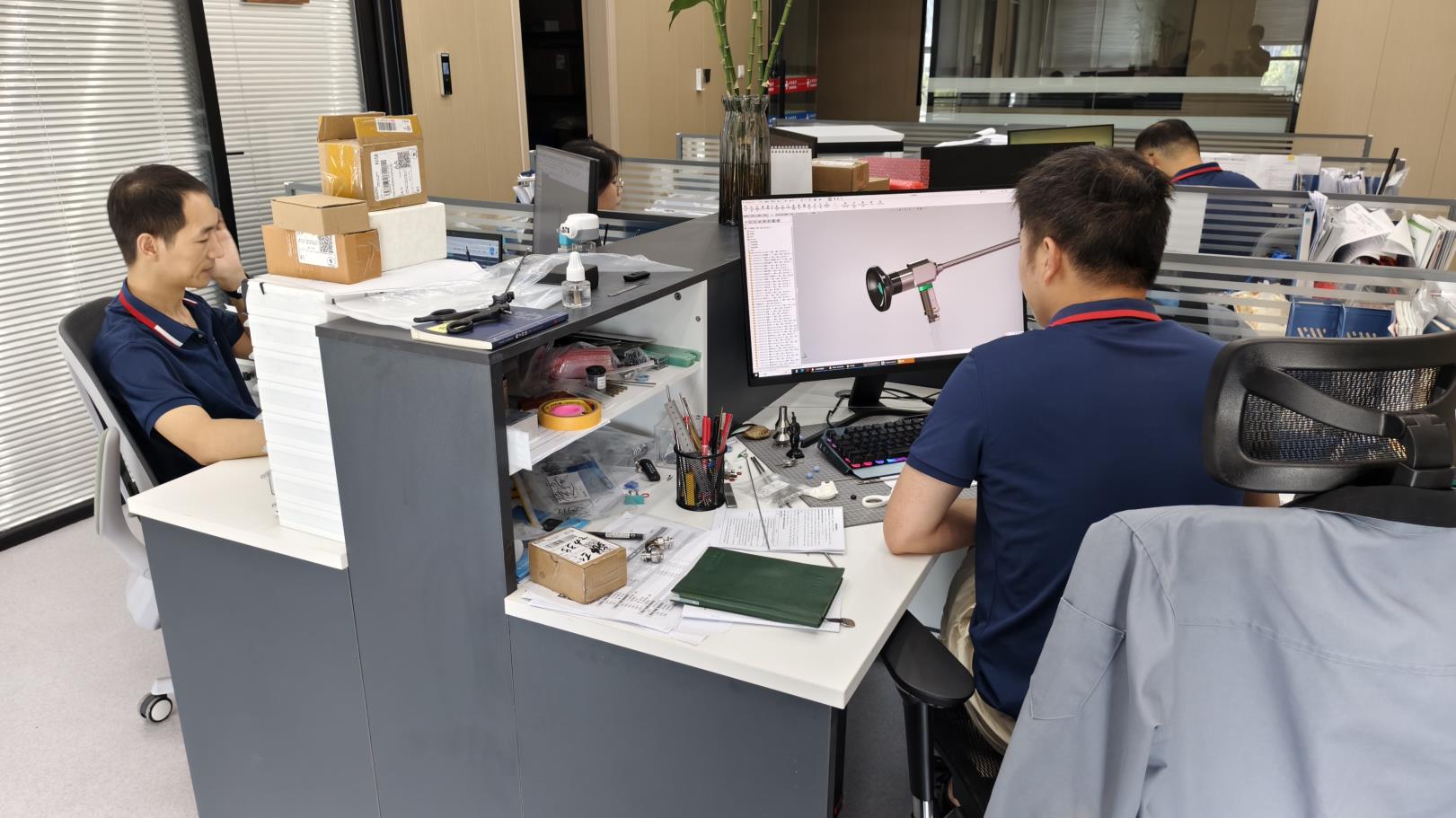
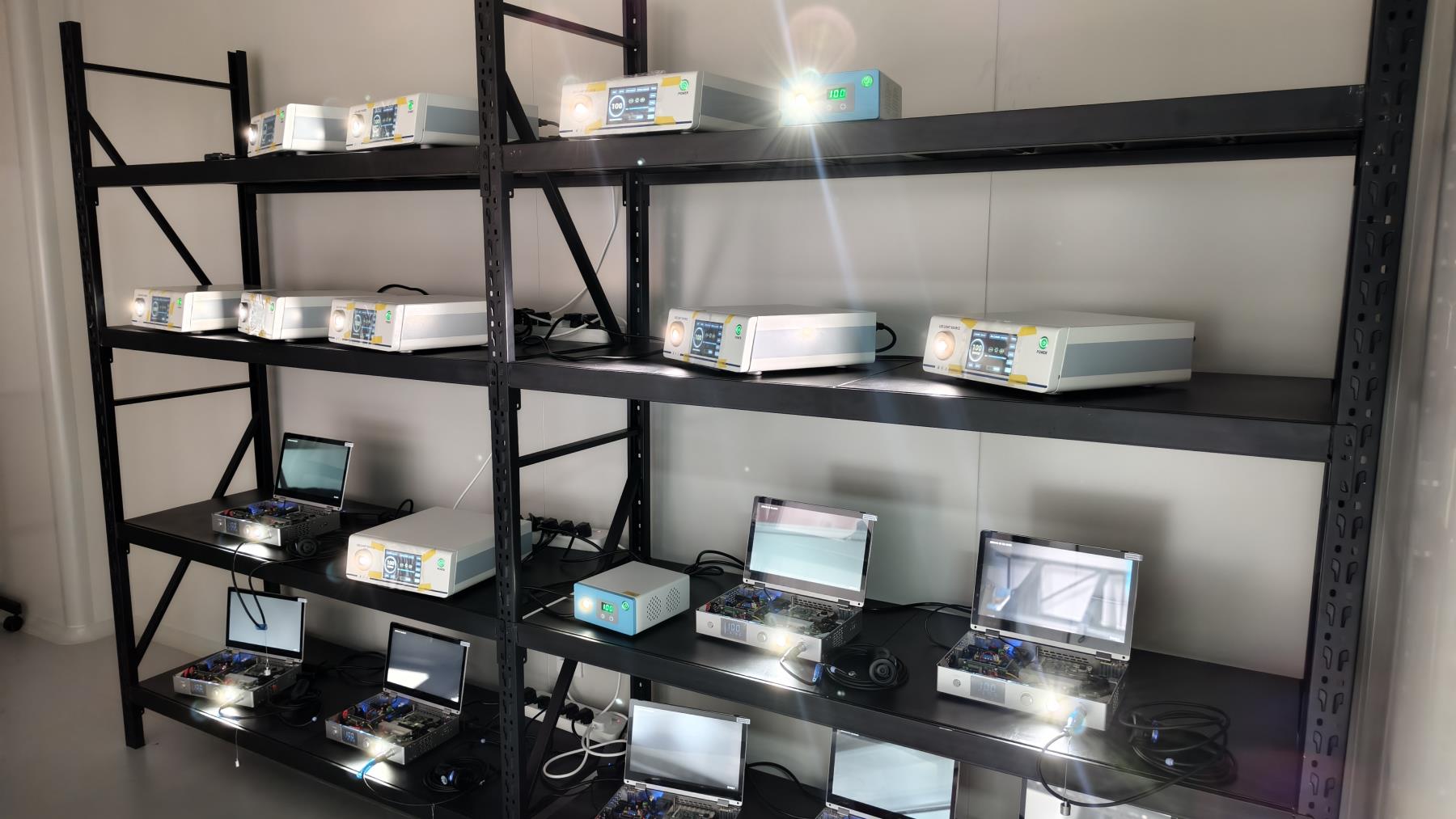
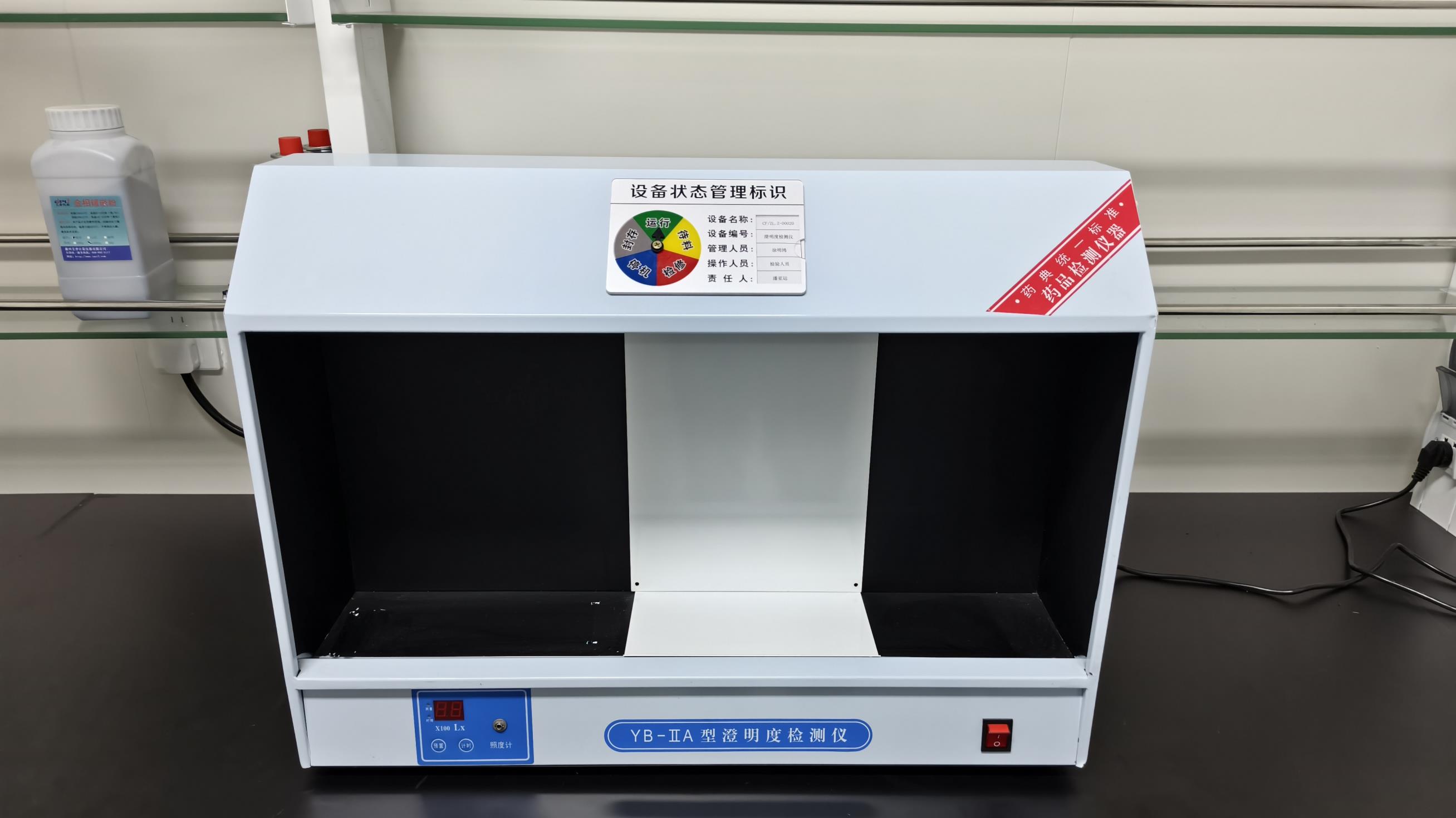
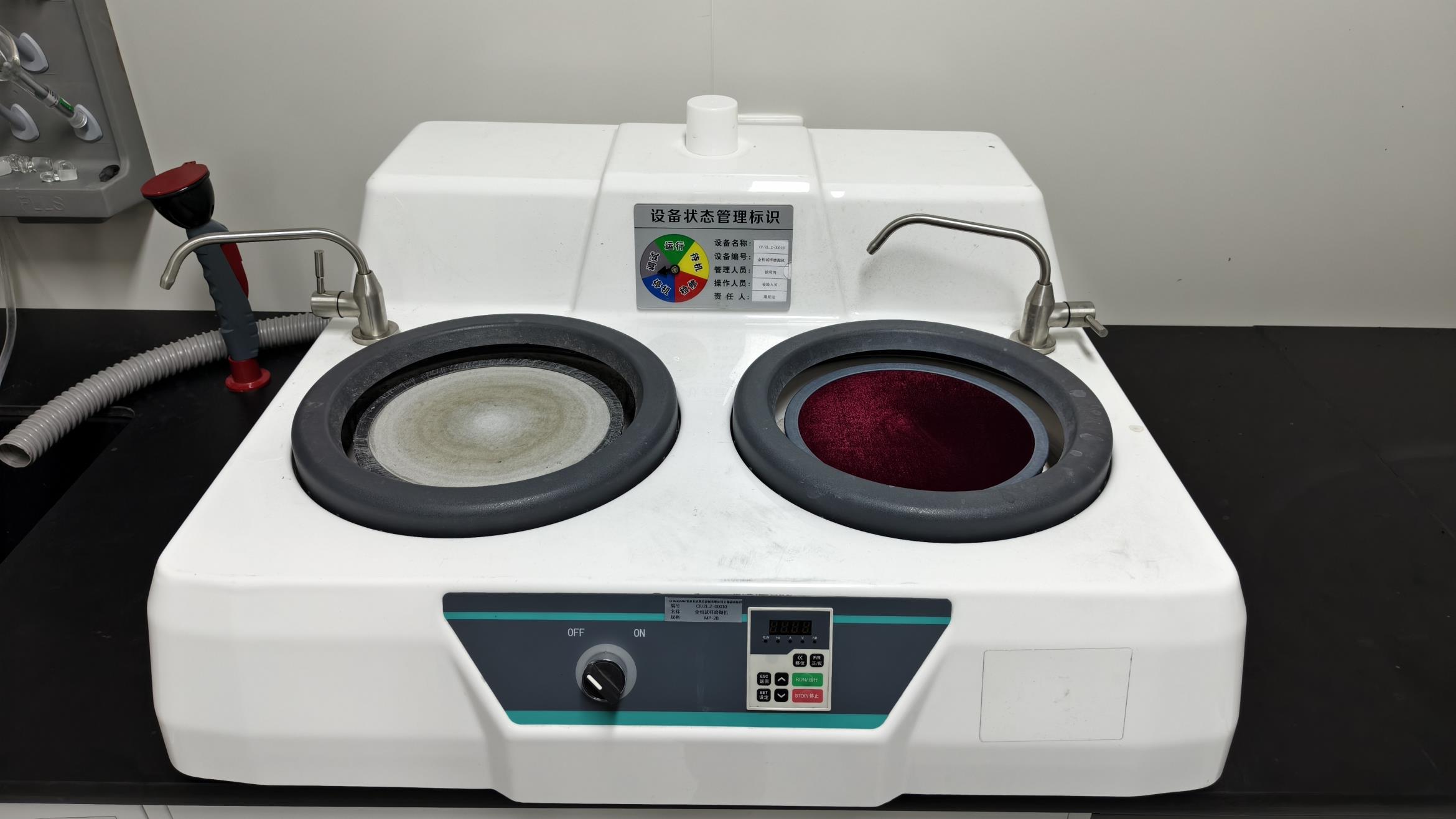
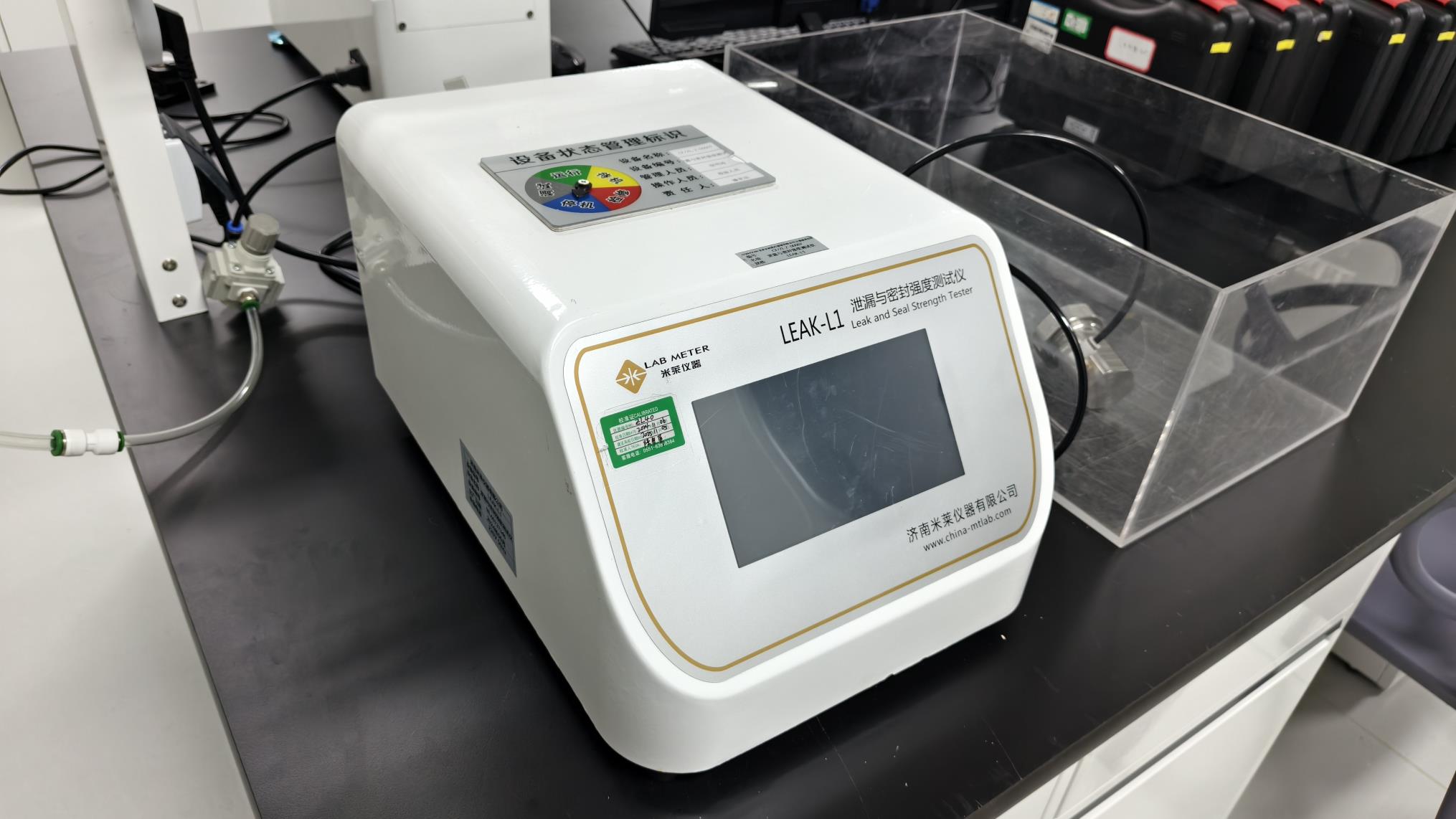
Procurement directors at tier-one medical distributors, global orthopaedic surgical centers, and OEM partners operate under strict regulatory and logistical challenges. Zynfuse supports procurement managers with dedicated services designed to reduce risk and streamline supply lines.
We supply full MDR-compliant technical files, CE Certificates, and ISO 13485:2016 documentation. Our regulatory affairs team assists international importers with localized registration pathways (such as US FDA, UKCA, or domestic ministry listings), reducing time-to-market.
Every single spinal hook or locking plate produced is etched with a unique laser-engraved UDI code. This code traces directly back to the raw material batch certificate, specific Swiss lathe run, polishing technician, and final gamma sterilization run, ensuring complete quality assurance.
Recognizing that different surgical traditions favor specific ergonomics, we can adapt handle weight, instrument tray layout, and hook throat profiles. Our engineering team converts CAD sketches into high-fidelity functional prototypes within 14 working days.
Medical products require absolute compliance. Zynfuse maintains structured quality systems, ensuring our implants and surgical instruments are cleared for international clinical applications.
Our entire manufacturing facility operates under the ISO 13485 quality control system. Our raw titanium alloy is tested for fatigue resistance under simulated physiological loads to verify structural integrity before entering the CNC production line.
Our packaging facilities feature ISO Class 7 (Class 10,000) cleanrooms. Implants undergo validated cleaning processes and are sealed in double-barrier Tyvek® pouches, ensuring sterility throughout transit and storage.
With an annual export revenue of $18.5 million, we operate optimized logistical channels. We offer secure sea, air, and express delivery models, maintaining cold-chain security or double-crate shockproofing for sensitive surgical instrumentation.
Get authoritative answers to technical, mechanical, and distribution questions regarding Zynfuse spinal fixation components.
Explore additional orthopedic implants, specialized power tools, and high-performance joint replacement systems engineered by Zynfuse Medical.