Zynfuse
Zynfuse
Zynfuse
Explore our elite selection of CE-certified implants, surgical instruments, and trauma systems designed for premium clinical environments.
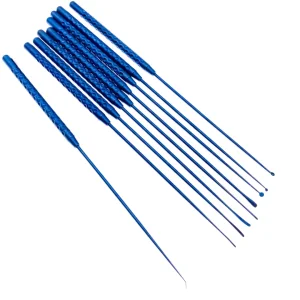
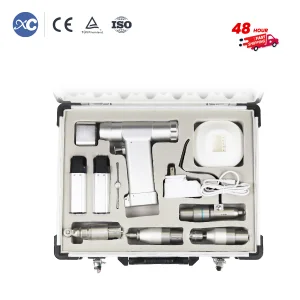
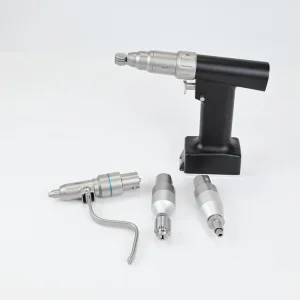
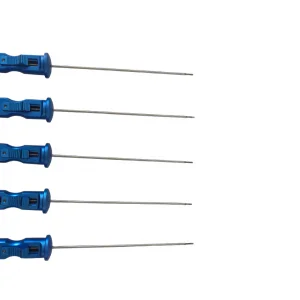
The global demand for cervical spine implants has surged due to an aging population, increasing incidences of degenerative spinal disorders, cervical trauma, and progressive myelopathy. Posterior cervical fixation systems—consisting of specialized polyaxial screws, hooks, rods, connectors, and crosslinks—have established themselves as the clinical gold standard for stabilizing the subaxial cervical spine and the cervicothoracic junction.
From an industrial perspective, manufacturers and exporters face rigorous regulatory requirements. The integration of advanced machining tolerances with strict biological requirements has separated global leaders from baseline suppliers. Achieving CE marking under the Medical Device Regulation (MDR) is no longer a luxury but an absolute prerequisite for competing in highly critical European and global health markets.
For B2B buyers, hospital purchase directors, and orthopedic importers, understanding the core material science and biomechanics of cervical systems is key. Our systems utilize Grade 5 Titanium Alloy (Ti-6Al-4V ELI) and high-performance engineering polymers such as PEEK (Polyetheretherketone).
High strength-to-weight ratio, superb biocompatibility, and lower elastic modulus to minimize stress shielding.
Enables angulation up to 40 degrees in multiple planes, providing surgeons with anatomical adaptability.
Features self-tapping threads and low-profile locking caps to prevent thread cross-locking during surgery.
The biomechanical performance of our fixation rods and screw threads is constantly verified using fatigue testing and finite element analysis (FEA). This ensures high reliability under cyclic loads, significantly reducing post-surgical failure rates, loosening, or patient revision surgeries.
Zynfuse Medical Technology Co., Ltd. is a professional orthopedic medical device manufacturer specializing in bone fusion and advanced implant systems for surgical innovation. Since our establishment in 2016, we have committed ourselves to engineering high-quality orthopedic implants and precision instruments.
Backed by over 1,200 partners worldwide and utilizing a robust team of 85 R&D engineers, Zynfuse launches approximately 320 new products annually. To maintain the highest quality guidelines, we employ 68 quality inspection specialists who implement ISO 13485-based inspection systems, physical testing, and biocompatibility evaluations.
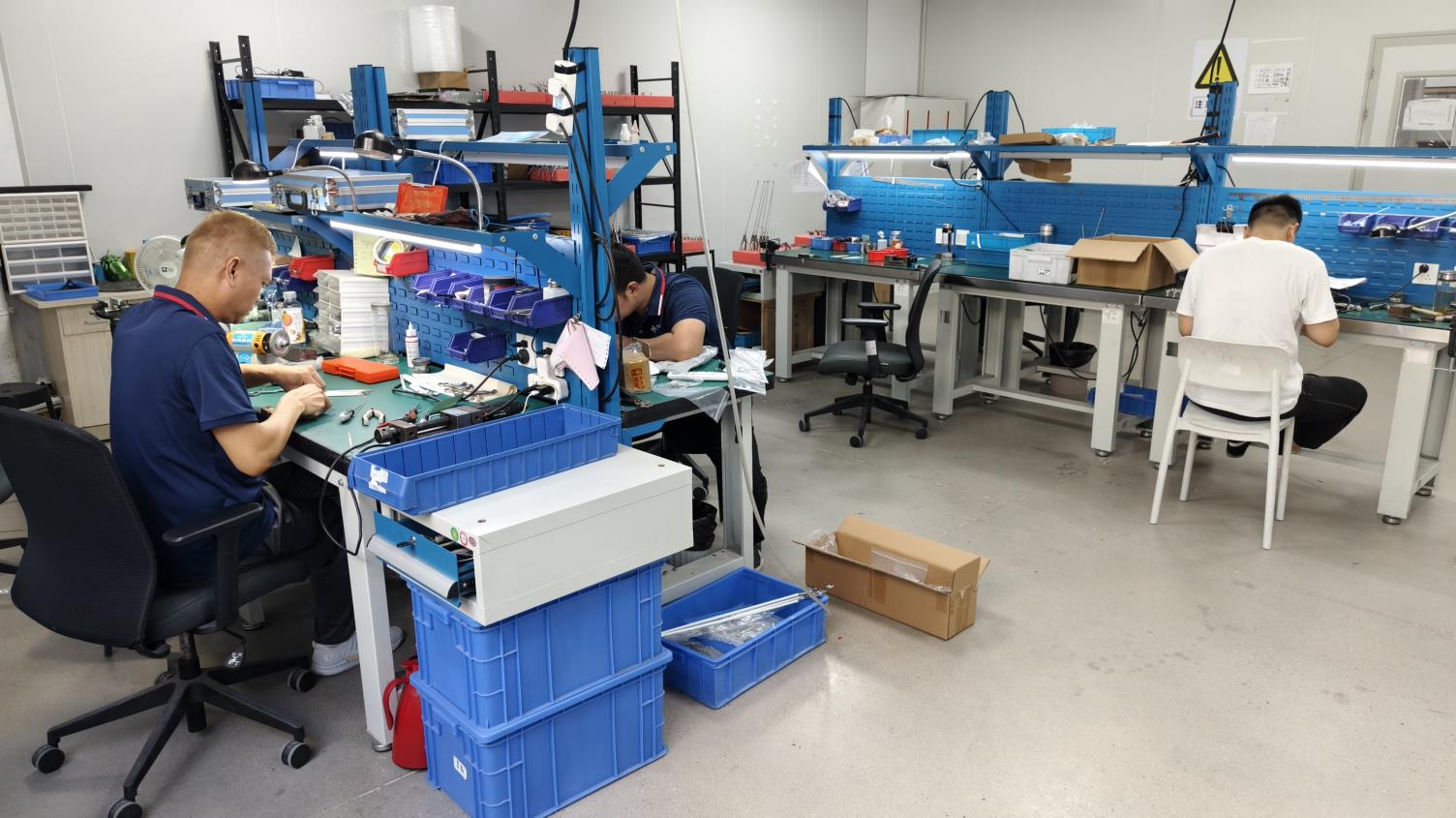
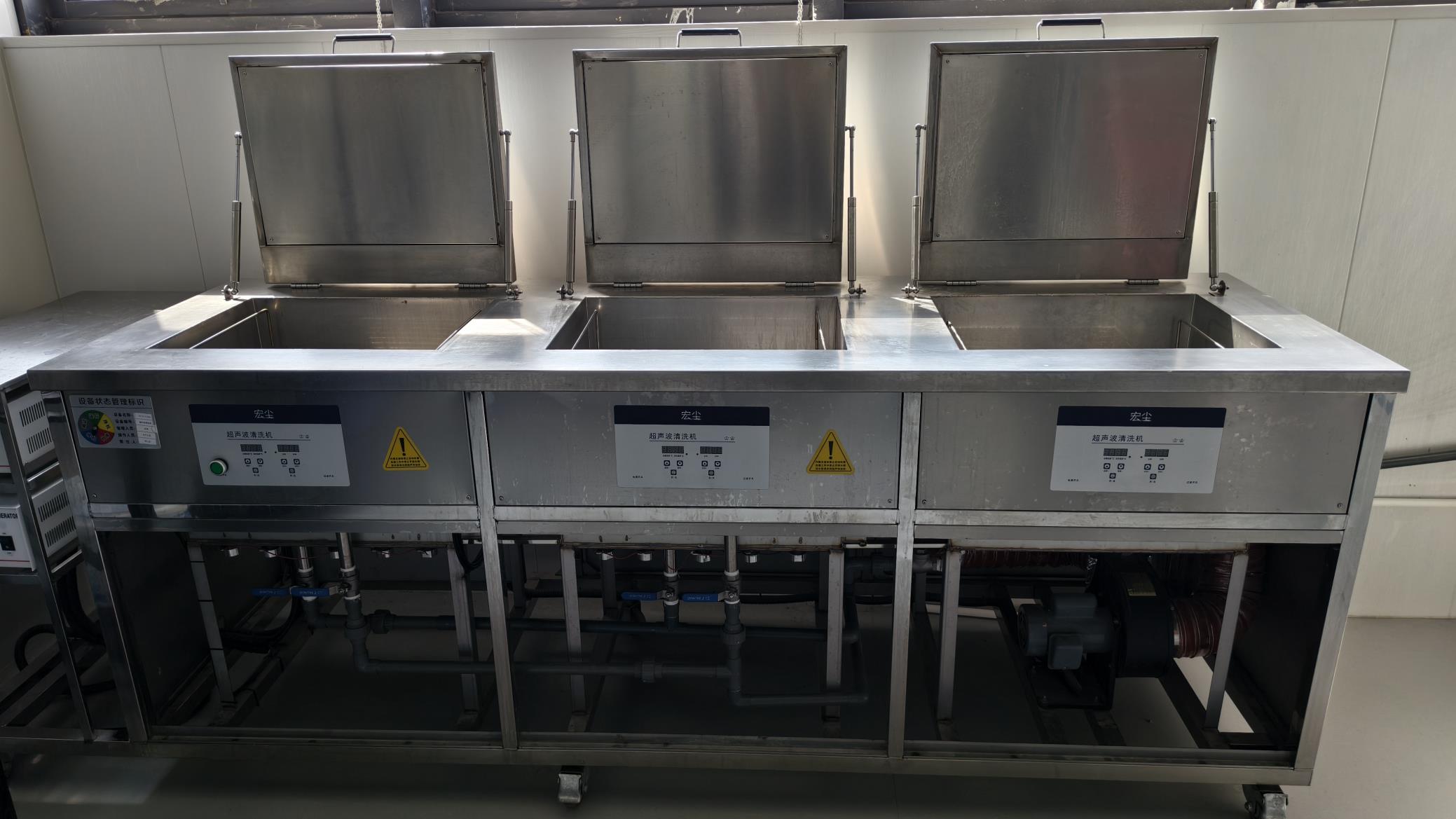
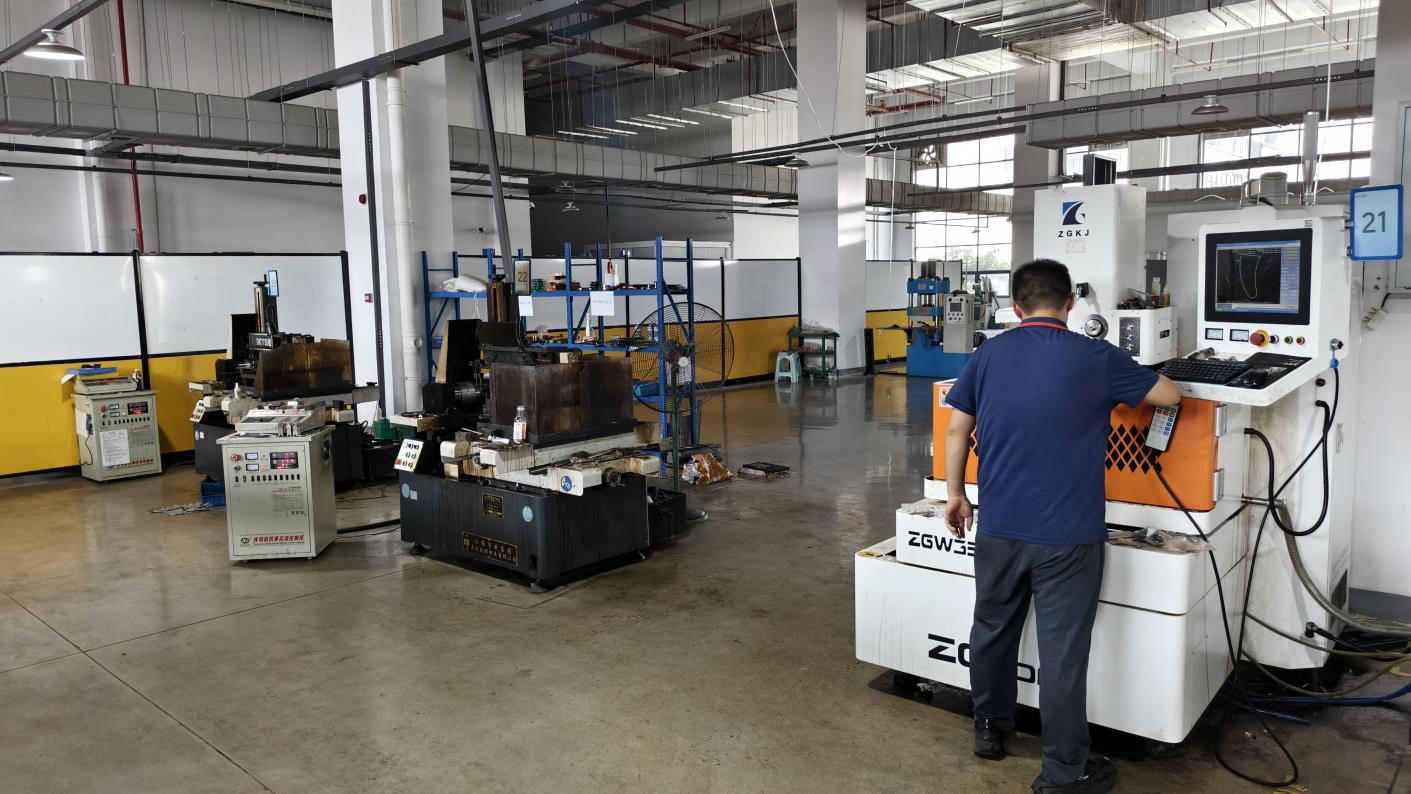
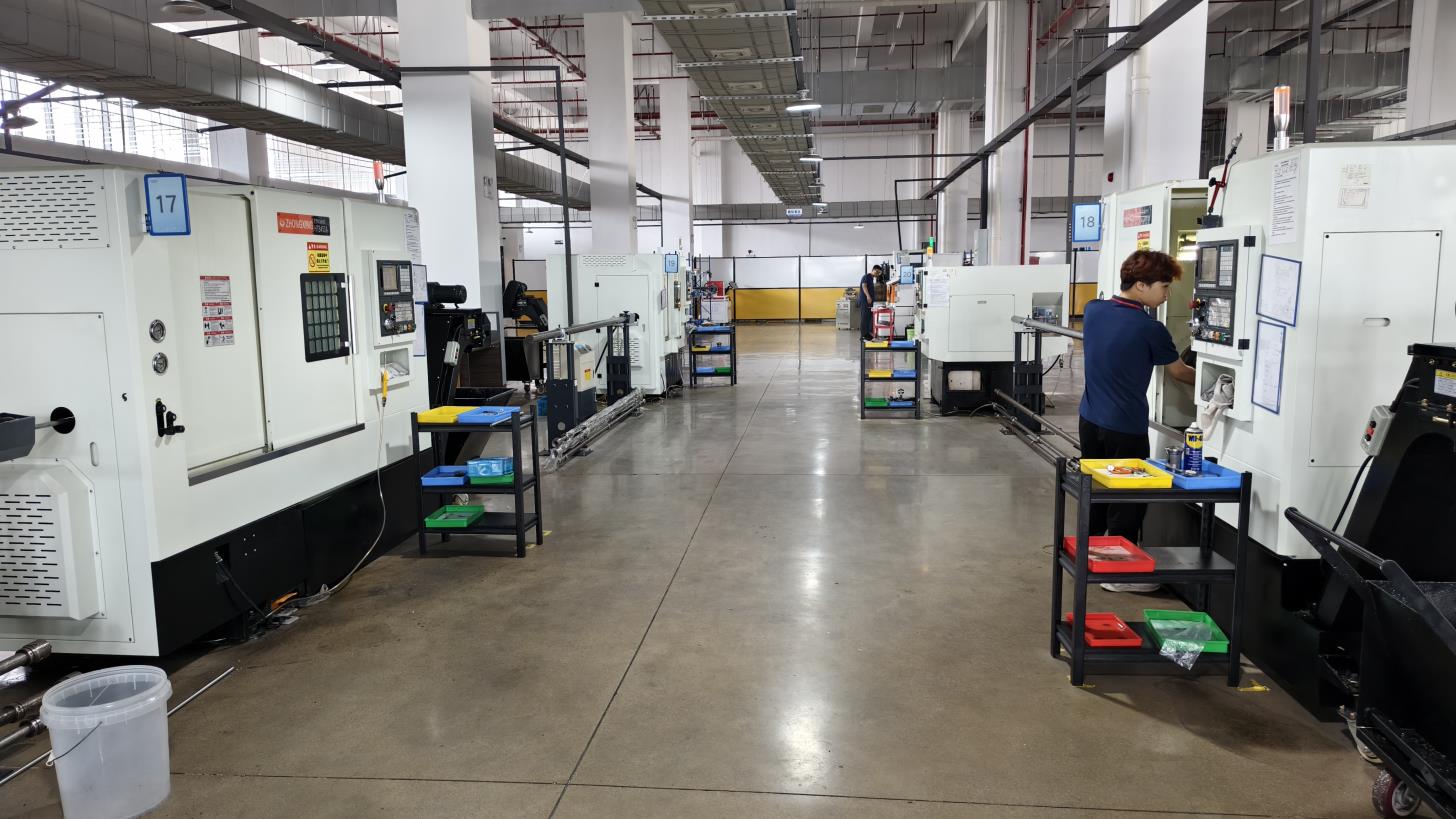
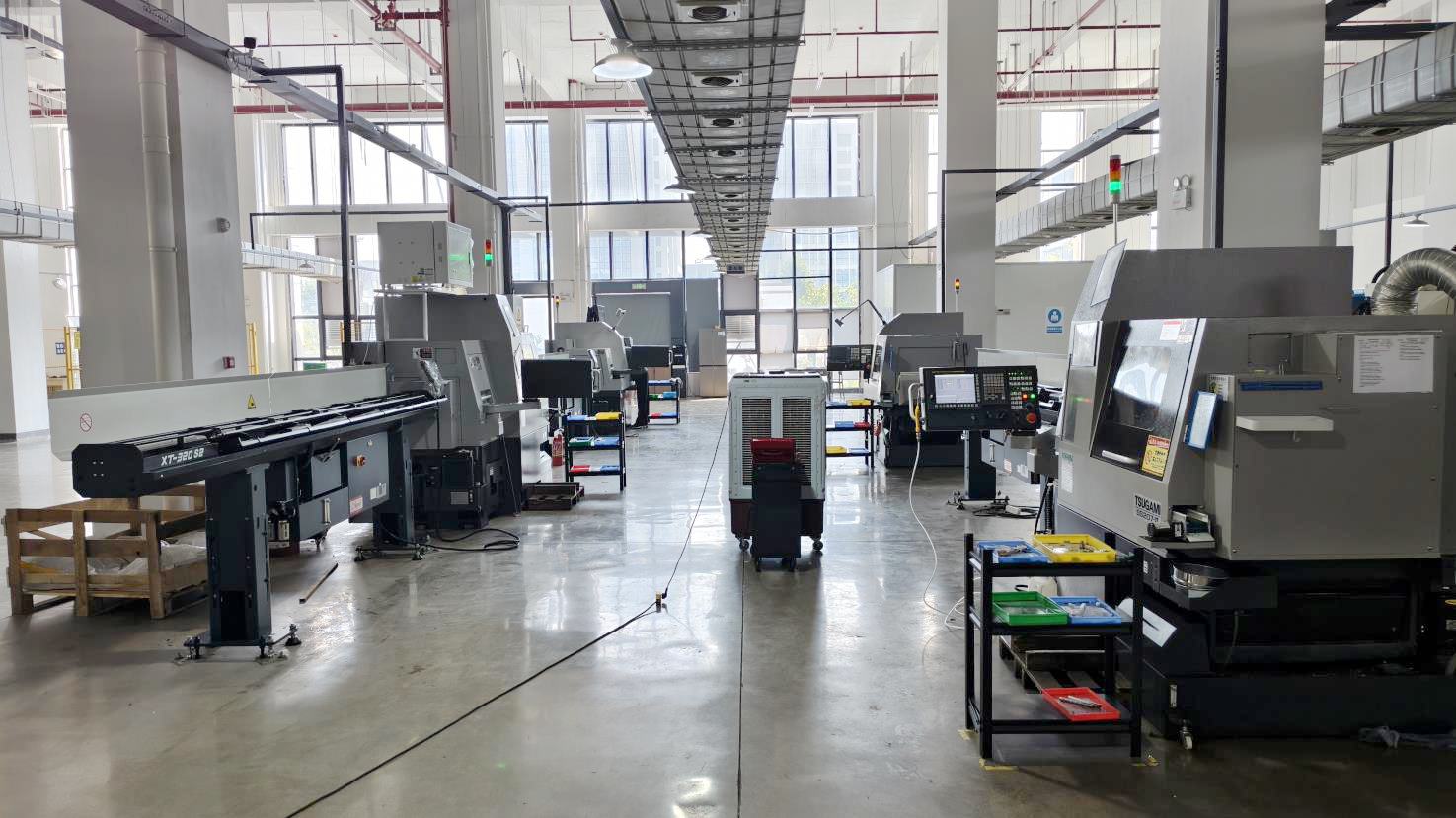
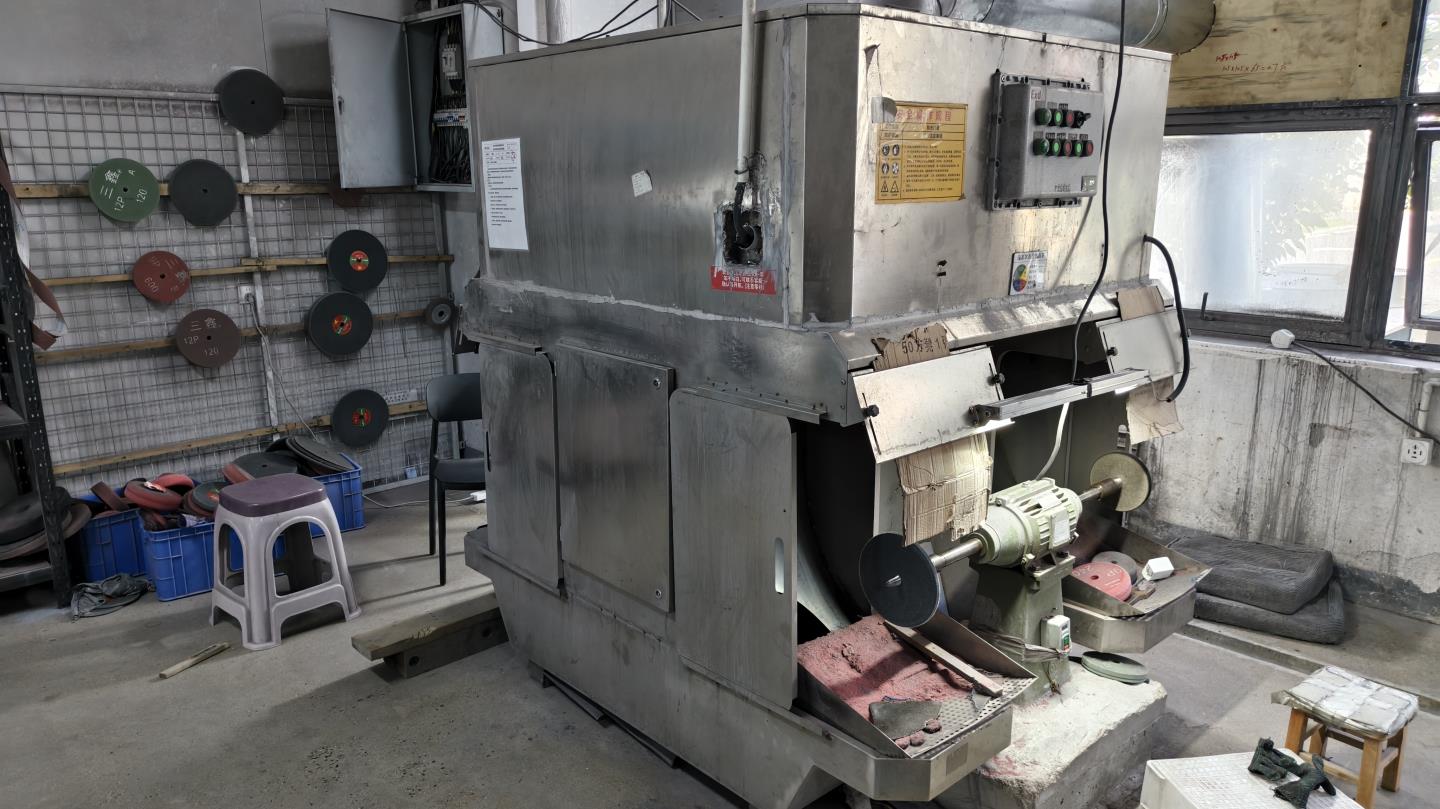
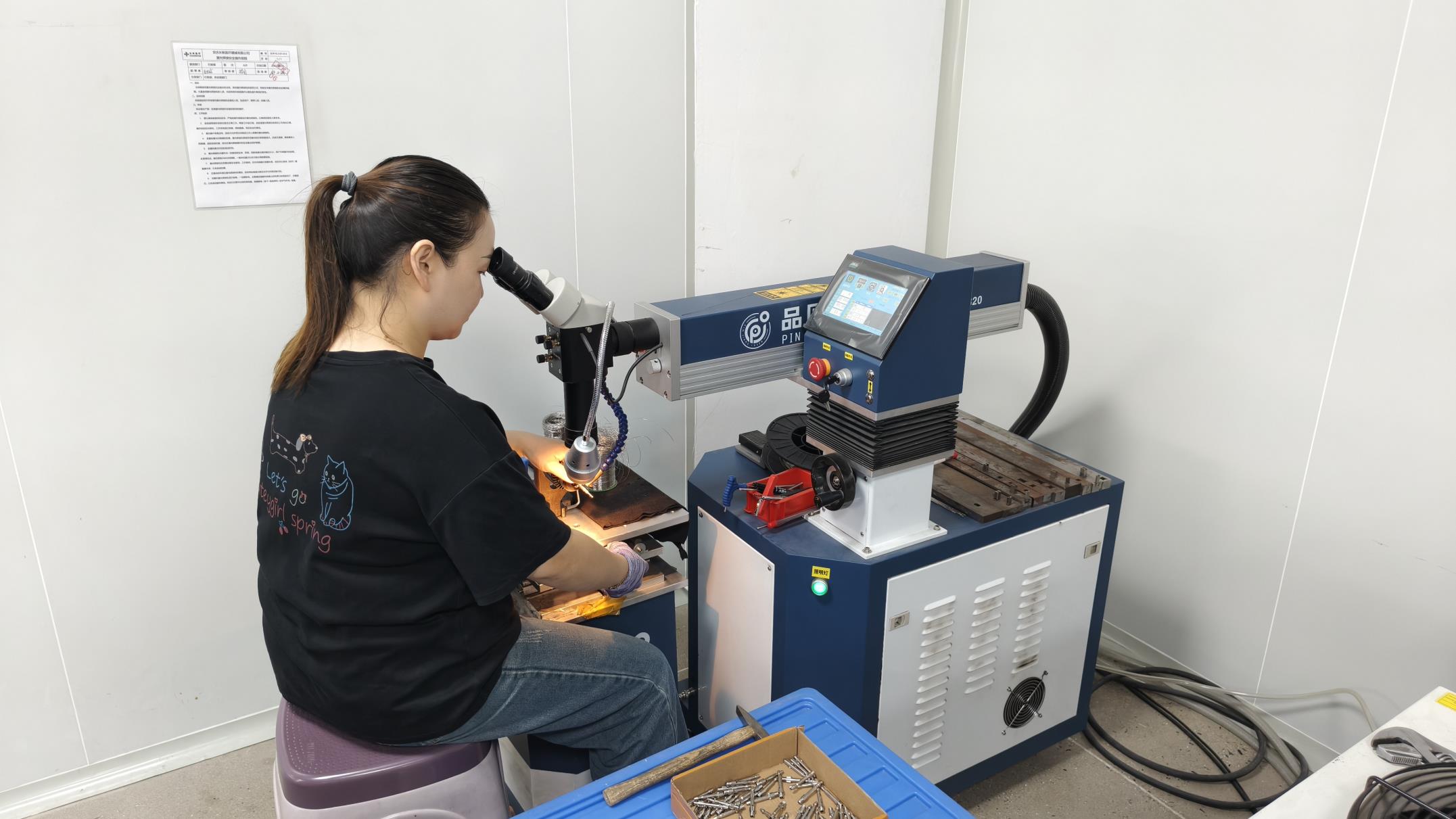
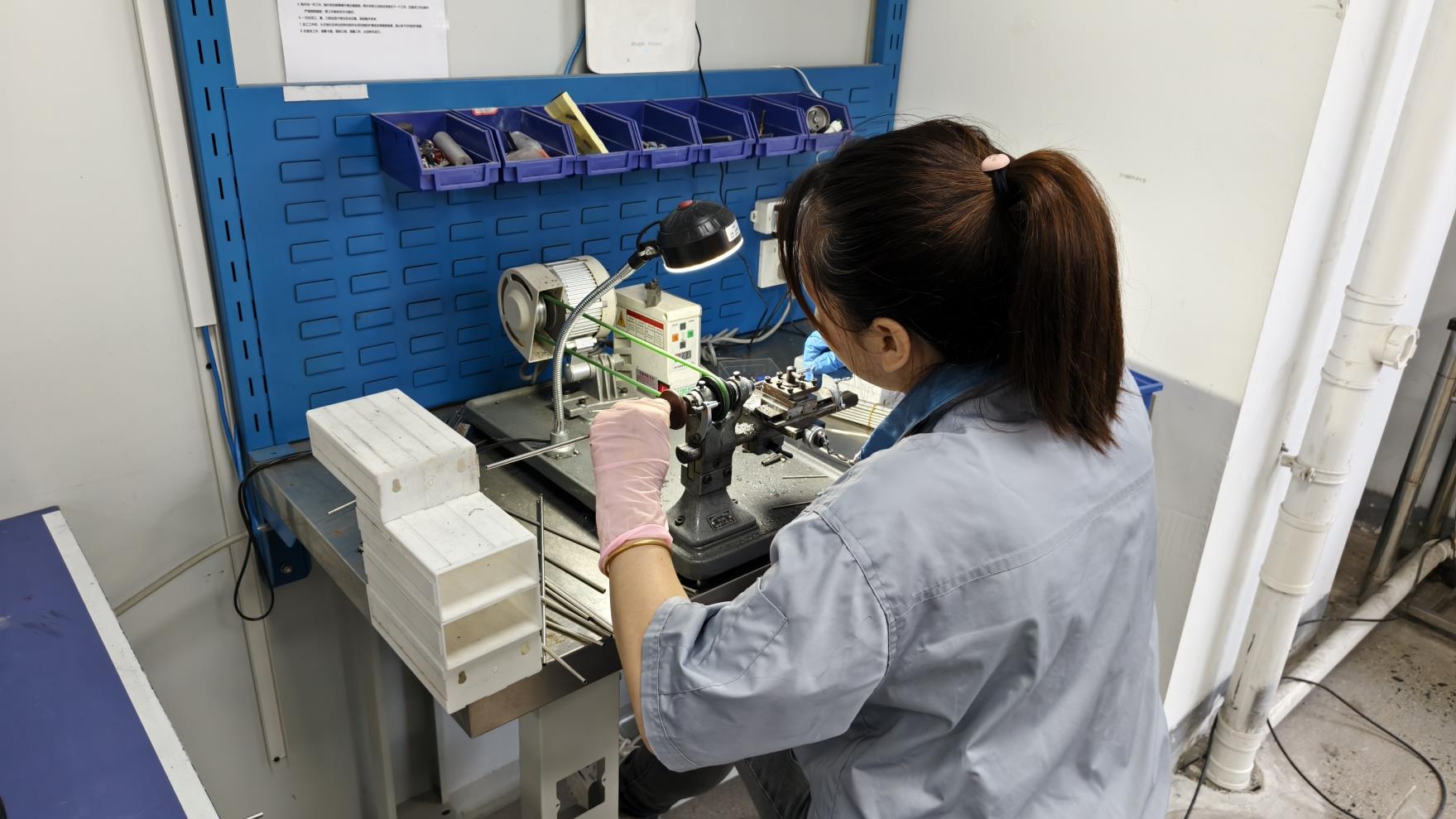
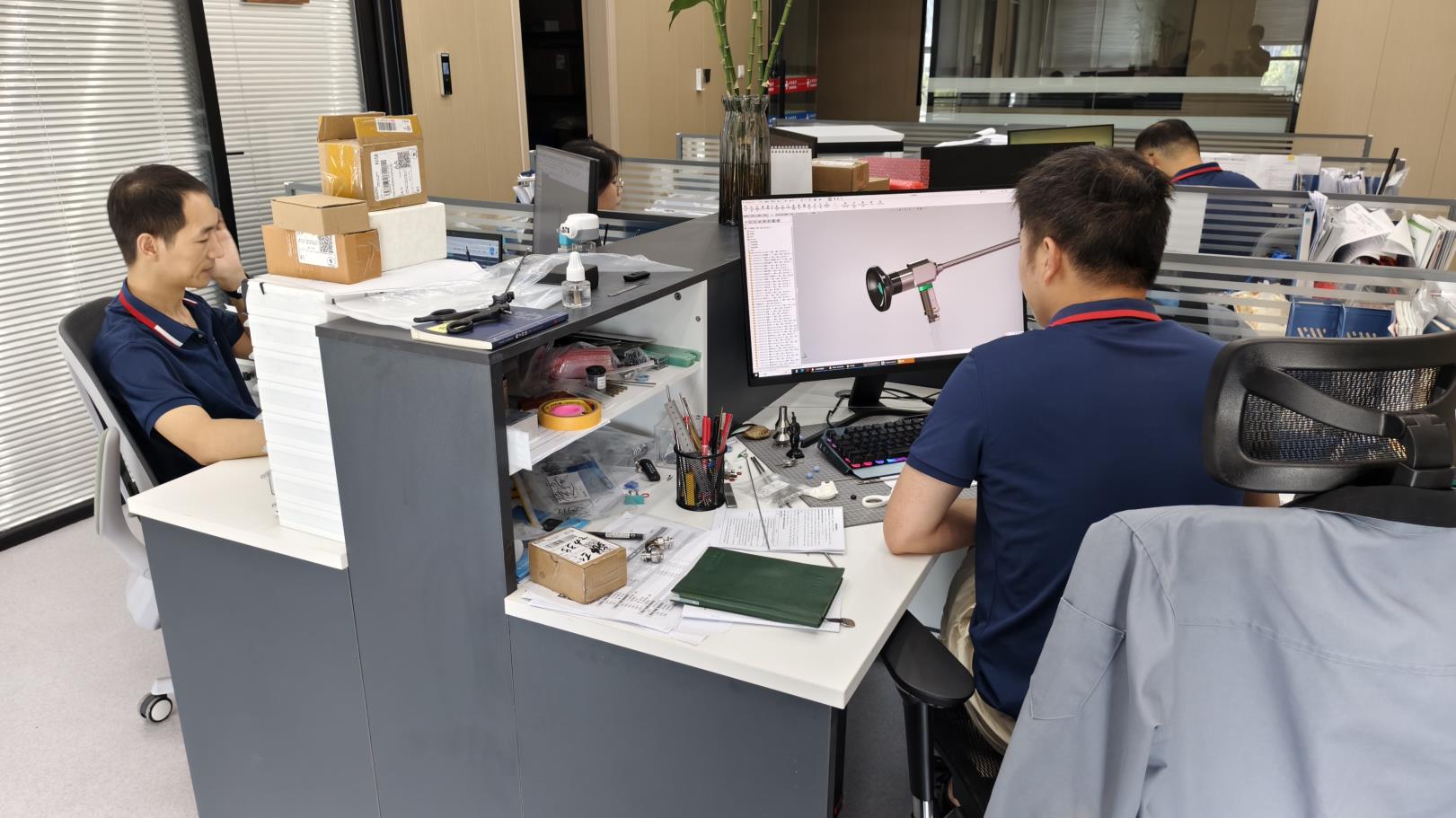
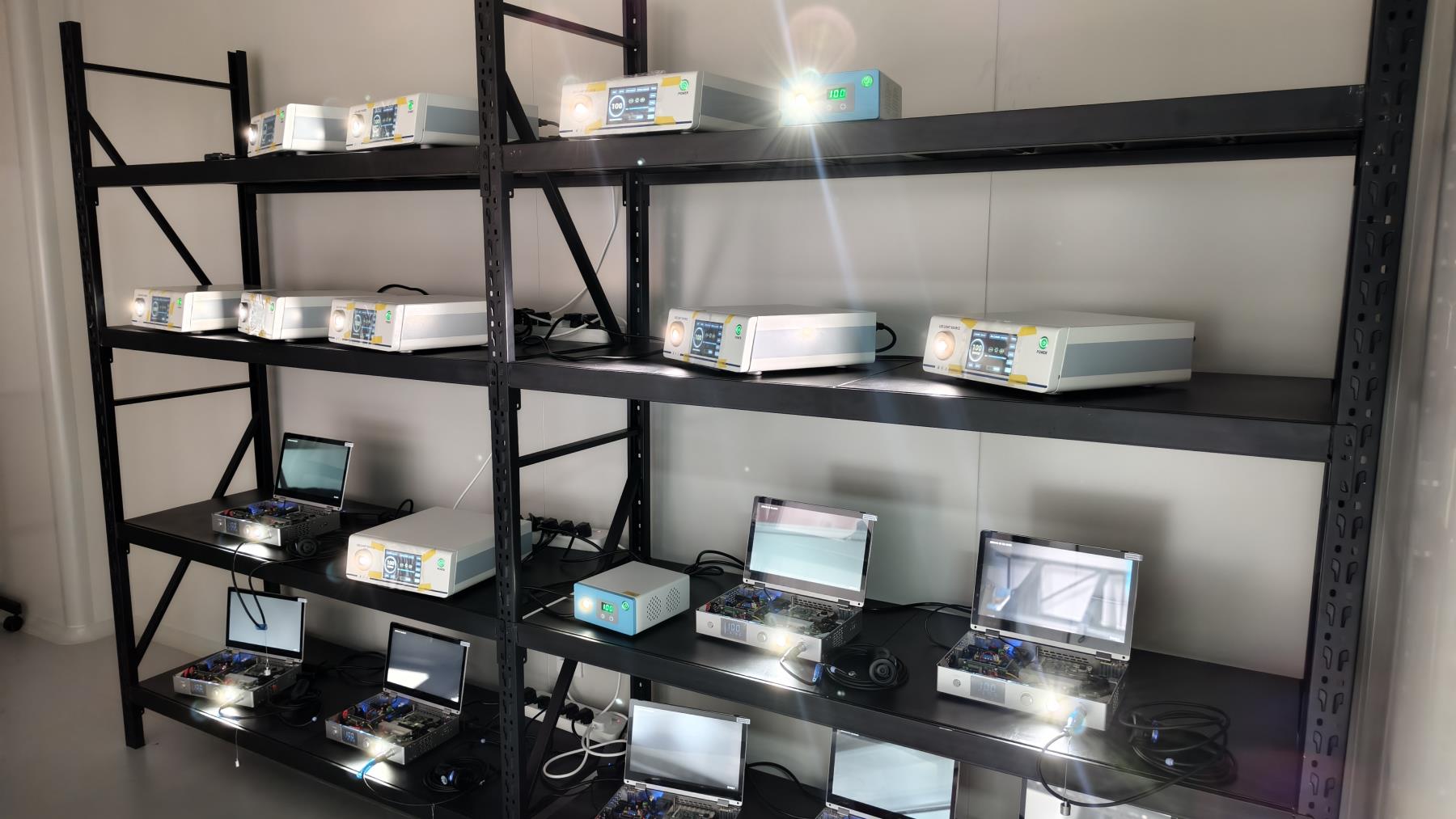
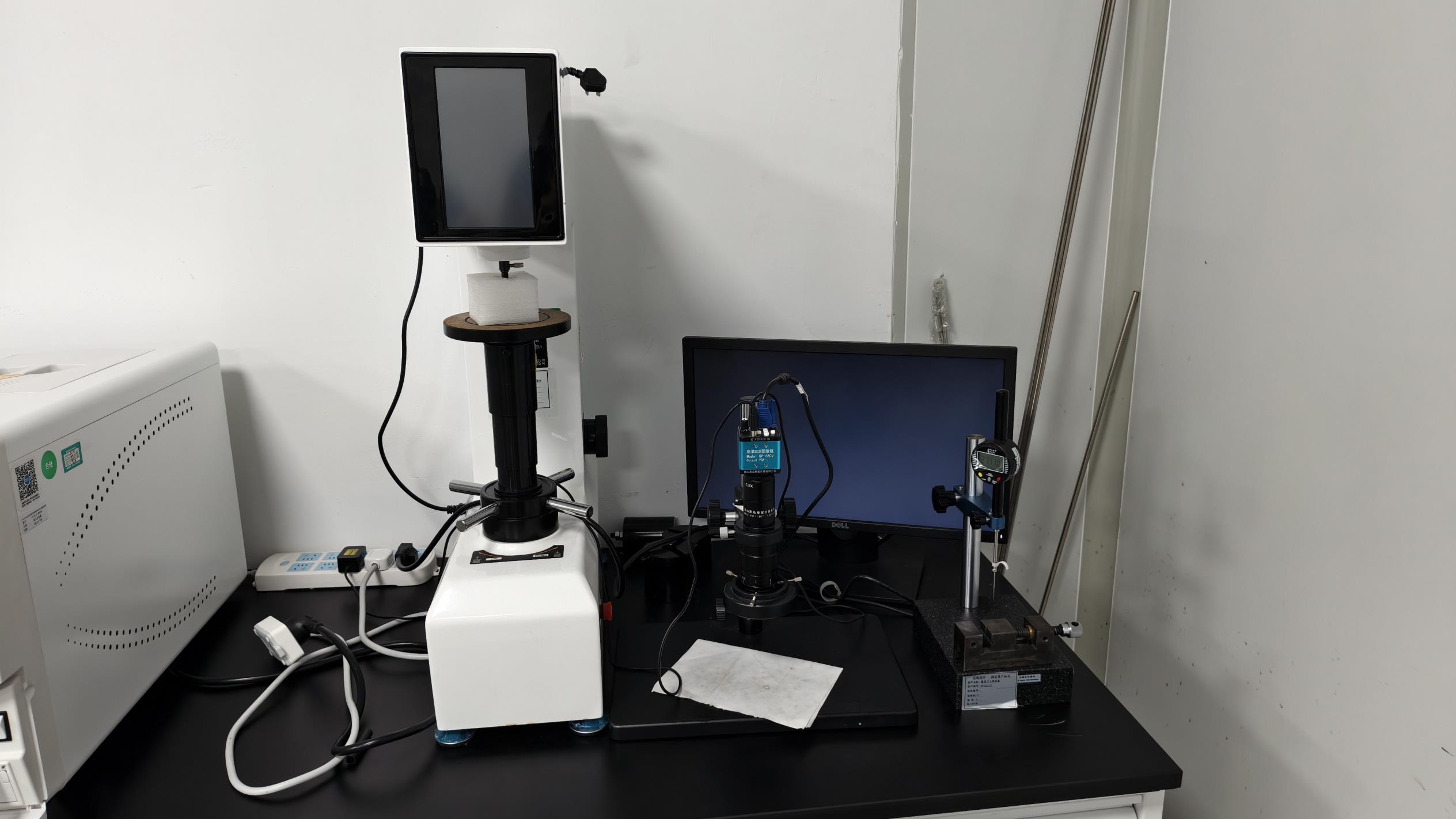
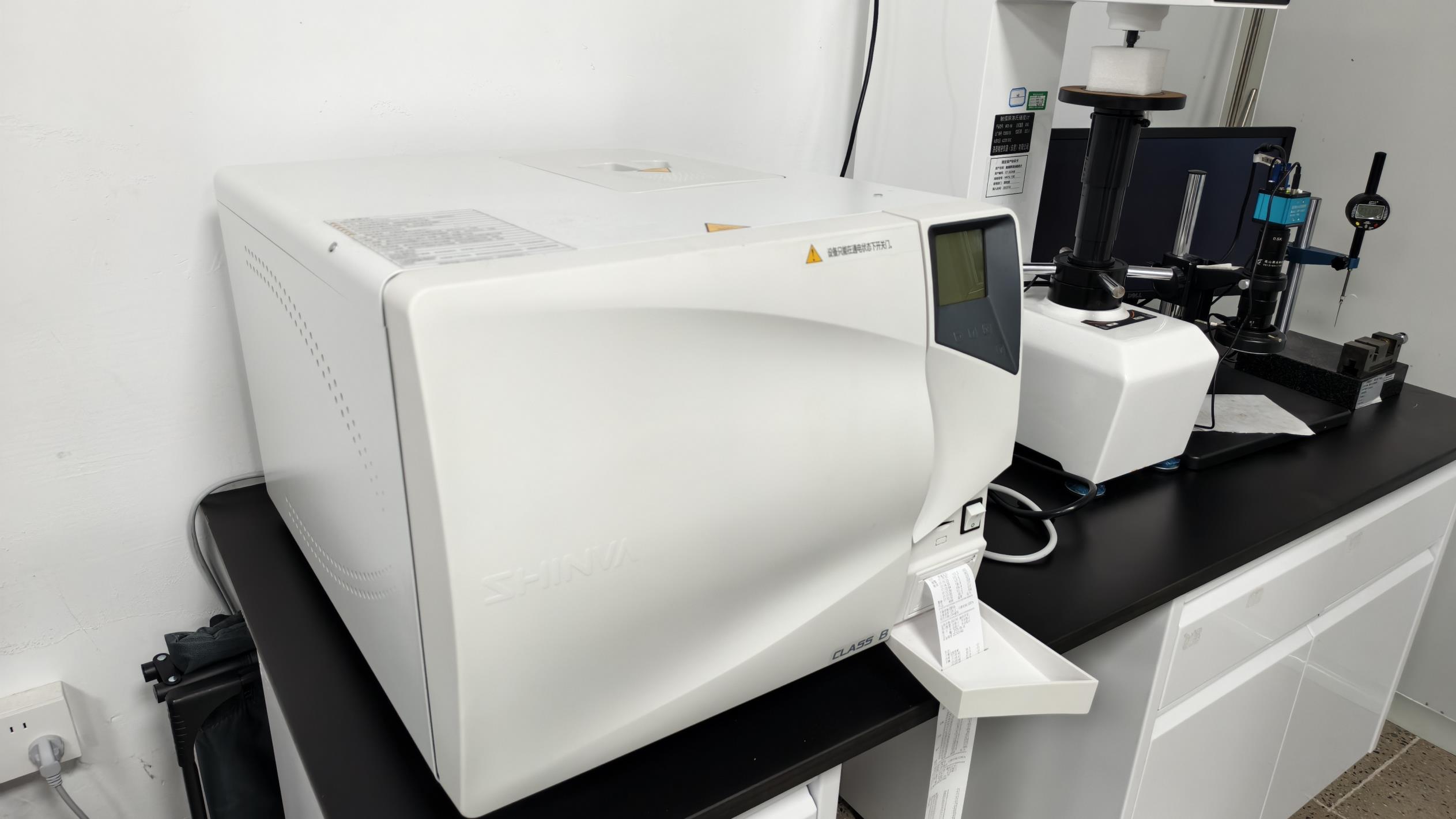
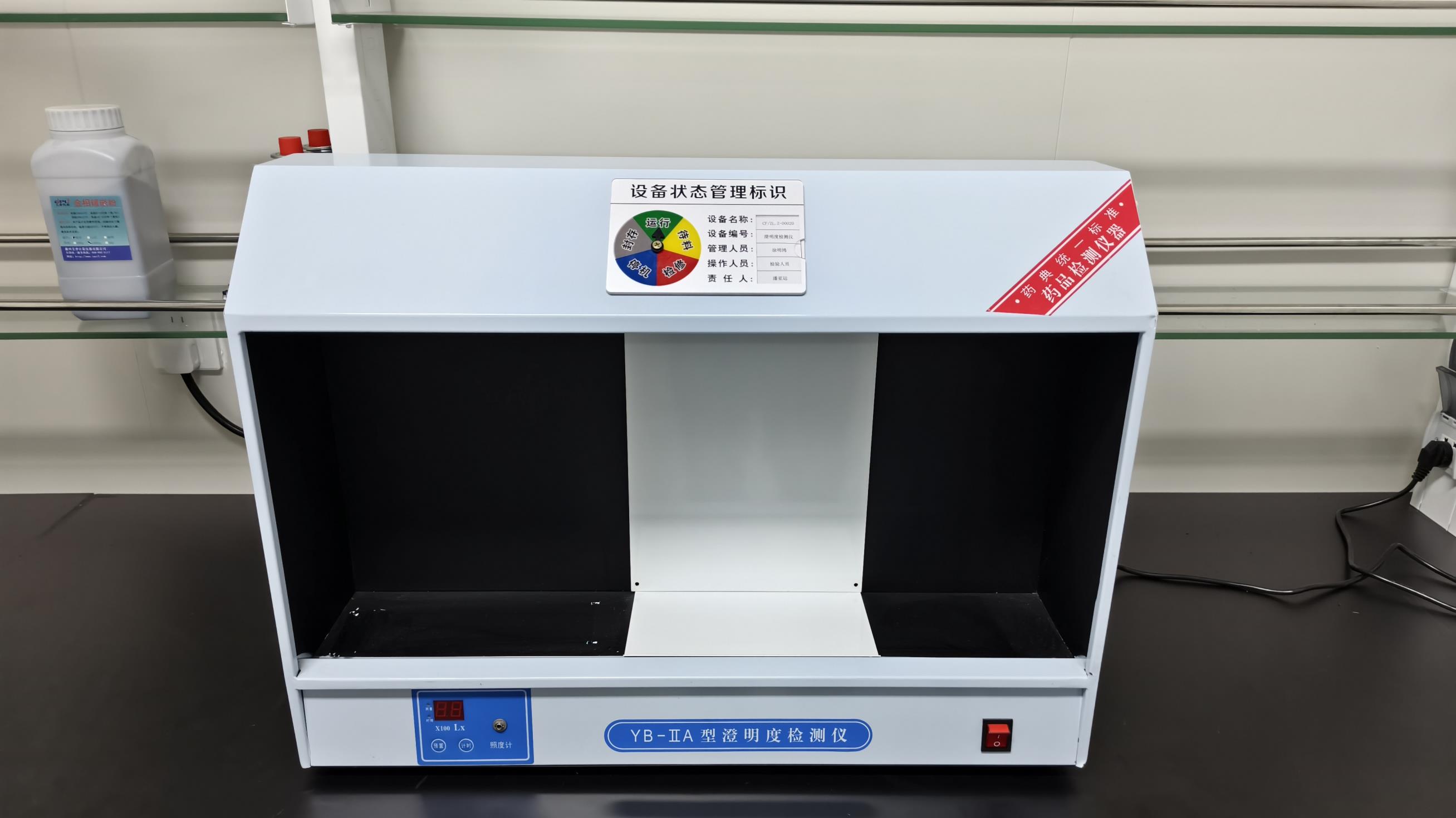
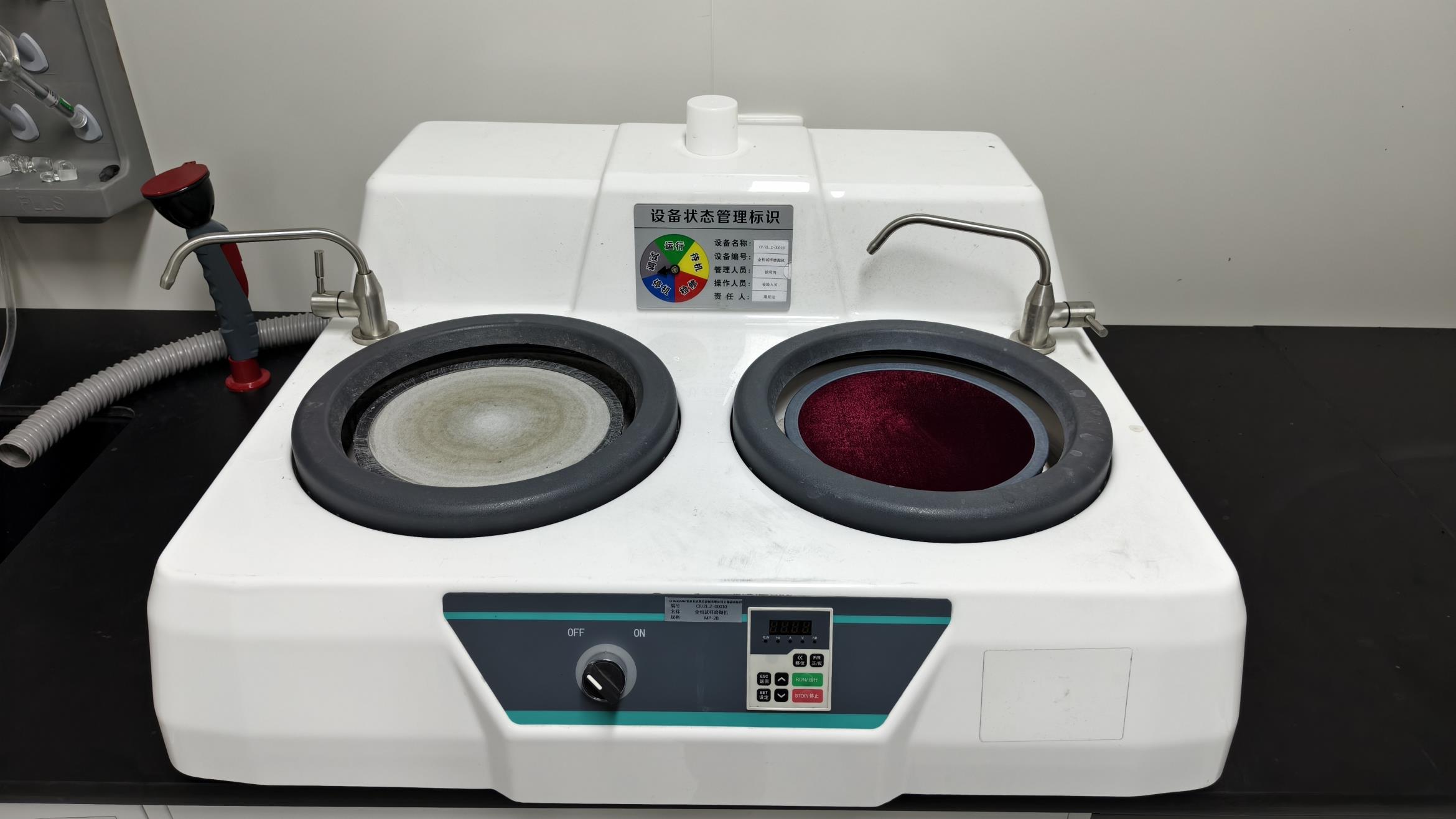
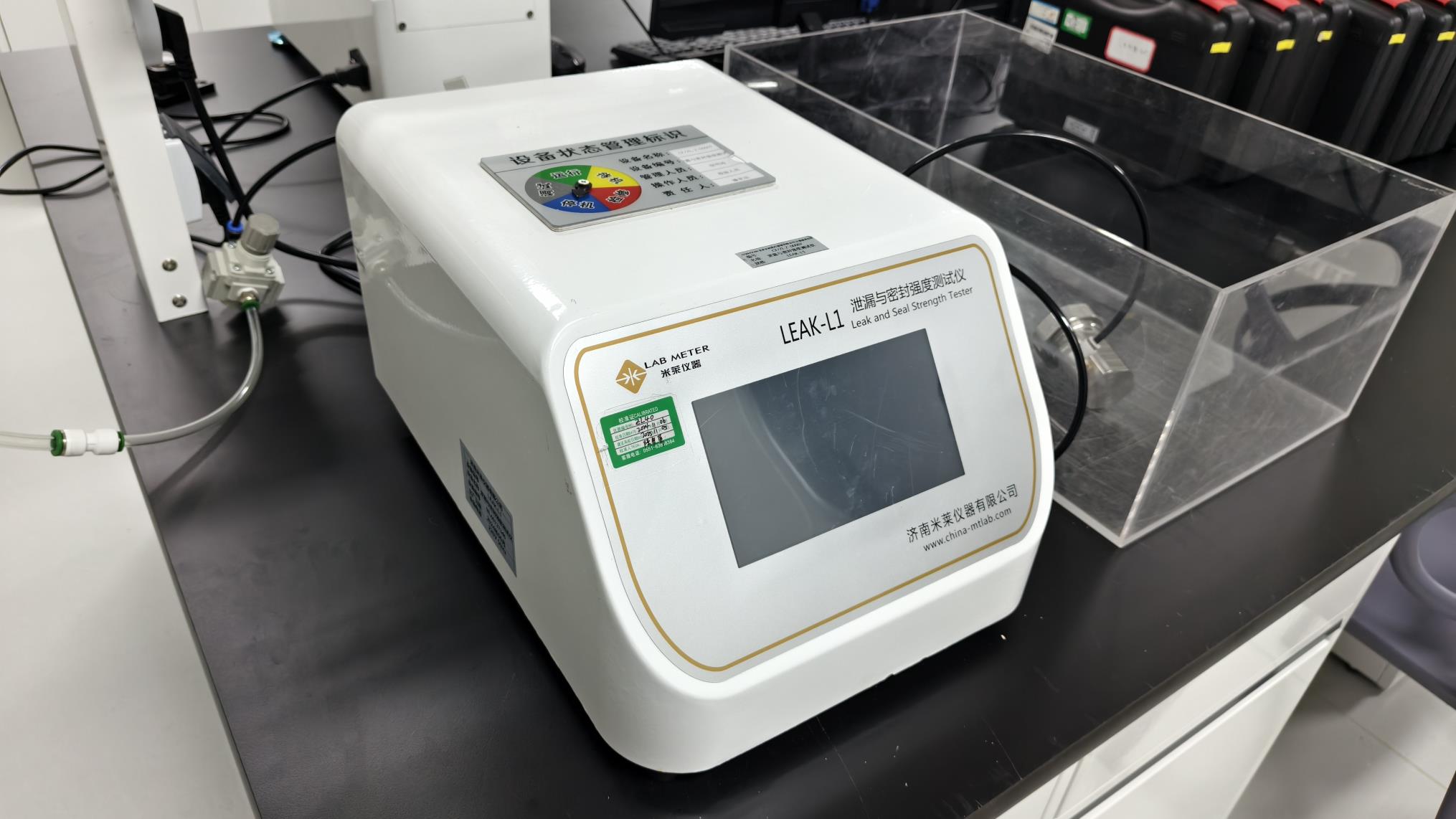
A visual tour through our state-of-the-art facility, detailing every stage of production from raw bar cutting to digital quality verification.
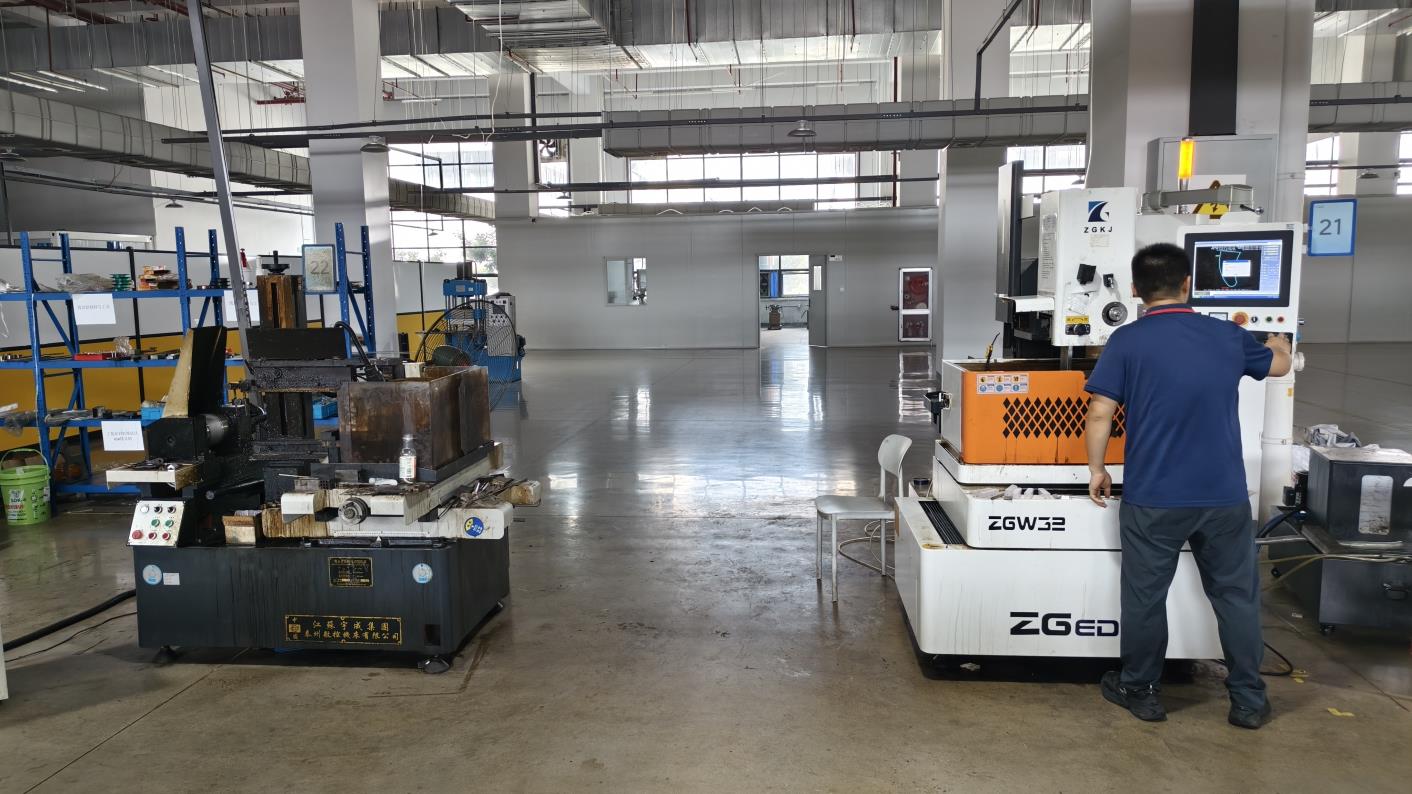
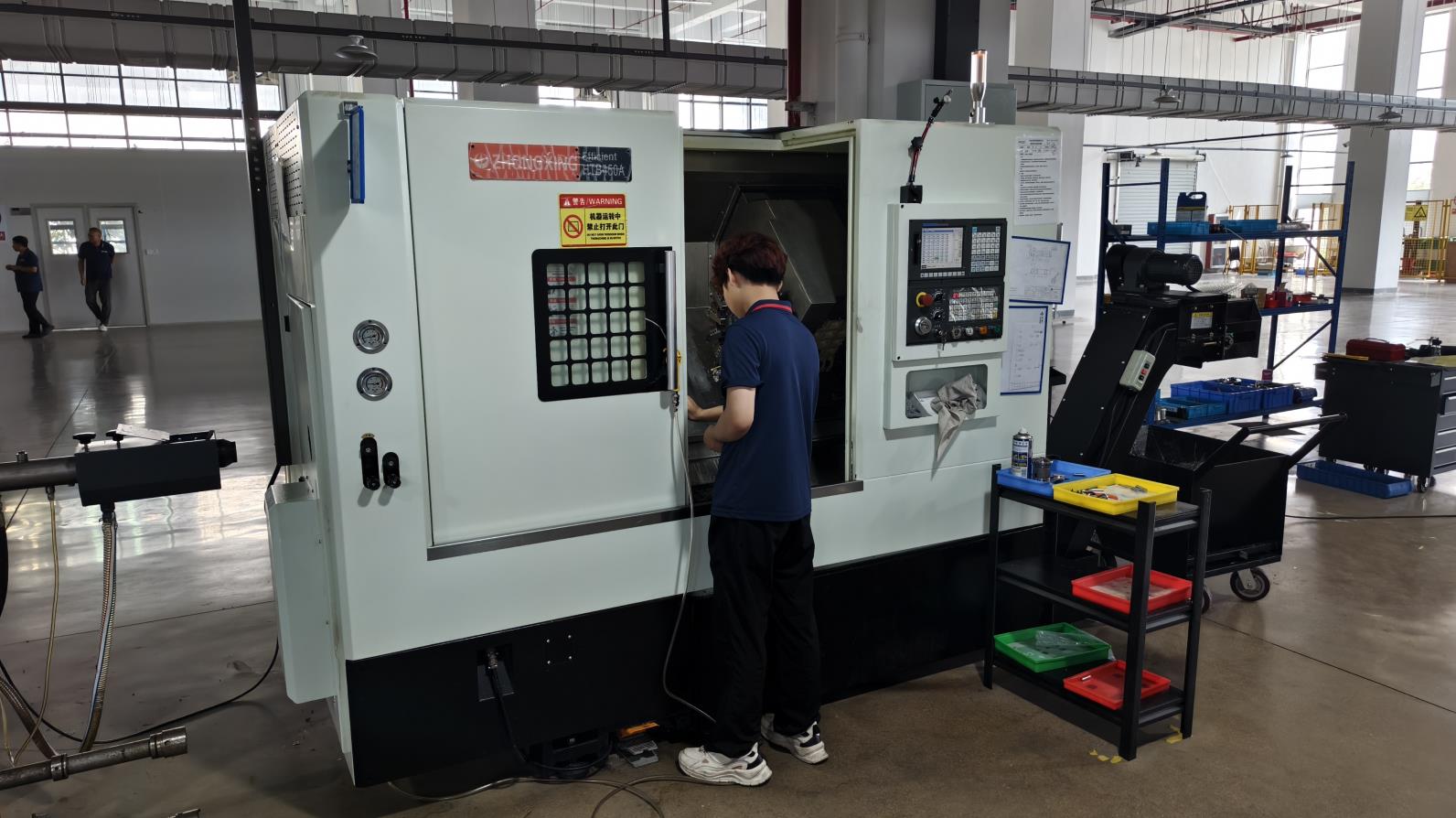
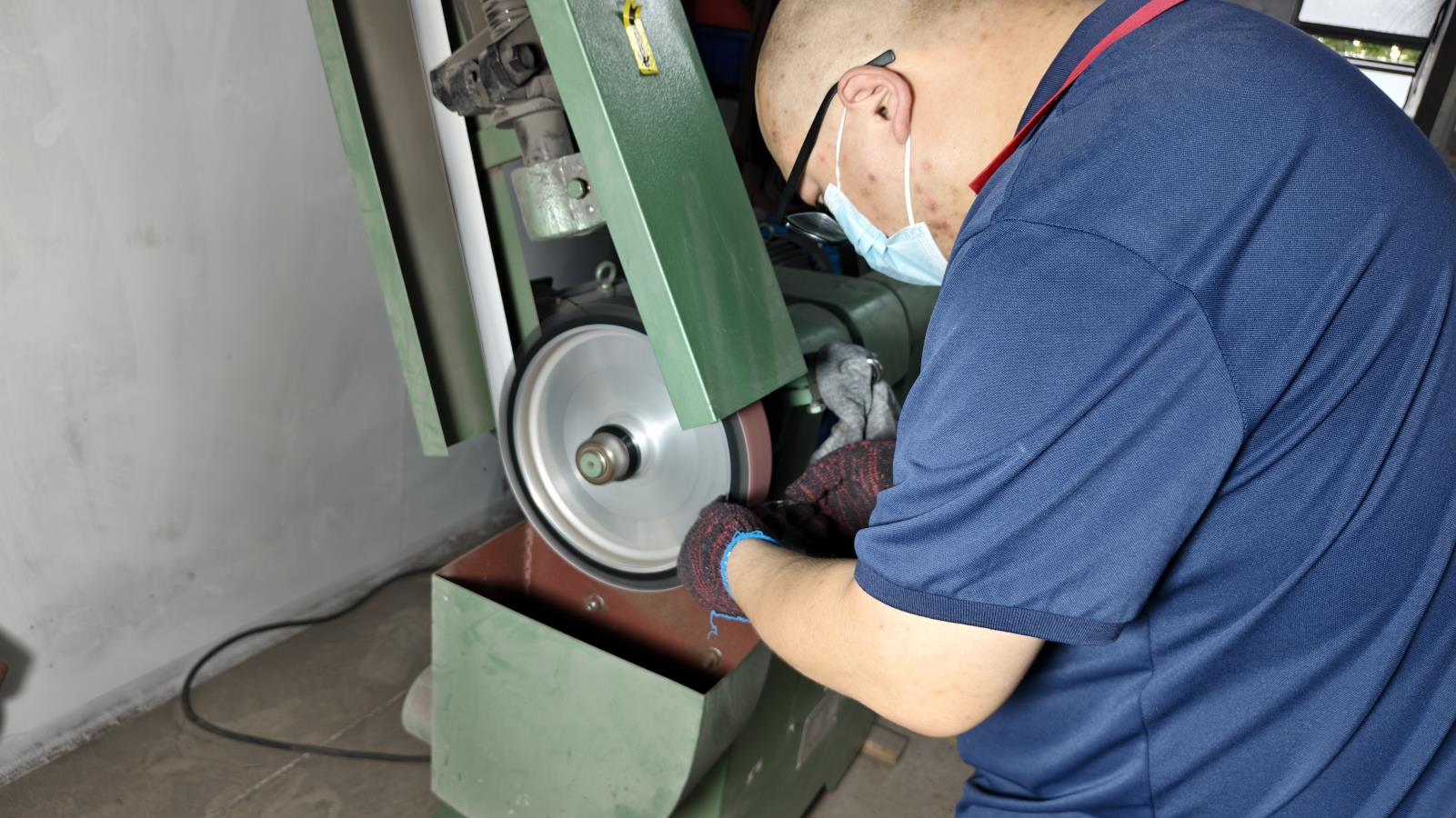
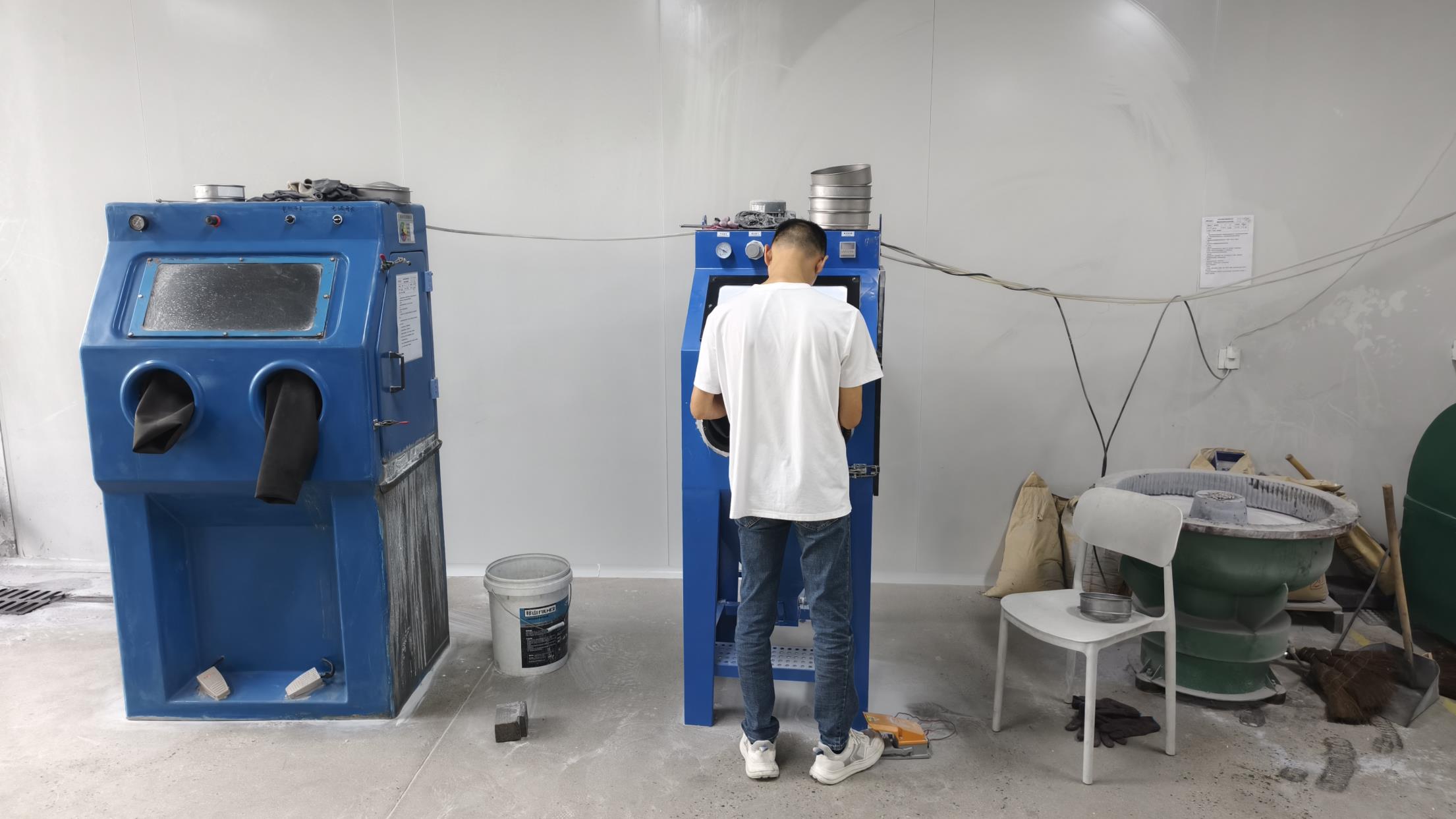
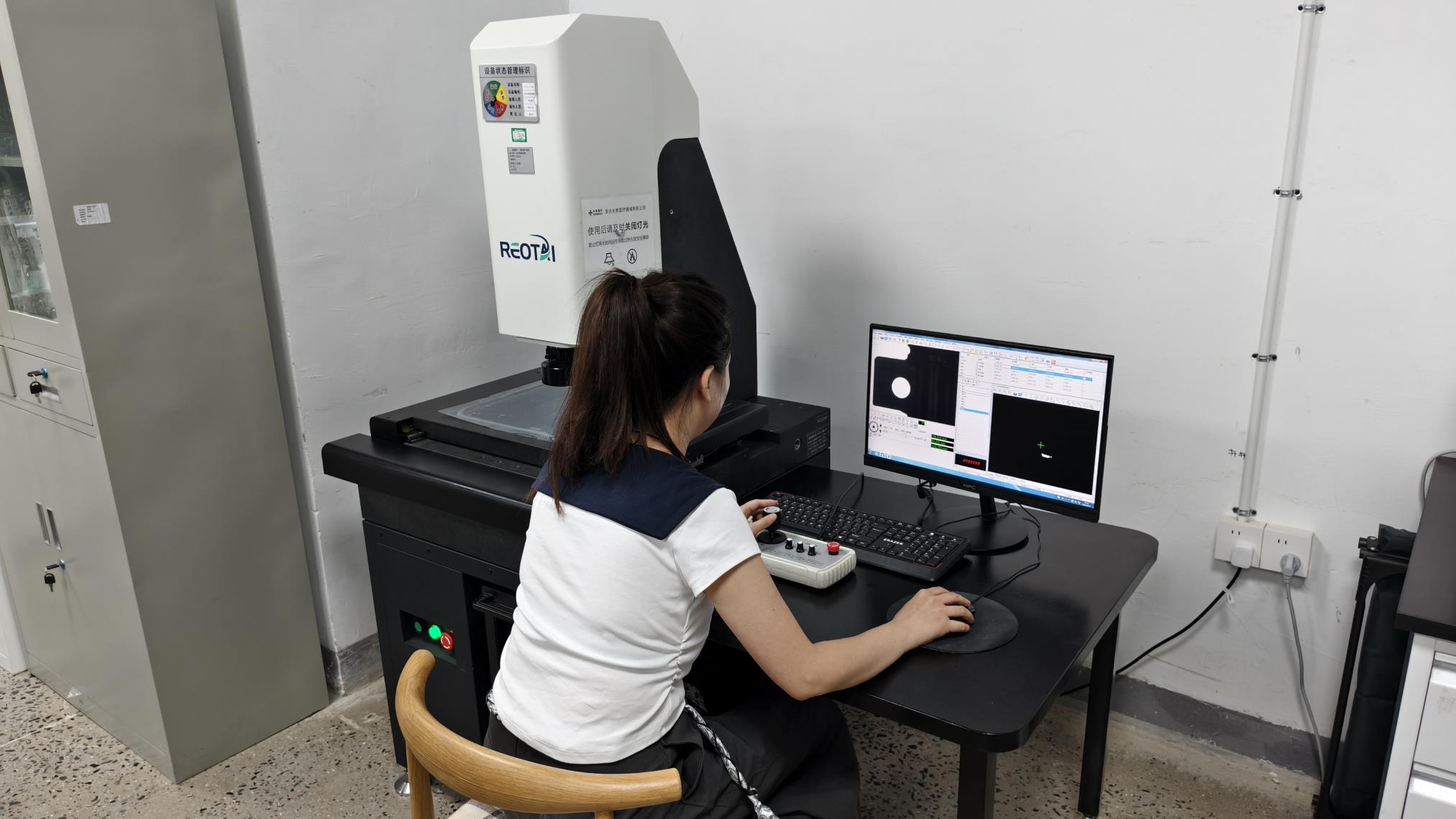
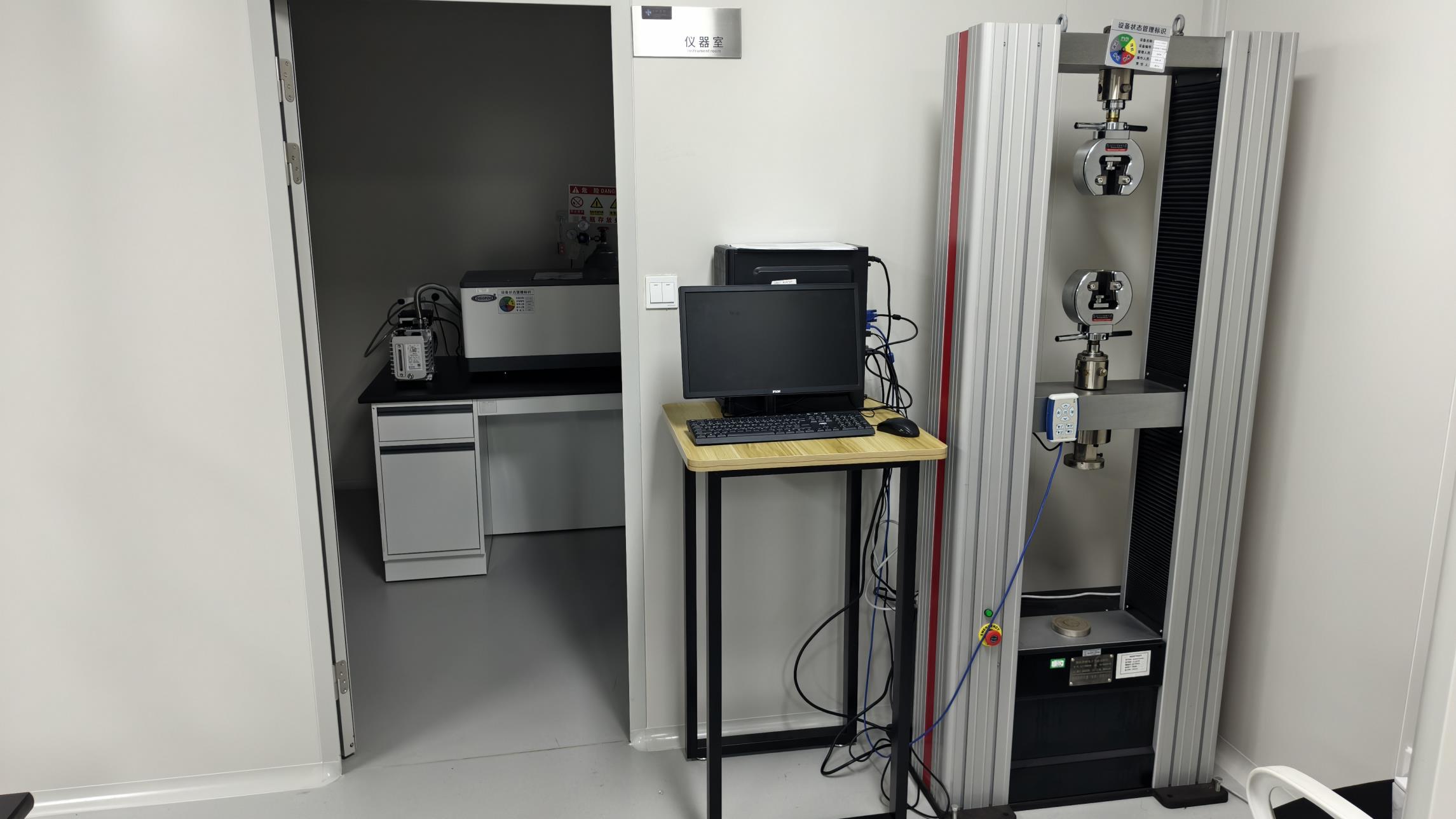
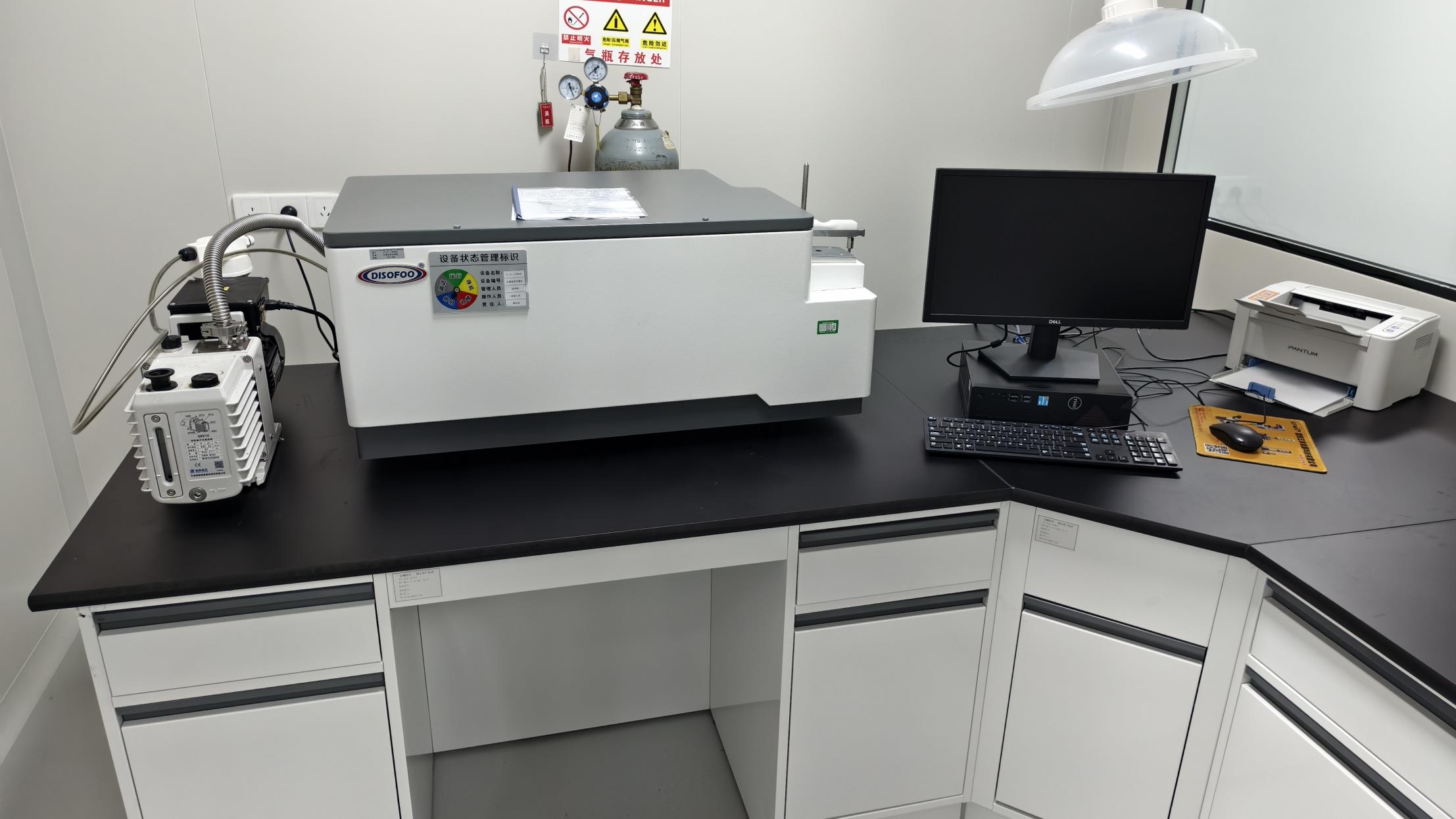
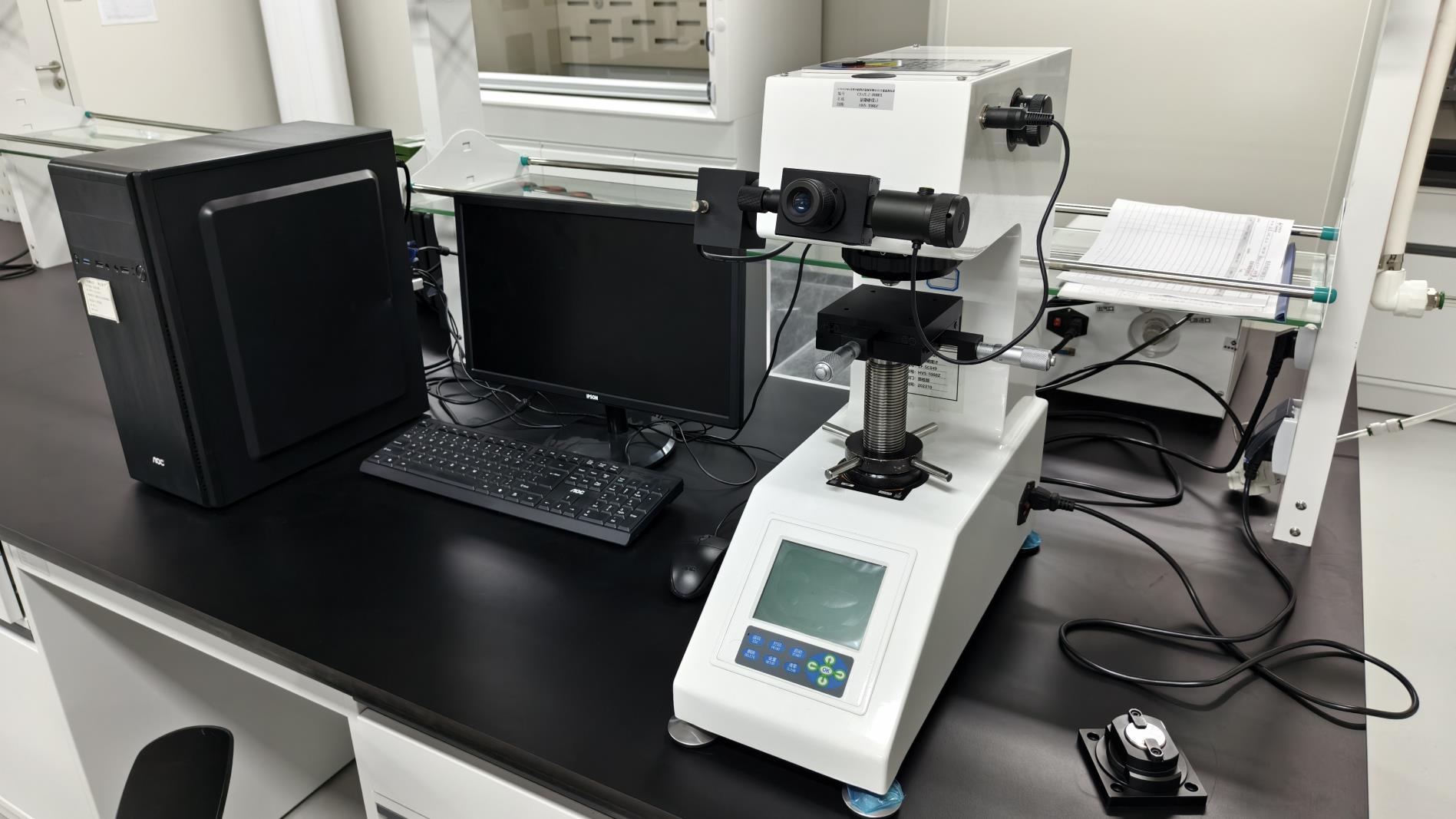
Every spinal pathology requires a highly targeted surgical approach. Our Posterior Cervical Fixation Systems provide comprehensive, configurations tailored to specific clinical indicators:
Engineered for instant rigidity post-injury. The system provides strong pull-out resistance to stabilize unstable fracture dislocations at C1-C7.
Integrates perfectly with laminoplasty procedures, preserving dorsal elements while maintaining stable sagittal alignment using low-profile plates.
Designed for post-tumor resection stabilization. Compatible with modern navigation systems for highly precise bone anchoring.
By matching different screw styles (cancellous vs. cortical threads) and rod transition designs (3.0mm to 5.5mm transition rods), surgeons can easily transition their constructs into the upper thoracic spine without using complicated adapters.
How Zynfuse and global research teams are pushing boundaries to improve clinical outcomes.
We are shifting from solid titanium structures toward porous titanium lattices that mimic trabecular bone structure. This encourages rapid osseointegration and shortens the biological fusion window.
Implementing advanced acid etching and anodization techniques to create bioactive surfaces. These surfaces resist bacterial colonization while supporting osteoblast growth, drastically reducing post-operative infection risks.
Developing future implants with integrated digital tracking compatibility. This allows intraoperative tracking via modern surgical robots and real-time visualization software, reducing radiation exposure.
Answers to critical questions regarding logistics, compliance, and custom manufacturing.
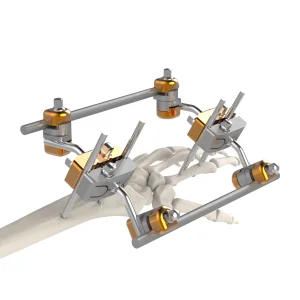
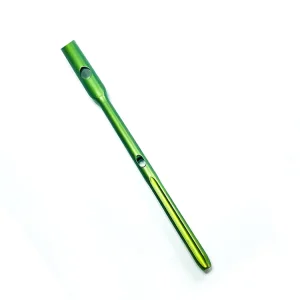
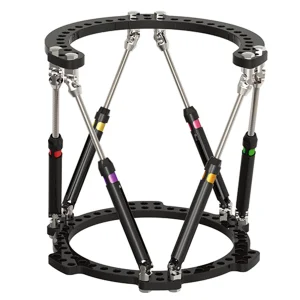
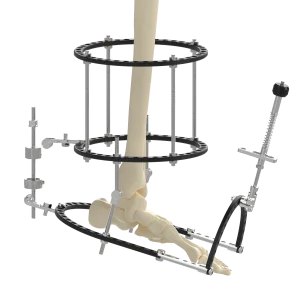
Discover more orthopedic options including external fixators, intramedullary nails, and complex frame systems.