Zynfuse
Zynfuse
Zynfuse
Engineered for anatomical precision, optimal biomechanical stability, and accelerated patient mobility. Certified to medical safety standards.
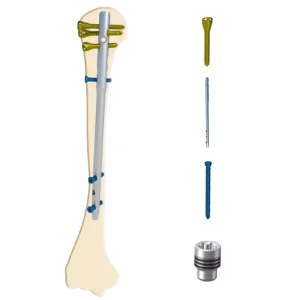
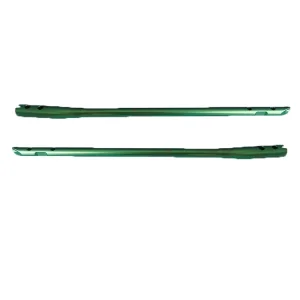
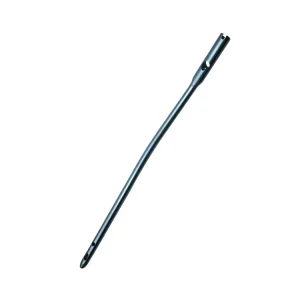
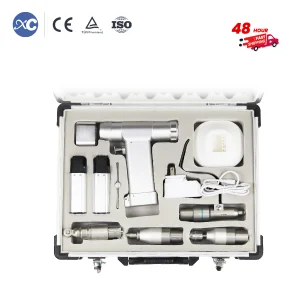
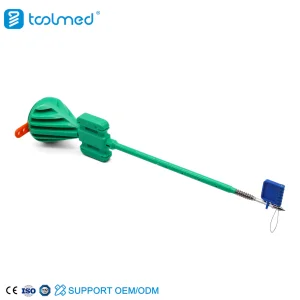
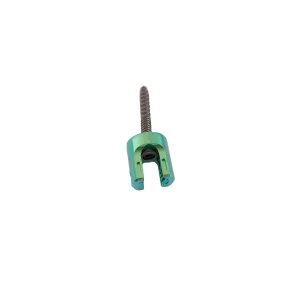
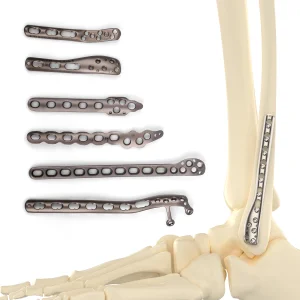
Zynfuse Medical Technology Co., Ltd. is a leading manufacturer specializing in orthopedic medical devices, including advanced bone fusion solutions, trauma implants, and anatomical reconstructive devices. Rooted in clinical demand and engineered with state-of-the-art metallurgy, we have established a strong presence globally. With 12 years of industry experience and 7 years of specialized export experience, Zynfuse provides high-quality devices to healthcare networks, surgical centers, and medical distributors worldwide.
Our operations run from a modern, fully optimized manufacturing facility covering 18,600 m². The facility is equipped with high-precision Swiss-type lathes, multi-axis machining units, and advanced materials analysis tools. Zynfuse sustains an annual export revenue of approximately $18.5 million, bolstered by a global network of over 1,200 partners. To ensure regulatory compliance and patient safety, we employ 68 quality inspection specialists who manage strict, step-by-step verification processes.
By combining manufacturing expertise with strict regulatory compliance, Zynfuse continues to support critical surgical procedures, helping patients worldwide regain mobility and quality of life.
The surgical treatment of long bone fractures—such as those of the femur, tibia, and humerus—has transitioned toward internal fixation. Interlocking intramedullary nails (IIN) are now standard for managing diaphyseal fractures. By acting as internal splints, they share physiological loads, allowing early weight-bearing and accelerating bone healing.
Early intramedullary implants were made primarily of stainless steel (316L), which offered high rigidity but often caused "stress shielding"—a phenomenon where the metal carries too much load, leading to localized bone resorption. Modern designs utilize medical-grade titanium alloys (Ti-6Al-4V ELI) and titanium-molybdenum formulations. Titanium offers a lower modulus of elasticity closer to cortical bone, reducing stress shielding, improving fatigue resistance, and enhancing biocompatibility.
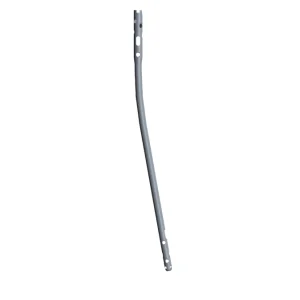
Modern intramedullary systems feature advanced pre-bent designs. Retrograde and antegrade femoral nails, for instance, are pre-bent to match the natural anterior bowing of the femoral shaft. This helps prevent cortical perforation and facilitates easier insertion, minimizing stress at the entry point.
Standard interlocking systems traditionally relied on basic transverse screws, which can lack stability in highly comminuted or distal/proximal metaphyseal fractures. Modern implants incorporate multi-planar, angular, and dynamic locking options. The introduction of proximal femoral antirotation blades (such as PFNA systems) provides enhanced resistance to rotational forces and varus collapse, which is particularly beneficial in osteoporotic bone.
In medical device procurement, decision-makers—including hospital purchasing groups, regional distributors, and government tender authorities—prioritize regulatory compliance, mechanical performance, and supply chain reliability.
Key procurement requirements include:
Zynfuse addresses these key requirements through an ISO 13485-certified quality system. Each product line undergoes extensive mechanical testing, dimension verification, and cleanroom packaging.
Zynfuse leverages advanced manufacturing techniques to produce high-precision, reliable implants at scale. By integrating specialized CNC machinery, high-performance lathes, and rigorous quality testing, we ensure that every intramedullary nail meets strict medical-grade specifications.
Our production line integrates high-precision machining, polishing, and surface treatments to manufacture clean, biocompatible implants.
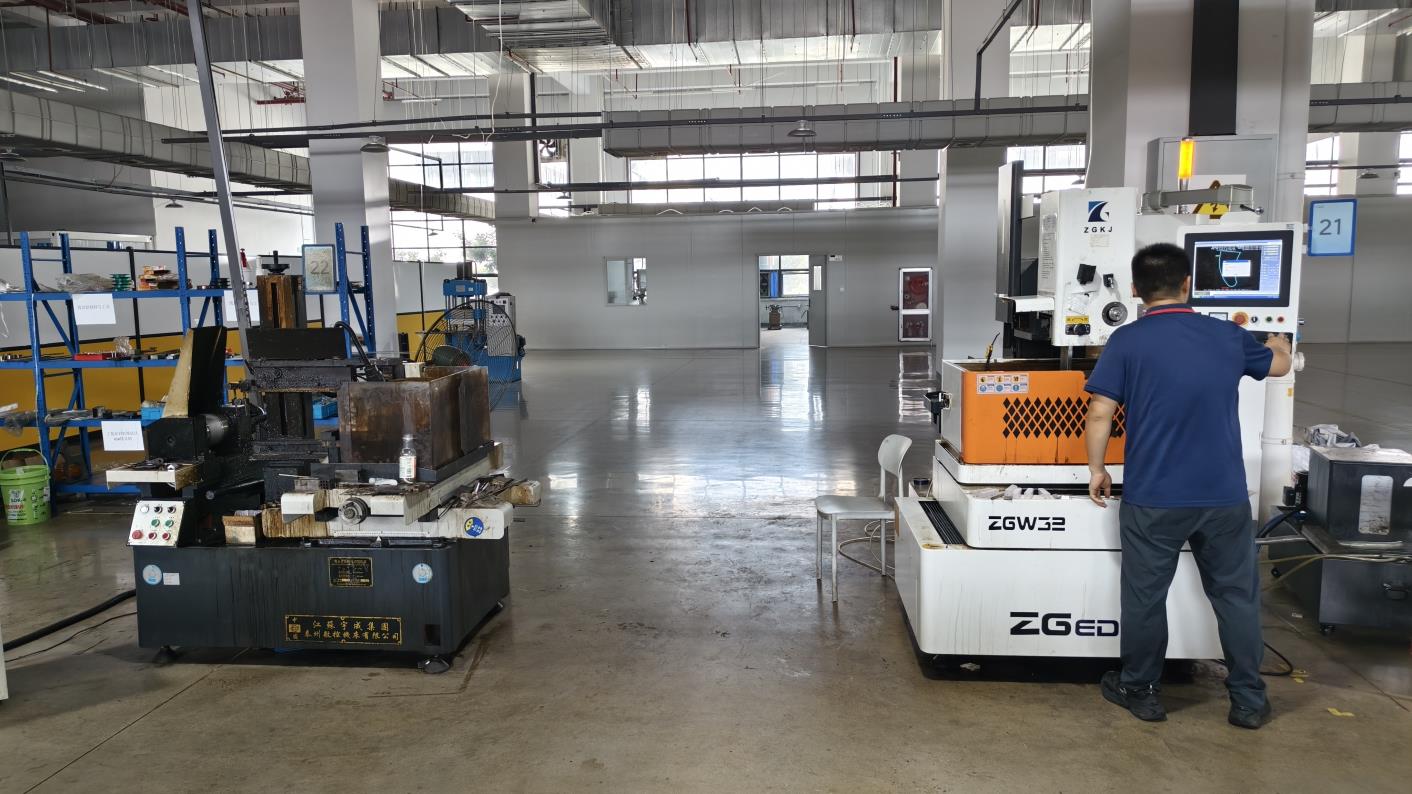
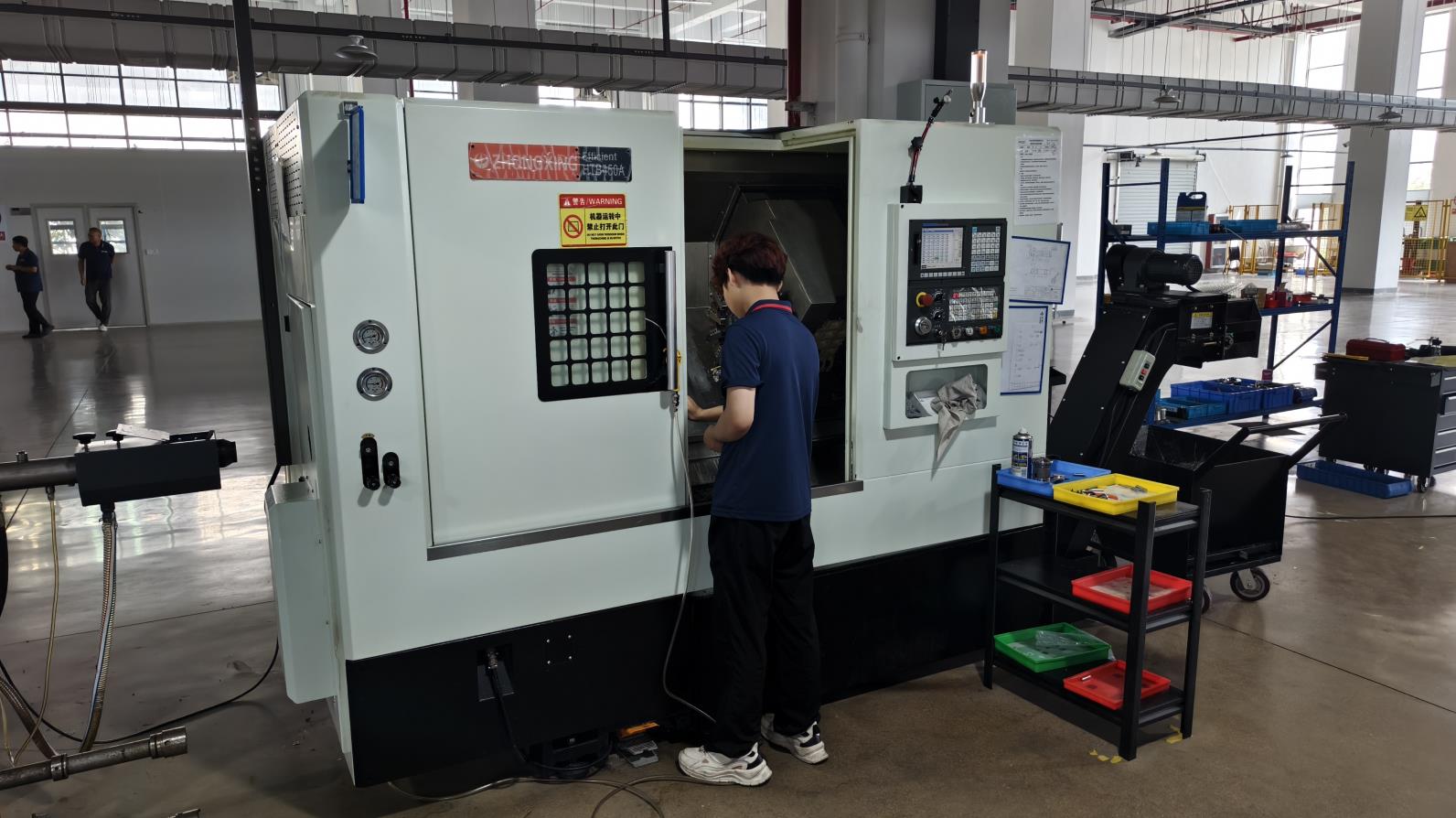
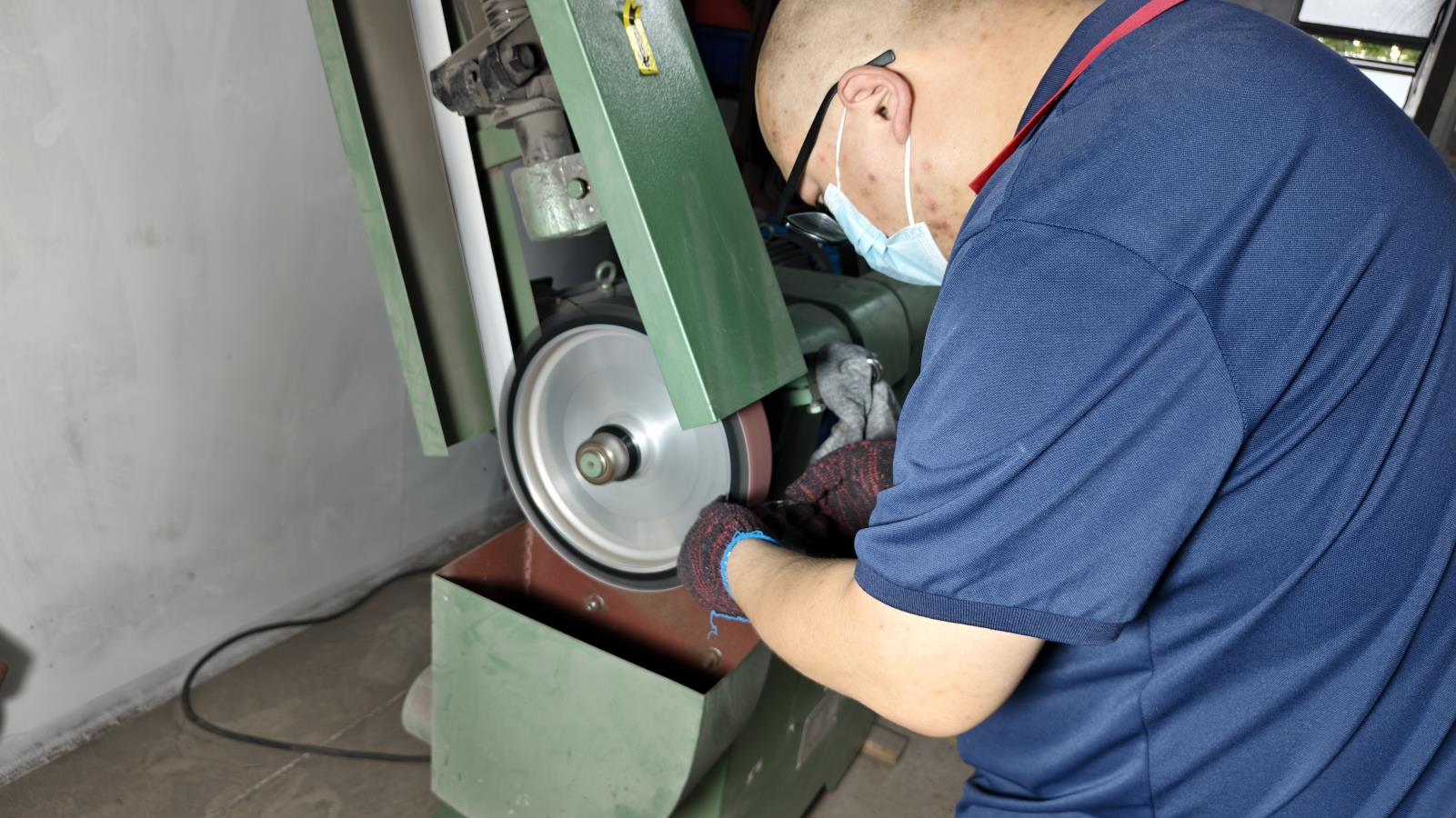
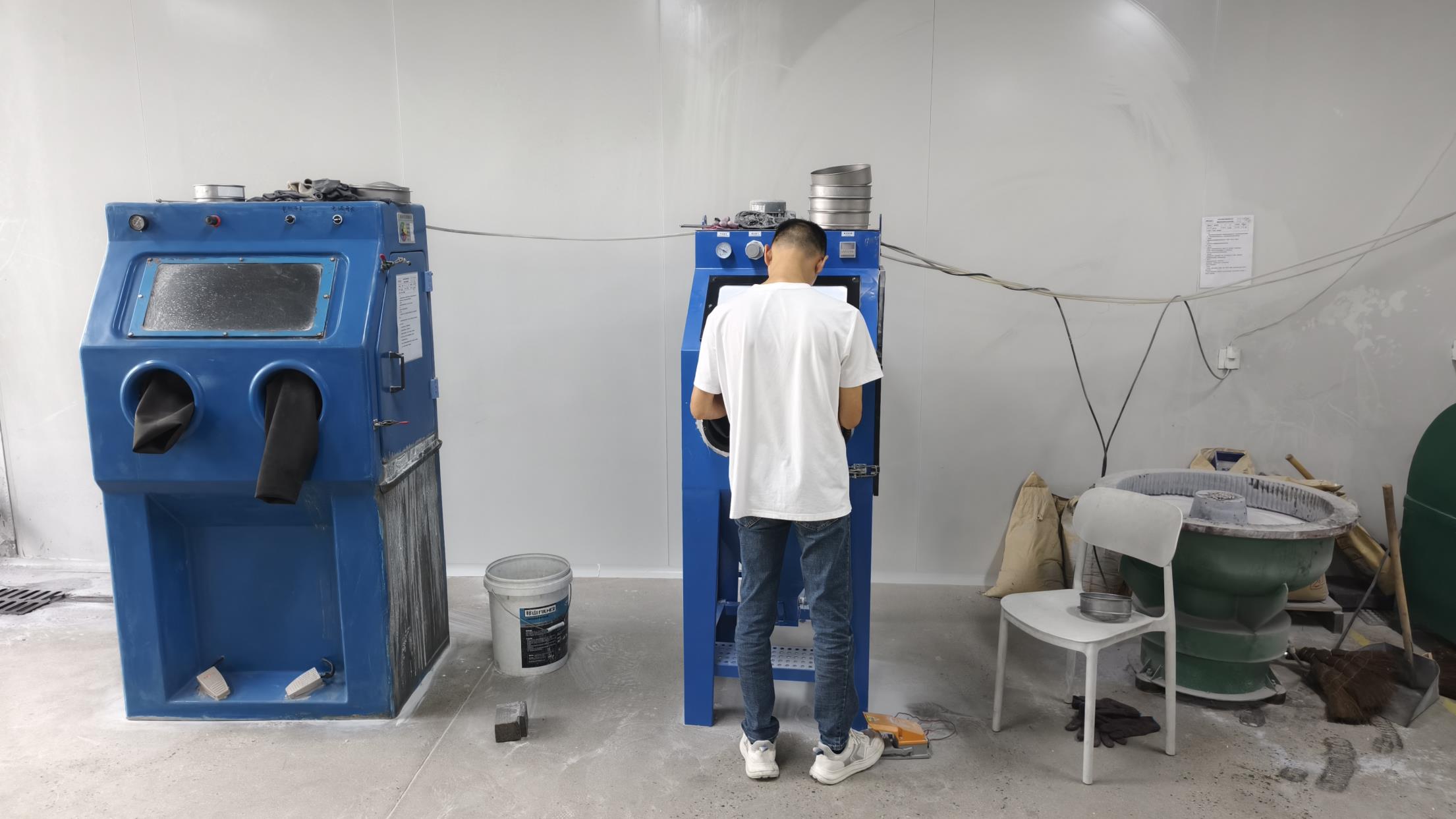
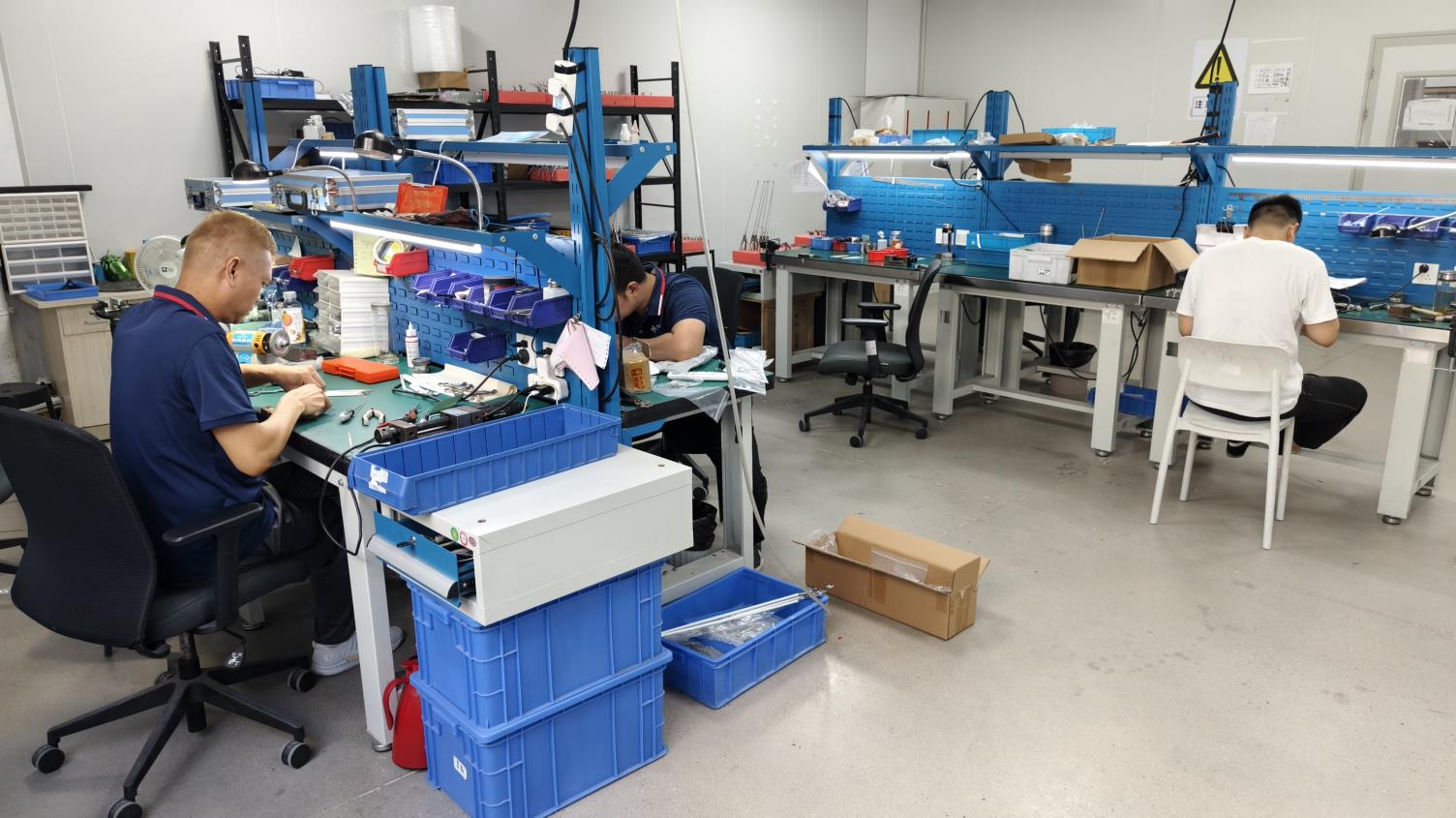
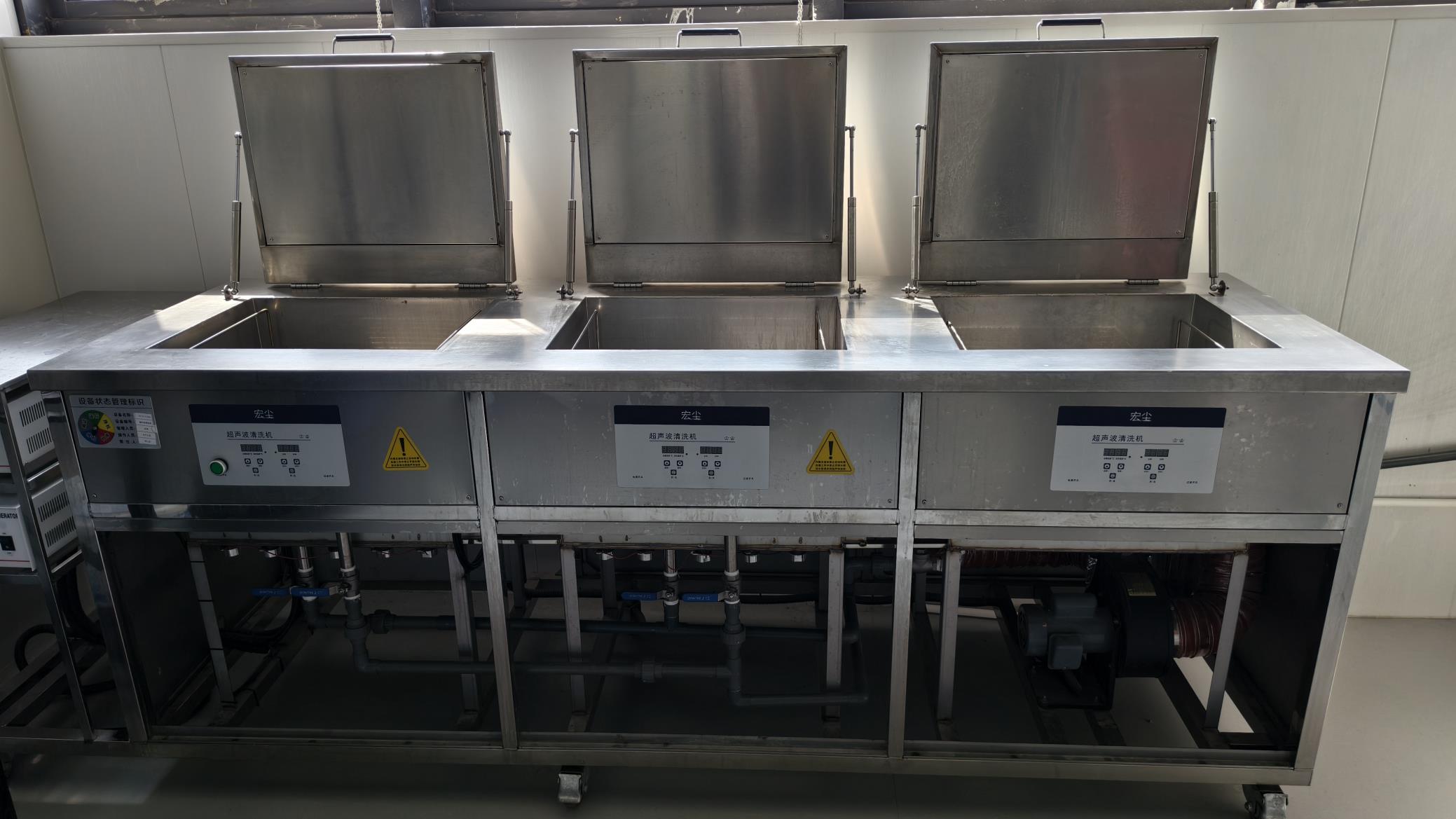
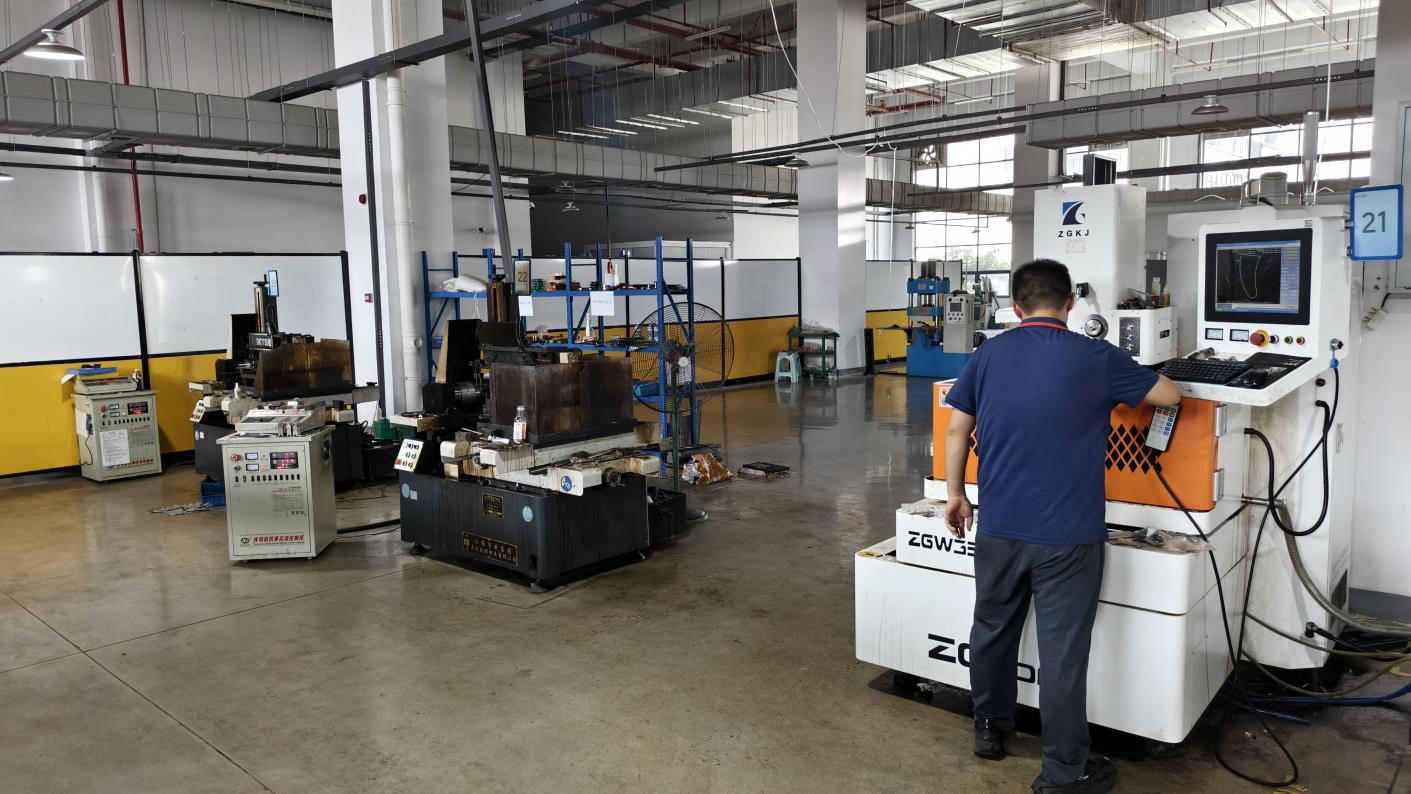
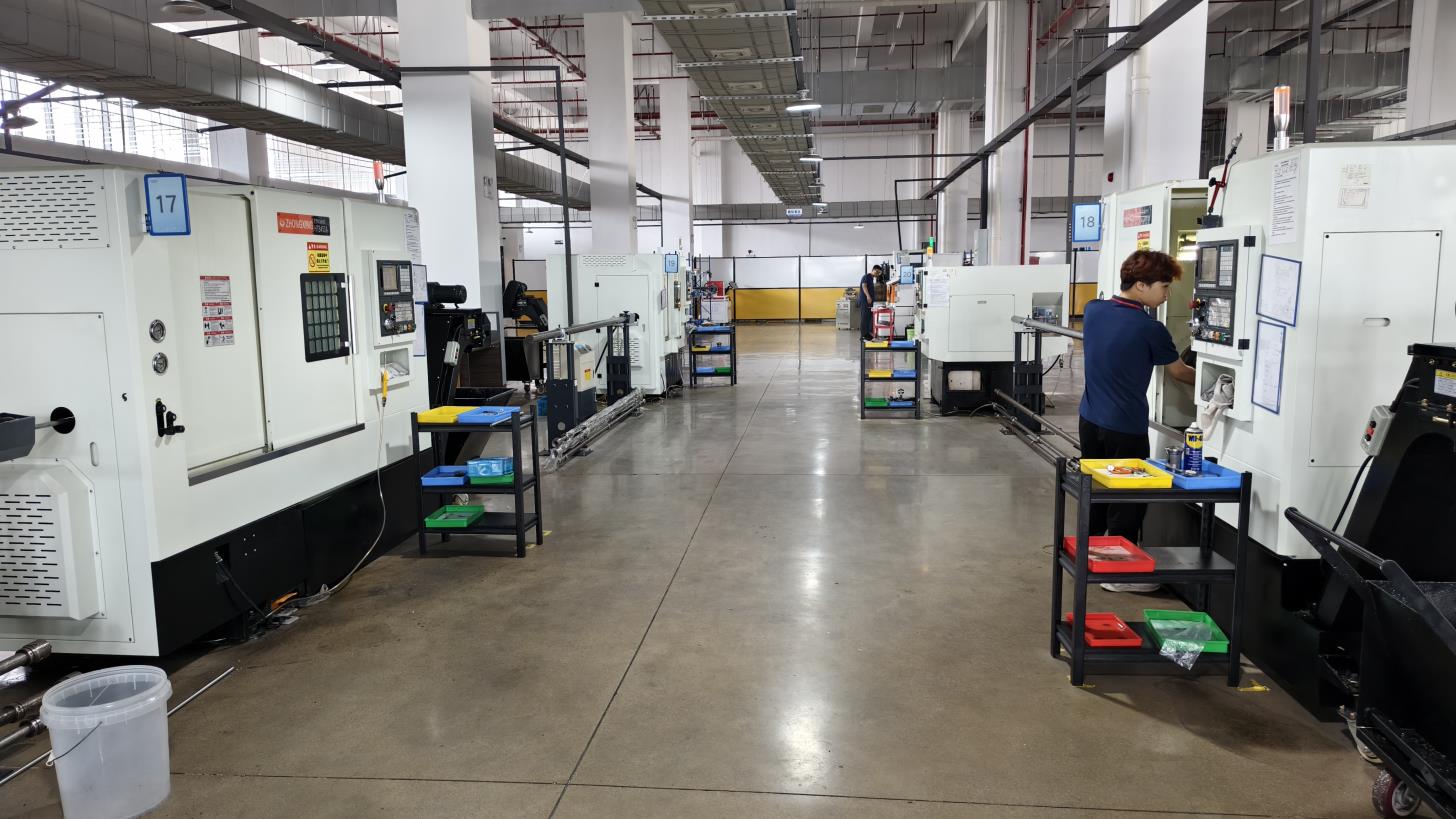
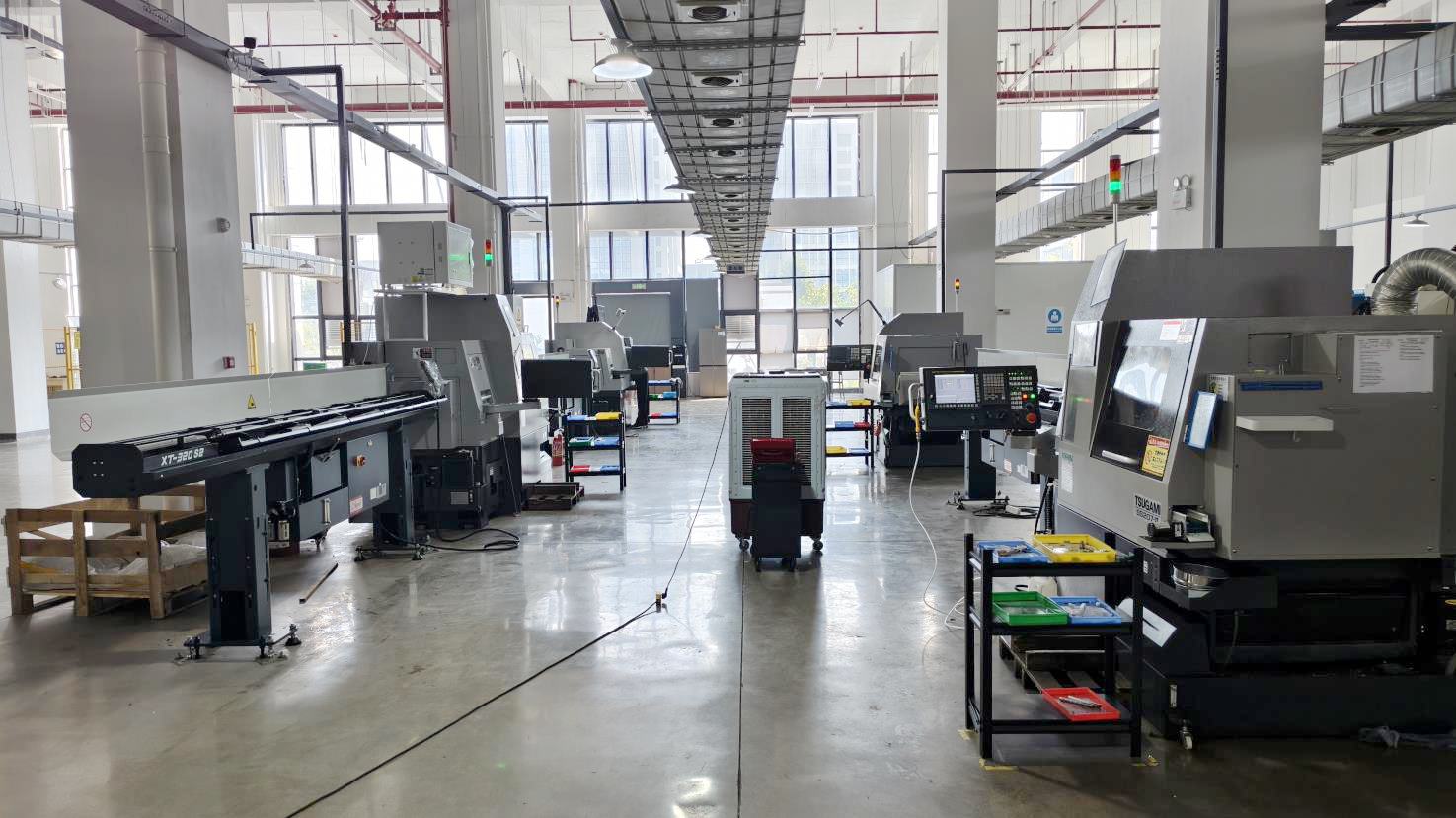
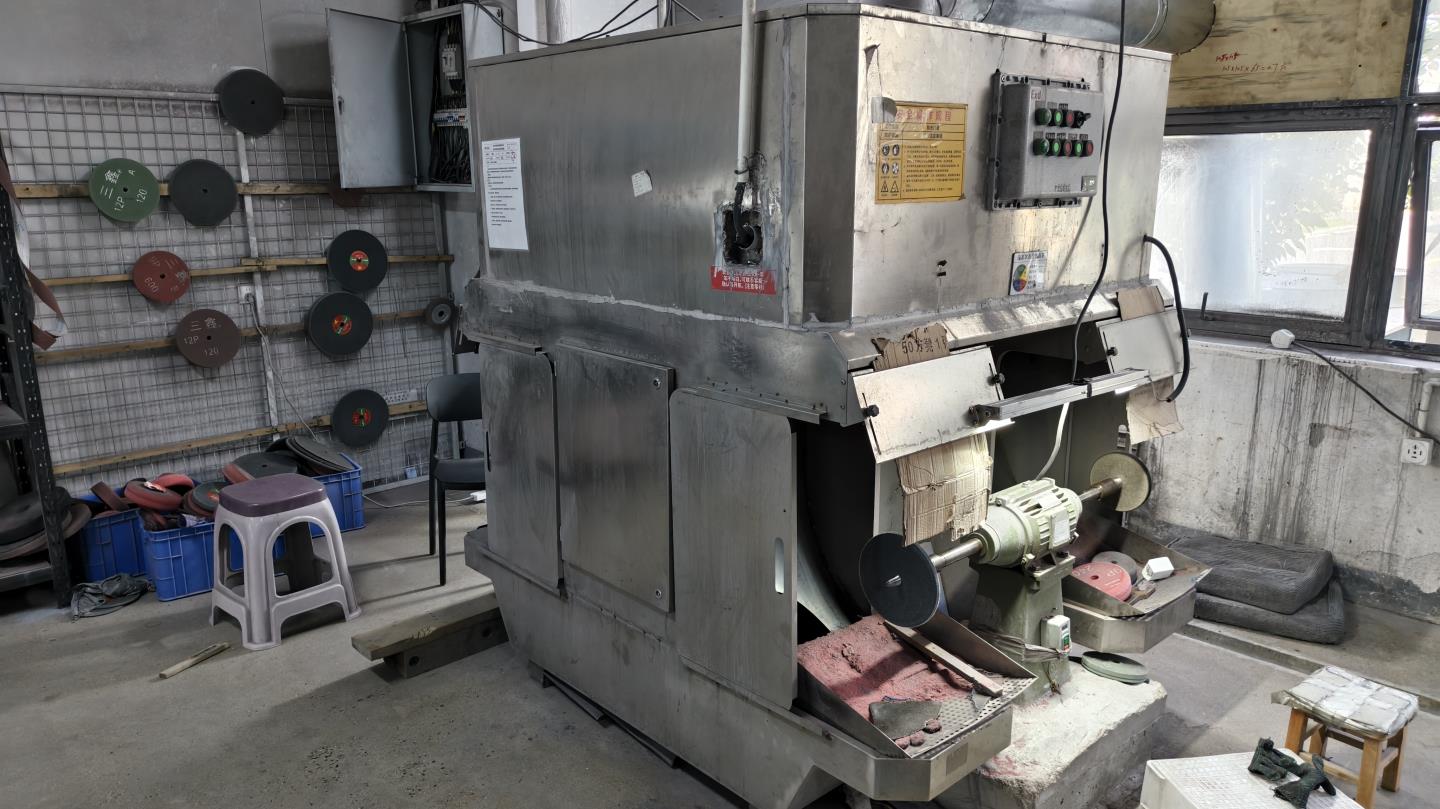
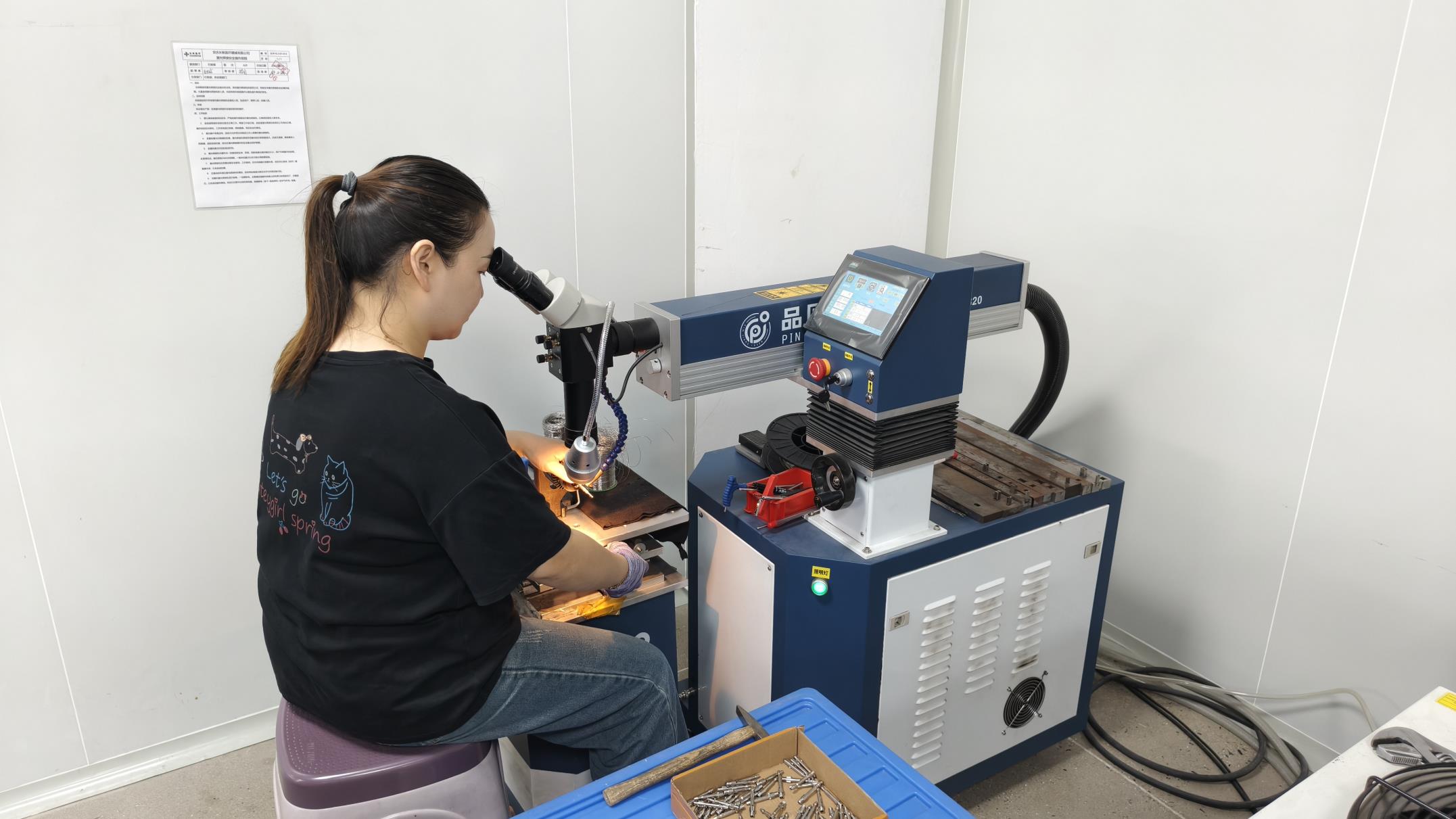
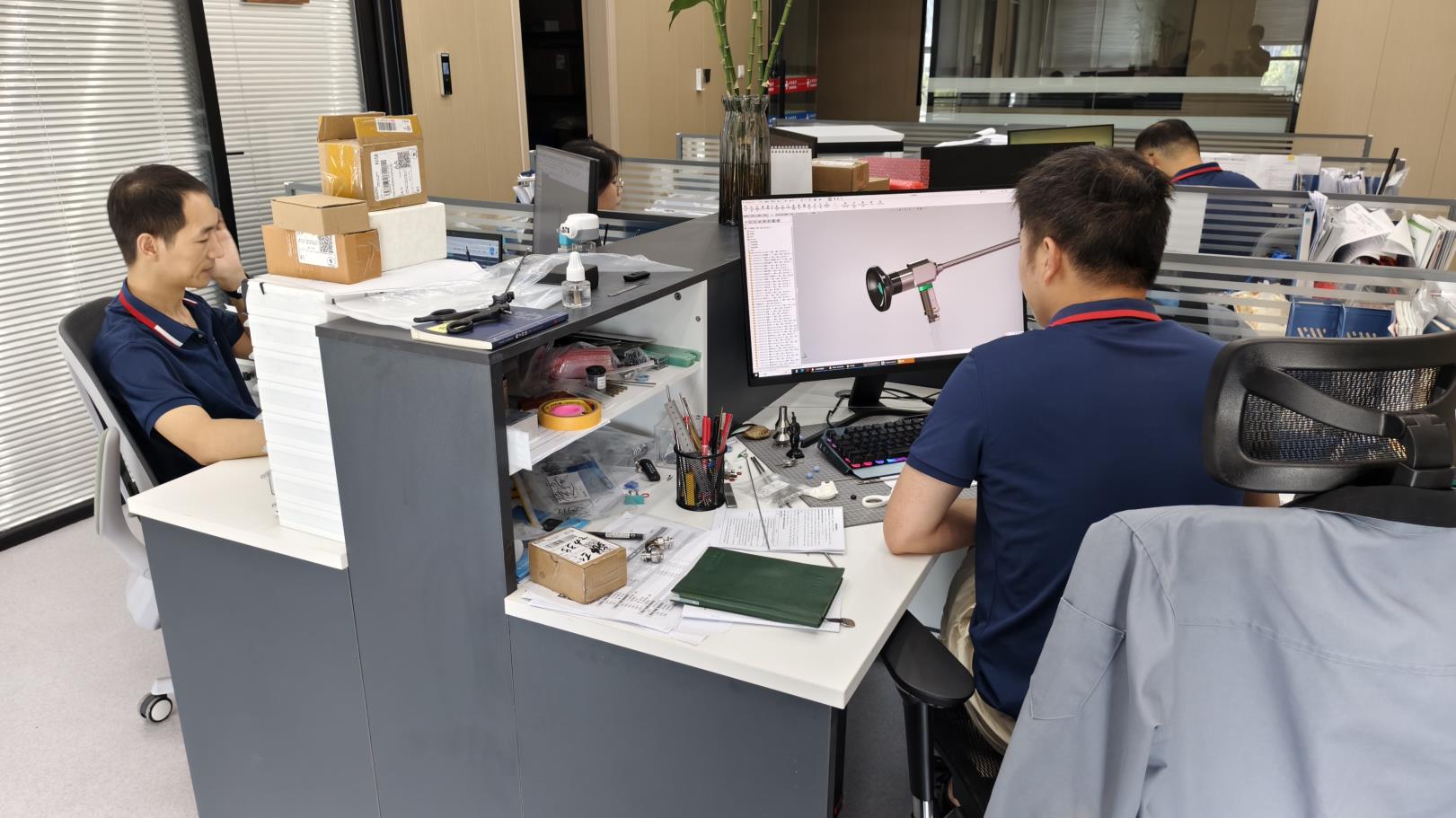
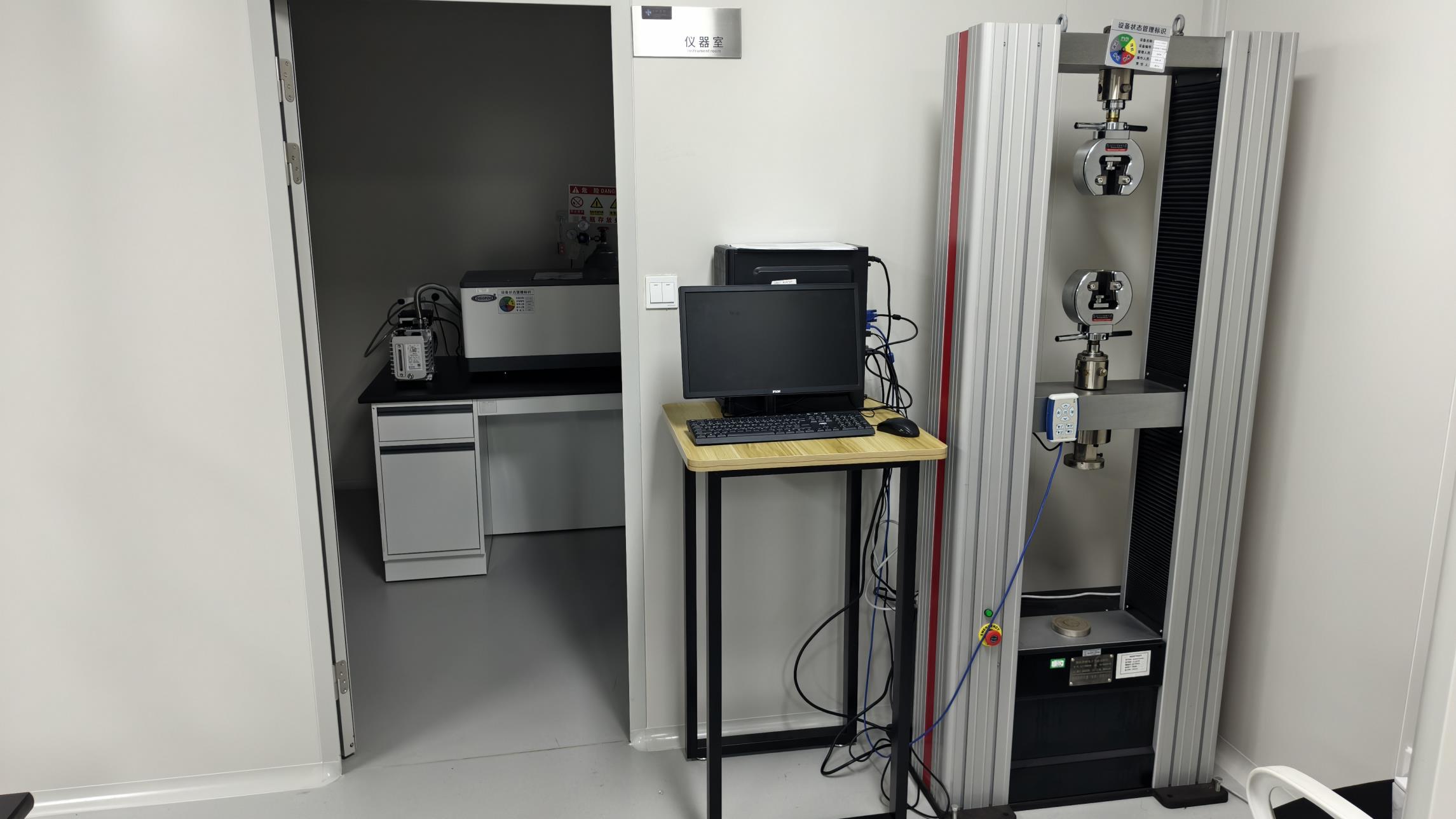
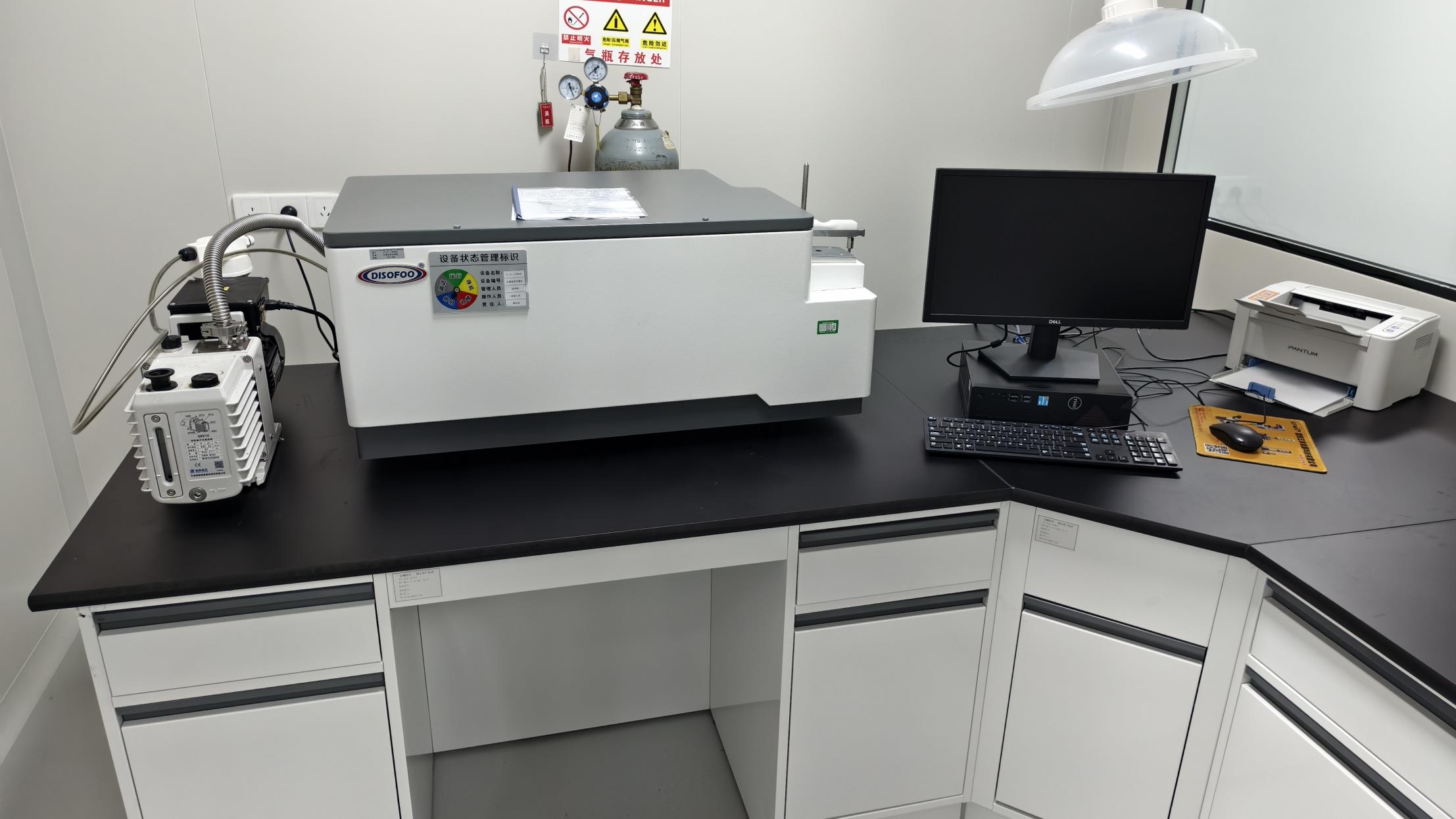
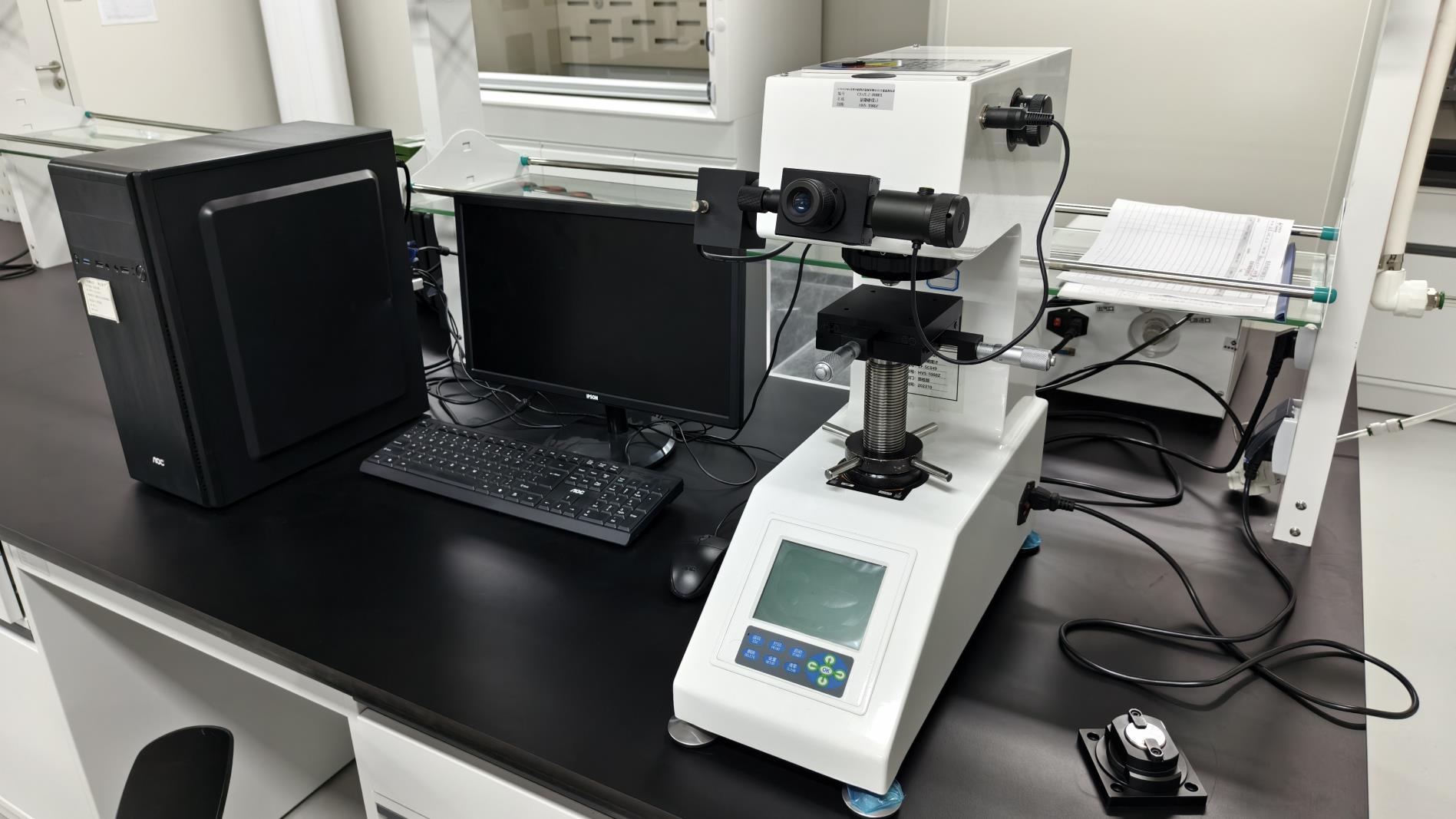
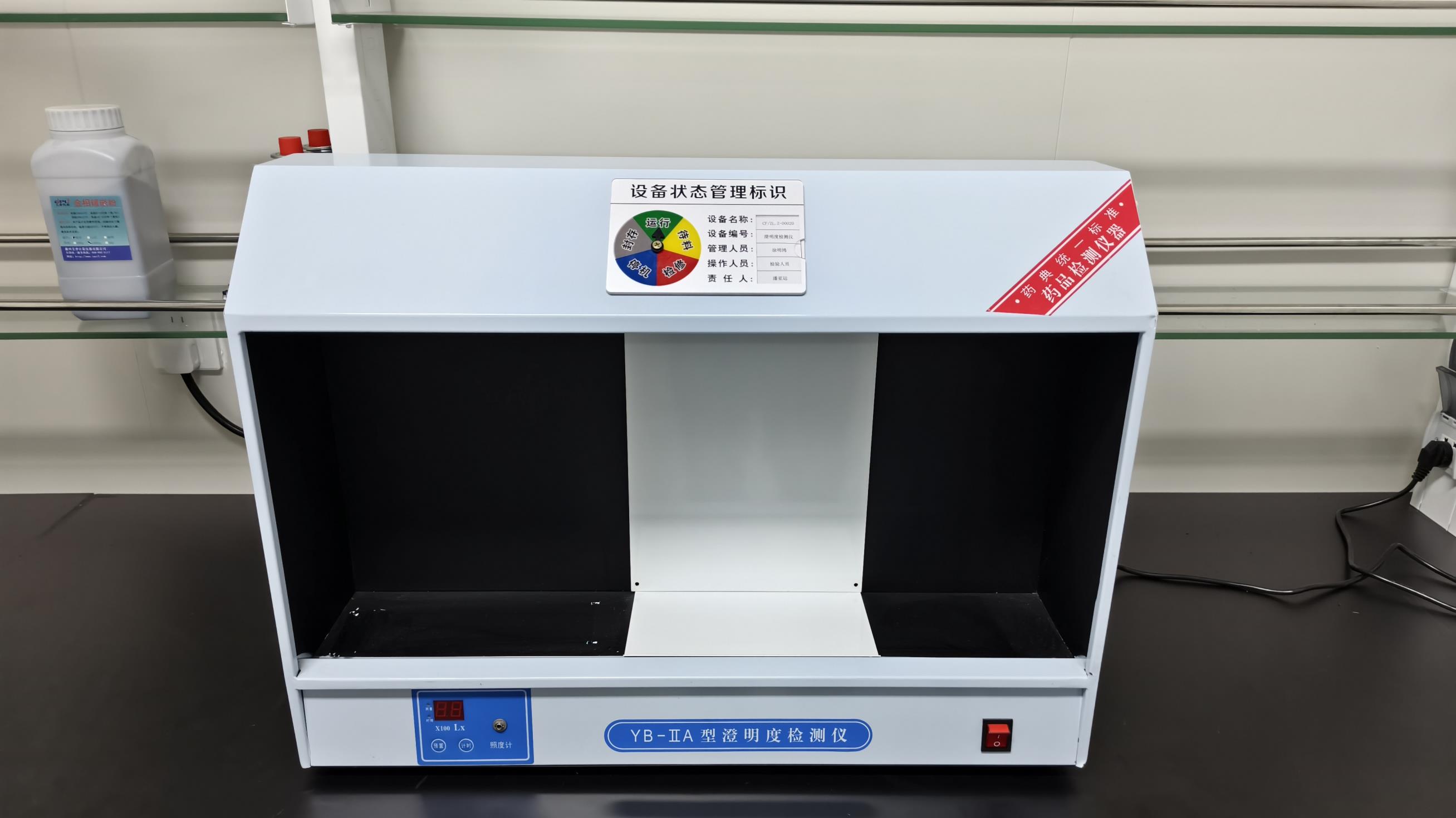
Every batch of raw titanium bar undergoes compositional spectroscopy, grain size analysis, and tensile testing. Finished implants are subjected to thorough dimensional, mechanical, and safety inspections before release.
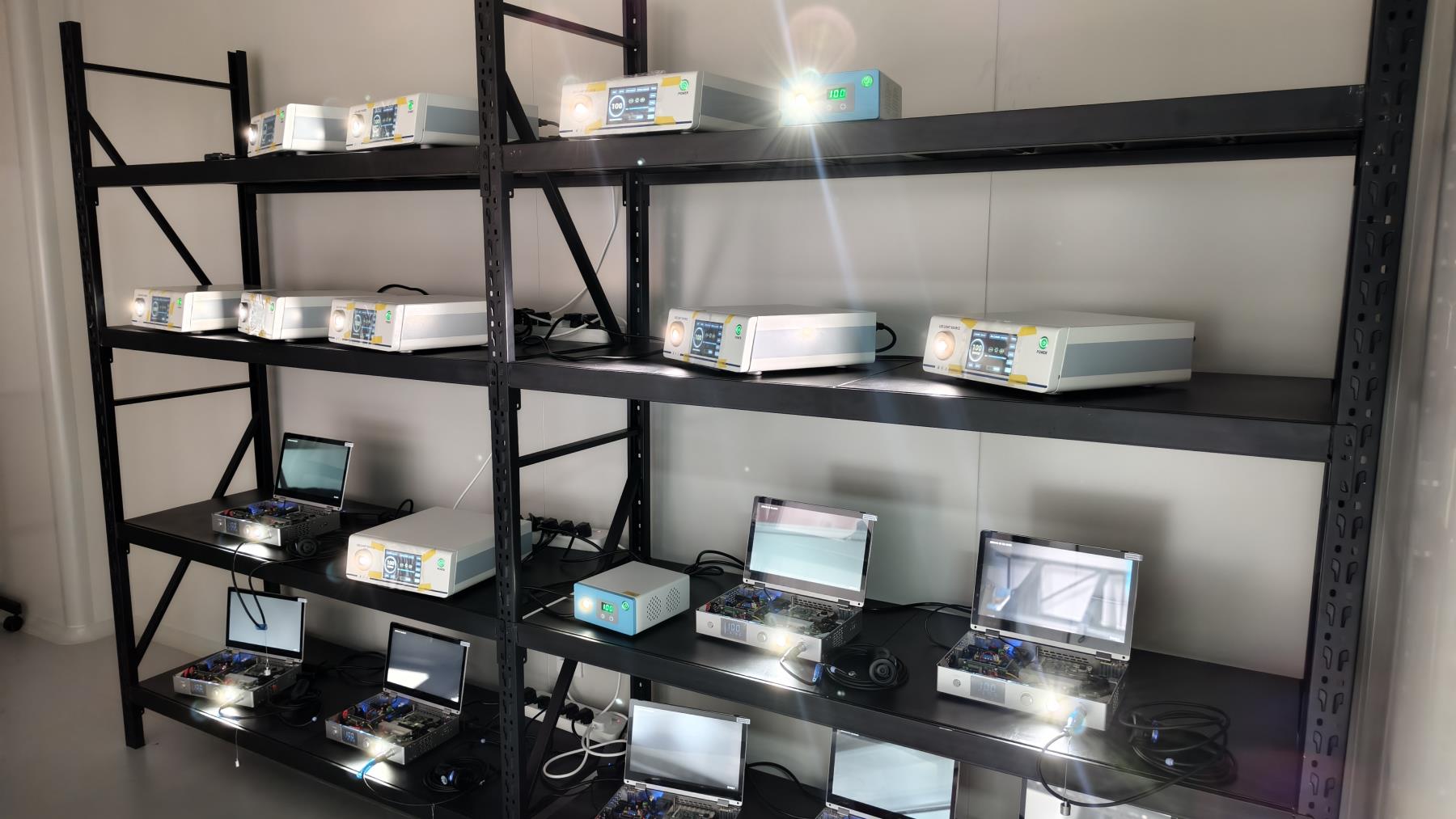
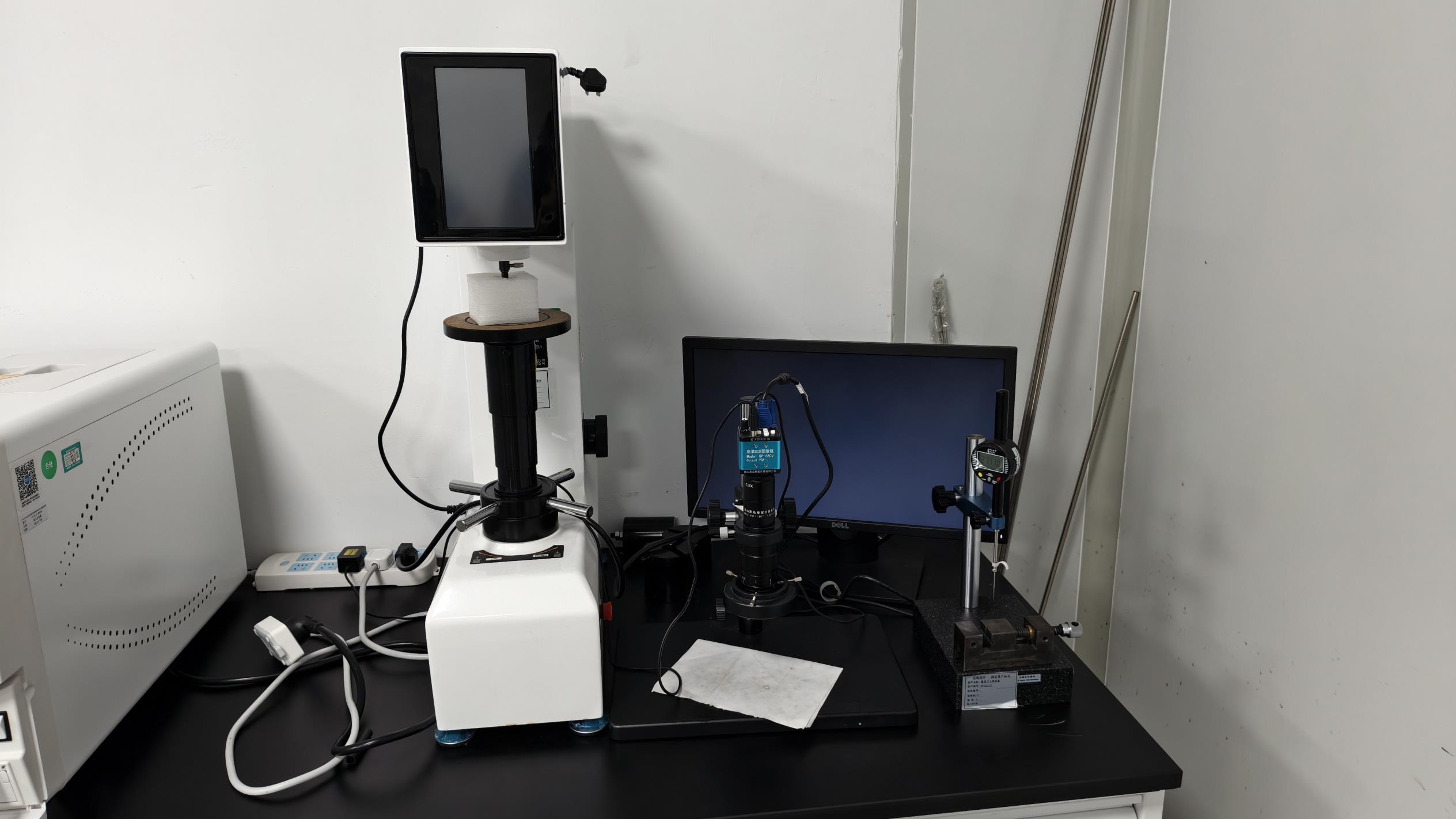
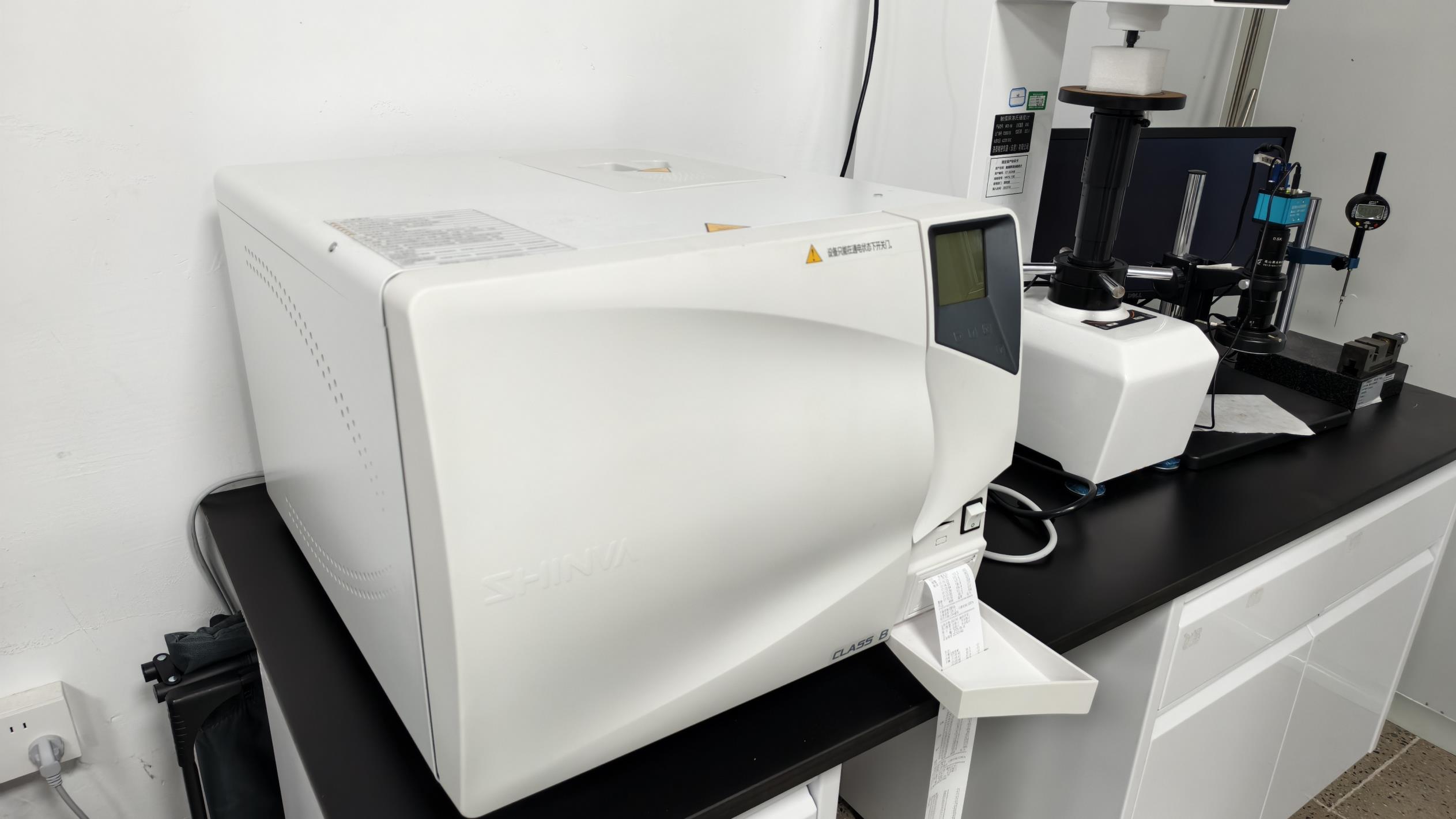
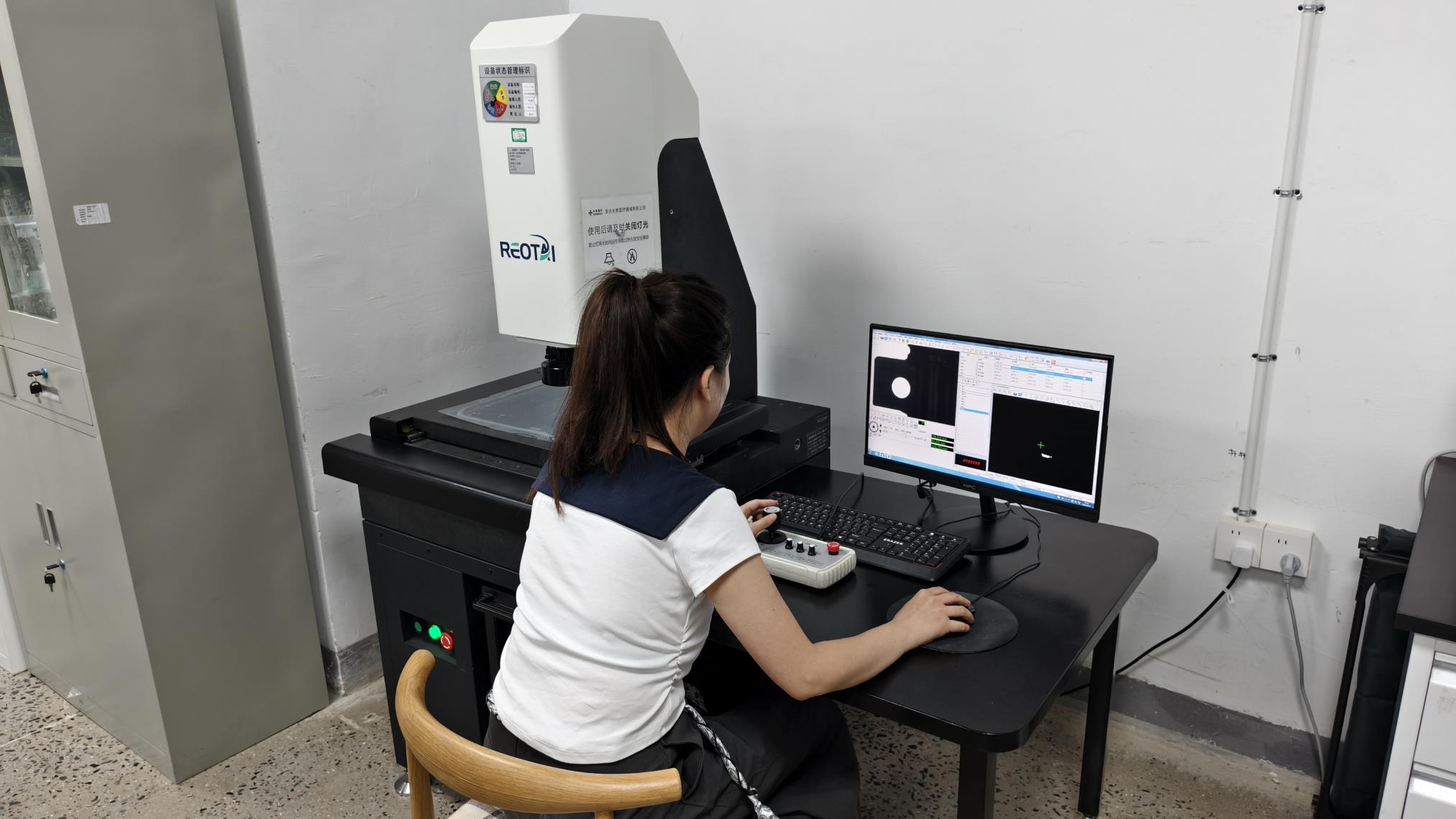
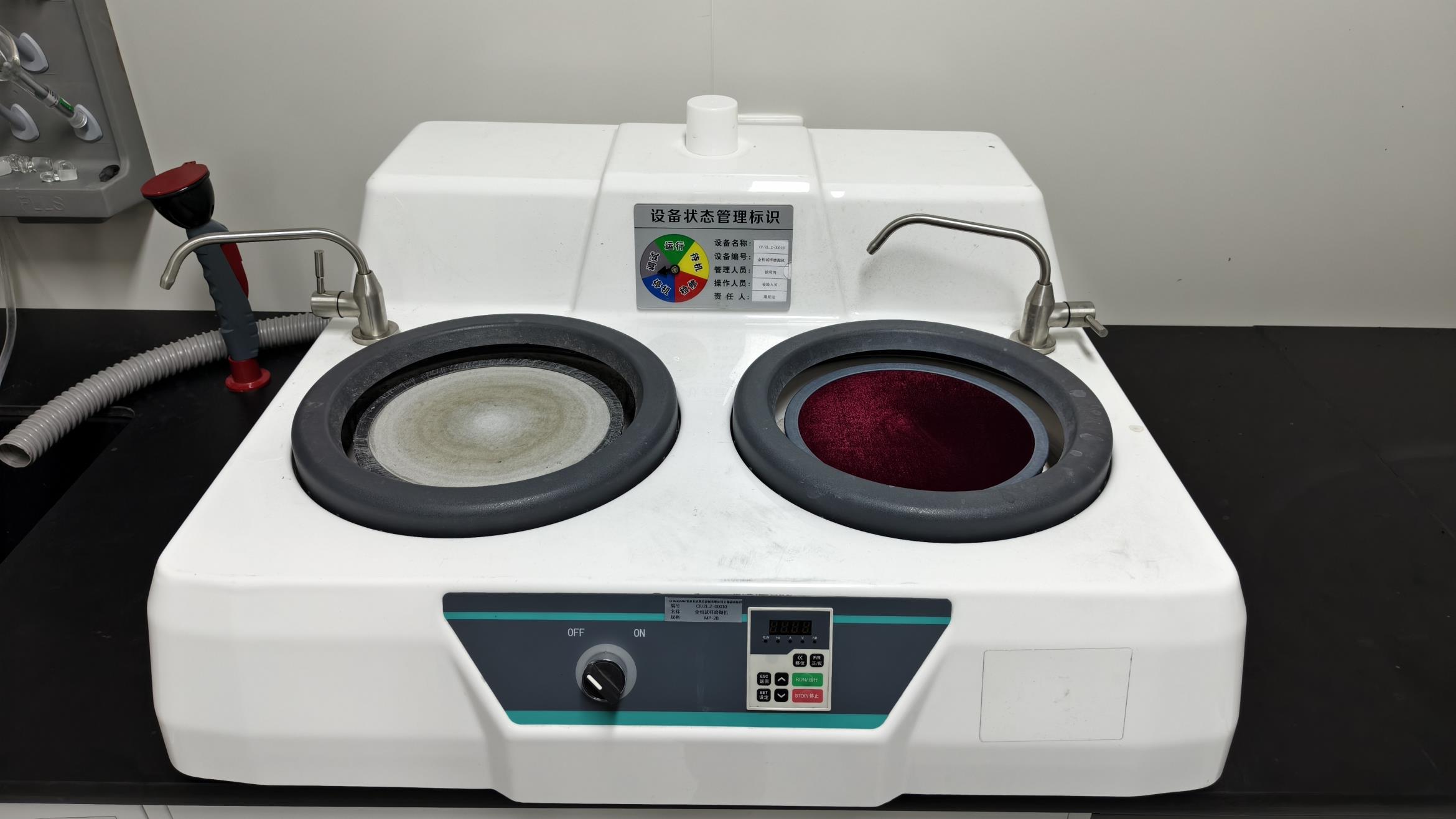
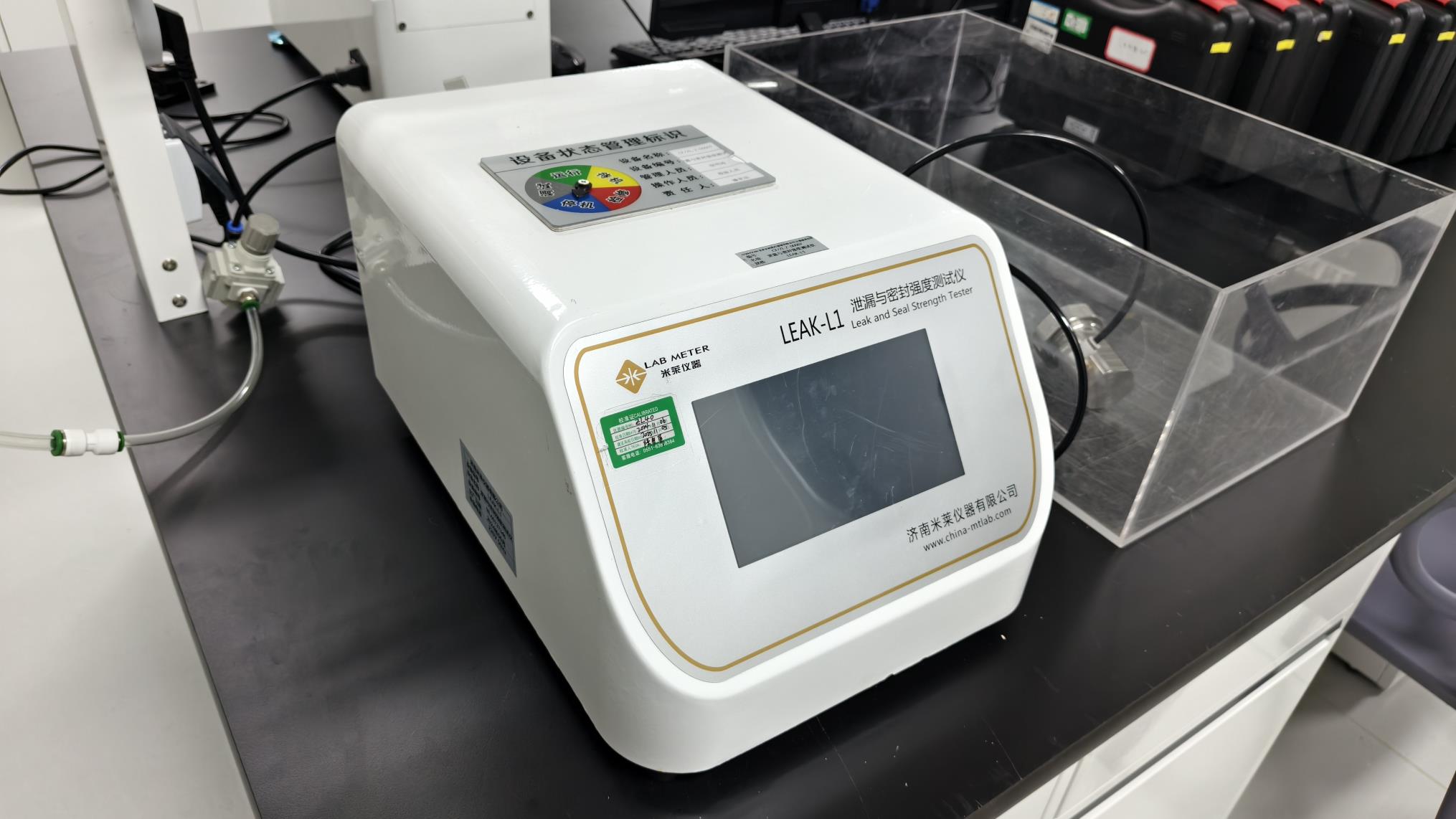
Long bone fractures present in diverse configurations, requiring specific anatomical implant solutions:
Tibial fractures often involve complex soft-tissue injury. Using an Expert Tibial Nail (ETN) via an infrapatellar or suprapatellar approach stabilizes the bone while minimizing disruption to local blood supply. Multi-directional locking options at the distal and proximal ends are critical for securing short segment fractures.
In elderly patients, osteoporotic hip fractures require secure mechanical fixation. Proximal Femoral Antirotation (PFNA) systems feature a helical blade that compacts bone tissue during insertion rather than removing it. This enhances fixation stability and helps prevent the blade from cutting out of the femoral head.
Fractures in smaller anatomies, such as the fibula or pediatric bones, require slim, low-profile implants. Small-diameter titanium nails preserve bone mass while maintaining axial stability and preventing rotational displacement during recovery.
Veterinary surgery demands durable, versatile implants to accommodate the physical behaviors and immediate weight-bearing of animal patients. Specialty locking nails provide stable fixations suitable for various canine and feline skeletal shapes.
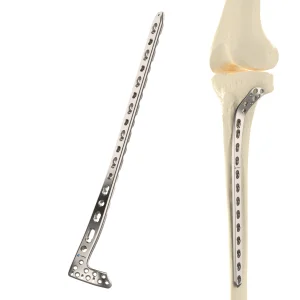
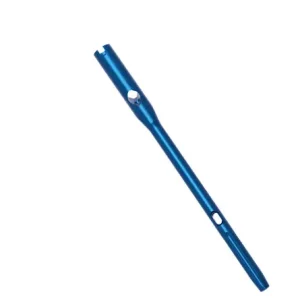
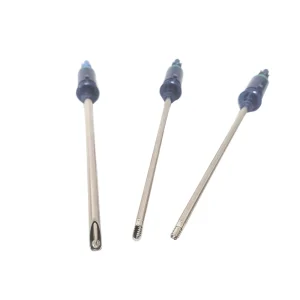
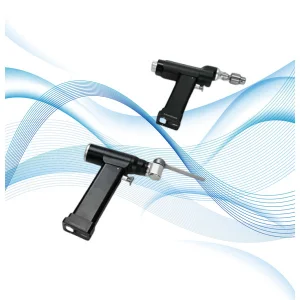
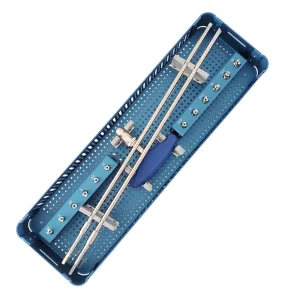
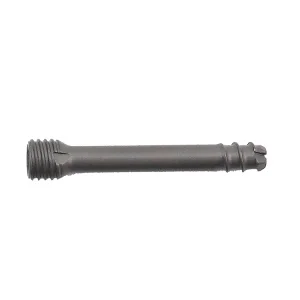
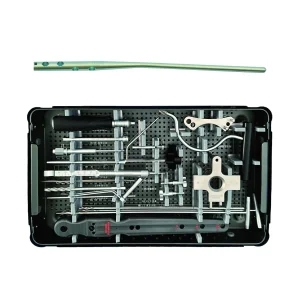
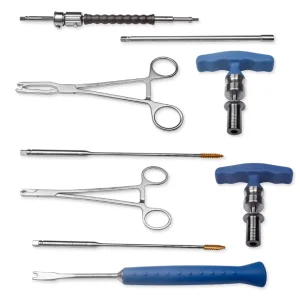
A comprehensive selection of CE-certified implants and surgical tool sets designed to complement our intramedullary nailing systems.