Zynfuse
Zynfuse
Zynfuse
Highly precise trauma, spinal, joint, and power instrumentation manufactured to strict international healthcare requirements.
Total Elbow Arthroplasty (TEA) has evolved from a salvage treatment for severe rheumatoid arthritis into an effective clinical solution for complex distal humeral fractures, post-traumatic osteoarthritis, primary osteoarthrosis, and oncological resections. Demographic aging and the rising incidence of high-impact musculoskeletal trauma have fueled global demand for reliable, long-term joint replacement systems.
Unlike hip or knee joints, the elbow exhibits highly intricate biomechanics. It combines ginglymoid (humero-ulnar) and trochoid (proximal radio-ulnar) articulations. This unique geometry demands high anatomical fidelity from implants. Modern manufacturing solutions prioritize advanced articular wear resistances, mechanical structural integrity, and anatomy-conforming component design to minimize complication rates, aseptic loosening, and joint instability.
Healthcare procurement teams, international distributors, and orthopedic surgery networks face strict requirements when selecting suppliers for elbow replacement systems. The ideal supplier must ensure:
Founded in 2016, Zynfuse Medical has established itself as an innovative force in the global orthopedic manufacturing sector.
Zynfuse Medical operates a highly modernized, state-of-the-art facility covering approximately 18,600 m². The facility features advanced production infrastructure, Cleanrooms (Class 10,000 and 100,000), and multi-axis CNC machining systems. Backed by 12 years of industry experience and 7 years of specialized export experience, Zynfuse delivers high-grade orthopedic solutions that meet the clinical demands of major international health markets.
Zynfuse enforces a comprehensive inspection environment based on ISO 13485 quality standards. A dedicated team of 68 quality inspection specialists manages multi-stage evaluations, including mechanical performance testing, dimensional verification, wear fatigue analysis, and biocompatibility audits. This guarantees that all outbound implants are highly safe and clinically reliable.
With an annual export revenue of approximately $18.5 million, Zynfuse distributes orthopedic implant systems to medical networks in North America, Europe, Southeast Asia, and the Middle East. Over 1,200 hospitals, surgical clinics, and distributors rely on Zynfuse. Supported by a robust R&D force of 85 specialists, Zynfuse introduces around 320 new products annually and offers comprehensive OEM/ODM customization services to adapt implant geometries, custom coatings, and sizes for diverse clinical requirements.
End-to-end industrial capabilities, combining Swiss-type precision machining with highly specialized mechanical and chemical testing laboratories.
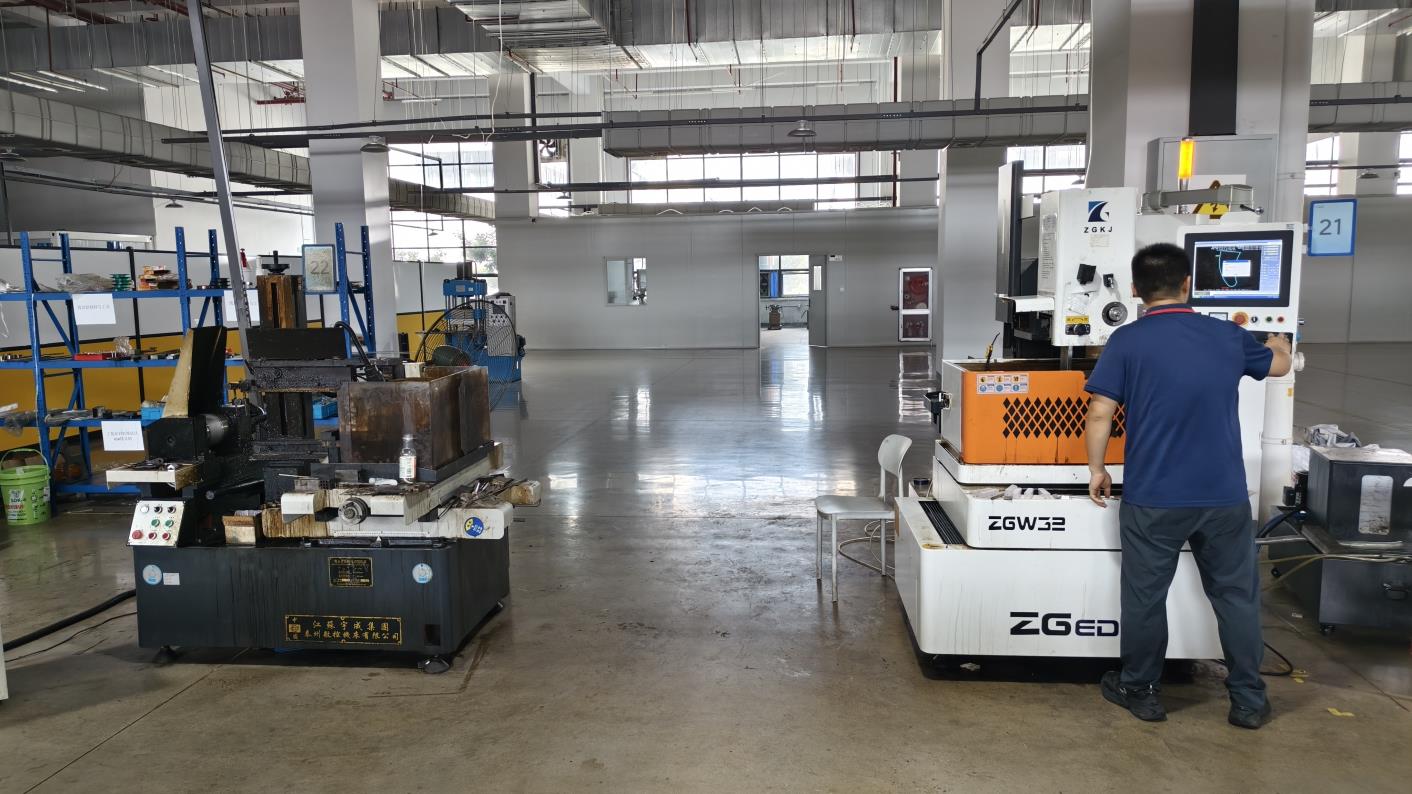
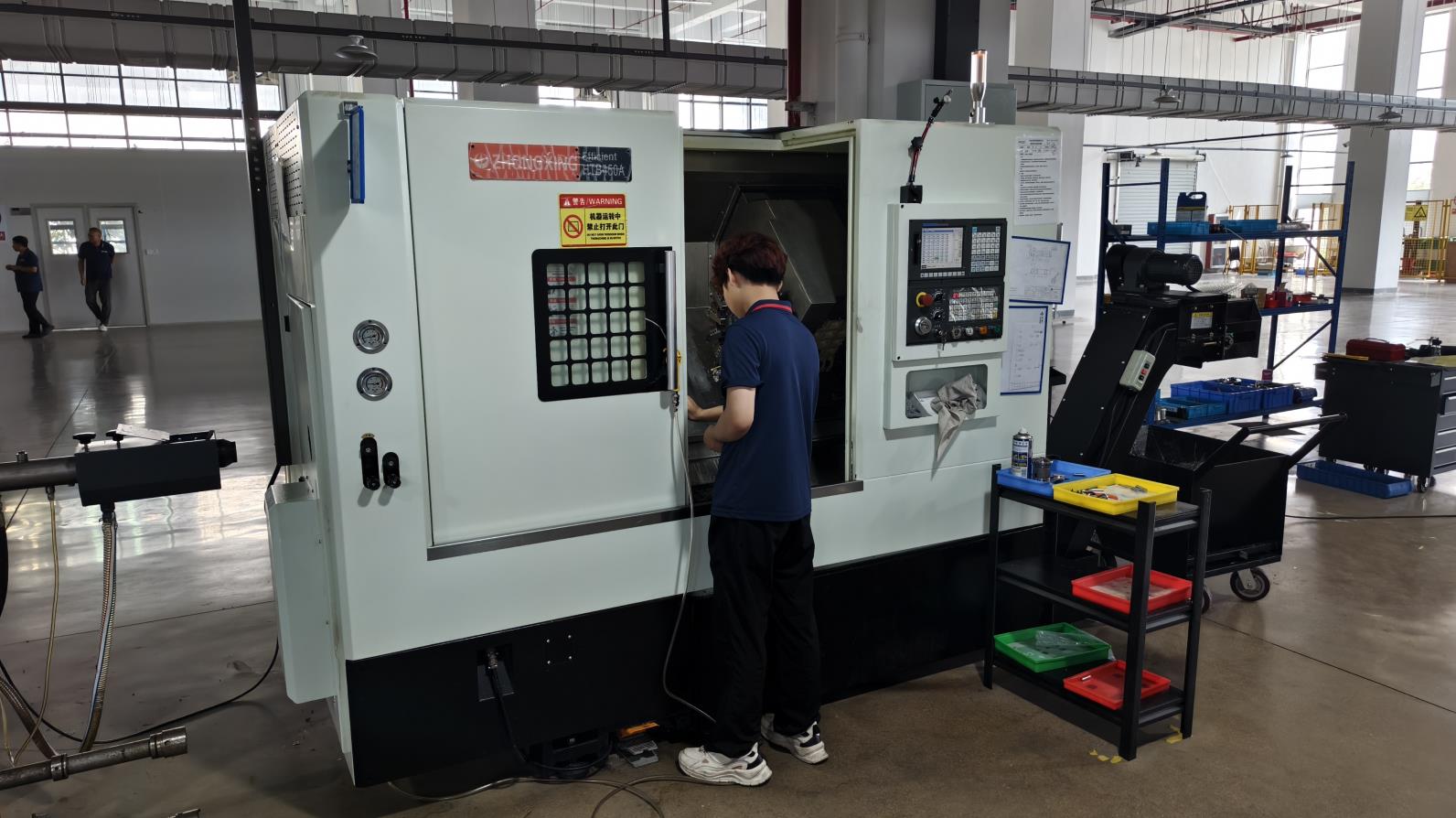
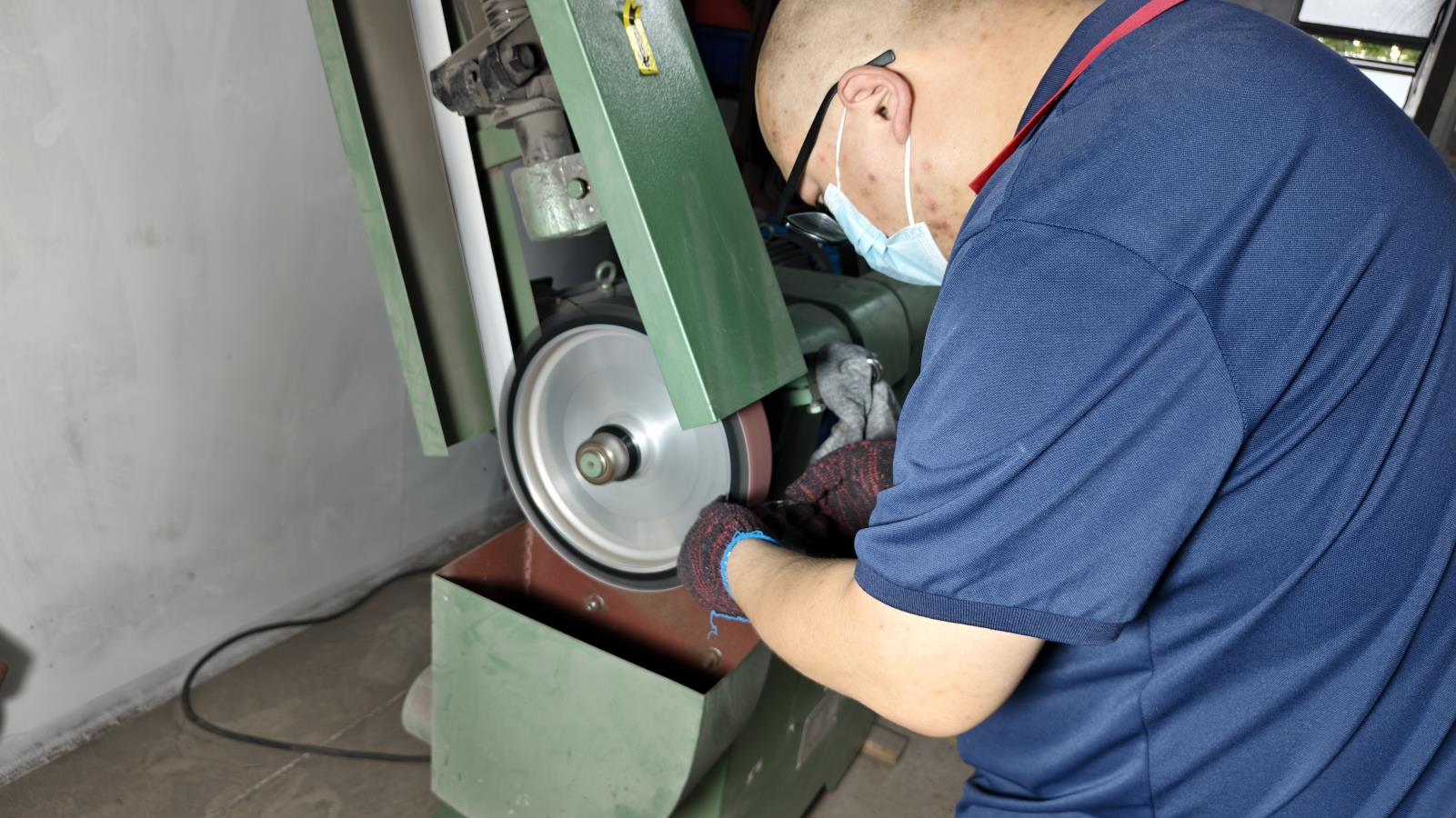
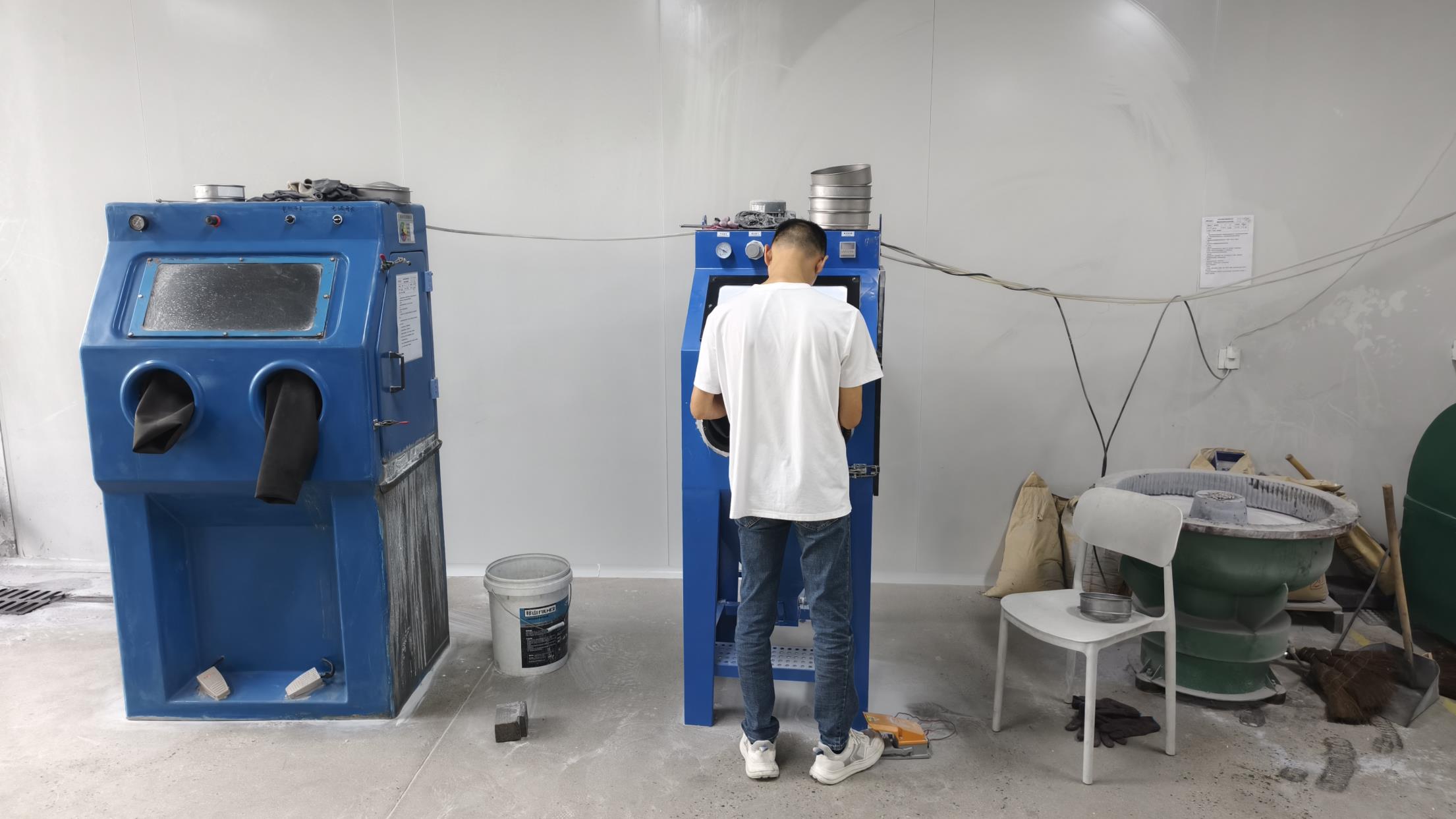
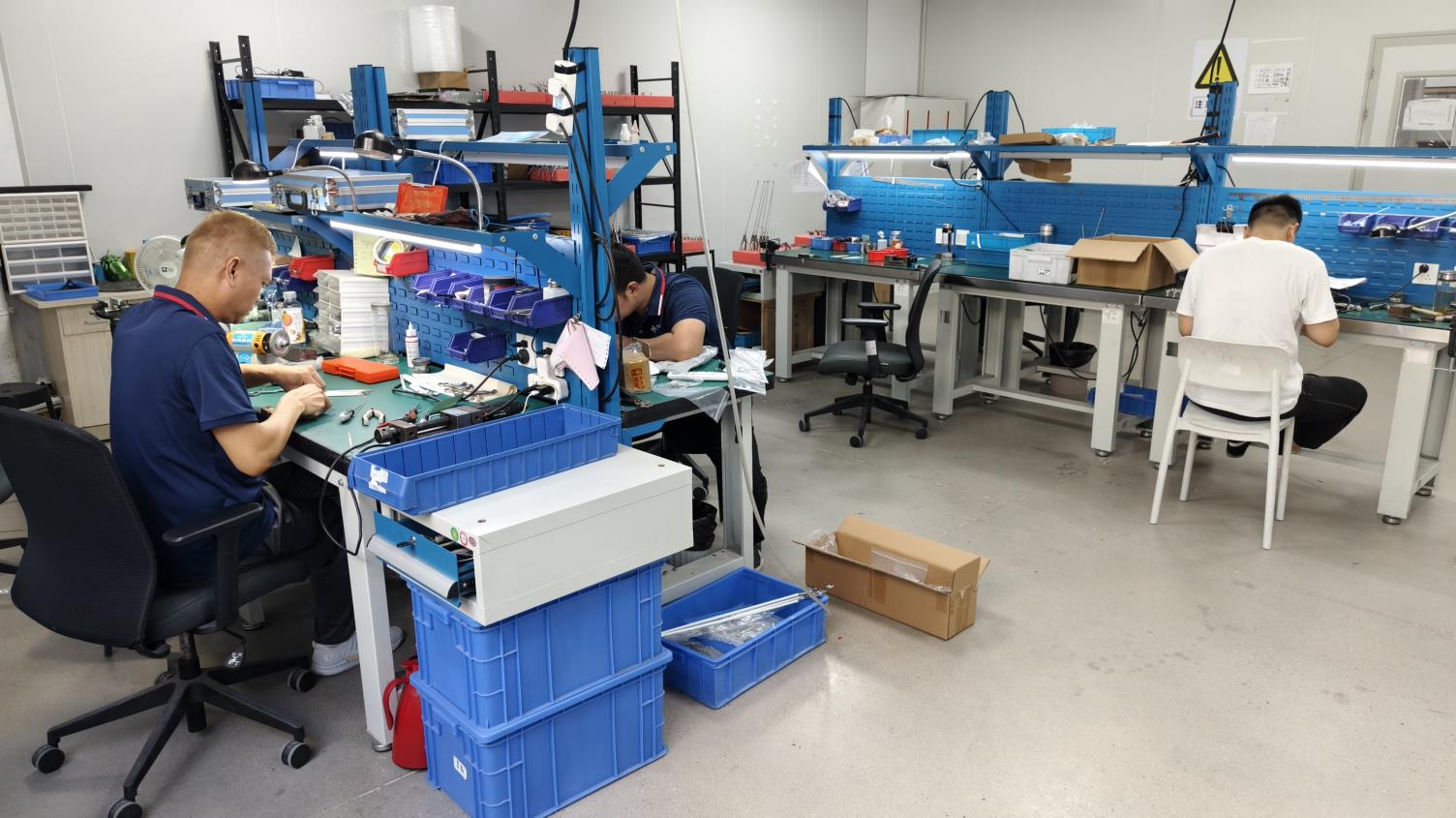
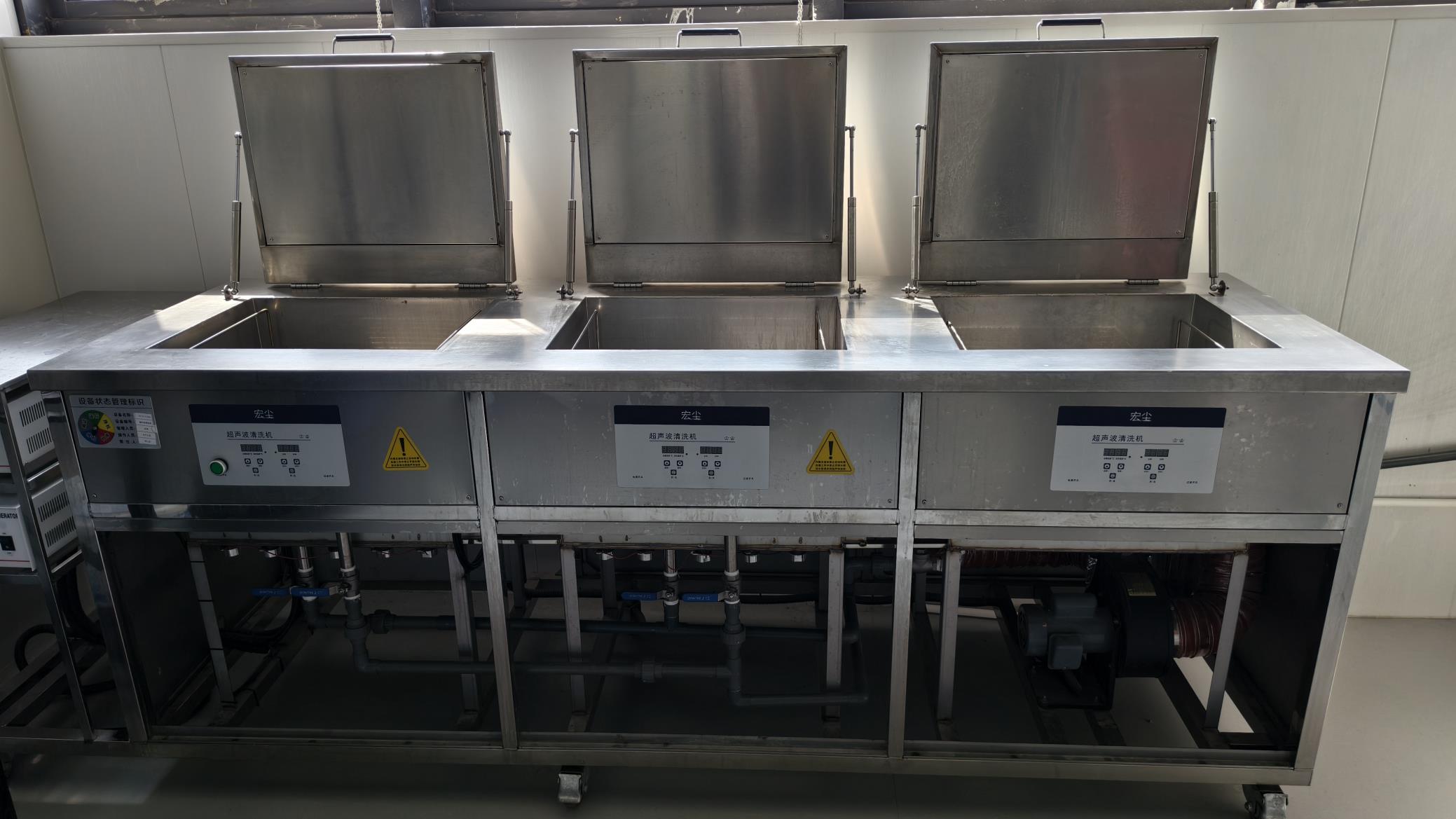
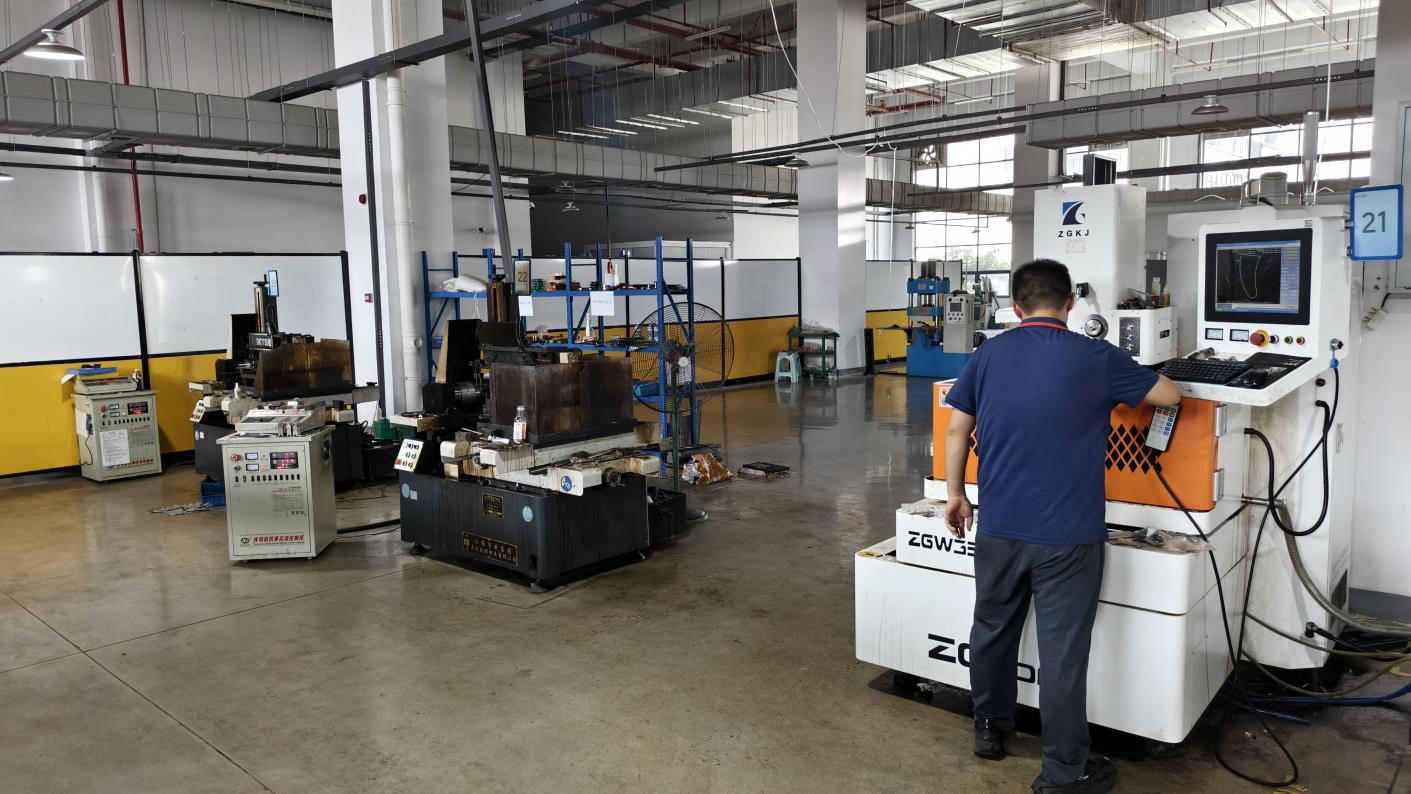
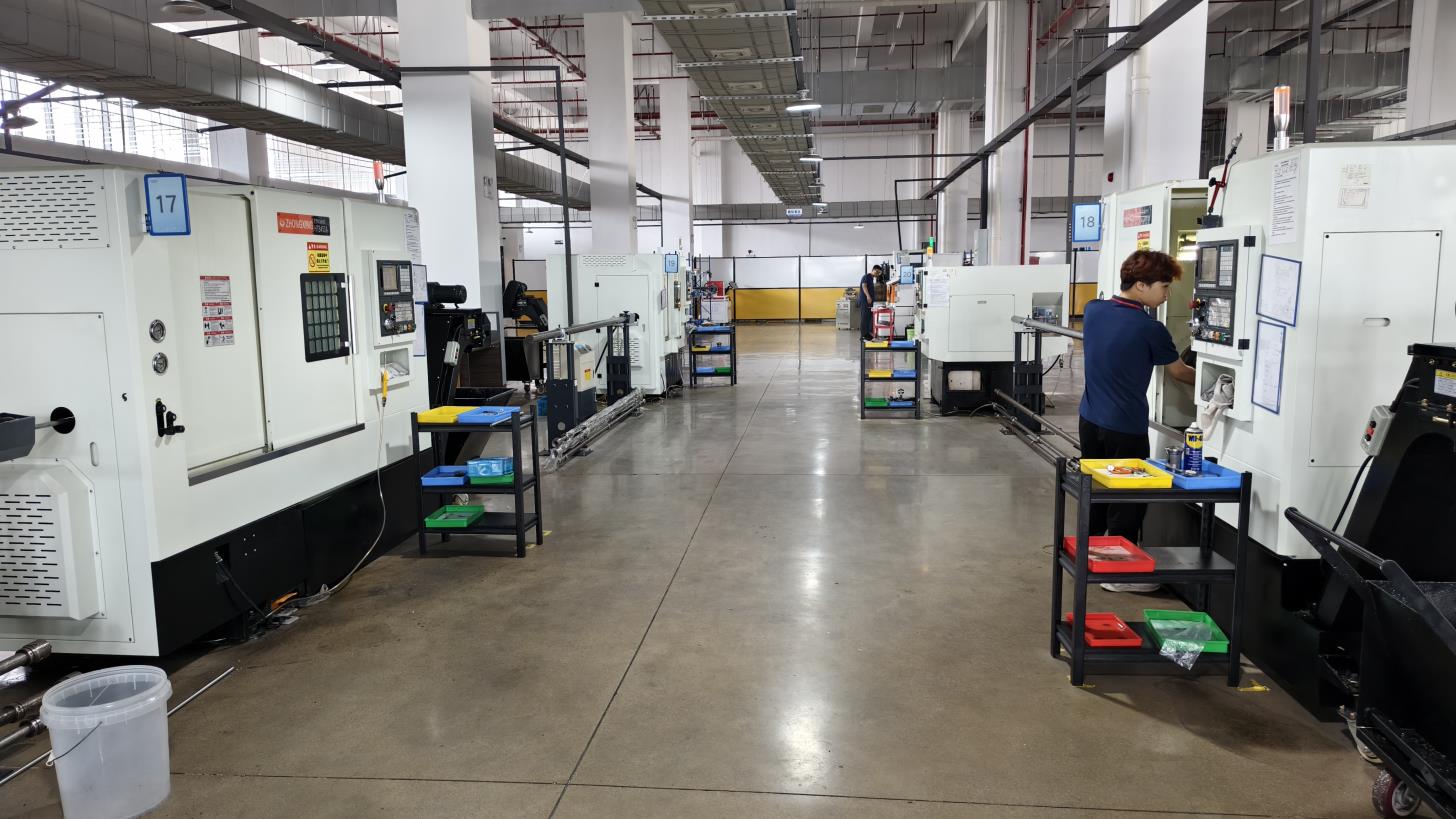
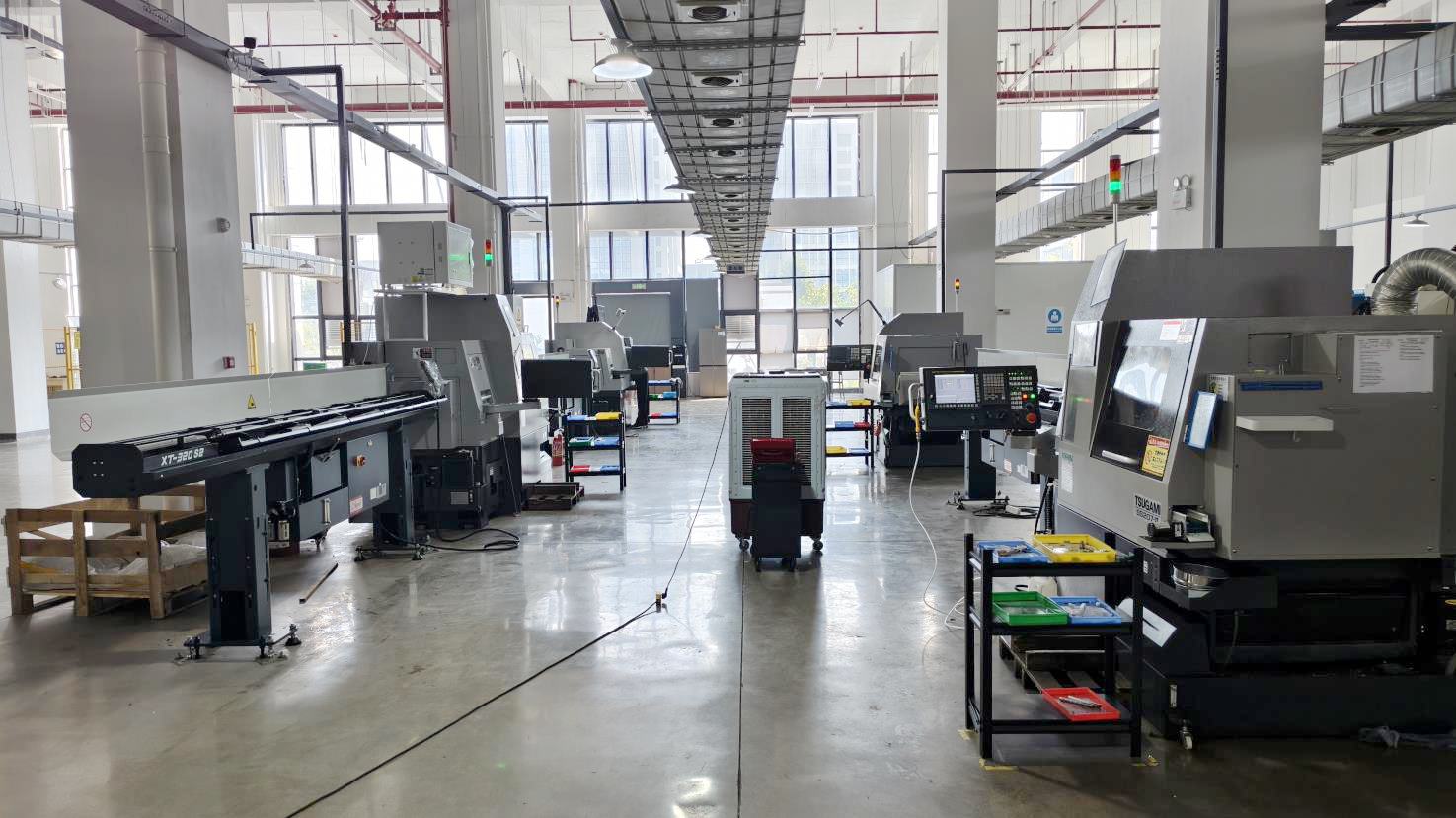
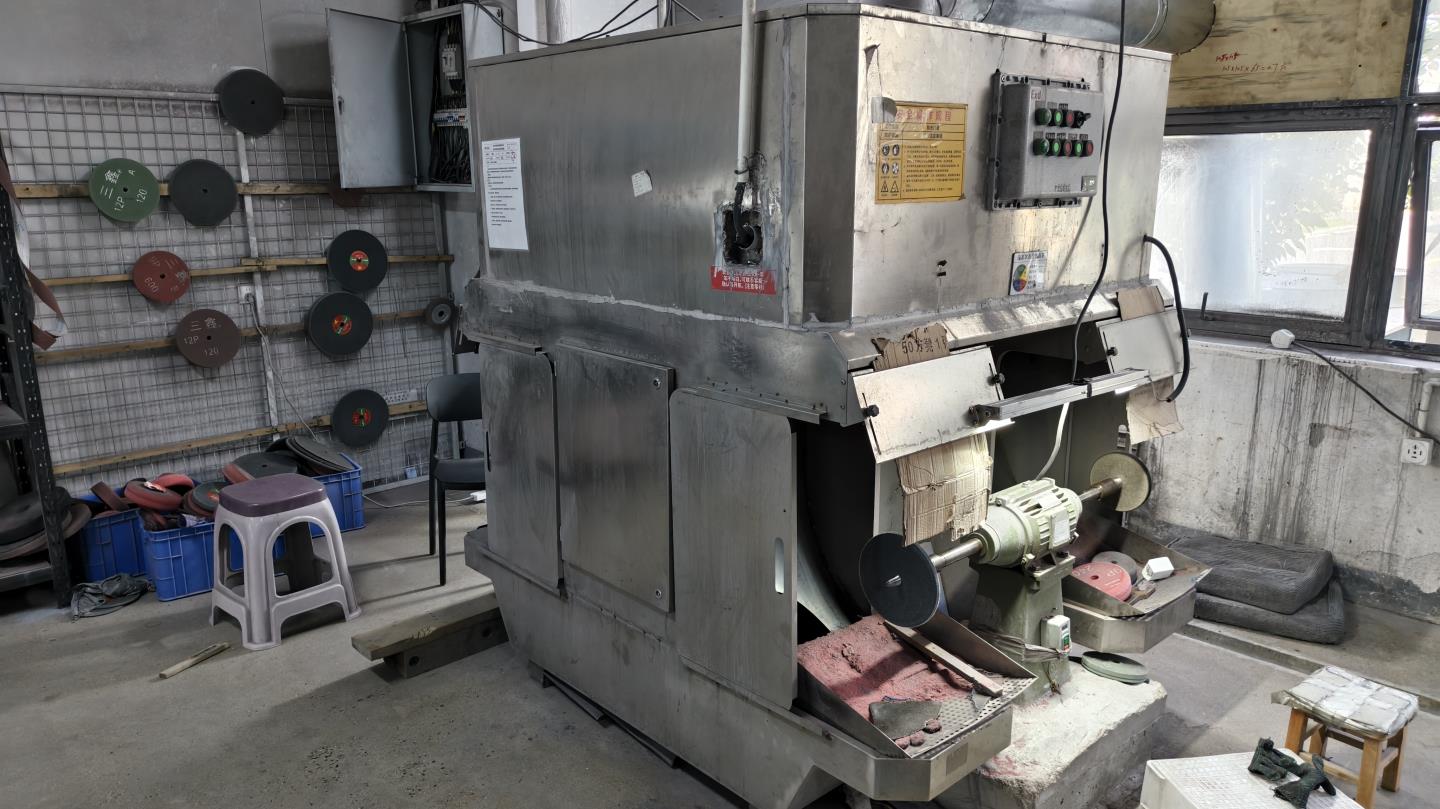
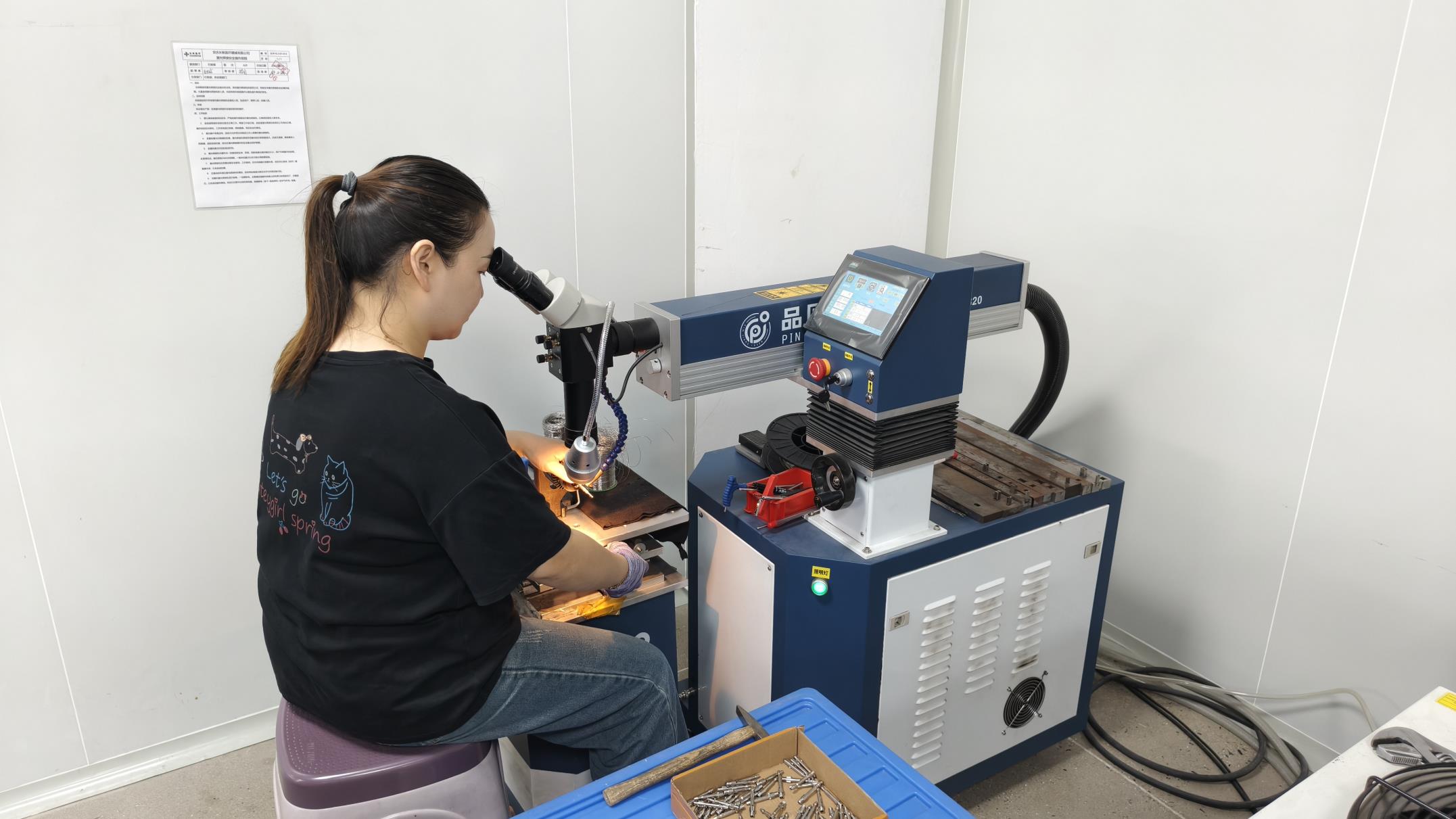
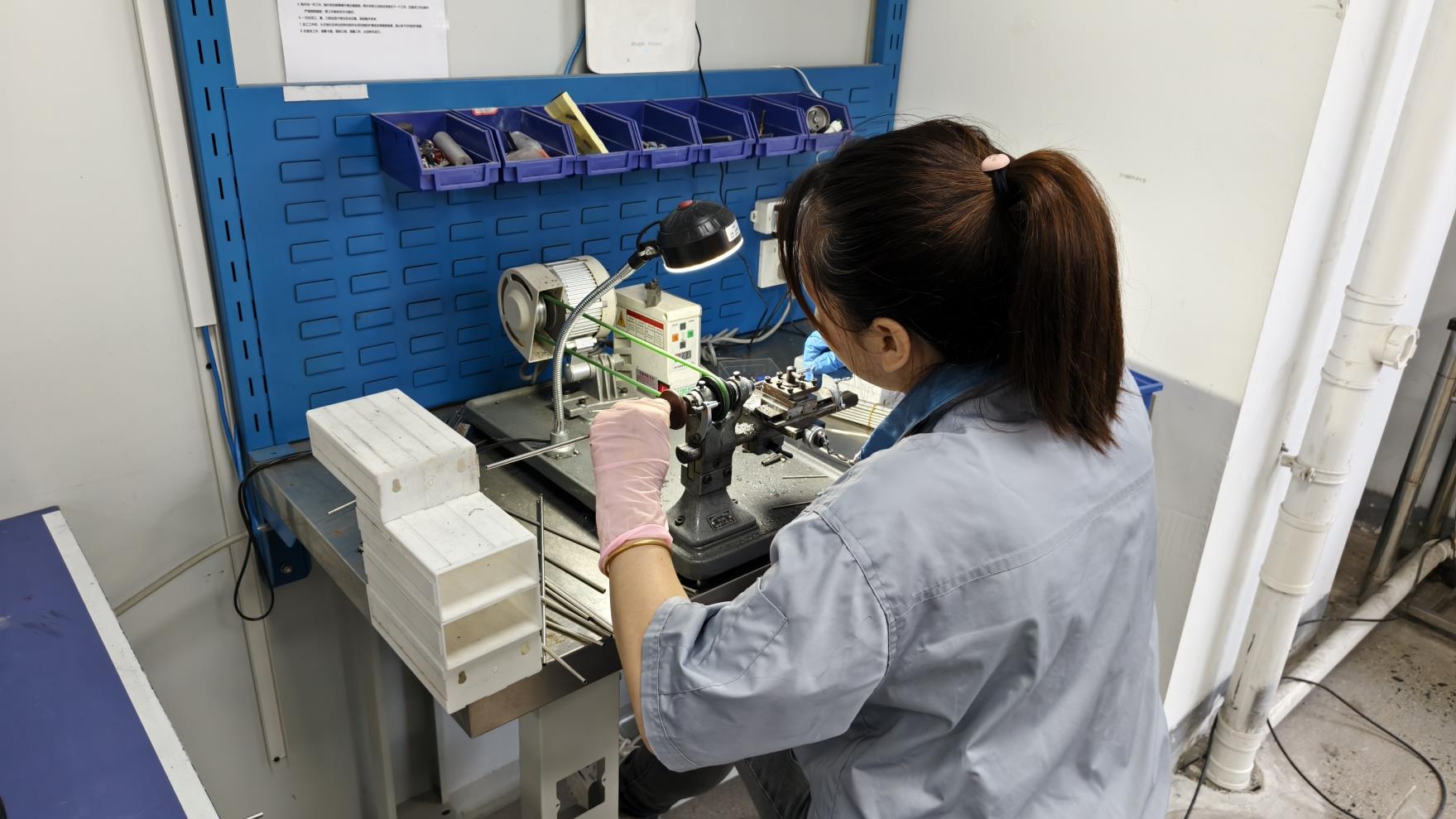
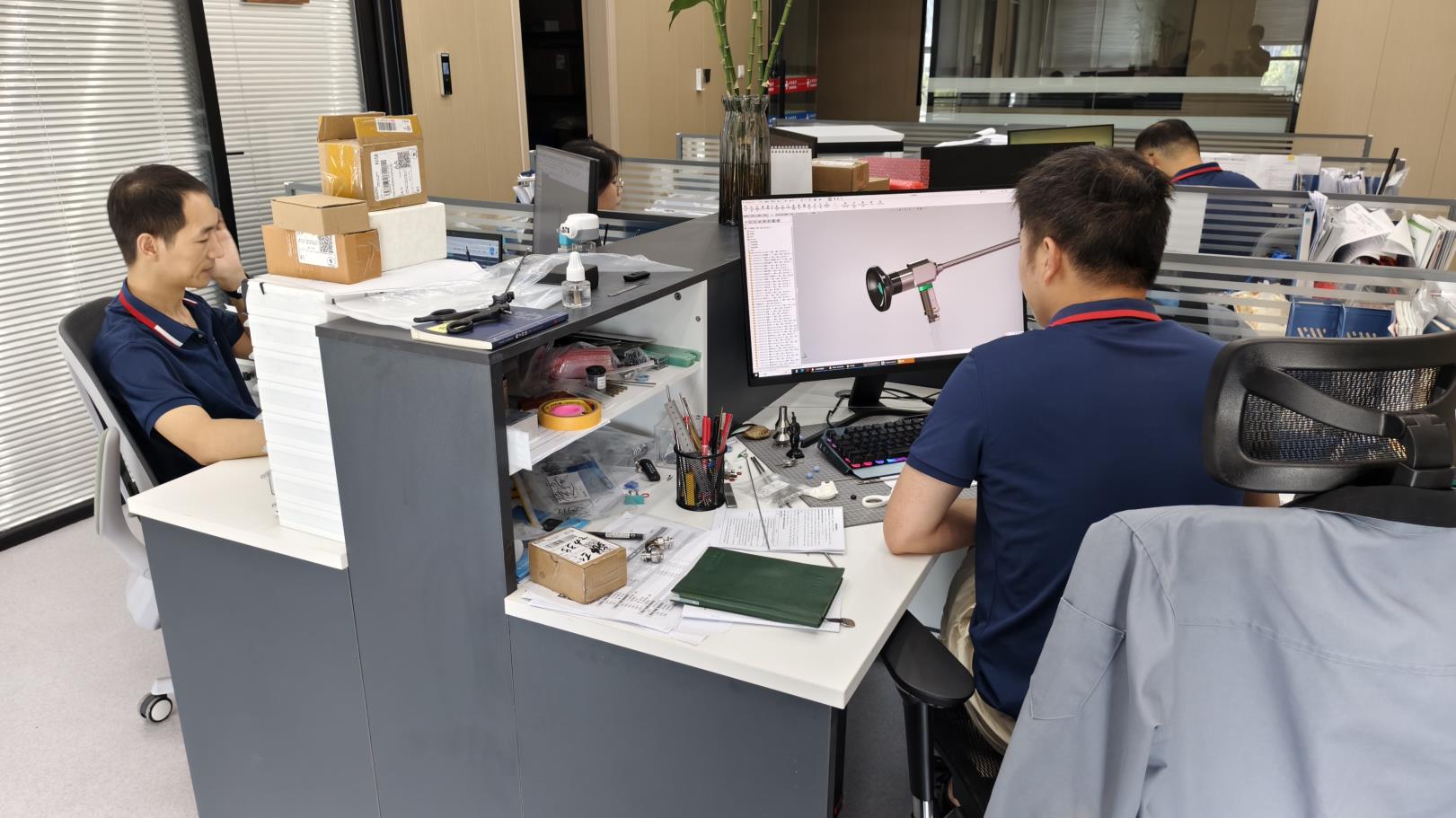

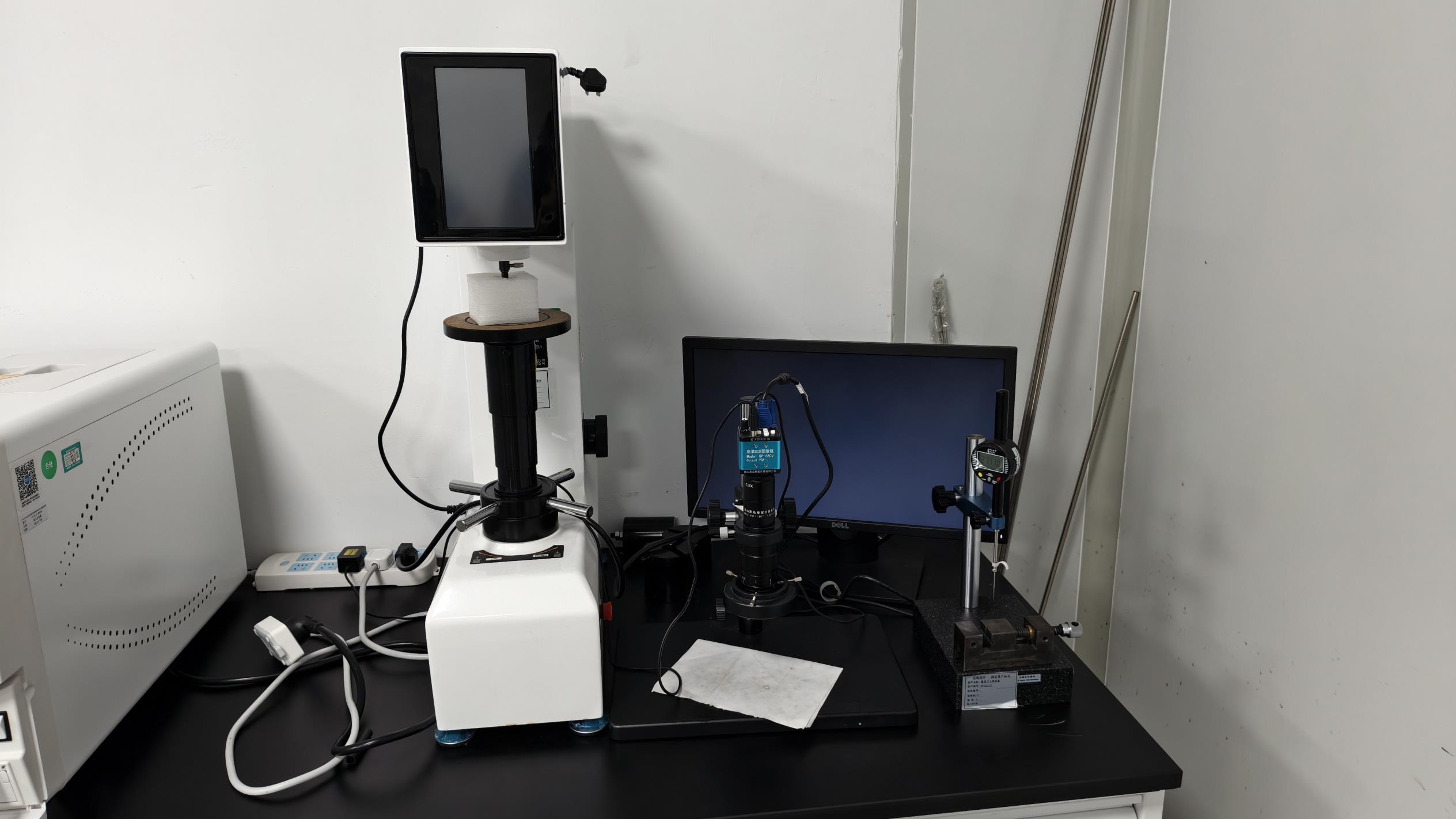
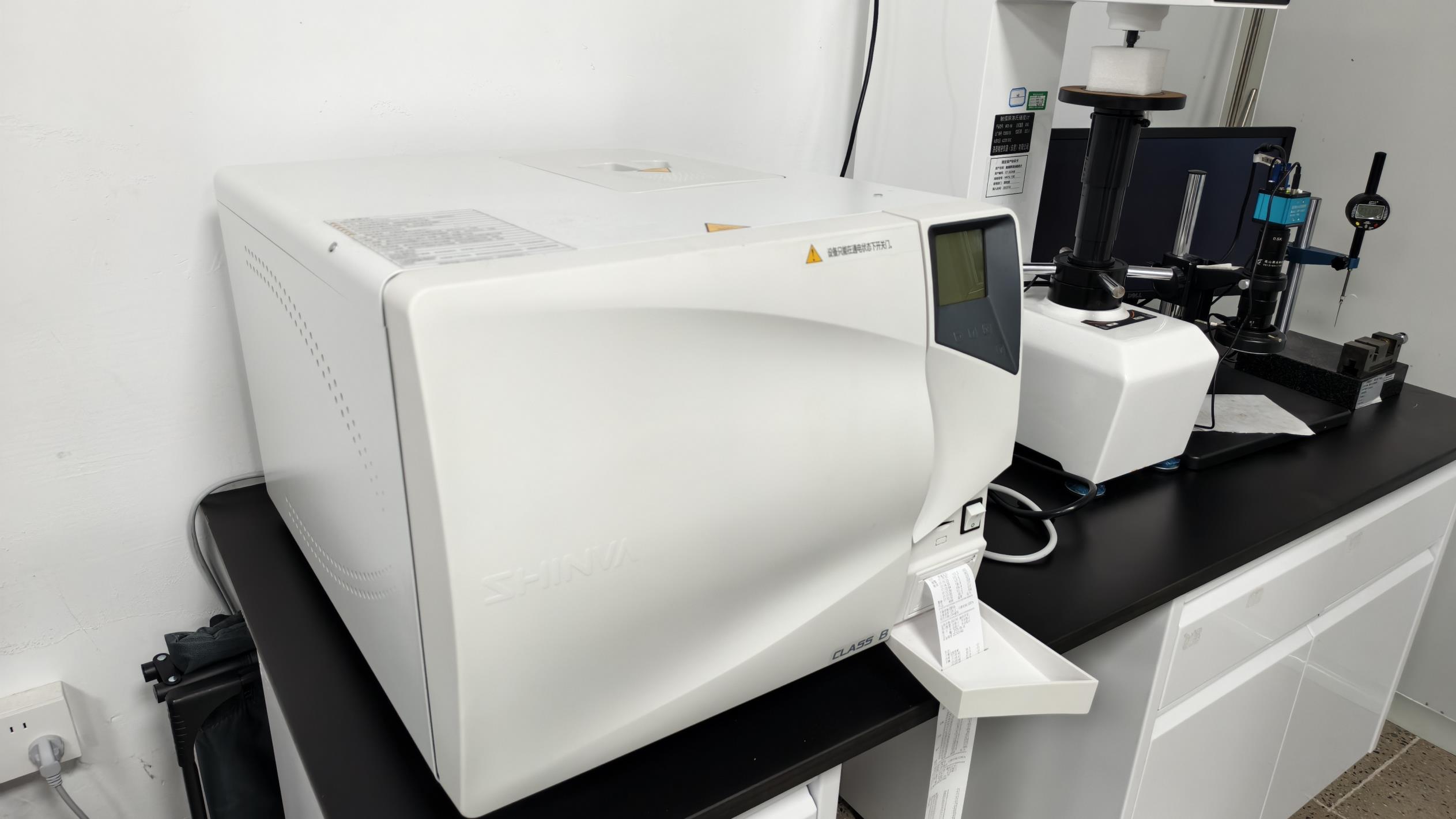
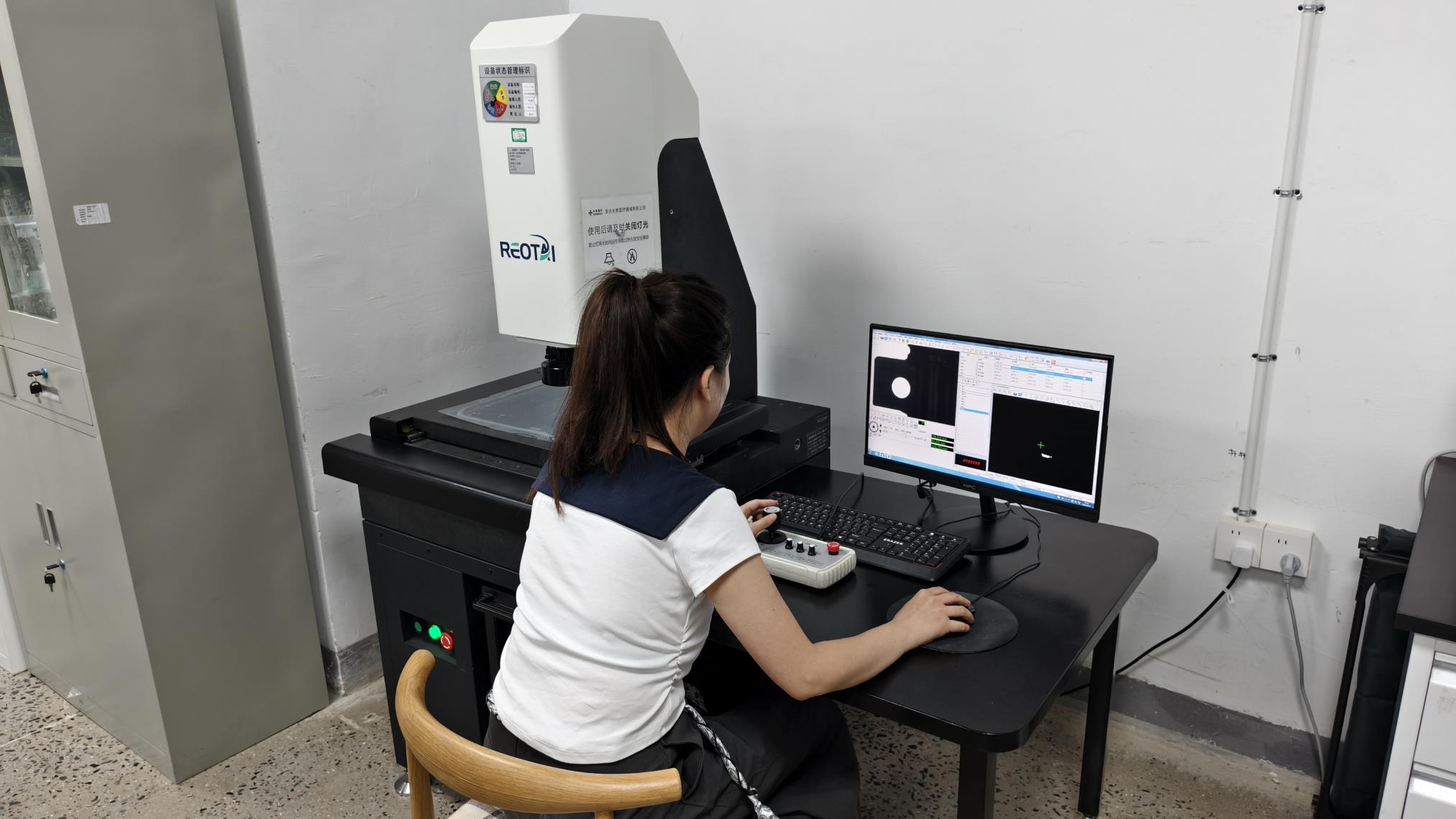
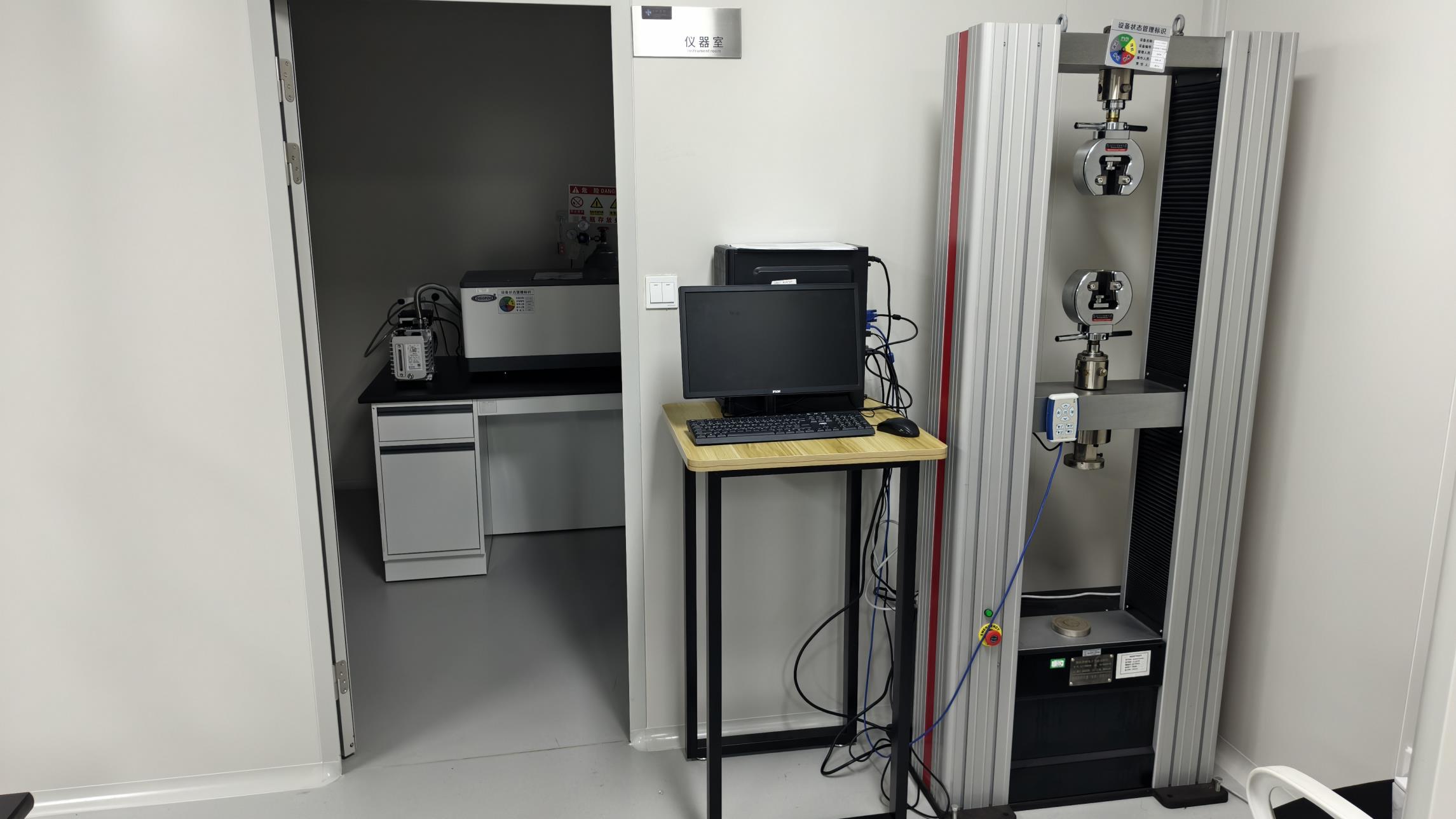
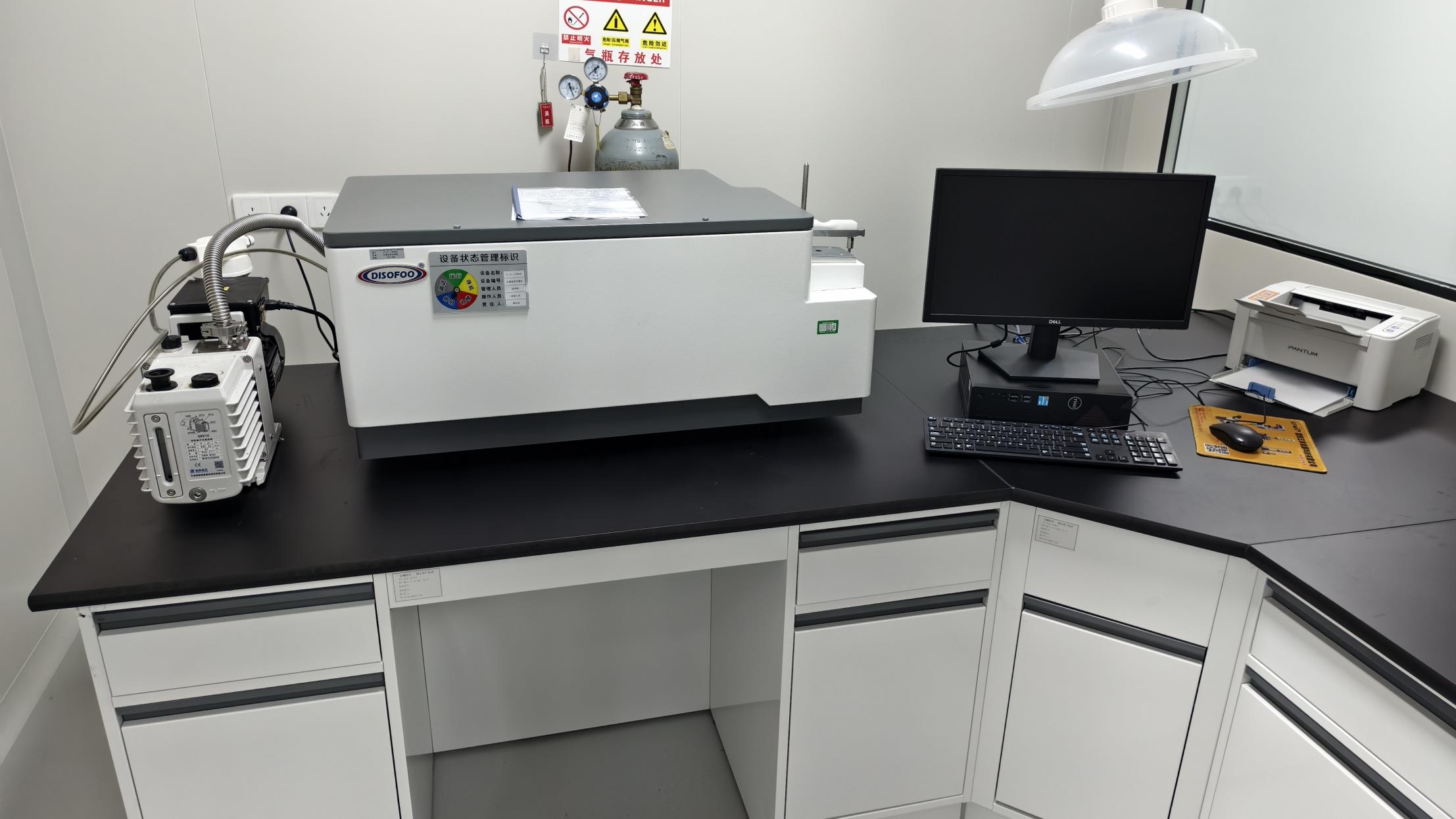
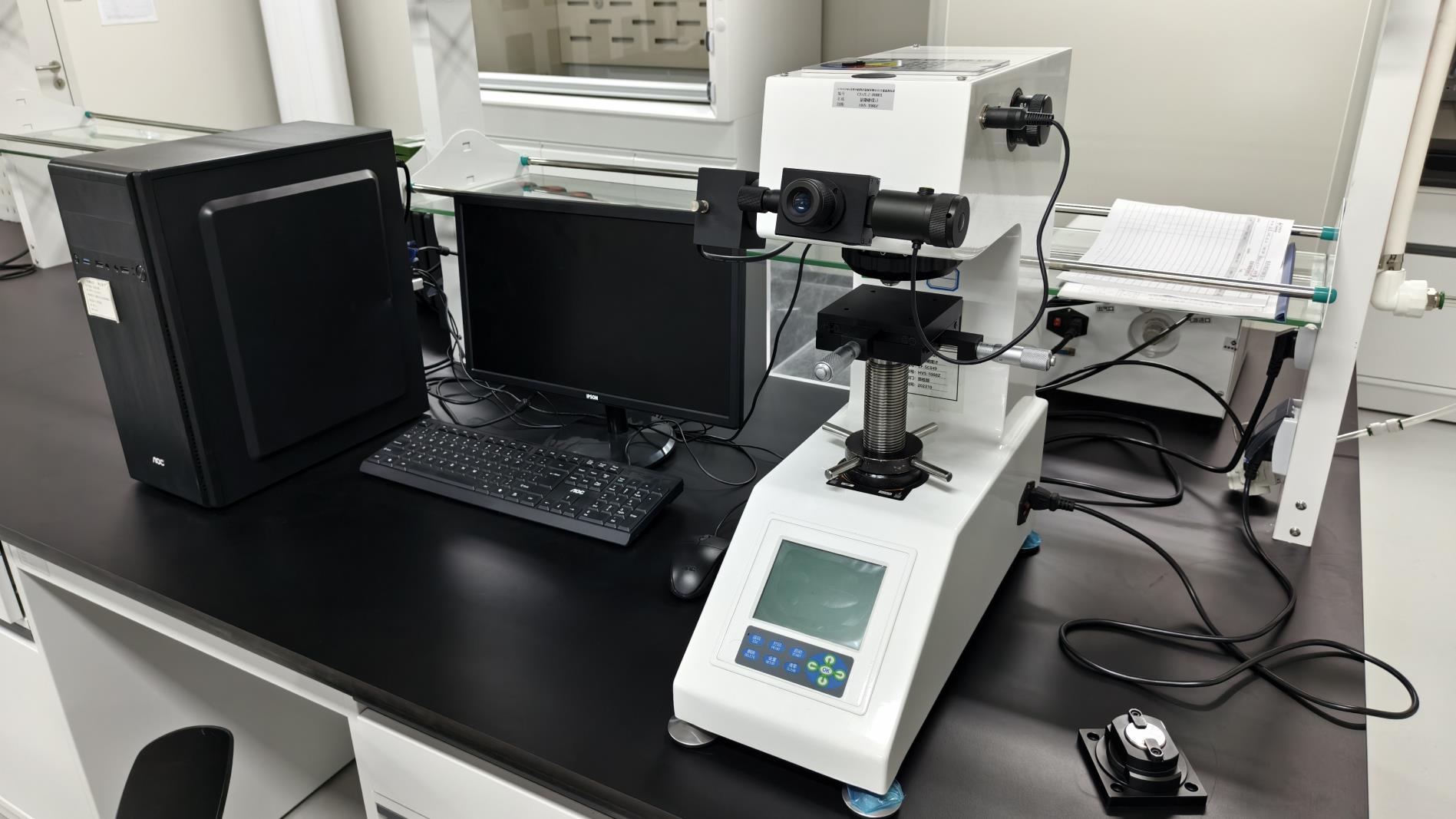
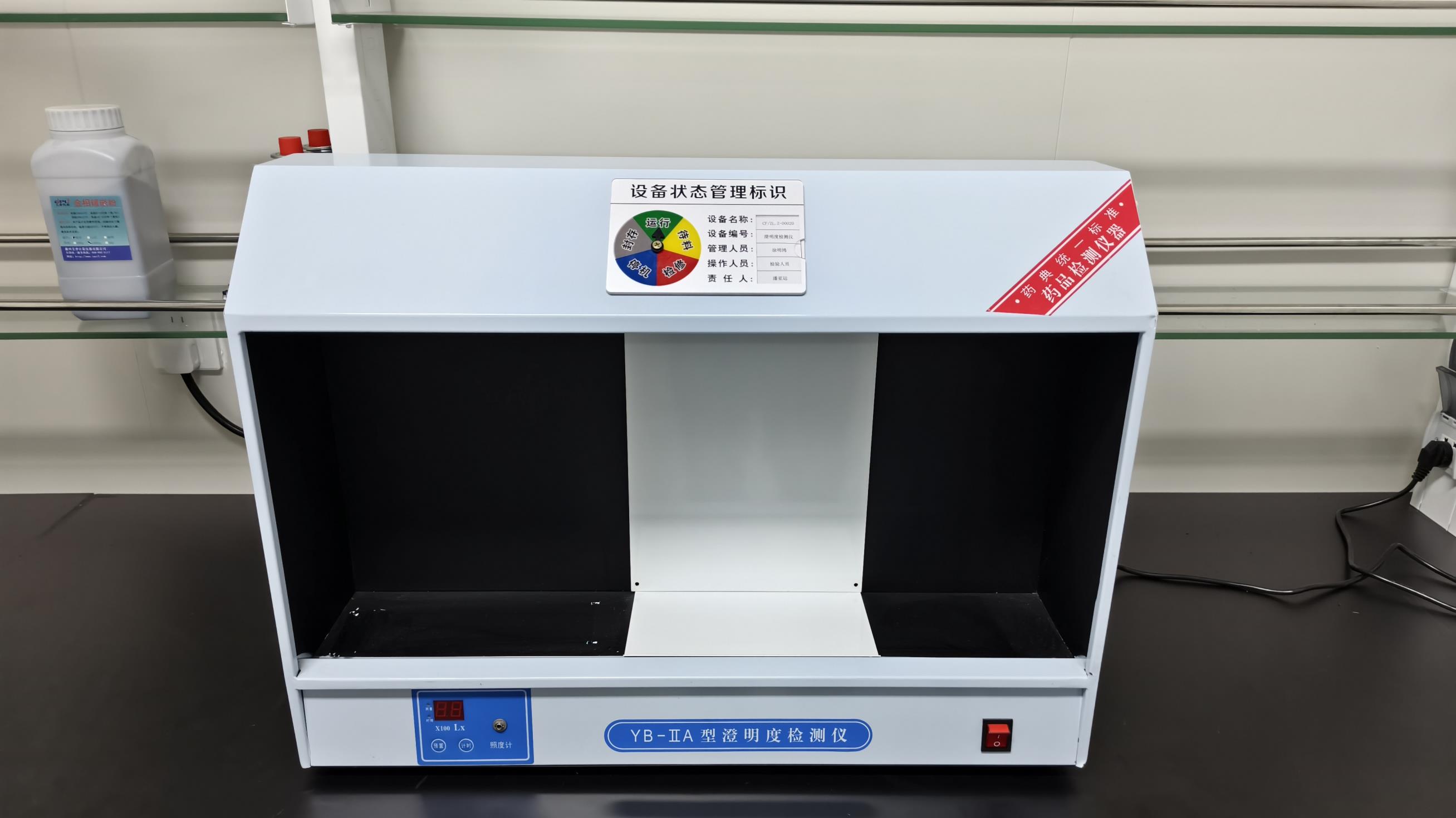
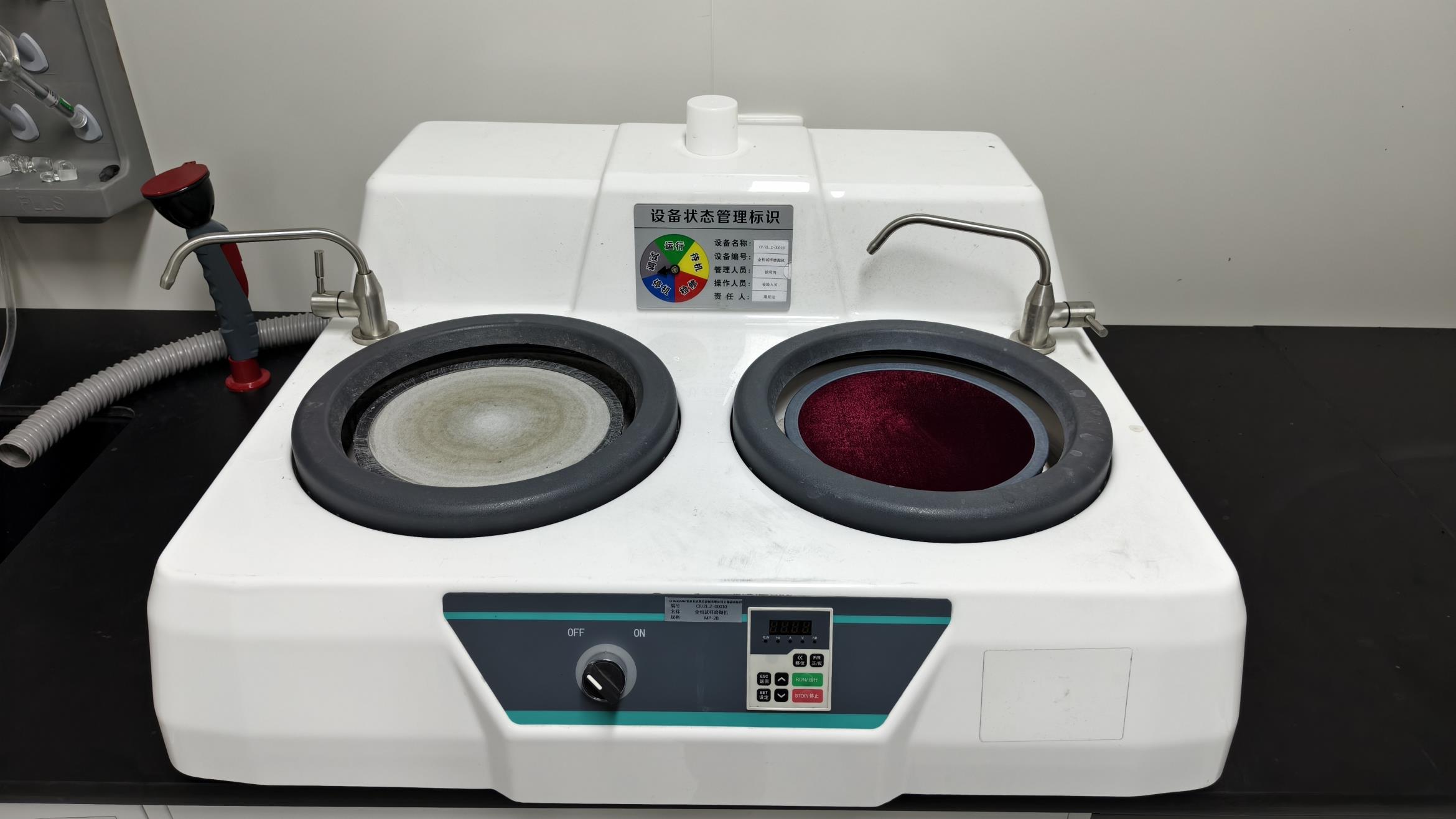
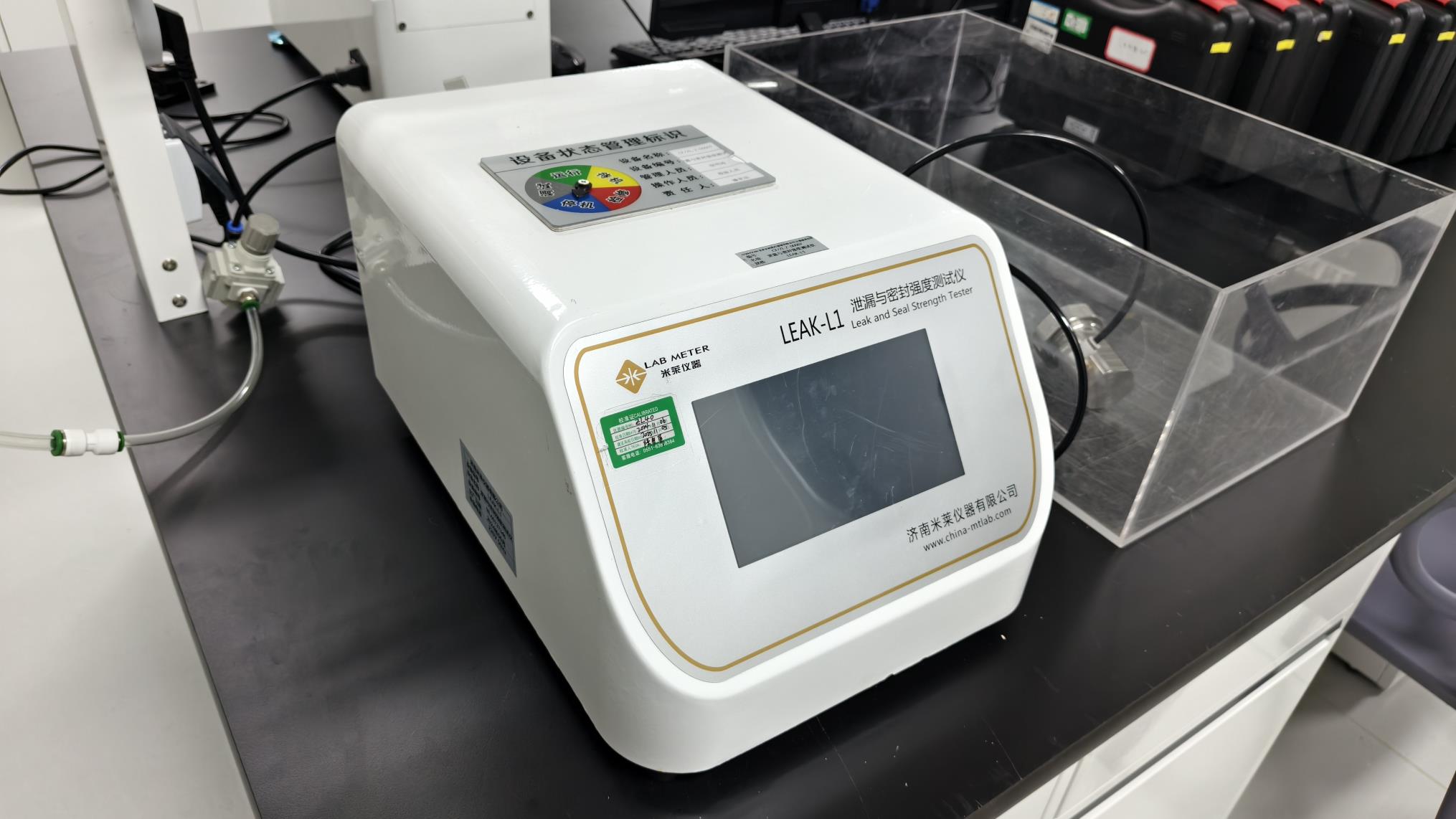
Translating orthopedic research into clinically viable implants with high durability and anatomical accuracy.
Modern elbow arthroplasty systems require advanced materials to optimize biocompatibility and wear resistance. Zynfuse utilizes high-purity raw materials derived from verified medical-grade suppliers:
Zynfuse's R&D engineering focuses on advanced surface texturing techniques, utilizing vacuum plasma spraying (VPS) to apply titanium and hydroxyapatite (HA) coatings. This enhances primary mechanical press-fit stability and accelerates secondary biological fixation.
Elbow replacement systems are classified based on the constraint of their linkage mechanism:
Features a loose mechanical pin connection that guides elbow flexion-extension while allowing laxity to protect the cement interface from excessive torsional forces. Ideal for patients with severe ligamentous instability or significant bone loss.
Relies entirely on the patient's muscle tone and ligamentous integrity for joint stability. This design mimics natural joint kinematics but requires intact collateral ligaments and adequate bone stock.
Enables variable stem lengths and offset humeral components. This allows surgeons to adapt to diverse anatomical patient profiles and simplifies revision surgeries.
As Class III medical devices, elbow replacement implants are subject to rigorous regulatory pathways globally. Zynfuse maintains full compliance with the European Medical Devices Regulation (MDR EU 2017/745), supported by detailed clinical evaluation reports, post-market clinical follow-ups (PMCF), and precise traceability documentation (UDI - Unique Device Identification).
Our quality management system is certified under ISO 13485, covering design, manufacturing, and distribution of orthopedic joint replacement systems. This provides distributors and hospital groups with full regulatory security during registration and tenders.
Expanding global healthcare requires local support. Zynfuse offers comprehensive assistance to importing organizations and distribution partners worldwide:
Key technical, regulatory, and clinical questions answered by our engineering and regulatory affairs teams.
Our humeral and ulnar articulation components are manufactured from Cobalt-Chromium-Molybdenum (CoCrMo) alloy conforming to ASTM F75 or ASTM F1537, polished to a mirror finish. The articulating inserts are made of medical-grade Ultra-High-Molecular-Weight Polyethylene (UHMWPE) or highly cross-linked polyethylene (XLPE). This pairing reduces friction, limits polyethylene wear debris, and minimizes the risk of periprosthetic osteolysis.
Yes, we manufacture both designs. Our semi-constrained (linked) model features a high-durability pin mechanism that allows laxity in flexion and rotation to reduce stress on the bone-cement interface. Our unlinked systems are optimized for patients with preserved ligamentous structures, promoting anatomical load distribution.
The titanium stems (Ti6Al4V ELI per ASTM F136) are processed with vacuum plasma-sprayed (VPS) titanium coatings and a hydroxyapatite (HA) layer. This textured surface facilitates bone growth and biological fixation. For cemented applications, the stems feature macro-textures to maximize PMMA cement micro-interlocking.
We conduct finite element analysis (FEA) to evaluate stress distributions under typical physiological loads. Dynamic fatigue tests are performed to simulate millions of flexion-extension cycles. Our quality team also runs chemical validations using spectrometer analysis, surface roughness measurements, and computerized coordinate coordinate measuring machine (CMM) dimensional checks.
We provide a complete registration dossier containing ISO 13485 certifications, CE certificates, detailed biocompatibility dossiers (ISO 10993), sterilization validation parameters (ISO 11137 / ISO 11135), and clinical evaluation documents. Our regulatory department works directly with distributors to resolve local regulatory inquiries.
Implants are sterilized using Gamma Irradiation (minimum dose of 25 kGy) or Ethylene Oxide (EO) gas in Class 100,000 cleanrooms. They are packed in sterile double-barrier Tyvek blister systems, ensuring a validated shelf-life of 5 years under recommended storage conditions.
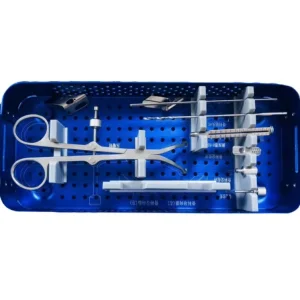
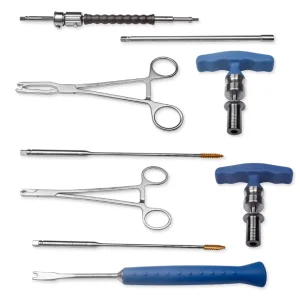
Yes, we supply matching, reusable surgical instrumentation kits made from high-strength stainless steel and anodized aluminum. These kits include bone reamers, trial implants, sizing guides, and precise cutting templates to ensure accurate bone preparation and component alignment during surgery.
Standard implants are available with low MOQs, depending on regional distribution agreements. For custom OEM/ODM designs, development and production times range from 45 to 90 days. This timeline covers CAD design, biomechanical testing, sample verification, and final manufacturing.
Complementary products supporting bone surgery, spinal fixation, osteotomy, and joint arthroplasty procedures.