Zynfuse
Zynfuse
Zynfuse
In modern spinal reconstruction, posterior fixation using pedicle screw-rod constructs has become the gold standard for treating instability caused by degenerative diseases, trauma, scoliosis, and tumor resections. However, clinical studies show that bilateral construct systems can suffer from torsional instability when subjected to axial rotation. This is where Spine Cross Connectors (Transverse Process Linkers) play an indispensable role. By mechanically bridging the parallel longitudinal rods, cross connectors dramatically increase the construct's torsional stiffness, minimizing micro-movements that can lead to pedicle screw loosening or nonunion at the fusion site.
The global market for spinal implants is witnessing a transition toward minimally invasive surgeries (MIS) and highly customized patient solutions. Device manufacturers and distributors are seeking CE-certified spinal components that meet rigorous safety standards, such as the EU Medical Device Regulation (MDR). As surgeons demand lower profile implants to minimize soft-tissue irritation, manufacturers are forced to optimize cross connector designs. Modern cross connectors must offer variable angle adjustment, telescoping length adjustments, and robust locking mechanisms to accommodate complex anatomical contours without adding unnecessary bulk.
Adding a single cross connector to a multi-segment posterior spinal construct can increase its torsional resistance by up to 35% to 45%. This structural stability is particularly critical in corrective surgeries for adult degenerative scoliosis and long-segment thoracolumbar fusions, preventing construct failure and promoting faster osseointegration.
For medical device importers, distributors, and hospital procurement departments, sourcing orthopedic implants is not just a financial transaction; it is a clinical and legal responsibility. Under Google's E-E-A-T (Experience, Expertise, Authoritativeness, Trustworthiness) guidelines for YMYL (Your Money or Your Life) topics, medical device information must align with the highest levels of scientific accuracy and regulatory compliance.
The presence of a CE Mark (Conformité Européenne) is a critical indicator of reliability. It demonstrates that the cross connectors meet the strict safety, health, and environmental protection requirements set by the European Union. In the spinal surgery domain, this involves extensive dynamic fatigue testing (according to ASTM F1717 standards), chemical characterization of raw materials, and comprehensive biocompatibility evaluations (ISO 10993). Purchasing from a manufacturer that holds verified CE certification guarantees that the implants will withstand the mechanical stresses inside the human body without causing adverse immunological reactions.
Zynfuse Medical Technology Co., Ltd. is a professional orthopedic medical device manufacturer specializing in bone fusion and advanced implant systems for surgical innovation. Established in 2016, the company has built a strong foundation in orthopedic solutions with 12 years of industry experience and 7 years of export experience, serving global healthcare markets with consistent quality and reliability.
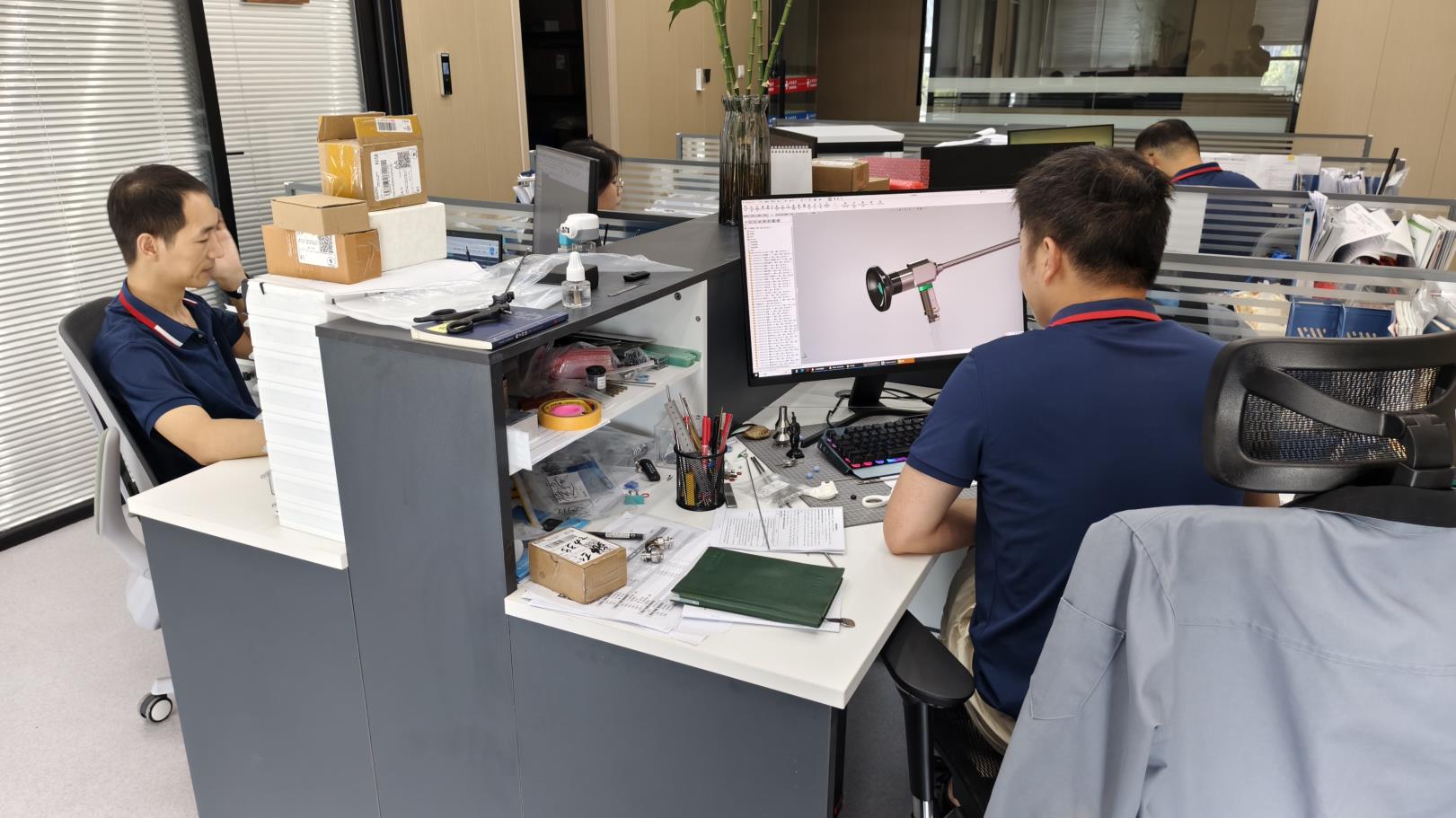
With a robust R&D team of 85 engineers, Zynfuse continues to expand its innovation capabilities, launching approximately 320 new products annually. The company offers extensive customization options, including implant geometry adjustment, material selection, and OEM/ODM solutions tailored to client needs. Zynfuse serves major global markets including North America, Europe, Southeast Asia, and the Middle East, and collaborates with hospitals, distributors, orthopedic clinics, and medical device importers.
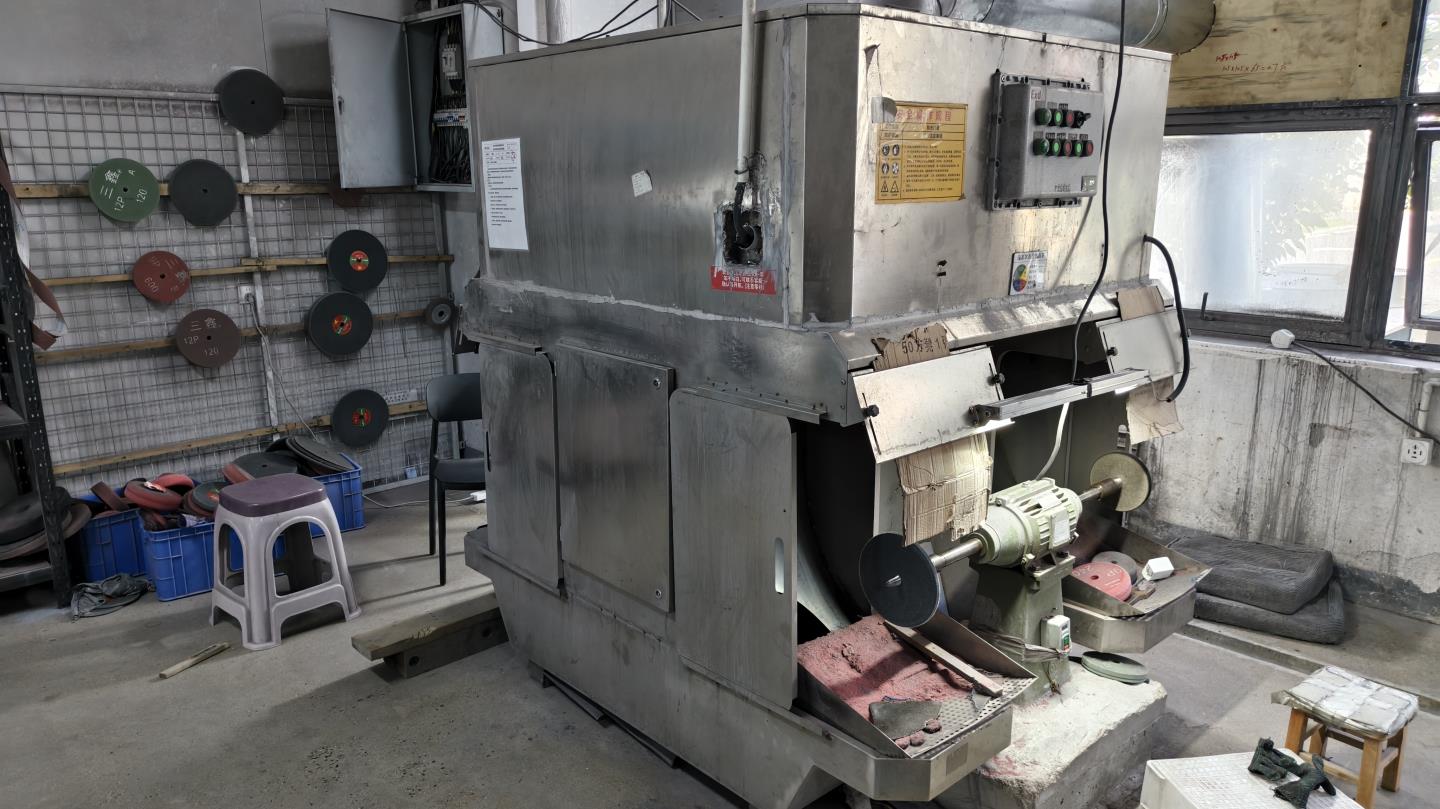
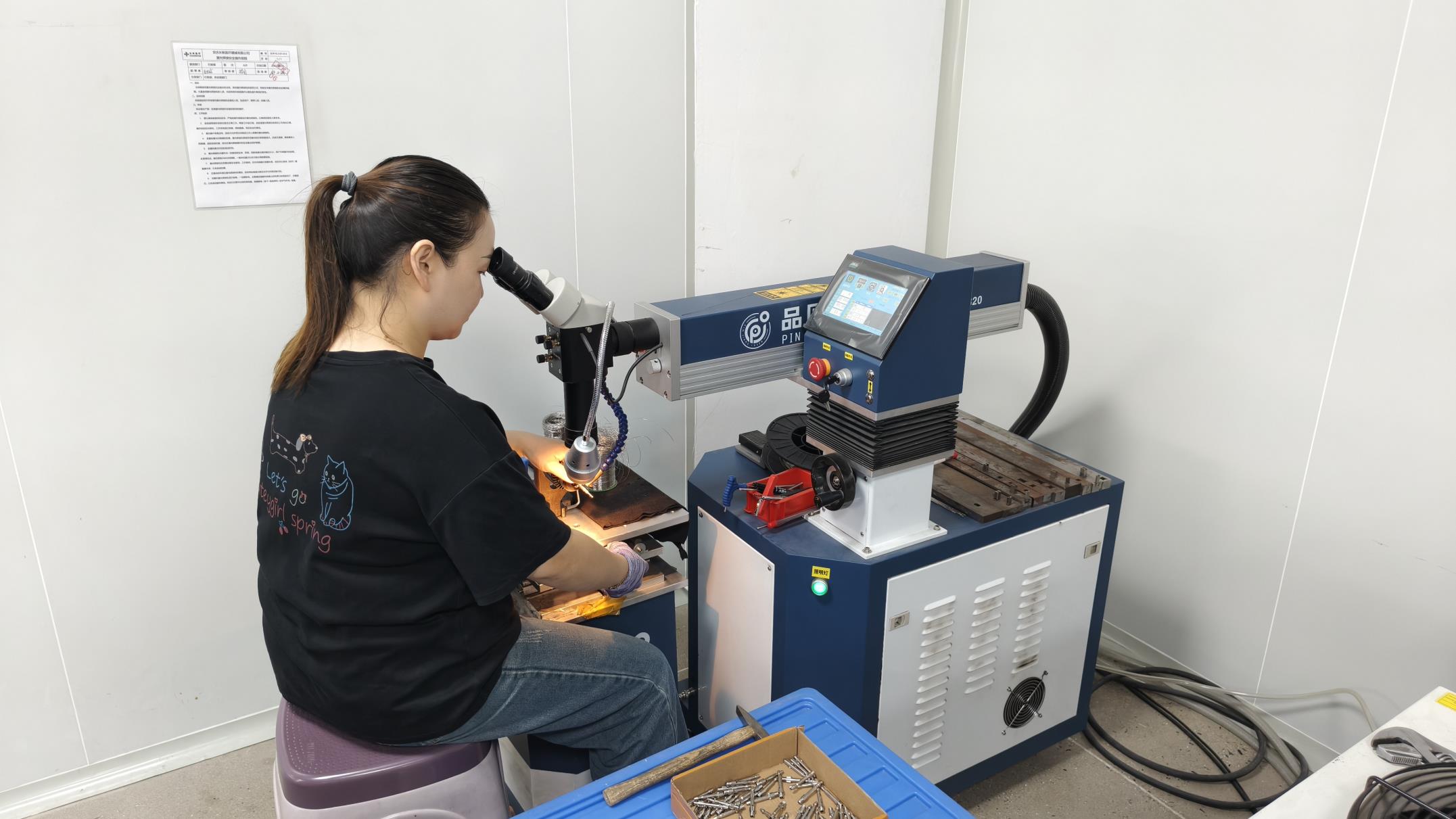
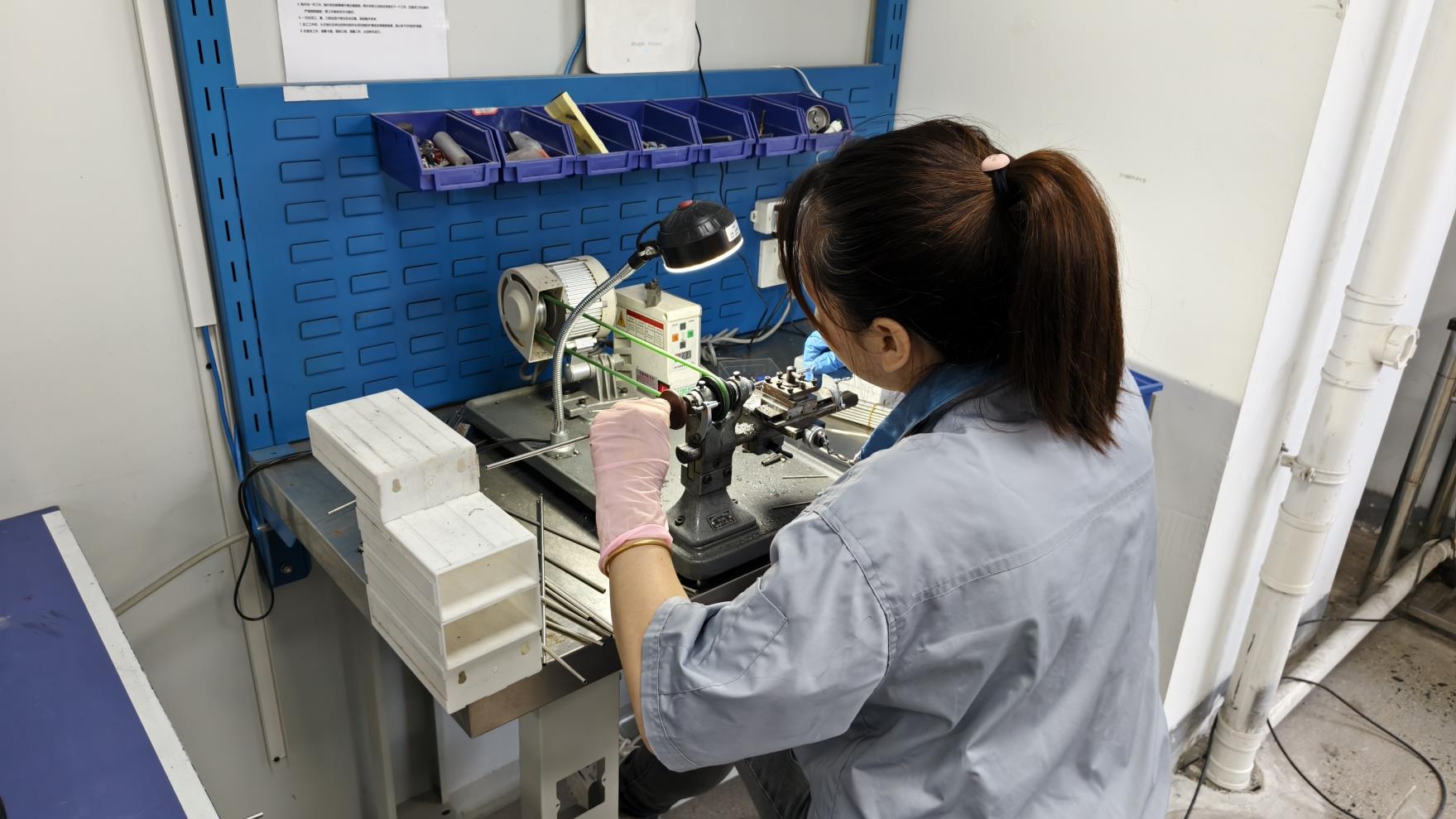
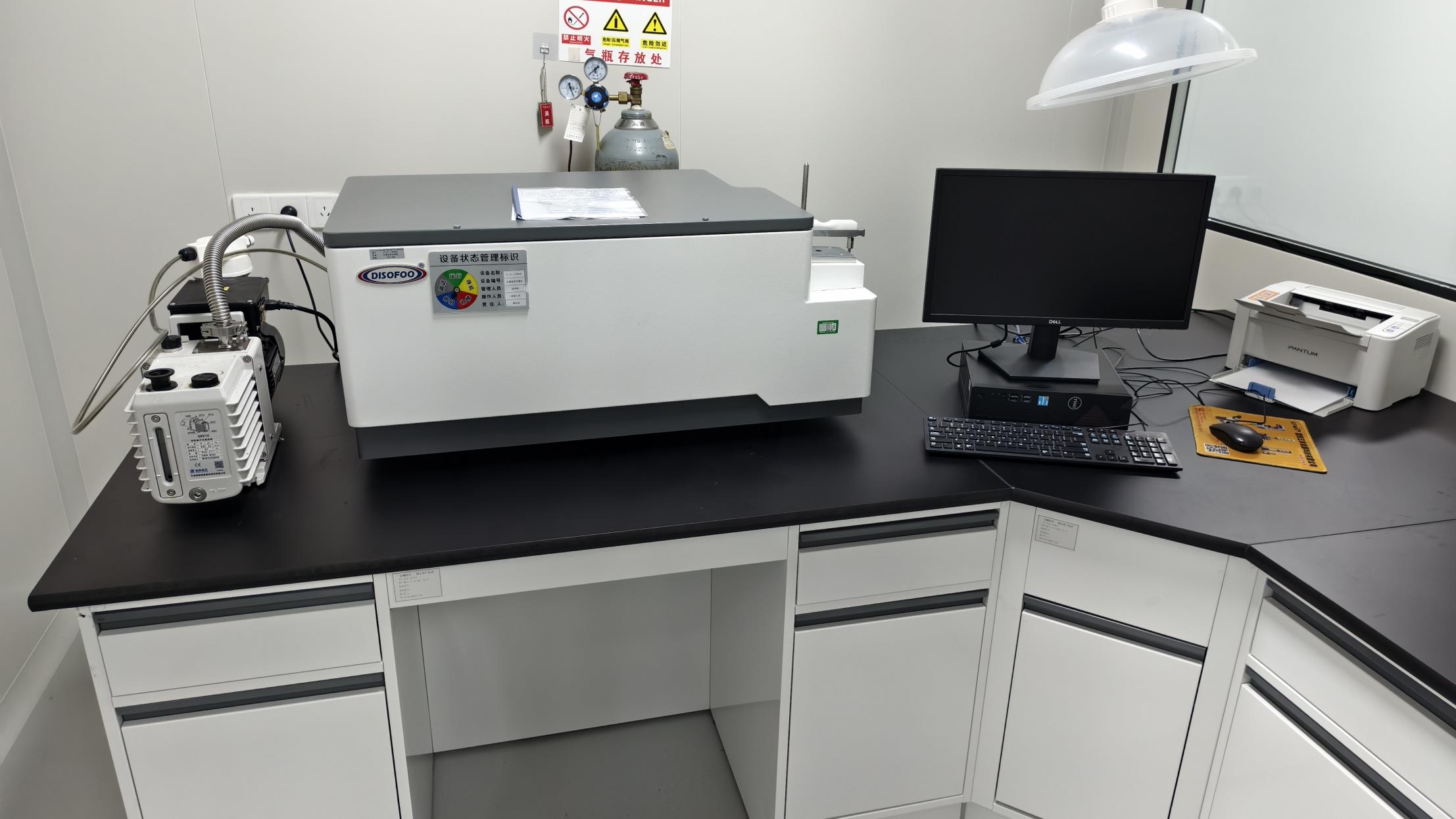
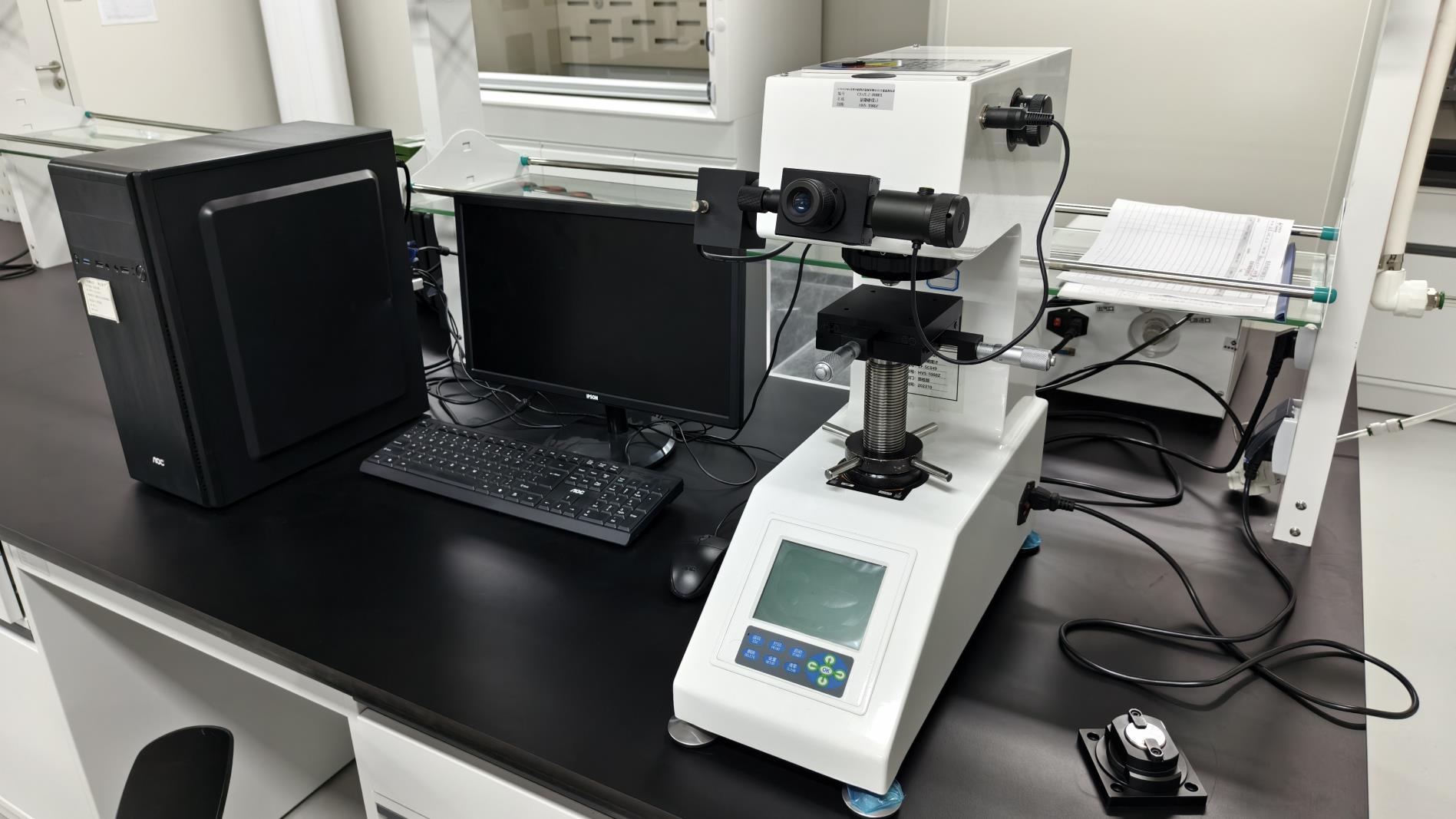
The global medical community benefits immensely from China's advanced manufacturing infrastructure. Leading manufacturers like Zynfuse leverage dynamic production ecosystems that combine cost-efficiency with uncompromising precision. Utilizing high-end Swiss-type lathes, multi-axis CNC machines, and computerized testing tools, Chinese factories output implants that match or exceed Western equivalents at a fraction of the capital expenditure.
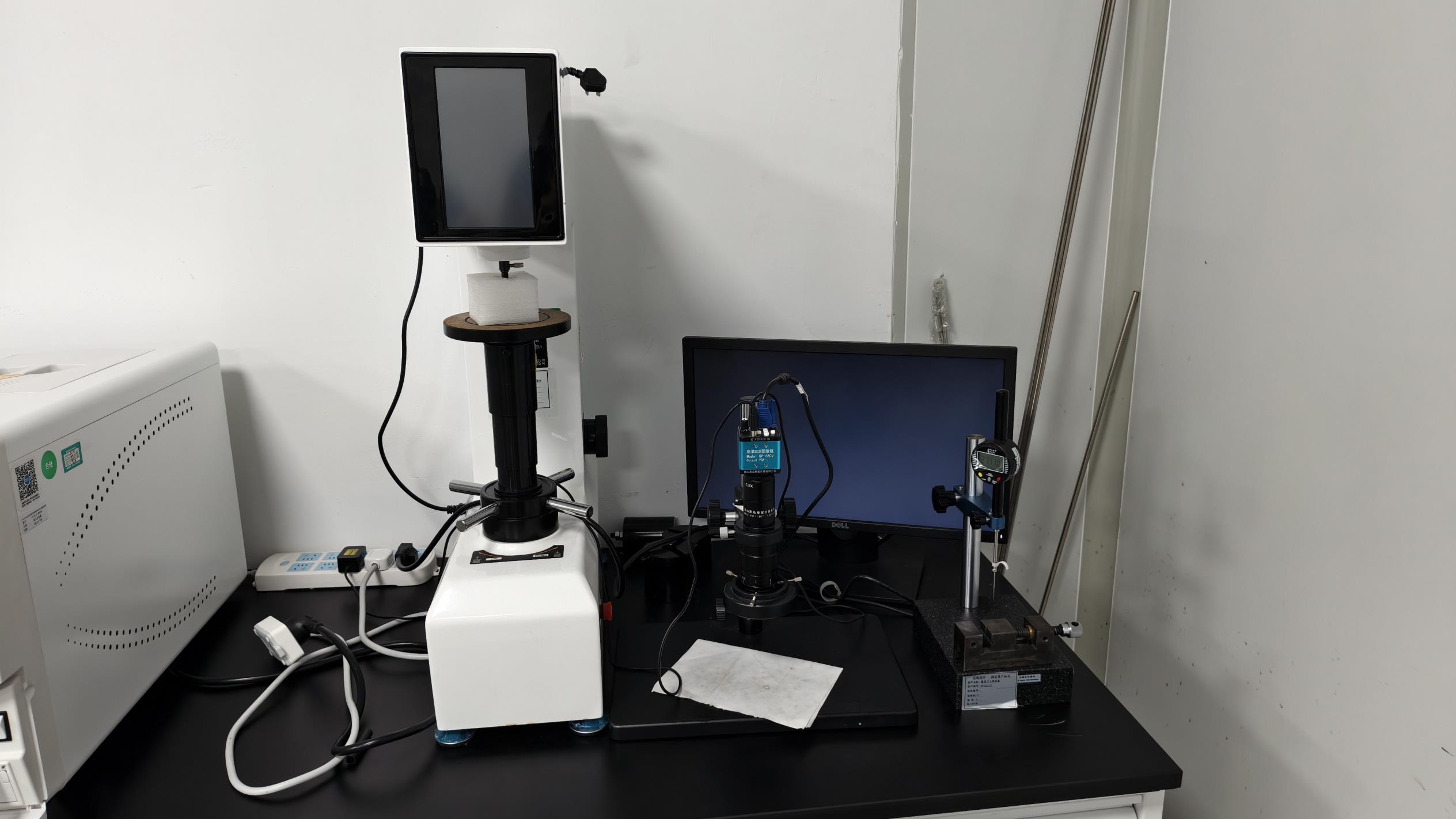
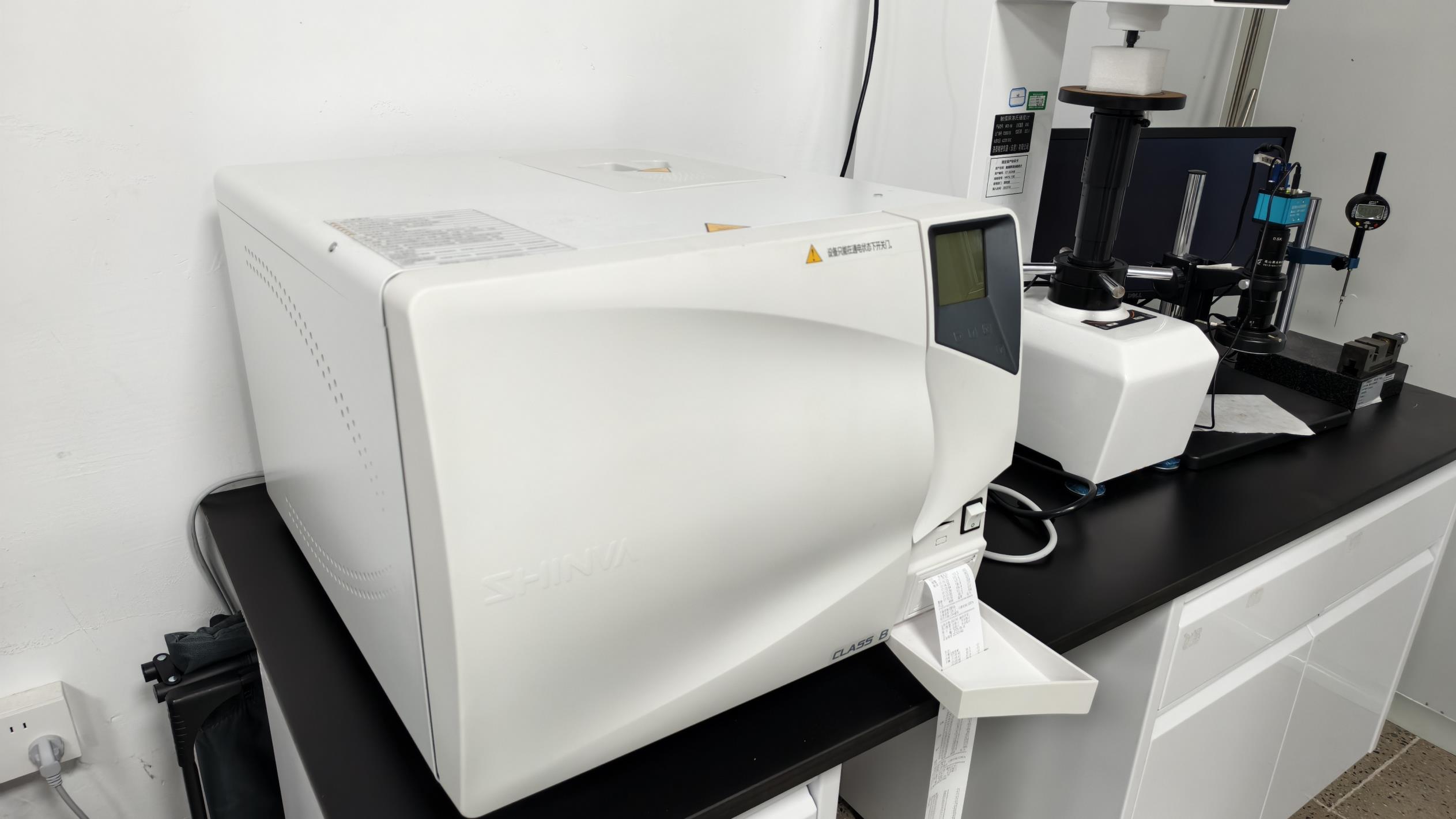
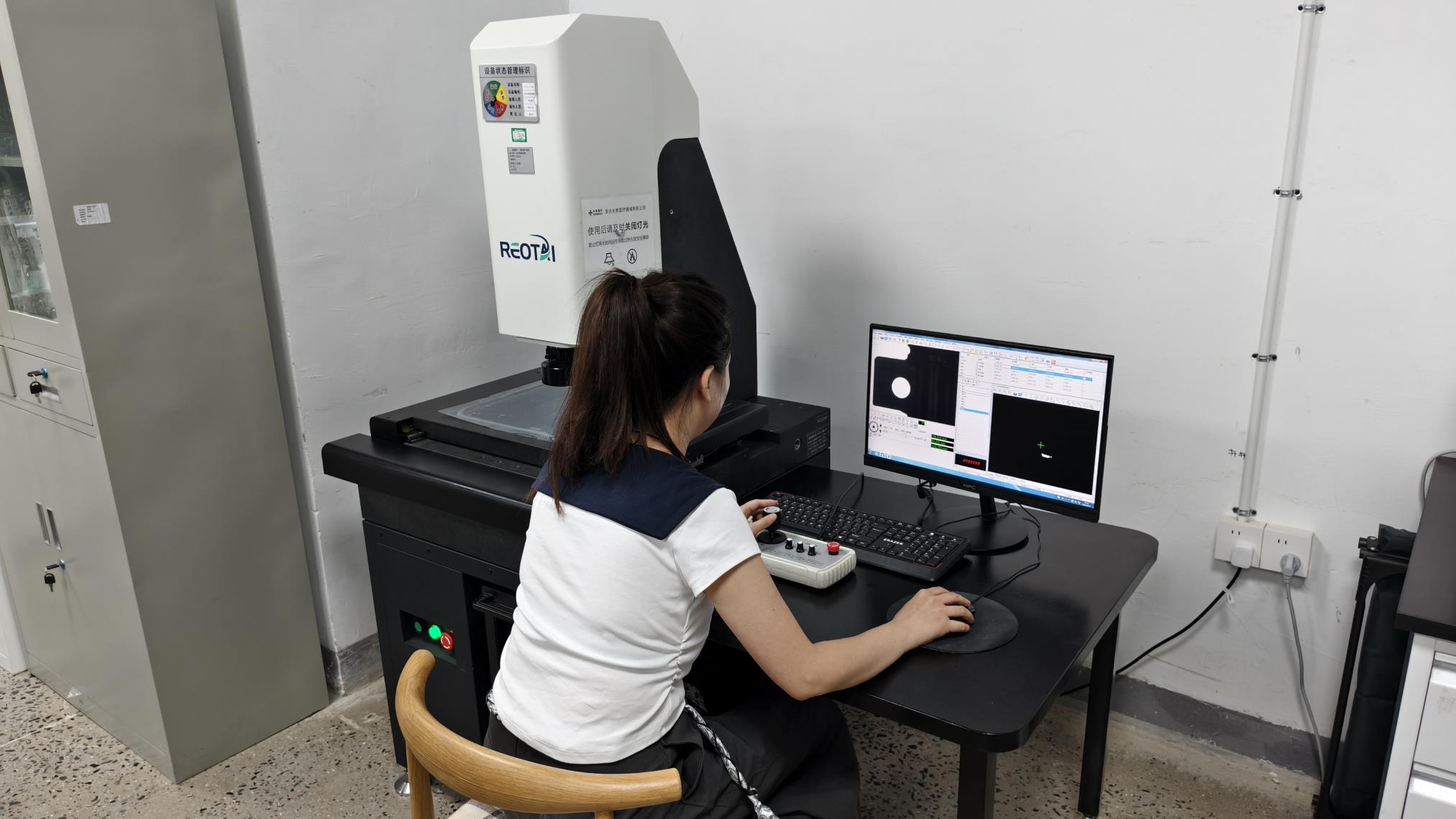
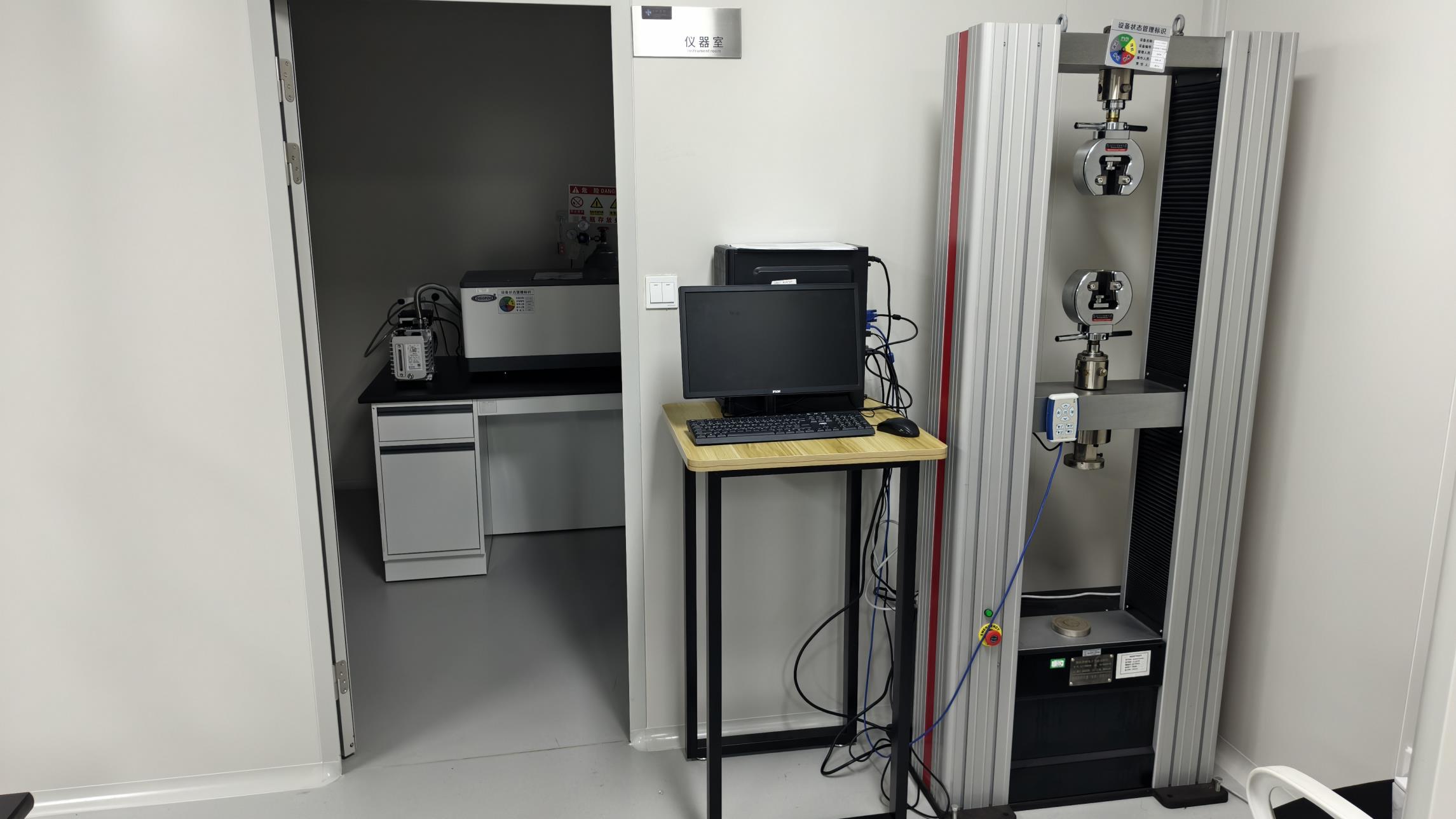
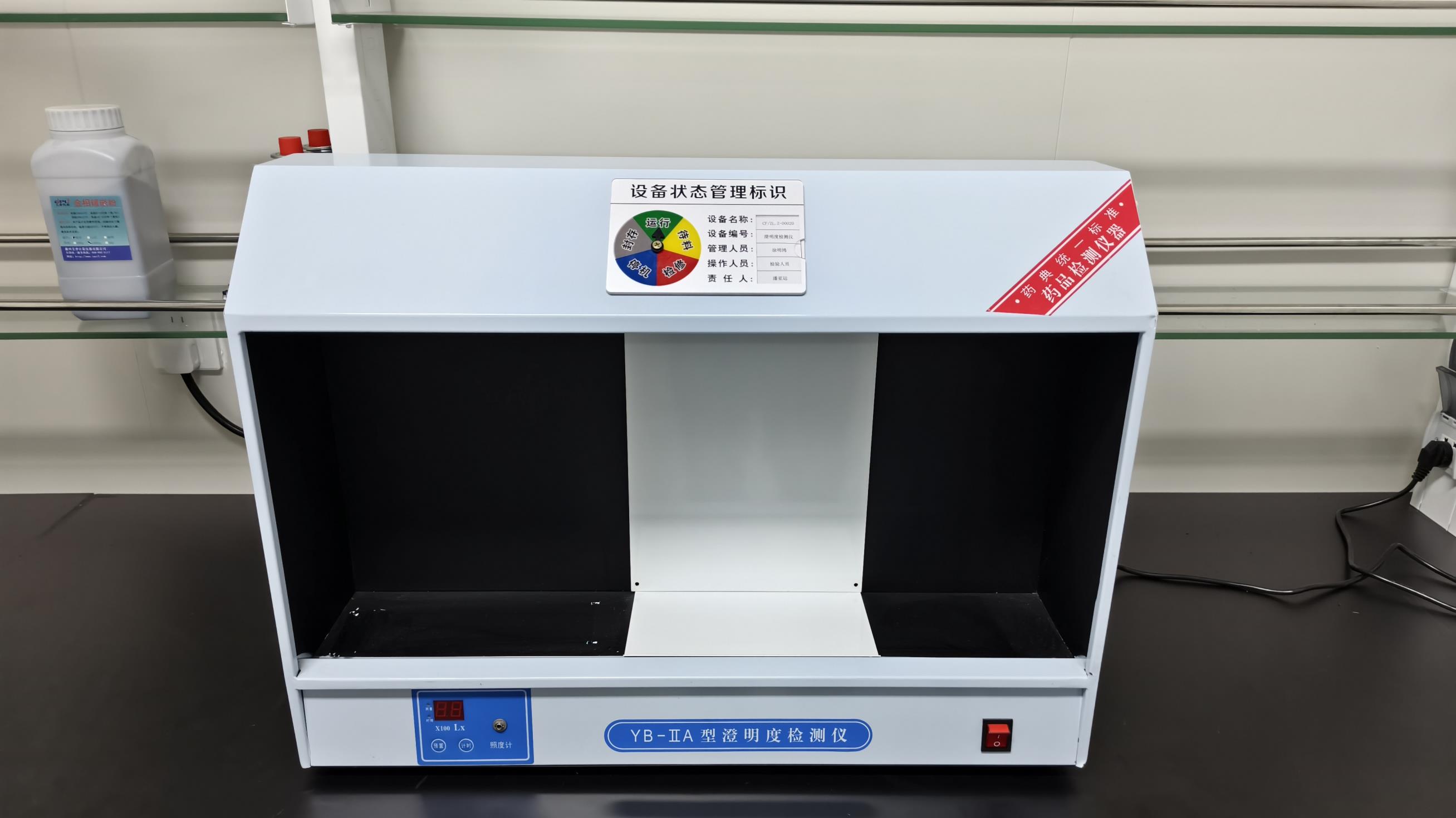
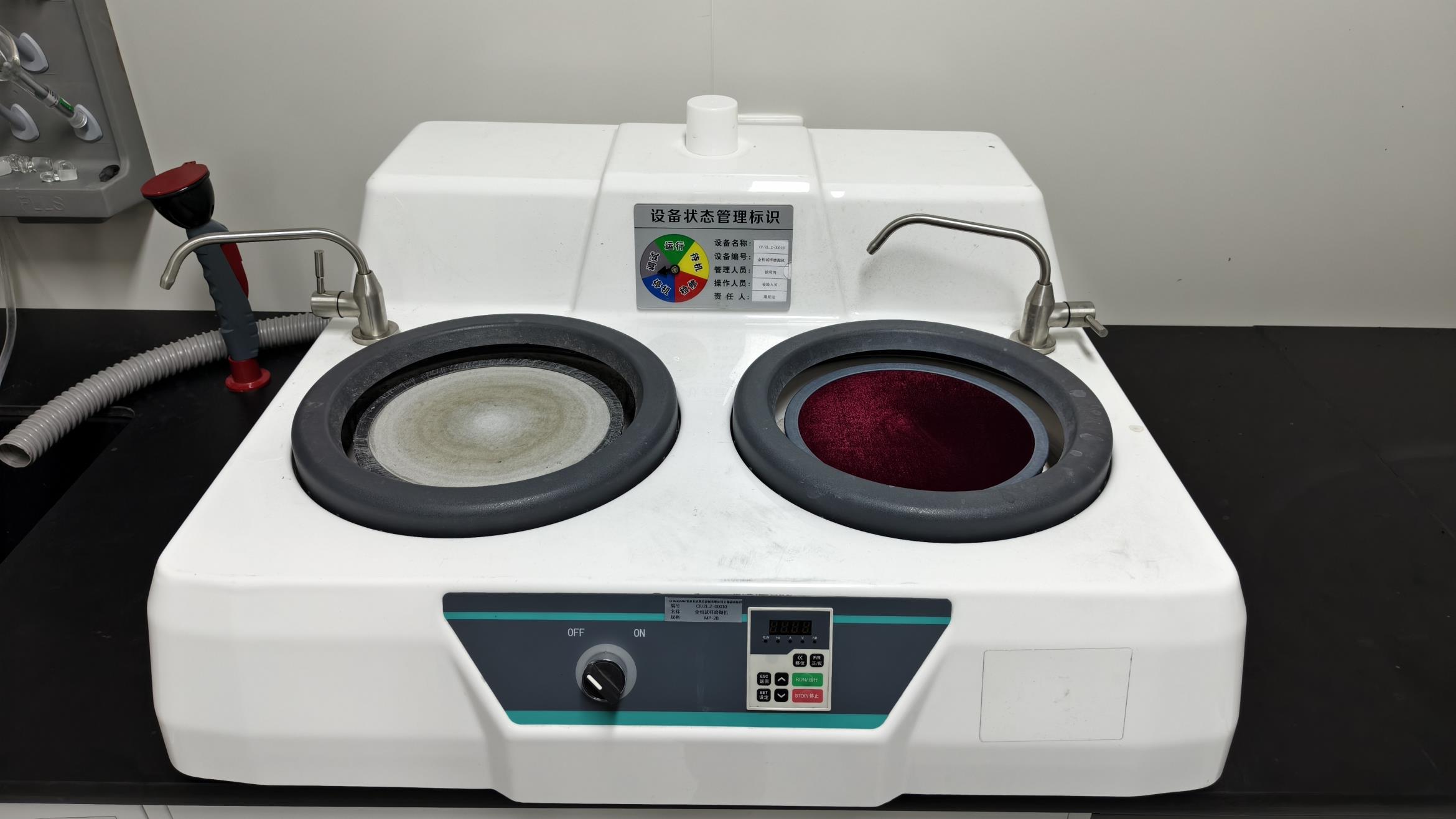
At Zynfuse, quality control is central to operations, implementing ISO 13485-based inspection systems, mechanical performance testing, and biocompatibility evaluations. Product inspection methods include dimensional verification, fatigue testing, and surface integrity analysis. This multi-layered control ensures that every cross connector leaving the assembly line presents consistent threads, perfect surface passivation, and absolute dimensional accuracy.
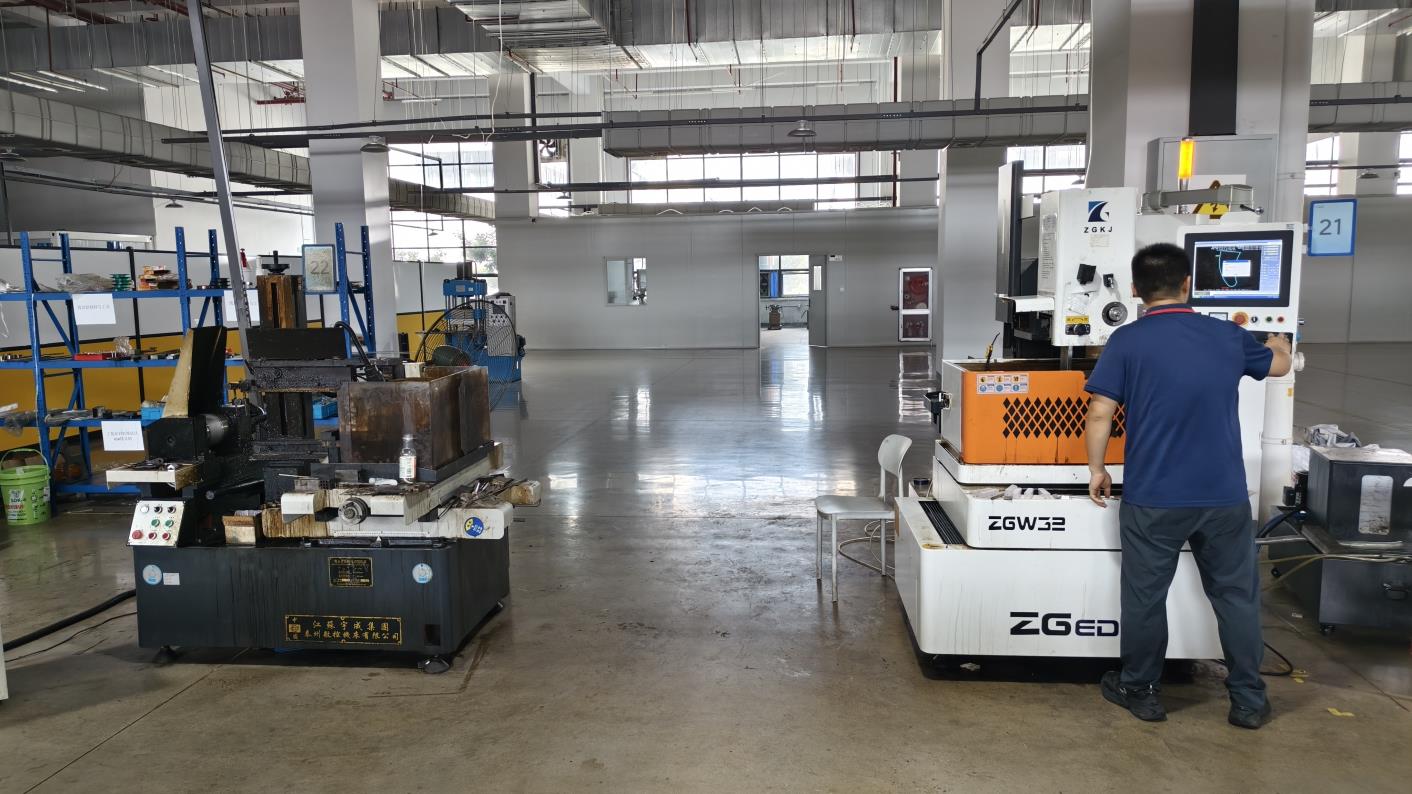
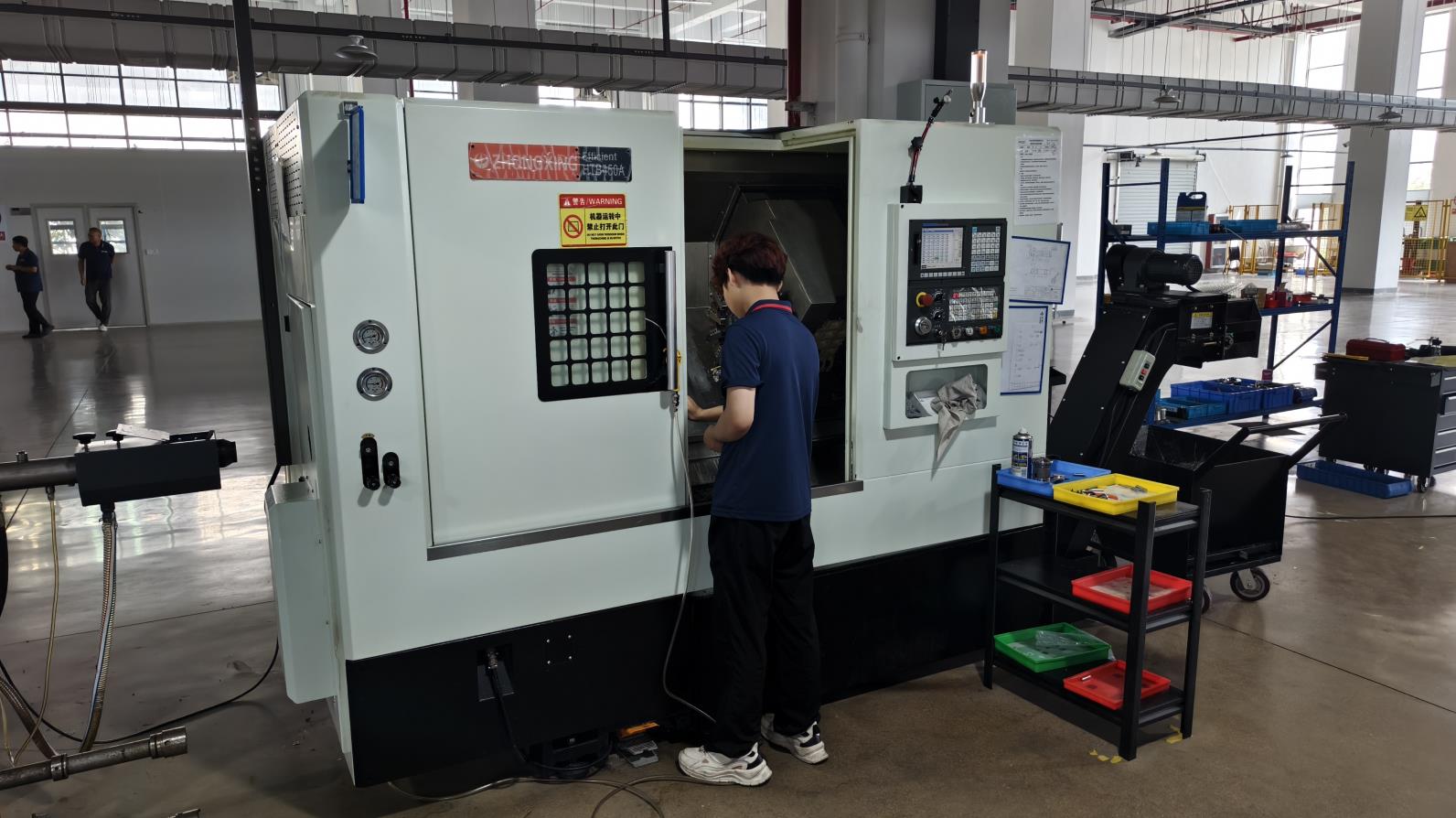
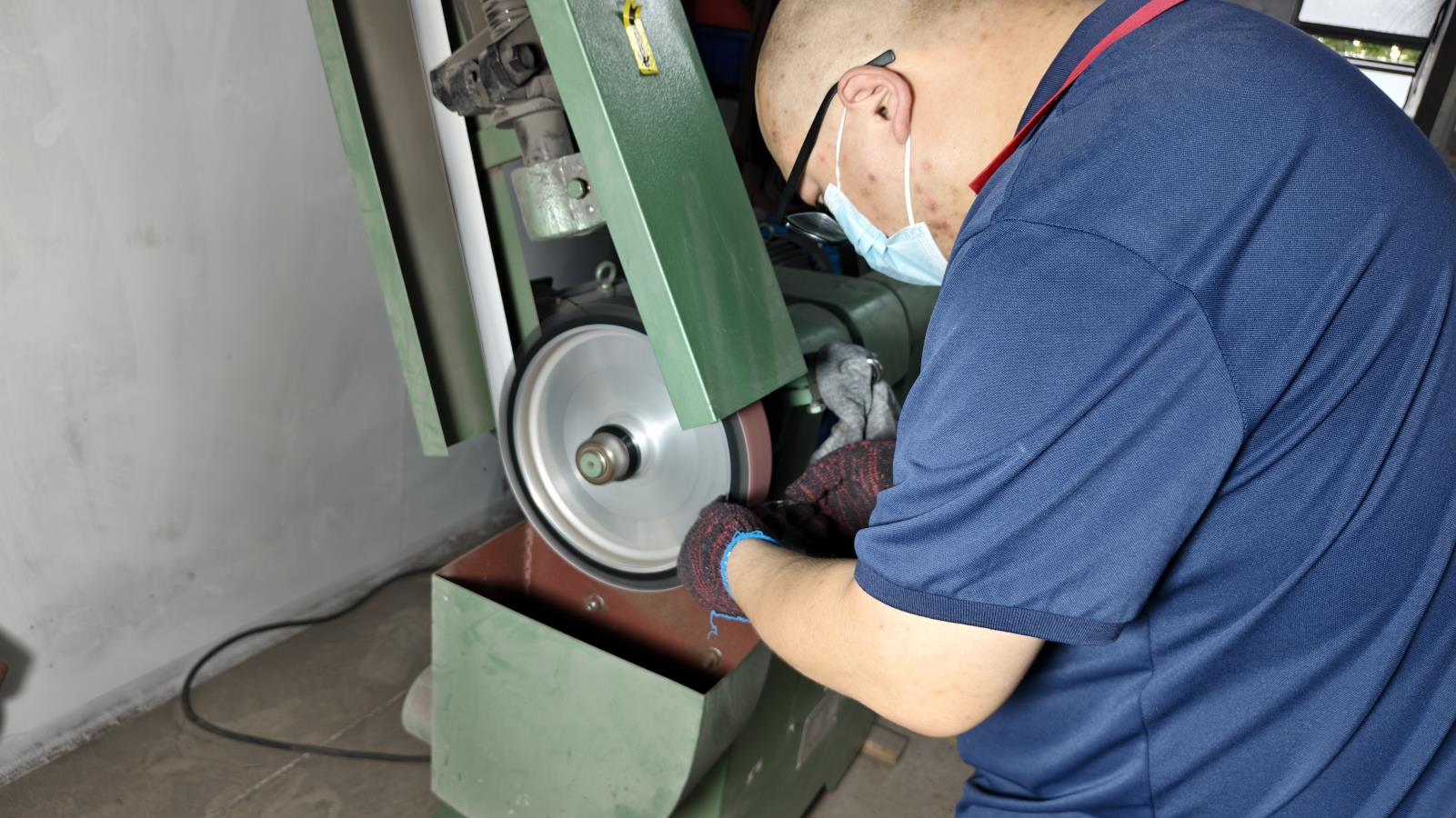
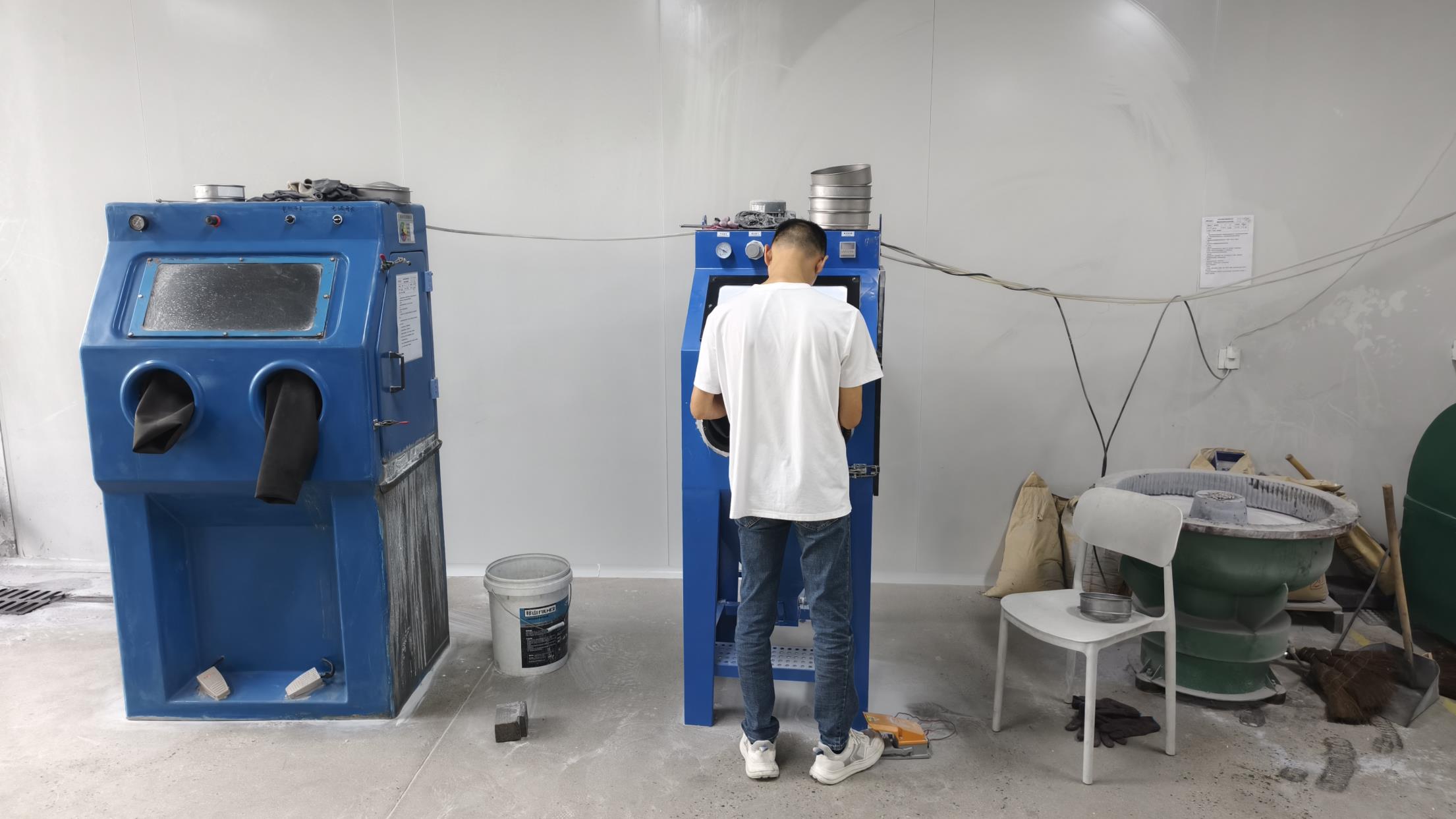
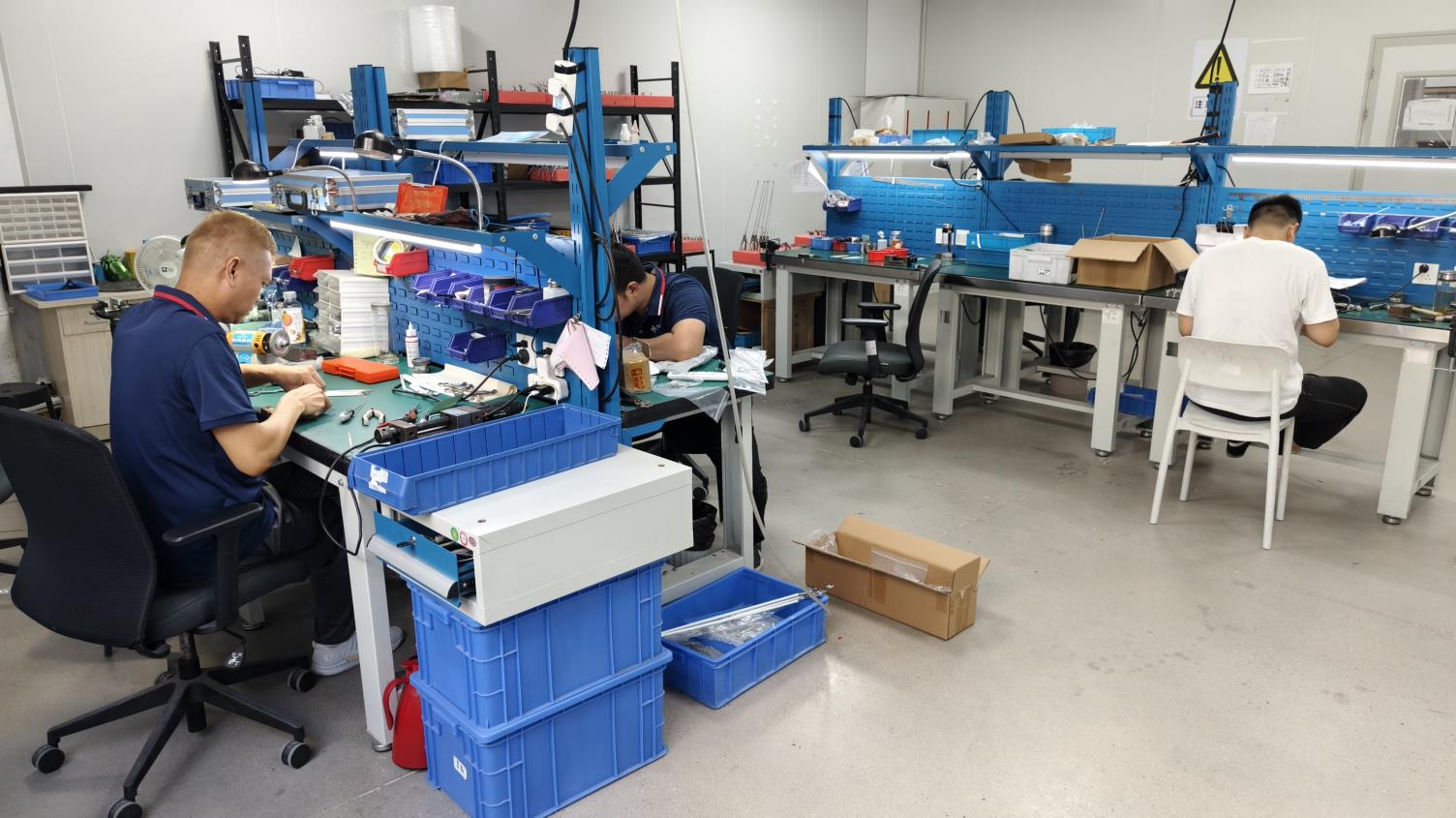

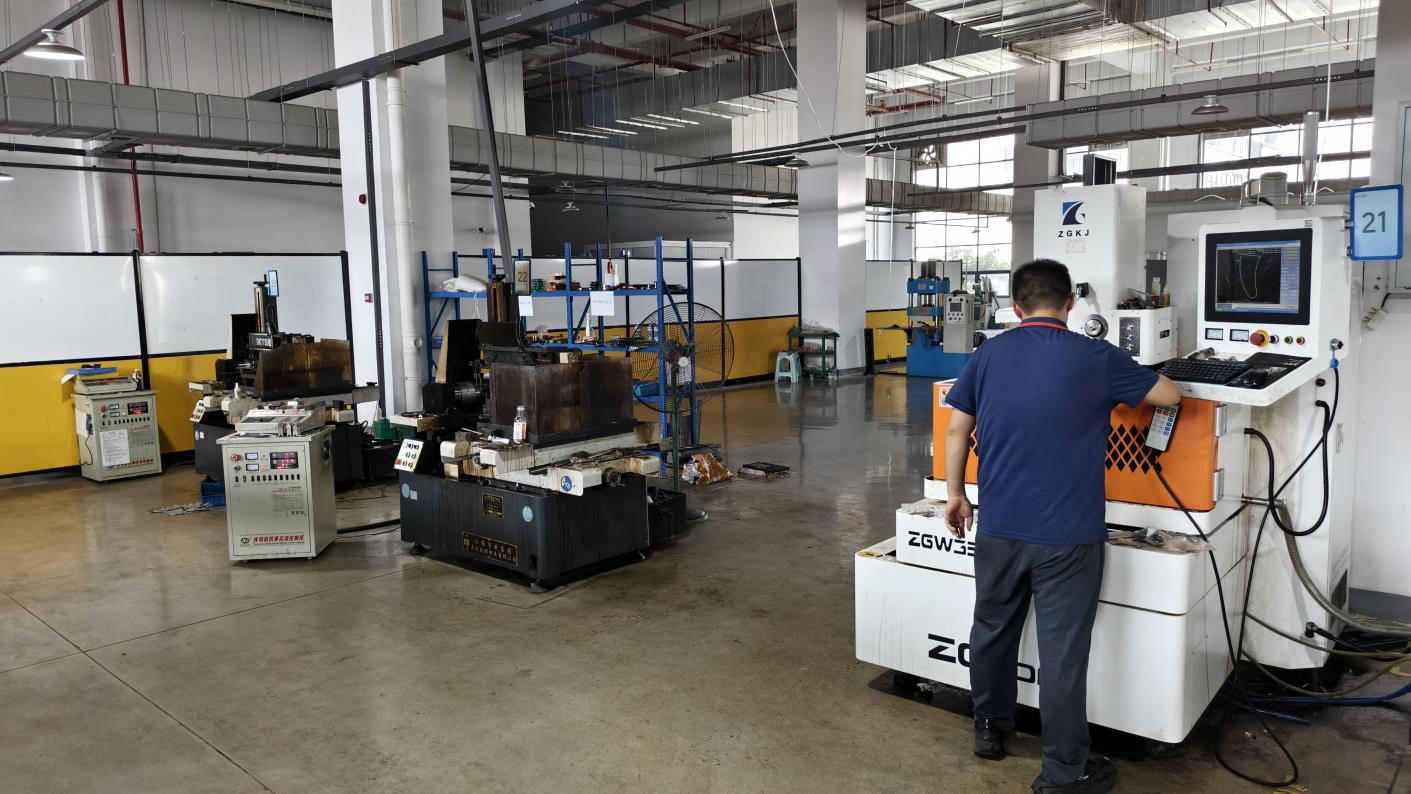
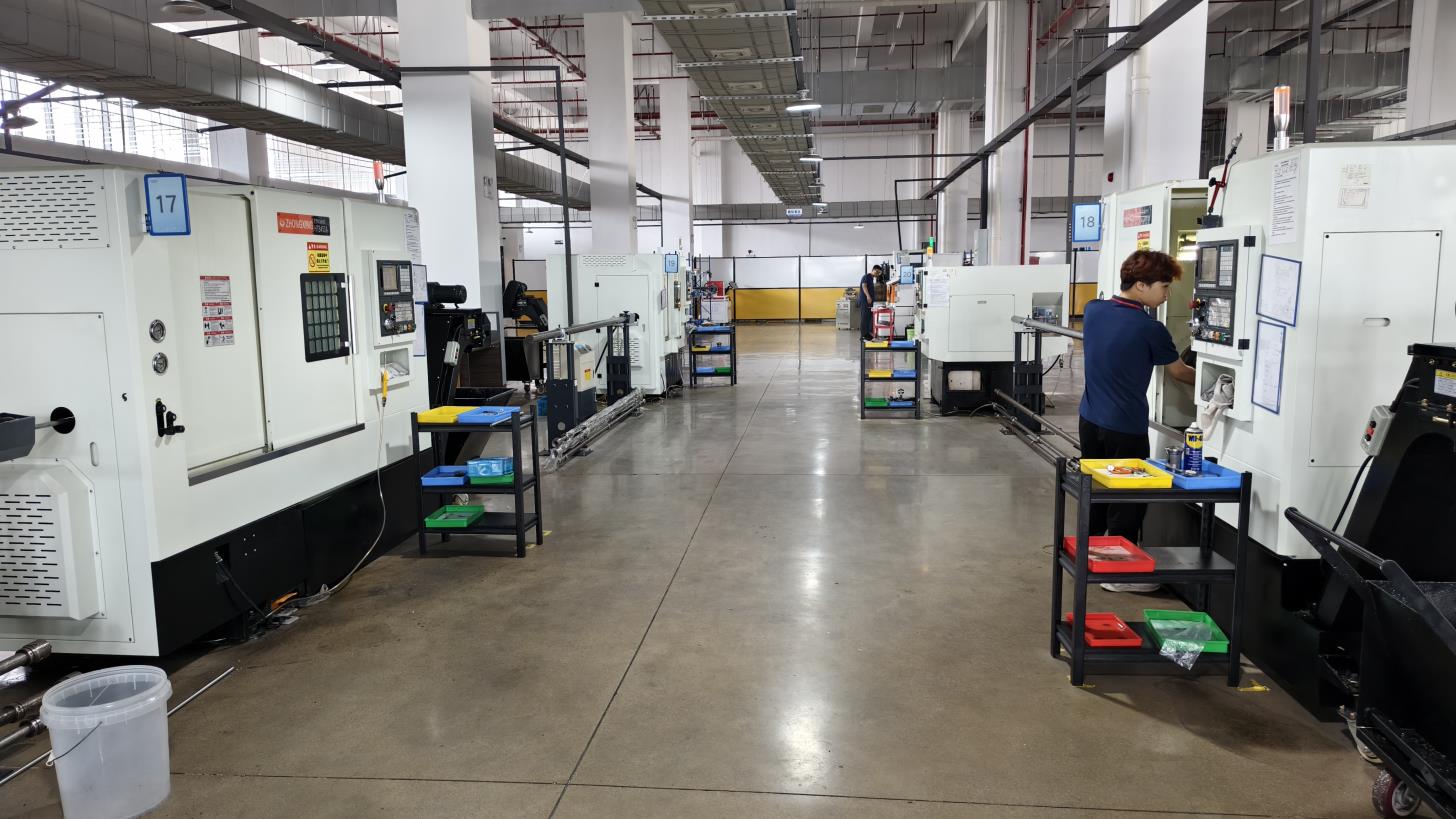
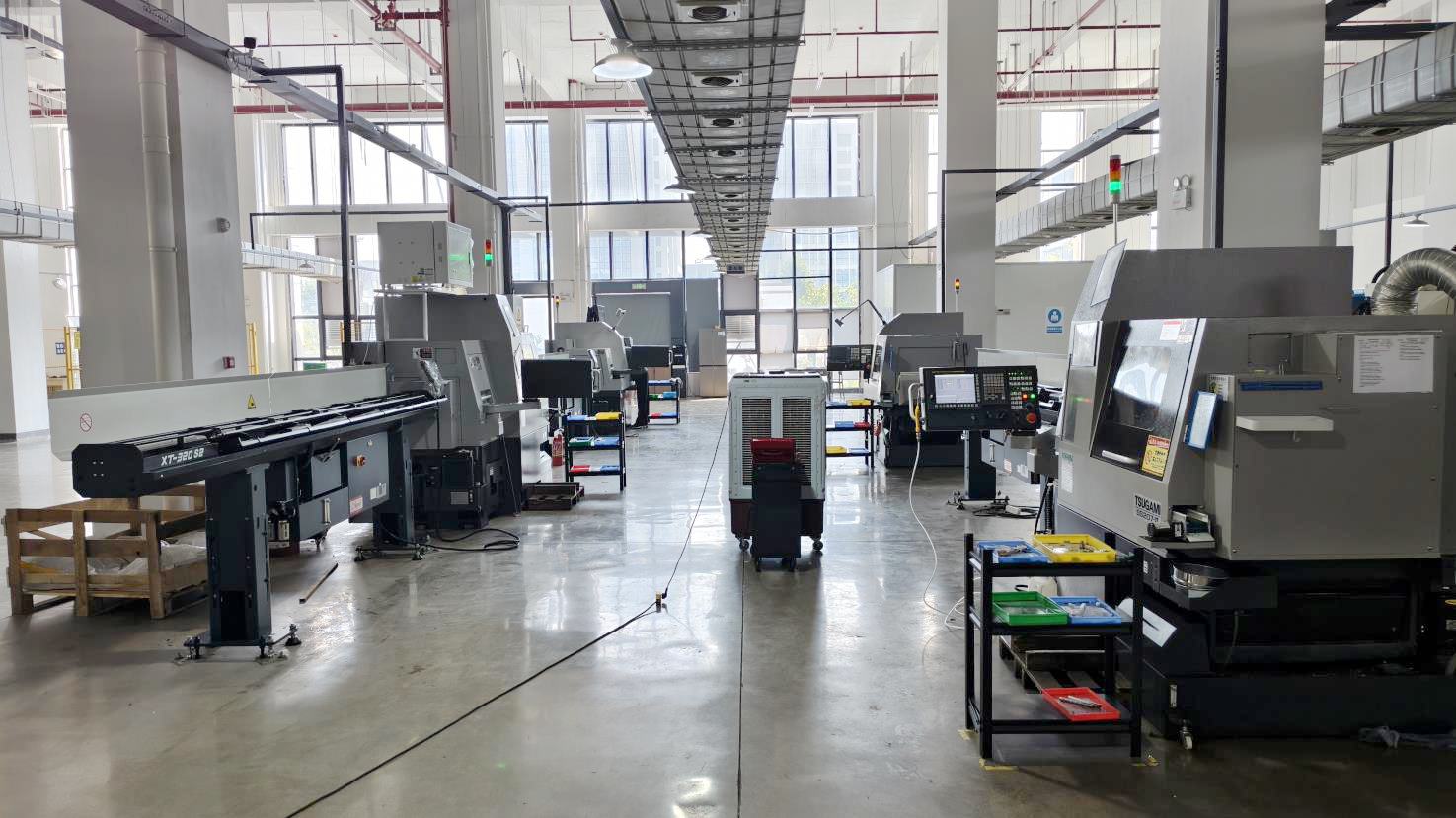

The selection of spinal cross connectors is determined by the specific anatomical challenge and clinical pathology. In trauma surgeries where posterior spinal structures are severely damaged, cross connectors restore transverse mechanical coupling, which is critical for early patient mobilization. In complex pediatric or adult deformity correction (e.g., neuromuscular scoliosis), cross connectors prevent the constructs from twisting or yielding under the corrective forces applied to the spine.
In modern surgical theaters, surgeons lean toward two primary types of connectors: Fixed-length Cross Connectors and Adjustable (Multi-axial) Cross Connectors. Fixed variants are preferred in straightforward thoracolumbar fractures due to their simplicity and low profile. Conversely, adjustable models, featuring telescoping crossbars and multi-axial rod clamps, are highly valued in cervical-thoracic transitions or severe deformities where parallel alignment of the dual longitudinal rods is anatomically impossible.
B2B medical device buyers face demanding procurement environments. Ensuring regulatory clearance is only the first step. To mitigate risks in long-term supply chains, purchasing directors should assess suppliers against the following checklist:
The future of spinal reconstruction is closely tied to advancements in materials science and digital surgery. R&D centers are moving beyond standard titanium toward surface-modified implants. PEEK (Polyetheretherketone) cross connectors, sometimes coated with osteoconductive titanium plasma spray (TPS) or hydroxyapatite (HA), are being analyzed to reduce CT/MRI imaging artifacts while maintaining adequate construct rigidity.
Furthermore, the integration of additive manufacturing (3D printing) enables the production of porous trabecular lattice structures within the clamp areas. These microscopic structures encourage bone ingrowth directly onto the connector surface, establishing a biological fixation alongside the mechanical locking mechanism. As navigation-guided and robotic surgeries expand, future spinal hardware will feature geometric shapes optimized for robotic end-effector placement and real-time tracking sensors.