Zynfuse
Zynfuse
Zynfuse
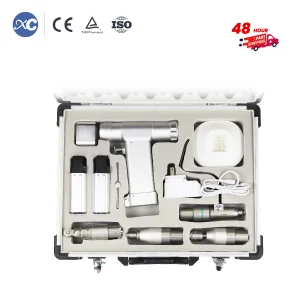
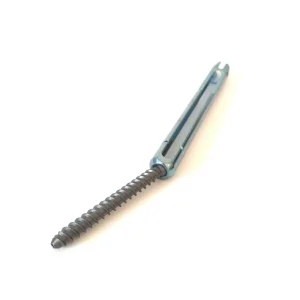
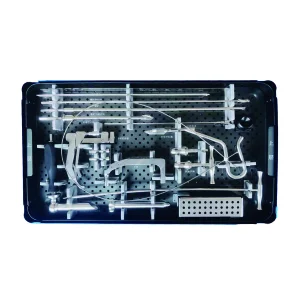
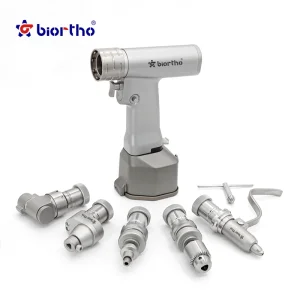
Featured precision instruments and reconstruction implants engineered for superior clinical outcomes.
Zynfuse Medical Technology Co., Ltd. is a professional orthopedic medical device manufacturer specializing in bone fusion and advanced implant systems for surgical innovation. Established in 2016, the company has built a strong foundation in orthopedic solutions with 12 years of industry experience and 7 years of export experience, serving global healthcare markets with consistent quality and reliability.
The company operates a modern manufacturing facility covering approximately 18,600 m², equipped with advanced production and testing equipment. Zynfuse maintains an annual export revenue of around $18.5 million, supported by a highly efficient supply chain network of over 1,200 partners worldwide. The organization employs 68 quality inspection specialists ensuring strict compliance with international medical standards.
Our global operations are optimized to target complex joint arthroplasty, trauma, and spinal pathology. We collaborate closely with hospitals, distributors, orthopedic clinics, and medical device importers across key zones including North America, Europe, Southeast Asia, and the Middle East. Client profiles primarily consist of medical distributors, hospital procurement departments, and specialized orthopedic surgical centers looking for high-tolerance implants that guarantee patient longevity and easy surgical instrumentation.
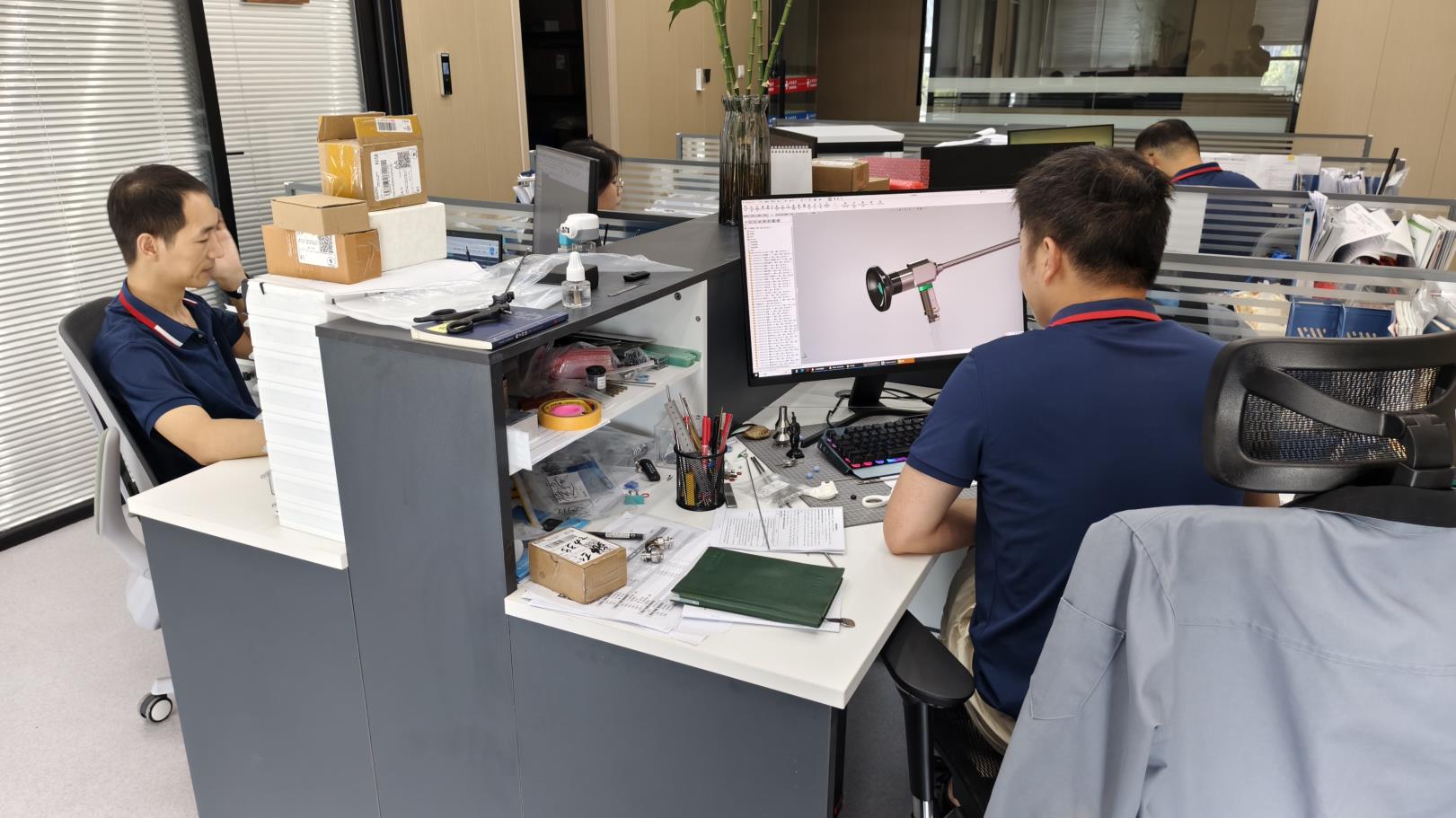
With a robust R&D team of 85 engineers, Zynfuse continues to expand its innovation capabilities, launching approximately 320 new products annually. The company offers extensive customization options, including implant geometry adjustment, material selection, and OEM/ODM solutions tailored to client needs. Zynfuse maintains a strong trade background with long-term partnerships across the global medical device industry, ensuring stable supply and consistent product excellence.
Understanding the engineering mechanics behind hemiarthroplasty to reduce acetabular erosion and optimize range of motion.
A Bipolar Hip Prosthesis is structurally engineered to address the limitations of standard unipolar hemiarthroplasty. By introducing two distinct, concentric articular interfaces, the design shifts part of the motion spectrum from the outer cartilage-implant contact area to the inner metal-polyethylene junction. This configuration protects the native acetabulum from direct frictional forces, substantially reducing the long-term risk of acetabular protrusion and joint erosion.
Longevity in joint implants is a direct function of material choices. Zynfuse uses medical-grade Cobalt-Chromium-Molybdenum (CoCrMo) alloys according to ISO 5832-4 guidelines for the femoral heads and outer shells. This alloy provides exceptional yield strength and wear resistance. Under ISO 13485-based mechanical evaluations, the micro-polished surfaces achieve an ultra-smooth finish, ensuring minimal shear stress and preventing microscopic debris formation.
The interior bearing liner uses cross-linked UHMWPE, providing a high level of fracture toughness. This combination helps prevent aseptic loosening—the leading cause of revision surgeries in geriatric populations receiving implants for femoral neck fractures.
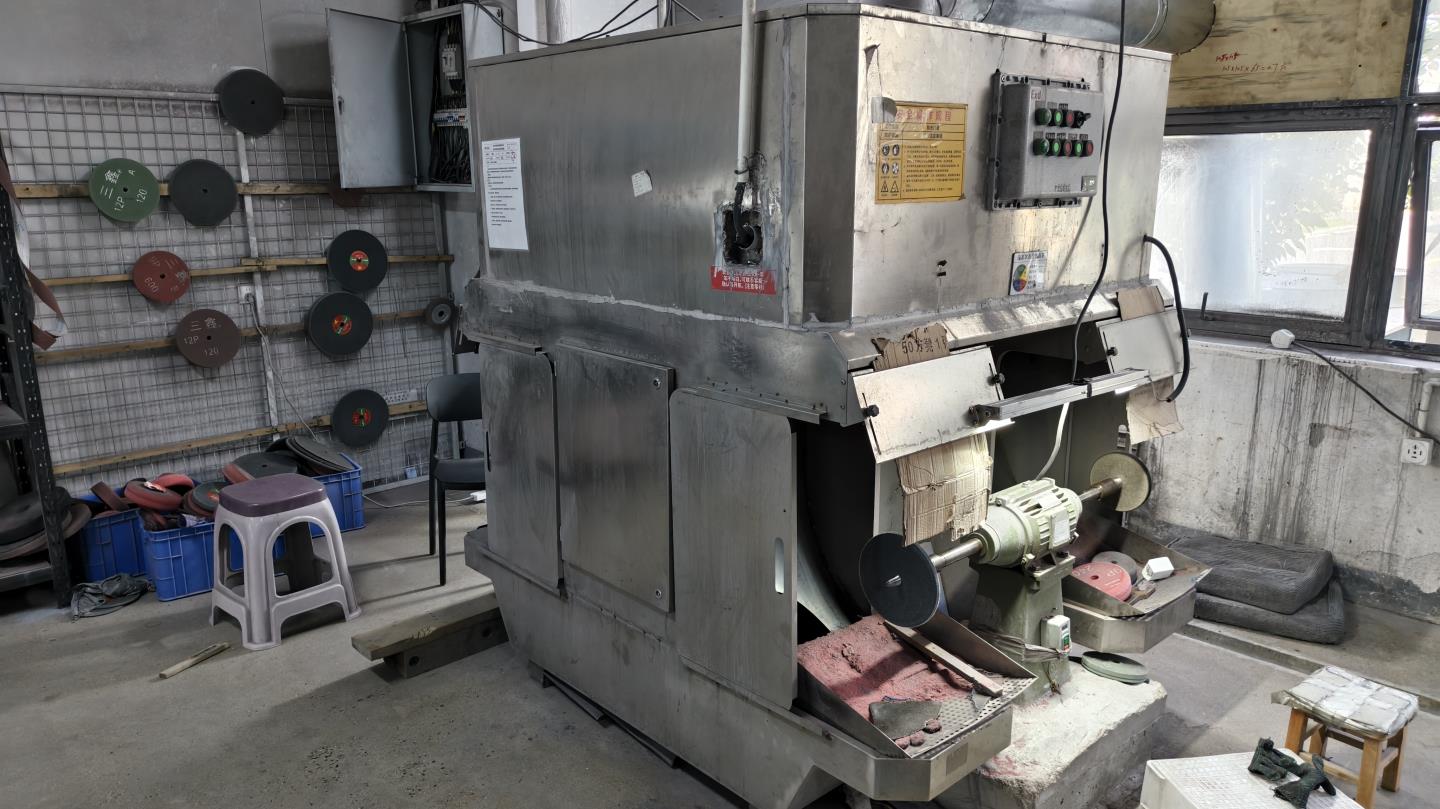
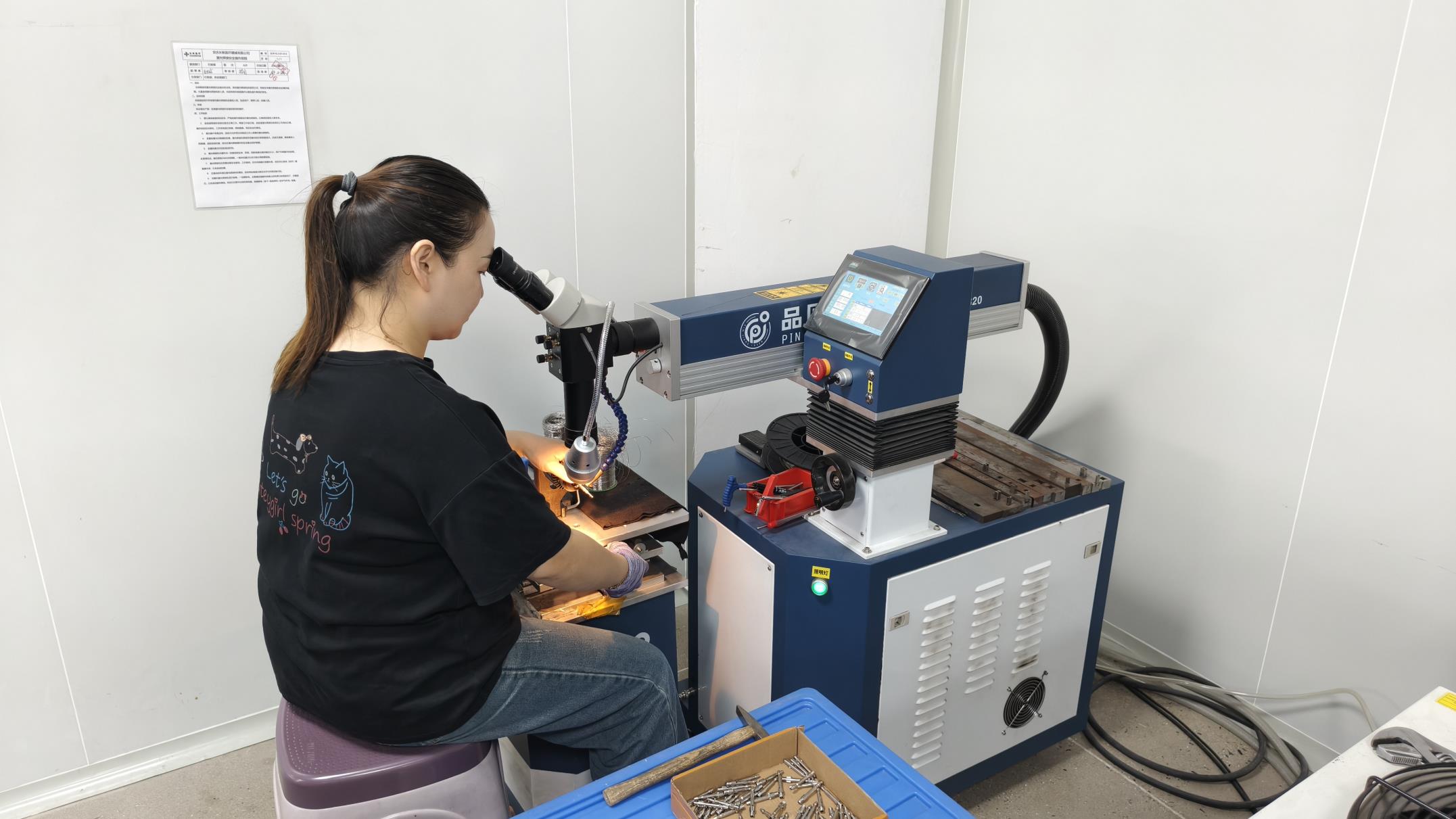
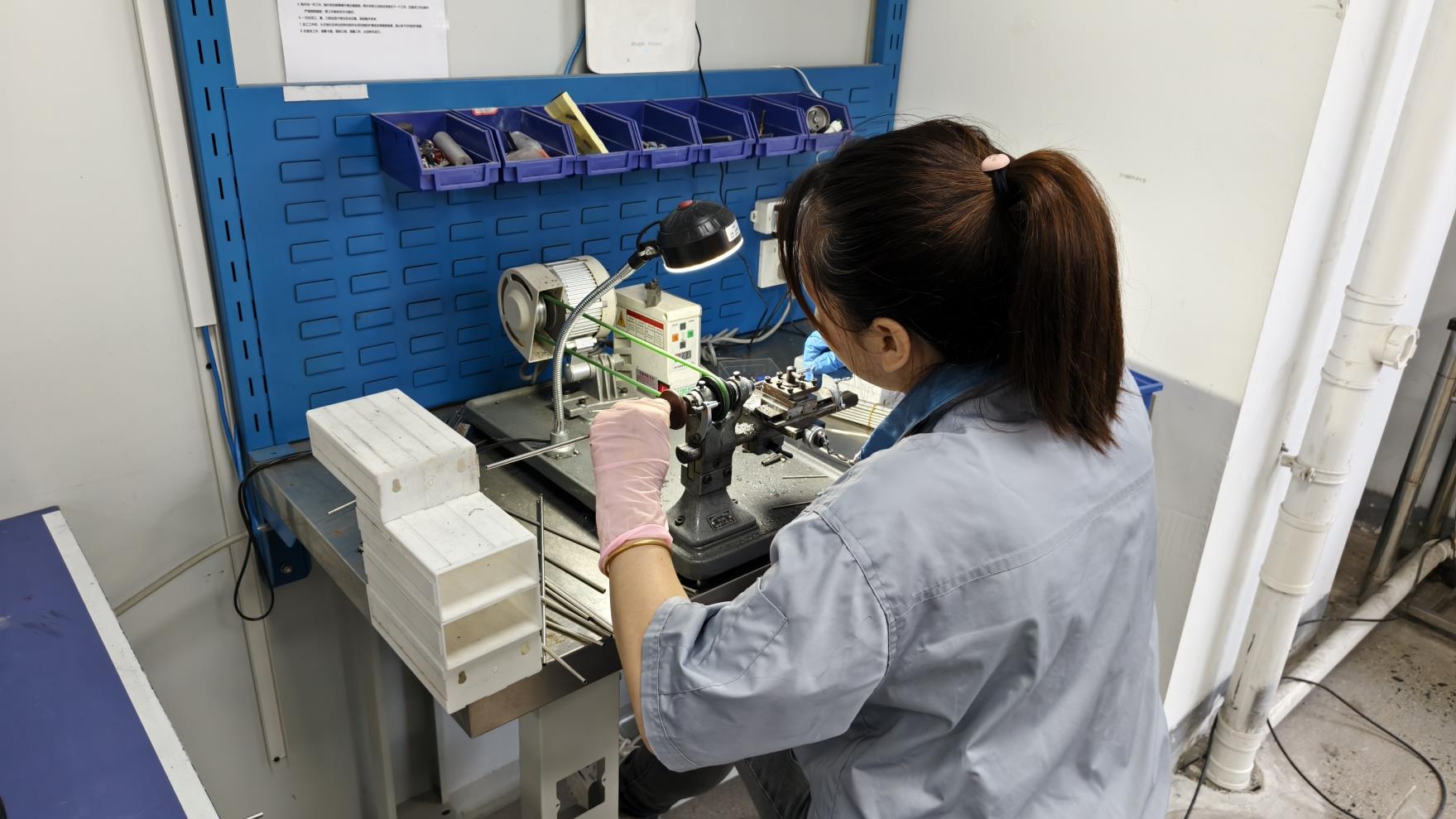
Step-by-step trace of raw medical alloys transforming into highly-finished clinical-grade implants.
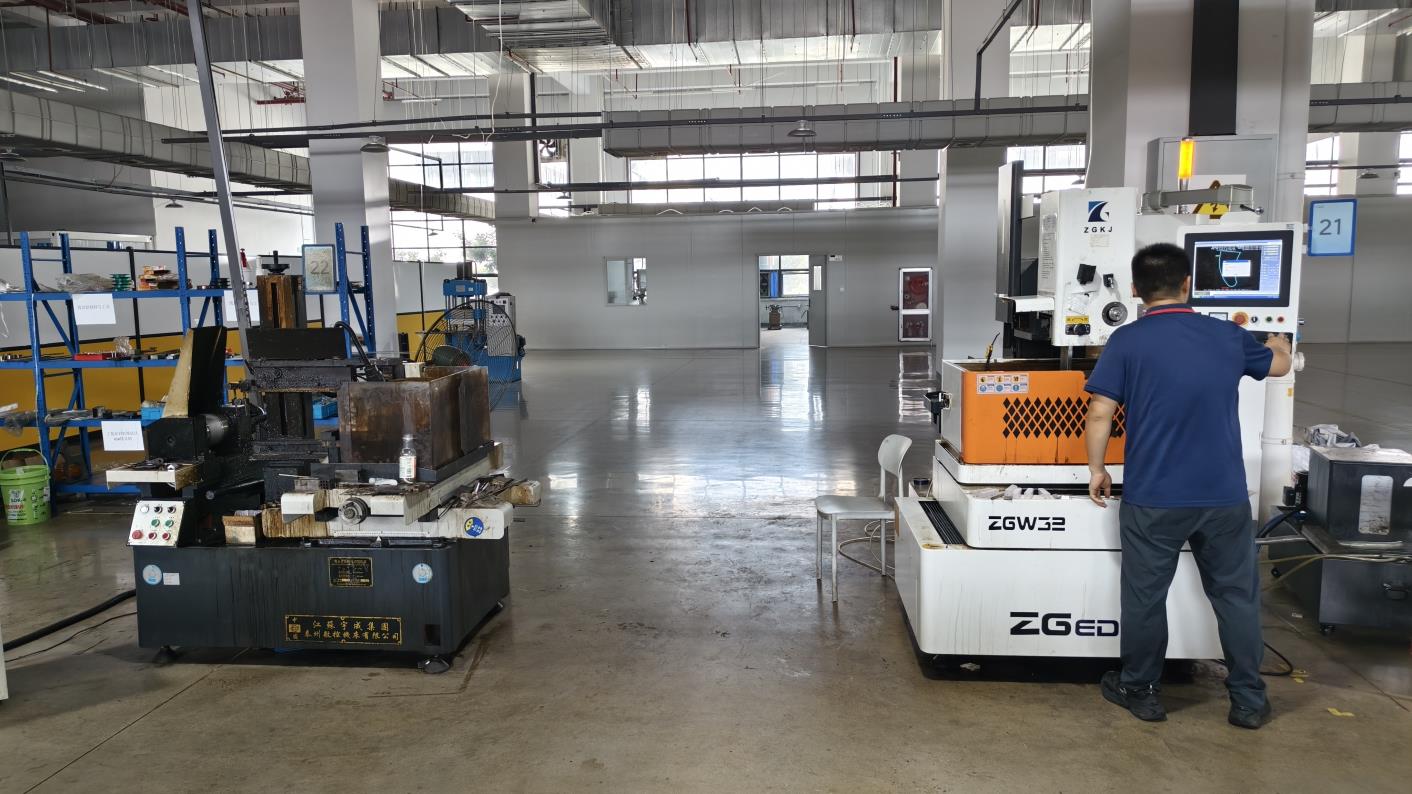
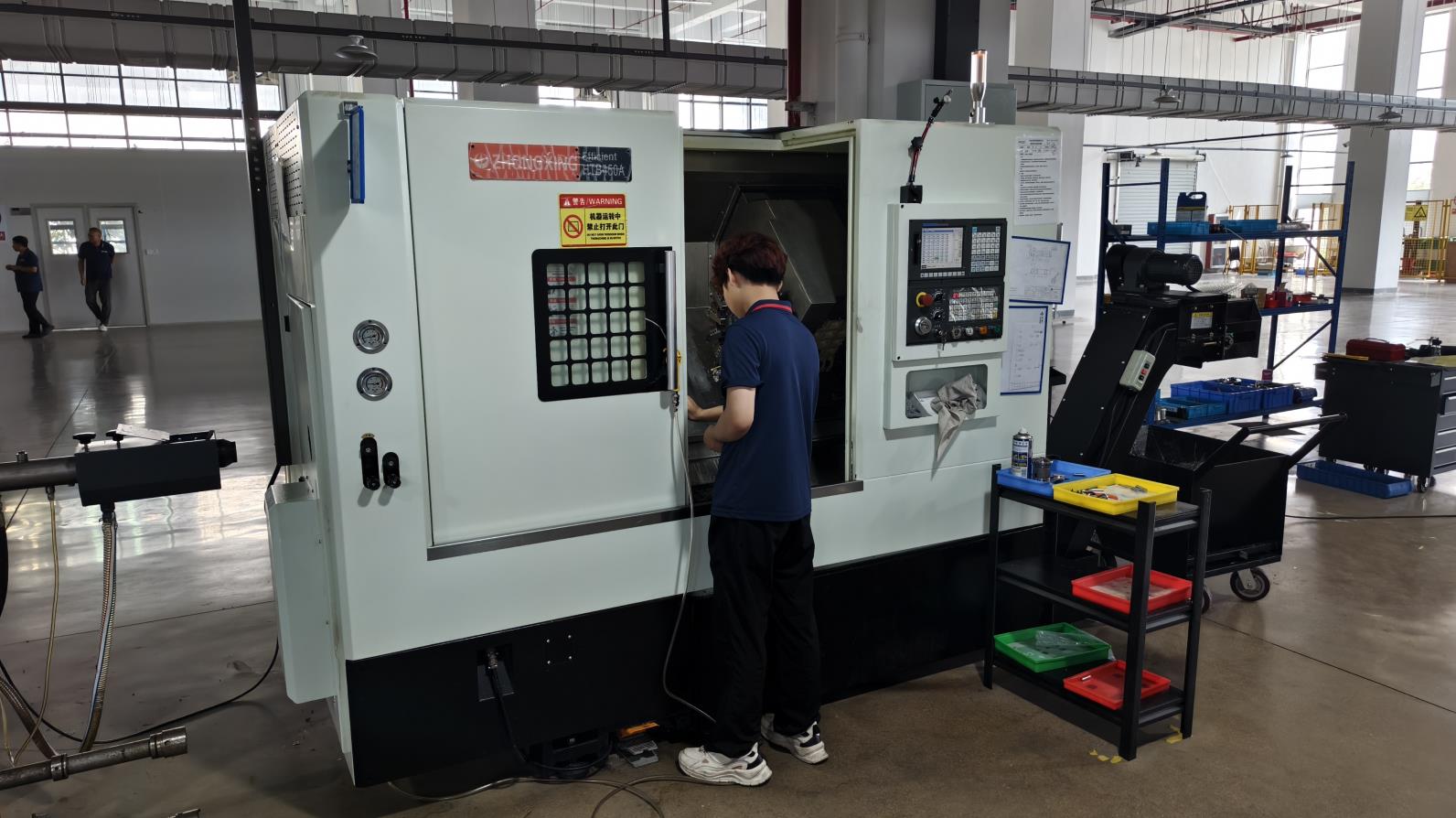
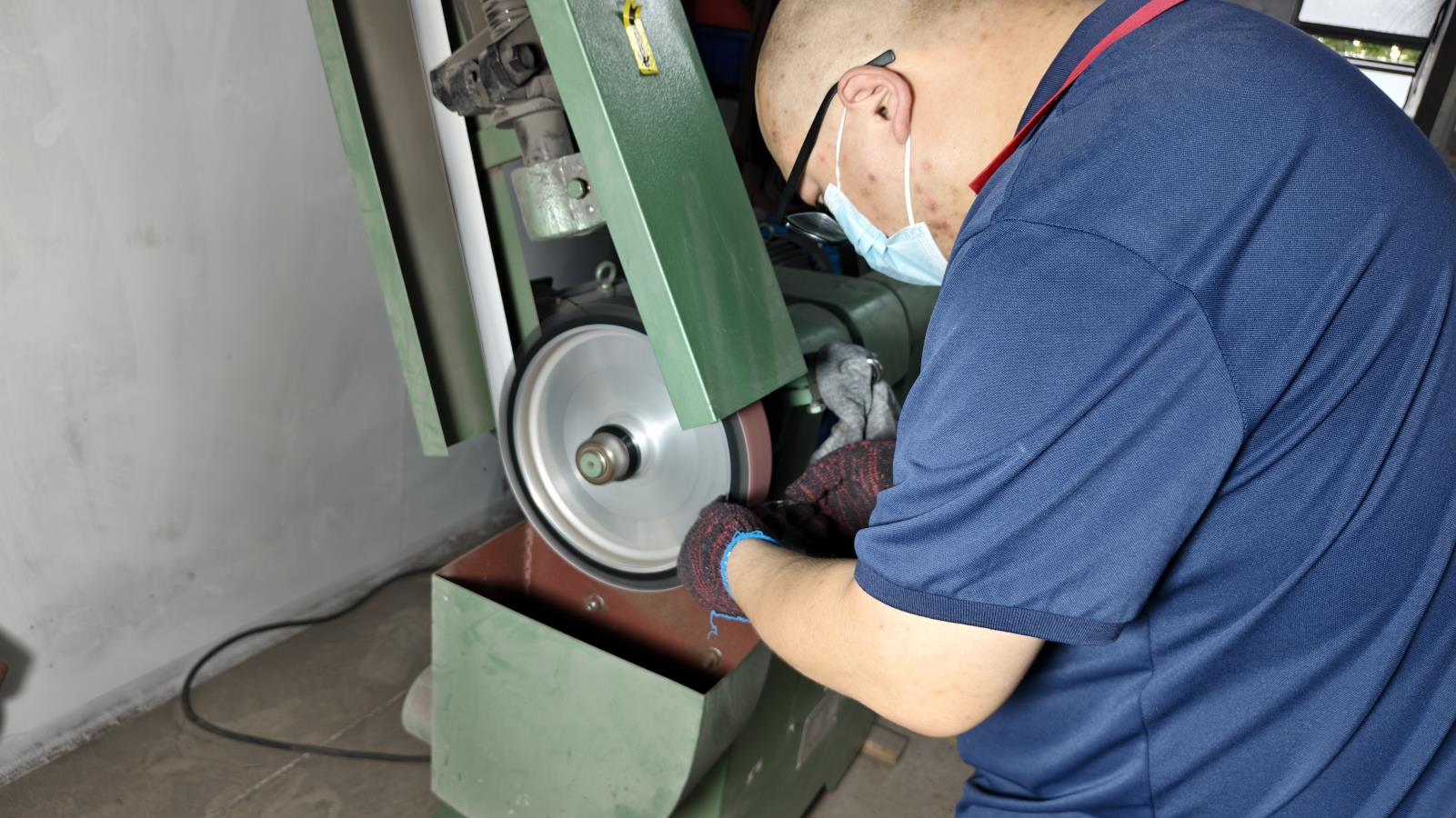
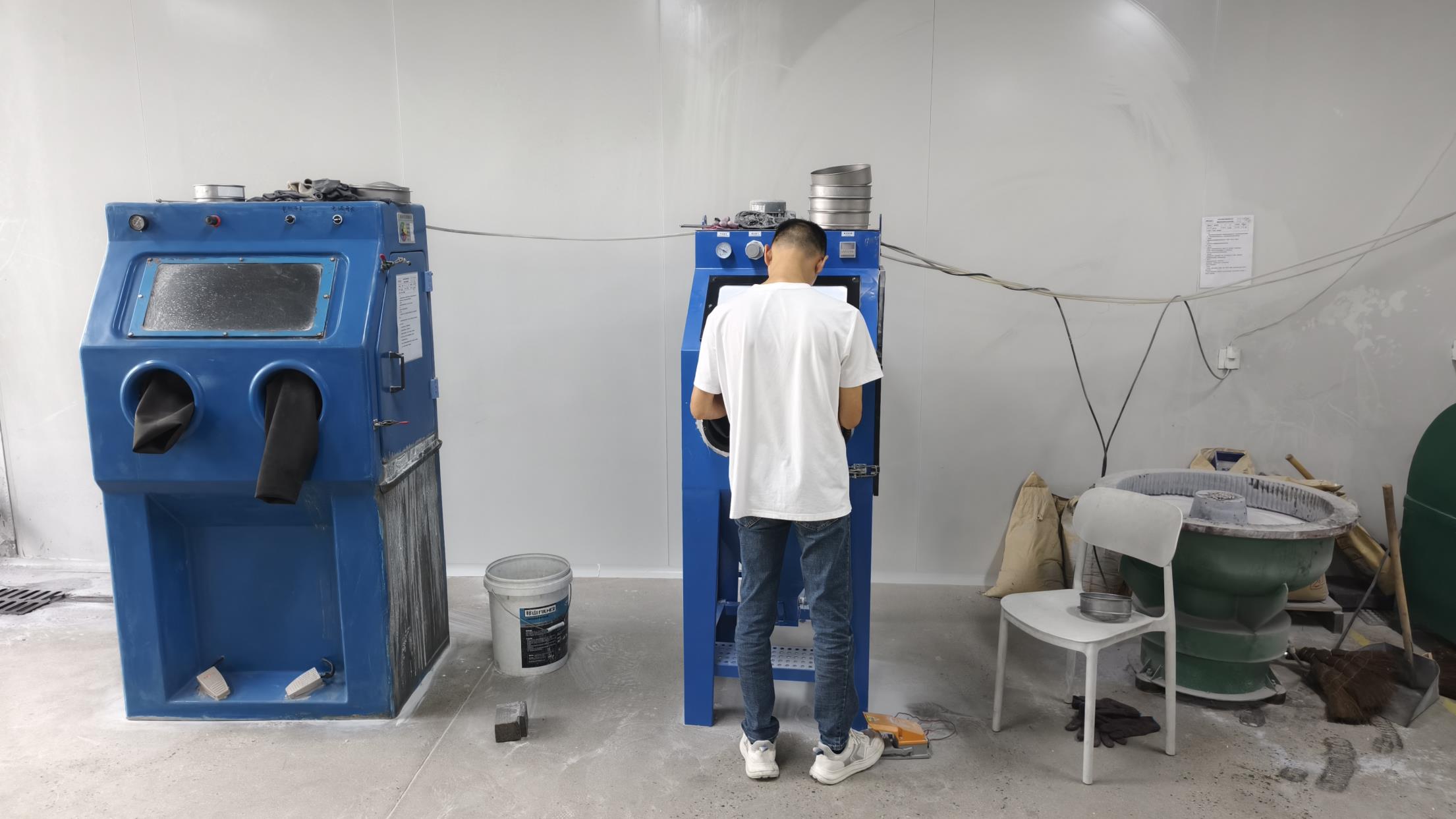
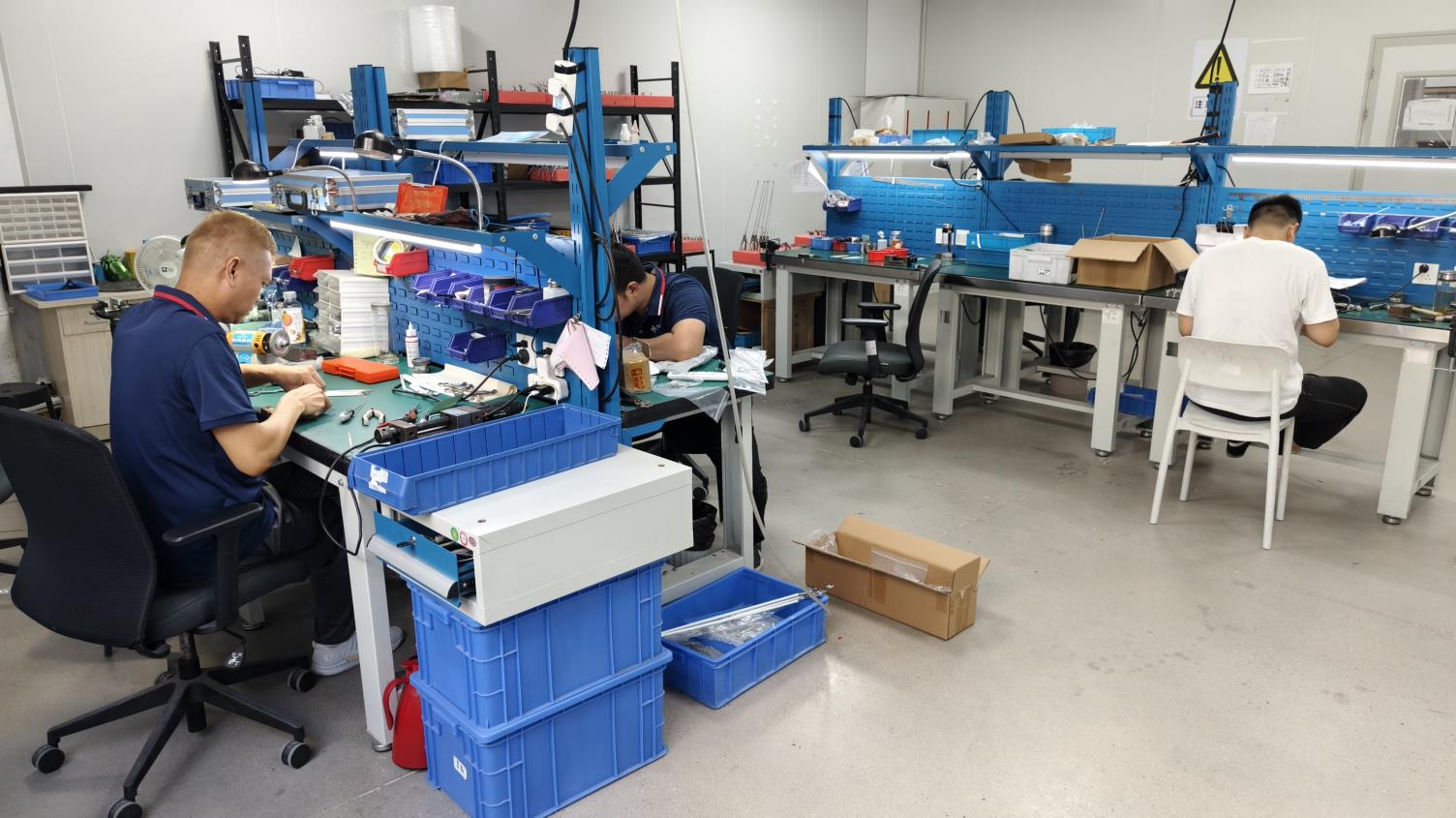

Every phase of our production—from initial cutting to high-precision polishing and sterile assembling—is conducted in a controlled environment. We implement Class 10,000 cleanroom steps for cleaning and assembling to guarantee the absence of pyrogens and particulate contamination prior to final packaging and sterilization.
Equipped with state-of-the-art diagnostic, mechanical, and material inspection devices to guarantee absolute reliability.
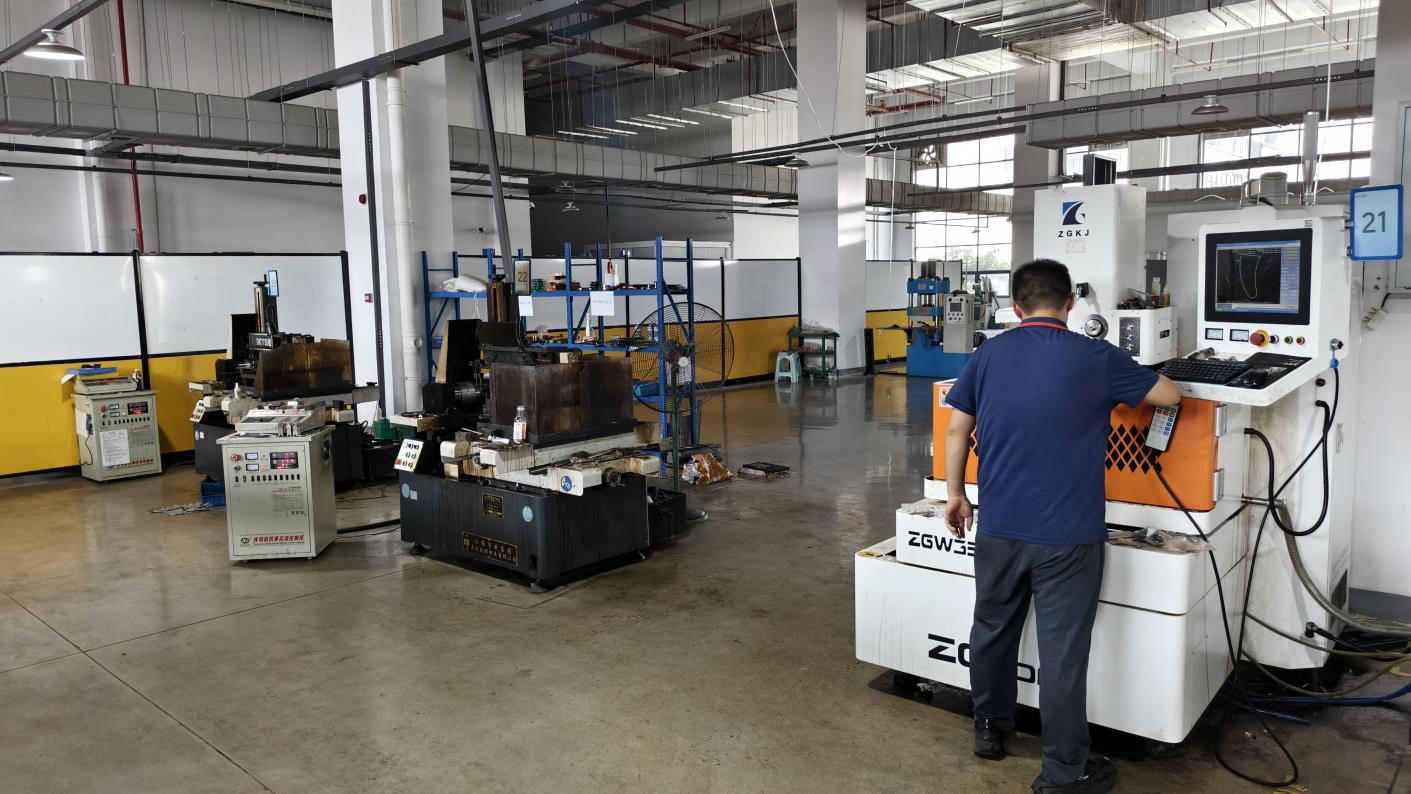
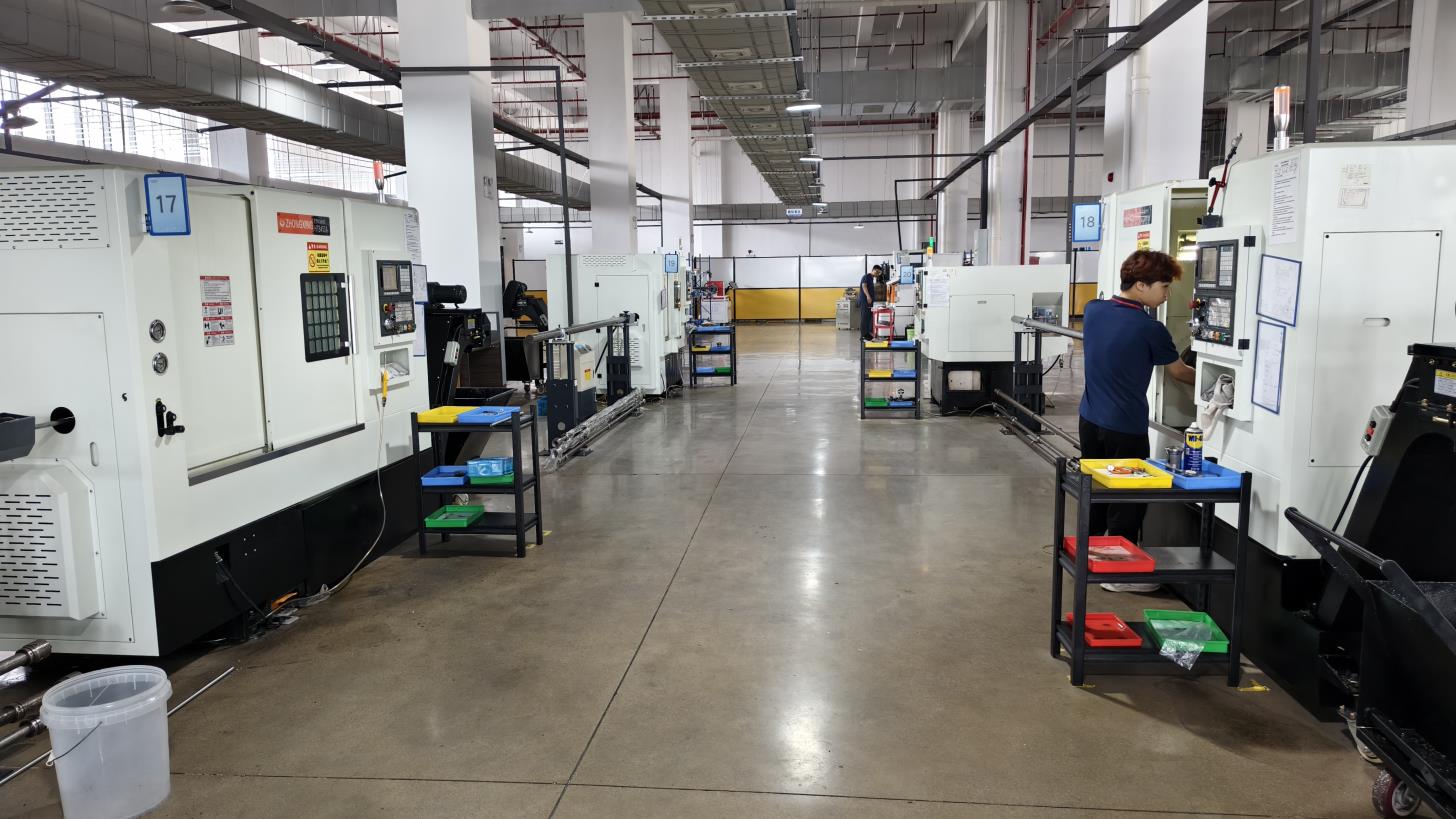
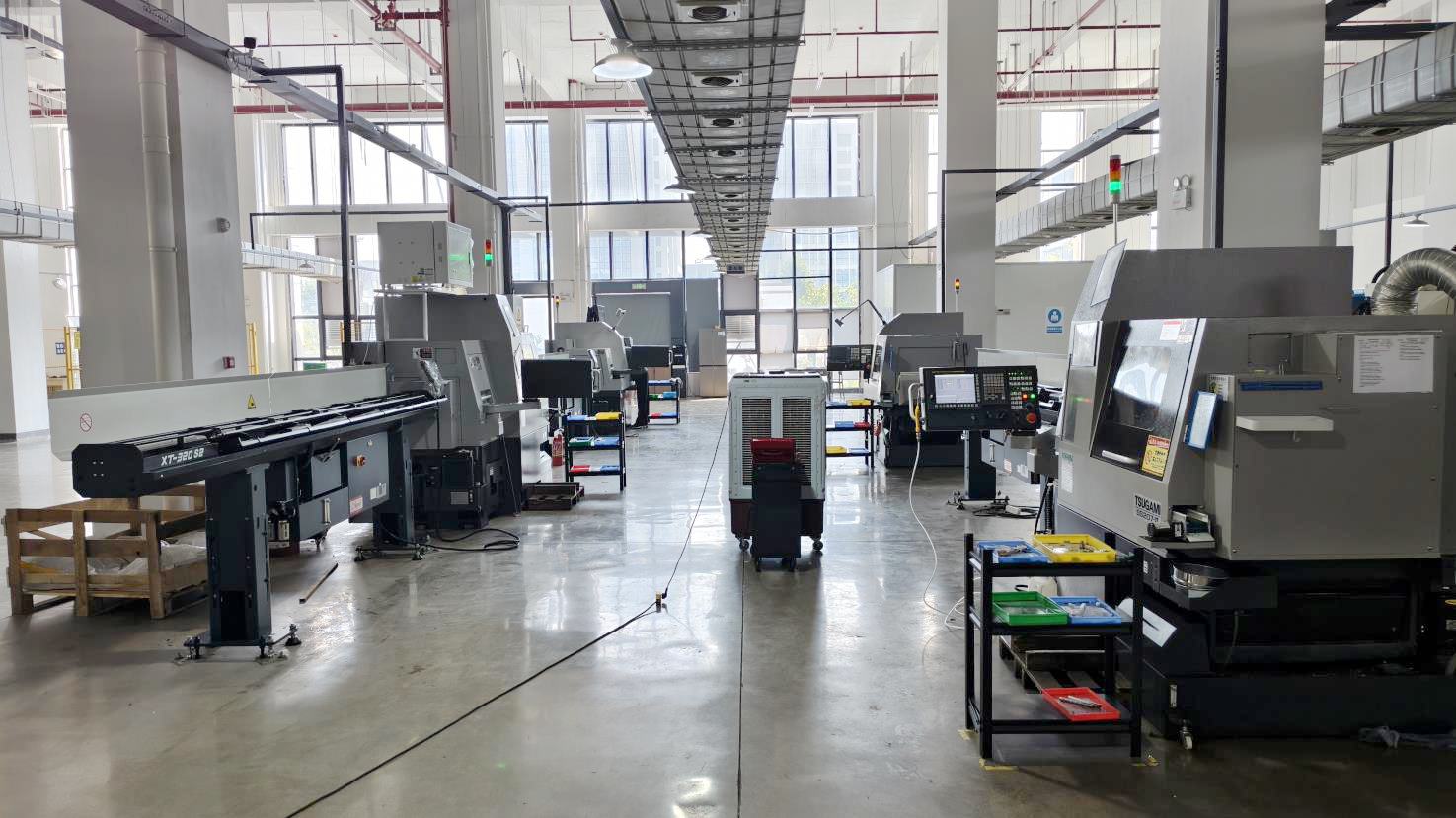

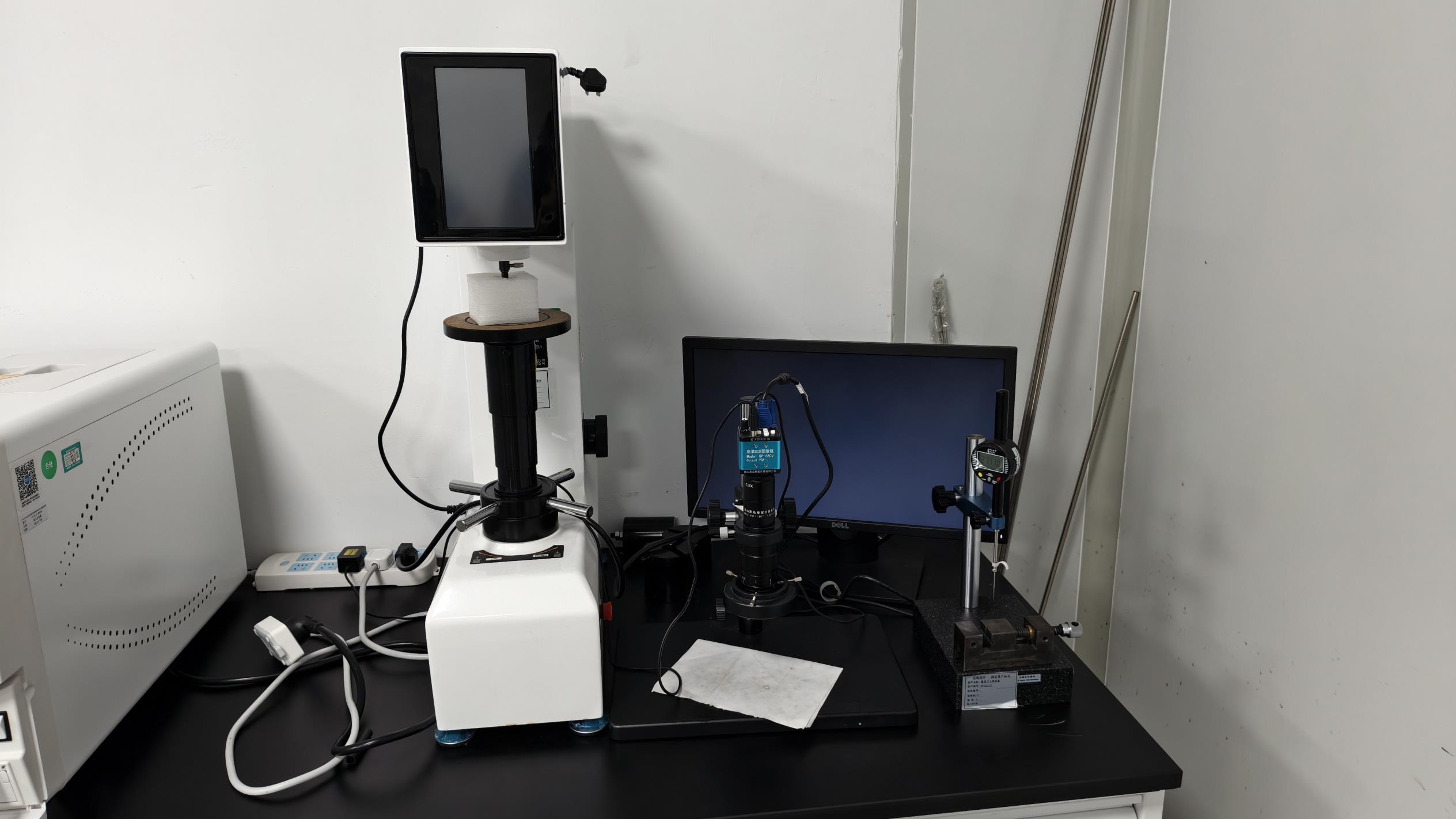
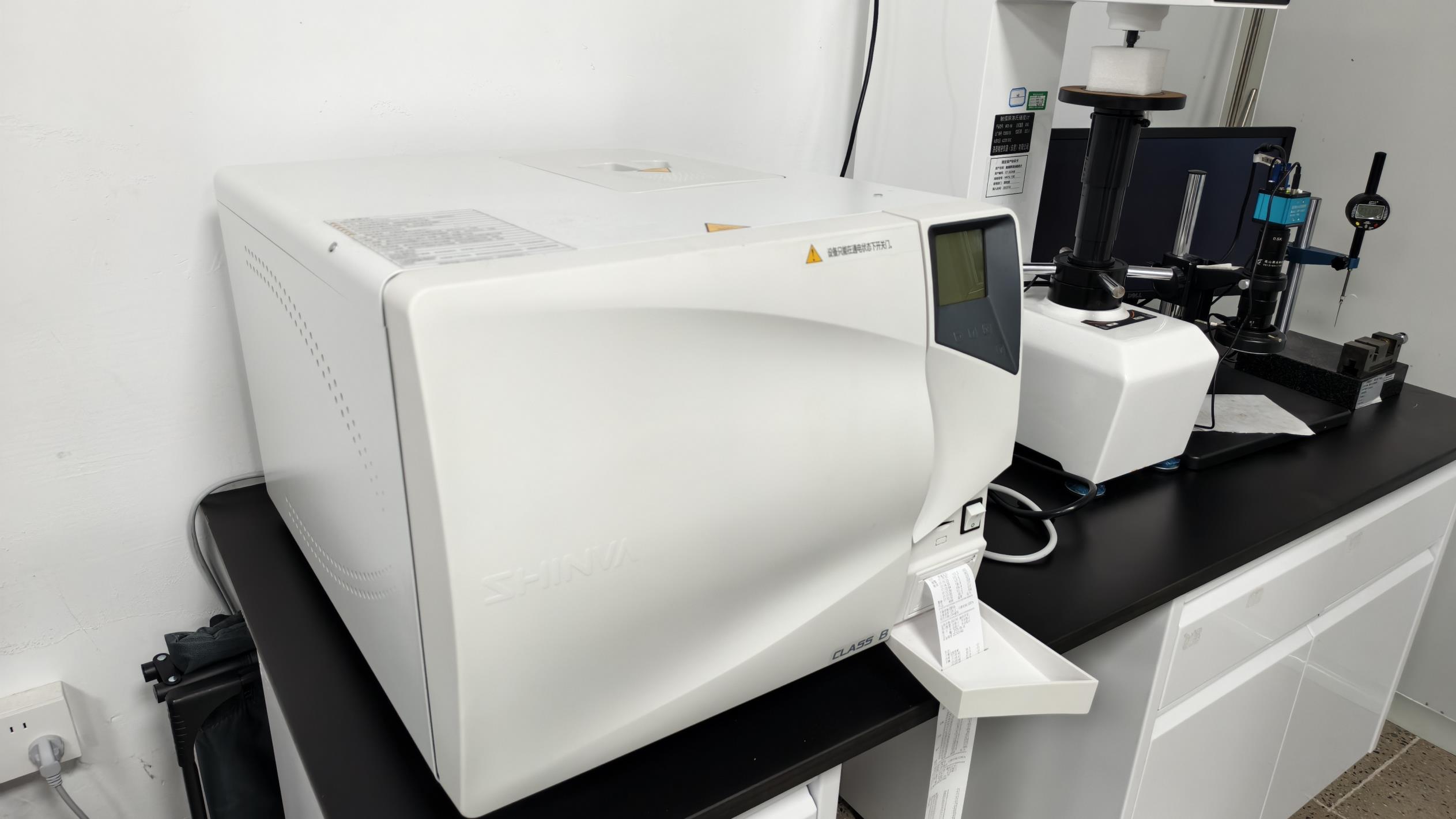
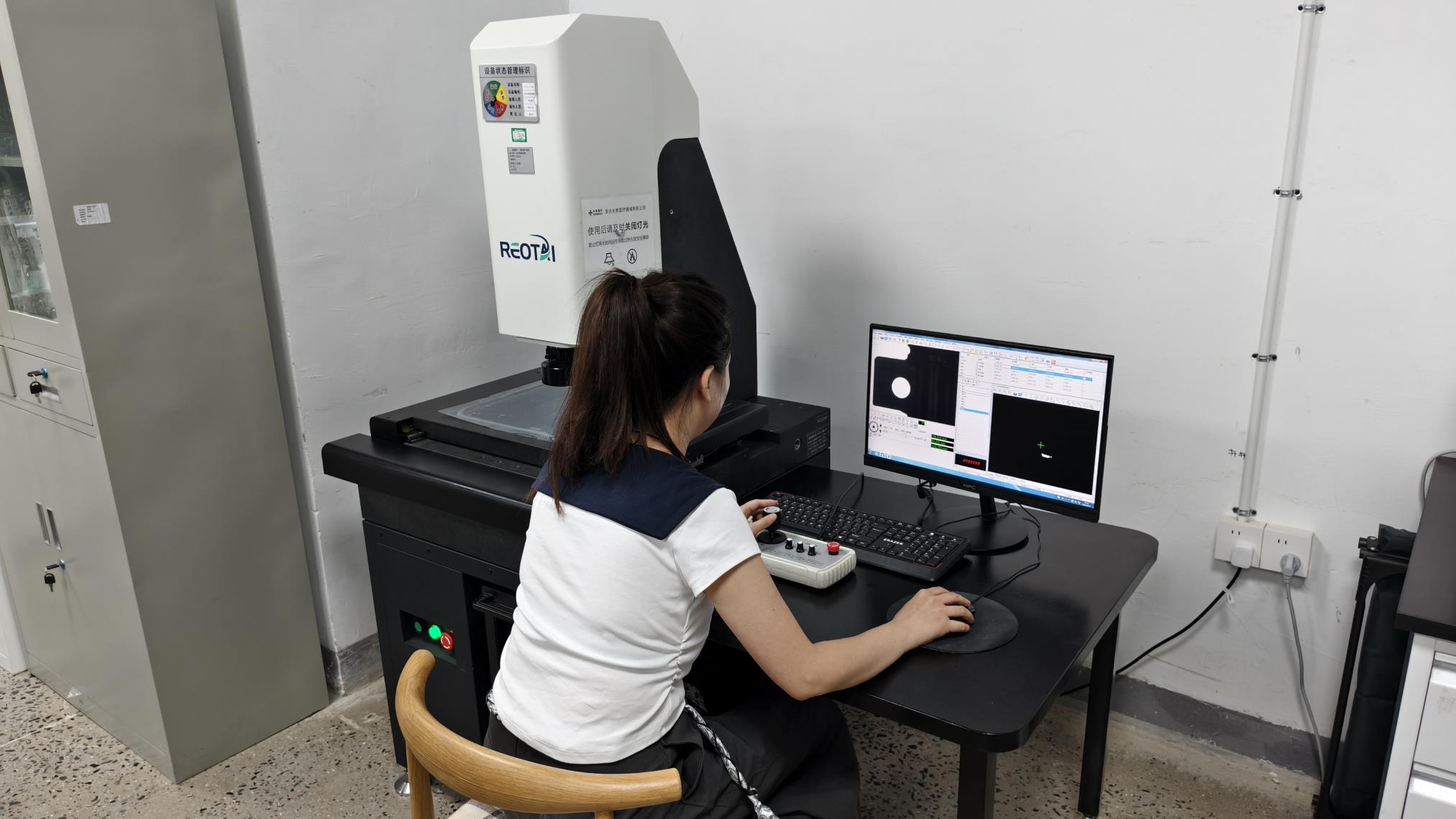
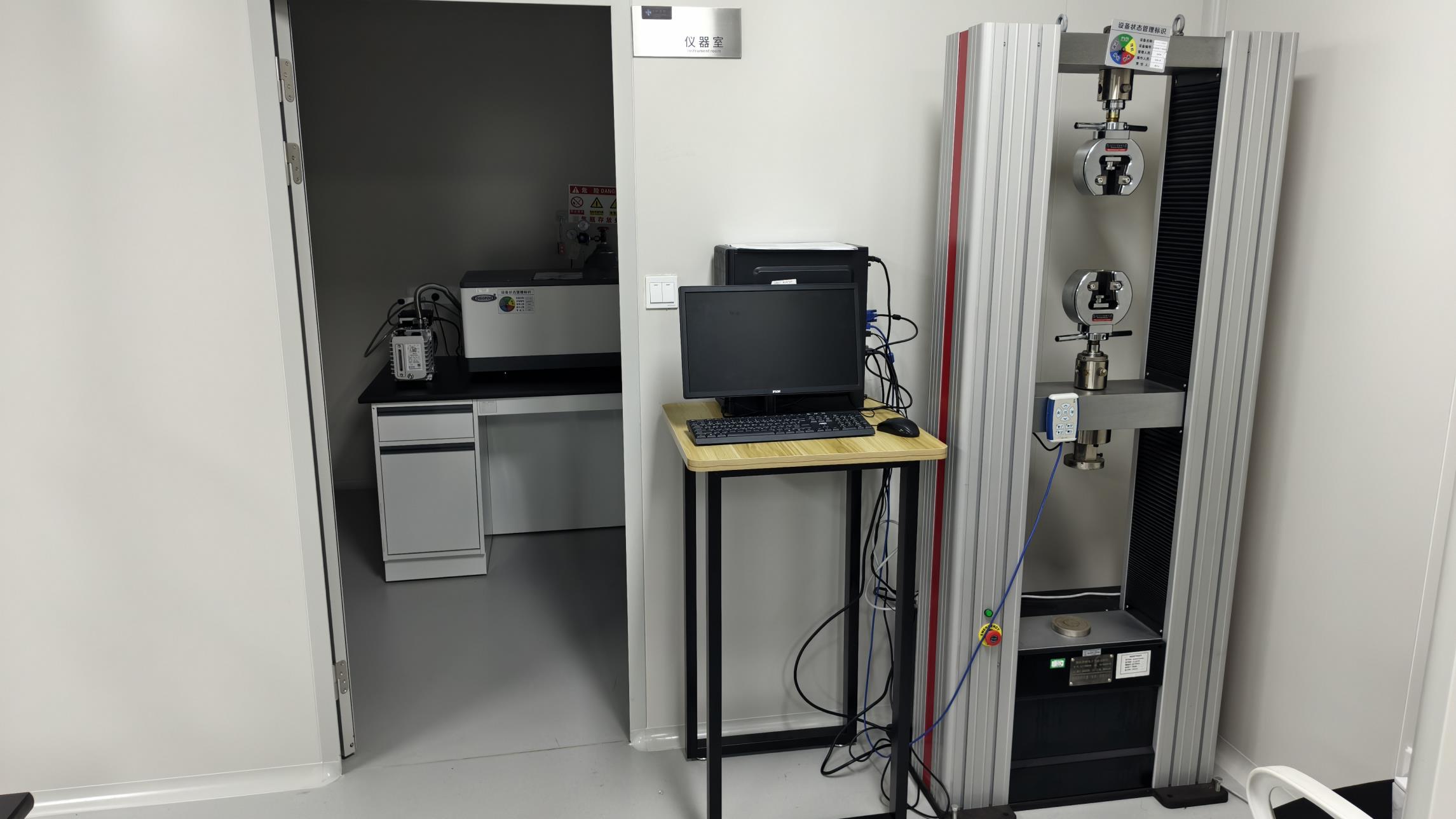
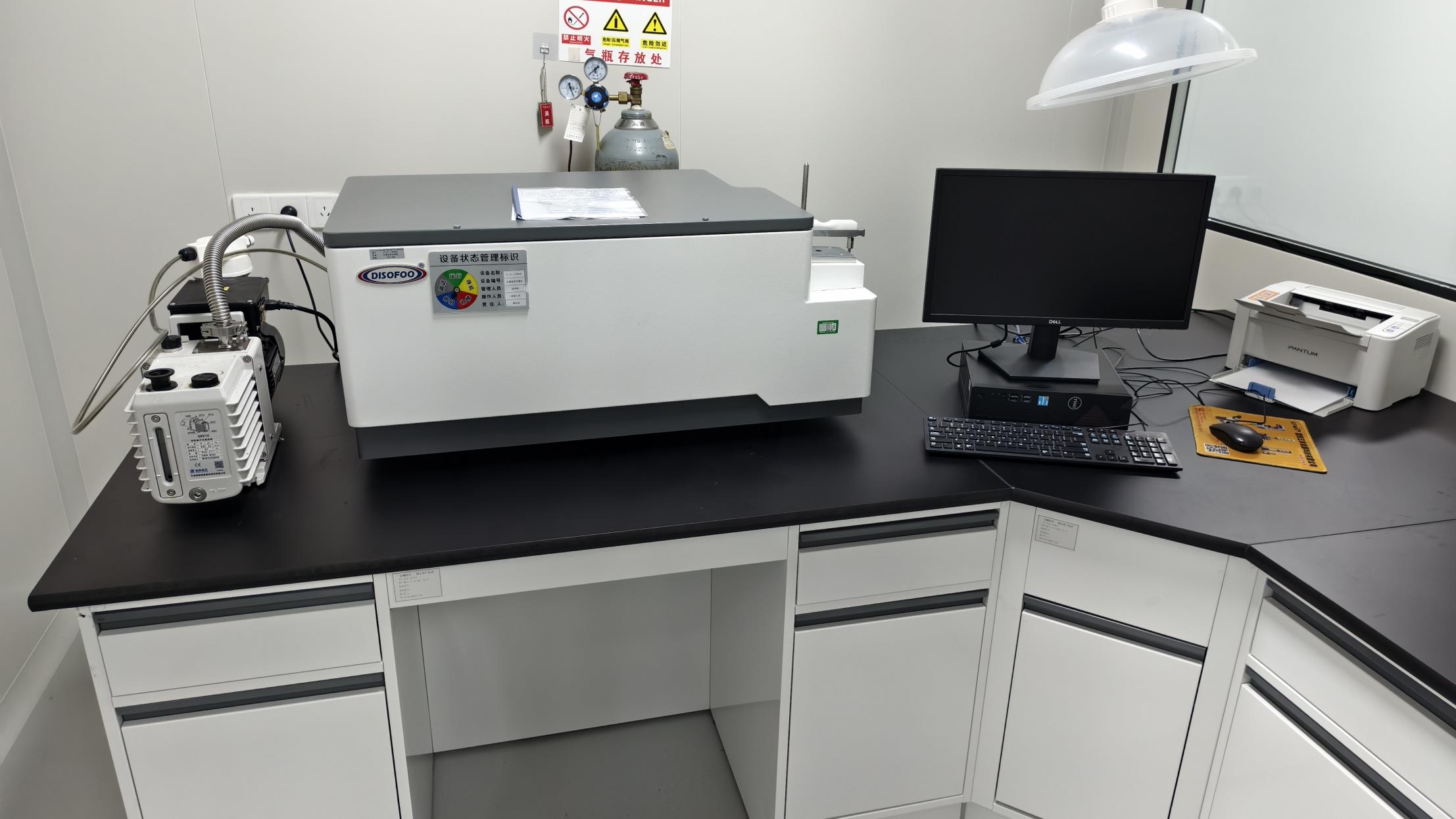
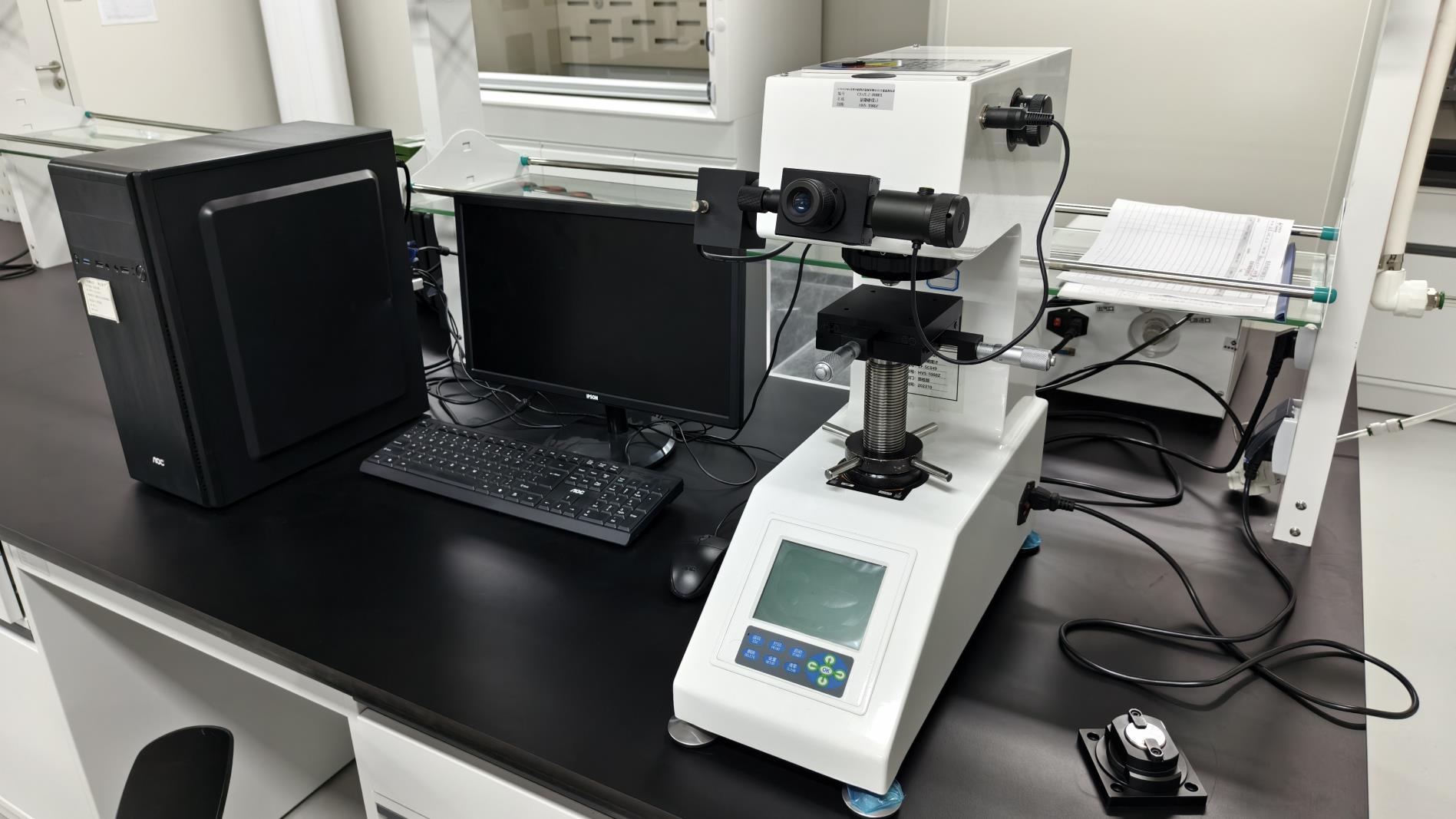
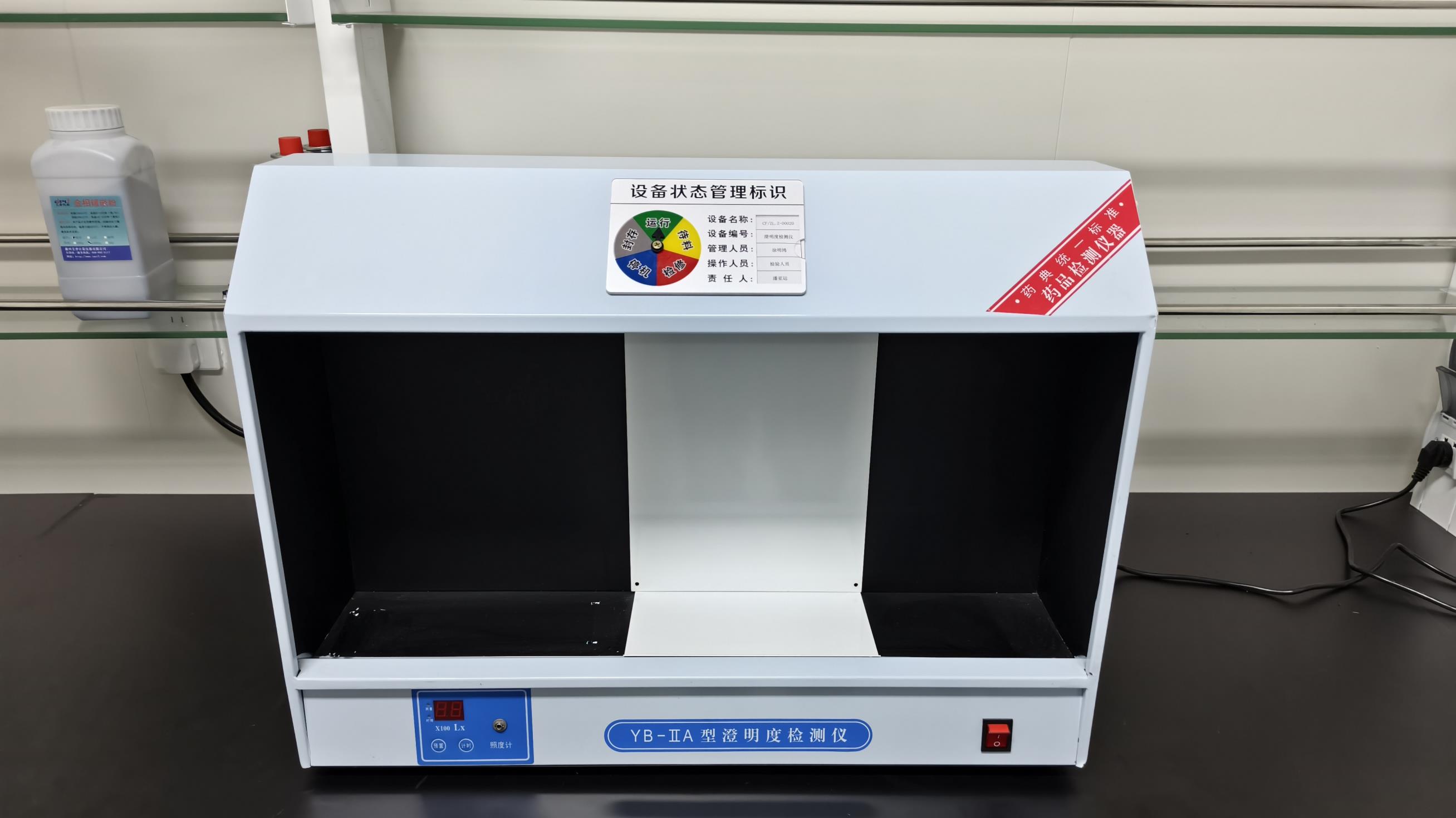
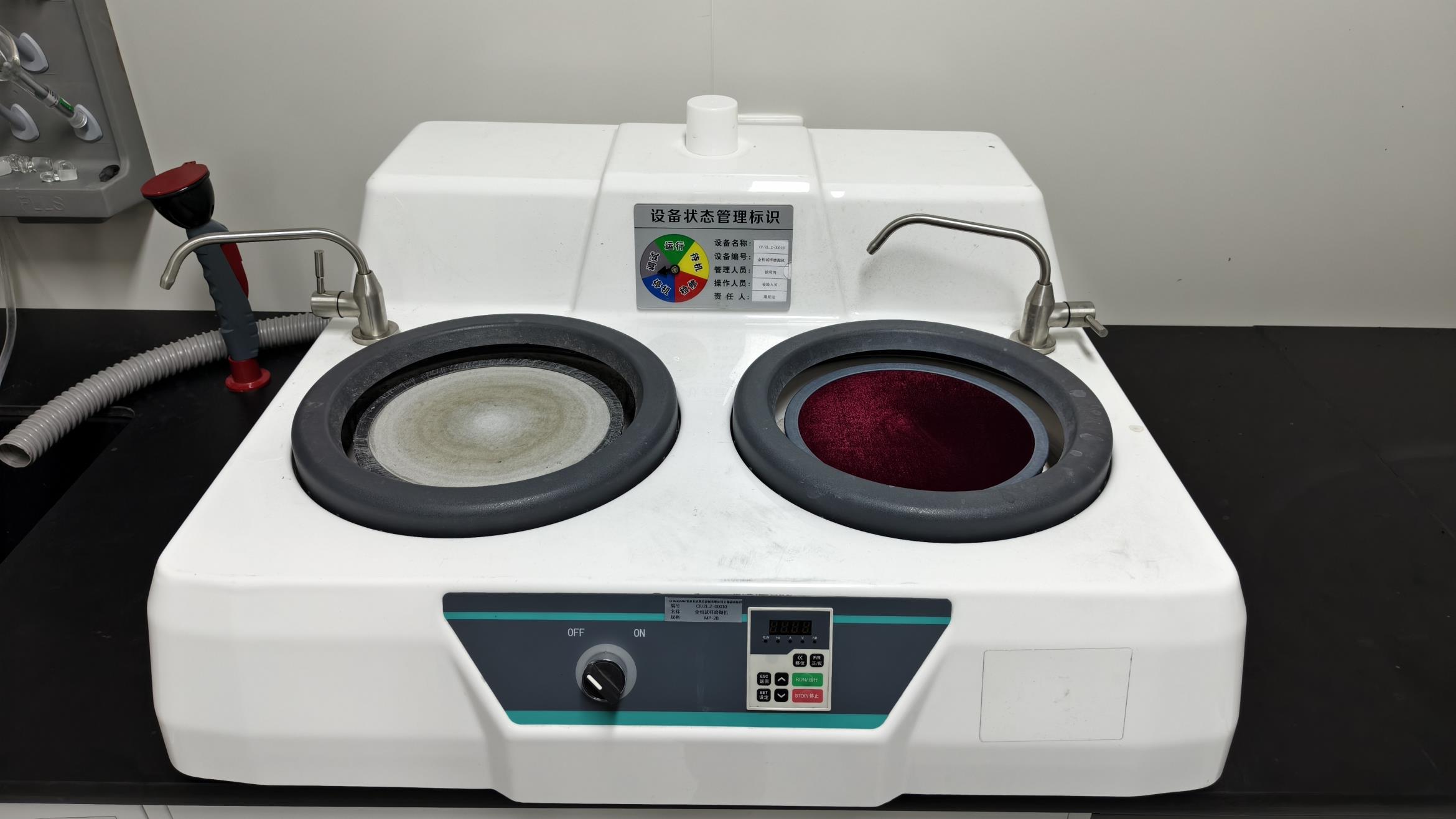
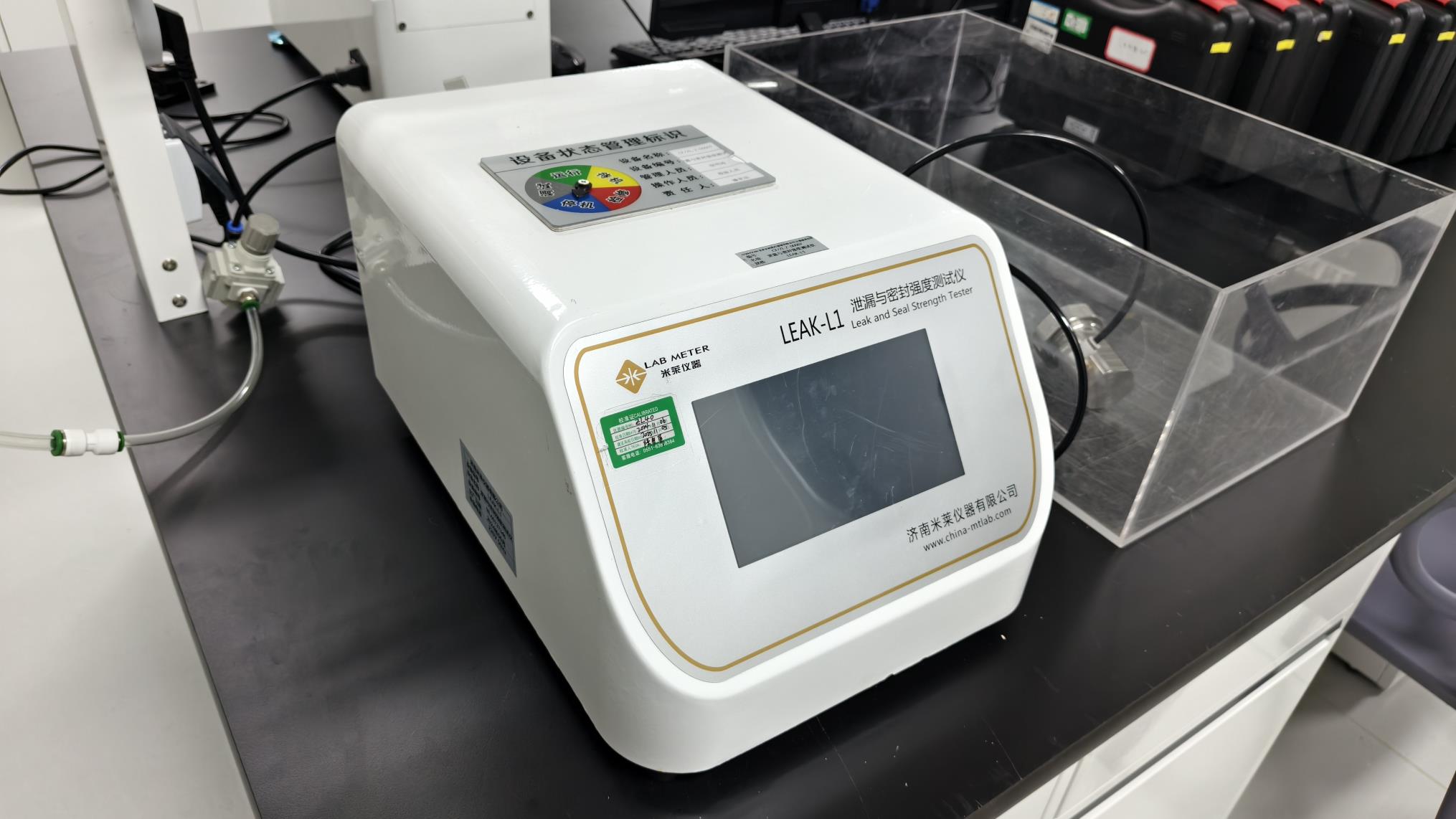
A macro-level analysis of demographics, clinical regulations, and orthopedic import requirements.
The global joint reconstruction market is experiencing structural growth driven by aging demographics, particularly in Europe, North America, and parts of East Asia. Clinical pathways indicate that bipolar hip hemiarthroplasty remains the treatment of choice for displaced intracapsular femoral neck fractures (Garden Class III and IV) in elderly patients with moderate activity levels. The main clinical goal is early mobilization to reduce mortality rates associated with prolonged bed rest, such as deep vein thrombosis (DVT) and hypostatic pneumonia.
In developing orthopedic healthcare sectors (e.g., Southeast Asia, Latin America, and regions of the Middle East), Bipolar Hip Prostheses offer a cost-effective alternative to Total Hip Arthroplasty (THA). Hemiarthroplasty requires shorter operating times and simpler surgical setups, while lowering risk profiles for postoperative dislocation. Consequently, international procurement divisions are shifting away from uncertified local suppliers and partnering with manufacturers like Zynfuse, whose systems are certified under CE and ISO 13485 frameworks.
Export Compliance & Quality Standards: The transition to the European Union Medical Device Regulation (MDR 2017/745) has raised the compliance threshold for orthopedic manufacturers globally. Under this system, orthopedic implants must undergo rigorous clinical evaluations, post-market clinical follow-ups (PMCF), and complete biocompatibility profiles (ISO 10993). Zynfuse aligns its internal documentation and manufacturing controls with these guidelines to ensure seamless regulatory clearance in target markets.
Developing advanced coating processes and surface structures to optimize osseointegration.
To enhance long-term cementless fixation, Zynfuse’s R&D team is developing advanced biological coatings. Applying vacuum plasma-sprayed (VPS) pure Titanium and Hydroxyapatite (HA) to the proximal region of the implant stem creates a high-friction, bio-inductive interface. This porous structure mimics native trabecular bone geometry, promoting rapid osteoblast infiltration and securing stable biological anchorage.
This biological integration minimizes micromotion at the bone-implant interface during early post-operative recovery, addressing structural issues like micro-instability and thigh pain often reported with cementless implants.
Our material research highlights the benefits of Vitamin E-doped highly cross-linked polyethylene. Standard UHMWPE can undergo oxidation over time when exposed to free radicals in synovial fluid, leading to wear and material degradation. Infusing Vitamin E acts as a bio-compatible antioxidant, improving the material's mechanical properties and ensuring low wear rates over years of implant service.
Integrating these material technologies helps reduce revision surgeries, offering clinical benefits to younger, active patients requiring hip reconstruction.
Addressing technical, biological, and supply chain questions for hospital administrators and importing distributors.
Explore our CE-certified spinal systems, interlocking nails, and precision surgical instruments.