Zynfuse
Why Use Compression Screws in Manufacturing? The answer begins with controlled pressure, repeatable feeding, and reliable material movement. In plastics processing, a Compression Screw gradually reduces channel depth as material travels through the barrel. This action compresses pellets, supports melting, and helps create a more uniform output. The process looks simple. It is not.
PlasticsEurope’s Plastics—The Fast Facts 2024 reports approximately 54.6 million tonnes of plastics production in Europe during 2023. That scale makes screw design a practical production concern, not a minor engineering detail. A correctly selected Compression Screw can improve melt consistency, reduce unmelted particles, and support stable extrusion rates. Operators can see the difference at the die: fewer pressure fluctuations, smoother profiles, and less visible surface variation. However, compression ratio alone does not guarantee performance. Material moisture, barrel temperature, screw speed, and residence time also influence results. This is where experience matters.
Manufacturers should compare supplier data with production trials and established engineering guidance. ISO 20430 provides terminology and safety guidance for injection moulding machines, while polymer-processing engineers commonly evaluate screw geometry through material-specific testing. Small errors can become expensive. Excessive compression may increase shear, heat, and degradation. Insufficient compression may leave inconsistent melting. The best design is rarely the most aggressive one. It is the design that matches the resin, equipment, output target, and maintenance limits. Reports offer useful benchmarks, but factory evidence remains essential. A practical review should measure throughput, melt temperature, motor load, pressure stability, and finished-part quality before approving a final screw specification.
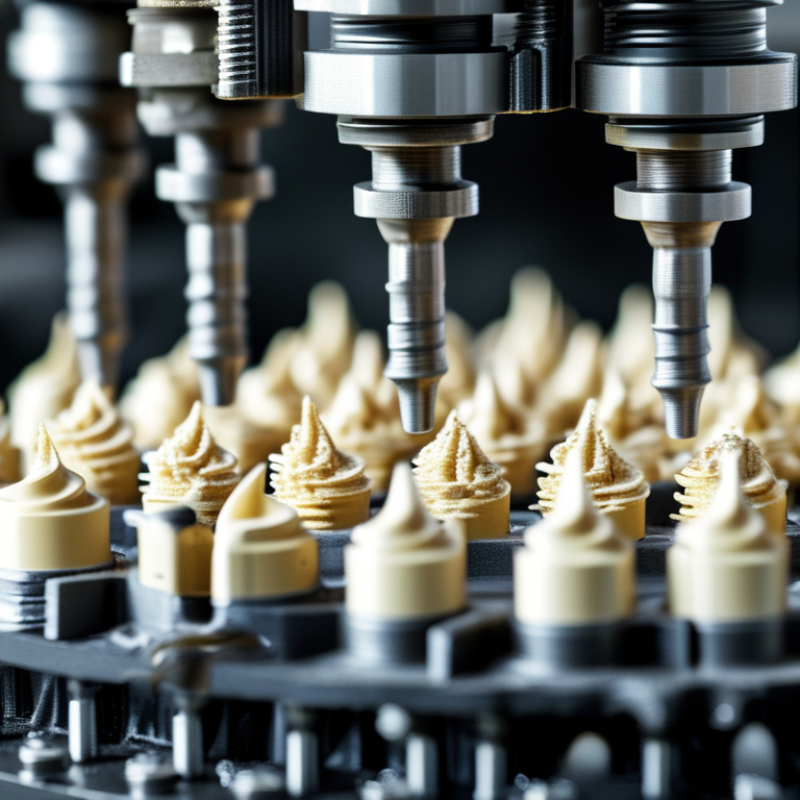
Compression screws are threaded fasteners designed to press two or more parts together with controlled force. They commonly work with gaskets, springs, spacers, or flexible panels. When tightened, the screw creates preload, which holds the assembly firmly and helps resist vibration, movement, and leakage.
A practical example is a machine cover with a rubber gasket. The screw pushes the cover against the gasket, while a spacer prevents excessive crushing. This balance protects the seal and keeps the panel aligned. The screw’s performance depends on thread condition, material strength, tightening torque, and surface flatness. Torque alone can mislead because friction changes the final clamping force. For critical assemblies, manufacturers may verify preload with test fixtures or torque-angle procedures.
Compression screws are useful when parts expand at different rates during heating and cooling. A spring element can maintain pressure as the joint dimensions change. They also simplify maintenance because technicians can remove and reinstall panels without damaging surrounding components. Still, they are not magic. Over-tightening may deform a gasket or thin sheet metal, while under-tightening can allow fretting and leaks. The seal is working.
In production, engineers should select screw length, thread pitch, head style, and compression range together. Prototype testing under vibration and thermal cycling often reveals problems that drawings miss. I have found that a small washer or spacer can improve consistency, although it may complicate assembly. Careful inspection remains essential.
Compression screws help convert plastic pellets into a consistent, processable melt. Their channel depth gradually decreases along the screw.
This geometry compresses material progressively. It can improve melting, mixing, and pressure stability during extrusion or injection molding. Operators often see fewer unmelted particles, air pockets, and surface defects when the design matches the resin.
According to PlasticsEurope’s Plastics—the Fast Facts 2023, global plastics production reached 400.3 million tonnes in 2022. That scale increases the value of stable processing and reduced material waste. A well-selected compression screw can support repeatable output while limiting excessive shear and unnecessary residence time.
The benefit is not automatic. A screw designed for a general-purpose polymer may perform poorly with glass-filled, recycled, or heat-sensitive materials. Processing teams should review compression ratio, length-to-diameter ratio, rotational speed, and barrel temperature together. The U.S. Department of Energy’s Industrial Assessment Centers consistently identify process control and waste reduction as practical manufacturing efficiency opportunities.
In production trials, engineers should record melt temperature, motor load, cycle time, and rejected parts. These measurements reveal whether the screw improves performance or merely shifts the problem downstream. A modest productivity gain may still fail if cleaning becomes harder or material degradation increases.
Why Use Compression Screws in Manufacturing?
Compression screws are common in assemblies that need controlled pressure without permanent deformation. They secure panels, covers, clamps, fixtures, and electrical enclosures. A screw compresses a gasket or component between two surfaces. This helps reduce movement, rattling, and moisture entry.
In machinery, compression screws hold removable guards and inspection doors. Technicians can open them repeatedly without damaging threads. In HVAC equipment, they press access panels against seals. In electronics, they stabilize circuit-board supports and shield covers. Medical equipment uses similar fasteners where clean surfaces and predictable clamping matter. MarketsandMarkets’ 2023 Fasteners Market report projected the global market to reach about USD 105.4 billion by 2028. That growth reflects continuing demand across transportation, machinery, and construction.
Small details matter. A technician should check screw length, thread engagement, washer size, and tightening torque. Excessive torque can crush a gasket or distort a thin panel. Insufficient torque may allow vibration and leakage. ISO 6789 guidance for hand torque tools supports documented calibration and repeatable tightening practices. It is not a perfect safeguard. Material variation still causes surprises. A steel screw in an aluminum housing may also encourage thread wear or galvanic corrosion. Production teams should verify samples under real vibration, temperature, and maintenance conditions.
| Manufacturing Application | Typical Assembly or Component | How the Compression Screw Works | Primary Manufacturing Benefit | Important Selection Factors | Best-Fit Conditions |
|---|---|---|---|---|---|
| Injection Molding and Tooling | Mold plates, inserts, guide assemblies, and adjustable tooling components | The screw applies an axial clamping force that holds mating parts together and can help maintain controlled contact between tooling surfaces. | Supports repeatable tooling alignment, reduces unwanted movement, and simplifies maintenance or adjustment. | Thread size, available installation space, preload requirement, operating temperature, and resistance to molding residues. | Assemblies requiring secure clamping with occasional disassembly. |
| Machining Fixtures | Workholding fixtures, locating plates, jigs, and modular inspection setups | Tightening the screw compresses the workpiece or a fixture element against a locating surface without requiring a permanent joint. | Improves workholding stability and helps maintain dimensional consistency during machining. | Clamping force, access for tightening, risk of workpiece deformation, thread strength, and resistance to cutting fluids. | Short-cycle production where fixtures must be loaded and released repeatedly. |
| Sheet-Metal Enclosures | Electrical cabinets, instrument housings, access panels, and removable covers | The screw compresses a panel, gasket, or captive hardware against a mating frame to create a secure closure. | Provides reliable panel retention, supports sealing, and allows repeated service access. | Panel thickness, gasket compression, corrosion exposure, hole tolerance, and the need for captive or tamper-resistant hardware. | Enclosures that require frequent opening while preserving consistent closure pressure. |
| Flanged Pipe and Process Equipment Joints | Flange connections, inspection covers, access hatches, and low-pressure equipment closures | Several screws can apply distributed compression across a gasket or sealing interface. | Helps maintain contact across the joint and reduces leakage risk when the fastener pattern and torque are properly controlled. | Gasket type, required preload, temperature, pressure, bolt-circle spacing, and compatibility with the process environment. | Non-permanent joints where controlled, even tightening is practical. |
| Woodworking and Composite Panels | Jigs, clamps, routing templates, laminated panels, and sandwich-panel assemblies | The screw provides localized pressure to hold layers or workpieces together while adhesive cures or machining is performed. | Enables adjustable pressure, repeatable setup, and easy release without permanent fastening. | Bearing area, thread design, surface damage, panel hardness, required pressure, and use of washers or pressure pads. | Temporary or adjustable clamping of wood, laminates, and composite materials. |
| Bearing and Bushing Retention | Housings, bearing caps, bushings, and replaceable wear components | The screw presses a retaining element or cover against the component to limit axial movement and maintain seating. | Allows controlled retention while preserving the ability to replace wear parts during servicing. | Required retention force, shaft or housing tolerances, vibration, alignment, lubrication, and avoidance of excessive bearing preload. | Components that need positive axial location without permanent interference fastening. |
| Assembly of Soft or Compressible Materials | Rubber pads, gaskets, foam seals, vibration isolators, and polymer panels | The screw creates controlled compression over a compliant material; a shoulder, spacer, or compression limiter can prevent over-tightening. | Maintains sealing or cushioning performance while reducing the risk of crushing the material. | Material compression set, allowable deflection, washer diameter, limiter length, environmental exposure, and torque control. | Joints where consistent compression is more important than high metal-to-metal clamping force. |
| Electronics and Instrumentation | Display panels, sensor mounts, circuit-board supports, and protective covers | The screw secures a component with a measured load and can isolate or retain it without applying excessive local force. | Reduces loosening from vibration and helps protect delicate parts from over-compression. | Electrical isolation, torque limits, vibration, thermal expansion, material compatibility, and clearance around sensitive components. | Light-duty assemblies requiring controlled retention and repeated service access. |
| Automotive and Industrial Equipment Subassemblies | Guards, covers, brackets, access doors, and serviceable modules | The screw clamps removable parts together and maintains joint contact during vibration and thermal cycling. | Supports quick assembly, serviceability, and consistent joint compression when properly specified. | Vibration resistance, fatigue loading, corrosion protection, torque repeatability, thread engagement, and locking method. | Serviceable equipment exposed to repeated handling, vibration, or temperature changes. |
Why Use Compression Screws in Manufacturing?
How to Select the Right Compression Screw
Compression screws provide controlled clamping force without permanently deforming nearby components. They help secure panels, covers, fixtures, and adjustable machine parts. In production environments, this can reduce movement, vibration, and uneven contact. The right screw also protects delicate surfaces from excessive pressure.
Selection should begin with the required load and available installation space. Measure the screw diameter, thread type, working length, and maximum compression distance. Then check the material against moisture, chemicals, heat, and repeated movement. Stainless steel may suit humid equipment, while hardened steel can handle demanding mechanical loads. Do not rely on size alone. A larger screw may create too much force or damage a thin panel. Real assemblies rarely behave perfectly. Tolerance changes, surface wear, and operator torque can alter performance.
Tips: Test the screw under realistic conditions. Record the applied torque, compression distance, and holding force. Check whether the fastener loosens after vibration or repeated adjustment. A locking feature may help, but it should not replace proper preload control. Review the supplier’s load charts and material data before approval. If the application is safety-critical, ask a qualified engineer to verify the design. A neat calculation is not enough. Small installation details often decide whether the assembly remains stable.
Compression screws are used to apply controlled clamping force, maintain alignment, and secure components against movement or vibration. Selecting the correct size requires considering the required preload, joint stiffness, thread engagement, material strength, installation space, and operating environment.
The tensile stress area is a standardized engineering value used when estimating threaded fastener load capacity. Larger diameters generally provide a greater load-bearing area, but the final compression-screw choice should also verify allowable preload, screw grade, thread engagement, joint material, tightening method, and resistance to corrosion or temperature.
Compression screws help secure parts while applying controlled pressure between mating surfaces. They are useful in fixtures, molds, covers, and adjustable assemblies. Their value depends heavily on correct installation.
Clean the screw, threads, and contact surfaces before fitting. Even a small chip can change clamping pressure. Align the components carefully, then tighten the screw gradually. Use a calibrated torque wrench when the specification provides a torque value. Do not guess. Excessive torque may deform soft materials or damage internal threads.
Lubrication requires caution. Apply it only when the engineering instructions permit it, because lubricant can increase the actual preload. A hardened washer may protect the contact surface from galling or indentation. Check the screw head for full tool engagement. Slipping tools create damage quickly.
Maintenance should follow the equipment’s working conditions. Inspect compression screws for looseness, corrosion, thread wear, and surface cracks. Vibration, heat cycles, and repeated adjustments can reduce clamping force. Record inspection dates and torque readings where traceability matters. Replace damaged screws instead of forcing them back into service.
A common mistake is retightening without finding the cause of loosening. That approach may hide misalignment or excessive vibration. One lesson from shop-floor maintenance is simple: pressure is not the same as security. Review the assembly if parts shift, marks appear, or compression changes unexpectedly. Small defects become expensive failures.
It is a threaded fastener that presses parts together with controlled force. It creates preload and helps resist movement, vibration, and leakage.
The screw presses a cover against a gasket. A spacer can limit crushing and protect the seal. The balance is delicate.
Friction changes how much clamping force the screw creates. Dirty threads, surface wear, or lubrication can change the result. Torque can mislead.
Check the required load, diameter, thread type, working length, and compression range. Consider heat, moisture, chemicals, and repeated movement. Size alone is insufficient.
They can, especially when a spring element maintains pressure. This helps when parts expand at different rates. Thermal testing may reveal unexpected movement.
Clean the threads and contact surfaces. Align the parts carefully, then tighten gradually with a calibrated torque wrench. Do not guess.
No. Use lubrication only when engineering instructions allow it. Lubricant may increase actual preload and damage soft materials.
Inspect them for looseness, corrosion, thread wear, and cracks. Check after vibration, heat cycles, or repeated adjustments. Replace damaged screws.
Retightening without finding the cause of loosening can hide misalignment or vibration. A washer may improve consistency, but it can complicate assembly.
Yes. Test realistic vibration, thermal cycling, compression distance, and holding force. Drawings can miss small installation problems. Neat calculations are not enough.
Compression Screws are specialized fasteners designed to hold materials firmly together by applying controlled pressure through their threaded structure. As they are tightened, they compress components, reduce movement, and help maintain stable alignment without requiring complex assembly systems. Their reliable clamping force, compact design, and ability to withstand vibration make them valuable in many manufacturing environments.
In manufacturing, Compression Screws are commonly used in machinery, fixtures, molds, panels, assemblies, and equipment that require secure yet adjustable connections. When selecting the right screw, manufacturers should consider material compatibility, thread size, load requirements, operating temperature, corrosion resistance, and the desired level of adjustability. Proper installation is equally important: the screw should be tightened evenly and to an appropriate torque to prevent deformation or damage. Regular inspections, cleaning, lubrication where suitable, and timely replacement of worn components can help maintain performance, safety, and service life.
