Zynfuse
Cancellous Screws are designed for fixation in softer, spongy bone, especially near joints and within metaphyseal regions. Their deep threads can improve purchase where ordinary cortical threads may achieve limited grip. Surgeons commonly use them for fractures involving the ankle, tibial plateau, distal radius, femoral neck, and other cancellous structures. The choice is not merely about screw length. Bone quality, fracture pattern, reduction, thread engagement, and compression all influence the final construct.
The need for dependable fixation is significant. The Global Burden of Disease 2019 study reported approximately 178 million new fractures worldwide in 2019 (The Lancet Rheumatology). Meanwhile, the International Osteoporosis Foundation reports that one in three women and one in five men over 50 may experience an osteoporotic fracture. These figures explain why fixation strategies must account for fragile bone, not only healthy adult anatomy. In practice, a screw placed into porous bone may feel secure initially, yet still lose stability if the threads are poorly positioned or loading begins too early.
This guide examines what Cancellous Screws are used for, how their thread design supports fixation, and when washers or partially threaded models may be appropriate. It also considers their limitations. No single screw suits every fracture. That point deserves emphasis. Clinical decisions should follow imaging, surgical judgment, implant instructions, and recognized orthopedic guidance, including resources from the AO Foundation and FDA device guidance. The terminology can seem simple, but real fixation is not. Small choices can change compression, stability, and healing conditions.
What Are Cancellous Screws?
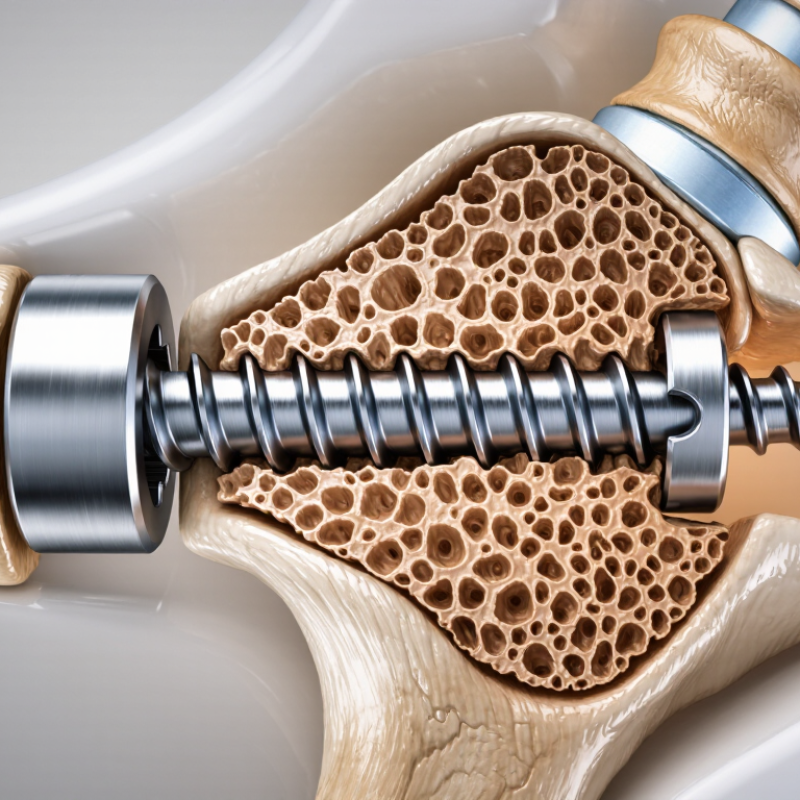
Cancellous screws are orthopedic fasteners designed for soft, porous bone. This bone is called cancellous, or trabecular, bone. It commonly appears near joints, inside vertebrae, and at the ends of long bones. The screw has deep, widely spaced threads. These threads grip the softer internal structure better than fine-thread cortical screws.
Many cancellous screws are partially threaded. The smooth shaft can create interfragmentary compression when the threaded portion crosses the far fragment. Surgeons may use them for fractures near the hip, ankle, knee, wrist, or shoulder. They can also support bone grafts and selected reconstructive procedures. The AO Surgery Reference describes compression, thread purchase, and fracture reduction as key factors in fixation. That distinction matters.
Clinical choice depends on more than screw type. The AAOS Clinical Practice Guideline for hip fractures emphasizes fracture pattern, reduction quality, implant position, and bone quality. A 2023 review in Injury also linked fixation performance with osteoporosis and the risk of screw migration. Exact outcomes vary between studies. Not every cancellous screw provides strong purchase in severely weakened bone. The screw is not magic. Surgeons may adjust diameter, length, washer use, or fixation strategy after examining imaging and bone density. In practice, a small error in insertion angle can reduce compression and irritate nearby soft tissue. These details deserve careful review, especially when the fracture lies close to a joint.
Cancellous screws are designed for softer, porous bone, especially in metaphyseal and epiphyseal regions. Surgeons commonly use them for fractures near joints, where broad threads can grip trabecular bone. Their larger thread spacing helps capture more bone. The partially threaded design may also create compression between fracture fragments. Bone quality matters.
Cortical screws serve a different environment. They are built for dense diaphyseal bone, with finer threads and a smaller pitch. More threads engage the hard cortex over a shorter distance. According to AO Trauma surgical guidance, screw selection should match bone structure, fracture geometry, and the required compression. Using a cancellous screw in dense cortical bone can reduce purchase. Using a cortical screw in weak metaphyseal bone may provide limited grip.
A 2023 review in the Journal of Orthopaedic Trauma examined 19 biomechanical studies and reported that cancellous screw fixation depended strongly on bone density, thread engagement, and insertion depth. The finding sounds obvious, but it is often overlooked in practice. A 2024 National Joint Registry report recorded more than 240,000 primary hip and knee procedures in England and Wales, reflecting the scale of orthopedic care involving variable bone quality. Cancellous screws are not automatically stronger. Their performance changes with osteopenia, fragment size, and screw angle. Clinical judgment remains essential.
Cancellous screws are designed for bone with a softer, porous interior. Their broad threads improve purchase in cancellous bone, especially near joints. Surgeons commonly use them to stabilize fractures of the femoral neck, ankle, wrist, shoulder, and pelvic regions. They may also secure osteotomies and selected bone grafts.
In femoral neck fractures, multiple partially threaded screws can compress a fracture and preserve the patient’s own hip joint. This approach is most relevant for younger patients and stable, nondisplaced injuries. The American Academy of Orthopaedic Surgeons notes that treatment should consider fracture stability, displacement, age, and functional status. For ankle fractures, cancellous screws can compress malleolar fragments and support precise joint alignment. Small details matter, such as screw length, thread position, and soft-tissue protection.
The International Osteoporosis Foundation projects global hip fractures could reach 4.5 million annually by 2050. That growing burden increases the need for reliable fixation decisions. Still, cancellous screws are not universally ideal. Poor bone quality, severe displacement, infection, or joint damage may require another strategy. A 2021 clinical guideline also emphasizes shared decision-making for older adults with hip fractures. Evidence helps, but it does not replace imaging, examination, and surgical judgment. Even technically sound fixation can fail when reduction is imperfect or loading begins too early.
Cancellous screws are designed for softer, porous bone, especially near joints and in metaphyseal regions. Their deep, wide threads obtain purchase within trabecular bone. This design differs from screws used mainly in dense cortical shafts. Common applications include fixing fractures of the ankle, wrist, knee, and proximal humerus.
Fixation often depends on controlled compression. With a partially threaded screw, the threads sit beyond the fracture line. The smooth shaft glides through the near fragment while the threaded portion pulls the far fragment closer. This action can close a visible fracture gap and improve stability during early healing. The surgeon may add a washer when bone is fragile or the screw head could sink.
Small details matter. The entry point, drilling depth, screw length, and tightening force must match the fracture pattern. Imaging helps confirm reduction and prevents unwanted joint penetration. In practice, cancellous screws may be used alone or with plates and additional screws. They are not automatically the best choice for every fracture. Poor bone quality, an unstable pattern, or excessive tightening can cause loosening or loss of reduction. A technical error can matter greatly. Follow-up imaging remains important because fixation can change as swelling decreases and the patient begins moving. I may sound cautious, but that caution is necessary: reliable fixation depends on anatomy, bone quality, and surgical judgment, not the screw alone.
Cancellous screws are designed for fixation in softer, porous bone, especially in metaphyseal and epiphyseal regions. Their deep, widely spaced threads improve purchase in cancellous bone, while partially threaded designs can create interfragmentary compression. The diameters shown are representative nominal sizes commonly used in orthopedic fixation; the appropriate size depends on anatomy, fragment size, and surgical technique.
What Are Cancellous Screws Used For?
Key Factors in Selecting and Using Cancellous Screws
Cancellous screws are designed for softer, porous bone, especially near joints. Surgeons commonly use them for fractures involving the metaphysis, epiphysis, ankle, wrist, and proximal tibia. Their wider threads can improve purchase in trabecular bone. However, they are not automatically suitable for every fracture. The fracture pattern, bone density, and required stability must guide selection. A screw that looks ideal on an image may fail if its length or direction is poorly chosen.
Diameter and length matter. The screw should provide adequate grip without entering a joint or damaging nearby structures. Thread length should match the intended fixation zone. A partially threaded screw may create compression across a fracture, while a fully threaded option may better maintain position. Head design, washer use, insertion depth, and cannulation also affect performance. Imaging should confirm the entry point and final position. Clinical judgment remains essential. Small errors can have large consequences.
Tips
Check bone quality before choosing the thread design. Measure carefully, and avoid relying on estimates alone. Confirm that the screw does not cross the joint surface. Follow validated surgical instructions and sterile handling procedures. After placement, assess alignment and fixation with appropriate imaging. Do not ignore unusual resistance during insertion; it may indicate a wrong trajectory, excessive force, or unsuitable bone conditions. Reconsidering the plan is sometimes safer than completing it quickly.
Cancellous screws are orthopedic fasteners for soft, porous bone. This bone is common near joints and inside vertebrae. Their deep, widely spaced threads grip trabecular bone.
Cancellous screws have deeper, wider threads. Cortical screws usually have finer threads for dense outer bone. The distinction matters during fixation planning.
They may support fractures near the hip, ankle, knee, wrist, or shoulder. They can also support bone grafts and selected reconstruction procedures.
The threaded section crosses beyond the fracture line. Its smooth shaft glides through the near fragment. The threads pull the far fragment closer, reducing the gap.
A washer can spread pressure beneath the screw head. It may help when bone is fragile or the screw head could sink. Small hardware details matter.
Fracture pattern, reduction quality, bone density, screw length, and insertion angle all matter. Drilling depth and tightening force also require careful control.
Not always. Osteoporosis can reduce thread purchase and increase migration risk. The surgeon may adjust screw size, add support, or choose another fixation strategy.
Imaging helps confirm fracture alignment and prevents unwanted joint penetration. Follow-up images can reveal loosening or lost reduction as swelling decreases.
No. An unstable pattern, poor bone quality, or excessive tightening can cause problems. The screw is not magic. Anatomy and surgical judgment remain central.
Compression may decrease, and nearby soft tissue could become irritated. A small technical error can matter greatly. That possibility deserves honest review.
Cancellous Screws are orthopedic fixation devices designed primarily for use in softer, trabecular bone, such as the metaphyseal regions near joints. Their larger thread profile and wider pitch help improve grip in low-density bone, while their partially threaded design can create compression between bone fragments. Unlike cortical screws, which have finer threads and are intended for dense outer bone, cancellous screws are better suited to areas where deeper, more aggressive threads are needed for stability.
Common applications include fracture fixation near joints, securing bone grafts, and supporting certain reconstructive or corrective procedures. Proper fixation depends on selecting the appropriate screw diameter, length, thread configuration, and head design for the patient’s anatomy and the surgical objective. Accurate placement, sufficient bone purchase, and careful handling of surrounding tissue are also important. By drawing bone fragments together and maintaining alignment during healing, Cancellous Screws can contribute to stable fixation and effective recovery when used appropriately.
