Zynfuse
In the realm of orthopedic surgery, Humeral Intramedullary Nails play a crucial role. These devices aid in stabilizing and supporting fractured humeral bones. With the rising demand for reliable surgical solutions, understanding the best options is essential for global buyers.
Choosing the right humeral intramedullary nails requires thorough research. Various brands offer different features and benefits. Quality and effectiveness remain paramount. However, it is important to not overlook the potential challenges. Some products may not meet all expectations. Feedback from surgeons can highlight limitations that should be addressed.
Some nails provide effective stabilization, while others may falter. Discussions among practitioners showcase experiences with different brands. This feedback is valuable for prospective buyers. It sheds light on the nuances of each product. Ultimately, making an informed decision fosters better patient outcomes in orthopedic care.
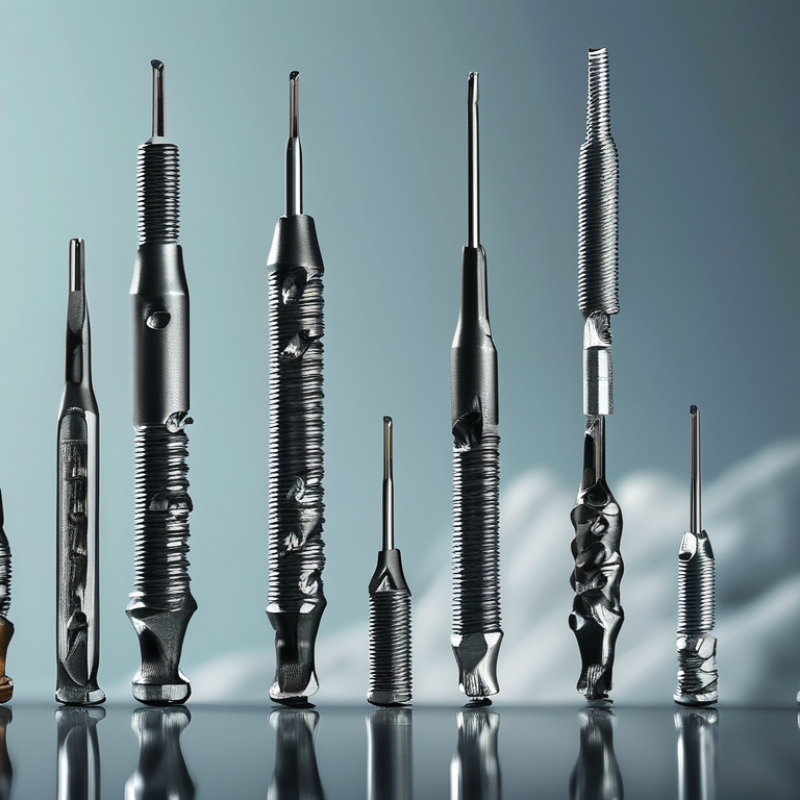
Humeral intramedullary nails are vital in orthopedic surgery. Recent reports show a rising preference for these devices due to their effectiveness in bone stabilization. Key features include biocompatibility, radiolucency, and enhanced stability. These characteristics help minimize complications and support quicker recovery. Studies indicate that using intramedullary nails reduces postoperative infection rates significantly.
A critical aspect is ensuring proper alignment during insertion. Misalignment can lead to complications and prolonged rehabilitation. Many surgeons emphasize the need for training and advanced imaging techniques. Enhanced surgical techniques can improve success rates, yet mistakes happen. Understanding these risks is essential for better outcomes.
Tips for practitioners: Always evaluate the patient's bone quality before selecting a nail type. Remember, not all patients will respond the same way. Continuous education on new devices and techniques is crucial. Don't hesitate to seek second opinions on complex cases. This proactive approach can enhance surgical decisions.
When selecting humeral intramedullary nails, several crucial factors come into play. Material composition is paramount. Most options use titanium or stainless steel. These metals offer durability and biocompatibility. A report by the Journal of Orthopaedic Research indicates that titanium implants can reduce infection rates due to their lower corrosion potential.
Surgical technique is also essential. Proper alignment and insertion angle are critical for optimal outcomes. Varying types of nails are available, with some designed for specific fracture patterns. Each design impacts stabilization. Research shows a direct correlation between nail design and recovery time, stressing the importance of proper selection.
**Tips**: Always review your surgeon's experience with specific nails. Different surgeons may prefer various designs based on their practical experiences.
Another consideration is the length and diameter of the nails. These dimensions must match the patient's anatomy for effective stabilization. Studies suggest a mismatch can lead to complications such as nonunion. Ultimately, understanding the interplay of these factors ensures better surgical results.
**Tips**: Consult medical literature for updated trends in nail technologies and clinical outcomes. Staying informed enhances decision-making.
Choosing the right humeral intramedullary nail can significantly impact surgical outcomes. This analysis reviews leading options on the market, focusing on their features. Each nail varies in design, material, and application method. Some are lightweight, offering ease of insertion and reduced stress on bones. Others may prioritize strength, benefiting patients with severe fractures.
Surgeons often face challenges when selecting a nail for complex cases. Some nails may not fit all anatomical variations. This inconsistency can lead to complications, like improper alignment or delayed healing. Additionally, not every nail provides the same level of accessibility for surgical techniques. Reviews from experienced practitioners highlight these concerns.
Real-world performance is critical. User feedback emphasizes the importance of understanding patients’ needs. Nails that work for one type of fracture may not be ideal for another. An effective nail design balances strength, flexibility, and ease of use. Continuous evaluation of these products in clinical settings is necessary to ensure they meet evolving patient requirements.
The global market for humeral intramedullary nails is evolving rapidly. Surgeons across continents are increasingly adopting these devices for their effectiveness in treating humeral fractures. As manufacturers explore new materials and designs, the demand continues to rise. Surgeons seek reliable solutions that enhance patient recovery times.
Recent trends indicate a shift toward minimally invasive techniques. Humeral intramedullary nails support these methods effectively. They offer advantages such as reduced soft tissue damage. The reliability of these nails plays a crucial role in their growing popularity. However, concerns about surgical complications persist. Ongoing research is essential to address these issues fully.
The increasing emphasis on patient-centered care drives demand for innovative surgical solutions. Surgeons are influencing choices based on their experiences with these implants. Collaboration between orthopedic specialists and manufacturers may lead to enhanced designs. Yet, as innovations continue, the need for rigorous testing and feedback remains paramount.
| Region | Market Size (USD Million) | Growth Rate (%) | Demand Drivers |
|---|---|---|---|
| North America | 250.5 | 6.5 | Aging population, increasing sports injuries |
| Europe | 180.3 | 5.8 | Rising cases of arthritic conditions |
| Asia-Pacific | 130.7 | 7.2 | Increasing healthcare expenditure, rising sports activities |
| Latin America | 80.4 | 4.5 | Growing awareness of advanced surgical options |
| Middle East & Africa | 45.2 | 3.9 | Increased road accidents and medical tourism |
The field of humeral intramedullary nail technology is undergoing rapid advancements. Innovations focus on improving patient outcomes and surgical experiences. New designs aim to enhance stability and reduce surgery time. The incorporation of advanced materials promises lighter and stronger nails. Enhanced imaging techniques are also helping surgeons make more precise placements.
Tips: Always consider the patient's unique anatomy when selecting an intramedullary nail. Personalized approaches can lead to better outcomes.
Moreover, future tools might include smart technology. These could provide real-time data during surgery, guiding surgeons in choosing the best path. However, challenges exist in ensuring these innovations are safe and effective. Continuous feedback from surgeons will be crucial in refining these technologies.
Tips: Engage in ongoing education to stay updated on the latest innovations. Regular training enhances surgical skills and confidence.
: Most options use titanium or stainless steel. These materials provide durability and biocompatibility.
Proper alignment is crucial for optimal outcomes. The insertion angle can significantly affect recovery.
Research shows a direct correlation. Each design stabilizes fractures differently, affecting overall healing time.
These dimensions must match the patient’s anatomy. Mismatches can lead to complications like nonunion.
Yes, different surgeons have preferences based on their experiences. Their familiarity can influence surgical success.
Innovations may include smart technology. This could offer real-time data to assist surgeons during procedures.
Yes, challenges exist in ensuring safety and effectiveness. Continuous feedback from surgeons is essential for improvement.
Consulting medical literature is recommended. Engaging in ongoing education can enhance decision-making and skills.
Considering a patient's unique anatomy can lead to better surgical outcomes and effective stabilization.
Choosing the wrong size can lead to complications. It’s essential to match the nail to the patient's anatomy.
Humeral intramedullary nails are an essential tool in orthopedic surgery, particularly for stabilizing fractures in the humeral shaft. This article provides a comprehensive overview of their key features, including material composition, designs, and locking mechanisms, which significantly impact surgical outcomes. When selecting the appropriate humeral intramedullary nails, factors such as the patient's age, activity level, and specific fracture characteristics must be considered.
Furthermore, the article presents a comparative analysis of various leading brands, highlighting their strengths and weaknesses to guide informed choices by healthcare professionals. It also examines global market trends, revealing an increasing demand for advanced humeral intramedullary nails driven by innovations in technology and improved surgical techniques. Looking forward, future innovations promise to enhance the effectiveness and safety of humeral intramedullary nails, ensuring better recovery for patients.
