Zynfuse
Tibial Locking Plates are a significant innovation in orthopedic surgery, specifically designed for fractures of the tibia. According to the American Academy of Orthopaedic Surgeons, more than 1.6 million fractures of the tibia occur annually in the United States. This high incidence underlines the need for effective solutions in surgical repair. These plates offer superior fixation for complex fractures, particularly in osteoporotic bones.
The design of Tibial Locking Plates enhances stability and promotes healing. They utilize a locking mechanism that secures screws directly to the plate, minimizing the risk of screw backout. A study published in the Journal of Orthopaedic Trauma showed that patients treated with these plates experienced a 30% reduction in postoperative complications. However, this technology is not without challenges. Surgeons must carefully consider the plate's placement and the specific fracture type to achieve optimal outcomes.
Despite their advanced design, some skepticism remains in the medical community. Certain surgeons may feel traditional methods suffice for common fractures. Continuous education and training are essential to ensure that orthopedic surgeons are comfortable with newer technologies like Tibial Locking Plates. Embracing innovation while critically evaluating its application is vital for improving patient care.
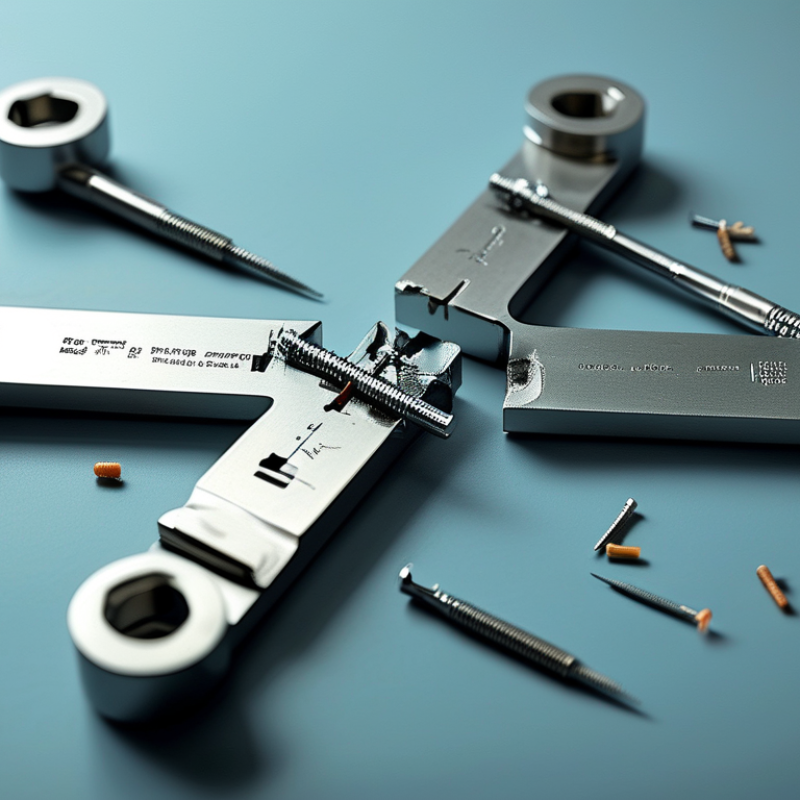
Tibial locking plates are advanced medical devices used in orthopedic surgery. They provide stability and support for fractured tibia bones during the healing process. These plates feature threaded holes, allowing screws to lock into place securely, offering enhanced fixation. This design reduces the risk of hardware failure, making them a reliable choice for complex fractures.
When using tibial locking plates, surgeons must carefully consider the fracture type and patient needs. Proper alignment is crucial. Incorrect placement can lead to complications. The locking mechanism provides strength, yet it requires precise insertion. Each case presents unique challenges, which may not always result in ideal outcomes.
Surgeons should be aware of potential issues such as infection or delayed healing. Ongoing observation and follow-up are necessary to ensure effective recovery. Patients need to understand that healing may be slow, and full recovery can be unpredictable. The complexity of each individual's situation underscores the importance of expert evaluation and assessment.
Tibial locking plates are innovative orthopedic devices. They offer stable fixation for fractures in the tibia. The design of these plates includes multiple locking screws. This unique feature provides better support to the bone. The screws fit securely into the plate, enhancing stability.
The structure of tibial locking plates is critical for their effectiveness. They often have a thin profile, allowing them to contour to the bone. This design minimizes soft tissue disruption during surgery. Additionally, the plates may feature multiple holes for screws. This flexibility enables surgeons to customize the fit based on patient anatomy.
Despite their advantages, surgeons must be cautious when using locking plates. The technical skills required can be demanding. Misalignment during placement may lead to complications. Inexperienced hands might face difficulty achieving proper fixation. Continuous learning and practice are essential for optimal outcomes. The balance between innovation and traditional methods remains a topic for discussion among orthopedic professionals.
Tibial locking plates are orthopedic devices used to stabilize fractured tibia bones. Their design incorporates specialized screws that lock into the plate, providing a strong fixation. This mechanism allows for better bone alignment and stability, which is critical for healing.
The locking mechanism works by creating a fixed angle between the screws and the plate. This angle prevents the screws from loosening under load. When weight is applied, the load is distributed evenly across the plate, reducing stress on the surrounding bone. This unique feature makes tibial locking plates effective for complex fractures.
Tips for optimal use: Ensure proper surgical technique during placement. Misalignment can lead to complications. Monitor the healing process closely. Sometimes, ongoing pain may suggest issues with the plate or screws. Finally, consider physical therapy post-surgery to regain strength. Rehabilitation is crucial for long-term success.
The surgical procedure for inserting tibial locking plates is crucial for treating complex fractures. This method relies on advanced technology to stabilize fractures in the tibia. During surgery, the orthopedic surgeon exposes the bone, ensuring a clear view of the fracture site. According to a study published in the Journal of Orthopaedic Trauma, the use of locking plates significantly enhances stability compared to traditional plates, showing a 25% lower complication rate in various cases.
Surgeons position the locking plate along the shaft of the tibia. They secure it with specially designed screws, which lock into the plate, providing a rigid fixation. This configuration prevents screw migration and maintains alignment during the healing process. Data indicates that this technique allows for earlier mobilization, reducing rehabilitation time by up to 30%. However, the procedure involves risks, including infection and non-union of the fracture.
The choice of tibial locking plates should be made with careful consideration. Each patient's specific condition can lead to different outcomes. Complications, although relatively low, must be acknowledged. Informed consent is essential, ensuring patients understand the possible risks and benefits. The procedure's success largely depends on the surgeon's skill and experience, emphasizing the need for specialized training in this area.
Tibial locking plates are frequently used in orthopedic surgery. They offer several benefits but also carry risks. Research shows that using locking plates can improve fracture stability. This leads to faster healing times for patients. A study published in the *Journal of Orthopaedic Trauma* indicated that 75% of patients experienced good outcomes post-surgery with these plates.
However, there are notable risks involved. One significant concern is infection. Infections can complicate recovery and prolong hospitalization. Some studies estimate that infection rates can reach up to 5% among patients. Another risk is the potential for implant failure, sometimes due to improper alignment. Surgeons must carefully assess each case to minimize these dangers.
Tip: Always discuss your specific case with your orthopedic surgeon. They can provide insights on the risks and benefits tailored to your health history. Before surgery, it might be helpful to ask about alternative fixation methods. Understanding all options aids in making informed decisions. It's essential to weigh these considerations thoroughly.
| Aspect | Details |
|---|---|
| Definition | Tibial locking plates are specialized orthopedic implants designed to stabilize fractures in the tibia using locking screws. |
| Benefits | Provides enhanced fixation, reduces the risk of screw backout, allows for early mobilization, and is suitable for complex fractures. |
| Risks | Infection, non-union of the fracture, implant failure, and complications related to surgery. |
| Indications | Used for stable and unstable tibial fractures, particularly in patients with poor bone quality. |
| Surgical Technique | The procedure involves open reduction and internal fixation (ORIF), allowing the surgeon to reposition the bone fragments properly. |
| Post-Operative Care | Regular follow-up, physical therapy, and monitoring for signs of complications. |
: Tibial locking plates are medical devices used to stabilize fractured tibia bones during healing.
They feature threaded holes that allow screws to lock securely, enhancing fixation and stability.
Surgeons must assess the fracture type and ensure proper alignment to avoid complications.
Possible issues include infection and delayed healing, making ongoing follow-up essential.
The surgeon exposes the bone and secures the locking plate with screws, maintaining fracture alignment.
They enhance stability and allow for earlier mobilization, potentially reducing rehabilitation time by 30%.
Yes, misalignment during placement can occur, especially for less experienced surgeons.
Healing may be slow and unpredictable, depending on individual circumstances and the surgeon's skill.
They should understand the risks and benefits, emphasizing informed consent and shared decision-making.
The skill and experience of the surgeon are vital for optimal outcomes with tibial locking plates.
Tibial Locking Plates are specialized orthopedic implants designed to stabilize fractures in the tibia, or shinbone. Their unique design features locking mechanisms that engage with screws, providing enhanced stability compared to traditional plates. This structure allows for better alignment and load distribution across the bone, which is crucial during the healing process.
The surgical procedure for inserting Tibial Locking Plates typically involves the direct application of the plate onto the fractured bone, securing it with locking screws. This technique not only facilitates bone healing but also minimizes the risk of complications such as screw loosening. While the benefits of using Tibial Locking Plates are significant, including improved fracture stability and reduced recovery time, there are also potential risks, such as infection or the body’s adverse reaction to the implant. Hence, careful consideration is essential when opting for this form of treatment.
