How to Source Acutrak Screws from Reliable Suppliers?

Time:2026-09-24 Author:Henry
0%

Sourcing Acutrak Screws requires more than comparing unit prices. It demands clinical awareness, documentation control, and supplier verification. Fortune Business Insights reported that the global orthopedic devices market reached approximately USD 57.3 billion in 2023. It may reach USD 82.5 billion by 2030. This growth increases demand for dependable fixation products, but it also creates room for incomplete records and questionable stock.

Orthopedic trauma expert Dr. Michael D. McKee offers a practical warning: “A screw is not a product decision; it is a clinical system decision.” Buyers should therefore confirm the exact Acutrak Screws model, diameter, length, material, packaging condition, and intended procedure. Request manufacturer authorization, ISO 13485 certification, lot numbers, UDI details, sterilization records, and shelf-life evidence. The U.S. FDA’s Unique Device Identification system can support product and labeling checks. However, database information alone does not prove supplier reliability.

A trustworthy supplier should provide clear photographs, sealed packaging, traceability documents, and responsive technical support. Ask where the inventory was stored. Ask whether the stock was previously distributed. Small details matter. A damaged box can signal poor handling, although it is not conclusive evidence. Procurement teams should also compare lead times, return terms, and regional registration requirements. Price remains important, but it should not dominate the decision. In practice, even experienced buyers can overlook a catalog mismatch. That weakness deserves review before any purchase.
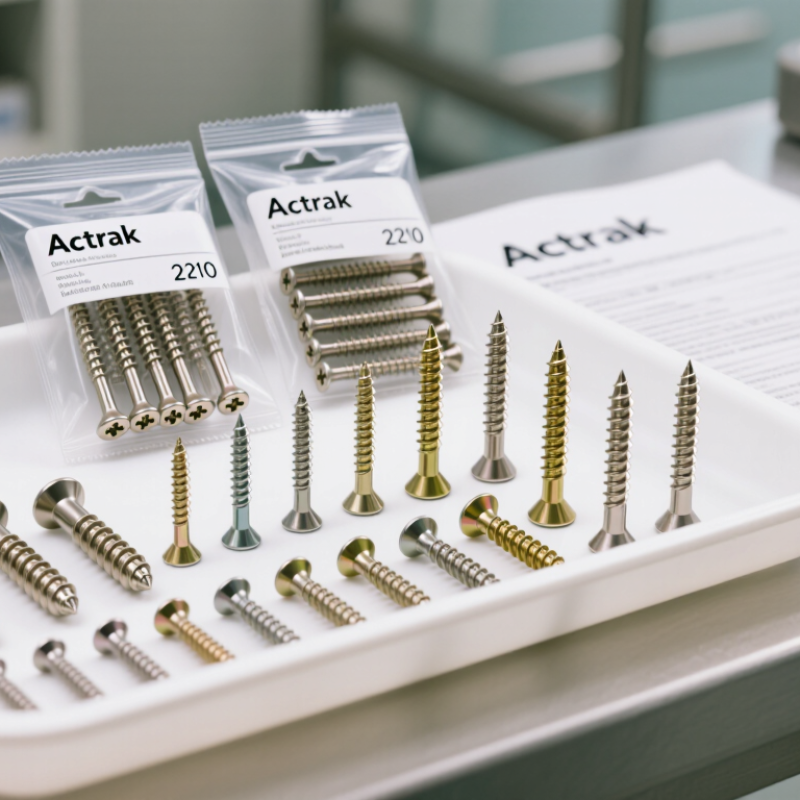
How to Source Acutrak Screws from Reliable Suppliers?

Understanding Acutrak Screw Types and Sourcing Requirements

How to Source Acutrak Screws from Reliable Suppliers?

Understanding screw types is the first sourcing requirement. Headless compression screws may differ in diameter, length, thread pitch, and cannulation. Some designs provide variable compression, while others use fixed thread patterns. Confirm these details against the surgical indication and fixation technique. Small differences matter.

Material verification is essential. Common options include titanium alloy and stainless steel, but certificates should identify the exact grade. ASTM F136 supports titanium implant material requirements, while ISO 13485 indicates a controlled medical-device quality system. Ask for batch records, dimensional inspection reports, sterilization status, and traceability documents. Do not rely on product photographs alone.

WHO reported that 1.71 billion people live with musculoskeletal conditions worldwide in 2022.

That scale increases demand for dependable orthopedic fixation products.

Market reports also show steady growth in orthopedic devices, but growth does not prove supplier quality. Request samples for independent dimensional checks when possible. Verify thread engagement, driver fit, and packaging integrity. A supplier should provide clear technical files and consistent lot numbering. I would also check complaint history, because a polished catalogue can hide weak after-sales control. Some purchasing teams skip this step. That is a mistake worth reconsidering.

Identifying Qualified Acutrak Screw Suppliers

Identifying a qualified supplier for specialized cannulated orthopedic screws requires more than comparing unit prices. Start by checking ISO 13485 certification, product registration, and the supplier’s manufacturing scope. The ISO Survey 2023 reported more than 30,000 valid ISO 13485 certificates worldwide. However, certification alone proves limited capability. Request recent audit findings, corrective-action records, and evidence of process validation. Ask whether each lot has material certificates, dimensional inspection data, and complete traceability from raw metal to shipment.

Inspect the supplier’s technical file carefully. It should define alloy grade, thread geometry, cannulation accuracy, surface finish, packaging, and sterilization responsibilities. FDA medical-device recall data recorded more than 1,000 recalls in 2023, showing why supplier controls deserve close attention. Require a signed quality agreement with change-notification rules, complaint handling timelines, and retention periods for production records. Samples should be evaluated under realistic surgical-use conditions, not only visual inspection. Check inventory depth, backup machining capacity, and average lead-time performance over twelve months. Short lead times can hide weak controls. I would also contact two recent customers, although references may be carefully selected. That limitation matters. A site audit can reveal practical details, such as unlabeled bins, inconsistent inspection logs, or crowded quarantine areas, which polished documents may conceal.

How to Source Acutrak Screws from Reliable Suppliers? - Identifying Qualified Acutrak Screw Suppliers

Qualification Dimension What to Verify Objective Evidence to Request Practical Acceptance Criteria
Product identity and configuration Confirm screw type, diameter, length, thread profile, cannulation, head geometry, drive interface, and intended orthopedic application. Approved drawings, product specifications, revision history, catalog codes, and a configuration cross-reference. Every requested configuration is clearly identified, traceable to a controlled drawing, and consistent across quotation, samples, labeling, and shipment documents.
Material and implant-grade suitability Verify the alloy or stainless steel grade, material condition, corrosion resistance, and suitability for long-term or temporary implantation. Material certificates, heat or lot traceability, chemical composition reports, and applicable material standards. Material designation matches the approved specification; each production lot can be traced to a valid certificate and supplier record.
Quality management system Assess whether the supplier operates a medical-device quality system covering design transfer, production, inspection, nonconformity control, and corrective actions. Current ISO 13485 certificate, certification scope, audit history, quality manual summary, and corrective-action records when applicable. Certificate is current, issued by a recognized certification body, and covers the relevant medical-device manufacturing activities.
Dimensional control Check critical dimensions such as outer diameter, core diameter, thread pitch, length, cannulation, head dimensions, and drive recess geometry. Inspection plans, calibrated measurement records, first-article inspection reports, and dimensional inspection samples. All critical dimensions meet the approved drawing tolerances, with measurement equipment calibration traceable to recognized standards.
Mechanical performance Evaluate insertion torque, torsional strength, pullout behavior, fatigue performance, and resistance to drive-interface damage. Test protocols and reports based on ASTM F543 or other applicable validated methods, including sample size and acceptance limits. Results meet the approved product requirements, and the test method is appropriate for the screw design and intended clinical use.
Surface finish and cleanliness Review surface roughness, burr removal, passivation or cleaning processes, particulate control, and visible defects. Surface-finish specifications, cleaning validation, visual inspection criteria, particulate test results, and sample inspection records. No burrs, cracks, corrosion, sharp unintended edges, residue, or visible contamination; surface condition meets the approved specification.
Biocompatibility documentation Determine whether the finished device, materials, residues, and processing chemicals have been assessed for the intended patient contact. Biological evaluation plan and report aligned with the ISO 10993 series, plus toxicological assessment where relevant. Documentation addresses the final finished device and its actual manufacturing process rather than only the raw material.
Sterilization and packaging capability Clarify whether products are supplied sterile or non-sterile and verify packaging protection, seal integrity, and shelf-life controls. Sterilization validation under ISO 11135 or ISO 11137 when applicable, packaging validation under ISO 11607, and shelf-life evidence. Sterile claims are supported by validation; packaging remains intact through specified transport and storage conditions.
Regulatory and traceability support Confirm that the supplier can support the target market’s device classification, technical documentation, labeling, and post-market obligations. Declaration of conformity where applicable, device master records, batch records, labeling samples, UDI data, and complaint-handling procedures. Each lot is traceable from raw material through manufacturing, inspection, packaging, and shipment, with records retained for the required period.
Supplier audit readiness Assess transparency regarding facilities, subcontractors, process controls, inspection areas, training, and change management. Completed supplier questionnaire, audit report, process flow chart, subcontractor list, training records, and change-notification procedure. Supplier permits a documented quality audit and agrees to notify the buyer before material, process, site, or specification changes.
Sampling and first-article approval Use representative samples to confirm dimensions, material, finish, packaging, and functional compatibility before volume purchasing. First-article inspection report, sample approval record, test certificates, and compatibility evaluation with the intended instruments. Samples pass all defined checks and are formally approved before production quantities are released.
Capacity and delivery reliability Review production capacity, lead time, minimum order quantity, safety stock, business continuity, and ability to support repeat orders. Capacity statement, production schedule, on-time delivery data, inventory policy, and business continuity plan. Quoted lead times are supported by capacity data, and supply continuity risks are documented with mitigation actions.
Commercial and quality agreement Define specifications, inspection rights, nonconforming-product handling, warranty responsibilities, confidentiality, and change-control obligations. Signed quality agreement, purchase specifications, inspection terms, nonconformance procedure, and approved change-control workflow. Commercial terms and quality responsibilities are written, measurable, and consistent with the buyer’s regulatory obligations.

Note: Final supplier approval should be based on the applicable market regulations, the intended clinical use, and a documented risk-based qualification process.

Verifying Supplier Credentials, Quality, and Compliance

Sourcing headless compression screws requires more than comparing unit prices. Start by verifying the supplier’s legal identity, manufacturing address, and quality-system certificate. The ISO Survey 2022 recorded more than 26,000 ISO 13485 certificates worldwide. Certification is common, but it is not conclusive. Confirm the certificate number, scope, issuing body, and expiration date through the certification body’s database. Paper is not proof.

Ask for controlled drawings, material specifications, sterilization records, and traceability documents for each lot. The supplier should explain how it manages nonconforming products, corrective actions, and changes in machining or coating processes. FDA quality-system requirements emphasize purchasing controls and supplier evaluation, so vague answers deserve attention. Request a sample batch, then inspect thread geometry, cannulation, surface finish, and dimensional reports. A clean sample can still hide weak production controls.

Compliance evidence should match the destination market. Review device registration, technical files, labeling, and transportation conditions with a qualified regulatory professional. The World Health Organization’s 2023 medical-device guidance stresses documented risk management across the product life cycle. Do not accept a copied certificate. Check dates, signatures, and product scope. I would also record response times and document revisions during the audit. Small inconsistencies matter. A supplier may be experienced yet careless, and that distinction is easy to miss.

Comparing Product Specifications, Pricing, and Supply Terms

When sourcing Acutrak screws, compare specifications before comparing prices. Confirm the screw diameter, length range, thread design, and compression profile. Material matters too. Titanium and stainless steel have different handling and imaging characteristics. Check whether each screw is cannulated, self-drilling, or intended for a specific surgical application. Do not rely on catalogue images alone. Request technical drawings, material certificates, instructions for use, and sample packaging. Small differences can affect instrument compatibility.

Pricing should include the complete landed cost, not only the unit quotation. Add instruments, packaging, freight, duties, inspection, and possible replacement costs. A low unit price may hide a high minimum order quantity or long lead time. Compare payment terms, warranty coverage, and lot traceability. Reliable suppliers should explain production capacity and provide consistent documentation. Ask for recent quality records, but review them critically. Certificates can be valid while actual delivery performance remains weak.

Tips

Build a comparison sheet with specifications, unit price, MOQ, lead time, and shipping terms. Request three quotations using identical requirements. Check five sample pieces for thread quality, surface finish, and dimensional consistency. Keep written records of every answer. I have seen sourcing teams overlook instrument costs. That mistake is easy to make. Recheck the final offer before approval. Also, avoid choosing the cheapest supplier when communication is vague or technical answers keep changing. A dependable partner should make verification easier, not more complicated.

Managing Samples, Orders, Shipping, and After-Sales Support

When sourcing surgical compression screws, supplier reliability starts with sample control. Request representative samples from the same production lot intended for your order. Check thread condition, driver fit, tip geometry, surface finish, and dimensional consistency. A clean inspection record matters. So does traceability.

Ask for technical files, material details, sterilization status, and applicable quality certificates before approving samples. Confirm packaging labels, shelf-life information, and storage requirements. Written specifications reduce costly misunderstandings. They also help clinical and purchasing teams review the product objectively. I once saw a sample pass visual inspection but fail a driver-fit test. Small details can change the entire order.

For larger purchases, use a clear purchase order with sizes, quantities, tolerances, packaging, delivery terms, and inspection criteria. Request photographs before dispatch, then verify carton counts and lot numbers upon arrival. Shipping delays happen, even with experienced suppliers. Build a realistic buffer instead of promising an exact surgical schedule. Customs documents should match the invoice, packing list, and product description.

After-sales support should include a named contact, response times, replacement procedures, and investigation records for complaints. Ask how the supplier handles damaged packaging or inconsistent measurements. Keep photographs and inspection notes. Do not rely only on verbal assurances. Some sourcing plans overlook follow-up support, and that is a weakness worth admitting. A dependable supplier responds with evidence, not vague confidence.

FAQS

What should be verified before selecting a screw supplier?

Confirm the supplier’s legal identity, factory address, and quality-system certificate. Paper is not proof. Check the certificate number, scope, issuer, and expiration date independently.

Which documents should a supplier provide?

Request controlled drawings, material specifications, sterilization records, and lot-traceability documents. Ask how changes are approved. Vague answers deserve attention.

How can sample quality be inspected?

Request samples from the production lot planned for your order. Inspect thread geometry, driver fit, tip shape, surface finish, and dimensions. A clean sample can still hide weak controls.

What details should be included in a purchase order?

Specify sizes, quantities, tolerances, packaging, delivery terms, and inspection requirements. Written details prevent expensive misunderstandings. Small omissions matter.

How should shipment accuracy be checked?

Request dispatch photographs before shipment. Verify carton counts, lot numbers, and package condition after arrival. Compare customs documents with the invoice and packing list.

How can compliance evidence be assessed?

Match registration records, technical files, labels, and transport conditions to the destination market. Use a qualified regulatory professional when requirements are unclear. Copied certificates are risky.

What should after-sales support include?

Require a named contact, response times, replacement procedures, and complaint investigation records. Ask how damaged packaging and inconsistent measurements are handled. Verbal promises are not enough.

Should delivery schedules include extra time?

Yes. Build a realistic buffer for shipping, customs, and document corrections. Exact surgical schedules can fail. I would avoid promising certainty.

Conclusion

Sourcing Acutrak Screws reliably begins with understanding the required screw types, sizes, materials, thread patterns, drive designs, and intended clinical applications. Buyers should define technical specifications, packaging needs, documentation requirements, and expected order volumes before contacting suppliers. Qualified suppliers should demonstrate relevant manufacturing experience, stable production capacity, traceable quality-control procedures, and the ability to provide consistent product documentation.

Before placing an order, verify supplier credentials, certifications, quality systems, inspection records, and regulatory compliance for the target market. Compare specifications carefully rather than focusing only on price, considering tolerances, surface finish, lead times, minimum order quantities, payment terms, and warranty policies. Request representative samples for evaluation, confirm inspection criteria, and establish clear communication throughout ordering and shipping. Reliable after-sales support, transparent handling of complaints, and dependable replenishment capabilities can help reduce supply risks and support long-term purchasing decisions.

Henry

Henry

Henry is a dedicated marketing professional with a profound expertise in the company's offerings. With years of experience in the industry, he possesses an impressive understanding of the market dynamics and consumer behaviors that drive success. Henry is committed to sharing his insights through......