Femoral Intramedullary Nails represent a significant advancement in orthopedic surgery. Dr. James Miller, a renowned orthopedic surgeon, emphasizes, “These nails offer unique stability and improved recovery times for patients.” These devices are designed to treat femur fractures by stabilizing the bone during the healing process. They are inserted into the marrow canal of the femur, providing internal support.
The benefits of Femoral Intramedullary Nails extend beyond just stabilization. They minimize muscle damage and allow for quicker rehabilitation. Patients can often regain mobility faster compared to traditional treatments. However, it’s essential to address potential complications, such as nail misalignment and infection risks. While these nails are effective, the surgical technique requires precision and experience.
In conclusion, Femoral Intramedullary Nails play a crucial role in modern fracture management. They demonstrate the balance between innovative technology and the need for skilled practitioners. As we continue to refine these methods, ongoing evaluation is needed to optimize patient outcomes.
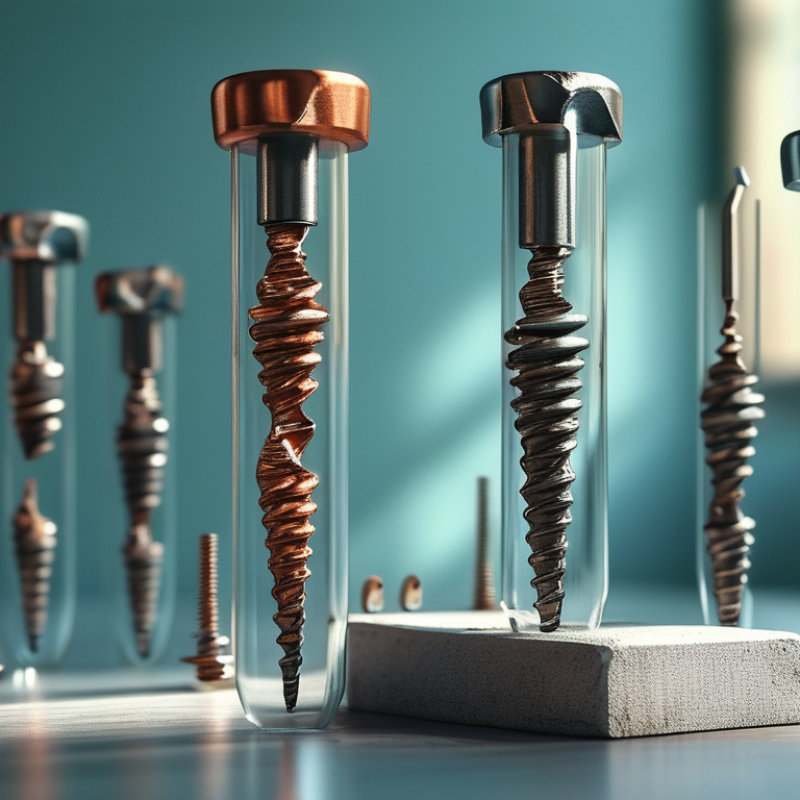
Definition of Femoral Intramedullary Nails
Femoral intramedullary nails are a specialized medical device. They are designed for stabilizing fractures in the femur, the thigh bone. These nails are inserted into the bone's marrow cavity. This method offers a minimally invasive approach compared to traditional external fixation methods.
The main advantage of femoral intramedullary nails is their ability to provide strong internal support. The nails help in aligning the fractured bone segments. This alignment is crucial for proper healing. Additionally, the nails can reduce the risk of complications associated with open surgeries. Patients benefit from shorter recovery times and less postoperative pain.
Despite the benefits, there are challenges in using these devices. Surgeons must ensure proper alignment during insertion. Sometimes, the nails may not fit well, leading to discomfort. Ongoing research aims to improve nail design and functionality. Proper training and experience are essential for healthcare providers. They must be familiar with the nuances of each patient's condition. These factors are vital for achieving the best surgical outcomes.
Benefits of Femoral Intramedullary Nails
Mechanism of Action and Application in Orthopedic Surgery
Femoral intramedullary nails are crucial in orthopedic surgery. They work by stabilizing fractures in the femur.
These nails are inserted into the medullary canal. The design allows them to resist bending and torsional forces effectively.
Surgeons typically use these nails for various femoral fractures. Intramedullary nails can align the bone fragments closely.
This minimizes disruption to surrounding tissues. The insertion procedure is less invasive than traditional methods.
It usually leads to quicker recovery times and less postoperative pain.
Despite their benefits, complications can arise. There may be issues with nail looseness or malalignment.
Each case requires careful consideration. Understanding the patient’s unique anatomy is essential for success.
Ongoing studies are needed to improve methodologies. New techniques could address current limitations, enhancing outcomes further.
Advantages of Using Femoral Intramedullary Nails
Femoral intramedullary nails are vital for treating femoral fractures. They provide strong and stable fixation within the femur. This method uses a metal rod inserted into the bone's canal, aiding in healing. According to a study published in the Journal of Orthopedic Trauma, the use of intramedullary nails can reduce the risk of complications by up to 30%.
A significant advantage of femoral intramedullary nails is their ability to allow early movement. Patients can often start rehabilitation sooner compared to traditional fixation methods. Early mobilization leads to improved circulation and faster recovery rates. Additionally, the minimal invasive nature of this procedure typically results in lower blood loss and reduced post-operative pain. A report from the American Academy of Orthopaedic Surgeons indicates that over 85% of patients experience satisfactory outcomes.
Tip: Ensure you discuss with your surgeon about the ideal type of nail for your specific fracture. Each case is unique, and proper assessment is crucial.
Another consideration is the potential for complications. While rare, issues such as infection and malalignment can arise. Regular follow-ups and imaging can facilitate early detection of these problems. Patients should remain vigilant and report any unusual symptoms promptly.
Tip: Maintain a healthy diet rich in calcium and vitamin D to support bone healing during recovery.
Potential Risks and Complications Associated with the Procedure
Femoral intramedullary nails are effective in treating fractures. However, the procedure is not without risks. Complications can arise that may affect healing and recovery. Infection is one potential issue. It can occur at the surgical site, leading to further medical intervention.
Another common risk is improper alignment of the nail. This misalignment can result in pain or impaired function. Patients may experience discomfort during recovery as their body adjusts to the implant. Nerve damage is also a possibility. It can lead to tingling or weakness in the leg. Such complications necessitate careful monitoring and follow-up care.
Patients should discuss these risks with their healthcare provider thoroughly. Understanding these potential pitfalls is critical. It can lead to better outcomes. The importance of post-operative care cannot be understated. A proactive approach can help mitigate these risks. Regular check-ups and open communication with medical professionals are essential for a smoother recovery process.
Post-operative Care and Recovery for Patients with Femoral Nails
Post-operative care for patients with femoral intramedullary nails is crucial to ensure optimal recovery. Following the surgery, patients often experience pain and swelling. A study published in the Journal of Orthopaedic Trauma found that 70% of patients report significant pain during the first week after surgery. Effective pain management is essential. Physicians may recommend medication to help alleviate discomfort and promote mobility.
Physical therapy plays a vital role in recovery. Starting physical therapy within days post-surgery can improve outcomes significantly. According to research, patients who engage in early rehabilitation show a 30% faster recovery rate. Patients need to gradually regain strength and mobility, focusing on exercises that support their specific needs. Weight-bearing activities should be incorporated cautiously to avoid complications.
Monitoring for potential complications is also critical. Infections, delayed healing, and hardware issues can arise in about 10-15% of cases. Regular follow-up appointments are essential to assess healing and adjust treatment plans as needed. Communication with healthcare providers can help address concerns promptly. Each patient's experience may differ, leading to a need for tailored care strategies throughout recovery.
FAQS
: They are medical devices used to stabilize fractures in the thigh bone.
They are inserted into the bone's marrow cavity to align fractured segments.
They provide strong internal support, leading to quicker recovery and less pain.
Complications can include infection, misalignment, and potential nerve damage.
Yes, some patients may experience pain as their body adjusts to the implant.
It is crucial for effective healing and to minimize risks like malalignment.
Open communication with healthcare providers is essential, along with regular follow-ups.
Yes, current studies aim to improve nail design and surgical techniques.
The insertion is less invasive compared to traditional surgeries, reducing recovery time.
Monitoring for complications and maintaining regular check-ups is vital for healing.
Conclusion
Femoral Intramedullary Nails are specialized medical devices used in orthopedic surgery to stabilize and support fractured femur bones. These nails are inserted into the intramedullary canal of the femur, allowing for the effective realignment of broken bones during the healing process. Their design facilitates the load-sharing with the bone, promoting quicker recovery and enabling patients to regain mobility sooner.
The advantages of Femoral Intramedullary Nails include minimal soft tissue damage, decreased postoperative pain, and a lower risk of infection compared to traditional external fixation methods. However, potential risks do exist, such as complications like nonunion, hardware failure, or fat embolism. Post-operative care is crucial for a successful recovery, often involving pain management, physical therapy, and regular follow-up to monitor healing progress and address any complications that may arise. Overall, Femoral Intramedullary Nails represent a significant advancement in fracture management and orthopedic care.
 Zynfuse
