Zynfuse
When it comes to addressing tibial fractures, surgeons often face complex decisions. One solution that has gained popularity is the use of Tibial Intramedullary Nails. These implants provide exceptional stabilization and support for fractured bones. Their design allows for minimally invasive procedures, promoting quicker recovery times and less postoperative pain.
Tibial Intramedullary Nails offer advantages such as improved alignment and load distribution. They can effectively reduce the risk of malunion or nonunion, common issues faced in fracture healing. However, some practitioners may question their application and effectiveness in certain cases.
Despite their benefits, Tibial Intramedullary Nails do have drawbacks. Complications such as infection or hardware-related issues can occur. Surgeons must weigh these risks against the benefits carefully. Each patient presents unique challenges, necessitating thoughtful consideration in surgical planning.
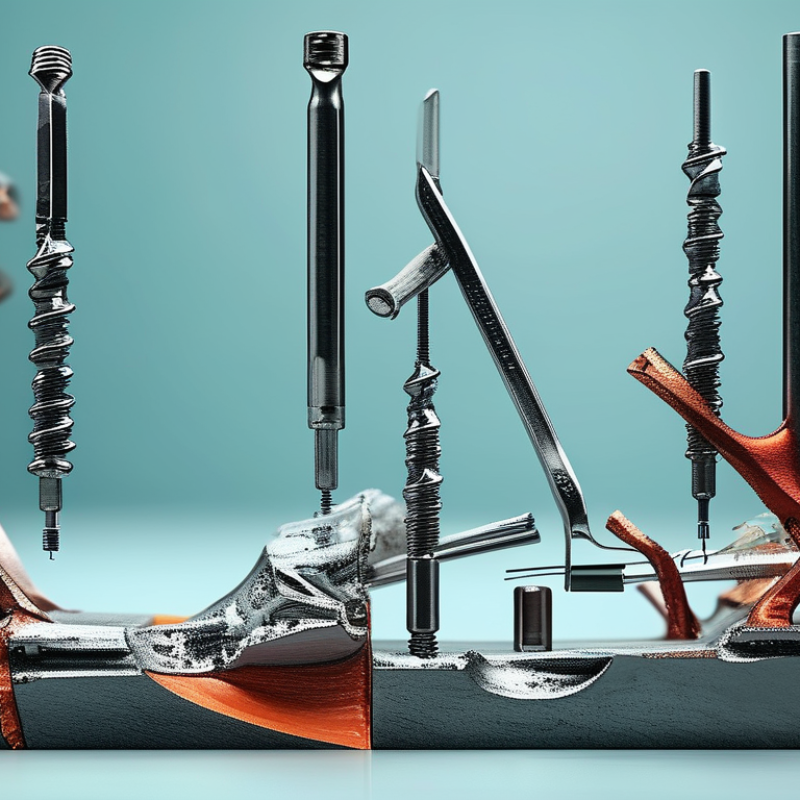
Tibial intramedullary nails have gained significant popularity in orthopedic surgery, particularly for the treatment of tibial fractures. These nails provide robust fixation, allowing for early mobilization. According to a study conducted by the Journal of Orthopaedic Trauma, intramedullary nailing has a union rate of approximately 90-95%. This high success rate highlights their effectiveness.
The design of tibial intramedullary nails aids in minimal surgical exposure. This approach can reduce soft tissue damage, leading to faster recovery times. Reports indicate a decrease in postoperative complications, such as infections. For example, only 2-5% of intramedullary nail procedures result in infection.
Despite the advantages, challenges exist. Surgeons must ensure proper nail sizing to avoid complications. Overstuffing can lead to stress fractures. It emphasizes the need for precise measurements and surgical planning. Ultimately, continued evaluation of techniques is essential to maximize patient outcomes. Intramedullary nails represent a valuable tool in the orthopedic arsenal, despite the hurdles faced in their application.
Tibial intramedullary nails are a popular choice in orthopedic surgery. They are widely used for treating specific types of tibial fractures. When considering surgical solutions, understanding the indications for their use is vital.
These nails are indicated primarily for diaphyseal fractures. They excel in providing stability while allowing for early mobilization. They are also suitable for various fracture patterns, including those with significant displacement. However, not every fracture can benefit from this method. The severity and location of the fracture must be assessed carefully.
**Tips:** Always consult a specialist if there is uncertainty about the fracture type. Preoperative assessment is crucial to identify potential complications.
Infections or complications with bone healing can occur post-surgery. It's critical to monitor for signs of infection. Additionally, patients should be aware of the rehabilitation process involved after surgery. Early and consistent physical therapy is key. Still, each patient's recovery experience may vary.
**Tips:** Make sure to follow your surgeon’s advice during recovery. Open communication can help address any concerns during the healing process.
Tibial intramedullary nailing is a common surgical technique for addressing tibial fractures. This method allows for better alignment and stabilization of fractured bones. According to a study published in the Journal of Orthopaedic Trauma, the union rate for fractures treated with intramedullary nails is between 85% and 95%. This high success rate demonstrates the effectiveness of this technique in achieving bone healing.
The surgical procedure involves inserting a metal rod into the medullary canal of the tibia. Surgeons often use fluoroscopy to guide the nail into position. Anesthesia is typically used, ensuring patient comfort. Surgeons must be meticulous. The technique requires attention to detail to avoid complications, such as malalignment or infection. Post-operative care is crucial. Proper rehabilitation protocols must be followed to facilitate recovery.
Feedback from the field indicates room for improvement in patient outcomes. Long-term studies suggest that while immediate results are promising, some patients experience chronic pain. This could indicate a need for innovative approaches in surgical techniques. Understanding the intricacies of the procedure and addressing patient concerns remains essential for success in tibial intramedullary nailing.
Postoperative care for patients with tibial intramedullary nails is crucial for successful recovery. After the procedure, close monitoring of the surgical site is essential. This includes checking for signs of infection, swelling, or unusual pain. Patients often need ongoing pain management as they adjust to their new mobility level. A comprehensive approach to rehabilitation begins right away.
Physical therapy plays a key role in recovery. It is vital to maintain a balance between rest and activity. Exercises should be tailored to the individual's healing process. Early mobilization can enhance blood flow and promote healing. Patients may face challenges, such as limited range of motion or discomfort during movements. It’s helpful to have a therapist guide them through these hurdles.
Education is a critical aspect of postoperative care. Patients must understand the importance of following rehabilitation protocols. They should also be aware of the potential complications. While most recover well, some may struggle with stiffness or delayed healing. Providing detailed information aids in setting realistic expectations and fostering a proactive mindset in the recovery journey. Engaging in open discussions about experiences can greatly enhance the rehabilitation process.
Tibial fractures are common and often challenging to treat. Various fixation methods exist, including plates, screws, and intramedullary nails. Among these, tibial intramedullary nails have gained popularity for their unique advantages. They provide stable fixation, allowing for early mobilization and reduced complications.
In a comparative analysis, intramedullary nails often outperform other methods. Their ability to stabilize fractures allows for less disruption to the surrounding soft tissue. This minimizes the risk of infection. Additionally, this method offers a biomechanical advantage, as it aligns with the natural load-bearing axis of the tibia. However, not all cases are ideal for this technique. Complex fractures or those with significant bone loss may require alternative solutions.
Patients often report improved satisfaction with the recovery timeline when using intramedullary nails. Some still experience concerns about hardware prominence or complications during the healing process. While intramedullary nailing is effective, ongoing research is crucial. Understanding its limitations and potential pitfalls enhances surgical decision-making.
) They are primarily used in orthopedic surgery to treat tibial fractures.(Q) What is the success rate of tibial intramedullary nailing? (A) The union rate is reported to be about 90-95%, indicating high effectiveness.(Q) How do tibial intramedullary nails benefit soft tissue health? (A) Their design allows for minimal surgical exposure, reducing soft tissue damage and promoting faster recovery.(Q) What are common postoperative care needs for patients? (A) Patients need close monitoring of the surgical site and ongoing pain management.(Q) What role does physical therapy play in recovery? (A) It helps maintain a balance between rest and activity, tailored to individual healing.(Q) Are there any complications associated with tibial intramedullary nails? (A) Yes, complications like stiffness or delayed healing can occur during recovery.(Q) How does intramedullary nailing compare with other fixation methods? (A) It often offers stable fixation, less soft tissue disruption, and a lower risk of infection.(Q) What challenges might patients face during rehabilitation? (A) Some may struggle with limited range of motion or discomfort while moving.(Q) Why is patient education important in recovery? (A) It helps set realistic expectations and encourages proactive engagement in rehabilitation.(Q) What factors should surgeons consider when using tibial intramedullary nails? (A) Proper nail sizing is crucial to avoid complications like stress fractures.
Tibial Intramedullary Nails are increasingly chosen for surgical solutions in orthopedic surgery due to their numerous advantages. These nails provide effective stabilization for tibial fractures, promoting optimal healing while minimizing complications. They are particularly indicated for various types of tibial fractures, including those that are long or unstable, making them a preferred choice in many clinical scenarios.
The surgical procedure involves inserting the nail into the medullary canal, ensuring precise alignment and fixation. Postoperative care and rehabilitation are crucial for recovery, focusing on restoring function and mobility. A comparative analysis with other fixation methods highlights the superior outcomes associated with Tibial Intramedullary Nails, reinforcing their position as a vital option in modern orthopedic practice.
