 Zynfuse
Zynfuse
Zynfuse
Choosing the right PFNA Intramedullary Nails for surgery is a critical decision. These nails provide strong fixation for femoral fractures. However, with various options available, selection can be daunting.
The success of using PFNA Intramedullary Nails relies on understanding the patient's specific needs. Each case is unique, and what works for one patient may not work for another. Surgeons must consider factors such as age, bone quality, and fracture type. Insight into these aspects ensures better outcomes.
While many medical professionals are experienced with PFNA Intramedullary Nails, challenges remain. Sometimes, surgical complications arise despite proper planning. This highlights the need for continuous learning and adaptation. Engaging with recent studies and expert guidelines can improve decision-making.
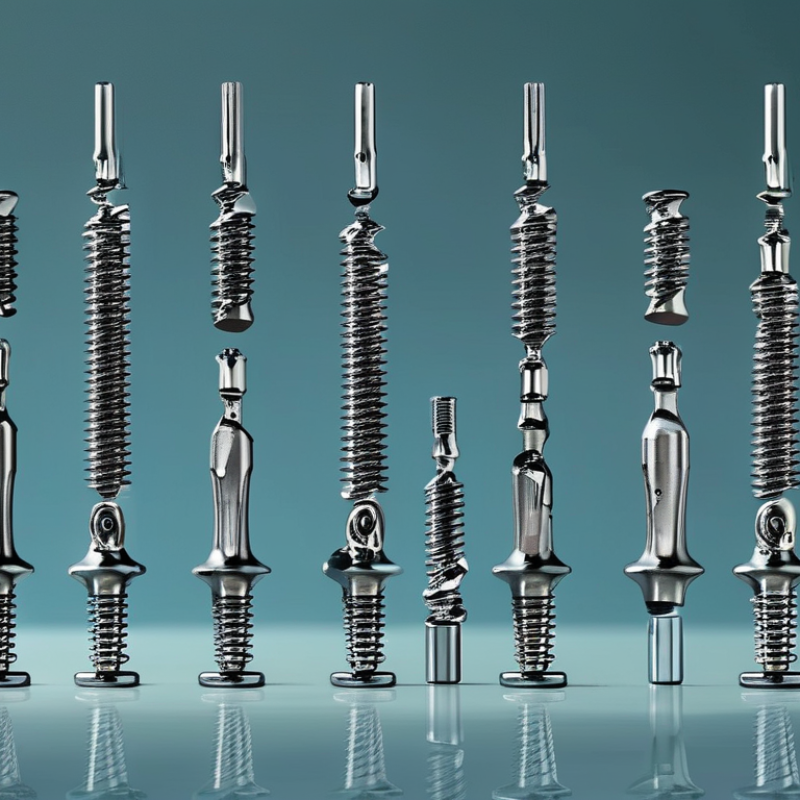
PFNA intramedullary nails are crucial in orthopedic surgeries, particularly for femoral fractures. Understanding the basic design features is vital for surgeons. These nails feature a unique, tapered design that enhances stability within the medullary canal. This design allows for easier insertion and improved alignment with the femur. A well-designed nail can reduce the risk of complications during surgery.
Another key aspect is the locking mechanisms. PFNA nails typically have multiple locking options, which provide options for customization. This allows surgeons to adjust the fixation according to the specific needs of the patient. However, the complexity of these designs can sometimes confuse inexperienced professionals. It’s important to understand each feature and its implications for patient outcomes.
Surgeons must also consider the nail's material. Most PFNA nails are made from titanium or stainless steel. Both materials offer strength, but they behave differently under stress. Understanding tensile strength and fatigue resistance is essential for optimal surgical outcomes. As with any surgical tool, careful consideration is necessary to select the right nail. Practice and experience will guide decisions in diverse scenarios.
| Feature | Description | Importance |
|---|---|---|
| Material | Titanium or stainless steel for strength and biocompatibility | Ensures durability and reduces risk of rejection |
| Diameter | Varies based on patient anatomy; common sizes include 9mm, 10mm, and 11mm | Critical for proper fit and stability |
| Length | Ranges from 300mm to 450mm | Must accommodate the length of the femur |
| Locking Mechanism | Variety of locking options to ensure stability | Enhances the fixation of the nail and reduces movement |
| Radiolucency | Ability to be seen on X-rays | Aids in post-operative monitoring |
| Surgical Technique | Specific techniques for insertion and alignment | Critical for achieving optimal outcomes |
intramedullary nails used for?
Elderly patients often have quicker recovery times with these implants.
They consider the fracture type, patient age, and bone health.
Unstable or displaced fractures are common indications.
X-rays and CT scans reveal detailed fracture insights essential for nail choice.
Past experiences with different nail designs can influence current decisions.
More active patients might need stronger and more robust nail options.
Yes, surgeons believe it can improve surgical outcomes.
The nail must fit the patient's anatomy well for optimal results.
It's crucial for enhancing skills and improving patient care.
Choosing the right PFNA Intramedullary Nails for surgical procedures is critical for ensuring optimal patient outcomes. Understanding the basics and design features of PFNA Intramedullary Nails is essential, as these implants are specifically utilized for the fixation of femoral neck fractures. The indications for using these nails extend to various fractures where stability is paramount.
Key factors to consider when selecting PFNA Intramedullary Nails include the patient's anatomy, the type of fracture, and the specific surgical technique employed. Additionally, assessing patient-specific anatomy can help in selecting the most appropriate nail length and diameter. Post-surgery, careful follow-up is necessary to monitor the healing process and address any complications that may arise, ensuring the effectiveness of the PFNA Intramedullary Nails in achieving successful recovery.
