Choosing the right Retrograde Femoral Nails for surgery is essential for patient outcomes. These nails are vital in treating femoral fractures, offering stability and promoting healing. However, the options can be overwhelming. Surgeons need to understand the materials, design, and fixation methods available.
Selecting Retrograde Femoral Nails involves more than just product features. It requires assessing the specific needs of each patient. Factors like age, fracture type, and bone quality play significant roles. The wrong choice can lead to complications or delayed recovery. Surgeons often rely on their experiences and expert opinions in these situations.
Despite the advancements in the design of Retrograde Femoral Nails, every surgeon faces challenges. Not every technique will suit all cases perfectly. Reflecting on past cases can provide invaluable insights. Understanding both successes and failures aids in making informed decisions for future surgeries.
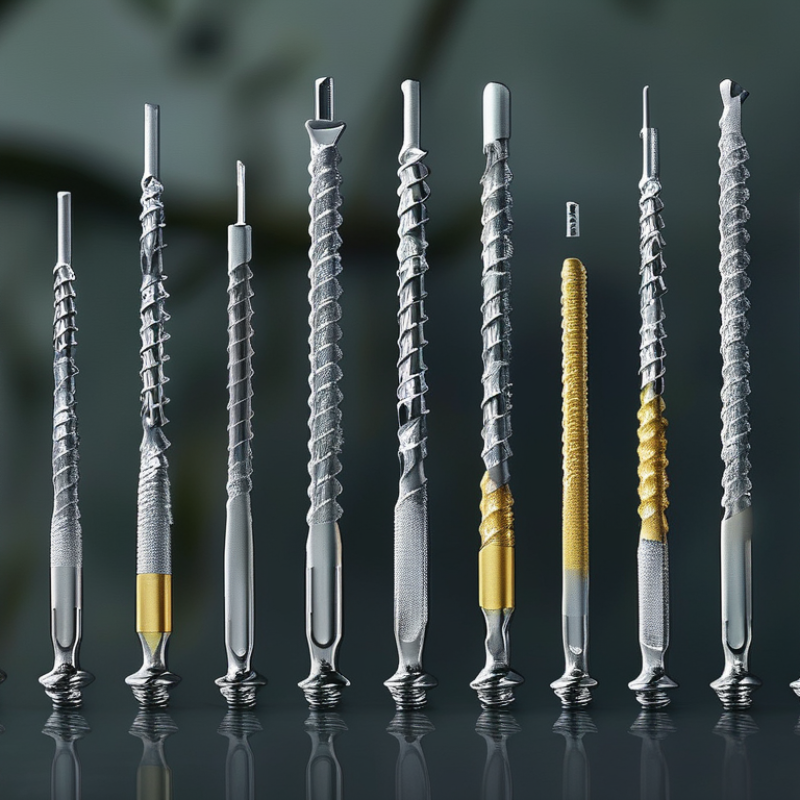
Understanding Retrograde Femoral Nails: An Overview
Retrograde femoral nails are a vital tool in the surgical management of femoral shaft fractures. These nails are inserted through the knee joint to stabilize the femur from the distal end. This technique can be particularly beneficial when dealing with complex fractures or cases with associated soft tissue injuries. According to the Journal of Orthopaedic Trauma, the success rate for these nails ranges between 80-90%. Such data highlights their reliability in surgical interventions.
When selecting the right retrograde femoral nail, it is crucial to consider several factors. The size and design of the nail must match the patient’s anatomy. A study published in the Journal of Bone and Joint Surgery points out that improper sizing can lead to complications, including infection and malunion, in up to 20% of cases. Hence, precise measurement and understanding the types of fractures is key to optimal surgical outcomes.
Surgeons must also reflect on their own experiences with retrograde nails. While many report excellent results, some may encounter difficulties during insertion or post-operative recovery. Learning from these cases can enhance surgical techniques and improve patient selection. Every case provides an opportunity for reflection and growth in surgical practice.
How to Choose the Best Retrograde Femoral Nails for Surgery?
| Feature |
Description |
Considerations |
| Material |
Commonly made from titanium or stainless steel for strength and biocompatibility. |
Choose based on patient's physiological conditions and bone quality. |
| Length Options |
Available in multiple lengths to accommodate different femur sizes. |
Proper length is crucial for effective stabilization and recovery. |
| Diameter Variations |
Various diameters allow for appropriate fitting according to bone canal size. |
Ensures proper fixation without causing fracture or complications. |
| Locking Mechanism |
Features both static and dynamic locking options for stability. |
Choose based on the desired mobilization and recovery speed. |
| Surgical Technique |
Retrograde insertion requires specific approaches and techniques. |
Careful planning and skill are necessary to avoid complications. |
Factors to Consider When Selecting Retrograde Femoral Nails
When selecting retrograde femoral nails for surgery, several factors play a critical role. The patient's age and activity level can dictate the best choice. Younger patients may require nails that promote faster recovery. Consider the anatomy of the fracture. Certain shapes might better fit specific injuries, enhancing stability. Surgical technique is another key factor. Some methods might demand more specialized nail designs.
Material should also be evaluated carefully. Titanium alloys are lighter and less prone to corrosion. However, stainless steel offers durability. The choice should reflect the patient's needs and the surgical team's preferences. Weight and length of the nail have a direct impact on postoperative recovery. Nails that are too long may complicate the healing process, while those that are too short can lead to instability.
Surgeons should also reflect on their past experiences with different nails. Not every nail performs the same in every case. It's vital to analyze previous outcomes and learn from them. Collaborating with a multidisciplinary team can also aid in making the best decision. Gathering insights from colleagues enhances overall knowledge. By considering these factors, surgical teams can improve patient outcomes and ensure a smoother recovery process.
Comparing Different Types of Retrograde Femoral Nails
When selecting retrograde femoral nails for orthopedic surgeries, understanding the different types is crucial. Each design has unique features that cater to specific patient needs. Factors such as material, length, and locking mechanisms play a significant role in decision-making. Surgeons often evaluate these characteristics before proceeding.
Certain designs are more innovative than others, focusing on flexibility and stability. For instance, some nails offer enhanced resistance to bending and breaking, which could improve durability in challenging cases. Additionally, interactive locking systems can provide better control during insertion, leading to efficient outcomes.
To optimize results, it’s vital to consider patient-specific factors. Weight, age, and bone quality can influence the effectiveness of different nails. Always refer to recent studies and expert guidelines for updates on advancements. Successful surgery begins with informed choices. Monitor surgical outcomes actively. It’s essential to learn from each case, adjusting techniques as necessary. This reflection will improve future practices, enhancing overall patient care.
Comparison of Different Types of Retrograde Femoral Nails
Evaluating Surgical Techniques for Retrograde Femoral Nail Insertion
Evaluating surgical techniques for retrograde femoral nail insertion requires an understanding of various methods and their outcomes. Recent studies indicate that using a fluoroscopic-guided approach can significantly reduce complications. According to a systematic review published in the Journal of Orthopaedic Trauma, the rate of malalignment in malleolar fractures decreased to 7.5% when using this method compared to 15% with traditional techniques.
Choosing the right surgical technique involves assessing the fracture type and patient characteristics. For instance, comminuted fractures often benefit from locking mechanisms that enhance stability. A report from the American Academy of Orthopaedic Surgeons stresses the importance of individualized planning. Surgeons should consider both the anatomy and biomechanics of the fracture site for optimal outcomes.
Consider these approaches when selecting techniques. Engage in thorough pre-operative discussions with your surgical team. Include detailed imaging studies to identify anatomical variations. Additionally, training and experience are vital. Ensure the surgical team has performed these procedures under various conditions before deciding on a method. Continuous education remains essential, as techniques and technologies evolve rapidly in the orthopaedic field.
Postoperative Management and Outcomes of Retrograde Femoral Nails
Retrograde femoral nails have gained attention for their effectiveness in treating femoral fractures. Postoperative management is crucial for optimal outcomes. Studies indicate that proper alignment during surgery significantly reduces complications. A recent report from the Journal of Orthopedic Surgery found that properly placed retrograde nails contribute to a 20% decrease in re-operation rates.
Proper care after surgery can influence recovery speed. Weight-bearing should be gradual, based on physician recommendations. Physical therapy is often beneficial, aiming to restore mobility and strength. It's important to monitor for signs of infection or complications, which can prolong recovery. According to a 2022 study, about 15% of patients experience delayed healing due to lack of adherence to postoperative protocols.
Communication with healthcare providers is vital. Patients must feel comfortable discussing any discomfort or concerns. Engaging in follow-up appointments ensures that healing progresses as expected. Monitoring the healing process through regular imaging can help identify issues early. Emphasizing adherence to these practices can lead to better recovery outcomes and improve the overall effectiveness of retrograde femoral nail procedures.
FAQS
: They stabilize femoral shaft fractures by inserting through the knee joint.
Success rates range from 80-90%, indicating their effectiveness in surgery.
Patient anatomy, age, activity levels, and type of fracture significantly influence selection.
Improper sizing can cause complications, such as infection, in up to 20% of cases.
Titanium alloys are lighter, while stainless steel offers greater durability and stability.
Certain techniques may require specialized nail designs for optimal stability and recovery.
Yes, analyzing previous outcomes helps surgeons refine techniques and improve decisions.
It aids in making informed decisions and enhances the overall surgical approach.
Factors like weight and bone quality can impact how well different nails perform.
Actively monitor outcomes and learn from each case to enhance patient care.
Conclusion
The article "How to Choose the Best Retrograde Femoral Nails for Surgery?" provides a comprehensive overview of Retrograde Femoral Nails, emphasizing their critical role in orthopedic surgery. It begins by explaining the fundamental characteristics and benefits of these nails, which are designed to address complex femoral fractures. The discussion then highlights key factors to consider when selecting the appropriate type, such as patient-specific anatomy and fracture patterns.
Further, the article compares various types of Retrograde Femoral Nails, focusing on their design features and clinical efficacies. Surgical techniques for insertion are evaluated, emphasizing the importance of precision for optimal outcomes. Finally, the article underscores the significance of postoperative management, detailing how proper care can influence recovery and long-term prognosis following the use of Retrograde Femoral Nails.
 Zynfuse
